Starting a business has always been regarded as a milestone in the entrepreneurial journey. Over the years, countless individuals have been inspired to take control of their futures by establishing small to medium-scale industries. However, to start your own industry successfully, it is essential that several key decisions are made carefully. Fortunately, with proper guidance, available resources, and emerging trends, a viable path can be followed by aspiring entrepreneurs.
To begin with, selecting the right industrial sector remains the most crucial decision. Indeed, the choice of industry can greatly influence long-term success. Nevertheless, due to evolving markets, rising consumer demands, and technology-driven processes, opportunities have multiplied across various domains. As a result, entrepreneurs are no longer restricted to conventional businesses.
Contents
Selecting the Right Industry Sector
Before any investment is made, industry sectors must be analyzed from multiple perspectives. These include market demand, raw material availability, existing competition, and technological requirements. For instance, sectors such as food processing, packaging, herbal cosmetics, plastic products, agro-industries, and renewable energy have been identified as promising options.
See Also : Beer & Wine Industry
Additionally, it should be noted that government support, subsidies, and startup incentives are being provided to several priority sectors. Thus, with policy advantages and access to finance, industrial ventures can be launched with less risk.
Food and Agro-Based Industries
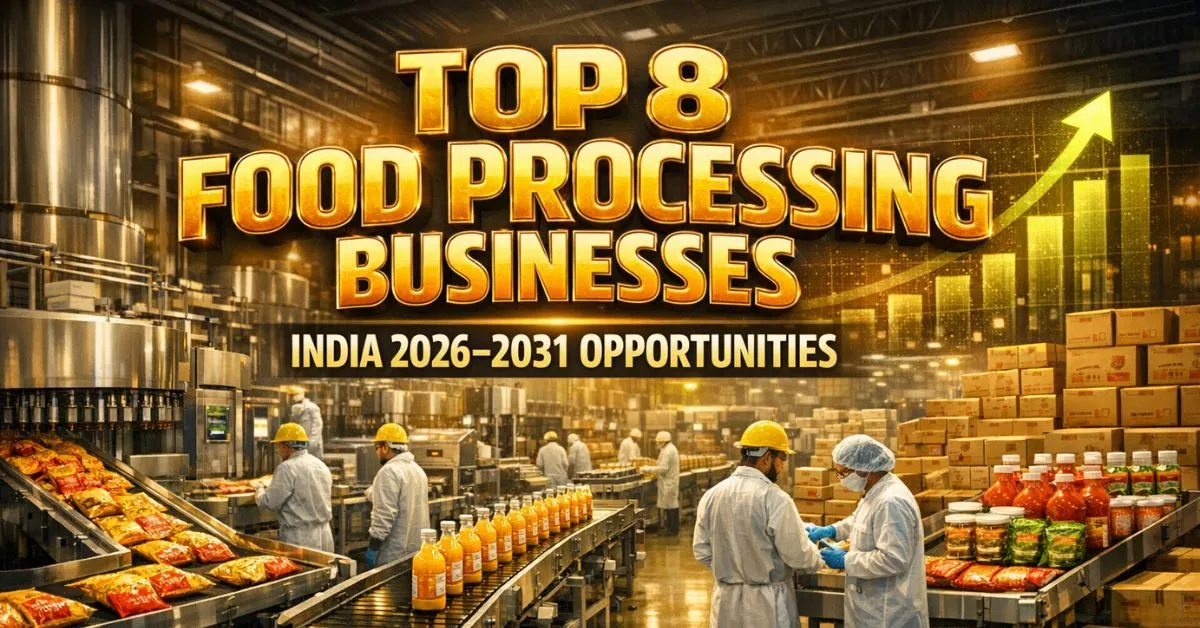
Among the fastest-growing sectors, food and agro-processing have continued to dominate. Since rural and semi-urban regions possess abundant raw materials, cost-effective manufacturing can be ensured. Products such as pickles, jams, spices, sauces, processed fruits, and vegetables are being widely consumed. In parallel, ready-to-eat and packaged snack industries have grown remarkably.
Moreover, employment opportunities are being created locally when these units are established. Therefore, this sector must be considered seriously by those planning to start your own industry.
Herbal and Ayurvedic Products
Owing to increasing awareness about wellness and traditional health remedies, herbal industries are gaining momentum. Items like herbal cosmetics, skin creams, shampoo, oils, ayurvedic medicines, and powders are preferred by modern consumers. Consequently, herbal product manufacturing has been promoted vigorously in India and abroad.
In fact, by using simple formulations and locally available plants, manufacturing can be started on a small scale. Furthermore, since this industry is less capital-intensive, returns on investment can be achieved sooner.
Plastic and Disposable Products
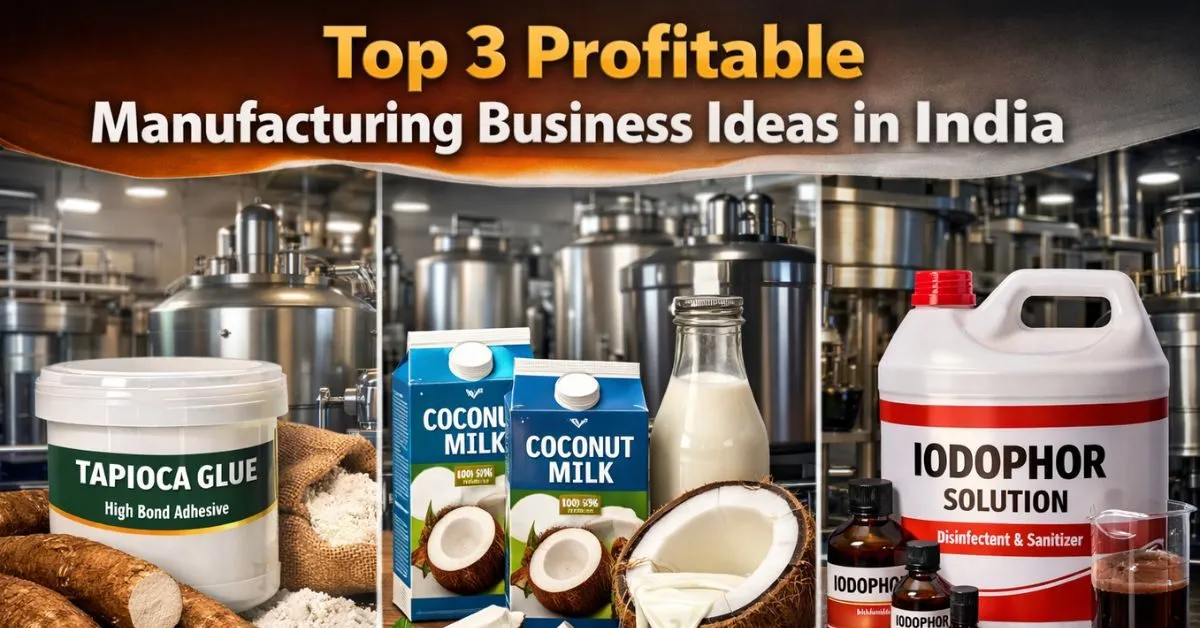
Due to the rising demand for convenience and hygiene, disposable products such as plastic cups, spoons, plates, carry bags, and containers are widely used. Their manufacturing processes have been simplified through the availability of automatic machinery. In addition, biodegradable plastic alternatives are also being adopted in response to environmental concerns.
Hence, this sector presents a lucrative business idea, particularly for entrepreneurs targeting fast-moving consumer markets. If scalability is intended, production units can be upgraded with minimal effort.
Packaging and Printing
With the explosion of online retail and e-commerce, packaging plays a central role in logistics and brand visibility. Corrugated boxes, paper bags, pouches, laminated films, shrink wraps, and cartons are in demand across sectors. Similarly, printing services on packaging materials can be offered by in-house units.
Thus, entrepreneurs are encouraged to explore packaging as a sustainable business option. Not only can this reduce dependence on external suppliers, but it can also improve product presentation significantly.
Renewable and Alternative Energy
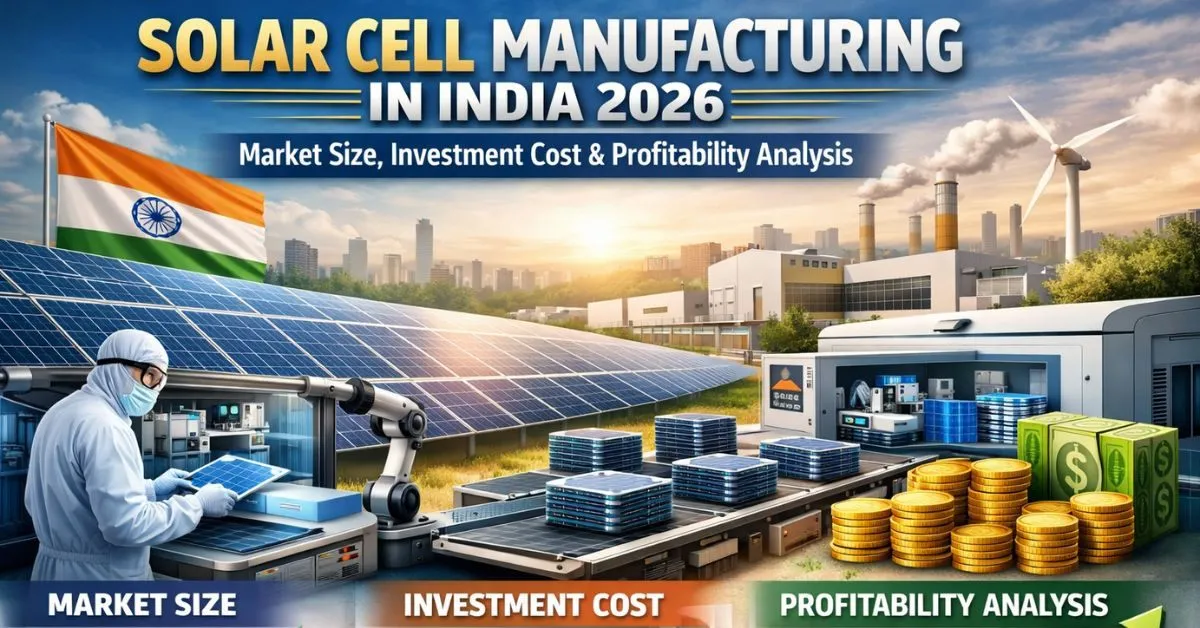
Clean energy projects such as biogas plants, solar panel assembly units, and biomass pellet manufacturing are being promoted by various government agencies. Moreover, carbon credit benefits and sustainability goals have made these projects highly attractive.
Since renewable energy is expected to dominate the future industrial landscape, early entry into this sector can provide a long-term edge. Therefore, entrepreneurs seeking to start your own industry with an environmental focus should explore these opportunities.
Planning and Setup of Industrial Units
Once the sector has been finalized, a detailed business plan should be prepared. Typically, this plan includes market analysis, raw material sourcing, technology selection, financial estimates, workforce requirements, and regulatory needs. Fortunately, professional consultants and project profiles can be referred to during this process.
Afterward, the selection of a suitable location becomes necessary. Factors such as land availability, proximity to raw material sources, logistics access, and skilled labor presence should be evaluated. Additionally, government-designated industrial parks can be explored for added incentives.
Machinery and Technology
The appropriate selection of machinery determines operational efficiency. Depending on the product, either semi-automatic or fully automatic machines can be installed. Furthermore, production capacity should be aligned with projected demand to prevent resource wastage.
Since technology is rapidly evolving, modern equipment with energy-saving features and low maintenance needs must be preferred. Installation services and warranties are usually offered by leading manufacturers.
Compliance and Licensing
Before commercial operations commence, several licenses and registrations are required. These include:
-
Udyam Registration (MSME)
-
GST Registration
-
Factory License
-
Pollution Control Board Approval (if applicable)
-
FSSAI License (for food-based units)
-
Import-Export Code (IEC) for international trade
Once these formalities have been completed, production can be initiated under legal compliance. Moreover, by maintaining safety standards and environmental regulations, long-term credibility can be ensured.
Marketing and Sales Strategy
Even after production begins, success cannot be guaranteed without effective marketing. As competition continues to grow, brand positioning, packaging design, pricing, and promotional campaigns become essential. Accordingly, both online and offline strategies must be adopted.
For instance, local markets, distributors, and retail chains can be targeted initially. Simultaneously, online marketplaces and B2B portals can be used to expand reach. In recent years, social media marketing and influencer endorsements have delivered excellent results, especially for consumer-centric products.
Moreover, export opportunities must be considered for select product categories. With India being part of several global trade agreements, overseas buyers can be approached through export promotion councils and trade fairs.
Financial Management and Profitability
While profits may not be seen immediately, consistent cash flow and financial planning will ensure stability. Accordingly, working capital needs should be calculated carefully. Furthermore, cost control measures must be implemented from the beginning.
Although initial investments might appear high in certain sectors, returns tend to improve gradually. Additionally, subsidies, tax benefits, and startup loans can ease the financial burden considerably. For this reason, schemes such as PMEGP, Mudra Loan, and Stand-Up India must be explored.
Proper record-keeping, inventory management, and vendor contracts can help in maintaining long-term efficiency. In many cases, accounting software and ERP tools are being used even in small-scale units for better control.
Scaling and Expansion
Once operations stabilize, expansion should be considered. Capacity can be enhanced through additional machines, new product lines, or extended working hours. Furthermore, branding and packaging improvements can raise market appeal.
It is often observed that successful units diversify into related products. For example, a unit making paper cups may also begin manufacturing paper plates and straws. This kind of diversification not only increases revenue but also strengthens the supply chain.
At the same time, partnerships and franchise models can be developed for wider coverage. Hence, with growth in mind, long-term planning must be adopted from the start.
Training and Employment Generation
It must not be forgotten that by choosing to start your own industry, valuable employment opportunities are created. Rural and semi-urban youth can be trained to operate machines, manage inventories, and handle packaging. Consequently, skill development and inclusive growth can be promoted.
Training programs sponsored by NSDC and MSME-DIs are available for industrial startups. Hence, both social impact and profitability can be achieved simultaneously.
Environmental and Social Responsibility
Today’s businesses are expected to operate sustainably. Therefore, waste reduction, energy conservation, and water recycling must be integrated into operations. Whenever feasible, renewable raw materials and eco-friendly packaging should be used.
Additionally, corporate social responsibility (CSR) activities may be implemented to support local communities. Whether through education initiatives or local infrastructure development, such efforts enhance brand reputation significantly.
Digital Integration and Automation
Digital tools can no longer be ignored in industrial operations. From inventory tracking to sales forecasting, software solutions improve accuracy. Additionally, automation in packaging, sorting, and labeling increases speed while reducing errors.
Therefore, to start your own industry successfully, digital transformation must be embraced early on. Not only will this enhance productivity, but it will also prepare businesses for global competition.
Support and Guidance
Aspiring entrepreneurs are not alone in this journey. Multiple organizations such as the Ministry of MSME, SIDBI, and NPCS (Niir Project Consultancy Services) offer valuable support in project planning, funding, and market linkage.
Thus, before initiating investment, expert consultations, training workshops, and feasibility reports should be utilized. By doing so, costly mistakes can be avoided.
See Also : Industrial Adhesives Market
Conclusion
In summary, industrial entrepreneurship is being reshaped by innovation, policy support, and rising market needs. Those willing to start your own industry can benefit from a wide range of sectors including food, herbal, packaging, and renewable energy. Through proper planning, technology selection, legal compliance, and effective marketing, business sustainability can be ensured.
Furthermore, digital adoption and environmental responsibility are becoming critical success factors. Since job creation and inclusive growth are also promoted through these ventures, the journey becomes meaningful beyond profit.
Hence, by making informed decisions and seeking available guidance, industrial success can definitely be achieved. Now is the right time to turn your entrepreneurial dream into a reality.