
How to Start a Manufacturing Business of Ethyl Acetate
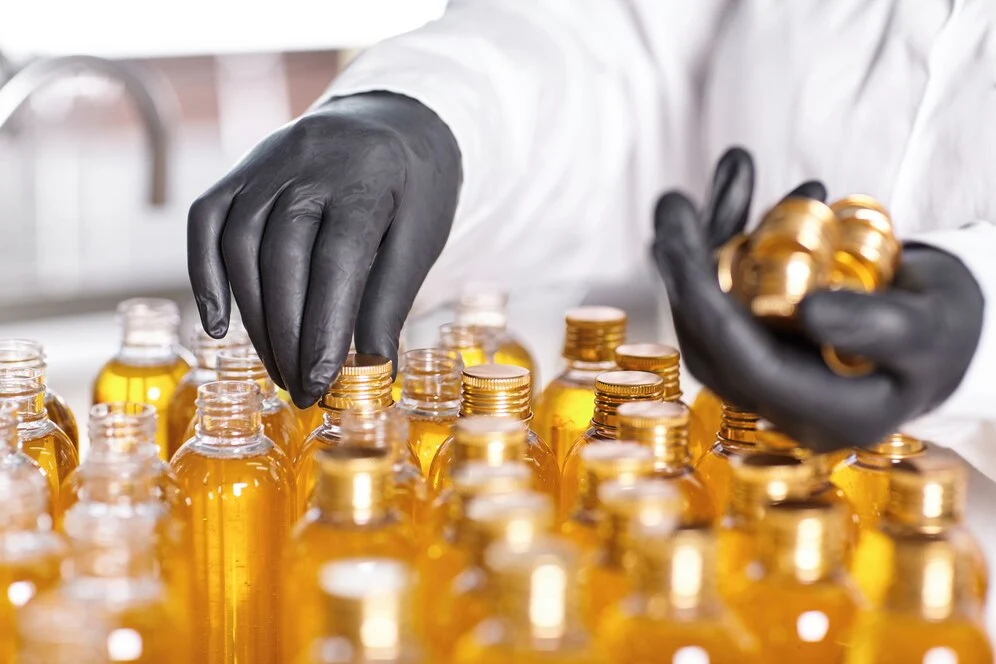
The height of starting a production service is a big-time commitment and any productive manufacturing business begin to take thoughtful determinations, important dollar investments in addition with an awareness of the industry. Ethyl acetate is widely used chemical compound in many areas among which food and beverage, cosmetic, and pharmaceutical industry. As a result, the manufacturing of ethyl acetate is an opportunity for entrepreneurs to start out as owners while offering their skills and with regards to resources. In this blog site, we will go over the steps entailed in setting up a production organization of ethyl acetate, which incorporates market research study, product creation, establishment format as well as lawful and regulatory compliance. The initial step in starting a manufacturing organization of ethyl acetate is to carry out complete market research to figure out the need for the product and the possible competition. Ethyl acetate is commonly utilized in numerous industries, as well as the need for the item is likely to be high. However, it is necessary to identify the particular industries and applications that are one of the most encouraging for your service. Visit this Page for More Information: Start a Business in Ethyl Acetate Production One of the steps in research can be to accumulate data on a number of web pages around the worldwide ethyl acetate market, as well as its manufacturing and usage profession. ​ You can also research the different uses of ethyl acetate and the industries that use it. This info will help you to recognize the need for ethyl acetate and the possible competitors in the market. In addition to marketing research, it is also important to conduct an usefulness research to determine the stability of your service. The usefulness study ought to think about elements such as the price of production, the potential market dimension, and also the competitors. Based upon the results of the feasibility study, you can make informed decisions regarding the stability of your company and also the possibility for development. As soon as you have carried out market research and also established the practicality of your business, the next action is to create the item. Ethyl acetate is an extensively used chemical compound, and the production process is well developed. Nevertheless, it is important to guarantee that your item meets the top quality criteria required by the markets that make use of the item. Related Business Plan: Ethyl Acetate Production Business To develop the item, you will need to perform considerable research study and also testing to determine the most reliable and also cost-efficient production process. You might likewise require to buy specialized devices and also innovation to ensure that the product fulfills the required top quality requirements. The next step in starting a production business of ethyl acetate is to establish a center for production. The center should be situated in a critical location that comes to the raw materials as well as the market for the item. The facility needs to also be furnished with the necessary framework, consisting of energies, transport, and storage facilities. Along with the physical setup of the center, you will certainly also need to establish a production procedure that is efficient as well as affordable. This will call for investing in the ideal tools as well as technology, along with working with and training a knowledgeable workforce. Read our Books Here: The Complete Technology Book on Chemical Industries Beginning a manufacturing company of ethyl acetate additionally requires compliance with numerous legal as well as regulative needs. This consists of acquiring the needed licenses and authorizations, in addition to meeting ecological as well as health and wellness laws. In addition to the lawful as well as regulative requirements, it is likewise necessary to make certain that your business abide by the relevant industry standards as well as guidelines. This includes getting accreditations, such as ISO 9001, which shows that your company satisfies the highest possible criteria for high quality as well as client satisfaction. Watch other Informative Videos: Ethyl Acetate Production Plant | Highly Profitable Business for Entrepreneurs Starting a manufacturing business of ethyl acetate can be a rewarding opportunity for entrepreneurs that have the best abilities and resources. Nevertheless, it calls for cautious planning and also a complete understanding of the industry to make certain success. Market research is essential to figure out the demand for the product and the prospective competitors, while product development is vital to make sure that the product meets the needed top quality criteria. The center configuration must place the facility in a calculated location and equip it with the required framework, while the business must comply with legal and regulatory demands to ensure success and sustainability. Visit the page Select and Choose the Right Business Startup for You for sorting out the questions arising in your mind before starting any business and know which start-up you can plan. We, at NPCS, endeavor to make business selection a simple and convenient step for any entrepreneur/startup. Our expert team, by capitalizing on its dexterity and decade’s long experience in the field, has created a list of profitable ventures for entrepreneurs who wish to diversify or venture. The list so mentioned is updated regularly to give you a regular dose of new emerging opportunities. Businessmen and entrepreneurs might benefit from obtaining detailed reports from NPCS (Niir Project Consultancy Services), and they soon recognize this through resource sales. Following are few justifications for purchasing NPCS report: Contact Us
World of Cosmetics and Perfumery: A Comprehensive Guide for Entrepreneurs

Step-by-Step Manufacturing of Polyester Putty

Contact Us
Sodium Methoxide Production: A Comprehensive Guide to Industrial Manufacturing

Sodium methoxide (CH?ONa) is a powerful organic base and a critical chemical reagent used across diverse industrial sectors, including pharmaceuticals, agrochemicals, biodiesel production, and dyes. It serves as a catalyst and reactant in transesterification, deprotonation, and other organic synthesis reactions. With the increasing global demand for biofuels and green chemistry, sodium methoxide production has emerged as a strategic focus for chemical manufacturers worldwide.
Turning Waste into Wealth: Evaluating the Feasibility of Cow Dung-Based Products
Contact Us
Unleashing Manufacturing Potential: 60 Profitable Business Ideas in Nepal

Nepal is an emerging hub of entrepreneurial opportunities, especially in the manufacturing sector. With an abundance of natural resources, growing urbanization, and increasing demand for local products, the scope for starting a manufacturing business in Nepal is incredibly promising. Whether you’re a budding entrepreneur or an experienced investor, tapping into this potential can lead to sustainable and profitable ventures. In this article, we explore 60 profitable business ideas in Nepal that can help drive economic growth while delivering high returns.
The Case for Starting a Wheat Value-Added Products Business

In today’s fast-paced agri-business environment, value added products of wheat are emerging as a powerful trend, revolutionizing the traditional wheat industry. As global food preferences shift toward convenience, health, and sustainability, the demand for diversified wheat-based products is growing exponentially. Launching a wheat value-added products business not only taps into this thriving market but also ensures improved profitability, reduced post-harvest losses, and a sustainable supply chain model. What are Value Added Products of Wheat? Value added products of wheat refer to a wide range of items derived from primary wheat processing but enhanced through innovative processing, packaging, branding, and marketing. These products go beyond raw flour and cater to diverse culinary and lifestyle demands. Visit this Page for More Information: Start a Business in Food Processing Examples of Wheat Value-Added Products: Whole wheat pasta and noodles Multigrain and fortified wheat flours Wheat germ and bran-based snacks Ready-to-eat chapatis and parathas Breakfast cereals from wheat flakes High-protein wheat cookies and biscuits Organic wheat-based baby food Instant wheat porridge mixes By converting basic wheat into market-ready, consumer-centric products, entrepreneurs can substantially increase their product’s market value. Why Start a Wheat Value-Added Products Business? 1. Rising Demand for Healthy and Convenient Food With a global rise in lifestyle diseases, health-conscious consumers are demanding whole grain, fiber-rich, and nutrient-dense products. Wheat fits the bill perfectly. Value-added wheat products like multigrain atta, bran-rich biscuits, and low-GI wheat snacks cater to this segment seamlessly. 2. Profitable Business Model Compared to selling raw wheat, processing it into value-added forms yields higher margins. For instance, converting wheat into organic pasta or ready-to-cook mixes can offer profits up to 200% more than raw grain sales. 3. Employment Generation and Rural Empowerment This industry boosts employment in food processing, packaging, distribution, and marketing. It supports farmers by increasing the usability of every part of the wheat grain — from bran to germ. 4. Government Support and Subsidies Governments are actively promoting agribusiness startups. From subsidies on machinery to skill development programs and tax benefits, support is readily available. Comprehensive Market Analysis for Wheat-Based Products Global and Indian Market Trends The global whole grain and functional food market is projected to reach USD 75 billion by 2030, and wheat-based products contribute a significant share. In India, the market for value added wheat products like whole wheat pasta, ready-to-cook parathas, and cereal bars is witnessing 20-30% annual growth. Consumer Segments to Target: Urban health-conscious millennials Working professionals seeking convenience Diet-conscious and diabetic patients Parents looking for healthy food for children Institutional buyers like schools, hospitals, airlines How to Start a Value Added Wheat Products Business 1. Business Plan and Product Strategy Start with market research. Identify gaps — are there gluten-free wheat snacks missing in your region? Does your local market lack organic or fortified atta? Build your product line around consumer needs. Define your USP — whether it’s health, flavor, convenience, or affordability. 2. Infrastructure and Machinery Depending on your product range, you’ll need: Roller flour mills Mixing and blending machines Extrusion units (for noodles and pasta) Packing and sealing equipment Quality testing labs Invest in automated or semi-automated machinery to maintain hygiene and consistency. 3. Sourcing Raw Material Procure high-quality wheat directly from farmers or through FPOs (Farmer Producer Organizations). For organic or fortified products, ensure certification and traceability. 4. Product Development and R&D Innovation is key. Collaborate with food technologists to develop recipes, extend shelf life, and enhance taste. Incorporate superfoods like flaxseed, quinoa, or herbs to increase nutritional value. 5. Branding and Packaging Attractive, informative, and eco-friendly packaging enhances market appeal. Highlight product benefits — “high fiber,” “low GI,” “no preservatives,” etc. Focus on convenience — resealable pouches, microwaveable trays, and single-serve packs are consumer favorites. 6. Licensing and Certification Obtain FSSAI registration, GST, MSME, and local health certifications. For exports, consider ISO, HACCP, and organic certifications. Read our Book Here: Handbook on Drying Effective Marketing Strategies for Wheat Value-Added Products Digital Marketing and E-Commerce Build a strong online presence. Use SEO, social media, and influencer marketing to target your audience. List your products on platforms like Amazon, BigBasket, Flipkart, and your own D2C website. Retail and Distributor Networks Distribute through modern retail chains, health stores, local kiranas, and institutional bulk buyers. Offer attractive margins to channel partners. Sampling and BTL Campaigns Offer free samples at supermarkets, gyms, yoga studios, and health expos. BTL (Below-the-Line) activities drive brand recall. Sustainability as a USP Highlight eco-friendly practices in sourcing, packaging, and production. Today’s conscious consumers value brands that care about the environment. Financial Overview and Expected ROI Initial Investment Estimate: Component Cost (Approx.) Plant & Machinery ?15–25 lakhs Setup & Utilities ?5–10 lakhs Raw Material (3 months) ?3–5 lakhs Licensing & Branding ?2–3 lakhs Marketing & Working Capital ?5–10 lakhs Total: ?30–?50 lakhs (for small to mid-scale setup) ROI Expectation: With proper branding and distribution, breakeven is possible within 12–18 months. Net profit margins can range from 20–40%, depending on the product mix and market penetration. Related Feasibility Study Report: Setup Wheat Processing Unit Challenges and Solutions Challenge 1: Supply Chain Complexity Solution: Build reliable supplier and distributor networks. Use ERP systems for inventory and logistics management. Challenge 2: Consumer Awareness Solution: Invest in educational content. Explain the health benefits of your wheat products through blogs, videos, and campaigns. Challenge 3: Shelf Life Solution: Employ vacuum sealing, natural preservatives, and nitrogen flushing to enhance product shelf life without compromising nutrition. Conclusion: A Golden Opportunity for Aspiring Agri-Entrepreneurs The business of value added products of wheat is not just a trend — it’s a strategic move toward future-ready agribusiness. From providing consumers with healthier alternatives to ensuring profitability and sustainability, the sector holds immense promise. If you are looking for a high-potential, scalable, and socially impactful business, investing in wheat-based value addition can yield long-term rewards. With the right planning, infrastructure, and marketing, you can carve a strong niche in this rapidly growing market. Contact Us
Waste to Wealth: Opportunities in Vermiculture

Vermiculture, the art and science of using earthworms to convert organic waste into valuable products, presents immense opportunities in sustainable agriculture, waste management, and eco-friendly business ventures. As global awareness about environmental preservation grows, opportunities in vermiculture have expanded beyond traditional farming to include commercial, environmental, and social benefits. This article delves into the diverse prospects vermiculture offers and why investing in it is a strategic move for individuals, businesses, and communities. Understanding Vermiculture and Its Economic Potential Vermiculture involves cultivating earthworms, primarily species like Eisenia fetida (red wigglers), to decompose organic matter into nutrient-rich compost known as vermicompost. This process not only reduces landfill waste but produces a highly effective organic fertilizer that improves soil fertility, structure, and crop yield without harmful chemicals. From an economic standpoint, vermiculture transforms otherwise discarded organic waste—kitchen scraps, agricultural residues, and industrial byproducts—into marketable commodities. The vermicompost, vermiwash (nutrient-rich liquid byproduct), and live earthworms themselves have established markets in agriculture, horticulture, and environmental remediation. The growth in organic farming and sustainable landscaping fuels the demand for vermicompost, creating a lucrative opportunity for entrepreneurs to enter this green business. Furthermore, vermiculture operations require low investment, minimal land, and relatively simple technology, making it accessible to smallholders, startups, and even urban enterprises. Visit this Page for More Information: Start a Business in Biotechnology Sector Diverse Business Models Capitalizing on Vermiculture 1. Vermicompost Production and Sales The most common and profitable model is the production of vermicompost, which can be sold to organic farmers, gardeners, nurseries, and landscaping companies. Vermicompost has several advantages over chemical fertilizers, such as improved nutrient retention, enhanced microbial activity, and better water-holding capacity of soils. Scaling up vermicompost production requires proper worm bed management, organic feedstock sourcing, and quality control to meet market standards. Branding vermicompost as a premium organic fertilizer can command higher prices, especially in regions with strong organic farming movements. 2. Live Earthworm Supply Another significant opportunity in vermiculture is selling live earthworms to fish farmers, poultry farmers, and vermicompost producers themselves. Earthworms serve as high-protein feed for fish and poultry, and consistent demand exists in aquaculture and animal husbandry sectors. Cultivating earthworms for live sale demands specialized breeding techniques, climate control, and packaging solutions to maintain worm vitality during transport. 3. Vermiwash and Bio-Pesticides Vermiwash, a nutrient-dense liquid extracted from worm beds, is gaining popularity as a natural plant growth enhancer and bio-pesticide. Entrepreneurs can tap into the niche market for organic plant care products by developing vermiwash-based formulations. Processing vermiwash for commercial distribution involves filtration, dilution, and packaging, often accompanied by marketing campaigns targeting organic farmers and home gardeners. 4. Waste Management and Environmental Services Municipalities, food processing units, and agricultural industries generate tons of organic waste daily. Partnering with these entities for waste collection and processing through vermiculture provides a sustainable waste management solution that reduces landfill pressure and greenhouse gas emissions. Businesses can monetize waste management by charging fees or by selling the resulting vermicompost. This approach also attracts government subsidies and grants aimed at promoting circular economy models. Sustainability and Environmental Benefits Driving Vermiculture Growth The environmental advantages of vermiculture contribute significantly to its rising popularity and investment potential. Organic waste conversion reduces methane emissions from landfills, mitigates soil degradation, and promotes biodiversity in agricultural lands. Additionally, vermicompost enhances carbon sequestration in soils, contributing to climate change mitigation. By promoting vermiculture, societies can reduce dependence on synthetic fertilizers, which are energy-intensive to produce and cause long-term soil and water pollution. Growing consumer preference for eco-friendly products and regulatory policies supporting sustainable agriculture further catalyze the expansion of vermiculture-based businesses. Technological Innovations Enhancing Vermiculture Efficiency Advancements in vermiculture technology have made operations more efficient and scalable. Innovations such as automated feeding systems, climate-controlled worm beds, and mechanized vermicompost harvesting reduce labor costs and increase productivity. Digital tools for monitoring worm health, moisture levels, and temperature optimize production cycles. Mobile apps and e-commerce platforms enable producers to connect directly with customers, expanding market reach beyond local boundaries. Research into new worm species with higher processing capacity and enhanced resistance to environmental stress opens new avenues for commercial vermiculture. Related Feasibility Study Reports: Biotechnology, Bio-Technology Training, Education, and Community Engagement: Unlocking Vermiculture Potential Educating farmers, entrepreneurs, and communities about vermiculture’s benefits and techniques is critical to unlocking its full potential. Training programs, workshops, and demonstration farms help disseminate knowledge on worm breeding, organic waste management, and product marketing. Government and non-governmental organizations can play pivotal roles in promoting vermiculture as a tool for rural livelihood generation, urban waste recycling, and sustainable agriculture. Engaging schools and communities in vermiculture projects fosters environmental stewardship and generates local employment opportunities. Challenges and Solutions in Vermiculture Ventures Despite abundant opportunities in vermiculture, certain challenges must be addressed for successful implementation: Feedstock consistency: Reliable supply of organic waste is crucial. Solutions include partnerships with local restaurants, markets, and farms. Climate sensitivity: Worms require optimal temperature and moisture. Climate-controlled setups or seasonal adjustments are necessary. Market awareness: Educating potential buyers on vermicompost benefits helps create demand. Strategic marketing and certifications (e.g., organic labels) increase product acceptance. Quality control: Ensuring contamination-free compost builds trust. Regular testing and adherence to standards are vital. Addressing these challenges through innovative approaches and stakeholder collaboration ensures sustainable growth in vermiculture enterprises. Read our Books Here: Biofertilizer, Biofertiliser,Biogas, Organic Farming, Vermicompost, Vermiculture, Biotechnology Future Outlook: Scaling Vermiculture for a Greener Economy The future of vermiculture looks promising, given its alignment with global sustainability goals and circular economy principles. Governments worldwide are incorporating vermiculture into policies for waste reduction, organic farming promotion, and rural development. Investment in vermiculture research, infrastructure, and marketing will unlock new markets and increase profitability. Collaboration between private sector, academia, and policymakers can lead to standardized practices and certifications, further legitimizing vermiculture products. As awareness grows, vermiculture will evolve from a niche practice into a mainstream industry, driving environmental, economic, and social benefits on a global scale. Contact Us
What is an Industrial Gas Plant?

An industrial gas plant specializes in producing, storing, and distributing various types of gases essential for industrial applications. These plants serve a wide array of industries, including healthcare, manufacturing, metallurgy, food processing, and energy. They typically categorize the gases they produce into atmospheric gases (oxygen, nitrogen, argon), process gases (hydrogen, carbon monoxide, syngas), and specialty gases. Understanding the Functionality of an Industrial Gas Plant At its core, an industrial gas plant is engineered to separate and purify gases from the atmosphere or chemical feedstocks using sophisticated technologies. The two primary sources for gas production include: Air Separation Units (ASUs) for atmospheric gases Steam Methane Reforming (SMR) and Partial Oxidation (POX) for hydrogen and syngas These processes rely on precise thermodynamic, cryogenic, or chemical reactions to yield high-purity gases suitable for industrial use. Visit this Page for More Information: Start a Business in Industrial Gases Industry Types of Gases Produced in an Industrial Gas Plant 1. Oxygen (O?) Used extensively in medical facilities, steel production, welding, and wastewater treatment. Industrial oxygen is produced via cryogenic distillation of air or pressure swing adsorption (PSA) methods. 2. Nitrogen (N?) Vital in food packaging, electronics manufacturing, and as an inert atmosphere in chemical processes. Nitrogen is commonly produced through ASUs or membrane separation technologies. 3. Argon (Ar) Extracted during the oxygen and nitrogen separation process, argon is crucial in arc welding, semiconductor manufacturing, and as a shielding gas. 4. Hydrogen (H?) A key component in ammonia production, petroleum refining, and as a clean energy source. Produced via steam methane reforming, hydrogen is stored under high pressure or as a cryogenic liquid. 5. Carbon Dioxide (CO?) Collected as a byproduct in hydrogen plants or fermentation processes, CO? is used in carbonated beverages, fire suppression systems, and enhanced oil recovery. 6. Specialty Gases Including helium, acetylene, xenon, neon, and krypton, these gases are tailored for niche applications in aerospace, medical imaging, and lighting. Key Components of an Industrial Gas Plant An effective industrial gas plant integrates various units, each responsible for a critical stage in gas production: Air Compression Systems – Draw and compress atmospheric air for separation Pre-Cooling Units – Reduce air temperature before processing Molecular Sieve Units – Eliminate moisture and CO? from air feed Cryogenic Distillation Columns – Separate air into oxygen, nitrogen, and argon Storage Vessels – Hold gases in liquid or compressed form Distribution Networks – Pipelines, cylinders, or tankers used for delivery Each component must be meticulously designed to ensure operational efficiency, safety, and product purity. Related Feasibility Study Reports: Industrial Gases Technologies Used in Industrial Gas Plants Cryogenic Distillation This time-tested technique cools air to extremely low temperatures until it liquefies. Operators then separate the liquids based on their boiling points. This method produces large volumes of high-purity gases efficiently. Pressure Swing Adsorption (PSA) This non-cryogenic method separates gases using adsorbent materials like zeolites. Small to medium-sized plants commonly use PSA systems to generate oxygen or nitrogen. Membrane Separation Utilizes selective permeable membranes to separate gases. Efficient for nitrogen production and certain specialty gas mixtures. Steam Methane Reforming (SMR) Involves reacting methane with steam to produce hydrogen. This is the most prevalent technology for large-scale hydrogen production in refineries and chemical industries. Applications of Gases from Industrial Gas Plants Healthcare Industry Medical-grade oxygen supports life-saving treatments in hospitals, and medical professionals use nitrous oxide as an anesthetic. Pharmaceutical manufacturers rely on high-purity nitrogen in their production environments. Metallurgy and Steel Industry Oxygen aids in blast furnace operations and enhances combustion, improving the efficiency of steel manufacturing. Chemical and Petrochemical Industries Hydrogen is integral to hydrocracking and desulfurization processes in refineries. Nitrogen serves as a blanket gas for chemical storage. Food and Beverage Sector Carbon dioxide is used in carbonation, while nitrogen preserves packaged foods by displacing oxygen and moisture. Electronics and Semiconductor Industry Ultra-high purity gases like argon, nitrogen, and hydrogen are used in wafer fabrication and device assembly processes. Safety and Environmental Considerations Operating an industrial gas plant involves handling gases under high pressure and cryogenic temperatures. Strict safety protocols must be in place to manage risks such as leaks, explosions, and frostbite. These include: Gas Leak Detection Systems Explosion-Proof Equipment Regular Maintenance and Inspections Personnel Training and PPE Usage From an environmental standpoint, many industrial gas plants are transitioning to green hydrogen and carbon capture solutions to reduce their carbon footprint and align with global sustainability goals. Read our Book Here: The Complete Book on Industrial Gases Industrial Gas Plant Operations and Maintenance Efficient operation of an industrial gas plant hinges on: Advanced Monitoring Systems – SCADA and PLC systems for real-time control Predictive Maintenance – AI and IoT for minimizing unplanned downtimes Energy Optimization – Reducing electricity consumption in compressors and refrigeration cycles Routine calibration, inspection, and component replacement ensure the longevity and safety of plant infrastructure. Future Trends in Industrial Gas Plants Industrial gas plants are shifting their focus toward sustainability, automation, and decentralization. They are adopting key trends such as: Green Hydrogen Production using electrolysis powered by renewable energy Mini and Modular Gas Plants for localized production Digital Twin Technology for real-time simulation and control Integration with Renewable Energy Sources for lower carbon emissions Investments in R&D are accelerating to meet the demands of clean energy transitions and increasing industrialization globally. Conclusion An industrial gas plant is the heartbeat of modern industry, supplying vital gases that drive efficiency, innovation, and productivity. From cryogenic air separation to cutting-edge hydrogen production, these facilities are engineering marvels built to meet stringent quality, safety, and sustainability standards. Contact Us
Why Avocado Oil is the Next Big Thing and How to Produce It

Contact Us