
1800HP Bugatti SUV? Deep Dive into the “Centurion” Design Study
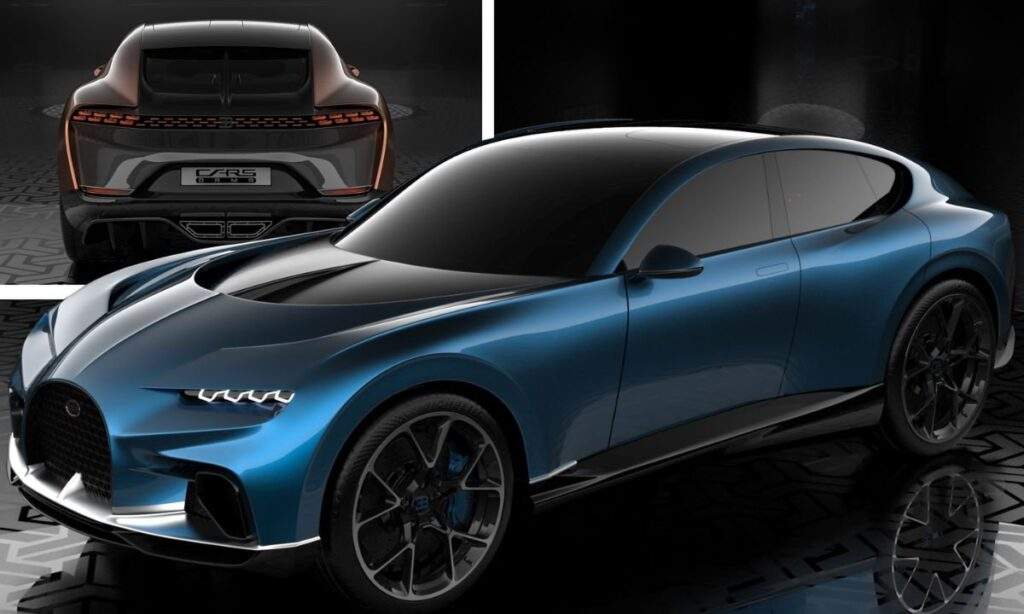
The idea of an 1800-horsepower Bugatti SUV sounds almost unreal, yet the internet is buzzing about a radical design study known as the “Centurion.” While not an official production announcement, the concept imagines what could happen if Bugatti pushed its extreme performance philosophy into the SUV space. A Concept That Breaks Traditional Boundaries The Centurion is not meant to be subtle. It takes Bugatti’s reputation for excess and applies it to a high-riding, ultra-wide SUV silhouette that looks more like a hypercar on stilts than a family vehicle. The design study leans heavily into drama, using sharp surfaces, massive air channels, and proportions that clearly prioritize performance over practicality. Even as a visual exercise, it challenges the idea of what an SUV from a hypercar brand could be. What the 1800HP Claim Really Suggests The headline-grabbing 1800HP figure is best viewed as a theoretical ceiling rather than a promise. It reflects the kind of output Bugatti is known for rather than a confirmed specification. In the context of the Centurion study, that number serves to underline the intent of the design rather than define a realistic roadmap. Design Language Rooted in Bugatti DNA Despite its SUV form, the Centurion borrows heavily from familiar Bugatti cues. The signature horseshoe grille is reinterpreted for a taller front end, while the sweeping side profile echoes the brand’s iconic C-line. Large wheels, aggressive aerodynamics, and a low roofline help maintain a hypercar stance, even in SUV form. The result is a design that feels unmistakably Bugatti, even as it explores unfamiliar territory. Why an SUV Concept Makes Sense Right Now High-performance luxury SUVs have become a powerful trend, attracting buyers who want speed without sacrificing presence or usability. A Bugatti SUV, even as a concept, fits into this broader shift. The Centurion design study seems to ask a simple question: if brands known for performance can build SUVs, how extreme could Bugatti take it? Concept Versus Reality It is important to separate imagination from confirmation. The Centurion remains a design study, not a preview of an upcoming model. There are no official timelines, specifications, or production plans attached to it. Still, concepts like this often influence future design language, even if the exact vehicle never reaches the road. Final Thoughts The 1800HP Bugatti Centurion SUV concept is less about numbers and more about possibility. It stretches expectations and invites enthusiasts to rethink what a Bugatti could be in a changing automotive world. Whether it stays a digital fantasy or inspires something real, the Centurion succeeds in doing what bold concepts do best: starting conversations.
2026 Bugatti Is INSANE – The Hypercar That Redefines Speed and Luxury Forever
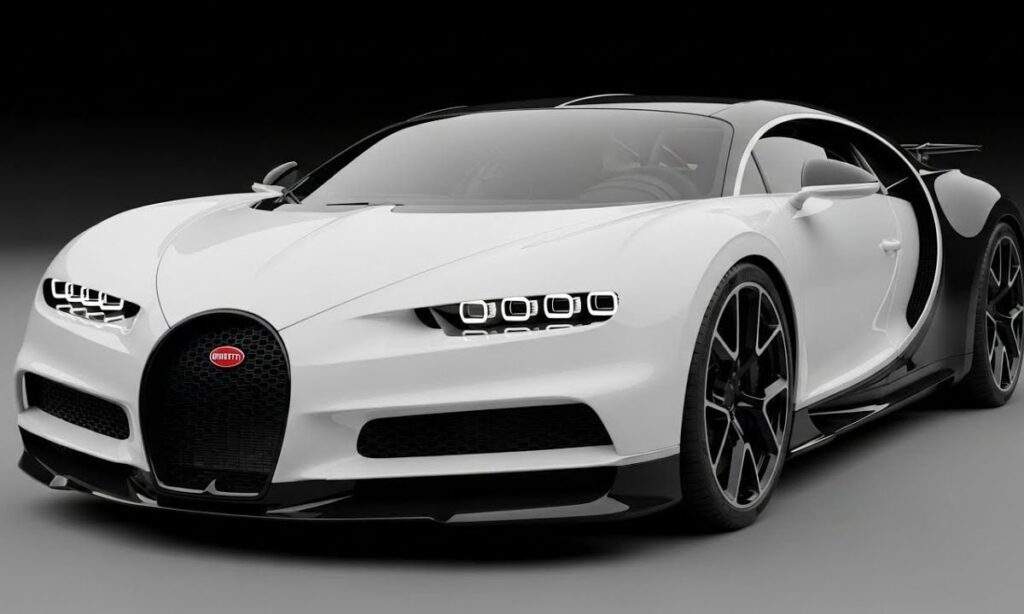
The 2026 Bugatti arrives like a shockwave through the automotive world, instantly resetting expectations for what a hypercar can be. This machine is not just about being faster or more expensive, it is about pushing engineering, design, and craftsmanship into territory few thought was still possible. A New Chapter for Bugatti Performance For 2026, Bugatti is clearly signaling that raw speed alone is no longer the full story. The latest hypercar blends extreme performance with a refined driving experience that feels more deliberate and controlled. Every component is designed to work in harmony, delivering power in a way that feels both brutal and elegant, whether on a closed circuit or a high-speed grand tour. Design That Looks Like It’s Moving at Rest Visually, the 2026 Bugatti is dramatic without feeling chaotic. The bodywork flows with purpose, shaped by airflow rather than decoration, yet the end result is unmistakably luxurious. The proportions are low and wide, the surfaces tightly sculpted, and the details restrained but precise, creating a car that looks timeless rather than trendy. Technology Built Around the Driver Inside, the focus shifts from spectacle to control. The cabin wraps around the driver with a sense of intention, combining advanced digital systems with traditional craftsmanship. Nothing feels added for show, and every control appears exactly where it should be, reinforcing the idea that this hypercar is meant to be driven, not just admired. Speed Without Compromise What truly separates the 2026 Bugatti from its rivals is how it delivers its performance. The power is immense, but it is deployed smoothly and predictably, making extreme speeds feel surprisingly manageable. This balance allows drivers to explore the car’s limits with confidence, redefining what it means to feel safe inside a hypercar. Luxury That Goes Beyond Materials Luxury in the 2026 Bugatti is not just about fine leather or metal finishes, it is about experience. From the moment the doors close, the outside world feels distant. Noise, vibration, and distraction are carefully managed, allowing occupants to enjoy speed without stress, a rare achievement in the hypercar segment. A Statement About the Future This Bugatti is more than a new model, it is a declaration. It shows that the brand believes the future of hypercars lies in balance, where speed, comfort, and craftsmanship coexist without compromise. In doing so, it sets a benchmark that will challenge the entire industry for years to come. Final Report The 2026 Bugatti is not trying to impress with numbers alone. Instead, it redefines speed and luxury by making them feel natural together. In a world obsessed with extremes, this hypercar proves that true insanity lies in perfect control.
2026 Rolls-Royce Spectre – Interior, Exterior and Features
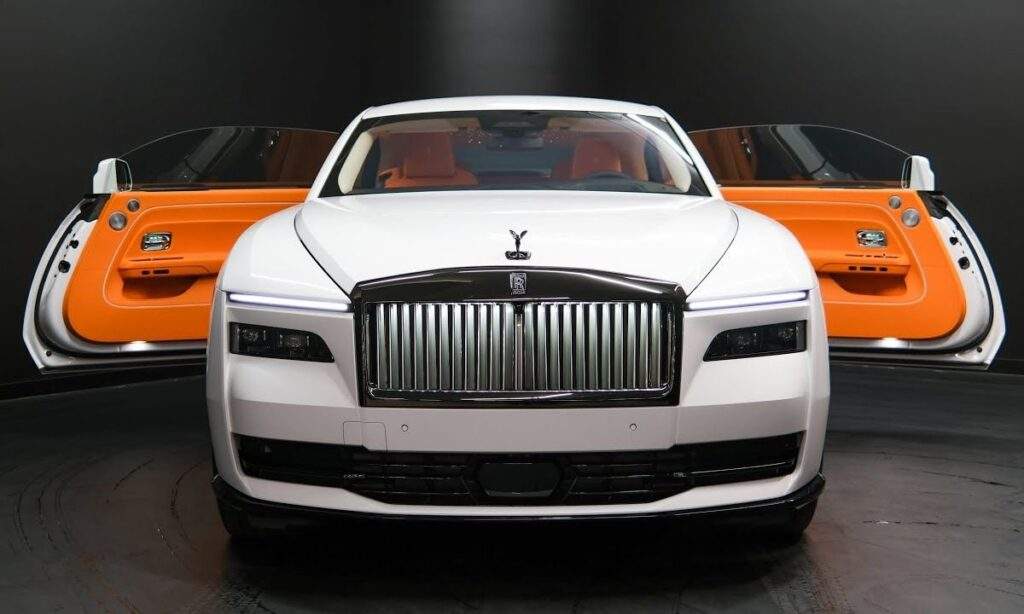
The 2026 Rolls-Royce Spectre represents a major step forward for the brand as it blends classic luxury with a fully electric future. Designed to feel familiar yet forward-looking, the Spectre focuses on comfort, presence, and advanced technology without losing the calm character Rolls-Royce is known for. Exterior Design That Feels Timeless Yet Modern The exterior of the 2026 Spectre stays true to Rolls-Royce tradition while quietly introducing a more modern electric identity. Its long, clean profile and smooth surfaces are designed to reduce visual noise and enhance elegance rather than chase trends. The iconic grille remains, but it is reimagined to suit an electric drivetrain, giving the front end a confident but restrained look. From a distance, the Spectre feels instantly recognizable, yet closer inspection reveals subtle details that signal a new era for the brand. A Cabin Built Around Silence and Craftsmanship Inside, the Spectre places comfort and craftsmanship above everything else, using the quiet nature of electric driving to elevate the experience. The cabin is designed to feel like a private lounge, with materials and finishes that focus on touch, warmth, and calm. Technology and Features Designed to Stay Out of the Way Rather than overwhelming occupants with screens and alerts, the Spectre’s technology is carefully integrated to feel intuitive and unobtrusive. Everything is meant to work quietly in the background, supporting the drive instead of dominating it. Electric Performance With the Rolls-Royce Feel The Spectre’s electric setup is tuned for smoothness instead of excitement, delivering power in a calm and controlled way. Acceleration is effortless and nearly silent, reinforcing the feeling of floating rather than driving. The suspension and chassis are engineered to isolate road imperfections, making the car feel stable and relaxed at all speeds. This approach ensures that even as an electric vehicle, the Spectre feels unmistakably like a Rolls-Royce from behind the wheel. A New Chapter Without Losing Identity With the 2026 Spectre, Rolls-Royce is not trying to redefine itself overnight. Instead, it carefully adapts its core values to modern expectations. The car is aimed at buyers who want advanced technology and electric mobility without sacrificing tradition, comfort, or status. The Spectre shows that the brand’s future can be electric while still feeling deeply familiar. Final Report The 2026 Rolls-Royce Spectre successfully bridges the gap between heritage luxury and modern electric design. Its elegant exterior, serene interior, and carefully balanced features make it feel more like a natural evolution than a radical shift. By focusing on comfort, craftsmanship, and quiet confidence, the Spectre sets the tone for what electric luxury can look like at the very highest level. FAQs What makes the 2026 Rolls-Royce Spectre different from previous models? The Spectre stands out as a fully electric model that maintains the traditional Rolls-Royce focus on comfort, silence, and refinement while introducing modern electric technology. How does the Spectre’s interior compare to other Rolls-Royce cars? The interior follows familiar luxury principles but takes advantage of electric driving by emphasizing quietness, ambient lighting, and a more relaxed cabin atmosphere. Is the Spectre designed for performance or comfort? The Spectre prioritizes smoothness and comfort over sporty performance, delivering power in a calm and effortless way that suits long, relaxed drives. Does the Spectre feel like a traditional Rolls-Royce despite being electric? Yes, every aspect of the Spectre is designed to feel unmistakably Rolls-Royce, from its exterior presence to its serene driving experience Who is the 2026 Spectre intended for? The Spectre is aimed at buyers who want modern electric mobility without giving up the craftsmanship, prestige, and comfort associated with the brand.
2026 LEXUS MOTORHOME RV Changes Everything The Is Unreal

The idea of a Lexus motorhome once sounded impossible, but that line has now been crossed. The 2026 Lexus Motorhome RV arrives as a bold statement that blends luxury car thinking with long-distance travel comfort. What Lexus has done here feels less like a typical RV update and more like a complete rethink of what a motorhome can be. A surprising new direction for Lexus For decades, Lexus has focused on refined sedans, SUVs, and performance hybrids, building a reputation around comfort and quiet precision. Stepping into the motorhome world is a dramatic shift, but one that fits the brand’s obsession with premium experiences. Instead of chasing size alone, the 2026 Lexus Motorhome RV focuses on balance, design harmony, and a sense of calm that feels familiar to longtime Lexus owners. Exterior design that breaks RV tradition At first glance, this motorhome looks nothing like a conventional RV. The shape is cleaner, more aerodynamic, and far more sculpted than the boxy designs people expect. Lexus design cues are visible throughout, from the bold front fascia to the carefully integrated lighting elements. Even when parked, the vehicle feels modern and intentional rather than bulky or industrial, signaling that this is not meant only for campgrounds but also for refined long-distance touring. Interior comfort taken to another level Step inside, and the difference becomes even clearer. The cabin feels closer to a high-end lounge than a rolling living space. Materials appear thoughtfully selected, with soft-touch surfaces, muted colors, and carefully controlled lighting. Lexus clearly focused on reducing fatigue during long trips, using layout and texture to create a sense of ease. The result is a motorhome interior that feels calm, premium, and surprisingly intimate despite its size. Technology that quietly does the work Instead of overwhelming drivers with flashy screens everywhere, Lexus seems to have taken a quieter approach. The technology is present but integrated, working in the background to make driving and living easier. Driver assistance systems, cabin climate control, and entertainment features feel designed to support the experience rather than dominate it. This philosophy aligns with Lexus’ long-standing approach of letting luxury feel natural rather than forced. What makes this motorhome feel unreal The most striking part of the 2026 Lexus Motorhome RV is how many expectations it challenges at once. It does not try to be the biggest, loudest, or most aggressive RV on the road. Instead, it redefines luxury travel by focusing on how people actually feel while living inside it. Why this could reshape the RV market By entering the motorhome space, Lexus sends a clear message that RVs do not have to compromise on design or refinement. This move could push other manufacturers to rethink their priorities, especially as more buyers look for premium travel experiences rather than traditional camping setups. The 2026 model positions the motorhome not as a niche product, but as a serious luxury lifestyle vehicle. A bold step into the future The 2026 Lexus Motorhome RV is not just a new product, it is a statement. It shows that the idea of luxury travel is evolving and that comfort, design, and quiet sophistication matter just as much on the open road as they do in a city driveway. If this is the direction Lexus plans to continue, the motorhome world may never look the same again. FAQs Is the 2026 Lexus Motorhome RV an official production model? Lexus has positioned it as a serious concept with strong production intent, signaling more than just a design experiment. How is this different from traditional luxury RVs? Instead of focusing on size and excess, it emphasizes refined design, calm interiors, and seamless technology. Who is this motorhome designed for? It appears aimed at luxury car owners and long-distance travelers who value comfort and design over rugged camping features. Does it follow Lexus’ usual design philosophy? Yes, the motorhome clearly reflects Lexus principles of quiet luxury, attention to detail, and user-focused comfort. Could this influence other RV manufacturers? Very likely, as it sets a new benchmark for how premium a motorhome can feel without being overwhelming.
UK Government Approves New HMRC Rule – £350 Bank Deduction for Pensioners Explained

UK pensioners are seeing growing concern around claims that HM Revenue and Customs could take £350 directly from their bank accounts under a new rule. However, the official position is more limited and very different from the headline. As of August 2026, there is no new HMRC rule that automatically takes £350 from pensioners’ bank accounts. The government is currently consulting on a proposed system that could allow HMRC to collect certain unpaid tax debts in affordable monthly payments directly from bank accounts. The proposal has not yet been approved as a final rule. Is there really a new £350 bank deduction for pensioners? The most important point is that there is no official rule setting a fixed £350 deduction for pensioners. The government’s current proposal does not say that every pensioner, or every person receiving the State Pension, will lose £350 from their bank account. It is about recovering unpaid tax debts from people who have repeatedly failed to respond to HMRC and have not made arrangements to pay what they owe. The £350 figure should therefore not be treated as a standard HMRC charge. The amount of any payment under the proposed system would depend on the person’s tax debt and what HMRC considers affordable. The proposal is still being discussed. The consultation opened on June 23, 2026, and is due to close on August 28, 2026. The government says responses will help decide whether and how the proposal should move forward. What HMRC is actually proposing The government wants to improve the way it collects smaller tax debts that remain unpaid for a long time. Under the proposed system, HMRC could ask a bank or building society to make regular deductions from a person’s account. Unlike the existing system, which can involve taking a lump sum, the new proposal is designed around monthly payments. The idea is aimed at people who owe tax, have been contacted several times, and still do not engage with HMRC. It is not designed as a general bank deduction affecting everyone with a pension. The government has also said that the amount taken should be affordable. The proposed process would include checks and safeguards for people who may need extra support or who could face financial difficulty. What does the £350 figure mean? There is an important difference between a fixed deduction and an example of a possible payment. The official consultation does not set a £350 monthly deduction for pensioners. It also does not announce a £350 charge that will automatically be removed from State Pension payments or bank accounts. If a person has an HMRC tax debt, the amount that could eventually be collected would be connected to the debt. The government is considering monthly instalments rather than simply taking the whole amount at once. The exact limits and design are still being considered. Point Current official position £350 deduction for every pensioner No Automatic £350 bank charge No New proposal involving bank deductions Yes, but still under consultation Main target Certain people with unpaid tax debts who repeatedly do not engage with HMRC Proposed payment method Affordable monthly instalments Final rules approved No Consultation opened June 23, 2026 Consultation closes August 28, 2026 This means pensioners should not assume that £350 will suddenly disappear from their bank account simply because they receive a State Pension. Who could be affected by the proposed system? The proposal is aimed at established tax debts that remain unpaid after normal collection efforts have been used. HMRC says the proposed power could cover individuals and businesses with lower-value tax debts across different tax areas. However, the government is still deciding the exact limits. At this stage, the government does not expect the proposed system to apply to individuals with total tax debts above £5,000 or companies with total tax debts above £10,000. These are proposed limits, not final rules. The proposed system would also generally come after HMRC had already tried its normal ways of collecting the money. This could include reminders, contact with the customer, opportunities to make arrangements and other debt collection steps. The proposal is aimed at cases where those efforts have not worked because the person has continued not to engage. Some situations would be outside the proposed system. These conditions are part of the government’s current proposal and could change before any final legislation is introduced. What protection would pensioners and other customers have? The government says safeguards would be an important part of any new system. Before a proposed deduction starts, HMRC is considering sending a formal notice explaining the debt, the planned payment amount and when deductions could begin. The customer would have an opportunity to pay the debt, contact HMRC, request support or object to the proposed action. The government is also considering a notice period of 14 days before the first deduction. This is still a proposal, not a final rule. There would also be protection for customers who need extra help. If HMRC identifies a situation that may require support, the automated process could be paused and the case reviewed by trained staff. For pensioners, this point is especially important because simply being older does not mean that a person automatically owes tax or will have money removed from their account. Tax depends on a person’s total taxable income and the applicable tax rules. What about State Pension and pension income? Receiving a State Pension does not automatically mean that HMRC will deduct money from a bank account. UK pension income can be taxable when total annual income goes above the person’s Personal Allowance. Income can include the State Pension, private or workplace pensions, employment income, savings and other taxable income. For the 2026 to 2027 tax year, the standard Personal Allowance is £12,570. This is the amount of income that is normally tax-free before Income Tax becomes due, although individual circumstances can affect how much tax a person actually pays. This is separate from the proposed bank-debt collection system. A pensioner having
UK Govt Confirm Bus Pass Changes 2026 – What People Aged 60+ in England Should Know
A major change to free bus pass eligibility is taking place in England during 2026. The key point for people aged 60 and over is that being 60 does not automatically mean you qualify for the national older person’s bus pass in England. The national scheme is linked to State Pension age, and State Pension age is rising to 67 between 2026 and 2028. This means some people aged 60 to 66 may have to wait longer before they can get the national free bus pass. What is changing in 2026? The main change is not that free bus travel is being removed. Instead, the age at which a person qualifies for the national older person’s bus pass is moving in line with the rise in State Pension age. In England, the national concessionary bus pass is normally available when a person reaches State Pension age. Because State Pension age is increasing, the qualifying age for the older person’s bus pass is also increasing for people reaching the relevant age during the transition period. The change started from April 2026 and will continue as State Pension age moves from 66 toward 67. Local councils are warning residents that people who previously expected to qualify at 66 may now have to wait longer, depending on their date of birth. Situation What it means in England Aged 60 but below State Pension age No automatic national older person’s bus pass Reached State Pension age Normally eligible for the national older person’s bus pass State Pension age between 66 and 67 Bus pass eligibility also falls between those ages State Pension age 67 National older person’s bus pass normally starts at 67 Living in London Different local travel arrangements can apply Why people aged 60+ need to check their date of birth The phrase “over 60s bus pass” can cause confusion because England’s national scheme is not simply based on reaching age 60. The official government guidance says people in England can get free travel on local buses when they reach State Pension age. The government also provides a calculator that allows people to check both their State Pension age and when they become eligible for free bus travel. This means two people who are both 60 or 61 may not necessarily qualify on the same date. Their exact birth date matters because the State Pension age is changing gradually. For people approaching their mid-60s, checking the official eligibility date is therefore more useful than relying on a general statement such as “everyone gets a bus pass at 60.” The age is moving toward 67 State Pension age is currently being increased from 66 to 67 between April 2026 and April 2028. Because the older person’s bus pass in England is linked to State Pension age, the qualifying age is also moving gradually. Some council guidance gives examples showing that people born during the transition period may qualify at an age between 66 and 67, while people born after the transition may qualify at 67. This is why there is no single new bus pass age that applies to every person aged 60 and above. What free travel does the national pass provide? Once someone qualifies for an English National Concessionary Travel Scheme pass, it normally provides free travel on eligible local bus services in England during off-peak times. The standard national arrangement generally allows free travel on weekdays from 9:30am until 11pm and throughout weekends and bank holidays. Local authorities or transport areas can have additional arrangements, so passengers should check their own council’s rules. The national pass is mainly for local bus travel. It should not be treated as a general free travel card for every form of public transport. For example, special local schemes can provide wider benefits within particular areas, but those additional benefits are not automatically available everywhere in England. Are all people aged 60 to 66 losing free travel? No. This is another important part of the 2026 change. The national older person’s bus pass is linked to State Pension age, but some local areas have their own travel schemes for people aged 60 and above. London is a clear example. The official government guidance says that people living in London can travel free on buses, the Tube and other transport from age 60 within London under London’s local arrangements. Other areas can also offer additional local concessions. For example, Merseyside has an over-60s travel arrangement that can provide free travel before a person reaches State Pension age, followed by the national pass when they reach the relevant age. This means a person aged 60 should check their local council or transport authority instead of assuming that the national rules are the only option. What people aged 60+ should check The safest way to understand the change is to look at three things: your date of birth, where you live and whether your local area has an additional concession. The official government service can be used to check when you become eligible for free bus travel. How to apply for the national bus pass Once you reach the qualifying age, you normally apply through your local council. The exact application process can vary between councils. Many councils allow applications online, while some also provide paper applications. Applicants may need to provide proof of age and proof of where they live, along with a suitable photograph. Council requirements can differ, so it is important to follow the instructions provided by the authority handling your application. The official government service can help you find the correct local authority and check whether you are eligible for an older person’s bus pass: GOV.UK – Apply for an older person’s bus pass. What happens if you already have a bus pass? The 2026 change is mainly important for people who have not yet reached the qualifying age. If you already have a valid older person’s bus pass, you should not assume that the national age change means your existing pass suddenly
Official Update: £562 One-Off Payment Confirmed by DWP – Who Qualifies Under New Rules

Claims about a new £562 one-off DWP payment for UK pensioners are spreading online, but the official position is different from what the headline suggests. There is currently no confirmed DWP scheme that gives eligible pensioners a separate £562 one-off payment. The latest government information does confirm higher pension and benefit rates for 2026/27, along with support such as Winter Fuel Payment and Pension Credit. However, these should not be confused with a new £562 cash payment. Is the £562 one-off DWP payment really confirmed? No. As of August 13, 2026, there is no official DWP announcement confirming a universal or pensioner-specific £562 one-off payment. The Department for Work and Pensions has confirmed the benefit and pension rates for 2026/27, and the State Pension increased from April 2026. The government has also announced a 4.8% increase in the State Pension and Pension Credit for the 2026/27 year. The figure of £562 appears in some online claims, but it does not match an official new one-off payment announced by DWP. This distinction is important because a one-off payment would mean a separate amount of money paid in addition to a person’s normal benefit. That is not what the official 2026/27 pension increase represents. What has actually changed for pensioners in 2026? There are real changes to pension and benefit payments this year. The full new State Pension rate for 2026/27 is £241.30 a week. Not everyone receives this full amount because the amount depends mainly on their National Insurance record. Pension Credit has also increased. The standard Guarantee Credit amount from April 2026 is £238 a week for a single person and £363.25 a week for a couple. Pension Credit is designed to top up the income of people who have reached the qualifying age and have a low income. Support 2026/27 position Full new State Pension £241.30 a week Pension Credit standard amount for a single person £238.00 a week Pension Credit standard amount for a couple £363.25 a week Separate £562 DWP payment Not officially confirmed 2026/27 pension increase 4.8% These figures are regular pension or benefit rates, not a £562 one-off payment. Why are people talking about £562? The £562 figure appears to have been linked to online reports and videos claiming that a special payment was being introduced for older pensioners. However, an online headline is not the same as a government confirmation. The official DWP information for 2026/27 lists the confirmed pension and benefit rates, but it does not list a new £562 one-off payment for pensioners. It is also important not to confuse a weekly or annual pension increase with a separate cash payment. When a pension rate rises, the extra money is normally built into regular payments rather than being sent as a single £562 payment. For example, the government announced that the State Pension would rise by 4.8% from April 2026. That is a change to the regular pension rate, not a one-off £562 bonus. Who can receive Pension Credit under the current rules? Although there is no confirmed £562 payment, pensioners on a low income may be able to get Pension Credit. Pension Credit is an income-related benefit. It can increase weekly income up to a standard minimum amount, although the exact amount depends on the person’s circumstances. A person’s income, savings and other circumstances can affect the calculation. Couples are assessed together in relevant cases. The current standard amounts from April 2026 are: Someone who thinks they may qualify should check the official Pension Credit rules rather than relying on a social media post claiming that everyone will receive £562. Winter Fuel Payment is another important support Pensioners may also receive Winter Fuel Payment if they meet the rules for winter 2026/27. For England and Wales, the current eligibility rules say that a person can qualify if they were born on or before June 27, 1960 and usually live in England, Wales or Northern Ireland, subject to the other conditions. The payment amount depends on the person’s date of birth and circumstances during the qualifying week, which runs from September 21 to September 27, 2026. Most eligible people are expected to receive their Winter Fuel Payment in November or December 2026. Support What pensioners need to know State Pension Increased for 2026/27 Pension Credit Available to eligible people on a low income Winter Fuel Payment Available under the 2026/27 eligibility rules £562 one-off DWP payment No official confirmation found This is why it is important to look at each payment separately. A person could qualify for more than one type of support, but that does not mean they are automatically entitled to a £562 payment. What about the old Cost of Living Payments? Another reason for confusion may be the previous Cost of Living Payment scheme. The DWP’s official guidance states that the Cost of Living Payments were temporary payments made between 2022 and 2024. The government has also confirmed that it is not planning to make any more Cost of Living Payments under that scheme. Those payments included amounts such as £301, £300 and £299 for eligible people during different qualifying periods. Pension Credit was one of the benefits that could make a person eligible during the relevant periods. The old payments should therefore not be used as evidence of a new £562 payment in 2026. What should pensioners do if they see a £562 payment claim? Pensioners should check the official government information before giving anyone their personal or bank details. A genuine DWP payment does not become official simply because a website, video or social media post says that it has been confirmed. If someone receives a message asking them to click a link, provide bank details or pay a fee to receive a supposed £562 payment, they should be very careful. The government has previously warned pensioners about scams linked to benefit and Winter Fuel payments. The safest place to check benefit and pension information is the official GOV.UK website. The real financial changes pensioners can
Luxury Has a New Definition — 2026 Mercedes-Benz S-Class
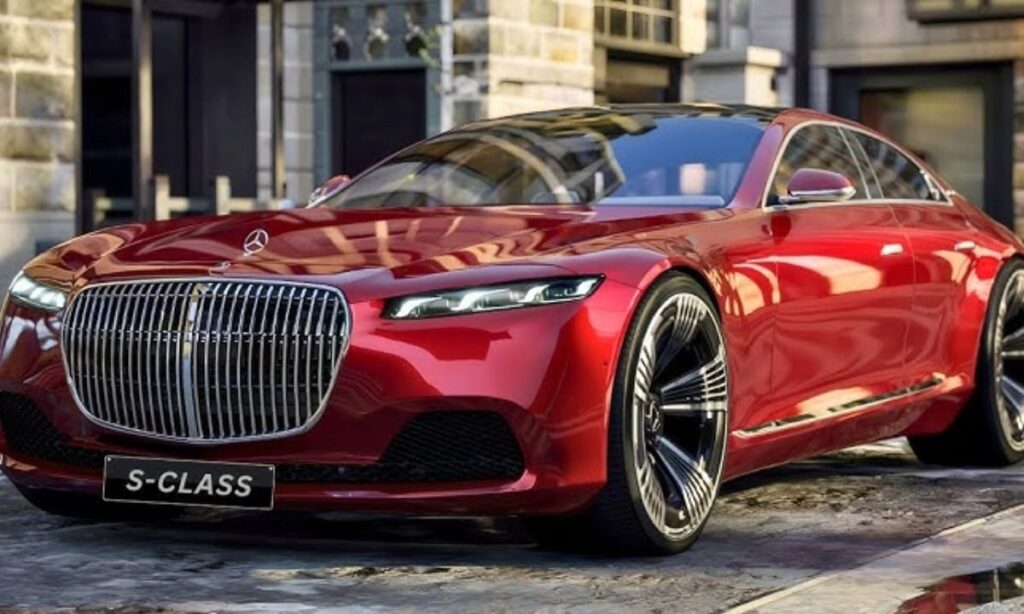
Luxury sedans have always been measured by comfort, presence, and innovation, and the 2026 Mercedes-Benz S-Class raises that bar once again. With subtle design changes and deeper technology integration, the flagship model continues to define what modern automotive luxury means. A Familiar Shape Refined Further The 2026 S-Class does not chase dramatic styling trends, instead refining a silhouette that already commands respect. Its long hood, smooth body lines, and confident stance communicate prestige without excess. Mercedes-Benz has focused on detail-level improvements, ensuring the car looks timeless rather than temporary, an approach that aligns with the S-Class legacy. Interior Luxury That Feels Personal Step inside, and the cabin immediately separates itself from anything else on the road. Every surface feels intentional, from the stitching on the seats to the ambient lighting that subtly adapts to driving conditions. The rear seat experience remains a focal point, offering limousine-level comfort that appeals equally to executives and chauffeur-driven owners. Technology That Works Quietly in the Background Rather than overwhelming the driver, the latest technology in the 2026 S-Class is designed to feel intuitive. The infotainment system responds faster, displays are clearer, and driver-assistance features operate with minimal intrusion. The goal is not to impress with complexity, but to make every drive feel effortless. Ride Comfort Still Sets the Benchmark Comfort has always been the S-Class calling card, and the 2026 model stays true to that reputation. The suspension system absorbs road imperfections with ease, making even rough surfaces feel controlled and smooth. Whether driven aggressively or gently, the car maintains a calm, composed character that few rivals can match. A Sedan Designed for a Changing Luxury Market Luxury buyers today expect more than just comfort and brand value. The 2026 S-Class responds by blending traditional craftsmanship with forward-looking features. It caters to owners who want innovation without sacrificing elegance, proving that luxury can evolve without losing its identity. Final Report The 2026 Mercedes-Benz S-Class does not reinvent the luxury sedan, it perfects it. By refining design, enhancing comfort, and integrating technology more thoughtfully, it reinforces its position as the benchmark for the segment. In a market filled with bold experiments, the S-Class stands confidently as a reminder that true luxury is about consistency, quality, and calm confidence. FAQs What makes the 2026 Mercedes-Benz S-Class different from the previous model? The 2026 version focuses on refinement, offering improved interior quality, smoother technology operation, and enhanced ride comfort rather than dramatic visual changes. Is the 2026 S-Class more focused on rear-seat passengers? Yes, rear-seat comfort continues to be a priority, making it ideal for both owner-driven and chauffeur-driven use. Does the new S-Class prioritize technology over comfort? No, technology is designed to support comfort, operating quietly in the background without distracting the driver. Who is the 2026 S-Class best suited for? It is ideal for buyers who value timeless design, top-tier comfort, and advanced features delivered in a subtle, refined way. Does the 2026 S-Class still lead the luxury sedan segment? Yes, it continues to set the standard by balancing innovation with the classic qualities that define luxury sedan.
2027 BMW M5 First Look | Germany’s Ultimate Performance Sedan

The BMW M5 has always stood at the intersection of luxury and raw power, and the 2027 model signals a bold step forward for the legendary performance sedan. With sharper styling, advanced technology, and a renewed focus on driving excitement, BMW is clearly redefining what its flagship M car stands for in a changing automotive world. As expectations rise for high-performance sedans that can do everything, the 2027 M5 positions itself as both a daily luxury car and a serious performance machine, staying true to its roots while embracing the future. A New Chapter for the BMW M5 Legacy For decades, the BMW M5 has represented the ultimate expression of BMW’s engineering philosophy. The 2027 model builds on this heritage with a more confident presence and a design language that communicates speed even when standing still. The car appears lower and wider, reinforcing its aggressive stance while maintaining the refined elegance expected from an M5. BMW’s design team seems focused on balance rather than excess, ensuring that the M5 remains recognizable while clearly modernized for a new generation of enthusiasts. Exterior Design That Signals Serious Intent The exterior design of the 2027 M5 is more muscular and purposeful than before. Subtle aerodynamic elements are integrated into the body rather than added on, giving the car a clean but aggressive appearance. The signature kidney grille is reshaped to suit the car’s performance character, while lighting elements appear slimmer and more technical. Key exterior highlights include: These elements work together to give the M5 a commanding road presence without sacrificing its premium appeal. Performance Philosophy Meets Modern Engineering While BMW has not revealed every technical detail, the direction is clear. The 2027 M5 continues to focus on delivering effortless power combined with everyday usability. Smooth acceleration, precise handling, and strong driver engagement remain core priorities, even as modern efficiency and electronic systems play a larger role. The driving experience is expected to balance comfort and aggression, allowing the M5 to transition seamlessly from relaxed highway cruising to spirited driving on demanding roads. Inside the Cabin: Sport Meets Sophistication Inside, the 2027 M5 blends luxury materials with motorsport-inspired details. The cabin appears more driver-focused, with controls angled toward the driver and a digital layout designed for clarity at speed. High-quality finishes, supportive seats, and customizable displays help reinforce the M identity without overwhelming the senses. Interior highlights are expected to include: This combination ensures the M5 remains as comfortable on long journeys as it is engaging on performance-focused drives. Technology Designed to Support the Driver Technology in the 2027 M5 is centered around enhancing control rather than replacing it. Driver assistance features, performance data displays, and configurable driving modes are designed to adapt to different situations, whether navigating city traffic or exploring the car’s limits. BMW’s approach suggests that technology in the M5 exists to support the driver’s decisions, not to dilute the connection between car and driver. A Statement of BMW’s Performance Future The 2027 BMW M5 represents more than just a new model year. It signals how BMW plans to preserve the soul of its performance sedans while adapting to evolving expectations. With a sharper design, refined interior, and a clear performance-first mindset, the new M5 aims to remain the benchmark in its segment. For enthusiasts who want one car that delivers luxury, comfort, and thrilling performance in equal measure, the 2027 M5 continues to make a compelling case.
NEW 2026 BMW M3 CS Touring – Interior and Exterior Walkaround
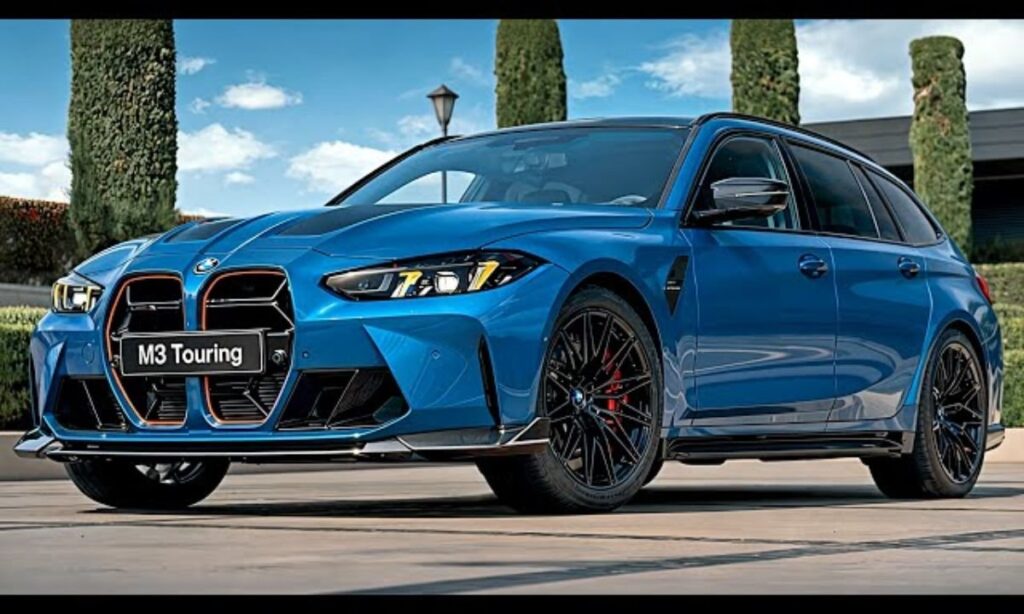
BMW has expanded its high-performance lineup with the new 2026 BMW M3 CS Touring, blending track-focused engineering with everyday wagon practicality. This walkaround look highlights how BMW has sharpened both the exterior presence and interior atmosphere without losing the Touring’s functional appeal. The result is a performance estate that feels equally ready for spirited drives and daily use. A Sharper, More Purposeful Exterior From the first glance, the M3 CS Touring stands apart from the standard M3 Touring with subtle but effective design changes. BMW has focused on visual aggression without overdoing the styling, giving the car a confident and planted stance. Lightweight materials and refined aerodynamics play a key role in shaping the exterior personality. These updates work together to make the M3 CS Touring look lower, wider, and more performance-oriented while still retaining the clean proportions expected from a BMW wagon. Design Details That Reward a Closer Look Walking around the car reveals thoughtful detailing that emphasizes precision rather than excess. The sculpted side profile highlights strong character lines, while lightweight wheels fill the arches perfectly. At the rear, the Touring body style balances practicality with aggression, making the car look fast even when standing still. The paint options and subtle contrast accents further enhance the CS character. Nothing feels added just for show, as every design element appears to serve a functional or aerodynamic purpose. Interior Focused on Driver Engagement Inside, the 2026 BMW M3 CS Touring feels immediately focused and premium. BMW has maintained the familiar M3 layout but elevated it with CS-specific touches that highlight performance intent. The cabin blends luxury materials with a motorsport-inspired atmosphere. Despite its track-ready feel, the interior remains practical, offering generous cargo space and rear-seat comfort that make the Touring body style genuinely useful for daily driving. Technology That Supports Performance and Comfort The digital experience inside the M3 CS Touring is both intuitive and performance-driven. The driver display and central infotainment screen are configured to provide clear access to driving data, navigation, and vehicle settings. Performance readouts, customizable displays, and M-specific menus ensure the driver stays connected to the car’s capabilities at all times. At the same time, everyday conveniences such as smartphone connectivity, advanced driver assistance features, and premium audio options keep the Touring comfortable for long journeys and city use. A Unique Blend of Speed and Practicality What truly sets the 2026 BMW M3 CS Touring apart is its ability to merge hardcore performance with real-world usability. It delivers the emotional excitement expected from a CS model while offering the versatility that enthusiasts with active lifestyles often seek. This balance makes it one of the most compelling performance wagons BMW has ever produced. Final Report The new 2026 BMW M3 CS Touring proves that high performance does not have to come at the cost of practicality. With a more aggressive exterior, a driver-focused interior, and thoughtful design upgrades throughout, it stands as a refined yet thrilling evolution of the M3 Touring concept. For those who want speed, space, and style in one package, this CS variant makes a strong statement. Frequently Asked Questions What makes the M3 CS Touring different from the regular M3 Touring? The CS version features lightweight materials, sharper exterior styling, and a more performance-focused interior while retaining the Touring’s practicality. Is the M3 CS Touring suitable for daily driving? Yes, despite its track-oriented upgrades, it offers comfortable seating, advanced technology, and usable cargo space for everyday use. Does the interior feel more sporty or luxurious? It strikes a balance, combining premium materials with motorsport-inspired elements like carbon seats and Alcantara trim. Is the Touring body style practical in this performance model? Absolutely, the wagon design provides ample storage and rear-seat space without compromising the car’s dynamic character. Who is the ideal buyer for the M3 CS Touring? It is ideal for driving enthusiasts who want top-tier performance but also need versatility for family, travel, or daily routines.