
New 2026 Pontiac GTO – The Return of an American Muscle Icon
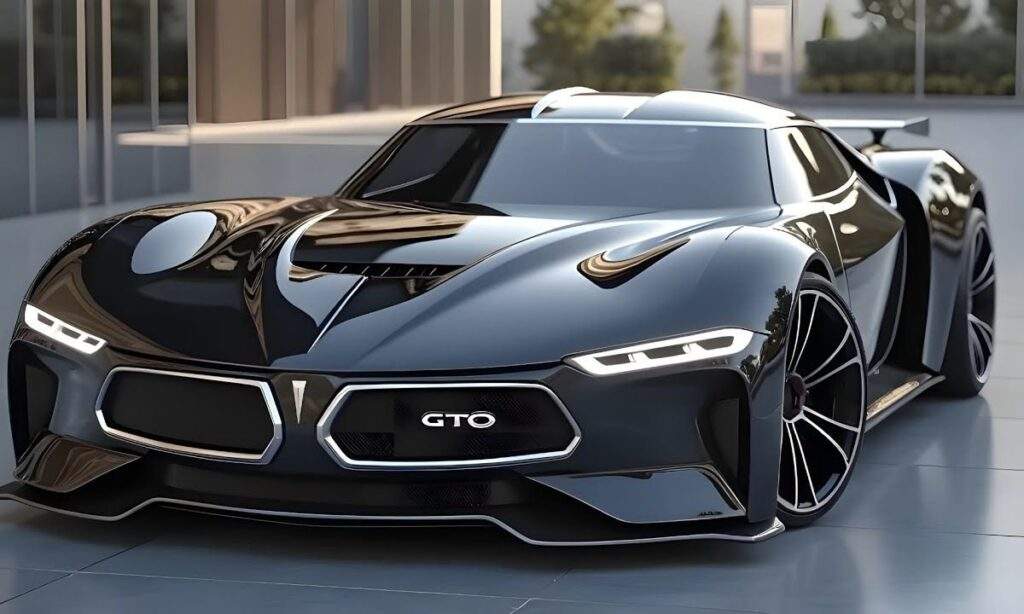
The Pontiac GTO name carries deep roots in American performance history, and its rumored return for 2026 is already stirring strong reactions among muscle car fans. This new-era GTO aims to blend classic attitude with modern engineering, signaling a bold move by Pontiac to reclaim its legendary status. A Legendary Name Reenters the Spotlight The GTO has always represented raw power and bold design, and the 2026 version is expected to respect that heritage while adapting to today’s performance expectations. Instead of leaning only on nostalgia, the revived GTO is positioned as a modern muscle car that can stand confidently beside today’s high-performance coupes. Its return reflects a broader trend of iconic American nameplates being reimagined for a new generation of drivers. Exterior Design That Honors the Past Early design cues suggest a strong connection to the original GTO while introducing sharper lines and a more aggressive stance. The front end is expected to feature a bold grille and muscular proportions that instantly signal performance intent. At the same time, aerodynamic refinements and modern lighting elements are likely to give the car a contemporary edge without losing its classic identity. Performance Expectations for the 2026 GTO While official specifications remain under wraps, expectations are high for a true muscle car experience. The focus is likely to be on strong acceleration, confident handling, and a driving character that feels engaging rather than overly digital. Enthusiasts anticipate that Pontiac will prioritize a balanced setup that delivers excitement on open roads while remaining usable for everyday driving. Interior Focused on the Driver Inside, the 2026 GTO is expected to mix retro inspiration with modern comfort and technology. The cabin will likely emphasize a driver-first layout, with controls positioned for easy access and clear visibility. High-quality materials and supportive seating are expected to elevate the overall experience, ensuring the car feels premium without losing its performance-focused character. Why the GTO’s Return Matters The return of the GTO is more than just another model launch; it represents a renewed commitment to American muscle culture. In an era of rapid electrification and shifting priorities, the 2026 Pontiac GTO stands as a reminder that emotional, driver-focused cars still have a place in the market. Its arrival could reignite interest in traditional performance coupes while showcasing how classic names can evolve without losing their soul. Final Report The New 2026 Pontiac GTO promises to be a thoughtful blend of heritage and innovation, designed to honor its iconic past while embracing modern performance standards. If Pontiac delivers on its vision, the GTO’s comeback could mark one of the most meaningful muscle car revivals in recent years, appealing to longtime fans and new enthusiasts alike.
2027 Corvette Stingray – America’s Game-Changing Performance Weapon
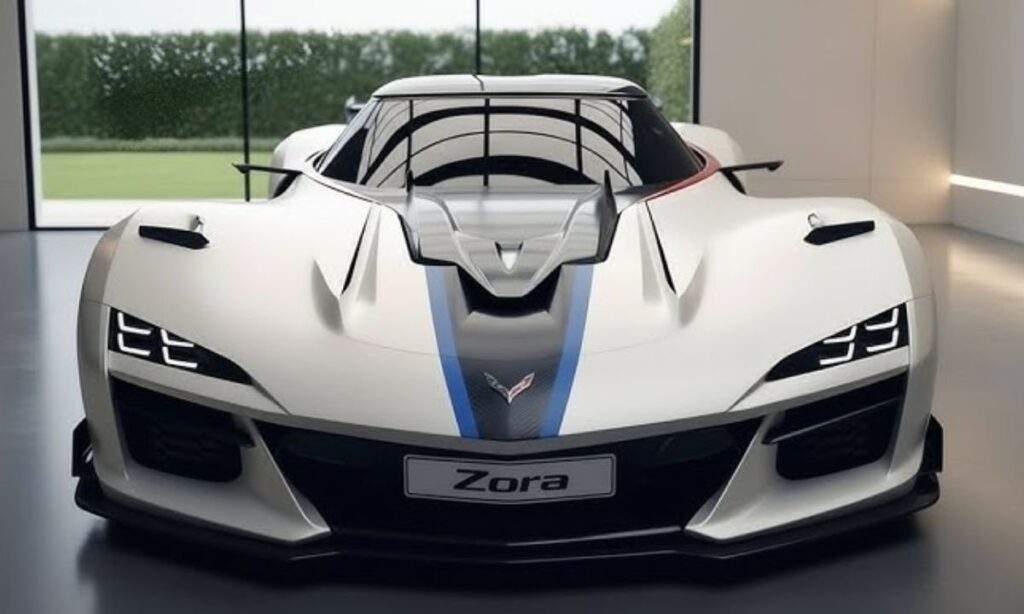
The 2027 Corvette Stingray arrives at a moment when performance cars are being redefined by technology, electrification, and rising global competition. Chevrolet’s latest evolution of its iconic sports car is not about chasing trends but about sharpening the Stingray’s identity as a true American performance benchmark. With smarter engineering and a more refined driving focus, the new model signals a confident step forward. A Design That Looks Faster Standing Still The 2027 Corvette Stingray builds on the aggressive mid-engine proportions that transformed the nameplate in recent years. Its low, wide stance remains instantly recognizable, but subtle refinements give it a cleaner and more purposeful presence. Sharper body lines, reworked aerodynamic elements, and updated lighting details help the car look more planted and modern without losing its raw appeal. From the side profile to the sculpted rear, the emphasis is clearly on balance between visual drama and functional airflow. Every surface feels intentional, reinforcing the Stingray’s reputation as a machine designed for speed, not just style. Performance Focused on Driver Connection At its core, the 2027 Stingray continues to represent accessible high performance, delivering supercar-level capability without abandoning everyday usability. Chevrolet has focused on improving responsiveness and consistency, ensuring the car feels confident whether it is being pushed on a track or driven on open highways. Key performance highlights are centered on precision and control rather than headline numbers. These changes work together to make the Stingray feel more predictable and engaging, especially for drivers who value feedback and confidence at speed. Interior Evolution with a Purpose Inside, the 2027 Corvette Stingray reflects a clear shift toward driver-centric design. The cockpit feels more focused, with controls positioned to minimize distraction and maximize ease of use. Materials and finishes have been upgraded to deliver a more premium feel, while still maintaining the sporty character expected from the Corvette badge. Technology plays a supporting role rather than dominating the experience. Digital displays are sharper and more intuitive, helping drivers access essential information quickly. The overall layout reinforces the idea that this car is built to be driven hard, not just admired. Technology That Enhances, Not Overpowers Chevrolet’s approach with the 2027 Stingray is about smart integration rather than excess. Driver assistance and performance systems are designed to complement skill, not replace it. Advanced software works quietly in the background, improving stability, traction, and braking confidence when conditions demand it. Notable technology updates focus on usability and performance harmony. This balance ensures the Stingray remains approachable for new drivers while still rewarding experienced enthusiasts. A Statement in the Modern Performance Landscape The 2027 Corvette Stingray stands as a reminder that American performance still has a distinct voice. While rivals lean heavily into electrification or extreme pricing, the Stingray continues to deliver a compelling mix of power, design, and value. It does not try to be everything at once, instead focusing on what has always made the Corvette special. In a market filled with increasingly complex performance cars, the Stingray’s clarity of purpose may be its greatest strength. Final Report The 2027 Corvette Stingray is more than a refresh; it is a confident evolution of an icon. By refining design, sharpening performance, and enhancing technology without losing its soul, Chevrolet has created a car that feels both modern and timeless. It remains a performance weapon built for drivers who want excitement without compromise, firmly securing its place in America’s sports car legacy. FAQs Is the 2027 Corvette Stingray a completely new generation? No, it is an evolution of the current mid-engine Corvette platform with meaningful refinements rather than a full generational change. Does the 2027 Stingray focus more on track driving or daily use? It is designed to balance both, offering strong track capability while remaining comfortable and usable for everyday driving. Has the interior been significantly updated for 2027? Yes, the interior sees noticeable improvements in layout, materials, and technology, with a stronger driver-focused approach. Is the 2027 Corvette Stingray suitable for new performance car buyers? Its predictable handling and supportive technology make it approachable for newcomers while still satisfying experienced drivers. What makes the 2027 Stingray stand out from competitors? Its combination of mid-engine performance, refined design, and focus on driver engagement at a relatively accessible level sets it apart.
2026 VOLVO XC90 Finally Revealed Luxury Safety & Power Like Never Before
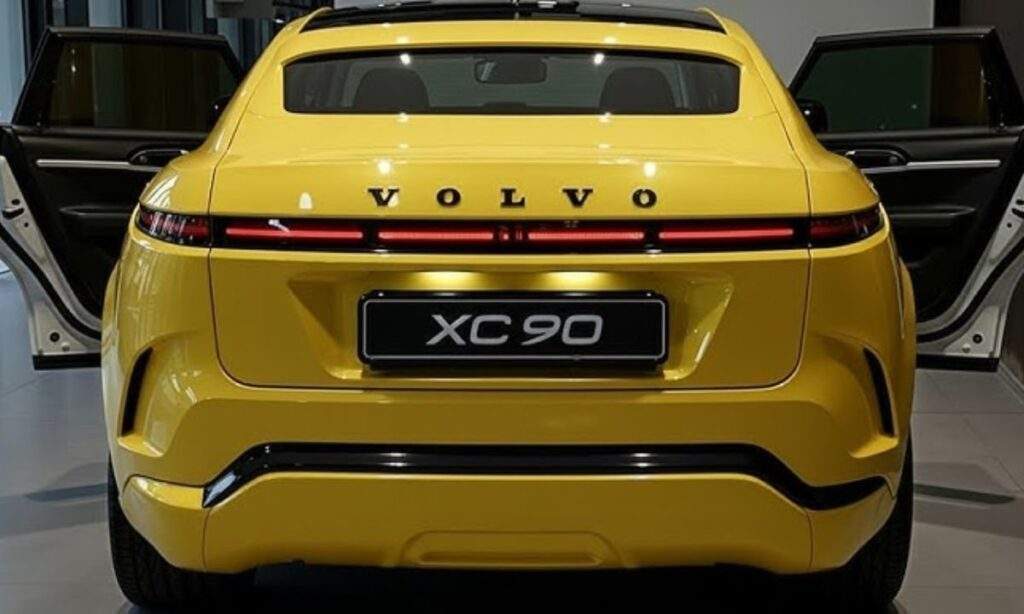
After months of anticipation, the 2026 Volvo XC90 has finally been revealed, marking a major step forward for the brand’s flagship SUV. With sharper design, upgraded technology, and a renewed focus on performance, Volvo is signaling that its most recognizable luxury SUV is far from slowing down. This latest evolution of the XC90 blends Scandinavian elegance with modern innovation, aiming to satisfy families, professionals, and long-distance drivers who expect comfort without compromise.A Refined Design That Feels Purposeful The 2026 XC90 carries a familiar silhouette, but nearly every surface has been refined to appear cleaner and more confident. Volvo has leaned into simplicity, allowing subtle details to elevate the overall presence rather than relying on aggressive styling tricks. The front fascia looks more upright and premium, while lighting elements have been sharpened for a modern look that instantly sets it apart from the outgoing model. Around the back, smoother lines and cleaner proportions reinforce the XC90’s role as a calm yet commanding luxury SUV. Interior Comfort Steps Into a New Era Inside, the 2026 XC90 focuses on creating a quiet, technology-rich environment without losing its signature warmth. Materials feel more upscale, and the cabin layout is designed to reduce clutter while improving usability. The dashboard now places greater emphasis on digital interfaces, with a larger central display and a more intuitive driver-focused layout. Seating comfort has been further refined, especially for second and third row passengers, reinforcing the XC90’s reputation as a true family luxury vehicle. Safety Innovation Remains at the Core Safety has always defined the XC90, and the 2026 model continues that legacy with meaningful advancements rather than gimmicks. Volvo’s latest driver assistance systems work more seamlessly in the background, offering support without being intrusive. Key safety highlights include: These updates reflect Volvo’s ongoing mission to make driving safer for everyone, not just those inside the vehicle. Powertrain Choices Focus on Balance Rather than chasing extremes, the 2026 XC90 emphasizes smooth, confident performance that suits everyday driving. Power delivery feels more refined, making city commuting and highway cruising equally comfortable. Volvo has focused on improving efficiency and responsiveness, ensuring the SUV feels lighter on its feet without sacrificing the solid, planted feel XC90 owners expect. The result is a driving experience that prioritizes control and comfort over raw aggression. Technology That Supports, Not Distracts Technology in the new XC90 is designed to assist rather than overwhelm. Volvo has refined its infotainment system to be faster, cleaner, and easier to navigate, reducing the learning curve for new owners. Notable technology upgrades include: This approach keeps the focus on driving while still delivering the modern features buyers expect in a premium SUV. A Confident Step Forward for Volvo The 2026 Volvo XC90 does not attempt to reinvent itself, and that is precisely its strength. By refining what already worked and upgrading areas that mattered most, Volvo has created an SUV that feels modern, luxurious, and thoughtfully engineered. It remains a strong statement of Volvo’s values, combining safety, comfort, and understated performance in a way few rivals manage to replicate.
2026 Toyota Crown Review – Luxury Hybrid Sedan with Bold Design & Advanced
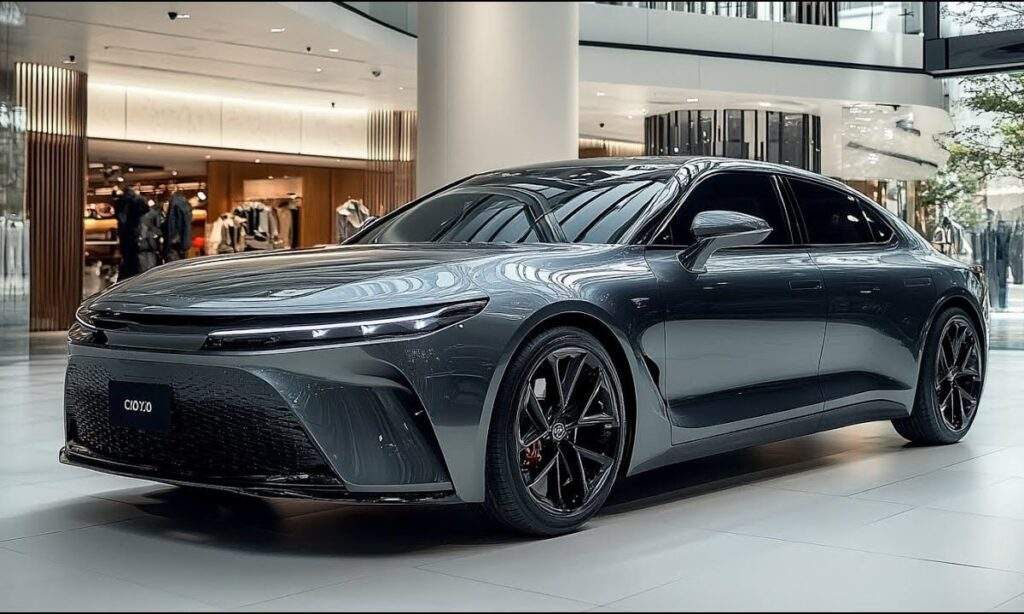
The 2026 Toyota Crown arrives as a confident statement in Toyota’s global sedan lineup, blending luxury comfort with hybrid efficiency and a design that refuses to blend into traffic. Positioned above the traditional Camry, the Crown targets buyers who want premium refinement without stepping into a full luxury brand. With its elevated stance, striking proportions, and advanced hybrid technology, the latest Crown continues to evolve into a modern flagship sedan aimed at style-conscious and tech-focused drivers. A Design That Breaks Sedan Traditions Toyota has given the 2026 Crown a bold personality that challenges the conventional three-box sedan look. The raised ride height and coupe-like roofline create a crossover-inspired silhouette while still maintaining the elegance expected from a premium sedan. Strong body creases, wide shoulders, and an assertive front fascia make the Crown instantly recognizable on the road. Inside, the cabin reflects a clear step up in material quality and visual appeal. Soft-touch surfaces, layered dashboard elements, and carefully chosen textures create a refined environment that feels calm and upscale. The design prioritizes both driver focus and passenger comfort, making long journeys feel effortless. Hybrid Power with a Smooth Driving Character The Crown’s hybrid system is designed for balance rather than outright performance, focusing on smooth acceleration and quiet operation. Power delivery feels linear and controlled, especially in city driving where the electric assistance is most noticeable. On highways, the system remains composed and stable, delivering confident cruising without feeling strained. Ride comfort is a major highlight, with suspension tuning that absorbs road imperfections while maintaining good body control. Steering response is relaxed but predictable, reinforcing the Crown’s identity as a comfortable luxury sedan rather than a sporty alternative. Technology That Feels Thoughtful and Modern Toyota equips the 2026 Crown with a wide range of digital features aimed at convenience, connectivity, and ease of use. The layout is clean and intuitive, reducing distraction while keeping essential information within easy reach. These features work together to create an experience that feels modern without being overwhelming, appealing to buyers who value simplicity alongside innovation. Comfort and Space for Everyday Luxury Passenger comfort is one of the Crown’s strongest selling points. Front seats are designed for long-distance support, while rear occupants benefit from generous legroom and a relaxed seating position. The elevated stance also improves outward visibility, which adds to overall driving confidence. Noise insulation is well managed, keeping road and wind noise to a minimum. Whether commuting through traffic or cruising on open highways, the Crown maintains a calm cabin atmosphere that reinforces its luxury positioning. Who the 2026 Toyota Crown Is Meant For Rather than chasing traditional luxury rivals directly, the Crown appeals to buyers seeking distinction and practicality wrapped in a premium package. It sits comfortably between mainstream sedans and luxury-brand alternatives. This positioning allows the Crown to stand on its own rather than compete solely on badge value. Final Thoughts on the 2026 Toyota Crown The 2026 Toyota Crown successfully blends luxury, technology, and hybrid efficiency into a package that feels both bold and well thought out. Its standout design, comfortable ride, and modern features make it a compelling option for buyers who want something different from the usual premium sedan formula. By focusing on refinement and usability rather than excess, Toyota has created a flagship sedan that feels relevant and forward-looking.
2026 Hummer H2 Is Back! Ultimate Luxury Off-Road SUV with Massive Power

The legendary Hummer H2 has returned for 2026, bringing its unmistakable road presence into a new era. This reborn SUV blends extreme off-road character with modern luxury, signaling a bold statement for buyers who want power, comfort, and attitude in one massive package. A Bold Comeback for an Iconic Nameplate The 2026 Hummer H2 is designed to honor its original identity while adapting to modern expectations. Its boxy stance, towering height, and commanding proportions immediately set it apart from conventional luxury SUVs. Designers have clearly focused on preserving the H2’s intimidating silhouette while refining the details to make it feel contemporary rather than dated. From the wide grille to the squared-off body lines, the SUV looks ready to dominate highways and trails alike. Every angle emphasizes strength, making it clear that this is not a vehicle meant to blend in or play it safe. Massive Power Meets Modern Engineering Under the hood, the 2026 Hummer H2 is all about delivering serious performance. While exact figures remain closely guarded, the focus is clearly on massive torque, confident acceleration, and effortless cruising even with the vehicle’s substantial size. Engineers have worked to balance raw power with smoother drivability, ensuring the H2 feels controlled rather than overwhelming. Advanced suspension tuning and modern drivetrain technology help manage the SUV’s weight while maintaining its legendary off-road capability. The result is a vehicle that feels just as confident climbing rough terrain as it does rolling through city streets. Off-Road Capability Taken to the Next Level True to its roots, the Hummer H2 remains a serious off-road machine. It is built to handle extreme conditions without sacrificing comfort for passengers. High ground clearance, rugged underbody protection, and advanced traction systems work together to make difficult terrain feel manageable. Key off-road highlights include: These features ensure the H2 stays true to its reputation as one of the most capable luxury off-road SUVs on the market. A Surprisingly Luxurious Interior Inside, the 2026 Hummer H2 offers a sharp contrast to its tough exterior. The cabin is focused on comfort, technology, and premium materials, creating an environment that feels upscale without losing its rugged character. High-quality leather, solid trim pieces, and thoughtful design touches give the interior a refined yet purposeful feel. Technology plays a central role, with a large infotainment display, modern connectivity features, and advanced driver assistance systems. Despite its size, the cabin feels well-organized, making long drives and daily use more manageable than ever before. Who the 2026 Hummer H2 Is Built For The return of the H2 is not about appealing to everyone. It is aimed squarely at buyers who want presence, power, and individuality. This SUV is for those who value capability just as much as comfort and who see their vehicle as a statement rather than just transportation. What makes it stand out includes: This clear identity helps the H2 carve out its own space in a crowded SUV market. A Powerful Ending to a Strong Return The 2026 Hummer H2 proves that legendary nameplates can evolve without losing their soul. By combining massive power, genuine off-road ability, and modern luxury, it delivers a unique package that few SUVs can match. Its return is less about nostalgia and more about redefining what a luxury off-road SUV can be in today’s world.
2026 GMC Hummer 4×4 – The Most Extreme Luxury SUV Ever Built
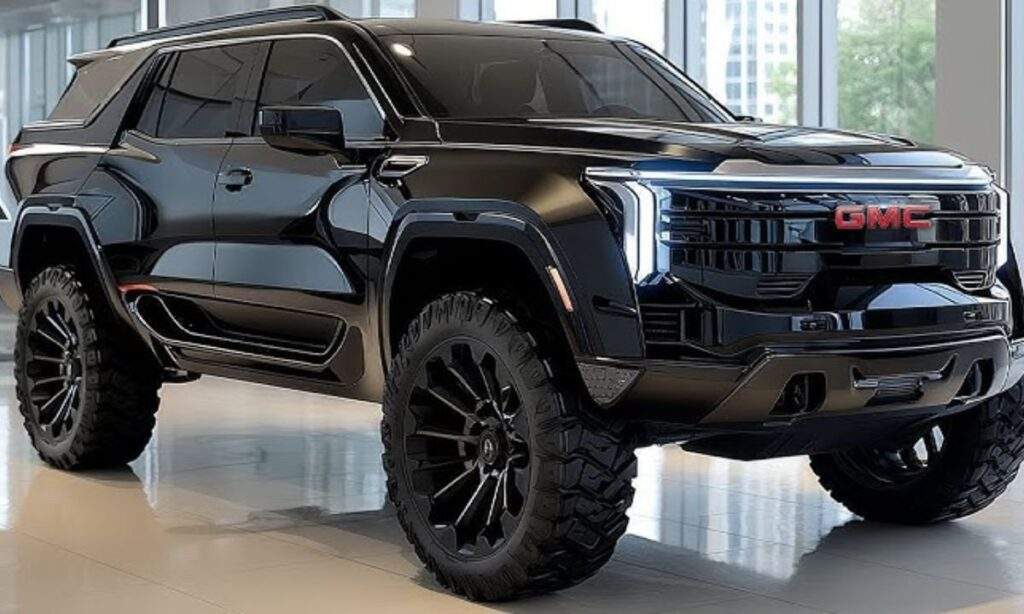
The 2026 GMC Hummer 4×4 arrives as a bold statement in the world of electric SUVs, blending unapologetic size with cutting-edge technology. Designed to dominate both city streets and untamed terrain, it pushes the idea of luxury far beyond traditional expectations. A Design That Refuses to Be Subtle From the moment it appears, the 2026 Hummer 4×4 makes its intentions clear. The boxy silhouette, wide stance, and aggressive front fascia are more than just styling choices; they signal power and confidence. LED lighting elements stretch across the front and rear, while removable roof panels add a sense of freedom that few luxury SUVs attempt to offer. Despite its rugged character, the exterior carries refined detailing that keeps it firmly planted in premium territory. Electric Power Meets Serious Off-Road Hardware Underneath the imposing body lies an all-electric platform engineered for extreme conditions. Instant torque delivery gives the Hummer explosive acceleration, while advanced four-wheel-drive systems ensure constant traction. Adaptive air suspension allows the vehicle to raise or lower itself depending on terrain, making rocky trails and deep ruts far less intimidating. This combination of electric performance and mechanical toughness sets the Hummer apart from conventional luxury SUVs. Key Capabilities That Define the 4×4 Experience Luxury Taken to an Extreme Level Step inside, and the Hummer reveals a surprisingly refined cabin. Premium materials cover nearly every surface, balancing durability with comfort. Large digital displays dominate the dashboard, providing navigation, vehicle data, and off-road information in clear detail. The seating is spacious and supportive, ensuring long journeys remain comfortable whether on highways or trails. Ambient lighting and thoughtful storage solutions further elevate the sense of luxury. Technology Built for Confidence and Control The 2026 Hummer 4×4 is packed with technology aimed at making its size and power easier to manage. Advanced driver assistance features help reduce stress in urban environments, while camera systems offer multiple views of the terrain beneath the vehicle. Over-the-air updates keep the software fresh, ensuring the SUV continues to evolve long after it leaves the showroom. What Sets the 2026 Hummer Apart The Future of Extreme Luxury SUVs With the 2026 GMC Hummer 4×4, luxury is no longer limited to smooth roads and quiet cabins. This SUV proves that comfort, technology, and extreme capability can coexist in one package. It redefines what buyers can expect from a flagship electric SUV and sets a new benchmark for the segment.
2026 Toyota LC-400 — The Most Luxurious Land Cruiser Ever Imagined
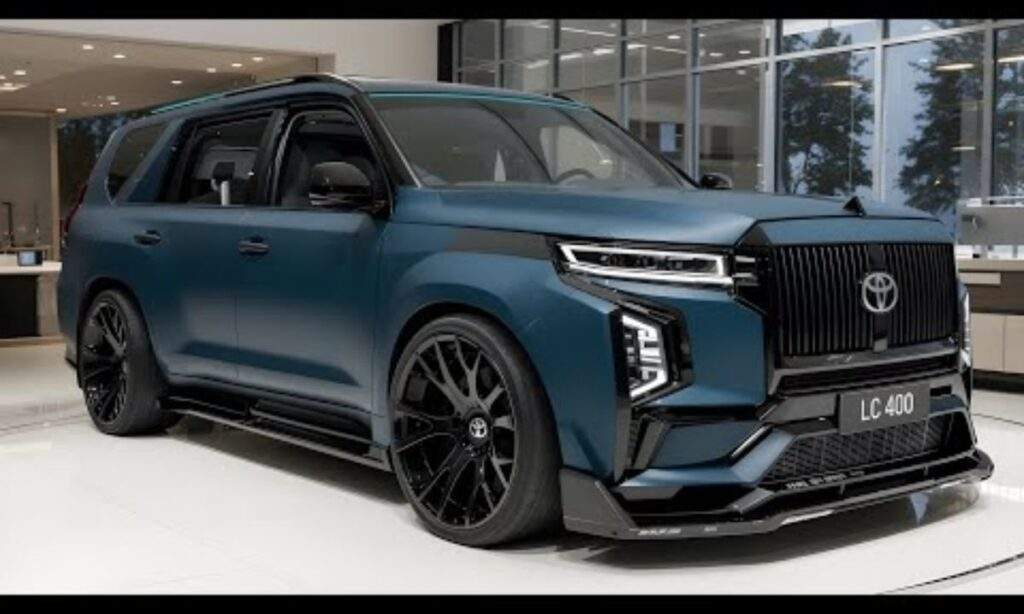
The 2026 Toyota LC-400 marks a dramatic evolution of an icon that has long balanced toughness with trust. This time, Toyota pushes the Land Cruiser name into a new luxury-focused territory without losing the rugged identity that made it legendary. Designed as a flagship experience, the LC-400 blends premium comfort, modern technology, and unmistakable Land Cruiser strength. It is not a replacement for tradition but a refined extension of it. A New Direction for the Land Cruiser Name The LC-400 signals Toyota’s intent to elevate the Land Cruiser lineup beyond utility-first expectations. While past models emphasized durability above all else, this new version places equal importance on comfort, design sophistication, and advanced features. From its commanding road presence to its refined cabin atmosphere, the LC-400 feels engineered for owners who want exclusivity without sacrificing capability. Toyota appears to be targeting buyers who previously looked toward ultra-luxury SUVs but still value proven reliability. Exterior Design That Blends Power and Prestige The exterior styling of the LC-400 balances classic Land Cruiser proportions with modern luxury cues. Strong body lines, an upright stance, and bold detailing communicate authority, while subtle chrome accents and refined lighting elements add a premium edge. Despite its upscale focus, the SUV still looks purpose-built. The wide shoulders, high ground clearance, and solid visual mass remind drivers that this is a Land Cruiser at heart, not just a luxury cruiser. Interior Comfort Reaches a New Level Inside, the LC-400 is expected to deliver the most luxurious cabin ever seen in a Land Cruiser. Soft-touch materials, refined trim finishes, and a quiet, insulated environment transform long journeys into relaxed experiences. The layout prioritizes space and ease of use, with large displays, intuitive controls, and thoughtful storage throughout the cabin. Every surface feels designed to elevate comfort while maintaining the practical mindset that Land Cruiser owners expect. Technology Focused on Confidence and Ease Toyota integrates modern technology in the LC-400 without overwhelming the driver. Digital displays, advanced driver assistance systems, and seamless connectivity are designed to enhance confidence rather than distract from the driving experience. Key areas of focus are expected to include: This approach ensures the LC-400 feels modern and capable in every environment. Luxury Without Losing Capability What truly separates the LC-400 from other luxury SUVs is its commitment to capability. Even with its refined positioning, the vehicle remains engineered to handle challenging terrain, long-distance travel, and demanding conditions. Toyota’s reputation for reliability plays a crucial role here. The LC-400 is not about replacing toughness with luxury but proving both can coexist in a single vehicle. A Flagship Statement From Toyota The 2026 Toyota LC-400 represents more than just another model addition. It is a statement about how the Land Cruiser name can evolve while staying true to its roots. By blending premium comfort with proven strength, Toyota positions the LC-400 as a flagship SUV that appeals to both loyal enthusiasts and new luxury-focused buyers. If this vision holds true in production form, the LC-400 could redefine what a luxury off-road SUV is meant to be. FAQs Is the 2026 Toyota LC-400 replacing the standard Land Cruiser? No, the LC-400 is expected to sit above existing Land Cruiser models as a more luxurious flagship option. Will the LC-400 still be capable off-road? Yes, despite its luxury focus, the LC-400 is designed to retain the off-road capability that defines the Land Cruiser name. Who is the LC-400 aimed at? The LC-400 targets buyers who want premium comfort and technology without giving up durability and long-term reliability. How does the LC-400 differ from previous Land Cruisers? It places a much stronger emphasis on luxury, refinement, and advanced features while maintaining core Land Cruiser strengths. When will the 2026 Toyota LC-400 be available? Toyota has not officially confirmed availability timelines, but it is expected to align with the 2026 model year rollout.
2026 GMC Sierra Denali 6500 — A Heavy-Duty Monster That Owns the Road
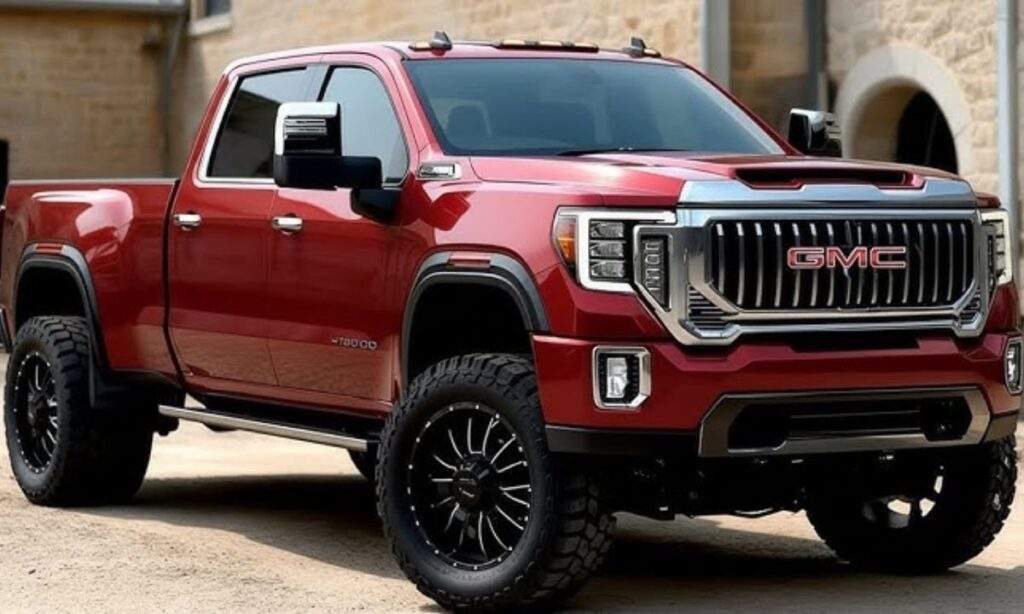
The 2026 GMC Sierra Denali 6500 arrives with a clear message: this truck is built to dominate demanding jobs without sacrificing premium appeal. Sitting at the top end of GMC’s heavy-duty lineup, it blends commercial-grade toughness with Denali-level comfort in a way few trucks attempt. Designed for buyers who need serious capability but still want refinement, the Sierra Denali 6500 positions itself as both a workhorse and a statement vehicle. It is big, confident, and unapologetically focused on strength. Built to Command Attention From the first glance, the Sierra Denali 6500 looks purpose-built. The tall stance, wide body, and bold front fascia make it clear this is not a standard pickup. Denali-specific design touches add sophistication, but they never distract from the truck’s core mission of durability and presence. The front end is especially striking, with a large grille and upright proportions that emphasize its heavy-duty platform. This is a truck that looks equally at home on a job site or pulling up to a high-end industrial facility. Serious Capability Under the Hood The heart of the Sierra Denali 6500 is its heavy-duty mechanical foundation. Built on a commercial-grade chassis, it is engineered to handle extreme workloads, long hours, and tough conditions without compromise. Everything about its construction points toward reliability and sustained performance. This focus on real-world strength makes the Denali 6500 especially appealing to businesses and individuals who push their vehicles hard every day. A Denali Cabin That Changes Expectations Step inside, and the Sierra Denali 6500 challenges assumptions about what a heavy-duty truck interior should feel like. The cabin is spacious, quiet, and thoughtfully laid out, offering a clear contrast to the rugged exterior. Premium materials, soft-touch surfaces, and Denali-exclusive trim elevate the experience. Technology is integrated in a practical way, with large displays, clear graphics, and controls designed to be easy to use even while wearing work gloves. The result is a cabin that supports long drives and long workdays without fatigue. Confidence on the Road and at Work Despite its size, the Sierra Denali 6500 is engineered to feel composed behind the wheel. Steering is predictable, braking is reassuring, and the truck remains stable even when fully loaded. Advanced driver-assistance features add an extra layer of confidence, especially when maneuvering in tight or busy environments. This balance between control and comfort makes the Denali 6500 more versatile than its sheer size might suggest. It is built to work hard, but it also respects the driver’s experience. A Heavy-Duty Flagship With a Clear Purpose The 2026 GMC Sierra Denali 6500 is not designed for everyone, and that is exactly the point. It exists for buyers who need true heavy-duty capability but refuse to compromise on quality, comfort, or presence. By combining commercial-grade engineering with the Denali nameplate, GMC delivers a truck that feels both powerful and premium. In a segment where function often overshadows refinement, the Sierra Denali 6500 proves that a serious work truck can still make a bold, upscale statement.
2026 Fiat 500X – The Cutest SUV Just Got Fierce!
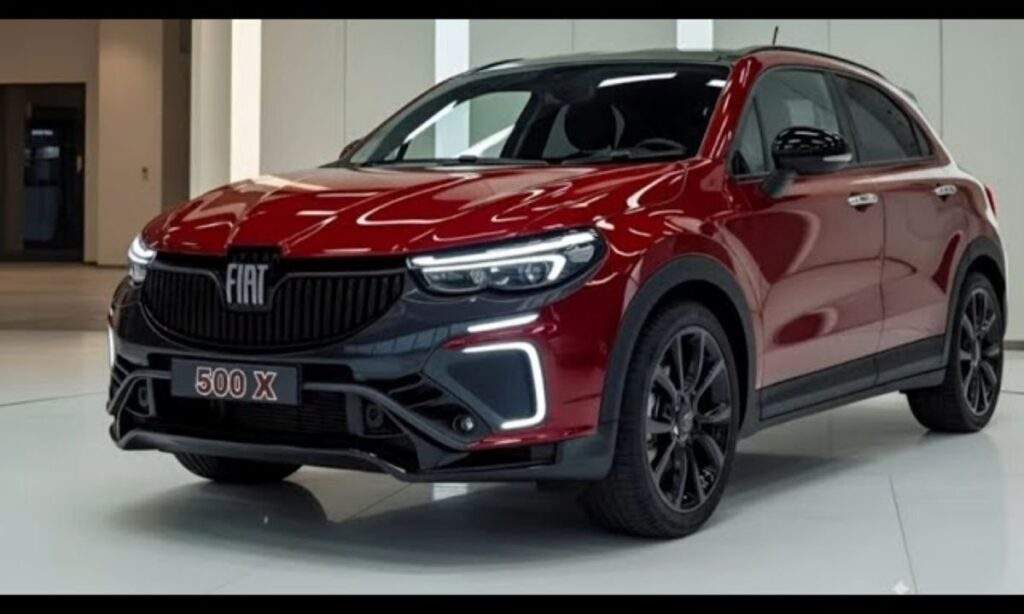
The Fiat 500X has always been known for its charm, but the 2026 model takes a bold step forward. With sharper styling, a more confident road presence, and smart updates throughout, this small SUV is no longer just cute, it is ready to feel tough and modern. Fiat’s latest refresh focuses on blending personality with practicality, making the 500X feel more grown-up without losing the character that made it popular in the first place. A Bolder Look Without Losing Its Charm The 2026 Fiat 500X arrives with design changes that give it a tougher stance while keeping its playful roots intact. The front end looks more assertive, and the overall shape feels cleaner and more purposeful for city driving. Subtle detailing around the body helps the SUV appear wider and more planted, while refreshed color options add to its youthful appeal. It is still instantly recognizable as a Fiat, just with a stronger attitude. Interior Updates That Feel More Premium Inside, the 500X shows noticeable improvements in both layout and material quality. The cabin feels more refined, with better finishes and a clearer focus on everyday comfort and ease of use. The dashboard design remains simple and friendly, but added tech and smarter storage solutions make the interior more practical for daily commuting and short trips. Fiat has clearly aimed to make the cabin feel less playful and more polished. Technology Designed for Daily Life Fiat has updated the technology package to match modern expectations, keeping things simple and intuitive. The focus is on features drivers actually use rather than unnecessary complexity. These changes help the 500X feel current without overwhelming the driver. Urban-Friendly Performance With Confidence The 2026 Fiat 500X is still built primarily for city life, but it now feels more confident when pushed beyond tight streets. Steering feels controlled, and the suspension is tuned to handle uneven roads without sacrificing comfort. It is not designed to be aggressive or sporty, but the balance between comfort and control makes it well-suited for both daily errands and weekend drives. Practicality Meets Personality While compact in size, the 500X continues to offer smart space usage. It works well for small families, young professionals, or anyone looking for an SUV that is easy to live with in crowded environments. This blend of usability and style remains one of the model’s strongest points. A Small SUV With Big Confidence The 2026 Fiat 500X proves that personality and practicality do not have to be opposites. By sharpening the design, refining the interior, and modernizing the technology, Fiat has turned its cutest SUV into something noticeably more confident and capable. It may still turn heads with its looks, but now it also earns respect for how well it fits into everyday life.
New Dacia Docker Camper Van 2026 Unveiled with Practical Layout and Modern Features
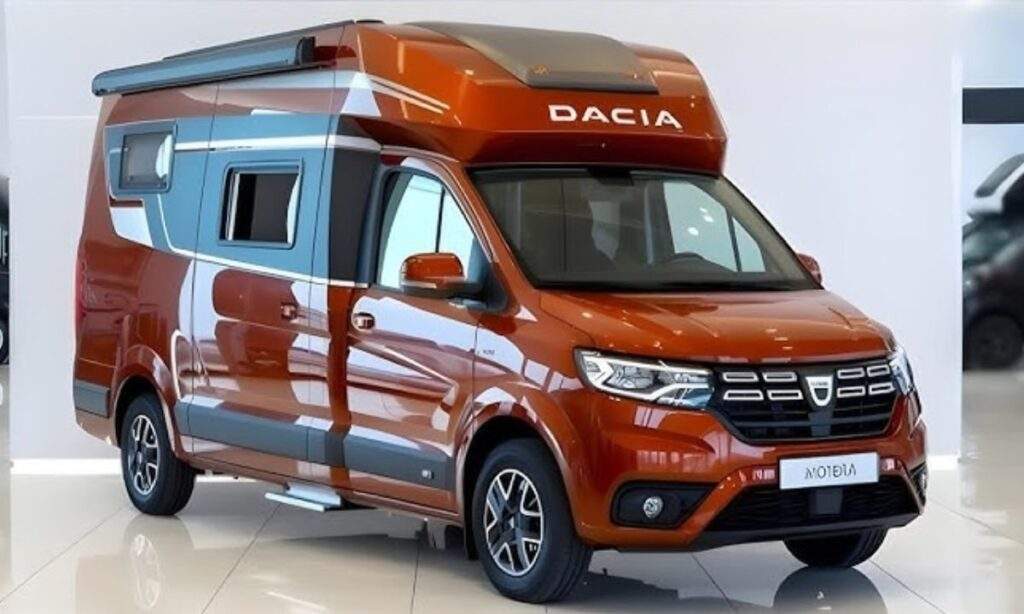
The 2026 Dacia Docker Camper Van has been officially unveiled, bringing a smart and budget-focused approach to compact camper travel. Designed for buyers who want everyday usability with weekend adventure potential, the new model focuses on clever space management, modern comforts, and a no-nonsense design philosophy. A Fresh Take on Compact Camper Design Dacia has leaned into simplicity with the Docker Camper Van, keeping the exterior clean and functional while adding subtle camper-specific details. The boxy profile remains ideal for maximizing interior space, and the updated front design gives it a more modern and confident road presence. Practical additions like roof rails, sliding doors, and durable cladding signal its dual role as both a city-friendly vehicle and a travel-ready camper. Interior Layout Built for Real-World Use Inside, the 2026 Docker Camper Van prioritizes flexibility over luxury, making it appealing to first-time camper buyers and minimalist travelers. The cabin transforms easily from daily transport to a compact living space without complicated mechanisms. This layout ensures that the van stays practical during the week while becoming a functional camper on short trips. Modern Features Without Overcomplication Dacia has added modern features where they matter most, avoiding unnecessary tech that could drive up costs. The focus remains on ease of use, durability, and reliability, aligning with the brand’s value-driven reputation. These upgrades help the Docker Camper feel current without sacrificing its straightforward nature. Engine Options and Driving Experience While exact specifications have not been fully detailed, the 2026 Docker Camper Van is expected to carry over efficient and proven powertrain options. The emphasis is on fuel efficiency and smooth drivability rather than outright performance. A comfortable suspension setup and compact dimensions make it easy to handle in urban traffic while remaining stable on highways and rural roads. Positioned for Budget-Conscious Adventurers The new Docker Camper Van is clearly aimed at buyers who want an affordable entry into camper travel without stepping up to larger and more expensive vans. Its compact size, simple conversion features, and modern essentials make it well-suited for solo travelers, couples, and small families who value practicality over luxury. With the 2026 Docker Camper Van, Dacia delivers a well-balanced camper that stays true to its value-first identity. By combining a practical layout, modern features, and everyday usability, it offers a compelling option for drivers who want the freedom of camper life without the cost and complexity of larger motorhomes.