
2026 Toyota Camper Van Will Change the Way You Travel Forever
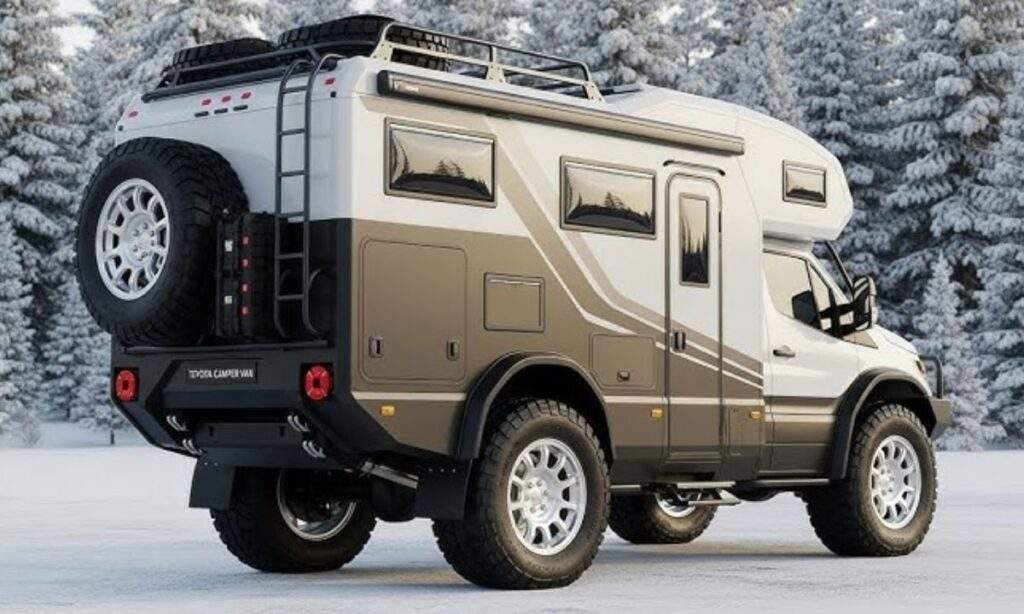
Toyota is preparing to redefine road travel with its upcoming 2026 camper van, a vehicle designed to blur the line between daily driving and full-time adventure. Built around flexibility, comfort, and modern efficiency, this new model reflects how travel habits are evolving around the world. As more people seek freedom without sacrificing convenience, Toyota’s latest camper van arrives as a timely response to a growing demand for smart, self-contained mobility. A New Vision for Modern Road Travel The 2026 Toyota Camper Van is not just about getting from one place to another. It is designed as a moving living space that adapts to different lifestyles, whether for weekend escapes, long-distance journeys, or remote work on the road. Toyota appears focused on creating a vehicle that feels approachable rather than bulky, making camper travel less intimidating for first-time users. Unlike traditional camper vans that prioritize size over ease of use, this model aims to balance compact exterior dimensions with clever interior packaging. The result is a van that fits comfortably into urban environments while still being capable of extended travel. Interior Designed Around Real-Life Use Inside, the camper van emphasizes practicality and comfort rather than flashy excess. Every surface and feature is designed to serve multiple purposes, allowing travelers to maximize space without feeling cramped. The interior layout supports both relaxation and productivity, reflecting the way people now mix work, leisure, and travel. This approach ensures the camper van feels livable for extended stays, not just overnight stops. Technology That Supports the Journey Toyota is expected to equip the 2026 camper van with modern technology focused on safety, navigation, and energy management. Rather than overwhelming drivers with unnecessary features, the technology is designed to quietly enhance the travel experience. Driver assistance systems help reduce fatigue on long drives, while connected infotainment features keep occupants informed and entertained. Smart energy usage inside the cabin allows travelers to power essential systems efficiently, supporting longer off-grid stays without constant concern. Efficiency and Everyday Driveability One of the most important changes Toyota brings with this camper van is how easy it is to live with on a daily basis. Traditional camper vans often feel like special-purpose vehicles, but this model is being positioned as something you can drive every day. This balance makes the camper van appealing not only to experienced travelers but also to families and individuals new to van-based travel. Built for Changing Travel Habits The 2026 Toyota Camper Van reflects a broader shift in how people think about vacations and mobility. Instead of fixed hotel stays and rigid schedules, travelers increasingly want freedom, adaptability, and control over their journeys. This van is designed to support spontaneous plans while still offering comfort and reliability. By focusing on simplicity, durability, and user-friendly design, Toyota positions this camper van as a long-term travel companion rather than a novelty vehicle. The 2026 Toyota Camper Van represents a meaningful step forward in camper design, focusing on how people actually travel today. By combining everyday usability with smart interior design and modern technology, it has the potential to make road-based travel more accessible and enjoyable than ever before. For many, it may not just change how they travel, but how often they choose to hit the road.
2026 Toyota Corolla FULL Review Is This the Smartest Sedan You Can Buy
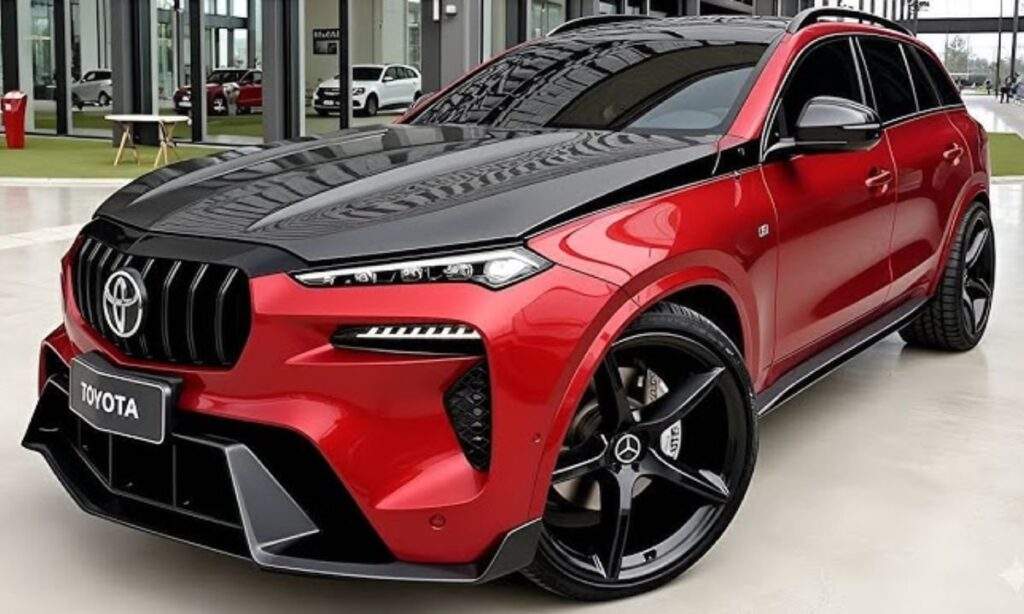
The 2026 Toyota Corolla arrives with subtle confidence rather than dramatic reinvention. Toyota focuses on refining what already works, aiming to keep the Corolla at the top of the compact sedan segment for buyers who value reliability, efficiency, and everyday comfort. This full review takes a close look at what’s new, what’s improved, and whether the latest Corolla still deserves its reputation as the smartest sedan choice in its class. Design That Feels Familiar but More Polished At first glance, the 2026 Corolla stays true to its recognizable shape, but closer inspection reveals a cleaner and more mature design approach. Toyota has smoothed out body lines, sharpened the front fascia, and updated lighting elements to give the sedan a slightly more premium presence without alienating long-time fans. The proportions remain practical, making the Corolla easy to park and maneuver in city traffic. Wheel designs and exterior color options also appear more modern, helping the car feel current in a segment filled with aggressive styling trends. Interior Updates Focused on Comfort and Simplicity Inside, the 2026 Corolla continues Toyota’s philosophy of function-first design. The cabin layout is intuitive, with controls placed where drivers expect them. Material quality feels improved in key touchpoints, especially on the dashboard and door panels, creating a more refined experience during daily commutes. Technology plays a bigger role this year, with a clearer digital display and an upgraded infotainment system that responds faster and feels easier to use. The overall cabin atmosphere is calm and practical, which suits buyers who prioritize long-term comfort over flashy design. Powertrain and Driving Experience Toyota does not chase aggressive performance numbers with the Corolla, and that remains true for 2026. Instead, the focus is on smooth power delivery, predictable handling, and excellent fuel efficiency. The sedan feels composed in city driving and stable on highways, making it ideal for both new drivers and experienced commuters. Steering remains light and confidence-inspiring, while suspension tuning favors comfort over sportiness. This setup ensures the Corolla stays comfortable on uneven roads without feeling disconnected from the road. Key Features That Define the 2026 Corolla The 2026 model builds on Toyota’s strong feature set by focusing on everyday usability and safety rather than unnecessary complexity. These features reinforce the Corolla’s role as a dependable daily sedan rather than a tech experiment. Safety and Ownership Confidence Safety has always been a strong point for the Corolla, and the 2026 version continues that tradition. Toyota’s driver assistance technologies work quietly in the background, offering support without being intrusive. This balance makes the car feel reassuring without overwhelming the driver with alerts. Ownership confidence remains one of the Corolla’s biggest selling points. Toyota’s reputation for durability and low maintenance costs continues to make the Corolla a safe long-term investment for families, professionals, and first-time buyers alike. Why the Corolla Still Makes Sense in 2026 The 2026 Toyota Corolla does not try to reinvent the compact sedan formula, and that is exactly why it works. Toyota refines the experience in small but meaningful ways, keeping the car relevant in a market increasingly dominated by SUVs and crossovers. For buyers who want a smart, sensible sedan that simply does its job well, the Corolla continues to deliver. Final Verdict The 2026 Toyota Corolla proves that evolution can be just as powerful as revolution. By improving comfort, technology, and refinement without compromising its core strengths, Toyota keeps the Corolla firmly positioned as one of the smartest sedan choices you can buy today. It may not chase trends, but it consistently delivers where it matters most.
2026 Dodge Charger Hellcat HEMI – The Last V8 Muscle Sedan Beast!
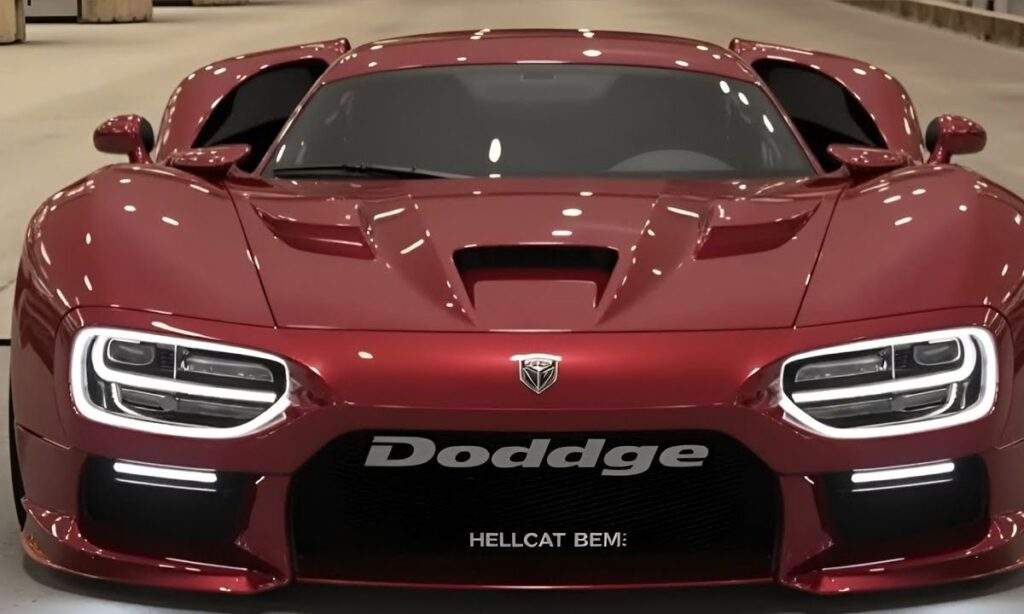
The 2026 Dodge Charger Hellcat HEMI arrives with a sense of finality that few modern cars can match. As the industry moves rapidly toward electrification, this brutal four-door muscle sedan stands as a loud, unapologetic farewell to traditional American V8 power. It is not just another performance model, but a rolling statement about an era coming to an end. Built for enthusiasts who still value sound, speed, and raw mechanical drama, the Charger Hellcat HEMI is positioned as the ultimate expression of Dodge’s muscle heritage. Every detail reflects its mission to leave a lasting impression before the curtain closes on high-displacement sedans. A Farewell to the HEMI Era The heart of the 2026 Charger Hellcat HEMI is its supercharged V8, an engine that has defined modern American muscle for over a decade. Dodge has made it clear that this model represents one of the final opportunities to own a factory-built V8 sedan with true Hellcat character. The result is a car that feels more emotional and purposeful than ever before. Rather than softening the formula, Dodge leans into everything that made the Hellcat legendary. The sound, the aggression, and the sense of excess remain intact, making this model feel like a tribute to muscle cars that refused to compromise. Design That Looks as Aggressive as It Sounds Visually, the 2026 Charger Hellcat HEMI continues to look intimidating from every angle. The wide stance, sculpted body panels, and muscular proportions clearly separate it from ordinary sedans. Subtle updates keep the design fresh while preserving the unmistakable Charger identity. Key exterior highlights include: These elements work together to ensure the Charger still turns heads, whether it is parked or launching down the road. Performance Built Around Pure Muscle Driving the Charger Hellcat HEMI is about experiencing power in its most traditional form. The V8 delivers instant response, thunderous acceleration, and the kind of drama that modern electrified performance cars cannot replicate. This is a sedan that feels alive under throttle, rewarding drivers who crave engagement. Despite its size, the Charger remains surprisingly capable when pushed. Suspension tuning, braking hardware, and performance-focused engineering allow it to balance straight-line speed with confident road manners, making it more than just a one-trick muscle car. Interior Focused on the Driver Inside, the 2026 Charger Hellcat HEMI blends modern technology with a performance-first atmosphere. The cabin is designed to keep the driver connected to the car while still offering comfort for daily use. Materials feel purposeful, and the layout emphasizes control and visibility. Notable interior features include: This balance makes the Charger Hellcat HEMI feel usable without losing its edge. Why This Charger Will Be Remembered What truly sets the 2026 Charger Hellcat HEMI apart is its timing. As regulations tighten and manufacturers shift priorities, cars like this are becoming rare. Dodge’s decision to send off the V8 sedan with such an unapologetic model ensures it will be remembered long after production ends. For collectors and enthusiasts alike, this Charger represents more than speed. It represents freedom, character, and a closing chapter in automotive history that many will miss. Final Thoughts The 2026 Dodge Charger Hellcat HEMI is not trying to be subtle or forward-looking. Instead, it proudly celebrates everything that made muscle sedans special. Loud, powerful, and emotionally charged, it serves as a fitting farewell to the V8 era. For those who have always wanted a Hellcat, this may be the most meaningful one yet.
2026 Ford Mustang SHOCKING First Look – This Changes Everything
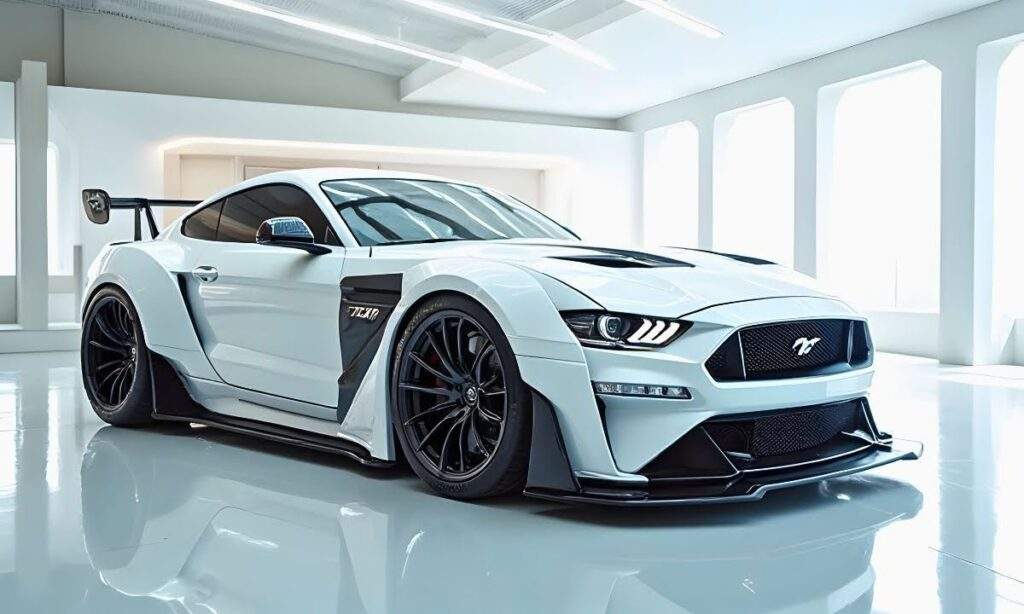
The first look at the 2026 Ford Mustang is already sending shockwaves through the car world. What was expected to be a light refresh now looks like a bold shift that could redefine what the Mustang stands for in the modern era. Early impressions suggest Ford is not playing it safe this time. Instead, the brand appears ready to push its most iconic nameplate into a future that blends heritage with a sharp, forward-looking attitude. A Radical New Design Direction The 2026 Mustang immediately stands out with a design that feels more aggressive and more refined at the same time. While the classic long-hood proportions remain, nearly every visible surface appears to have been rethought to deliver a stronger visual impact. This design evolution suggests Ford wants the Mustang to feel equally at home on city streets, highways, and track days, appealing to both traditional fans and new buyers. Interior Moves Into the Future Inside, the changes may be even more dramatic. The 2026 Mustang cabin appears to take a big leap toward digital sophistication while still keeping a driver-focused layout. Ford seems to understand that modern performance buyers expect advanced technology without sacrificing emotional connection. Large displays dominate the dashboard, but the overall layout remains purposeful rather than flashy. Physical controls appear thoughtfully placed, and the cockpit feel is more immersive, making the driver feel central to the experience rather than overwhelmed by screens. What This Could Mean for Performance While official performance details are still under wraps, the design and interior changes strongly hint at deeper updates beneath the surface. Ford’s recent direction suggests a focus on smarter performance rather than just raw numbers. Rather than chasing extremes, the 2026 Mustang seems positioned to deliver a more complete performance package that works in real-world driving. Why This Mustang Feels Like a Turning Point This first look makes it clear that Ford is thinking long-term. The Mustang is no longer just about nostalgia or brute force. It is evolving into a performance car that reflects changing buyer expectations while still honoring its legacy. By embracing modern design, digital interiors, and likely smarter performance tech, Ford appears to be setting the Mustang up to remain relevant in a rapidly shifting automotive landscape. This approach could help the Mustang stand out as competitors move in very different directions. The Bigger Picture for the Mustang Nameplate The 2026 model signals that the Mustang is entering a new chapter. It is not abandoning its roots, but it is clearly redefining how those roots translate into a modern performance car. This balance between tradition and innovation may be the key to keeping the Mustang iconic for years to come. Final Report The shocking first look at the 2026 Ford Mustang shows a car that is confident, modern, and unapologetically bold. If these early impressions translate into the final production model, this Mustang could mark one of the most important shifts in the model’s history, changing not just how it looks, but what it represents.
2026 Toyota HikeCruze 6×6 Motorhome – Price, Features & Future Concept

The 2026 Toyota HikeCruze 6×6 Motorhome is being imagined as a bold step into the future of overland travel, blending extreme off-road ability with long-distance comfort. Designed as a concept-level vehicle, it reflects how adventure-focused motorhomes could evolve in the coming years. A New Direction for Toyota’s Adventure Vision The HikeCruze 6×6 concept is positioned as an exploration-first motorhome, built for terrain where traditional RVs cannot go. With six driven wheels and a rugged stance, the idea focuses on remote travel, self-sufficiency, and durability while keeping the reliability image long associated with Toyota. Rather than chasing luxury alone, the concept leans toward purpose-built design for extreme environments. Exterior Design and 6×6 Capability From the outside, the HikeCruze concept would likely feature a boxy, functional profile with aggressive ground clearance and reinforced body panels. The extended rear axle setup allows for better weight distribution, improved traction, and higher payload capacity, which is critical for long expeditions. Large off-road tires, heavy-duty suspension components, and protective skid plates would define its visual identity as a serious expedition machine rather than a lifestyle RV. Interior Layout and Living Space Inside, the focus of the concept is expected to be smart use of space rather than excess decoration. The layout would prioritize durability, modular furniture, and easy maintenance during long journeys. Storage solutions would be integrated into walls and floors, while sleeping and seating areas would be designed to convert quickly depending on travel needs. The overall idea is comfort without compromising practicality in harsh conditions. Expected Features and Technology Highlights The HikeCruze 6×6 concept is imagined to include a range of features that support off-grid travel and long-term independence. Price Expectations and Market Position As a future-facing concept, the 2026 Toyota HikeCruze 6×6 Motorhome does not have an official price. However, if such a vehicle were to reach production, it would likely sit at the premium end of the adventure motorhome segment due to its specialized drivetrain, heavy-duty components, and low-volume nature. It would appeal primarily to expedition travelers, research teams, and extreme overlanding enthusiasts rather than mainstream RV buyers. Who This Motorhome Is Really For The HikeCruze 6×6 concept is not aimed at casual weekend campers. Its imagined purpose is for users who value reach and resilience over campground comfort. Final Thoughts on the HikeCruze Concept The 2026 Toyota HikeCruze 6×6 Motorhome represents an exciting glimpse into what extreme adventure vehicles could become. While it remains a concept-level idea, it reinforces Toyota’s reputation for durability and innovation when it comes to vehicles built for challenging environments. If developed further, it could redefine how motorhomes are used beyond paved roads and established campsites.
Toyota Revs Up the Road: The 2026 Corolla Sedan Steals the Show Again
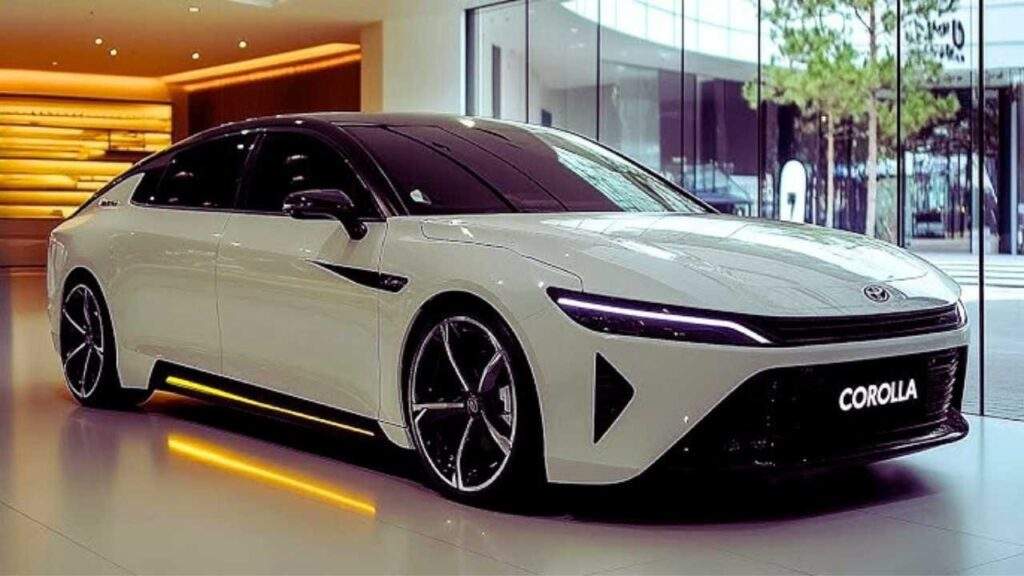
A Fresh Take on a Trusted Favorite The 2026 Toyota Corolla has rolled onto the scene with a striking new design and features that make it one of the most exciting sedans in its class. For decades, the Corolla has been known as a symbol of reliability, value, and everyday comfort. Now, Toyota has given it a modern twist, adding bolder styling, smarter technology, and a more luxurious interior. The result is a compact sedan that feels ready to impress everyone—from first-time drivers to long-time Toyota fans. Sleek Design That Turns Heads The 2026 Corolla wears a completely refreshed look that’s sportier and more dynamic than ever. The front fascia features slimmer LED headlights, a wide black mesh grille, and a sculpted hood that gives the car a confident stance. Along the sides, smooth aerodynamic lines enhance its visual appeal while improving fuel efficiency. The rear gets a sharp finish with wraparound LED taillights and a subtle spoiler for a touch of sportiness. Toyota is offering new two-tone color options and alloy wheel designs, giving drivers more ways to personalize their Corolla’s style. Inside, the cabin now feels more upscale, with soft-touch materials, improved seat comfort, and an elegant dashboard layout that’s both practical and premium. Smarter Technology for Every Drive The 2026 Corolla takes technology to the next level with upgrades that make every trip easier and more enjoyable. The centerpiece of the cabin is a larger touchscreen infotainment system with wireless Apple CarPlay and Android Auto. The driver’s display is fully digital, offering customizable layouts for navigation, performance, and safety alerts. Wireless charging, USB-C ports, and a premium JBL sound system are also available. Toyota has made sure the 2026 Corolla is not just connected it’s intelligent. Voice commands, over-the-air updates, and remote vehicle access through the Toyota app make it one of the smartest sedans in its class. Efficient Power with an Exciting Edge Under the hood, the 2026 Corolla delivers performance that’s both smooth and efficient. The standard 2.0-liter four-cylinder gasoline engine produces around 169 horsepower, offering plenty of punch for city commutes and highway drives. For eco-conscious buyers, Toyota continues to offer a hybrid version that achieves up to 50 miles per gallon combined. The hybrid model pairs a 1.8-liter engine with an electric motor, providing quiet, responsive acceleration and excellent fuel savings. Both versions feature a continuously variable transmission (CVT) for seamless power delivery and a refined ride quality. Specification Details Engine Options 2.0-liter Gasoline / 1.8-liter Hybrid Power Output 169 hp (Gas) / 138 hp (Hybrid) Transmission CVT Automatic Drive Type Front-Wheel Drive Fuel Economy Up to 50 MPG (Hybrid) Seating Capacity 5 Passengers Cargo Space 13.1 cubic feet Safety System Toyota Safety Sense 3.0 The 2026 Corolla also benefits from improved suspension tuning and steering precision, resulting in a more stable, comfortable, and responsive drive. It’s quieter, smoother, and better balanced than ever before, making it perfect for both city streets and long road trips. Safety That’s Always in Control Toyota’s commitment to safety remains stronger than ever. Every 2026 Corolla comes standard with Toyota Safety Sense 3.0, which includes advanced driver assistance features like adaptive cruise control, lane-tracing assist, pre-collision warning with pedestrian detection, and automatic emergency braking. Blind-spot monitoring and rear cross-traffic alert are also available for added protection. With its high-strength body structure and improved sensors, the Corolla keeps drivers and passengers safe in every situation. A Touch of Luxury at an Affordable Price One of the most impressive things about the 2026 Corolla is how much value it offers. Despite its sleek design, upscale interior, and cutting-edge features, it remains one of the most affordable sedans in its class. Toyota has managed to blend luxury, technology, and efficiency into a package that doesn’t break the bank. Whether you’re looking for a reliable daily commuter or a stylish ride for weekend adventures, the new Corolla delivers on every front. The Corolla Legacy Continues The 2026 Toyota Corolla proves that even a classic can evolve without losing its essence. It’s more stylish, more efficient, and more advanced than ever, yet it stays true to what made it a household name dependability and practicality. Toyota has once again managed to make a car that appeals to both the head and the heart.
Meet the 2026 Toyota Highlander – The Stylish, Powerful, and Tech-Savvy SUV Everyone’s Talking About
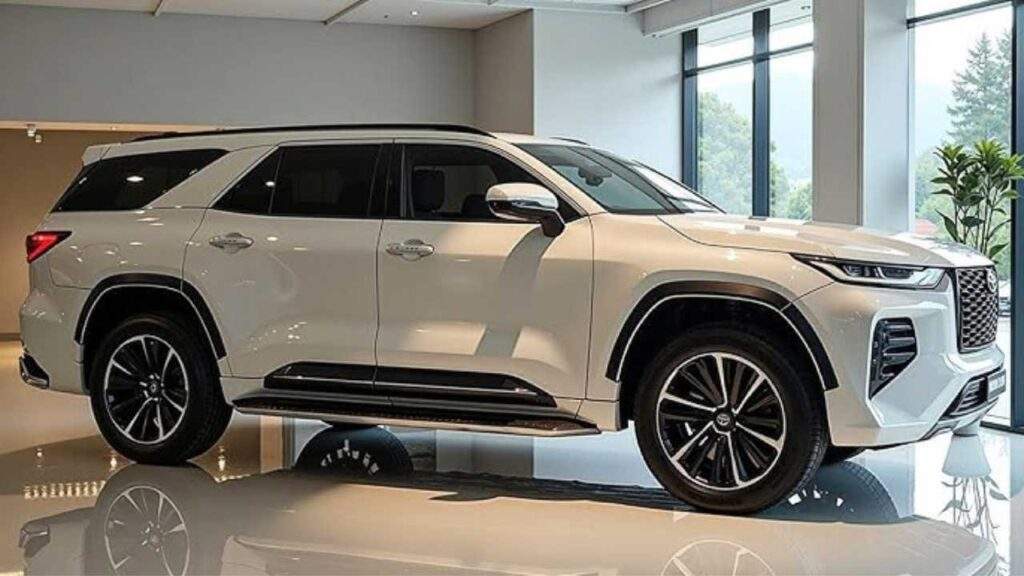
A Fresh Face for a Family Favorite The 2026 Toyota Highlander is here, and it’s raising the bar once again in the midsize SUV segment. Long admired for its reliability, comfort, and versatility, the Highlander now arrives with bolder styling, upgraded performance, and advanced technology. Toyota has taken everything drivers love about this family SUV and refined it into a more stylish, efficient, and connected package. Whether it’s family road trips, daily commutes, or weekend getaways, the 2026 Highlander is built to do it all with more confidence and flair than ever before. Sleek Design That Commands Attention The 2026 Highlander gets a stunning exterior makeover that gives it a more premium and athletic appearance. The front fascia features a wider grille with a glossy black finish, slim LED headlights, and sharper bumper lines that enhance its modern, muscular stance. Sculpted sides flow into a sleek rear end with redesigned LED taillights and a chrome-accented tailgate, emphasizing both elegance and strength. New 20-inch alloy wheels and a refreshed color palette including a few eye-catching metallic shades add to its stylish appeal. The result is a Highlander that feels both family-friendly and upscale at the same time. A Comfortable Cabin Loaded with Features Inside, the 2026 Highlander delivers a perfect mix of practicality and sophistication. The cabin has been redesigned with premium materials, improved sound insulation, and a more intuitive layout. Seating for up to eight passengers ensures everyone rides in comfort, while available second-row captain’s chairs add a touch of luxury. The panoramic sunroof, ambient lighting, and tri-zone climate control create a relaxing environment for long drives. The cargo area remains spacious, offering flexible storage options with fold-flat second and third-row seats that make hauling large items effortless. Power That Balances Strength and Efficiency Under the hood, Toyota introduces an all-new 2.4-liter turbocharged four-cylinder engine for the 2026 Highlander, replacing the previous V6. This engine produces around 265 horsepower and 310 lb-ft of torque, giving the SUV a stronger and smoother feel while improving fuel economy. For eco-conscious drivers, Toyota continues to offer a Hybrid variant that pairs a 2.5-liter four-cylinder engine with electric motors, delivering up to 245 horsepower and excellent fuel efficiency perfect for those looking to save at the pump without sacrificing capability. Specification Details Engine Options 2.4-liter Turbo Gas / 2.5-liter Hybrid Power Output 265 hp (Gas) / 245 hp (Hybrid) Transmission 8-Speed Automatic (Gas) / eCVT (Hybrid) Drive Type FWD or AWD Fuel Economy Up to 36 MPG (Hybrid) Towing Capacity Up to 5,000 lbs Seating Capacity 7 or 8 Passengers Cargo Space Over 84 cubic feet (Max) Toyota has fine-tuned the suspension for a smoother, more composed ride, whether navigating city streets or rough highways. The optional all-wheel-drive system improves traction in all conditions, making the Highlander ready for family adventures and unpredictable weather alike. Smarter Tech for a Smarter Drive The 2026 Highlander doesn’t just look modern it’s packed with intelligent technology. The center console houses a large 12.3-inch touchscreen running Toyota’s latest infotainment software, featuring wireless Apple CarPlay, Android Auto, and over-the-air updates. A fully digital driver display provides real-time information on navigation, safety, and performance. Passengers can enjoy multiple USB-C ports, wireless phone charging, and an available premium JBL sound system for crystal-clear audio. Even the voice assistant has been upgraded just say “Hey Toyota,” and it will handle navigation, climate, and more. Safety That Always Comes Standard As expected, Toyota continues to prioritize safety. Every 2026 Highlander comes equipped with Toyota Safety Sense 3.0, which includes adaptive cruise control, lane-tracing assist, pre-collision warning, pedestrian detection, and automatic emergency braking. Additional features like blind-spot monitoring, rear cross-traffic alert, and a 360-degree camera system make maneuvering this large SUV easier than ever. The Highlander’s high-strength frame and advanced airbag system also ensure top-tier protection for every passenger. Luxury Meets Everyday Versatility While the 2026 Highlander is more powerful and high-tech, it hasn’t forgotten its roots as a family favorite. The blend of comfort, durability, and smart design makes it a go-to choice for families who want more than just a people mover they want a stylish, reliable companion for every journey. Even with all these updates, Toyota continues to keep the Highlander competitively priced, offering luxury-level features at a family-friendly value. The Highlander Evolution Continues The 2026 Toyota Highlander proves that even the most trusted vehicles can evolve without losing their identity. It’s more stylish, smarter, and stronger yet still delivers the dependability that drivers have loved for years. Toyota has once again set a new benchmark for midsize SUVs by combining elegance, practicality, and technology in perfect harmony. In short, the 2026 Toyota Highlander packs everything families need and everything drivers want. It’s sleek, powerful, efficient, and intelligent, making it one of the most well-rounded SUVs of the year. This is the Highlander redefined for a new era ready to lead the road ahead with confidence and style.
2026 Ford Maverick: A Versatile and Fuel-Efficient Compact Pickup with Modern Features
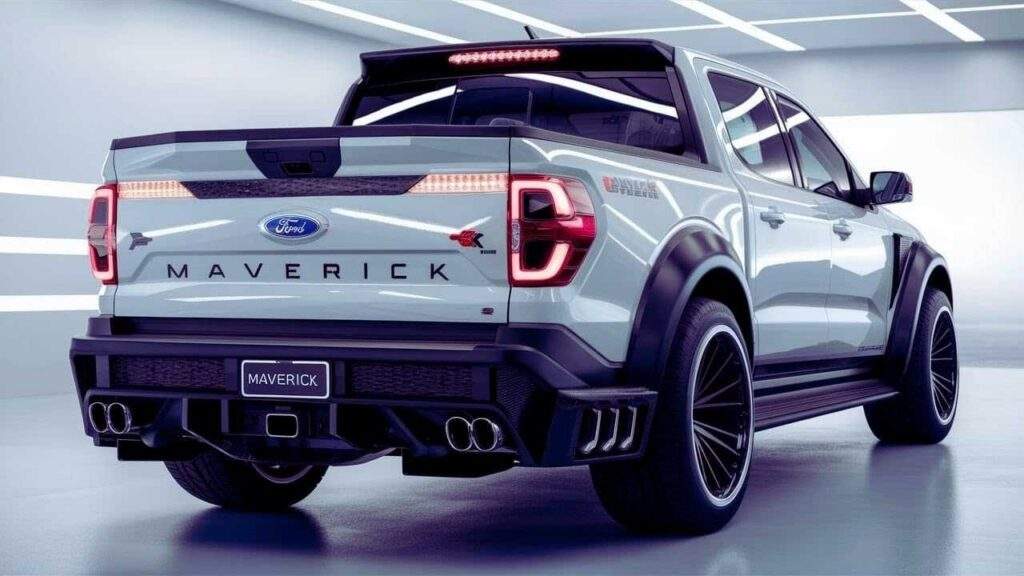
The 2026 Ford Maverick continues to stand out as one of the most practical small pickup trucks in the U.S. market. It combines a compact size with a useful cargo bed, available hybrid power and modern technology. For 2026, Ford brings back the 2.0-liter EcoBoost with front-wheel drive, while the standard hybrid powertrain continues to offer an EPA-estimated 42 mpg in city driving. The truck starts at $28,145 before destination charges, taxes and other fees. 2026 Ford Maverick Price and Model Lineup The Maverick is designed for buyers who want the usefulness of a pickup without moving up to a larger and more expensive truck such as the Ford Ranger. Ford’s official 2026 lineup includes XL, XLT, Lobo, Lariat and Tremor versions. The exact equipment and drivetrain choices vary by trim. Feature 2026 Ford Maverick Starting MSRP $28,145 Body style Compact pickup Standard powertrain 2.5L hybrid Hybrid transmission Power-split electric CVT Available gas engine 2.0L EcoBoost Hybrid fuel economy EPA-estimated 42 mpg city Drive options FWD, AWD and available 4WD depending on trim Main trims XL, XLT, Lobo, Lariat, Tremor The starting MSRP does not include destination and delivery charges, taxes, registration or optional equipment. Hybrid Engine Is a Major Advantage One of the biggest reasons to consider the Maverick is its available hybrid powertrain. The 2026 Maverick uses a 2.5-liter hybrid system with a power-split electric continuously variable transmission. Ford says the standard hybrid powertrain achieves an EPA-estimated 42 mpg in city driving, giving the Maverick a strong advantage for people who want a pickup but also care about fuel costs. The hybrid setup is particularly useful for drivers who spend a lot of time in city traffic. A compact pickup that can deliver this level of fuel economy can be easier to live with than a traditional larger truck. Actual fuel economy will vary depending on driving conditions, traffic, weather, load and driving style. 2.0-Liter EcoBoost Returns for 2026 Ford has brought the 2.0-liter EcoBoost engine with front-wheel drive back to the 2026 Maverick lineup. This gives buyers another choice if they prefer a conventional gasoline engine instead of the hybrid system. Ford says the 2.0-liter EcoBoost FWD is offered at a $1,000 lower price than the standard Hybrid FWD on XL and XLT trim series. The 2.0-liter EcoBoost is also available with all-wheel drive. For 2026, Ford says AWD is a no-charge upgrade versus the standard Hybrid FWD in the relevant configuration, making the added traction more accessible. Compact Size Makes the Maverick Easy to Use The Maverick’s biggest advantage is its size. Large pickups can be difficult to park and may be unnecessary for people who only occasionally carry tools, home-improvement materials or outdoor equipment. The Maverick offers a smaller alternative while still providing an open cargo bed. Its compact footprint also makes it more suitable for everyday city and suburban driving. This combination is a major part of the Maverick’s appeal. It is not trying to replace a heavy-duty work truck. Instead, it is designed for people who want a pickup’s usefulness without the size of a full-size truck. FLEXBED Adds Practical Storage Options Ford’s FLEXBED system is another useful feature. The truck bed includes storage and organization options that allow owners to arrange and secure different types of cargo. The 2026 XL specification includes six cargo tie-down hooks along with the FLEXBED storage system. This makes the Maverick useful for everyday jobs such as carrying gardening supplies, tools, sports equipment or small home-improvement materials. The pickup bed is also one of the reasons the Maverick can be more practical than a small SUV for certain types of owners. Modern Technology Comes Standard The 2026 Maverick receives a number of modern connectivity features. Every 2026 Maverick comes standard with Ford’s Connectivity Package, including a complimentary one-year subscription. Ford also offers a seven-year package for customers who want longer-term access. The truck also includes a 5G modem and connectivity features that can provide services such as Wi-Fi hotspot access, voice assistance and entertainment features, with availability depending on the specific service and package. These features help make the Maverick feel more like a modern passenger vehicle rather than a basic work truck. Safety Features Are Also Included Ford gives the Maverick a useful list of standard safety equipment. The 2026 XL includes a lane-keeping system with lane-keeping alert and assist, driver alert and road-edge detection. It also has Pre-Collision Assist with automatic emergency braking and pedestrian detection. The standard equipment also includes a rearview camera, electronic stability control, tire-pressure monitoring and multiple airbags. The exact availability of additional driver-assistance features can vary according to trim and package. Lobo and Tremor Bring Different Personalities The Maverick lineup is not limited to one type of buyer. The Lobo version is aimed at customers looking for a sportier street-focused Maverick, while the Tremor is designed for buyers who want additional off-road capability. Ford’s current ordering system lists the Lobo and Tremor alongside XL, XLT and Lariat models, with drivetrain choices including FWD, AWD and Advanced 4WD depending on configuration. This range makes the Maverick more flexible than a simple economy pickup. New Colors for 2026 Ford has also added new exterior colors for the 2026 model year. The new choices include Marsh Gray and Orange Fury Metallic Tri-Coat. Availability can depend on the selected trim and configuration. Other available colors include options such as Shadow Black, Oxford White, Carbonized Gray Metallic, Light Blue, Velocity Blue, Space White Metallic, Azure Gray Metallic Tri-Coat and Ruby Red Metallic Tinted Clearcoat. Power-Sliding Rear Window Adds Convenience Ford is also expanding availability of the power-sliding rear window. For 2026, the feature is available on Lariat and Tremor, and Ford says availability extends to XLT and Lobo as a late-availability option. This is a small feature, but it can be useful when carrying longer items or improving airflow through the cabin. 2026 Ford Maverick: Main Strengths and Weaknesses The Maverick’s biggest strength is its balance. It offers pickup-bed usefulness without the size and
2026 Chevrolet Chevelle SS: A Legendary Muscle Car Reborn with Power, Style & Innovation
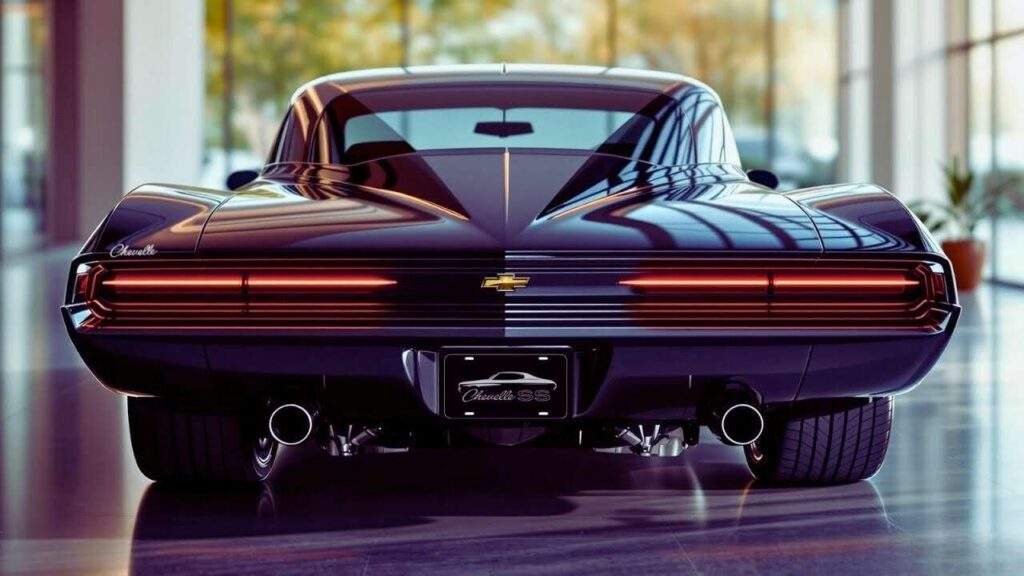
The Chevrolet Chevelle name is back in the spotlight, but there is an important detail buyers and muscle-car fans need to know. The 2026 Chevelle 70/SS being discussed online is not a new factory Chevrolet model. Instead, the modern 70/SS is a limited-production muscle car created by Trans Am Worldwide. It takes inspiration from the legendary 1970 Chevelle Super Sport and combines the classic look with a modern performance platform. The company is currently taking orders for the 70/SS and offers engines ranging from 450 horsepower to a 1,500-rear-wheel-horsepower twin-turbo setup. Is the 2026 Chevrolet Chevelle SS an official Chevy model? No. General Motors has not launched a factory-produced 2026 Chevrolet Chevelle SS. The current Chevrolet vehicle lineup does not list a Chevelle as a new production model. Chevrolet’s official performance lineup includes cars such as the Corvette and Blazer EV SS, but there is no factory 2026 Chevelle SS listed. The confusion comes from the Trans Am Worldwide 70/SS. The company describes it as a modern reimagining of the classic American muscle cars and specifically says that the 70/SS pays tribute to the 1970 Chevelle Super Sport. That makes the 70/SS very different from an all-new Chevrolet model sold through normal Chevrolet dealerships. What is the 70/SS? The 70/SS is a modern muscle car built around the design of the classic 1970 Chevelle SS. Trans Am Worldwide has kept the basic visual idea of the original muscle car while adding modern mechanical parts, updated suspension, modern brakes and contemporary performance technology. The company offers three main trim and power levels, allowing buyers to choose between a more traditional performance setup and an extremely powerful limited-edition version. The most powerful version is the 70/SS 454 LS6X Limited Edition, which is restricted to only 25 units. 70/SS version Advertised power Key point Base 70/SS 450 hp LT1-based performance 396 upgrade Up to 900 rear-wheel hp High-performance engine option 454 LS6X 900 to 1,500 rear-wheel hp Limited to 25 units 454 LS6X top version 1,500 rear-wheel hp Twin-turbo setup The power figures above come from Trans Am Worldwide’s own specifications. They should not be confused with factory Chevrolet horsepower ratings. The shocking 1,500-horsepower version The biggest talking point is the 454 LS6X. Trans Am Worldwide says its top version produces 1,500 horsepower at the rear wheels. That is an enormous figure for a street-oriented muscle car. The company says the LS6X uses a twin-turbo 454 setup and offers three power choices: 900, 1,000 and 1,500 rear-wheel horsepower. The 1,500-horsepower version also receives a full carbon-fiber body, upgraded suspension, stronger axles and rear differential, larger brakes and other performance hardware. The 1,500-horsepower figure is especially important because it is measured at the rear wheels. It should therefore not be compared directly with engine horsepower figures from ordinary factory cars without considering the difference in measurement. Classic Chevelle design with modern technology The biggest attraction of the 70/SS is its appearance. The car is designed to remind people of the 1970 Chevelle SS, one of the most famous muscle cars of the classic era. The modern version keeps the long hood, wide stance and aggressive muscle-car shape while adding modern construction and performance equipment. Trans Am Worldwide offers heritage colors as well as modern metallic and pearl paint choices. Buyers can also request custom colors. The company also offers options such as a removable hardtop, upgraded brakes, different wheel choices, painted graphics and exposed carbon fiber. Interior mixes old and new The cabin follows the same idea as the exterior. Instead of creating a completely modern interior that looks unrelated to the original Chevelle, Trans Am Worldwide uses retro-inspired details. The company lists a retro gauge cluster, 1970-style seats, loop carpeting, a classic-style console and shifter. This gives the car a vintage feel while the underlying vehicle uses modern mechanical technology. For a collector, this combination may be one of the most attractive parts of the car. It looks like a classic muscle car but is designed around modern performance hardware. Why the 70/SS is different from a normal restomod The term “restomod” is often used for classic cars that have been restored and upgraded with modern parts. The 70/SS goes further in a different direction. Rather than simply restoring an original 1970 Chevelle, Trans Am Worldwide creates a modern vehicle that is heavily inspired by the classic design. That means buyers can get the appearance and character of the old Chevelle while receiving modern performance equipment. This is also why the car should not be described as a brand-new Chevrolet factory model. It is a separate modern build produced by Trans Am Worldwide. What made the original Chevelle SS so famous? The original Chevelle was produced from the 1960s through the 1970s, and the SS became one of Chevrolet’s best-known muscle-car variants. The 1970 model year was especially important because Chevrolet offered the 454-cubic-inch V8, including the famous LS6. The LS6 was rated at 450 horsepower and 500 lb-ft of torque during that era. The modern 70/SS takes direct inspiration from that period. The limited LS6X name is also a clear reference to the original high-performance Chevelle. Performance hardware is more than just engine power A 1,500-horsepower engine requires much more than a powerful motor. Trans Am Worldwide says the top LS6X model includes upgraded suspension, upgraded axles, a stronger rear differential and oversized brakes. The 1,500-horsepower version also receives a full carbon-fiber body. This is important because a car with this level of power needs the chassis, drivetrain and braking system to handle the extra performance. The company also uses modern technology to make the power delivery more manageable. Its LS6X description mentions boost-by-speed technology, which is intended to control how the huge amount of turbocharged power reaches the rear wheels. How much does the 2026 Chevelle 70/SS cost? There is no simple factory Chevrolet MSRP for a 2026 Chevelle SS because this is not a Chevrolet production model. Trans Am Worldwide does not present a single universal retail price on
2026 Chevy Camaro Unveiled: The Modern Muscle Icon with Shocking Power
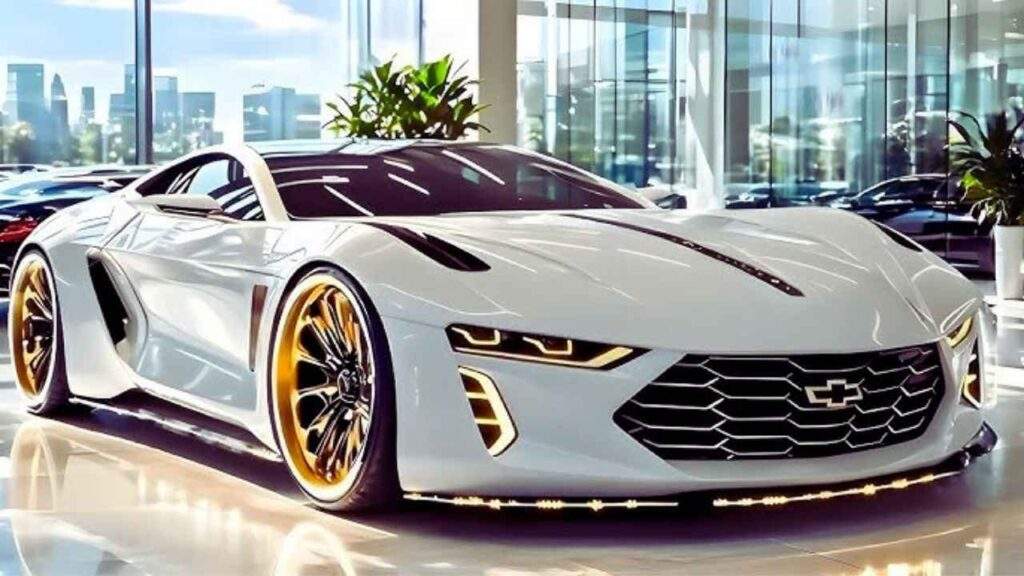
The Chevrolet Camaro remains one of America’s best-known muscle-car names, but there is an important catch with the 2026 model year. Chevrolet has not officially launched a new road-going 2026 Camaro. The previous-generation Camaro ended production after the 2024 model year, and Chevrolet’s current official lineup does not list a 2026 Camaro. Some recent reports and online images have created confusion because Chevrolet has continued to use the Camaro name in motorsport and because reports about a future road-car return are circulating. Is there really a new 2026 Camaro? No official production 2026 Camaro has been unveiled by Chevrolet for sale to the public. The sixth-generation Camaro was discontinued after the 2024 model year. Chevrolet announced the final Collector’s Edition for the outgoing Camaro in 2023, including a 650-horsepower supercharged ZL1 version. Chevrolet’s current vehicle lineup also does not show a 2026 Camaro as a production road car. This means claims that a fully redesigned 2026 Camaro has already been officially launched with confirmed pricing and specifications are not supported by an official Chevrolet announcement. Why is the Camaro name appearing again? The Camaro name has not completely disappeared from Chevrolet’s performance and racing world. For the 2026 NASCAR Cup Series season, Chevrolet unveiled an updated Camaro ZL1 race car. The racing machine uses styling connected to the Camaro ZL1 Carbon Performance Package, even though the road-going Camaro is no longer in production. That racing activity can easily create the impression that Chevrolet has already brought the Camaro back as a new street car. But a NASCAR race car and a production vehicle are two very different things. Item Current position 2026 road-going Camaro Not officially launched Previous Camaro production Ended after the 2024 model year 2026 Camaro ZL1 NASCAR car Yes, racing version unveiled New production Camaro price Not officially announced New production Camaro engine Not officially announced Official 2026 road-car specifications Not available What was the last Camaro’s power? The final generation of Camaro offered several engine choices, with the ZL1 sitting at the top of the range. The ZL1 used a 6.2-liter supercharged LT4 V8 producing 650 horsepower. Chevrolet also offered the Camaro SS with a naturally aspirated 6.2-liter V8 producing 455 horsepower. These numbers explain why the Camaro continues to have such a strong reputation among muscle-car fans. However, those figures belong to the previous-generation production Camaro and should not be presented as confirmed specifications for a new 2026 road car. Could a future Camaro return with more power? There are reports that Chevrolet could bring the Camaro name back in the future, but those reports should be treated as unconfirmed until General Motors or Chevrolet makes an official announcement. Recent reports have discussed a possible future Camaro that could move away from the traditional two-door coupe format. One report suggests a four-door, rear-wheel-drive performance car could eventually carry the Camaro name, potentially with V8 power. Chevrolet has not officially confirmed those details. That means potential engine sizes, horsepower figures, transmission choices, body style and pricing should not be treated as final. For now, there is no official Chevrolet specification sheet for a production 2026 Camaro. What made the previous Camaro a muscle-car icon? The Camaro built its reputation by combining aggressive styling with strong engines and rear-wheel-drive performance. The sixth-generation model offered a range that started with a turbocharged four-cylinder and moved through V6 and V8 engines. The high-performance ZL1 added the supercharged 6.2-liter V8 and 650 horsepower. The Camaro also competed directly with other American performance cars, particularly the Ford Mustang and Dodge Challenger. Its combination of relatively compact dimensions, rear-wheel drive and powerful engine options helped make it popular with drivers who wanted traditional American performance without moving to a much larger vehicle. What could a future Camaro need to succeed? If Chevrolet eventually returns the Camaro as a production model, the biggest challenge will be balancing its traditional muscle-car identity with modern performance and emissions requirements. A future model would also need modern technology, advanced safety equipment and a cabin that can compete with newer performance cars. The powertrain question could be especially important. Chevrolet has already shown that its performance vehicles can combine traditional internal-combustion engines with electric assistance. The 2026 Corvette ZR1X, for example, uses a twin-turbocharged V8 together with electrified all-wheel drive and produces a claimed 1,250 horsepower. That does not mean a future Camaro will use the same system. It simply shows the direction Chevrolet’s high-performance technology is taking. What about the shocking power claims? Online articles and social-media posts sometimes attach very large horsepower numbers to a supposed 2026 Camaro. Those figures should be treated carefully. There is currently no official Chevrolet announcement confirming a production 2026 Camaro with a particular horsepower rating. Therefore, numbers such as 700, 800 or 1,000 horsepower should not be presented as confirmed Camaro specifications unless Chevrolet officially announces them. The last production ZL1 already delivered 650 horsepower, so a future Camaro would have a high performance target to meet if Chevrolet wants to make the return a major event. What would the price be? There is currently no official MSRP for a production 2026 Camaro because Chevrolet has not announced a new road-going model for the 2026 model year. The price of the previous Camaro depended heavily on trim and engine. A future model could be priced very differently depending on its platform, powertrain, equipment and positioning. For that reason, online claims showing a confirmed 2026 Camaro price should not be treated as official Chevrolet pricing. 2026 Camaro: confirmed versus unconfirmed The easiest way to understand the current situation is to separate known information from speculation. This distinction matters because a racing Camaro can look like a completely new production model in photographs, even though it is built for a very different purpose. The headline “2026 Chevy Camaro Unveiled” sounds exciting, but the confirmed facts tell a more careful story. Chevrolet has not officially unveiled a new production 2026 Camaro for consumers. The Camaro name is still alive in NASCAR,