
The Agile Business Playbook: How to Build a Future-Ready Organisation in the Age of Constant Disruption
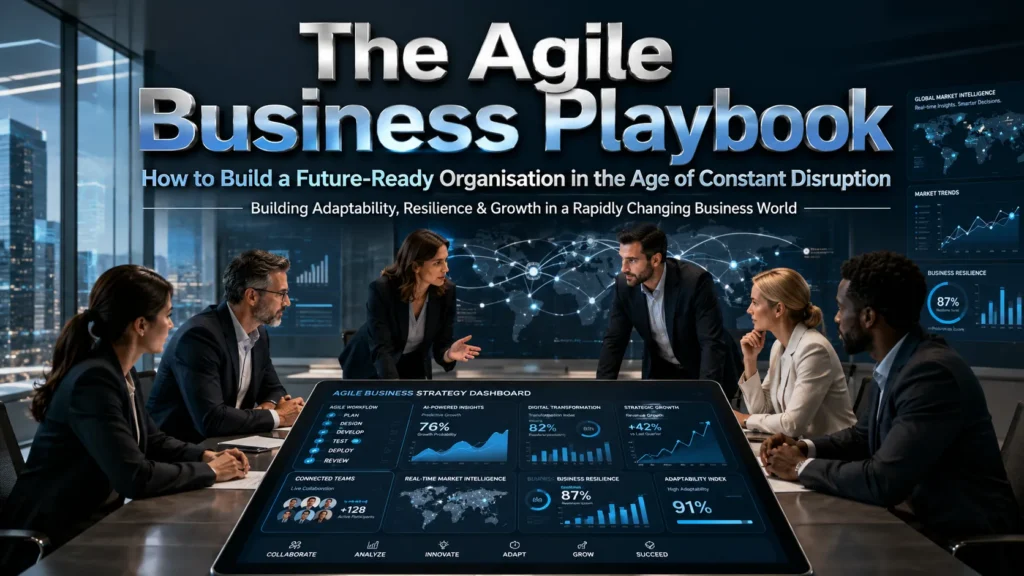
Why the Business Agility that survive and thrive in a NAVI world are the ones that treat adaptability not as a crisis response, but as a core strategic capability Uncertainty has always been a part of business. The speed, the simultaneity and the interconnections of change are new in 2026. Now, disruptions come in waves, echoing each other in a chain reaction fashion and none of them is predictable as to which combination will shape the environment in the next quarter or the next year. The research and consulting worlds that have been exploring and studying organisational resilience have met in a helpful acronym for describing this world: NAVI — Nonlinear, Accelerated, Volatile, and Interconnected. In fact, answering the call to lead in this kind of complex and fast-changing environment is the top challenge CEOs face, as reported in EY’s 2026 CEO Outlook Pulse Survey, where 87% of CEOs said this was the greatest challenge of their job, up from 62% three years ago. Related Article: Best MSME Business Ideas in India for 2026: Top 50+ Profitable Projects What “Agility” Actually Means (And What It Doesn’t) Genuine agility is the organisational capacity to sense changes in the environment, interpret them accurately and quickly, decide on an appropriate response, and execute before the window of opportunity closes. McKinsey’s research on organisational agility identifies five trademarks of truly agile organisations: a shared purpose and vision, a network of empowered teams, rapid decision and learning cycles, dynamic people practices, and enabling technology. It is demonstrated through outcomes, not through the presence of flat hierarchies or Scrum methodology. Strategic Clarity: The Anchor in an Uncertain World The key paradox of agile organization is that you need stability on your strategic level. When there is no definition of purpose, values, direction, they simply rock back and forth endlessly when they are forced to react to all of the signals. This is the finding from Harvard Business Review’s research on strategic clarity, which showed that well communicated and clearly defined strategic intent enables organisations to make quicker, better decisions at every level, as people across the organisation can make decisions according to the intent without having to wait for instructions from the top. Sensing Capability: Building the Early Warning System Organisations that deal with the disruption best are the ones that first sense it. Information relating to market shifts, competitor activities, customer dissatisfaction and new technologies frequently resides at the fringes of organisations – in the frontline teams that directly engage with customers, markets and technologies. Structural and cultural changes are needed to develop a true sense of the task. The research, published in MIT Sloan Management Review, reveals that companies that establish a formal process to gather and funnel information from their frontline staff to senior management are more effective at making strategic decisions and responding to disruption than are companies that are mostly top-down in how they communicate information. Structural Sensing Mechanisms Decision Architecture: Making Good Decisions Faster Decision architecture is one of the biggest contributors to organisational delays. Companies that are effective at decision making see profits almost six percentage points greater than those that are not effective at decision making, according to Bain & Company’s research on decision effectiveness. What separates the great from the good is not so much the quality of each decision, it’s the velocity and uniformity at which decisions are made and executed across the organisation. Get Detailed Insights from This Book: Our Books Execution Discipline: Making Fast Decisions Stick The speed of decision without the discipline of execution creates one type of organizational chaos – the launching of initiatives that don’t really stick before the next one comes along. The most important practices to enhance the likelihood of execution success are: clear accountability (one owner, not a committee), explicit success measures, regular reviews in a rhythm and explicit stop processes for failed initiatives. Learning Orientation: Turning Experience into Advantage Organisations that compound their ability the quickest are able to get the most learning from every experience. Project Aristotle studies by Google on the elements of successful teams identified psychological safety as the most important part of team learning and success: the genuine belief that they will not be penalized for bringing up concerns or sharing unexpected information. Creating permission for the organisation to learn orientation, by leaders who publicly demonstrate it. The Role of Technology in Organisational Agility In today’s day and age, technology has been a necessary part of the agility of the organisation. According to Salesforce’s State of IT Report 2025, organisations using integrated real-time data platforms make strategic decisions 5x quicker than those using siloed, out-of-date reporting platforms. AI powered analytics, collaboration platforms and modular tech architectures all expand organisational capability in improved ways to sense and execute. Agility for Small and Mid-Sized Businesses: The Natural Advantage Smaller organisations are structurally better with faster communication, quicker access to decisions, and greater organisational culture. However, small firms are often very rigid too. OECD’s SME and Entrepreneurship Outlook highlights three elements that are the main sources of rigidity in small organisations, which hinder their adaptability: founder-centric decision making, informal processes depending on individual knowledge, and cultures that consider the founding approach as a sacred one. Access Complete Business Plan: Project Reports & Profiles The Leadership Requirement: What Future-Ready Leaders Do Differently Building an agile organisation ultimately requires a different kind of leadership. The command-and-control model is structurally incompatible with the sensing, decision-speed, and learning requirements of an agile organisation. Deloitte’s Global Human Capital Trends Report documents that the leadership capabilities most associated with business resilience are learning agility, comfort with ambiguity, collaborative decision-making, and the ability to develop organisational capability rather than simply demonstrating personal capability. Discover scalable startups tailored to your goals The Competitive Reality: Agility Is Not Optional The NAVI world does not reward organisational rigidity. The businesses pulling ahead in this environment share a common orientation: they view adaptability not as a response to crisis but as a core strategic capability requiring ongoing
2026 Lamborghini Revuelto Phantom – A Stealth Fighter on Wheels with Missile Power
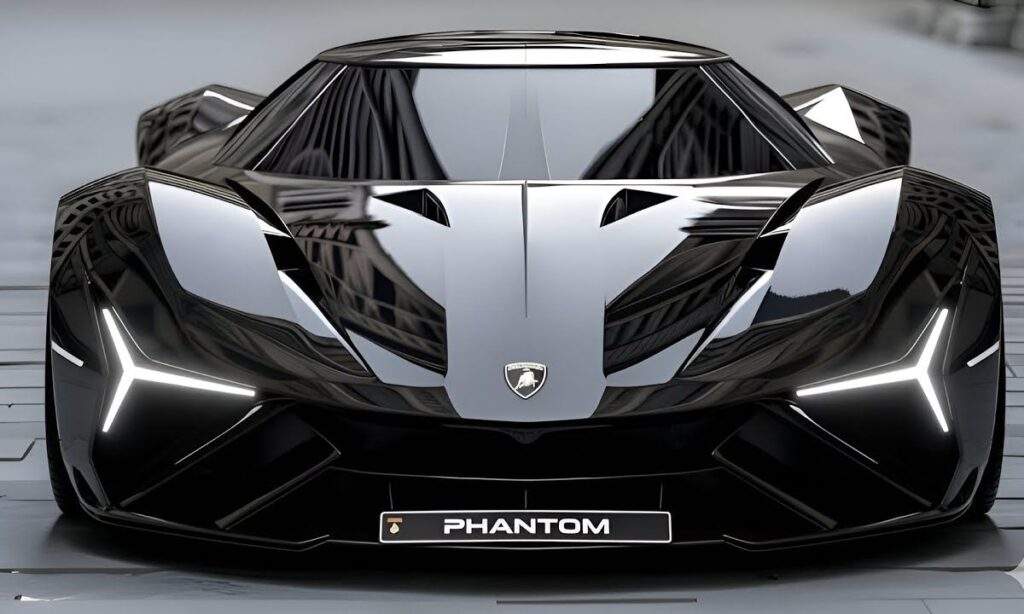
The 2026 Lamborghini Revuelto looks less like an ordinary supercar and more like something designed for a futuristic runway. Its sharp body, huge air intakes, exposed V12 and aggressive stance give it the kind of presence that makes the “stealth fighter on wheels” description feel surprisingly natural. But underneath the dramatic design is real engineering. The Revuelto combines a naturally aspirated 6.5-liter V12 with three electric motors and a dual-clutch transmission. The combined system produces 1,015 CV, while Lamborghini says the car can accelerate from 0 to 100 km/h in just 2.5 seconds and reach more than 350 km/h. A V12 Supercar With Electric Muscle The biggest story behind the Revuelto is its hybrid powertrain. Lamborghini has not abandoned its famous V12 engine. Instead, it has added electric motors to make the car even quicker and more responsive. The 6.5-liter naturally aspirated V12 produces 825 CV on its own, while the complete hybrid system reaches 1,015 CV. The setup uses three electric motors, with two mounted at the front and another integrated at the rear. That combination gives the Revuelto a very different character. The V12 provides the sound and high-speed drama expected from a Lamborghini, while the electric motors add instant power when the driver presses the accelerator. Specification 2026 Lamborghini Revuelto Engine 6.5-liter naturally aspirated V12 Combined power 1,015 CV V12 power 825 CV Electric motors 3 Transmission 8-speed dual-clutch e-DCT 0-100 km/h 2.5 seconds Top speed More than 350 km/h Electric range Up to 13 km WLTP The result is not a quiet electric car pretending to be a supercar. It is still a V12 Lamborghini, but with electric assistance added to take performance to another level. The Design Looks Like a Fighter Jet The Revuelto’s exterior is one of its biggest attractions. Lamborghini uses sharp lines, deep air channels and aggressive surfaces to create a futuristic shape. The design also has an aerospace influence. Lamborghini says the carbon-fiber monofuselage is inspired by aeronautics and is designed to improve stiffness while helping protect occupants. The result is a car that looks extremely low and wide from almost every angle. The front end is dominated by sharp lighting and large openings, while the sides have deep sculpted sections that guide air toward the powertrain. At the rear, the exposed V12 immediately reminds you that this is still a traditional Lamborghini at heart. Why the “Stealth Fighter” Look Fits So Well The Revuelto does not have the smooth, rounded shape associated with some older supercars. Instead, its body is covered with sharp edges, dramatic cuts and aerodynamic surfaces. The rear spoiler, side air intakes and vortex generators are not just there for appearance. Lamborghini has developed the aerodynamic package to manage airflow, improve efficiency and help cool the brakes. This is why the Revuelto can look almost unreal when viewed from certain angles. It has the visual language of a racing machine but remains a road-going supercar. Performance Is Where the “Missile Power” Comes From The Revuelto’s performance figures are serious even by Lamborghini standards. The official 0-100 km/h time is 2.5 seconds, and the top speed is more than 350 km/h. That puts the Revuelto firmly among the fastest road cars in the world. The electric motors help deliver power immediately, while the V12 continues producing strong performance as the speed rises. The combination is designed to give the car strong acceleration without losing the high-revving character of a naturally aspirated Lamborghini engine. This is the part that makes the hybrid system more than a fuel-saving feature. In the Revuelto, electrification is being used as a performance tool. It Still Has the Sound of a Lamborghini V12 One of the biggest concerns with modern performance cars is that electrification can remove some of the emotional experience. Lamborghini has taken a different approach with the Revuelto. The company kept the naturally aspirated V12 rather than replacing it with a smaller turbocharged engine. The engine revs to 9,500 rpm and produces the mechanical sound that has become one of the defining characteristics of Lamborghini’s V12 cars. The electric motors then work alongside it rather than trying to replace it completely. That gives the Revuelto a combination that is still rare: traditional V12 character with modern hybrid performance. The Cabin Feels More Like a Cockpit Inside, Lamborghini follows what it calls a “Feel Like a Pilot” philosophy. The cabin is built around the driver, with a digital cockpit and a futuristic design featuring Lamborghini’s familiar hexagonal themes. The Revuelto also has a passenger display, allowing the person sitting beside the driver to see information about the car while the driver remains focused on the road. The overall interior is designed to feel more like a high-tech cockpit than a conventional luxury car. That matches the aggressive exterior and performance-focused character. Hybrid Power Does Not Mean It Is a Full Electric Car The Revuelto can drive using electric power, but it is not designed to behave like a long-range EV. Its battery is a high-specific-power lithium-ion unit designed mainly to support the hybrid powertrain. Lamborghini’s 2026 technical data lists an electric-only range of up to 13 km under the WLTP test cycle. That short electric range tells you what the hybrid system is really about. The battery is there primarily to improve performance, response and efficiency rather than to replace gasoline-powered driving. Once the V12 is working hard, the Revuelto becomes exactly what you would expect from a Lamborghini: a very fast, very powerful combustion-engine supercar with electric assistance. The Technology Goes Beyond the Engine The Revuelto is also packed with technology designed to help manage its huge performance. Lamborghini uses its LDVI 2.0 vehicle dynamics system to help coordinate the car’s different systems. The car also uses multiple driving modes that allow the driver to change its character. The combination of all-wheel drive, electric front motors and advanced vehicle controls gives the Revuelto a very different setup from older rear-drive V12 Lamborghinis. This technology is important because controlling more than
Stop Guessing, Start Growing: The Complete Guide to Data-Driven Marketing in 2026

Data Driven Marketing in 2026 The art of marketing and the science of marketing have always gone together. The scientific aspect was hard to obtain for most of the history of marketing, and it involved large research budgets and specialised analytical resources. That’s the asymmetry that’s been massively compressed in 2026. Businesses that are leveraging the available data aren’t bigger or better equipped than those that are not. They’re just more conscious and more disciplined in what they use. For every company, regardless of size and industry, the ability to execute data-driven marketing is the main factor separating high growth companies from the rest, according to Gartner’s CMO Spend and Strategy Survey 2025. The means by which this benefit can be obtained are becoming available to companies of all sizes. Related Article: Manufacturing Business Under ₹1 Crore in India: Best Business Ideas The Reactive-to-Proactive Shift: Why Timing Is Everything The biggest change that can occur in marketing is from reactive to proactive decision-making. Reactive marketing is a reactive response to what has already occurred. Pro-active marketing puts a business in the right place and at the right time to take advantage of opportunities before they come to the fore when there is less competition and higher returns on investment. In fact, there’s a lot of documentation in Think with Google’s Marketing Intelligence Resources about how companies that pay attention to new trends can consistently outperform those that act on trends that have already been identified. The information reveals that the initial companies to develop content or campaigns about a new trend grab a disproportionate amount of attention and conversion opportunity. Google Trends: The Most Underused Marketing Tool Available Google Trends for Business is free, complete and it deals with the search behaviour for over 100 countries worldwide. It provides seasonal pattern analysis, geographic demand intelligence, competitor brand comparison and emerging topics identification, which would have cost thousands of dollars per month from a market research firm 15 years ago. Building a Data-Driven Marketing Calendar A data-informed calendar is not created based on estimated seasonal activity or industry norms; instead, it’s created based on what data shows your customers’ behavior patterns in your particular market. Read the Complete Book Here: Our Books Customer Data: Your Most Valuable and Most Underutilised Asset One of the top priorities in marketing for 2026 is the first party data strategy, which involves acquiring, structuring and leveraging data about your own customers. The IAB’s State of Data 2025 Report reveals that companies that have a strong first-party data source have 40-60% lower customer acquisition costs and convert at a much higher rate than those who use third-party data sources. Personalisation at Scale: The Standard That Has Been Set The level of personalisation consumer expect has never been higher and general marketing isn’t only less effective; it leaves a bad taste in consumers’ mouths. According to McKinley’s Next in Personalization Report, 76% of consumers are frustrated when companies don’t provide personalised interactions, and 71% expect them to do so. Firms with personalisation right earn 40% more out of such pursuits than the typical players. Attribution: Understanding What Is Actually Working With increasingly complex customer journeys, the attribution challenge has grown even more acute. The documentation for Google Analytics 4’s data-driven attribution (DDA) models clarifies how machine learning-driven attribution models deliver a more complete view of the effectiveness of marketing activities than the traditional last-click approach, which allows for more informed and effective budget allocation decisions from multi-touchpoint customer journeys. Get Detailed Project Report (DPR): Project Reports & Profiles Content Marketing: Creating Value Before Asking for Business Content — content that actually helps, informs or educates — is the best marketing tool for most businesses. The annual B2C Content Marketing Report from Content Marketing Institute has been consistently demonstrating that companies with written content marketing strategies are three times more likely to say they succeed in marketing than those without and, over time, lower acquisition costs for customers. Social Media Analytics: Reading the Signal Through the Noise Every social media platform provides analytics dashboards, but extracting value requires clarity about which metrics correspond to business outcomes. Sprout Social’s Social Media Analytics Benchmarks Report provides industry-specific benchmarks for engagement rate, reach growth, and click-through performance that give businesses a meaningful reference point for evaluating their own performance. Build a profitable business with the right idea The Human Element: Why Data Is the Starting Point, Not the Ending Point With all the focus on data, the most crucial reminder about data-driven marketing is that data is a starting point for making marketing decisions, not a substitute for human judgment, creativity, and emotional intelligence. Data is your answer to “what is happening?”. It doesn’t always tell you why. The best data-driven marketers are creative strategists who leverage data to refine their instincts, test their hypotheses and more intelligently allocate their budget. Harvard Business Review’s Research on Data-Driven Decision Making confirms that the highest-performing organisations combine rigorous data analysis with strong creative and strategic judgment — neither alone produces the same results as the combination. The Discipline Is the Differentiator Data-driven marketing doesn’t have to be a secret. Tools are readily accessible. There is written documentation of the frameworks. The difference between those that actually do it and those that do not is discipline – the commitment to developing a regular monitoring and analysis routine, to making decisions on evidence, not assumption, and to testing, learning and adapting. References & Further Reading 1. Gartner — CMO Spend and Strategy Survey 2025 2. Think with Google — Marketing Intelligence Resources 3. Google Trends — Business Research Tool 5. McKinsey — The Value of Getting Personalization Right 6. Google Analytics 4 — Data-Driven Attribution 7. Content Marketing Institute — Annual B2C Content Marketing Report 8. Sprout Social — Social Media Analytics Benchmarks 9. Harvard Business Review — Data-Driven Decision Making 10. Forrester — B2B Marketing Analytics Report
Entrepreneur India July 2026: 13 Manufacturing Business Opportunities in India
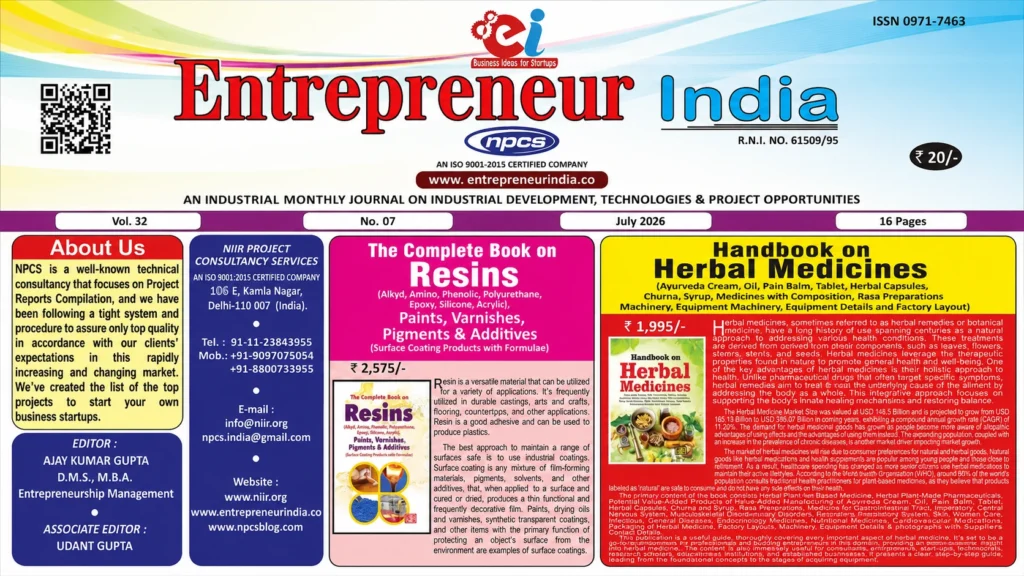
Technologies, infrastructure, sustainability, healthcare, energy efficiency and value addition are setting the stage for new opportunities for entrepreneurs and investors in the manufacturing sector in India. If you’re seeking actionable manufacturing business ideas for 2026, the new Entrepreneur India July 2026 issue features a targeted list of industrial projects and industry-focused insights. The July 2026 edition is intended for entrepreneurs, startups, MSMEs, investors, consultants, financial institutions, and industrial planners, and published by Niir Project Consultancy Services (NPCS). The focus is not just on business ideas but also on the practical aspects of developing manufacturing ventures, such as technology, plant capacity, machines, raw materials, project economics, compliance and market positioning. Explore the Entrepreneur India July 2026 Issue The July 2026 edition lists 13 manufacturing opportunities including construction material, industrial insulation, logistics, healthcare, food processing, packaging, specialty products and renewable energy. According to the official magazine page, the issue is an industrial reference for decision makers who are seeking manufacturing opportunities that is supported by market realities and feasible execution strategies. Read or download the complete issue here: Every effort is made to ensure that the information provided to readers is accurate and does not contain any errors. All information provided to the readers are made sure to be accurate and error free. 13 Manufacturing Opportunities Featured in the July 2026 Issue 1. Micro Porous Insulation Boards The Micro Porous Insulation Boards are a niche industrial application for steel, cement, aluminum, glass, furnace, electric vehicle and other energy-intensive industries. The project demonstrates the rising significance of energy saving and innovative thermal insulation in industrial processes. Get Detailed Project Report (DPR): Micro Porous Insulation Boards Manufacturing 2. AAC Blocks Another key construction material opportunity is the use of Autoclaved Aerated Concrete (AAC Blocks). The project’s emphasis is on light weight and energy efficient building materials which have the potential to contribute to urbanization and infrastructure development in India. Access Complete Business Plan: AAC Blocks Manufacturing Business Guide 3. Continuous Sandwich Panels Continuous Sandwich Panels are applicable across the broad spectrum of industrial construction, cold storage, warehouses, pharmaceuticals, logistics and pre-engineered buildings. Growing industrial development may bring opportunities to specialized manufacturers for providing effective insulated building systems. View Full Project Details: Discontinuous Sandwich Panel 4. Compressed Wood Pallets Compressed Wood Pallets show how production can integrate logistics requirement and sustainability. The project is a way to add value to an otherwise underutilised resource, the wood waste, which is used to make pallets for warehousing, exports, logistics and supply-chain applications. Get Detailed Insights from This Book: The Complete Technology Book on Wood and Its Derivatives 5. Nicotine Extraction from Tobacco Leaves and Waste This special project concentrates on the utilization of tobacco leaves and waste. It illustrates the greater potential of waste-to-wealth manufacturing process and how products with higher value such as pharmaceutical and specialty chemical products can be produced from the agricultural by-products. Get Detailed Project Report (DPR): Nicotine Extraction from Tobacco Waste – Detailed Project Report 6. Packaged Drinking Water The packaged drinking water sector is an important consumer sector which is being supported by urbanisation, hospitality, tourism, retail and demand for safe drinking water. But it is important for entrepreneurs entering this segment to take care of quality standards, regulatory compliance, packaging, distribution and competition besides just the demand being a sure shot of profit. Access Complete Business Plan: Packaged Drinking Water Manufacturing Guide 7. LPG Cylinder Manufacturing LPG Cylinder Manufacturing is a capital-intensive industrial opportunity related to the energy infrastructure of households and homes. The project is reflective of the ongoing need for cylinders in India’s energy system. View Full Project Details: LPG Cylinder Manufacturing Project Report 8. Surgical Latex and Nitrile Gloves Another big opportunity mentioned in the issue is healthcare manufacturing. Surgical Latex and Nitrile Gloves fulfil the Infection control needs of Hospitals, Clinics, Clinics as well as in other medical facilities; in addition, if the manufacturing are of top quality, they can help export markets as well. Get Detailed Project Report (DPR): Surgical Latex and Nitrile Gloves 9. Glass Reinforced Concrete Glass Reinforced Concrete (GRC) is a recent development of a durable construction material that offers applications where durability, fire resistance, design flexibility and up-to-date architectural requirements are significant. It is an indicator of the increasing use of specified materials in construction. Access Complete Business Plan: Glass Reinforced Concrete Manufacturing Project Report 10. Flavoured Cashew Processing Special attention is also given to flavoured cashew processing and dry-fruit packaging. This opportunity involves the commercialization of food processing by value addition, product differentiation, branding and packaging. Explore This Book: The Complete Book on Cashew (Cultivation, Processing & By-Products) 11. Biodegradable Plates and Cups from Rice Husk When suitable processing technology is available, agricultural wastes can be used as feedstock in manufacturing. For instance, the use of disposable plates and cups in the project marked by the conversion of agricultural waste into biodegradable tableware is an example of this. Related Article: Products from Rice Husk and Rice Husk Ash: Business Ideas, Manufacturing Process, and Project Opportunities 12. Expanded Polystyrene Expanded Polystyrene or EPS is used in various industries such as packaging, cold storage logistics, electronics, fisheries, building and insulation. It can be used in a variety of applications, making it an interesting project for entrepreneurs who are studying industrial materials. View Full Project Details: Expanded Polystyrene Manufacturing Guide 13. Ethanol as Bio-Fuel One of the renewable-energy opportunities featured in the issue is ethanol as Bio-Fuel. The project is linked to agriculture as a source for feedstock, fuel blending programmes and India’s push towards low carbon energy. Check Out This Recommended Book: Handbook on Biofuel, Ethanol and Bioenergy Based Products What Entrepreneurs Can Learn from These Projects The most important lesson from the July 2026 issue is that opportunities in manufacturing are not limited to any one industry. Opportunities are coming into existence in: The diversity is important because the investment, technical skills, market access, and risk aversion of these entrepreneurs is different. A new business that is just starting may
5 Hypochlorous Acid Spray Manufacturing Business Ideas That Can Transform Your Entrepreneurial Journey

Hypochlorous Acid Spray Manufacturing Business The Indian disinfectant and antimicrobial market is undergoing a dramatic change. In the Chemical Processing business, one of the most promising ideas for entrepreneurs and MSME investors is hypochlorous acid (HOCl) spray manufacturing. Hypochlorous acid (HOCl) spray manufacturing is one of the most promising business ideas for entrepreneurs and MSME investors in the chemical processing industry. To gauge the manufacturing potential, Government support framework, trade dynamics and actionable business ideas in hypochlorous acid spray segment, this article delves into the matter in a detailed manner before the first-generation founders can invest. Hypochlorous acid spray is no longer a “scientific curiosity”. It has infiltrated the mainstream of health care, food processing, agriculture and consumer hygiene. It is a good opportunity for Indian entrepreneurs who are realizing its importance and the regulatory acceptance is growing. Why the Hypochlorous Acid Spray Industry Is Growing So Fast The need for non-toxic, broad-spectrum antimicrobial solutions has been rapidly growing worldwide over the last few years. Created by the electrolysis of salt and water, hypochlorous acid is a strong disinfectant with none of the corrosive or toxic properties associated with traditional chlorine-based disinfectants. This places it in an ideal position in several high growth verticals. Healthcare, food safety and agriculture sectors are all stepping up their hygiene measures in India. Increased demand is being placed on hospitals, food processing plants, poultry farms, and schools to use disinfectants that can be used safely for human exposure; that are biodegradable and that can kill bacteria, viruses and fungi. HOCl spray meets all these specifications. Market Drivers Supporting Rapid Growth The HOCl spray market is gaining momentum due to several strong market forces. The first is that more and more evidence is surfacing about growing microbe resistance to quaternary ammonium compound disinfectants, prompting institutional buyers – such as hospitals, hotel chains, airport authorities and others – to move away from these products. HOCl spray is a viable and scientifically proven alternative. Second, the food processing industry in India, as one of the world’s largest, requires multiple stages of disinfection in the surfaces and produce during the process of food manufacturing. The food-safe profile of HOCl spray and its approval by international food contact material norms are making it quickly popular in this segment. Third, the market of domestic animal care and veterinary hygiene is growing swiftly. In veterinary clinics in metros of Indian, HOCl spray has emerged as the preferred woundcare and sanitisation solution. Besides, there is a tremendous export potential as countries in the Middle East, Southeast Asia and Africa are actively importing the antimicrobial products from India. These export corridors are a good revenue diversification avenue for GMP and WHO-GMP manufacturers. Government Policies and Incentives Favouring HOCl Manufacturing The policy landscape in India is actively geared towards establishing chemical processing and disinfectant manufacturing MSMEs. There are several schemes providing direct monetary and operational benefits to start-up entrepreneurs in this space. MSME Udyam Registration and Credit Linked Capital Subsidy The Ministry of MSME launched the Credit Linked Capital Subsidy Scheme (CLCSS) to offer a capital subsidy of 15% in the initial stage for technology upgradation in small-scale manufacturing units, on the institutional credit. Electrochemical activation (ECA) manufacturing units are eligible for this scheme. This support is provided via MSME CLCSS portal (L1) for entrepreneurs. PLI and Chemical Sector Incentives via DPIIT The Department for Promotion of Industry and Internal Trade (DPIIT) has been working on strategies for the various sectors for chemical and pharmaceutical adjacent manufacturing. The Make in India promotion of manufacturing will help MSMEs in the disinfectant manufacturing segment. Make in India Chemicals Sector page (L2) contains relevant policy briefs. Startup India Recognition and Tax Benefits Private limited company/LLP based spray manufacturing startup can apply for Startup India recognition benefits such as exemption from income tax for 3 years, self-certification for labour and environmental laws and tenders eligibility to prioritise government tenders. The Startup India Government Schemes portal (L3) provides a single window access to programmes available. Further, the Production Linked Incentive (PLI) Scheme for bulk drugs and chemicals also indirectly benefits the disinfectant producers. Additionally, most state governments now have some sort of single window clearance system for chemical manufacturing enterprises; entrepreneurs should investigate this. 5 High-Potential Business Ideas in Hypochlorous Acid Spray Manufacturing Business Idea 1 — Electrolysed HOCl Spray for Healthcare and Hospital Supply A potential, highly profitable entry into the HOCl spray market is to product a concentrated or ready-to-use hypochlorous acid disinfectant spray specifically designed and packaged for use in a hospital, clinic or diagnostic center setting. Both private hospital chains and government hospitals in India are actively working on improving their surface disinfection practices in line with the guidelines laid down by National Accreditation Board for Hospitals (NABH) and Joint Commission International (JCI). A small scale ECA-based HOCl manufacturing unit can be set up by an entrepreneur to manufacture disinfectants in the spray format as per IS/ISO standards and can be sold to the institutional procurement departments. The business model is based on repeat orders, large supply contracts and somewhat inelastic demand: Hospitals disinfect every day, irrespective of the economy. Distribution can be done via pharmaceutical distributors, medical consumables suppliers or through their own sales team at the institution. This is a good manufacturing opportunity that has a defined and organized buyer population, and an attractive value proposition with respect to non-toxicity and surface safety. View Full Project Details: Healthcare and Medical Businesses Business Idea 2 — HOCl Spray for Food Processing and FSSAI-Compliant Produce Washing India’s food processing industry processes millions of tonnes of fresh produce, meat, seafood and dairy products annually. It’s essential to get validated disinfection of the surfaces and produce for all processing units to adhere with FSSAI guidelines. Spraying with hypochlorous acid, especially at concentration levels in between 50 ppm and 200 ppm, has been recognised worldwide as a food-contact safe sanitiser. This presents a tremendous under-served manufacturing opportunity. A start-up company might be able to manufacture food grade
Toyota Corolla Cross 2026 – Practical, Efficient, and Smart
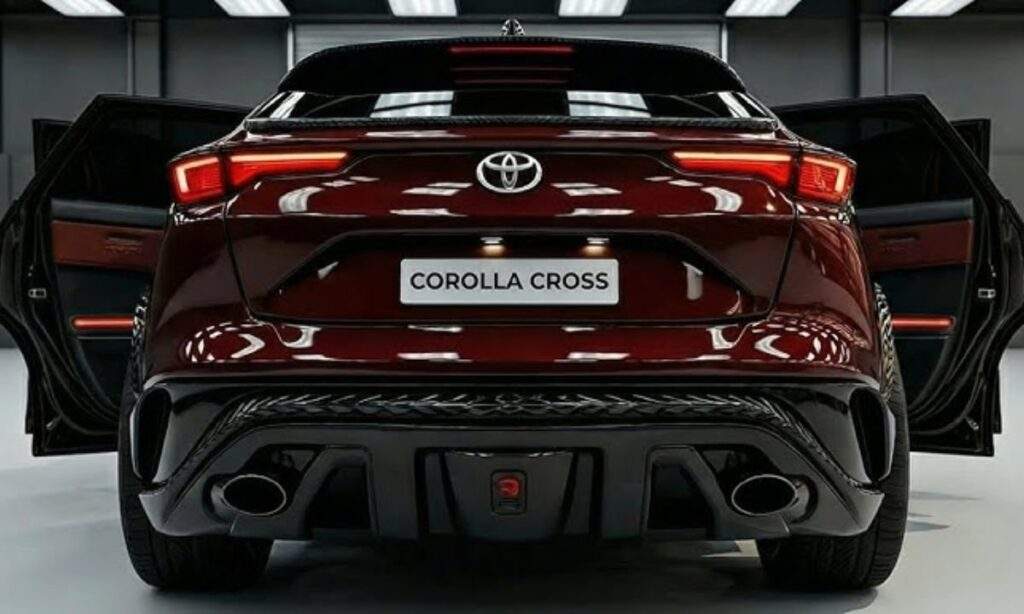
The 2026 Toyota Corolla Cross arrives as a refreshed compact crossover that keeps its reputation for everyday reliability while adding sharper looks and smarter features. Built in Alabama and offered in both gas and hybrid versions, this model blends solid value with modern touches that make it a strong choice for commuters, small families, and anyone wanting more versatility than a traditional sedan. It stands out in a crowded segment by focusing on what matters most—efficiency, space, and peace of mind. Fresh Exterior Design That Turns Heads Toyota gave the 2026 Corolla Cross a noticeable update to its front end, creating clearer differences between the gas and hybrid models. The gas-powered versions feature a bolder, more rugged grille with a tough mesh pattern and black accents that give it a confident stance on the road. Hybrid models take a sleeker approach with a seamless, body-color-matched grille and smoother bumper lines for a cleaner, more contemporary appearance. New wheel options appear on higher trims, including 18-inch alloys in dark gray for gas models and glossy black finishes for hybrids. A fresh Cavalry Blue paint color adds personality, especially when paired with a contrasting black roof on select grades. These changes make the crossover feel updated without straying from Toyota\’s practical roots. Interior Upgrades for Everyday Comfort Inside, the cabin benefits from thoughtful refinements that improve usability. A larger available touchscreen dominates the dashboard, bringing a more modern feel to controls and navigation. The center console has been redesigned for better storage and easier access to everyday items. Materials feel durable and well-assembled, with available heated seats and steering wheel on higher trims to handle colder mornings comfortably. Passenger space remains generous for the class, and the rear seats fold down to reveal impressive cargo room that handles groceries, sports gear, or weekend trips with ease. Powertrain Choices Built for Efficiency Buyers can pick between a straightforward gas engine or the increasingly popular hybrid setup. The standard 2.0-liter four-cylinder delivers reliable performance paired with a smooth continuously variable transmission, offering a good balance for city and highway driving. All-wheel drive is available for added traction in varied weather. The hybrid version stands out with its electric motor assist, providing quicker response off the line and significantly better fuel economy. It comes standard with electronic on-demand all-wheel drive across all trims. Both options prioritize low running costs and minimal trips to the pump, making the Corolla Cross a smart pick for budget-conscious drivers. Here are some key advantages of the hybrid powertrain: Advanced Safety and Technology Features Toyota equips every 2026 Corolla Cross with the latest version of its safety suite, which includes adaptive cruise control, lane centering assistance, automatic emergency braking, and pedestrian detection. These systems work together to help prevent common accidents and provide extra confidence on busy roads. The infotainment system runs smoothly with wireless connectivity options, cloud-based navigation, and voice controls that keep drivers focused. Higher trims add premium audio upgrades and additional conveniences like a larger digital display for gauges. The overall tech package feels intuitive and up-to-date without overwhelming the user. Why the Corolla Cross Remains a Top Contender In a market full of compact crossovers, the 2026 Toyota Corolla Cross succeeds by staying true to its strengths. It offers practical size, strong efficiency—especially in hybrid form—and a reputation for long-term dependability that owners trust. The recent updates bring just enough style and technology to keep it feeling current, while the affordable starting prices make it accessible for first-time buyers or those downsizing from larger vehicles. Whether navigating urban streets or heading out for weekend errands, this crossover delivers without drama or excess. FAQs What are the main differences between the gas and hybrid 2026 Corolla Cross models? The hybrid features a sleeker body-color grille, standard all-wheel drive, better fuel economy, and quicker acceleration thanks to electric motor assistance, while the gas version offers a more rugged front design and optional all-wheel drive at a lower starting price. Is the 2026 Corolla Cross assembled in the United States? Is the 2026 Corolla Cross assembled in the United States? Yes, it is built in Huntsville, Alabama, which supports local jobs and helps keep supply chains efficient for American buyers. What safety features come standard on the 2026 model? All versions include Toyota Safety Sense 3.0 with adaptive cruise control, lane departure alert with steering assist, automatic emergency braking, and more to help protect drivers and passengers. How does the cargo space compare to other compact crossovers? The Corolla Cross provides generous room behind the rear seats and even more with the seats folded, making it highly practical for daily needs like shopping or carrying sports equipment. Which trim offers the best value for most buyers? Mid-level trims like the LE for gas models or SE for hybrids strike a strong balance of features, efficiency, and price, adding conveniences like larger wheels and enhanced tech without jumping to luxury-level costs.
2026 Ford Mustang SHOCKING First Look – This Changes Everything

The 2026 Ford Mustang is here, and Ford has made some important changes to its famous sports car lineup. The biggest surprise is the new Mustang Dark Horse SC, which brings supercar-level power to a road-legal Mustang. The regular Mustang lineup also continues with the EcoBoost and GT models, while the new Dark Horse SC adds a much more powerful choice for buyers who want extreme performance. The 2026 Mustang Still Looks Like a Mustang Ford has not completely changed the Mustang’s basic design for 2026. The car still has the long hood, low roof, wide body, and aggressive front end that have become part of the Mustang’s identity. Instead of giving the car a totally new shape, Ford has focused on new versions, colors, packages, and performance upgrades. For 2026, buyers can choose from several Mustang versions, including EcoBoost, GT, Dark Horse, and the new Dark Horse SC. The Biggest Surprise Is the Dark Horse SC The most important addition for 2026 is the Mustang Dark Horse SC. It sits above the regular Dark Horse and below the Mustang GTD. The SC uses a 5.2-liter supercharged V8 and makes 795 horsepower and 660 lb-ft of torque. That makes it one of the most powerful production Mustangs ever built. The power is sent through a seven-speed TREMEC dual-clutch transmission. The car also gets a performance-focused suspension, larger brakes, wider tires, and other changes designed for serious driving. 2026 Mustang Engine Horsepower Transmission EcoBoost 2.3-liter turbo 4-cylinder 315 hp 10-speed automatic GT 5.0-liter V8 480 hp 6-speed manual or 10-speed automatic Dark Horse 5.0-liter V8 500 hp Manual or automatic Dark Horse SC 5.2-liter supercharged V8 795 hp 7-speed dual-clutch The Regular GT Still Has a V8 For Mustang fans who want a more traditional muscle car, the GT continues with Ford’s 5.0-liter V8. The 2026 Mustang GT makes 480 horsepower and 415 lb-ft of torque. With the available performance exhaust, output rises to 486 horsepower and 418 lb-ft of torque. The GT can also be ordered with a six-speed manual transmission, something that has become increasingly rare among modern performance cars. That manual gearbox is one of the biggest reasons the Mustang remains attractive to driving enthusiasts. The EcoBoost Is Still the Entry-Level Mustang The EcoBoost remains the starting point in the Mustang family. It uses a 2.3-liter turbocharged four-cylinder engine producing 315 horsepower and 350 lb-ft of torque. It is available only with a 10-speed automatic transmission. Even without a V8, the EcoBoost offers strong performance while giving buyers a lower starting price. For people who want the Mustang look and speed without paying for the V8, the EcoBoost continues to make sense. New Looks and the FX Package Ford has also added new appearance choices for 2026. One of the most interesting is the FX Package, which is available on GT Premium models. The package takes inspiration from the Fox-body Mustang from the 1980s and 1990s. It adds retro-style design touches while keeping the modern Mustang underneath. Ford has also added new exterior colors, including Avalanche Gray and Adriatic Blue Metallic, along with the return of Orange Fury. The Interior Gets a Modern Touch Inside, the Mustang continues with a digital-focused cabin. A large 13.2-inch center touchscreen is part of the setup, and higher-performance models can add features such as Recaro seats. The cabin is designed to feel more like a modern sports car while keeping some of the Mustang’s traditional driver-focused feel. The Dark Horse models also get special details that make them look and feel different from the regular Mustang. The Dark Horse SC Changes the Game The Dark Horse SC is where the 2026 Mustang becomes truly different. Ford has given it more than just a bigger engine. The car gets upgraded suspension parts, MagneRide dampers, stronger brakes, wider tires, and other performance changes. The optional Track Pack takes things even further with carbon-fiber wheels and track-focused tires. This means the Dark Horse SC is not simply a Mustang with extra horsepower. Ford has worked on the rest of the car so it can handle that power. How Much Does the 2026 Mustang Cost? The 2026 Mustang starts at around $34,990 for the EcoBoost according to current U.S. pricing information. The GT starts at roughly $48,795, while the Dark Horse is priced much higher. The Dark Horse SC is in a completely different price class. Its starting price is $108,485, while the Track Pack pushes the price to about $144,985 before other costs and options. This wide price range means there is a Mustang for buyers who want a relatively affordable sports coupe as well as buyers looking for extreme performance. What Makes the 2026 Mustang Special? The 2026 Mustang stands out because Ford is keeping several different types of performance cars under one name. That range is unusual in today’s car market, where many automakers are moving away from large gas-powered performance cars. Final Thoughts The 2026 Ford Mustang may not be a completely new generation, but it brings some major changes to the lineup. The new Dark Horse SC is the biggest story, with 795 horsepower from a supercharged 5.2-liter V8 and serious track-focused hardware. At the same time, Ford is keeping the Mustang GT’s 5.0-liter V8 and available manual transmission alive. That gives buyers something increasingly rare in the modern car market. The 2026 Mustang is therefore more than just another model year. It gives buyers a choice between an affordable turbocharged Mustang, a classic V8 GT, a track-ready Dark Horse, and an extreme 795-horsepower Dark Horse SC.
New Toyota Innova Crysta 2026 Launched: 150PS Power, 2.4L Diesel Engine, 7-Seater Premium Comfort and Legendary MPV Reliability

Toyota has officially launched the New Toyota Innova Crysta 2026 in India with several feature upgrades while keeping its trusted diesel powertrain unchanged. The latest model continues to focus on what made the Innova Crysta one of the country’s most popular MPVs, strong performance, premium comfort, excellent reliability, and spacious seating for families as well as commercial buyers. The updated model receives cosmetic improvements, new convenience features, and enhanced safety equipment, making it an even more attractive choice in the premium MPV segment. What’s New Toyota Innova Crysta 2026 Launched? The 2026 Innova Crysta retains its familiar design but now gets subtle styling updates that give it a fresher appearance. Toyota has revised the front grille, bumper details, and added new premium exterior touches. Inside, the cabin receives improved materials, updated upholstery, and additional convenience features. 2026 Toyota Innova Crysta – Next-Gen MPV with Luxury & Power | Full Review & FINALLY LAUNCHED The overall layout remains practical with generous cabin space, comfortable seating, and a premium feel designed for long-distance travel. Proven 2.4L Diesel Engine Delivers 150PS Under the hood, the Innova Crysta continues with Toyota’s trusted 2.4-litre four-cylinder turbo diesel engine. It is designed to deliver smooth performance, strong low-end torque, and excellent durability for both city driving and highway journeys. Specification Details Engine 2.4L Turbo Diesel Maximum Power 150 PS Peak Torque 343 Nm Transmission 5-Speed Manual Drive Type Rear-Wheel Drive (RWD) Seating Options 7-Seater & 8-Seater The engine is well known for its refined performance and dependable reliability, making it suitable for both private ownership and commercial fleet use. Premium Features for Everyday Comfort Toyota has added several new features while retaining the practical nature of the Innova Crysta. The spacious cabin continues to offer excellent comfort across all three rows, making it ideal for long family trips. Wireless smartphone charger Tyre Pressure Monitoring System (TPMS) Automatic climate control Touchscreen infotainment system with smartphone connectivity Other highlights include rear AC vents, cruise control, steering-mounted controls, premium fabric upholstery, multiple storage spaces, and ample legroom for passengers. Safety Features The new Innova Crysta continues Toyota’s focus on passenger safety with several standard safety technologies. Seven airbags ABS with Electronic Brake-force Distribution (EBD) Vehicle Stability Control (VSC) Hill Start Assist Control Additional safety features include rear parking sensors, reverse camera, seatbelt reminders, ISOFIX child-seat mounts, and a high-strength body structure designed to improve occupant protection. Price and Variants Toyota offers the 2026 Innova Crysta in multiple variants to suit different customer needs. Variant Ex-Showroom Price GX ₹19.72 lakh GX+ ₹21.15 lakh VX ₹24.93 lakh ZX ₹26.63 lakh The MPV is available in both 7-seat and 8-seat configurations, allowing buyers to choose the layout that best suits their family or business requirements. Why Buyers Still Prefer the Innova Crysta Even after several years in the market, the Innova Crysta remains one of India’s most trusted MPVs. Buyers continue to appreciate its dependable diesel engine, comfortable ride quality, spacious cabin, strong resale value, and Toyota’s extensive service network. The 2026 update further strengthens its position by adding modern convenience features without compromising the durability and practicality that the model is known for. Should You Buy the Toyota Innova Crysta 2026? If you’re looking for a premium diesel MPV that offers excellent reliability, comfortable seating for seven passengers, low maintenance costs, and proven long-term durability, the Toyota Innova Crysta 2026 remains one of the strongest options in its class. While it does not offer an automatic transmission, it continues to deliver a dependable driving experience backed by Toyota’s reputation for quality and durability. The New Toyota Innova Crysta 2026 successfully builds on the strengths that have made it a benchmark in the premium MPV segment. With its 150PS 2.4-litre diesel engine, spacious and comfortable cabin, improved feature list, and comprehensive safety package, it remains an ideal choice for large families, business owners, and buyers seeking a dependable seven-seater. The latest updates enhance its appeal while preserving the legendary reliability that has defined the Innova name for years.
2026 Toyota Corolla Unveiled: Modern Styling, Premium Comfort, and Outstanding Fuel Economy
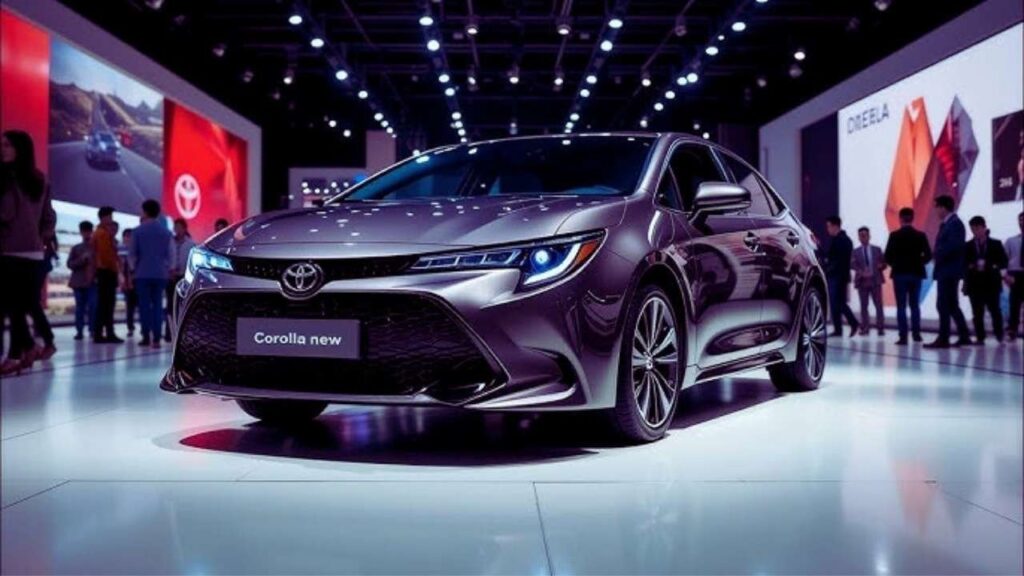
The 2026 Toyota Corolla builds on its legendary reputation with subtle yet impactful updates, delivering sharper modern styling, enhanced interior comfort, and class-leading fuel economy in both gas and hybrid variants. This compact sedan remains a top choice for reliable, efficient daily driving with improved tech and safety features that make it feel more premium than ever. Sharp and Contemporary Exterior Styling The 2026 Corolla features refined lines with a bolder front grille, slim LED headlights, and a cleaner overall profile that gives it a more upscale and dynamic appearance. The design maintains its aerodynamic efficiency while adding subtle sporty touches on higher trims. Available alloy wheels up to 18 inches and new color options enhance the modern look. It\’s a subtle evolution that keeps the Corolla fresh without drastic changes. Efficient Powertrain with Outstanding Fuel Economy The standard 2.0-liter four-cylinder engine produces 169 horsepower and is paired with a CVT for smooth performance and up to 32 MPG city/41 MPG highway in gas models. The Corolla Hybrid uses a 1.8-liter setup with electric motors for 138 combined horsepower and exceptional efficiency up to 53 MPG city/46 MPG highway. All-wheel drive is available on hybrid models for added traction. It\’s designed for effortless commuting with low running costs. Refined and Comfortable Interior The 2026 Corolla offers a more premium cabin with soft-touch materials, supportive seats, and a quiet ride. There\’s ample space for five passengers, with good legroom and a practical trunk. New digital gauge clusters – 7-inch on lower trims and up to 12.3-inch on higher – add a modern touch. Heated seats and dual-zone climate are available for extra comfort. Modern Technology and Connectivity An 8-inch or larger touchscreen supports wireless Apple CarPlay and Android Auto. Over-the-air updates and connected services keep things current. Higher trims include premium audio and wireless charging for convenience. Advanced Safety Features Every 2026 Corolla comes with Toyota Safety Sense 3.0, plus newly standard blind-spot monitoring and rear cross-traffic alert. Features include adaptive cruise control, lane tracing assist, and automatic emergency braking. The 2026 Toyota Corolla combines modern styling, premium everyday comfort, and outstanding fuel economy in a dependable package that\’s hard to beat. With thoughtful updates to tech and safety, it continues to set the standard for compact sedans – efficient, reliable, and ready for whatever the road brings.
All New 2026 Navara Pickup Unveiled: Rugged Performance, Smart Features, and Cargo Excellence
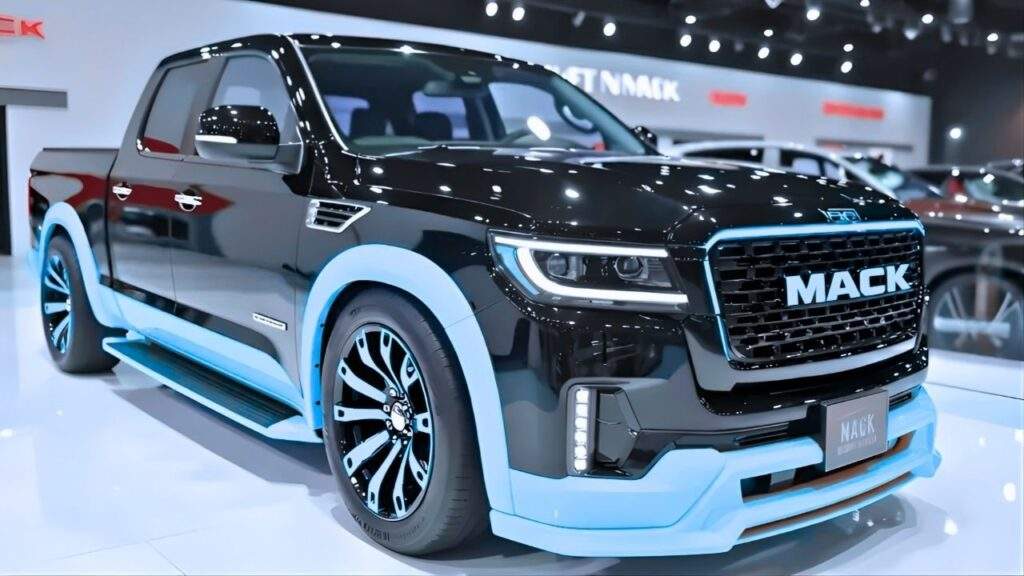
The all new 2026 Navara Pickup has been officially unveiled, and it brings strong upgrades that make it ready for work and adventure. Known for its toughness and reliability, the Navara now comes with better performance, smarter technology, and improved cargo ability. This pickup is designed for drivers who need a dependable truck for daily jobs while still enjoying comfort and modern features. Strong and Modern Exterior Design The 2026 Navara Pickup features a bold and confident exterior. The front design looks tougher with a wider grille and sharper LED lights. The tall stance and strong body lines give the truck a powerful road presence. It looks ready for construction sites, farms, and off road trails. At the back, the cargo bed has been designed to handle heavy loads with ease. Strong materials and a durable finish help the truck stay tough even after years of use. Nissan has focused on strength without sacrificing style. Rugged Performance Built for Tough Tasks Under the hood, the new Navara offers engine options that focus on torque and durability. These engines are built to handle towing, hauling, and long distance driving. The pickup delivers steady power, making it easy to drive on highways and rough roads. The suspension system has been improved to offer better stability when carrying heavy cargo. Drivers can expect a smooth ride even when the truck is fully loaded. Smart Technology for Everyday Use Inside the cabin, the 2026 Navara Pickup feels more modern and comfortable. The seats are supportive and designed for long working hours. The dashboard layout is simple and user friendly, allowing drivers to access controls easily. Technology features include a large touchscreen, smartphone connectivity, and advanced driver assistance systems. These features help improve safety and make daily driving less stressful. All New 2026 Navara Pickup Specification Table Feature Details Engine Options Diesel and petrol Transmission Manual and automatic Drive Type Two wheel and four wheel Seating Capacity 5 seater Cargo Bed Large and reinforced Use Purpose Work and adventure Cargo Excellence That Makes a Difference Cargo handling is one of the biggest strengths of the new Navara. The pickup is designed to carry heavy equipment, tools, and supplies without trouble. Tie down points and a flat bed floor make loading and unloading easy. Key benefits of the Navara Pickup include • Strong engine for towing and hauling• Durable cargo bed with high load capacity• Comfortable cabin for daily driving• Smart safety and tech features• Built for long term reliability This balance of strength and comfort makes the Navara a practical choice for many buyers. Expected Price and Availability The 2026 Navara Pickup is expected to be priced competitively in the midsize pickup segment. Nissan plans to offer multiple trims to suit different needs and budgets. The truck is expected to arrive in global markets during 2026, with select regions getting early access. FAQs