
2026 Toyota Sienna First Look: Sleeker Design, Smarter Tech and Family-Friendly Comfort
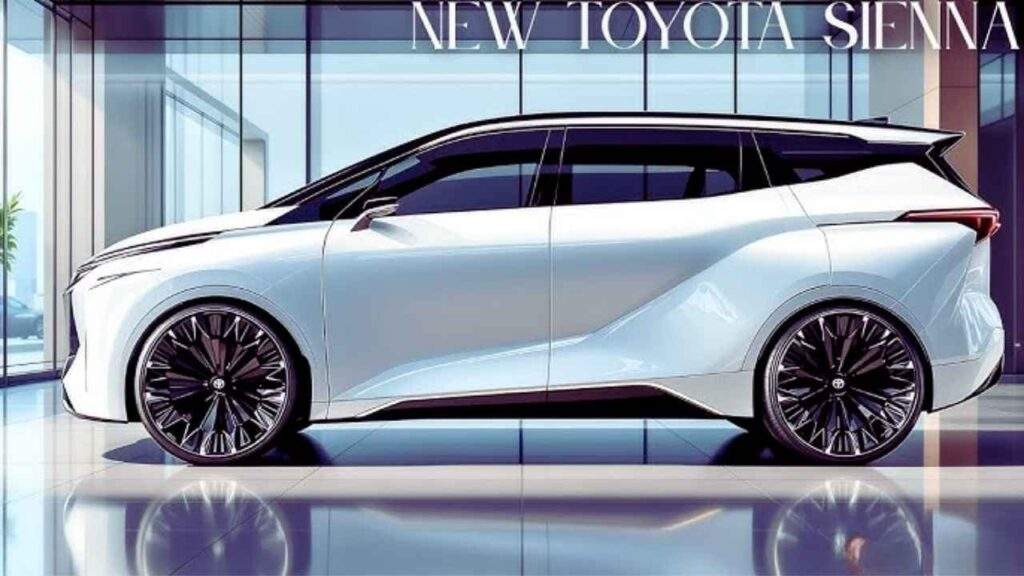
The 2026 Toyota Sienna continues to set the bar high for family minivans, blending a refreshed look with advanced technology and unbeatable comfort for everyday adventures. Toyota has given the Sienna some subtle but noticeable updates for 2026, making it even more appealing for families who need space, efficiency, and modern features. While it keeps its popular hybrid powertrain, the new model adds more standard equipment across trims and introduces fresh styling cues that give it a sleeker, more premium appearance. Exterior Design: A Sharper, More Modern Look The 2026 Sienna gets a refined exterior that turns heads without screaming for attention. Toyota has focused on cleaner lines and bolder accents to make it feel more like a stylish crossover than a traditional minivan. Up front, the grille is wider and more aggressive, paired with slimmer LED headlights that give the van a confident stance. The bumper has been sculpted for better aerodynamics, and new wheel designs add to the sporty vibe on higher trims like the XSE. At the sides and rear, the profile remains spacious and practical, with power sliding doors that make loading kids and gear effortless. Redesigned LED taillights and a refreshed bumper complete the look, making the Sienna feel fresh and contemporary. Interior and Comfort: Built for Busy Families Step inside the 2026 Sienna, and you\’ll find a cabin that\’s all about comfort and convenience. Toyota has prioritized flexible seating, smart storage, and premium touches to handle everything from school runs to long road trips. The Sienna seats up to eight passengers, with options for second-row captain\’s chairs or a bench seat. Higher trims offer leather or SofTex upholstery, heated and ventilated seats, and plenty of legroom in all three rows. Cargo space is impressive too: Family-friendly features shine here. Available options like the FridgeBox cooler and built-in vacuum (standard on Platinum, optional on Limited) make life easier on the go. Rear passengers get sunshades, USB ports, and entertainment options to keep everyone happy. The driving position offers great visibility, and the ride is smooth and quiet thanks to the hybrid system. Smarter Technology and Infotainment Toyota has loaded the 2026 Sienna with smarter tech that feels intuitive and helpful. The latest Toyota Audio Multimedia system is standard, with an 8-inch touchscreen on base models and up to a 12.3-inch display on higher trims. Wireless Apple CarPlay and Android Auto come standard, along with a Wi-Fi hotspot and multiple USB ports. Voice commands with \”Hey Toyota\” make it easy to control navigation, music, and climate without taking your hands off the wheel. New for 2026, several trims get upgraded audio systems: Over-the-air updates keep the system fresh, and available features like a panoramic view monitor help with parking and maneuvering this big family hauler. Powertrain and Efficiency The Sienna remains 100% hybrid, with a 2.5-liter four-cylinder engine paired with electric motors for 245 total horsepower. It\’s smooth, responsive, and incredibly efficient—up to 36 mpg combined on front-wheel-drive models. All-wheel drive is available for better traction in bad weather, dropping efficiency slightly but adding peace of mind. The CVT transmission delivers seamless power, and drive modes let you choose between Eco, Normal, or Sport. Safety Features Every 2026 Sienna comes with Toyota Safety Sense 2.0, a suite of advanced driver aids including: Ten airbags, rear cross-traffic alert, and a rear-seat reminder system add extra layers of protection for families. The 2026 Toyota Sienna proves why it\’s a top choice for families—it\’s sleeker than ever, packed with smart tech, and designed around real-world comfort. With its efficient hybrid power, massive space, and thoughtful updates, it makes every drive feel easier and more enjoyable. Whether you\’re hauling kids, gear, or the whole crew, the Sienna delivers without compromise.
Toyota RAV4 Hybrid 2026 Revealed: Bold Styling, 60 MPG Efficiency & Next-Gen Technology
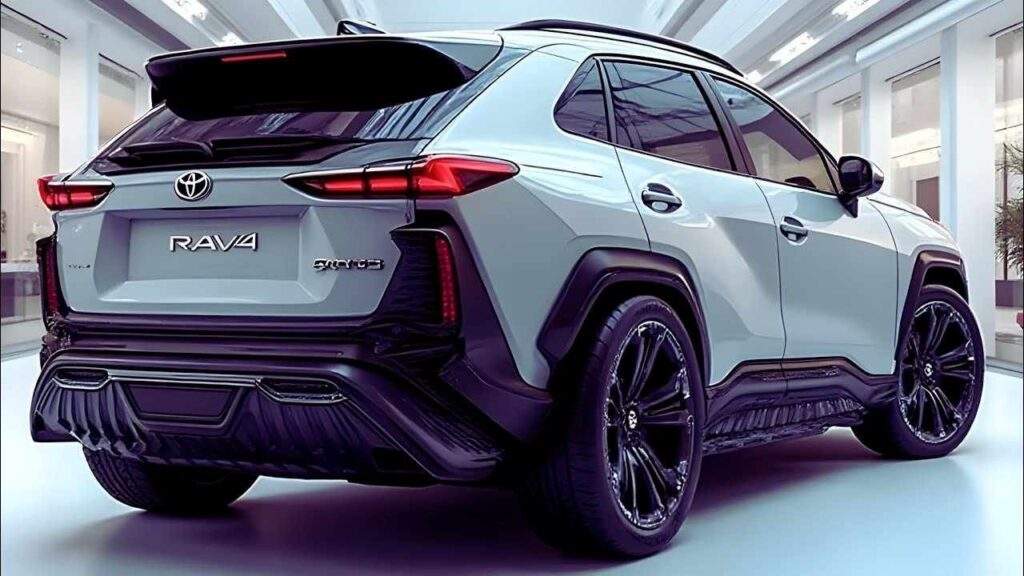
Toyota has just unveiled the 2026 RAV4 Hybrid, and it’s turning heads with a fresh look, incredible fuel savings, and smarter features that make every drive better. This popular compact SUV gets a complete refresh, keeping what people love while adding exciting updates for today\’s drivers. A Bolder, More Modern Exterior Design The 2026 Toyota RAV4 Hybrid stands out right away with its bold new styling. Toyota gave it sharper lines, a more aggressive front grille, and sleek LED headlights that give it a confident, athletic vibe. The overall shape is more aerodynamic, which not only looks great but also helps with efficiency. You\’ll notice new alloy wheel designs and updated rear styling that add to its premium feel. Toyota offers three distinct styles to choose from: No matter which one you pick, the 2026 RAV4 Hybrid has stronger road presence than ever before. Impressive 60 MPG Efficiency and Smooth Hybrid Power One of the biggest highlights is the fuel efficiency. The 2026 RAV4 Hybrid delivers an amazing up to 60 MPG, making it one of the most efficient SUVs you can buy. That\’s huge savings at the pump and fewer stops for gas on long trips. Under the hood, Toyota\’s advanced hybrid system combines a responsive gasoline engine with electric motors for seamless power. It feels quick off the line thanks to instant electric torque, yet stays super efficient in city or highway driving. The system smartly switches between gas and electric to get the best mileage possible. The ride is smooth and comfortable, with improved handling that makes corners fun and highways relaxing. Next-Gen Technology and Comfort Inside Step inside the 2026 RAV4 Hybrid, and you\’ll find a cabin packed with next-generation tech. A large touchscreen handles infotainment with easy access to navigation, music, and apps. Wireless smartphone connectivity keeps you linked without cables. Other smart features include: The seats are supportive and roomy, with plenty of space for passengers and cargo. Premium materials and quiet cabin design make every ride feel upscale. Safety and Reliability You Can Count On Toyota didn\’t skip on safety. The 2026 RAV4 Hybrid comes loaded with advanced driver aids like adaptive cruise control, lane keeping, blind-spot monitoring, and automatic emergency braking. These work together to help avoid trouble and give you peace of mind. The 2026 Toyota RAV4 Hybrid brings together bold styling, outstanding 60 MPG efficiency, and cutting-edge technology in a package that\’s practical and fun to drive. It\’s a smart upgrade for anyone wanting a reliable SUV that saves money and feels modern. Toyota continues to lead in hybrids, and this new RAV4 shows why it\’s a top choice for families, commuters, and adventurers alike. FAQs What is the fuel efficiency of the 2026 Toyota RAV4 Hybrid? It achieves an impressive up to 60 MPG, depending on driving conditions and trim. Does the 2026 RAV4 Hybrid have all-wheel drive? Yes, all-wheel drive is available on many models for better traction and handling. What new technology features does it include? It has a large touchscreen, wireless connectivity, digital cluster, voice commands, and advanced safety systems. How does the styling differ from previous models? The 2026 version has bolder lines, a more aggressive grille, sleek headlights, and three style options: core, rugged, and sport. Is the 2026 RAV4 Hybrid good for families? Absolutely – with spacious seating, plenty of cargo room, top safety features, and efficient performance, it\’s perfect for daily use and trips.
BLUE CARBON Ferrari SF90 Spider Sound, Interior, and Exterior – Grigio Le Sancy – Tailor Made
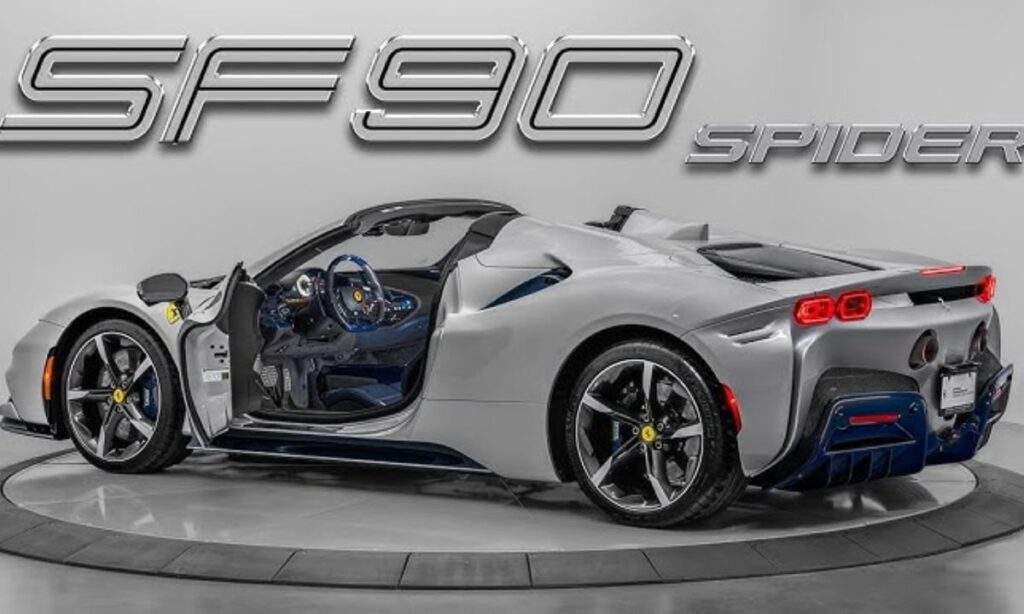
The BLUE CARBON Ferrari SF90 Spider finished in Grigio Le Sancy represents a bold expression of Italian performance and bespoke craftsmanship. This Tailor Made specification blends advanced hybrid technology with classic Ferrari emotion, creating a supercar that feels both futuristic and deeply personal. From its dramatic exterior surfaces to the finely detailed cabin, every element reflects careful attention and individual taste. DESIGN PRESENCE AND EXTERIOR CHARACTER The exterior of the SF90 Spider in Grigio Le Sancy delivers a sophisticated balance between elegance and aggression. The subtle gray tone shifts under different light, highlighting the sharp aerodynamic lines and the sculpted rear section. Blue carbon accents add a modern contrast that separates this Tailor Made example from standard models, giving the car a custom identity without disturbing Ferrari’s timeless proportions. Even when standing still, the low nose, wide stance, and flowing roofline communicate speed and precision. TAILOR MADE CRAFTSMANSHIP The Tailor Made program allows owners to shape the SF90 Spider according to personal vision, and this example shows how creative choices can transform an already special machine. Rather than adding decoration for its own sake, each element feels purposeful and connected to the overall design language. INSIDE THE CABIN EXPERIENCE The interior of the SF90 Spider mixes advanced digital interfaces with familiar Ferrari emotion. The steering wheel carries many functions, allowing the driver to manage the car without taking hands away from the rim. Materials feel rich and solid, and the open roof design lets more light enter the cabin, making the colors and textures stand out even more. SOUND AND DRIVING EMOTION With the roof folded, the character of the SF90 Spider becomes more intense. The engine note rises directly behind the seats, mixing mechanical precision with a passionate tone that changes with every gear. Acceleration feels immediate and smooth, while the chassis keeps the car stable through fast corners. The sound is not just loud but expressive, telling the driver what the car is doing at every moment. GRIGIO LE SANCY PERSONALITY Choosing Grigio Le Sancy gives the SF90 Spider a mature and confident personality. The color avoids flashiness yet still attracts attention through its depth and clarity. Combined with blue carbon features, the shade underlines the modern hybrid nature of the car while respecting Ferrari tradition. It is a combination that works equally well on city streets or open mountain roads. FINAL REPORT This BLUE CARBON Ferrari SF90 Spider demonstrates how the Tailor Made approach can elevate an already extraordinary supercar. The blend of Grigio Le Sancy paint, custom carbon details, engaging interior, and thrilling sound creates a machine with genuine individuality. It stands as proof that performance and personal style can exist together without compromise.
Why the 2026 Toyota GR Supra is a Future Classic Review
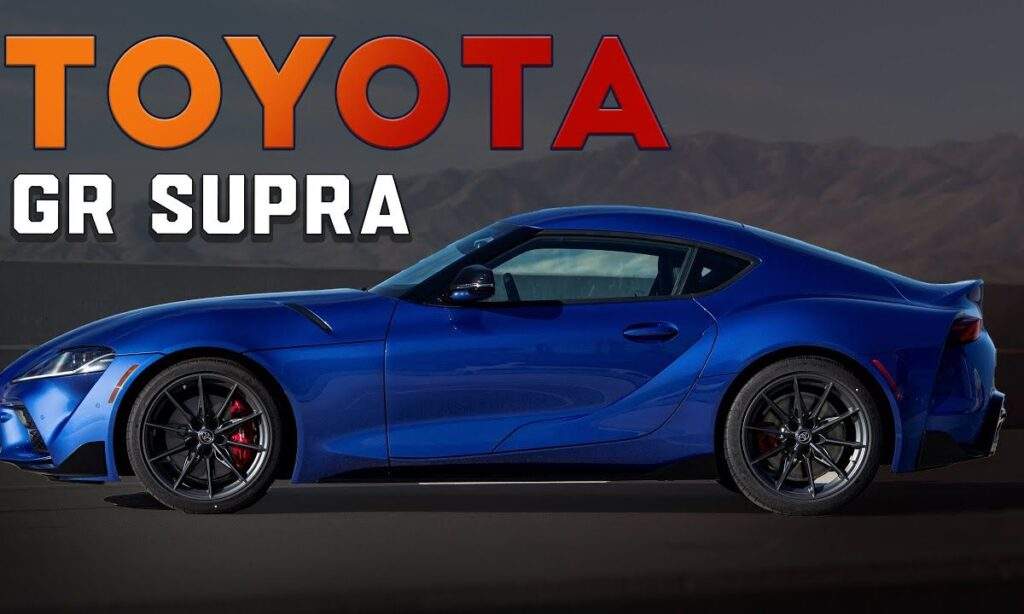
The 2026 Toyota GR Supra arrives as the final chapter in an exciting revival, blending raw driving excitement with modern performance in a package that feels destined for collector status. As production winds down, this model year—especially the special MkV Final Edition—delivers the sharpest, most focused version yet of Toyota\’s reborn sports car icon. A Legacy Reborn and Refined Toyota brought back the Supra nameplate with the fifth-generation model in 2019, teaming up with BMW to create a rear-wheel-drive coupe that prioritized driver engagement above all else. Over the years, the GR Supra has earned praise for its balanced chassis, potent turbocharged inline-six engine, and the rare option of a proper six-speed manual transmission. Now in its last year, the 2026 edition polishes what already worked while adding meaningful tweaks that elevate the experience. The result is a car that captures the spirit of classic sports cars while delivering contemporary thrills. Performance That Stands the Test of Time At the heart of the 2026 GR Supra sits a smooth and responsive 3.0-liter twin-scroll turbocharged inline-six, producing 382 horsepower and 368 lb-ft of torque. This powerplant, known for its strong low-end pull and willingness to rev, pairs beautifully with either an eight-speed automatic for quick shifts or a six-speed manual that offers precise, engaging control. The car rockets to 60 mph in around 3.9 seconds with the manual and slightly quicker with the automatic. What truly sets it apart is how approachable yet rewarding the performance feels, whether carving through twisty roads or pushing hard on a track. The Final Edition: Peak Driving Dynamics Toyota saved some of the best updates for the end with the MkV Final Edition, a limited-run trim designed to sharpen handling and braking to new levels. Engineers focused on chassis refinements that make the car feel more planted and communicative. Key enhancements include: These changes transform the Supra into what many describe as the best-driving version of this generation, with better feedback through the wheel and more precise power delivery out of turns. Design That Ages Gracefully The Supra\’s bold, muscular lines draw clear inspiration from Toyota\’s heritage while looking aggressively modern. Long hood, short deck, and wide stance give it a purposeful presence that turns heads without relying on retro gimmicks. The Final Edition adds distinctive touches like matte-black 19-inch wheels, a carbon-fiber ducktail spoiler, and subtle aero elements that enhance both looks and function. This visual package ensures the car will remain striking for years to come, much like the legendary models that came before it. Why It Earns Future Classic Status Several factors position the 2026 GR Supra as more than just another sports car—it has the makings of a collector favorite. The inline-six engine is celebrated for its durability and tuning potential, while the manual transmission appeals to purists in an era when such options are disappearing. As the last of its kind before production ends in early 2026, especially the Final Edition with its focused upgrades, scarcity will play a big role. Add in the Supra badge\’s enduring cultural appeal and the car\’s proven track record of delivering pure driving joy, and it\’s easy to see why enthusiasts are already talking about this model as one that will gain value and admiration over time. The 2026 Toyota GR Supra wraps up its run on a high note, offering an authentic, involving sports car experience that stands out in today\’s market. Whether you\’re seeking thrills on back roads or simply appreciating a well-engineered machine, this final iteration captures what makes great sports cars timeless. As the curtain falls on this generation, it leaves behind a legacy that feels both fresh and deeply connected to the Supra story.
2026 Toyota RAV4 Offers More Personality With New Trim Options
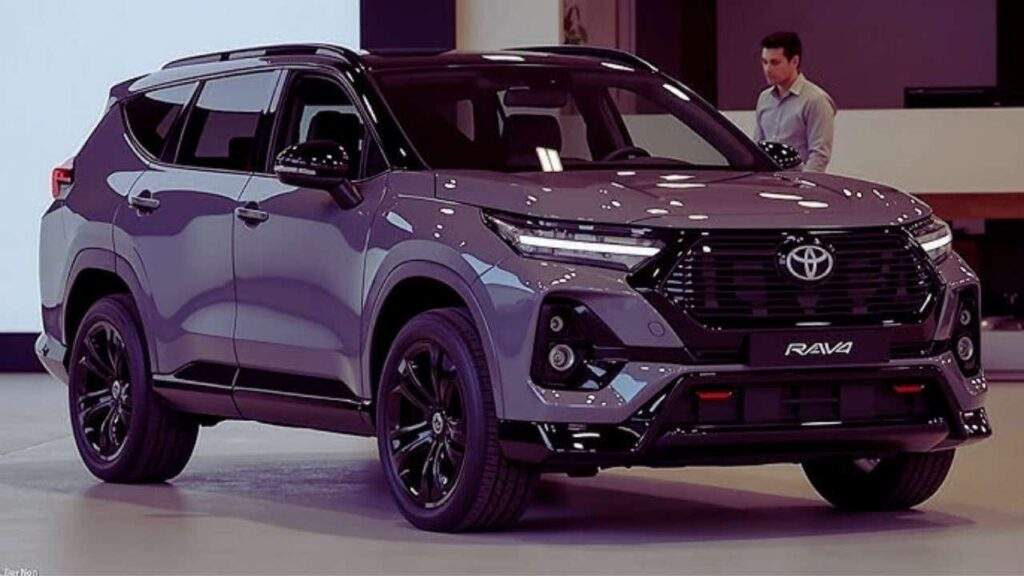
Toyota is giving its best selling SUV a fresh boost of style and choice. The 2026 Toyota RAV4 arrives with new trim options that add more personality, comfort, and modern appeal. While the RAV4 has always been known for reliability and practicality, the new model focuses on giving buyers more ways to match the SUV to their lifestyle. This update makes the RAV4 feel more personal than ever before. Fresh Design With More Style Choices The 2026 Toyota RAV4 keeps its strong and familiar shape but adds new trim specific design touches. Each trim now feels more unique with different grille designs, wheel styles, and color options. Some trims focus on a sporty look, while others feel more premium and relaxed. Toyota has clearly worked on making the RAV4 stand out in a crowded SUV market without changing what people already love about it. The updated lighting design and sharper body lines give the SUV a more confident road presence. Whether parked or moving, the new RAV4 looks modern and ready for daily life. Reliable Performance For Everyday Driving Under the hood, the 2026 RAV4 continues with proven and efficient engine options. Toyota focuses on smooth driving rather than aggressive performance. The engine delivers steady power for city roads and highways, making the SUV easy to handle in traffic and comfortable on long trips. Fuel efficiency remains one of the RAV4’s biggest strengths. Drivers can expect good mileage that helps lower fuel costs over time. The suspension setup is tuned for comfort, so bumps and rough roads feel less stressful for passengers. Interior Comfort With Trim Based Features Inside, the RAV4 feels practical and welcoming. The cabin layout is simple, clean, and easy to understand. New trim levels bring different seat materials, interior colors, and comfort upgrades. Higher trims may offer more soft touch surfaces and added convenience features. Space is still one of the RAV4’s strong points. There is enough legroom for adults in the back seat, and the cargo area easily handles groceries, luggage, or sports gear. The rear seats fold down to give extra room when needed. Technology That Feels Easy To Use Toyota keeps technology simple and helpful. The touchscreen infotainment system supports smartphone connectivity, allowing drivers to use navigation, calls, and music with ease. Physical buttons are still included for important controls, which many drivers appreciate. Safety remains a top priority. The 2026 RAV4 includes advanced driver assistance features that help protect passengers and reduce driving stress. Key safety highlights include These systems work quietly to provide confidence on every drive. Expected Specifications Overview Feature Details Engine Gas and hybrid options expected Transmission Automatic Drive Type Front wheel and all wheel drive Seating Five passengers Fuel Efficiency Strong mileage focus Body Type Compact SUV Model Year 2026 Why Buyers Will Like The New Trim Options The biggest change for 2026 is choice. Buyers can now pick a RAV4 that better fits their personality, whether they want something sporty, rugged, or more refined. Toyota has kept ownership costs reasonable while improving style and comfort. Reasons buyers may choose the 2026 RAV4
2026 Toyota Highlander Review | Next-Gen Hybrid SUV | Interior, Exterior, Features & Performance
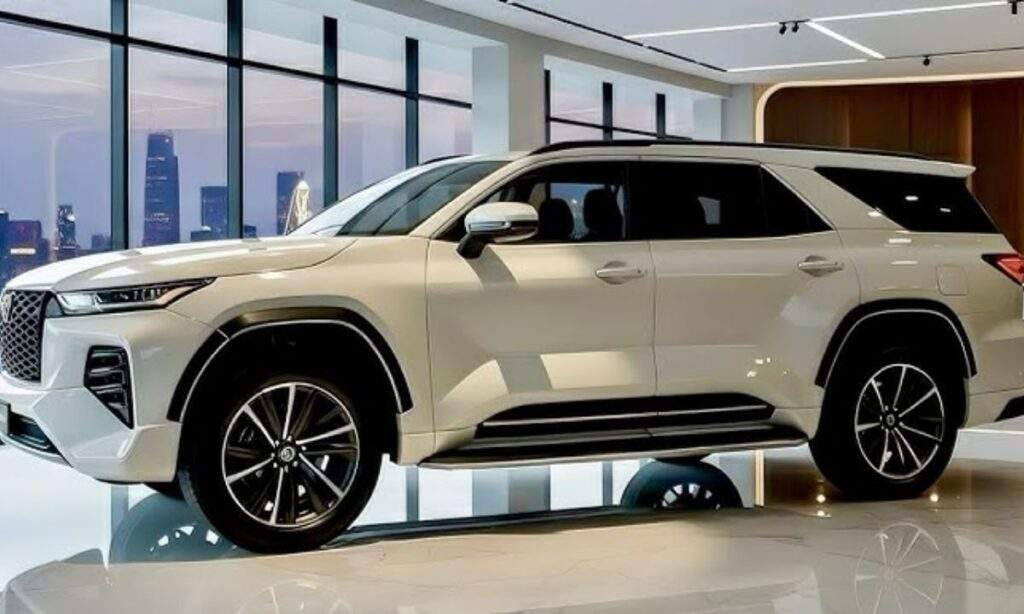
The 2026 Toyota Highlander arrives as a carefully evolved midsize SUV, blending familiar strengths with meaningful updates. Toyota’s focus this time is clear: smarter hybrid efficiency, improved comfort, and a more refined driving experience for families and long-distance travelers. Rather than chasing dramatic redesigns, the new Highlander builds on what already works while addressing areas buyers have been asking Toyota to improve. A More Confident and Modern Exterior The exterior of the 2026 Highlander looks cleaner and more assertive without straying far from its recognizable shape. Subtle design changes give it a more upscale presence, especially in urban settings, while still keeping its practical SUV proportions intact. Toyota has refined the front fascia with sharper lighting elements and a more structured grille design. Body lines along the sides appear smoother, helping the Highlander look less bulky and more streamlined. Updated wheel designs and revised rear detailing complete the fresh but familiar look. Interior Upgrades Focused on Comfort and Usability Inside, the 2026 Highlander feels more polished and thoughtfully laid out. Toyota has clearly prioritized everyday comfort, making the cabin quieter and more user-friendly across all seating rows. Materials feel improved, and the overall layout is easier to live with during long drives. The dashboard design is cleaner, with better placement of controls and displays. Seating remains one of the Highlander’s strongest points, offering supportive cushions and flexible configurations for families. Storage solutions throughout the cabin feel practical rather than flashy, which fits the Highlander’s real-world mission. Technology and Safety Features Take a Step Forward Toyota continues to expand its technology offerings in the 2026 Highlander, focusing on convenience and driver confidence rather than unnecessary complexity. The infotainment system feels more responsive, and everyday functions are easier to access. Key highlights include: These updates help the Highlander stay competitive in a segment where technology expectations continue to rise. Hybrid Performance That Prioritizes Smoothness The next-generation hybrid system is central to the 2026 Highlander’s appeal. Toyota has refined the power delivery to feel smoother and more natural, especially during city driving and stop-and-go traffic. Acceleration feels predictable rather than aggressive, which suits the Highlander’s family-oriented character. Ride quality remains composed, with suspension tuning that favors comfort over sportiness. Steering is light and easy, making the Highlander simple to maneuver in tight spaces while still feeling stable on highways. The hybrid system operates quietly in most situations, adding to the SUV’s refined feel. Practicality Remains the Highlander’s Core Strength Toyota has not lost sight of what made the Highlander popular in the first place. Practicality continues to define the 2026 model, from its flexible seating layout to its balanced ride and manageable size. Everyday usability stands out in areas that matter most: These elements make the Highlander a dependable choice for families and commuters alike. Final Verdict: A Thoughtful Evolution The 2026 Toyota Highlander does not try to reinvent the midsize SUV formula, and that works in its favor. By refining its hybrid system, improving interior quality, and updating technology, Toyota has delivered a well-rounded SUV that feels modern without being overwhelming. For buyers looking for efficiency, comfort, and long-term reliability in a hybrid SUV, the new Highlander continues to make a strong and sensible case.
60+ उम्र वालों की बल्ले-बल्ले | सभी Senior Citizen को 8 बड़ी सुविधाएं | Senior Citizen Benefit 2026

60 साल या उससे ज्यादा उम्र के लोगों के लिए साल 2026 कई मायनों में राहत लेकर आने वाला है। सरकार और अलग-अलग विभागों की तरफ से Senior Citizen के लिए ऐसी सुविधाएं दी जा रही हैं, जिनका मकसद उनकी जिंदगी को आसान, सुरक्षित और सम्मानजनक बनाना है। बढ़ती उम्र में जब आमदनी कम और जिम्मेदारियां ज्यादा हो जाती हैं, तब ये सुविधाएं बुजुर्गों के लिए बड़ा सहारा बनती हैं। Senior Citizen के लिए ये सुविधाएं क्यों जरूरी हैं उम्र बढ़ने के साथ शरीर कमजोर होने लगता है और नियमित काम करना मुश्किल हो जाता है। ऐसे समय में अगर आर्थिक और सामाजिक सहयोग न मिले, तो जीवन काफी कठिन हो सकता है। Senior Citizen के लिए बनाई गई ये सुविधाएं न सिर्फ उनकी जरूरतों को पूरा करती हैं, बल्कि उन्हें आत्मनिर्भर बनाए रखने में भी मदद करती हैं। बैंक और वित्तीय लाभ Senior Citizen को बैंक से जुड़े कई खास फायदे दिए जाते हैं। फिक्स्ड डिपॉजिट पर उन्हें सामान्य लोगों से ज्यादा ब्याज मिलता है, जिससे उनकी बचत पर बेहतर रिटर्न आता है। इसके अलावा टैक्स से जुड़ी कुछ अतिरिक्त छूट भी मिलती है, जिससे उनकी आर्थिक स्थिति थोड़ी मजबूत बनी रहती है। स्वास्थ्य और मेडिकल सुविधा बुजुर्गों के लिए स्वास्थ्य सबसे बड़ी चिंता होती है। इसी वजह से सरकारी अस्पतालों और योजनाओं में उन्हें प्राथमिकता दी जाती है। इलाज, जांच और दवाओं में मिलने वाली राहत से उनका मेडिकल खर्च काफी हद तक कम हो जाता है, जिससे परिवार पर भी बोझ नहीं पड़ता। यात्रा में राहत Senior Citizen को यात्रा के दौरान भी कई तरह की सहूलियत मिलती है। बस और ट्रेन जैसी सार्वजनिक सेवाओं में किराए पर छूट दी जाती है, जिससे वे कम खर्च में अपने जरूरी काम निपटा सकते हैं या रिश्तेदारों से मिलने जा सकते हैं। इससे उनका सामाजिक जुड़ाव भी बना रहता है। कानूनी और सामाजिक सुरक्षा उम्र के इस पड़ाव में सुरक्षा बहुत जरूरी हो जाती है। Senior Citizen के लिए ऐसे कानून और नियम बनाए गए हैं, जो उनके अधिकारों की रक्षा करते हैं। भरण-पोषण से जुड़े मामलों में उन्हें कानूनी सहारा मिलता है, जिससे वे खुद को असहाय महसूस नहीं करते। पेंशन और आर्थिक सहारा कई बुजुर्गों के लिए पेंशन ही एकमात्र नियमित आमदनी का जरिया होती है। सरकार की पेंशन योजनाएं उन्हें हर महीने एक तय राशि देती हैं, जिससे वे अपने रोजमर्रा के खर्च, दवाइयों और जरूरी जरूरतों को आसानी से पूरा कर पाते हैं। सरकारी दफ्तरों में प्राथमिकता सरकारी दफ्तरों में लंबी लाइन में खड़ा होना बुजुर्गों के लिए मुश्किल होता है। इसलिए कई जगह Senior Citizen को प्राथमिकता दी जाती है। अलग काउंटर या जल्दी काम निपटाने की सुविधा से उन्हें समय और परेशानी दोनों से राहत मिलती है। टैक्स में छूट Senior Citizen के लिए टैक्स के नियम थोड़े सरल रखे गए हैं। उन्हें ज्यादा आय पर भी कुछ अतिरिक्त छूट मिलती है, जिससे टैक्स का बोझ कम हो जाता है और बचत बढ़ाने में मदद मिलती है। सामाजिक सम्मान और सहायता सरकार और समाज दोनों स्तर पर बुजुर्गों को सम्मान देने की कोशिश की जाती है। उनके लिए सहायता केंद्र और विशेष योजनाएं बनाई जाती हैं, ताकि वे खुद को अकेला न महसूस करें और सम्मान के साथ जीवन जी सकें। Senior Citizen Benefit 2026 के तहत मिलने वाली ये सुविधाएं 60+ उम्र वालों के लिए बड़ी राहत हैं। बैंकिंग, स्वास्थ्य, यात्रा, पेंशन और सामाजिक सुरक्षा जैसी सुविधाएं बुजुर्गों को न सिर्फ आर्थिक सहारा देती हैं, बल्कि उन्हें आत्मविश्वास और सम्मान के साथ जीवन जीने का मौका भी देती हैं।
Toyota Camry 2026 Launch Premium 2.5L Hybrid Power, Bold New Design, Luxury Interior & Best-in-Class 65 MPG Efficiency at a Low Price
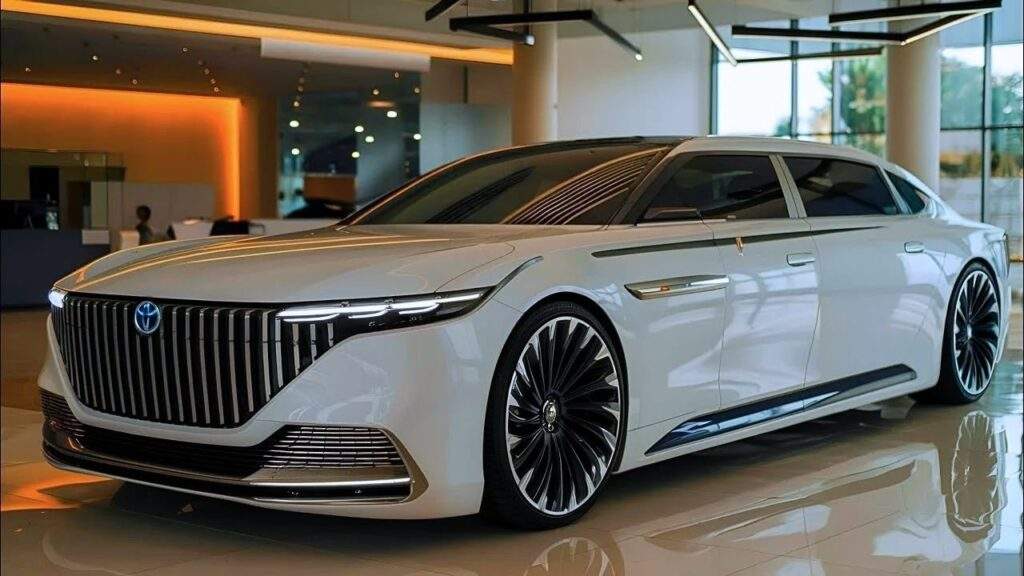
Toyota launched the 2026 Camry with fresh updates that make this midsize sedan even better for everyday drivers. This all-hybrid model builds on last year\’s big redesign with a new Nightshade Edition for extra style. It keeps the smooth 2.5 liter hybrid power, bold looks, comfy cabin, and top fuel savings. At a starting price around 29000 dollars, it gives great value for families, commuters, and anyone who wants a reliable car without high gas bills. The Camry stays a top seller in the US thanks to its mix of efficiency, comfort, and low cost. Sleek and Bold Exterior The 2026 Camry has a sharp modern design that stands out on the road. It features slim LED headlights, a streamlined grille, and clean lines for a sporty feel. The new Nightshade Edition adds black accents like midnight black trim, gloss black badges, and 19 inch satin black wheels. Other trims offer fresh colors like Dark Cosmos blue. The shape is aerodynamic, which helps with fuel efficiency and makes parking easy in tight spots. Strong Hybrid Performance Power comes from a 2.5 liter four cylinder engine paired with electric motors. Front wheel drive models get 225 horsepower, while all wheel drive versions hit 232 horsepower. It feels quick for city driving and smooth on highways. The best part is the fuel efficiency. The LE trim with front wheel drive reaches up to 53 miles per gallon in the city and 50 on the highway for a combined 51 mpg. Even sportier trims stay impressive at around 47 mpg combined. With a full tank, you can drive over 600 miles without stopping for gas. Luxury and Comfort Inside The interior feels premium with soft materials, supportive seats, and lots of space for five people. Higher trims add heated seats, a big touchscreen up to 12.3 inches, and quiet rides thanks to good insulation. Wireless charging and Apple CarPlay or Android Auto keep things connected. The cabin has smart storage and easy controls for a relaxing drive on long trips or daily commutes. Advanced Safety Features Every 2026 Camry comes with Toyota Safety Sense 3.0. This includes auto emergency braking, lane keep assist, adaptive cruise control, and blind spot monitoring. These tools help prevent accidents and make driving safer for everyone. Pricing and Trim Options The 2026 Camry starts at about 29100 dollars for the LE trim. Prices go up for sportier or loaded models, but it stays affordable compared to rivals. All wheel drive adds a small extra cost. New Nightshade Edition sits in the middle for bold style without the highest price. Key Specs Table Trim Starting Price (approx) MPG (City/Hwy/Combined FWD) Horsepower Key Highlights LE $29,100 53/50/51 225 Best efficiency, basic tech SE $31,300 48/47/47 225 Sporty look, tuned suspension Nightshade $32,300 48/47/47 225 Black accents, unique wheels XLE $34,000 48/47/47 225 Luxury seats, bigger screen XSE $35,200 47/45/46 225 Top sport trim, premium audio FAQs What is new for the 2026 Camry? A new Nightshade Edition with black trim and wheels, plus a fresh color option. How good is the fuel economy? The LE front wheel drive gets up to 53 city and 50 highway mpg for 51 combined. What is the starting price? Around 29100 dollars for the base LE trim. Does it have all wheel drive? Yes, available on all trims for better grip in bad weather. Is the Camry still hybrid only? Yes, every 2026 model is hybrid with no gas only option.
Toyota Mini Land Cruiser FJ 2026 Revealed: Turbo Engine, Rugged Design, And Advanced 4×4
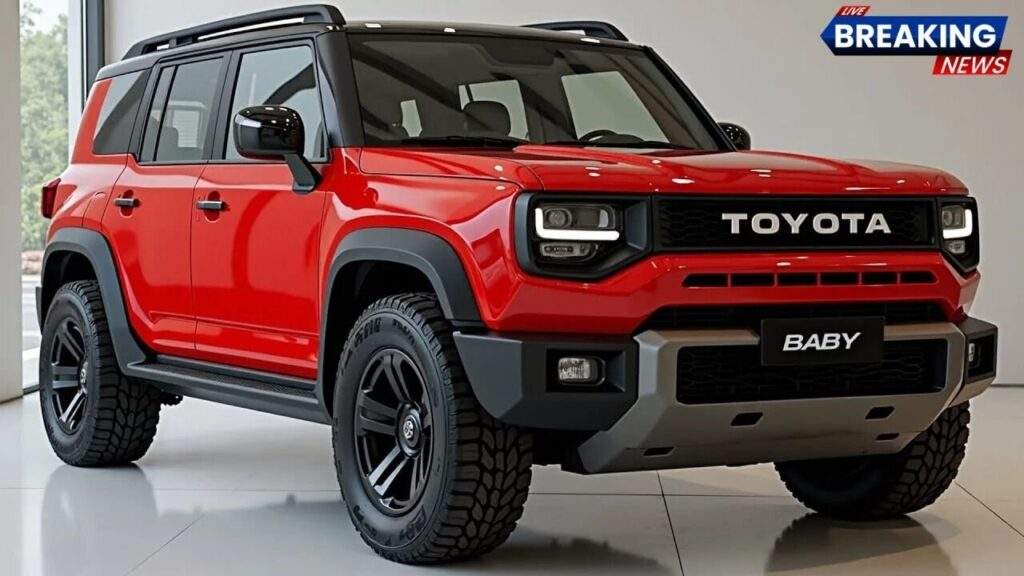
Toyota has officially revealed the Mini Land Cruiser FJ 2026, and it is already getting strong attention from SUV fans. This compact off road SUV brings the true Land Cruiser spirit in a smaller and more city friendly size. Toyota designed it for buyers who want a tough vehicle that can handle rough roads but still feel easy to drive every day. With a turbo engine, strong build, and advanced four wheel drive system, the Mini Land Cruiser FJ is ready for adventure. Rugged Design Inspired By Classic Land Cruiser The Toyota Mini Land Cruiser FJ 2026 carries a bold and boxy design inspired by the classic Land Cruiser models. The front looks strong with round style LED headlights and a wide grille that gives it a tough personality. The short body and high ground clearance make it look ready for off road action. Strong wheel arches and thick body panels add to its rugged feel. Toyota has kept the design simple and tough, which will appeal to outdoor lovers. Compact Size With Big Road Presence Even though it is smaller than the full size Land Cruiser, the Mini FJ still has a strong road presence. Its compact size makes it easy to drive and park in the city, while the tall stance helps on rough roads. The wide tires and solid wheels improve grip and stability. This balance of size and strength makes it suitable for both urban driving and weekend adventures. Turbo Engine With Strong Performance The 2026 Mini Land Cruiser FJ is expected to come with a turbocharged gasoline engine. This engine offers good power while keeping fuel use under control. The turbo setup helps deliver strong torque, which is useful for climbing hills and driving off road. Power delivery is smooth, making it comfortable for daily driving. Toyota has tuned the engine to be reliable and efficient, staying true to its reputation. Advanced Four Wheel Drive Capability Off road ability is the heart of this SUV. The Mini Land Cruiser FJ comes with an advanced four wheel drive system that helps maintain grip on sand, mud, and rocky paths. Special drive modes adjust traction based on road conditions. The strong suspension setup allows the SUV to handle uneven surfaces with confidence. This makes it a great choice for people who enjoy outdoor trips and off road trails. Interior Focused On Comfort And Utility Inside the cabin, Toyota has focused on simplicity and strength. The seats are designed to be comfortable and durable. The dashboard layout is clean and easy to use, with a modern touch screen for music, navigation, and vehicle settings. The cabin offers good headroom and legroom for passengers. Foldable rear seats provide flexible space for luggage and gear. Expected Specifications Overview Feature Details Engine Type Turbo gasoline Drive System Advanced four wheel drive Seating Capacity Five passengers Body Style Compact off road SUV Key Focus Toughness and versatility Top Highlights Of Toyota Mini Land Cruiser FJ 2026 • Compact size with rugged Land Cruiser design• Turbo engine with strong torque• Advanced four wheel drive system• Easy to drive in city and off road• Practical and durable interior FAQs What makes the Mini Land Cruiser FJ special It offers true Land Cruiser off road ability in a smaller and more affordable package. Is the Mini Land Cruiser FJ good for daily use Yes, its compact size and smooth engine make it suitable for daily driving. Does it support serious off road driving Yes, the advanced four wheel drive system makes it capable on rough terrain. When will the Toyota Mini Land Cruiser FJ 2026 be available It is expected to launch in global markets during 2026.
2026 Toyota Sequoia LS 400 – Finally Better Than Lexus LX For large Families
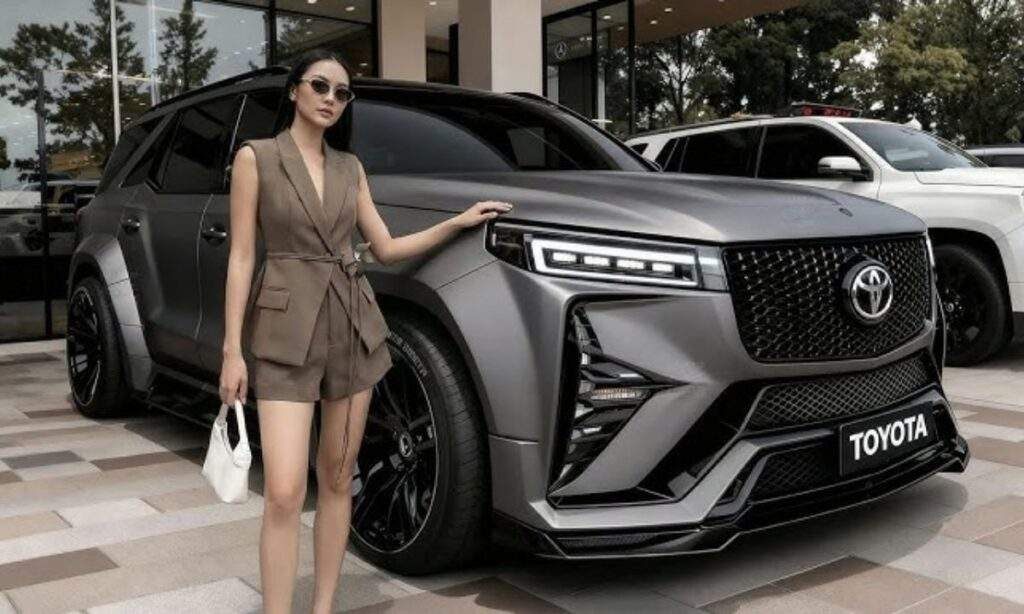
Toyota is shaking up the full-size SUV space with the 2026 Sequoia LS 400, a model clearly aimed at families who want space, comfort, and modern tech without luxury-brand compromises. With thoughtful upgrades across design, cabin layout, and everyday usability, the Sequoia is now being seen as a more practical alternative to the Lexus LX for large households. A New Direction for the Sequoia Lineup The 2026 Sequoia LS 400 represents a shift toward family-first priorities rather than pure rugged luxury. Toyota has refined the SUV to feel more welcoming and flexible, while still maintaining the strength and presence expected from a full-size body-on-frame vehicle. The result is a vehicle that feels less intimidating to live with daily and more adaptable to busy family routines. Interior Space That Works for Real Families One of the biggest reasons families are reconsidering the Sequoia over the Lexus LX is how intelligently the interior space is used. Toyota has focused on maximizing usable room rather than simply adding premium materials. The third row is more accommodating for adults, and access has been improved to reduce the usual struggle during school runs or long trips. Cargo flexibility has also been reworked so families can switch easily between passenger and luggage needs. Technology Focused on Everyday Comfort Instead of overwhelming drivers with luxury-only features, the Sequoia LS 400 leans into technology that supports daily family life. The infotainment system feels more intuitive, and controls are laid out with ease of use in mind. Toyota has also paid attention to rear-seat comfort, ensuring passengers in all rows feel equally considered during longer journeys. Why It Feels More Family-Friendly Than the Lexus LX While the Lexus LX still carries a premium image, it often prioritizes luxury styling over practical family needs. The Sequoia LS 400 narrows the gap in refinement while offering advantages that matter more to large families. Its cabin layout is less restrictive, maintenance expectations are more reasonable, and the driving experience feels calmer and more predictable in everyday conditions. Driving Experience Tailored for Daily Life On the road, the Sequoia LS 400 feels composed rather than bulky. Toyota has tuned the suspension to absorb rough surfaces without feeling floaty, which is ideal for family passengers. Steering is lighter than before, making city driving and parking less stressful, especially for drivers transitioning from smaller SUVs. Final Thoughts The 2026 Toyota Sequoia LS 400 is not trying to out-luxury the Lexus LX, and that is exactly why it works better for large families. By focusing on space, usability, and long-term comfort, Toyota has created a full-size SUV that feels more in tune with real family needs. For buyers who value practicality over brand prestige, the Sequoia now stands as the smarter choice.