
Emerging Trends in Manufacturing Industries: Transparency Market Insights
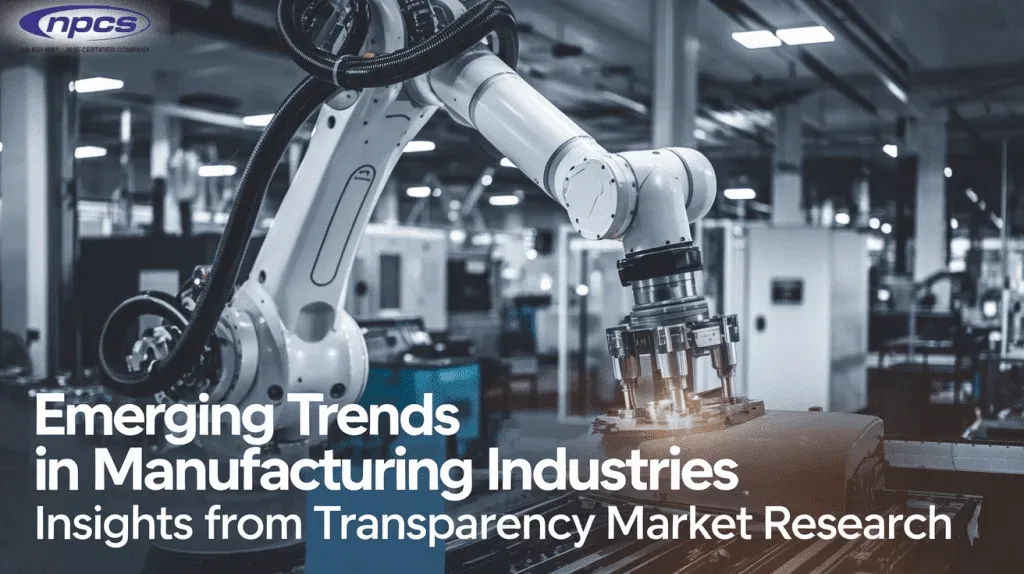
It is the manufacturing industries that first embrace innovation and bring it to their economy and daily life. As reported in Transparency Market Research, the transformation of this sector by technology, sustainability, and global trends has pushed the manufacturing industries into revolutionary changes. This article attempts to list the recent developments and some insights into the manufacturing trends that continue to evolve. Automation and Smart Factories: The Digital Revolution Smart factories are revolutionizing the manufacturing industry. By automated systems, manufacturers have automated practically everything in routine production lines using AI, IoT, and, of course, robotics. Their integration eliminates redundancy and time-consuming operations while improving efficiency. For example, dealers with a preventive maintenance program based on prediction use AI-enabled components to prevent the failure of the machinery before the breakdown occurs and reduce measured inactivity. IoT devices are used to collect current data in real-time and provide a basis for actions that should improve a process. According to a report released by Transparency Market Research, more than half of world’s manufactures will be early adopters in 2030, moving them toward advanced automation systems. The biggest success in this regard is that of Gigafactories built by Tesla which uses robotics extensively so that productivity can be enhanced and maintained without compromising precision. As more businesses begin to work towards digitalization, redefining production processes will go a long way to increasing scalability. Also Read Profitable Business in Automobile Sector Related Project Reports Top Small scale Manufacturing Business Small scale business in India Sustainability: Green Manufacturing and Circular Economy Manufacturing companies are no longer permitted to consider sustainability optional. The transformation of the business model to sustainable practices, for example, is also required by more stringent environmental laws and by consumer demand for green products. A very promising circular economy model is also in use, eliminating waste and reusing resources in a way that is effective. Green manufacturing practices, including the adoption of renewables and waste reduction, will be central to the business strategies of companies, according to Transparency Market Research. Companies such as Unilever and Apple have set high targets to make their entire operations carbon neutral. There has also been an increase in investments in green technologies, such as solar panels and machinery that consumes less energy. Industries are also using less biodegradable materials and recycling initiatives, all of which contribute to reducing an individual’s carbon footprint. Adopting sustainability gives manufacturers not only the protection of the land but also the edge needed in the market. For in-depth resources on starting sustainable manufacturing ventures, read How to Start Recycling Businesses on NIIR’s blog. Advanced Materials: Revolutionizing Product Design Advanced materials are changing the landscape of product design for manufacturing sectors right through lightweight composites to bio-based plastics. This enables the manufacturers to come up with better, cheaper and even greener products. Companies like aerospace, automotive, and electronics lay emphasis on the application of advanced materials, according to the Transparency Market Research report. For example, graphene-a steel stronger than steel yet incredibly light-finds its applications in the batteries and flexible displays. Carbon fiber-reinforced polymers are taking the place of usual materials in construction due to their high strength and durability. These technological advancements will improve product quality and reduce production costs, which would benefit both parties: business, as well as customers. Manufacturers interested in leveraging the potential of advanced materials will have to increase their spending on research and development along with sourcing new suppliers to retain a competitive edge. Read Our Books Business Ideas for Startup in Drugs & Pharmaceutical Industry with Project Profiles (3rd Edition) Profitable Small Scale Industries- Money making Business Ideas for Startup (when you don’t know what industry to start)-2nd Revised Edition The Complete Technology Book on Pesticides, Insecticides, Fungicides and Herbicides (Agrochemicals) with Formulae, Manufacturing Process, Machinery & Equipment Details 4th Revised Edition ( New Arrival ) Select & Start Your Own Industry (4th Revised Edition) ( Best Seller ) Global Supply Chain Resilience: Adapting to Market Volatility Emerging global scenario and global political tensions have indicated the exposure of the whole manufacturing industry supply chains to vulnerabilities in a new paradigm. It has made manufacturers incline towards resilience and flexibility in their supply chain strategies. As per Transparency Market Research, trends such as nearshoring and regionalization have gained momentum. Companies are factoring distances into their production systems to control excessive dependency on very long ones with extremely complicated supply chains. For example, this would mean that industries located in Europe and North America actually increase their local manufacturing capacity, thus reducing overseas operational risks. Technological advancements-such as blockchain and real-time data analytics-are significant enablers in creating visibility in supply chains. Blockchain would ensure traceability and transparency in the sourcing of materials, while data analytics would provide quick decision-making while disruptions occur. Manufacturers can maintain themselves against future uncertainty by adopting such measures. For additional insights into supply chain innovations, explore this article on Global Supply Chain Trends by McKinsey & Company. Customization and Personalization: Meeting Consumer Demands But with modern consumerism comes the entire push toward mass customization among manufacturing industries-in that they have personalized products fit for specific needs. Advanced technologies such as 3D printing and AI-inherited design pave the way to allow manufacturers to offer personalized solutions at scale. 3D printing is no longer restricted to the confines of a single industry. As indicated in reports released by Transparency Market Research, 3D printing is venturing into industries such as healthcare and automotive. While prosthetics and even dental implants can be customized precisely for individual specifications, so vehicles are now engineered by automakers using AI to offer custom features down to aesthetic choices. This process not only increases customer satisfaction but also creates brand loyalty among consumers. The catch, however, is that it requires investment in flexible manufacturing systems and software solutions. For the sake of provision comfort, competition will be tight in the provision of personalized products. Also Read: Small Scale Business Plans MSME Business loan? Conclusion Transparency Market Research explains that the
How to Start a Small Scale Business in India: A Step-by-Step Guide
India’s small-scale industries (SSIs) form the basis of the economy by taking a lead role in employing its citizens and supporting exports as well. They generally operate with a smaller manpower and bear limited capital investment and localised markets. The industries range over different sectors, including textiles, agro-based industries, food processing, etc. Entrepreneurs are looking for small-scale business ideas. here are the complete guide to start How to Start a Small Scale Business in India. The ministry for MSMEs states that the small businesses contribute over 30% towards India’s GDP, and millions of people work for them. Their decentralised nature allows them to thrive in both urban as well as rural locations. For this, the government provides a number of incentives, such as financial assistance, providing training, and supporting machinery costs. Related Project Reports Step to How to Start a Small Scale Business in India Identifying Profitable Small-Scale Business Ideas Picking the right business idea is a very important requirement for building a foundation. Consider five trending aspects businesses would like to dive into: Also Read Features of SME/MSME Business Loans First, take note of the factors that either qualify or disqualify a business idea, such as your experience, market demand, and available resources. All this will further assure that the idea you end up selecting is the best fit as viable and scalable for your end goals. Conducting Market Research Every good business starts with understanding the target audience. Market research allows a company to get an idea of consumer needs, competition, and potential profitability. Here’s how to perform effective research: Indeed, solid market research makes it possible for you to develop a product or service that suits customer needs, which therefore increases the chances of success. Fulfilling Legal Requirements Well, these are essential for the smooth running of your business in terms of regulatory compliance: a checklist of legal formalities: Resources like NIIR Project Consultancy Services provide detailed guidance on complying with these legal requirements. Securing Funding and Managing Finances Initial capital is the biggest constraint for small-scale industries in India. Luckily, several means of finance are available: Also Read Efficient financial management is equally important. Such money-managing software includes Tally or Zoho to capture the flow of cash, expenses, and profits. Building a Strong Brand Identity Branding is what differentiates your services from the services you offer your competitors, and it helps you identify them with your audience. Here is how you can create a powerful brand: In building a strong and long customer relationship, trust and credibility are the main elements. Marketing and Selling Your Products Advertising is indeed for all initiatives that require their activities to be made known, as well as driving the actual sales. The mix of online and offline techniques can be most effective for small-scale industries in India on: Scaling Your Business Once you have reached a level of stability in business, shift your attention to the area of expansion. Scaling might include: Reinvesting profits back into one’s business for growth that lasts. Conclusion Though starting a small-scale business might seem terrifying in India, it’s possible only if you plan and do it well. All the possible steps, from choosing the right small-scale business ideas to scaling up to operation levels, form very important steps in the business journey. Government schemes, marketing investments, and continuous innovations will take you away from the crowd. FAQ’s What is the meaning of small-scale business in India? Small-scale businesses are those having small start-up capital requirements, government subsidies, and specialised finance schemes available specifically for MSMEs. They provide flexibility in operations and the ability to tap into local markets with an opportunity to develop into larger enterprises over time. What are the best ways to choose an idea for a small-scale business? Start from a self-assessment of all interests, skills, and market demand. Research on how the customer needs and competitors can be judged. You can also rely on feasibility studies and trend analysis tools like Google Trends to get viable ideas. What is the legal requirement to start a small-scale business in India? Some of the most critical requirements include the registration under Udyam for the MSME benefits, getting GST registration, obtaining a license according to the industry (FSSAI for food), and trademark registration for one’s brand identity. What are some government schemes available for funding small businesses? Programs like the Prime Minister’s Employment Generation Programme (PMEGP), Mudra Loans, and Stand-Up India provide loans and grants at low interest to entrepreneurs and aim at self-employment/self-growth. What is the full form of MSME? MSME refers to Micro, Small, and Medium Enterprises (MSME). What kind of issues do I face when starting a small-scale business, and how do I solve them? Most challenges are related to securing funds, managing stiff competition, and finding skilled labor. Government financing has possible options to mitigate these. Contact Us
Small Scale Industries in India: Opportunities & Business Ideas
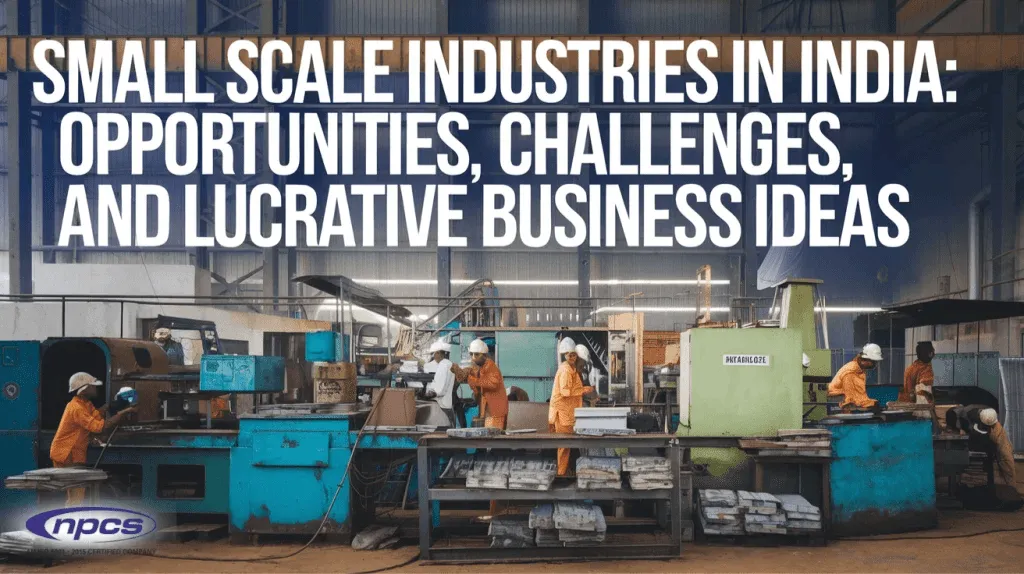
The Small Scale Industries (SSIs) sector is the backbone of the Indian economy. It possess all the commonalities as regards the monetary and manpower requirements, yet they can serve diversified sectors ranging from manufacturing to services and directly trading. It is important to note that these industries in India add considerably to fostering entrepreneurship, offering employment opportunities, and promoting rural development. SSIs comprise much more than textile manufacturing or handicrafts or IT services; they represent a considerable contribution to local economies and will often become an indispensable backbone to India’s export sector. They are still going to be part of India’s vision for sustainable and inclusive growth between 2030 and beyond as it pursues its journey to becoming a global economic superpower. Why Small Scale Industries Are Crucial for India’s Economy The role of small scale industries in the Indian economy is immense. Generate Employment: They employ over 110 million people, thus they are perhaps one of the largest employment generators in the country. Enhance Exports: They contribute to India’s export portfolio with products such as handicrafts, garments, and processed foods. Foster Balanced Development: The SSIs are important engines for reducing the regional disparities by industrializing rural areas and semi-urban areas. Stimulate Innovation: These industries are flexible enough to bring faster changes in contrast to what takes place in the traditional industrial setup and quickly develop new processes, and product innovations. They contribute to the realization of national objectives like make in india and self-reliant bharat, the backbone of the economy, embrace SSIs-income security, besides self-sufficiency and resilience. Also Read: Features of SME/MSME Business Loan Opportunities in Small Scale Industries in India With the changing market conditions in India alongside the introduction of policy reforms, small scale industries would be coming to stay. Opportunities have started sprouting here: Exports: The unique handmade crafts and organic produce from India have a vast market globally. Rural Entrepreneurship: This is so because rural places have vast resources, which are supported by the government and people, making it a great opportunity for SSIs. Digital Transformation: Digital markets and e-commerce now enable small industries to reach a huge market. Enterprises looking for guidance or creative ideas may also look up to organizations like NIIR Project Consultancy Services (NIIR), which have a lot of value to add to business planning and feasibility studies. Challenges Faced by Small Scale Industries in India Small-scale industries of India, despite their role as catalysts for development, are continuously harassed by a number of hindrances, such as Finances are quite constrained: Small-scale industries find it almost impossible to get the money they need, as there are rigorous loan lending norms and no collateral for those SSIs. Technological Deficiencies: Non-use of modern tools and methods inhibits productivity and makes it uncompetitive in the world market. Market Competition: Competitive battle with large industries and imported products has always been against SSIs. Regulatory Burdens: A complex system of compliance discourages new entrants and growth. The addressing of these challenges will therefore require a concerted effort by the policymakers, as well as industry stakeholders, in creating an enabling environment for businesses. Read Our Books Business Ideas for Startup in Drugs & Pharmaceutical Industry with Project Profiles (3rd Edition) Profitable Small Scale Industries- Money making Business Ideas for Startup (when you don’t know what industry to start)-2nd Revised Edition The Complete Technology Book on Pesticides, Insecticides, Fungicides and Herbicides (Agrochemicals) with Formulae, Manufacturing Process, Machinery & Equipment Details 4th Revised Edition ( New Arrival ) Select & Start Your Own Industry (4th Revised Edition) ( Best Seller ) Government Schemes Supporting Small Scale Industries in India Recognizing the pivotal role which small level industries play in India, the government has designed and initiated numerous policies and schemes towards the promotion and development of small-scale industries. Some of these examples are: Credit Support: The Credit Guarantee Fund Trust for Micro and Small Enterprises has made provisions for providing collateral-free loans to small industry units. The programs run by the Ministry of Skill Development and Entrepreneurship are mainly aimed at enhancing the technical and managerial skills of entrepreneurs. Skill Development: Programs run by the Ministry of Skill Development and Entrepreneurship are focused on helping entrepreneurs enhance their technical and managerial skills. Infrastructure Support: Similarly, the Cluster Development Program sets up industrial clusters of shared resources and facilities for the benefit of SSIs. Market Access: Websites like those provided by the Government e-Marketplace (GeM) help to avail for SSIs into a public procurement market. Related Project Reports Best Business Ideas for Small scale business in India Top Small scale Manufacturing Business Ideas Top Profitable Business Ideas for Small Scale Industries in India The small scale industries are so diverse that they open up many avenues for new entrepreneurs. Some profitable business ideas are: Handmade Handicrafts: There is a good market for handicrafts as pottery, textiles, and jewellery that tap the immense richness of this diverse cultural heritage. Food Processing: It can be a very profitable business as a consequence of a growing need for processed and organic foods. Renewable Energy Solutions: Areas such as manufacturing solar panels or biomass briquettes are likely to receive tremendous support in view of India’s growing emphasis on sustainable energy. IT and Software Services: There is a growing trend of small IT firms focusing on niche markets such as cybersecurity or application development. Health and wellness Products: Herbal or Ayurvedic products are getting increasingly popular due to a bright future for SSIs. Also Read small scale business in India MSME Business loan Trends Shaping Small Scale Industries in India While there are many changes in small scale industries in India, some of the recent and major trends are: Digital Transformation: The use of e-commerce, cloud computing, and automation seems to be improving operational efficiency and widening the market reach. Focus on Sustainability: The environment-friendly methods such as using biodegradable materials become essential for competitive advantage. Emergence of Local Brands: More and more consumers prefer locally produced goods; this is a big boost for
Top 10 Profitable Manufacturing Business Ideas to Start in India
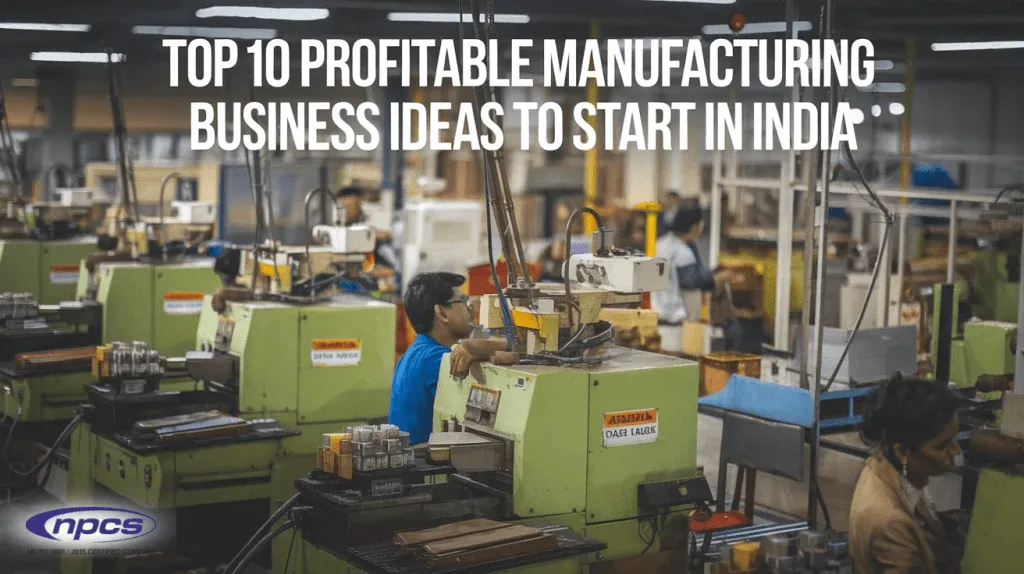
Manufacturing business ideas are profit-driven ideas that are the manufacturing business proposals. India stands at the top of all countries while dealing with the best-growing economies and the most populous countries worldwide with ever-growing demand from the consumers. There are lots of opportunities for entrepreneurs to look into within the vastness of the country as well as the abundant skilled labour force. The below potential and profitability of manufacturing businesses in India are discussed: Why Start a Manufacturing Business in India? India is one of the most fast-growing economies across the world. Also, it is growing at a great pace toward conducive environments for its manufacturing businesses. Government initiatives support a lot to the entrepreneurs under Start-up India and Make in India. Here are a few points which actually complement starting a manufacturing business in India: Huge Domestic Market: Steady demand for all kinds of goods is ensured with the 1.4 billion population of India. Skilled Workforce: High volume of skilled semi-skilled labor reduces production costs. Government Incentives: Subsidies, tax benefits and simplified compliance systems enable good support for manufacturing businesses. Export opportunities: India’s trade agreements and developing reputations as a manufacturing base make exports easy and promising. To prosper ahead in this market, all those critical factors can form an environment in which to grow. Read Our Books Business Ideas for Startup in Drugs & Pharmaceutical Industry with Project Profiles (3rd Edition) Profitable Small Scale Industries- Money making Business Ideas for Startup (when you don’t know what industry to start)-2nd Revised Edition The Complete Technology Book on Pesticides, Insecticides, Fungicides and Herbicides (Agrochemicals) with Formulae, Manufacturing Process, Machinery & Equipment Details 4th Revised Edition ( New Arrival ) Select & Start Your Own Industry (4th Revised Edition) ( Best Seller ) How to Choose the Best Manufacturing Business Idea Choosing the best manufacturing business idea involves a mix of market research, self-assessment, financial planning, and strategic thinking. Here’s a step-by-step guide to help you pick the right one: Market Study: Understand market trends and customer preferences so that one can spot the suitable gaps. Investment Budget: Ensure that the business you choose can afford to finance itself for whatever length of time it takes. Location Suitability: Availability of raw material plus how close the market is will definitely matter. Scalability: The idea should be a business idea that one should be able to make bigger when demand calls for it. Sustainability: Just being environment-friendly in terms of manufacturing so that it could appeal to all such consumers interested in it. Also Read Profitable Business in Automobile Sector 1. Small-scale units for food processing Food processing is the most profitable business in the manufacturing industry. The increasing demand for ready-to-eat and packaged food has several opportunities for spice processing, snacks, and beverages. Why pick this one: Low investment and high returns. Important Tips: Keep hygiene and innovate packaging to attract customers. For Example: Produce organic snacks for health-conscious individuals. 2. Organic Fertilizer Manufacturing Organic farming is surging in India, so organic fertilizer manufacturing is sustainable as well as a benefit for business purposes. Why choose: A growing number of farmers have a clear and high demand for environmentally friendly practices. Key Tips: Use agricultural waste effectively to reduce the cost of production. Example: Bio-fertilizer based on vermicomposting. 3. Textile Manufacturing and Garment Production The Indian textile industry is known around the globe, and starting a garment manufacturing unit can earn a lot through nonsalient success. Why Choose This: Wide range of domestic consumers along with export opportunities. Key Tips: Invest in modern trends in equipment and design. For example: Manufacturing ethnic wear for festivals and weddings. 4. Packaging Materials Production Because of the growth of e-commerce and retail industries, modern packaging is developed. Why Choose This: Every industry needs it. Key Tips: Go on website-compliant materials as per eco-norms. For Example: Corrugated boxes and biodegradable plastic alternatives. 5. Candle and Soap Manufacturing They could, therefore be one of the simple yet most rewarding manufacturing business ideas in India, as: of late there is growing need for candles and hand-operated soaps. they are bought not just as decorative but also as some form of gift. Why that: low investment, so range of products highly elastic. Key tips: Unique design or fragrances; eco-friendly packaging materials. Example: Fragrance-infused candles for home decoration or organic soaps for a skincare-related product. 6. Furniture and Home Decor Manufacturing At this stage, the new need for innovative as well as affordable furniture is at its all-time high because one cannot ignore ongoing, fast-paced urbanization and changing lifestyles. Why Choose This: Due to this, households, offices, and hotels always demand furniture. Key Tips: Target urban customers through modular and space-saving designs. Example: Compact multifunctional furniture aimed at small apartments. 7. Electronics and Electrical Items Manufacturing The electronic market of India seems to have an exponential growth in retail connected to the usage of digital platforms. Why Choose This: The high demand was due to affordable electronic products and components. Key Tips: Starting small with LED bulbs or mobile accessories may suffice. Example: Smart home devices such as energy-efficient switches. 8. Kids Toys and Educational Kits Production Toys and educational kits are hot these days and will remain that way for some time to come as more and more ed-tech applications developed with an increasing emphasis on early childhood education. Why Choose This: Growing number of parents aware about learning-based toys for their children. Key Tips: Make them interactive, tough, and child-safe. Example: Education kits targeted mainly around STEM for children in primary school. 9. Homemade Paper and Eco-Friendly Products More and more customers would become eco-conscious in this aspect because these products have gained recognition in this market. Why Choose This: Aligns to the global trends towards sustainability. Key Tips: Advise on customized eco-friendly products such as stationery or gift bags. Example: Recycled handmade paper for corporate gifting and events. 10. Manufacturing Parts and Components of Automobiles The booming automobile industry in India ensures a continual requirement
How to Start a Theme Park in India: A Guide for Startups and Entrepreneurs

India’s booming economy, rising middle class, and growing youth population are creating a golden opportunity for entrepreneurs to invest in the amusement and theme park industry. Consequently, starting a theme park in India is not only an exciting venture but also a high-potential business opportunity. Moreover, this comprehensive guide walks you through the entire process—from concept to operations—and highlights how Niir Project Consultancy Services (NPCS) can support you at every step. However, before breaking ground, thorough research is essential. Specifically, a feasibility study helps you understand the local market, audience preferences, and potential challenges. Key Focus Areas: Demographic Analysis: Understand your target audience—age groups, income levels, and entertainment preferences. Location Analysis: Choose a site that is accessible, preferably near major cities or tourist destinations to maximize footfall. Competitor Study: Analyze existing theme parks and identify gaps in offerings to carve out your unique niche. NPCS provides detailed market research reports to help entrepreneurs make informed decisions. Concept Development A successful theme park starts with a unique, marketable idea. Your theme should offer an experience that stands out from the competition. Steps Involved: Theme Selection: Choose a theme that resonates with audiences, such as Bollywood, wildlife, fantasy worlds, or regional heritage. Attraction Planning: Design a mix of rides, shows, and interactive zones catering to all age groups. Technology Integration: Use modern tech like VR, AR, mobile apps, and contactless payment systems to enhance the visitor experience. Business Planning and Strategy Solid planning is key to the long-term viability of your park. Investment Analysis: Calculate total capital needed for land, construction, rides, and initial operations. Revenue Models: Plan for multiple income streams—tickets, merchandise, food, season passes, and partnerships. Operational Strategy: Design daily operations including staff management, maintenance, and safety protocols. NPCS can assist in preparing a Detailed Project Report (DPR) and business plan, outlining every aspect of development and operation. Regulatory Approvals and Licensing Navigating India’s regulatory framework is critical for launching a theme park. Land Use Approvals: Ensure the site is zoned for commercial entertainment use. Environmental Clearances: Obtain necessary permits, especially if the site is near eco-sensitive zones. Health & Safety Regulations: Comply with national and local safety standards to protect visitors. NPCS offers expert guidance and services to secure all the required statutory approvals. Construction and Development Now it’s time to bring your concept to life. Infrastructure Development: Build essential facilities such as roads, parking lots, and utilities. Park Layout Design: Create a layout that reflects your theme and is easy to navigate. Ride Installation & Testing: Install attractions in line with global safety standards and conduct rigorous testing. Marketing and Launch Create excitement and build momentum leading up to your park’s grand opening. Branding: Develop a strong, memorable brand that reflects your theme and values. Promotional Campaigns: Use digital marketing, social media, traditional ads, and PR to generate buzz. Soft Launch: Host a soft opening to gather feedback and make improvements before the full launch. Operations and Management Post-launch, success depends on efficient daily operations and excellent customer service. Guest Experience: Ensure seamless service, quick issue resolution, and regular updates to attractions. Financial Management: Monitor expenses, optimize revenue, and track performance. Continuous Improvement: Innovate regularly with seasonal events and new attractions to keep guests returning. Related Feasibility Study Report: Water Park Long-Term Growth & Expansion Strategies Once your park is operational, focus on scaling and enhancing visitor experiences. Staff Training: Regular training ensures high-quality service and operational excellence. Technology Upgrades: Implement RFID systems, AI for visitor insights, and personalized mobile apps. Physical Expansion: Add new attractions, water parks, or themed zones to draw repeat visitors. Collaborations: Partner with brands or global entertainment companies to create exclusive experiences. Customer Feedback & Quality Assurance Sustainability and service excellence are rooted in listening to your visitors. Use surveys, social media, and direct feedback to assess satisfaction. Additionally, conduct routine audits to maintain quality. Furthermore, continuously evolve based on data and guest input.. Crisis Management & Sustainability Prepare for the unexpected with a solid crisis and sustainability plan. Contingency Planning: Have protocols in place for emergencies like natural disasters or health crises. Insurance: Secure comprehensive coverage to protect your investment. Sustainable Practices: Embrace eco-friendly operations, reduce waste, and appeal to environmentally conscious visitors. Conclusion Establishing a theme park in India is a high-potential venture due to a rising middle class, coupled with youth-driven demand and a growing appetite for unique entertainment experiences. Firstly, thorough market research and creative concept development lay the foundation for success. Subsequently, strategic planning ensures that resources are optimally allocated. Moreover, regulatory compliance is essential to navigate legal requirements smoothly. Finally, efficient operations play a crucial role in sustaining long-term growth and profitability. Therefore, each phase is integral to ensuring the overall success of the venture. Niir Project Consultancy Services (NPCS) offers comprehensive support at every stage of theme park development. Initially, they conduct feasibility reports and then prepare detailed business plans. Furthermore, they assist with licensing procedures and also craft effective marketing strategies. Overall, NPCS stands out as a reliable partner for entrepreneurs and startups aiming to succeed in India’s growing amusement industry. By integrating the latest technology, maintaining high safety and service standards, and adopting sustainable practices, your theme park can not only thrive in India’s booming entertainment sector but also create memorable experiences for generations. Moreover, are you ready to turn your vision into reality? Contact Us
Electrolytic Manganese Dioxide Production: Analyzing Techno-Economic Feasibility
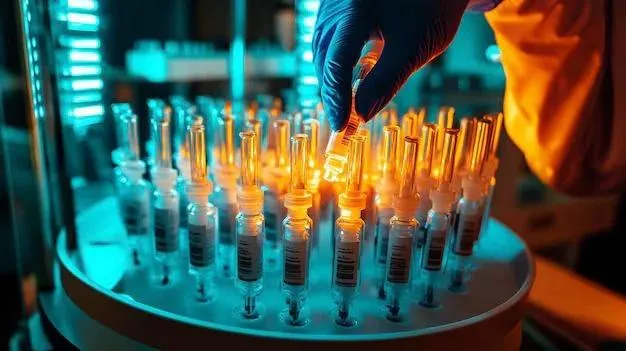
Electrolytic manganese dioxide (EMD) is an important ingredient used in the manufacture of batteries, especially ion and lithium-ion batteries. The production of EMD involves the electrolysis of magnesium sulphate and sulphuric acid. The techno-economic analysis, including the profitability of EMD production, can be divided into several areas: Availability of Raw Materials and Cost The primary raw material for electrolytic manganese dioxide production is manganese ore. Manganese ore availability, quality, and cost directly affect production cost. Abundant manganese resources exist in India, hence local production seems to be more feasible. Sulphuric acid is also a major ingredient in the process by which magnesium sulphate is produced. Availability and price fluctuation of both of these materials can cause huge variation in the overall cost structure. Production Process The electrolytic manganese dioxide production process involves several key steps: Leaching: Magnesium sulphate is extracted from manganese ore by treatment with sulphuric acid. Electrolysis: Secondly, electrolysis of magnesium sulphate solution produces EMD. Purification: The EMD resulting from this process may require further purification for use, for example, in battery applications. The process of high-quality output and highest efficiency comes with precision and careful control on each stage of the activity. Energy Costs Energy consumption is a major factor in electrolytic manganese dioxide production. The high power requirement of the electrolysis process is very sensitive to electricity costs, which can really hurt your production costs. In India, electricity prices tend to vary by region, and the price of energy should be taken into account when contemplating the feasibility of EMD production. Renewable energy sources such as solar or wind power could be used in order to decrease these costs, and the process could become a cost-efficient and environmentally friendly one. Related Business Plan: Electrolytic Manganese Dioxide Capital Costs Setting up a facility for electrolytic manganese dioxide production requires significant capital investment. These also include costs for setting up reactors, power cells, electrolytic apparatus, and other such necessary infrastructure. Also, it is required to maintain machinery and equipment regularly in order to run regularly. As a result, these initial and ongoing capital expenditure decisions are essential. Operating Costs Operational costs for electrolytic manganese dioxide production include expenses related to labour, water, electricity, raw material procurement, and waste management. Raw material and energy costs are the largest, but proper resource management can be used to constrain these costs. With this, it is also possible to reduce overall operating costs if you optimise the production process and keep the supply chain streamlined. Market Demand and Price The demand for electrolytic manganese dioxide production is largely driven by the growing battery industry, particularly the demand for lithium-ion batteries used in electric vehicles (EVs) and renewable energy storage. As India accelerates its adoption of EVs and increasingly renewable energy, India’s need to produce high-quality EMD will continue to grow. If demand goes up and supply is low, prices rise, and manufacturers may become more profitable. Environmental and Legal Issues Electrolytic manganese dioxide production can result in emissions and waste that need to be managed carefully. Local environmental regulations mean the waste management must mix with them or else they will have legal issues. In addition, water consumption is an important issue in places where water resources are restricted. Responding to environmental concerns does not only fulfil compliance but also makes the production process more sustainable. Technological Progress Advancements in technology can significantly reduce the costs of electrolytic manganese dioxide production and increase overall efficiency. One example of this is the reduction in energy consumed through improved design of electrolytic cells or use of renewable energy technology. Further investment in research and development can also give rise to innovation that allows a company to do things better, perhaps to reduce waste, making output more efficient. Competitive Landscape The electrolytic manganese dioxide production industry is competitive, both in India and globally. Improving processes, reducing costs, and maintaining product quality are key reasons why manufacturers need to keep ahead of the game. Market prices and competition are controlled by other local and international manufacturers. Moreover, advantages of local production include cost of transportation reduction and better control of the supply chain. Risk Management EMD production is no different from other manufacturing to that extent, and there are several risks, such as fluctuation of raw material prices, operational interruptions, and unpredicted market changes. To help address these risks, manufacturers can lock up firm long-term contracts for raw material supplies, do regular maintenance, and make sure workers are safe and well trained. Risk management should be properly exercised for one to move forward with long-term success. Strategic Partnerships Forming strategic partnerships can provide a competitive advantage in electrolytic manganese dioxide production. Some other examples include collaborating with battery manufacturers to always have a steady demand for EMD or collaborating with raw material suppliers to always get better prices and long-term supply agreements. These partnerships cut costs and give stability in the supply chain. Also Read: (EMD) Manufacturing Startup Socioeconomic and Global Consideration It has a positive socio-economic impact because it will create employment and help boost the local economy. Nevertheless, key factors such as trade laws, tariffs, and currency fluctuations can affect export opportunities on a global scale. For planning international sales, these factors must be understood. Conclusion The electrolytic manganese dioxide production process offers significant potential, especially with India’s growing battery industry. Yet, to make this production economically viable, raw material costs, energy demand, technological advancements, and demand in the market must be weighed. Through paying attention to efficient production methods, strategic partnerships, and risk management, EMD production provides the means to turn India towards sustainable energy solutions. Visit Our Website For More Details : www.niir.org Contact Us
Concrete, Cement, and Cement-Based Products
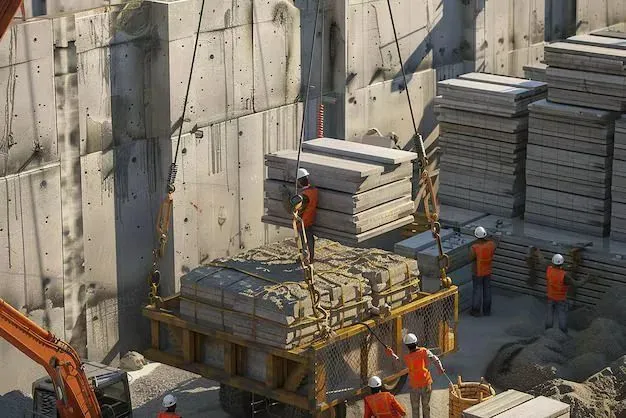
The building and construction and urbanization infrastructure development industry are among the few unfortunate sectors of that era which have to come up with same amounts or even more quantities much advancement. The concrete, cement and cement-based products market is one of the growing markets in multiplicity among its diverse sets for financial investment. This article expands on why it is a lucrative option for newcomers, covering the size of its market pie and piece, trending issues and analysis. The Booming Market of Concrete and Cement The need for construction using concrete and more concrete in every sense of the word make startup casualties a necessity. Increase in global urbanization infrastructure development is a key driver for these products. This way, start-ups can benefit from a massive and one that just keeps growing as they invest in this field. Innovative Cement-Based Products: Opportunities for Differentiation The sector is not all conventional cement and even concrete. It includes a variety of ingenious products, each offering distinct possibilities. From water-proofing ingredients to specialized cements like white cement and PVC solvent cement, there’s a particular niche for each start-up. These items accommodate certain requirements in building, opening doors for services to specialize and distinguish themselves out there. Cement Plant with Power Generation: A Sustainable Approach Building industry is one of the leading trendsetters in sustainability. Integrated power generation cement plant is an investment for the future. This is not just creating concrete, but also having as well energy produced hence generating a prong earning stream. This version interest the expanding market segment that values ecological sustainability. Visit this Page for More Information: Start a Business in Cement and Cement Based Products Industry Sanitary Ware Products: Tapping into Lifestyle Trends Hygienic ware items, like clean containers and bathroom wardrobes, link construction with way of living fads. These products have evolved from mere utilities to style statements in house design. This is a segment that provides an opportunity to startups for leveraging the increasing demand of stylish and premium sanitary ware. Ready Mixed Concrete: Convenience Meets Quality Because of its advantage and consistent quality, the fame for prepared mixed concrete is at a record-breaking high. This is a great product for active building and construction work. Operating on the principle of providing ready mixed concrete, start-ups are able to fulfill the requirements for modern building sites focusing on efficiency and consistency. Specialized Applications: Railway Sleepers and PSC Electric Poles Targeting niche applications, such as for train sleepers to PSC electric poles can be a wise move. These items have details standards and demands, which indicates much less competitors and higher margins for companies that can meet these needs. Concrete Admixtures: Enhancing Performance Concrete admixtures, or ingredients, are vital for improving the residential or commercial properties of concrete. They enhance resilience, workability, and set time, making concrete much more functional. Startups that introduce in this field can carve out a significant particular niche in the marketplace. Prestressed Concrete Sleepers: Revolutionizing Railway Construction Prestressed concrete sleepers are changing train construction. They offer improved robustness and rigidity which makes them an ideal choice for modern train networks. This new technology creates a path that brings facilities development to startups. Emerging Trends in Cement-Based Products There is a sharp increase in new trends that are emerging in the field of concrete industry with green and advanced materials. Green concrete, a sustainable alternative to traditional concrete, is obtaining traction. It significantly minimizes the carbon impact of building and construction activities. One more pattern is the development of clever cements, installed with sensors to check the honesty of structures. These advancements not just use environmental advantages however likewise boost the security and long life of buildings, offering a financially rewarding method for startups. Related Feasibility Study Reports: Concrete, Cement and Cement based Products and Projects Market Size and Share: A Lucrative Opportunity Understanding the market size and share is vital for startups. The global concrete market is forecasted to keep on the higher side, driven by increasing urbanization as well as infrastructural developments. This is one of the best markets for a startup to enter simply because it is so big, and you could experience tremendous growth here. The market is massive, the magnitude that it covers across residential, industrial and commercial building; each providing a myriad of opportunities coupled with its challenges. Analysis of Consumer Preferences and Trends To do well, start-ups need to likewise evaluate consumer preferences and market trends. There is an expanding demand for eco sustainable and premium building products. Customers and organizations are increasingly looking for items that supply longevity, energy performance, and aesthetic charm. Start-ups which are innovative and can address these changing preferences will surely win the competition. Competitive Landscape: Challenges and Strategies Concrete and mortar are basic a need in any construction activities across the globe, making solid base among established players to intensify competition. But it is also this competition that drives innovation and quality. Unique products, quality-oriented and sustainable practices are those places where startups can find their feet to walk on. They might get a great lift from collaborations with construction firms, engineers & Government projects too. Supply Chain Optimization for Efficiency and Sustainability Supply chain management in the cement sector This not only involves the timely delivery of goods but also sustainability in terms of product sourcing and circulation. Attention entrepreneurs shopping: buying more powerful supply chain can reduce costs, increase sustainability and capability. Also Read: How to Start Recycling Business of Waste Plastics – Recycling Business Ideas Regulatory Compliance and Safety Standards It is important to follow the laws and make them part of your business. The concrete industry goes through numerous ecological and safety policies. Startups should guarantee compliance to stay clear of lawful issues and build an online reputation for obligation and integrity. Innovative Marketing Strategies Effective advertising approaches are essential to success in this sector. Taking the right brand name identity and routing with digital marketing can be your painless solution in gaining more
Preserving Prosperity: Starting a Meat and Poultry Products Manufacturing Business

The production market of meat and poultry preservation, is experiencing durable growth. With a consistent increase in the international population and also rising consumption of meat and chicken products, the industry is poised for expansion. This article explores the market dimension, share, and trends, and provides an extensive SWOT evaluation, and profitability evaluation, as well as insights into worldwide development, localization, supply chain, branding as well as advertising, regulatory changes as well as market compliance, technological development, rival evaluation, and also future chances. Market Size, Share and Trends The meat as well as fowl preservation sector has actually shown considerable development over the past couple of years. According to Market Research Future, the marketplace size is anticipated to reach $263.46 billion by 2027, expanding at a CAGR of 6.4% during the forecast period 2021-2027. The increasing need for ready-to-eat and processed meat products as a result of altering lifestyles and also eating habits, specifically in creating nations, is driving the sector’s development. The marketplace share distribution varies among areas. The United States and Canada holds a significant share due to high meat intake and advanced conservation strategies. Asia-Pacific is anticipated to witness a quick development price due to raising non reusable revenue, urbanization, as well as the expanding meat market. Visit this Page for More Information: Start a Business in Export Oriented Units Business SWOT Analysis Strengths The industry’s strengths include a broad customer base, established market presence, and advanced preservation technologies. Adding organic and natural preservatives to meet some of the health-leader consumers is another area into which Nestlé should expand. Weaknesses The industry is confronted by health issues that stem from the consumption of processed meats and poultry. Additional weaknesses are high operational cost, strict regulations and vulnerability to fluctuations in prices of raw materials. Opportunities The opportunities include diversifying into developing markets, rising demand for convenience food and ability to chemical-free preservation techniques. Threats The rise of vegan and vegetarian diet trends, coupled with growing awareness about the negative health risks related to excessive consumption of preserved meats by consumers are poised as challenges. On top of that, a volatile market filled with unpredictable variables like erratic prices for meat and shifts in regulation can deal mean hits to the sector. Related Business Plans: Export Oriented Units, Projects (100% EOU) Profitability Analysis Nevertheless, with increased demand and cost-effective processing technologies in place the sector remains profitable. Profit margins are higher with innovative strategies, efficient supply chains and brand position completely in perpetuity. Global Expansion and Localization The next frontier Early-Stage VC Series — Emerging markets opening up for global expansion Using strategies that accommodate the needs and requirement of local population can increase market penetration as well consumer acceptance. Supply Chain The industry has a supply chain with multiple stages ranging from the acquisition of raw material to delivery. Scalable supply chain management has the potential to lower operational costs, increase efficiency and generate profits. Branding and Marketing For the business to succeed, branding and marketing strategies are key. Brands who highlight their distinct ingredient list (organic) or special methodology of preservation are able to attract that higher price point and gain repeat customers. Regulatory Changes and Industry Compliance Regulatory change presents both opportunities and obstacles. Compliance with rigorous food safety regulation is required, adding to operational costs. However, they also raise the bar which might effectively exclude firms that cannot and will not comply. Technological Innovation The industry is seeing a lot of technological innovation happening. Newer preservation methods like high-pressure processing and cold plasma lengthen the shelf life of products, improve food safety (thus serving as a distinguishing factor in the competitive arena), but need careful fine-tuning. Competitor Analysis It is a very competitive industry with Tyson Foods, Smithfield and JBS being the major companies. Innovative companies supplemented with good product quality and brand identity, can set themselves apart from the rest to a point where they no longer need worry about other reacting. Read our Books Here: Grow Rich By Starting your Own Business Future Opportunities Future prospects for the industry include entering new global markets such as emerging economies, creating value-added products and meeting continued consumer demand for natural, antibiotic-free meat production. Preservation Technologies: The Competitive Edge Emergence of advance preservation technologies is revamping the future potential of meat and poultry preservation industry. Frontrunners like Modified Atmosphere Packaging (MAP) and Vacuum Skin Packaging (VSP)s not only bolster the longevity of meat products but also enhance their visual design, which in turn diverts consumer appeal translating sales. Those brands that successfully implement these technologies ahead of fellow stragglers will have a considerable head-start in their respective markets. Still, they are significantly reducing the cost of production and helping in streamlining the process making things pretty affiliated with profitability. Regulatory Environment: A Double-Edged Sword As regards the market of meat and poultry preservation, regulatory environment is a blessing as well as curse. In this light, stricter regulation results in better overall food safety standards which can only be a good thing for the industry. On the flip side, they drive up businesses’ operational costs because companies need to buy more expensive equipment and invest in new processes just to comply with these regulations. But companies that navigate this maze of regulation can use it to their advantage. Brands that position themselves as compliant and supplementary to the standards can develop trust with consumers, leading to a positive brand perception. Supply Chain Management: A Key to Profitability Profitability depends on efficient supply chain management in the meat and poultry preservation sector. The supply chain spans from sourcing raw materials through distributing the final product For this reason, any supply chain inefficiencies or interruptions can bite into a business’s profits big time. Advanced solutions: These warehouse management methods boost the cash flow savings and operational efficiency of their business as well, paving a better way to attend market changes with minimized risks in place. And this not only adds to profit but also serves as a
Production of Ethyl Acetate Feasibility and Techno Economic Viability Study, Why Invest in this Manufacturing Industry

Ethyl acetate, a low-toxicity, and very volatile ester plays a critical role in numerous markets consisting of food, cosmetics, pharmaceuticals, and especially in coatings and also adhesives. The worldwide demand for this solvent is growing progressively, which makes investing in its manufacturing an eye-catching proposal. During this short article, I will certainly analyze the viability and also prospects of the ethyl acetate manufacturing sector. Visit: Start a Business in Ethyl Acetate Production Why Invest in the Ethyl Acetate Manufacturing Market? Market Dimension as well as Share According to recent reports, the global ethyl acetate market is forecast to be $5.04 billion by 2028 and expecting a CAGR of 4.7% from in between estimation time period ranging from year 2021 till 2028. This remarkable development is sustained by raising demands from end-user markets, specifically from the emerging economies. Asia-Pacific holds the lion’s share in the global market as a result of the robust growth of its pharmaceutical and flexible product packaging markets. Trends and Evaluation Several elements drive the market trend for ethyl acetate. Amongst these, the surge popular for adaptable product packaging options sticks out. Ethyl acetate’s phenomenal solvency and also fast-evaporating buildings make it a popular option for formulating inks made use of in flexographic and rotogravure printing. In addition, the increasing pharmaceutical sector is likely to boost the demand for ethyl acetate, as it is extensively used as an extraction solvent in lots of pharmaceutical procedures. Besides, increasing consumer choice for reduced poisoning and environmentally friendly solvents is steering the marketplace in the direction of sustainable development. SWOT Analysis Strengths Ethyl acetate’s versatility throughout several markets is its key stamina. Its broad application range, integrated with its low poisoning as well as biodegradability, lines up with the enhancing international fad towards sustainable as well as eco-friendly remedies. Weaknesses The production expense of ethyl acetate is heavily depending on basic material prices, particularly ethanol. Any changes in the ethanol market may influence the earnings of ethyl acetate makers. Opportunities Arising markets, specifically in Asia-Pacific, existing considerable possibilities. Increasing urbanization, automation, and changes in the direction of flexible packaging are aspects that are likely to increase ethyl acetate demand. Risks The schedule of replacements such as methyl ethyl ketone (MEK) as well as toluene can present a danger. Furthermore, regulatory modifications aiming to limit VOC emissions might affect the sector. Productivity Evaluation Buying ethyl acetate production is extremely rewarding considering the growing market and the high gross margin generally associated with chemical production. However, success undergoes various aspects such as resources costs, power expenses, and conformity with ecological regulations. Worldwide Expansion and Localization Worldwide growth right into emerging markets like Asia-Pacific and South America can bring about substantial service development. It is important to take on localization methods that deal with particular regional demands as well as abide by local regulative standards. Supply Chain An efficient supply chain is crucial in the chemical manufacturing sector. Strategic partnerships with resources suppliers, developments in logistics, as well as timely circulation will certainly make sure business connection as well as client satisfaction. Branding as well as Marketing Branding plays a critical duty in the chemical industry, where depend on as well as dependability are extremely important. Solid branding incorporated with targeted marketing methods can result in substantial market infiltration and also client loyalty. Regulative Modifications and Market Conformity Ethyl acetate manufacturers need to comply with countless guidelines regarding production, handling, and also disposal. Conformity with these norms is not only lawfully mandatory but likewise vital for maintaining business credibility and customer depend on. Technical Development Advancements in manufacturing modern technology, such as the catalytic manufacturing of ethyl acetate, can lead to cost performances. Investment in R&D for developing environmentally friendly production approaches could provide competitive advantages. Furthermore, the adoption of digital innovations can cause far better functional effectiveness and process optimization. Rival Analysis The ethyl acetate market is very affordable with several key players such as INEOS, Eastman Chemical Firm, as well as Celanese Corporation. Business should recognize their rivals’ approaches and also perform routine affordable analysis to preserve a leading placement out there. Future Opportunities The ethyl acetate market is teeming with possibilities. The ongoing trend in the direction of environmentally friendly and also low-toxicity solvents is most likely to enhance ethyl acetate demand. Besides, the growth of end-user sectors, especially in arising economic climates, will contribute to market development. There is also an untapped capacity in the use of ethyl acetate as a biofuel additive. Investment in R&D could open new applications for ethyl acetate, therefore creating additional need. Technical advancement in production methods, focusing on power effectiveness and lower exhausts, might likewise open up brand-new opportunities. Service Methods For any type of business considering access or growth in the ethyl acetate industry, crafting robust company methods is paramount. Differentiation Method Distinguishing oneself out there via distinct worth propositions can be a reliable method to attract a details customer section. For example, embracing even more lasting and environmentally friendly production techniques can attract eco-conscious customers and services. Read our Book Here: The Complete Technology Book on Chemical Industries Cost Leadership Approach Business can additionally consider an expense leadership approach by improving operational efficiency to provide products at lower expenses. This could involve buying advanced innovations that decrease power consumption or exploring more economical raw materials without endangering item top quality. Market Penetration and also Development Method Passing through existing markets extra deeply or going into brand-new markets can result in company development. For example, Asia-Pacific’s blossoming sectors existing considerable chances for market growth. The Role of Study & Growth Financial investment in Research Study & Growth (R&D) is crucial to innovation and staying affordable in the market. The potential to develop brand-new applications of ethyl acetate or to improve its production procedure is enormous. Companies secure their lead in technological developments and maintain competitive advantage by acquiring R&D. Market Conformity and Honest Considerations It is critical to stay market compliant as a chemical manufacturer. This is not only with regard
Production of L-Lysine Hydrochloride from Corn: A Comprehensive Analysis

L-Lysine Hydrochloride Production, an important amino acid that secures numerous biochemical features and protein synthesis in the body. Although It is also naturally occurring in food items, but rising demand for it such as drugs and pet feed etc. Corn is the best and sustainable way to produce this high demand of L-Lysine Hydrochloride, economically. Feasibility and Techno-Economic Viability Study As a result of Glucose, Lysine (fermentation) is generated from Corn that makes it an outstanding raw material for the fermenting process of food supplementation. Recent developments in microbial fermentation strategies using certain pressures of germs have made it possible for efficient conversion of corn’s glucose to L-Lysine Hydrochloride. In regards to costs, corn-based manufacturing commonly becomes cheaper contrasted to synthetic techniques or extraction from other sources. Why Invest in this Manufacturing Industry? SWOT Analysis Strengths Sustainable production making use of corn. Established demand in different sectors. Technical innovations helping with economical manufacturing. Weaknesses Reliance on corn costs. Technical obstacles in particular areas. Manufacturing can be affected by seasonal variability of corn crops. Opportunities Climbing demand in arising markets. Prospective for expanding right into high-value pharmaceutical segments. Technology in fermentation strategies. Threats Competitors from synthetic L-Lysine Hydrochloride Production makers. Fluctuations in global corn production. Strict policies and conformity standards in particular markets. Profitability Analysis Production of L-Lysine Hydrochloride Production from corn has actually experienced better earnings margins as a result of technological innovations and scaled production. The persisting need from established fields guarantees a stable revenue stream. Global Expansion and Localization Although North America and Europe are the primary producers there is significant scope in corn-growing Asian markets as well for consumption with a growing livestock sector. Nevertheless, companies must individualize operations based on regulatory standards and regional corn production cycles. Supply Chain This way, all year long nothing is lacking in corn. Local partnership with farmers, embracing sustainable farming practices and spending for storage infrastructure are important. Branding and Marketing This eco-conscious portion is catching for Marketing L-Lysine Hydrochloride Production fabricated from corn as feasible and natural product. Marketing strategies: Uses And advantages in Animal Feed / Health Supplements & Pharmaceuticals. Regulatory Changes and Industry Compliance In this case, production will be mostly safe, though it is dependent on local laws. While these steps may aid in maintaining compliance and increasing export activity, it is important to stay well informed about current international business laws especially if expanding your reach into new markets. Technological Innovation The investment in R&D is constant and, over time, the fermentation process can become more efficient meaning that yield will increase whilst this production cost decreases. Competitor Analysis The fact that L-Lysine Hydrochloride Production is produced through corn-based solutions plays to the strengths of some manufacturers, but synthetic methodologies and other sources remain competition. Turning more is about hyper-innovation, cost optimization and reaching the market. Visit this Page for More Information: Start a Business in Chemical Industry Projects Future Opportunities The developing health and wellness industry creates many opportunities for the growth of L-Lysine Hydrochloride Production products, from nutraceuticals to more niche pharmaceutical applications. Raw Material Sourcing and Sustainability A more common plant would be corn, which thrives on vast climate ranges and can exist in a number of zones found throughout the North America or Africa. It’s a profusion of the richest L-Lysine raw material almost inexhaustible. Ensuring the sustainably sourced L-Lysine is a key factor in determining profitability and longevity of production. Collaborating with local farmers, incentivizing no-pesticide farming methods and getting into long-term contracts means a steady stream of quality corn. Manufacturing Process Overview Corn is converted into L-Lysine Hydrochloride via several processes: Related Business Plans: Chemicals (Organic, Inorganic, Industrial) Cost Structure and Financial Implications This is crucial for any capitalist or stakeholder to identify the price framework. Major costs are comprised of raw materials which is essentially corn, fermentation infrastructure, labor, utilities, governing compliance and logistics. Economies of range play an essential function: as production scales up, the per-unit price of L-Lysine production goes down dramatically. Technological Developments Biotechnological advancements are forming the L-Lysine market. Genetic modifications of microbial pressures to boost their efficiency, computer-controlled fermentation processes, and advanced filtration techniques are several of the developments. Embracing these modern technologies can supply companies an one-upmanship on the market. Human Resources and Skill Development A competent labor force is the backbone of L-Lysine manufacturing. Basic training in microbial fermentation, QA and machine operations. A purchasing organization must invest in ongoing coaching and training to maintain the site quality and efficiency. Consumer Perspective and Branding Insights The shift of consumer sentiment natural products and materials is undeniable. If L-Lysine Hydrochloride Production is from corn, using the only green and natural could be accepted by brand demand policy, Labels explaining the source and manufacturing methods can make customer rely on. Global Markets and Localization Strategy There are indeed different national requirements as well as some variations of compliance standards. For example, organic products could have highest importance in Europe while Eastern markets would be more interested about prices. Adaptation of the item to local tastes, and also compliance with regional guidelines is crucial for globalization. Risk Management Just like in any industry, the L-Lysine sector has its share of risks from volatile corn prices to sudden regulatory changes. Strong risk management practices with diversification of corn supplies and monitoring regulatory changes are potential solutions to these difficulties. Feedback and Continuous Improvement By including feedback from multiple constituencies whether it be consumers, distributors or even employees; each perspective can provide a unique approach. Revising and improving production processes, marketing tactics, and growth plans accordingly would mean that the company remains agile through constant feedback. Application and Research Insights In addition to its known uses in animal feed and nutraceuticals, L-Lysine Hydrochloride Production may have applications beyond the familiar. Early research suggests that it may be useful for increasing calcium absorption, thereby assisting in osteoporosis prevention. Exploring those niche sectors can open pathways to new revenue. Navigating Competition Cost-efficiency is one, as are the