
Nissan GT-R R36 Nismo 2026 Revealed: Insane Power, Next-Gen Performance and Bold Premium Design
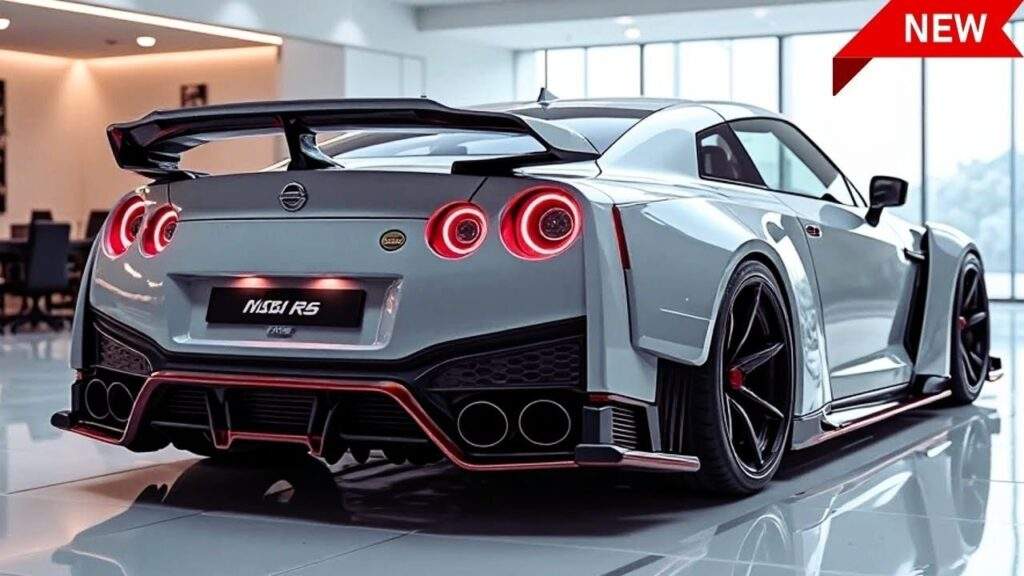
Car fans are losing their minds today. Nissan has revealed exciting details and stunning renders for the 2026 GT-R R36 Nismo, the next chapter for the legendary Godzilla. This new generation promises wild power boosts, sharper handling, and a fresh aggressive look that mixes classic GT-R style with modern flair. While full production is still coming, these early reveals show a beast ready to battle the world\’s fastest supercars. Bold Premium Design That Grabs Attention The 2026 R36 Nismo gets a complete redesign with sharper lines, a wider stance, and huge air intakes for better cooling. Carbon fiber parts like the hood, splitter, and big rear wing cut weight and add serious downforce. Slim LED lights and a low aggressive front end give it a fierce premium vibe. Inside, expect supportive bucket seats, high-quality materials, and a driver-focused cockpit with the latest screens for performance data. Insane Power from Advanced Engine Rumors point to a hybrid twin-turbo V6 setup pushing over 700 horsepower, with some saying up to 750 or more for instant acceleration. The hand-built engine keeps the famous GT-R roar but adds electric boost for quicker response and better efficiency. All-wheel drive and smart torque split make it grip like glue on any road or track. Here is a quick look at the expected key specs: Feature Details Engine Twin-turbo V6 Hybrid Horsepower Over 700 HP (up to 750+) Torque Around 600+ lb-ft Acceleration 0-60 mph in under 3 seconds Drive System Advanced AWD Weight Reduction Carbon fiber parts Next-Gen Performance on Track and Road This GT-R shines with active aero that adjusts for speed, stiffer suspension, and huge brakes for stopping power. Electronic aids help control the massive output while letting skilled drivers push hard. It balances raw thrill with everyday driveability, staying true to what made Godzilla famous. Why Fans Are Excited The R36 Nismo could bring electrification without losing soul, challenging cars twice the price. Limited production means it will be rare and special. Expect it in showrooms by late 2026 or early 2027. Bullet Points on Top Highlights FAQs Is the 2026 GT-R R36 Nismo fully revealed? These are official teasers and high-quality renders, with full details coming soon. Will it be hybrid or full electric? Most reports say hybrid twin-turbo for huge power and some efficiency. How much horsepower will it have? Expect over 700, possibly 750 or more in Nismo trim. When can I buy one? Production starts late 2026, with sales in 2027. What is the expected price? Around $150,000 to $250,000 depending on options. The 2026 Nissan GT-R R36 Nismo looks set to keep Godzilla roaring louder than ever. It combines insane speed, bold style, and smart tech for the ultimate driving rush. Fans have waited years for this next gen, and it seems worth it. Stay tuned for more as Nissan shares official specs.
2026 Jeep Wrangler Rubicon 🚙 | Ultimate Off-Road Beast Review | Car Collection
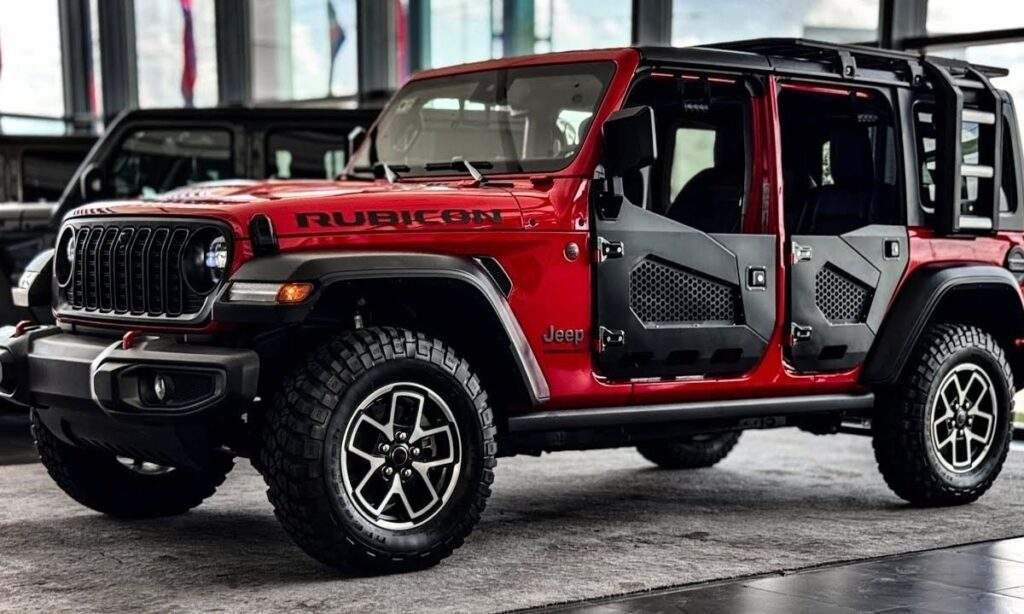
The 2026 Jeep Wrangler Rubicon arrives with a clear message that true off-road machines still matter in a world moving fast toward comfort-first SUVs. Built to conquer rough terrain without losing its iconic character, this latest Rubicon strengthens its reputation as a serious trail-ready vehicle while adding just enough refinement for everyday driving. Jeep has stayed loyal to the Wrangler’s core identity, but subtle improvements across design, technology, and drivability make the 2026 Rubicon feel more complete than ever. It remains unapologetically rugged, yet smarter and more confident in how it handles modern expectations. A Design That Stays True to Its Roots The 2026 Wrangler Rubicon does not chase flashy trends, and that is exactly its strength. Its boxy silhouette, upright stance, and exposed hardware continue to signal capability before the engine even starts. Small updates give it a cleaner, more modern presence without watering down the legendary look. Details like reinforced bumpers, functional hood elements, and high ground clearance are not decorative choices. Every part of the exterior has a purpose, reminding buyers that this is a tool built for harsh environments rather than smooth city roads. Built to Dominate the Toughest Terrain Where the Rubicon truly separates itself is off the pavement. Jeep has ensured that the 2026 model keeps its reputation intact by focusing on hardware that matters when conditions turn extreme. From rocky trails to deep mud, this SUV is designed to push forward when others stop. These features are not optional add-ons but core elements of the Rubicon experience, making it one of the few vehicles that feels genuinely prepared straight from the showroom. Interior Focused on Function First Inside the cabin, the 2026 Wrangler Rubicon strikes a careful balance between toughness and comfort. Materials are chosen for durability, with surfaces that can handle dust, water, and rough use without constant worry. At the same time, the layout feels more intuitive and driver-focused than earlier generations. Controls are positioned for easy access during off-road driving, and visibility remains excellent thanks to the upright windshield and wide windows. It is not a luxury SUV, but it does not feel crude either, which makes long drives far more manageable than expected. Technology That Supports the Adventure Jeep has added technology where it helps, not where it distracts. The 2026 Rubicon includes modern infotainment and driver-assist features, but they are designed to support the driving experience rather than overwhelm it. This approach keeps the Wrangler Rubicon focused on its mission while still feeling current in a competitive market. On-Road Manners Without Losing Character Driving the 2026 Wrangler Rubicon on regular roads reveals steady improvements. While it still feels tall and purposeful, steering and ride quality have been refined enough to reduce fatigue during daily use. It is not trying to be a soft crossover, and that honesty works in its favor. The Rubicon remains a vehicle you choose because you want capability and personality, not because you are chasing quiet isolation. That character is exactly what continues to attract loyal fans year after year. Final Verdict The 2026 Jeep Wrangler Rubicon proves that a true off-road SUV can evolve without forgetting what made it special. It blends proven trail hardware with thoughtful updates that improve usability and comfort. For buyers who value authenticity, durability, and real-world off-road performance, this Rubicon remains one of the most compelling choices in its class. FAQs Is the 2026 Jeep Wrangler Rubicon suitable for daily driving? Yes, while it is built for off-road use, improvements in ride quality and interior comfort make it more manageable for everyday driving. Does the Rubicon come ready for off-roading from the factory? Absolutely, it is equipped with specialized hardware and systems designed for serious off-road conditions without needing aftermarket upgrades. How does the 2026 model differ from previous Rubicon versions? The latest version focuses on refined technology, improved usability, and subtle design updates while keeping its core off-road strengths intact. Is the interior practical for adventure use? Yes, the cabin is designed with durable materials and functional controls that handle dirt, water, and rough use with ease. Who should consider buying the Wrangler Rubicon? It is ideal for drivers who prioritize off-road capability and rugged character over luxury-focused comfort and smooth-road refinement.
Toyota Corolla Cross – A Practical 5-Seater Compact SUV With Impressive Mileage & Modern Features
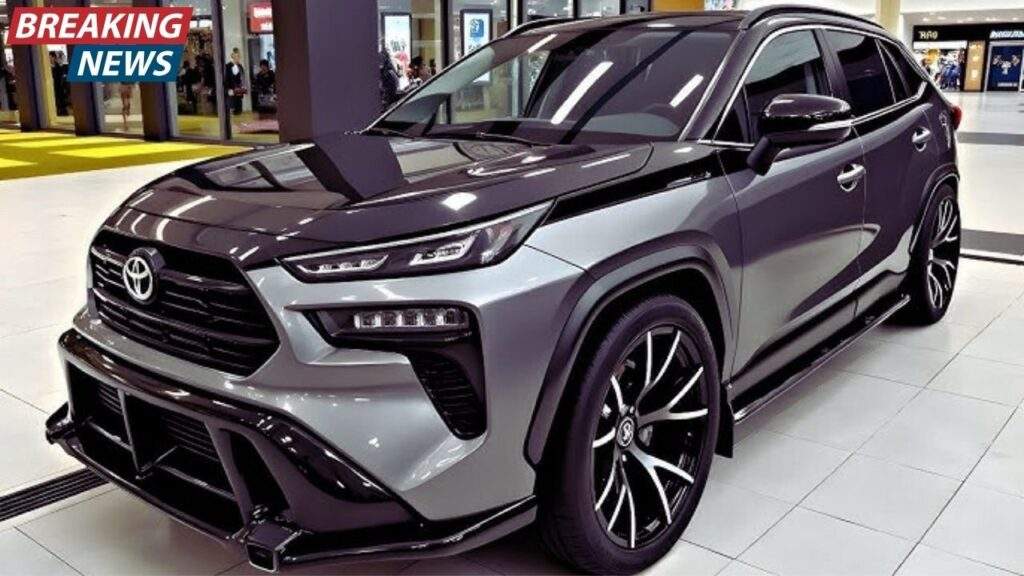
The Perfect Blend of SUV and Sedan Toyota has a new star in its lineup, and it bridges the gap between a sedan and an SUV perfectly. The Toyota Corolla Cross is here, and it is designed for people who want the practicality of an SUV without the bulky size or high price. It takes everything people love about the famous Corolla name and gives it a more versatile, rugged shape. It is not trying to be the flashiest car on the block. Instead, it focuses on being a smart, reliable, and comfortable choice for everyday life. A Familiar Yet Fresh Design When you look at the Corolla Cross, you can see its family connection. It has the same friendly and recognizable face as the Corolla sedan but is taller and has more ground clearance. The body has subtle lines that give it a bit of style without being overly dramatic. The higher roofline means more headroom for everyone inside, and the rear hatch opens to a useful cargo area. It looks modern and neat, a vehicle that fits in anywhere from the school run to a weekend camping trip. Simple, Smart, and Fuel Efficient Under the hood, the Corolla Cross keeps things straightforward and efficient. Most models come with a capable four cylinder engine that provides plenty of power for daily driving and merging onto the highway. The real star for many buyers will be the hybrid option. This version uses Toyota’s trusted hybrid technology to deliver outstanding gas mileage, making it one of the most fuel efficient choices in its class. Feature Specification Available Powertrains 2.0L Gas Engine / Hybrid System Passenger Capacity 5 Seats Estimated MPG (Hybrid) Up to 42 MPG Combined Cargo Space (Rear Seats Up) 26.5 Cubic Feet Key Feature Standard Toyota Safety Sense 2.0 A Comfortable and Tech Friendly Cabin Inside, the Corolla Cross is all about simplicity and comfort. The seats are designed for long drives, and the layout is easy to use. A clear touchscreen sits in the center of the dashboard. Even the base model comes with good technology to keep you connected and safe. Key features that come standard include: Built for Everyday Adventures This compact SUV is built on a trusted platform that gives it a smooth and quiet ride. It handles city streets and highways with ease, feeling stable and secure. While it is not a hardcore off road vehicle, its available all wheel drive system provides extra confidence on slippery roads or light gravel paths. It is the perfect vehicle for navigating bad weather, crowded parking lots, or a trip to the home improvement store. Value That Makes Sense The Toyota Corolla Cross arrives at dealerships with a very attractive price. It starts well under many other small SUVs, making it an excellent choice for first time buyers, small families, or anyone watching their budget. With its low running costs, thanks to great fuel economy and Toyota’s reputation for reliability, it is a vehicle that makes financial sense for years to come. It proves you do not have to spend a lot of money to get a modern, safe, and practical SUV. FAQs Is the Corolla Cross bigger than a regular Corolla? Yes. The Corolla Cross is taller and has a higher ride height than the Corolla sedan. It also has a more upright rear end, which provides more cargo space. What is the main difference between the gas and hybrid models? The hybrid model focuses on maximum fuel efficiency, getting over 40 miles per gallon. The standard gas engine is still efficient but offers a lower starting price. Does it have all wheel drive? Yes. All wheel drive is available as an option on both the gas and hybrid versions of the Corolla Cross. It adds extra traction in rain, snow, or on unpaved roads. Is it good for a small family? Absolutely. With comfortable seating for five and a good amount of cargo space for strollers, groceries, or sports gear, it is a very practical and affordable family vehicle.
2026 GMC Sierra 1500 Unveiled: Rugged Luxury Design, Powerful Engine and Advanced Pickup Features
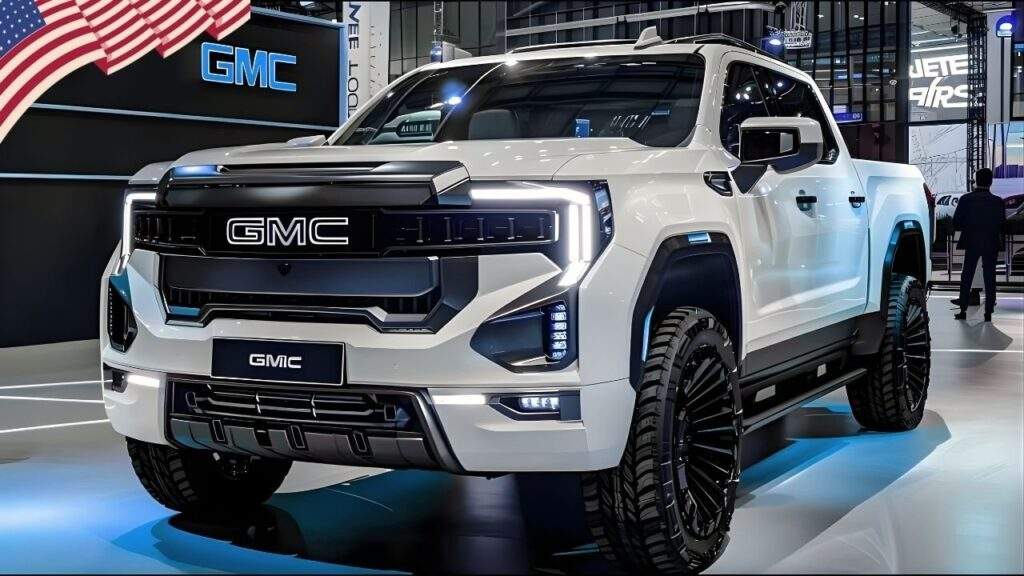
A Top Pickup Gets Small Updates GMC has shown the 2026 Sierra 1500, a full size truck that mixes tough looks with fancy touches. This year brings small changes like new colors and a louder exhaust option on some models. It keeps the strong build that fans love, with trims from basic work trucks to loaded luxury versions. The Sierra stands out from rivals like the Ford F 150 or Ram 1500 by feeling more upscale. It is ready for jobs, towing, or off road fun. Drivers can pick from many engines and setups to fit their needs. Bold Rugged Look Outside The outside of the 2026 Sierra 1500 looks strong and premium. It has a big bold grille, sharp LED lights, and clean lines that turn heads. New colors this year include Glacier White Tricoat and Coastal Dune for a fresh style. Higher trims like Denali get chrome details and big wheels up to 22 inches. The AT4 models add off road gear like skid plates and taller suspension. The bed comes with the handy MultiPro tailgate that works in six ways. Overall, it looks tough yet classy on the road or trail. Strong Engines for Any Job The 2026 Sierra 1500 offers four engines to choose from. The base is a 2.7 liter TurboMax four cylinder with 310 horsepower and best in class 430 pound feet of torque. Step up to the 5.3 liter V8 for 355 horsepower, or the 6.2 liter V8 that makes 420 horsepower and a beefy sound, now louder in Sport mode on some trims. The 3.0 liter Duramax diesel gives 305 horsepower but huge torque for towing up to 13,300 pounds. Pair them with smooth automatics and optional four wheel drive. These choices give quick speed, good fuel use, or max pull power. Luxury Cabin Full of Tech Inside, the Sierra 1500 feels like a high end ride. Top trims like Denali Ultimate have soft leather, wood trim, and massaging seats. A big 13.4 inch touchscreen runs infotainment with wireless phone connect and Google built in. You get a 12.3 inch digital gauge screen too. There is room for up to six people, plus lots of storage. Higher models add heads up display, Bose sound, and Super Cruise hands free driving on highways. It is quiet and comfy for long trips or daily drives. Smart Safety and Trailering Tools Safety comes first in the 2026 Sierra. It packs automatic braking, lane keep, blind spot alerts, and more as standard. Up to 14 camera views help with towing or parking big trailers. The ProGrade system makes hitching easy with guides and checks. The strong frame aims for top crash scores. Off road trims get extra protection like lockers and dampers. These features make driving safer and less worry, even with heavy loads. Pricing That Fits Different Buyers The 2026 Sierra 1500 starts around 38,300 dollars for the base Pro trim. It climbs to over 87,000 for the loaded Denali Ultimate. Mid levels like Elevation or SLT offer good mixes of features and price. Four wheel drive and bigger engines add cost but boost ability. Compared to others, it gives premium feel for the money, with strong resale too. Deals and financing help make it reachable. Why Pick the 2026 Sierra 1500 The 2026 GMC Sierra 1500 shines with its blend of rugged power, luxury comfort, and smart tech. It tows heavy, goes off road, or pampers on commutes. Small updates keep it fresh as the last year before a big redesign in 2027. Owners love the smooth ride and reliable build. If you want a truck that works hard and feels nice, this is a solid choice. Specification TurboMax 2.7L 5.3L V8 6.2L V8 3.0L Duramax Diesel Horsepower 310 355 420 305 Torque (lb-ft) 430 383 460 495 Max Towing (lbs) 9,500 11,500 13,300 13,300 Transmission 8-speed auto 10-speed auto 10-speed auto 10-speed auto Key Features
2026 Toyota 4Runner TRD Pro Bommarito: A Fresh Take on Power and Style
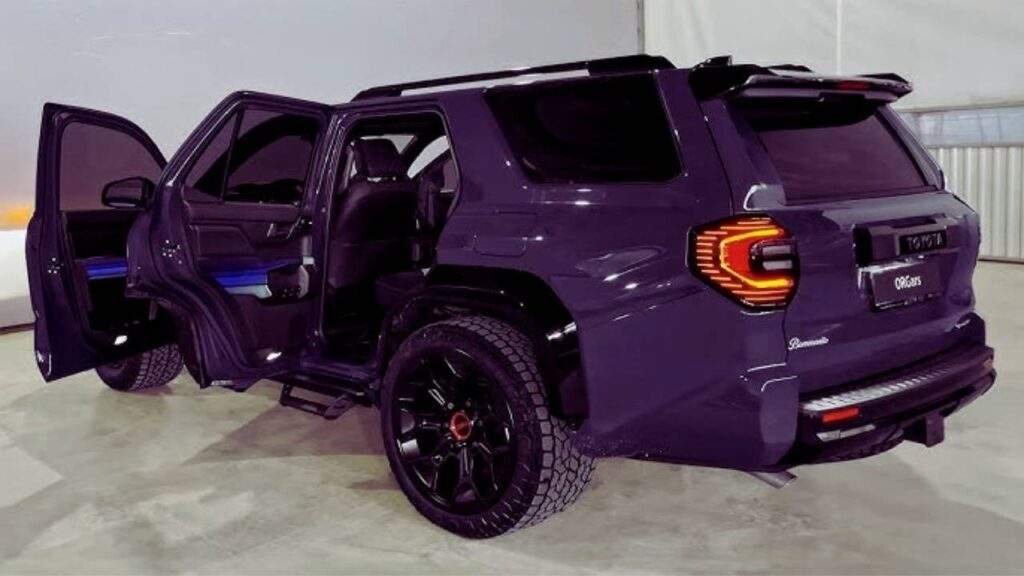
Toyota just rolled out the 2026 4Runner TRD Pro Bommarito edition, and it is turning heads among off road lovers and daily drivers alike. This special model comes from a team up with the Bommarito Automotive Group, bringing unique changes to the popular TRD Pro package. It is made for people who crave real adventure but still want everyday comfort. With strong focus on sound, interior, and exterior details, this SUV stands apart from the rest. Starting at about 67,900 dollars, it offers great performance and a look that gets noticed. Here is a closer look at what sets this version apart. Striking Exterior Design The outside of the 2026 Toyota 4Runner TRD Pro Bommarito looks tough and modern at the same time. It features a large grille with dark Toyota letters that give it a bold, stealthy feel. Bommarito added custom touches and special accents to make it feel one of a kind. Bright LED headlights and fog lights help see clearly at night or on dusty trails. The body rides high with wide fender flares and black TRD Pro wheels fitted with all terrain tires. Strong side steps make getting in easy, and the back has clean LED tail lights plus clear TRD Pro badges. It blends rugged strength with sharp style that works on city roads or rough paths. Rugged Yet Refined Interior Inside, the cabin feels strong yet comfortable. Top quality materials cover the dash and doors, mixing soft surfaces with tough TRD accents. The seats use premium fabric or leather that supports you well on long drives or bumpy trails. A large touchscreen controls maps, phone connection, and off road information. The digital gauge cluster shows speed, drive modes, and other key details clearly. The leather wrapped steering wheel with TRD logos fits nicely in your hands. There is lots of leg room and head room in the back, plus a big cargo area for all your stuff. Road noise stays low, making highway trips quiet and relaxing. Powerful Sound Experience When it comes to sound, this 4Runner delivers in two big ways. The turbo engine starts with a deep, strong growl that gets attention. At low speed it stays smooth, but hit the gas and you hear a fun turbo whistle plus a rich exhaust note. Bommarito tuned the exhaust for extra sporty feel without being too loud inside. For music, it comes with a 14 speaker JBL premium system that includes a subwoofer, amplifier, and even a removable Bluetooth speaker you can take outside. Songs sound clear and full, and the engine roar adds excitement on the trail. Performance and Capability The heart of this SUV is the i Force MAX hybrid powertrain with 326 horsepower and 465 pound feet of torque. It connects to an eight speed automatic transmission for fast, smooth shifts. Part time four wheel drive, a locking rear differential, and Fox shocks tackle tough ground with ease. It has 9.2 inches of ground clearance for rocks, water, or mud. Fuel economy reaches about 23 mpg in the city and 24 on the highway, which is solid for its size. Safety tech includes blind spot warnings, lane keeping help, and adaptive cruise control. Key Specifications Feature Details Engine 2.4L turbo hybrid, 326 hp, 465 lb ft torque Drive System Part time 4WD Audio System 14 speaker JBL with portable Bluetooth speaker Wheels 18 inch TRD Pro alloys with all terrain tires Starting Price 67,900 dollars Fuel Economy 23 city / 24 highway mpg Standout Features in Bullet Points Frequently Asked Questions What sets the Bommarito edition apart from a regular TRD Pro? It includes special custom styling, unique exhaust tuning, and exclusive accents created with the Bommarito Automotive Group. Is this SUV good for everyday driving? Yes, the smooth ride, quiet cabin, and easy tech make it great for commutes, school runs, or grocery trips. How good is the audio system? The 14 speaker JBL setup sounds crisp and powerful, and the take along Bluetooth speaker is handy for outdoor use. Can it handle tough off road trails? Definitely, high clearance, locking differential, strong shocks, and smart drive modes let it conquer rocks, mud, and steep hills. When and where can I get one? Look for it at Bommarito dealerships and select Toyota locations starting early 2026.
Toyota TR010 LMH Hypercar – CLOSER LOOK
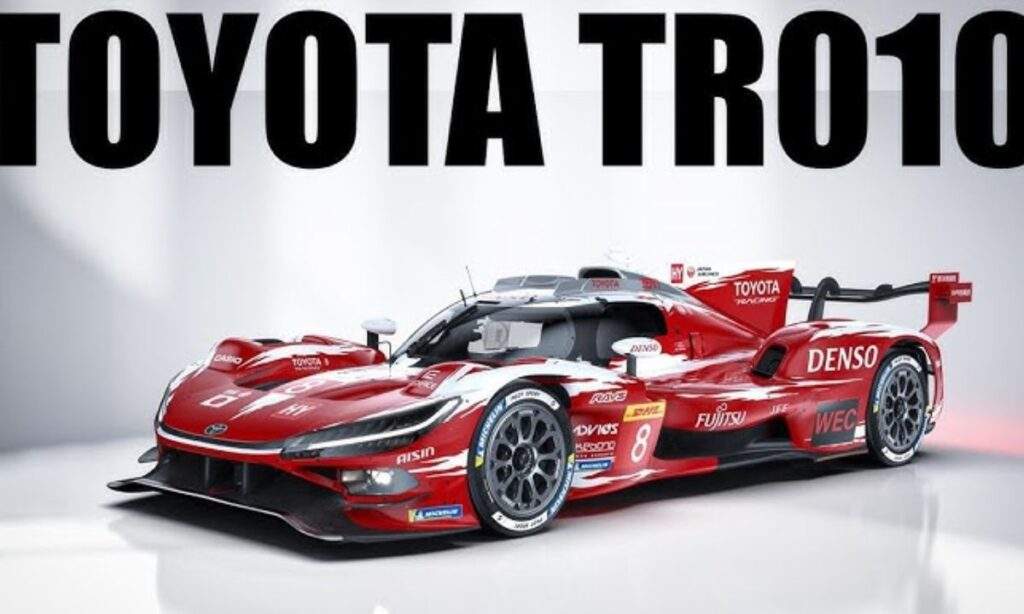
Toyota has pulled the wraps off its latest weapon for endurance racing, the TR010 Hybrid, an evolved Le Mans Hypercar set to challenge for glory in the 2026 FIA World Endurance Championship. This major update to the long-serving GR010 brings fresh looks, revised aerodynamics, and a new team identity as Toyota aims to reclaim dominance at the top of the Hypercar class. A New Chapter for Toyota Racing The arrival of the TR010 marks more than just a car update. Toyota has rebranded its factory endurance program from Toyota Gazoo Racing to simply Toyota Racing, signaling a shift in structure and identity for its European motorsport operations. The name change aligns the team with its historical roots while separating it from the broader GR performance brand used for road cars. This refresh comes at a pivotal time, as the manufacturer looks to respond to tougher competition in a Hypercar grid that has grown fiercely contested in recent seasons. Evolution from the Proven GR010 The TR010 Hybrid builds directly on the foundation of the GR010, which debuted back in 2021 and delivered strong results, including victories at the 24 Hours of Le Mans in its early years. While the core mechanical layout remains familiar, this update represents the most significant visual and aerodynamic overhaul since the car\’s initial revisions a few seasons ago. Engineers focused on improving consistency and drivability, addressing areas where the previous model struggled against newer rivals. The result is a machine designed to stay competitive as the Balance of Performance landscape continues to evolve. Striking Design Changes One of the first things that catches the eye is the completely redesigned front end. The nose now features a more rounded, bow-like shape with integrated wheel arches and sleek new headlamp graphics that echo the styling direction of Toyota\’s modern road cars. At the rear, a revised wing with prominent endplates enhances downforce and balance. These aerodynamic tweaks aim to make the car more predictable across different track conditions and circuits. The livery has also received a bold transformation. Gone is the predominantly matte black scheme of recent seasons. In its place stands a striking red, white, and black color scheme that pays clear homage to the legendary GT-One from the late 1990s. This classic-inspired look ties the TR010 to Toyota\’s rich Le Mans heritage while giving it a fresh, aggressive presence on track. Here are the key visual updates that define the TR010: Powertrain and Performance Focus Under the skin, the TR010 retains its twin-turbo V6 hybrid powertrain, delivering the regulated output required for fair competition in the Hypercar class. Toyota has kept technical details close to the chest for now, but the emphasis remains on refinement rather than radical mechanical changes. The goal is clear: create a more consistent package that performs reliably over long races and suits the team\’s experienced drivers. Looking Ahead to the 2026 Season The TR010 Hybrid will make its competitive debut at the Qatar 1812km race in late March, kicking off what promises to be an intense campaign. With strong contenders like Ferrari leading recent Le Mans results, Toyota\’s updated challenger arrives with real purpose. The team hopes the combination of aerodynamic improvements, refreshed styling, and renewed focus will help it return to the top step of the podium, particularly at the legendary 24 Hours of Le Mans. In a highly competitive era for endurance racing, the TR010 represents Toyota\’s determination to stay at the forefront. This latest evolution blends heritage with modern innovation, setting the stage for what could be an exciting fightback in 2026. FAQs What is the Toyota TR010 Hybrid? The TR010 Hybrid is the updated Le Mans Hypercar that replaces the GR010 for the 2026 FIA World Endurance Championship season, featuring major aerodynamic and visual revisions Why did Toyota change the car\’s name from GR010 to TR010? The name change aligns with the team\’s rebranding from Toyota Gazoo Racing to Toyota Racing, reflecting a new identity for its factory endurance program What are the main design changes on the TR010? Key updates include a rounded front nose, integrated wheel arches, revised headlamps, a new rear wing, and a red-white-black livery inspired by the classic GT-One. When will the TR010 make its racing debut? The car is scheduled to compete for the first time at the Qatar 1812km race in late March 2026. How does the TR010 compare to its predecessor? It keeps the same hybrid powertrain concept but receives significant aerodynamic improvements aimed at better consistency, drivability, and performance against current rivals.
Most Valuable Rare Coins Revealed: Collectors Paying Big Money for Hidden Finds

Rare coins are no longer just museum pieces or auction headlines. In 2026, collectors are actively paying big money for hidden coin finds that many people still overlook. From old pocket change to forgotten drawers, valuable coins are being discovered in everyday places. This guide explains which rare coins matter most, why collectors want them, and how ordinary people are finding coins worth thousands. Why Rare Coins Are Suddenly in High Demand Coin collecting has grown rapidly in recent years. More collectors are entering the market, and the supply of truly rare coins keeps shrinking. Main reasons demand is rising include: As demand grows, prices continue climbing for coins with real rarity. What Makes a Coin Truly Rare Not every old coin is rare. True rarity comes from a combination of factors that collectors value deeply. Coins are considered rare when they have: The more rare traits a coin has, the higher collectors are willing to pay. Hidden Coins That Surprise Collectors Some of the most valuable coins were never meant to be rare. They became valuable because of accidents, changes, or overlooked details. Hidden finds often include: Many collectors search circulation carefully because valuable coins still slip through unnoticed. Error Coins Bringing Huge Payouts Mint errors are one of the biggest reasons collectors pay premium prices. These mistakes happen during production and cannot be recreated. High-value errors include: Clear, visible errors are especially desirable and can push values into the thousands. Old Coins With Unexpected Value Age alone does not make a coin valuable, but older coins often carry traits collectors love. Why older coins stand out: Coins that remain in great shape despite age attract the highest prices. Condition Can Multiply a Coin’s Worth Two identical coins can sell for vastly different amounts based on condition alone. Collectors carefully inspect every detail. Condition is judged by: Coins with minimal wear are far more valuable than heavily used examples. Coins Found in Everyday Places Some of the best discoveries happen outside of auctions and dealers. Regular people are still finding rare coins without realizing it. Common places rare coins turn up: Careful inspection can turn ordinary finds into valuable assets. Why Collectors Pay Thousands for Small Details Collectors value precision. Tiny differences that seem unimportant to others can dramatically change a coin’s price. Details that drive prices higher: Coins that look almost identical can have completely different values. Holding vs Selling Valuable Coins Once a valuable coin is found, deciding what to do next matters. Some collectors prefer long-term ownership, while others sell quickly. Things to think about: Many collectors choose to hold rare coins as long-term assets. Rare coins are not just collector fantasies. In 2026, real money is being paid for hidden finds that most people still overlook. Error coins, low-mintage issues, older pieces, and high-condition examples continue to command big prices. With careful observation and proper handling, anyone can discover valuable coins hiding in plain sight and turn small finds into serious collectibles. FAQs Are rare coins still found in circulation? Yes. While uncommon, valuable coins still appear in everyday change. Do all error coins have high value? No. Only clear and significant errors usually bring high prices. Should I clean a coin before selling it? No. Cleaning often lowers value and damages surfaces. How do I know if my coin is rare? Check year, design details, condition, and any unusual features. Is coin collecting a good long-term investment? Rare coins often hold value well, especially those with proven demand and scarcity.
2026 Ford Mustang Dark Horse A Hardcore Muscle Car Built for Speed Lovers
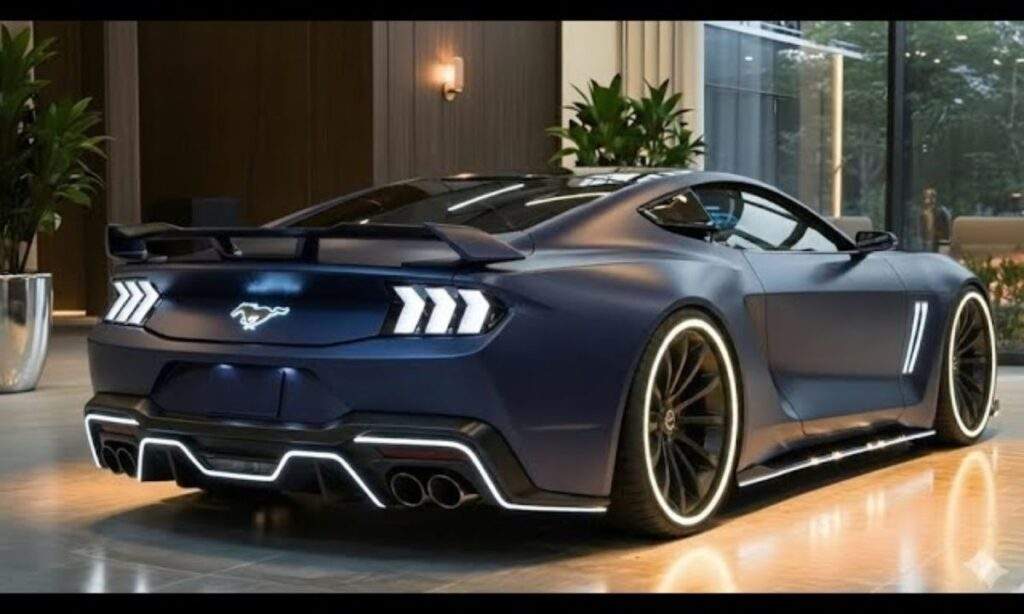
The 2026 Ford Mustang Dark Horse is here to shake up the muscle car world again. Built for drivers who live for speed, grip, and pure engine noise, the new model blends track-focused engineering with street-ready attitude. It’s not a car that asks for attention, it simply takes it.The Dark Horse badge returns with sharper performance DNA, louder presence, and smarter tech that doesn’t get in the way of driving. Ford has made it clear this version isn’t about comfort first. It’s about speed first, always. A Mustang With a Mission From the outside, the 2026 Dark Horse looks aggressive without being flashy. The design team gave it a functional makeover, adding aero upgrades that help the car breathe better at high speeds while keeping the classic Mustang silhouette intact. The front end sits lower and wider, the hood looks sculpted for airflow, and the rear gets subtle tweaks that hint at serious downforce work. It feels like a car shaped by a racetrack rather than a boardroom.Ford didn’t aim to reinvent the Mustang’s look, but to make every curve earn its place. This car moves like it was designed to attack corners and straight lines in equal measure. Performance That Hits Hard Under the hood sits a high-powered V8 that keeps the muscle car spirit alive. The 2026 model brings refined throttle control, better power delivery, and stronger cooling to handle repeated high-speed runs. The suspension gets a tighter setup, delivering impressive stability when pushed, but it’s still forgiving enough for public roads. The steering feels sharper than before, giving drivers confidence even before they reach full speed. This car isn’t just fast, it communicates with the driver like a co-pilot obsessed with lap times.Ford also improved braking power, so slowing down from triple-digit speeds feels controlled, not chaotic. The Dark Horse makes speed addictive, but not reckless. Track Tech Without the Distraction The 2026 Dark Horse comes loaded with tools that make driving smarter, not easier. There’s a new drive mode system that adjusts the car’s behavior depending on road or track conditions, giving the driver options without feeling like the car is taking control. The digital dash brings clearer layouts that help drivers track engine vitals, g-force, and lap performance without clutter. Even the exhaust tuning can be customized, letting drivers switch between deep muscle rumble and full roar when it matters most.This Mustang doesn’t replace skill with software. It enhances it. Built for People Who Crave Speed Ford knows exactly who this car is for. The 2026 Mustang Dark Horse targets a specific breed of driver. People who want more than straight-line power. Drivers who want control, feedback, and a car that doesn’t soften its edges for convenience. It rewards attention and punishes hesitation. The seat position feels sportier, the chassis stiffer, the response quicker. It asks more from the driver, and gives more in return. Key Upgrades for 2026 The 2026 version brings noticeable improvements across the board. To make things clear, here are the most important changes Ford introduced this year: Performance enhancements Driver-focused additions Why the Dark Horse Matters Now The 2026 Ford Mustang Dark Horse arrives at a time when muscle cars are evolving fast, and competition is louder than ever. But instead of chasing trends, Ford doubled down on what makes a Mustang unforgettable. A powerful V8, strong chassis, emotional sound, and a driver-first philosophy that doesn’t apologize for being hardcore. It’s the kind of car that reminds people why muscle cars became legends in the first place. The Final Word Ford didn’t build the 2026 Dark Horse to be the best daily driver. They built it to be one of the best driver’s Mustangs. The speed, sound, and feedback make it a thrilling choice for anyone who believes fast cars should still feel alive, imperfect, and exciting. The 2026 Mustang Dark Horse is a reminder that muscle cars can still evolve without losing their soul. FAQs 1. Is the 2026 Dark Horse street legal? Yes, it is fully approved for public roads, even though it’s clearly tuned for track performance too. 2. What kind of engine does it use? It carries a powerful V8, built to deliver strong acceleration and improved heat management for 2026. 3. Is this car suitable for beginners? It’s manageable, but not gentle. It’s best for drivers who already understand speed and car control. 4. Can the exhaust sound be adjusted? Yes, Ford added selectable sound profiles so drivers can change the tone based on driving style or setting. 5. Does it have track performance data on the dash? Yes, the new digital display offers clearer telemetry, including engine vitals and track feedback.
Volvo XC90 – Calm Luxury and Everyday Confidence! 2026
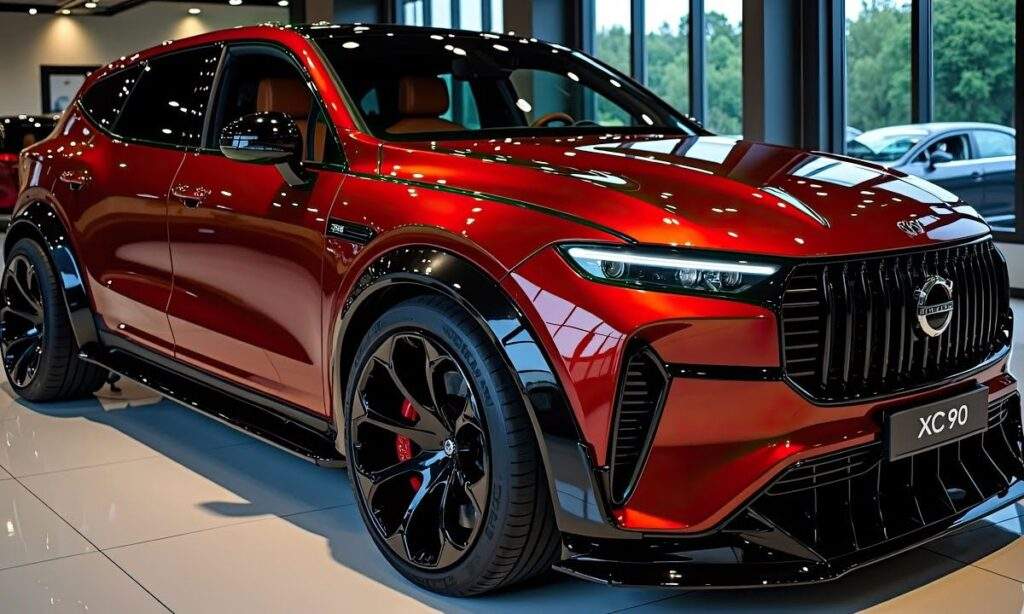
The 2026 Volvo XC90 arrives with the quiet confidence that has long defined Volvo\’s flagship SUV. It doesn\’t shout for attention—instead it offers a rare combination of serene cabin ambiance, thoughtful safety engineering, and the kind of everyday usability that makes family travel feel effortless. A Design That Ages Gracefully Volvo designers have kept the XC90\’s familiar Scandinavian aesthetic while applying subtle, meaningful updates for 2026. The front end features a cleaner, more horizontal Thor\’s Hammer daytime running light signature and a slightly more sculpted hood. The rear keeps the vertical taillights but adds a full-width light bar that connects them more elegantly at night. The overall proportions remain unchanged—tall, upright, and stately—which helps the XC90 stand out among the growing crowd of aggressive, coupe-like three-row SUVs. Chrome is used sparingly, and most trim levels favor matte or satin finishes that feel more modern and less flashy. Inside: The Quietest Place You\’ll Drive All Day Step into the 2026 XC90 and the first thing you notice is how hushed everything feels. Volvo engineers have added even more sound-deadening materials and improved window seals, making highway cruising noticeably more peaceful than in the previous model year. The cabin design continues Volvo\’s minimalist philosophy. The large vertical touchscreen remains the centerpiece, now running an updated version of the Google-based infotainment system that\’s quicker to respond and easier to navigate. Materials feel rich without trying too hard—soft leather, genuine wood inlays, and aluminum accents all blend together in a calm, almost spa-like atmosphere. Seating is generous across all three rows. The second row offers excellent legroom and the ability to slide and recline, while the third row is usable for teenagers or smaller adults on shorter trips. Cargo space behind the third row remains practical for a full-size three-row SUV, and folding both rear rows creates a nearly flat load floor. Driving Feel: Comfort First, Confidence Always Volvo tuned the XC90 to prioritize comfort without sacrificing control. The suspension strikes an excellent balance absorbing potholes and expansion joints with composure while keeping body motion well controlled during cornering. The mild-hybrid powertrains available in most markets deliver smooth, linear power. The B6 (turbocharged and supercharged four-cylinder with electric assist) feels particularly well-matched to the vehicle\’s character, offering enough thrust for confident highway merges while returning respectable fuel economy. The plug-in hybrid T8 variant, now with a slightly larger battery, provides more pure-electric range for daily commuting. All-wheel drive remains standard, and the system works unobtrusively in everyday conditions, only sending power to the rear wheels when needed. Here are the key driving highlights for 2026: Safety & Driver Assistance: Volvo\’s Traditional Strength The XC90 continues to set a high bar for safety technology. The latest Pilot Assist system combines adaptive cruise control with lane centering that works smoothly on most divided highways. Automatic emergency braking now recognizes a wider range of potential hazards, including animals and cyclists. Interior sensors monitor driver attention more effectively, and the system can gently bring the vehicle to a controlled stop if the driver becomes unresponsive. Child seat anchors are easy to access, and rear-seat reminder alerts help prevent tragic accidents. Practical Luxury for Real Families What truly separates the XC90 from many competitors is how well it works as a seven-passenger family vehicle. The power-folding third row operates quickly, cupholders and charging ports are thoughtfully placed in every row, and the panoramic sunroof floods the cabin with light without creating excessive heat. Climate control is excellent, with separate zones that actually make a difference even in the third row. The Bowers & Wilkins premium audio system delivers remarkably clear sound, and the optional built-in rear-seat entertainment screens keep longer journeys more peaceful. The Calm Luxury Choice in a Noisy Segment In a market filled with SUVs that compete to look the boldest or go the fastest, the 2026 Volvo XC90 quietly reminds buyers that luxury can also mean peace of mind. It doesn\’t try to be everything to everyone. Instead, it focuses on being an exceptionally good place to spend time with the people who matter most whether that’s a quick school run, a weekend road trip, or the daily commute. For families who value serenity, safety, and understated elegance over aggressive styling or headline-grabbing performance numbers, the XC90 remains one of the most convincing choices in the large luxury SUV segment. Frequently Asked Questions Is the 2026 Volvo XC90 fully electric? No. The 2026 XC90 is offered with mild-hybrid gasoline powertrains and a plug-in hybrid option. A fully electric version is expected later in the model cycle. How many people can the XC90 really seat comfortably? Most adults find the first two rows very comfortable. The third row works best for children, teenagers, or smaller adults on trips under about two hours. Does the plug-in hybrid XC90 have good electric-only range? The updated 2026 T8 plug-in hybrid offers noticeably more electric-only range than previous years, making it realistic for many daily commutes without using gasoline. Is the infotainment system easy to use? After a few days most owners adapt well to the portrait-style touchscreen. Voice commands and Google integration help reduce the need to look away from the road. How does the XC90 compare to German luxury three-row SUVs? The XC90 emphasizes a calmer, more relaxed experience with superior interior quietness and family-friendly features, while many German rivals focus more on sporty handling and digital extravagance.
The Value of Wheat Pennies In Past 10 Years – A Dream Guide

Wheat pennies, officially known as Lincoln Wheat Cents, were minted from 1909 to 1958 and remain one of the most beloved series in American coin collecting. With their iconic wheat stalks on the reverse and Abraham Lincoln on the front, these coins carry historical charm from the early 20th century through the Great Depression and World War II eras. Over the past decade (roughly 2015–2025), their values have shown consistent upward movement, driven by growing collector interest, inflation, online marketplaces, and the shrinking supply of high-quality examples. While most common wheat pennies stay affordable, rare dates, mint errors, and top-graded specimens have seen impressive gains, making this series a rewarding area for both hobbyists and investors. Key Factors Influencing Wheat Penny Values Several elements determine how much a wheat penny is worth, and these have shaped trends over the last 10 years. Collector demand has risen steadily thanks to easier access through auctions and social media, while professional grading services like PCGS and NGC have made authentication more reliable, boosting premiums for certified coins. Overall Value Trends from 2015 to 2025 Wheat penny prices have mostly trended upward over the past decade, with steady appreciation rather than wild swings. Common circulated examples rose from about 5–15 cents in 2015 to 20–50 cents or more by 2025—a roughly 200–400% increase in many cases—due to inflation and reduced availability of nice pieces. Rare key dates and high-grade coins have performed even better, often outpacing general market growth as collectors compete for the best survivors. The broader numismatic market benefited from increased online trading, nostalgia among younger collectors, and the intrinsic copper content in pre-1982 cents. Common dates in average condition remained accessible, but the gap widened between ordinary circulated pieces and premium uncirculated or error examples. Common Wheat Pennies: Modest but Steady Gains Most wheat pennies from high-mintage years (especially 1940s–1950s) are still inexpensive in circulated grades. In 2015, these typically sold for 2–10 cents each; by 2025, well-preserved circulated examples often fetch 20–50 cents or slightly more in bulk rolls. Even these \”common\” coins have appreciated due to fewer crisp examples entering the market and growing interest in filling date sets. The 1958 final-year issue holds extra appeal as the last wheat design, helping sustain demand. Rare Key Dates and Errors: Sharp Increases The biggest winners over the past 10 years have been scarce dates and dramatic errors. Key examples include: High-grade Red coins (preserving original luster) consistently outperformed others, with some MS-66+ examples doubling or tripling in value over the decade. Why Values Rose: Main Drivers Over the Decade Several forces contributed to the upward trajectory. While the market saw minor dips during economic uncertainty, the long-term trend remained positive, with rare and certified coins showing the strongest resilience. Tips for Collectors and Potential Sellers If you have wheat pennies, check dates, mint marks (under the date), and condition carefully. Use magnification to spot errors or varieties. Store coins in protective holders to preserve value. For accurate appraisal, consult recent auction results or submit to PCGS/NGC for grading. Common pieces make great starter sets, while hunting for keys offers excitement and potential upside. This series combines affordability, history, and investment appeal—making wheat pennies a true dream for many collectors. Frequently Asked Questions Have wheat penny values increased over the last 10 years? Yes, most have risen steadily, especially rare dates and high-grade examples, due to collector demand and scarcity. What are common wheat pennies worth today? Circulated common dates typically range from 20–50 cents, up from a few cents a decade ago, while uncirculated pieces fetch more. Which wheat pennies saw the biggest gains? Key dates like 1909-S VDB, 1914-D, and errors such as 1943 Bronze showed sharp appreciation, with some auction records in the hundreds of thousands. Should I get my wheat pennies graded? Absolutely—high-grade Red coins command significant premiums over circulated or Brown examples, widening the value gap over time. Should I get my wheat pennies graded? For potentially valuable pieces (rare dates or suspected errors), yes—certification boosts confidence and resale value. Common coins usually don\’t need it unless in exceptional condition.