
2026 Cadillac V16 Is INSANE… The 16-Cylinder Beast That Might Kill Rolls-Royce
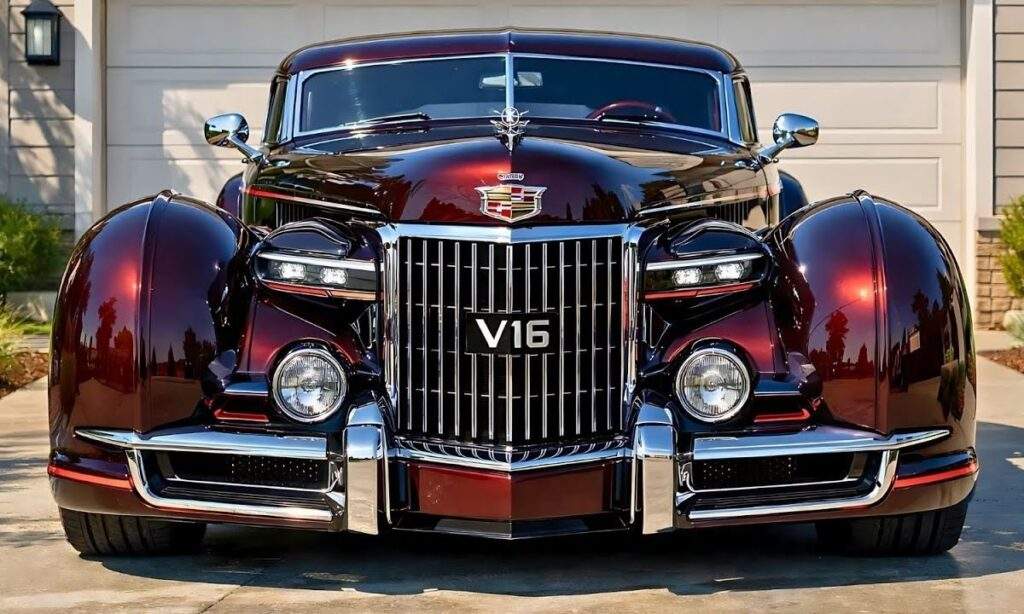
Cadillac is preparing a shockwave for the ultra-luxury world. The rumored 2026 Cadillac V16 is being talked about as a bold, unapologetic return to excess, prestige, and mechanical theater. If it reaches production as expected, it could challenge the very space long dominated by Rolls-Royce. A Statement Car Built to Reset the Brand Cadillac has been steadily rebuilding its image, but the V16 is different. This is not about chasing trends or matching competitors feature for feature. The V16 represents a symbolic reset, designed to place Cadillac back at the top of the luxury hierarchy with a product that feels historic, dramatic, and intentionally rare. The design direction is expected to lean heavily into sharp lines, commanding proportions, and a presence that feels more architectural than automotive. Every surface is meant to signal authority, not sportiness, and the goal is clear: make arriving in a Cadillac feel like an event again. The Return of a Legendary V16 Powertrain The idea of a 16-cylinder Cadillac is not new, but reviving it in the modern era is a daring move. This engine is less about outright performance numbers and more about effortless power delivery and silence at speed. Cadillac appears to be chasing smoothness, refinement, and presence rather than lap times. What makes the concept so disruptive is that no other American brand is even attempting something this ambitious in the ultra-luxury space. The V16 would instantly separate Cadillac from premium rivals and place it in a category where heritage and mechanical grandeur still matter. How Cadillac Plans to Challenge Ultra-Luxury Giants Rather than copying European luxury formulas, Cadillac seems ready to define its own rules. The V16 is expected to focus on scale, comfort, and craftsmanship in a way that feels distinctly American but globally competitive. This approach positions the V16 as a direct cultural alternative, not just a cheaper option. Interior Experience Aimed at Absolute Indulgence Inside, the 2026 Cadillac V16 is expected to feel more like a private lounge than a traditional sedan. Technology will be present, but discreet, allowing craftsmanship to take center stage. Large displays are likely integrated seamlessly rather than dominating the dashboard. Cadillac understands that buyers in this segment value calmness and control more than novelty. The cabin is expected to emphasize space, natural materials, and personalization options that allow owners to tailor the car to their identity. Why This Could Be a Serious Threat to Rolls-Royce The V16 is not trying to outdo Rolls-Royce at its own traditions. Instead, it offers an alternative vision of luxury rooted in American confidence and engineering bravado. That alone makes it dangerous in a segment where differentiation is everything. If Cadillac executes this correctly, it could pull attention and buyers who want something equally elite but fundamentally different. A Bold Gamble That Could Redefine Cadillac’s Future The 2026 Cadillac V16 is not a safe project, and that is precisely why it matters. It represents a brand willing to risk criticism in order to reclaim relevance at the highest level. Whether produced in limited numbers or as a halo model, its impact could ripple across Cadillac’s entire lineup. This is not just a car. It is a declaration that Cadillac believes it belongs at the very top again. FAQs Is the 2026 Cadillac V16 confirmed for production? Cadillac has not officially confirmed production details, but multiple indicators suggest it is being seriously evaluated as a flagship model. Will the V16 be fully electric? Current expectations point toward a combustion-based V16, possibly with electrified assistance, rather than a fully electric setup. Who is the target buyer for this car? The V16 is aimed at ultra-wealthy buyers seeking exclusivity, craftsmanship, and a strong brand statement rather than mass appeal. Will it be more expensive than other Cadillacs? Yes, it would sit far above the rest of the lineup and serve as a halo vehicle. Why is this car compared to Rolls-Royce? Because it targets the same ultra-luxury space defined by presence, refinement, and prestige rather than performance alone.
Novo Toyota crown Elite 2026 Vale a Pena Comprar
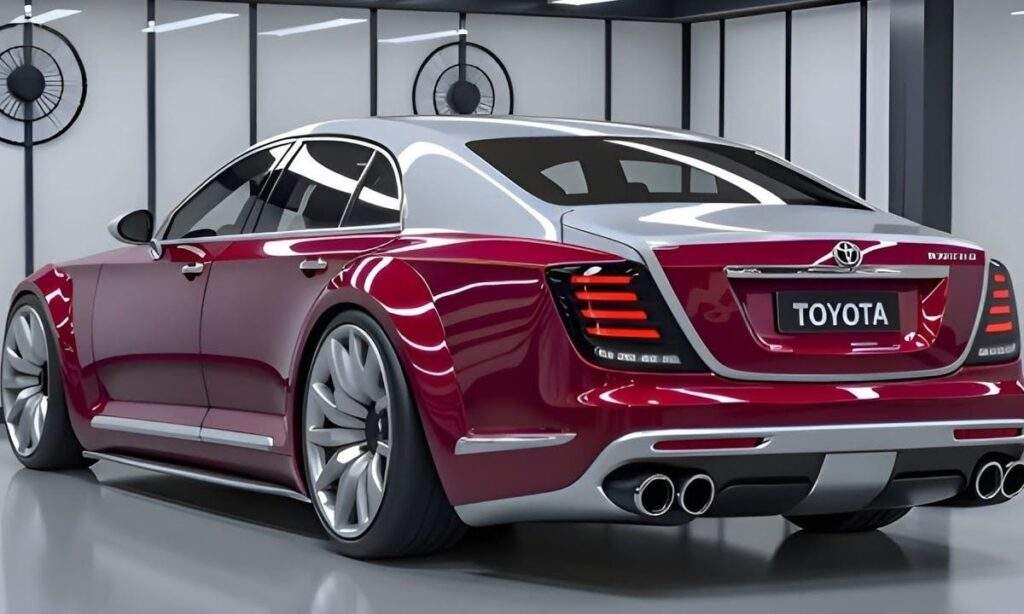
The Toyota Crown name has always carried a sense of prestige, and the Elite 2026 version pushes that identity even further. With a fresh design approach and a clear focus on comfort and technology, this model aims to sit comfortably between traditional sedans and modern premium crossovers. As buyers look for refinement without stepping into full luxury-brand pricing, the big question remains whether the new Crown Elite truly delivers enough value to justify the purchase. A Fresh Direction for the Crown Lineup The 2026 Crown Elite signals Toyota’s continued shift toward bold styling and upscale positioning. It moves away from conservative sedan cues and leans into a more elevated, confident road presence that feels modern without being flashy. The proportions are carefully balanced to appeal to buyers who want something different from both SUVs and low-slung sedans. Inside, the focus is clearly on creating a calm and comfortable driving environment. Materials feel thoughtfully chosen, and the layout prioritizes ease of use rather than overwhelming the driver with complexity. This approach reflects Toyota’s effort to attract mature buyers who value clarity and long-term comfort. Interior Comfort and Everyday Practicality Toyota has clearly aimed the Crown Elite at drivers who spend a lot of time behind the wheel. Seating comfort, cabin insulation, and overall ergonomics feel tuned for long journeys as much as daily commuting. The interior avoids unnecessary gimmicks and instead emphasizes a sense of quality that grows on you over time. Key interior strengths include: These elements make the Crown Elite feel like a car you can live with easily, not just admire during short test drives. Technology That Feels Purposeful Rather than chasing trends, the Crown Elite’s technology focuses on usefulness. Digital displays are clear and responsive, while driver-assistance systems are integrated in a way that feels supportive rather than intrusive. Toyota’s reputation for reliability also plays a role here, as buyers expect tech that works consistently over the long term. The infotainment system is designed to be simple to learn, even for drivers who are not particularly tech-savvy. This balance between modern features and user-friendly design is one of the model’s quiet strengths. Driving Experience and Overall Character On the road, the Crown Elite emphasizes smoothness and stability over aggressive performance. The suspension setup is tuned to absorb road imperfections, making it well-suited for varied driving conditions. Steering feels predictable, which adds to driver confidence rather than encouraging sporty behavior. This character makes the car appealing to buyers who prioritize relaxed driving and comfort. It is not trying to compete with performance sedans but instead focuses on delivering a refined, stress-free experience. Is It Worth Buying in 2026? When evaluating value, the Crown Elite stands out for offering a premium feel without entering luxury-brand territory. It may not be the most exciting choice, but it excels at being dependable, comfortable, and well-rounded. Reasons buyers may find it worthwhile include: For buyers who want something upscale yet sensible, the Crown Elite makes a convincing case. Final Verdict The Novo Toyota Crown Elite 2026 is not about chasing trends or making bold statements. Instead, it focuses on delivering a refined ownership experience built around comfort, usability, and quiet confidence. For drivers who value these qualities over outright performance or brand prestige, it is a purchase that makes practical and emotional sense. FAQs Is the Toyota Crown Elite 2026 considered a luxury car? It sits between mainstream and luxury segments, offering premium features without full luxury branding. Who is the Crown Elite best suited for? It is ideal for buyers who prioritize comfort, smooth driving, and long-term reliability. Does the Crown Elite focus more on performance or comfort? Comfort and ride quality are clearly the main priorities. Is it a good option for daily commuting? Yes, its smooth ride and practical interior make it well-suited for everyday use. Does the design appeal to younger buyers? The modern styling can attract younger buyers, but it is especially appealing to those who prefer understated elegance.
How to Start a Water-Soluble NPK Fertilizer Business

This book will provide a practical and consultant style approach of making the Water Soluble NPK Fertilizer Manufacturing in India, market logic, government support, business ideas and practical feasibility steps. Currently, water soluble NPK fertilizer has become one of the most attractive manufacturing opportunities in India in a stealth manner. Farmers today are expecting rapid nutrient uptake and drip irrigation is gaining a sudden momentum in Maharashtra, Gujarat, Karnataka etc. This change is creating solid business opportunities for somebody with chemistry, timing and knowledge of government support in mind. It isn’t simply a matter of mixing together the correct proportions of NPK solution. It’s all about getting the demand signals right and creating a business that will evolve with the changing Indian farm economy. In this article, you’ll follow the logic of the market, the schemes you know of, some real business ideas, and some foundational work you should do before putting money into any business. Get Detailed Project Report (DPR): Fertilizers & NPK Manufacturing Why This Sector Is Growing Fast The water-soluble fertilizer market in India is estimated to be USD 425 million recently, and will hit the mark of USD 650 million within a couple of years. This translates to a growth rate in excess of 7 percent per year. However, the Indian NPK fertilizer market is already in the USD 12 billion mark and continues to rise. That isn’t an educated guess. They truly represent a ground-level change. The Shift From Bulk Urea to Specialty Nutrition The Indian agriculture has been functioning on bulk urea and subsidized granular urea for decades. But now horticulture has reached a level of production of over 3.5 crores tonnes per year, and high value crops like grapes, pomegranates and vegetables require accurate and quick nutrition. As a result, farmers cultivating these crops are shifting to fertigation and foliar feeding, for which 100% water soluble grades are essential. As a result of the government-sponsored schemes, there has been a further expansion of micro-irrigation, and of course this is attracting more farmers to soluble fertilizers as drip systems will not work with granular material. Profitability Logic Behind Water-Soluble Grades The prices of water-soluble NPK fertilizers are generally not subject to the statutory price control regime in place for bulk urea. This has allowed manufacturers to price their products according to quality and formulation instead of a specific subsidy slab. This one thing completely alters the new competitor’s profitability equation. Margins on water-soluble grades with branding, fortification or micronutrients generally are much higher than margins on standard granular grades. In this way, a well-managed small unit can offer competitors quality and service, as well as price, and thus compete on more than just price. Government Policies Supporting New Businesses A new entrepreneur is not required to use his own capital to finance all activities. The policy landscape for MSMEs in India has come a long way and there are various schemes that are applicable to a fertilizer manufacturing start-up. MSME Registration and Credit Support The first step for every founder should be Udyam Registration, an online platform set up by the Ministry of MSME which is free of cost for the founders. After registration, a unit can avail of loans up to ₹1 crore without any collateral under the Credit Guarantee Fund Trust for Micro and Small Enterprises or CGTMSE. Besides, the Credit Linked Capital Subsidy Scheme (CLCSS) provides subsidy for the machinery upgrade and the Prime Minister’s Employment Generation Programme (PMEGP) provides margin money subsidy ranging from 15% to 35% as per the scheme category and area. These schemes, together, can significantly reduce the initial investment for a new fertilizer plant. Fertilizer-Specific Regulatory and Support Framework Each fertilizer company has to register under the Fertilizer Control Order (FCO) with the Department of Fertilizers that prescribes quality criteria for NPK grades. On the demand side, the Pradhan Mantri Krishi Sinchayee Yojana continues to expand the scope of micro-irrigation, directly expanding the addressable market for soluble fertilizers. In addition, state governments in Maharashtra and Gujarat provide major subsidy on drip irrigation capital cost for the smallholder farmers, thereby indirectly encouraging the demand for fertigation friendly nutrients. Entrepreneurs can also avail Make in India resources on export facilitation and manufacturing incentives available to them in the agri-input segment. Get Detailed Insights from This Book: Fertilizers Manufacturing Handbook Profitable Business Ideas in This Water-Soluble Fertilizer Sector Here are some business ideas that can be implemented in this space. They are geared toward different customer segments and should be chosen based on the founders’ capital, location, and market access. 1. Fully Water-Soluble NPK Powder for Fertigation This is the big opportunity, the one that provides a lot of value. A unit manufactures crystalline or powder pellets (NPK) that will dissolve in the irrigation water, such as 19:19:19 or 13:40:13. Quality consistency is of huge importance, as these grades are directly connected to the drip system, and any insoluble residue can ruin a farmer’s trust by clogging emitters. Sizing and purifying the particles are critical for repeat orders and require investment at an early stage in the manufacturing process for a founder entering this segment. This model has a quick path to actual revenue, as the farmers obtain it through agri-input dealers in horticulture belts, especially in Maharashtra, Karnataka and Andhra Pradesh. 2. Foliar Spray Grade Fertilizer for Export Crops Foliar sprays are used on crops intended for export including grapes, pomegranates and cut flowers where there are requirements for buyers to see good quality and compliance with residues. A mini unit focused on foliar grade formulations can command a higher price because these products address a specific issue – correction of nutrient deficiencies during a critical growth phase. Relationships with the export market are best established with the farmer producer organisation (FPOs), rather than with general retailers, as the latter prefer consistency and technical support over the lowest price. 3. Micronutrient-Fortified NPK Blends For high value horticulture, plain NPK may not be sufficient. Therefore, the fortified blends
Udyam Registration 2026: Step-by-Step Guide, Business Ideas and Common Rejection Reasons

Guide for Udyam Registration 2026 in India, Government Incentive, and Business ideas it unlocks Thousands of good business opportunities in India languish at the paper stage every year. It is not because of the weakness of the product or the absence of the market, but because the founder didn’t get to Udyam registration or the application was rejected on a technicality. It is a real waste as Udyam registration takes less than 30 minutes for most of the applicants, is free of cost and is the only document required to avail priority-sector loans, government tenders, tax benefits and a host of other subsidies. This guide explains the steps to be taken, why applications are rejected and how concrete business ideas that make sense from a business perspective and are supported by current government policies, incentives and market demand can be registered immediately. Why Udyam Registration Deserves Your Attention Right Now Small and medium enterprises are the backbone of the manufacturing and services base in India. However, a considerable proportion of them still remain unregistered, thus losing the benefits of collateral-free loan facilities, access to GeM tenders and protection from delayed payments. The Ministry of MSME has been trying its best to narrow this gap, most recently through an increase of investment and turnover limits for MSME classification. This one action catapulted a number of growing businesses back into the MSME category and all the associated advantages. If you’re a first-generation entrepreneur or a business owner who wants to formalise your business, the time is right. Priority lending norms, credit guarantee cover and interest rate support are all linked to Udyam status. In the meantime, buyers have become more inclined to go for the registered MSME vendors as the statutory obligation of paying the tax within 45 days of the bill becomes a liability for the large companies to pay the MSME dues sooner or lose the tax deduction. That’s just one of the best incentives to enroll early—and it has gone unpublicized. Understanding MSME Classification Before You Apply Before you approach the registration form, have an awareness of your category. The classification of the business is based on two factors: investment in plant and machines or equipment and annual turnover. They both need to be met and if either exceeds a limit then your enterprise is upgraded to the next category. Investment is calculated as the original cost and not depreciated cost and export turnover is not included in the turnover calculation, in reality an incentive for export-oriented units. MSME Category Investment Limit (Plant & Machinery/Equipment) Annual Turnover Limit Typical Business Examples Micro Enterprise Up to ₹2.5 crore Up to ₹10 crore Home-based food units, small job-work workshops, boutique manufacturing Small Enterprise Up to ₹25 crore Up to ₹100 crore Auto-component units, packaged food plants, plastic processing units Medium Enterprise Up to ₹125 crore Up to ₹500 crore Mid-sized chemical plants, engineering goods exporters, textile mills Table 1: Revised MSME classification thresholds as per MSMED Act Government Policies and Incentives Supporting Udyam-Registered Businesses The Udyam registration is not just a single scheme; it’s a package of schemes. Upon registration, an enterprise can avail of credit from banks with priority sector credit norms and collateral free loans as well as avail of government procurement opportunities from GeM. The base registration is followed by several schemes. Credit Guarantee Cover Through CGTMSE The Credit Guarantee Fund Trust for Micro and Small Enterprises provides collateral free credit guarantee cover for eligible unit up to ₹10 crore. This is a good thing for founders with a viable project, but without property to offer as security, as banks lend based on the guarantee instead of on personal collateral. Production Linked Incentive and Sector Schemes The PLI scheme for electronics, pharmaceuticals, textiles, food processing, specialty steel, and other sectors is still in operation. Eligibility is different across sectors but it is mostly targeted at higher production volumes and the opportunity for the MSMEs is actually in filling in the PLI-anchor supply chains as ancillary and component suppliers. Prompt Payment Protection Under Section 43B(h) This is one incentive that the founder overestimates. If the buyer fails to pay the registered Micro or Small enterprise after 45 days, he/she is not entitled to claim the expense as a tax deduction. In reality, this has led to a much more careful approach by large corporates in clearing MSME invoices as the tax liability of a delayed invoice is real money that is on their books. State-Level Subsidies and Single-Window Clearances Apart from the central benefits, most of the State Industrial policies impose their own subsidy, exemption from stamp duty and power charge on the unit which has a valid Udyam certificate. You should definitely check your industry department portal in your respective state and also the Invest India national portal as the eligibility criteria and percentage of subsidy and the application period vary from state to state. Udyam Registration: Step-by-Step Process The process runs entirely online through the official Udyam Registration portal, and there is no government fee at any stage. Anyone asking you to pay for registration is not the official channel. Step 1: Keep Your Documents Ready Aadhaar number of proprietors, managing partner or authorised signatory, PAN of the business and GST information (if applicable) are required. There’s no need to upload any physical documents – most of the data is pulled straight from linked government databases. Step 2: Visit the Udyam Portal and Choose Your Applicant Type For the new entrepreneurs not registered on the portal or those who are new to the previous EM-II system or UAM system, the option will be available on the portal. People who already have a Udyog Aadhaar are advised to avail of the option for its migration, rather than fresh filing. Step 3: Verify Aadhaar and Enter PAN Fill the Aadhaar and the complete name as mentioned on the Aadhaar card and verify with OTP. This is one of the most frequent mistakes and even a spelling error could
2026 Honda CR-V – The Most Relaxing Compact SUV to Drive?
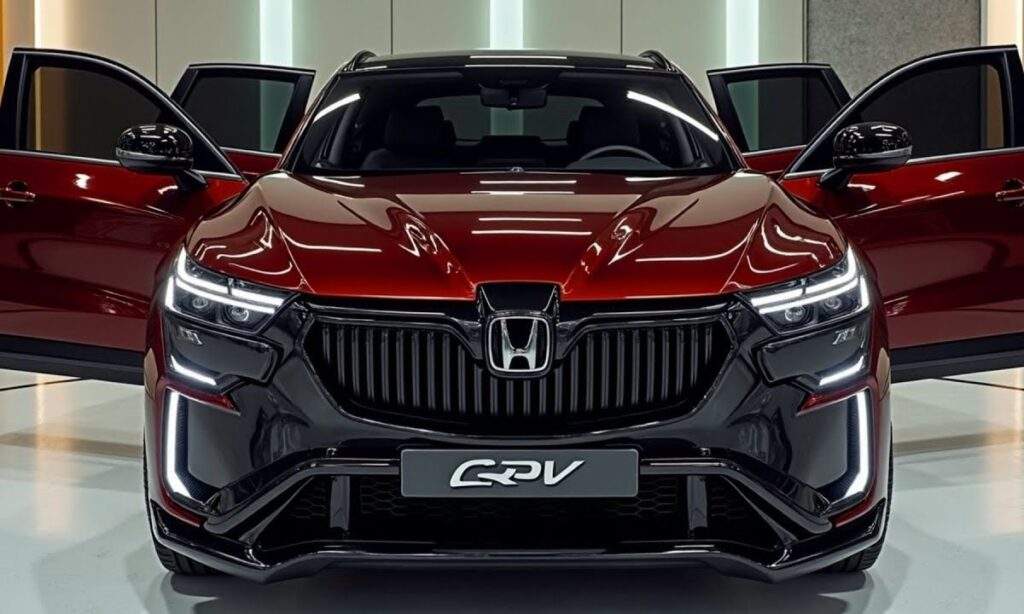
The 2026 Honda CR-V arrives with a clear goal: make everyday driving feel calmer, smoother, and less demanding. In a segment crowded with aggressive styling and sporty claims, Honda is leaning into comfort, balance, and stress-free usability. Early impressions suggest this approach may resonate with buyers who value peace behind the wheel as much as performance. A Design That Prioritizes Calm Over Flash Instead of chasing sharp edges or dramatic lines, the 2026 CR-V continues with a clean and mature design that feels intentional. The exterior looks confident without being loud, while subtle refinements give it a more premium presence. This visual restraint carries into the cabin, where layout simplicity helps drivers focus on the road rather than distractions. Honda’s approach reflects a deeper understanding that relaxation begins before the engine even starts. Cabin Comfort That Sets the Mood Inside, the CR-V is clearly engineered to reduce fatigue during long drives and daily commutes. Seat cushioning, visibility, and control placement work together to create a naturally comfortable driving position. Materials feel thoughtfully selected rather than overdesigned, giving the interior a welcoming atmosphere. Road and wind noise are well managed, reinforcing the idea that this SUV is meant to be lived in, not just admired. Why the Driving Experience Feels So Effortless Honda has refined the CR-V to behave in a predictable and reassuring way on real-world roads. Steering inputs feel light but accurate, and the suspension is tuned to absorb imperfections without feeling floaty. Acceleration is smooth and controlled, which reduces driver stress in traffic-heavy conditions. These traits may not dominate spec sheets, but they significantly shape how relaxed a driver feels after hours behind the wheel. Technology That Helps Without Overwhelming The 2026 CR-V focuses on technology that supports the driver instead of demanding attention. Displays are clear and logically arranged, reducing the learning curve for new owners. Driver assistance features work quietly in the background, stepping in only when needed. This subtle integration helps maintain a sense of control rather than replacing it with automation anxiety. By keeping technology helpful but unobtrusive, Honda reinforces the CR-V’s relaxing character. How It Stacks Up in the Compact SUV Space In a market filled with sporty crossovers and tech-heavy cabins, the CR-V stands out by doing less, but doing it better. It doesn’t try to impress with aggressive performance numbers or flashy gimmicks. Instead, it delivers consistency, comfort, and ease of use. This makes it especially appealing to families, commuters, and anyone who sees driving as a daily routine rather than an event. A Thoughtful Evolution of a Trusted Name The 2026 CR-V feels like a natural evolution rather than a radical shift. Honda has refined what already worked while smoothing out rough edges that drivers may not even realize bothered them. For buyers seeking a compact SUV that reduces stress instead of adding excitement overload, this model makes a strong case for itself. Final Report The 2026 Honda CR-V may not shout for attention, but that is exactly its strength. By focusing on comfort, balance, and intuitive design, Honda has created a compact SUV that feels genuinely relaxing to drive. In a busy and often overwhelming automotive landscape, that calm confidence could be its biggest advantage. FAQs Is the 2026 Honda CR-V designed more for comfort than sportiness? Yes, the focus is clearly on smooth driving, comfort, and everyday usability rather than aggressive performance. Does the interior feel significantly different from previous models? The overall layout remains familiar, but refinements in materials, noise control, and ergonomics make it feel more calming and polished. Is the 2026 CR-V suitable for long-distance driving? Its comfortable seating, stable ride quality, and reduced cabin noise make it well suited for extended trips. Does the technology add complexity for new drivers? No, the systems are designed to be intuitive and supportive without overwhelming the driver. Who is the ideal buyer for the 2026 Honda CR-V? It’s best suited for drivers who value comfort, reliability, and a relaxed driving experience over flashy features or sporty dynamics.
Toyota Revs Up the Road: The 2026 Corolla Sedan Steals the Show Again

The 2026 Toyota Corolla Sedan proves once again why it remains one of the most trusted names on the road. This latest version blends familiar reliability with a refreshed feel, making it a smart and confident choice for everyday drivers. A Refined and Confident Exterior The exterior design of the 2026 Corolla Sedan feels sharper while staying true to its clean identity. It looks modern without trying too hard, which helps it stand out naturally on the road. Exterior highlights include: The overall design feels polished and practical, appealing to drivers who want style without flashiness. Interior That Feels Practical and Comfortable Inside, the 2026 Corolla Sedan focuses on comfort and simplicity. The cabin is designed for daily use, with everything placed where drivers expect it to be. Interior features include: The interior feels welcoming and functional, making daily commutes more enjoyable. Technology That Fits Everyday Driving The Corolla continues to offer technology that supports the driver instead of overwhelming them. Everything feels easy to learn and simple to use. Technology highlights include: These features are designed to make driving easier, not more complicated. Safety That Builds Daily Confidence Safety remains a strong focus for the 2026 Corolla Sedan. The car is built to help drivers feel secure in common driving situations. Safety-focused elements include: These features quietly support the driver, helping reduce stress on busy roads. Smooth and Reliable Driving Experience The driving experience of the 2026 Corolla Sedan stays true to what drivers expect. It is smooth, predictable, and easy to handle in different conditions. Driving benefits include: This makes the Corolla ideal for daily use, whether commuting or running errands. The 2026 Toyota Corolla Sedan proves that consistency can still be exciting. With its refined design, comfortable interior, and dependable driving feel, it continues to be a sedan that delivers exactly what most drivers want. It may not shout for attention, but it confidently earns it.
Toyota Century – The Ultimate Symbol of Japanese Luxury
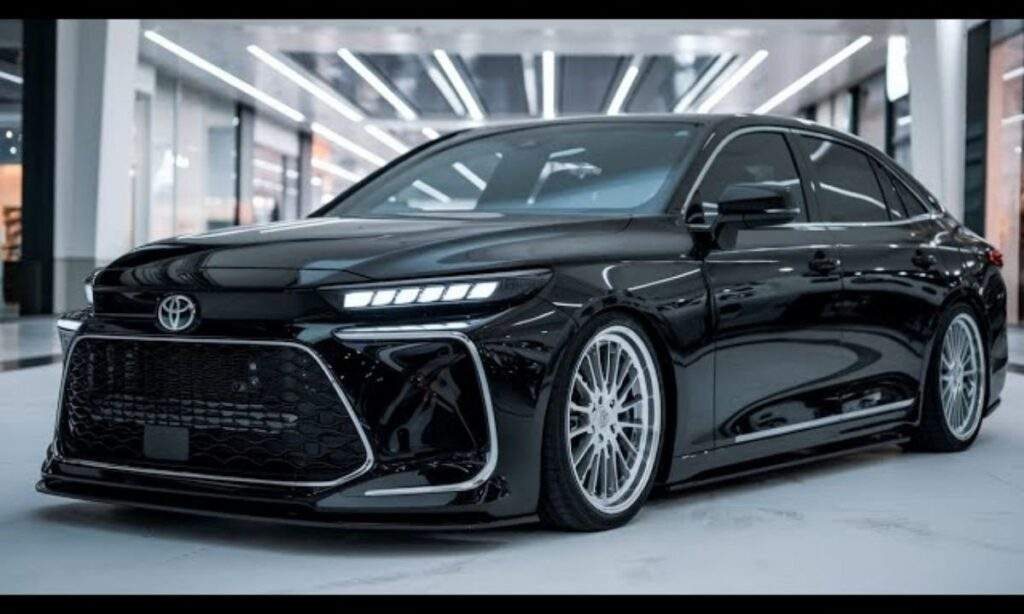
In a world where luxury cars often shout for attention, the Toyota Century takes a completely different path. It represents a quiet, deeply rooted idea of prestige that reflects Japanese values of respect, craftsmanship, and tradition. Unlike flashy limousines built to impress crowds, the Century is designed to serve its occupants in silence, comfort, and dignity. That philosophy has made it one of the most respected luxury vehicles ever produced in Japan. A Luxury Car Built on Cultural Values The Century is not just a flagship model but a cultural statement. Built by Toyota Motor Corporation, it reflects the idea that true luxury should feel effortless rather than excessive. Its design avoids aggressive lines and dramatic styling, favoring balance, symmetry, and calm presence. This approach mirrors traditional Japanese aesthetics, where beauty is found in subtle details and harmony. Every surface, from the exterior panels to the cabin materials, is meant to convey refinement without drawing unnecessary attention. Design That Prioritizes Calm and Authority Visually, the Century stands out by not trying to stand out. Its upright proportions, clean surfaces, and iconic phoenix emblem give it a formal appearance that feels timeless rather than trendy. The car looks authoritative without being intimidating, which is exactly what its buyers expect. Inside, the cabin focuses almost entirely on rear-seat comfort. Soft materials, thoughtful lighting, and precise assembly create an atmosphere closer to a private lounge than a conventional car interior. The goal is to help passengers relax, work, or reflect without distraction. Craftsmanship Over Mass Production What truly separates the Century from other luxury sedans is the way it is built. Instead of relying heavily on automation, much of the finishing work is done by skilled craftsmen who treat each vehicle as a personal responsibility. This philosophy ensures consistency and exceptional attention to detail. Key elements that define its craftsmanship include: Each Century leaves the factory as a product of patience and pride rather than volume targets. A Preferred Choice for Japan’s Elite The Toyota Century has long been associated with senior business leaders, government officials, and members of the imperial household. Its reputation is built not on marketing but on trust and tradition passed down through generations. Reasons it remains the preferred choice among Japan’s elite include: For many buyers, choosing the Century is less about status and more about honoring established values. How the Century Stands Apart Globally While many global luxury sedans compete through technology and performance figures, the Century competes through philosophy. It is not designed to chase trends or dominate spec sheets but to deliver a uniquely Japanese interpretation of luxury. This approach makes it rare even among high-end vehicles. Owners are not seeking excitement or recognition; they are choosing serenity, trust, and understated excellence. Final Report The Toyota Century remains a powerful reminder that luxury does not need to be loud to be meaningful. By focusing on craftsmanship, cultural identity, and passenger comfort, it has earned a reputation that few vehicles can match. In an era of constant change, the Century stands firm as a symbol of timeless Japanese luxury.
RAM 1500 2026: 540HP Power, 45 MPG Hybrid Efficiency & Ultra-Premium Interior Revealed
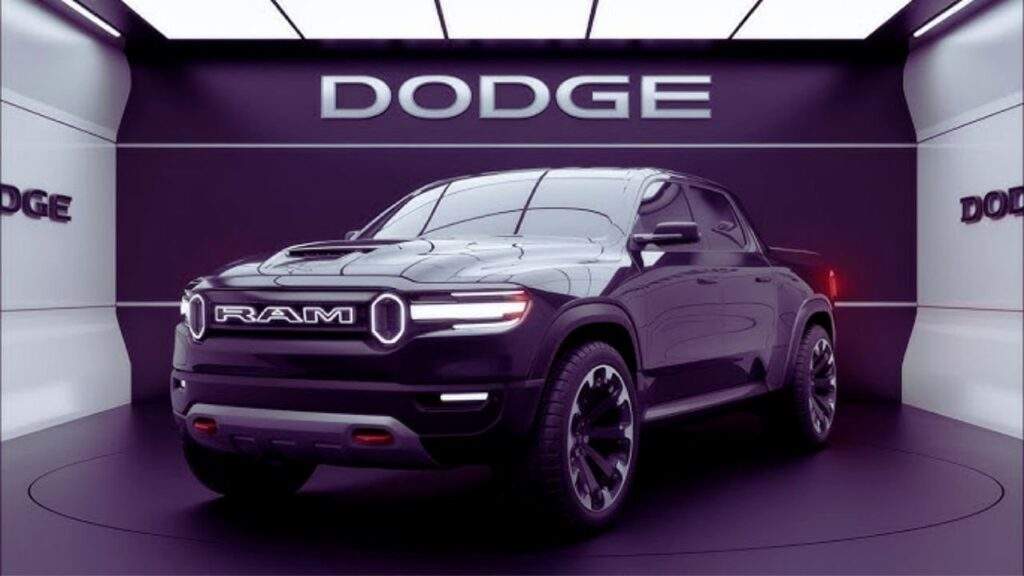
The 2026 RAM 1500 brings a bold new chapter in pickup performance and luxury. It balances massive power with surprising efficiency, thanks to a strong hybrid setup. At the same time, RAM has elevated the interior into ultra-premium territory, making this truck as comfortable and refined as many luxury SUVs. Dominant Performance and Hybrid Efficiency The headline figures of the 2026 RAM 1500 leave a strong first impression. Its hybrid powertrain delivers 540 horsepower, giving it serious muscle for towing, hauling, and spirited driving. What makes it even more impressive is the claimed 45 MPG efficiency, which is rare for a truck of this size and capability. This combination means owners get both performance and better daily economy without compromise. Ultra-Premium Interior That Feels Special Once inside the 2026 RAM 1500, it’s clear that luxury has taken center stage. The cabin feels more like a high-end lounge than a traditional truck interior. Highlights of the interior include: The overall feel is one of refinement and thoughtful design, catering to drivers who want comfort and capability in one package. Technology and Connectivity Ahead of the Curve The tech in the 2026 RAM 1500 is designed to match its power and luxury. Intuitive digital displays and smart connectivity features help drivers stay informed and connected without distraction. Information is presented clearly, and controls are placed logically to support everyday use. These technology elements help improve: A Balanced and Confident Driving Experience Driving the 2026 RAM 1500 feels composed and commanding. The hybrid system provides smooth power delivery, and the overall ride quality is refined for both highway cruising and lower-speed maneuvers. The balance of power and efficiency gives the truck a versatile edge for different driving needs. The 2026 RAM 1500 impresses by combining high performance, hybrid efficiency, and an ultra-premium interior. It stands out in the pickup segment as a truck that doesn’t ask buyers to choose between power, comfort, and economy. Whether for daily use, work tasks, or long road trips, this model sets a new standard for what a modern full-size pickup can be.
Forget Ferrari 2026 Corvette Zora is Chevrolet\’s Game Changer Hypercar
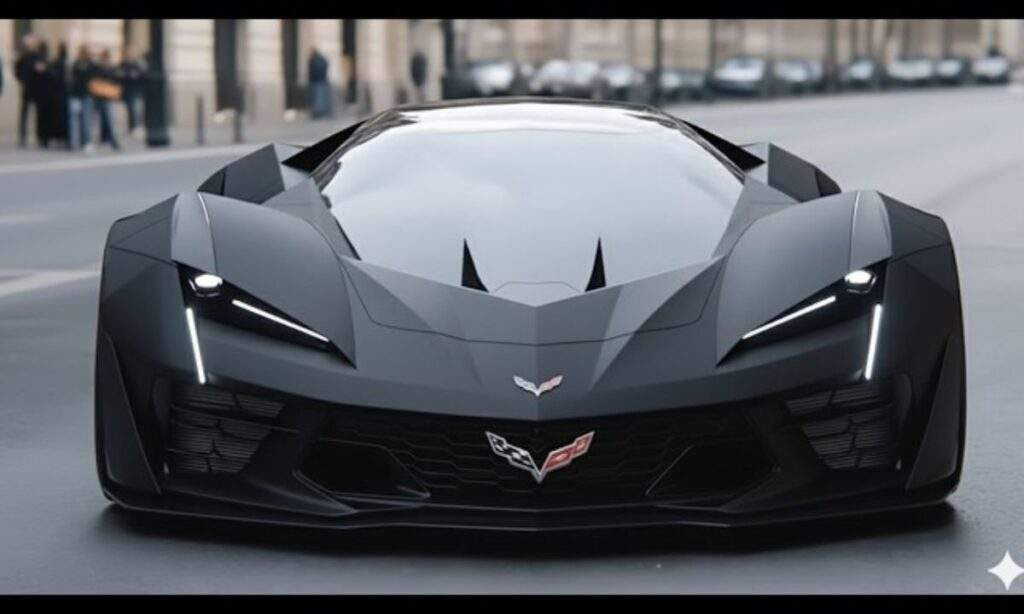
Chevrolet is rewriting the performance playbook with a car that refuses to stay in any familiar box. The 2026 Corvette Zora arrives as a bold statement, pushing America’s most iconic sports car into true hypercar territory and challenging long-held global benchmarks. Built to shock purists and thrill modern enthusiasts, the Zora is not about chasing tradition. It is about resetting expectations for what a Corvette can be in a world dominated by exotic badges. A Corvette That Breaks Every Rule For decades, Corvette has stood for attainable performance with supercar attitude. The Zora takes that idea and stretches it to the extreme. Named after Zora Arkus-Duntov, the visionary who shaped the Corvette legend, this model represents Chevrolet’s most ambitious engineering effort yet. It blends electrification, brutal power delivery, and advanced aerodynamics into a package that feels more hypercar than sports car. This is not an incremental upgrade or a limited trim. The Zora is a statement vehicle designed to elevate the entire Corvette brand into a new global conversation. Engineering That Redefines American Performance Under the skin, the Zora is expected to combine a high-output internal combustion engine with advanced electric assistance. The focus is not just raw speed, but intelligent performance that adapts to road, track, and driving style. Chevrolet engineers have clearly aimed to balance extreme power with control, usability, and durability. Key performance pillars define the Zora’s mission: These elements work together to create a car that feels engineered with purpose rather than built to chase headlines. Design That Looks Ready to Attack Visually, the Corvette Zora leaves no doubt about its intent. The shape is aggressive, low, and wide, with functional air channels and cooling solutions integrated into the body. Every surface appears shaped by airflow rather than nostalgia. Inside, the cabin is expected to blend race-inspired ergonomics with modern technology. The focus remains on the driver, with digital displays, performance data, and premium materials coming together without losing the Corvette’s raw edge. Why Ferrari Should Be Paying Attention The hypercar world has long been dominated by European brands, especially Ferrari, which has set the tone for performance, prestige, and racing heritage. The Zora challenges that dominance not by copying it, but by offering a distinctly American alternative that blends innovation with value-driven philosophy. Instead of positioning itself as unreachable, the Zora aims to deliver hypercar-level capability with a mindset that feels more inclusive and performance-focused. That approach alone makes it disruptive in a segment built on exclusivity. What Sets the Zora Apart Beyond power and design, the Zora’s true impact lies in how it reshapes expectations for American performance cars. This combination turns the Zora into more than a flagship. It becomes a blueprint. A Defining Moment for Chevrolet The 2026 Corvette Zora feels like a turning point. It signals that Chevrolet is no longer content with being compared to supercars; it wants to compete directly with the world’s most advanced performance machines. If the final production car delivers on its promise, the Zora could become one of the most important American performance vehicles ever built. This is not about forgetting Ferrari out of disrespect. It is about recognizing that the performance landscape is changing, and Chevrolet intends to lead that change rather than chase it. Frequently Asked Questions Is the Corvette Zora a limited-production model? Chevrolet has positioned the Zora as a halo vehicle, but it is intended to represent a new performance direction rather than a short-lived experiment. Will the Zora replace existing Corvette models? No, the Zora is expected to sit above existing Corvette variants, serving as the ultimate expression of the lineup. Does the Zora focus more on track or road driving? The design philosophy targets both, with track-ready engineering balanced by real-world drivability. Why is the Zora considered a game changer? It redefines what an American performance car can be, pushing Corvette into the same conversation as the world’s top hypercars while maintaining Chevrolet’s unique identity. What makes the 2026 Corvette Zora different from other Corvettes? The Zora is designed as a true hypercar, combining advanced hybrid technology, extreme performance focus, and global competitiveness beyond traditional Corvette limits.
The Legend is BACK…2026 Pontiac Firebird First Look
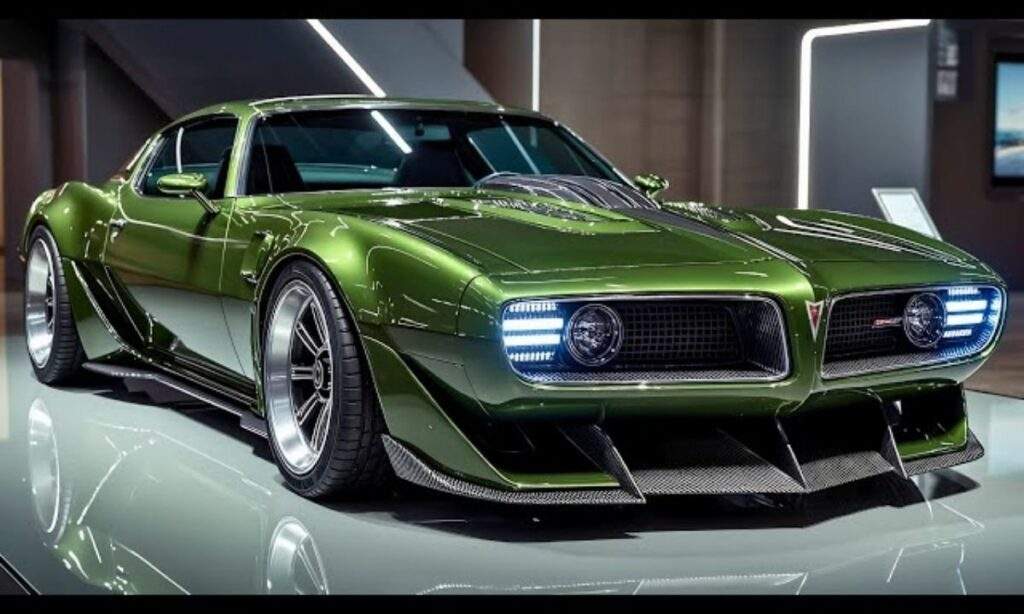
The Pontiac Firebird is one of those names that never really faded away, no matter how long it stayed off the road. With growing excitement around the 2026 Pontiac Firebird, muscle car fans are once again talking about a legendary badge that helped define American performance. This first look hints at a bold comeback that blends heritage with modern ambition. A Muscle Icon That Refuses to Be Forgotten For decades, the Firebird stood as a symbol of raw power, distinctive styling, and an unmistakable attitude. Its long hood, aggressive stance, and unmistakable presence made it an icon of its era. The idea of the Firebird returning in 2026 taps directly into that emotional connection, especially at a time when retro-inspired performance cars are enjoying renewed popularity. Modern Design With Classic Firebird DNA Early design previews suggest the 2026 Firebird stays true to its roots while embracing modern proportions and sharper lines. The shape appears lower and wider, with sculpted bodywork that gives it a planted and confident look. Signature elements such as bold front styling and a dramatic rear profile seem carefully reinterpreted rather than copied, helping the Firebird feel fresh instead of nostalgic. What the First Look Tells Us So Far While full specifications remain under wraps, the initial reveal provides enough clues to understand the direction Pontiac appears to be taking. The emphasis is clearly on performance, presence, and everyday usability, signaling that this is more than a tribute car. Performance Expectations and Driving Character Although official powertrain details have not been confirmed, expectations are naturally high. Enthusiasts are hoping for a setup that delivers strong acceleration, engaging handling, and a soundtrack worthy of the Firebird name. Whether the final version leans toward traditional muscle, modern performance technology, or a blend of both, the goal appears to be a car that feels exciting every time it hits the road. Why the Firebird’s Return Matters Now The return of the Firebird in 2026 carries significance beyond just one model. It represents a renewed interest in emotional, driver-focused cars at a time when the industry is rapidly changing. A modern Firebird could remind buyers why passion and personality still matter in performance vehicles, even as technology continues to evolve. A Comeback That Feels Personal For longtime fans, the Firebird’s comeback feels like reconnecting with an old friend. For younger drivers, it could be an introduction to a legendary name reimagined for a new generation. Either way, the 2026 Pontiac Firebird is shaping up to be more than just a revival, it is a statement that some legends are simply too powerful to stay gone.