
2026 Porsche 911 Turbo S – This Beast Redefines Speed, Luxury & Power
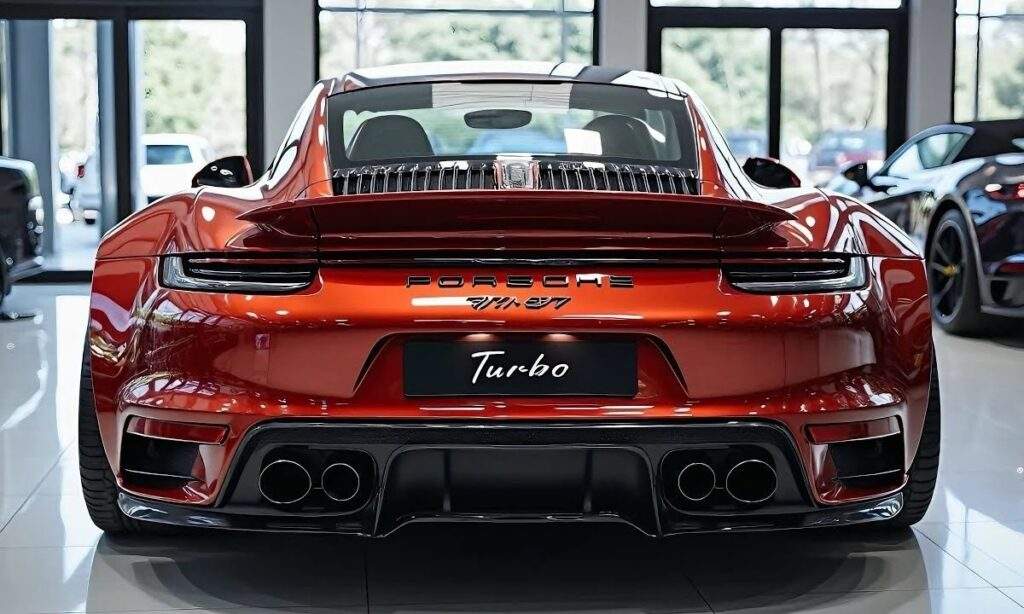
The 2026 Porsche 911 Turbo S arrives with a clear message that the supercar world is no longer defined by extremes alone but by balance. It blends brutal performance, daily comfort, and unmistakable design into a single machine that feels just as confident on city streets as it does on open highways. This latest evolution builds on the legendary Turbo S formula while refining nearly every detail, proving once again why the 911 remains one of the most respected names in high-performance motoring. A Design That Feels Familiar Yet Sharper At first glance, the 2026 Turbo S stays true to the iconic 911 silhouette, but closer inspection reveals subtle changes that sharpen its presence. The body looks wider and more planted, with smoother surfacing and tighter panel lines that emphasize its performance-focused character. Aerodynamic elements are integrated seamlessly rather than screaming for attention, giving the car a clean but aggressive stance. The rear remains a visual highlight, reinforcing the Turbo S identity while improving stability at high speeds. Performance That Pushes Boundaries The Turbo S badge has always stood for effortless speed, and the 2026 model continues that tradition without compromise. Power delivery feels instant and relentless, yet remarkably controlled, making the car feel approachable despite its extreme capabilities. This combination ensures the Turbo S is not just fast in a straight line but deeply rewarding when driven hard. Luxury That Matches the Speed Step inside, and the 2026 Turbo S proves that performance does not have to come at the cost of comfort. The cabin is crafted with premium materials that feel purposeful rather than flashy, creating an environment focused on the driver without ignoring the passenger experience. Technology is integrated cleanly into the dashboard, offering modern convenience without overwhelming the classic 911 layout. Everything feels carefully placed, reinforcing the sense that this car is engineered with intention. Technology Focused on the Driver Porsche’s approach to technology in the Turbo S is about enhancement, not distraction. Digital displays are sharp and informative, while driver assistance features work quietly in the background rather than taking control away from the person behind the wheel. This ensures the Turbo S remains a driver’s car first, even as it embraces modern tech. Everyday Usability Meets Supercar Status One of the most impressive aspects of the 2026 Porsche 911 Turbo S is how livable it feels. Despite its performance credentials, it handles daily driving with ease, offering a smooth ride, predictable handling, and a level of refinement rarely seen in cars of this caliber. It is a machine that does not demand compromise, allowing owners to enjoy supercar performance without sacrificing practicality or comfort. Final Verdict The 2026 Porsche 911 Turbo S does not try to reinvent the 911 legacy; instead, it perfects it. By blending extreme speed, refined luxury, and advanced technology into a single cohesive package, it sets a new benchmark for what a modern performance car can be. This is not just a fast car but a complete one, and that is what truly makes it special. Frequently Asked Questions Is the 2026 Porsche 911 Turbo S suitable for daily driving? Yes, it is designed to balance extreme performance with everyday comfort, making it surprisingly practical for regular use. How does the 2026 model differ from previous Turbo S versions? The latest model focuses on sharper design, improved driving confidence, and more refined technology while maintaining the core Turbo S performance character. Does the Turbo S prioritize comfort or performance? It successfully delivers both, offering supercar-level speed without sacrificing interior comfort or ride quality. Is the 2026 Turbo S beginner-friendly? While extremely powerful, its predictable handling and advanced driver aids make it approachable for experienced drivers who respect its capabilities. What makes the Turbo S stand out in the 911 lineup? It represents the ultimate balance of speed, luxury, and usability, sitting at the top of the 911 range as an all-around performance flagship.
2026 Lexus GX 550 – A Luxury SUV That Finally Feels Complete
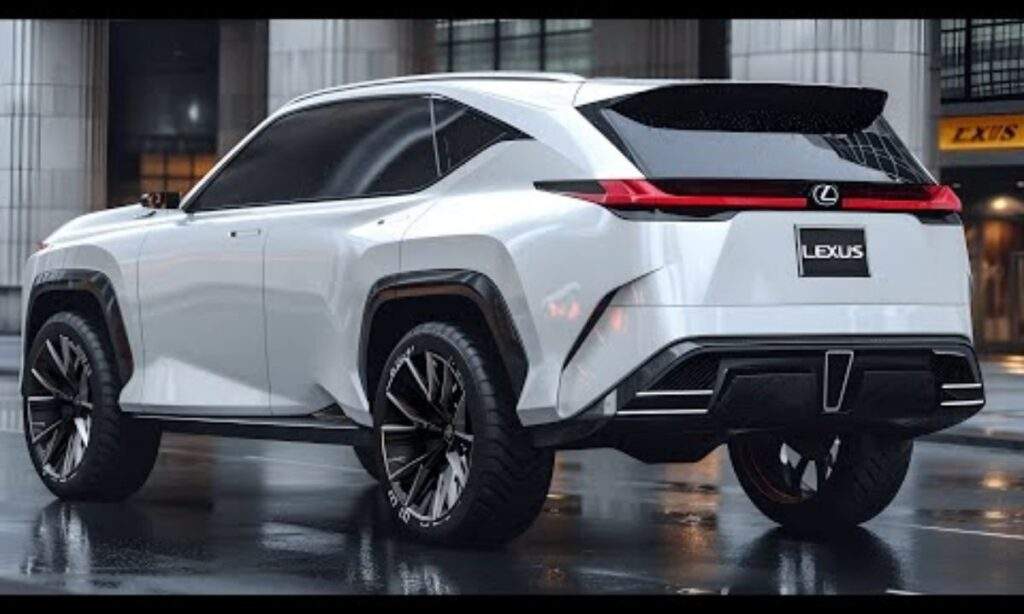
The 2026 Lexus GX 550 marks a turning point for one of the brand’s most respected SUVs. After years of balancing old-school toughness with modern luxury, this latest version finally brings everything together in a way that feels intentional and well-rounded. With a bold new presence, refined technology, and serious off-road ability, the GX 550 positions itself as a luxury SUV that no longer forces buyers to choose between comfort and capability. A Design That Matches Its Confidence The new GX 550 looks every bit as strong as it feels. Lexus has given the SUV a more upright and muscular stance, moving away from the softer lines of earlier generations. The squared-off proportions, pronounced grille, and crisp body edges give it a commanding road presence without sacrificing refinement. Inside, the cabin feels thoughtfully designed rather than simply upgraded. Materials are rich and durable, controls are logically placed, and the overall layout feels built for long-term ownership rather than short-term trends. This is an interior that welcomes daily commuting just as much as weekend escapes. Power and Capability Without Compromise Under the hood, Lexus has shifted its focus toward performance that feels both modern and dependable. The GX 550 delivers strong acceleration and confident towing while maintaining the smoothness expected from a luxury brand. On the road, the ride quality is composed and quiet, even at highway speeds. Off the pavement, the SUV remains true to its roots. It is clearly engineered for real terrain, not just gravel driveways or snowy streets. This balance is where the GX 550 truly stands out. Technology That Feels Purpose-Built Technology in the 2026 GX 550 feels integrated rather than overwhelming. The infotainment system is larger, faster, and easier to use, while driver assistance features work quietly in the background instead of demanding constant attention. Lexus has focused on making technology useful, not flashy. The result is a system that enhances daily driving while remaining intuitive for drivers who prefer simplicity. Comfort for Real Life, Not Just Showrooms Luxury in the GX 550 is not limited to premium materials. Seating is supportive for long drives, cabin insulation keeps noise levels low, and climate controls work quickly and evenly throughout the interior. Rear passengers benefit from generous space, while cargo capacity is practical and flexible. Whether used as a family vehicle or a long-distance cruiser, the GX 550 feels ready for real-world demands. Where the GX 550 Fits in the Lexus Lineup Within the broader range from Lexus, the GX 550 now feels more clearly defined. It sits comfortably between softer luxury SUVs and hardcore off-roaders, offering a blend that few competitors manage to deliver convincingly. Rather than chasing trends, Lexus has refined what the GX does best. That focus gives the 2026 model a strong identity and long-term appeal. A Luxury SUV That Finally Feels Whole The 2026 Lexus GX 550 is not about dramatic reinvention but thoughtful evolution. By aligning design, performance, technology, and comfort, Lexus has created an SUV that feels complete in a way its predecessors never quite achieved. For buyers who want genuine capability wrapped in refined luxury, the GX 550 now makes a stronger case than ever before. Frequently Asked Questions Is the 2026 Lexus GX 550 suitable for daily driving? Yes, it offers a smooth ride, quiet cabin, and user-friendly technology that make it comfortable for everyday use. Does the GX 550 still support off-road driving? Absolutely, it remains engineered for serious off-road conditions while maintaining on-road comfort. How does the interior feel compared to older GX models? The cabin feels more modern, better organized, and noticeably more refined than previous generations. Is the GX 550 focused more on luxury or performance? It balances both, offering strong capability alongside premium comfort and features. Who should consider buying the 2026 GX 550? Drivers who want a luxury SUV that can handle daily life and demanding terrain without compromise will find it appealing.
2026 Toyota 4Runner – Tough Design Meets Modern Comfort

The 2026 Toyota 4Runner arrives with a clear mission to honor its rugged legacy while stepping confidently into a more modern era. Built for drivers who expect durability without giving up everyday comfort, the latest version blends classic toughness with thoughtful upgrades that feel timely and relevant. This new-generation SUV is aimed at adventure seekers and families alike, offering a balanced approach that reflects how buyer expectations have evolved in recent years. A Bold Evolution of a Classic Shape The 2026 4Runner keeps its recognizable boxy profile, but the design now feels sharper and more purposeful. Strong body lines, a taller stance, and a more assertive front end give it a commanding road presence while staying true to the model’s off-road roots. Subtle refinements help the SUV feel less dated without losing its identity. The result is a design that looks equally at home on rugged trails and city streets, signaling that the 4Runner remains a serious utility vehicle at heart. Interior Comfort Takes a Major Step Forward Inside, the 2026 4Runner shows its biggest transformation. The cabin focuses on comfort, usability, and modern expectations, making it far more appealing for daily driving and long trips. These changes make the interior feel less utilitarian and more refined, without sacrificing the toughness that long-time fans expect. Technology That Feels Practical, Not Overdone Technology upgrades in the new 4Runner are designed to improve convenience rather than distract from driving. Controls remain intuitive, and systems are tuned for real-world usability instead of flashy gimmicks. Connectivity, driver-assistance features, and improved displays help the SUV feel current, especially compared to the outgoing model. The emphasis stays on reliability and ease of use, which has always been a core part of the 4Runner’s appeal. Built to Handle Rough Roads with Confidence Despite its comfort upgrades, the 2026 4Runner does not step away from its off-road heritage. It continues to be engineered for durability, trail confidence, and long-term reliability under demanding conditions. This balance ensures the SUV remains a trusted choice for drivers who value function as much as form. Where the 2026 4Runner Fits in Toyota’s Lineup Within the broader SUV lineup from Toyota, the 2026 4Runner continues to occupy a unique position. It sits between softer, road-focused crossovers and more extreme off-road machines, offering a versatile middle ground. This positioning makes it especially attractive to buyers who want one vehicle that can handle weekday commuting, weekend trips, and occasional off-road adventures without compromise. A Confident Step Into the Future The 2026 Toyota 4Runner shows how a long-running nameplate can evolve without losing its soul. By blending tough design with modern comfort, it appeals to both loyal fans and new buyers looking for a dependable, capable SUV. It proves that practicality, durability, and comfort can coexist, making the 4Runner as relevant today as it has been for decades.
2026 Tesla Cybertruck – FULL Reveal, Features, Performance & Hidden Upgrades
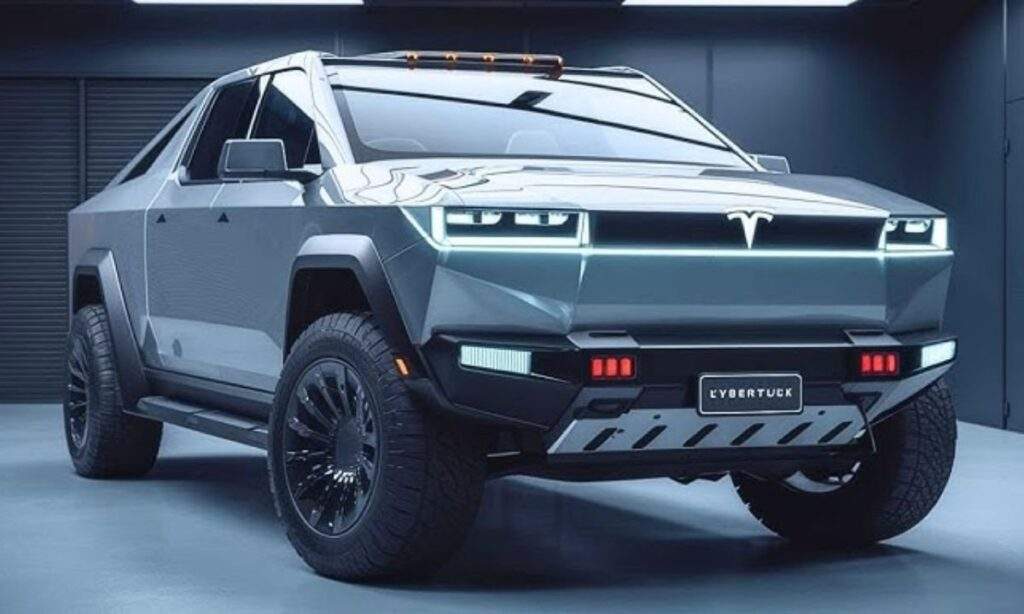
The 2026 Tesla Cybertruck marks the most complete and refined version of Tesla’s radical electric pickup yet. After years of real-world feedback and steady updates, this latest reveal shows how the Cybertruck has evolved from a bold concept into a more mature, capable, and everyday-ready vehicle. A Design That Still Breaks the Rules The Cybertruck’s angular stainless steel body remains instantly recognizable, but subtle refinements make the 2026 model look cleaner and more intentional. Panel fit and surface finishing appear more consistent, giving the truck a more premium presence without softening its futuristic identity. The flat glass, sharp edges, and armored look continue to set it apart in a market filled with traditional pickup designs. Inside, the cabin feels more thought-out and user-focused. Materials feel sturdier, surfaces are easier to maintain, and the overall layout emphasizes simplicity without feeling bare. Tesla has clearly focused on making the Cybertruck more livable for daily use while keeping its minimalist DNA intact. Technology and Cabin Features Get Smarter Tesla’s approach to tech remains front and center in the 2026 Cybertruck, with software and usability playing a major role. The central touchscreen is more responsive, and the interface feels better optimized for truck-specific functions like towing, terrain selection, and energy management. Key interior highlights include: These changes make the Cybertruck feel less experimental and more polished, especially for drivers who plan to use it as a primary vehicle. Performance That Balances Power and Control The 2026 Cybertruck continues to deliver strong electric performance, but the focus now leans toward control and confidence rather than raw spectacle. Acceleration remains quick and effortless, while suspension tuning feels better suited to mixed driving conditions, from highways to rough terrain. Driving dynamics feel more predictable, with improved steering feedback and better ride comfort over uneven surfaces. Tesla appears to have refined how power is delivered, making the truck easier to manage whether it is unloaded or carrying gear. Hidden Upgrades You Might Not Notice at First Beyond what is immediately visible, the 2026 Cybertruck includes several under-the-surface improvements that enhance long-term ownership. These changes are less flashy but play a big role in daily usability and durability. Some of the most notable hidden upgrades include: These updates show Tesla’s focus on learning from early production models and applying those lessons to create a more dependable truck. Where the 2026 Cybertruck Fits in Tesla’s Lineup The 2026 Cybertruck now feels like a true pillar in the Tesla ecosystem rather than a niche experiment. It complements the brand’s sedans and SUVs by offering a utility-focused option that still benefits from Tesla’s electric platform, software updates, and charging network. For buyers who want something bold without sacrificing everyday practicality, the Cybertruck’s latest evolution makes a strong case. Final Thoughts The 2026 Tesla Cybertruck represents a meaningful step forward rather than a radical reinvention. Its design remains daring, but the improvements in comfort, performance balance, and hidden durability upgrades make it feel more complete than ever. This version shows that Tesla is serious about turning the Cybertruck into a long-term contender in the electric truck space, not just a headline-grabbing novelty. Frequently Asked Questions Is the 2026 Tesla Cybertruck different from earlier models? Yes, the 2026 version focuses on refinement, improved build quality, and usability rather than dramatic design changes. Does the 2026 Cybertruck feel more practical for daily use? It does, thanks to better cabin comfort, improved ride quality, and more intuitive software features. Are there major performance changes in the 2026 model? The emphasis is on smoother power delivery and better control rather than extreme performance upgrades. What are the most important hidden upgrades? Improved weather sealing, refined suspension parts, and software-based efficiency improvements stand out. Who is the 2026 Cybertruck best suited for? It is ideal for buyers who want a futuristic electric truck that can handle daily driving, work tasks, and occasional off-road use with confidence.
Mazda CX-5 2026 unveiled with upgraded version: Added features, slightly reduced price of 64 mil
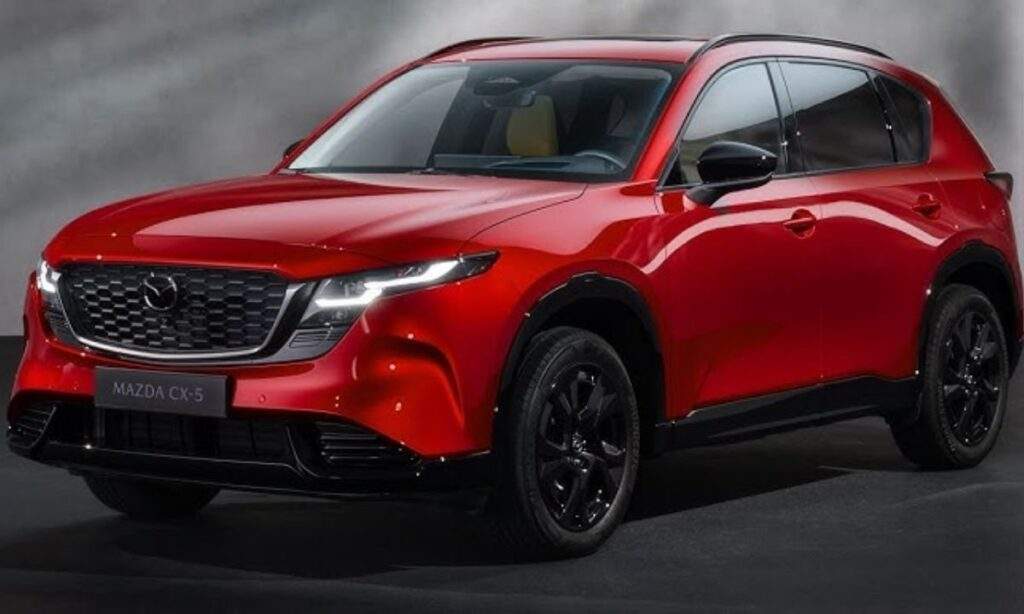
Mazda has officially unveiled the 2026 CX-5, introducing an upgraded version of its well-known SUV with added features and a slightly reduced price. The update focuses on improving everyday comfort and technology while preserving the familiar character that has helped the CX-5 remain popular. With competition intensifying in the mid-size SUV segment, Mazda’s latest move aims to offer stronger value without reinventing the model. Design updates keep it familiar yet fresh The 2026 Mazda CX-5 retains its recognizable silhouette, but subtle refinements give it a more contemporary look. Changes to the front styling and lighting details add a sharper visual edge while maintaining the clean design language Mazda is known for. New exterior color choices and minor trim adjustments further enhance its appeal. Rather than a dramatic overhaul, Mazda has opted for careful refinement to keep the CX-5 visually relevant. Interior upgrades focus on comfort and technology Inside, the cabin sees noticeable improvements aimed at enhancing the driving experience. The layout remains driver-focused, but materials feel more premium, creating a more comfortable environment for daily use and longer journeys. Technology updates play a key role in this upgrade. The infotainment system has been refined for smoother operation, and overall usability has been improved to meet current expectations without overcomplicating the interface. Key additions in the upgraded 2026 version The upgraded CX-5 brings practical enhancements that directly impact everyday ownership. These changes are designed to strengthen the CX-5’s position without altering its core strengths. Price adjustment adds to overall value One of the most notable aspects of the 2026 update is the slight price reduction to 64 mil. In a market where vehicle prices continue to rise, this adjustment makes the CX-5 more attractive to budget-conscious buyers. By combining added features with a lower price, Mazda is clearly emphasizing value, making the SUV more competitive against newer and more expensive rivals. Positioning in a competitive SUV market The 2026 Mazda CX-5 enters a crowded segment filled with feature-packed alternatives. Mazda’s strategy centers on refinement rather than reinvention, focusing on what buyers already appreciate while addressing key areas of improvement. This balanced approach allows the CX-5 to remain a strong contender for those seeking a reliable, stylish, and practical SUV. Final Report The upgraded 2026 Mazda CX-5 delivers meaningful improvements without losing its familiar appeal. With added features, subtle design enhancements, and a slightly reduced price of 64 mil, it offers a stronger value proposition than before. For buyers looking for a well-rounded mid-size SUV, the latest CX-5 stands out as a sensible and refined choice.
NEW 2026 Bentley Continental GTC Mulliner – Interior and Exterior Walkaround
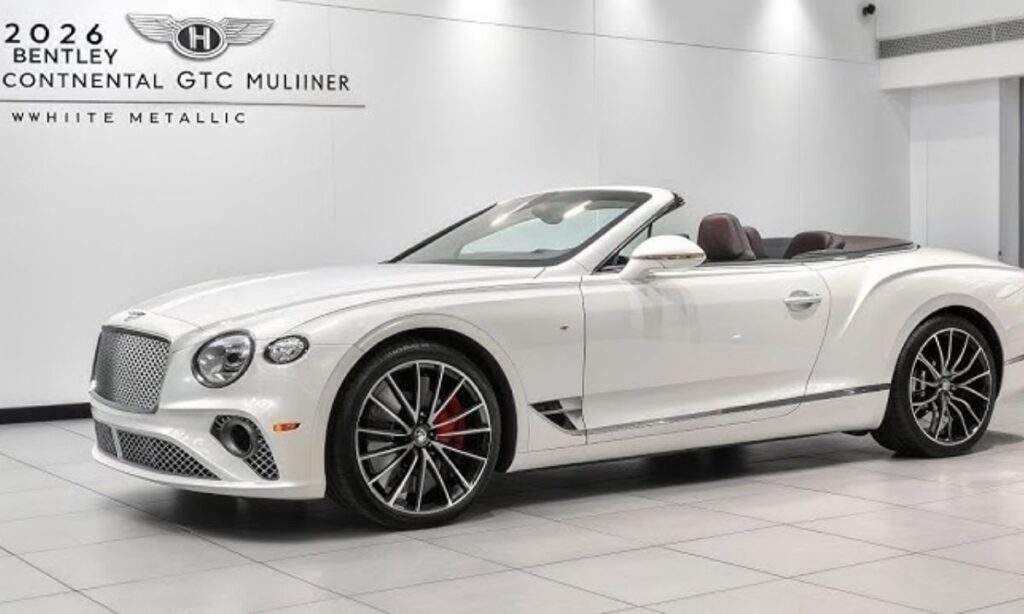
The new 2026 Bentley Continental GTC Mulliner arrives as a refined expression of open-top luxury, blending classic grand touring character with modern craftsmanship. This walkaround focuses on what stands out most at first glance and what truly impresses once you step inside. A First Look at the Exterior Design From the outside, the Continental GTC Mulliner carries a confident and elegant presence without leaning into excess. The proportions remain timeless, but subtle detailing clearly separates this Mulliner specification from standard versions. Chrome accents are used with restraint, enhancing the body lines rather than overpowering them, while the soft-top roof integrates smoothly into the overall silhouette. The front fascia feels upright and stately, with signature lighting elements that give the car a recognizable face day or night. Around the sides, polished trim and unique wheel designs reinforce the handcrafted identity of the Mulliner badge. With the roof down, the car transforms visually, offering a clean, uninterrupted profile that highlights its grand touring roots. Mulliner Touches That Define the Look The Mulliner specification is all about details that may seem small at first but add up to a noticeably richer experience. These elements are designed to be seen up close and appreciated over time rather than to shout for attention. Each of these touches reinforces the sense that this car is tailored rather than mass-produced, staying true to Bentley’s bespoke philosophy. Stepping Inside the Cabin Opening the door reveals an interior that feels calm, spacious, and meticulously assembled. The cabin of the 2026 Continental GTC Mulliner balances modern technology with traditional luxury materials, creating an environment that feels both advanced and reassuringly familiar. Leather surfaces are soft to the touch, while wood veneers and metal accents are finished to a near-jewelry level of precision. Seating comfort is clearly a priority, with supportive contours that suit long-distance driving just as well as relaxed city cruising. Even with the roof down, the cabin retains a sense of intimacy, helped by thoughtful design choices that manage airflow and noise effectively. Interior Details That Stand Out Mulliner’s influence is most strongly felt inside, where craftsmanship becomes the main event. Every surface appears intentionally chosen and expertly finished, reinforcing the idea of a personalized luxury space. Together, these elements create an interior that feels both indulgent and cohesive, avoiding flashiness in favor of understated elegance. Technology Meets Traditional Luxury Despite its classic appearance, the Continental GTC Mulliner is firmly rooted in modern expectations. The infotainment system is seamlessly integrated into the dashboard, offering intuitive controls without disrupting the traditional design language. Digital displays are clear and responsive, while physical buttons remain where they matter most, preserving a sense of control and familiarity. Driver assistance and comfort features operate quietly in the background, enhancing the driving experience without drawing attention away from the craftsmanship. This balance between innovation and tradition is a defining trait of modern Bentley interiors. Final Thoughts on the 2026 Continental GTC Mulliner The new 2026 Bentley Continental GTC Mulliner is not about dramatic reinvention but about refinement in every visible and tactile detail. From its elegant exterior to its richly appointed cabin, it delivers a cohesive luxury experience that feels carefully curated. For those who value craftsmanship, comfort, and timeless design in an open-top grand tourer, this Mulliner specification makes a strong and lasting impression. FAQs What makes the Mulliner version different from the standard Continental GTC? The Mulliner version focuses on bespoke detailing, exclusive materials, and unique design elements that elevate both the exterior and interior beyond standard trims. Is the interior designed more for comfort or sportiness? The cabin prioritizes comfort and luxury, with supportive seating and premium materials, while still maintaining a confident grand touring character. Does the convertible roof affect interior quality or space? No, the roof is well integrated and does not compromise the sense of space or the quality of materials inside the cabin. Is the design more modern or traditional? The design blends both, combining classic Bentley styling cues with modern technology and refined contemporary touches. Who is the 2026 Continental GTC Mulliner best suited for? It is ideal for buyers seeking an open-top luxury car that emphasizes craftsmanship, elegance, and a relaxed yet prestigious driving experience.
2026 MANSORY Ferrari Purosangue – Sound, Interior and Exterior
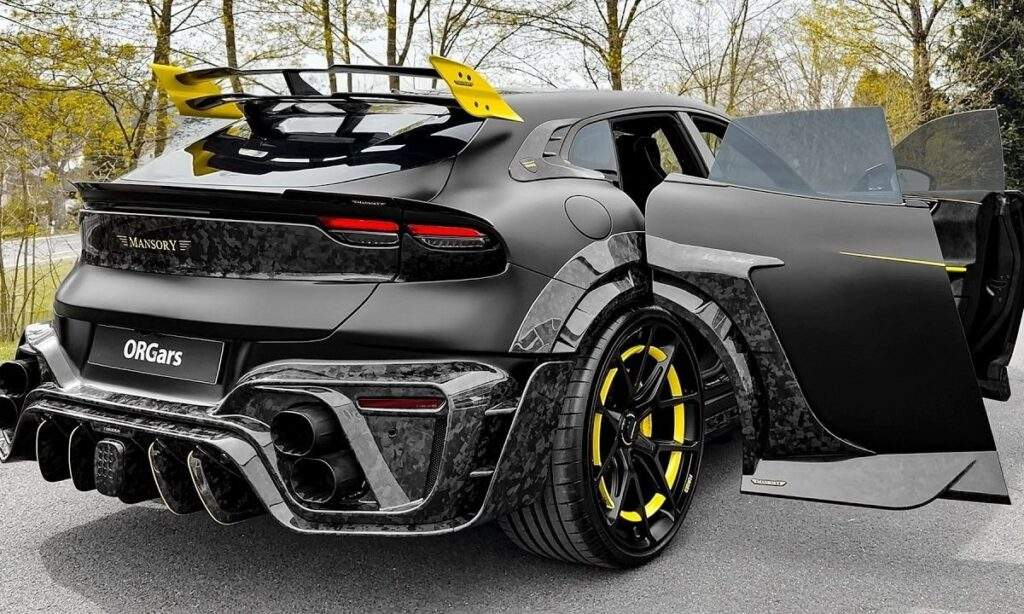
The 2026 MANSORY Ferrari Purosangue brings a bold new chapter to Ferrari’s first four-door performance vehicle. With aggressive styling updates, a reworked cabin, and a sharper exhaust note, this version is designed to push visual drama and presence far beyond the factory model. Built for buyers who want exclusivity and impact, the MANSORY treatment reshapes how the Purosangue looks, feels, and sounds without losing its high-performance identity. Exterior Design Takes a More Aggressive Turn The exterior is where MANSORY makes its strongest statement. The clean Ferrari design is transformed with sharper lines, exposed carbon fiber elements, and a more muscular stance that gives the Purosangue a commanding road presence. Every angle is designed to stand out, whether parked or in motion. Despite the dramatic changes, the overall shape remains unmistakably Purosangue, balancing aggression with Italian elegance. Exhaust Sound Tuned for Drama Sound plays a key role in the MANSORY identity, and the 2026 Purosangue is no exception. The upgraded exhaust system delivers a louder, deeper, and more emotional note that better matches the vehicle’s powerful appearance. At low speeds, the tone feels rich and controlled, while higher revs unleash a sharper and more aggressive roar. The result is a sound profile that feels more theatrical without becoming overwhelming for daily driving. Interior Focused on Luxury and Custom Identity Inside the cabin, MANSORY shifts the Purosangue toward a more personalized luxury experience. The interior blends premium materials with bold color choices, giving owners the freedom to tailor the space to their taste. The layout remains practical and spacious, but the atmosphere feels more exclusive and performance-driven than the standard model. A Different Take on Ferrari’s Performance SUV The 2026 MANSORY Purosangue is not about subtle refinement. It is designed for buyers who want their Ferrari SUV to make a statement before it even starts moving. The combination of sharper visuals, a stronger exhaust note, and a highly customized interior creates a version that feels more extreme and expressive. By building on the foundation of the Ferrari Purosangue and amplifying its personality, MANSORY delivers a vehicle that stands apart from both standard luxury SUVs and factory-built performance models. Final Report The 2026 MANSORY Ferrari Purosangue transforms Ferrari’s luxury performance SUV into a bold, attention-grabbing machine. With its aggressive exterior, richer exhaust sound, and deeply customized interior, it targets enthusiasts who value exclusivity as much as performance. This is a Purosangue designed not to blend in, but to dominate every road it touches.
2026 Chevrolet Traverse Z71 \”Las Vegas, Henderson, Spring Valley, Summerlin, North Las Vegas

The 2026 Chevrolet Traverse Z71 arrives as a tougher, more adventurous version of Chevrolet’s popular three-row SUV, clearly aimed at drivers in and around Las Vegas and its neighboring communities. With rugged styling updates and a more confident road presence, the new Z71 trim is designed to balance everyday family use with light off-road capability. As demand grows for SUVs that can handle both city streets and weekend escapes beyond the Strip, Chevrolet positions the Traverse Z71 as a practical yet bold option for Southern Nevada lifestyles. A More Rugged Look for Urban and Desert Roads The biggest visual change for the 2026 Traverse Z71 is its tougher exterior design, which separates it from the standard trims. Chevrolet leans into the Z71 identity with styling cues meant to suggest durability and readiness for rougher terrain without sacrificing everyday comfort. The front fascia looks more aggressive, with darker accents and a sturdier appearance that fits well in both suburban neighborhoods and desert backdrops. Ride height and wheel design further reinforce its adventure-focused character, while still keeping the Traverse approachable for daily driving in busy areas like Henderson and Summerlin. Interior Focused on Space and Practical Comfort Inside, the Traverse Z71 continues to prioritize space and usability, two qualities that have long defined the model. The cabin layout remains family-friendly, with room for passengers across three rows and flexible cargo options for groceries, sports gear, or road trip luggage. Materials and finishes lean toward durability, reflecting the Z71’s outdoors-inspired theme. At the same time, Chevrolet ensures the interior still feels modern and comfortable, making it suitable for commuting across Las Vegas or longer drives out of the city. Key Features That Define the Z71 Trim Chevrolet uses the Z71 trim to highlight features that add confidence and versatility, especially for drivers who want more than just a standard crossover experience. These additions are meant to enhance capability without turning the Traverse into a hardcore off-roader, keeping it practical for everyday use. Designed for Southern Nevada Driving Conditions The 2026 Traverse Z71 feels particularly well-suited to the varied driving environments found around North Las Vegas and nearby communities. Smooth highways, expanding suburbs, and open desert roads all demand versatility, and the Z71 trim is designed with that balance in mind. Chevrolet’s approach focuses on driver confidence, whether navigating crowded city streets or heading out toward less developed areas. The result is an SUV that feels equally at home in Spring Valley traffic or on a weekend escape beyond the city limits. Why the Traverse Z71 Stands Out in the Segment In a crowded midsize SUV market, the Traverse Z71 stands out by offering size, rugged styling, and everyday usability in one package. It does not chase extremes but instead targets buyers who want a capable-looking SUV that still delivers comfort and space for families. This balance is likely to appeal to drivers who want something more expressive than a typical family SUV without stepping into a full-size or heavy-duty model. Final Thoughts on the 2026 Traverse Z71 The 2026 Chevrolet Traverse Z71 adds a fresh layer of personality to an already well-known SUV. By blending rugged design cues with familiar comfort and space, Chevrolet creates a vehicle that fits naturally into life across Las Vegas, Henderson, Summerlin, and beyond. For buyers looking for a three-row SUV that feels ready for more than just pavement, the Traverse Z71 presents a confident and well-rounded option. FAQs What makes the 2026 Chevrolet Traverse Z71 different from other trims? The Z71 trim focuses on rugged styling, enhanced suspension tuning, and design elements that give the Traverse a tougher, more adventure-ready look. Is the Traverse Z71 suitable for daily city driving? Yes, despite its rugged appearance, the Traverse Z71 is designed to remain comfortable and easy to drive in urban and suburban environments. Does the Traverse Z71 offer three-row seating? Yes, like other Traverse models, the Z71 includes three-row seating with flexible cargo and passenger configurations. Is the Z71 meant for serious off-roading? The Z71 is designed for light off-road and uneven surfaces rather than extreme off-road conditions, making it a balanced choice for mixed use. Who is the ideal buyer for the 2026 Traverse Z71? The ideal buyer is someone who needs space and comfort for family use but also wants a more rugged, adventurous design for weekend trips and varied driving conditions.
Rolls-Royce 103EX — The Most Futuristic Rolls Ever Designed
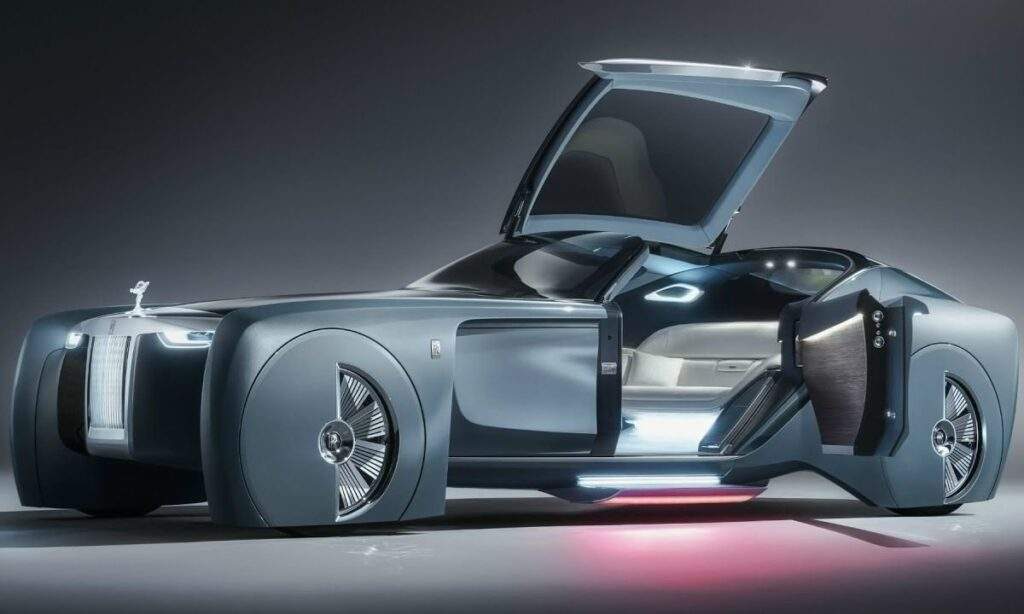
The Rolls-Royce 103EX is not just a concept car but a bold statement about where ultra-luxury mobility could be headed. Designed without traditional limits, it imagines a future where technology, craftsmanship, and personal expression come together in ways never seen before. Rather than previewing a production model, this car redefines what a Rolls-Royce could become in a fully autonomous world. A Radical Vision of the Future Unveiled as part of the brand’s long-term design exploration, the Rolls-Royce 103EX represents a complete break from conventional automotive thinking. It removes the idea of driving altogether and replaces it with a deeply personalized luxury experience. The long, flowing body shape reflects classic Rolls-Royce proportions, yet every surface feels futuristic and sculpted by advanced technology rather than tradition. This concept was never meant to follow current market trends. Instead, it shows how the brand imagines serving owners decades into the future, when autonomy, artificial intelligence, and sustainable power are expected to dominate. Exterior Design That Defies Convention From the outside, the 103EX looks more like a moving sculpture than a car. The massive wheels, seamless body panels, and glowing grille give it a presence unlike anything on the road today. Traditional design elements are reinterpreted rather than removed, keeping a connection to the brand’s heritage while pushing it far forward. Every design choice focuses on visual calm, confidence, and exclusivity, reinforcing the idea that luxury does not need aggression to stand out. An Interior Built Around the Passenger Inside, the 103EX abandons the cockpit-style layout entirely. There is no steering wheel, no dashboard filled with controls, and no traditional seating arrangement. Instead, the cabin is designed as a private sanctuary where the car anticipates the passenger’s needs. Materials such as fine silk, wood, and advanced composites blend craftsmanship with future technology. A virtual assistant, referred to as Eleanor, replaces physical controls and manages everything from navigation to comfort settings. The experience feels closer to a luxury lounge than a vehicle interior. Technology That Serves, Not Distracts Unlike many futuristic concepts that overwhelm with screens and gadgets, the 103EX focuses on invisible intelligence. The car is designed to learn the owner’s preferences over time, adapting routes, lighting, and interior atmosphere automatically. Autonomy is treated not as a feature, but as the foundation of the entire experience. This approach highlights Rolls-Royce’s belief that true luxury lies in effortlessness rather than constant interaction. What the 103EX Really Represents The Rolls-Royce 103EX is not about speed, performance figures, or production timelines. It is a design philosophy made physical. It shows how the brand sees its role in a future where cars are no longer driven but experienced. By focusing on emotion, craftsmanship, and individuality, the concept reaffirms Rolls-Royce’s commitment to staying relevant without compromising its identity. Final Report The Rolls-Royce 103EX stands as one of the most ambitious and forward-thinking luxury car concepts ever created. It challenges traditional ideas of what a car should be and replaces them with a vision centered on serenity, intelligence, and timeless elegance. While it may never reach the road in this exact form, its influence will likely shape the future of ultra-luxury mobility for years to come.
2026 Mercedes-AMG GT 3 S – Track-Born Beast with Luxury & Extreme Performance
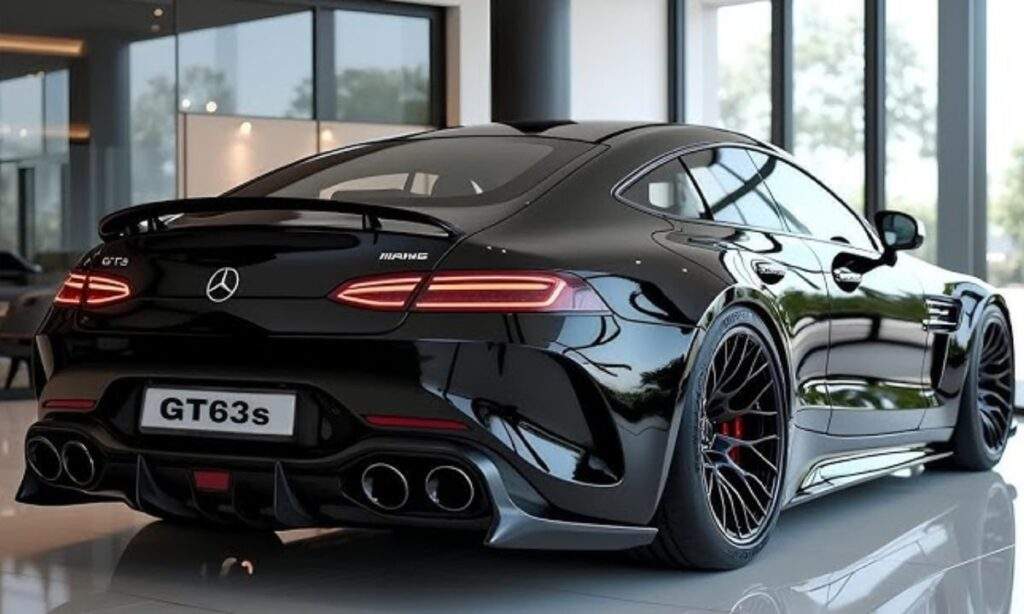
The 2026 Mercedes-AMG GT 3 S arrives as a machine built to dominate both the racetrack and the open road. This model blends motorsport engineering with the comfort and refinement expected from the brand, creating a car that feels just as natural in a pit lane as it does cruising through the city. It represents a bold step forward for AMG, pushing performance limits while keeping everyday usability in focus. Design Inspired by Motorsport The exterior of the 2026 AMG GT 3 S reflects its racing DNA from every angle. The body sits low and wide, with aggressive air intakes, a sculpted hood, and a large rear wing that clearly signal its purpose. Mercedes designers focused on aerodynamic efficiency, using lightweight materials and sharp lines to manage airflow and increase stability at high speeds. Despite its hardcore appearance, the car maintains the elegant identity that defines modern AMG models. Heart of a True Performance Machine Under the hood lies a powertrain developed with lessons learned from professional racing programs. The engine delivers explosive acceleration and a soundtrack that matches the car’s attitude. Engineers paired the motor with a rapid shifting transmission and an advanced drivetrain to ensure power reaches the road with precision. Drivers can expect immediate throttle response, massive torque, and the kind of speed normally reserved for competition vehicles. Technology Built for Control AMG equipped the GT 3 S with intelligent systems designed to help drivers explore its full potential safely. The suspension adapts to different driving modes, allowing the car to feel comfortable on regular streets and razor sharp on the track. Braking performance has been upgraded to handle repeated high speed runs without fading, and steering feedback remains direct and confident. Every element works together to give the driver complete control. Interior Where Luxury Meets Function Inside the cabin, the focus shifts from raw aggression to premium craftsmanship. The seats provide strong support during hard cornering while remaining comfortable for longer trips. Digital displays deliver essential information without distraction, and high quality materials cover nearly every surface. The GT 3 S proves that a serious performance car does not need to sacrifice comfort or style. Key Performance Highlights Driving Experience Like No Other Behind the wheel, the 2026 AMG GT 3 S feels alive and eager. The car responds instantly to small inputs, encouraging confident driving even at extreme speeds. It rewards skilled drivers with precise handling and gives newcomers the support they need to grow. Whether attacking a circuit or enjoying a weekend drive, the vehicle delivers excitement in every situation. Who Is This Car For This model targets enthusiasts who want more than just fast acceleration. It is built for people who appreciate engineering detail and emotional driving experiences. Owners can take it to a track day in the morning and attend a formal event in the evening without feeling out of place. The GT 3 S fills the gap between dedicated race cars and traditional grand tourers. Final Report The 2026 Mercedes-AMG GT 3 S stands as one of the most thrilling performance cars of its generation. It combines brutal speed with genuine luxury and everyday usability, a balance few vehicles manage to achieve. For drivers seeking a machine with true racing spirit and modern comfort, this AMG creation delivers on every promise. FAQs 1. Is the 2026 Mercedes-AMG GT 3 S street legal? Yes, the car is designed to be fully road legal while keeping technology and character inspired by professional racing. 2. Can the car be used on a race track without modifications? The vehicle comes prepared for track use from the factory, requiring only basic safety checks before high performance driving events. 3. How comfortable is the AMG GT 3 S for daily driving? Despite its extreme abilities, the interior and suspension offer enough comfort for regular commuting and long trips. 4. What makes this model different from the standard AMG GT? The GT 3 S features more aggressive aerodynamics, stronger performance components, and a setup focused on serious driving enthusiasts. 5. Does the car include modern safety and assistance features? Yes, Mercedes has equipped the model with up to date safety technology to support the driver without reducing the pure driving feel.