
The Potential of Jaggery Production: A Detailed Study on Its Techno-economic Viability

Regardless of its appeal, small operations often manufacture jaggery using typical techniques that are labor-intensive and less effective. Because of this, the production of jaggery faces lots of challenges, consisting of low returns, low efficiency, and also high costs. Additionally, the demand for jaggery is raising worldwide due to its viewed wellness advantages as well as expanding passion in natural and also natural items. Visit this Page for More Information: Start a Business in Food Processing and Agriculture Based Industry The jaggery industry is a conventional and decentralized sector characterized by small-scale procedures and low levels of investment. Many countries in South Asia, Africa, and South America manufacture jaggery, where farmers grow large quantities of sugarcane. The jaggery market is a vital source of income for little farmers as well as country areas, and also it supplies employment possibility for a great deal of people. In spite of its significance, the jaggery market faces numerous obstacles that restriction its development and also competition. These consist of low yields, reduced efficiency, as well as high expenses due to using typical methods of production. Furthermore, the high quality of jaggery generated using typical techniques is frequently irregular, and the product might contain pollutants and also impurities that influence its safety and also top quality. To get rid of these obstacles as well as improve the competitiveness of the jaggery sector, it is essential to modernize the production procedure and also embrace new modern technologies that enhance effectiveness and enhance top quality. The advancement of new and also cutting-edge manufacturing approaches can likewise aid to increase the marketplace for jaggery and also enhance its competition in the international market. The primary basic material made use of in the production of jaggery is sugar cane, which is a tall lawn that expands in fascinating and also subtropical regions. Sugar cane is a rich source of sucrose, which is the primary element of jaggery. Along with sugar walking cane, other inputs needed for jaggery production include water, gas, and labor. The top quality of the raw products utilized in jaggery manufacturing is a vital variable that affects the quality and return of the final product. Top quality sugar walking stick is vital for the production of top quality jaggery, and it is essential to make certain that the sugar walking cane used in jaggery production is without contaminations as well as contaminants. The production process of jaggery entails the following actions: The techno-economic stability of jaggery manufacturing depends upon several variables, consisting of the schedule of raw materials, the price of inputs, the effectiveness of the production procedure, and also the marketplace demand and cost for jaggery. With respect to raw materials, accessibility of sugar cane is a crucial factor that establishes the practicality of jaggery production. Sugar strolling cane is a tropical plant that needs a particular growing environment, as well as some locations might have minimal accessibility to the crop. The rate of sugar cane is likewise a variable that affects the expediency of jaggery production, as variations in the price of sugar cane could affect a reasonable detriment to produce jaggery. The productivity of the production process also influences the feasibility of jaggery manufacturing. Standard methods of jaggery production are commonly low in effectiveness as well as labor-intensive, causing high prices as well as reduced yields. To improve jaggery production performance, adopting modern production methods and technologies boosts efficiency and decreases costs. The marketplace need and also rate for jaggery are likewise crucial factors that influence the practicality of jaggery production. The expanding need for jaggery and the increasing passion in all-natural as well as natural items have actually brought about a surge in the cost of jaggery in recent years. However, other factors, such as the availability of various other sugars and the production expenses of jaggery, also affect the price of jaggery. The manufacturing of jaggery is a standard and also decentralized sector that gives important economic advantages to small farmers and also country neighborhoods. In spite of its popularity, the production of jaggery encounters several obstacles, consisting of reduced returns, low efficiency, as well as high prices. To overcome these obstacles and improve the competitiveness of the jaggery industry, producers must embrace modern production methods and innovations that increase efficiency and boost quality. The future expectation for the jaggery industry is positive, driven by the expanding demand for all-natural as well as organic items and also the raising awareness of the wellness advantages of jaggery. The growth of brand-new and cutting-edge production approaches and the adoption of contemporary innovations will likewise aid to expand the marketplace for jaggery and raise its competitiveness in the global market. We, at NPCS, endeavor to make business selection a simple and convenient step for any entrepreneur/startup. Our expert team, by capitalizing on its dexterity and decade’s long experience in the field, has created a list of profitable ventures for entrepreneurs who wish to diversify or venture. The list so mentioned is updated regularly to give you a regular dose of new emerging opportunities. Contact Us
The Theme Park Industry in India: A Comprehensive Industry Survey

In comparison to the global standards, India has seen a remarkable growth and potential in theme park industry although it is undeveloped yet. With the increasing disposable incomes and a surge in urbanization levels, the organized leisure activity sector is on its way to becoming an essential part of the leisure and entertainment industry. This is what startups, and aspiring entrepreneurs should know about India in order to enter the market. On this, Niir Project Consultancy Services (NPCS) offers a huge survey and consultancy to get through the labyrinth of different stages and methods. Overview of India’s Theme Park Industry The theme park sector in India is at a nascent stage of development and has witnessed exponential growth. The nation’s rich cultural heritage and historical significance provide unique themes that can attract both local and international tourists. Major cities like Mumbai, Bengaluru, and Hyderabad have seen the development of theme parks that utilize advanced technology and thematic storytelling to improve visitor experiences. Market Size and Growth Potential Industry estimates suggest that the Indian theme park market was worth around $500 million recently and is expected to grow at a compound annual growth rate (CAGR) of about 10-12% over the next decade. The rising popularity of theme parks as family entertainment centers significantly contributes to this growth. Moreover, the arrival of global companies and collaborations for technology modification in ride mechanics and virtual reality experiences is expected to provide an additional opportunity to the market. Key Players But some of the bigger players in India such as Imagicaa, Wonderla and Kingdom of Dreams manage to have multiple properties from coast-to-coast at their theme parks in the country. These parks feature rides, shows and virtual reality pack in a quality for all age groups. Government Initiatives Theme parks are seen as major tourism boosters by the Government of India, and they have been included in broader tourism promotion strategies. Moreover, major boosts to theme parks over traditional tourism attractions have been achieved through initiatives like the ‘Incredible India’ campaign. In addition to this, friendly policies such as land subsidies and exemption of amusement park space rents are stimulating the growth of amusement parks in the country. Opportunities and Challenges Opportunities Technological Integration With the likes of augmented reality (AR) and virtual reality (VR), some have predicted that traditional amusement rides might be on their way out, but the two are set to combine and make conventional rides more immersive than ever before. Thematic Diversity The diversified cultural fabric of India offers ample scope to create new niche themes which can be a magnet for attracting tourists wanting to experience its culture peppered with entertainment. Expansion in Tier 2 and Tier 3 Cities Given that urbanization is a worldwide trend, there remain major possibilities for the growth of theme parks in secondary and tertiary cities as they have no currently operating expressive medium. Visit this Page for More Information: Start a Business in Media and Entertainment Sector Challenges High Capital Requirement Establishing a theme park requires substantial investment in land, rides, technology, and safety regulations, which can be daunting for new entrants. Regulatory Hurdles Navigating the bureaucratic procedures for land acquisition, safety certifications, and environmental clearances can be challenging and time-consuming. Seasonal Variations and Footfall Dependency As with all amusement parks, the thematic approach to theme park profitability depends heavily on attendance which can be weather-dependent and changes significantly in economic downturns. Role of NPCS in Supporting the Theme Park Industry Niir Project Consultancy Services (NPCS) can be helpful for entrepreneurs and startups who want to get into the theme park business. Our services include: Detailed Project Reports Creating full project reports which include market research, specific performance assessment and financial planning. Technical Consultancy Expert knowledge in engineering, technology and theme park management to help you build your projects while respecting the best practices of the industry. Market Research Please sign in to get an insight on current market trends, consumer needs and behaviors as well as a detailed view of how the competitive landscape looks like. Navigating Strategic Partnerships and Collaboration Strategic Partnerships & Collaborations is a key way forward for new theme parks in India. These partnerships are able to encompass technology providers as well as international theme park operators for the enrichment of the thematic authenticity and technological edge of the park. Related Business Plan: Start Your Own Water Park, Amusement Park Business Benefits of Partnerships Technology and Innovation New parks will be able to include the newest technological trends, such as interactive attractions, cutting-edge ride systems, and immersive storytelling; moreover, by teaming up with international tech firms or specialized theme park solution providers, they can ensure these innovations are seamlessly integrated. Brand Leverage Either working with known brands or IPs can give a theme park a better purpose and wider marketing value to attract fans into the gates, increase initial footfall. Cultural Integration A joint effort with the local arts and cultural groups can be made to curate such experiences which not only adds value to the domestic tourists but also caters as a unique offer for foreign travelers in demand of novelty by indulging in some cultural meetups. Best Practices for Collaboration Clear Objectives Develop explicit strategic goals for all three partners, and make sure everything is going in the same direction. Due Diligence Do comprehensive background checks and due diligence before signing any agreement with potential partners to see if they have a past that is already tested. Mutual Benefit Structure partnerships so that they offer mutual benefits, with shared risks and rewards that incentivize all involved parties to contribute their best efforts. Investment and Funding Avenues For startups and new businesses entering the theme park industry, securing adequate funding is a major challenge. Understanding the various funding avenues and financial models can significantly ease this process. Read our Books Here: Products from Waste, Automobile, Leisure, Entertainment, Ware Housing & Real Estate Projects, Greases, Hospitality, Medical, Infrastructure, Lubricants, Petro Chemicals, Petroleum, Waste Management, Recycling Funding Sources
Top 11 Manufacturing Business Ideas You Can Start Under 1 Crore: Start Your Own Industry

Starting a manufacturing business is one of the most powerful ways to build long-term wealth and create a scalable enterprise. In this Article we have mentioned Top 11 Manufacturing Business Ideas that offer excellent growth potential, steady demand, and scalability. However, many aspiring entrepreneurs hesitate due to high investment requirements. The good news is, you can start a profitable manufacturing business under ₹1 crore and build your own industry. With strong government support, growing demand, and increasing industrial development, India is becoming a global manufacturing hub. Initiatives like Make in India are further boosting opportunities for startups and small manufacturers. In this guide, we explore the Top 11 Manufacturing Business Ideas with great growth opportunities. 💡 Why Choose Manufacturing Business? Manufacturing businesses offer: ✔ Consistent demand for products ✔ High scalability and expansion potential ✔ Tangible assets and long-term growth ✔ Government incentives and subsidies Industries such as construction, telecom, and power are continuously growing, ensuring a stable market for manufacturing products. 🏭 Top 11 Manufacturing Business Ideas Under ₹1 Crore 1. PVC Wires & Cables Manufacturing A high-demand product used in residential, commercial, and industrial projects. 2. Wood Pellets Manufacturing Convert sawdust into eco-friendly fuel—growing demand in renewable energy sectors. 3. Fish & Prawn Feed Production Aquaculture is expanding rapidly, making feed production a profitable niche. 4. Ready-Mix Concrete Blocks Essential for construction projects with continuous demand. 5. E-Waste Recycling Plant A sustainable and government-supported business with resource recovery benefits. 6. Plumbing Products Manufacturing Always in demand due to ongoing construction and infrastructure development. 7. Cleaning Products Manufacturing Daily-use items ensure repeat customers and steady income. 8. Industrial Paints Manufacturing Includes anti-corrosion coatings used across industries. 9. Chemical-Based Products (Dyes & Pigments) Used in paints, textiles, and industrial applications. 10. Construction Materials Production Products like solid blocks and blended materials have consistent demand. 11. Waste Management & Recycling Business A socially impactful and profitable business supported by environmental policies. 🔍 How to Choose the Right Manufacturing Business Selecting the right business idea depends on: 🎯 Your skills and interests 📊 Market demand and trends 💰 Investment capacity ⚙ Availability of machinery and raw materials There is no universal formula for success—proper planning and research are essential. 📊 Financial Planning & Profitability Before starting your business, evaluate: Initial investment (₹75 lakhs to ₹1 crore) Machinery and setup costs Expected revenue and profit margins Break-even period Accurate financial projections help ensure long-term sustainability. 🏢 Government Support & Opportunities The Indian government supports manufacturing through: Subsidies and incentives Startup schemes Infrastructure development Ease of doing business policies Using these benefits can significantly reduce your startup cost and risk. 🤝 How NPCS Can Help You Starting a manufacturing business involves multiple steps – from idea validation to execution. This is where Niir Project Consultancy Services (NPCS) helps entrepreneurs. NPCS provides: Detailed project reports Market research and feasibility analysis Cost and profit projections Complete business planning They act as a one-stop solution to turn your business idea into reality. 📈 Scalability & Future Growth Most manufacturing businesses under ₹1 crore are highly scalable. You can: Increase production capacity Upgrade machinery Expand into new markets Add new product lines Planning for scalability from the beginning ensures long-term success. 🔥 Conclusion These Top 11 Manufacturing Business Ideas is a huge opportunities for new Startups. Also, manufacturing sector offers various benefits for entrepreneurs who are ready to take action and risk. With the right strategy, planning, and support, you can build a profitable and sustainable business under ₹1 crore. 👉 Start small, think big, and grow consistently. 🔥 FAQs Q1) What are some profitable manufacturing business ideas you can start with under 1 crore? There are several manufacturing opportunities you can explore with an investment under 1 crore, including PVC wires and cables, wood pellets from sawdust, fish and prawn feed, ready-mix concrete blocks, and e-waste recycling plants. These ideas tap into growing markets such as construction, sustainable materials, agriculture, and renewable resources – making them suitable for entrepreneurs seeking scalable ventures. Q2) Why is the manufacturing sector a good choice for new entrepreneurs? Manufacturing offers tangible results, repeat demand, and significant growth potential. Unlike service businesses, it produces physical products that meet ongoing market needs, which often leads to recurring revenue. Additionally, many governments actively support manufacturing through subsidies and policy incentives, which can reduce barriers to entry for startups. Q3) How should I decide which manufacturing idea to pursue first? Choosing the right idea depends on several factors: your interests, skills, market demand, and risk tolerance. Start by researching how your target market is growing (e.g., demand trends for eco-friendly products or infrastructure materials). You should also consider whether you have access to the right suppliers, skilled staff, and affordable machinery before committing to a specific niche. Q4) Can these top 11 manufacturing business Ideas be scaled over time? Yes, most manufacturing ideas listed for under 1 crore are scalable. As demand grows, you can invest in better machinery, increase production capacity, expand into new markets, or add complementary products. Planning for scalability early helps ensure consistent growth and long-term profitability. Q5) What licenses are required to start a manufacturing business in India? To start a manufacturing business, you may need licenses such as MSME/Udyam Registration, GST Registration, Factory License, Pollution Control Board clearance, and local municipal approvals. The exact requirements depend on your industry and scale of operations. Q6) How much profit can a manufacturing business generate? Profit margins vary by industry but typically range between 10% to 30%. High-demand sectors like construction materials, cables, and consumables often generate consistent and scalable profits with proper management and cost control. Q7) Is ₹1 crore enough to start from these Top 11 Manufacturing Business unit in India? Yes, ₹1 crore is sufficient to start many small to medium-scale manufacturing businesses. With proper planning, you can cover machinery, raw materials, labor, and initial operational costs effectively. Q8) Which manufacturing business has the highest demand in India? Industries like construction materials, electrical products, eco-friendly products, and recycling
Triacetin (Glycerol Triacetate) Industry: The Rising Star of Investment Opportunities

Contact Us
How to start best fastest growing and profitable manufacturing business Ideas in Nepal

As of May 2026, Nepal is shedding its status as a Least Developed Country (LDC) and emerging as a vibrant industrial playground. With the government prioritizing “Import Substitution” and high-growth sectors like solar energy and agro-processing, there has never been a better time to invest in a profitable manufacturing business ideas in Nepal. Whether you are a local entrepreneur or an international investor, the following guide explores how to navigate this evolving ecosystem and tap into the most lucrative manufacturing niches. Starting a Successful Manufacturing Venture in Nepal: The 2026 Strategy The “Made in Nepal” movement is no longer just a slogan—it’s a massive economic driver. In 2026, the Nepal Stock Exchange (NEPSE) has seen the manufacturing sub-index outperform nearly every other sector, fueled by a young, tech-savvy workforce and a push for domestic self-sufficiency. For those seeking profitable manufacturing business ideas in Nepal, the focus has shifted from basic assembly to high-value processing and sustainable production. 🏗️ Top 55 Small-Scale Profitable Manufacturing Business Ideas in Nepal We have categorized these ideas into booming sectors to help you align with current market demand. 1. Agro-Processing & Food (The Most Stable Sector) Fruit Jams & Juices: Processing Nepal’s abundant kiwi, dragon fruit, and apples. Organic Spice Grinding: Cardamom, turmeric, and ginger for export. Dairy Processing: Producing niche cheese (like Yak cheese) and flavored yogurt. Millet-Based Snacks: Healthy, nutrient-dense ready-to-eat packs. Honey Processing: Packaging high-value Himalayan honey for the global market. Vegetable Dehydration: Using solar dryers to prevent post-harvest loss. 2. Eco-Friendly & Sustainable Products Lokta Paper Products: Traditional handmade paper for premium stationery. Bamboo Furniture & Decor: Sustainable, high-strength alternatives to wood. Biodegradable Leaf Plates (Tapari): Scaling traditional leaf-plate making with modern pressing tech. Hemp Fiber Textile: Manufacturing eco-friendly bags and clothing for Western markets. 3. Construction & Industrial Goods LED Light Assembly: Energy-efficient lighting is a national priority. Solar Panel Components: Small-scale assembly of solar home systems. Eco-Bricks: Compressed earth blocks for green construction. PVC Pipes & Fittings: Serving the booming rural irrigation and urban plumbing needs. 4. Consumer Staples & Wellness Herbal Cosmetics: Using Himalayan herbs like sea buckthorn and turmeric. Detergent & Soap Production: High-demand household essentials. Handmade Candles: Specialized scented candles for the tourism and ritual market. Ayurvedic Tea Blends: Ready-to-drink or tea bags with medicinal properties. 📈 Why Invest in Nepal Now? Nepal’s transition in 2026 brings several structural advantages for those pursuing profitable manufacturing business ideas in Nepal: LDC Graduation: As Nepal moves up the economic ladder, global funding and trade agreements are shifting toward sustainable manufacturing. Import Substitution Policies: The government offers tax holidays and reduced customs for businesses that replace imported goods with local production. Hydropower Surplus: Stable, green energy is now more accessible and affordable for industrial units than ever before. 🛠️ How NPCS Empowers Your Entrepreneurial Journey Launching a manufacturing unit is a complex process. NPCS (Niir Project Consultancy Services) acts as your technical and strategic partner, ensuring your business is built on a foundation of data, not guesswork. Why Seek a Professional Project Report? Market Intelligence: We provide deep dives into market size, competitor landscapes, and demand-supply gaps specific to the Nepali market. Feasibility & Risk Assessment: Understand your ROI (Return on Investment) and break-even points before you spend a single rupee. Technological Insights: Stay ahead of the curve with reports on the latest manufacturing machinery and automated systems. Regulatory Navigation: We help you understand the licensing, FSSAI-style norms, and environmental clearances required by Nepal’s Ministry of Industry. Frequently Asked Questions (FAQs) Q: What is the fastest-growing manufacturing sector in Nepal for 2026? A: Agro-processing and Renewable Energy components (like solar panels) are currently leading due to government incentives and high domestic demand. Q: How much investment is needed for a small-scale unit? A: Depending on the sector, you can start a profitable manufacturing business ideas in Nepal with an investment ranging from NPR 10 Lakhs (for simple processing) to NPR 50 Lakhs (for automated assembly). Q: Does the government provide loans for manufacturing startups? A: Yes, schemes like the PMEGP and various MSME-targeted bank loans offer subsidized interest rates for “Green” and “Export-oriented” businesses. Conclusion Nepal’s manufacturing sector is at a historic turning point. By choosing the right niche and backing it with professional market research, you can build a legacy that is both profitable and impactful. Ready to start? The best time to act on your profitable manufacturing business ideas in Nepal is today.
Getting Started in the Alcohol-Based Products Industry: Key Steps and Strategies

Motivation: Coal is a resource in abundant supply, but has environmental and CO2 concerns. Methanol is also a very flexible chemical that can be produced with coal if accompanied by the appropriate technology. Motivation: The conversion of bio-waste to methanol is an environmentally friendly approach, appropriate for the global sustainability. Motivation: The beer culture in India is booming, with a growing middle class and changing consumption patterns. Motivation: Aluminum beverage cans are both easily recycled, of low weight and long shelf-life. Motivation: The world-wide love for both beers and a lot of wines presents tremendous potential to create an amazing international brand. Motivation: The non-grape fruit wines have specific tastes and relatively limited consumers. Motivation: Rice beer is an indigenous traditional alcoholic beverage of many ethnic groups in Asian countries, which has a unique flavor profile. Motivation: Authentic and flavor-driven beers, rich in narrative to resonate with the modern consumer. Motivation: Fatty alcohols are important ingredients in the production of detergents, cosmetics and personal care products. Market Insights: The personal care industry is set to grow exponentially, driving the demand for fatty alcohols. Visit this Page for More Information: Start a Business in Alcohol Industry The alcohol-based products industry is undergoing several transformations, and recognizing the trends can be the key to success. An in-depth examination of the alcohol-based products sector Because of its broad scope, the global alcohol-based goods market, which includes both consumables and industrial uses, has always been an important industry. Although earlier sections briefly touched on its scope and potential, let’s now explore its nuances in depth and highlight the specific details entrepreneurs must understand. Alcohol is not new and has history thousands of years old. Alcohol began shaping culture as early as 7000 BCE, when people served it in Chinese fermented grain beverages and cultivated it in Mesopotamian vineyards. The 19th century saw the beginning of its widespread industrial applications, particularly as solvents and antiseptics. For startups, consumer behavior is one of the most important features that ought to be understood. Read our Books Here: Alcohol and Alcohol Based Industries, Alcoholic And Non Alcoholic Beverages, Fruit Juices, Whisky, Beer, Rum, Wine And Sugarcane Bye Products Startups must understand that the alcohol-based industry’s supply chain is intricate. The alcohol business is one of the most regulated industries worldwide. With its extensive reach and rich history, the alcohol-based products sector presents unmatched prospects. It is, nevertheless, not without difficulties. Startups and companies looking to enter this market need to have a comprehensive understanding of everything from consumer psychology to regulatory environments. Our job as industrial project consultants is to steer these endeavors, making sure they capitalize on opportunities, minimize risks, and navigate this complex business with ease. Visit the page Select and Choose the Right Business Startup for You for sorting out the questions arising in your mind before starting any business and know which start-up you can plan. We, at NPCS, endeavor to make business selection a simple and convenient step for any entrepreneur/startup. Our expert team, by capitalizing on its dexterity and decade’s long experience in the field, has created a list of profitable ventures for entrepreneurs who wish to diversify or venture. We update the list regularly to give you a steady stream of new emerging opportunities. Contact Us
From Production to Application: An Overview of Industrial Gases
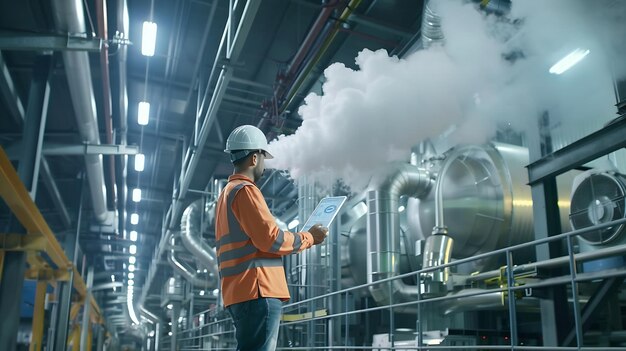
Based on industry, the industrial gas sector has emerged as one of the key supporting pillars among a wide variety of industrial processes, medical uses and environmental applications. From nitrogen in food packaging to oxygen in hospitals, the gases are important. But, does it make business sense to invest in generating these gases? Let’s look more closely. Demand is high this year for Industrial gases. They range anywhere from chemical processing, to metallurgy and refining. A feasibility study shows that a reliable supply chain, good technological base and regulation can bring high profitability. Energy storage applications, and healthcare boost demand for industrial gases as the world embraces all things good old green tech, so does this increase demand for gases such as hydrogen. Weaknesses High capital investment Vulnerability to an international economic recession. Opportunities Growth in emerging markets. Growing need for the healthcare and clean energy industries. Threats Potential regulatory changes. Raw material price volatility. Profitability Analysis Supply Chain An efficient supply chain is essential. A strong and efficient enough chain from the sourcing of raw materials to final delivery ensures lower cost as well as timely delivery. Branding and Marketing Ruthless market competition necessitates superior branding. Effective marketing strategies can promote growth in sectors including healthcare, food and beverage or energy. Regulatory Changes and Industry Compliance Compliance is key as in many other parts of the world, environmental effects are regulated with different laws from nation to nation. Therefore, a solution that can comply with local regulation is important as the business expands in various regions. Technological Innovation The development of the sector relies on innovation. Innovative solutions that are being developed to lower the costs and increase efficiencies associated with storage, transportation, and production stand to make all forms of renewable energy even more affordable. Visit this Page for More Information: Start a Business in Industrial Gases Industry Future Opportunities The demand for greener alternatives and the growing healthcare requirements in developing countries offer a range of opportunities. When hydrogen becomes more of a sustainable energy source, the industry may change. The Intricacies of the Industrial Gas Industry: Delving Deeper After giving a brief summary of the industrial gas market and its possibilities for investment, let’s further analyze the many aspects of this industry that frequently go overlooked but are crucial to determining its course. Detailed Analysis of Selected Gases Oxygen (O2) Applications: Healthcare, metallurgy, water treatment. Market Dynamics: Market drivers and increasing demand for oxygen in healthcare sector, particularly among developing countries are likely to drive the global medical grade oxygen market. Furthermore, essentially every industry that utilizes a steel-making process will have an ongoing need for oxygen. Challenges: Keeping it clean for medical use and storing in one of the coldest places on earth. Hydrogen (H2) Applications: Refinement, chemical synthesis and a prospective source of fuel. Market Dynamics: Growing international green energy effort compels renewable hydrogen as the future clean fuel; demand surges. Challenges: While production remains predominantly fossil-fuel powered, some eco-friendly methods of emissions-free and sustainable use have emerged. Carbon Dioxide (CO2) Applications: Beverage carbonation, refrigeration, enhanced oil recovery. Market Dynamics: Because of its usage in the booming beverage industry and with innovative applications like vertical farming, CO2 market is very promising. Challenges: Addressing environmental impact through sustainable sourcing. Supply Chain Nuances Just as mentioned before, an effective supply chain is immensely necessary. Its intricacies include: Sourcing: Sustainable and local help can reduce procurement cost as well the carbon footprint. Storage: Industrial gases are usually made at deeply low temperatures or in high amount. This requires massive investment in infrastructure. Distribution: Timely deliveries depend on efficient distribution channels, such as pipelines and dedicated fleet vehicles. Emerging Markets – A Closer Look Africa, Southeast Asia and some of South America are now approaching levels of industrialization. Their needs vary, with some regions requiring more of specific gases for their dominant industries: Africa: The rise in healthcare infrastructure increases the demand for medical gases. Mining operations in several African countries require gases like oxygen and nitrogen. Southeast Asia: During the same month, strong demand from electronics manufacturing backed by rapid industrialization and fast-growing tech industry are riding high in Southeast Asia. Evolving Consumer Needs and Demands As industries expand and diversify, the need for certain gases changes: Electronics: Rare gases such as neon and xenon are extremely important for certain applications in the electronics sector. Food & Beverages: Nitrogen and CO2 are used in packaging, preservation, carbonation etc. Automobile: If fuel-cell hydrogen can be produced more and at higher purity, it should help boost demand. Environmental Impacts & Sustainability In a world where, like it or not, sustainability is the matter of choose you can’t afford to avoid. The industry is under pressure to: Reduce Carbon Footprint: Turning to renewable energy, sources for production. Develop Eco-friendly Alternatives: Particularly for high potential gases e.g. SF6. Training and Skill Development As technology progresses the demand for skilled manpower also broadens. Investing in: Training Programs: For the proper use and storage of gases. Research & Development: Enabling innovation, new applications. Related Business Plan: Production of Industrial Gases and Speciality Gases Mixture Competitive Landscape & Strategies Not many, only few companies have major hold in industrial gas sector. It is pivotal for new entrants to have insights of the fierce competition: Market Leaders: Firms, such as Linde, Air Products and Air Liquide have significant presence across the globe. Competitive Strategies: Differentiation can simply be based on purity levels, sustainable production methods and efficient distribution channels. Economic Impacts & Forecasting Demand can be affected by a slowing economy, but some sectors remain resilient: Healthcare: Demand for gases including oxygen remains stable in this space. Agriculture: The increase in controlled-environment agriculture means that demand for CO2 should hold up well. Long-term success, meanwhile, hinges on forecasting regional economic trends and global movement toward sustainability as well emerging industries. Regulatory Changes: A Deep Dive An important point here is to know the regulatory realm of a region: Europe: Severe integrating regulations, especially on
Polyester Resin Manufacturing: A Lucrative Investment Opportunity Explained

In this post, we will certainly check out the reasons investing in producing polyester resin is a smart business choice. We will also take a look at the present market fads, possibilities, as well as challenges connected with this sector. Visit this Page for More Information: Start a Business in Epoxy Resin Industry The international polyester material market was worth USD 63.7 billion in 2020 and is projected to grow to USD 84.2 billion by 2026, with a CAGR of 4.3% during the forecast period. The expanding need for polyester material in numerous end-use industries such as building, transport, and also durable goods is driving the development of this market. One of the major vehicle drivers of the polyester material market is the enhancing need for light-weight and sturdy materials in the transportation industry. Making use of polyester material in the production of auto components, such as bumpers, body panels, and indoor parts, is boosting because of its lightweight, high stamina, and also resistance to ecological variables. This is helping to decrease the weight of automobiles, which in turn helps to boost gas effectiveness and lower discharges. Read our Book Here: Handbook on Speciality Gums, Adhesives , Oils, Rosin & Derivatives, Resins, Oleoresins, Katha, Chemicals with other Natural Products The building sector is an additional significant end-user of polyester resin, as it is commonly used in the production of structure and building materials such as fiberglass strengthened plastic (FRP) and compounds. It is characterized by its endurance, toughness, strength and resistance of environmental elements; making it the perfect assembly material in a variety of construction applications like roofing systems, floor covering wire braiding and wall cladding. Consumer goods manufacturers in the durable goods sector especially are an important end user of polyester resin. They use it in the production of, for example, equipment items, electrics and appliances and toys. Making use of polyester material in the production of consumer goods is increasing due to its high stamina, longevity, and resistance to ecological elements. The raisings demand for polyester material in different end-use sectors presents a significant possibility for producers and investors. The growing demand for durable and permanent products will allow market players to expand their market share and boost revenues by extending the use of polyester material. Related Business Plan: Unsaturated Polyester Resin Sustainability & eco-friendliness to emerge as a key area of growth development opportunities for the polyester material market also revolve around increasing demand for sustainable and ecological are pressure. Manufacturers are expected to increasingly use polyester material in producing durable items, such as renewable energy systems and green building products, creating significant growth opportunities Another development chance for the polyester resin market is the boosting demand for high-performance products in different end-use sectors. Manufacturers increasingly use polyester resin to produce high-performance products, such as aerospace components and advanced compounds, creating significant growth opportunities. Despite the significant opportunities in the polyester material market, there are likewise a number of obstacles that producers as well as investors require to be aware of. One of the significant obstacles is the boosting competitors in the marketplace, as increasingly more manufacturers are entering the market as well as expanding their production capacities. One more challenge dealing with the polyester material market is the increasing expense of resources. The climbing price of basic materials, such as petrochemicals as well as other chemicals, is making it harder for manufacturers to keep revenue margins as well as compete out there. To overcome this obstacle, producers need to focus on reducing their manufacturing expenses and also improving their production performance. Investing in manufacturing polyester resin is a smart company choice due to the expanding demand for durable as well as lasting items in different end-use industries. The market for polyester material is anticipated to grow in the coming years, providing suppliers with considerable growth chances. Nonetheless, producers and financiers require to be knowledgeable about the difficulties in the market, consisting of competition as well as the increasing price of basic materials. To get rid of these obstacles, manufacturers require to concentrate on minimizing their manufacturing prices and enhancing their production efficiency. Constructing polyester product can span an expanding market and please the rising demand for solid, sturdy goods. Over the next few years, however, manufacturers that do business with the right mindset and invest into this strategy can expect significant growth and profitability. Visit the page Select and Choose the Right Business Startup for You for sorting out the questions arising in your mind before starting any business and know which start-up you can plan. We, at NPCS, endeavor to make business selection a simple and convenient step for any entrepreneur/startup. Our expert team, by capitalizing on its dexterity and decade’s long experience in the field, has created a list of profitable ventures for entrepreneurs who wish to diversify or venture. The list so mentioned is updated regularly to give you a regular dose of new emerging opportunities. Contact Us
Fractional Distillation Unit: Essential Oils Extraction Process
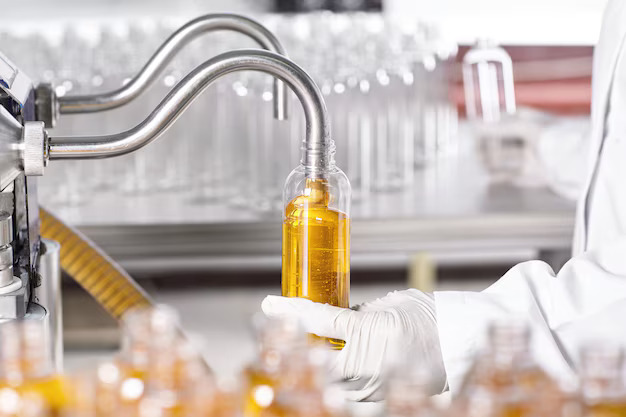
Fractional distillation units play an essential function in the Essential Oils Extraction Process, particularly when removing valuable oils from citrus fruits like lemongrass, palmarosa, and citronella. These oils are highly valued in the aromatherapy, pharmaceutical, and cosmetic sectors. The unique scent and therapeutic properties of these oils make them a popular choice in a variety of products. The expansion of the global market for necessary oils is mainly driven by increased demand for natural and organic products. Citrus essential oils are in demand more than ever due to the growing trend towards aromatherapy and taking an interest in natural wellness products. Buying fractional purification units for citrus oils offers a twin benefit: tapping into a growing market and advertising sustainability. By using every part of the citrus fruit, organizations can decrease waste and boost their profitability. The market for these oils is expected to continue its higher trajectory, providing lucrative chances for startups. Similar to its nutrient material, orange juice is a staple for families around the world and continues; understood not simply for its zingy taste. There is always a demand for an orange juice plant with cold store where the setup to produce right type of oranges from this kind in good market quality will actually keep returning results over time. The worldwide orange juice market is affected by elements such as health fads, taste choices, and benefit. The introduction of cold store facilities enables extended life span and freshness, making it an eye-catching financial investment. The sector is ripe for technical advancements in processing and storage space, which can additionally enhance performance and reduce costs. Purchasing such facilities can yield high returns because of the constant need and possibility for export. This will help a company to capture the mid-range market by expanding in other fruit juices that can be based on pineapple, banana, orange and guava. Ultimately the juices themselves have unique health benefits and flavor profiles that all appeal to various consumer segments. The market for combined and single-fruit juices is expanding, driven by the global change in the direction of healthier beverage alternatives. Customer preferences are progressively leaning in the direction of foreign and mixed fruit tastes, supplying a vast market to use. Branching out right into multiple fruit juice manufacturing can minimize market risks and appeal to a larger audience. The field assures growth, especially with advancements in packaging and taste combinations. Handling fruits like mango, lychee, pineapple, orange, and pomelo for focuses and canned juices includes value to raw fruits. These products satisfy both the retail and industrial markets, being utilized as components in a wide range of food. There is an expanding demand for fruit focuses and canned juices, driven by their ease and rack stability. These products are also prominent in the food service sector, utilized in beverages, treats, and culinary prep work. Buying fruit handling for focuses and tinned juices can be very successful, given the versatility of these products and their extensive market acceptance. Breakthroughs in processing modern technology can additionally boost the quality and allure of these items. Agreement farming of citrus fruits like oranges, tangerines, pineapples, papayas, watermelons, enthusiasm fruit, and mangoes provides a sustainable and reliable means to secure raw material supply. This approach benefits both the cpu and the farmers. It makes sure a consistent market for farmers while offering companies with a reliable source of top notch fruits. The same also promotes sustainable agriculture practices. The demand for citrus products is increasing and businesses are aiming to ensure a stable supply chain which will increase the adoption of contract farming. This layout even more aligns with worldwide patterns in the direction of sustainability as well as ethical sourcing. The removal of pectin from citrus peels and apple pomace transforms waste items into important commodities. This not only includes an extra earnings stream yet likewise contributes to throw away decrease and environmental sustainability. Pectin removal centers, at least from this perspective already worth should also be very profitable; especially with the increasing demand for natural and organic products. The future also is ripe for development in extraction and processing methodologies that could increase efficiency, providing a better end product by nature. Modern handling techniques are critical for citrus production to increase productivity, improve product quality and sustainability. Citrus products are processed with the use of advanced techniques like ultrafiltration, pasteurization and cold press extraction. Turning quality and profitability in citrus even higher, the development has now brought an answer to develop innovative product breakthrough that is already available but yet to be implemented. They allow to launch new products that touch consumer preferences. Visit this Page for More Information: Start a Business in Essential Oils Industry Investing in sophisticated handling innovations can supply a considerable competitive advantage. It can bring about cost financial savings, product differentiation, and accessibility to costs market sections. The worldwide trade dynamics of citrus fruits are influenced by aspects like production quantities, international profession plans, and customer choices. Comprehending these dynamics is essential for organizations seeking to enter or broaden in the international market. There are significant chances in both exporting and importing citrus fruits and products. Exporting can open up brand-new markets and increase revenue streams, while importing can help satisfy domestic need and diversify product offerings. Navigating the challenges of global trade, such as tolls, trade obstacles, and logistical concerns, is necessary for success in the worldwide market. Organizations require to stay enlightened and adjust to altering trade landscapes. Effective waste monitoring and utilization are critical in the citrus processing sector. This involves finding innovative ways to use by-products and minimize waste, which can bring about cost savings and environmental advantages. Citrus waste can be used in various applications, consisting of pet feed, biofuels, and garden compost. There is also possible in removing beneficial compounds like flavonoids and nutritional fibers from citrus waste. Taking on lasting methods in waste monitoring straightens with the principles of a circular economic climate. It not just lowers ecological impact yet likewise
Feasibility and Techno Economic Viability Study on Toothbrush Manufacturing

Both the expediency and techno-economic practicality research play an instrumental function as it related to the growth of a new item or process. This paper provides a technical and economic analysis to the suggested project to find out if it can be financially viable among other standards. The study is intended to figure out the feasibility and also value of the recommended project as well as to offer a clear picture of the project’s financial viability. In this post, we will concentrate on the usefulness and also techno-economic feasibility study for the production of tooth brushes. Toothbrushes are used worldwide by people of all ages for oral hygiene. Over recent years the requirement for tooth brushes have actually been on the rise due to among other points. growing awareness in oral health and wellness. Visit this Page for More Information: Start a Business in Plastics and Polymers Industry Toothbrushes are a much commoditized product, with lots of brand names providing a large range of items in the marketplace. The international toothbrush market will likely grow steadily in the coming years, driven by rising demand for oral care products and increasing awareness of dental hygiene. The toothbrush market can be fractional right into manual tooth brushes and also electric toothbrushes. Manual toothbrushes represent the traditional type and remain the most commonly used. More and more people prefer electric toothbrushes because they clean teeth effectively and offer greater ease of use. In terms of location, the tooth brush market is highly fragmented, with a multitude of gamers running in different areas. The Asia-Pacific region is the biggest market for toothbrushes, driven by the expanding population and also raising understanding of dental hygiene in the region. The North American and European markets are additionally considerable, with a multitude of players operating in these areas. The technical feasibility of the toothbrush production task will certainly depend on numerous elements, consisting of the schedule of basic materials, the manufacturing procedure, and the required equipment and machinery. The financial feasibility of the toothbrush manufacturing project will certainly rely on several elements, consisting of the cost of resources, the cost of manufacturing, as well as the expected sales revenue. The expense of raw materials is a substantial consider the economic feasibility of the toothbrush manufacturing job. The price of nylon bristles and plastic takes care of will depend upon the provider as well as the quality of the materials utilized. Adhesives are reasonably affordable and do not significantly influence the overall manufacturing cost. Read our Books Here: Polymers and Plastics Technology Handbook The price of production will depend on the range of the manufacturing process and also the price of the devices as well as equipment utilized. The expense of manufacturing will likewise be affected by the price of labor, power, and other operational expenses. The economic usefulness of the tooth brush production job will depend upon the expected sales income and also the expenses associated with the project. You can evaluate monetary feasibility by conducting a cost-benefit analysis and developing a financial model to estimate the anticipated ROI and payback period. The cost-benefit analysis must consist of all the prices connected with the project, consisting of the price of resources, the expense of production, the expense of equipment and also machinery, and any other operational costs. The benefits of the project ought to include the expected sales profits, the anticipated ROI, as well as the payback duration. The financial version ought to include a detailed analysis of the expected cash flows, the anticipated prices, and also the anticipated revenue. The version should likewise consist of an evaluation of the level of sensitivity of the outcomes to modifications in vital assumptions, such as modifications in the price of raw materials or changes in the anticipated sales profits. Watch other Informative Videos: Production of Plastic Toothbrushes | Oral Care Products Industry An expediency and techno-economic feasibility study is a crucial action in the advancement of a brand-new product or process. The research study offers an assessment of the economic feasibility of the proposed task, including its technological as well as monetary aspects. The expediency and also techno-economic stability research study for the manufacturing of tooth brushes has revealed that the task is financially sensible, with a favorable return on investment and an affordable payback duration. The market for toothbrushes is expected to expand in the coming years, driven by the increasing understanding of oral health and the growing need for dental treatment items. However, the success of the project will depend upon several aspects, including the cost of basic materials, the price of manufacturing, as well as the anticipated sales income. A thorough monetary model should approximate the expected ROI and payback period, and the team must conduct a sensitivity analysis to evaluate how changes in key assumptions affect the results. The toothbrush production task is economically viable, and also there is a strong capacity for success in the marketplace. The job needs to be sought, subject to a thorough economic analysis and a complete analysis of the threats entailed. We, at NPCS, endeavor to make business selection a simple and convenient step for any entrepreneur/startup. Our expert team, by capitalizing on its dexterity and decade’s long experience in the field, has created a list of profitable ventures for entrepreneurs who wish to diversify or venture. The list so mentioned is updated regularly to give you a regular dose of new emerging opportunities. Contact Us