
Why Should Enterprises go for MSME Business loan?

In today’s competitive landscape, enterprises—both emerging and established—must remain agile, adaptive, and growth-focused. One of the most efficient ways to fuel this momentum is by leveraging an MSME Business loan for entrepreneurs. Designed specifically to empower micro, small, and medium enterprises (MSMEs), these loans bridge the crucial financial gap, enabling scalability, stability, and strategic investment. here are the step by step guide to how to get MSME Business loans for startup. What is an MSME Business Loan for Statup Entrepreneurs? An MSME business loan for entrepreneurs is a type of financial assistance provided to businesses that fall under the micro, small, or medium category, as defined by the Government of India. These loans are tailor-made to support entrepreneurs in managing working capital, purchasing machinery, expanding operations, or navigating temporary liquidity crises. Offered by banks, non-banking financial companies (NBFCs), and government-backed institutions, MSME loans typically come with minimal documentation, attractive interest rates, and quicker disbursal processes, making them an ideal financial tool for enterprise-level business owners looking for scalable growth. Best Industry for Doing Business, Click Here Advantages of Opting for an MSME Business Loan 1. Accessible Financing Tailored for Growth Securing traditional business loans can often be complex and documentation-heavy. MSME business loans simplify this process, especially for small and medium-sized enterprises. These loans are structured with streamlined eligibility criteria and paperwork, ensuring entrepreneurs get access to funds without bureaucratic delays. 2. Competitive Interest Rates and Flexible Repayment Terms One of the most appealing features of MSME loans is their low-interest rates, which are significantly more favorable than personal loans or credit lines. Additionally, many lenders offer customized repayment tenures that align with a business’s cash flow cycle, enabling stress-free financial planning. 3. Unsecured Loans with Minimal Collateral Requirement In many cases, MSME loans are provided without the need for collateral, making them especially attractive for first-generation entrepreneurs or businesses that do not yet possess significant assets. This opens up funding opportunities to a wider range of enterprises, democratizing access to credit. 4. Empowerment Through Government Schemes The Indian government supports various MSME business loan schemes like the Credit Guarantee Fund Trust for Micro and Small Enterprises (CGTMSE), Pradhan Mantri Mudra Yojana (PMMY), and Stand-Up India Scheme. These initiatives offer additional safeguards, subsidies, and interest rebates, further empowering entrepreneurs to scale responsibly. Why Enterprises Should Prioritize MSME Loans Over Traditional Loans 1. Support for Operational Expansion From opening new branches to investing in infrastructure, MSME business loans provide the working capital needed for expansion. Enterprises can deploy these funds into modernizing equipment, expanding to new markets, or increasing manpower—all critical to staying competitive. 2. Improved Business Credit Score Timely repayment of MSME loans enhances a company’s business credit profile, increasing its credibility and eligibility for future financing. A strong credit record also opens doors to better interest rates and more flexible loan terms in subsequent borrowing. 3. Strategic Edge Through Timely Funding Cash flow challenges can paralyze operations and stunt growth. Enterprises leveraging MSME loans can act quickly, take advantage of market opportunities, manage seasonal demand, and avoid disruptions due to liquidity constraints. 4. Special Focus on Women and First-Time Entrepreneurs Many MSME loan products are specifically designed to support women entrepreneurs and first-time business owners, offering them reduced interest rates, longer repayment periods, and advisory support. Enterprises with a focus on diversity or startups led by emerging business leaders gain a unique advantage here. Related Feasibility Study Reports: Detailed Project Reports Key Sectors Benefiting from MSME Business Loans Manufacturing Units: To finance machinery, upgrade production lines, and manage bulk orders. Retail Businesses: For inventory management, store expansion, and marketing. Service Providers: To invest in technology infrastructure, talent acquisition, and client servicing tools. E-commerce Enterprises: For scaling logistics, improving platform features, and product sourcing. Documents Required for MSME Business Loan Application While requirements vary from lender to lender, the general list includes: Business registration proof (GST, MSME certificate) PAN and Aadhaar card of the proprietor Bank statements for the past 6–12 months Income tax returns Business plan or projected financials (in some cases) Lenders increasingly offer digital application platforms, minimizing paperwork and accelerating loan approvals. Top Institutions Offering MSME Business Loans in India SIDBI (Small Industries Development Bank of India) State Bank of India (SBI) HDFC Bank ICICI Bank Bajaj Finserv Fullerton India IDFC FIRST Bank Each of these institutions offers customized MSME loan products with varied tenure, loan amounts, and interest rates, catering to different enterprise profiles. Read our Books Here Eligibility Criteria to Consider Before applying, ensure that the business meets common eligibility parameters such as: Business must be classified as MSME under current guidelines Minimum operational history (usually 1 year) Satisfactory credit score (generally above 650) Viable revenue model and financial track record For newer enterprises, certain government schemes waive off strict eligibility norms, provided there’s strong business potential. Tax Benefits and Financial Incentives MSME loans can be used to claim depreciation on assets, deduct interest paid on loans as business expenses, and benefit from government tax rebates on MSME operations. These incentives translate into measurable cost savings and increased profitability. Final Thoughts: MSME Loans as a Catalyst for Enterprise Success For businesses aiming to scale sustainably and strategically, MSME business loans for entrepreneurs present a smart financial choice. They offer more than just capital—they empower innovation, enable timely action, and lay a strong foundation for long-term resilience. Enterprises that tap into these financing avenues stand to gain operational efficiency, market reach, and financial strength. If you’re an enterprise aiming to thrive in today’s dynamic economy, embracing MSME loans isn’t just an option—it’s a strategic imperative. Contact Us
Why to Invest in the Processing and Preservation Industry ?

The processing and preservation industry has emerged as a dynamic and forward-looking sector within the global food ecosystem. Particularly within the fruits and vegetables segment, the industry holds tremendous promise. With consumers demanding healthier, convenient, and longer-lasting food options, the need for advanced processing and preservation techniques is stronger than ever. This article offers a deep dive into the sector’s market size, current trends, SWOT analysis, and the opportunities in the processing and preservation industry. It also highlights the feasibility of investment in this space and the tools you need to make informed business decisions. Market Overview and Growth Potential The global processed fruits and vegetables market is on an upward trajectory. According to a report by Grand View Research, it is expected to reach USD 392.2 billion by 2027, with a compound annual growth rate (CAGR) of 6.1%. Factors driving this growth include: Urbanization and fast-paced lifestyles Growing disposable incomes Shifting dietary habits Rise in health-conscious consumer behavior The Asia-Pacific region currently dominates the global market, owing to its expanding retail infrastructure and increased preference for convenience foods. Consumers are more inclined toward ready-to-eat, packaged, and shelf-stable foods that fit into their busy lives—offering significant opportunities for investors and entrepreneurs. Visit this Page for More Information: Start a Business in Food Processing and Agriculture Based Industry What is the Processing and Preservation Industry? The processing and preservation industry encompasses methods and technologies used to transform fresh produce—like fruits and vegetables—into forms that extend shelf life and improve convenience. Common processes include: Dehydration Canning Freezing Vacuum packing Pasteurization Use of natural preservatives These techniques not only reduce food wastage but also make seasonal produce available year-round, enhancing food security and nutrition on a global scale. Key Trends Shaping the Industry 1. Shift Toward Organic and Clean Label Products There’s a growing global trend toward organic and natural foods. Consumers are increasingly rejecting synthetic preservatives and artificial additives. This shift is pushing manufacturers to explore clean-label preservation techniques, such as: High-pressure processing (HPP) Natural antioxidants and essential oils Fermentation 2. Technological Advancements The integration of AI, IoT, and automation in processing plants is revolutionizing the industry. These technologies are used for: Real-time quality checks Predictive maintenance of machinery Smart packaging solutions Blockchain-based traceability 3. Sustainable and Smart Packaging Sustainability is no longer optional. Companies are investing in: Biodegradable packaging materials Intelligent packaging systems that indicate spoilage or freshness Reusable containers for reduced waste Such innovation enhances consumer trust and strengthens brand positioning. 4. Rise of E-Commerce and Online Grocery Retail Digital transformation has enabled manufacturers to directly reach consumers through platforms like Amazon, BigBasket, and Blinkit. This allows for: Real-time feedback Wider geographic reach Higher product visibility SWOT Analysis: Processing and Preservation Industry Strengths Continuous demand for processed food due to changing lifestyles Broad range of products for diverse markets Strong technological backing and innovation Increased focus on nutrition and convenience Weaknesses High initial setup and equipment costs Complexity in adhering to food safety regulations Seasonal variability of raw material prices Negative perception of processed foods by some health-focused consumers Opportunities Huge demand from developing nations with growing middle-class populations Rise in plant-based and vegan diets, increasing the need for preserved fruits and vegetables Government schemes supporting agro-processing clusters Integration with smart logistics and cold chain systems Threats Competition from fresh produce and greenhouse farming Fluctuating supply chain due to climate and geopolitical issues Rapidly changing food trends requiring constant innovation Read our Books Here: Food Processing Future Opportunities in the Processing and Preservation Industry The opportunities in the processing and preservation industry are extensive and continually evolving. A few key growth drivers for the future include: 1. Plant-Based Product Development As global veganism and vegetarianism trends grow, so does the demand for plant-based, shelf-stable products. Entrepreneurs can tap into this market by offering: Vegan snacks Dehydrated fruit-based meals Canned soups and stews using plant proteins 2. Adoption of Industry 4.0 The use of machine learning and blockchain in managing supply chains will increase transparency, improve food traceability, and enhance safety. These technologies offer: End-to-end visibility Reduced food recalls Optimized inventory and logistics 3. Eco-Friendly Packaging Innovation There’s growing demand for eco-conscious brands. Companies focusing on biodegradable and compostable packaging will have a distinct competitive edge. 4. Export and Global Expansion Processed and preserved food products offer immense export potential, especially to: Europe and North America, where clean-label trends are dominant Middle Eastern countries with limited agricultural land Urban Asian markets looking for ready-to-eat solutions 5. Strategic Partnerships Collaborations with local farmers, food aggregators, and retailers can streamline the value chain and reduce input costs. Government incentives and agritech adoption can further strengthen these ties. Related Business Plans: List of Profitable Food Processing Business Ideas Feasibility and Techno-Economic Viability Before making any investment, a techno-economic feasibility study is crucial. This includes: Technical Feasibility Assessing the right equipment and technology Calculating the plant capacity, resource requirements, and operational model Evaluating utility needs and energy usage Economic Feasibility Forecasting investment costs, profit margins, and break-even points Market sizing and pricing strategy ROI analysis Legal and Regulatory Compliance Licensing, FSSAI certifications, environmental clearances Food safety protocols and packaging laws An in-depth study ensures a sound investment with minimized risks and higher operational efficiency. Why Choose NPCS Reports for Investment Planning? NPCS (Niir Project Consultancy Services) provides detailed reports that act as blueprints for entrepreneurs and investors. Each report includes: Industry data and growth projections SWOT and SCP analysis Techno-economic feasibility studies Regulatory frameworks Marketing and distribution strategies These insights allow for informed decision-making, helping reduce risk and improve profitability in the processing and preservation industry. Conclusion The processing and preservation industry for fruits and vegetables represents a high-potential, future-proof investment opportunity. From technological breakthroughs to changing consumer preferences, the sector is poised for massive transformation and growth. By capitalizing on the opportunities in the processing and preservation industry, investors and entrepreneurs can not only achieve strong ROI but also contribute to sustainable food systems globally. With proper planning, feasibility assessment, and the right
Why to Start Manufacturing Business of EDTA and Its Salts
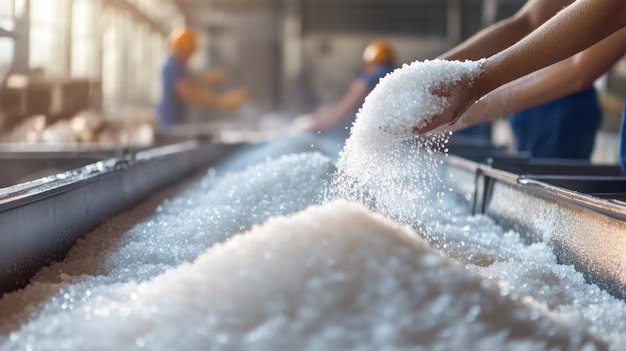
The EDTA manufacturing business represents a fast-growing sector in the global chemical industry. With rising demand across pharmaceutical, food, agriculture, water treatment, and cosmetic sectors, manufacturing EDTA (Ethylene Diamine Tetraacetic Acid) and its various salts presents a powerful opportunity for scalable profits, environmental impact, and industrial relevance. Understanding EDTA and Its Industrial Significance EDTA is a synthetic amino acid and a potent chelating agent that binds with heavy metal ions to form stable, water-soluble complexes. Available in multiple salt forms—disodium EDTA, trisodium EDTA, tetrasodium EDTA, and calcium disodium EDTA—this compound serves as a backbone for numerous applications. These salts appear as white crystalline powders, highly soluble in water, and used either as preservatives, stabilizers, or chemical binders. Rising Global Demand in Core Industries According to recent industry insights, the global market size of EDTA was USD 1.16 billion in 2019, and is forecasted to reach USD 1.52 billion by 2027, growing at a CAGR of 3.7%. The driving factors behind this upward trajectory include: Pharmaceuticals: EDTA is used to stabilize drugs, chelate metal ions in injections, and treat heavy metal poisoning. Food & Beverage: Functions as a preservative and color retainer. Agriculture: EDTA binds with micronutrients to enhance soil fertility and crop absorption. Water Treatment: Removes toxic heavy metals from wastewater and industrial effluents. With regulatory approvals like FDA acceptance for EDTA’s pharmaceutical and food usage, market expansion is accelerating worldwide. Visit this Page for More Information: Start a Business in Chemical Industry Projects Wide Range of Applications Across Industries The diversity of EDTA applications makes it one of the most versatile compounds in modern industry: Textile Industry: Acts as a sequestering agent to remove metal impurities in dyeing processes. Cosmetics and Personal Care: Enhances product stability and shelf life by controlling metal ion reactions. Detergents & Cleaning Agents: Helps soften water and improve cleansing efficiency. Radiation Decontamination: Used in critical areas like Fukushima for heavy metal extraction and radioactive cleanup. These multifaceted applications ensure consistent demand, making the EDTA manufacturing business both resilient and expansive. Low-Cost Production and Easy Raw Material Availability The production process of EDTA and its salts is cost-effective, leveraging widely available raw materials such as: Ethylenediamine Formaldehyde Sodium cyanide With relatively stable pricing and reliable supply chains, entrepreneurs can maintain low production costs while achieving high output yields. Automation technologies have also simplified batch processing, allowing even medium-scale manufacturers to meet global standards. Related Business Plan: EDTA AND ITS SALTS Strong Profit Margins and Scalable Revenue The profitability of EDTA manufacturing is driven by: Low cost of raw materials High value of finished goods Growing global demand Diverse industry applications Even a modest facility can generate double-digit profit margins, especially when offering customized product variants or bulk export orders. Expansion through forward integration—like offering EDTA-based formulations—can further enhance earnings. Supportive Government Policies and Regulatory Backing Governments across Asia, Europe, and North America are increasingly promoting sustainable water treatment and agriculture, both of which heavily rely on EDTA compounds. Incentives include: Subsidies for green chemical manufacturing Low-interest business loans Export benefits and regulatory ease Moreover, EDTA usage is approved by various global regulatory bodies like the US FDA, European Food Safety Authority (EFSA), and Indian Central Drugs Standard Control Organization (CDSCO). This institutional trust opens up international markets with minimal compliance barriers. Environmental Applications and Eco-Friendly Impact EDTA plays a crucial role in environmental conservation, especially in: Heavy Metal Remediation: EDTA binds with harmful ions like mercury, lead, and cadmium, facilitating their removal from water bodies and soil. Battery Waste Treatment: Safely detoxifies used battery materials before recycling or disposal. Agricultural Sustainability: Enhances soil nutrient profiles without harming the ecosystem. These benefits make EDTA manufacturing a green business aligned with circular economy and sustainability goals, qualifying it for environmental certifications and grants. Technological Advancements in EDTA Manufacturing Modern production of EDTA involves computer-controlled reactors, real-time analytical monitoring, and energy-efficient technologies that reduce: Processing time Chemical waste Labor costs These advancements not only improve product quality but also enhance safety, scalability, and operational efficiency—key for competing in a global marketplace. Competitive Advantage for New Entrants Despite increasing demand, the EDTA market remains moderately fragmented, with significant space for new, innovative players. Entrepreneurs entering the industry now can: Offer tailored formulations for niche segments (e.g., cosmetic-grade EDTA) Develop export-oriented models with certifications like GMP, ISO, and REACH Leverage e-commerce and B2B marketplaces to reach global buyers directly A lean, agile manufacturer that focuses on quality, consistency, and compliance can rapidly carve out a loyal customer base. Job Creation and Economic Development Setting up an EDTA manufacturing unit creates significant local employment opportunities in: Chemical engineering Plant operations Quality assurance Logistics and distribution R&D and compliance This generates a positive economic ripple in the region, fostering community development and skill enhancement. Read our Book Here: The Complete Technology Book on Chemical Industries Challenges to Consider Before Starting While the EDTA manufacturing business is lucrative, some challenges should be addressed: Environmental Compliance: Strict monitoring of chemical emissions, waste disposal, and worker safety. Raw Material Handling: Proper storage and handling protocols are essential to mitigate risks. Market Research: Understanding regional demand, export trends, and competition is critical for long-term success. A well-documented business plan, feasibility study, and financial projections are indispensable before initiating the setup. Conclusion: Why EDTA Manufacturing is a Smart Business Move The EDTA manufacturing business offers a robust opportunity for entrepreneurs seeking a profitable, scalable, and environmentally impactful venture. With wide-ranging applications, strong global demand, and low production costs, the business model is ideally suited for long-term growth. Supportive government policies and technological innovations make the sector even more attractive. However, as with any industrial venture, success lies in meticulous planning, compliance, and quality control. For those who navigate these effectively, EDTA manufacturing can become a cornerstone of a sustainable and profitable chemical enterprise. Visit the page Select and Choose the Right Business Startup for You for sorting out the questions arising in your mind before starting any business and know which start-up you can plan. We,
Electrolytic Manganese Dioxide Production: Analyzing Techno-Economic Feasibility

Electrolytic manganese dioxide (EMD) production is an important ingredient used in the manufacture of batteries, especially ion and lithium ion batteries. The production of EMD involves the electrolysis of magnesium sulphate and sulphuric acid. The techno-economic analysis, including the profitability of EMD production, can be divided into several areas: Availability of Raw Materials and Cost: The primary raw material for electrolytic manganese dioxide production is manganese ore. Manganese ore availability, quality, and cost directly affect production cost. Abundant manganese resources exist in India, hence local production seems to be more feasible. Sulphuric acid is also a major ingredient in the process by which magnesium sulphate is produced. Availability and price fluctuation of both of these materials can cause huge variation in the overall cost structure. Production Process The electrolytic manganese dioxide production process involves several key steps: Leaching: Magnesium sulphate is extracted from manganese ore by treatment with sulphuric acid. Electrolysis: Secondly, electrolysis of magnesium sulphate solution produces EMD. Purification: The EMD resulting from this process may require further purification for use, for example, in battery applications. The process of high-quality output and highest efficiency comes with precision and careful control on each stage of the activity. For more information, visit this page: Starting a Business in Chemical Industry Projects Energy Costs Energy consumption is a major factor in electrolytic manganese dioxide production. The high power requirement of the electrolysis process is very sensitive to electricity costs, which can really hurt your production costs. In India, electricity prices tend to vary by region, and the price of energy should be taken into account when contemplating the feasibility of EMD production. Renewable energy sources such as solar or wind power could be used in order to decrease these costs, and the process could become a cost-efficient and environmentally friendly one. Related Business Plan: Electrolytic Manganese Dioxide Capital Costs Setting up a facility for electrolytic manganese dioxide production requires significant capital investment. These also include costs for setting up reactors, power cells, electrolytic apparatus, and other such necessary infrastructure. Also, it is required to maintain machinery and equipment regularly in order to run regularly. As a result, these initial and ongoing capital expenditure decisions are essential. Operating Costs Operational costs for electrolytic manganese dioxide production include expenses related to labour, water, electricity, raw material procurement, and waste management. Raw material and energy costs are the largest, but proper resource management can be used to constrain these costs. With this, it is also possible to reduce overall operating costs if you optimise the production process and keep the supply chain streamlined. Market Demand and Price The demand for electrolytic manganese dioxide production is largely driven by the growing battery industry, particularly the demand for lithium-ion batteries used in electric vehicles (EVs) and renewable energy storage. As India accelerates its adoption of EVs and increasingly renewable energy, India’s need to produce high-quality EMD will continue to grow. If demand goes up and supply is low, prices rise, and manufacturers may become more profitable. Environmental and Legal Issues Electrolytic manganese dioxide production can result in emissions and waste that need to be managed carefully. Local environmental regulations mean the waste management must mix with them or else they will have legal issues. In addition, water consumption is an important issue in places where water resources are restricted. Responding to environmental concerns does not only fulfil compliance but also makes the production process more sustainable. Technological Progress Advancements in technology can significantly reduce the costs of electrolytic manganese dioxide production and increase overall efficiency. One example of this is the reduction in energy consumed through improved design of electrolytic cells or use of renewable energy technology. Further investment in research and development can also give rise to innovation that allows a company to do things better, perhaps to reduce waste, making output more efficient. Competitive Landscape The electrolytic manganese dioxide production industry is competitive, both in India and globally. Improving processes, reducing costs, and maintaining product quality are key reasons why manufacturers need to keep ahead of the game. Market prices and competition are controlled by other local and international manufacturers. Moreover, advantages of local production include cost of transportation reduction and better control of the supply chain. Risk Management EMD production is no different from other manufacturing to that extent, and there are several risks, such as fluctuation of raw material prices, operational interruptions, and unpredicted market changes. To help address these risks, manufacturers can lock up firm long-term contracts for raw material supplies, do regular maintenance, and make sure workers are safe and well trained. Risk management should be properly exercised for one to move forward with long-term success. Strategic Partnerships Forming strategic partnerships can provide a competitive advantage in electrolytic manganese dioxide production. Some other examples include collaborating with battery manufacturers to always have a steady demand for EMD or collaborating with raw material suppliers to always get better prices and long-term supply agreements. These partnerships cut costs and give stability in the supply chain. Read our books here: Chemical engineering, fine chemistry Socioeconomic and Global Consideration It has a positive socioeconomic impact because it will create employment and help boost the local economy. Nevertheless, key factors such as trade laws, tariffs, and currency fluctuations can affect export opportunities on a global scale. For planning international sales, these factors must be understood. Also Read: Establishing Own Electrolytic Manganese Dioxide (EMD) Manufacturing Startup Conclusion The electrolytic manganese dioxide production process offers significant potential, especially with India’s growing battery industry. Yet, to make this production economically viable, raw material costs, energy demand, technological advancements, and demand in the market must be weighed. Through paying attention to efficient production methods, strategic partnerships, and risk management, EMD production provides the means to turn India towards sustainable energy solutions. Visit Our Website For More Details : www.niir.org Contact Us
Concrete, Cement, and Cement-Based Products
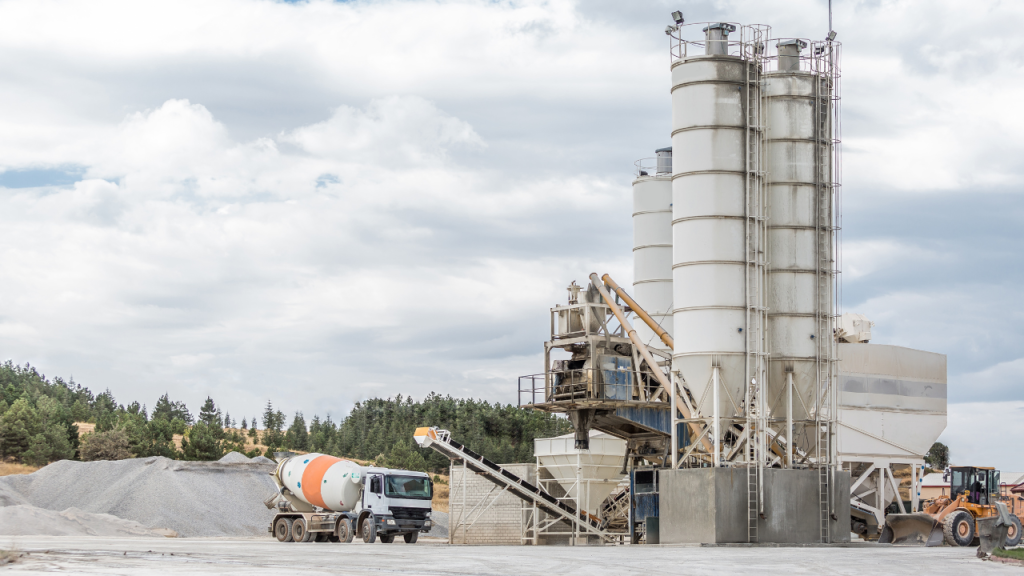
A Thriving Market for Concrete and Cement Concrete and cement are fundamental components in construction, providing a stable and ever-growing market for startups. The demand for these commodities is driven by global urbanization and the development of infrastructure internationally. Investing in these products provides startups with a chance to enter a marketplace that is not only expansive but growing year on year. Innovative Cement-Based Products – An Opportunity for Differentiation The market for cement is not all about traditional cement and concrete. There is an expansive variety of innovative products that have remarkable possibilities, each of which is attractively different. For example, waterproofing agents and specific types of cements such as white cement and PVC solvent cements provide niches in the marketplace for several startup businesses. These commodities address specific needs in the construction processes, allowing the door to specialization for some in the industry. Cement Plant Power Generation – A Sustainable Investment Sustainability is a distinct industrial trend in the construction industry. A cement plant integrated with power generation is an innovative investment model. For example, not only does it generate cement, but it also generates power for the operations. In this way, revenues from power generation provide the facility with the opportunity to create additional revenue streams as operational outlay increases. This is particularly enticing to a growing segment in the market that expresses desire for sustainability with environmental concerns consumers reflect. Visit this Page for More Information: Start a Business in Cement and Cement-Based Products Industry Sanitary Ware Products: Capitalizing on Lifestyle Trends Items like sanitary ware (such as wash basins and bathroom cabinets) connect construction to lifestyle trends. These items have transformed from mere utilities to lifestyle statements. This provides an excellent opportunity for startups to tap into the increased demand for fashionable and comfortable hygiene ware. Ready Mixed Concrete: Quality Meets Convenience The popularity of ready mixed concrete is increasing because of its convenience and consistent quality. It is the ideal product in busy construction jobs. While moving a new startup to ready mixed concrete will take time, it is a great way for startup construction companies to take advantage of demand for projects meeting modern needs. Specialized Applications: Railway Sleepers and PSC Electric Poles Concentrating on specialized applications – such as railway sleepers and PSC electric poles – is a smart move. These types of items have specific requirements, which means lower competition and higher margins for those that can provide them. Concrete Admixtures: Optimizing Performance Concrete admixtures, or additives, are critical tools for enhancing the performance properties of concrete, including toughness, workability, and curing time, allowing concrete to perform much better. Startups introducing this category can build a completely unique niche in the marketplace. Prestressed Concrete Sleepers: Disrupting Railway Construction Prestressed concrete sleepers are actually disrupting rail construction. They provide superior durability and robustness, making them an excellent alternative for modern rail systems. Investing in this technology keeps startups at the heart of infrastructure development. New Trends in Cement-Based Products The concrete industry is also moving beyond traditional ideas, particularly in the area of green and innovative materials. Specifically, green cement, made with more sustainable inputs, is gaining popularity as an alternative to conventional cement and concrete. Green cement significantly reduces the carbon footprint of construction and is fast becoming accepted. Another trend is smart cements, which can be equipped with sensors to monitor the integrity of an entire building. These technologies provide environmental benefits, improved safety, and a strong value proposition for startups. Related Reports of Feasibility Study: Concrete, Cement, and Cement-Based Products and Projects Market Size and Share: Intrigue Startups are always interested in market size and share, as it helps them understand the market context. The global concrete market is expected to continue its upward trajectory due to greater urbanization and infrastructure expansions. Startups in this market can assess the industry’s scale because it is efficient at almost any size. The market is vast and diverse, spanning residential, commercial, and industrial construction, offering a range of opportunities and challenges. Analysis of Consumer Preferences and Trends To be successful, startups must understand consumer preferences and evolving trends. There is a growing demand for eco-friendly and premium construction materials. Consumers and businesses increasingly search for products that offer long-lasting durability, energy efficiency, and aesthetics. Startups able to innovate and respond to these shifting preferences will gain a major advantage. Competitive Landscape: Obstacles and Tactics Competition in the concrete and construction market is intense, with numerous well-known players. However, competition drives innovation and quality as companies seek to differentiate themselves. Startups could find their niche by focusing on distinctive materials, best-in-class quality, and sustainability. Partnerships with construction companies, engineers, and government projects could provide added support. Supply Chain Optimization for Efficiency and Sustainability Effective supply chain management is critical in the cement industry. It refers not only to product delivery time but also to sustainability in product and distribution sourcing. Startups that invest in supply chain efficiencies decrease costs, increase sustainability, and improve overall customer experience. Regulatory Compliance and Safety Standards Understanding and complying with regulatory compliance and safety standards is key to navigating the cement industry. Startups must ensure compliance to avoid legal issues and to build a reputation as a responsible, trustworthy company. Innovative Marketing Strategies Innovative marketing strategies are fundamental to success in this industry. Startups should focus on developing strong brand identities and utilizing digital marketing strategies to reach a larger audience. Engaging in content marketing, social media, and customer testimonials can encourage new customers to pursue interest in cement products. Financing and Investment for Startups Raising capital and financing can be a significant hurdle for startups. However, given the cement industry’s potential for return on investment, startups can attract investors. Startups should create sound business plans, demonstrate market knowledge, and show product progression to secure funding. Read our Book Here: The Complete Book on Cement & Concrete Products Manufacturing Global Market Opportunities The global nature of the cement industry presents various opportunities. Emerging markets offer
Cold Chain Project Opportunities
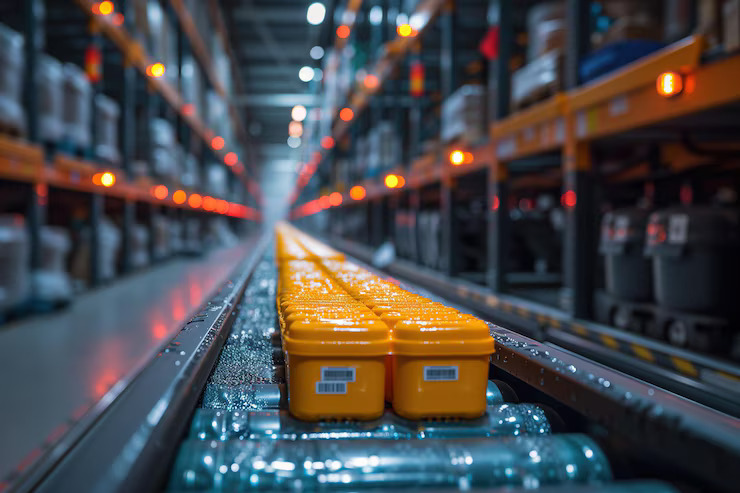
The Growing Demand for Cold Chain Logistics in India India, with its large population and expanding frugality, is seeing a raising need for cool chain logistics. This is substantially driven by the demand to move disposable goods similar as food and medicines throughout huge ranges while keeping their high quality and integrity. Also, purchasing this position not only uses a blowing request still likewise adds to minimizing food destruction and perfecting healthcare payload. Inventions in Controlled Atmosphere Cold Storage Regulated air freezer is changing exactly how subject to spoiling effects are stored. By specifically managing the terrain within storehouse systems, the service life of products is significantly extended. Also, this advancement is particularly critical for countries with warm surroundings or those that bear to keep produce for expansive ages. The specialized developments in this field give an encouraging occasion for investment, with the eventuality for high returns. The Strategic Importance of Warehouse Cold Storage Storehouse cold store is an integral part of the force chain, specifically for products that call for particular temperature setups. Buying advanced freezer centers can be a game-changer for associations that bear to store big amounts of subject to spoiling products. Moreover, this assiduity is anticipated to grow mainly, making it a smart choice for those wanting to buy a future-evidence request. Enhancing Agriculture Storage with Cold Chain Results Husbandry is the foundation of several profitable situations, and the combination of freezer results can vastly enhance the effectiveness and profitability of this request. Cold store centers guarantee that agrarian yield is kept fresh from ranch to table, dwindling putridity and perfecting food safety and security. In addition, The growing transnational crowd and the succeeding rise in food need make this an eye-catching field for investment. Staking on Market Trends in Cold Chain Logistics The transnational request for cool chain logistics is fleetly evolving, driven by patterns similar as the rise in shopping, enhanced consumer recognition concerning the top quality of perishable products, and advancements in invention. For startups and established gamers in the sector, understanding and benefiting from these fashions is necessary. Also, by espousing innovative ultramodern technologies like IoT (Internet of effects) for real-time shadowing and AI-driven analytics for anticipating conservation, businesses can gain a competitive edge. The Financial Viability of Cold Chain Investments One of the crucial aspects attracting investors to the cool chain and temperature-controlled force chain request is its financial viability. The growing need for these results, paired with the expansion of worldwide profession of subject to spoiling particulars, develops a request ripe for investment. Likewise, government sweats and aids in numerous nations indeed more enhance the good aesthetics of this field, offering fiscal provocations and backing for brand-new gambles. Cold Chain’s Role in Global Healthcare The duty of cold chain logistics in health care can not be undervalued, specifically in the environment of vaccine distribution and the transport of temperature-sensitive clinical products. The current transnational heartiness situations have stressed the pivotal demand for durable and estimable chilly chain remedies in the medical care sector. Purchasing this position not only offers fiscal returns yet likewise contributes vastly to public health and well-being. The Impact of Cold Storage on Food Security Food protection is an transnational concern, and effective cold storehouse results play a vital part in addressing this problem. By lowering food destruction and making sure the safe storehouse space and transport of food products, cold storehouse centers add to the stabilization of food force chains. This not just has a favorable influence on global food safety and security yet also opens up financially satisfying chances for services in this request. Advancements in Agriculture Storage Technologies Technology in husbandry storehouse space technologies, particularly those incorporating chilly chain options, is transubstantiating the way tilling yield is kept and distributed. These advancements are n’t just boosting the effectiveness of storehouse space still also enhancing the top quality of husbandry products. Investment in these inventions uses the binary advantage of using a growing request and adding to the advancement of lasting agrarian practices. Visit this Page for More Information: Start a Business in Cold Chain Industry Cold Chain Logistics: A Key Player in Sustainable Development Sustainability is a pivotal concern in moment’s company setting, and cool chain logistics plays a considerable duty in advertising lasting ways. By enhancing transportation paths, dwindling power input in storehouse centers, and minimizing food profusion, the chilly chain assiduity goes to the center of lasting growth. Services that invest in green cool chain results are well-deposited to satisfy the growing need for environmentally responsible ways. The Community of Cold Chain and E-Commerce The rise of ecommerce, specifically in the food and medicinal diligence, has developed a swell in demand for dependable chilly chain logistics. This harmony between e-commerce and cool chain services inventories immense openings for services to introduce and expand their services. By giving effective, temperature-controlled delivery options, companies can deal with the expanding consumer demand for high quality and benefit. Regional Market Analysis: Openings and Challenges A original analysis of the cold chain request discloses varied possibilities and obstacles. In establishing areas, the absence of frame offers both a difficulty and a chance for fiscal investment in structure durable cold chain systems. On the other hand, created requests use a more competitive geography, with possibilities depending on specialized invention and service isolation. The Part of Government Programs in Shaping the Assiduity Civil government programs play an essential part fit the cold chain and temperature-controlled force chain sector. Also, laws regarding food safety and security, pharmaceutical transport, and ecological criteria straight affect exactly how associations operate in this assiduity. Comprehending and complying with these programs is pivotal for success, and visionary engagement with policymakers can bring about a lot more positive company surroundings. Using Technology for Enhanced Cold Chain Efficiency Technological advancements are transubstantiating the chilly chain assiduity, offering brand-new ways to enhance effectiveness and minimize costs. Moreover, the integration of IoT for real-time monitoring, AI for anticipating analytics, and blockchain for openness and
Business Opportunities in Automobile Industry
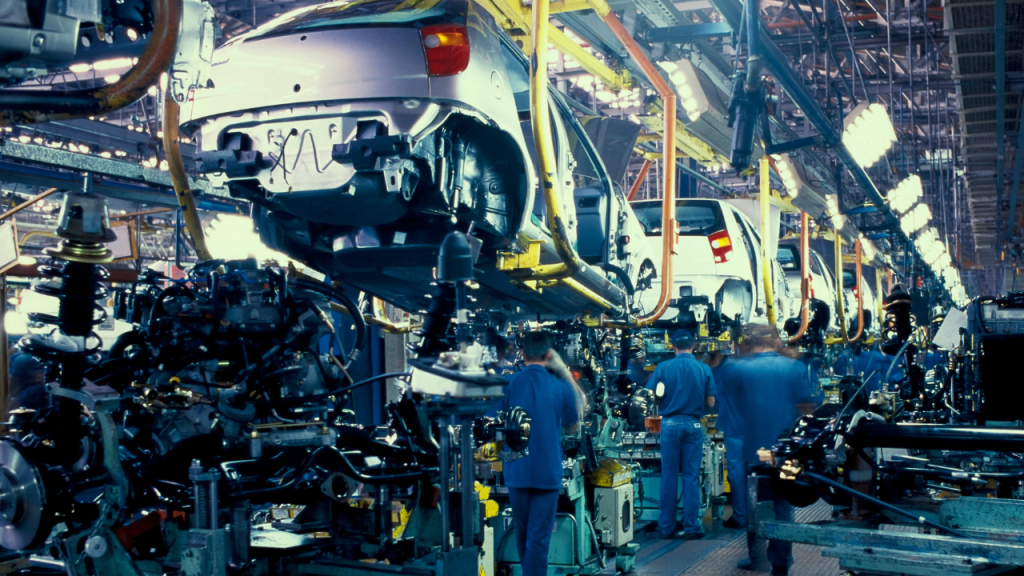
The automobile industry presents immense potential, particularly within automotive product manufacturing. The wide array of product categories you’ve highlighted covers a comprehensive spectrum, showcasing the diverse possibilities within the sector. Let’s break down the key product segments, explore production possibilities, and discuss strategic insights to capitalize on the growing opportunities in the automobile industry. Product-Level Opportunities Truck Body Manufacturing Manufacturing truck bodies, including chassis and structures, is a foundational segment. Tailoring designs based on regional needs through focused market research can offer a significant competitive edge. Truck Mud Flaps Mud flaps play a critical role in road safety by reducing the spread of debris. Offering various sizes, materials, and custom branding options can create product differentiation. Lithium-Ion Battery Assembly With the rise of electric vehicles (EVs), demand for efficient, long-lasting batteries continues to grow. Innovation in faster charging and slower discharge technologies will drive advancements in this sector. JCB Bucket Pins, Tooth Nuts, Bolts, and Pin Bushes These essential construction equipment components provide opportunities for both limited-run manufacturing and inventory-based business models, especially in infrastructure-heavy regions. Helmet Manufacturing Helmets are vital for road safety. Investing in innovative design, material strength, and safety certifications can result in recurring demand cycles and strong brand identity. Alloy Wheels for Two-Wheelers These enhance both the aesthetics and performance of bikes. Focusing on design, lightweight materials, and durability will appeal to a safety-conscious, style-driven market. Auto Piston Manufacturing Precision engineering and material integrity are crucial. There’s constant demand due to wear and tear in internal combustion engines, offering stable production opportunities. Brake Pads and Brake Shoes As key safety components, innovation around longevity and compatibility across multiple vehicle types will help penetrate the aftermarket replacement segment. Seaworthy Containers Containers are indispensable in global trade. Durable, weather-resistant containers with customizable sizes cater to the logistics and shipping industries. Visit this Page for More Information: Start a Business in Automotive Industry Truck Trailers (Sidewall, Flatbed, Bulker, Tip, Container) Modular design, robust construction, and load optimization features can help cater to logistics providers and fleet operators. Strategic Recommendations Market Research Thorough research helps identify demand-supply gaps, customer preferences, and competition. Tailoring offerings based on real insights leads to better market penetration. Sustainability Focus Incorporating sustainable materials and eco-friendly processes ensures regulatory compliance and positions the brand as environmentally responsible. Quality Control Consistent quality checks across the production cycle build customer trust, encourage repeat business, and fuel word-of-mouth referrals. Innovation and R&D Invest in research and development to remain competitive. Exploring AI, IoT, and smart manufacturing techniques enhances product performance and customer satisfaction. Strategic Business Planning Vision & Mission: Define a long-term vision supported by a mission that reflects core values such as innovation, safety, and customer focus. Business Model: Choose between B2B and B2C models and determine a pricing and distribution strategy accordingly. Target Market: Understand the needs and behaviors of target customers by region, age, and income. Product Development Cycle: Follow a robust cycle from idea generation to market launch, ensuring every phase includes customer feedback and prototyping. Design & Prototyping: Prioritize usability, aesthetics, safety, and manufacturing feasibility during the design stage. Supply Chain & Logistics Procurement: Partner with reliable suppliers to ensure quality materials at competitive costs. Production: Implement lean manufacturing to reduce waste and improve productivity. Logistics: Streamline delivery systems for speed, cost-efficiency, and low environmental impact. Quality & Compliance Certifications: Obtain industry-specific certifications to build credibility and enter new markets. Continuous Improvement: Utilize customer feedback to refine products and operations consistently. Marketing & Branding Brand Identity: Build a strong, consistent brand that resonates with your target market. Marketing Strategy: Use digital marketing, influencer partnerships, and trade shows to increase brand visibility. Customer Engagement: Foster community through social media, loyalty programs, and personalized outreach. Sales, CRM, and After-Sales Support Sales Strategy: Equip your sales team with tools and training for effective selling. Distribution: Choose the most efficient channels for product delivery. CRM Integration: Improve customer satisfaction and retention through robust CRM systems. After-Sales Support: Offer warranties, quick repairs, and proactive feedback mechanisms. Sustainability & Environmental Responsibility Eco-Friendly Practices: Adopt green manufacturing and reduce your carbon footprint. Waste Management: Implement efficient systems to handle production waste responsibly. Community Engagement: Support CSR initiatives to foster goodwill and brand loyalty. Read our Book Here: The Complete Book on Production of Automobile Components & Allied Products Innovation, R&D, and Tech Integration Product Innovation: Regularly upgrade existing products and develop new ones based on market demand. Technology Use: Leverage AI, ML, and IoT to improve operational efficiency and product intelligence. IP Protection: Safeguard innovations through patents, copyrights, and trademarks. Workforce Management Training & Development: Keep teams updated with modern tools and techniques. Employee Retention: Foster a positive work culture with clear growth opportunities. Global Expansion & Diversification International Strategy: Adapt products to meet international preferences and regulations. Market Entry Models: Choose from franchising, licensing, exporting, or local partnerships. Cultural Adaptation: Tailor products and marketing to fit regional customs and tastes. Risk Management Risk Assessment: Identify potential risks in finance, operations, and strategy. Contingency Planning: Prepare for business continuity with backup plans for key processes. Insurance: Secure coverage to mitigate liability and operational disruptions. E-Commerce and Digital Transformation Online Integration: Create user-friendly e-commerce platforms for direct-to-customer access. Digital Marketing: Boost sales using SEO, content marketing, paid ads, and influencer marketing. Data-Driven Decisions: Use analytics for better product development, inventory, and customer engagement. Customer Loyalty Programs CRM Strategies: Manage touchpoints and personalize communication. Loyalty Rewards: Incentivize repeat purchases with discounts, early access, or exclusive offers. Branding & Market Positioning Brand Development: Create a strong, memorable brand that communicates trust and performance. Strategic Positioning: Differentiate through quality, service, or innovation. Consistent Messaging: Maintain alignment across all customer communication channels. Conclusion: Unlocking the Future of the Automobile Industry The opportunities in the automobile industry are vast and rapidly expanding due to innovation, sustainability needs, and evolving consumer behaviors. Companies that invest in quality, R&D, and digital transformation while staying customer-centric will thrive in this competitive sector. Whether it’s vehicle parts, EV components, or
Adhesive Products Business Startup: Key Insights and Advice

The adhesive products business represents a dynamic and rapidly evolving sector driven by critical global trends such as sustainable development, accelerating industrialization, and expanding infrastructure projects. With applications spanning automotive, packaging, textiles, furniture, and construction industries, adhesives are fundamental to modern manufacturing and consumer markets. This article delivers a deep dive into the business potential of adhesive products, supported by detailed market insights, emerging trends, and investment opportunities that aspiring entrepreneurs and established manufacturers can leverage. The Expanding Scope of the Adhesive Products Industry Adhesive products encompass a broad range of formulations, from epoxy resins and acrylics to natural gum-based adhesives, each tailored to specialized industrial and consumer uses. The sector’s multi-industry applicability ensures steady demand, especially as urbanization fuels construction and manufacturing growth worldwide. Additionally, the rising emphasis on environmentally friendly and sustainable adhesives is reshaping product development and opening new market segments. Key Application Areas Driving Adhesive Demand Automotive Industry: Structural adhesives are replacing traditional mechanical fasteners to reduce vehicle weight and improve fuel efficiency. Packaging Sector: Growth in e-commerce and retail packaging fuels demand for pressure-sensitive tapes and water-based adhesives. Textile Printing: Innovative pigment binders enable vibrant and durable fabric designs aligning with fast-changing fashion trends. Furniture Manufacturing: Wood adhesives like urea formaldehyde resin are critical to meet rising furniture production due to urban housing developments. Visit this Page for More Information: Start a Business in Adhesives and Sealants Industry Top Adhesive Product Segments With Strong Growth Potential Epoxy Resin Based Primer (Putty) – Durability Meets Construction Demand Epoxy resin primers are prized for their exceptional hardness and chemical resistance, making them essential in marine, industrial coatings, and high-performance flooring. The booming construction sector’s shift towards quality and longevity is driving increased adoption of these primers over conventional options. Leather Binder (Resin-Based) – Tapping into the Global Leather Boom With the leather industry’s resurgence, especially in emerging markets, resin-based leather binders offer superior binding performance and sustainability compared to traditional chemical binders. Their use enhances leather durability and finishing, aligning with global sustainability standards. Pigment Binders for Textile Printing – Fashion Meets Technology The relentless demand for novel fabric prints requires advanced pigment binders that are compatible with state-of-the-art printing machinery. This segment benefits from continuous innovation, enabling sharper, more durable, and eco-conscious prints. BOPP Adhesive Tapes – The Packaging Powerhouse Bi-axially oriented polypropylene (BOPP) adhesive tapes are indispensable in modern packaging due to their strength, clarity, and resistance to environmental factors. The surge in packaged goods and logistics infrastructure underscores the growth prospects of this segment. Pressure Sensitive Acrylic Adhesives – Versatile and Reliable Acrylic-based adhesives for tapes, labels, and decals excel in adhesion strength and weather resistance. Their widespread application across sectors makes them an attractive area for product diversification. Natural Adhesives: Guar Gum and Tamarind Kernel Powder-Based Products Guar gum is a critical thickener in both food and hydraulic fracturing sectors, illustrating the cross-industry importance of natural adhesive components. Likewise, tamarind kernel powder-based adhesives for corrugated carton boxes cater to the expanding eco-friendly packaging market, offering biodegradable alternatives. In-Depth Market Analysis: Size, Trends, and Forecast The global adhesive market was valued at over $50 billion in 2019 and is projected to grow at a compound annual growth rate (CAGR) exceeding 5% through 2026. This growth is driven by: Increasing focus on sustainable adhesives aligned with global environmental regulations. Expanding industrial activities in Asia-Pacific, particularly China, India, and Japan. Advances in adhesive technology improving performance and eco-friendliness. The rise of green building codes mandating the use of low-VOC and bio-based adhesives. Regionally, the Asia-Pacific market dominates, supported by burgeoning manufacturing and construction sectors. Europe and North America follow closely, with Germany and the USA being major contributors due to automotive and infrastructure investments. Read our Book Here: Adhesives Formulary Handbook (Second Edition) Emerging Technologies and Innovations in Adhesive Manufacturing Nanotechnology Enhancements Integrating nanoparticles into adhesive formulations enhances thermal resistance, mechanical strength, and electrical conductivity. For example, silica nanoparticles in epoxy resins dramatically improve durability, offering competitive advantages in high-performance applications. Smart Adhesives Researchers are developing stimuli-responsive adhesives that change adhesion properties under light, temperature, or humidity, creating opportunities in electronics, healthcare, and automotive sectors. Bio-Based and Sustainable Adhesives The shift towards bio-based adhesives derived from algae, soy proteins, and lignin reflects the industry’s commitment to reducing environmental footprints and meeting stringent regulatory standards. Strategic Opportunities for Startups and Investors Invest in R&D: Continual innovation in formulation and application techniques is critical to maintaining a competitive edge. Focus on Sustainability: Developing eco-friendly adhesives will attract both regulators and environmentally conscious customers. Diversify Product Portfolio: Engage multiple adhesive types and applications to mitigate risks and capture wider market share. Expand Globally: Target emerging markets in Africa and Southeast Asia where industrialization is accelerating. Leverage Digital Marketing: Build brand awareness and educate customers on product benefits via targeted online campaigns. Challenges to Address in the Adhesive Business Raw Material Price Volatility: Fluctuating petroleum and natural resource prices impact synthetic adhesive costs. Environmental Regulations: Stricter controls on VOC emissions and waste management necessitate investment in green production processes. Resource Scarcity: The depletion of some natural raw materials demands innovation in alternative sourcing. Adhesive Manufacturing Process Overview Understanding the manufacturing process is essential to optimize product quality and operational efficiency: Raw Material Procurement: Selection of synthetic or natural feedstocks based on product requirements. Chemical Synthesis: Polymerization and chemical reactions tailored for adhesive formulation. Formulation: Incorporation of additives and fillers to impart desired properties such as viscosity, curing time, and adhesion strength. Packaging: Packaging in formats suitable for distribution, including tapes, putties, powders, and liquid forms. Conclusion: Why the Adhesive Products Business is Poised for Growth The adhesive products business stands at the confluence of technological innovation, sustainability imperatives, and expanding industrial demand. With diversified applications from packaging to automotive, and a growing emphasis on eco-friendly solutions, the sector offers immense opportunities for investors and entrepreneurs ready to innovate and scale. The ability to adapt to evolving market trends and regulatory landscapes will define the leaders in this vibrant industry.
Acrylonitrile Butadiene Styrene(ABS) Market

Acrylonitrile Butadiene Styrene (ABS) is a ubiquitous polycarbonate polymer found in various day-to-day products such as LEGO blocks or automobile parts. Its outstanding toughness, ease of processing, and ability to be recycled make it an attractive option for manufacturers. Also, this short paper will review the usefulness and financial viability of abdominal manufacturing and make an argument for investment in this area. Arylonitrile Butadiene Styrene Market Size and Share The global abdominal market is trending upwards. Momentum built from demand for sectors such as automotive, electronic devices, and consumer durables, suggests an expanding abdominal market size in the coming years. The Asia-Pacific region, led by rapid automation in countries like China and India, holds the largest market share. In addition, as sustainability becomes a focal point, ABDOMINAL MUSCLE, as a recyclable product, will have a leading position relative to other polymers. Patterns and Analysis Sustainability: Sustainability: As noted, the recyclability of abdominal muscle gives it an advantage on the sustainability spectrum. In additon, demand for green products will serve to enhance Arylonitrile Butadiene Styrene market presence. Electronics Boom: The electronics industry, particularly smartphones and additional consumer electronic devices, continue to use ABDOMINALS as a preferred material because of dimensional stability and electrical insulation properties. SWOT Evaluation Strengths: Strengths: Durability; flexibility; recycled nature. Weaknesses: Production is driven by petrochemicals; raw material supplies costs can fluctuate. Opportunities: Increasing need in emerging markets; innovation in ABS blends. Threats: Government regulations change; competition from alternative polymers. Profitability Evaluation Profitability in ABS will rest upon economies of scale, an understanding of efficient supply chain management, and advancing production technologies. Moreover, Margins can be increased based upon using emerging markets, securing raw material purchases, and introducing process advancements. Worldwide Expansion and Localization While the ABDOMINAL market is global, localized aspects in markets likely exist. Customizing manufacturing processes to address regional differences in demand, using a local workforce, and being sensitive to local regulatory considerations can make the difference between success and mediocrity. Supply Chain A strong supply chain is vital. Raw materials such as propylene, butadiene, and acrylonitrile come from the petrochemical industry. Sufficient raw materials will buffer the manufacturer from emerging price fluctuations. A defined distribution network will also help guarantee the product is shipped globally. Branding and Advertising Important to building a strong Acrylonitrile Butadiene Styrene brand is an emphasis on product quality, sustainability, and technology. Also, manufacturers can boost the strength of their brand by displaying the quality of their ABS, the sustainability of the product, and promoting new innovations within the R&D processes. Regulative Changes and Sector Compliance Rules Rules, especially regarding the environment, are getting more stringent. Manufacturers need to comply with global standards to ensure their Acrylonitrile Butadiene Styrene is compliant and sustainable. Technical Innovation The future lies in ABS blends and composites with superior properties. Investment in R&D can lead to new ABS variants with enhanced resistance to heat, durability, or even biocompatibility. Rival Analysis Against other polymers, especially polystyrene and polypropylene, Arylonitrile Butadiene Styrene is a popular polymer, but it does have competition. To remain competitive, you will need to fully understand those products and continue to iterate on ABS properties to stay ahead. Visit this Page for More Information:Start a Business in Plastics and Polymers Industry Future Opportunities Applications Beyond Mainstream Uses Apart from the highly popular applications, ABS has the potential for a wide range of uses. One area being explored is the medical market, as the elastomer is highly biocompatible and suitable for medical devices, and possibly some dental implants. In addition to its biocompatibility, ABS’s durability also makes it a strong candidate for aerospace or mechanical applications involving high stress. Integration with Nanotechnology ABS, when combined with nanotechnology, can exhibit even greater mechanical, thermal, and electrical properties. A nanocomposite of Arylonitrile Butadiene Styrene with various nano-fillers such as carbon nanotubes or graphene can result in ABS with superior properties compared to conventional ABS, opening new opportunities for market applications. Sustainability and Environmental Issues The manufacturing of Acrylonitrile Butadiene Styrene typically relies on petrochemical resources. With increasing concerns about fossil fuel consumption and emissions, there has been a shift towards bio-based routes to produce ABS. Research into bio-based feedstocks, such as bio-based nitriles, could significantly reduce the environmental impact of ABS. This also presents a marketing opportunity, especially considering the inevitable depletion of fossil fuel reserves and the market volatility of their availability and pricing. Custom and 3D Printed Products The combination of 3D printing and the versatility of ABS has disrupted traditional manufacturing processes. Industries ranging from automotive to fashion have embraced this new product offering, utilizing ABS in conjunction with 3D printing. Regional Market Analysis North America: North America remains the largest market, with a strong history in the automotive and electronics industries. The future market profile may focus less on volume growth and more on value and differentiated applications of ABS material. Partnerships play an increasingly important role in the global ABS landscape. Collaborations with raw material suppliers ensure a reliable supply of feedstocks, while partnerships in technology are crucial for innovation. Additionally, partnerships in regional markets help in understanding local customs, mitigating risks, and tailoring offerings to meet local preferences. Risk Management The ABS supply chain faces several risks, including: Price Volatility: As Acrylonitrile Butadiene Styrene raw materials are sourced from petrochemicals, price fluctuations in oil can significantly affect profitability. Environmental Concerns: Improper disposal or recycling of Acrylonitrile Butadiene Styrene can harm the environment. Also, negative press on environmental issues can also impact consumer confidence. Competition from Innovators: With the constant development of new materials, ABS producers must stay competitive to maintain their market position. Also Rad: Setting up a Plastics Material and Resin Manufacturing Business User Behavior and Brand Loyalty Consumer behavior in an evolving market is critical. Modern customers are informed, environmentally conscious, and value quality. Brands that align with market trends, focus on after-sales service, environmental responsibility, and uphold corporate values will build a loyal customer base and gain a dominant position in the market. Investment in ABS
Business Opportunities in Automobile Industry

Visit this Page for More Information: Start a Business in Automotive Industry Suggested Recommendations: Market Research: Complete a thorough market study to understand current demands, market gaps, and competitors. Sustainability: Focus on sustainable production processes and materials due to global sustainability concerns. Collaborate: Work with large-scale automobile companies and distributors to secure a steady client base. Quality Control: Maintain rigorous quality control to gain and establish trust with customers, leading to return clientele and referrals. Constantly Innovate: Invest in research and development to stay ahead of trends and technology. Strategic Planning: Vision: The vision should paint a picture of where the organization would like to see itself in the future. Mission: The mission should highlight the organization’s values, its focus on quality, creativity, and innovation. Business Model: Identify if you will follow a B2B or B2C model. Establish your pricing structure and product distribution method. Target Market: Identifying your target market requires knowing client needs, preferences, and buying behaviors, which differ by region, age, and income. Product Development: Product development involves multiple stages: idea generation, concept development, product design, prototyping, product testing, product launch, and final production. Developing a product involves multiple stages, including idea generation, concept development, design, prototype development, testing, and final production. Product Development Innovation: Continual innovation is necessary to remain competitive. Look for new materials and manufacturing processes to improve product use and sustainability. Design: The design phase involves creating specifications and prototypes, considering aesthetics, functionality, safety, and production costs. Prototyping and Testing: Obtaining a prototype and subjecting it to rigorous testing ensures that the product meets quality and safety standards. Supply Chain Management Procurement: Establish relationships with trustworthy suppliers for high-quality materials at competitive prices. Production: Organize production efficiently to reduce waste and control costs. Lean manufacturing principles can maximize productivity. Logistics: Establish superior logistics for timely deliveries and minimized transportation costs. Quality and Compliance Quality Assurance: Apply quality control mechanisms at each production phase to meet industry benchmarks. Certifications and Compliance: Securing appropriate certifications increases the company’s investment risk and ability to create value. Continuous Improvement: Promote continuous improvement to enhance product quality and daily operations over time. Related Feasibility Study Reports: Automobile Industry Marketing and Branding Brand Identity: Create a brand identity that represents the company and resonates with the target audience. Strategizing Marketing: Develop a marketing strategy that speaks to the target audience and utilizes social, digital, and public relations mediums. Customer Engagement Engage with customers through social media to create brand loyalty and generate positive word of mouth. Sales and Distribution Sales Strategy: Develop a sales strategy that includes training representatives, setting targets, and rewarding performance. Distribution Channels: Use the most effective distribution channels to reach your target audience and optimize the supply chain. Customer Relationship Management (CRM) Implementing CRM can help manage customer touchpoints, increasing customer satisfaction and retention. Customer Service and After-Sales Support Service Excellence: Providing quality customer service is key to long-term relationships and customer retention. Warranty and Repairs: Offering warranties and repairs promotes customer confidence. Feedback Management Actively seeking and addressing customer feedback can help in identifying areas for improvement and enhancing overall customer experience. Sustainability and Environmental Responsibility Eco-Friendly Materials: Using environmentally friendly materials reduces the environmental footprint. Energy Efficient Processes: Implementing energy-efficient manufacturing processes reduces the carbon footprint. Waste Management Developing effective waste management strategies can minimize environmental harm and contribute to corporate social responsibility initiatives. Technological Advancement and Research Development Ongoing research, innovation, and integration of technologies like AI and IoT are critical for success in the competitive automobile market. Research and Development (R&D) A continuous investment in R&D is essential for developing innovative products and solutions, optimizing existing processes, and improving product efficiency and durability. Technological Integration integrating cutting-edge technologies such as Artificial Intelligence, Machine Learning, and Internet of Things can significantly enhance product quality, operational efficiency, and customer satisfaction. Intellectual Property Protecting innovations through patents, trademarks, and copyrights is crucial to safeguard business interests and foster a culture of innovation. Market Trends and Consumer Behavior Understanding market trends and consumer behavior is critical for offering products that align with consumer needs. Market Analysis Regularly analyzing market trends, consumer preferences, and competitive landscape can provide insights into emerging opportunities and potential threats. Consumer Insight Gathering and analyzing consumer feedback, preferences, and buying behaviors can help in refining products, services, and marketing strategies. Trend Adaptation Adapting to changing consumer preferences and market trends is vital to maintaining relevance and achieving long-term success. Skill Development and Workforce Management A skilled workforce is the backbone of any successful manufacturing business in the automobile products industry. Training and Development: Ongoing training can develop employee skills and enhance productivity. Workforce Management: Effective workforce management involves proper staffing, scheduling, and communication. Employee Retention Implementing employee-friendly policies, fostering a positive work culture, and providing growth opportunities can help in retaining talent and reducing turnover. Global Expansion and Market Diversification Expanding globally and diversifying markets can alleviate risks and enhance profitability. International Market Analysis Analyzing international markets involves understanding local demands, preferences, regulations, and competitive landscapes to formulate effective entry strategies. Market Entry Strategies Selecting the right market entry strategy, whether through exporting, licensing, franchising, or establishing local subsidiaries, is crucial to international success. Cultural Adaptation adapting products, services, and marketing strategies to local cultures, tastes, and preferences is essential for international acceptance and success. Risk Management and Contingency Planning Identifying, assessing, and mitigating risks is critical to ensuring business continuity and achieving long-term sustainability. Risk Assessment: Assess operational, financial, and strategic risks to create mitigation strategies. Contingency Planning: Prepare plans for various risk scenarios to ensure continuity during unforeseen events. Insurance and Liability Management Adequate insurance coverage and effective liability management are crucial to protecting business interests and ensuring financial stability. Customer-Centric Innovation and Design Thinking Adopting design thinking can help businesses create innovative, user-friendly products. User-Centric Design Designing products with a focus on user needs, preferences, and experiences can enhance product appeal and customer satisfaction. Customer Feedback and Co-Creation Actively seeking customer feedback and involving them in