
If Your Penny Ends in 7… You’re Holding Life-Changing Money
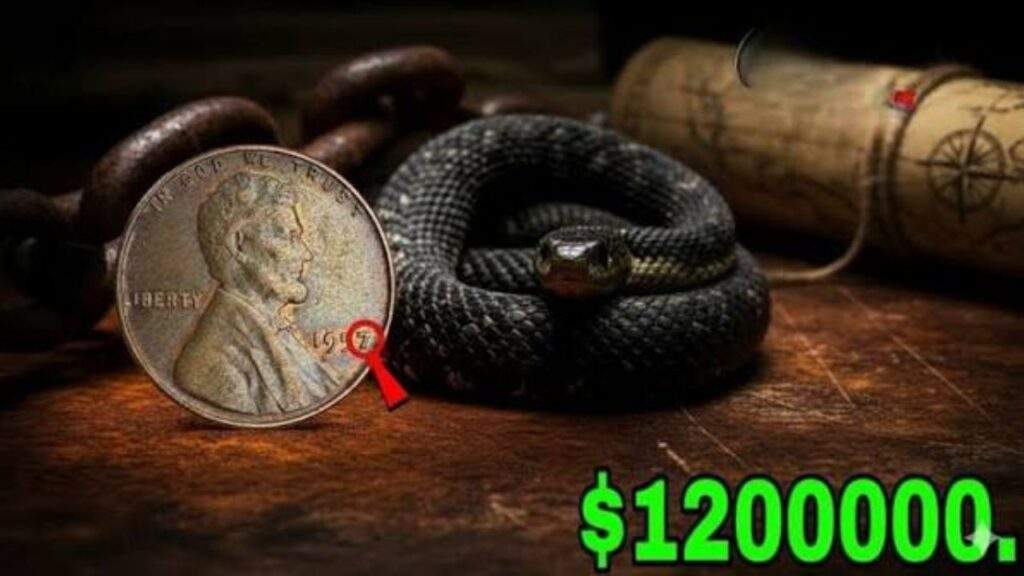
Finding an old penny with a date ending in 7 can be exciting, but the final digit alone does not make a coin rare. Some 1937, 1947, and 1957 Lincoln Wheat cents have brought strong prices at auction, especially when they are in exceptional condition or have a recognized variety. Before spending or selling an old penny, check the complete date, mint mark, condition, and any unusual design details. One small difference can sometimes turn an ordinary Wheat penny into a valuable collector coin. Why Pennies Ending in 7 Get Attention Lincoln Wheat cents were made from 1909 through 1958. They show Abraham Lincoln on the front and two wheat ears on the back. Because millions of these coins were produced, most pennies ending in 7 are not rare simply because of their date. The important point is that some individual coins from these years survived in unusually good condition. Others have proof finishes or recognized varieties that collectors actively seek. For example, PCGS records a $21,600 auction result for a 1947 Lincoln cent graded MS67+RD. A 1957 Lincoln cent graded MS67+RD has reached $20,400, while a 1937 proof Lincoln cent has recorded a $13,225 auction result. These are exceptional examples, not normal values for circulated pennies. 1. 1937 Lincoln Wheat Penny A 1937 Lincoln Wheat penny can be worth more than face value, but its condition is extremely important. The Philadelphia issue was made in large numbers, so a normal worn 1937 penny is not automatically a rare coin. The real excitement comes when a 1937 penny has unusually strong original detail or belongs to a special proof issue. PCGS records a $13,225 auction result for a 1937 proof Lincoln cent graded PR67. Proof coins were specially made for collectors and have a different appearance from ordinary coins made for circulation. A proof 1937 penny should therefore not be confused with a regular 1937 cent simply because both have the same year. If you find a 1937 penny, look carefully at its surfaces and details. Do not clean it to make it brighter. Cleaning can damage the original surface and hurt its collector appeal. 2. 1947 Lincoln Wheat Penny The 1947 Lincoln Wheat penny is another date worth checking, especially when the coin is in very high grade. The Philadelphia 1947 cent had a large mintage, so most worn examples are not worth huge amounts. However, exceptional examples can bring much higher prices because collectors compete for coins with strong color and very few marks. PCGS records a $21,600 auction result for a 1947 Lincoln cent graded MS67+RD. The “RD” designation means the coin retained its original red color to a very high degree. That is a major reason why a top-quality example can be worth far more than an ordinary circulated penny. There is also a recognized doubled-die obverse variety for 1947. A genuine doubled-die coin can be worth more than a normal example, although the exact value depends on grade and color. PCGS records a $3,055 auction result for a 1947 doubled-die obverse example graded MS67RD. 3. 1957 Lincoln Wheat Penny The 1957 penny is especially interesting because it was one of the final years of the Wheat cent series. Millions were made, so an ordinary circulated 1957 penny is not automatically rare. Condition is where things become more interesting. A 1957 Philadelphia cent in an extremely high grade and with strong original red color can be worth thousands of dollars. PCGS records a $20,400 auction result for a 1957 Lincoln cent graded MS67+RD. This shows how much collectors can pay for an unusually well-preserved example. There were also 1957 proof cents made at Philadelphia. A 1957 proof cent with a deep cameo finish has a recorded auction result of $29,375 in PR68DCAM. Again, this is an exceptional proof coin and should not be confused with an ordinary 1957 penny found in circulation. The 1957-D penny is much more common. NGC lists a mintage of more than 1 billion for the Denver issue, which is a good reminder that the year alone does not determine rarity. 4. 1947 Doubled-Die Lincoln Penny If your 1947 penny ends in 7, one of the most interesting things to check is whether it has a genuine doubled-die variety. A doubled die happens when the design on the working die is created with a noticeable doubling effect. This is different from ordinary damage, machine doubling, or a scratch made after the coin left the Mint. The 1947 Lincoln cent has a recognized doubled-die obverse variety. PCGS lists the variety as 1947 1C DDO, FS-101. A high-grade red example has reached $3,055 at auction. Because doubling can be difficult to identify from a quick glance, collectors should be careful before assuming a coin is a valuable error. A genuine variety needs to match the known characteristics of that particular die variety. What a Penny Ending in 7 Could Be Worth The following examples show why the complete identity and condition of a coin matter more than the final digit of its date. Penny Special Feature Recorded Auction Result 1937 Lincoln cent Proof, PR67 $13,225 1947 Lincoln cent MS67+RD $21,600 1947 Lincoln cent Doubled-die obverse, MS67RD $3,055 1957 Lincoln cent MS67+RD $20,400 1957 Lincoln cent Proof, PR68DCAM $29,375 These are documented auction results for specific high-grade coins. They should not be used as the expected value of every 1937, 1947, or 1957 penny. A worn example can be worth dramatically less. What You Should Check on Your Penny Start by reading the entire date instead of focusing only on the final 7. A coin ending in 7 could be from many different years, and each year has its own level of collector interest. Next, check whether there is a mint mark below the date on the front. Some Lincoln cents were made at Philadelphia without a mint mark, while others were produced at Denver or San Francisco and carry their respective mint marks. Then examine the coin under good light. Look for strong
Top 4 Most Valuable Buffalo Nickels That Can Make You Rich
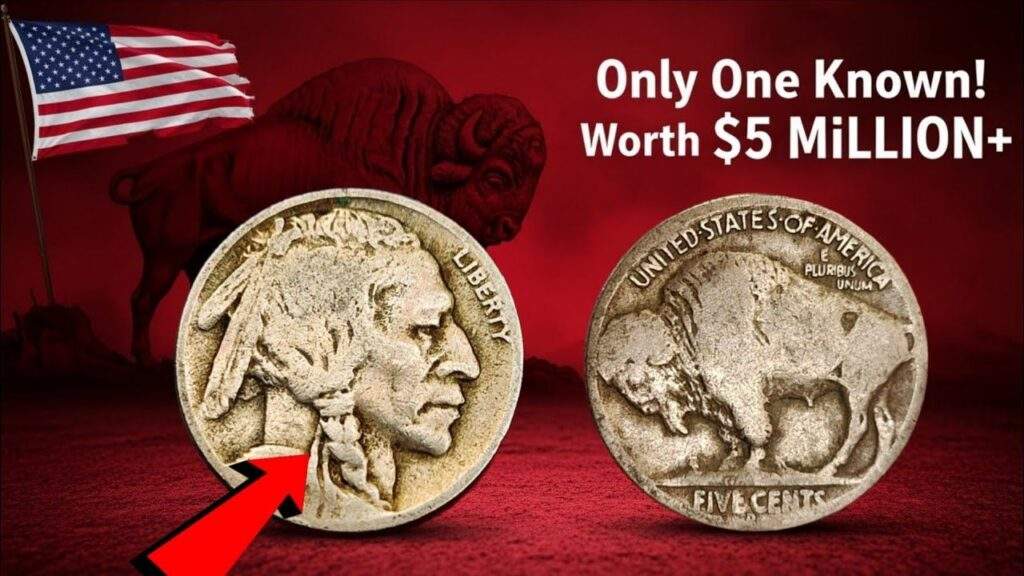
Buffalo nickels are some of the most popular old U.S. coins among collectors. Most are worth more than their original five-cent value, but a few rare dates and unusual varieties can be worth hundreds, thousands, or even much more in the right condition. If you have old coins sitting in a drawer, collection, or inherited coin box, these four Buffalo nickels are worth checking carefully. The date, mint mark, condition, and small design details can make a huge difference in value. 1. 1918/7-D Buffalo Nickel The 1918/7-D Buffalo nickel is one of the most important rarities in the entire Buffalo nickel series. The coin is called an “overdate” because the 1918 date was made over a 1917 date. Small parts of the earlier 7 can be seen beneath the 8 on genuine examples. This coin was struck at the Denver Mint, which is shown by the small “D” mint mark on the reverse side. It is especially valuable because very few examples are known compared with ordinary Buffalo nickels. The value can rise sharply when the coin has strong details and has been preserved in uncirculated condition. Professional grading can also make a major difference because collectors want to know that an expensive example is genuine. PCGS lists an auction record of $350,750 for a 1918/7-D Buffalo nickel, while its current price guide also shows thousands of dollars for high-grade examples. Those figures are for exceptional coins, not every 1918/7-D nickel. One important warning is that this coin is often altered or counterfeited. Some fake examples have had the date changed or a mint mark added to make an ordinary coin look rare. Because of this, an apparent 1918/7-D should not be cleaned, scratched, or altered. A valuable-looking example should be checked by a trusted coin grading service. 2. 1926-S Buffalo Nickel The 1926-S Buffalo nickel is another major key date. The “S” means it was produced at the San Francisco Mint. San Francisco Buffalo nickels from this period can be difficult to find, especially in high grades. The 1926-S is important because the coin is scarce in better condition. Many Buffalo nickels spent years in circulation, and the soft details of the design often became worn. A coin with a clear date, strong design details, and little wear can therefore be much more desirable to collectors. The difference between an ordinary worn 1926-S and a high-grade example can be dramatic. PCGS records an auction high of $322,000 for a 1926-S Buffalo nickel in an exceptional mint-state grade. That does not mean every 1926-S is worth anything close to that amount. Most examples are worth far less, with condition playing a major role. When checking one, look closely at the date and the small “S” mint mark on the reverse. Do not assume that an old Buffalo nickel is valuable simply because it is from 1926. The coin must be examined for condition and authenticity before its true value can be estimated. 3. 1937-D Three-Legged Buffalo Nickel The 1937-D three-legged Buffalo nickel is probably the most famous unusual Buffalo nickel. It was made at the Denver Mint and is known for a buffalo that appears to have only three legs. This unusual appearance was caused by excessive polishing of the coin die. The polishing removed part of one of the buffalo’s legs, creating the famous three-legged appearance. The variety became highly popular with collectors. Because genuine examples are scarce and widely recognized, they can sell for much more than a normal 1937-D Buffalo nickel. PCGS records an auction price of $99,875 for a 1937-D three-legged Buffalo nickel. Its price guide also shows substantially higher values for this variety than for a normal 1937-D coin. However, this is another coin that needs careful examination. People have tried to alter ordinary Buffalo nickels to make them look like three-legged varieties. A genuine example has specific design characteristics that experts use to identify it. If you think you have one, avoid cleaning it or trying to remove part of the leg yourself. A professional examination is much safer than attempting to create or improve the variety. 4. 1913-S Type 2 Buffalo Nickel The 1913-S Type 2 Buffalo nickel is one of the major regular-issue key dates in the series. It was made at the San Francisco Mint during the first year of Buffalo nickel production. The Buffalo nickel had two major designs in 1913. The Type 1 design placed the words “FIVE CENTS” on raised ground, while the Type 2 design moved the denomination into a recessed area below the buffalo. The change was made because the original lettering could wear away too quickly. The 1913-S Type 2 is especially desirable because relatively few high-quality examples are available. Professional coin guides identify it as one of the key dates of the Buffalo nickel series. PCGS records an auction high of $84,000 for a 1913-S Type 2 in mint state. Its price guide also shows that values increase substantially as the grade improves. A worn example may still have collector value, but a sharply detailed coin in excellent condition can be much more valuable. This is why the condition of the coin should always be considered along with its date and mint mark. How Much Can These Buffalo Nickels Be Worth? There is no single price for any of these coins. Two Buffalo nickels with the same date can have very different values because one may be heavily worn while the other is nearly uncirculated. Here is a simple comparison using recorded auction highs and current price-guide information for higher-grade examples: Buffalo Nickel What Makes It Special Recorded Auction High 1918/7-D Overdate variety $350,750 1926-S Scarce San Francisco issue $322,000 1937-D Three-Legged Famous three-legged variety $99,875 1913-S Type 2 Important early key date $84,000 These are exceptional auction results and should not be treated as normal selling prices. The actual value of a coin depends on its grade, surface quality, strike, color, damage, authenticity, and demand at the time it is sold. What
NEW 2026 Audi Q5 Sportback S line – Interior and Exterior Walkaround
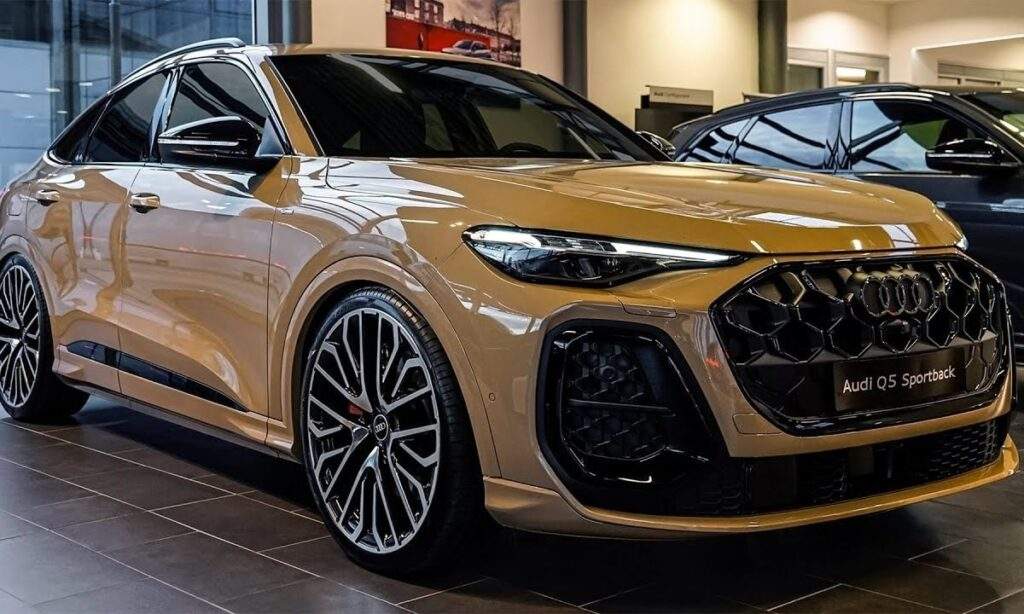
The latest Audi Q5 Sportback S line for 2026 brings a sharper design and a more refined cabin, blending everyday practicality with coupe-like styling. This walkaround takes a closer look at how Audi has refreshed both the exterior and interior to keep the model competitive in the premium midsize SUV segment. A Sportier First Impression on the Outside From the first glance, the 2026 Q5 Sportback S line looks more confident and athletic. Audi has focused on subtle but effective design tweaks that enhance the vehicle’s road presence without sacrificing its premium appeal. The flowing roofline remains the key visual signature, while updated detailing gives the SUV a more modern edge. Key exterior highlights Inside the Cabin: Premium Meets Practical Stepping inside the 2026 Q5 Sportback S line, the focus clearly shifts to comfort, technology, and build quality. Audi continues to prioritize a driver-oriented layout, with clean lines and high-grade materials that feel solid and well-finished. The cabin strikes a balance between sportiness and everyday usability. Interior features that stand out Technology and Daily Usability Beyond design, the 2026 Q5 Sportback S line aims to make daily driving easier and more enjoyable. Controls are placed intuitively, and the infotainment system is designed to be responsive without overwhelming the driver. Storage spaces remain practical, even with the sloping roofline, making the vehicle suitable for both city use and longer journeys. Ride Comfort and Overall Character While the S line package adds a sportier visual edge, the Q5 Sportback still maintains the comfort expected from a luxury SUV. The suspension setup is tuned to handle everyday roads smoothly while offering enough firmness to match the vehicle’s athletic appearance. This balance is likely to appeal to buyers who want style without sacrificing comfort. Final Thoughts The NEW 2026 Audi Q5 Sportback S line builds on an already popular formula by refining design details and elevating interior quality. It delivers a stronger visual identity, a more engaging cabin, and the same practical versatility that has made the Q5 nameplate successful. For drivers looking for a premium SUV with a sporty twist, this updated Sportback makes a compelling case. FAQs What is new in the 2026 Audi Q5 Sportback S line? The 2026 update focuses on refreshed exterior styling, updated lighting, new wheel designs, and interior refinements that enhance comfort and visual appeal. Does the Sportback design reduce interior space? The sloping roofline slightly affects rear headroom, but overall cabin space remains practical for daily use and family needs. Is the S line package only cosmetic? While mainly focused on design and interior upgrades, the S line also adds sport-oriented elements that enhance the overall driving feel. How does the interior differ from the standard Q5? The S line interior features sport seats, unique trim elements, and a more dynamic design compared to the standard version. Who should consider the Q5 Sportback S line? It is ideal for buyers who want the practicality of a midsize SUV combined with a more stylish, coupe-inspired look.
2026 Mercedes-Benz GLE-Class – Luxury Without Drama!
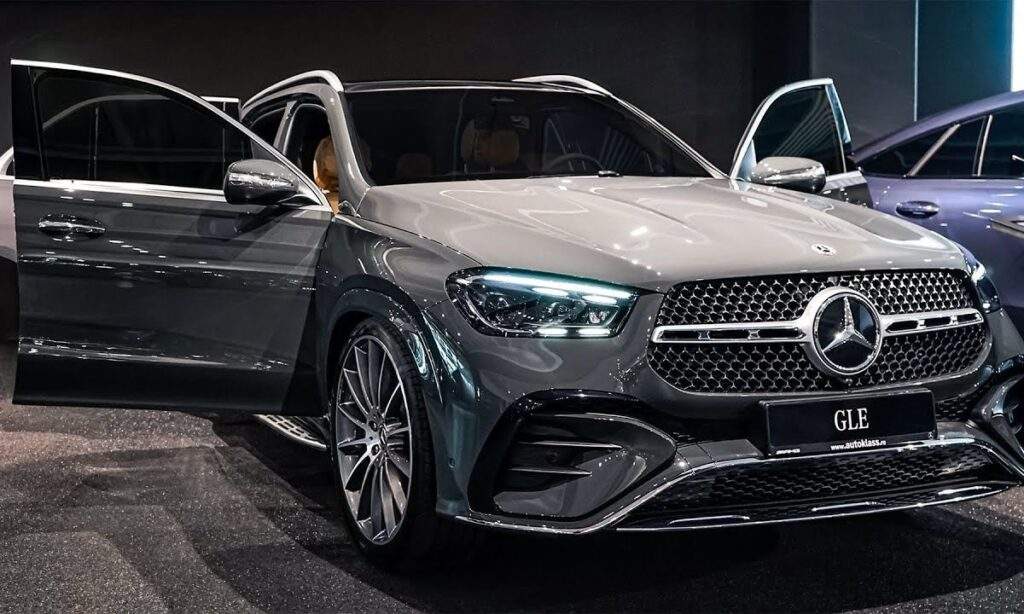
The 2026 Mercedes-Benz GLE-Class arrives with a calm sense of confidence, focusing on refinement rather than flashy reinvention. It is a luxury SUV designed for buyers who value comfort, technology, and everyday usability without unnecessary drama. A Familiar Shape With Subtle Refinement Mercedes-Benz has chosen evolution over revolution for the 2026 GLE-Class, keeping its recognizable silhouette while sharpening the details. The front fascia looks cleaner and more composed, with mild updates that give the SUV a fresher road presence without drawing too much attention. At the rear, small design tweaks help modernize the look while staying true to the GLE’s premium character. This approach ensures the SUV feels current without alienating long-time fans of the nameplate. Interior Focused on Comfort and Calm Inside the cabin, the GLE-Class continues to emphasize quiet luxury and thoughtful ergonomics. Materials feel carefully selected, with soft-touch surfaces and refined trims that enhance the sense of quality. The dashboard layout remains driver-friendly, with controls placed intuitively to reduce distraction. Seating comfort is a major highlight, making the SUV equally suited for daily commutes and long highway drives. Technology That Works Without Overwhelming Mercedes-Benz has refined the technology experience rather than reinventing it. The infotainment system feels smoother and more responsive, while digital displays are clear and easy to read. Driver assistance features operate subtly in the background, supporting the driver instead of interrupting the experience. The result is technology that feels helpful and polished rather than complex or intrusive. What Defines the 2026 GLE-Class Experience Driving Character Built for Everyday Luxury On the road, the 2026 GLE-Class prioritizes smoothness and stability. Suspension tuning favors comfort, absorbing road imperfections with ease while maintaining controlled handling. Steering is predictable and light, making the SUV easy to maneuver in both city traffic and open highways. This driving character aligns perfectly with the GLE’s mission as a luxury vehicle meant to reduce stress rather than amplify excitement. Why “Luxury Without Drama” Fits Perfectly Final Thoughts The 2026 Mercedes-Benz GLE-Class proves that luxury does not need to shout to be noticed. By focusing on refinement, comfort, and usability, Mercedes-Benz has created an SUV that feels confident in its identity. It is a vehicle for buyers who appreciate premium quality delivered in a calm, composed package that fits seamlessly into everyday life.
The Most Over-Engineered SUV Ever Built! BYD YangWang U8L
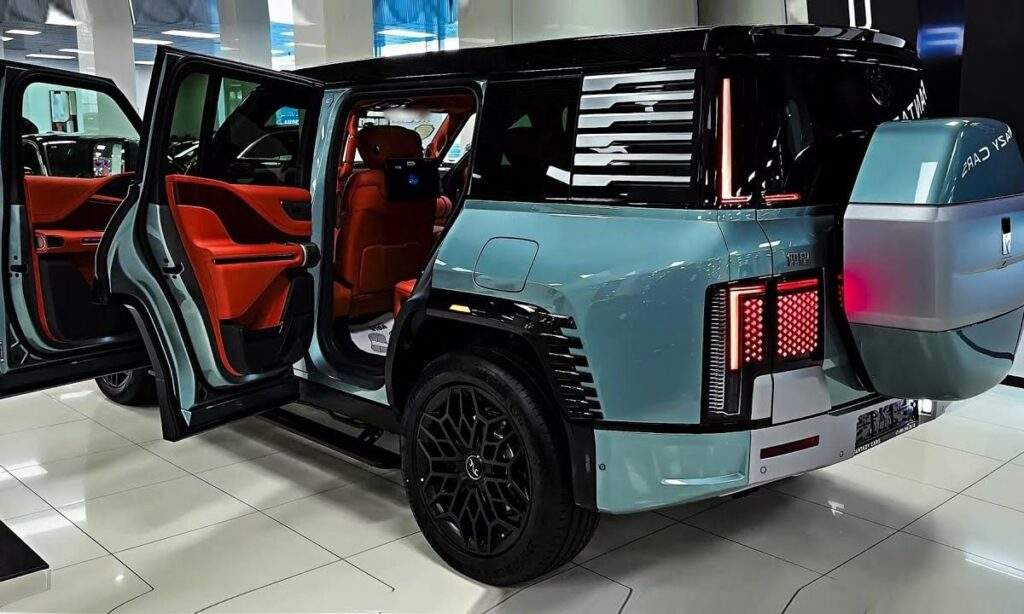
The idea of an over-engineered SUV usually sounds like marketing hype, but the BYD YangWang U8L turns that phrase into something very real. Designed to push limits rather than follow trends, this flagship SUV blends extreme engineering with luxury in a way few vehicles dare to attempt. From its imposing stance to its technology-packed core, the U8L is not built to be subtle. It is built to prove a point about what is possible when cost, complexity, and ambition are pushed far beyond the norm. A Bold Statement in SUV Design The YangWang U8L immediately sets itself apart with a design that feels more armored than automotive. Its boxy proportions, tall ride height, and muscular body panels signal strength and capability before the engine even starts. This is not a soft luxury SUV chasing elegance, but a machine that wears its toughness proudly. Despite the aggressive look, the exterior is carefully detailed with premium finishes and sharp lighting elements. The result is a vehicle that looks equally at home outside a luxury hotel or deep in challenging terrain. Engineering Taken to the Extreme What truly defines the U8L is the philosophy behind its engineering. This SUV is built with systems that go far beyond what most drivers will ever need, yet that excess is exactly the point. This level of engineering reflects a mindset that prioritizes capability first, then layers luxury on top. Luxury Meets High-Tech Control Inside, the YangWang U8L shifts from rugged to refined without losing its identity. The cabin is filled with premium materials, large digital displays, and a layout that emphasizes both driver control and passenger comfort. Technology is not added for show but integrated to support the vehicle’s complex systems. The interior experience reinforces the idea that this SUV is engineered for extremes without sacrificing everyday usability. Built for More Than Just Roads While many luxury SUVs focus mainly on city driving, the U8L is clearly designed with challenging environments in mind. Its size, power delivery, and control systems suggest serious off-road intent, even if most owners never test those limits. At the same time, the SUV remains composed on paved roads, proving that over-engineering does not automatically mean compromise. Instead, it offers confidence in almost any situation. Why the U8L Stands Apart The YangWang U8L is not about chasing mass appeal. It represents BYD’s willingness to experiment at the highest level and showcase what its engineering teams can achieve. This SUV feels more like a rolling technology statement than a conventional product. By combining extreme capability with luxury and advanced systems, it challenges traditional ideas of what a premium SUV should be. Final Report The BYD YangWang U8L earns its reputation as one of the most over-engineered SUVs ever built by refusing to play it safe. It is bold, complex, and unapologetically ambitious. For those who value engineering excellence and technological daring, the U8L is less about practicality and more about possibility. FAQs What makes the BYD YangWang U8L over-engineered compared to other SUVs? The U8L uses advanced systems and engineering solutions that go beyond typical luxury or off-road needs, focusing on maximum capability and control. Is the YangWang U8L designed mainly for off-road use? While it has serious off-road engineering, it is designed to perform comfortably on regular roads as well. Does the U8L focus more on luxury or performance? The vehicle balances both, combining high-end interior comfort with extreme performance-focused engineering. Is the BYD YangWang U8L meant for everyday driving? It can be used daily, but its true appeal lies in its advanced engineering and ability to handle demanding conditions. How does the U8L differ from other luxury SUVs? Unlike many competitors, it prioritizes engineering depth and technical capability over minimalism or purely comfort-focused design.
1999-P Susan B. Anthony Liberty One Dollar Coin: One of the Most Valuable Old Modern Coins
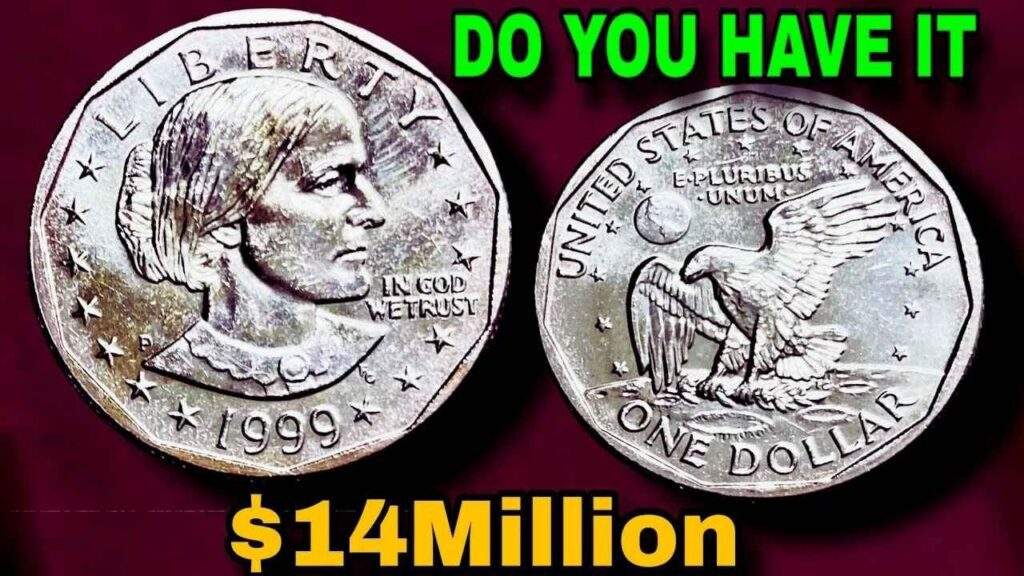
The 1999-P Susan B. Anthony Liberty Dollar has become one of the most surprising modern coins in American collecting. While millions of people used this dollar coin in everyday life during the late 1990s, collectors now see it as a valuable piece of U.S. history. Its low mintage, sharp design, and limited final-year release make it stand out among modern circulating coins. A Coin That Marked the End of an Era The 1999-P Susan B. Anthony Dollar was produced during the last year of the series. The U.S. Mint originally stopped making the coin in 1981, but demand for dollar coins suddenly returned, leading to a one-year comeback in 1999. This gave the 1999-P issue an important place in history, as it became the final chapter before the new golden Sacagawea Dollar arrived in 2000. The 1999-P has become a favorite among collectors who appreciate coins that mark transitions in American currency. Why This Coin Became So Valuable Unlike earlier years, the 1999-P Anthony Dollar had a much lower mintage. With fewer coins entering circulation, it quickly became harder to find. Collectors realized that high-grade versions of this coin are extremely rare and often bring impressive prices at auctions. Many people who saved these coins in bank rolls or change jars later discovered they were holding a hidden treasure. The limited production has made the 1999-P one of the most sought-after modern dollar coins. Design That Honors a Trailblazer The Susan B. Anthony Dollar was the first U.S. coin to feature a real American woman. The design honors Anthony’s fight for women’s voting rights and celebrates her legacy. The front shows her portrait, while the back features the Apollo 11 mission insignia, symbolizing progress and American achievement. This combination of history and symbolism adds to the coin’s collectible appeal. Comparison overview Feature Description Obverse Susan B. Anthony portrait Reverse Apollo 11 landing mission design Mint Mark P for Philadelphia Mintage Lower than most SBA issues The strong design helps make the 1999-P feel important both historically and culturally. How Much Is the 1999-P Worth Today? In ordinary circulated condition, the 1999-P Susan B. Anthony Dollar is worth about one dollar. But the real value shows up in uncirculated or high-grade examples. Coins graded MS67 and above can reach into the high hundreds, and rare MS68 pieces can go for even more. Collectors often hunt for rolls or mint sets because those offer the best chance of finding pristine coins. This makes the 1999-P one of the most valuable modern dollar coins for collectors. The 1999-P Susan B. Anthony Liberty Dollar stands out as a key modern collectible. Its one-year return, lower mintage, strong design and connection to American history make it a must-have for anyone who collects U.S. coins. Whether found in circulation or kept in mint condition, this coin continues to rise in interest and value among collectors.
Top 20 Most Valuable Pennies In The World! Ultra Rare Pennies That Could Make You A Millionaire
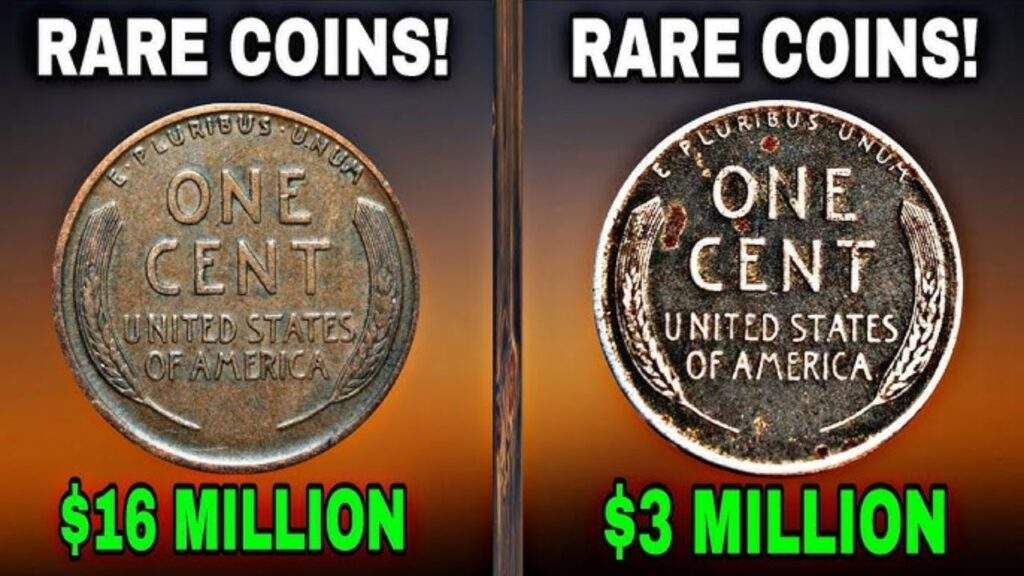
A penny is worth only one cent, right? Not always. Some rare pennies have sold for hundreds of thousands of dollars, while a few extraordinary examples have crossed the million-dollar mark. The interesting part is that many of these coins do not look dramatically different from ordinary pennies. A small change in the date, mintmark, metal, or design can make an enormous difference. Some were created because of minting mistakes, while others are valuable simply because very few examples survived in excellent condition. If you have old U.S. pennies at home, it can be worth checking the dates before putting them back into a jar. 1. 1943-D Bronze Lincoln Penny The 1943-D Bronze Lincoln penny is one of the most valuable pennies ever made. During 1943, the U.S. Mint normally produced Lincoln cents using zinc-coated steel because copper was needed for the war effort. A tiny number were accidentally struck on bronze planchets left over from the previous year. The Denver example is especially rare, with only one known example. That extreme rarity has made the coin one of the biggest prizes in American coin collecting, with values potentially reaching well into the millions. 2. 1944-S Steel Lincoln Penny The story changed in 1944 when the Mint returned to bronze for regular pennies. However, some leftover steel planchets from 1943 apparently ended up being used. The 1944-S Steel penny is extremely rare, with only a very small number known. One high-grade example has sold for more than $400,000, while exceptional examples can command much more. 3. 1958 Doubled Die Lincoln Penny The 1958 Doubled Die Lincoln penny is one of the rarest doubled-die pennies in existence. Only three examples are known, making it much rarer than many famous coin varieties. The doubling is especially noticeable in parts of the lettering on the front of the coin. One exceptional example sold for $1,136,250 in 2023, making it the first Lincoln cent to break the million-dollar mark at auction. 4. 1943-S Bronze Lincoln Penny The 1943-S Bronze penny is another wartime error that collectors dream about finding. Instead of being made from the normal steel planchet used that year, the rare examples were struck on bronze. The San Francisco version is extremely scarce. A high-quality example has sold for more than $500,000, showing how much collectors are willing to pay for a genuine wartime wrong-metal penny. 5. 1943 Bronze Lincoln Penny The regular 1943 Bronze Lincoln penny is also incredibly rare. A few examples from the Philadelphia Mint were struck on bronze planchets even though the standard 1943 cent was supposed to be steel. These coins are among the most famous error pennies in the world. One high-grade example has sold for hundreds of thousands of dollars, and exceptional examples can be worth considerably more. 6. 1969-S Doubled Die Lincoln Penny The 1969-S Doubled Die is one of the most valuable modern Lincoln pennies. The doubling can be seen on important parts of the date and lettering on the front. Only a small number of genuine examples are known. One exceptional coin sold for $601,875, making this one of the most expensive regular-issue Lincoln cents ever sold. 7. 1955 Doubled Die Lincoln Penny The 1955 Doubled Die is probably the most famous error penny among collectors. The doubling is easy to see on the date and lettering, especially when viewed closely. Thousands of examples entered circulation, but finding one in excellent condition is much harder. A top-quality example has sold for hundreds of thousands of dollars, although circulated examples are worth considerably less. 8. 1909-S VDB Lincoln Penny The 1909-S VDB is one of the most famous key-date Lincoln pennies. The coin was made at the San Francisco Mint and carries the initials VDB for designer Victor David Brenner. Only 484,000 were produced with the S mintmark and VDB initials. High-grade examples can be extremely valuable, with one exceptional specimen selling for more than $345,000. 9. 1922 No D Lincoln Penny The 1922 No D is one of the most interesting Lincoln penny varieties. No Lincoln cents were made at the Philadelphia Mint in 1922, so collectors expect a 1922 cent to have a Denver D mintmark. Because of problems with the dies, some coins were produced with little or no visible D. Genuine examples can be worth thousands or tens of thousands of dollars, especially when the coin has strong details and excellent condition. 10. 1914-D Lincoln Penny The 1914-D Lincoln penny is another major key date. The D indicates that it was produced at the Denver Mint, and only about 1.19 million were struck. That number is small compared with many other Lincoln cents. Finding one in excellent condition is particularly difficult, which is why high-grade 1914-D pennies can command very high prices. 11. 1931-S Lincoln Penny The 1931-S Lincoln penny is famous because only 866,000 were produced. That makes it one of the lowest-mintage regular Lincoln cents of the Wheat reverse period. Many examples circulated heavily, so a well-preserved coin is much harder to find. A clean, original 1931-S with strong red color can be worth far more than an ordinary circulated example. 12. 1909 VDB Matte Proof Lincoln Penny The 1909 VDB Matte Proof is different from the normal 1909 VDB penny because it was produced as a proof coin. Only a limited number were made. The VDB initials and proof status make this coin especially desirable. A top example has sold for $258,500, placing it among the most valuable Lincoln pennies. 13. 1856 Flying Eagle Cent The 1856 Flying Eagle cent came before the famous Indian Head penny and is an important part of early U.S. coin history. It is much older than the Lincoln cent and was produced in relatively limited numbers. High-quality examples can be worth well over $100,000, although ordinary examples are worth much less. 14. 1917 Doubled Die Lincoln Penny The 1917 Doubled Die is one of the important early doubled-die Lincoln cents. The doubling is visible in parts of the date
RICHES IN YOUR POCKET! Most Valuable Coins That Could Make You a Millionaire
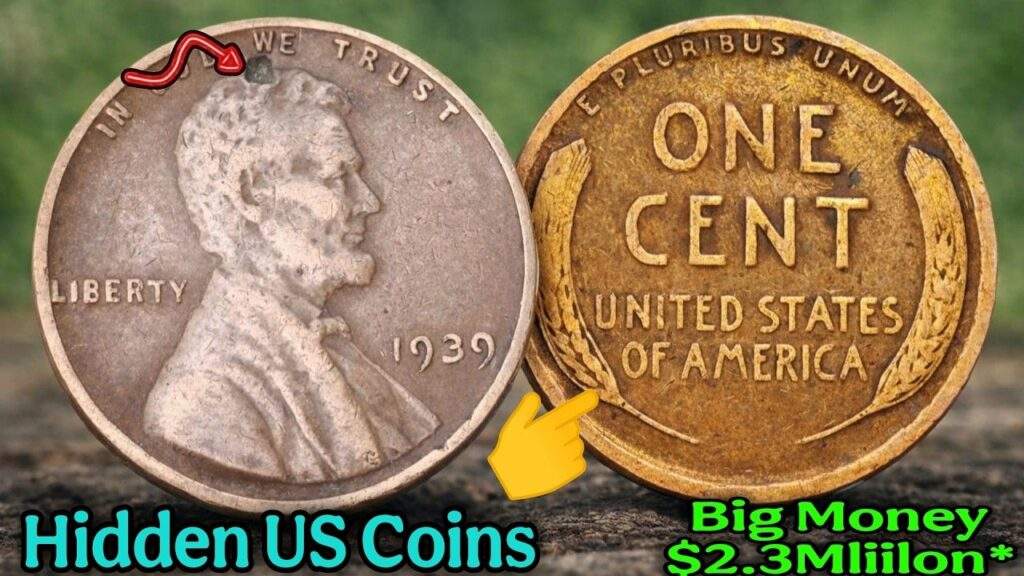
That old coin sitting in a drawer, collection box, or even an old family album could be worth far more than its face value. Some rare U.S. coins have sold for millions of dollars because they were made in very small numbers, contain unusual minting mistakes, or survived in exceptional condition. But there is an important catch. Most old coins are not worth a fortune. The real value usually comes from a very specific date, mintmark, error, variety, or condition. A coin that looks almost identical to a valuable one may be worth only a few dollars. 1. 1933 Saint-Gaudens Double Eagle The 1933 Saint-Gaudens Double Eagle is one of the most famous and valuable American coins ever made. Most of the 1933 $20 gold coins were never legally released into circulation, making genuine examples extremely rare. One legally marketable example sold for $18.9 million in 2021, making it one of the strongest examples of how valuable a rare coin can become. This is not a coin you are likely to find in everyday change, but its story shows why unusual U.S. coins attract so much attention from collectors. 2. 1794 Flowing Hair Silver Dollar The 1794 Flowing Hair Silver Dollar is special because it comes from the very beginning of the U.S. federal coinage system. Only a limited number of 1794 dollars are known today, and the finest examples are highly prized by collectors. One exceptional specimen with a silver plug sold for $10,016,875 in 2013. Its value comes from a combination of age, rarity, condition, historical importance, and its connection to America’s earliest silver-dollar production. 3. 1787 Brasher Doubloon The Brasher Doubloon is much older than most coins people normally collect. It was privately produced by New York goldsmith Ephraim Brasher in 1787, before the U.S. Mint had begun regular federal coin production. Different examples have sold for millions, with one famous specimen bringing $9.36 million in 2021. Because of its early American history and extremely limited survival, the Brasher Doubloon remains one of the most desirable coins in the world. 4. 1822 Capped Bust Half Eagle The 1822 Capped Bust Half Eagle is a $5 gold coin that is extremely rare today. Only a tiny number of examples are known, making it one of the great rarities of American coin collecting. One example sold for $8.4 million in 2021. The coin is especially important because very few 1822 half eagles have survived, and collectors compete heavily when one appears on the market. 5. 1804 Draped Bust Dollar The 1804 Draped Bust Dollar is one of the best-known American rarities, but there is an interesting story behind it. The coins known as 1804 dollars were actually struck several years after 1804 for special presentation purposes. Only a small number exist, divided into different classes. One exceptional Class I example sold for $7.68 million in 2021, proving that this famous dollar can reach extraordinary prices. 6. 1913 Liberty Head Nickel The 1913 Liberty Head Nickel is another coin that almost every serious collector knows about. Only five examples are recognized, making it one of the rarest U.S. coins. The reason for the five nickels being produced remains part of the coin’s mystery. One famous example sold for several million dollars, and even lower-grade examples can be worth an enormous amount because of their extreme rarity. 7. 1861 Confederate Half Dollar The 1861 Confederate Half Dollar is a fascinating piece of American history. Only a very small number were struck at the New Orleans Mint under Confederate control, and surviving original examples are extremely rare. One example sold for $3.45 million in 2022. Its value comes from both its scarcity and its connection to one of the most important periods in U.S. history. 8. 1894-S Barber Dime The 1894-S Barber Dime is one of the most famous rare dimes in American collecting. Only 24 were originally struck, and very few are known today. Stories surrounding why these coins were produced have added to their appeal over the years. A top example has sold for nearly $2 million, while the value of any particular coin depends heavily on its condition and authenticity. 9. 1893-S Morgan Dollar The 1893-S Morgan Dollar is a key date for collectors of Morgan silver dollars. It had a relatively low mintage compared with many other Morgan dollars, and high-quality examples are especially difficult to find. One exceptional specimen sold for around $1.86 million in 2024. Ordinary worn examples are valuable but nowhere near that level, showing how dramatically condition can affect the price. 10. 1907 Ultra High Relief Double Eagle The 1907 Ultra High Relief Double Eagle was an early version of the famous $20 gold coin designed by Augustus Saint-Gaudens. The design was beautiful but difficult to produce in large numbers because of the extremely high relief. Only a limited number were made. Exceptional examples can sell for several million dollars, making this one of the most desirable early American gold coins. 11. 1943-D Bronze Lincoln Cent This is one of the pennies that gets collectors excited. In 1943, the U.S. Mint normally used zinc-coated steel for Lincoln cents because copper was needed for the war effort. A very small number of 1943 cents were accidentally struck on leftover bronze planchets. The 1943-D bronze cent from Denver is considered unique, making it one of the most valuable pennies ever identified. Estimates for a genuine example can reach several million dollars. 12. 1944-S Steel Lincoln Cent The following year, the Mint returned to bronze cents, but a tiny number of steel planchets from 1943 appear to have been used accidentally. This created the extremely rare 1944-S Steel Lincoln Cent. Only a couple of examples are known, and one has been valued in the million-dollar range. A normal 1944 bronze penny is not the same coin, so authentication is extremely important. 13. 1958 Doubled Die Lincoln Cent The 1958 Doubled Die Lincoln Cent is one of the rarest major doubled-die pennies. The doubling can be seen
The 2026 Bugatti Chiron SUV Exists – This Is the Most Terrifyingly Beautiful SUV Ever Imagined
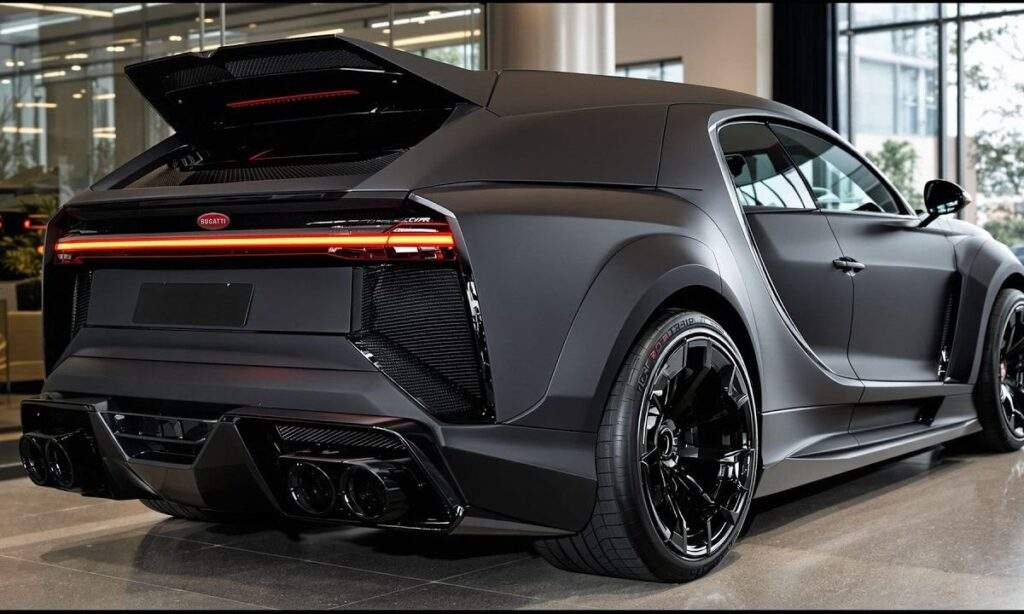
The idea of a Bugatti SUV once sounded impossible, even unnecessary. Now, the imagined 2026 Bugatti Chiron SUV has shattered that belief by blending hypercar drama with commanding SUV presence in a way that feels both outrageous and oddly inevitable. What emerges is not a practical family vehicle but a statement of excess, speed, and sculpted aggression. This SUV concept redefines what luxury performance could look like when restraint is completely removed. A Design That Refuses to Be Subtle The Chiron SUV concept looks like it was carved from speed itself. Every surface appears tensioned, aerodynamic, and purposeful, creating a silhouette that feels more like a low-flying jet than a high-riding utility vehicle. It carries the unmistakable Bugatti DNA while pushing proportions into uncharted territory. The front end is dominated by an evolved horseshoe grille flanked by razor-thin lighting, while the rear tapers into a muscular stance that feels ready to launch forward at any moment. Despite its size, the SUV looks lean, fast, and intimidating from every angle. Where Hypercar Heritage Meets SUV Presence Bugatti’s identity has always been rooted in engineering extremes, and this imagined SUV treats that philosophy as non-negotiable. Instead of softening the brand for practicality, the Chiron SUV amplifies its performance-first attitude. This combination results in a vehicle that looks capable of dominating both highways and design conversations. An Interior Built Around Drama, Not Distraction Inside, the Chiron SUV concept abandons clutter in favor of dramatic minimalism. The cabin feels more like a luxury cockpit than a traditional SUV interior, with premium materials wrapping around the driver and passengers. Carbon fiber, hand-stitched leather, and polished metal surfaces define the space, while the layout prioritizes focus and immersion. Technology is present but deliberately integrated, reinforcing the idea that this SUV exists to be driven, not merely occupied. Performance Imagined Without Apology While no official numbers exist, the performance narrative is clear. This is not an SUV designed to blend into traffic or prioritize efficiency. Everything about its stance and design suggests brutal acceleration, high-speed stability, and relentless power delivery. The result is a machine that feels closer to a hypercar on stilts than any conventional luxury SUV. Why This SUV Feels Both Shocking and Inevitable Luxury brands have steadily pushed SUVs into performance territory, but the Chiron SUV concept takes that trend to its absolute limit. It feels shocking because it breaks traditional expectations, yet inevitable because it reflects where ultra-luxury performance is headed. For Bugatti, this imagined SUV is less about expanding a lineup and more about proving that no vehicle type is beyond reinvention when engineering ambition has no ceiling. Final Thoughts: A Beautiful Monster in the Making The 2026 Bugatti Chiron SUV may exist only in imagination, but its impact is very real. It represents a future where luxury, performance, and audacity collide without compromise. Terrifyingly beautiful is not exaggeration here; it is the only phrase that truly fits.
Lamborghini Gallardo SUV SVJ – This Isn’t an Urus, This is Pure Madness
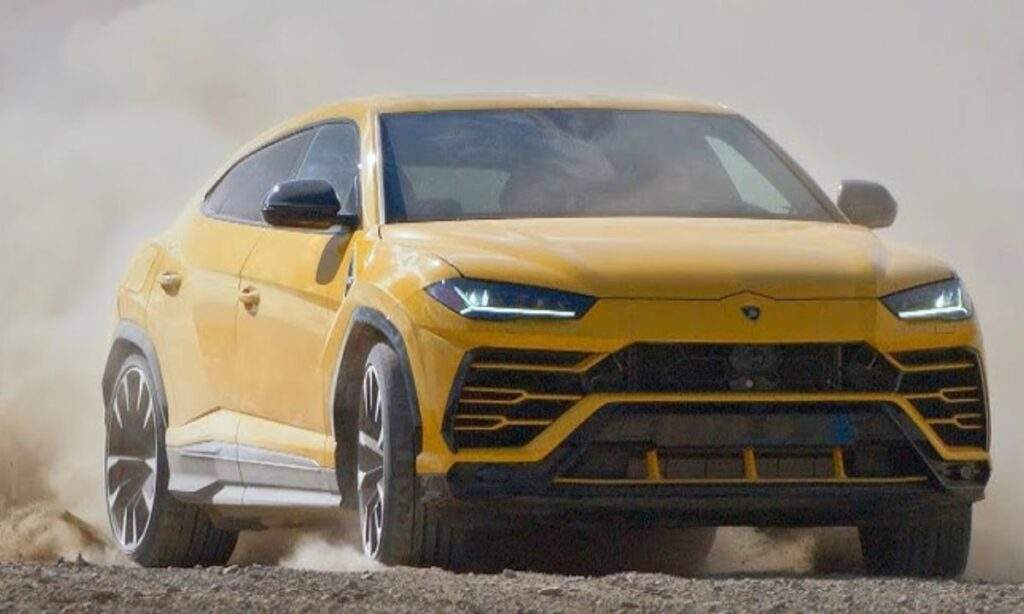
The idea alone sounds impossible. A Lamborghini Gallardo transformed into a high-riding, SVJ-style SUV that completely ignores the rules of reason and brand tradition. This isn’t about practicality or market logic, it’s about pushing insanity to its absolute limit. A Concept That Breaks Every Lamborghini Rule Lamborghini has already crossed into the SUV world with the Urus, but the Gallardo SUV SVJ concept goes far beyond that calculated move. This imagined machine blends the compact, mid-engine proportions of the Gallardo with extreme SUV aggression, creating something that feels more like a street-legal monster truck than a luxury crossover. The result is intentionally uncomfortable, loud in design, and unapologetically outrageous. Instead of refined lines, the body looks stretched and muscular, with exaggerated fenders, towering ride height, and aero elements borrowed straight from Lamborghini’s most extreme track-focused builds. It doesn’t try to fit into any existing segment, and that’s exactly the point. SVJ Influence Turned Up to Eleven The SVJ badge has always meant excess, and this concept takes that philosophy literally. Everything looks sharper, wider, and more dramatic than what Lamborghini would ever officially approve. Aerodynamics are no longer subtle, they are visual weapons meant to intimidate before the engine even starts. The design language suggests performance obsession, even if logic says an SUV Gallardo would defy physics. That contradiction is what gives the concept its appeal, mixing supercar heritage with off-road visual brutality. Performance Fantasy With No Apologies Under the skin, the Gallardo SUV SVJ concept is pure imagination, and it embraces that freedom. Enthusiasts picture the iconic naturally aspirated V10 retuned for brutal torque rather than top speed. Instead of chasing lap times, this machine would exist to shock, roar, and overwhelm everything around it. It’s not about numbers or efficiency, it’s about sensation. The thought of a high-riding Lamborghini screaming like a race car while crushing asphalt beneath massive tires is exactly why this idea captures attention online. Why This Concept Captures the Internet Car culture thrives on ideas that manufacturers would never dare to build. The Gallardo SUV SVJ lives in that sweet spot between impossible and irresistible. It challenges brand purity, mocks practicality, and reminds fans that automotive passion doesn’t always need a business case. This concept also reflects a growing appetite for extreme reimaginings, where iconic models are twisted into something shockingly new rather than safely evolved. Madness That Makes a Statement While Lamborghini is unlikely to ever build something like this, the Gallardo SUV SVJ concept serves a different purpose. It keeps imagination alive in an industry increasingly focused on regulations, efficiency, and market strategy. This is a reminder that cars can still be emotional, irrational, and thrilling just to look at. Sometimes, the wildest ideas are the ones that spark the most conversation, even if they never leave the digital world. Final Thoughts The Lamborghini Gallardo SUV SVJ isn’t meant to make sense, and that’s exactly why it works. It’s excessive, controversial, and gloriously impractical, a rolling piece of automotive madness that exists purely to stir emotions. In a world of calculated decisions, this concept dares to be reckless, and car enthusiasts wouldn’t have it any other way. FAQs Is the Lamborghini Gallardo SUV SVJ a real production model? No, it is a conceptual idea and not an official Lamborghini vehicle. How is this different from the Lamborghini Urus? Unlike the Urus, this concept imagines a Gallardo-based SUV with extreme SVJ-inspired design and attitude. Would a Gallardo SUV actually perform well? In reality it would be challenging, but as a concept it focuses more on excitement than practicality. Why do enthusiasts like such extreme concepts? They push imagination, challenge norms, and keep automotive passion alive beyond real-world limits. Could Lamborghini ever build something like this? While unlikely, concepts like this influence design thinking and keep fans engaged with bold ideas.