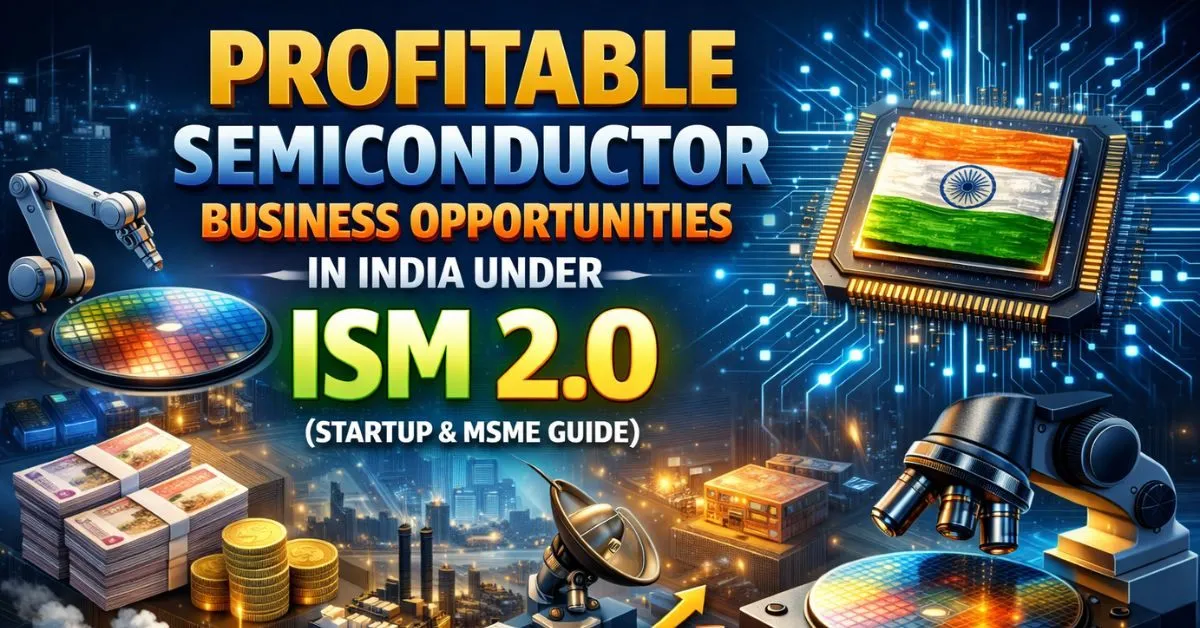
The semiconductor industry has observed an extraordinary surge in the 21st century because of the rapid growth sought after for digital devices worldwide. This sector, the backbone of modern electronic economies, is poised to chart a stable development trajectory in the years to find. The
demand for investing in semiconductor manufacturing centers is extra essential than ever before, provided its indispensable duty in numerous markets, consisting of technology, medical care, auto, defense, and telecoms.
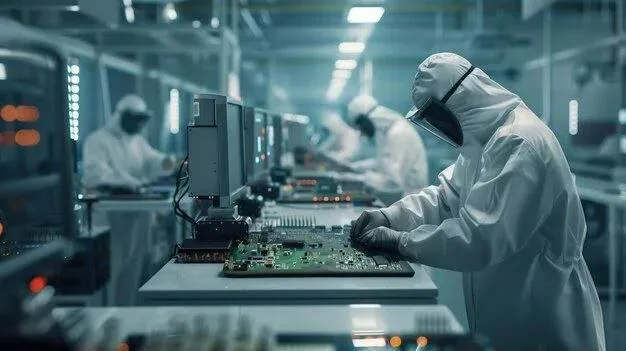
The expediency of setting up semiconductor manufacturing facilities depends on a range of elements, mostly the geographical area, schedule of proficient labor, infrastructure, resources, as well as the target audience. The techno-economic viability of the configuration primarily relies on the potential ROI, approximated operational expenses, preliminary financial investment outlay, and total economic wellness of business. The cost of establishing a semiconductor manufacturing facility can be excessively high, considering the advanced infrastructure, advanced machinery, and also the requirement for cleanroom settings to reduce contamination. Though the initial capital expenditure is high, profits could be large in the future as silicon chips are needlessly increasingly nationally during this digital period.
Visit: Best Industry for Doing Business
The global semiconductor market size was valued at $726.33 billion in 2021, as well and it is anticipated to reach $1,014. The global leading players in this market are Intel, Samsung, TSMC and Qualcomm respectively with a handsome percentage of overall production volume. Patterns reflect a rising desire in electric cars, IoT devices, smartphones and AI driving marketplace limits for semiconductors.
A SWOT analysis provides an overall view of the environment around you and can help in understanding your strengths, weaknesses as well as opportunities out there that maybe waiting for you to explore or threats lurking over.
Mapping profitability linearly on the parameters of production volume, product diversification and cost-efficiency. The initial cost is generally high that pans over years and rarely converted to profits but in the long term. The rest of the tasks can be outsourced for more profitability.
For relevance in specialized markets, Consumer behavior can be understood locally or providing solutions that cater to the regional preferences. However, a global expansion strategy is equally important to diversify the customer base and reduce risks for depending on one market.
The semiconductor supply chain is complex and highly globalized. It’s critical to manage supply chain risk by maintaining strategic reserves of raw materials, diversifying suppliers, and improving supply chain visibility.
Creating a brand that stands for innovation and reliability can help companies thrive in this competitive market. By so doing, this would enable you to appeal for the target segments positively and construct a convincing value proposition.
Environmental sustainability, labor laws, trade policy and data security are non-negotiable essentials. Finally, unforeseen regulatory changes can disrupt the plan and force to be flexible.
Each update may require further R&D investments due to faster changing technology landscape. All of these innovations are redefining the landscape for semiconductors, while things like nanotechnology and quantum computing will redefine it further.
Monitoring the strategies, market shares and technology insights of competitors helps to make more informed business decisions. Intel, TSMC and Samsung are some of the key players into constraints.
The industry is anticipated to grow significantly in the future; however, there are some untapped opportunities waiting over where they have applied or integrated like AI, IoT and electric vehicles. Moreover, growing digitalization worldwide will continue to support the consumption of semiconductors.
Semiconductor Design and Fabrication — Introduction : Well, previously we had an overall view on how a semiconductor manufacturing facility could be set up so now this section would give rather deep in the issues that plague those industries which have the sure-shot potential to turn things around themselves if provided with opportunity.
As reviewed formerly, setting up a semiconductor production center involves a lot of risk as well as commitment. The highly specialized nature of the innovation requires a high capital investment in acquiring or creating the required equipment and also building the framework. Furthermore, the requirement for maintaining rigorous standards in regards to cleanliness, ecological problems, and also safety regulations better complicate the arrangement process.
Frequent technology shifts need constant updates and also substitutes of tools, which can lead to a steady stream of high prices with time. Furthermore, there is likewise the obstacle of working with and also preserving a skilled labor force. The need for very educated specialists who can develop, produce, and fix semiconductor gadgets typically goes beyond supply, producing a challenge for firms wanting to enter or expand in this market.
Read Similar Articles: STARTUP BUSINESS
Despite these difficulties, the semiconductor sector remains ripe with potential. As more markets end up being digital and also reliant on electronic devices, the demand for semiconductors maintains increasing. Furthermore, as digital gadgets come to be much more energy-efficient and effective, there will certainly be a consistent need for innovative semiconductors that can sustain these improvements. And also as more nations invest in constructing their technology markets, there will certainly be growing demand for semiconductors locally, offering even more opportunities for makers.
Growth Branding: Marketing Has A Key Role In The Semiconductor Market The overall image of a brand that stands for progress and credibility, plus quality can have considerable influence on the success of an enterprise. At the same time, critical marketing can help firms identify segments to target, understand those markets better and create effective communication vehicles. When it pertains to international development, manufacturers should not just focus on offering their items in various markets yet likewise on establishing manufacturing facilities in various regions. This localization strategy can aid alleviate dangers related to provide chain disruptions and profession limitations.
Feasibility Study Reports: Project Consultancy, Reports & Profiles
Compliance with ecological laws, labor regulations, trade policies, as well as data safety and security requirements is obligatory for semiconductor producers. Businesses also need to be prepared for the same and vary their processes as laws keep on changing suddenly. Semiconductors is an industry going through rapid change, much of it technical. Manufacturers need to continuously fund research and development (R&D) in order to be competitive. Emerging modern technologies like nanotechnology as well as quantum computer can significantly reshape the semiconductor sector.
It is a tough but rewarding road in which to build your semiconductor fab. Irrespective of the hurdles, the potential in this industry is undeniable as it continues to disrupt all walks moved by tech advances and added digitalization. Because we shape up to a future in which technology is simply misting likely to infiltrate our lives also additionally.
For producers, the trick will certainly be to stabilize the difficulties with the capacity, continuously introducing, remaining certified, and satisfying the ever-evolving market demands. In general, the semiconductor manufacturing market represents an eye-catching as well as potentially profitable service chance for those ready to search its complexities. The future will favor who can adapt, innovate and also hear the market needs while emphasizing excellent quality and sustainability.
Contact Us
Frequently Asked Question
What are the key factors in assessing feasibility for semiconductor manufacturing facilities?
Feasibility depends on infrastructure, availability of skilled labor, access to cleanrooms, utilities like uninterrupted power and ultra-pure water, raw material supply, and projected return on investment.
Why is upfront investment so high for semiconductor fabs?
Semiconductor fabrication plants require advanced machinery, precision tools, strict contamination control systems, and significant cleanroom infrastructure, making initial capital costs extremely high compared to many other industries.
What are the main economic opportunities in semiconductor manufacturing?
High global demand for chips across technology, automotive, telecom, and IoT sectors creates long-term market potential, with strong growth expected as digitalization advances.
What challenges do companies face when setting up semiconductor facilities?
Major challenges include large capital requirements, ongoing R&D investment, supply chain complexity, maintaining quality and yield standards, and securing skilled technical talent.