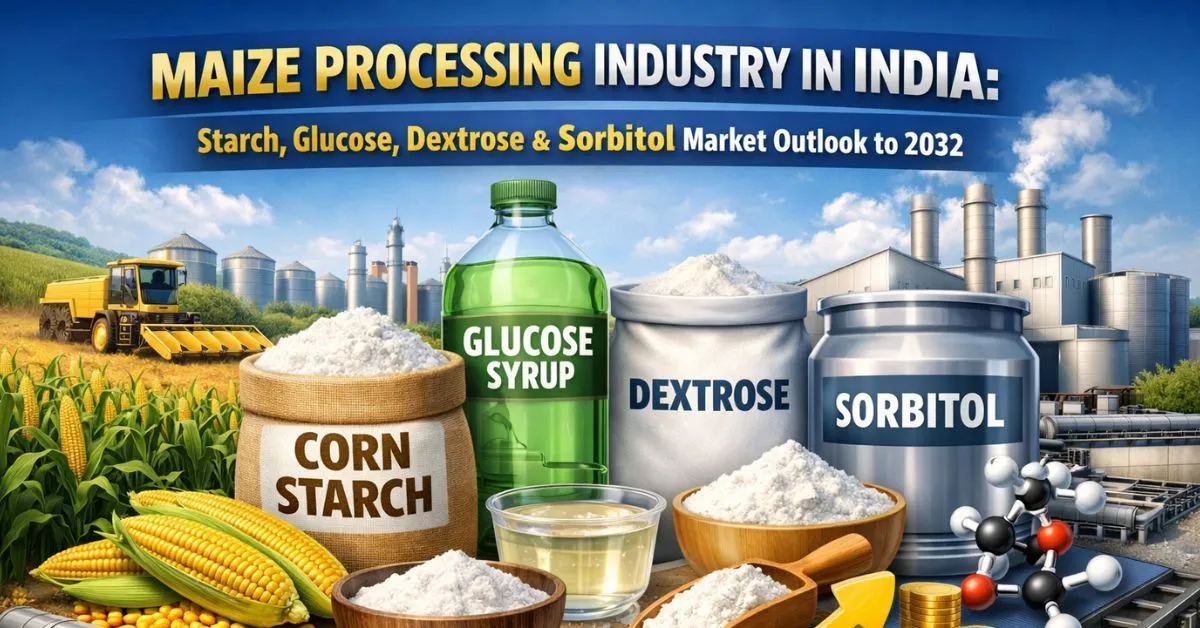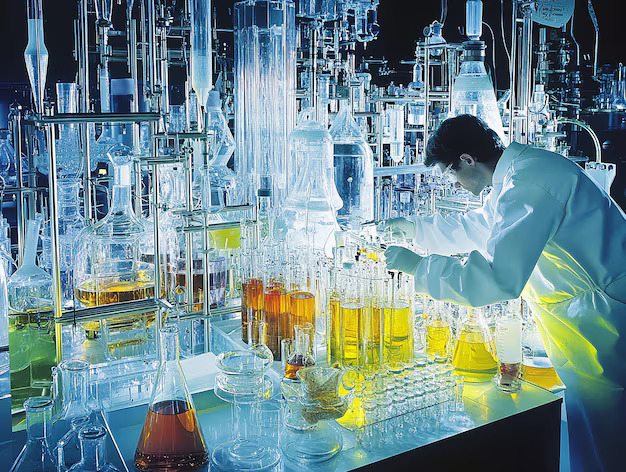
Production of Sorbitan Monooleate involves the reaction of sorbitol and oleic acid, resulting in a non-ionic surfactant widely used across various industries. Sorbitan monooleate, also known as Period 80, is a blend of sorbitol esters and oleic acid. It appears as a clear, yellow-colored, viscous liquid with a mild, characteristic odor. Because of its excellent emulsifying properties, sorbitan monooleate is commonly used in food emulsifiers, pharmaceuticals, cosmetics, and cleaning agents.
The production of sorbitan monooleate is a reputable process, and there are lots of suppliers worldwide that generate this item on a large scale. However, in spite of its widespread usage, the production of sorbitan monooleate is still a facility and also requiring process that needs a high degree of technological know-how and also experience. This article examines the expediency and techno-economic practicality of generating sorbitan monooleate and identifies the key variables to consider when setting up a manufacturing center.
Visit this Page for More Information: Start a Business in Chemical Industry Projects
The need for sorbitan monooleate has actually raised substantially in recent times, driven by the development of the food, pharmaceutical, and also cosmetic sectors. The global market for sorbitan monooleate reached approximately US$ XX million in 2021, and analysts expect it to grow at a compound annual growth rate (CAGR) of XX% between 2021 and 2026
The significant drivers of this growth include the increasing demand for all-natural as well as organic individual care products, the growth of the food and pharmaceutical markets, and the raising awareness of the advantages of using non-ionic surfactants in these sectors. Sorbitan monooleate serves as a versatile and efficient emulsifying agent, and many industries use it, including food, pharmaceuticals, cosmetics, and cleaners.
Related Business Plan: Sorbitan Monooleate
Chemical reactions of sorbitol esters with oleic acid produce sorbitan monooleate:
- Raw Material Preparation: This contains mandatory raw materials as Sorbitol and Oleic Acid that will be used in the upcoming production process.
- Esterification: The is the key reaction step of manufacturing process as well as it consists of reaction in between sorbitol and oleic acid causing formation of sorbitan monooleate. This reaction is commonly carried out in a reactor vessel containing agitators and a heating system.
- Steps for Purification: Once the esterification response is over, filtration steps are executed on a mixture of esters to get rid of contaminations and obtain a high-grade final product. Depending on the certain requirements of the manufacturing procedure, this may include purification, filtering and various other filtration methods.
- Product Packaging: Lastly, the purified sorbitan monooleate is packaged and either made ready for sale or it may very well be packaged further in order to transport it.
Watch other Informative Videos: Commercial Production of Chemicals | Chemical Industry Projects
The manufacturing of sorbitan monooleate is a facility and also demanding process that needs a high degree of technical knowledge and also experience. The usefulness and also techno-economic practicality of generating sorbitan monooleate depends upon a variety of key variables, consisting of the cost of resources, the scale of the manufacturing process, the performance of the manufacturing process, and also the need for the end product. Carefully assessing these aspects is important for the success of any manufacturing center, and the organization must ensure that it provides the necessary resources and expertise before starting any production project.
We, at NPCS, endeavor to make business selection a simple and convenient step for any entrepreneur/startup. Our expert team, by capitalizing on its dexterity and decade’s long experience in the field, has created a list of profitable ventures for entrepreneurs who wish to diversify or venture. The list so mentioned is updated regularly to give you a regular dose of new emerging opportunities.
Businessmen and entrepreneurs might benefit from obtaining detailed reports from NPCS (Niir Project Consultancy Services), and they soon recognize this through resource sales. Following are few justifications for purchasing NPCS report:
In conclusion, NPCS report is really valuable for identifying a sector, decision-making and launching any product into the market or investment strategy.
Frequently Asked Question
What is Sorbitan Monooleate and where is it commonly used?
Sorbitan Monooleate is a non-ionic surfactant and emulsifier widely used in the food, pharmaceutical, cosmetic, and chemical industries. It helps stabilize oil-and-water mixtures, improve texture, and enhance shelf life. In food processing, it is used in baked goods, ice cream, and confectionery. In cosmetics and pharmaceuticals, it functions as a dispersing and solubilizing agent in creams, ointments, and lotions.
Is Sorbitan Monooleate production a profitable business opportunity?
Yes, Sorbitan Monooleate production is considered a commercially viable and profitable venture due to consistent demand from multiple industries. Its wide application base and growing use in personal care, pharmaceuticals, and processed foods make it a stable market. Profitability depends on factors such as raw material sourcing, plant capacity, energy efficiency, production technology, and long-term supply contracts with end-user industries.
What are the key raw materials required for Sorbitan Monooleate manufacturing?
The primary raw materials required are sorbitol and oleic acid. Sorbitol is derived from glucose, while oleic acid is commonly sourced from vegetable oils. These materials are reacted under controlled conditions to produce Sorbitan Monooleate. Consistent quality and reliable sourcing of these inputs are essential for maintaining product standards and production efficiency.
What factors should be evaluated before setting up a Sorbitan Monooleate plant?
Before establishing a manufacturing unit, it is important to assess market demand, raw material availability, production technology, regulatory compliance, capital investment, and operating costs. Other critical factors include plant location, utilities, skilled manpower, waste management systems, and environmental regulations. A detailed techno-economic feasibility study helps investors minimize risk and ensure long-term sustainability.