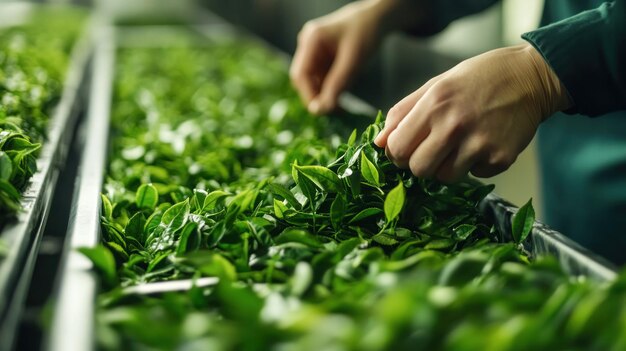
The feasibility and techno-economic viability study of the Tea processing industry is a necessary criterion in building up a new tea processing factory or in expansion plan of an existing one. The research needs to include an examination of the product’s market demand, the manufacturing process, the basic materials required, the price of production and also just how it will rival other vendors in addition to assessing what your opportunities for success are like.
The research should also include a review of the technology used in the production process, which involves devices, such devices and processes, as well as connected costs. The final quality and consistency of the end product play a key role in the success of a tea processing factory, for which selecting the right Technology & Equipment is very important.
Visit the page Select and Choose the Right Business Startup for You for sorting out the questions arising in your mind before starting any business and know which start-up you can plan.
We, at NPCS, endeavor to make business selection a simple and convenient step for any entrepreneur/startup. Our expert team, by capitalizing on its dexterity and decade’s long experience in the field, has created a list of profitable ventures for entrepreneurs who wish to diversify or venture. The list so mentioned is updated regularly to give you a regular dose of new emerging opportunities.
Businessmen and entrepreneurs might benefit from obtaining detailed reports from NPCS (Niir Project Consultancy Services), and they soon recognize this through resource sales. Following are few justifications for purchasing NPCS report:
In conclusion, NPCS report is really valuable for identifying a sector, decision-making and launching any product into the market or investment strategy.
Frequently Asked Question
What is the current global outlook of the tea industry market?
The global tea industry continues to show steady growth due to rising health awareness, increasing demand for herbal and green teas, and expanding consumption in emerging economies. Urbanization, changing lifestyles, and the popularity of ready-to-drink (RTD) tea products are also driving market expansion. Additionally, innovations in packaging, organic tea production, and premium tea segments are creating new opportunities for manufacturers and exporters worldwide.
Which factors are driving the growth of the tea market?
Several key factors are fueling tea market growth, including growing consumer preference for natural and antioxidant-rich beverages, rising disposable incomes, and increasing awareness of tea’s health benefits. The expansion of e-commerce, café culture, and flavored tea varieties has further boosted demand. Moreover, the shift toward organic and sustainably sourced teas is attracting environmentally conscious consumers.
What are the major challenges faced by the tea industry?
The tea industry faces challenges such as fluctuating raw material prices, climate change affecting tea cultivation, and intense competition among global and regional players. Supply chain disruptions, labor shortages in tea-producing regions, and compliance with food safety and sustainability standards also impact profitability. In addition, changing consumer preferences toward alternative beverages can create pressure on traditional tea segments.
What future trends are expected in the tea industry market?
Future trends in the tea industry include increasing demand for herbal, functional, and wellness teas, along with growth in ready-to-drink tea products. Premiumization, organic certification, and eco-friendly packaging are expected to gain more importance. Digital marketing, direct-to-consumer sales channels, and technological advancements in tea processing will also play a crucial role in shaping the future of the global tea market.