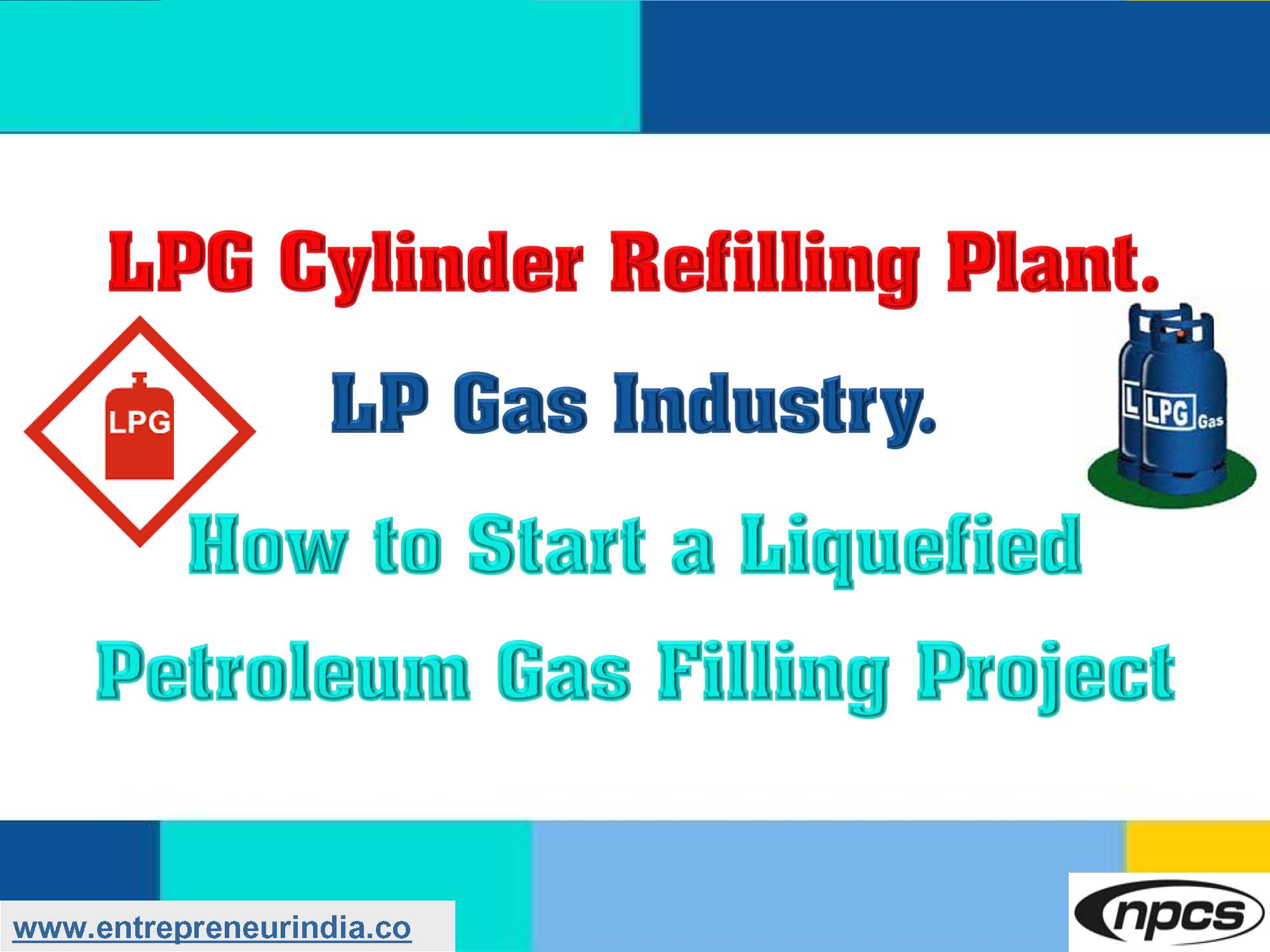
The LPG Cylinder Refilling Plant business plays a vital role in the distribution and delivery of liquefied petroleum gas, an essential fuel for cooking, heating, and small-scale industrial use. As demand for clean energy rises across urban and rural areas, the LPG refilling industry offers substantial opportunities for safe, regulated, and profitable operations. A strategically located plant can serve both domestic and commercial sectors, ensuring consistent revenue and long-term sustainability.
Rising Demand for LPG in Urban and Rural Markets
LPG is a clean-burning, efficient, and versatile fuel widely used in households, hotels, restaurants, food processing units, and small manufacturing facilities. With increasing awareness about air pollution and government efforts to promote clean fuels, the demand for LPG is growing rapidly. Setting up a LPG Cylinder Refilling Plant addresses both economic and energy needs while contributing to national goals of clean energy accessibility.
Core Services Offered by an LPG Refilling Plant
A refilling plant can cater to various services:
Filling domestic LPG cylinders (14.2 kg) for household use
Refilling commercial cylinders (19 kg, 33 kg, 47.5 kg) for restaurants, hotels, and catering units
Bulk LPG supply to industrial users in trolleys or tankers
Mobile refilling services (subject to local regulations)
Storage and distribution of filled cylinders to dealers and retailers
Each service segment allows the plant to diversify income streams while meeting varied customer needs.
Plant Setup and Infrastructure Requirements
Setting up a compliant and efficient LPG Cylinder Refilling Plant involves careful planning and regulatory approvals. The infrastructure typically includes:
Storage Bullets or Horizontal Cylindrical Tanks (capacity ranges from 9 to 100 metric tonnes)
LPG Compressor and Pumping Systems
Filling Carousel or Manual Filling Machines
Degassing Station and Purging Units
Leak Testing and Weighing Machines
Fire Safety Equipment (hydrants, sprinklers, extinguishers)
Control Room and SCADA Monitoring System
Security fencing, CCTV, and surveillance systems
The plant layout must follow PESO (Petroleum and Explosives Safety Organisation) guidelines, including adequate buffer zones, emergency exits, and storage standards.
Investment and Cost Breakdown
The investment required to establish a small to medium LPG Cylinder Refilling Plant varies based on capacity, automation level, and location. Key cost components include:
Land Acquisition or Lease: Minimum 1–2 acres (?30–?70 lakhs depending on location)
PESO-Approved LPG Storage Tanks: ?20–?50 lakhs
Filling Equipment and Weighing Machines: ?15–?40 lakhs
Safety Equipment and Fire Systems: ?10–?25 lakhs
Building Construction (office, pump house, platform): ?15–?30 lakhs
Licensing, PESO Approval, and Consultant Fees: ?5–?10 lakhs
Initial Cylinder Stock and Transportation Vehicles: ?20–?50 lakhs
Overall, a plant with a daily capacity of 2,000 cylinders may need an investment of ?1.5–?3 crore.
Raw Material and Supply Chain
The primary raw material is bulk LPG, procured through authorized oil marketing companies (OMCs) or bulk suppliers. The supply chain includes:
Bulk LPG receipt in tankers from depots or OMCs
Unloading into storage bullets using compressors
Refilling into empty cylinders through filling systems
Leak and weight testing before dispatch
Cylinder stacking and distribution to dealers
Maintaining a reliable supply chain with efficient turnaround times is essential to avoid stockouts or overstocking.
Licensing and Regulatory Approvals
Operating a LPG Cylinder Refilling Plant requires multiple clearances from central and state authorities. These include:
PESO Approval (Chief Controller of Explosives, Nagpur)
No Objection Certificate (NOC) from Fire Department
Environment Clearance from State Pollution Control Board
Factory License and Labour Registration
Legal Metrology Approval for weighing equipment
GST Registration and Trade License
Tie-up with OMCs (Optional) for LPG supply and branding
Strict adherence to safety standards is mandatory for compliance and insurance eligibility.
Safety and Environmental Considerations
Due to the hazardous nature of LPG, safety remains a top priority:
Install automatic shut-off valves, flame arresters, gas detectors, and pressure relief systems
Train staff on emergency protocols and fire drills
Create blast-proof walls, wind barriers, and fire water tanks
Follow proper cylinder stacking procedures to avoid leaks and fires
Dispose of rejected or damaged cylinders through certified scrap vendors
Eco-compliance includes vapor recovery systems, zero-discharge effluent systems, and use of energy-efficient pumps and compressors.
Revenue Model and Profitability
A well-managed LPG refilling plant can generate stable profits by focusing on:
Volume-based earnings from refilling operations
Cylinder rental charges and delivery fees
Bulk supply contracts with commercial and industrial clients
Add-on services like used cylinder buyback or mobile refilling (if legal)
With margins of ?20–?40 per cylinder and daily dispatches of 1,000+ units, the plant can break even within 2–3 years.
Marketing and Distribution Strategy
To build a customer base and ensure maximum utilization:
Partner with dealers, retailers, and distributors in surrounding areas
Offer monthly refill plans to restaurants, canteens, and hotels
Build a fleet of delivery vehicles for prompt doorstep service
Promote safety and quality assurance through branding
Create an online portal or app for refill booking and scheduling
Participation in government subsidy schemes and PMUY (Ujjwala Yojana) can also increase reach in rural markets.
Challenges and Mitigation
Common challenges in this industry include:
High compliance requirements and licensing timelines
Price fluctuations in bulk LPG supply
Transport bottlenecks and safety risks
Competition from public sector distributors
To overcome these, maintain excellent regulatory relations, build long-term bulk contracts, invest in digital automation, and ensure regular safety audits.
Conclusion
The LPG Cylinder Refilling Plant is a capital-intensive but high-potential business that addresses essential energy needs across sectors. With a well-planned infrastructure, safety-first approach, and efficient distribution model, entrepreneurs can establish a scalable and sustainable venture. As India continues to expand clean energy access, LPG remains a cornerstone of its energy strategy—offering significant opportunity for local businesses to thrive.
Niir Project Consultancy Services
An ISO 9001:2015 Company
106-E, Kamla Nagar, Opp. Spark Mall,
New Delhi-110007, India.
Email: npcs.ei@gmail.com , info@entrepreneurindia.co
Tel: +91-11-23843955, 23845654, 23845886, 8800733955
Mobile: +91-9811043595
Website: www.entrepreneurindia.co , www.niir.org