
Biodegradable Sanitary Pad/Napkin Industry. Production of Compostable and Eco-Friendly Sanitary Pads/Napkin.
The growing awareness about environmental pollution and plastic waste has significantly increased the demand for sustainable alternatives across industries, including the menstrual hygiene sector. Traditional sanitary napkins are composed of plastics and synthetic materials that can take hundreds of years to decompose, contributing to serious ecological issues. As a result, biodegradable sanitary napkins have emerged as a promising and eco-friendly alternative. These napkins are not only safe for the environment but are also better for the skin, reducing the risk of rashes and infections caused by synthetic materials. Why Switch to Biodegradable Sanitary Napkins? The need for biodegradable sanitary napkins stems from the environmental damage caused by conventional pads. On average, a woman uses more than 10,000 sanitary pads in her lifetime. If each of these pads is made of plastic, the cumulative waste becomes alarming. Regular sanitary napkins consist of up to 90% plastic and take 500–800 years to degrade. These products often end up in landfills or are incinerated, both of which harm the environment. On the other hand, biodegradable sanitary napkins are made using natural, organic, and compostable materials. They decompose much faster—usually within 6 months to 1 year—and cause no harm to the soil, water, or air. Moreover, they are chemical-free, making them safer for intimate use. Key Materials Required Creating biodegradable sanitary napkins involves using materials that are safe, absorbent, and environment-friendly. Here are the main components: Absorbent Core Banana fiber: Derived from banana plants, this is a highly absorbent and renewable material. Bamboo fiber: Soft, antibacterial, and extremely absorbent. Cotton: Organic cotton is preferred for its softness and breathability. Top Sheet (the layer in contact with the skin) Non-woven organic cotton or bamboo fabric. Cornstarch-based film can also be used to enhance comfort. Back Sheet (leak-proof layer) Made from biodegradable bio-plastic or cornstarch film. Must be water-resistant but compostable. Adhesives Natural, non-toxic glue or plant-based gum for holding the layers together. Packaging Recycled paper or biodegradable plastic wrappers. Step-by-Step Process to Make Biodegradable Sanitary Napkins Step 1: Collect and Prepare Materials Ensure that all raw materials, especially cotton or banana fiber, are clean and free from any harmful substances. If you are using natural fibers like banana or bamboo, they need to be dried and processed into soft, fluffy fiber. Step 2: Form the Absorbent Core Card the fibers (like banana, bamboo, or cotton) into a consistent sheet using a fiber carding machine or manually. The thickness of the sheet will determine the absorbency level. The sheet should be thick enough to absorb menstrual flow effectively. Step 3: Layering Layer the absorbent core between a soft top sheet and a waterproof biodegradable back sheet. Ensure all layers align properly and there are no gaps. This step is crucial for maintaining the structure and functionality of the biodegradable sanitary napkins. Step 4: Shaping and Cutting Using a template, cut the layered sheets into the desired shape and size. Typically, sanitary napkins are around 240 mm in length. Different sizes can be made to suit varying flow levels. Step 5: Sealing the Edges Use heat or pressure sealing (if you have the equipment) or stitch the edges with biodegradable thread. This step helps hold the pad together and prevents leakage. Step 6: Adding Adhesive Apply non-toxic, plant-based adhesive on the back sheet to help the pad stick to the underwear. Allow it to dry completely before packaging. Step 7: Sterilization This step ensures hygiene and safety. Sterilize the pads using UV light or steam. This eliminates any bacteria or microbes that may be present. Step 8: Packaging Pack each pad individually using biodegradable paper or plastic. Proper labeling can also include manufacturing date, expiry date, and disposal instructions. Advantages of Making Biodegradable Sanitary Napkins Eco-FriendlyThese pads reduce landfill waste and pollution. They decompose naturally, contributing to a healthier planet. Safe for HealthMade from organic and chemical-free materials, they reduce the risk of rashes, infections, and allergies. Entrepreneurial OpportunityThere is growing market demand, especially in rural and semi-urban areas. Low-cost production units can be set up with minimal investment. Support for Women’s HealthCommunity-based production of biodegradable sanitary napkins empowers local women by providing jobs and promoting menstrual hygiene awareness. Government and NGO SupportMany governments and NGOs provide subsidies and support to initiatives that promote eco-friendly menstrual hygiene products. Market Potential and Demand The global biodegradable sanitary napkin market is growing rapidly, driven by increased awareness and environmental regulations. In countries like India, where the government actively promotes menstrual hygiene programs, the potential is huge. Urban consumers are also shifting toward sustainable living and are willing to pay a premium for eco-friendly products. Moreover, bulk orders from schools, offices, and NGOs provide a stable business opportunity. Challenges in Production Despite the benefits, there are some challenges in the production of biodegradable sanitary napkins: Raw Material Sourcing: Quality organic materials can be hard to find in some regions. Short Shelf Life: Being natural, the pads have a limited shelf life and may degrade faster in humid conditions. Cost: Initial production cost may be higher compared to conventional pads, although this is gradually reducing with scale. Consumer Awareness: Many consumers are unaware of the advantages of biodegradable products, which necessitates ongoing education and marketing efforts. Tips for Starting a Small-Scale Unit Conduct Market Research: Understand the demand, competition, and customer preferences in your area. Choose the Right Equipment: Semi-automatic machines are ideal for small units and can produce 1,000–2,000 pads per day. Train Your Staff: Ensure your team understands hygiene, quality control, and sustainability standards. Branding and Marketing: Create a strong brand identity highlighting the eco-friendly and health-safe aspects of your product. Get Certifications: Obtain eco-certifications and health approvals to gain consumer trust. Environmental and Social Impact Producing and using biodegradable sanitary napkins contributes to multiple Sustainable Development Goals (SDGs), including gender equality, good health and well-being, and responsible consumption. It addresses environmental degradation while also empowering women with employment and hygienic menstrual practices. Conclusion The future of menstrual hygiene lies in sustainability, and biodegradable sanitary napkins are a
Green Business Ideas for Startup, Entrepreneurs
In recent years, the growing concerns about climate change, environmental pollution, and resource depletion have prompted individuals and governments to focus on sustainable practices. As a result, green entrepreneurship is no longer just a trend—it’s a necessity. The year 2025 offers an ideal opportunity for aspiring entrepreneurs to tap into this booming sector. Whether you’re motivated by environmental concerns or market potential, launching a sustainable venture can make a significant impact. Here are some of the most promising green business ideas to help you start your eco-conscious journey in 2025. Why Green Business Ideas Matter More Than Ever The urgency of combating global warming has shifted public and private focus toward cleaner, eco-friendly operations. Consumer preferences have evolved, with an increasing number of people choosing brands that reflect their environmental values. Governments are also incentivizing green initiatives through subsidies, tax benefits, and regulatory support. Against this backdrop, launching a business that promotes sustainability not only aligns with ethical imperatives but also positions you for long-term profitability. From organic farming to waste recycling, there are endless green business ideas that can suit various skill sets and budgets. 1. Solar Energy Installation Services Solar energy continues to be one of the fastest-growing segments in the green economy. As the cost of solar panels decreases and their efficiency improves, both residential and commercial customers are eager to switch to solar power. If you have a technical background or can partner with experts, starting a solar panel installation service can be a lucrative and sustainable business opportunity. 2. Sustainable Fashion Brand The fashion industry is one of the top polluters in the world. In 2025, consumers are expected to continue shifting toward sustainable clothing made from organic, recycled, or upcycled materials. Launching a fashion brand that promotes eco-conscious manufacturing, zero-waste patterns, and ethical labor practices can attract a loyal customer base. This is one of the more creative green business ideas that allows you to make a statement while turning a profit. 3. Organic Farming and Urban Gardening As more people seek healthier lifestyles, the demand for organic produce is skyrocketing. Starting an organic farm or even a small-scale urban gardening service can fulfill this growing need. You can supply to local restaurants, farmers’ markets, and even offer home delivery subscriptions. This business idea not only contributes to food sustainability but also helps reduce carbon footprints associated with food transportation. 4. Eco-Friendly Packaging Solutions With mounting bans on single-use plastics, businesses across sectors are looking for sustainable packaging alternatives. Offering biodegradable, compostable, or recyclable packaging materials can make your startup a valuable resource for eco-conscious companies. This sector is projected to grow significantly by 2025, making it a timely green business idea. 5. Green Cleaning Services Traditional cleaning products contain harmful chemicals that pollute both indoor and outdoor environments. Green cleaning services use natural, non-toxic products that are safe for humans and the planet. You can target households, offices, schools, and healthcare facilities. This business model is scalable and has recurring revenue potential, all while aligning with environmental values. 6. Electric Vehicle (EV) Charging Station As electric vehicles become mainstream, the demand for convenient and fast charging stations will rise exponentially. Investing in an EV charging station—particularly in areas with growing EV adoption—can position you as a pioneer in this essential infrastructure development. It’s one of the forward-thinking green business ideas with long-term growth potential. 7. Recycled Furniture and Home Decor Turning discarded materials into beautiful, functional furniture and home decor is both an art and a business. Recycled furniture appeals to environmentally-conscious consumers who appreciate sustainability and craftsmanship. Using reclaimed wood, metal, and even plastic can reduce landfill waste and add unique character to your creations. 8. Green Consulting If you have expertise in environmental science, sustainability practices, or green certifications, offering consulting services to businesses can be a profitable venture. Many companies want to reduce their environmental impact but don’t know where to start. Your services can include carbon footprint analysis, sustainability reporting, eco-certification assistance, and green supply chain strategies. 9. Zero-Waste Retail Store Opening a zero-waste store that sells unpackaged goods, reusable containers, and sustainable household items can tap into the growing zero-waste movement. You can also include educational workshops and community events to build brand loyalty and raise environmental awareness. This hands-on approach to sustainability makes it one of the more impactful green business ideas. 10. Biodegradable Products Manufacturing From toothbrushes to tableware, manufacturing biodegradable alternatives to everyday plastic items is a profitable business opportunity. These products decompose naturally without harming the environment, and consumers are increasingly making the switch. This idea requires some initial investment in research, materials, and equipment but promises sustainable returns. 11. Vertical Farming Systems Vertical farming allows crops to be grown in stacked layers using controlled-environment agriculture technology. It saves space and uses less water, making it ideal for urban settings. Starting a vertical farming business or supplying these systems to schools, restaurants, or urban communities can put you at the forefront of urban agriculture innovation. 12. Upcycled Products and Art Turning waste into art is not only eco-friendly but also artistically fulfilling. From handbags made from seat belts to sculptures made from scrap metal, upcycled products have strong appeal among niche markets. Platforms like Etsy and social media help in promoting these creative green business ideas to a global audience. 13. Water Conservation Technologies With water scarcity becoming a global concern, developing or distributing water-saving technologies like low-flow fixtures, smart irrigation systems, or greywater recycling units can make a meaningful difference. This tech-driven solution appeals to both residential and commercial clients and fits well within the realm of eco-innovation. 14. Sustainable Event Planning Events often generate massive amounts of waste. As a sustainable event planner, you can organize weddings, corporate functions, or festivals with minimal environmental impact. This includes using compostable utensils, sourcing local food, minimizing energy usage, and encouraging guests to carpool or use public transport. 15. Eco-Tourism Business The tourism industry is undergoing a shift toward sustainability. Launching an eco-tourism business—offering
Best Eco Friendly Products, Projects & Ideas for Startups
The Best Eco Friendly Products, Projects & Ideas for Startups are reshaping the way businesses think about profitability and sustainability. In a world where climate change, plastic pollution, and carbon emissions are urgent global concerns, eco-conscious startups are not just trends—they’re becoming essential. From biodegradable packaging and zero-waste solutions to solar-powered gadgets and sustainable fashion, green business ideas are gaining massive attention. Entrepreneurs who align with environmental goals are not only helping the planet but also tapping into a fast-growing consumer base that prefers conscious brands. Now is the perfect time to explore the best eco friendly products, projects & ideas for startups that combine innovation with impact. Why Eco Friendly Startups Are the Future Eco-conscious consumers are driving a market shift. People are choosing brands that align with their values—be it cruelty-free, plastic-free, locally sourced, or carbon-neutral. Governments are incentivizing green businesses, while investors are backing sustainable ventures more than ever. That’s why the Best Eco Friendly Products, Projects & Ideas for Startups are not only good for the planet—they’re also incredibly profitable. Whether you’re a first-time founder or looking to pivot your current business, the green economy offers countless low-investment, high-impact opportunities. Products like bamboo toothbrushes, reusable bags, organic detergents, or upcycled fashion are becoming mainstream. On a bigger scale, ideas like bioplastics manufacturing, composting plants, or EV charging networks are changing entire industries. In this context, creating a startup around eco friendly solutions is not just visionary—it’s practical and profitable. Sustainable Packaging and Alternatives to Plastic Among the Best Eco Friendly Products, Projects & Ideas for Startups, plastic alternatives are in high demand. Consumers and brands are moving away from single-use plastic toward biodegradable and compostable packaging materials. Startups can produce eco-friendly containers from sugarcane bagasse, cornstarch bioplastics, bamboo fiber, or recycled kraft paper. Packaging businesses that offer customized, sustainable solutions for D2C brands, food chains, or e-commerce companies have a strong recurring revenue model. Beyond packaging, items like edible spoons, reusable silicone wraps, and beeswax paper rolls are popular among urban eco shoppers. Launching a small unit that manufactures or distributes such items is a smart entry point for entrepreneurs interested in the green product market. Organic Personal Care and Cleaning Products One of the fastest-growing segments in the Best Eco Friendly Products, Projects & Ideas for Startups is natural personal care and home cleaning. Eco-minded consumers are avoiding products with parabens, sulfates, artificial fragrances, and harsh chemicals. Instead, they prefer herbal, toxin-free shampoos, soaps, creams, and detergents. Startups can create organic bath bars using plant-based oils, essential oils, and biodegradable packaging. Similarly, herbal floor cleaners and enzyme-based detergents can replace conventional cleaners. These can be marketed to households, schools, hotels, and health-conscious individuals who prioritize chemical-free living. Subscription-based eco-friendly kits and refill stations also create great retention-based business models. Sustainable Fashion and Upcycled Apparel Textile waste is one of the biggest environmental problems today, which is why fashion ventures are an essential part of the Best Eco Friendly Products, Projects & Ideas for Startups. From producing garments using organic cotton, hemp, or bamboo to upcycling old clothing into new styles, there are endless possibilities. Startups can collect fabric waste from local tailors or manufacturers and turn them into accessories, bags, or custom outfits. Zero-waste pattern cutting, ethical manufacturing practices, and transparent supply chains are now a USP that customers seek. Launching a fashion brand with sustainability at its core can earn not just customer love but also media attention and loyal niche communities. Eco Friendly Tech & Energy Projects Tech-driven green businesses are on the rise. Some of the Best Eco Friendly Products, Projects & Ideas for Startups include solar-powered lighting, smart energy monitors, and portable wind turbines for rural areas. Startups can also work on EV battery maintenance, solar product retailing, or B2B solar panel installations. Even apps that help people track their carbon footprint, find second-hand goods, or connect with sustainability events are thriving. Green tech isn’t just about physical products—it’s also about empowering consumers to make better choices. With the right business model, even a data-driven sustainability tool can become a game-changer. Waste Management and Composting Solutions Turning waste into wealth is a major pillar of the Best Eco Friendly Products, Projects & Ideas for Startups. From home compost bins to industrial organic waste converters, there are scalable solutions to tackle food and garden waste. Entrepreneurs can offer composting kits for urban homes or set up B2B models for restaurants and hotels. In rural areas, startups can create vermicomposting units to convert farm waste into organic fertilizer. There is also increasing demand for managing e-waste and textile waste through organized collection, sorting, and recycling systems. These businesses create environmental value while solving real-world urban and rural challenges. Eco Friendly Stationery and Lifestyle Products Eco friendly lifestyle brands are booming. Stationery products made from recycled paper, plantable seed pens, bamboo desk organizers, and cork-based diaries are all part of the Best Eco Friendly Products, Projects & Ideas for Startups. These items are especially popular among students, professionals, and corporate gift buyers. Startups can design sustainable desk essentials or gift hampers that promote green living. With the rise of remote work and home offices, stylish eco-products are becoming a part of everyday workspaces. Many educational institutions and NGOs are also bulk buyers of eco-stationery, opening doors for B2B as well as D2C growth. Green Subscription Boxes and Online Marketplaces One of the most creative ideas among the Best Eco Friendly Products, Projects & Ideas for Startups is launching a green subscription box. Curated monthly or quarterly boxes with eco products—like reusable bags, compostable utensils, organic skincare, and zero-waste kits—can be offered to conscious consumers. Alternatively, startups can create an online marketplace that only sells certified eco-friendly products. By curating ethical brands and educating users through blogs and product guides, such platforms can build a loyal following. From handmade to upcycled goods, the demand for curated green products is rapidly rising, especially in metro cities. Conclusion Exploring the Best Eco Friendly Products, Projects &
Bio-Based and Biodegradable Plastics Production.
In an era of growing environmental awareness and government regulations aimed at reducing plastic pollution, biodegradable plastics have emerged as a promising business opportunity. These eco-friendly alternatives to traditional plastics decompose naturally in the environment, making them highly desirable for consumers and industries alike. As more companies and countries adopt green practices, the demand for biodegradable plastics is rising steadily, opening the door for entrepreneurs, investors, and manufacturers to capitalize on this trend. But how exactly can you make money from biodegradable plastics? Exploring Profitable Avenues in the Biodegradable Plastics Industry The biodegradable plastics market offers several streams of revenue, ranging from manufacturing and retail to technology development and waste management. Here’s a comprehensive look at the most profitable opportunities. 1. Manufacturing Biodegradable Plastics One of the most direct and potentially lucrative ways to make money from biodegradable plastics is through manufacturing. Businesses can set up production units to create different types of biodegradable plastic products, such as bags, containers, cutlery, films, and packaging materials. This requires investment in machinery, raw materials (such as polylactic acid or PLA, starch blends, or PHA), and skilled labor. Since regulations banning single-use plastics are increasing globally, many businesses are actively seeking alternatives. This offers a consistent demand stream for biodegradable plastic manufacturers. Partnering with retail chains, restaurants, or e-commerce platforms to supply them with sustainable packaging materials can ensure long-term contracts and steady revenue. 2. Selling Raw Materials for Biodegradable Plastics Not everyone can afford to build a full-fledged production unit, but becoming a supplier of raw materials for biodegradable plastics can also be a smart business move. Raw materials like corn starch, cassava, sugarcane, and even algae are used to make biodegradable plastics. By sourcing these materials directly from farmers or agricultural cooperatives and selling them to plastic manufacturers, you can earn good margins. Additionally, there’s also scope in importing or exporting these raw materials based on global demand. Countries lacking agricultural resources may depend on foreign suppliers, opening up international trade avenues. 3. Custom Product Development and Branding The branding potential of biodegradable plastics is another way to drive profits. Eco-conscious brands are often willing to pay a premium for custom, biodegradable packaging that aligns with their sustainability goals. You can collaborate with such brands to design unique, biodegradable products, such as branded food containers, mailer bags, or shopping bags. This niche of customized, environmentally friendly packaging is especially lucrative in the organic food, beauty, and fashion industries. By offering tailored solutions, you can differentiate your business and command higher prices. 4. Creating an E-commerce Business Selling Biodegradable Products E-commerce platforms are ideal for launching a business that sells biodegradable plastic alternatives directly to consumers. You can create a brand that offers household products made from biodegradable plastics, such as trash bags, cutlery, food wraps, storage containers, or gardening tools. By focusing on sustainability, packaging, and storytelling, your brand can attract environmentally conscious consumers. With digital marketing strategies and platforms like Amazon, Etsy, or Shopify, you can reach global audiences without the need for a physical store. Furthermore, subscriptions and bundles can provide consistent monthly revenue. For instance, you could offer a monthly “green home kit” with various biodegradable plastic items for eco-conscious families. 5. Licensing Biodegradable Plastics Technology If you have access to innovative technology or R&D in the biodegradable plastics space, licensing your technology to manufacturers can be a highly profitable, low-overhead model. Universities, research labs, and biotech startups often develop new formulations or more efficient manufacturing techniques for biodegradable plastics. These can be licensed to large-scale producers in exchange for royalties or upfront fees. This business model allows you to monetize intellectual property without having to handle production, marketing, or logistics. It’s ideal for those who have technical know-how but want to avoid operational complexities. 6. Franchising Biodegradable Product Stores Retail franchising can help you expand quickly while leveraging brand equity. If you’ve successfully established a brand around biodegradable plastic products, you can franchise your model to others. Franchisees will invest in setting up the store or e-commerce channel and pay you a royalty or fixed fee. This approach is scalable and allows you to penetrate multiple markets with relatively low capital investment. It also helps in promoting a consistent brand message focused on sustainability. 7. Exporting Biodegradable Plastics to International Markets The global market for biodegradable plastics is expanding rapidly. Countries like Germany, Japan, Canada, and Australia are leading adopters due to strict environmental regulations. If you’re based in a country with low production costs, exporting biodegradable plastic products can be highly profitable. To succeed in international markets, you must adhere to global standards like ASTM D6400 or EN13432. Establishing partnerships with global distributors or working with export promotion councils can help streamline the export process. Trade fairs and B2B platforms like Alibaba or TradeIndia are also effective in reaching overseas buyers. 8. Setting Up a Biodegradable Plastics Recycling Unit Though biodegradable plastics are designed to decompose, they often need specific conditions to do so effectively. Setting up a waste collection and recycling unit that focuses on biodegradable plastics can open a new revenue stream. You can offer this service to municipalities, housing societies, or corporate campuses. Collected materials can be processed and sold back to manufacturers as raw materials or compost. This circular business model aligns well with government incentives for waste management and sustainability. 9. Offering Consultancy and Compliance Services With so many regulations, certifications, and technical processes involved, many companies entering the biodegradable plastics sector require guidance. If you have expertise in environmental law, biodegradable material science, or sustainable supply chains, offering consultancy services can be a profitable avenue. You can help businesses ensure that their products are compliant with local and international environmental standards. Certification guidance, market entry strategy, and sustainability audits are just a few of the services you can offer. 10. Educating Through Online Courses and Workshops Another passive income stream involves creating educational content around biodegradable plastics. If you have industry experience, you can design courses, write eBooks, or
Production of Biodegradable plastic Products
In recent years, the global conversation around environmental sustainability has accelerated like never before. One major area of concern is the detrimental impact of plastic waste on ecosystems, wildlife, and human health. In this context, the emergence of biodegradable plastic as a viable alternative to conventional petroleum-based plastics has become a groundbreaking solution. If you’re considering entering a future-proof, high-demand sector with strong growth potential, starting a biodegradable plastic production business could be the perfect opportunity for you. Why Biodegradable Plastic Production Is the Future of Sustainable Industry Biodegradable plastic, as the name suggests, is capable of breaking down naturally through the action of microorganisms, heat, and moisture. Unlike traditional plastics that can take hundreds of years to decompose, biodegradable plastics degrade in a few months under the right conditions. This characteristic makes them ideal for applications in packaging, agriculture, medical devices, disposable tableware, and more. According to recent industry research, the global market for biodegradable plastics is expected to surpass USD 20 billion by 2030, growing at a compound annual growth rate (CAGR) of more than 15%. With increasing government regulations banning single-use plastics and heightened consumer awareness about environmental impact, the demand for biodegradable plastic is projected to surge. Countries like India, which are taking firm steps toward environmental reform, offer massive potential for investment in this sector. Understanding Biodegradable Plastic and Its Types To enter this industry, it’s essential to understand the core materials and types of biodegradable plastic. Generally, these plastics are made from renewable raw materials like corn starch, potato starch, sugarcane, cassava, or even algae. The two main types of biodegradable plastics include: PLA (Polylactic Acid): Derived from fermented plant starch (usually corn), PLA is widely used in food packaging, disposable utensils, and medical implants. PHA (Polyhydroxyalkanoates): These are produced by microbial fermentation and are suitable for more industrial applications, such as agricultural films and medical products. Other types include PBS (Polybutylene Succinate), starch blends, and cellulose-based plastics. Each type has unique properties, production methods, and applications. Setting Up the Biodegradable Plastic Manufacturing Plant Starting a biodegradable plastic production business requires careful planning, investment, and compliance with environmental regulations. Here is a step-by-step guide to help you get started: 1. Market Research and Business Planning Begin with thorough market research. Identify your target market—food packaging companies, retail brands, agriculture sector, or medical institutions. Assess your competitors, understand product demand, and estimate your pricing strategy. Draft a detailed business plan covering your production capacity, cost structure, target customers, marketing approach, and projected ROI. 2. Legal Structure and Regulatory Approvals Register your business entity as a Private Limited Company, LLP, or proprietorship. You will also need environmental clearance and manufacturing licenses. In India, for example, you must adhere to guidelines under the Plastic Waste Management Rules, 2016 (amended 2021), BIS certification, and get clearance from the State Pollution Control Board. 3. Land and Infrastructure You’ll need around 5,000 to 15,000 square feet of industrial space depending on production scale. Ensure proper zoning, drainage, electricity, and water supply. The location should be close to raw material suppliers and transportation hubs. 4. Raw Materials and Supply Chain Major raw materials include corn starch, sugarcane, cassava, polylactic acid resin, PHA, and biodegradable additives. Build reliable supply chains, preferably from local agro-industrial companies or import from international suppliers as per requirement. 5. Machinery and Equipment Machinery depends on your product line, but a basic biodegradable plastic manufacturing setup includes: Biopolymer Extrusion Line Plastic Injection Molding Machine Blown Film Extrusion Machine Pelletizing Unit Dryers and Mixers Cutting and Sealing Machines Packaging Units Modern setups also include automation, quality control labs, and composting units for R&D. A small to medium-scale plant may require an initial investment of ?2.5 to ?7 crore. 6. Skilled Workforce and Training Hire professionals for machine operation, chemical processing, R&D, and quality control. Additionally, employ administrative and logistics staff. Regular training on sustainability practices, safety protocols, and quality standards is necessary. 7. Quality Assurance and Testing Your biodegradable plastic products must meet ASTM D6400 or EN 13432 standards for compostability and biodegradability. Set up an in-house lab or collaborate with third-party testing labs to certify each batch before shipment. Financial Projections and ROI A medium-scale plant producing around 5,000 tonnes annually could generate ?15–20 crore in annual revenue with a profit margin of 20–30%, depending on your niche and product quality. ROI is generally expected within 3–5 years, considering increasing demand and expanding applications of biodegradable plastic across various sectors. Governments and environmental agencies also offer financial incentives, subsidies, and tax benefits for green manufacturing units. Applying for grants or availing soft loans under MSME or green-tech schemes can ease the capital burden. Marketing and Distribution Strategy Promoting a biodegradable plastic brand is more than just emphasizing eco-friendliness. Modern consumers look for functionality, design, and reliability alongside sustainability. Here are key marketing tips: Brand Identity: Build a green and conscious brand image. Certifications: Display eco-labels, compostability certifications, and biodegradability marks. Partnerships: Collaborate with e-commerce giants, food chains, hospitals, and agro suppliers. Online Marketing: Invest in digital campaigns, SEO, influencer marketing, and sustainability-driven storytelling. Export Opportunities: Countries like the US, Germany, Canada, and Australia are actively importing biodegradable products. Distribution can be handled via your own logistics team or through distributors and wholesalers. Direct B2B selling also ensures higher margins. Challenges to Consider While the biodegradable plastic business is rewarding, it’s not without challenges: High Initial Investment: Compared to conventional plastic, setup costs and raw material prices are higher. Short Shelf Life: Some biodegradable products degrade faster under humid conditions. Regulatory Hurdles: Constant updates in environmental and industry standards must be followed strictly. Awareness Gaps: Many end-users still prefer cheaper conventional plastic, making market education necessary. Strategically managing these issues through innovation, efficient sourcing, and government collaboration can help overcome barriers. The Future Outlook With increasing climate change concerns, international plastic bans, and consumer pressure, biodegradable plastic will likely become the industry standard in the next decade. Businesses entering now stand to benefit from first-mover advantage, brand loyalty,
Biodegradable Disposable Plastic Cutlery
In a world where environmental sustainability is becoming increasingly crucial, industries and consumers alike are actively seeking alternatives to conventional plastic products. Among these, biodegradable plastic cutlery has emerged as a promising innovation. These eco-friendly alternatives aim to combat the growing problem of plastic pollution by offering utensils that break down naturally in the environment. With heightened environmental awareness, governments imposing bans on single-use plastics, and consumers demanding greener choices, the market for eco-friendly biodegradable plastic cutlery sets is flourishing like never before. Understanding Biodegradable Plastic Cutlery: What Makes It Eco-Friendly? Biodegradable plastic cutlery refers to disposable forks, spoons, and knives made from natural, renewable sources such as cornstarch, sugarcane, or PLA (polylactic acid). These materials are engineered to decompose within a specific time frame when exposed to moisture, heat, and microorganisms. Unlike traditional plastic cutlery made from petroleum-based polymers, biodegradable options do not linger in landfills or oceans for hundreds of years. What sets eco-friendly biodegradable plastic cutlery sets apart is their significantly reduced environmental footprint. They emit fewer greenhouse gases during production, require less energy, and decompose without leaving behind microplastics. These sets are also compostable under industrial composting conditions, ensuring that the utensils return to the soil as organic matter. The Growing Demand for Sustainable Alternatives The surge in demand for biodegradable plastic cutlery stems from an increasing global consciousness about environmental conservation. As awareness spreads regarding the catastrophic effects of plastic pollution on marine life and ecosystems, individuals and businesses are actively choosing biodegradable options. Restaurants, catering services, event planners, and eco-conscious households are adopting eco-friendly biodegradable plastic cutlery sets as part of their sustainability efforts. According to recent market research, the global biodegradable cutlery market is projected to grow at a CAGR of more than 5% over the next five years. With governments implementing strict regulations against single-use plastics, the shift toward sustainable dining solutions is no longer a trend—it’s a necessity. Materials Used in Biodegradable Cutlery Sets Biodegradable cutlery is crafted from a variety of plant-based and organic materials, each with unique properties and decomposition rates: 1. PLA (Polylactic Acid) Derived from cornstarch or sugarcane, PLA is a popular material for biodegradable utensils. It offers the look and feel of conventional plastic while being fully compostable in industrial composting units. 2. CPLA (Crystallized Polylactic Acid) This is an improved version of PLA, treated to withstand higher temperatures. It is perfect for serving hot food and drinks, making it a versatile component of biodegradable plastic cutlery. 3. Bamboo and Wood Though not plastic-based, bamboo and wooden cutlery sets are often grouped under the biodegradable category. These materials are 100% natural, sturdy, and compostable at home or in compost bins. 4. Bagasse Made from sugarcane pulp, bagasse is another eco-friendly alternative used for manufacturing cutlery. It’s both biodegradable and microwave-safe, making it ideal for food service providers. Benefits of Using Biodegradable Plastic Cutlery Adopting eco-friendly biodegradable plastic cutlery sets comes with numerous environmental and practical benefits: Reduced Environmental Pollution One of the most significant advantages is the drastic reduction in plastic waste. Traditional plastic utensils often end up in landfills or oceans, taking centuries to decompose. Biodegradable options break down naturally, minimizing ecological damage. Energy Efficiency in Production The production of biodegradable plastic cutlery requires less energy and releases fewer pollutants compared to petroleum-based plastics. Moreover, the raw materials used are renewable, reducing dependence on fossil fuels. Enhanced Brand Image Businesses that incorporate biodegradable utensils into their operations demonstrate a commitment to sustainability, which appeals to eco-conscious customers. This not only enhances brand reputation but also boosts customer loyalty. Regulatory Compliance As bans on single-use plastics become more widespread, using biodegradable alternatives ensures that businesses remain compliant with environmental laws and avoid hefty penalties. Limitations and Considerations While eco-friendly biodegradable plastic cutlery sets offer many advantages, it’s essential to acknowledge their limitations to make informed choices. Composting Infrastructure Most biodegradable cutlery items require industrial composting facilities to break down efficiently. In the absence of such infrastructure, they may end up in regular landfills where decomposition is significantly slower. Cost Factors Biodegradable utensils tend to be more expensive than their plastic counterparts. This price difference can be a barrier for small businesses or budget-conscious consumers. Misleading Labels Not all products labeled as “biodegradable” decompose quickly or safely. Some may contain hidden plastics or chemical additives. Therefore, it’s crucial to verify certifications such as ASTM D6400 or EN 13432 when selecting biodegradable plastic cutlery. How to Choose the Right Biodegradable Cutlery Set When selecting the most suitable eco-friendly biodegradable plastic cutlery set, consider the following factors: Usage Requirements Determine whether the cutlery will be used for hot or cold foods. Materials like CPLA are better for hot meals, while PLA is suitable for cold dishes. Composting Capabilities Look for products that are certified for compostability. Some brands offer compostable packaging along with the cutlery, providing an all-in-one sustainable solution. Quantity and Packaging Buy in bulk if you host large events or run a food business. Check if the packaging is also biodegradable or recyclable to enhance your green commitment. Manufacturer Reputation Research brands that are transparent about their manufacturing practices and environmental impact. Reputable companies often provide details on materials used and certifications acquired. Biodegradable Cutlery in Different Settings Biodegradable plastic cutlery is being adopted in various settings and sectors: 1. Food Trucks and Cafes These businesses often operate in eco-sensitive locations or events and are early adopters of sustainable cutlery. 2. Corporate Offices Environmentally responsible companies provide biodegradable utensils in their cafeterias to support sustainability goals. 3. Educational Institutions Schools and colleges are incorporating eco-friendly biodegradable plastic cutlery sets in their lunch programs to teach students about green practices. 4. Events and Weddings Eco-conscious event planners use biodegradable tableware to reduce waste and make celebrations greener. The Future of Biodegradable Plastic Cutlery As innovation in biomaterials continues, the future of biodegradable plastic cutlery looks promising. Researchers are exploring new sources like algae and mushroom mycelium to create even more sustainable products. Additionally, governments are investing in
How to Start a Profitable Polylactic Acid (PLA) Production Business: Complete 2026 Guide
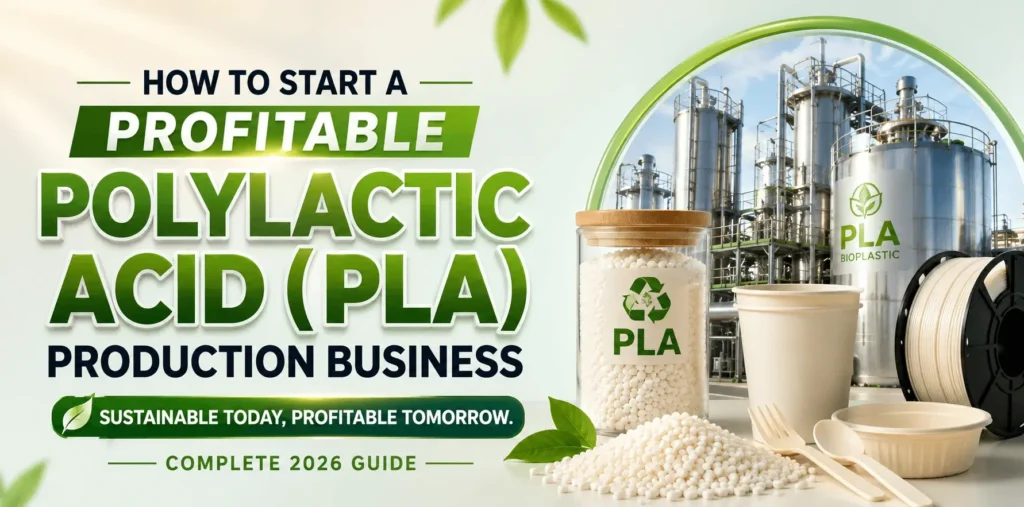
In recent years, the demand for sustainable and eco-friendly materials has increased drastically across various industries. Among the many biodegradable alternatives to conventional plastics, Polylactic Acid (PLA) stands out as one of the most promising. Derived from renewable resources such as corn starch, sugarcane, or cassava, PLA is widely used in packaging, agriculture, textiles, medical devices, and especially 3D printing. But how exactly is this environmentally conscious polymer created? Understanding the manufacturing process of Polylactic Acid (PLA) is essential to appreciate its significance and widespread adoption. Step-by-Step Process of Polylactic Acid (PLA) Production The production of Polylactic Acid (PLA) involves several key steps, beginning with the extraction of natural sugars and ending with the polymerization into a plastic-like material. Let us explore each phase in detail: 1. Raw Material Selection and Preparation The first step in producing Polylactic Acid (PLA) is sourcing the raw materials. PLA is synthesized from fermentable sugars, most commonly derived from corn starch in the United States or sugarcane in countries like Brazil. These raw materials are selected for their high carbohydrate content, which serves as the foundation for lactic acid production. The crops are harvested and then mechanically processed to extract the starch or sugar. In the case of corn, the kernels are ground, and the starch is separated through a wet milling process. This starch is then enzymatically hydrolyzed to release simple sugars, primarily glucose. 2. Fermentation of Sugars into Lactic Acid Once the fermentable sugars are extracted, they undergo microbial fermentation. In this biological process, specific strains of bacteria (such as Lactobacillus) are introduced to the sugar solution. These bacteria consume the glucose and convert it into lactic acid through anaerobic fermentation. Temperature, pH, and oxygen levels are carefully regulated to maximize lactic acid yield. This process typically takes between 24 to 48 hours. Once complete, the lactic acid is separated from the fermentation broth, purified through filtration and distillation, and then concentrated for further processing. 3. Lactic Acid to Lactide Conversion The next phase in manufacturing Polylactic Acid (PLA) involves transforming lactic acid into a more reactive intermediate compound called lactide. This is achieved through a condensation reaction, where two molecules of lactic acid combine and lose water to form lactide – a cyclic dimer of lactic acid. The reaction must be precisely controlled to prevent unwanted side reactions and to ensure high-purity lactide. The resulting lactide mixture typically contains different isomers (D-lactide, L-lactide, and meso-lactide), and the selection of specific isomers influences the properties of the final PLA material, such as its crystallinity and melting temperature. 4. Polymerization of Lactide into PLA Lactide is then polymerized through a process called ring-opening polymerization (ROP). This chemical reaction involves the use of catalysts such as tin(II) octoate or other metal complexes. Under controlled heat and vacuum conditions, the lactide molecules open up and link together to form long chains of Polylactic Acid (PLA). The molecular weight of the resulting PLA polymer can be adjusted by varying the reaction time and conditions. High molecular weight PLA is generally more durable and suitable for industrial applications, while lower molecular weight PLA is used in applications like biomedical implants where biodegradability is a priority. Handbook On Chemical Industries (Alcohol Based) 5. Pelletizing and Drying Once the polymerization is complete, the PLA resin is cooled and cut into small pellets. These pellets are then thoroughly dried to remove any residual moisture, as PLA is highly sensitive to hydrolysis. Drying is essential for preserving the polymer’s mechanical strength and thermal stability during processing. These dried PLA pellets are the final product of the manufacturing process and can be shipped to converters and manufacturers who mold, extrude, or 3D-print them into various end-use products. 6. PLA Fabrication and Applications Manufacturers use the PLA pellets to produce a wide array of products, often through methods like injection molding, thermoforming, or extrusion. PLA is particularly valued for its transparency, biocompatibility, and ability to degrade under industrial composting conditions. Some of the common applications of Polylactic Acid (PLA) include: Disposable food packaging (cups, cutlery, containers) Medical implants and sutures Agricultural films 3D printing filaments Textiles and nonwoven fabrics Its versatility and biodegradability make it a highly preferred material in both commercial and industrial contexts. 7. Environmental Impact and Sustainability A crucial reason for the growing interest in Polylactic Acid (PLA) is its positive environmental profile. Unlike petroleum-based plastics, PLA is derived from renewable resources and has a significantly lower carbon footprint. It also decomposes under industrial composting conditions into water and carbon dioxide within a few months, making it an attractive alternative in efforts to reduce plastic pollution. However, it’s important to note that PLA does not readily degrade in standard landfills or natural environments. Proper composting infrastructure is necessary to fully realize its environmental benefits. Moreover, there are ongoing innovations in improving PLA’s performance in terms of heat resistance and mechanical properties to broaden its applicability. Challenges in PLA Production Despite its benefits, the production of Polylactic Acid (PLA) is not without challenges. Some of the issues include: The cost of raw materials, which can be affected by agricultural crop prices. The energy requirements for fermentation and polymerization. The need for efficient composting systems to manage PLA waste. Researchers and companies are actively working on overcoming these obstacles by developing more cost-effective processes, genetically engineered bacteria for better lactic acid yield, and novel catalysts that reduce environmental impact during polymerization. Future Outlook The future of Polylactic Acid (PLA) looks promising as both regulatory bodies and consumers push for greener alternatives to traditional plastics. Advances in biotechnology, synthetic chemistry, and industrial processing are continually enhancing the quality and efficiency of PLA production. With better recycling and composting technologies, PLA could become a mainstream material across a variety of sectors. Additionally, hybrid composites and blends with other biodegradable materials are being explored to address PLA’s limitations and expand its usability in high-performance applications such as automotive parts, electronics casings, and durable consumer goods. Conclusion In summary, the production of Polylactic Acid (PLA)
Biodegradable Plastic Bag Manufacturing Industry
In an age where environmental sustainability has become more than a buzzword, biodegradable plastic bags are increasingly gaining prominence. With global concerns surrounding plastic pollution, governments and organizations are encouraging alternatives that are eco-friendly and sustainable. This shift in awareness has created a profitable opportunity in the biodegradable plastic bag manufacturing sector. These bags decompose naturally by microorganisms, reducing the harmful impact on ecosystems and wildlife. If you are planning to enter this market, understanding the manufacturing process, required machinery, market demand, and regulatory frameworks is crucial to establishing a successful venture. Understanding Biodegradable Plastic Bag Manufacturing Biodegradable plastic bag manufacturing involves converting plant-based or biodegradable synthetic polymers into usable carry bags. These bags can be made from raw materials like cornstarch, PLA (polylactic acid), PBAT (polybutylene adipate terephthalate), or other compostable substances. Unlike traditional plastic bags that take hundreds of years to decompose, biodegradable bags can break down in a matter of months under the right conditions. The industry is being shaped by rising consumer awareness, governmental policies banning single-use plastics, and the demand from retail and foodservice sectors for sustainable packaging solutions. As such, manufacturers can expect a growing market with consistent demand. Moreover, the production line for biodegradable bags is relatively similar to conventional plastic bags, making it easier for existing manufacturers to pivot or expand. Raw Materials Used The raw materials required for biodegradable plastic bag manufacturing vary based on the type of biodegradable polymer you choose. Some of the commonly used materials include: Cornstarch: A popular bio-based option that is renewable and easily available. PLA (Polylactic Acid): Derived from fermented plant starch (usually corn), known for its compostable properties. PBAT: A petroleum-based biodegradable plastic often blended with PLA or starch for added flexibility and durability. Cassava starch: Becoming popular in certain regions due to its fast degradability. Blending these materials in the right proportion is critical to achieving strength, flexibility, and environmental performance in the final product. Manufacturing Process The biodegradable plastic bag manufacturing process involves several key steps: Mixing and Compounding: The chosen raw materials are blended using a compounding machine. Additives may be introduced to enhance properties like color, UV resistance, and flexibility. Extrusion: The blended material is fed into an extruder where it is melted and formed into a thin film. This film serves as the base for making bags. Blown Film Processing: The molten material is blown into a tubular film using compressed air. This step defines the thickness and width of the bags. Printing (Optional): If branding or labeling is required, the film can be printed using eco-friendly ink. Cutting and Sealing: The film is then cut and heat-sealed to form individual bags of the desired size and shape. Packaging: Finished bags are bundled and packed for distribution. This process can be semi-automatic or fully automatic depending on the scale of operations and investment capacity. Required Machinery To set up a biodegradable plastic bag manufacturing unit, you’ll need the following machinery and equipment: Compounding machine Blown film extrusion machine Flexographic printing machine (optional) Bag cutting and sealing machine Quality testing and packaging equipment The cost of setting up the plant will depend on the machinery type (manual, semi-automatic, or automatic), production capacity, and desired product range. A small-scale unit may require an investment of ?25–50 lakhs, whereas a medium-to-large scale plant can go up to ?2 crores or more. Location and Infrastructure Selecting the right location is vital. Industrial zones with proper waste management systems and proximity to raw material suppliers can reduce logistics costs and improve operational efficiency. Ensure the site has: Adequate space for manufacturing and storage Power supply with backup Water availability Ventilation and fire safety measures Compliance with local zoning laws and environmental norms Legal Compliance and Certifications In India and many other countries, biodegradable plastic bag manufacturing is regulated under specific environmental laws. You may need the following licenses and approvals: Company registration (as Proprietorship, LLP, or Pvt. Ltd.) Factory license from the local authority Pollution Control Board clearance GST registration Bureau of Indian Standards (BIS) certification ISO certification for quality management (optional but recommended) Trademark registration for your brand Getting a compostability certificate from a recognized body will help build consumer trust and access to larger markets. Market Trends and Opportunities The market for biodegradable plastic bag manufacturing is expanding rapidly due to growing environmental consciousness and stricter government regulations against conventional plastics. Here are a few trends and opportunities to capitalize on: Retail and E-commerce: Major players prefer eco-friendly packaging options to enhance brand image. Food and Hospitality Sector: Restaurants, cafes, and hotels need biodegradable carry bags for delivery and takeaway services. Government Supply Contracts: Municipalities and public departments are adopting sustainable alternatives for various use cases. Exports: Biodegradable products are in high demand in Europe, the USA, and Australia due to stringent environmental laws. This dynamic demand creates ample room for innovation in terms of bag designs, thicknesses, and specialty applications like compostable garbage bags or courier pouches. Profit Margins and ROI Profitability in biodegradable plastic bag manufacturing depends on multiple factors including raw material cost, production scale, and distribution strategy. Typically, the cost of producing a biodegradable bag is higher than a conventional plastic one. However, due to premium pricing and consumer willingness to pay more for sustainable alternatives, manufacturers can achieve healthy profit margins. On average, net profit margins may range from 10% to 25% depending on operational efficiency and market positioning. Break-even can usually be achieved within 1.5 to 2 years for small and medium-scale setups if managed properly. Marketing and Distribution Strategy A robust marketing plan can make your biodegradable plastic bag manufacturing business stand out. Here are some effective strategies: B2B Partnerships: Collaborate with supermarkets, retail chains, and foodservice businesses. Online Presence: Build a strong digital presence through a website, social media, and e-commerce platforms. Certifications as USPs: Highlight environmental certifications and biodegradability metrics to appeal to conscious buyers. Trade Shows and Expos: Participate in sustainability and packaging trade fairs to expand network and visibility. You
Production of Bioplastic Film using Biodegradable Resin, PLA (Polylactic Acid)
The increasing environmental awareness across the globe has led to a significant shift towards sustainable packaging solutions, and bioplastic film is at the forefront of this transformation. Made from renewable resources like corn starch or sugarcane, bioplastic film offers a green alternative to conventional petroleum-based plastics. Among the various types of bioplastics, PLA (Polylactic Acid) resin has emerged as a highly popular and effective raw material for film production. Its biodegradable nature and versatile properties make it an ideal candidate for use in packaging, agriculture, medical applications, and more. Why PLA Resin is Revolutionizing Bioplastic Film Production PLA resin, derived from fermented plant starch (usually from corn), is a biodegradable thermoplastic that is gaining widespread acceptance for bioplastic film production. PLA-based films are not only compostable under industrial conditions but also possess excellent mechanical and barrier properties, making them suitable for a variety of commercial and industrial uses. The bioplastic film made with PLA resin stands out due to its transparency, printability, tensile strength, and moisture resistance. Additionally, PLA offers a lower carbon footprint when compared to traditional plastics, making it a preferred choice for companies aiming to meet sustainability goals and reduce environmental impact. PLA bioplastic films can degrade within a few months under composting conditions, converting into water, carbon dioxide, and organic matter. Understanding the Bioplastic Film Manufacturing Process The production of bioplastic film using PLA resin follows a sequence of well-coordinated steps, ensuring quality, consistency, and performance. Below is an outline of the process: 1. Raw Material PreparationThe journey begins with sourcing high-quality PLA resin, which typically appears in the form of pellets. These pellets are processed from lactic acid derived via bacterial fermentation of carbohydrates such as sugar or corn starch. This raw material is dried to remove any moisture content, which could affect the extrusion process. 2. ExtrusionPLA pellets are fed into an extruder where they are heated and melted. This molten PLA is then forced through a flat die to form a thin layer of film. The temperature control during extrusion is crucial to maintain the molecular integrity of PLA and ensure a smooth film surface. 3. Quenching and CastingThe extruded PLA film is quickly cooled using chilled rollers (quenching), helping to solidify the structure and prevent crystallization. It is then stretched and cast into the desired thickness and dimensions. 4. Orientation (Optional)For certain applications, the film may undergo biaxial orientation—stretching in both the machine and transverse directions. This enhances clarity, tensile strength, and barrier properties of the bioplastic film. 5. Slitting and WindingThe final film is slit into rolls of desired width and diameter. These rolls are inspected for quality and stored or shipped for end-use applications. Applications of Bioplastic Film with PLA Resin Bioplastic film has a wide array of uses owing to its eco-friendly properties and performance features. Some of the prominent applications include: Food Packaging: One of the largest consumers of PLA-based bioplastic film, the food industry uses it for wrapping snacks, vegetables, bakery items, and dairy products. The film’s excellent oxygen barrier helps in preserving food freshness. Agriculture: Used as mulch films that can degrade in the soil, bioplastic films enhance soil health and eliminate the need for film removal after the harvest. Medical Packaging: PLA film is used in sterile packaging of medical tools due to its non-toxicity and biodegradability. Compostable Bags: From shopping bags to waste liners, bioplastic film is increasingly used for producing single-use items that can be composted instead of ending up in landfills. Electronics and Stationery: Transparent PLA film is used in packaging electronics and making eco-friendly office supplies. Advantages of PLA-Based Bioplastic Film Opting for bioplastic film made from PLA resin offers several environmental and commercial benefits: Biodegradability: PLA films break down naturally in industrial composting settings, reducing long-term plastic pollution. Renewable Resources: Since PLA is plant-based, it reduces dependency on finite fossil fuels. Reduced Carbon Footprint: The production and degradation of PLA emit fewer greenhouse gases compared to conventional plastic production. Safe and Non-Toxic: PLA film does not release harmful toxins during its lifecycle, making it safe for food contact and consumer use. High Printability and Clarity: Ideal for branding and retail packaging, PLA film allows for clear graphics and excellent shelf appeal. Challenges and Limitations Bioplastic PLA films show promise but face challenges that must be resolved for broader industry adoption. Composting Infrastructure: PLA requires specific industrial composting conditions for effective degradation. Lack of composting facilities can lead to improper disposal. Cost Factor: PLA resin is relatively more expensive than traditional plastic resins, which could deter small-scale manufacturers. Heat Resistance: PLA film has a lower melting point, making it unsuitable for high-temperature applications unless modified. Moisture Barrier: While it offers decent moisture resistance, it’s not as effective as some petroleum-based films in highly humid conditions. Future of Bioplastic Film and Sustainability Goals The global movement towards banning single-use plastics has created a fertile ground for the growth of bioplastic film markets. With continuous innovation in PLA resin formulations and biopolymer technology, we are witnessing improved film properties that can compete directly with conventional plastics in terms of cost and performance. Governments around the world are offering incentives for companies adopting sustainable practices, and consumer demand for eco-friendly packaging is on the rise. Many multinational corporations have already committed to using bioplastic film in their product packaging, further driving the growth of PLA resin-based solutions. Investments in R&D are also focusing on creating PLA blends with improved thermal stability, moisture resistance, and cost-effectiveness. Moreover, the development of home-compostable PLA films is being explored, which could eliminate the need for industrial composting infrastructure. Final Thoughts Bioplastic film made with PLA resin represents a significant stride towards a circular economy and responsible consumption. Rising eco-awareness is driving increased demand for sustainable packaging options like bioplastic film. . Despite challenges in cost, infrastructure, and heat resistance, cross-sector innovation is steadily overcoming these barriers. For manufacturers, adopting PLA-based bioplastic film not only supports environmental stewardship but also opens new business opportunities in the green economy.
Profitable Business Ideas on Biodegradable Products
In recent years, the global focus on environmental sustainability has skyrocketed. Consumers and companies alike are seeking eco-friendly alternatives to reduce their carbon footprints, manage waste better, and protect the planet for future generations. One of the most promising areas within the green economy is the production and distribution of biodegradable products. These products naturally decompose, leaving behind minimal or no toxic residues, making them ideal replacements for traditional plastics and non-biodegradable materials. As the demand for eco-conscious choices grows, entrepreneurs have an incredible opportunity to launch innovative ventures focused on biodegradable products. This article explores some of the most promising top green business ideas with biodegradable products, revealing how they can benefit both the environment and your bottom line. Top Green Business Ideas with Biodegradable Products 1. Biodegradable Packaging Solutions With the surge in online shopping and food delivery services, packaging waste has become a critical environmental challenge. Starting a business that manufactures or supplies biodegradable packaging materials, such as bags, containers, and wraps made from plant-based polymers or recycled materials, can tap into a growing market. These alternatives break down quickly in compost or soil, significantly reducing landfill waste. Businesses, especially in the food industry, are increasingly shifting to biodegradable packaging to meet consumer demand and comply with government regulations on single-use plastics. You can cater to local retailers, restaurants, or e-commerce companies seeking sustainable packaging options. 2. Eco-Friendly Disposable Tableware Disposable cutlery, plates, cups, and straws are some of the biggest contributors to plastic pollution. Launching a business that produces or distributes biodegradable disposable tableware made from materials like cornstarch, sugarcane bagasse, bamboo, or wheat bran offers a greener alternative. These products decompose naturally within weeks or months, unlike plastic counterparts which can persist for centuries. Cafes, catering services, event organizers, and food trucks represent key customers who are willing to pay a premium for eco-friendly disposables that appeal to environmentally conscious consumers. 3. Biodegradable Personal Care Products The personal care industry has seen increasing criticism for the plastic waste associated with products such as toothbrushes, cotton swabs, and packaging. Introducing biodegradable personal care items like bamboo toothbrushes, compostable cotton buds, and refillable packaging for shampoos or lotions provides a sustainable solution. Moreover, consumers today are gravitating toward natural ingredients and zero-waste products, which creates a fertile ground for green startups in this space. Branding your products with organic, cruelty-free, and biodegradable attributes can help you carve a unique niche. 4. Compostable Trash Bags and Bin Liners Household and commercial waste management can become greener with biodegradable trash bags and bin liners. These bags degrade quickly in industrial composting facilities or landfills, unlike conventional plastic bags that cause long-term environmental damage. Offering compostable trash bags for home use, offices, hospitals, and hospitality businesses is a practical and scalable business idea. You can also educate customers about proper disposal methods to maximize the benefits of biodegradable waste management products. 5. Sustainable Agricultural Products Agriculture is another sector ripe for green innovation through biodegradable products. Examples include biodegradable mulch films, seedling pots, and plant clips. These products reduce plastic waste on farms and gardens, helping to maintain soil health without compromising crop yields. Starting a business that supplies biodegradable agricultural inputs supports organic farming and permaculture movements, appealing to environmentally conscious farmers and gardeners who want to reduce their ecological footprint. 6. Eco-Friendly Shopping Bags Despite bans on plastic bags in many countries, demand for alternatives remains high. Manufacturing or retailing reusable biodegradable shopping bags made from jute, cotton, or biodegradable bioplastics offers a sustainable alternative to single-use plastic bags. These bags can be marketed not only for their environmental benefits but also for their durability and style. Collaborating with local retailers, supermarkets, and even governments can help scale this business idea effectively. 7. Biodegradable Cleaning Products Cleaning products often come packaged in plastic bottles and may contain harmful chemicals that impact the environment. Creating a line of biodegradable cleaning products packaged in compostable containers or refillable bottles addresses two environmental concerns: plastic waste and chemical pollution. Plant-based soaps, detergents, and disinfectants that break down naturally without leaving toxic residues appeal to eco-conscious households, hotels, and offices. Emphasizing non-toxic and biodegradable ingredients can distinguish your brand in a competitive market. Why Choose Biodegradable Products for Your Green Business? Choosing biodegradable products as the foundation for a green business is not only a smart environmental decision but also a lucrative one. Consumers are increasingly aware of the impact of their purchasing decisions and are willing to invest in products that align with their values. Biodegradable products reduce landfill waste, lower pollution levels, and often require less energy and fewer resources to produce compared to conventional alternatives. Governments worldwide are pushing for stricter environmental regulations, creating incentives and mandates that favor businesses producing biodegradable products. Furthermore, incorporating biodegradable products into your business model can enhance your brand reputation and foster customer loyalty. Transparency about sustainability efforts resonates well with millennials and Gen Z consumers, who are the largest demographic groups demanding ethical products. Challenges and Considerations in Biodegradable Product Businesses While the prospects for biodegradable products are promising, starting a business in this sector involves certain challenges: Cost: Biodegradable materials and manufacturing processes can be more expensive than conventional plastics, which may affect pricing strategies. Consumer Education: Many consumers are not fully aware of the benefits and proper disposal methods for biodegradable products, making education and awareness campaigns essential. Supply Chain: Securing reliable sources of biodegradable raw materials can be difficult, especially for startups. Certification: Gaining certifications such as ASTM D6400 (for compostability) or other eco-labels adds credibility but requires time and resources. By planning carefully and emphasizing innovation, these challenges can be overcome, turning your biodegradable products venture into a sustainable success. Marketing Strategies for Biodegradable Product Businesses To maximize impact and sales, consider these marketing tactics: Storytelling: Share your mission and the environmental impact of your products transparently to connect emotionally with consumers. Social Media: Platforms like Instagram and TikTok are ideal for showcasing eco-friendly lifestyles and product