
Toy Distributors in India: A Guide For Building Partnerships
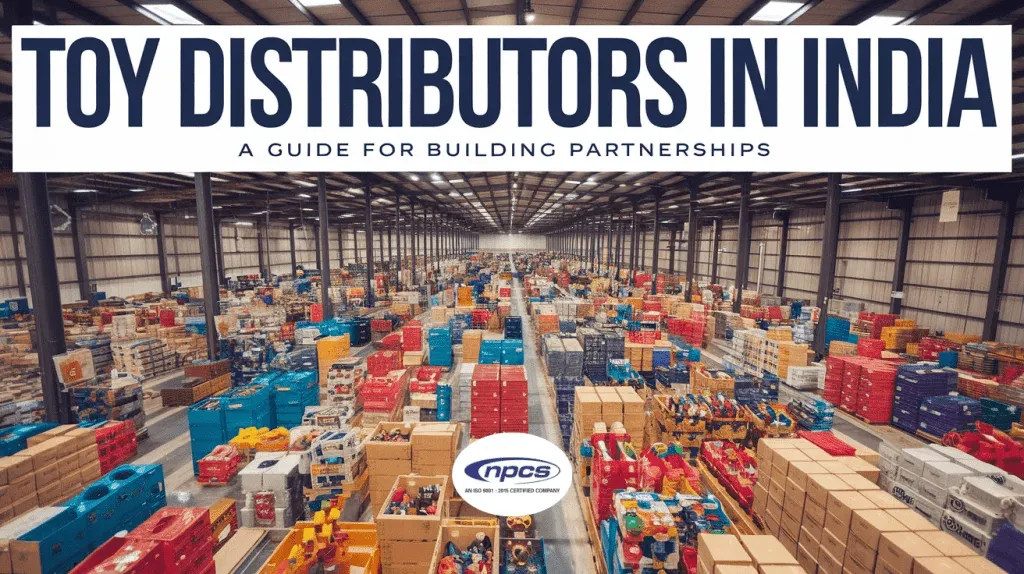
This increasing popularity for educational, Eco-friendly and recreational toys is furling the growth of toy industry in India. Changing consumer preferences, greater disposable income and increasing focus of early childhood education are driving the market. Toy distributors in India serve an important function that brings the manufacturers and consumers close Importantly, distributors are taken as intermediaries who make sure toys are distributed to retailers, wholesalers, and online shops. A big chunk of the success Indian businesses receive is from the strong relationship they have with reliable distributors. This article will explore the key factors involved in working with toy distributors in India, the role they play in the supply chain, and how to find the right partners for your business. The Role of Toy Distributors in India The wholesale distribution of Toys to retail outlets, e commerce platforms and other sales channels is the sole responsibility of toy distributors in India. But they serve as intermediaries between the manufacturers or importers of toys and the toys end consumer. The wholesale distributors control the logistics and the warehousing, inventory and delivery of the toys to those retailers so that the toys are on the shelves to be purchased. Indias distributors work with a predominantly network of retailers such as large department stores, specialist toy stores, online retailers and supermarkets. Furthermore, they also offer after sales agents that take care of returns, warranty claims and they even offer marketing support to retailers to support to them market the toys. In addition to that, they are making a significant contribution in market analysis to assist businesses in determining regional preferences of the customers, trends in the market and pricing strategies. Businesses can rely on their local knowledge and tap into their ability to guide the business through the intricacies of the Indian market ensuring that their product caters to the local market. Key Factors to Consider When Choosing a Toy Distributor in India Selecting the right toy distributor in India is crucial to ensuring the success of your toy business. If you’re able to find a reliable distributor, they can help you with reaching out geographically with your market, help stream line your supply chain and keep your sales on a repeatable basis. When choosing a distributor, there are several factors that you should consider: Market Reach and Network Market reach and network are factors into one of the most important when selecting your distributor. If youre able to find a distributor with a wide network spread across India, it will help you get your product into a variety of retail outlets ranging from large nationwide chains to local toy stores. They should also cover both metros and Tier 2 and Tier 3 cities as these areas have growth potential. Your distributor also should have knowledge of the physical retailing as well as e-commerce sites such as Amazon, Flip kart and more when it comes to online toy marketplaces. With online shopping growing in India, especially since a lot of toy sales shifting to digital channels, it is increasingly important. Experience and Reputation It is very important to choose a distributor with experience in the toy industry. They should be acquainted with specific demands of the market in the line of safety regulations, consumer preferences and trends in toy market. An experienced distributor will have a proven history of good work with toy brands and can provide insights to the keywords toys that can do well in India. For one, a distributors reputation is a key consideration. Find distributors that have close personal relations with retailers and a history of providing on time quality products. Then you can check references, read reviews and assess the distributors credibility based off of the work they do for other brands. Also Read: Plastic Products Manufacturing: Profitable Plastic Industries Production of Fibre Glass, Optical Glass and Reinforced Plastics Distribution Channels and Logistics The toys distributor should have a well developed logistics network with the ability to deliver to retailers and e commerce platforms in time. Essentially, they have to be able to store merchandise, manage stock inventory and ship out items quickly. The presence of a distributor with logistical infrastructure established will help in cutting down of delays and keep your supply chain set up. And ask the distributor if they can handle returns of product, damaged goods and warranty claims. If distributors provide after sales services, they should also assure retailers and customers regarding reliable after sales services. Compliance with Indian Regulations For toys in India, safety and quality rules are quite stringent. You need to make sure the distributor you are going to choose is totally compliant with the Bureau of Indian Standards (BIS) certifications, labeling requirements and other rules that go along with toys. The distributor should also be able to deal with the documentation about product compliance and to advise you about the necessary certifications required. If you are importing toys into India make sure that the distributor can handle all the paperwork needed for customs clearance. In addition, they should keep updated about any laws or taxes changes that affect the import process. Marketing and Sales Support A good toy distributor should be more than just an outlay of products but can also act to promote those products. To help increase the visibility of toys in the marketplace, and there are many ways that distributors will offer marketing and sales support. These may help with in store displays, promotions, and even print materials to get retailers to stock your toys. If your toys are sold through an e commerce platform, the distributor should also have a store of digital marketing experience so your products can be placed for the consumers to see them online. This can also help with SEO, content creation, product listing optimisation, and ultimately help sales of these products on these platforms. How to Find Toy Distributors in India Finding reliable toy distributors in India can be a challenging task, but with the right approach, you can identify
Importing Toys to India: A Comprehensive Guide 2026
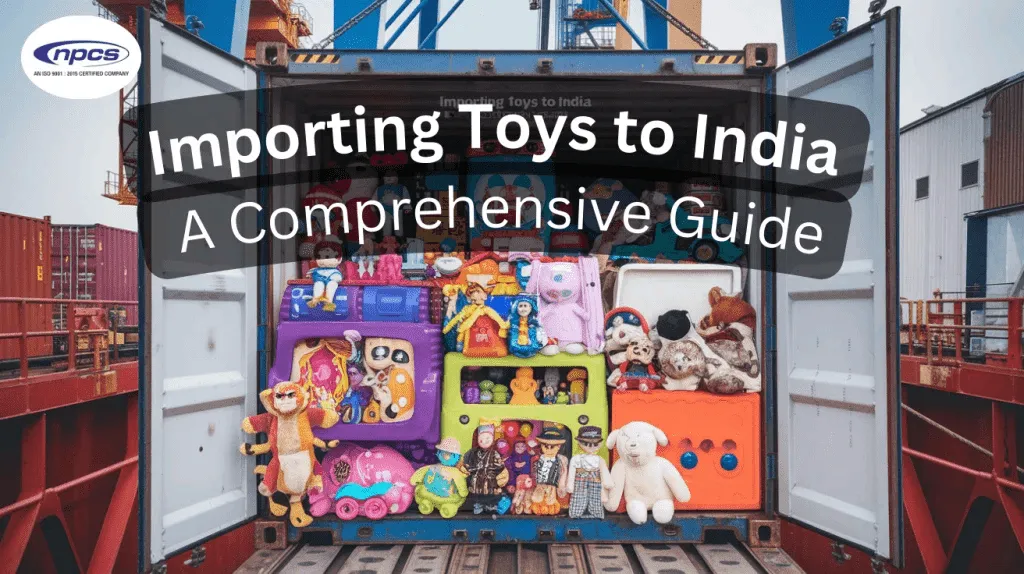
In the Last Decade, India’s Toy Market Has Grown Rapidly India’s toy industry has witnessed an extraordinary rise over the past ten years. A combination of rising disposable incomes, urban migration, and a growing middle class has fueled the demand for educational and recreational toys. This surge has positioned India as a key player in the global toy market. For businesses worldwide, importing toys to India is now a strategic and profitable opportunity. However, this venture requires a deep understanding of regulatory guidelines, consumer preferences, and safety compliance. Understanding the Indian Toy Market India ranks among the world’s largest toy-consuming nations, with a population of over 350 million children. Urbanization and the growth of nuclear families have created a demand for toys that are both entertaining and educational. STEM toys, eco-friendly products, and locally-inspired concepts are gaining popularity. Traditional dolls and action figures remain strong contenders, but the market now favors innovative educational tools. Consumers are actively seeking sustainable toys that align with their values on safety and environment. To succeed, importers must understand these shifting preferences and bring in trending toys aligned with the market pulse. Steps for Importing Toys to India 1. Research the Market and Consumer Preferences Before launching toy imports, businesses must analyze current trends, target age groups, and regional demand. Global brands like Lego and Mattel perform well, but Indian parents also value culturally relevant and educational toys. Surveys, online market analysis, and feedback from retailers help in identifying high-potential products. Select toys that resonate with local values, address parental expectations, and encourage learning. 2. Obtain Importer Exporter Code (IEC) To legally import toys, a company must obtain an Importer Exporter Code (IEC) from the Directorate General of Foreign Trade (DGFT). This 10-digit code enables international trade and is mandatory. The application process involves submitting: Business PAN card Proof of business address Incorporation certificate Digital signature certificate Without IEC, customs clearance is not permitted. Also Read: How to Start Kids Electronic Toys Factory. The Best Home-Based Manufacturing Business Ideas for Entrepreneurs on a Budget Start Investing in Electronic Toys and Grow Your Business 3. It is impaired by delays in product safety compliance, which is crucial. The Bureau of Indian Standards (BIS) has set the safety standards for Importing Toys to India. Toys are required to comply with IS 9873 standard of the Bureau of Indian Standards (BIS) which requires them to be safe, with requirements such as material safety, mechanical property and chemical composition. Every toy that is manufactured should be free of hazardous substances, such as lead, phosphates or other detrimental chemicals, and these standards are the key to this reality for toys. Moreover if toys with parts containing electronics there is IS 302 that ensures safety or electrical electronic toys. These standards are also complimented by a certificate of conformity (Cod) which importers use to confirm conformity with these standards. 4. Customs Clearance The toys are sold once they reach India, passing through customs. In the case of paying the applicable import duties, taxes and other fees, the customs process is also paid. This classification of goods for customs purposes, designated The Harmonised System (HS) Code, is important in determining the duty applicable. The HS Code is usually 9503 for toys. Submission of the commerce invoice, packing list, bill of lading, certificate of origin and other documents can be done to customs clearance. If the toys are being imported from a country what has Free Trade Agreement (FTA) with India the import duties could be reduced. 5. The requirements for labelling and packaging. India’s labelling and packaging standards apply to imported toys. The packaging must include the following information: – Manufacturer’s details – Country of origin – Age group recommendation Safety Warnings if Any (if Applicable) – Material composition – Usage instructions Labels for these products must be in English or Hindi so that its easy to comprehend them for the consumers in India. 6. Choose a Distribution Channel E-commerce: At present, Indias online retail market is booming, with many toy businesses looking to make the most out of online platforms Amazon, Flip kart and Snap deal to sell imported toys. Wholesale Distribution: You can sell toys to wholesalers who then pass them to retail outlets all over the country. Retail Outlets: If you want to open your own retail store, you’ll have to deal with logistics of toy storage, display and sales. Supermarkets and Toy Stores: Another option would be to establish relationships with major retailers and supermarkets. Legal and Regulatory Considerations Import Duty and Taxes: The only charges imposed by the Indian government on toys are imports ones, which can be different for different types of toys and accordingly. Customs duties aren’t the only taxes that apply on toys; currently 18% of goods and services tax (GST) is compulsory. BIS Certification: After BIS certification, manufacturers and importers must get their products tested to obtain the certification and toys must be of BIS certified. Labelling and Packaging Regulations: Earlier I already mentioned about the Consumer Protection (E commerce) Rules which are applicable in India as other packaging laws in the country require products such as toys to be labelled in a certain way. Environmental Compliance: India is becoming increasingly aware and regulated of its plastic waste. Plastic Waste Management Rules may prevent sale of plastic toys; such plastic based toys imported. Read Our Handbook: Medical, Municipal and Plastic Waste Management Handbook Handbook on Biodegradable Plastics (Eco Friendly Plastics) Modern Technology of Waste Management Bioplastics & Biodegradable Products Manufacturing Handbook Challenges in Importing Toys to India The Indian toy market offers many opportunities, but also presents many problems that toy importing businesses could face. The most complex custom clearance process is one major challenge. These import duties and taxes may add up to a significant amount, and so should be included into the end user pricing of your products. It can also be a regulatory compliance challenge. BIS safety standards can take a lot of your time and money. The process
Recycled Material Toys: Creative Green Options for our Children
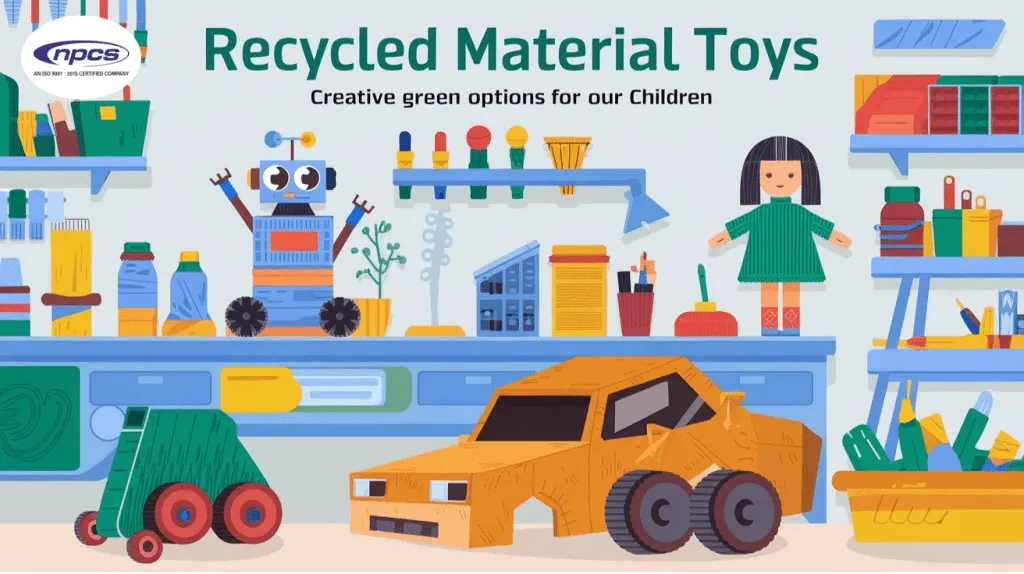
Sustainable products are in high demand, and toys are no exception. As environmental awareness grows, recycled material toys are becoming more popular with both parents and manufacturers. Made from repurposed materials, these toys offer eco-friendly alternatives to traditional plastic ones. The toy industry is shifting toward local, sustainable production methods that reduce environmental impact while ensuring safety and fun for children. Buying such toys helps reduce landfill waste and supports the broader goal of lowering carbon footprints. Using recycled plastic, wood, fiber, and metal, manufacturers are creating innovative, eco-conscious toys. This shift, driven by consumer demand, also reflects a growing commitment to conserving natural resources and reducing pollution. Benefits of Recycled Material Toys Multiple factors benefit both consumers and the environment when they select recycled material toys for promotion. Eco minded families can choose these toys since they combine environmental responsibility and minimal planetary impact with the essential qualities parents look for in safe and long-lasting learning and entertainment toys. These toys are one of the most primary benefits out of these toys. Manufacturers can help reduce waste and avoid new raw materials by re purposing materials that would go to waste. Saving energy and reducing the environmental impact from toys production. In addition, recycled toys support a circular economy by embracing the movement of using used materials which also advances sustainability measures. On top, recycled material toys are typically chemical free, as compared to the other toys made of plastic. For example, many toys made from recycled plastics are tested to meet safety standards and are BAP free, naphthalene free, lead free. Their non toxic nature makes it safe for kids, even those who like putting toys in mouths. With products made from non toxic, Eco friendly materials the parents feel eased knowing that their children playing are safe. Types of Recycled Material Toys Recycled Plastic Toys: Now, many toy manufacturers are creating toys from recycled plastics. These ranges from doll to building blocks, car to action figures. Recycled plastic demand reduces demand for new plastic production, and diverting plastic waste away from landfills. Wooden Toys: Another favourite material for making sustainable toys is recycled wood. Whats great about these toys is that they are often handmade and feel more natural, more rustic, than a plastic counterpart. Puzzles, stacking blocks and pull along toys are wooden; wooden toys. These are biodegradable toys that can last for years, giving you a long, sustainable play toy. Fabric and Textile Toys: A number of soft toys like pluses, dolls and play mats are made out of recycled fabric and textiles. Typically, these toys are constructed with recycled clothing, old fabrics or discontinued textiles so they are a green substitute for synthetic fabric toys. Often, these are softer, and safer for younger children even babies because they are less likely to include harmful chemicals. Metal and Paper Toys: Other manufacturers are using recycled metal and paper to create original, environmentally friendly toys. Sturdy metal toys made from recycled tin or aluminum are often toys of the type known as cars, trucks, and play sets. Recycled cardboard or paper is used to make paper based toys i.e craft kits, board games and puzzles. The toys are lightweight, easy to handle and biodegradable. Also Read: Plastic Products Manufacturing Production of Fibre Glass How Recycled Material Toys Contribute to a Greener Future Toys made from recycled material help to decrease how much waste is produced and resources saved. Choosing toys manufactured from recycled materials means less plastic, wood and other resources get dumped in landfill. And each toy made from recycled materials is a little less waste in the environment and a step closer to no requirement for raw materials. Also using recycled materials also reduces the demand for manufacturing processes that are quite energy intensive. It uses significantly less energy to produce toys from recycled plastics, metals and fabrics then from virgin materials. With this energy savings comes a corresponding reduction of greenhouse gas emissions, helping to make recycled toys part of the effort to move toward a world that does not contribute to climate change. In addition, when you buy recycled material toys youre helping establish a market for recycled goods. When demand for these toys grows, more manufacturers will start following sustainable practices and invest more in developing unfriendly products. This, consequently, results in a larger drive for recycling schemes and waste management schemes as its means of minimising its environmental influence in toy production. Also Read: How to Start Kids Electronic Toys Factory. Home-Based Manufacturing Business Ideas for Entrepreneurs Start Investing in Electronic Toys and Grow Your Business Popular Brands Offering Recycled Material Toys Green Toys: Green Toys, a leading brand based in the United States creates toys made with 100% recycled plastic. Products cover everything from classic toys such as trucks and tea sets to educational products such as puzzles and stacking rings. Every piece of the supply chain of the brand is focused on sustainability; from the materials used to the packaging. Plan Toys: Thai brand Plan Toys turns recycled rubber wood from trees no longer producing latex into wooden toys. Their toys are Eco friendly and promote creativity and children development. Popular because of the sustainable production methods and environmental responsibility commitment. Hape: Another popular wooden toy producing high quality is Hape. Safe, sustainable toys made from recycled wood and non toxic paints. The Hape’s toy is more durable and the educational value is very high, they are designed to foster imaginative play. Toy box: Toyboy is a company with a newer brand, which specialises in making toys from recycled textiles. Made with repurposed fabrics, the design is safe, comfortable, and Eco friendly. Sustainability lies in reducing textile waste, which is something Toy box has been trying hard at. The Future of Recycled Material Toys in India The toy market is booming in India and Indian consumers are starting to understand what the purchase of toys means for the environment. With greater awareness regarding sustainability, demand for recycled
The Toy Business in India: A Growing Market Set to Explode Isn’t Even Close to Over
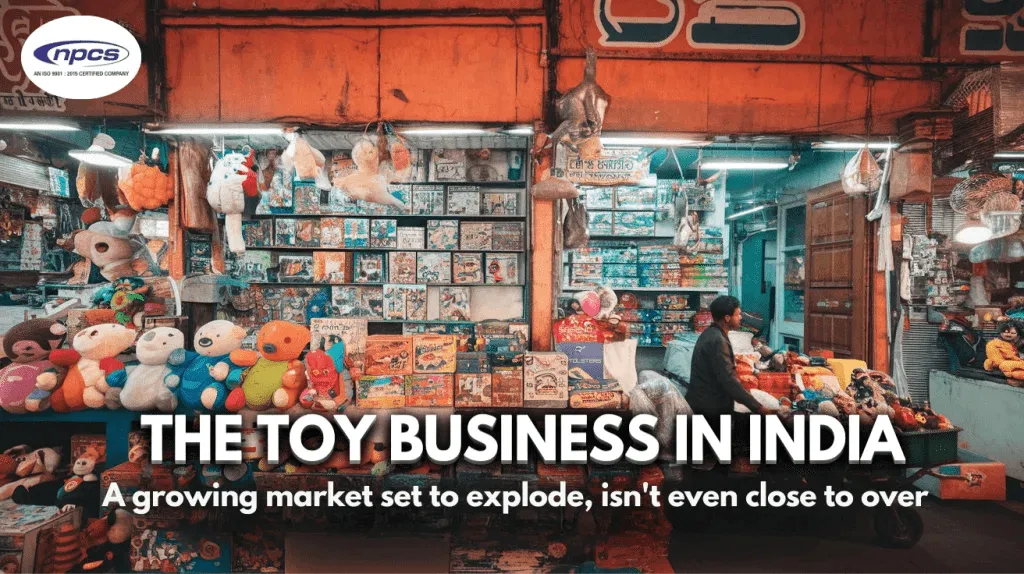
In the last few years the swing of toy business in India is great. The demand for toys is simply booming, along with disposable incomes as the preferences of consumers change and they become part of the rising middle class. Not surprisingly, with the improved awareness of child development and with social media, this has driven the market as a whole towards making more high quality, educational, and more novel toys. Indias toy market is emerging to be one of the biggest toy market in the coming years. Indian toy business has a great opportunity for local as well as international brands. That is why we are seeing increasing number of parents amongst the Indians getting more and more aware about what toys they should be giving to their kids to learn and develop; to do more than keep the kids engaged or entertained. With the rise of these values, comes newer demands for toys that promote learning and creativity and more physical activity. Also Read: How to Start Kids Electronic Toys Factory. Home-Based Manufacturing Business Ideas Start Investing in Electronic Toys Growth of the Toy Industry in India Indias toy industry is increasing rapidly. Recent reports have forecast market to cross USED 1.5 billion by 2025. However, the growth rests on factors including urbanisation, rising household incomes and an enhanced awareness of the importance of child development. Finally, as online retail platforms continue to grow in popularity, toys have become more easy to find a customer base. The toy business in India has seen a lucrative expansion for some time now, largely driven by childrens growing interest in educational & STEM (Science, Technology, Engineering, and Mathematics) toys. Puzzles, building blocks, and science kits are becoming popular educational toys. Educational toys are shifting, therefore, because parents, and now also teachers, seek to promote from babyhood such skills as critical thinking, problem solving and creativity. Popular Categories in the Toy Market Traditional Toys: Traditional toys form a very rich heritage of India, which are still objects of love to children and collectors. Traditional Indian toys that are still thriving in the market are wooden toys, hand crafted dolls and clay figures Educational Toys: Increasingly, parents in India are buying educational toys for their children. These are all about toys which help you take skills further such as memory games, brain teasers, building blocks etc. Action Figures and Dolls: The Indian market likes action figures, dolls and soft toys. There is a plethora of international brands, including Barbie, Hot Wheels and Action Man king pinning this space, but local brands too have begun capitalising on the demand for culturally relevant dolls and figures. STEM Toys: In India, toys that promote science, technology, engineering and mathematics education is catching on. Parents are finding that robotics kits, coding toys, and STEMbased puzzles are the perfect addition to this parenting plan. Outdoor Toys: Children want outdoor activities and so the toys like bicycles, trampolines, and playhouses are getting more popular. Demand for these toys is growing as more people are aware of the benefits of physical activity for childrens health. Consumer Preferences in the Indian Toy Market In India, consumer preferences are changing as parents become aware on what kind of toys they should buy for their children. Several trends are shaping the toy business in India: Focus on Quality and Safety: Today parents in India are becoming more conscientious of toy quality and safety. With plenty of reports of inferior toys sourced from international markets, parents are eager to buy safe, non toxic products that meet international safety standards. Growing Interest in Educational Toys: As per the above statement, in India, already there has been a noticeable shift toward educational toys. Parents tend to buy toys not just for their amusement, but because they encourage learning too. Firstly, this is extremely true in urban areas where these parents have access to better resources on education and are likely to invest in tools designed for education of their children. Demand for Gender-Neutral Toys: Indian market is warming up to gender neutral toys. Boys had action figures and cars and building blocks, girls had dolls and kitchen sets at least, thats how things were traditionally categorised. Modern parents in India, however, are insisting on toys that stimulate creativity, encourages teamwork, problem solving, irrespective of gender. Sustainability and Eco-Friendly Products: Environmental awareness has been on the rise, which has forced parents to choose Eco friendly toys made from materials that are sustainable. Wood, recycled plastic and organic fabric based toys are becoming popular products as they follow the principles of the Eco conscious consumers of today. Read Our Handbook: Medical, Municipal and Plastic Waste Management Handbook Handbook on Biodegradable Plastics Modern Technology of Waste Management Products Manufacturing Handbook Online Shopping Trends in the Toy Industry The toy business in India has been a key driver of growth driven by e commerce. However, with platforms like Amazon, Flip-kart, and First Cry consumers also have flip through toys before purchasing through their flip carts. As demand for toys increases, online retailers are taking advantage of the demand by providing a wide array of options some with international brands, some with local products. Online shopping is convenient, and attractive discounts, free delivery and easy return policies make stores online the popular choice for many Indian parents. Influences on social media and online reviews also influence decisions on what to buy. Challenges in the Toy Industry Even though the toy business has huge potential in India, the market has a lot to deal with. Parents who dont know about educational toys find it to be one of the biggest hurdles. Low cost, entertainment based toys remains a priority for many parents in rural and semi urban areas than educational products. The second challenge of Toy dolls is the extremely cut throat competition in the toy industry, where local and overseas brand fight for the market share. As more brands move into the space, it takes quality, innovation and trust with
How to Choose the Right Paint Colour for Your Home

Choosing the right paint colour for your house can be overwhelming. As with any spectrum, there are so many shades and tones we could go with, it’s easy to feel overwhelmed. What can paint colour do for you? It changes a space and makes it inviting and reflective of your style. It’s important to note that when you are painting one room or all the rooms in your house, whatever colour you pick will instantly establish the way your space looks and feels In this article i will discuss some key things to consider when deciding what paint colour to choose, some tips for testing paint samples, and what can you do if you choose the wrong colour altogether. By working with the right approach, you should be ready to find that perfect colour that makes your space look its best. The Importance of Choosing the Right Paint Colour Selecting the right paint colour is more than just a pretty colour. It serves an important purpose to form the general environment and the mood of the whole room. The color can also make a tiny area look more spacious or generate a homey and intimate impact on a broad, open house. It can even affect how you feel and what your relationship is with the space.For instance, lighter shades designed to be soft and faint will make the rooms look roomy and airy, as dark ones will make the rooms feel warm and comfortable. It is also deciding on a colour that will complement your furniture, flooring and lighting to help the room feel seamless. The right paint colour can emphasise architectural details, provide focal points and make every room feel like it fits in your house. Factors to Consider When Choosing the Right Paint Colour There are many things to keep in mind when picking out the right paint colour for your space. The 2 factors that affect the natural or artificial light and the room size plus desire mood of light. Also Read Ground Calcium Carbonate (GCC) Manufacturing Business High Temperature Aluminium Based Paint Blending and Bottling of Thinners and Solvent Thinners Room Size and Layout: Small rooms can appear larger with lighter colours, or more intimate with darker tones; large rooms can become less so with darker colours. Bold colours or an accent wall can divide the space and create depth for expansive area €“ like living room or hallway. Natural Light: Paint colours can look totally different depending on how much natural light is coming through your windows. Dark, rich colours work nicely in rooms with lots of natural light while rooms that don’t get a lot of natural light will benefit from lighter shades that bring in more light. Also Read Paint Industry Business Ideas: Exploring Opportunities Existing Decor: Your chosen paint colour should compliment the rest of your design elements €” including your furniture, flooring, etc. Therefore, before making a decision look at the colour of furniture you already own, rugs and curtains: they should combine nicely. Personal Style and Mood: Each colour may help produce different emotions. Outer walls that face West or South, or have lots of sun exposures, benefit from warm tones, while cool tones that help cool houses are best for East walls. Blue and green tones are calming and good for bedrooms and bathrooms, whereas yellow, orange and red tones are energising and work well in kitchens and dining areas. How Lighting Affects the Right Paint Colour Paint colour will greatly depend on what the lighting in the room is because it all makes a huge difference. Natural light is’t fixed to the colours that the sun brings by day versus the artificial lighting of the evening. Something important to know about paint colours though, is that you should always test them under a variety of lighting conditions to see what they do before committing. Darker colours will seethe in rooms with minimal natural light and seem much lighter in rooms with bright, direct sunlight. Artificial lights also play a role in how colours appear, warming bulbs will dull cool colours and cool bulbs will enhance warm colours. Always look at a paint sample in several lighting situations to satisfy your expectations. Tips for Testing and Choosing the Right Paint Colour Test Paint Samples: Always remember to never put all of your eggs into one basket and that is never rely on a paint chip or swatch to make your decision. But don’t buy a big can, rather purchase small sample drives and paint wall sections to see how colour appears in the space. It will give you a good idea of style and colour but paint a foot square to get the actual colour. Consider the Entire Room: Do not just think about walls. If you had a lot of paint colours to choose from, consider how the paint colour will look with the flooring, furniture or any other feature in the room. It should not be the wrong paint colour that should go with the entire space. Test Multiple Shades: After all, colours tend to look different once they’re on your wall, so you want to try several different shades of the same colour. Testing a few variations in the room will ensure a colour is not too light or too dark. Evaluate the Color’s Undertones: All colours have undertones which can be contributing to the general colour appearance. For example, a Gray with blue, purple or green undertones to it will look different with different light behind it. Make sure to check out how the paint undertones work with your room. Use the 60-30-10 Rule: This is a very simple decorating rule when trying to balance your colour scheme. Keep it simple, and choose one dominant colour for the walls (60%), a secondary colour for furniture or upholstery (30%) and an accent colour for smaller things such as pillows, art or curtains (10%). Our Projects Paint Rollers Production A Business Plan For Red Oxide Pigment Start
Top Choices for Best Paint for Wood Furniture

If you prefer to have a classic and formal style of your house, wooden furniture is always an option. Whether the piece is vintage or a brand new design, having the proper paint can breathe new life into your furniture so it doesn’t get thrown out and can keep being used. When choosing the best paint for wood furniture, there are several factors to consider, including the type of wood, finish desired, and durability. In this article we will show you the best methods to paint wood furniture and get professional looking results. Why Choosing the Right Paint Matters Not only does the right paint make your wood furniture more beautiful, but it also insulates them from wear and tear caused by everyday use. Whether your furniture is exposed to sunlight, moisture, or frequent use, choosing the best paint for wood furniture will ensure it remains in excellent condition for years. The paint you use should survive scratches, chips and fading and still look good. This can also protect your wood from moisture or UV rays that may eventually damage the wood. Moreover, the perfect paint also helps to lift up the total appearance of furniture, providing it a brand new and clean cut look that epitomizes your house decoration. Types of Paint for Wood Furniture Different types of paint work great for wood furniture, and each provides a different advantage depending on how you want to use and set the tone of the wood. As far as colours and types of good furniture goes, latex paint is the most common type. It is easy to apply, water based, and drys quickly. Latex paint comes in all kinds of finishes and colors, so it works for most any furniture project. It’s a material that tends to resist yellowing over time, is easy to maintain and durable. Chalk paint is another one I like, especially for the vintage, or distressed look. This paint works well on most surfaces with minimal prep, so DIYers will rejoice. If you’re looking for a matte texture with character to give furniture, chalk paint is the way to go. Contrary to water based paint, oil based paint gives you a smooth, durable finish that stands up to wear and tear. Pour on time – it takes longer to dry than latex paint, although its high quality finish gets it a preferred choice for wooden furniture, which gets a lot of wear, like dining tables and cabinets. The glossy appearance and resistance to moisture is easily cleaned is why oil based paint is also used. An eco friendly, non toxic alternative to wood finish is milk paint, bringing a natural, matte finish to your wood furniture. It’s a great choice to those looking for a rustic or farmhouse look. Milk paint arrives in powder form and should be mixed with water prior to using. Perfect for those that like a more natural, earthy look, it can be used on any number of wood surfaces. Our Projects Paint Rollers Production A Business Plan For Red Oxide Pigment Start a Production Of Soda Ash By Solvay Process Application Tips for a Smooth Finish To achieve a smooth, professional-looking finish, proper preparation and application are key when using the best paint for wood furniture. The idea is to prepare surface before you paint anything. Sand the wood a bit and get the surface to be smooth. Remove old paint or varnish with a paint stripper on the furniture. It makes sure the new paint sticks to the area well. Another important step is that you have to prime the wood. Using a primer improves the paint adhesion, and provides a nice smooth base for the paint to attach itself to. The oil based and latex paints are particularly important to follow this step. Later on when covering the walls with paint, be sure to let the primer dry before painting. When we paint, apply it sparingly, not thick. Using multiple thin coats instead of thick coat is more effective since it is much more durable. Apply each coat and allow it to dry complete before applying the next. Also Read Ground Calcium Carbonate (GCC) Manufacturing Business High Temperature Aluminium Based Paint Blending and Bottling of Thinners and Solvent Thinners If you’re done painting, properly sealing the finish is recommended. In the long run, you will want to clean it a bit easier, and you can do that by applying a clear topcoat or furniture wax, which will also protect the paint from scratches. This last step will help the painted furniture last long. Popular Brands for the Best Paint for Wood Furniture The good news is that there are a few trusted brands that give very good paints for wooden furniture. For instance, Sherwin-Williams is famous for its thorough and quality latex paints which can complete the job on wood furniture. Their paints are available in several finishes. Another hot brand is Annie Sloan, known best for its chalk paint. Chalk paint is a favorite for giving vintage or distressed look. It is very easy to apply; no sanding / priming required, ideal for DIY projects. You can get high quality oil based Benjamin Moore paints that have a smooth, glossy finish. These paints enjoy a great reputation for durability, resisting the wear and tear of high traffic parts of furniture like kitchen cabinets and dining tables. Fusion Milk Paint is a popular choice for a natural, matte finish and an eco friendly option. The ingredients used in milk paint by this brand are non toxic, and therefore a good thing for the environment and your home. Common Mistakes to Avoid When Painting Wood Furniture If you want the best finish possible, avoid making these mistakes when using paint on wood furniture. The biggest mistake is never preparing at all. Smooth and long lasting finish, requires proper surface preparation. If the surface isn’t prepared correctly it will peel or not cover evenly. Another mistake is that one would use
Long-lasting exterior paint for homes

The external walls of a house are first of all a must, for they protect the home from any harsh environmental elements, besides being windows to its occupants. The paint for the house gives you the longevity of the siding and prevents you from painting it every 4 to 5 years. With the diverse climatic conditions in India, selecting the most suitable long-lasting exterior paint for homes is crucial to withstand extreme heat, humidity, and monsoon rains.High quality paint has three major advantages: its improved durability means longer lasting performance, it€™s more resistant to fading, and it provides protection against mould and mildew. Besides improving the property€™s overall aesthetic; a durable exterior finish adds value. Factors to Consider When Selecting Long-lasting exterior paint for homes But important considerations when choosing paint for the exterior need to be taken in. Making the right decision can allow homeowners to avoid typical problems of peeling, cracking, and fading. Climate Adaptability: To be resistant to heat, rain, and humidity paint should be chosen accordingly to regional weather conditions. Finish Options:And they are matte, satin and glossy, with different levels of durability and aesthetic appeal. Colour Retention: Go for paints that won’t fade in harsh sunlight and in the face of pollution. Eco-Friendly Choices: Low VOC paints represent alternatives to the environment and occupants of the home. Surface Compatibility: Make certain the paint will go on top of brick, stucco, or wood without problems. Maintenance Requirements: Choose a paint that does not require much maintenance on it and will still remain clean if you wash it occasionally. Advantages of Using Long-lasting exterior paint for homes When you spend money on your premium exterior paint, you get so many advantages. This protects your home from environmental threats as it gives long term aesthetic advantages. Exterior paints are formulated to be resistant to the UV rays, which help prevent colours from fading and help walls to not crack. They also provide a protective barrier to moisture as well, cutting down the chance of mould growth and water damage. These paints have a durability that translates into fewer repainting cycles and long term savings. Fresh and inviting, a good exterior paint adds to curb appeal. Homeowners who intend to sell their property in the future will find this especially important as a well maintained exterior creates a good first impression to the potential buyers. Application Tips for Ensuring Durability It’s more than choosing the right colour of paint. How you apply the paint can definitely affect your paint€™s lifespan and performance. Surface preparation is key. To rid the exterior of dust, dirt, old paint residue etc. thoroughly it should be cleaned up. Before you add the paint keep in mind cracks or damage of previous paint and repair them to achieve an even and smooth finish over them. Adding a high quality primer to the process will improve the overall life of the paint, and help it stick to better. Professionals recommend applying at least two coats of long-lasting exterior paint for homes to achieve uniform coverage and durability. The right weather conditions are an important choice. Paint should be applied by dry weather with moderate temperature to allow for proper curing and paint will bond right with surface. Popular Colour Choices for Indian Homes Choosing a home colour is an ultimate way to glam up your home€™s beauty and your personality as well. There are certain colours that adapt themselves better to certain climatic conditions and certain cultural behaviour patterns throughout India. Also Read Ground Calcium Carbonate (GCC) Manufacturing Business High Temperature Aluminium Based Paint Blending and Bottling of Thinners and Solvent Thinners Beige, white and grey neutral tones are popular because they fit nicely into any surrounding and need minimal upkeep. Earthy tones such as terracotta, ochre give an overall warm and traditional look that is in communion with Indian architectural styles. In fact, you may want to make a statement with your carpet and if you are looking to your choose a deep blue or rich green have become increasingly popular options. These colours contrast a lot while remaining classy at the same time. In hot climate, colours that reflect heat as opposed to absorbing it make sense, providing a cooler home and setting energy costs lower. Maintenance Tips for Long-Lasting Results Regular maintenance is important to guarantee that the exterior paint will look nice and work effectively longer. Mild soap and water taken periodically for washing can remove dirt and stop stains from setting into the walls. And it€™s always a good idea to inspect the walls for cracks or peeling areas and fix them before they become something more severe. Small imperfections can be touch up to keep up the fresh look. Cleaning with harsh chemicals will strip the paint you put on and will take away its natural protective properties. By following these maintenance tips, homeowners can enjoy the benefits of long-lasting exterior paint for homes for years without major renovation needs. Our Books Manufacture of Paint, Varnish & Allied Products (3rd Revised Edition) Synthetic Resins Technology Handbook Handbook on Paints and Enamels ( Best Seller ) Modern Technology of Paints, Varnishes & Lacquers (2nd Edition)Â Cost Considerations for Exterior Painting The cost to exterior paint will depend on the size of the home, what type of paint you choose and the cost for the painters. Paints of high quality may initially cost higher but provide long term gain benefiting them by cutting down maintenance and repainting costs. The advanced formulations of premium paints give much better coverage using fewer coats and therefore result in less labour costs. It is better for homeowners to go with the solution that offers long term benefits rather than cheaper ones which might need frequent reapplications. Investing in durable long-lasting exterior paint for homes ensures a beautiful appearance and protection against weather elements, making it a cost-effective choice in the long run. Our Projects Paint Rollers Production A Business Plan For Red Oxide Pigment Start
Luxury Home Exterior Painting Solutions

Like All Things, the Exterior of a Luxury Home Says a Lot When it comes to luxury homes, Exterior Painting Solutions play a vital role in reflecting the owner’s lifestyle, sophistication, and attention to detail. The exterior isn’t just a protective layer—it’s the first impression your home makes. A professionally painted facade not only boosts curb appeal but also defends the structure against harsh weather, dust, and pollution. Choosing the right paint system and application method enhances the property’s aesthetics while increasing its long-term value. Given India’s diverse climate—from scorching summers to humid monsoons—high-performance exterior painting solutions are essential to ensure durability and elegance that lasts for years. Given India’s diverse climate—from scorching heat to intense humidity and monsoon rains—homes require climate-specific painting solutions to maintain their elegance and durability. Although exterior painting for luxury homes can be costly, using high-quality materials, expert painters, and proper architectural finishes ensures that results are long-lasting and maintenance-free. Whether your goal is a sleek modern look or a grand traditional finish, the right paint application enhances not just style, but also protects the building’s structure by preventing moisture from weakening walls. A beautifully painted exterior creates a powerful first impression, symbolizing prestige and refined taste. Factors to Consider When Choosing Paint Selecting the ideal exterior paint for a luxury home involves strategic planning and thoughtful consideration of multiple factors: Climate Suitability: Choose paints that can endure heat, heavy rains, and humidity without fading or peeling. Finish Type: Opt for matte, satin, or gloss finishes depending on the desired aesthetic and surface durability. Colour Selection: Light shades help reflect heat, while darker tones add depth and richness to the design. Eco-Friendly Options: Use low-VOC or non-toxic paints to create a healthy, sustainable environment. Surface Compatibility: Ensure the paint adheres well to different materials like stucco, wood, concrete, or metal. Maintenance Needs: Choose paints that are easy to clean and maintain, reducing future upkeep. Brand Reputation: Go with trusted paint brands that guarantee long-lasting performance and superior quality. Additionally, it’s important to align your paint selection with the home’s architectural style, ensuring a harmonious blend of colour, texture, and structure. Consulting with design and painting professionals can help ensure the final look complements your surroundings and vision. Our Books Manufacture of Paint, Varnish & Allied Products (3rd Revised Edition) Synthetic Resins Technology Handbook Handbook on Paints and Enamels ( Best Seller ) Modern Technology of Paints, Varnishes & Lacquers (2nd Edition) Importance of Surface Preparation The perfect finish requires a proper surface preparation. If you skip this step, you€™ll end up with uneven application, less durability, and less appeal with the aesthetic. Better adhesion and smooth coverage result from clean surface, free of dirt, mould and old paint residues. Priming is an all important part that gives the paint a uniform base to paint onto, improves the adherence of the paint (how well it sticks) and extends the life of the finish. If you want your painting to look polished, you should repair whichever parts of your walls are cracking, chipped, or otherwise imperfect before you begin. Moisture buildup that will eventually cause paint to deteriorate over time is also prevented by proper surface preparation. Before applying paint, unless prepared properly, even the best paints will not produce the desired results causing the paint to peel and crack earlier than it should. Key processes involved in preparation of surface are pressure washing, sanding and sealing. These are quick steps that will help create a clean and a smoother place for the paints to land and will ultimately help you have a longer lasting and appealing finish on your canvases. Our Projects Paint Rollers Production A Business Plan For Red Oxide Pigment Start a Production Of Soda Ash By Solvay Process Invest in Linear Alkyl Benzene Sulphonic Acid (LABSA) manufacturing business Hiring Professional Painting Services When it comes to luxury home projects, perfection and expertise are required, so there is no question painting services need to be trusted to be done professionally. High end materials require a skilled hand to work with and a knowledgeable painter knows the nuances of working with those materials and will provide seamless finishes that will last. They give us help in choosing colours, surface treatments and the best ways of applying paint. They also make sure to use advanced tools and disorganisation so that an even coat and completion is made even faster. This also means homeowners can expect a high quality outcome for the feature you want, as it will match your vision and improve the value of the property. Furthermore, these coatings and application methods are available only to professional, yet not to general public. This encompasses weather resistant coatings, anti fungal treatments and customised textures all of which add to the durability and visual appearance to the exterior. Also Read Ground Calcium Carbonate (GCC) Manufacturing Business High Temperature Aluminium Based Paint Blending and Bottling of Thinners and Solvent Thinners Popular Colour Trends for Luxury Homes Luxury home exterior painting trends are constantly changing, and new styles are becoming the preference of homeowners. Bold accents are being used to highlight architectural features more and more, but classic neutral shades rule the roost, giving you a classic appeal. Beige, taupe and terracotta, however, are earthy tones that warm up the room with inviting accents. Soft pastels give a modern and fashionable feeling, keeping the house not weighed down. Contrasting trims, darker shades, monotone schemes with different shades of a single colour and lots of depth and dimension. Also Read Paint Industry Business Ideas: Exploring Opportunities There€™s also an uptick on metallic finishes which bring this luxurious flare to a contemporary home. These modern finishes beautifully reflect light, enhancing the overall aesthetic and adding a touch of sophistication to the exterior. Homeowners are also exploring textures that mimic natural materials like stone and wood, adding an authentic and timeless feel to their designs Common Mistakes to Avoid If exterior painting projects are not approached with adequate careful planning and execution they are possible to go wrong. It is those mistakes that we avoid that helps provide you with a quality Exterior Painting finish that will last you years. Poor adhesion
Eco-Friendly House Painting: A Sustainable Approach for Indian Homes

Eco-friendly house painting goes beyond being cosmetic. It protects the walls, adds beauty and reflects personal style. However, with a new concern in the environment, people are more likely to use Eco friendly painting. Choosing sustainable materials for your home is a good idea, as it will not only make the Eco-friendly house painting beautiful, but also safe for the planet. Why Choose Eco-Friendly Paints? Natural or low to toxic materials are used to make Eco friendly paints. These alternatives do less harm to the environment and they improve indoor air quality. Most conventional paints discharge damaging Volatile Organic Compounds (VOCs). VOC are harmful because prolonged exposure can cause health problems like headaches, allergies and problems with the respiratory tract. On the other hand, sustainable paints have much lower VOC content. The natural ingredients that they use are clay, lime and plant based oils. Such paints are available widely across India and the demand for them is rapidly rising. Eco€“friendly paints are paints that you choose to reflect your commitment to sustainability. The products end up being good for individuals and help the world fight pollution. Eco conscious homeowners reduce the use of harmful chemicals and in turn, a cleaner planet. Such choices, ripple across households into better health and environmental outcomes. Our Books Manufacture of Paint, Varnish & Allied Products (3rd Revised Edition) Synthetic Resins Technology Handbook Handbook on Paints and Enamels ( Best Seller ) Modern Technology of Paints, Varnishes & Lacquers (2nd Edition) Benefits of Sustainable Painting Solutions Healthier Living Spaces: Cleaner air with reduced health risks are achieved by reduced chemical emissions. We can enjoy safer homes with no style sacrifice. Environmentally Responsible: Manufacturing and disposal footprint of natural ingredients is reduced. This saves resources and reduced waste. Another thing, sustainable paints utilise the renewable raw materials and are not hard at the environment. Durability and Quality: Some Eco friendly paints have long standing effects. They usually contain better coverage and tend to not peel or crack easily. The durability of good alterations, from both an aesthetic and structural viewpoint, means fewer repaints and less total costs over time. Door-Free Application: VOC (volatile organic compounds) paints also produce minimal door and are best when used indoor. There are no strong scents so artists remain comfortable throughout and after the painting process. This is particularly useful for use by schools, hospitals or any environment where a person’s identity is sensitive. Aesthetic Versatility: There are tons of Eco friendly paints colours and finishes to choose from. While it€™s easy to prioritise sustainability over aesthetics, homeowners don€™t need to compromise. The textures are matte, the colours, more vibrant, endless possibilities. Our Projects Paint Rollers Production A Business Plan For Red Oxide Pigment Start a Production Of Soda Ash By Solvay Process Types of Eco-Friendly Paints Available in India Water-Based Paints: Unlike chemicals, these paints use water as a solvent. They give off less dangerous stuff, so they can be used indoor safely. Unlike other types of paint, latex paints are quick drying and easy to apply, which is why they are such a homeowner favourite. Plant-Based Paints: These paints are biodegradable and non toxic as they are made from natural oils and pigments. And they€™re environmentally friendly with vibrant colours. They are enhanced with linseed oil and citrus extracts making them safer and safer to use. Milk Paints: Milk paint is made from milk protein, lime and natural pigments, and is a traditional choice. It gives a rustic finish and works well for wall as a decorative wall or for furniture. The biodegradable nature makes it cause minimal environment impact. Low VOC or Zero VOC Paints: There are no harmful emissions in these modern paints. In India, Brands such as Asian Paints and Berger Paints have introduced Eco friendly ranges. These options combine current performance with environmental consideration. Clay-Based Paints: Other natural option is clay paints. In warm climates, they give an earthy textured look and will work. They control indoor humidity levels, so that people feel comfortable in their Eco-friendly house painting. Steps to Prepare for Eco-Friendly Painting The best results are the result of proper preparation. Follow these steps before starting your painting project: Choose the Right Paint: Find options suitable with your needs. Look for certifications (for example, Green Seal or Eco Logo) on labels. Pick out products labelled low VOC or natural. Clean the Walls: Paint does not adhere to dust and dirt. Surfaces should be cleaned with a damp cloth or mild detergent. The even stick and lasting time of paint depends on clean surfaces. Repair Damages: Use natural or low toxic fillers to fill cracks and holes. An even finish is smoothed on the surface. On the other hand, fixing flaws before a polish is applied simply results in a much smoother model. Use Primer: Water based (not oil based) primer will make the paint more durable and will reduce the number of coats you€™ll need. Primers also give a base for colours to stand up and be brighter. Select the Right Tools: Select those brushes and rollers that qualify the sustainable materials. Reusable tools reduce waste. Application efficiency is also improved and less paint is wasted with high quality tools. Plan Your Schedule: Drying time between coats should be allotted enough time. Hastening the process can result in poor finishes and under par durability. Also Read Ground Calcium Carbonate (GCC) Manufacturing Business High Temperature Aluminium Based Paint Blending and Bottling of Thinners and Solvent Thinners Popular Eco-Friendly Paint Brands in India There are different Indian brands that meet sustainable painting needs. Some notable names include: Asian Paints Royal Health Shield: Provides antibacterial properties and low Vacs. Households that want to improve hygiene while being Eco conscious will find it ideal. Nero lac Impressions Eco Clean: It is known for its minimal chemical remittances. This is a brand that brings affordability with sustainability. Berger Easy Clean Fresh: It is easy to maintain and has Eco€“friendly features. Its washable makes it good for
Starting a Paint Manufacturing Business in India: A Comprehensive Guide
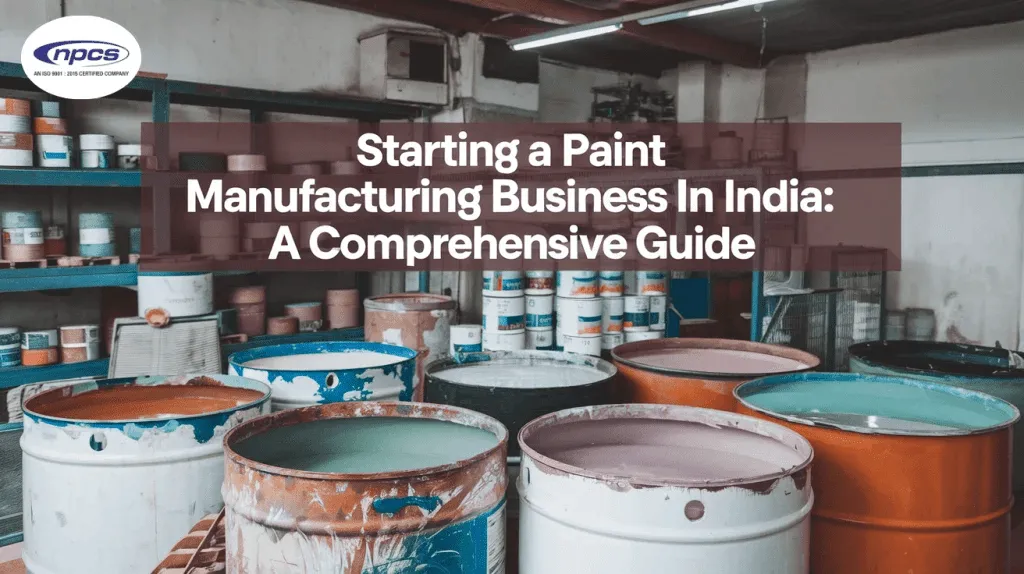
The Indian construction and real estate industry is booming, and with it comes a growing demand for high-quality paints and coatings. With the India Paint Market projected to reach $11.9 billion by 2034 and expanding at a steady CAGR of nearly 9.3% through 2031, there has never been a better time to invest. As infrastructure projects like the 1,000+ km metro network expansion and the “Housing for All” initiative drive volume, small-scale players are finding lucrative niches in eco-friendly and high-performance coatings. Starting a paint manufacturing business in India presents a lucrative opportunity for entrepreneurs looking to tap into this fast-growing market. With careful planning, strategic sourcing, and regulatory compliance, you can build a profitable and scalable paint manufacturing unit with relatively modest investment. In this guide, we cover every essential step to help you establish a successful paint production business in India. Why Start a Paint Manufacturing Business in India? India’s paint industry is projected to grow at a CAGR of over 11% in the coming years, fueled by: Rapid urbanization and infrastructure development Rising disposable incomes and improved housing standards Increased preference for decorative and eco-friendly paints Government schemes like “Housing for All” and “Smart Cities” initiatives The market is divided into decorative paints (75%) and industrial paints (25%), both offering substantial opportunities for new entrants. Types of Paints You Can Manufacture Choosing your product line is critical for defining your investment and operational needs. Common categories include: Water-based paints (Emulsions, distempers) Solvent-based paints (Enamels, primers) Industrial coatings (Epoxy, PU paints) Textured or designer paints Eco-friendly or organic paints Starting with water-based emulsions and distempers is advisable for beginners due to lower toxicity and simpler production. Market Research and Feasibility Study Before jumping in, conduct a detailed market analysis: Identify target regions and customer segments (residential, commercial, industrial) Analyze competitors in your area—pricing, product range, brand loyalty Understand seasonal demand cycles (peak season is pre-monsoon and festive months) Evaluate raw material availability and distribution networks Platforms like NIIR Project Consultancy Services provide industry-specific project reports, feasibility studies, and supplier directories to help plan your business effectively. Licenses and Legal Requirements To operate legally in India, your paint manufacturing business must obtain the following licenses: Business Registration (as Proprietorship, LLP, or Pvt. Ltd.) Factory License from State Government GST Registration Consent to Establish and Operate from State Pollution Control Board Trade License from local municipality Fire Safety Certificate BIS Certification (optional but recommended for credibility) Additionally, compliance with Hazardous Waste Management Rules is essential if your process involves flammable solvents or chemicals. Investment Required to Start Paint Manufacturing Your initial investment depends on the scale and product category. A small-scale paint manufacturing unit typically requires: Expense Head Estimated Cost (INR) Land/Lease (500–1000 sq. ft.) ?2,00,000 – ?5,00,000 Machinery & Equipment ?5,00,000 – ?10,00,000 Raw Materials Inventory ?2,00,000 – ?5,00,000 Licensing & Compliance ?1,00,000 – ?2,00,000 Working Capital (3 months) ?2,00,000 – ?3,00,000 Total Estimated Investment ?12,00,000 – ?25,00,000 Opting for used or semi-automatic machinery can help reduce costs during the initial phase. Essential Equipment for Paint Manufacturing Basic equipment required includes: High-speed dispersers or mixing tanks Ball mills or sand mills (for pigment dispersion) Weighing scales Storage tanks for solvents and emulsions Filling and packing machines Quality testing instruments (viscosity, density, pH) Safety equipment (PPE, fire extinguishers, ventilation systems) Start small, then upgrade as demand increases. Raw Materials Needed The core raw materials used in paint manufacturing business in India include: Pigments (titanium dioxide, iron oxide, carbon black) Binders/Resins (acrylic, alkyd, epoxy) Solvents (mineral turpentine oil, xylene) Additives (dispersants, thickeners, driers) Water (for emulsions) Fillers (calcium carbonate, china clay) Always purchase from ISO-certified chemical suppliers to ensure product consistency and safety. Production Process: Step-by-Step Overview Raw Material Weighing and Charging – Accurately weigh pigments, binders, and solvents. Mixing and Grinding – Mix materials in dispersers or mills to create a uniform slurry. Thinning and Tinting – Adjust viscosity, color, and flow properties. Filtering – Remove impurities or large particles. Packaging – Fill into pre-labeled cans, pails, or drums. Storage and Distribution – Store in dry, ventilated warehouses and ship to dealers/distributors. Staffing Requirements Start with a small team of 5–10 employees, including: 1–2 chemical technicians 1 production supervisor 2–3 machine operators/helpers 1 packaging assistant 1 administrative/marketing executive As production scales, hire additional quality control and logistics personnel. Marketing and Distribution Strategy To build your brand and customer base: Develop a distinctive brand name and logo Create visually appealing packaging Establish a dealer/distributor network in key cities and towns Offer starter kits or sample packs to retailers Promote through local newspapers, wall paintings, and digital ads Create a basic website and list your brand on eCommerce and B2B portals Offer training and promotional support to dealers to encourage loyalty. Sustainability and Safety Practices Paint manufacturing involves chemicals and waste. Follow these practices: Install effluent treatment systems Provide PPE to workers Store flammable chemicals in fireproof rooms Conduct regular fire and spill drills Ensure ventilation and fume extraction systems are functioning Follow ISO 14001 and OSHA guidelines for environment and workplace safety Government Support and Subsidies You may be eligible for: MSME loan schemes under CGTMSE Capital subsidy for plant and machinery under various state policies Technology Upgradation Fund (TUF) Export assistance under DGFT for overseas markets Startup India and Make in India incentives Approach your District Industries Centre (DIC) or consult with a chartered accountant for more guidance. Future Trends in the Indian Paint Industry Smart entrepreneurs should stay ahead of industry trends such as: Rise of eco-friendly and non-toxic paints Anti-bacterial and dust-resistant paints Water-repellent and self-cleaning exterior paints Increased use of automation and AI in manufacturing Growing demand from Tier-II and Tier-III cities Aligning your business with these trends will ensure sustained growth and profitability. Final Thoughts Starting a paint manufacturing business in India can be highly rewarding if executed with precision, compliance, and smart marketing. The sector promises high margins, expanding demand, and vast product innovation potential. Begin with thorough planning, start lean, and scale