
The Best Home-Based Manufacturing Business Ideas for Entrepreneurs on a Budget
In today’s dynamic economy, starting a Best Home-Based Manufacturing Business Ideas is not only practical but also highly profitable. Entrepreneurs with limited capital can now turn their homes into small-scale production units, creating high-demand products for local and global markets. With the right tools, knowledge, and dedication, even beginners can establish successful ventures without renting factory space or investing in industrial-grade equipment. This guide explores the most lucrative, scalable, and cost-efficient home-based manufacturing business ideas that can help you generate income while working from home. What is a Best Home-Based Manufacturing Business? A Best Home-Based Manufacturing Business involves producing physical goods from a home setting, often using small machinery, manual labor, and creative techniques. These businesses typically focus on niche markets or customized products that don’t require mass production capabilities. Benefits of Starting a Best Home-Based Manufacturing Business Low Overhead Costs: No need to pay for commercial rent or industrial utilities. Flexible Schedule: Set your own working hours to match your lifestyle. Control Over Quality: Monitor every step of production to ensure high standards. Direct Customer Relationships: Sell through eCommerce platforms or local markets. Sustainable Growth: Start small and reinvest profits to scale over time. 1. Handmade Candle Manufacturing Why It Works: Candles are always in demand, whether for ambiance, aromatherapy, or gifting. With a small investment, you can start a profitable & Best Home-Based Manufacturing Business producing soy, beeswax, or scented candles. Essentials: Wax, fragrance oils, wicks, containers, double boiler.Selling Points: Custom scents, eco-friendly materials, gift packaging. 2. Organic Soap and Skincare Production Why It Works: The beauty industry continues to grow, especially in the natural and organic segment. Creating soaps, lotions, or scrubs from home allows you to tap into this trend. Essentials: Natural oils, molds, essential oils, mixing tools.Target Audience: Health-conscious consumers, skincare enthusiasts. 3. Customized Apparel Printing Why It Works: T-shirts, hoodies, and caps with custom prints are highly profitable. Use heat presses or screen printing setups to launch a clothing line or serve custom orders. Essentials: Heat press machine, vinyl cutter, blank garments.Niche Ideas: Local pride wear, event merchandise, meme-based designs. 4. Wooden Décor and Furniture Why It Works: People value handmade wooden items for their uniqueness and quality. If you have basic woodworking tools and skills, this Home-Based Manufacturing Business offers excellent returns. Products to Consider: Shelves, signs, furniture accents, kitchen tools.Selling Channels: Etsy, Facebook Marketplace, craft fairs. 5. Jewelry and Fashion Accessories Why It Works: Jewelry is a top-selling category in home manufacturing. With a small investment, you can craft unique, personalized items with high profit margins. Essentials: Beads, pliers, wire, findings.Specializations: Wedding accessories, cultural pieces, gemstone jewelry. 6. Gourmet Food Manufacturing Why It Works: Homemade jams, spice blends, and baked goods are always in demand. A food-focused Best Home-Based Manufacturing Business can yield strong local loyalty and repeat customers. Legal Note: Obtain required food handling licenses and certifications.Products to Try: Pickles, granola, hot sauces, cookies. 7. 3D Printed Products Why It Works: 3D printing opens doors to creating functional items, gifts, and even prototypes. This is one of the most modern and versatile home-based production moxdels. Investment: Around $400 for a quality printer.Top Products: Phone stands, tools, miniatures, toys, home gadgets. 8. Eco-Friendly Cleaning Supplies Why It Works: As people turn away from harsh chemicals, eco-friendly cleaners have gained traction. Simple formulations and natural branding make this a strong business model. Essentials: Refillable bottles, vinegar, baking soda, essential oils.Unique Angle: Offer monthly refill subscriptions or bulk orders. 9. Stationery and Paper Goods Why It Works: Handcrafted notebooks, planners, and greeting cards have a loyal customer base. Start small with a Cricut machine and grow into a full-fledged Home-Based Manufacturing Business. Ideas: Wedding invitations, scrapbooking kits, planner stickers.Profit Tips: Bundle sets and seasonal releases to boost sales. 10. Home Décor Art and Resin Crafts Why It Works: Wall hangings, resin coasters, and decorative signs are evergreen in interior design. Selling handmade décor is both enjoyable and profitable. Essentials: Resin kits, pigment, silicone molds, canvases.Target Audience: New homeowners, gift shoppers, event decorators. 11. Pet Products Manufacturing Why It Works: The pet care market is booming. Create durable, stylish, and affordable products for cats, dogs, and small animals. Product Ideas: Pet beds, collars, toys, grooming kits.Marketing Tip: Share videos of your products being tested by pets to boost social engagement. 12. Recycled Crafts and Upcycled Goods Why It Works: Turning trash into treasure not only helps the environment but also appeals to a growing base of eco-conscious consumers. Materials: Pallets, denim, jars, cans, scrap fabric.Products: Recycled planters, bags, wall hangings, organizers. 13. Educational Toys and Learning Kits Why It Works: Parents are willing to invest in toys that educate and entertain. Develop DIY kits or Montessori-inspired items to tap into this lucrative market. Top Picks: Counting games, sensory boards, language cards.Pro Tip: Align your products with school curriculums and homeschooling resources. 14. Artisanal Perfumes and Fragrances Why It Works: People love unique scents and natural formulations. Craft your own line of perfumes, mists, and roll-ons using essential oils and botanical bases. Essentials: Carrier oils, alcohol, fragrance notes, vials.Revenue Boost: Offer sampler kits and personalized blends. 15. DIY Electronics and Tech Kits Why It Works: The maker community and STEM education fields are rapidly expanding. Sell DIY electronics kits for kids, hobbyists, and students. Examples: Light circuits, robots, Arduino projects.Bonus: Bundle products with instructional videos or printable guides. Frequently Asked Questions What are some low-investment home-based manufacturing business ideas? You can start with low-cost options like recycled crafts and upcycled goods, artisanal perfumes and fragrances, DIY electronics kits, educational toys and learning kits, or similar creative and small-batch products that need minimal space and initial capital. Do I need any formal licences to start a home manufacturing business in India? Yes. Even if your business operates from home, you may need a GST registration, local trade licence, and in certain cases a home-occupation permit depending on local rules. Food or cosmetic product makers may also require FSSAI or related compliance. It’s important to check municipal
Top 7 Low-Cost Production Business Models for Aspiring Entrepreneurs
Starting a business doesn’t always require a huge investment. In fact, many successful entrepreneurs have launched thriving ventures on a shoestring budget by choosing the right business model. Whether you’re looking to leave your 9-to-5, build a side hustle, or test the waters of entrepreneurship, there are plenty of low-cost production business models that offer high potential with minimal risk. In this article, we’ll explore the top 7 low-cost production business models that are perfect for aspiring entrepreneurs who want to turn their ideas into income without breaking the bank. Top 7 Low-Cost Production Business Models for Aspiring Entrepreneurs 1. Custom T-Shirt Printing: The low cost production business that is most popular in its category is of custom t shirt printing. There are few equipment requirements, such as heat press machines or direct to garment (dtg) printers in this business. As the need for personalised, one of a kind designs rises, so does the chance of custom t shirt printing as a desirable occupation. They can make designs and print them onto t shirts in any size and colour. the key to this business is that you offer customisation. Through letting your customers print their own messages, logos and even artwork, you target a wide variety of customers, including businesses looking for shirts with company logo and individuals searching for something personalised. it is easy to scale thanks to the low cost production business model. With a very basic setup you can start small and as demand increases buy more advanced equipment to scale up your business. 2. Scented Candles Production: Eco friendly and aromatic products are in increasing demanding the wellness and home d©cor industries. A good example of a low cost production business is scented candles. Entrepreneurs can make high quality candles shaped, sized and scented how they please, with a simple basic ingredient list of wax, wicks, and essential oils. Also Read: Manufacturing Business Ideas: Top Business Ventures Under 1 Crore Demand for scented candles is always high during festivals, weddings etc. Simply start out with producing small batches of handmade candles featuring different and unfriendly scents that are your niche and that would be appealing to your target market. Furthermore, customisation products, including waffles with custom labels, will amp up the user appeal of your products. Scented candles have a simple and profitable low cost production business model. The first cost for getting started is low and the process of working is quite simple which is the best option for a growing entrepreneur who has an interest in getting started. 3. Handmade Soap Manufacturing: Another low capital cost production business which has become hugely popular recently are handmade soaps. As consumers are becoming increasingly cautious about the ingredients in their skincare products, handmade soaps manufactured from natural ingredients are very much in demand. To start a handmade soap business you have to source oils, herbs and fragrances. It€™s a simple production process and many entrepreneurs buy easily found moulds to shape their soaps. There€™s an opportunity to put forth a variety of products from organic soaps to scented candles and soaps, even soaps that provide skincare benefits such as moisturising or exfoliating. Handmade soap businesses normally carry the premium quality association with them which means you can ask for higher profit margins. There are also plenty of opportunities for customisation so you can serve niche markets like Eco-conscious and allergy-conscious customers should you want to go that way. Our Project Business Ideas with Investment of 5 Crore India Emerging Business Opportunities 4. Toy Manufacturing: India is home to a very lucrative small scale business that officially has got potential for tremendous growth in toy manufacturing. As a growing middle class population exists with more children – the hunger for toys grows wider and wider. In toy manufacturing, a simple toys can be produced through low cost production business model such as the production of wooden toys, soft toys or focusing on toys for learning. You could start as small as sourcing raw materials locally and the process of manufacturing is quite simple. What are parents constantly looking for? Personalised toys for their kids. Provided you offer custom options, you can build a loyal customer base. However, with proper marketing strategy – online platforms and social media included €“ this is a business that advances very quickly. 5. Eco-Friendly Packaging Products: In light of the growing awareness of the need for more environmentally conscious solutions, more businesses are moving to Eco friendly substitutes to plastic packaging. The increased need for eco friendly packaging products like biodegradable bags, boxes, and containers has therefore opened the door for low cost production businesses in such products. Creating unfriendly packaging is actually fairly cost efficient and its production process can scale in line with demand. Often the materials are inexpensive and readily available, such as recycled paper or plant based plastics. With businesses under pressure to minimise the carbon footprint, the provision of Eco friendly packaging solutions is a prosperous business. From this pool, entrepreneurs can go after local businesses such as food delivery services, retail stores, and e commerce companies that are hunting for sustainable packaging solutions. 6. Jewellery Making: Jewellery making is one of the creative low investment and a low cost production business. Most often, the entrepreneurs begin modestly as they design and craft jewellery from things that come cheap: beads, metal and stones. The mystery to jewellery making success is in uniqueness. You can also distinguish your business from others in the market by creating one of a kind designs or offering a customisation service. You may design beautiful and unique bracelets, necklaces, or earrings €” you would also see there is already growing demand for personalised, handmade jewellery. Its low investment requirement in jewellery making combined with the prospect of huge profit margins makes the business of jewellery making very lucrative business for people who wish to enter the product market with little capital. Our Books: Startup Projects for Entrepreneurs Handbook on Small & Medium
How to Start a Low-Cost Manufacturing Business with Minimal Investment
In today’s competitive economy, launching a low-cost manufacturing business has become a smart move for aspiring entrepreneurs who aim to maximize profit while minimizing capital outlay. With the right strategy, location, tools, and product choice, it’s entirely feasible to build a thriving manufacturing venture on a shoestring budget. In this guide, we provide a comprehensive roadmap to help you get started efficiently and affordably. Understanding the Low-Cost Manufacturing Business Model A low-cost manufacturing business focuses on producing goods with minimal overhead, limited machinery, and lean workforce requirements. This model leverages simplified production methods, outsourcing, and strategic use of technology to reduce costs while maintaining quality. It’s particularly ideal for startups, solo entrepreneurs, and small teams. Top Benefits of Starting a Low-Cost Manufacturing Business Minimal Financial Risk: You avoid heavy loans and massive upfront investments. Quick Break-even Point: Faster ROI due to lower operational expenses. Scalability: Easier to expand once profitability is established. Market Agility: Ability to pivot quickly based on market trends and customer demands. Step-by-Step Guide to Starting Your Low-Cost Manufacturing Business 1. Choose the Right Product to Manufacture Selecting a product with high demand, low competition, and simple production requirements is critical. Some lucrative low-cost manufacturing ideas include: Handmade soaps and organic cosmetics Eco-friendly paper products Recycled plastic goods Customized T-shirts or apparel Small wooden or metal crafts Candles or incense sticks Pet accessories Choose a niche where you have either experience or strong interest to maintain motivation and ensure quality. 2. Conduct Comprehensive Market Research Before investing any money, perform thorough market research: Identify your target audience and their pain points. Analyze competitors in the niche—pricing, product types, branding. Evaluate demand trends using tools like Google Trends and Amazon Best Sellers. Test product ideas through surveys, social media polls, or small batch testing. For deeper insights and ready-made project reports on manufacturing businesses, you can explore NIIR Project Consultancy Services—a valuable platform offering feasibility studies, business ideas, and market research specifically tailored to small-scale industries. This phase ensures you’re entering a profitable niche and avoids costly missteps. 3. Set a Realistic Budget and Stick to It A low-cost manufacturing business thrives on frugality. Break down your expenses: Raw materials: Source from wholesalers or local vendors. Equipment: Opt for refurbished or second-hand machines. Workplace: Start from home, a garage, or rent a small workshop. Licenses & permits: Research what your locality requires. Marketing: Leverage free tools like social media and SEO. An ideal startup budget ranges from $1,000 to $5,000, depending on your product choice and scale. 4. Choose a Lean Manufacturing Space You don’t need a large factory to start. Look for: Unused rooms at home Garage or basement setups Shared maker spaces or incubators Small leased workshops in industrial areas Make sure your space complies with health, safety, and zoning regulations to avoid future liabilities. 5. Procure Essential Equipment and Tools Your equipment will depend heavily on your product. Start with only essential, multi-use tools. Examples: Molds for soaps or candles Heat press for apparel printing Simple hand tools for woodworking Small-scale sewing machines Packaging supplies (boxes, labels, etc.) Always consider manual tools first before upgrading to automation. 6. Source Quality Raw Materials at Low Cost To keep your manufacturing business low-cost, build relationships with: Local suppliers – often cheaper and faster delivery Online wholesalers – Alibaba, IndiaMART, DHgate Recyclers and upcyclers – for raw inputs like scrap, fabric offcuts, etc. Bulk buying cooperatives – group with others to get lower prices Quality should never be compromised, even when costs are tight. 7. Register Your Business and Get Licenses Formalize your operations to: Build customer trust Open a business bank account Access small business funding Protect your personal assets Common requirements include: Business registration (LLC, sole proprietorship) GST/VAT registration Local municipal manufacturing license Environmental clearance (for certain products) Check with your local regulatory body to ensure full compliance. 8. Create a Strong Brand and Online Presence In a saturated market, branding and online visibility are everything. Develop: A unique and memorable business name Professional logo and packaging Clear USP (Unique Selling Proposition) Active social media profiles (Instagram, Facebook, Pinterest) A simple eCommerce website or store (Shopify, Etsy, WooCommerce) Use content marketing and SEO-optimized product descriptions to drive traffic and convert visitors. 9. Start Small and Optimize Begin with small production batches to: Test demand Gather customer feedback Minimize waste Refine production processes Track every part of your process—raw material usage, time per unit, energy costs—to identify areas for improvement. 10. Scale Up Strategically Once consistent sales start flowing in, consider scaling by: Hiring part-time staff Investing in semi-automation Expanding to B2B sales or wholesale channels Renting larger space Launching complementary product lines Maintain cost efficiency at scale by reinvesting profits wisely. Most Profitable Low-Cost Manufacturing Business Ideas in 2025 Here are low-cost manufacturing business ideas with high growth potential: Business Idea Initial Investment Profit Margin Handmade Soaps $500 – $1,000 40–60% T-Shirt Printing $1,500 30–50% Candle Making $300 – $800 50–70% Paper Bag Manufacturing $2,000 20–30% Organic Cosmetics $1,000 – $3,000 50–60% Pet Products $1,000 40–50% Choose the model that aligns best with your skills and market knowledge. Key Tips for Long-Term Success in Low-Cost Manufacturing Stay lean: Always track costs and avoid unnecessary spending. Innovate: Improve designs, ingredients, and packaging regularly. Listen to customers: Feedback is the cheapest form of R&D. Network: Join local entrepreneur groups, trade fairs, and online communities. Reinvest wisely: Use early profits for gradual scaling, not lavish upgrades. Final Thoughts Starting a low-cost manufacturing business is one of the most practical and profitable ways to enter the world of entrepreneurship. With smart planning, market insight, and dedication, even the smallest operation can grow into a thriving enterprise. The key lies in staying adaptable, controlling costs, and delivering consistently high-quality products. Contact Us
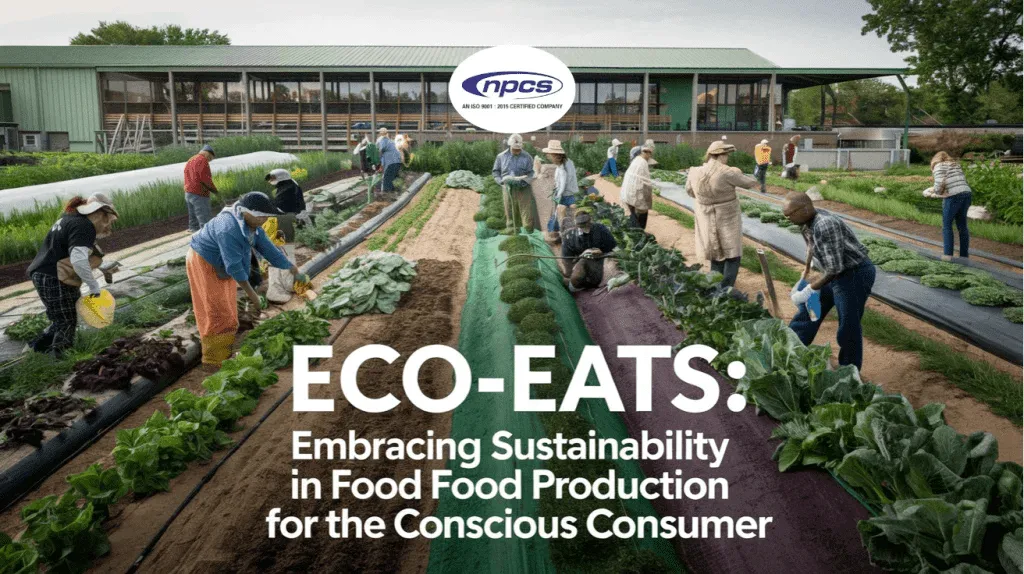
Eco-Eats: How India’s Food Industry Is Going Green for the Conscious Consumer
Why Sustainability Matters in the Food and Beverage Industry in India: The food and beverage industry ranks among the world’s biggest markets in India but struggles with multiple problems. The way we grow food today faces challenges from more people being born, earth’s shifting climate, and our resources running low. Sustainable food production lowers industry environmental damage and saves resources for future generations.Sustainability in food industry operations requires businesses to cut down waste and use natural resources while sourcing products near their facilities and showing full supply chain activity. As customer demand for eco friendly options grows the Indian food and beverage industry chooses more ethical and sustainable production methods. The Rise of Conscious Consumers: Today€™s consumers are more aware than ever that what they purchase has an impact on the environment. The revolution of conscious consumer across industries encourages change in the food production industries. The more people are choosing brands that care where they came from, make their things sustainably, and recycle too. In truth, research shows that 66% of consumers are willing to pay more for products from companies with sustainability commitments. This shift becomes an opportunity for the food and beverage businesses in India to cater to a growing segment of self-aware, Eco conscious consumer base. Consumers now look for food products that are: Organic: It’s grown with no harmful pesticide or chemical usage. Locally Sourced: Backing local farmers and working towards a lower carbon footprint. Eco-friendly Packaging: With biodegradable, recyclable or reusable materials. Ethical Sourcing: And making sure we are practising fair lobar and responsible sourcing of the ingredients we make. Sustainable Practices in Food Production: 1. Sustainable Farming Practices Sustainable farming forms the basic elements of food production Eco friendly practices. These practices should target both soil sustainability and water conservation as well as preserve our natural environment for India’s food and beverage sector. Today’s farmers use crop rotation with integrated tree systems and several alternative organic farming strategies to improve soil health and lower environmental damage. When growing food organically farmers must reject harmful chemical pesticides and fertilisers from their operations. At the same time the system develops habitats for beneficial plants insects and birds to live together. Our Books Manufacture of Food & Beverages with Project Profiles The Complete Book on Ginger Cultivation 2. Minimising Food Waste A major issue with food and beverage industry of India is food waste. In India, a large portion of the food produced actually ends up as a waste, either in farm, on the way to market, or from the retailers. Gardeners can add to the greenhouse gas emissions and strain on landfills by doing this with all their waste. There have been a number of companies choosing to utilise technology to help them track their inventory and cut down on food waste. For instance, AI systems can estimate demand more accurately, and thereby reduce overproduction and related waste. Food rescue initiatives, in which unsold but edible food is donated to those in need, are also being turned to by companies. We can also reduce food waste by getting consumers to purchase smaller quantities or fingers in the waste stream, and use leftover creatively. To tackle food waste, companies in India€™s food and beverage industry are getting to work with the communities, organisations and farmers in their regions to find the most sustainable solution. 3. Eco-Friendly Packaging Achieving sustainability remains difficult because of packaging problems. Packaging made from plastic affects our environment and puts wildlife health at risk. The Indian food and beverage sector now uses recyclable and naturally decomposing packaging materials as its latest industry trends. Manufacturers test eating-quality materials alongside decomposition packaging made from plant-derived components. Certain brands now use banana leaves as Eco-friendly replacement for plastic. Our method removes plastic waste yet keeps food from spoiling. Glass and paper products plus aluminium provide sustainable packaging methods that recycle better than plastic items. Companies that choose sustainable packaging benefits Earth while serving the expanding customer demand for Eco-friendly products. Our Project Reports How to set up a Chocolate Confectionery Plant Production of Banana Wafers 4. Ethical Sourcing practices and fair trade practices will be used. More and more, food companies are under pressure from consumers to source ingredients ethically. So it means growing food in such a way that does not damage the environment or take people€™s ability to provide their work. In the food and beverage sector, the Indian firm are keen on the use of fair trade practice, which means that revenues to farmers and workers are fairly met and conditions in which they are working are safe. Also Read 10 Best Food Manufacturing Business Ideas Food Business Ideas for Startup Another sustainable approach to reduce carbon emissions on account of long transportation is sourcing ingredients locally. Food companies can also help improve their communities by helping to support local farmers, thereby ensuring that they are using high quality, fresh ingredients in their products. 5. Analysis of Sustainable Supply Chain Management. Any organisation in the food and beverage industry in India depends very much on an effective and sustainable supply chain. Working with material suppliers they trust and that work to prioritise sustainability, businesses can rest assured that their supply chain is both ethical and Eco friendly. That includes sourcing renewable materials, shortening transportation distance and minimising production’s impact on the environment. Digital tools for monitoring a supply chain, tracking materials, and making sure they are meeting sustainability goals is also being picked up by many businesses. In fact, blockchain technology can help businesses move from farm to table trace ingredients and ensure they are sourcing responsibly. Also Read Building A Successful Integrated Business Lucrative Business Plan Building a Sustainable Future for the Food and Beverage Industry in India: As more people live in India they will require more food. To maintain its growth in India the food and beverage sector needs to balance customer demand with practices that support environmental sustainability and protect the world. Global food production needs to
Digital Harvest: How Technology is Transforming India’s Agra-Food Sector
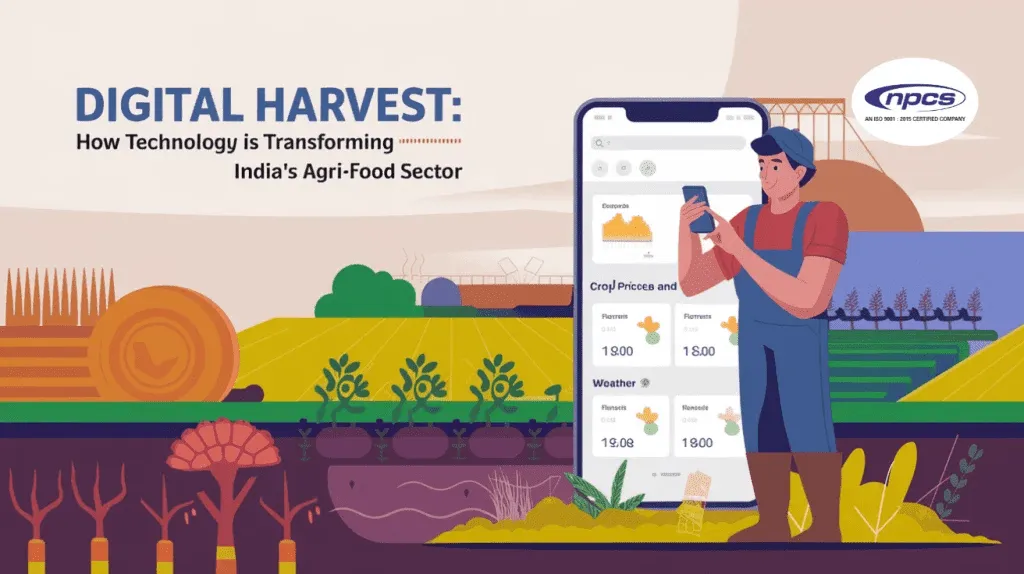
India’s food and beverage industry is closely linked to its agricultural sector, which supplies essential raw materials. Technological advancements like smart farming, precision agriculture, and digital platforms have boosted productivity and reduced losses. These innovations help farmers monitor crops, predict weather, and manage resources efficiently. As agriculture evolves, the food and beverage industry gains access to a more reliable and high-quality supply base, unlocking new growth opportunities. Key Technologies Driving Transformation in the Agree-Food Sector: Precision Agriculture and Smart Farming: Technology plays a key role in precision agriculture, helping farmers manage crop production at a field-specific level. Tools like drones, GPS, and soil sensors allow real-time tracking of soil health, water use, and crop growth. This leads to healthier, more sustainable crops with higher yields and reduced reliance on chemicals and fertilizers. For example, soil moisture sensors help use only the necessary amount of water, cutting waste and input costs while boosting profitability. For India’s food and beverage industry, improved crop management ensures a steady supply of high-quality raw materials that meet industry standards. Our Books Manufacture of Food & Beverages with Project Profiles The Complete Book on Ginger Cultivation and Manufacture of Value Added Ginger Products Blockchain for Transparency and Traceability: The agriculture food supply chain now relies more on blockchain technology to show the product journey clearly and follow its path from start to finish. Through blockchain tracking consumers can see the path their food products take from farming origins to their dining places. The food and beverage sector in India is undergoing revolutionary transformation thanks to Blockchain technology. The technology reduces fraudulent activities while confirming supplier validity and confirming product standards. When businesses show all product details openly consumers trust more and companies follow food security rules better. When you scan a QR code on a product you can view its journey from farm production to kitchen plate. AI and Machine Learning in Food Processing The food processing industry is getting significant influence from artificial intelligence (AI) and machine learning. Thanks to these technologies, production processes can be streamlined more easily, waste is reduced and food safety is improved. AI based systems can predict demand and optimise supply chain to ensure that food manufacturers always get the ingredients exactly when they need. Moreover, machine learning algorithms can also monitor food products quality during production, thus guaranteeing quality of same products and decreasing possibility of defects. IT (Internet of Things) for Inventory and Supply Chain Management: Io devices can be smart sensors, which will monitor the status of the food products, during storage and transportation. It offers real time updates of temperature, humidity, location, so products can always be stored under the right conditions. For example, temperature sensitive products such as dairy, and meat need to be store in some strict conditions so as to increase freshness and quality. Since IoT technology helps meet these conditions, this leads to lower spoilage and better quality of products that can be delivered to the consumers. E-commerce and Online Platforms: Food and beverage companies have been able to reach customers directly through the help of E Commerce platforms and mobile apps. Food products are seeing a rapid growth in online shopping in India with the likes of Big Basket, Gofers and Amazon having a humongous range of food items. Customers have easy to quality products from local and or global brands™ products on these platforms. Our Project Reports How to set up a Chocolate Confectionery Plant (Milk Chocolate, Dark Chocolate, White Chocolate, Orange and Tangy Flavour Toffee, Citric Flavoured Candies & Chocolate Wafers) Production of Banana Wafers (Deep Fried Snack Food). The Role of Digital Tools in Improving the Supply Chain: The agree food supply chain is a lot of steps, from sourcing the raw materials to the final products you have. Streamlining this process relies on technology to be successful. Better Material Supply Management: Sourcing of quality raw material is very important in the food and beverage industry in India to maintain its high product standards. Businesses use technologies like AI and blockchain to be confident materials come from trust sources. Also Read 10 Best Food Manufacturing Business Ideas List of Processed Food Business Ideas for Startup Businesses can use smart supply chain management tools to predict demand as well as to change inventory levels. Overstocking is minimize and the costs involved are eliminated, as unsold products will not be maintain. What™s more, digital tools facilitate better relationships with reliable material suppliers so that businesses can have a good source of raw materials Building Materials for Packaging and Storage: Building materials used in the food packaging and storage are also influenc by technology. Advanced packaging solutions are now available to companies that extend product shelf life and decrease ecological impact. For example, biodegradable packaging materials along with temperature condition storage solutions are becoming increasingly popular. The Impact on Farmers and Rural Communities: Technology is transforming India™s food and beverage industry “ and helping farmers and rural communities. Farm Financial and FIX Programmes featured in the Model Supply Chain programme are digital tools and platforms accessed by farmers to make better decisions on crop management, crop pricing and access to markets. The new found force to empower farmers has become digital platforms, many startups and government initiatives are tackling the challenge. They provide the price for crops, provide weather forecasts and best farming practices. The Future of Technology in India™s Agree-Food Sector Our agree food sector needs urgent technology integration because of its expanding role in India’s future. Recent years will see new technologies including 3D food printing and robotics transform food production methods. Food and beverage companies in India need to follow new technological developments to remain competitive. When starting or expanding your food business you need to use technology today. Also Read Building A Successful Integrated Business Lucrative Business Plan Conclusion: Technology integration in India€™s agree-food sector is transforming how the food and beverage industry is developing in India. Precision farming, from AI driven food processing has increased
Step-by-Step Guide to Starting a Food and Beverage
The food and beverage business is one of the most dynamic and rapidly growing sectors globally, driven by changing consumer preferences, lifestyle shifts, and innovation in production and delivery. From small cafés and local food trucks to large-scale manufacturing units and global restaurant chains, the industry offers diverse opportunities for entrepreneurs. With increasing demand for quality, convenience, and unique culinary experiences, starting a food and beverage business today requires not just passion but also strategic planning, market understanding, and a focus on hygiene, branding, and customer satisfaction.Our Project Reports How to set up a Chocolate Confectionery Plant (Milk Chocolate, Dark Chocolate, White Chocolate, Orange and Tangy Flavour Toffee, Citric Flavoured Candies & Chocolate Wafers) Production of Banana Wafers (Deep Fried Snack Food). Step 1: We need to understand the food and beverage industry in India. Researching the food and beverage sector in India must be your initial step in business development. Consumer habits and urban population growth combined with rising income in India push the food market toward a $2 trillion value. Due to fast industry growth businesses have fresh opportunities when they make high-quality products and healthy packaged snacks and ready meals. You need to learn about market outlook plus public demands. Modern consumers seek food that comes from respected sources including organic plants, non-animal ingredients, and free from gluten. You need to figure out what your target customers want then find ways to deliver these desired outcomes. Step 2: Develop Your Business Idea: Once you know the market, you can refine your business idea. During this step, you have to choose the product type you want to sell. Which will you concentrate on? packaged snacks, beverages, or ready-to-eat meals? Is it that you will make it into a speciality product for a region? Our Books Manufacture of Food & Beverages with Project Profiles The Complete Book on Ginger Cultivation and Manufacture of Value Added Ginger Products In the food and beverage industry in India, the key to achieving success is by providing something that differentiates you from others. For instance, you could offer x, y, or z, all of which serve organically in a market flooded with organic snacks, cold-pressed juices, and regionally inspired foods. Never forget to conduct some market research, surveys, and focus groups to know your consumer’s buying will and what they are willing to buy. Step 3: Create a Business Plan: The food and beverage business defines the basic structure of your business strategy. Your business plan should explain your business objectives and show who you serve alongside listing your products marketing approach and predicted financial performance. Your business plan keeps you focused and organised throughout your business expansion process. Your business plan should include the following sections: Executive Summary: Describe the appearance of your business plus your future plans. Product Description: Description of what food and drinks you provide in your products. Market Research: Our research shows what customers want while explaining market needs and our business position. Marketing Strategy: What techniques will you use to market and sell your business products? Operations Plan: Your distribution plan shows the total expenses of making the product then packaging and getting it to buyers. Financial Plan: Your Financial Plan shows expected costs and revenue to determine potential business profit. Step 4: Secure funding for your business. You must obtain money before starting a food and beverage business in India. You need funding whether you launch as a small business or plan rapid expansion. Some options include: Personal Savings: You can fund your startup business with personal savings when you have enough money set aside. Bank Loans: Traditional loans provide business funding yet they require both collateral and a detailed business plan. Angel Investors or Venture Capital: Investors who seek equity in return for capital make excellent partners for high-potential growing companies. Also Read Building A Successful Integrated Business Lucrative Business Plan for Potato Chips In addition, check out government schemes and grants available for small and medium business enterprises in India. The good news is that there are programs that can help reduce the financial burden when beginning your food business. Step 5: Choose the Right Location: The location is the key to your food business€™ success. Although you intend to start off a restaurant, food truck, or even a manufacturing unit, you will want to identify a place with a continuous flow of customers or if it’s beneficial for easy access to the suppliers. In a food manufacturing business, think about how close you are to raw materials as well as those who package the goods. Make sure your location is accessible and has a good supply of material suppliers for your raw materials. Also, your location must match local food business regulations and zoning laws. Also Read 10 Best Food Manufacturing Business Ideas List of Processed Food Business Ideas for Startup If this is a business geared to retail or food services, your business must be in an area where people have to pass through each day and thus will be ready to buy your products. Step 6: Selecting Source High-Quality Ingredients and Building Materials. For Indian food & beverage businesses quality ingredient procurement stands as a critical business rule. The success of your brand in selling drinks, packaged snacks or ready meals relies on the use of fresh safe materials of top quality. When preparing juices or smoothies your supplies should include organic produce sourced from reliable farmers. Your snacks will maintain both nutritious values and meet food security standards. Consider using packaging elements that help your product keep its fresh condition. Our company must partner with dependable material suppliers for success. Build partnerships with top-quality raw material suppliers to get essential supplies for more affordable rates. Better ingredients enhance your product quality and build your brand strength. When choosing packaging materials you must select options that protect contents while being safe for the environment. Discover packaging options that protect the earth while keeping your product standard intact. Step 7: Meet
Unlocking Potential: Opportunities for SMEs in Indias Thriving Food Manufacturing Sector
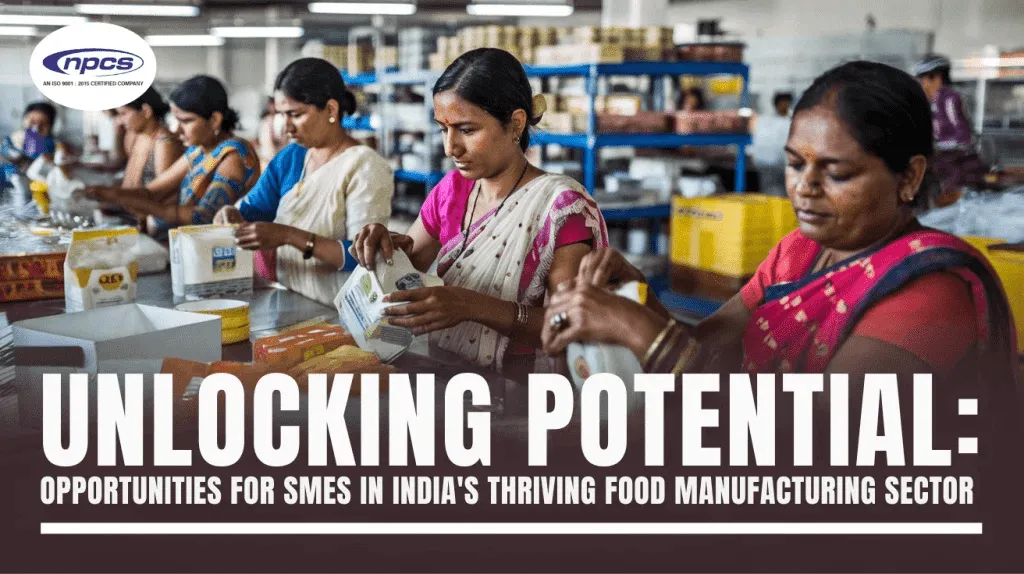
Food manufacturing is a vital segment of the food industry, involving the processing and packaging of raw ingredients into finished food products ready for consumption. It plays a key role in ensuring food quality, safety, and availability at scale. With advancements in technology, automation, and quality control, modern food manufacturing has become more efficient, sustainable, and responsive to consumer demands. From packaged snacks to ready-to-eat meals, the sector offers vast opportunities for innovation and growth, making it an attractive area for entrepreneurs and investors alike. Opportunities for SMEs in the Food and Beverage Industry in India: Smaller businesses will find many chances to grow because this sector continues to expand. Here are some key areas where SMEs can focus: Health and Wellness Products People want to eat and drink healthier options. The rising interest in fitness and health drives the market for protein snacks alongside vegan and low calorie drink options. SMEs have the chance to produce speciality items that meet dietary needs by creating organic foods without gluten and nutrient-abundant products. Indian food and beverage trends create chances for small businesses to succeed with healthier product lines. Packaged Foods Many Indian families depend on prepackaged meals. Most customers prefer packaged food since they save time and stay fresh longer. Small companies can create market advantages by introducing regionally-specialised food products to consumers. Local families buy large quantities of traditional namesakes and pickles because they enjoy familiar snack tastes. Companies improve their market position through enhanced shelf life products so they can invest in better packaging and fresh concepts. Beverages The Indian beverage business shows substantial market expansion in different segments. The RTD beverage market including juices and health drinks expands each day. Companies of all sizes have started producing cold-pressed juices along with bottled teas and flavoured milk drinks because more people want to buy them. Small companies in this industry can lead the market by creating organic and sugar-free beverages with exceptional flavour combinations. Also Read Building A Successful Integrated Business Lucrative Business Plan for Potato Chips Local and Regional Products The variety of food that India has makes it a great avenue for ISMS to tap into their regional speciality. Local authentic products based on India€™s vast culinary traditions are always in demand. Marketing of regional sweets, snacks, specialised drinks etc of India based sames will create its niche due to India€™s cultural heritage. The market for this is huge, not just in India but outside too, since people still want the flavour of various parts of the country. Food Processing Food processing has emerged as a critical part of India€™s food and beverage industry in India and it has also a place for the SMEs also involved in it. Factors that contribute to the growing need for more processed foods in perfect preservation and safety standards are responsible for growth in this sector. Food processing equipment, packaging and supply chain management will be small businesses focus. Moreover, with the growing demand for building materials for storage, SMEs can also offer ideas for refrigeration and transport. Also Read 10 Best Food Manufacturing Business Ideas List of Processed Food Business Ideas for Startup Challenges SMEs Face in the Food and Beverage Industry in India: There are many opportunities but challenges exist for SMEs within the food sector. These include: Supply Chain Management For SMEs, a well managed supply chain is necessary to assure timely order performance and provide quality products. Business growth can be slowed if raw material costs fluctuate, the operative’s experience is unreliable supply chains, and product quality is inconsistent. As a result, SMEs have to join forces with reliable material suppliers so they can buy quality raw materials and operate without interruption. Quality standards and regulations are one of the inputs of the process. India regulates their food and beverage industry. You need to comply with strict food safety standards, labelling requirements, and quality certifications for the SMEs. However, meeting these regulations is very difficult, particularly for small businesses with scarce resources. However, with these regulations also comes an opportunity for SMEs to differentiate themselves through the sale of high quality products, producing to international standards. Our Project Reports How to set up a Chocolate Confectionery Plant Production of Banana Wafers Marketing and Branding Therefore, any food manufacturing business has to build a strong brand presence to get success. SMEs often find themselves with little budgets to spend on marketing and the means to reach a larger audience. Yet with the advent of social media and digital marketing, small businesses can now serve their products more efficiently as well as affordably. These platforms can enable companies to bring their high quality products to the limelight and connect with their audience. Raw Material Costs and Supply Food manufacturing businesses rely on the raw materials that generate a substantial cost. SMEs have to not only manage their expenses but are also in need of ways to source raw materials in cost effective ways. Reducing the operating cost is achieved through partnerships with reliable material suppliers with competitive pricing and high quality of materials. How to Leverage These Opportunities: Small and medium enterprises (SMEs) involved in the food and beverage sector should use innovation and quality as the tools for success in India. Small businesses can make a profit by tapping into some new emerging trends like ready to eat products, regional specialities, and health conscious food. Furthermore, technology can be used for better supply chains and online sales and marketing. From leading technology in supply chain services to leveraging technology for sales and marketing. For instance, if you are an enterprising businessman interested in embarking on a food manufacturing business, it will do you a lot of good getting your raw materials from dependable material suppliers and plenty of quality products. Working with companies that focus on supplying building materials for food packaging and storage can also aid in your business operations. For expert resources and business solutions for starting your food manufacturing business, visit NIIR.org.
Navigating the Future: Innovations Shaping India’s Food Processing Industry
The food and beverage industry in India is one of the fastest-growing sectors, driven by a large and diverse population, rising incomes, and changing consumer lifestyles. It encompasses everything from traditional food processing and packaged goods to restaurants and catering services. With increasing demand for convenience, quality, and variety, the industry is rapidly modernizing through technology adoption, improved supply chains, and innovative product development. This growth presents significant opportunities for businesses to tap into both domestic and international markets. Also Read Building A Successful Integrated Business Lucrative Business Plan for Potato Chips The Rise of Automation in Food Processing In the food and beverage industry in India, automation makes a major transformation. Food manufacturing is one of the better industries to help food manufacturers reduce costs, increase in food productivity and quality of the product. It’s being used in packaging, sorting and food processing.For example, we can now automate machines which can sort fruits and vegetables to size and quality. Thereby production is quicker and more efficient. Furthermore, automated packaging systems minimise human error and create more packaging consistency €” which cuts down on waste. The automation technology becomes more affordable and even small food producers can now be adoptable, which improves the efficiency, and the product quality. Sustainability Takes enter Stage Sustainability is another key trend on board in the Indian food and beverage industry. More consumers are becoming Eco conscious, and demanding more sustainable practices from brands. That€™s prompting food manufacturers to adopt such environmentally friendly practices as limiting food waste and using recyclable or biodegradable packaging. Many companies are trying plant based packaging as an alternative to plastic. They also use energy efficient systems to achieve their carbon footprint. For instance, solar power is coming into use in some food processing plants to reduce energy costs and environmental impact. By practising these sustainable policies, not only are you contributing to the planet but you are gaining customers who frequent companies who offer Eco-friendly products. Also Read 10 Best Food Manufacturing Business Ideas List of Processed Food Business Ideas for Startup Smart Technology and Data Analytics Smart technologies and data analytics are becoming a crowd for the food and beverage industry in India. The result of these innovations is the ability of manufacturers to keep a watch on their production processes in real time enabling better efficiency and quality. For instance, food makers rely on smart sensors to monitor changes in temperature and humidity, to guarantee its products are stored and shipped in maximum condition. Moreover, big data is enabling companies to predict market trends and articulate the customer€™s preferences. This allows food businesses to manufacture more personal products thus improving the satisfaction of the customer. These technologies are integrated to create opportunities for businesses to improve the way they run their business and make decisions based on data to benefit both consumers, and manufacturers. The Rise of Plant-Based Foods There is a fast growing demand for plant based foods in India. As more people turn vegetarian or vegan, food companies are coming up with new alternatives to meat and dairy products. Whether you are ready to go vegetarian or not, it is great news that in India, the food and beverage industry is responding by offering milk, meat substitutes, low-fat and good protein snacks. These plant€“based alternatives are also for vegetarians, but it is interesting they appeal to health budgets who wish to lower the intake of animal products. Products that make the cut include plant based meat made from peas, soy, and chickpeas that tastes like real meat but are better for one’s health and the environment. Our Books Manufacture of Food & Beverages with Project Profiles The Complete Book on Ginger Cultivation New Packaging Solutions for Freshness and Convenience: Another growth in the food and beverage industry in India is through the packaging innovation. Food products, in general, are seasonal and since they get exported from one part of the world to another part of the world, therefore, packaging becomes one of the leading aspects that help in maintaining the freshness and quality of the food products. In recent years some packaging technologies have come up to help prolong shelf life and reduce waste. Vacuum sealing one such innovation that removes air from food packaging, making the food last long. Part of it is making smaller, more convenient packaging for these busy on the go consumers. Ready to eat meals and snacks have taken the world by tempest and are getting more and more popular in the urban areas for this. Our Project Reports How to set up a Chocolate Confectionery Plant Production of Banana Wafers Cold Chain Logistics: Keeping Food Fresh The Indian food and beverage industry delves into cold chain logistics. With demand increasing for fresh, perishable items such as fruits, vegetables and dairy, companies are investing in smarter cold storage and transportation. Refrigerator trucks and temperature €” controlled warehouses are food producers€™ way of ensuring that their products stay fresh. The biggest change is these innovations make it easier for producers to move perishable goods around the country, even to remote places. Improving cold chain logistics improves the way companies reduce spoilage and waste and guarantee that food products reach consumers in the best condition. Functional Foods: The Future of Nutrition As consumers become more health conscious there is increasing demand for functional foods, foods that offer health benefits beyond a minimal nutritional value. In India, the food and beverage industry is meeting the challenge by developing foods that are fortified by vitamins, minerals and other nutrients. Snacks, Dairy products and Beverages, fortified foods become more popular. These foods help fill in nutritional gaps where fresh produce may not be abundantly available in rural areas. Manufacturers are also innovating with functional foods, helping improve public health and providing foods to satisfy many dietary needs. Food Safety Innovations In the food and beverage industry in India, food safety is given the highest priority. Food safety standards are being improved by technology. Of
Cement Manufacturing and Its Role in the Global
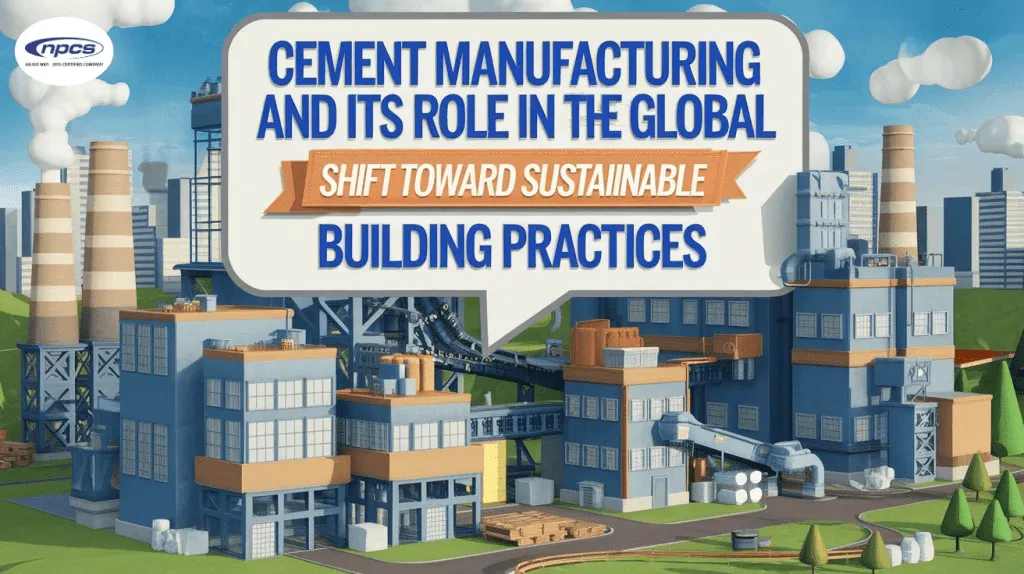
Cement manufacturing is the process of producing cement, a key construction material used to bind building components together. It involves mixing raw materials like limestone, clay, and other minerals, then heating them at high temperatures in a kiln to form clinker. The clinker is then ground into a fine powder and blended with additives to produce cement. This process requires precise control and quality management to ensure the final product meets strength and durability standards used in construction projects worldwide. Our Books The Complete Book on Construction Materials The Complete Book on Ferrous, Non-Ferrous Metals Production of cement is usually carried out along energy-intensive processes in most factories. The manufacture of clinker requires enormous quantities of heat and fossil fuels. This also makes cement manufacturing one of the biggest contributors to carbon emissions. But the industry is now working to lessen its carbon footprint. Many building materials suppliers are choosing better methods to produce and supply cement. More and more, factories are looking for energy-efficient machines. Added to these are systems that reduce energy consumption and lower the release of harmful gases. As a result, building materials suppliers can offer products with lower environmental impacts. The Environmental Impact of Cement Production: Pulp and paper mills rank among the greatest producers of carbon dioxide (CO2) in the world. Cement manufacturing accounts for about 8% of world CO2 emissions. Fig. 1 clearly visualises the need for an immediate change in the industry. The burning of fossil fuels, and the vast amounts of energy required in the process, cause environmental damage and contribute to climate change. In response, factories are coming up with ways to reduce emissions. Building materials suppliers focus on offering products that use less energy during production. Alternative fuels, bio fuels, and renewable energy sources are being used by some of them. These new approaches are important in terms of reducing environmental harm. Also, factories act as carbon capture facilities. It traps the CO2 before it gets into the air. Also, captured carbon can be reused in other industrial applications, minimising waste. Building materials suppliers play a key role in distributing these advanced solutions to builders worldwide. Our Project Reports Iodine Granules from Iodine Powder Manufacturing: A Profitable Business Opportunity for Startups Start a Business of Particle Board From Rice Husk A Business Plan for Wood Plastic Composite (WPC) Sustainable Building Practices and Cement’s Role Sustainable building is about measurable reductions in environmental harm by using building materials. It also strives to construct buildings that take longer and take in less energy. Achieving these goals utilises a large amount of cement. Many building materials suppliers now provide cement that is Eco-friendly. Some methods they use include: Blended Cement: Cement is mixed in factories with other materials such as fly ash, slag, and limestone. These are by-products of materials from other industries. With a lower waste production, fewer raw materials, and fewer emissions. Energy-Efficient Production: Some factories now employ cutting-edge energy-saving technologies. For instance, the heat from the production process is, for example, used to power other parts of the plant. It saves energy dramatically. Carbon Capture Technology: Some factories also trap CO2 emissions and use them in other processes. This also reduces the harmful gases released into the air and cuts down the pollution as a whole. Waste-to-Energy Systems: A few manufacturers burn such materials as tires, plastics, or biomass to create energy. It lessens the use of fossil fuels. Also Read Is HPL Board Manufacturing Profitable? How to Setup Industrial Township Manufacturing Business of Polyacrylamide Ether (PCE) These methods assist to support green construction practices in cement manufacturing. Building materials suppliers ensure these sustainable products reach material supply chains efficiently. Role of Building Materials Suppliers in Sustainability Building materials suppliers are key players in making construction more sustainable. These materials provide them with cement and other materials that are energy efficient, Eco-friendly, and durable. They work closely with manufacturers to ensure quality products get to builders, developers, and contractors. But suppliers focus now on reducing the waste in transport and delivery. Efficient logistics systems will help minimise the use of fuel and fuel emissions. Timely commitments are made for material supply to construction sites, thereby reducing environmental harm. An example would be a leading material supplier from India who supplies blended cement consisting of industrial byproducts. By employing these sustainable alternatives, emissions are reduced while encouraging greener construction practices. Builders can choose the best materials for their projects based on the advice of the suppliers that also offer consultations. Why Sustainable Cement is Important for India: Infrastructure and urbanisation in India are increasing rapidly. As a booming population, the requirement for construction materials continues to grow. Meeting this demand with sustainable cement is a major way to reduce environmental damage. Building materials suppliers in India now offer cement that is both Eco-friendly and durable. These materials support: Buildings that use less energy and are more energy efficient. Keeping cities cleaner by creating less pollution during construction. Long live structures for urban areas and projects for affordable housing. In addition, the Indian government has also tried to promote sustainable construction. Smart Cities and Green Buildings initiatives ask for the usage of green cement and energy-saving construction materials. Many government programs support builders that choose Eco-friendly materials. Building materials suppliers play an active role in supporting these initiatives. They supply reliable material and help builders meet sustainability goals. Also Read Construction Material Business Ideas Guide for Success in Construction Material Business Building Materials for Construction How to Choose the Right Building Materials Suppliers? Choosing the right building materials suppliers is important for any construction project. You€™re assured that you receive top-quality, Eco-friendly products delivered on time. Here are a few tips to select the best supplier: Quality Products: For this reason, you have to ensure the supplier has cement and materials that meet industry standards. Sustainable Practices: Choose those suppliers who put Eco-friendly manufacturing methods as their first priority. Reliable Material Supply: Seek suppliers that are up to your deadlines,
From Local Suppliers to Global Impact: How Building Materials Suppliers Are Innovating for the Future
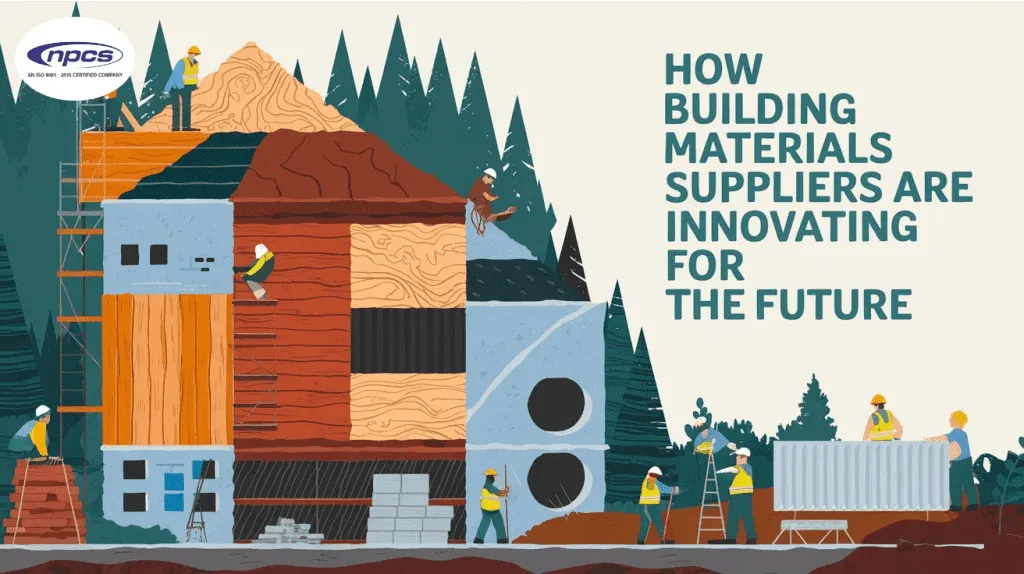
The growth of India is rapid and has lots to rely on strong and innovative material supply. Trusted building materials suppliers are helping cities build better homes, roads, and offices. Not only are these suppliers shaping local projects, they’re also impacting around the world. Our Books The Complete Book on Construction Materials The Complete Book on Ferrous, Non-Ferrous Metals The Role of Building Materials Suppliers in Modern Construction Building materials suppliers play a critical role in every construction project. It links builders, architects, and developers with the correct building materials. Without them, construction would be slow and expensive. They deliver smooth material supply, which makes projects keep on track. They don€™t just supply materials€”top material suppliers do more. The guide builders to eco-friendly alternatives and employ modern technologies. These suppliers see that their materials meet global standards of safety and durability. They produce products that make buildings stronger and more energy efficient, from bricks to steel to insulation and everything in between. Innovations in Sustainable Building Materials Green Concrete An innovative green material of recycled products is green concrete. Nonetheless, it’s still kinder ??? regular old concrete, as it produces fewer carbon emissions. Which makes it ideal for sustainable building. Many building materials suppliers now focus on delivering green concrete for modern projects. Green concrete uses fly ash and recycled aggregates or other Eco-friendly materials. Stronger and a more environmentally friendly construction. Recycled Steel Steel is an important building material. Making steel requires a lot of energy. Up to 75% of energy use is saved with recycled steel. Leading building materials suppliers now provide recycled steel for local and global projects. Steel recycled is as strong as new steel but requires less in the way of resources. They help builders save costs while helping to reach sustainability goals. Bamboo as a Building Material Bamboo is becoming a popular building material. It is lightweight, Eco-friendly, and fast-growing. Bamboo is available with construction, interiors, and furniture manufacturers at reliable material suppliers. Bamboo done right is perfect for modern homes and sustainable infrastructure projects. Insulated Concrete Blocks Insulating concrete blocks keeps a building cool in summer and warm in winter. They are energy efficient and electricity cost effective. Many building materials suppliers now offer these blocks to help reduce energy use. In India€™s hot climate, these blocks are especially useful. To reduce the reliance on air conditioning, they make homes comfortable. Solar Reflective Materials Buildings stay cool with the help of solar reflective materials that help to reflect heat. On roofs, walls, and pavements, they are great. Trusted material suppliers in India are now offering solar reflective tiles and paints. These materials decrease energy use and reduce cooling costs. Our Project Reports Iodine Granules from Iodine Powder Manufacturing Start a Business of Particle Board From Rice Husk A Business Plan for Wood Plastic Composite (WPC) The Impact of Building Materials Suppliers on Local and Global Markets Building materials suppliers serve local markets and contribute to global projects. Their innovations speed up, make safer, and make greener construction. They are used in the very big schemes of skyscrapers, highways, and smart cities. Supporting Local Projects In India, many building materials suppliers focus on meeting local needs. Affordable and durable materials for housing and infrastructure are what they offer. They help to finish the projects on time by guaranteeing smooth material supply. Expanding to Global Markets Now Indian material suppliers reach global markets. They send unfriendly and high-quality building works to other countries. These include recycled steels, fly ash bricks, and bamboo products. They compete with international suppliers through sustainability. For example, the Middle East is an example of fly ash bricks exported from India for energy-efficient buildings. Such exports indicate the increasing role of Indian suppliers in the world market. Technology and Innovation in Material Supply Technology is helping building materials suppliers become more efficient. Tracking systems and online platforms ensure the availability of material supply in quick time. Now builders can order materials online and check when deliveries are coming. Smart Inventory Systems Smart inventory systems are used today by modern material suppliers to control stock. The systems help delay products from being available. Material Supply Online Platforms At the moment, many suppliers sell quality products through online platforms. Materials can be browsed through, compared in price, and easily ordered. It€™s also time-saving and delays the project. Delivery Tracking Tracking systems to track the deliveries are now offered by suppliers. It makes for better transparency, and materials get there on time. Also Read Is HP Board Manufacturing Profitable? How to Setup Industrial Township Benefits of Choosing Reliable Building Materials Suppliers: Choosing the right building materials suppliers is important for every project. Here are the benefits of working with trusted suppliers: High-Quality Products: Materials are based on safe and durable materials from trusted suppliers. Timely Material Supply: Materials arrive when needed, and suppliers are indeed reliable. Sustainable Solutions: Wood, steel, and fly ash bricks are Eco-friendly building materials they offer. Cost Savings: Using innovative materials reduces long-term costs to the builders. Global Standards: From its leading suppliers, AEON provides products that meet the international safety and quality standards. Builders working together with trustworthy suppliers can put more of their concentration on completing projects without interruptions. The Future of Building Materials Suppliers: Innovating and being sustainable is the future of construction. Building materials suppliers are leading this change. They are devising new ways to make materials both Eco-friendly and energy efficient. They also use technology to offer better material supply and delivery to address this. The suppliers will power smart cities and sustainable housing projects in India. The Indian construction market is expected to reach a $1 trillion by 2030. The success of this growth will depend on innovative material suppliers who are providing sustainable and high-quality solutions. Also Read Construction Material Business Ideas Guide for Success in Construction Material Business Building Materials for Construction Now materials are being chosen by builders that reduce energy use and pollution. There are more products, like green