
The Role of Technology in Modern Textile Design: From CAD to 3D Printing
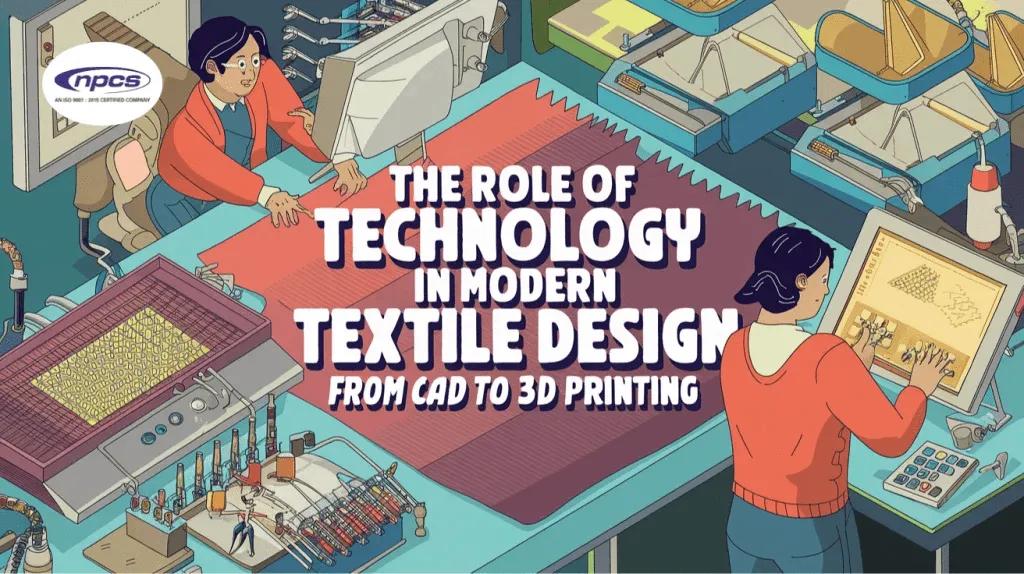
The textile design has developed over the years. Thanks to the new technologies, fabrics and patterns are now created quicker, more precisely and more creatively than ever. The other day, designing textiles was more hands on and today we are seeing digital tools and tools and machines. In this blog, we will seek to explore the role of technology in the textile design and the way forward as innovations ranging from CAD to 3D printing is changing the industry. What is Textile Design? Textile design is the art of putting patterns, textures, and colour to fabric. To design these patterns, designers use a number of methods. Some methods are traditional, for example, hand drawing or hand weaving, and others are modern technology. Textile design now occupies a large position in the field of fashion, interior decoration, and industrial usage. Technology is helping to make the process quicker and more accurate—whether it’s creating the latest fashion trends or designing fabrics for automobile upholstery. The Evolution of Textile Design Technology Before the technology, textile designing needed basic tools, such as paper, pencil, and a manual weaving machine. But the computer-aided design (CAD) software changed the game! Designers produced detailed patterns and designs on a computer thanks to CAD. What just changed was just the beginning. With technology growing, so did the tools that designers had access to. These days 3D printing is making its mark in the textile design world. 1. Textile Design CAD Software CAD software is probably one of the most important tools of the 21st century in textile design. Thus, it enables the designers to design high-precision digital designs. CAD software allows for the designer to rapidly experiment with colours, patterns, and textures, which is neither time-consuming nor prone to error like the hand-drawn design. Textile design with CAD can be up- or down-scaled. So manufacturers can create patterns and fabrics of different sizes. It also enables the machine to optimally lay out the designs on the fabric roll and therefore reduce waste during the production. Naturally, CAD is used in different industries, for example, fashion, home textiles, and industrial textiles. One of the great advantages of using CAD in textile design is that it permits more creativity. This allows designers to test out complex patterns, try new colour combinations, or see how a fabric will appear when printed or woven. CAD software also cuts back on the time it takes to produce designs, making it easier to realise designs as fast as possible. Our Books Modern Technology of Textile Dyes & Pigments (2nd Revised Edition) Handbook on Textile Auxiliaries, Dyes and Dye Intermediates Technology The Complete book on Natural Dyes & Pigments Modern Technology of Paints, Varnishes & Lacquers (3rd edition) 3D Printing: A Game Changer in Textile Design 3D printing has rapidly emerged as a mainstay of textile design in recent years. Unlike other methods, which involve weaving or knitting or printing patterns on fabric, 3D printing directly prints three-dimensional fabrics out of digital designs. With this technology, designers are able to create complicated textures and patterns that were impossible by pure traditional means. There are many advantages of 3D printing in textile design. First, its flexibility in design is improved. Fabric designs that look and work great can be developed—shapes and textures impossible or very lengthy to make with regular methods. Second, 3D printing has the advantage of being able to produce quick prototypes, which can then be tested before moving to mass production. Also, technical textiles can be made by 3D printing for industrial use. These textiles can be designed to perform particular functions (strength, flexibility, even heat resistance). This provides more ground for industries such as aerospace, automotive, and medical textiles. Utilisation includes 3D-printed fabrics in the automotive industry, for example, such as lightweight car seats or interior panels. In the medical world, 3D-printed textiles can help pattern, for example, custom-fit prosthetics or wound dressings. 3. Textile Printing Technology Textile printing technology also made great progress, besides CAD and 3D printing. As this method has become common for printing high-quality designs on fabric, digital textile printing has come of age. Digital printing, unlike traditional ones, has the ability to do more precision and more details of designs. Ink is directly printed by the printer onto the fabric. There are many benefits to digital textile printing as compared to traditional methods. The eco friendly way to grow seeds is that it reduces the use of water and chemicals. Also, it is possible to design smaller production runs, which is exactly what is desired for custom or on order work. For instance, in the fashion industry, trends change quite quickly, and the designer is in need of creating small lots of fabric with unique patterns. Project Reports Manufacturing of Disposable Personal Protective Equipment (PPE) Kit HDPE PP Woven Sacks Spinning Mill Business Business Plan for Polyester Textured Yarn from Used Pet Bottle 4. AI and Automation in Textile Design Artificial intelligence is also beginning to be used to design the textile. By using inputs of color trends, customers preference, and material performance, AI can be used to create patterns. Designers may use AI to predict what designs will be popular, and stay ahead of the trends. In addition, the production process itself is being automated to accelerate the creation of textiles. There are automated weaving machines, and robotic cutting tools that can speed and accuracy production. Especially in large scale manufacturing the time and cost efficiency are important basis. Also Read Textile Industry. Cotton Fabric Manufacturing Business Uttar Pradesh’s Push Towards Textile and Apparel Industry Textiles: Project Opportunities in Gujarat How Technology Is Shaping the Future of Textile Design: Increasingly, technological advancements will shape the future of textile design. Just as CAD and 3D printing are improving, new tools are much more powerful for designers. Through these tools we will be able to make textiles that look amazing but are also functional and sustainable. Sustainable Textile Design Sustainability is one of the biggest trends in
Top Textile Design Trends for 2025: What Manufacturers Need to Know

Things change quickly in the world of textile design. Heading into 2025, the textile industry is finding its prospective trends. To keep up with these trends and to meet the consumers needs, manufacturers must stay in the race. Textile design has lots of exciting possibilities, from sustainability to new technologies. As you can see, this blog will explore the top textile design trends of 2025. They will also help manufacturers know what is ahead of them and prepare in the way needed to tackle the changing market. So, lets talk about the future of textile design. 1. The Rise of Sustainable Textile Design : One of the most important factors of the textile industry is sustainability. The days of textile design will in the next decade increasingly begin to reflect the reduction of environmental impact. To continue surviving, manufacturers will have to opt for more eco friendly materials and production process. Models of textile sustainable design are the organic cotton, hemp and recycled fibers. Additionally, they eliminate waste and are eco friendly. Makers are also making biobased fabrics that are biodegradable or that go back into the environment safely and recyclable. Knowing the environmental impact of products they purchase is their belief. More than 70 percent of consumers want sustainable products, according to Textile Exchange. This is going to incentivise manufacturers to discover new and innovative ways of making gorgeous and ecologically friendly textile design. Tip for Manufacturers: By 2025, consumers will want us to invest in sustainable materials and in ecological production techniques. 2. Digital Textile Design: Printing and Customisation: The Future One of the other trends you can expect in 2025 is digital textile design. Manufacturers are now able to generate unique, custom patterns and designs with digital printing technology. Due to this technology, textiles that are very detailed, bright, and uniquely personalised can be produced. Digital textile design is also highly efficient, as it’s one of the key benefits. Digital printing also is different from traditional methods, since it requires less setup time and resources. It reduces the high costs that are applied in the traditional printing methods, enabling manufacturers to print smaller batches of customised fabrics. This means that this technology enables manufacturers to respond to consumer demand for personalised products and fulfils sustainability. Tip for Manufacturers: Redefine production, customising products and offering them to your customer at a lower cost with digital textile design. For faster and more efficient production, take advantage of technologies such as direct-to-fabric printing. Our Books Modern Technology of Textile Dyes & Pigments (2nd Revised Edition) Handbook on Textile Auxiliaries, Dyes and Dye Intermediates Technology The Complete book on Natural Dyes & Pigments Modern Technology of Paints, Varnishes & Lacquers (3rd edition) 3. Smart Textile Design: Functionality Meets Fashion In 2025, an explosion of smart textiles will lead to the future of textile design. In addition to aesthetics, these textiles are meant to be more than just decorative you can make them do specific things. Smart textiles can be exposed to environmental stimuli such as heat, pressure, or moisture, and they will respond. For instance, the design of sportswear textiles is beginning to incorporate fabrics that enable a wearer to monitor their body temperature or heart rate. The tiny sensors embedded in the fabric integrate to achieve this. Further, the textiles used in medical applications might also include fabrics with colours that change in response to exposure to certain chemicals or toxins. By 2025, the appropriated demand for smart textiles is anticipated to expand significantly. It is estimated that the smart textiles market is expected to be at $5.2 billion by 2025, according to MarketsandMarkets. Fad trend manufacturers who embrace this trend will be able to produce high-function, innovative products. Tip for Manufacturers: Smart textile designs are researched and developed to offer products with added value. Think of the integration of technologies in textiles performing specific functions, e.g., for health monitoring or energy generation. Project Reports Manufacturing of Disposable Personal Protective Equipment (PPE) Kit HDPE PP Woven Sacks Spinning Mill Business | Most Profitable Textile Spinning Business Business Plan for Polyester Textured Yarn from Used Pet Bottle 4. Textiles with Enhanced Durability and Performance: By 2025, the design of textiles will be centred around the enhanced durability and performance. Textiles’ ability to withstand everyday wear and tear and protection from the elements; this is what consumers want. It includes water-resistant, UV-resistant, scratch-resistant, and fire-resistant textiles. Outside and sports brands throughout use fabrics intended to be even tougher, pleasant, and breathable. High tensile strength and good absorption capacity fabrics will be in great demand. With strength and comfort (but no nonsense), these textiles can be used in activewear and outdoor gear. However, manufacturers will also be looking at new textile treatments to make fabrics more durable. Clothing and textiles used in the medical environment will be particularly suited to finishes that are anti-bacterial. Tip for Manufacturers: Design textiles that can and are prepared to work in hard circumstances. Upgrade your fabrics with strength, comfort, and functionality technologies. 5. The Return of Retro Textile Design: Returning retro-inspired patterns and colours is one of the most exciting trends in textile design for 2025. Fashion and interior textiles are being made nostalgic with designs from the ’70s, ’80s, and ’90s. And these designs come loaded with bold geometric patterns, bright colours, and vintage motifs. This trend can be utilised by the manufacturers who experiment with the current colour combos and patterns of the past. Provided, though, the key to success will lie in marrying retro elements with a modern combination of materials and production techniques. The fusion will result in unique designs, timeless designs, appealing to older as well as younger consumers. Tip for Manufacturers: Work on vintage patterns and colours while using modern textile techniques in manufacture. In 2025, with the fashion and home decor markets, retro designs will be the trend. 6. 3D Textile Design: Building the Future of Fabric Construction Soon, there will be 3D textile design in 2025. This is
Industrial Textiles for Environmental Sustainability: Whats Next?
The textile industry is a large part of the global economy. But it’s long been attacked for its environmental impact. Industrial fabrics are a defined type of fabric specifically created for industrial use. Structurally, these textiles are used for conveyor belts, woven fabrics, and flat belts used in machinery and are also used as movables in these products. At a time when industries are growing, industrial textiles are becoming increasingly more sustainable. This is important to scale down the environmental footprint in the sector and to allow future generations to benefit from the work in industrial textiles without damaging the earth. In this blog, we look at the future of industrial textiles with regards to environmental sustainability. Here we will go through the framework of key trends, innovations, and challenges that the industry faces on its way to sustainability. What Are Industrial Textiles? Fabrics designed to meet one or more of the requirements for many industrial applications are referred to as industrial textiles. Regular fabrics are different from ordinary ones because they can survive particularly high stress, extreme conditions, and heavy use. The products that are common in industry include conveyor belts, technical textiles, synthetic fibres, and antibacterial materials. Our Books Modern Technology of Textile Dyes & Pigments (2nd Revised Edition) Handbook on Textile Auxiliaries, Dyes and Dye Intermediates Technology The Complete book on Natural Dyes & Pigments Modern Technology of Paints, Varnishes & Lacquers (3rd edition) High tensile strength and good absorption capacity, for example, are normally used in making consistently durable textiles for long term use. It is used in construction, automotive, manufacturing, medical industries, etc. But now, in a more eco friendly world, industrial textiles have to follow suit. The Environmental Impact of Traditional Industrial Textiles: Traditional industrial textile synthetic fibres are known to take hundreds of years to break down. Because of their high tensile strength and good absorption capacity, polyester and nylon are widely utilized as industrial textiles. Even though they are durable they cause environmental pollution. Production of synthetic fibres has high energy, water and chemical costs. Additionally, not all of the recycled material available for industrial textile applications is appropriate; the recycled material comprises printed circuit boards and cassette and ink fabric that creates the waste. With the increasing demand for industrial textiles occurring industrially, there are also calls to decrease the environmental impact in the work place. Project Reports Manufacturing of Disposable Personal Protective Equipment (PPE) Kit HDPE PP Woven Sacks Spinning Mill Business | Most Profitable Textile Spinning Business Business Plan for Polyester Textured Yarn from Used Pet Bottle Key Innovations for Sustainable Industrial Textiles: The industrial textile industry is no longer a trend; its a necessity. Below are some cool innovations that are driving the future of industrial textiles for environmental sustainability. 1. Recycled and eco-friendly fibre The use of recycled fibres is one of the most promising developments in the industrial textiles area. They are even made from old garments or from recycled plastic bottles. The use of recycled fibres can help textile manufacturers cut down their environmental footprint dramatically. For example, woven fabric and flat belts used for industrial applications can be made out of recycled polyester. Lower requirements on virgin resources mean sustainable raw materials are used, and so energy and water are conserved. In addition, it helps reduce the amount of plastic going to landfills and oceans. Aside from that, synthetic fibres that are eco-friendly, synthetic fibres that are made from plant-based materials like bio-based polyester, are also becoming popular. 2. Textile Finishing Capsule Technology An inventive solution for industrial textiles to perform better while being environmentally friendly is called textile finishing capsule technology. The technology relates to applying microcapsules onto industrial textiles. Under certain conditions these capsules release special chemicals. Then they can release an antibacterial agent, for instance, when they come into contact with water. That means the need for other treatments that would otherwise necessitate harsh chemicals and a lot of water. Textile finishing capsule technology can improve the durability and functionality of industrial textiles by enabling the ribbon of a textile to release specific functions on demand. 3. Industrial Textiles: biodegradable One of the other important innovations is that of biodegradable industrial textiles. Theyre also looking at textiles that naturally decompose over time, like hemp or bamboo with plant-based fibers. Biodegradable material benefits by reducing long-term waste in landfills and reducing pollution generated from synthetic textiles. For example, woven natural fibre fabric can be more easily decomposed than synthetic high-tensile-strength materials. Additionally, these will be used to make consumer goods like cassettes and ink fabric for printing or as conveyor belts for industrial applications. 4. Waterless and Low Chemical Dyeing Technologies Textile dyeing processes are well known as massive consumers of both water and chemicals. More about the nature of the offending dyeing process: traditional methods produce dangerous wastewater that can contaminate rivers and the ocean. The industrial textile industry, in response, is increasingly developing sustainable dyeing technology: waterless dyeing. Supercritical carbon dioxide replaces water in the dyeing process in the context of waterless dyeing. Using this method, they reduce water usage to up to 90%, eliminating the use of toxic chemicals. This innovation can be applied to a variety of industrial textiles, such as simple flat belts to more complex printed circuit boards. 5. Upcycling and Circular Economy The textile industry is moving toward a circular economy. A circular economy means designing products to be reused, recycled, and remade into different products to minimize waste and conserve resources. In industrial textiles, the same principle is being utilised. But old conveyor belts and woven fabrics can be upcycled into new products, such as new products. It is a reduction of the need for raw materials, saves energy, and also reduces the waste. In addition, companies can encourage old textiles to go into the recycling process and turn them into new industrial textiles, in other words, closing the loop of textile waste. Also Read Textile Industry. Cotton Fabric Manufacturing Business Uttar Pradesh’s
How Industrial Textiles are Revolutionising the Construction Industry

Industrial use of textiles is present today in the construction industry. The high-performance fibres that these materials are made from carry solutions to the growing demands of modern construction. Industrial textiles are revolutionising construction, whether for strength, durability, or efficiency, with their applications. This blog explores industrial textiles as ways of transforming the construction industry, the uses, benefits, and innovations. We go deeper into this exciting sector. What Are Industrial Textiles? Industrial textiles are textiles that are engineered to perform functions in industrial circumstances. Regular fabrics are different from those engineered for high performance, strength, and durability. Industrial textiles are used for reinforcing materials, filtration systems, and sometimes used for rendering safety in such hazardous environments. These textiles are fabricated from materials such as synthetic fibres, woven fabric, and high-tensile-strength threads to enhance different construction processes. Industrial textiles make the construction industry stronger, safer, and more efficient. Our Books Modern Technology of Textile Dyes & Pigments (2nd Revised Edition) Handbook on Textile Auxiliaries, Dyes and Dye Intermediates Technology The Complete book on Natural Dyes & Pigments Modern Technology of Paints, Varnishes & Lacquers (3rd edition) Key Uses of Industrial Textiles in Construction: 1. Ground Stabilization Geotextiles Geotextiles are one of the most important industrial textile uses in construction. They install these fabrics between layers of soil to improve ground stability. They also reduce erosion, help control water flow, and increase the strength of the ground under roads and bridges. Builders can also extend the life of their projects by using geotextiles, which decrease the demands for heavy machinery. Such geotextiles are often used in highway construction to stabilise the soil and keep it from shifting; examples include geotextiles made from synthetic fibers. Strong, lightweight, and resistant to environmental factors, these materials are. 2. Industrial Textiles Reinforced Concrete Reinforced concrete structures are also reinforced with industrial textiles. When woven fabric of high tensile strength fibres is incorporated into concrete, it becomes stronger and more resistant to cracking. It is particularly critical for the long life durability of large buildings, highways, and dams. Industrial textiles have high tensile strength and good absorption capacity, making them ideal reinforcement for concrete. It improves the flexibility of the material to have it able to withstand more stress and pressure. Project Reports Manufacturing of Disposable Personal Protective Equipment (PPE) Kit HDPE PP Woven Sacks Spinning Mill Business | Most Profitable Textile Spinning Business Business Plan for Polyester Textured Yarn from Used Pet Bottle 3. Material Transport by Conveyor Belts In construction they are used to move around the site quickly and efficiently by means of conveyor belts. Durable industrial textiles are used to make these conveyor belts that can get through a lot of rough weather and heavy loads. These belts make use of high-tensile-strength synthetic fibres to prevent damage even when you are carrying rough materials like cement or gravel. For example, doing away with the friction between the belt and those materials being transported reduces the friction. Also, this makes for smoother operations and less wear on the machinery. 4. Safety protective clothing Construction’s always a high priority on safety. Many hazards exist to which workers can be exposed, including sharp objects, chemicals, and extreme temperatures. Industrial textiles can answer that—protective clothing from industrial textiles can have safety properties such as antibacterial properties or scratch-resistant surfaces. In protective clothing for workers, protective clothing with materials like cassette and ink fabric, for example, is generally used. These fabrics are lightweight but strong, comfortable fabric for both protection and comfort. In addition, certain textiles intended for protective gear can be introduced that are resistant to high heat or have scratch resistance so workers can be safe in extreme environments. 5. Waterproof & Drainage Systems The other important function of industrial textiles in construction is waterproofing. Textile finishing capsule technology sets the stage for the processing of fabrics suited for use in waterproofing systems. By keeping water out of buildings and other structures, these textiles prevent long-term damage. Geotextiles help with drainage systems, besides waterproofing. These fabrics let water pass by and filter out particles that might block the system. Building with a drain solves this problem of earlier cases, especially for buildings requiring drainage to avoid water damaging or flooding the basements and other lower levels. Innovations in Industrial Textiles for Construction: 1. Smart Textiles Smart textiles promise an even brighter future for industrial textiles in construction. Sensors are embedded in these fabrics that can monitor temperature, humidity, and pressure. We could use smart textiles for monitoring construction and other structures’ health during their lifetime. Smart textiles in conveyor belts or reinforced concrete are, for instance, able to measure the state of the materials in real time. Construction companies are in a better position to recognise possible problems before they become big problems. They can extend building life and lower the cost of maintenance by using smart textiles. 2. Sustainable Materials Therefore, the demand for the sustainable materials is increasing as construction begins to move to higher eco-friendly solutions. Industrial textiles from recycled materials are now being produced by many manufacturers, such as recycled polyester. For construction projects trying to label themselves as green and reduce their carbon footprint, these sustainable industrial products are ideal. Industrial textiles made from recycled fibres offer a way to protect the environment while still achieving the strength and durability construction firms require. This is a big shift to more sustainable building practices across the industry. Also Read Textile Industry. Cotton Fabric Manufacturing Business Uttar Pradesh’s Push Towards Textile and Apparel Industry Indian Textile Market and Business Scope for Entrepreneurs Top Opportunities in Technical Textile Sector 3. 3D Weaving and Knitting 3D weaving and knitting is another exciting development in industrial textiles. The advanced techniques used enable manufacturers to produce complex, layered fabrics that are lighter and stronger than fabric, particularly if manufactured in layers. In construction, these fabrics can be used as reinforcement fabric or a protective layer. It also enables the design space of woven fabric to be
The Future of Industrial Textiles: Trends and Innovations Shaping the Sector
Industrial textiles world is always downstairs. In industrial applications, these materials are used for everything from conveyor belts to protective clothing. With growing industries, there is a demand for high-performance fabrics. Industrial textiles are being pushed beyond their limits to achieve new innovations. In this blog, I will look at the most recent trends and industry innovations being developed in industrial textiles to enable the next generation of military wearables. What Are Industrial Textiles? In addition, A fabric made with industrial-type materials and used for industrial purposes. As is known, these materials are engineered for particular purposes with good absorption capacity and high tensile strength. Synthetic fibers that make industrial textiles so strong can be used to help them last a long time. Products in these textiles are flat belts, woven fabric, conveyor belts, and fabric used in protective gear, for example, like anti-bacterial clothing. Industrial Textiles Key Functions Industrial textiles have multifold uses. Such products that need to endure extreme conditions use them. These textiles are used in industries such as: Manufacturing Automotive Aerospace Construction Industrial textiles are so in all these industries that industrial textiles have to perform in harsh environments, whether it is holding heavy loads on a conveyor belt or shielding while protecting against heat or chemicals in an industrial environment. Our Books Modern Technology of Textile Dyes & Pigments (2nd Revised Edition) Handbook on Textile Auxiliaries, Dyes and Dye Intermediates Technology The Complete book on Natural Dyes & Pigments Modern Technology of Paints, Varnishes & Lacquers (3rd edition) Emerging Trends in Industrial Textiles There are big changes in the industrial textile industry. Technological changes and a need for more efficiently and sustainably made textiles fuel these changes. Here are the key trends to watch for in the coming years: 1. Industrial Textiles for Sustainability Industrial textiles included, every industry is taking on the push for sustainability. Raw materials that are eco-friendly and decrease waste are what the manufacturers are focusing on. One such example is the emergence of recycled fibers and bio-based textiles as a growing alternative to traditional synthetic fibers. The main thing is these materials provide the same high tensile strength as conventional textiles but with a much smaller environmental footprint. In addition, the concept of the textile finishing capsule is being developed. The technology lets manufacturers place a capsule on the fabrics, ‘featuring specific ‘properties like anti-bacterial or water-resistant when needed. These capsules make their use in the textile production process more environmentally friendly as the chemicals required are less. Also Read Indian Textile Market and Business Scope for Entrepreneurs Top Opportunities in Technical Textile Sector 2. Enhanced Functionality Smart Textiles The most exciting industrial textile innovation is smart textiles. These textiles are also able to adapt themselves to their environment. Also, examples include sensors attached to woven fabrics used in protective clothing, which can now determine temperature, moisture, or even harmful chemical changes in real time. It keeps workers safe in such risky places. Furthermore, some smart industrial textiles even alter their properties. A simple example is that fabrics can become scratch resistant or heat resistant when they are exposed to a particular condition, as an example. The innovation lets textiles work better and stay cleaner for longer in tough situations. 3. Specialized Applications of High-Performing Textiles The industrial textiles of the future may be increasingly specialized. Aerospace, automotive, and construction industries make use of such industrial products made from advanced textile materials. For example, in factories, flat belts and conveyor belts of woven fabrics are needed for moving goods. High tensile strength and friction between the under the belt and machinery are the requirements of these materials. Industrial textiles are utilized in aerospace to make, for example, printed circuit boards, as well as parts that require both flex and strength. They are really important to the safety and efficiency of aircraft. 4. Customization Textile Printing In fact, customization is becoming an increasingly important demand in all industries, and industrial textiles are no exception. It is used by textile printing manufacturers to print unique patterns and designs on fabrics. People are moving to digital printing because it makes use of fewer chemicals and less water than the old traditional way of printing. 5. Durability of Advanced Textile Coatings Modern industry requires durable materials, and thus manufacturers are switching to advanced textile coatings. Industrial textiles can be treated so that abrasive conditions do not abrade away your fabric. In addition, The other application of coatings is to make textiles heat resistant, a use essential in manufacturing and construction industries, where high temperatures are quite common. An example of this is how textile finishing capsule technology is used to improve the properties of the textile yet still maintain that textiles natural feel and strength. These innovations not only increase the life of industrial textiles but also enhance their performance in applications. The Role of Industrial Textiles in Various Sectors: Automotive Industry There are many ways industrial textiles are applied in the automotive industry. Industrial textiles are indispensable, from belt-driving systems to conveyor belts that convey parts through the factory. Car interiors use woven fabric seat covers and airbags, as well as high-performance materials. Since these textiles must be durable, flexible, and able to stand up to extreme conditions, the new fabrics spun from carbon nanotubes are particularly fascinating. Project Reports Manufacturing of Disposable Personal Protective Equipment (PPE) Kit HDPE PP Woven Sacks Spinning Mill Business | Most Profitable Textile Spinning Business Business Plan for Polyester Textured Yarn from Used Pet Bottle Construction and Mining Industrial textiles in products such as geotextiles and reinforced fabrics are used in construction and mining. Erasing control, soil stabilization, and even waterproofing are helped by these materials. These textiles can be subject to heavy loads and withstand wear and tear, thanks to their high tensile strength. Medical and Healthcare find many uses in the healthcare sector. Medical devices use cassettes and ink fabric, while hospital linens and surgical gowns use anti-bacterial textiles. The textiles reduce the risk
Challenges and Opportunities in the Oil Business: A Look at Edible Oil Manufacturing
Edible oils, where the oil business has also played a very large role in the global food industry. The edible oil manufacturing industry is changing with changing market demands, technological advancements, and economic challenges. This industry is very profitable in India, a country where the world’s third highest edible oil consumption takes place. With more people choosing healthier lifestyles, oil businesses have to innovate with production without increasing the cost and maintaining quality. Here, in this write-up, we would like to understand in detail the key challenges and opportunities along with an analysis of the edible oil manufacturing business in India. The Rise of Edible Oil Manufacturing in India India is one of the largest edible oil-supporting markets in the world, where millions of households are cooking with various cooking oils, be it soybean oil, rapeseed oil, etc. For decades, the demand has been high for cooking oils such as sunflower, soybean, mustard, and palm oil. India generally imports traditional edible oil from countries like Indonesia, Malaysia, and Argentina, or around 60 to 65 percent of its edible oil requirement, says the Indian Brand Equity Foundation (IBEF). Moving into the country is tremendous, but both lifestyles and desires to consume oil have changed, so now the country’s oil consumption still grows. The ecosystem for an edible oil business today is exciting and competitive for entrepreneurs and businesses. But success in this area requires comprehending the barriers yet taking steps to distinguish yourself from the pack. Our Books Modern Technology Of Oils, Fats & Its Derivatives (2nd Revised Edition) Essential Oils Handbook Key Challenges in the Oil Business: Raw Material Prices fluctuating The most significant barrier for one in the oil business is the volatility of raw material prices. The cost of raw materials, of the crude oil, the seeds, and other agricultural products, can change because of global weather conditions and political tensions or for supply and demand imbalances. Continuing with the sunflower oil because of the poor harvests, if something happens to the supply of sunflower seeds, the price for sunflower oil can skyrocket, but manufacturers are not able to accurately predict the cost. Strict Regulatory Standards The regulation of the edible oil manufacturing business includes both national and international level regulations. Food Safety Standards Authority of India (FSSAI) standardises the edible oils in India. With these regulations laid down, the cooking oils produced are safe for use, and they are also of an acceptable quality. But new manufacturers have to stick to labelling and packaging norms, as well as quality control norms that can be difficult to navigate. Investing time as well as money is needed in order to ensure these standards are upheld. Health Concern and Consumer Preferences Today, consumers are more healthy and aware than ever before. As more and more diseases have developed, including heart problems, obesity, and diabetes, the trend is shifting towards healthier cooking oils like olive oil, rice bran oil, and mustard oil. In fact, the demand for oils with lower trans fat content and higher Omega 3 fatty acids is on the rise. Manufacturers in the oil business facing these demands from consumers must find ways to produce with the costs competitive. In addition, the change in consumer preferences also requires businesses to invest in marketing and education of the consumers as to the benefits of their products. Competition from Imports Dependence on imported oils is both a challenge and an opportunity for India. It offers consumers cheaper options but also provides more competition in the domestic producer market. It is difficult for local manufacturers to compete with importers because they can offer lower prices as their supposedly economies of scale allow them to do so. This only adds more pressure to domestic producers to innovate, producing better quality, healthier, and cheaper products. Sustainable & Environmental Impact But it cannot be denied that the oil business is strongly environmental. Deforestation, specifically in relation to the production of edible oils, including palm oil, has been associated. This is all happening because consumers care for the environment and are becoming more tough and ask companies to practice sustainability. It means manufacturers invest in eco-friendly extraction processes, reduce amounts of waste, and make sure their raw materials are from sustainable sources. Failure to do this could be disastrous for a companys reputation and sales. Our Project Reports Herbal Cosmetics Mining of Mineral Ore with Processing Opportunities in the Oil Business: Although there are these challenges, the oil business still has room for growth and for innovation. Health Conscious Consumers Growth We already mentioned earlier that healthier cooking oils are needed. This is all in reaction to the increased sensitiveness about heart healthy living, weight management, and well-being in general. This can be seized by the entrepreneurs by making oils with low-density fats, high antioxidant content, and essential nutrients. More health-conscious consumers prefer oils like olive oil, avocado oil, and canola oil. Focusing on these products will give businesses a growing entry into a niche market. Advancements in Oil Extraction Use of Technology New technologies in oil extraction have brought about a new opportunity for edible oil manufacturing enterprises. Rather than gradual cooking and refining the oils, cold-pressed extraction methods preserve the natural nutrients and flavour of them. They also make it possible for manufacturers to produce high-quality oils with little waste. In addition, the adoption of automation and AI in production lines can lower costs, increase efficiency in the business, and help the business scale more easily. Value-Added Products Besides traditional cooking oil products, there is growing demand for value-added oils, including blended oils, flavoured oils, and fortified oils with vitamins and minerals added. These products can target a specific type of consumer, like the cooking oil with added Omega 3 or vitamin D. With so many different products that cater to such consumer needs, the profit of the profit can go up. Also Read Is the Cold-Pressed Oil Business Profitable in India? Domestic Market and Global Export Markets Edible oils also have
Innovative Technologies in Cooking Oil Manufacturing: From Extraction to Packaging
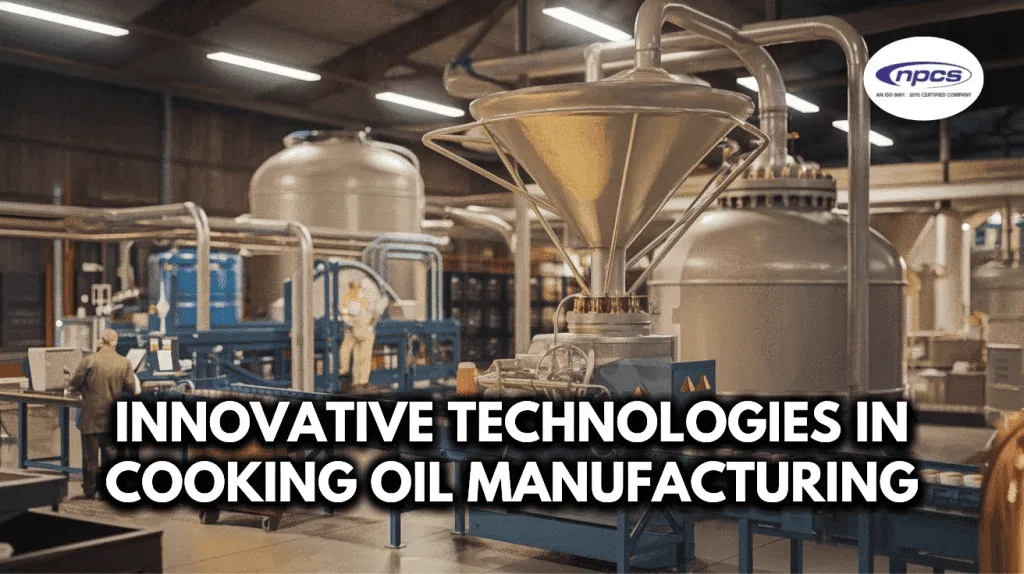
The oil business is a vital component in the global economy. During all the years, the technology of the cooking oil manufacturing industry has progressed by leaps and bounds. Innovation has played an important role in extracting oils from raw materials, through packaging the final product, to improve efficiency, quality, and sustainability. The Evolution of the Oil Business: From Manual to Automation Up to centuries ago, the process of oil extraction was manual and took a long time. But as technology keeps changing, the oil business has become more automated and more efficient. Introducing mechanical presses and this later-arriving hybrid of mechanical and hydraulic presses in the 20th century helped illuminate the edible oil manufacturing business by raising crude oil production from raw materials. The latest technologies are now geared toward increasing oil production efficiency while maximize the quality of cooking oils. Modern Extraction Methods The oils were traditionally extracted from simple mechanical processes of cold pressing and expelled pressing. But the space was very tight and the processing was difficult with not always excellent oils produced. But the extraction process is different much with the modern technological advancement. Cold Pressing and Expelled Pressing Today, these are still popular methods for extracting cooking oils, especially for high-quality grades of cooking oil. Cold pressing is when the raw material is not heated, and the oil is extracted. Mechanical pressure is used for expelled pressing, extracting the oil from seeds. Solvent Extraction Polemic acid produced by this method is extracted by extracting oil from seeds with a solvent, usually hexane. Crude oil is bound by the solvent; the crude oil is then separated through evaporation. It is highly efficient and yields higher oil than the average. Our Book Modern Technology Of Oils Essential Oils Handbook Advanced Refining Technologies Once the oil is extracted, it has to be refined to remove impurities, change flavour, and increase shelf life. Additionally, contaminants that may change oil taste and quality are also given up through the refining process. Gumming: It is the first of the refining processes. The water or acid is then used to treat the oil to get rid of gums, hospholipase, and the like. Neutralisation: And the next step is to remove the free fatty acids in the oil with an alkaline solution. The process helps increase the taste and odour of the oil Deodorisation: To remove any undesirable odours from the oil, deodorisation is done with steam and high temperatures. This is an essential step in cooking oil manufacturing”its particularly important for oils like soybean and sunflower, as the oils have strong odours. Bleaching: In this stage, oil is treated with activated carbon or clay to remove any colour and residual impurities, leaving you with a lighter and more transparent oil. Our Project Reports Herbal Cosmetics Mining of Mineral Ore Innovating Oil Refining with Enzyme Technology In its recent trend in edible oil manufacturing, an emerging trend is the use of enzyme technology in refining. Biological catalysts, enzymes, are able to break down specific compounds in oils in a process. Using enzymes in the refining process has many benefits: Reduced Processing Time: The gumming, neutralisation and bleaching processes can all be seeded up by enzymes. Improved Oil Quality: Oils can be maintained in their nutritional integrity using enzyme-based processes that minimise the need for harsh chemicals and high temperatures. Oil companies are increasingly adopting this technology in order to produce healthier and more sustainable oils. Sustainable and Eco-friendly Practices in Oil Production Growing environmental awareness has made sustainability a hot issue in the oil business. Today, consumers are looking for the good for their health and the good for the environment. This has led to the cooking oil manufacturing industry recently adopting more suitable means to do business. Waste Management and Bio diesel Production The use of waste cooking oils to create bio diesel is one of the major developments in the oil business. Restaurants used oils, and that from households are collected, cleaned, and converted into bio diesel, a renewable energy source. Not only does this practice cut down the waste, but it plays a significant role in making a material better. Energy-Efficient Processes Renewable energy sources such as solar and wind power have become more popular in modern oil production plants. Furthermore, many producers employ high technology and advanced heat recovery systems that minimise energy need in refining and deodorisation. Waste-to-Energy Technology Often in the refining process, routine waste materials such as residual oils and byproducts are discarded. With these recent advances in waste-to-energy technology, what used to be a negative can now be a positive, contributing to the energy generation for the oil business. Innovative Packaging for Cooking Oils Since cooking oils are now produced and refined, the second hurdle is packaging. Preserving the product quality and length of shelf life depends significantly on packaging. Newer, more eco-friendly, cost-effective, and functional technologies are emerging in the field of packaging. Smart Packaging Technologies One of the latest and most innovative packaging solution is the use of smart packaging which employ a sensor to monitor the freshness and quality of the oil. These sensors would tell us if the temperature or humidity or even the amount of exposure to the light affected how long the oil would stay good. Such smart packaging could make consumers and manufacturers aware of the condition of the product, only the fresh high quality oil would be sold in the market. Biodegradable and Recyclable Packaging Another thing that oil business has shifted towards is biodegradable and recyclable packaging. Edible oil manufacturing companies are increasingly relying on the packaging material thats more environmentally friendly, including plant-based plastics and recyclable PET bottles. Such changes have a positive effect on oil business environmental impacts and respond to the increasing demand for Eco-friendly products from the consumer. Also Read Cold-Pressed Oil Business Conclusion The oil business is yet changing with the increasing of technologies to increase the cooking oil manufacturing efficiency, quality, and sustainability. From innovative modern extraction methods
Global Market Trends and Future Outlook for Crude and Edible Oil
The oil business has always been a cornerstone of the world economy. Crude oil is used for energy or our edible oil in the kitchen; oils shape industries and matter daily. A discernment of oil business trends and foresight of the future can assist businesses and the commoners to make the best decisions. In this blog we look at the latest crude oil/edible oil trends and where these may go in the future. The Growing Demand for Crude and Edible Oils Demand for not only crude oil but also edible oils has skyrocketed over the past few years. There have been many key shifts in the oil business. As the global economy recovers from the pandemic, demand for crude oil has surged, and there are already unrest. Secondly, there are growing public, population, and food preference requirements for edible oils. Crude Oil’s Role in Shaping the Energy Industry Crude oil trading can be classified as one of the largest markets in the world; it has billions of invested investments in production, processing, and distribution. Global crude oil prices are on the level of stabilization after the swings the previous years suffered. From the oil production point of view, oil-producing countries, such as those in the Middle East and North America, are also important. Our Books Modern Technology Of Oils Essential Oils Handbook The oil business needing more renewable energy sources is one of the biggest challenges. Crude oil continues to be an essential element of global energy consumption, even amidst this, in transportation and industrial sectors. Consumer Trends in the Edible Oil Market Worldwide consumption of edible oils has increased demand. Consumers are today more health conscious, and they prefer oils that appear healthy. Olive, sunflower, and canola oils are a hit because of their lower saturated fat content. However, companies that are into cooking oil manufacturing are modifying their products to suit these consumer definitions. Being the largest edible oil consumer in the world, one of the reasons for all the use of edible oils is due to its large population. The edible oil manufacturing business is expected to grow significantly due to the rising middle class in the country and changing dietary habits. Key Trends in the Oil Business Growing Popularity of Health-Conscious Oils The increasingly health-conscious people are demanding healthier cooking oils. More and more, consumers are relying on oils that are low in cholesterol and high in unsaturated fats. Therefore, olive oil, avocado oil, coconut oil, etc., have become favourites. Sustainability in Oil Production The business of oil is becoming cleaner. The business of edible oil manufacturing is adapting to more sustainable practices in response to the worlds environmental challenges. That means we’re resource aware, including sourcing raw materials with respect, reusing re processable materials, and exploring more sustainable ways to extract oils. The Role of Technology in Oil Production The oil business also has another role to play in technological progression, which will shape its future. Technology is helping businesses lower costs and improve the production efficiency in processing the product, including extracting oils more efficiently. They are using investment in new digital tools and machinery in the oil production industry to streamline their operations. Our Project Reports Herbal Cosmetics Mining of Mineral Ore Future Outlook for the Oil Business Growth of the Edible Oil Market Edible oil manufacturing businesses will have a future. Due to the rise of health-conscious eating habits, there is an increasing demand for oils with some nutritious oil content. The edible oil market is expected to continue on the expanding march as innovations in product development come in. Growing urbanization, changing food habits, and higher awareness of health and wellness are expected to augment Indias edible oils demand. This is also reflecting on the development of the market by increasing disposable incomes, particularly in rural areas. According to the National Oil seeds and Produce Development Boards report, the Indian edible oil market will grow by over 5% every year in the future. Increased Focus on Bio fuels It is probably the most significant shift the oil business has seen: bio fuels. Plant oils like canola and soy, the sources of bio fuels, are viewed as more sustainable than crude oil. Bio fuels are attracting attention as countries all around the world look for greener energy solutions. In the coming decades the oil business is going to take a deep dive into this area. The Impact of Geopolitics on Crude Oil Prices From geopolitics, crude oil prices have always been influenced. It can be the aftermath of a political crisis in an oil-producing country to changes in global trade agreements; such causes can greatly affect prices. There will be a continuation of the volatile future of the crude oil market due to global political instability and change in renewable technology. Also Read Rice Bran Oil Edible Oil Refinery How the Indian Oil Business Is Evolving Recently the Indian oil business has been undergoing a change. India is both a major consumer of crude oil and of edible oils and, as such, is a growing market. But Indias oil imports have left it exposed to rises and falls in global oil prices. In the effort to address this, the Indian government has been relying on increasing domestic production of edible oils. India has also been increasing its bio fuel production capacity, and the edible oil manufacturing business in India is growing quickly. At the same time, India is trying to diversify its oil production, searching for fresh sources, including bio fuels and other renewable energy sources. Recommendations for Businesses in the Oil Industry Focus on Sustainability: Oil business “whether related to crude oil or edible oil” should give utter priority to sustainability. It could be to adopt green technologies, minimize waste, and practice the Eco-friendly production methods. Invest in Health-Conscious Products: Healthy oils are here to stay. Businesses that are focused on cooking oil manufacturing should consider selling offerings of oils with health benefits (like low saturated fats or high omega-3),
Exploring the Different Types of Raw Materials for Oil Extraction
For decades, the oil business has been a big part of the world economy. There is a huge demand for oil regardless of whether its crude oil for energy or cooking oils for culinary uses. If you are into the oil production industry, then you must know what raw materials are used to extract them. However, in this article we will delve into the different types of raw materials used in oil extraction as well as their contribution to the business of oil€”especially in edible oil manufacturing. What Is Oil Extraction? The process of oil extraction means the process of extracting oils from raw materials. They are all crucial for and required for purposes such as cooking, cosmetics, and bio fuels. Depending on how raw material was used, the extraction can be done through a mechanical pressing or a chemical way. Some oils may be better quality and type to produce a specific type of oil in terms of source. Our Books Modern Technology Of Oils Essential Oils Handbook Common Raw Materials Used for Oil Extraction The quality, cost, and use of extracted oil all depend on the raw material used in the oil business. So we are going to look at the most common raw materials used for oil production. 1.Soybeans A Leading Source of Edible Oil India is using one of the most popular cooking oils, soybean oil. This is a soybean seed oil. Saturated fats are eliminated, and you get your essential fatty acids, ensuring that soybeans are a very good choice for your cooking fat. Soybeans are also a cheap raw material, which, along with edible oil production, is cheaper from a cost perspective. Food products, including salad dressings, margarine, and snack foods, use soybean oil. Additionally, the oil is used in non-food products such as bio diesel and cosmetics. 2. Sunflower Seeds Light and Nutritious Oil Another hugely used cooking oil is sunflower oil. The sunflower plant yields the seeds used to extract it is loaded with unsaturated fats and therefore a heart-healthy food. Light in flavour, this inexpensive oil can work well in a lot of dishes and tastes just great! The high smoke point of sunflower oil is often preferred for deep frying and sauting. It has such a light taste that its not overbearing on the food, which makes it an amazing choice for a huge range of recipes. 3. Canola Seeds A Great Source of Healthy Oil The alternative product, found in this article, is from the seeds of the canola plant, which is a variety of the rapeseed plant. Another heart-healthy way to cook is with this oil; it has a neutral taste and is very low in saturated fat. Canola oil is also full of omega-3 fatty acids that help keep you healthy. Frying, baking, and sating are some of the more common uses of canola oil. And being a light-flavoured, nutrient-rich food, it is also in great demand as an ingredient in salad dressings and sauces. 4. Palm Fruit A Popular Source for Both Cooking and Industrial Oils They come from the fruit of the oil palm tree. This oil is utilised extensively in the food and non-food industries. However, it has a higher level of saturated fat than other vegetable oils, and therefore it is not as recommended for those with a health-conscious lifestyle. While the cost and shelf life of other oils are lower, palm oil remains widely used. Palm oil is an essential raw material for cooking oils, margarine, and snack food in the oil business. But it is also used in non-food products, including soaps, cosmetics, and bio fuels. Our Project Reports Herbal Cosmetics Mining of Mineral Ore 5. Olives Premium Oil with Numerous Health Benefits The oil is made from olive fruit, and it is one of the healthiest oils you can have. It is comprised of monounsaturated fats and antioxidants to decrease your risk for heart disease. Mediterranean cooking has no substitute for olive oil, and most Mediterranean peoples prize its flavour and health benefits. In salad dressings, as a marinade, or sautes, this is a common oil. Its also popular in cosmetics since it can moisturise. 6. Coconut A Versatile Raw Material Mature coconuts are used to make coconut oil. Solid at room temperature because of its high saturated fat content, this oil has a distinct flavour. It is used both as a cooking oil and in personal care products. It is favoured in the oil business for frying, baking, or for use in recipes that call for a tropical flavour. Besides gaining popularity as a health product, coconut oil is also making ripples in the market. Its a moisturising property; thats why many people use it in their skincare routine. Also Read Rice Bran Oil Edible Oil Refinery 7. Peanuts A Popular Source for Cooking Oils It is common to use peanut oil for deep frying because it is extracted from peanuts. It has a high smoke point for high-heat cooking. In fact, this oil is rich in monounsaturated fats that are good for you. Peanut oil is very widely used for India’s traditional dishes. The nutty flavour it brings to food makes it a favourite for frying, saluting, and adding to seasoning blends. 8. Mustard Seeds An Essential Oil for Indian Cooking India being an island state, there are so many varieties of cooking oils that help India’s taste buds spread out. Mustard oil is a popular cooking oil in India, particularly in North India. Extracted from mustard seeds, it has a strong and pungent flavour and goes well with Indian food. Containing both monounsaturated and polyunsaturated fats, mustard oil is a healthy cooking option. Frying, pickling, and salad dressings are some of the common uses for mustard oil. Its lovely flavour is well known, and it is an essential ingredient in many traditional Indian recipes. How Raw Materials Impact Oil Extraction The oil extraction process is greatly dependent on the type of raw material used. Seeds like
A Comprehensive Guide to Starting an Edible Oil Manufacturing Business
An oil business is a very profitable business to start, and in India, where the demand for cooking oils is continually on the rise. With so many people becoming more health conscious and cooking differently, there is a huge demand for high-quality edible oils. If you want to start in the edible oil manufacturing industry, then this guide containing mandatory steps in the process will help you to start and grow your business successfully. Our Project Reports Herbal Cosmetics Mining of Mineral Ore Understanding the Edible Oil Industry Along with the food industry, the business of edible oil manufacturing is really important. Besides being a key item in a person’s diet, they are used as cooking, frying, and food-preserving oils. Given India’s status of being one of the largest edible oil consumers in the world, this is a market opportunity. Mustard, sunflower, and groundnut are the dominant oils in the Indian market, but health-conscious freaks are also adopting olive, coconut, and sunflower oil. Refined cooking oil is made by extracting, purifying, and packaging crude oil. Every stage of the crude oil production process, from extraction to the final bottled product, contributes to the overall quality of the oil. Also, before you can start your business in edible oil, you should know the things that are needed to produce oil, the equipment needed, and changes in demand. Key Considerations for Starting the Oil Business Factors to Consider When Starting an Edible Oil Manufacturing Business Sourcing high-quality raw materials is one of the most critical aspects. You will need the particular kind of raw material depending on which type of oil you want to produce. Vegetable oil is made from soybean or sunflower seeds, and mustard oil from mustard seeds. Having a reliable supplier of raw materials is a must when trying to have a consistent supply. Smooth operations and avoiding production delay require a strong supply chain. Its also recommended that you watch the price of raw materials to prevent the fluctuating production costs. In addition to the aforementioned, your plants efficiency and output depend largely on the technology. For cold pressing or high-yield production, oil extraction requires specialised machinery of the like, such as propellers or solvent extractors. Crude oil also needs to be refined, and equipment is also required to purify crude oil, remove impurities, and improve taste and shelf life. Also Read Rice Bran Oil Edible Oil Refinery The Oil Production Process There are several stages to oil production, and it takes attention to detail, plus good equipment, to get it done. Oil Extraction The first stage in the oil business is oil extraction, which involves two main methods: solvent extraction and mechanical pressing. In mechanical pressing, machines like propellers or cold press units squeeze the oil out of seeds. This method works well for mustard and sesame oils because it preserves the oil’s nutritional content. In contrast, solvent extraction uses chemicals like hexane to dissolve the oil from seeds. Producers often choose this method for extracting oil from soybeans, sunflowers, and groundnuts due to its high efficiency and lower operational costs. Our Books Modern Technology Of Oils, Fats & Its Derivatives (2nd Revised Edition) Essential Oils Handbook Oil Refining From there the oil isn’t ready for consumption yet. Refining it implies gumming it, neutralising it, decolonising it, and deodorising it. The crude oil is cleaned from impurities, free fatty acids, and unwanted flavours and odours. But most refined oil is more stable, has a longer shelf life, and is safer for cooking. Packaging After the oil is purified, it is packaged for sale. Depends on your target market” the final product can be packed into different containers: glass bottles, plastic jars, or tins. Inefficient packaging compacts the oil, allowing it to spoil and become contaminated prior to delivery to the consumer. Market Research and Consumer Demand One of the most important aspects of launching a business for edible oil is to understand the target market. Demand for oils is not only big in India, but also very diverse. However, traditional oils such as mustard oil and groundnut oil continue to remain widely used while consumers shift towards healthier oils, such as olive oil, coconut oil, and avocado oil. So before starting any business in any merchandise, you need to conduct thorough market research on which oils are in demand and which are booming in popularity. The other one is price sensitivity, and that another very important factor. Some consumers are prepared to pay a premium for organic or speciality oils, but others are happy to consider budget oils for everyday use. Knowing the price points and what the consumer wants in your area will set up your brand for success. You should also focus on distribution channels. Large retail chains are the main source of sales for a lot of these established brands, but as is often the case, there are untapped local markets, online stores, and even bulk distribution to restaurants and hotels to be tapped into. Licensing and Regulatory Compliance To run a compliant oil business in India, you must follow a series of regulations. Securing licenses and certifications from regulatory bodies like the Food Safety and Standards Authority of India (FSSAI), for instance, ensures that your products meet the critical safety and quality standards. In addition, to operate large-scale manufacturing facilities, you need to register for Goods and Services Tax (GST) and get a factory license. Other than that, you should complete taking ISO certifications to demonstrate that your oil manufacturing process meets international quality standards. These are the certifications that not only ensure your business complies but also further boost your brands reputation. Also Read Cold-Pressed Oil Business Financial Considerations and Profitability Starting an edible oil manufacturing business needs huge initial investment. Raw materials, machinery, and setting up a manufacturing unit will typically be the biggest expenses. Although the startup costs can be very high, there is an excellent opportunity to generate profits when the business matures. The industry of edible oil