
8 High-Barrier Technical Manufacturing Business Ideas That Engineering Graduates Can Build Into Dominant Ventures

Technical Manufacturing Business Ideas India produces over 1.5 million engineering graduates every year. The majority of them become employed; either in IT or manufacturing companies or in the public sector. However, large numbers are taking advantage of their technical education and have started manufacturing enterprises which most non-engineers can’t easily duplicate. They are business ideas that have high barriers to entry. The barriers are not only monetary, they’re knowledge-based, precision-based, and technical. That’s what makes them worth. If a product has a niche customer base and only a few companies can enter the market, then the existing companies in the market will have a better price, higher profit and able to maintain a longer customer relationship. This is the time when engineering graduates in India can turn their degree into a business that creates sustainable competitive edge. Why Technical Manufacturing Is the Best Path for Engineering Graduates The Indian engineering graduate who is starting a technical manufacturing business has an in-built moat which others don’t have: Domain knowledge. Knowing metallurgy, polymer science, circuit design, chemical engineering or mechanical systems is not something a competitor can learn in a single day. Where the consequences of product failure are real, as in the manufacturing industry, buyers want suppliers they know are aware of the technical requirements of what they are manufacturing. That’s why engineering-based MSMEs providing automotive OEMs, defence, chemical companies and electronics manufacturers keep customers for years and decades. It is clear from the PLI scheme for Advanced Chemistry Cell batteries, the PLI for Electronics and White Goods as well as India’s semiconductor mission that the country’s industrial future is being built around technical manufacturing and that engineering graduates are best suited to do that. Government Support for Technical MSMEs The momentum of technical manufacturing in India has been created by the policy of government. Make in India Manufacturing sector initiative has been introduced to encourage manufacturing of defence, electronics, aerospace and advanced materials, which are all engineering-intensive. The DPIIT’s Production Linked Incentive schemes offer cash incentives to manufacturers in 14 sectors, such as the telecom sector, pharmaceuticals, textiles, and food processing, based on production targets, yielding substantial revenue uplift for small manufacturers. The Atal Innovation Mission’s ARISE programme explicitly supports research and innovation-based MSMEs (directly applicable for the technically differentiated products of engineering undergraduate entrepreneurs). According to Invest India’s data on sectors, Electronics system design and manufacturing is one of the top growing sectors attracting FDI — providing opportunities for downstream supply chain businesses for technically skilled MSMEs. The IBEF electronics sector report forecasting India’s electronics market to reach $300 billion, offers small technical manufacturers the opportunity to carve out significant spaces in this market. 8 Technical Manufacturing Business Ideas for Engineering Graduates 1. Precision CNC Machined Components Manufacturing CNC (Computer Numerical Control) is used to manufacture highly accurate automotive, aerospace, defence and industrial machinery parts. Manufacturing process transforms the digital design (CAD) into real metal/polymer part within micron tolerance. Mechanical and production engineers have a natural understanding of the programming, tooling, material selection and quality control necessary. A small CNC job shop, from just one or two machines, can provide components to local OEM, engineering workshops and export-oriented manufacturing businesses. This is a high barrier business, because it’s a precision business; buyers don’t work with suppliers who can’t maintain a consistent precision. That knowledge barrier excludes casual competitors and means that clients who find a reliable precision supplier are loyal customers for the long haul. 2. Industrial Automation and Control Panel Manufacturing The manufacturing ecosystem in India is advancing towards automation at a significantly rapid pace, owing to various factors including labour cost, quality standards and the need for Industry 4.0 from the multinational clients. Many factories in industries such as automotive, pharmaceuticals, food processing and chemical require control panels, SCADA systems, PLC-based automation solutions or custom control enclosures. A person who is an electrical/electronics engineer and knows programming PLCs (Siemens, Allen Bradley, Mitsubishi) can start a control panel fabrication and integration company. It’s a project business, that is, each order is tailored to the individual; premiums are charged to technically able manufacturers. Indian market for automation is expanding at more than 12% per year, and the Indian government’s electronics manufacturing initiative Make in India is being promoted by manufacturing of control systems in India. 3. Chemical Synthesis and Specialty Chemical Manufacturing The margins for specialty chemicals, such as pharmaceutical intermediates, agrochemical active ingredients, industrial process chemicals and surface treatment chemicals are significantly higher than those of commodity chemicals. But they must have an understanding of chemistry to produce safely and reliably. An engineering graduate trained in chemical engineering or applied chemistry can install a specialty chemical synthesis plant that produces chemicals for a particular product type, such as a pharmaceutical intermediate now in demand or a water treatment chemical that is a substitute for an imported product. The technical barrier is high – Regulatory compliance (CPCB, PESO, factory inspectorate), hazardous material handling and precise reaction control; skills that untrained operators cannot handle. This is the kind of expertise that is the barrier to unskilful competition at established small chemical businesses. Get Detailed Insights from This Book: The Complete Technology Book on Chemical Industries 4. Electronic PCB Assembly and Testing Printed Circuit Board (PCB) assembly for consumer electronics, industrial controls, medical devices and telecom equipment provides a high growth manufacturing segment. As India’s electronics manufacturing landscape grows rapidly, driven by the PLI scheme and the semiconductor mission, the need for secure local PCB assembly services is outpacing the supply. A surface mount technology (SMT) assembly line can be set up by an electronics engineer using automated pick-and-place machines, reflow soldering, automated optical inspection, and functional testing. This keeps the market away from generalist manufacturers, because of the technical expertise needed for component selection, soldering profile management, conformance to IPC standards and functional testing. Medical, defence, and industrial segments are specific clients that require clients to own and operate their assembly vendors. Get Detailed Project Report (DPR): Printed Circuit
How Salaried Professionals Can Build a Manufacturing Business Without Resigning — Real Business Ideas That Work

Manufacturing Business for Salaried Professionals Most salaried professionals think that they have to leave their jobs, gamble their money, and take a leap on their first day in business, to start a manufacturing enterprise. That’s incorrect. The Indian business landscape today is evolving and a lot of working people are pursuing a side business of making a profitable manufacturing venture without giving a single day a break from their jobs. Not side jobs that make pocket change. These are organized business concepts that can be developed into standalone businesses with the proper business models, management delegation and funding plan. In fact, there are a number of business models available that can work well in an absentee-owner business model (where the entrepreneur invests, manages, and runs, but is not in the business all day). Why Manufacturing Is Ideal for a Salaried Investor-Entrepreneur There are several significant differences between the business model of manufacturing and service. If the manufacturing unit is set up properly, then it can run without the owner with a supervisor and skilled workers, and there is an SOP for production. The owner’s responsibilities shift to the strategic ones: sourcing raw materials, connection to sales, quality control, and finance. These are activities that a salary earner can do during his/her leave, late nights or at weekends. Additionally, an employer who has founded his business during his working time has a financial buffer. The salary keeps on paying the personal needs of the entrepreneur and EMIs, and the business continues to grow with its earnings. Many businessmen who are successful in India as MSMEs have followed exactly the same model, especially in chemical, food processing, auto components, and packaging industries. Government Policies That Support Part-Time Entrepreneurs This permit is not required if the salaried employee is not in conflict with the terms of the employer (you may always need to check with HR or legal counsel) but can be required to run a manufacturing MSME. Support for setting up a new manufacturing enterprise is available to the owner, whether or not they are working elsewhere. The MSME Ministry’s Priority Sector Lending guidelines also provide for a specific percentage of banks’ loan portfolios that banks are required to put towards MSME business, giving credit to first-time manufacturing entrepreneurs. The CGTMSE scheme will offer collateral-free credit guarantee facilities to MSME loans, thereby eliminating the major challenge for the salaried professionals who might not have the property to offer as loan security. Employed persons can avail of the tax benefits and ease in regulatory compliances as the recognition of DPIIT’s Start-Up India is applicable even for the manufacturing start-ups. The IBEF MSME sector report validates the MSME sector’s systemic significance and the government’s long-term commitment to the growth of the same, such as being responsible for about 30% of GDP and 49% of exports. 7 Manufacturing Business Ideas Suited for Salaried Professionals 1. Plastic Injection Moulding Component Manufacturing Plastic injection moulding is an excellent business for the supervisor because once the machine and processes are set up, it is a high-precision high demand business. The business manufactures plastic parts for automotive, electronics, packaging and other consumer goods companies that demand dependable and consistent supply from small parts makers. An engineering or industrial professional who is paid can establish the moulding unit, recruit skilled machine operator and supervisor, and oversee orders, quality and procurement in a part-time capacity. The cash flow is predictable because repeat business from industrial clients makes up the “core” of the revenue. The PLI scheme for chemicals and petrochemicals and the automotive PLI creates downstream demand for plastic components across the supply chain. Get Detailed Project Report (DPR): Plastic Injection Moulding for Auto Parts 2. Chemical Blending and Specialty Products Manufacturing India’s chemical specialty industry is expanding at a fast pace due to import substitution, China plus one sourcing and the demand from domestic industries. There are many chemical blending and formulation companies that are manufacturing cleaning solutions, industrial lubricants, water treatment chemicals, construction chemicals or agro-chemicals that do not need to be operated on a 24/7 basis. After standardisation of formulation, manufacturing process is essentially repeatable by trained personnel with SOPs. Chemistry and chemical engineering professionals with a salary background are well suited to start a speciality chemical manufacturing company. It can be operated in a small rented building using a few employees, with production of an order, for industrial customers. Specialty chemicals have generally much wider margins than commodity chemicals, and switching costs for industrial buyers result in customer retention. Get Detailed Insights from This Book: The Complete Technology Book on Chemical Industries 3. Packaged Food Manufacturing Under Contract The contract production model in packaged food manufacturing enables an expert to create a food brand without operating a food factory. The model is as follows: the entrepreneur creates the product recipe, brand and packaging, while a licensed contract manufacturer (co-packer) manufactures the product, the entrepreneur concentrates on marketing and distribution of the product. There are a lot of small food brands in India working like this — sourcing production from an FSSAI-licensed plant and emphasizing on branding. With an increase in volumes, the entrepreneur can set up their own manufacturing unit. But if the professional is more interested in having the product in his or her own hands from the start, a small production unit for a single SKU (a specific snack, condiment or packaged ingredient) can be operated by a production supervisor who is employed. The food processing schemes registered under MSME gives capital subsidy for exactly this kind of model. Explore This Book: Food Packaging Technology Handbook 4. LED Lighting and Electronic Products Assembly The LED Lighting market has witnessed exponential growth in India due to the government’s UJALA scheme and the BEE standards that are promoting the transition from traditional lighting. There are a number of types of LED drivers, downlights, streetlights and panel lights which are produced during an assembly process and once standardised, these are engineered little if at all. With the
Toyota’s Forgotten FWD V6 Hot Hatch Is Rarer Than the New GRMN Corolla
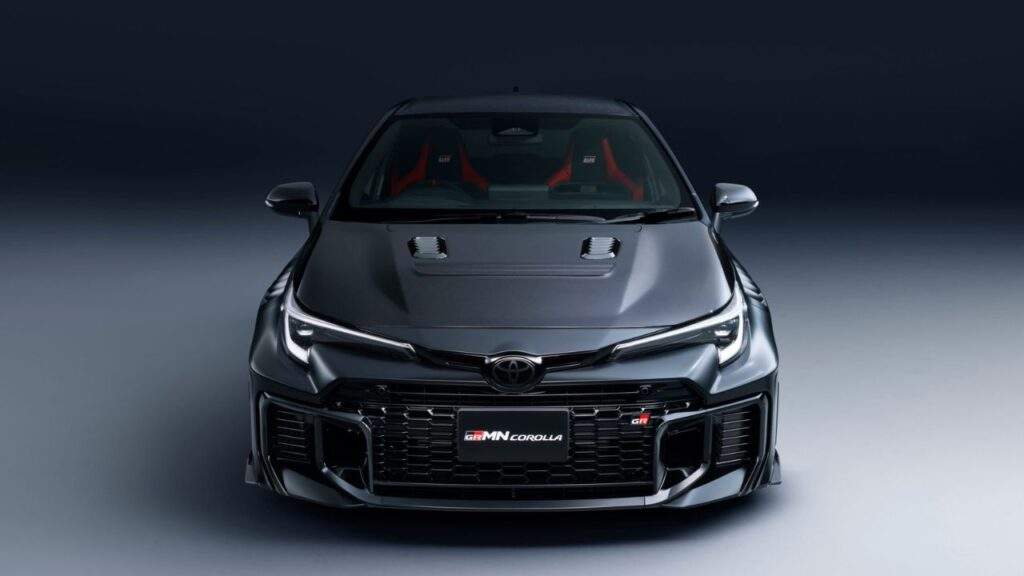
Toyota has built some seriously unusual cars over the years. One of the best examples is the Toyota Blade Master, a small hatchback that quietly packed a huge 3.5-liter V6 under the hood. Unlike today’s GRMN Corolla, which uses a turbocharged three-cylinder engine and all-wheel drive, the old Blade Master sent its power to the front wheels. Even more surprising, Toyota sold only a few thousand of these V6 hatchbacks in Japan. The Toyota Blade Master Was a Very Strange Toyota The Blade was launched in Japan in 2006 as a more upscale hatchback. Toyota designed it to offer more comfort and power than a normal compact car. Then Toyota did something most buyers would never expect. It put the company’s 3.5-liter 2GR-FE V6 into the Blade and created the Blade Master. The result was a small front-wheel-drive hatchback with a V6 engine normally found in much larger Toyota and Lexus vehicles. A 3.5-Liter V6 in a Small Hatchback The Blade Master used Toyota’s 2GR-FE 3.5-liter V6. The engine produced about 280 horsepower in the Japanese-market car, giving the little hatchback far more power than its size suggested. The car also used a six-speed automatic transmission. That made the Blade Master very different from modern manual hot hatches, but it also gave the car a smooth and relaxed character. The most unusual part was the drivetrain. The V6 version was front-wheel drive, making it a true sleeper. It Was Much Rarer Than a Normal Corolla Toyota sold the Blade only in Japan, and the V6 Master versions were produced in very small numbers. One commonly cited production figure puts total Blade Master production at around 2,880 cars for the first generation of the V6 model. Other records give slightly different totals depending on whether later Master G versions are included. That makes the Blade Master a very rare Toyota performance hatchback today. For comparison, Toyota plans to build 730 examples of the 2026 GRMN Corolla worldwide. That makes the GRMN Corolla extremely rare, but the old Blade Master has an even more unusual story because of how few V6 versions were made and how limited the model was to Japan. Why the Blade Master Was So Special The Blade Master was not designed to look like a wild race car. In fact, that was part of its charm. From the outside, it looked more like a premium family hatchback than a serious performance car. Under the hood, however, it had a naturally aspirated V6 with much more power than most small hatchbacks of the time. The car offered a very different mix of features: That combination is almost impossible to find in a modern Toyota. The Front-Wheel-Drive Setup Made It Even More Interesting Most modern high-performance Toyota hatchbacks use all-wheel drive. The GR Corolla and GRMN Corolla are good examples. The Blade Master went in the opposite direction. All that V6 power was sent through the front wheels. That could make the car feel very different when accelerating hard. It was not built as a track-focused machine like the new GRMN Corolla. Instead, it was more of a fast sleeper that could be comfortable during normal driving. How It Compares With the GRMN Corolla The Blade Master and GRMN Corolla come from completely different eras, so they are not direct rivals. The GRMN Corolla is designed around track performance. It gets a turbocharged 1.6-liter three-cylinder engine, all-wheel drive, special suspension tuning, aggressive aerodynamic parts, and a two-seat interior. The Blade Master is much simpler. It has a large naturally aspirated V6, front-wheel drive, and a more comfortable road-car setup. Feature Toyota Blade Master GRMN Corolla Engine 3.5-liter V6 1.6-liter turbo 3-cylinder Power About 280 hp 300 hp Drive Front-wheel drive All-wheel drive Transmission 6-speed automatic Manual Main Focus Fast sleeper Track performance Market Japan Japan, U.S. and Australia Production Only a few thousand V6 cars 730 worldwide The GRMN Corolla is clearly the more modern performance car. But the Blade Master has something the new Corolla cannot copy: a big naturally aspirated V6 in a small front-wheel-drive hatchback. Why Toyota Never Made Many More Cars Like It The Blade Master was a strange idea even when it was new. A large V6 engine in a compact hatchback meant higher fuel use and more weight than a smaller engine. The Blade itself was discontinued in 2012, and Toyota moved on to newer compact models. Today, that makes the Blade Master even more interesting. Large naturally aspirated engines are becoming less common, while small turbocharged engines and electric motors are taking their place. The Blade Master Is Now a True Toyota Sleeper The best thing about the Blade Master is how normal it could look from the outside. Someone could see a small Toyota hatchback and have no idea that it had a 3.5-liter V6 under the hood. That sleeper character is exactly what makes the car memorable. It was not as focused as today’s GRMN Corolla, but it offered something very few modern cars can match: a big six-cylinder engine in a small, everyday-looking hatchback. Thoughts The Toyota Blade Master may not have the fame of the Supra, Celica, or today’s GR Corolla, but it deserves attention from Toyota fans. A 3.5-liter V6, front-wheel drive, a small hatchback body, and production numbers in the low thousands made it one of Toyota’s strangest performance cars. The new GRMN Corolla is faster, more advanced, and built with the track in mind. But the old Blade Master remains special for a different reason. It was a factory-built sleeper that Toyota probably could not get away with making today.
2027 Toyota bZ Is Here: Price, Range and Everything You Need to Know
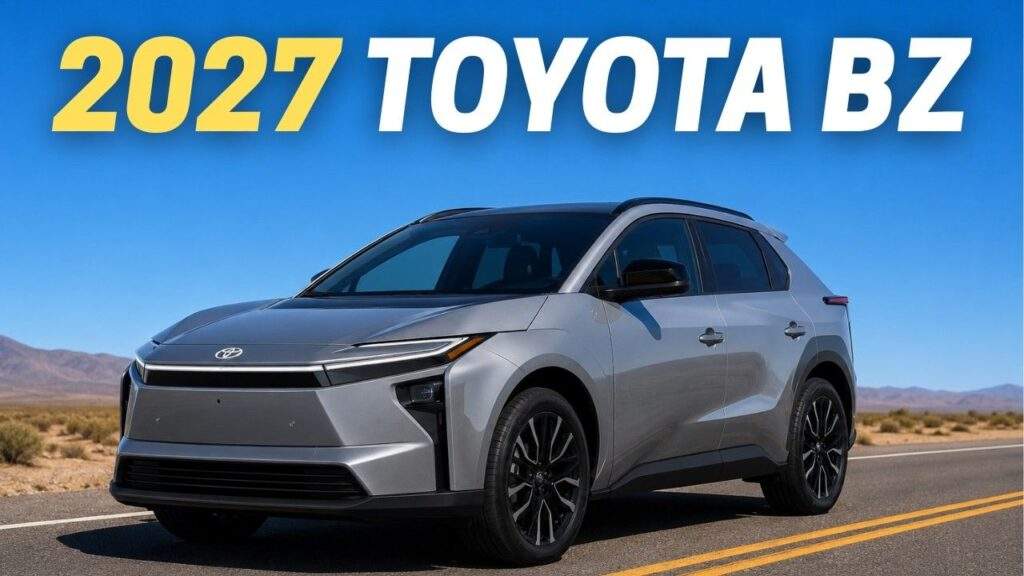
The 2027 Toyota bZ is here for the U.S. market. Toyota’s electric SUV returns with the same basic package as the previous model, but it still offers useful range, all-wheel drive, fast charging, and a starting price below $35,000. The 2027 bZ is expected to reach Toyota dealers in September 2026. It comes in XLE and Limited trims, with both front-wheel drive and all-wheel drive available. 2027 Toyota bZ Price The 2027 Toyota bZ starts at $34,980 for the XLE front-wheel-drive model. This price is the MSRP and does not include the dealer processing and handling fee. Toyota’s 2027 bZ pricing is only slightly higher than the 2026 model. The big news is that Toyota has kept the starting price relatively low while continuing to offer a long-range version. For U.S. buyers, the starting price and range options look like this: 2027 Toyota bZ Version Battery Range Drive Starting MSRP XLE FWD 57.7 kWh 236 miles FWD $34,980 XLE FWD Plus 74.7 kWh 314 miles FWD $37,980 XLE AWD 74.7 kWh 288 miles AWD Not listed in base price Limited FWD 74.7 kWh 299 miles FWD Varies by configuration Limited AWD 74.7 kWh 299 miles AWD Varies by configuration The listed range figures are Toyota’s manufacturer estimates and can change depending on weather, speed, driving conditions, and other factors. How Much Range Does the 2027 Toyota bZ Get? Range is one of the strongest parts of the new bZ. The longest-range version is the XLE FWD Plus, which is rated at up to 314 miles on a full charge. The base XLE FWD has the smaller 57.7-kWh battery and is rated for up to 236 miles. Models with the larger 74.7-kWh battery offer between 288 and 314 miles, depending on the version. For someone who mostly drives around town or commutes to work, even the base model can offer useful daily range. Buyers who take longer trips may prefer the 314-mile version. Two Battery Options Are Available Toyota offers two battery sizes for the 2027 bZ. The base XLE FWD uses a 57.7-kWh battery, while the other versions use a larger 74.7-kWh battery. The larger battery is used in the XLE FWD Plus, XLE AWD, Limited FWD, and Limited AWD. This gives buyers a choice between a lower starting price and more driving range. AWD Model Makes 338 Horsepower The 2027 bZ is not just focused on efficiency. The all-wheel-drive versions produce 338 total system horsepower, making them much more powerful than the front-wheel-drive models. Front-wheel-drive versions produce either 165 horsepower in the base XLE or up to 221 horsepower in the XLE FWD Plus and Limited FWD. AWD can also help provide more grip in rain, snow, and other conditions where extra traction is useful. Toyota also offers X-MODE and Grip-Control on AWD versions. Charging Gets Easier The 2027 bZ comes with a NACS charging port as standard. This is the same type of connector used by many fast-charging stations across the U.S. Toyota says DC fast charging can take the battery from 10% to 80% in about 30 minutes under ideal conditions. The actual time can be different depending on temperature, charger power, battery condition, and other factors. The bZ also includes battery preconditioning, which helps prepare the battery for faster charging. What Does the Inside Look Like? The 2027 bZ has a clean and modern cabin. A large 14-inch Toyota Audio Multimedia touchscreen comes standard, along with wireless Apple CarPlay and Android Auto. The SUV also offers dual wireless phone charging, dual-zone climate control, heated front seats, and customizable interior lighting. The Limited trim adds more comfort features, including heated and ventilated front seats, heated rear seats, and other premium equipment. How Much Space Does It Have? The bZ is designed to work as an everyday family SUV, not just as an electric commuter car. Toyota lists 42.1 inches of front legroom and 35.3 inches of rear legroom. There is also up to 56.9 cubic feet of cargo space with the rear seats folded. That makes the bZ practical for shopping, daily driving, and family trips. Safety and Technology Toyota continues to offer its latest safety technology in the 2027 bZ. The SUV also comes with a number of driver-assistance features designed to make everyday driving easier. The available technology includes Toyota’s connected services, digital key capability, wireless phone charging, and the Toyota app for checking charging information and other vehicle functions. The 14-inch touchscreen also gives the cabin a more modern feel without making the controls too complicated. Is the 2027 Toyota bZ a Good Deal? The 2027 bZ looks interesting for buyers who want an electric SUV without moving into the higher price range of many larger EVs. Its biggest advantages are the available 314-mile range, standard NACS charging, available AWD, strong 338-horsepower AWD performance, and a starting MSRP of $34,980. The biggest thing to remember is that the base model does not have the longest range. Buyers who want the full 314 miles will need to move up to the XLE FWD Plus. The 2027 Toyota bZ is not a major redesign, but Toyota has kept the features that matter most to many EV buyers. It offers up to 314 miles of range, a starting price of $34,980, available AWD, up to 338 horsepower, and a standard NACS charging port. For U.S. buyers looking for a practical electric SUV, the bZ could be a strong option, especially for those who want a long-range version without paying luxury-EV prices. Toyota expects the 2027 bZ to start arriving at U.S. dealerships in September 2026.
2028 Toyota Celica: The Legendary Sports Car Is Coming Back with Hybrid AWD Power

The Toyota Celica could be making a big comeback, and sports car fans have a lot to look forward to. Toyota has been talking about bringing back the famous Celica name, which has been away from the market for years. The new Celica is expected to bring modern hybrid power, all-wheel drive, and a sporty design. Toyota has not yet confirmed every detail, so some specs may change before the car officially arrives. Why the Toyota Celica Comeback Matters The Celica is one of Toyota’s best-known sports cars. Older models became popular because they offered a fun driving experience, sporty looks, and strong performance. Toyota now appears ready to bring the name back for a new generation. Instead of simply copying the old car, the new Celica is expected to mix its classic sports car identity with newer technology. This could make the Celica very different from the Toyota sports car fans remember from the past. Hybrid Power Could Be the Biggest Change One of the biggest changes could be a hybrid powertrain. Reports have pointed to a new 2.0-liter turbocharged engine being developed for Toyota’s future performance cars. A hybrid setup combines a gas engine with electric power. This can help a car deliver quick acceleration while also making better use of fuel during normal driving. Toyota has not yet confirmed the final hybrid system for the production Celica. It is also not clear whether there will be more than one powertrain option. AWD Could Make the Celica More Fun to Drive All-wheel drive, or AWD, is another major feature expected for the new Celica. AWD sends power to all four wheels, which can help the car maintain better grip on the road. For a sports car, this can be useful when accelerating quickly or driving on roads with less grip. It can also make the car feel more stable during hard cornering. The exact AWD system and how it will work in the production car have not been fully revealed yet. Engine and Performance Expectations The new Celica is expected to focus heavily on performance. A 2.0-liter turbocharged engine has been linked to Toyota’s future sports car plans, and hybrid technology could add even more power. Some reports have suggested power could reach around 400 horsepower. However, Toyota has not officially confirmed that number for the production Celica. That means buyers should wait for Toyota’s final specifications before making any decision based on horsepower, acceleration, or top speed claims. Feature What We Know So Far Model 2028 Toyota Celica Body Style Sports Coupe Engine 2.0-liter turbo is expected Powertrain Hybrid is expected Drive System AWD is expected Power Around 400 hp has been reported, but not confirmed Expected Arrival Around 2028 Price Not announced New Sporty Design Expected The new Celica is expected to have a modern sports car design rather than looking like an old Celica with a few updates. Toyota could give it a low body, a wide stance, sharp headlights, and a sporty front end. The design may also take some ideas from Toyota’s modern performance and racing cars. The final production design has not been fully shown, so early renders and unofficial images should not be treated as the final car. When Could the New Celica Arrive? The new Toyota Celica is expected to arrive around the 2028 model year. However, Toyota has not announced an exact U.S. launch date yet. This means 2028 should be viewed as an expected timeline, not a confirmed release date. Toyota will likely reveal more information as development and testing move forward. How Much Could the 2028 Celica Cost? Toyota has not announced the price of the new Celica. The final price will depend on the engine, hybrid system, AWD setup, trim levels, and market. If Toyota positions the Celica as a high-performance sports coupe, it could cost more than the brand’s regular cars. An official price will be needed before we can know where it will sit in the U.S. market. How Will the New Celica Be Different? The older Celica was known for its sporty feel and strong connection to Toyota’s performance history. The new model could keep that spirit while adding modern technology. Hybrid power and AWD could be the biggest differences. Instead of being only a traditional gas-powered sports car, the new Celica could combine a turbo engine with electric assistance and four-wheel power. That combination could give Toyota a strong rival in the modern sports car market. The return of the Toyota Celica could be one of the most exciting Toyota sports car stories in years. A turbocharged engine, hybrid technology, AWD, and a modern design could give the famous name a completely new life. For now, some important details are still unknown. Toyota has not confirmed the final horsepower, price, exact launch date, or every feature. But if the current plans become reality, the new Celica could be a very interesting sports car for the U.S. market.
2026 Plymouth Sick Fish Cuda – Modern Muscle with Classic Heritage
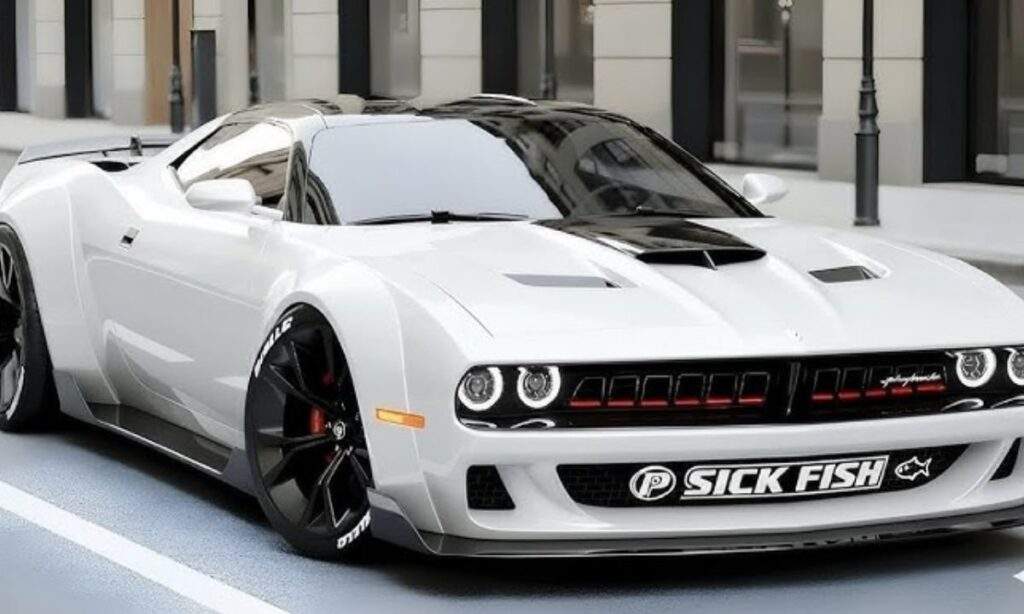
The 2026 Plymouth Sick Fish Cuda arrives as a bold statement that blends American muscle heritage with modern attitude. Designed to honor the raw spirit of the original Cuda while pushing into a new era, this concept rekindles excitement around one of the most iconic performance names in automotive history. A Legendary Name Reimagined for Today Plymouth’s Cuda legacy is rooted in aggressive styling, tire-shredding power, and a rebellious image that defined classic muscle cars. The Sick Fish Cuda builds on that identity by reinterpreting familiar cues through a modern lens, creating a machine that feels both nostalgic and forward-looking. It is not a simple revival but a thoughtful evolution that respects its past while clearly belonging to the future. Exterior Design Balances Heritage and Edge The design language of the 2026 Sick Fish Cuda is instantly recognizable yet strikingly fresh. Its proportions are low and wide, emphasizing performance, while sharp detailing gives it a contemporary presence on the road. Subtle retro elements are woven into a clean, modern body that avoids overdoing nostalgia. A Cabin Built Around the Driver Inside, the Sick Fish Cuda focuses on the driving experience without abandoning comfort or technology. The interior layout is simple and purposeful, reflecting classic muscle car philosophy while integrating modern materials and digital features. It feels like a place designed for drivers who appreciate both heritage and innovation. Performance Philosophy Over Pure Numbers Rather than chasing extreme figures, the Sick Fish Cuda emphasizes emotional performance. The concept centers on sound, response, and driving engagement, delivering the kind of visceral experience muscle cars are known for. Power delivery is designed to feel immediate and dramatic, staying true to the Cuda’s reputation for thrilling acceleration and road presence. What the Sick Fish Cuda Represents More than just a concept, the 2026 Plymouth Sick Fish Cuda represents a renewed interest in classic American performance values. It signals that muscle cars can adapt to modern expectations without losing their soul. By focusing on design, feel, and identity, this Cuda shows how heritage can guide innovation instead of limiting it. Final Report The 2026 Plymouth Sick Fish Cuda stands as a compelling vision of modern muscle rooted in classic heritage. It respects the past without being trapped by it, offering a fresh interpretation of what a Cuda can be in today’s automotive landscape. For enthusiasts, it is a reminder that true muscle is not just about power but about character, attitude, and unmistakable presence. FAQs What is the Plymouth Sick Fish Cuda? The Sick Fish Cuda is a modern concept that reimagines the classic Plymouth Cuda with updated design, technology, and performance philosophy while preserving its muscle car identity. Is the 2026 Sick Fish Cuda a production model? It is presented as a concept, showcasing design direction and brand intent rather than a confirmed production vehicle. How does it differ from classic Cuda models? The modern version blends retro styling cues with contemporary design, digital interiors, and updated performance approaches instead of copying the original formula directly. Who is the Sick Fish Cuda aimed at? It is aimed at enthusiasts who value classic muscle car character but want modern design, comfort, and driving engagement. Why is the Cuda name still important today? The Cuda name represents one of the most iconic eras of American muscle, making it a powerful symbol for blending heritage with modern performance ideas.
2026 Toyota F-300 Pickup Unveiled: Inside the World’s Most Powerful New Truck
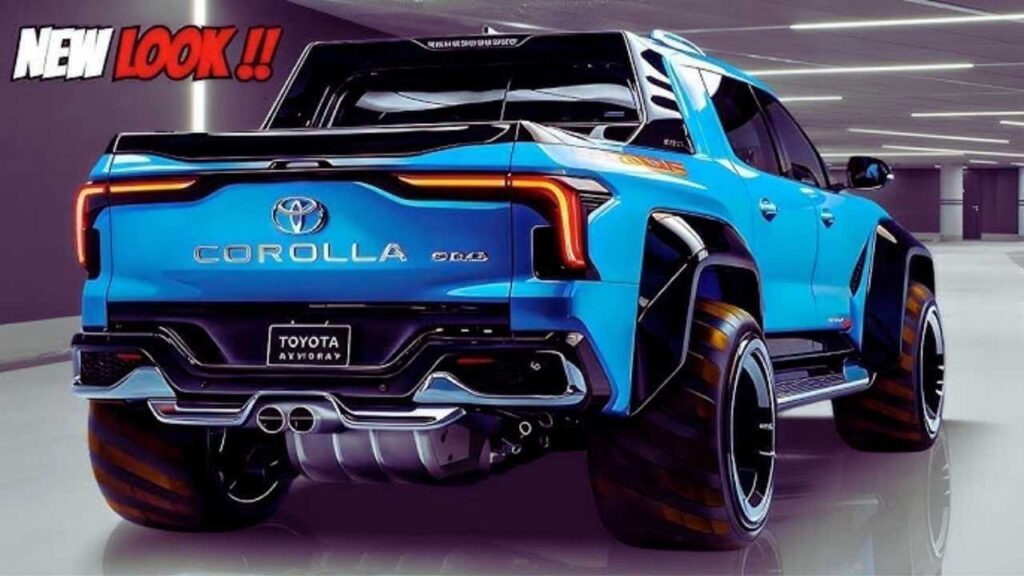
The 2026 Toyota F-300 Pickup has finally been revealed, and it’s setting a new benchmark for strength and capability in the truck world. Toyota designed this truck for drivers who want serious power without sacrificing everyday usability. Here’s a clear look at what makes the F-300 stand out. What the F-300 Really Is The Toyota F-300 is Toyota’s bold step into a higher tier of pickup performance. Rather than just another truck, it’s built to compete with the most powerful trucks on the market. Toyota focused on maximum torque, heavy-duty capability, and toughness that drivers can rely on both on and off the road. Powertrain and Performance Highlights What makes the F-300 truly stand apart is its powerhouse performance. The engine delivers immense power and torque that feels strong whether hauling loads or towing trailers. The truck’s performance is balanced to be confident on highways while still ready for demanding work tasks. Toyota engineers emphasized both low-end grunt and high-speed stability. This gives drivers strong acceleration from a standstill and smooth power delivery when cruising. The F-300 feels planted and controlled under different driving conditions. Exterior Design and Build Quality The F-300’s exterior expresses strength. The bold front grille, robust bumpers, and muscular lines make it clear this truck means business. High ground clearance and rugged design elements give it a commanding presence on the road. Toyota also ensured durability with reinforced panels and protective underbody features tailored for harsh environments. Interior Features and Comfort Inside the F-300, Toyota didn’t forget comfort. The cabin is built with durable materials that can handle heavy use, yet it still feels refined and modern. Seats are supportive for long drives, and the layout keeps essential controls easy to reach. The design strikes a balance between rugged utility and everyday comfort. Tech and Connectivity Inside the Cabin Toyota equipped the F-300 with a modern infotainment system that supports seamless connectivity. Navigation, smartphone integration, and voice controls are intuitive and straightforward. These features help make daily driving and long trips more convenient without overwhelming the driver. Safety and Driver Assistance Safety is a priority for the F-300. Toyota included advanced driver-assist systems that support awareness and confidence on the road. These systems help with lane keeping, adaptive cruise control, and collision warnings. The truck feels secure, even when tackling challenging roads or heavy loads. Expected Pricing and Market Positioning Toyota is positioning the F-300 as a premium offering in the pickup segment. Pricing is expected to reflect its class-leading performance and features. While not entry-level, the F-300 aims to deliver value by combining power, capability, and daily usability for drivers who need more from their truck. Who the F-300 Is For This truck is designed for drivers who demand maximum performance without compromise. Whether for towing, hauling, or conquering rough terrain, the F-300 delivers strength and confidence. It’s also appealing to buyers who want a capable daily driver with advanced tech and comfort features. The 2026 Toyota F-300 Pickup stands as one of the most powerful trucks Toyota has ever built. It blends raw strength with modern comfort and smart technology, making it a top choice for drivers looking for serious performance. This truck sets a new standard for what a high-performance pickup can be.
Wheat Penny Value Trends: 10‑Year Price Guide for Collectors

Lincoln Wheat Pennies, minted from 1909 to 1958, remain one of the most popular series among coin collectors thanks to their historical significance, iconic reverse design featuring wheat stalks, and wide range of values from pocket change to serious money. Over the past decade, prices have shown steady upward movement driven by growing collector interest, increased online auctions, professional grading popularity, and the appeal of vintage copper coins. While most common dates stay affordable, high-grade examples and key rarities have appreciated noticeably, making this a rewarding area for both new and seasoned hobbyists. What Drives Wheat Penny Values Several factors influence how much a Wheat Penny is worth today. Condition plays the biggest role—coins in circulated grades (worn from pocket use) fetch modest sums, while those in mint state (uncirculated) command premiums. Rarity from low mintage years, error varieties like doubled dies, and demand from new collectors all push prices higher. The shift toward digital marketplaces and third-party grading services has made it easier to track and authenticate coins, contributing to more transparent and often stronger values over time. 10-Year Price Trends for Common Wheat Pennies Common-date Wheat Pennies in average circulated condition have seen gradual increases, reflecting broader numismatic interest and inflation. These are the everyday examples most collectors encounter in old jars or rolls. High-grade uncirculated pieces have climbed more sharply as demand for pristine examples grows. Here are approximate value ranges for typical common-date Wheat Pennies over the past decade: These figures represent broad averages for non-key dates in good to fine condition versus mint state grades. Key Dates and Rare Varieties Performance Certain standout Wheat Pennies have outperformed the market significantly. Key dates with lower original mintages or famous errors continue to attract strong bidding at auctions. Values for these pieces often double or triple in high grades over ten years, fueled by collector competition and media attention on record sales. Notable performers include: These coins benefit from enduring collector fascination and limited supply. Current Market Insights for Collectors In recent years, Wheat Pennies have benefited from a surge in grading submissions, which authenticates and protects high-value pieces while creating clearer price data. Online platforms have expanded the buyer pool globally, and interest in early Lincoln cents as an accessible entry into numismatics keeps demand healthy. While common circulated coins remain inexpensive starters, the real growth lies in better-preserved examples and varieties. Economic factors like metal content nostalgia and inflation hedging also play a subtle role in supporting values. Looking Ahead for Wheat Penny Collectors The trend points to continued moderate appreciation, especially for quality material. As more collectors enter the hobby and existing ones upgrade their sets, pressure on supply should keep pushing prices upward. For those building collections, focusing on graded coins in desirable condition offers the best potential return while enjoying the historical charm of these century-old pieces. Wheat Pennies offer something for every budget and interest level. Whether you\’re hunting bargains in circulated rolls or chasing gems for investment, the series delivers enduring appeal and solid long-term value trends that reward patient, informed collectors. FAQs How much have common Wheat Pennies increased in value over the last 10 years? Circulated common dates have roughly tripled from a few cents to around $0.30–$1.50, while uncirculated examples have climbed from low single digits to $6–$18 or more depending on grade. Which Wheat Pennies have seen the biggest price jumps? Key dates, low-mintage issues like the 1909-S VDB, and major errors such as the 1955 Doubled Die have appreciated the most, often doubling or more in high grades. Are Wheat Pennies a good investment right now? They offer steady, moderate growth potential, especially in certified high-grade condition or rare varieties, though they\’re more rewarding as a hobby with possible upside than a high-risk investment. What condition matters most for value? Mint state (uncirculated) coins with strong luster and minimal marks command the highest premiums, while heavily worn circulated pieces stay close to melt or nominal collector value. Where can collectors track current Wheat Penny prices? Major auction houses, grading service population reports, and online coin marketplaces provide real-time data, with trends showing gradual upward movement across the board.
2026 Volvo XC90 – Calm Luxury and Everyday Confidence

The 2026 Volvo XC90 arrives with a familiar sense of calm, blending refined Scandinavian design with modern technology in a way that feels reassuring rather than flashy. It continues to target buyers who value comfort, safety, and understated luxury in a premium three-row SUV. As competition in the luxury SUV space grows louder and more aggressive, Volvo’s flagship takes a quieter path, focusing on balance, usability, and everyday confidence for families and professionals alike. A Design That Prioritizes Elegance Over Excess The exterior of the 2026 XC90 builds on Volvo’s clean design language, favoring smooth surfaces and precise lines over bold creases. The signature Thor’s Hammer lighting remains a defining feature, while subtle updates help the SUV feel current without losing its recognizable shape. Large alloy wheels and a confident stance reinforce its premium presence without appearing oversized or intimidating. Inside, the cabin reflects Scandinavian minimalism at its best, with soft-touch materials, natural textures, and a layout that feels open and relaxing. The focus is clearly on comfort and clarity, making long drives less tiring and daily errands more enjoyable. Interior Comfort That Feels Thoughtfully Crafted Volvo continues to treat the XC90’s interior as a calm retreat rather than a high-tech experiment. Seating remains supportive and spacious across all three rows, with careful attention paid to ergonomics and visibility. The updated infotainment interface feels more intuitive, reducing distractions while driving. Key interior highlights include: This approach ensures that technology enhances the experience instead of overwhelming it. Powertrains Focused on Smoothness and Efficiency Rather than chasing aggressive performance numbers, the 2026 XC90 emphasizes smooth delivery and confident acceleration. Volvo’s electrified powertrain options continue to play a central role, appealing to buyers who want better efficiency without sacrificing capability. The driving experience remains composed, with suspension tuning aimed at comfort rather than sportiness. The SUV feels especially well-suited to highways and urban driving, where its predictable handling and refined ride quality stand out. All-wheel drive availability further adds peace of mind in varying road conditions. Safety Still at the Core of the XC90 Identity Safety has always been a defining trait of the XC90, and the 2026 model stays true to that legacy. Advanced driver assistance systems work quietly in the background, offering support without constant alerts or intrusive behavior. Volvo’s philosophy remains focused on preventing accidents, not just reacting to them. Notable safety-focused features include: These systems are designed to feel like a safety net rather than a constant reminder. Everyday Luxury That Fits Real Life What truly sets the 2026 XC90 apart is how naturally it fits into daily routines. It does not demand attention or adjustment from its driver, instead offering a sense of confidence and calm that builds over time. Families will appreciate its space and practicality, while professionals will value its polished, mature character. Volvo has clearly focused on refinement rather than reinvention, making the XC90 an appealing option for buyers who want luxury that feels dependable and authentic. Final Report The 2026 Volvo XC90 proves that luxury does not need to be loud to be effective. With its balanced design, comfortable interior, and safety-first mindset, it remains a strong choice in the premium SUV segment. For drivers seeking calm sophistication and everyday confidence, the XC90 continues to deliver exactly what it promises.
The Legend Returns: 2026 Toyota Land Cruiser Revealed with Hybrid Power
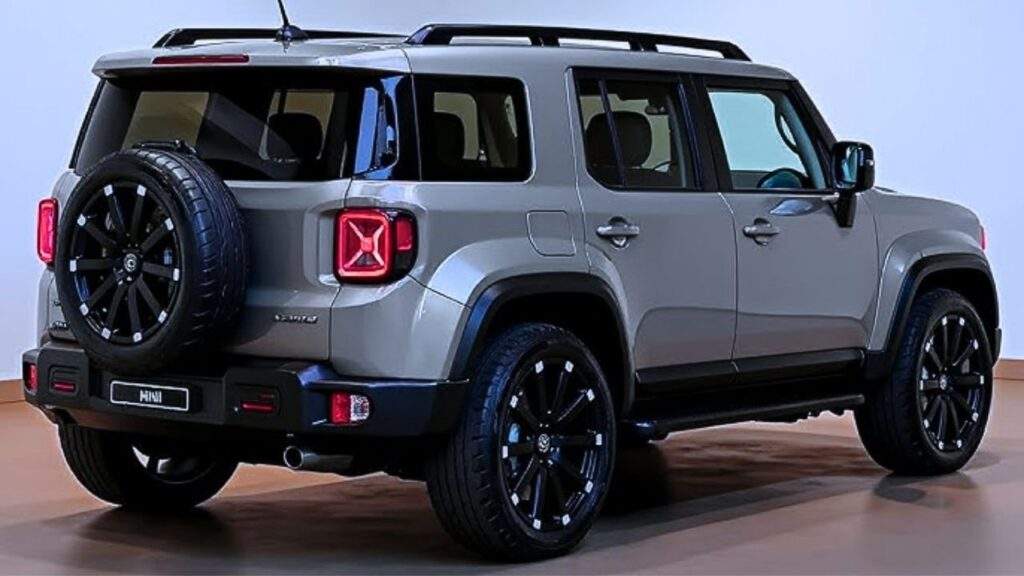
Toyota has officially pulled back the curtain on the highly anticipated 2026 Land Cruiser, and it marks a major shift for the iconic nameplate. After a brief hiatus in the American market, the Land Cruiser is back with a completely new look, a fuel saving hybrid engine, and a surprisingly affordable starting price. This new model aims to blend its famous rugged capability with modern efficiency for today\’s adventurers. A Bold New Look with Old School Charm Gone is the ultra luxury approach of recent years. The 2026 Land Cruiser returns to its roots with a tough, boxy design that echoes its classic ancestors. Its upright windshield and squared off fenders are not just for style. They create more room inside and signal that this vehicle is built for serious fun. The design is a clear nod to the past but uses modern materials and LED lighting to look perfectly current. Hybrid Power for the Long Haul The biggest news is under the hood. The new Land Cruiser is powered by a turbocharged hybrid four cylinder engine. Toyota promises this system will deliver strong power for off road driving while offering the best fuel economy ever in a Land Cruiser. Early estimates suggest it will achieve around 27 miles per gallon combined. That is a huge improvement, making long expeditions and daily drives much less expensive. It pairs with a full time four wheel drive system and a technology that can disconnect the front stabilizer bar for incredible wheel articulation on rough trails. Feature Specification Starting Price Approximately $55,000 Engine Turbocharged 2.4L Hybrid 4-Cylinder Estimated MPG 27 MPG Combined Drivetrain Full-Time 4-Wheel Drive Key Off-Road Tech Stabilizer Bar Disconnect, Multi-Terrain Select Built for Adventure and Everyday Life Inside, the cabin is functional and durable, designed to handle dirt, gear, and the elements. You will find plenty of physical buttons for critical controls, which are much easier to use with gloves on than touchscreen only setups. A modern touchscreen is still present for navigation and entertainment. The focus is on utility, with washable surfaces and plenty of space for cargo. Key features include: Surprisingly Accessible Price Point Perhaps the most shocking reveal is the price. Toyota has announced a starting Manufacturer\’s Suggested Retail Price around $55,000. This strategic move makes the legendary Land Cruiser far more accessible and positions it as a direct competitor to other popular off road vehicles. It is a clear statement that Toyota wants the Land Cruiser to be a volume seller for serious enthusiasts, not just a rare luxury item. FAQs How much will the 2026 Land Cruiser cost? It is expected to start around $55,000, which is significantly less than the previous model sold for. What kind of mileage does the hybrid get? Toyota estimates the new hybrid powertrain will get about 27 miles per gallon combined, a major improvement. Is it a real off road vehicle? Yes. It comes with full time four wheel drive, available locking differentials, and advanced off road technology like a stabilizer bar disconnect system. When can I buy one? The 2026 Toyota Land Cruiser is scheduled to arrive at dealerships later this year. Interested buyers should contact their local Toyota dealer for more details on timing and early ordering.