
2026 Plymouth Sick Fish Cuda – Modern Muscle with Classic Heritage

The 2026 Plymouth Sick Fish Cuda arrives as a bold statement that blends American muscle heritage with modern attitude. Designed to honor the raw spirit of the original Cuda while pushing into a new era, this concept rekindles excitement around one of the most iconic performance names in automotive history. A Legendary Name Reimagined for Today Plymouth’s Cuda legacy is rooted in aggressive styling, tire-shredding power, and a rebellious image that defined classic muscle cars. The Sick Fish Cuda builds on that identity by reinterpreting familiar cues through a modern lens, creating a machine that feels both nostalgic and forward-looking. It is not a simple revival but a thoughtful evolution that respects its past while clearly belonging to the future. Exterior Design Balances Heritage and Edge The design language of the 2026 Sick Fish Cuda is instantly recognizable yet strikingly fresh. Its proportions are low and wide, emphasizing performance, while sharp detailing gives it a contemporary presence on the road. Subtle retro elements are woven into a clean, modern body that avoids overdoing nostalgia. A Cabin Built Around the Driver Inside, the Sick Fish Cuda focuses on the driving experience without abandoning comfort or technology. The interior layout is simple and purposeful, reflecting classic muscle car philosophy while integrating modern materials and digital features. It feels like a place designed for drivers who appreciate both heritage and innovation. Performance Philosophy Over Pure Numbers Rather than chasing extreme figures, the Sick Fish Cuda emphasizes emotional performance. The concept centers on sound, response, and driving engagement, delivering the kind of visceral experience muscle cars are known for. Power delivery is designed to feel immediate and dramatic, staying true to the Cuda’s reputation for thrilling acceleration and road presence. What the Sick Fish Cuda Represents More than just a concept, the 2026 Plymouth Sick Fish Cuda represents a renewed interest in classic American performance values. It signals that muscle cars can adapt to modern expectations without losing their soul. By focusing on design, feel, and identity, this Cuda shows how heritage can guide innovation instead of limiting it. Final Report The 2026 Plymouth Sick Fish Cuda stands as a compelling vision of modern muscle rooted in classic heritage. It respects the past without being trapped by it, offering a fresh interpretation of what a Cuda can be in today’s automotive landscape. For enthusiasts, it is a reminder that true muscle is not just about power but about character, attitude, and unmistakable presence. FAQs What is the Plymouth Sick Fish Cuda? The Sick Fish Cuda is a modern concept that reimagines the classic Plymouth Cuda with updated design, technology, and performance philosophy while preserving its muscle car identity. Is the 2026 Sick Fish Cuda a production model? It is presented as a concept, showcasing design direction and brand intent rather than a confirmed production vehicle. How does it differ from classic Cuda models? The modern version blends retro styling cues with contemporary design, digital interiors, and updated performance approaches instead of copying the original formula directly. Who is the Sick Fish Cuda aimed at? It is aimed at enthusiasts who value classic muscle car character but want modern design, comfort, and driving engagement. Why is the Cuda name still important today? The Cuda name represents one of the most iconic eras of American muscle, making it a powerful symbol for blending heritage with modern performance ideas.
2026 Toyota 4Runner – Tough Design Meets Modern Comfort
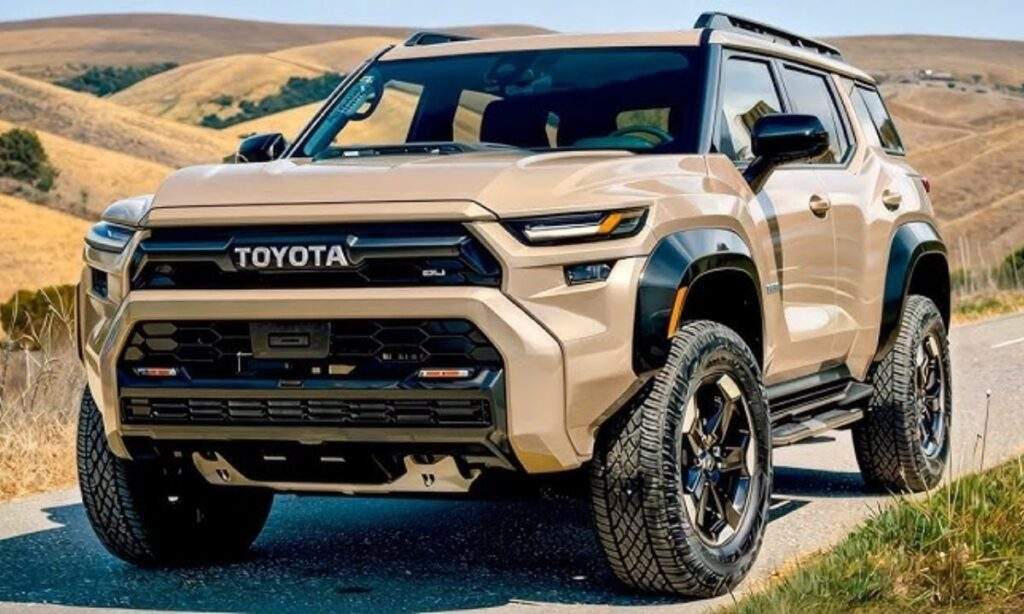
The 2026 Toyota 4Runner arrives with a clear mission to honor its rugged legacy while stepping confidently into a more modern era. Built for drivers who expect durability without giving up everyday comfort, the latest version blends classic toughness with thoughtful upgrades that feel timely and relevant. This new-generation SUV is aimed at adventure seekers and families alike, offering a balanced approach that reflects how buyer expectations have evolved in recent years. A Bold Evolution of a Classic Shape The 2026 4Runner keeps its recognizable boxy profile, but the design now feels sharper and more purposeful. Strong body lines, a taller stance, and a more assertive front end give it a commanding road presence while staying true to the model’s off-road roots. Subtle refinements help the SUV feel less dated without losing its identity. The result is a design that looks equally at home on rugged trails and city streets, signaling that the 4Runner remains a serious utility vehicle at heart. Interior Comfort Takes a Major Step Forward Inside, the 2026 4Runner shows its biggest transformation. The cabin focuses on comfort, usability, and modern expectations, making it far more appealing for daily driving and long trips. These changes make the interior feel less utilitarian and more refined, without sacrificing the toughness that long-time fans expect. Technology That Feels Practical, Not Overdone Technology upgrades in the new 4Runner are designed to improve convenience rather than distract from driving. Controls remain intuitive, and systems are tuned for real-world usability instead of flashy gimmicks. Connectivity, driver-assistance features, and improved displays help the SUV feel current, especially compared to the outgoing model. The emphasis stays on reliability and ease of use, which has always been a core part of the 4Runner’s appeal. Built to Handle Rough Roads with Confidence Despite its comfort upgrades, the 2026 4Runner does not step away from its off-road heritage. It continues to be engineered for durability, trail confidence, and long-term reliability under demanding conditions. This balance ensures the SUV remains a trusted choice for drivers who value function as much as form. Where the 2026 4Runner Fits in Toyota’s Lineup Within the broader SUV lineup from Toyota, the 2026 4Runner continues to occupy a unique position. It sits between softer, road-focused crossovers and more extreme off-road machines, offering a versatile middle ground. This positioning makes it especially attractive to buyers who want one vehicle that can handle weekday commuting, weekend trips, and occasional off-road adventures without compromise. A Confident Step Into the Future The 2026 Toyota 4Runner shows how a long-running nameplate can evolve without losing its soul. By blending tough design with modern comfort, it appeals to both loyal fans and new buyers looking for a dependable, capable SUV. It proves that practicality, durability, and comfort can coexist, making the 4Runner as relevant today as it has been for decades. FAQs
2026 Lexus ES : Elegant Design, Smooth Ride & Lexus Reliability

The 2026 Lexus ES continues to refine what buyers expect from a premium midsize sedan. With a calm driving character, a polished design update, and the brand’s long-standing focus on comfort, the latest ES stays true to its identity while quietly evolving. As the luxury sedan market shifts, the ES remains a steady option for drivers who value smoothness, quality, and long-term dependability over flashy trends. Refined Exterior With Modern Touches The 2026 model builds on the ES’s familiar shape with subtle design changes that enhance its upscale presence. The clean silhouette remains intact, but sharper details give the sedan a more contemporary look without straying from its elegant roots. Lexus designers have focused on balance rather than boldness, ensuring the ES still appeals to a broad range of buyers. Updated lighting elements and refined surface lines help the car look fresh while maintaining the calm visual personality that has defined the ES for years. It is a design that feels confident rather than aggressive. Interior Focused on Comfort and Craftsmanship Inside the cabin, the 2026 Lexus ES emphasizes serenity and attention to detail. Soft-touch materials, precise panel fitment, and a thoughtfully arranged dashboard create an environment meant to reduce fatigue on long drives. The interior layout favors simplicity, making controls easy to reach and understand. The quiet cabin remains one of the ES’s strongest qualities, helped by careful sound insulation and smooth power delivery. Passengers are treated to generous legroom and supportive seating, reinforcing the sedan’s reputation as a comfortable daily companion. Technology That Supports Everyday Driving Lexus has continued to refine the technology experience in the ES, focusing on usability rather than overwhelming complexity. The infotainment system is designed to feel more intuitive, while driver assistance features work quietly in the background to support safer driving. These updates help the ES feel current while preserving the calm driving experience that many owners appreciate. Smooth Ride That Defines the ES Name The driving character of the 2026 ES remains centered on comfort. The suspension is tuned to absorb road imperfections, making city streets and highways feel equally composed. Steering response is predictable and light, reinforcing the sedan’s relaxed nature. Rather than chasing sporty performance, the ES delivers confidence and stability. This approach continues to attract buyers who prefer a refined ride over aggressive handling. Reliability Remains a Core Strength One of the biggest reasons buyers return to the ES generation after generation is trust. The 2026 model continues that tradition, benefiting from Lexus’s reputation for long-term durability and consistent build quality. Ownership is designed to feel worry-free, with engineering choices that favor longevity. This reliability-focused philosophy remains a major selling point in a changing luxury market. A Sedan That Stays True to Its Purpose The 2026 Lexus ES does not try to reinvent itself. Instead, it refines the qualities that have made it a dependable luxury sedan for years. By blending elegant design, a smooth ride, and a calm interior with modern technology, it continues to serve drivers who value comfort and trust over excess. As many competitors chase bold styling and complex features, the ES stands out by staying consistent, polished, and reassuring.
2026 Aston Martin Vanquish Volante Thrillseeker Edition | Ultra-Rare 1 of 3 V12 Convertibles
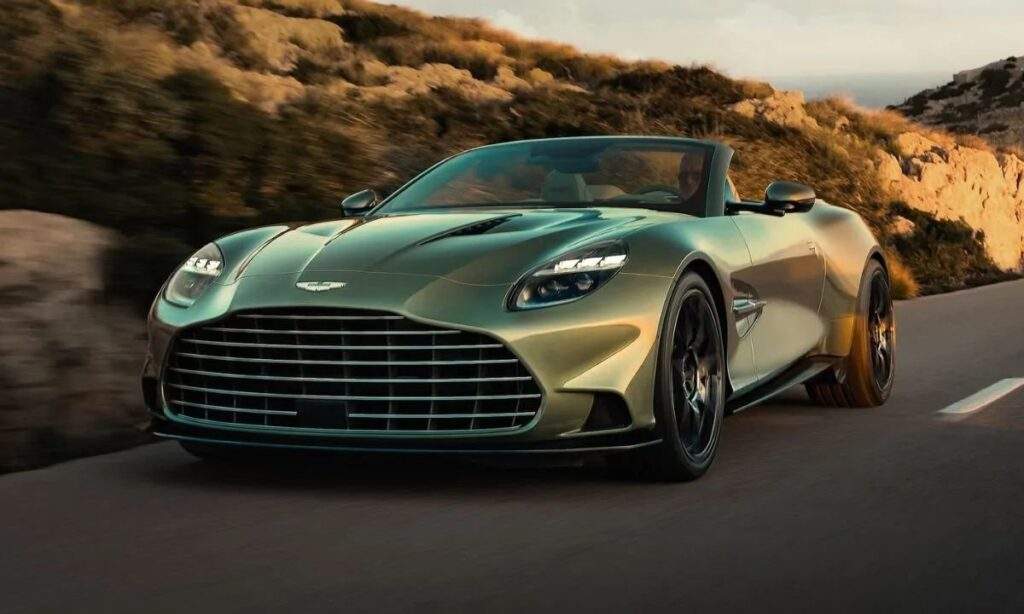
The 2026 Aston Martin Vanquish Volante Thrillseeker Edition arrives as one of the most exclusive open-top grand tourers ever created. Limited to only three examples worldwide, this handcrafted convertible blends classic British elegance with the raw emotion of a V12 engine. It is designed for collectors who value rarity as much as performance. A Masterpiece Shaped for the Open Air Aston Martin has always treated the Volante badge with special care, and this edition takes that tradition further. The bodywork follows the familiar Vanquish silhouette, yet every surface has been refined to give the car a sharper and more dramatic presence. The long hood, wide rear shoulders, and flowing roof mechanism create a profile that looks fast even while standing still. Engineers focused on keeping the structure light and rigid so the convertible delivers the same confidence as the coupe version. Power and Character of the V12 At the heart of the Thrillseeker Edition sits the celebrated V12 engine that defines the Vanquish identity. The sound is deep and theatrical, filling the cabin the moment the starter button is pressed. Aston Martin tuned the drivetrain to offer effortless cruising during relaxed drives and explosive acceleration when the road opens up. The eight-speed transmission works smoothly in automatic mode but responds instantly when the driver takes control through the paddle shifters. Crafted Interior with Personal Touch Stepping inside feels more like entering a bespoke lounge than a typical sports car. The cabin is trimmed with carefully selected leather, brushed metal, and subtle carbon details. Each of the three cars receives unique color combinations chosen by Aston Martin’s design team to ensure no two are alike. Modern technology remains discreet, allowing the driver to focus on the experience rather than a sea of screens. Key Highlights of the Thrillseeker Edition Driving Experience Designed for Emotion The Volante Thrillseeker Edition is not built only for straight-line speed. Aston Martin engineers spent months refining the suspension and steering feel so the car communicates every detail of the road. With the roof folded away, the connection between driver and machine becomes stronger, turning ordinary trips into memorable journeys. Advanced safety and driver assistance systems work quietly in the background without diluting the character of the car. Why This Edition Matters Ultra-limited Aston Martins have always held a special place in automotive history, and this model continues that legacy. By restricting production to just three units, the brand ensures that ownership becomes a personal statement rather than a simple purchase. The Thrillseeker Edition celebrates the final era of traditional V12 convertibles before the industry moves toward new forms of power. What Sets It Apart from the Standard Vanquish A Future Classic in the Making As regulations and technology reshape the automotive world, cars like this become increasingly rare. The combination of a large naturally aspirated engine, a handcrafted interior, and true exclusivity gives the Thrillseeker Edition long-term appeal. Enthusiasts view it not only as transportation but as an investment in driving culture. Final Reprot The 2026 Aston Martin Vanquish Volante Thrillseeker Edition represents everything the brand stands for: beauty, performance, and individuality. With only three examples planned, it speaks directly to passionate collectors who want something no one else can easily own. This convertible is more than a car, it is a celebration of the emotional side of motoring. FAQs 1. How many units of the Thrillseeker Edition will be produced? Only three cars will be built, making it one of the rarest modern Aston Martin models. 2. What engine powers this special Vanquish Volante? It uses Aston Martin’s iconic V12 engine paired with an eight-speed transmission. 3. Is the interior different from the regular Vanquish? Yes, each car receives unique materials and color themes created exclusively for this edition. 4. Can buyers customize their car? Aston Martin offers personal tailoring within the design concept to ensure individuality. 5. Who is this model aimed at? The car is designed for dedicated collectors and drivers who appreciate limited-production grand tourers.
$2,000 Federal Deposits August 2026: Eligibility Rules, Payment Timeline & How to Avoid Delays

Claims about $2,000 federal deposits coming to Americans in August 2026 have been spreading online, creating confusion about who qualifies and when the money will arrive. The important point is that there is currently no approved nationwide federal program sending automatic $2,000 deposits in August 2026. The idea is connected to President Donald Trump’s earlier proposal for a $2,000 “tariff dividend.” However, a proposal is not the same as an approved federal benefit or stimulus payment. As of August 2026, the IRS says the previous federal Economic Impact Payments have already been issued, and there is no confirmed nationwide fourth stimulus payment scheduled for August. Is a $2,000 Federal Deposit Actually Coming in August 2026? No nationwide $2,000 federal deposit has been officially scheduled for August 2026. The last federal Economic Impact Payments were part of the COVID-era programs. The IRS states that all first, second, and third Economic Impact Payments have been issued. The agency also says the payment-status tool for those old payments is no longer available. The $2,000 figure being discussed online comes mainly from the proposed tariff dividend idea. The proposal suggested returning some tariff revenue to Americans, but it would require an actual federal program and legal authorization before payments could be sent. This means Americans should not expect a guaranteed $2,000 deposit simply because they meet an income level or receive Social Security, SSI, SSDI, or another federal benefit. What Is the $2,000 Tariff Dividend Proposal? The proposed payment is different from the old COVID stimulus checks. The idea was to use revenue from tariffs to provide money to eligible Americans, particularly people in lower- and middle-income groups. The proposal received attention because the suggested amount was around $2,000 per person. But the exact eligibility rules, payment schedule, application process, and final payment amount were never established as an active nationwide benefit program. That distinction is important because many online posts present the proposal as though the government has already approved a payment calendar. As of August 2026, there is no official federal schedule showing August dates for $2,000 tariff-dividend deposits. Recent reporting on the August claims also found no approved nationwide payment program or scheduled deposits. Who Is Eligible for the $2,000 Payment? There are currently no final federal eligibility rules for an August 2026 $2,000 deposit because the proposed payment has not become an approved nationwide benefit. Earlier discussion around the proposal mentioned excluding higher-income households, but that should not be treated as an official eligibility rule. The same applies to claims that everyone receiving Social Security, SSI, SSDI, veterans benefits, or other federal benefits will automatically receive $2,000. Those claims are not supported by an active federal payment program. For now, the situation can be summarized this way: Question August 2026 Status $2,000 nationwide federal payment approved? No confirmed program August 2026 deposit dates announced? No IRS fourth stimulus payment scheduled? No $2,000 tariff dividend proposal discussed? Yes Final eligibility rules published? No Application portal for the $2,000 payment? No confirmed federal portal The safest approach is to wait for an official government announcement before providing personal information or expecting money in a bank account. What About People Who Receive Social Security or Other Benefits? Receiving a federal benefit does not automatically qualify someone for a $2,000 payment. Social Security retirement, SSDI, SSI, veterans benefits, and other federal programs have their own payment rules. A regular benefit deposit should not be confused with a new stimulus payment. If someone receives a normal monthly federal benefit in August, that payment can still arrive according to the rules of the program. But it should not be described as a new $2,000 stimulus deposit unless the government officially identifies it that way. People who want to check legitimate federal benefits can use the official U.S. government benefits information at USA.gov Benefits. Is There an August Payment Date? There is currently no official August 2026 payment timeline for a nationwide $2,000 federal deposit. This is one of the biggest problems with viral posts about the payment. Some articles and social media posts give specific dates and tell readers that deposits will arrive on certain days. Those dates should not be treated as official unless they appear in an announcement from the relevant federal agency. A real federal payment program would normally have clear information explaining who qualifies, which agency is responsible, how payments will be delivered, and what happens if a payment is missing. Until those details are officially announced, there is no reliable August payment calendar for a $2,000 federal deposit. How to Avoid Delays If a New Federal Payment Is Approved If Congress and the federal government eventually create a new payment program, keeping your tax and payment information up to date could help prevent problems. The government generally uses information already available through federal agencies when issuing certain payments. Incorrect banking details, outdated addresses, missing tax information, or unresolved filing issues can sometimes create problems with government payments. For legitimate federal payments, use official government websites rather than links sent through random text messages, emails, or social media posts. These steps cannot create eligibility for a $2,000 payment that has not been approved. They simply help reduce avoidable problems with legitimate government payments. Be Careful With $2,000 Deposit Scams The excitement around a possible federal payment creates an opportunity for scammers. A message claiming that you have been selected for a $2,000 deposit may ask for your Social Security number, bank account details, debit card information, or a fee before releasing the money. These are major warning signs. USA.gov warns people about fake government “free money” offers and advises consumers to verify government payments directly with the agency responsible for the payment. A genuine federal payment should not require you to pay a random person to unlock your money. If you receive a message about a $2,000 deposit, do not click an unfamiliar link. Instead, check the relevant government agency directly. What If You Are Waiting for a Real Federal Payment?
2026 Federal Pay Raise Confirmed: 1% GS Increase, No Locality Boost – What It Means for You

Federal employees received a 1% across-the-board pay increase in 2026, making this year’s raise one of the smallest increases in recent years. The bigger change is that locality pay rates were frozen at their 2025 percentages instead of receiving a separate increase. The new pay tables took effect in January 2026. For most General Schedule employees, this means their basic GS salary went up by 1%, while the locality percentage used to calculate their final salary stayed at the 2025 level. What the 1% Federal Pay Raise Means The General Schedule, often called the GS system, covers a large part of the federal civilian workforce. Employees are placed into grades and steps, and their basic pay depends on that grade and step. For 2026, the government approved a 1% increase in basic pay. This increase applies across the statutory pay systems covered by the January 2026 pay adjustment. That means an employee’s basic GS rate is higher than it was in 2025. The actual amount added to a paycheck depends on the employee’s grade, step, location, and other pay rules. The 1% increase is applied to the basic GS rate rather than simply adding 1% to every employee’s final take-home pay. Taxes, retirement contributions, insurance costs, and other deductions can affect the amount an employee actually sees in a paycheck. What Happened to Locality Pay? Locality pay is an additional percentage added to basic GS pay based on where a federal employee officially works. The purpose is to account for differences in pay levels between geographic areas. For 2026, the locality percentages were generally frozen at their 2025 levels. In other words, employees did not receive a separate locality percentage increase on top of the 1% general increase. However, there is an important detail that can cause confusion. A frozen locality percentage does not mean the dollar amount of locality pay stays exactly the same. Because the basic GS salary increased by 1%, the dollar amount produced by the same locality percentage can also increase. For example, if a locality percentage stays at 20%, applying that percentage to a higher basic salary will result in a higher locality-adjusted salary. A Simple Example of How It Works OPM’s 2026 pay examples show this calculation in practice. One GS-5, step 1 example had a 2025 basic rate of $34,454. After the 1% increase, the 2026 basic rate became $34,799. The locality-adjusted rate increased from $40,931 to $41,341 while the locality percentage remained 18.80%. This is an important point for federal employees: “no locality increase” does not mean the final salary will be exactly the same as last year. Pay item 2025 2026 change Basic GS pay 2025 rate Increased by 1% Locality percentage 2025 percentage Generally frozen Locality dollar amount Based on 2025 basic pay Can rise because basic pay increased Effective year 2025 January 2026 Overall standard GS increase Varies by final locality-adjusted rate 1% total increase under the standard tables The official 2026 tables show that locality percentages differ by geographic area. For example, the Rest of U.S. table uses a 17.06% locality payment, while the Washington-Baltimore-Arlington area uses 33.94%. Both tables show a total increase of 1%. Why the 2026 Raise Is Different Federal pay normally includes two major pieces for most GS employees: basic pay and locality pay. In some previous years, employees received an across-the-board increase along with a change in locality pay. For 2026, the government instead provided the 1% general increase while keeping locality percentages at their existing levels. That makes the 2026 increase relatively simple to understand, but the impact differs from one employee to another because locality rates vary by location. An employee in one geographic area can have a very different final salary from someone at the same grade and step in another area. What This Means for Your Paycheck The most direct effect is that your gross salary should reflect the 2026 pay table for your grade, step, and location. However, the amount that actually reaches your bank account will not necessarily increase by exactly 1%. Your paycheck can be affected by federal and state taxes, retirement contributions, health insurance, flexible spending accounts, life insurance, and other deductions. So if your salary increased by 1%, your take-home pay could rise by a smaller amount. Employees should compare their 2025 and 2026 gross pay rather than looking only at the final amount deposited into their bank account. Your Grade and Step Still Matter The 1% increase applies across the GS schedule, but employees are not all paid the same amount. A GS-5 employee and a GS-12 employee, for example, have very different basic salary rates. Even within the same grade, step increases can create differences in pay. The 2026 pay tables list annual rates for each grade and step. OPM also provides a 2026 GS salary calculator that allows employees to check the applicable rate based on their pay information. The easiest way to understand your new salary is to check your specific grade, step, and locality rather than relying on a general percentage. Some Employees May Have Different Pay Rules The standard 1% GS increase does not mean every federal employee has exactly the same pay arrangement. Some employees are covered by special salary rates. OPM can establish special rates for certain groups of GS employees when agencies face recruitment or retention problems. Federal law enforcement employees can also be covered by separate LEO pay tables and special rates. OPM publishes separate 2026 LEO schedules for employees who meet the applicable definition. This means an employee should use the pay table that applies to their position instead of assuming the standard GS table is always the correct one. 2026 Pay Examples The actual increase becomes easier to understand when looking at real numbers. Example 2025 Basic Rate 2026 Basic Rate Locality Rate GS-5 Step 1 example $34,454 $34,799 18.80% 2026 locality-adjusted rate $40,931 $41,341 18.80% This is an official OPM example showing how the same locality percentage can produce a
The Lincoln Wheat Penny Valued at $5.7 Million, Still in Circulation
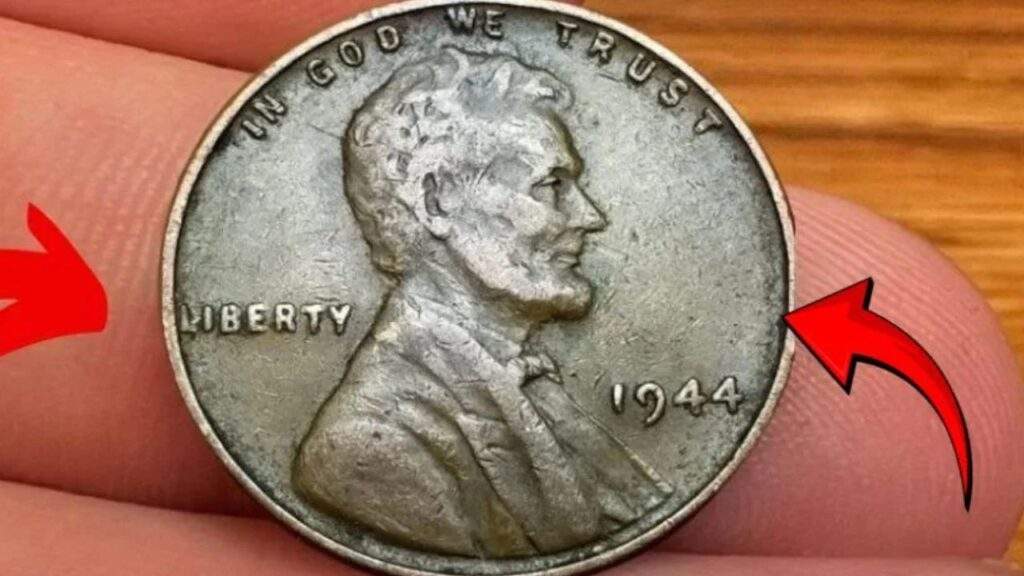
A Lincoln Wheat penny can be worth far more than one cent, but viral claims about a $5.7 million penny need to be viewed carefully. There are genuinely rare Lincoln cents that have sold for hundreds of thousands of dollars, yet there is no verified auction record showing a Lincoln Wheat penny selling for $5.7 million. That does not make old Wheat pennies uninteresting. Some dates, varieties, and mint errors are extremely valuable, and a rare coin can sometimes be found outside a professional collection. The key is knowing what to look for instead of assuming every old penny is worth a fortune. Where the $5.7 Million Penny Claim Comes From The $5.7 million figure is often repeated in online coin stories, but a confirmed sale at that price is not supported by major documented auction records. Professional auction records show much lower, but still impressive, prices for the rarest Lincoln Wheat cents. For example, PCGS lists a record of $840,000 for a 1943-D bronze Lincoln cent. It also lists $504,000 for a 1943-S bronze cent and $372,000 for a Philadelphia 1943 bronze cent. This difference is important. A coin can have a speculative value claim of several million dollars without ever actually selling for that amount. A completed auction is stronger evidence of what collectors have really paid. So, if you see a headline saying a Lincoln Wheat penny is “worth $5.7 million,” do not assume that $5.7 million is an established market price. The 1943 Bronze Penny Is the Big One to Know The most famous Lincoln Wheat cent connected with enormous values is the 1943 bronze penny. During 1943, regular Lincoln cents were supposed to be made from zinc-coated steel instead of the usual bronze. The change was made during World War II as copper was needed for other purposes. A very small number of bronze planchets, which are the metal blanks used to make coins, apparently remained in the production system. Some 1943 cents were therefore struck on bronze planchets instead of steel. PCGS identifies bronze examples from Philadelphia, Denver, and San Francisco. Its auction records show that these coins can bring extremely high prices. The Denver example is especially famous. PCGS lists an $840,000 auction record for the 1943-D bronze cent. That is a real documented sale and shows just how valuable a genuine example can be. Could a Valuable Wheat Penny Still Be in Circulation? It is possible for an old coin to survive outside a major collection, but the claim that a $5.7 million penny is currently circulating should not be presented as a proven fact. Many rare coins were discovered by people who were not professional collectors. Old coins can remain in family collections, jars, drawers, estates, or forgotten boxes for decades. However, a genuine 1943 bronze cent would be extraordinarily rare. Most 1943 Lincoln cents are steel, not bronze. If you find a 1943 penny that appears copper-colored, that is a reason to investigate it, not proof that you have a fortune. What Makes a Lincoln Wheat Penny Valuable? The date is only the beginning. Collectors consider several different factors when deciding how desirable a Lincoln cent is. A common Wheat penny with heavy wear may be worth only a small amount above face value, while a rare variety in excellent condition can be worth thousands or much more. This is why two coins that look almost identical to a casual observer can have dramatically different values. Other Lincoln Wheat Pennies Worth Checking The 1943 bronze cents are not the only valuable Wheat pennies. The 1909-S VDB is one of the best-known key dates in the series. PCGS records an auction high of $170,800 for a high-grade example. The coin is desirable because it was produced in limited numbers and carries the VDB initials of designer Victor David Brenner on the reverse. The 1955 Doubled Die Obverse is another famous variety. The doubling is clearly visible on parts of the lettering and numbers on genuine examples. PCGS lists an auction record of $114,000 for the variety. The 1922 No D is also an important Lincoln cent variety. It resulted from a Denver Mint production issue in which some coins show no visible “D” mint mark. PCGS identifies it as one of the major valuable Lincoln cent errors. Lincoln Wheat Penny Examples to Watch Lincoln Wheat Penny Special Feature Documented Auction Record 1943-D Bronze Rare wrong-metal strike $840,000 1943-S Bronze Rare wrong-metal strike $504,000 1943 Bronze Rare wrong-metal strike $372,000 1909-S VDB Key first-year issue $170,800 1955 Doubled Die Obverse Major doubled-die variety $114,000 These are auction records for specific coins, generally in exceptional condition. They are not guaranteed prices for every coin carrying the same date or variety. How to Check a 1943 Penny If you discover a 1943 Lincoln cent, begin with a simple inspection. Do not immediately sell it or try to clean it. A normal 1943 steel cent is attracted to a magnet. A genuine bronze 1943 cent is not. Weight can also provide an early clue: a normal steel cent is about 2.70 grams, while a bronze cent is about 3.11 grams. These tests are useful for screening, but they cannot prove authenticity. Counterfeit and altered coins exist, and a rare coin worth hundreds of thousands of dollars should always be professionally authenticated before its value is accepted. If you have a suspected 1943 bronze cent, handle it carefully and avoid scratching, polishing, or chemically cleaning it. Why You Should Never Clean an Old Penny Cleaning an old coin may make it appear brighter, but it can permanently change the surface. Collectors generally prefer coins with natural surfaces. Scratches, harsh cleaning, polishing, and chemical treatments can reduce the appeal and value of an otherwise important coin. If you find an old Wheat penny that looks unusual, simply keep it safe while you investigate it. Hold it by the edges rather than rubbing the front and back surfaces. This is especially important if the coin appears to
The Lincoln Wheat Penny Valued at $11 Million, Still in Circulation

A simple Lincoln Wheat penny can look almost worthless at first glance, but a few rare examples have sold for extraordinary amounts. That is why stories about a Lincoln penny supposedly worth $11 million continue to attract attention from coin collectors and people checking old change. However, there is an important fact to understand: there is no verified $11 million Lincoln Wheat penny known to have sold for that amount. Some rare Lincoln cents have reached hundreds of thousands of dollars, and the unique 1943-D bronze cent is considered one of the most important Lincoln cents ever made. Why Some Lincoln Wheat Pennies Are So Valuable Lincoln Wheat cents were produced from 1909 through 1958. Most are common, especially heavily circulated examples from years when the U.S. Mint produced large numbers of pennies. The valuable coins are usually different because of an unusual date, mint error, rare variety, very low survival rate, or exceptional condition. One of the biggest examples is the 1943 bronze Lincoln cent. During World War II, the U.S. Mint changed the normal cent material from bronze to zinc-coated steel to save copper for the war effort. A very small number of bronze planchets were apparently left in the production system, resulting in rare 1943 bronze cents. These coins were never supposed to be made, which is one reason collectors consider them extremely important. The Famous 1943 Bronze Penny The 1943 bronze Lincoln cent is one of the coins most often connected with huge value claims. A genuine 1943 bronze cent is extremely rare. PCGS records an auction price of $372,000 for a Philadelphia 1943 bronze cent graded MS62BN. NGC’s auction records also show several 1943 bronze cents selling for hundreds of thousands of dollars. The Denver version is even more unusual. PCGS reports that only one 1943-D bronze Lincoln cent is known. That unique coin was previously sold for $212,750 in 2003. Its unique status means that a future sale could potentially bring a much higher price, but that does not mean it has already sold for $11 million. This distinction matters because online articles sometimes turn estimates, predictions, or hypothetical future values into claims that a coin has already reached a certain price. Could an $11 Million Penny Still Be in Circulation? The idea that an $11 million penny could still be sitting in everyday pocket change is highly misleading. A genuine rare Lincoln cent can certainly be discovered outside a major collection. Some famous error coins were found by ordinary people, which is one reason coin hunting remains popular. But there is no verified evidence that an $11 million Lincoln Wheat penny is currently circulating in the United States. A rare coin can remain undiscovered for years, but its value comes from its actual rarity and collector demand, not simply because someone claims it is worth millions. If you find an unusual penny, the right approach is to identify it carefully rather than assume the highest number seen online is its value. Which Lincoln Wheat Pennies Deserve Attention? Several Lincoln Wheat cents are well known among collectors. Some are valuable because of their rarity, while others are valuable because of major mint errors or varieties. Lincoln Wheat Penny Important Feature Why Collectors Want It 1943 Bronze Bronze planchet instead of normal steel Extremely rare wartime error 1943-D Bronze Unique known Denver example Only one known example 1909-S VDB Scarce first-year issue Key date and popular variety 1955 Doubled Die Strong doubling on the design Famous and widely collected variety 1922 No D Missing Denver mint mark variety Major Lincoln cent rarity The exact value of any example depends heavily on authenticity, grade, surface condition, and the specific variety. How to Check a 1943 Penny If you find a 1943 Lincoln cent, do not immediately assume you have a rare bronze coin. Most 1943 cents were made from zinc-coated steel and are much more common. A genuine bronze 1943 cent has characteristics that can help separate it from the normal steel version. Weight and magnet tests are useful for initial screening, but they cannot prove that a coin is genuine. Rare 1943 bronze cents have been heavily targeted by counterfeiters and altered-coin sellers. Professional authentication is important before treating one as a major rarity. Be Careful With Fake Million-Dollar Pennies The popularity of the 1943 bronze cent has created a major problem for collectors. Ordinary 1943 steel cents can be altered, plated, or manipulated to make them appear to be valuable bronze examples. Another common trick involves changing the date on a different Lincoln cent to make it look like a rare 1943 coin. That is why a coin should not be judged only by its color. A copper-colored 1943 penny may have been artificially changed. The best way to protect yourself is to avoid cleaning or altering the coin and have a suspected rare example examined by a respected professional grading and authentication service. What About the $11 Million Claim? The $11 million figure should be treated with caution. Verified auction records show that genuine 1943 bronze Lincoln cents have sold for hundreds of thousands of dollars. PCGS records $372,000 for a Philadelphia 1943 bronze cent, while NGC’s records include a $305,500 sale for another certified 1943 bronze example. The unique 1943-D bronze cent is potentially much more valuable because it is the only known example from the Denver Mint. But a potential future value is not the same thing as a confirmed $11 million sale. This is an important difference when reading viral coin stories. Auction records are based on actual completed sales, while predictions and internet claims can be much higher. Why Condition Matters Even when a coin is genuinely rare, condition can have a major effect on its value. A heavily worn coin may sell for much less than an example with sharp details and clean surfaces. Collectors and grading companies carefully examine scratches, wear, color, damage, and other changes to the coin. This is particularly important with Lincoln Wheat
2026 Toyota Sequoia LS 400 – Finally Better Than Lexus LX For large Families

Toyota is shaking up the full-size SUV space with the 2026 Sequoia LS 400, a model clearly aimed at families who want space, comfort, and modern tech without luxury-brand compromises. With thoughtful upgrades across design, cabin layout, and everyday usability, the Sequoia is now being seen as a more practical alternative to the Lexus LX for large households. A New Direction for the Sequoia Lineup The 2026 Sequoia LS 400 represents a shift toward family-first priorities rather than pure rugged luxury. Toyota has refined the SUV to feel more welcoming and flexible, while still maintaining the strength and presence expected from a full-size body-on-frame vehicle. The result is a vehicle that feels less intimidating to live with daily and more adaptable to busy family routines. Interior Space That Works for Real Families One of the biggest reasons families are reconsidering the Sequoia over the Lexus LX is how intelligently the interior space is used. Toyota has focused on maximizing usable room rather than simply adding premium materials. The third row is more accommodating for adults, and access has been improved to reduce the usual struggle during school runs or long trips. Cargo flexibility has also been reworked so families can switch easily between passenger and luggage needs. Technology Focused on Everyday Comfort Instead of overwhelming drivers with luxury-only features, the Sequoia LS 400 leans into technology that supports daily family life. The infotainment system feels more intuitive, and controls are laid out with ease of use in mind. Toyota has also paid attention to rear-seat comfort, ensuring passengers in all rows feel equally considered during longer journeys. Why It Feels More Family-Friendly Than the Lexus LX While the Lexus LX still carries a premium image, it often prioritizes luxury styling over practical family needs. The Sequoia LS 400 narrows the gap in refinement while offering advantages that matter more to large families. Its cabin layout is less restrictive, maintenance expectations are more reasonable, and the driving experience feels calmer and more predictable in everyday conditions. Driving Experience Tailored for Daily Life On the road, the Sequoia LS 400 feels composed rather than bulky. Toyota has tuned the suspension to absorb rough surfaces without feeling floaty, which is ideal for family passengers. Steering is lighter than before, making city driving and parking less stressful, especially for drivers transitioning from smaller SUVs. Final Thoughts The 2026 Toyota Sequoia LS 400 is not trying to out-luxury the Lexus LX, and that is exactly why it works better for large families. By focusing on space, usability, and long-term comfort, Toyota has created a full-size SUV that feels more in tune with real family needs. For buyers who value practicality over brand prestige, the Sequoia now stands as the smarter choice.
2026 Chevrolet Camaro Big Block 396 – Classic Muscle with Modern Power

The 2026 Chevrolet Camaro Big Block 396 arrives as a bold reminder that muscle car heritage still has a place in a rapidly modernizing automotive world. Blending iconic big-block attitude with contemporary engineering, this Camaro speaks directly to purists while embracing modern expectations. A Legendary Nameplate Reimagined The Big Block 396 badge carries serious weight among muscle car fans, and Chevrolet leans into that legacy with confidence. Rather than reinventing the Camaro from scratch, the brand refines its most celebrated traits, delivering a car that feels familiar yet unmistakably current. The result is a machine that honors its roots without feeling stuck in the past. Design That Balances Retro and Modern Visually, the 2026 Camaro Big Block 396 strikes a careful balance between old-school aggression and modern refinement. The long hood, wide stance, and muscular body lines immediately signal its performance intent, while updated lighting and sharper detailing keep it aligned with today’s design language. Inside, the cabin mixes classic cues with modern materials and technology, creating a driver-focused environment that feels both nostalgic and fresh. Performance Philosophy Behind the Big Block Revival Chevrolet’s approach to the Big Block 396 is not just about raw output but about delivering a specific driving experience. The emphasis is on strong low-end response, confident acceleration, and an unmistakable muscle car soundtrack, all while meeting modern expectations for reliability and drivability. This philosophy ensures the Camaro remains engaging without becoming overwhelming in everyday conditions. Modern Tech Without Losing the Muscle Soul While the Big Block 396 celebrates tradition, it does not ignore modern convenience. Chevrolet integrates contemporary driver assistance features, infotainment upgrades, and connectivity options without letting technology dominate the experience. The focus remains on the driver, with tech acting as support rather than distraction. This balance helps the Camaro feel relevant in 2026 without sacrificing its identity. Where It Fits in Today’s Muscle Car Landscape In an era increasingly shaped by electrification and downsized engines, the Camaro Big Block 396 stands out as a statement. It is not positioned as a mass-market solution but as a celebration of muscle car culture for those who value sound, presence, and mechanical feel. Chevrolet clearly understands that emotional appeal still matters, even as the industry evolves. A Confident Nod to the Past, Built for the Present The 2026 Chevrolet Camaro Big Block 396 succeeds by staying true to what made muscle cars special in the first place while adapting just enough to thrive today. It delivers a driving experience rooted in tradition but refined by modern engineering, making it a compelling option for enthusiasts who want authenticity without compromise. FAQs What makes the Big Block 396 special in the 2026 Camaro? It represents a return to classic big-displacement muscle car character, focusing on strong power delivery and emotional driving appeal. Is the 2026 Camaro Big Block 396 designed for daily use? Yes, it is engineered to be street-friendly while still offering the performance feel expected from a big-block muscle car. Does the modern technology take away from the classic feel? No, the technology is integrated carefully to enhance usability without overshadowing the driving experience. Who is the target audience for this Camaro? It is aimed at muscle car enthusiasts who appreciate heritage, sound, and presence but still want modern reliability and comfort. How does it stand out in today’s market? By combining classic muscle identity with modern refinement, it offers a distinct alternative in a segment moving toward smaller and electrified powertrains.