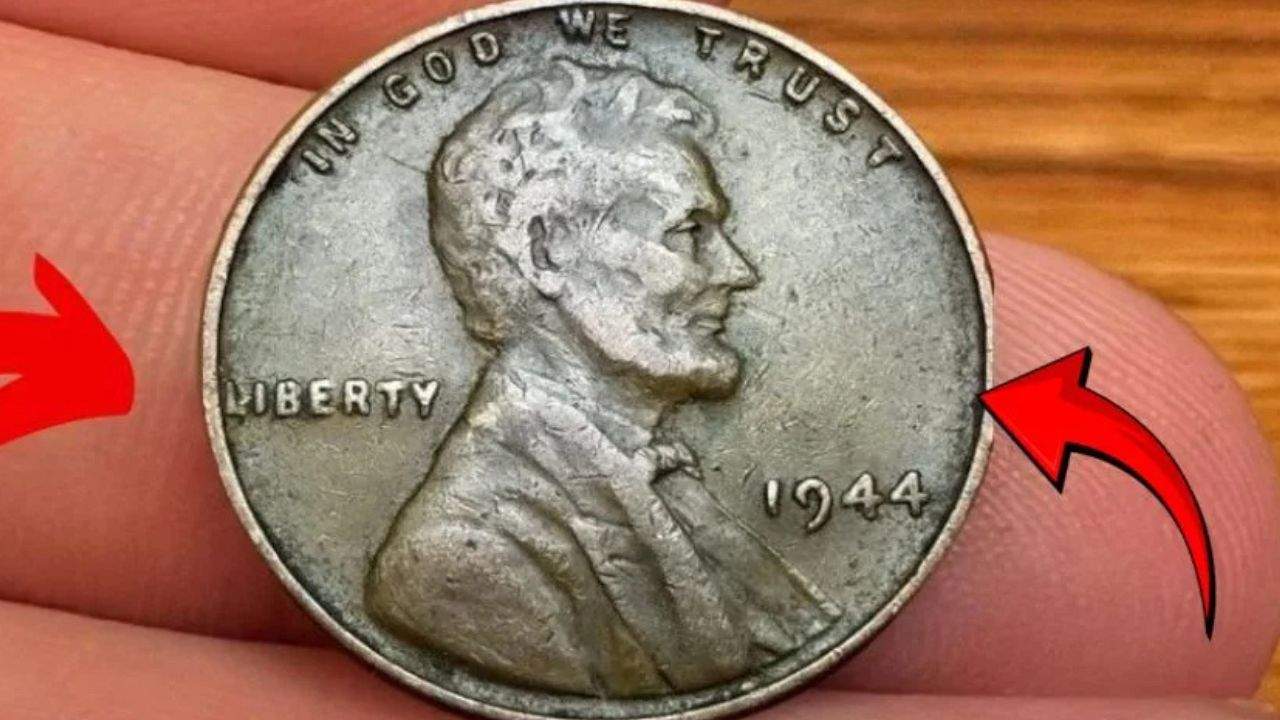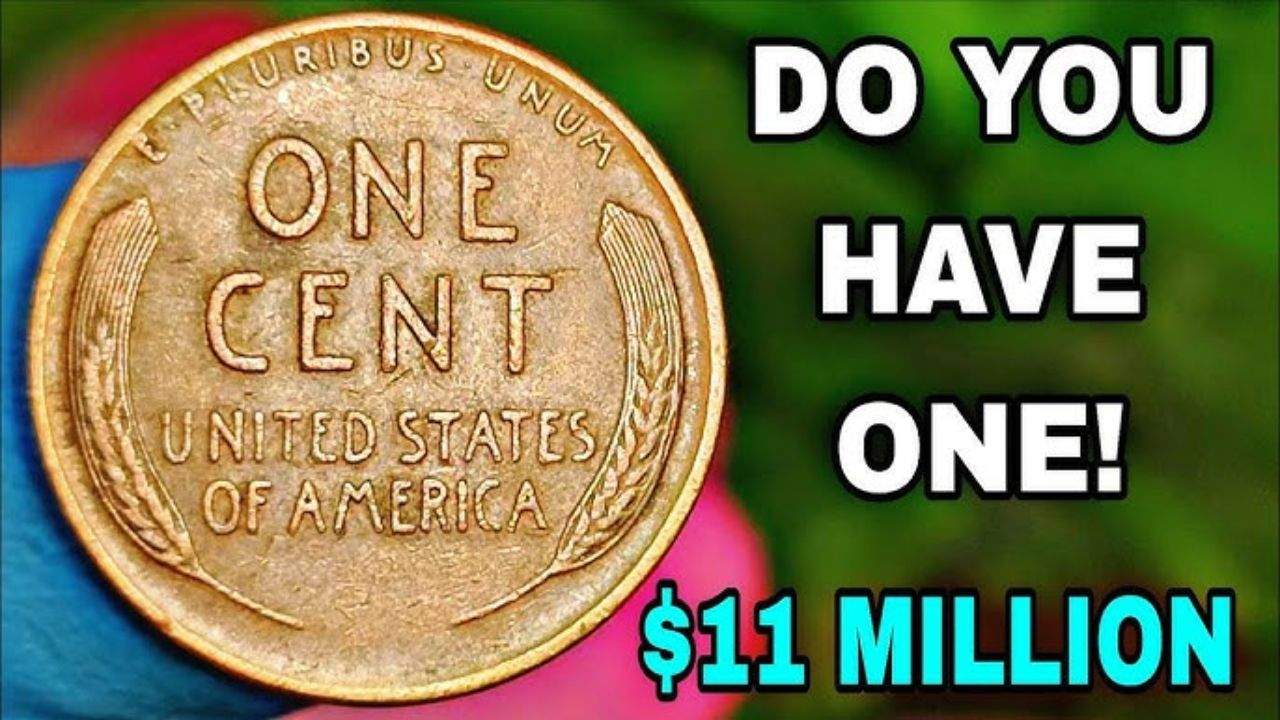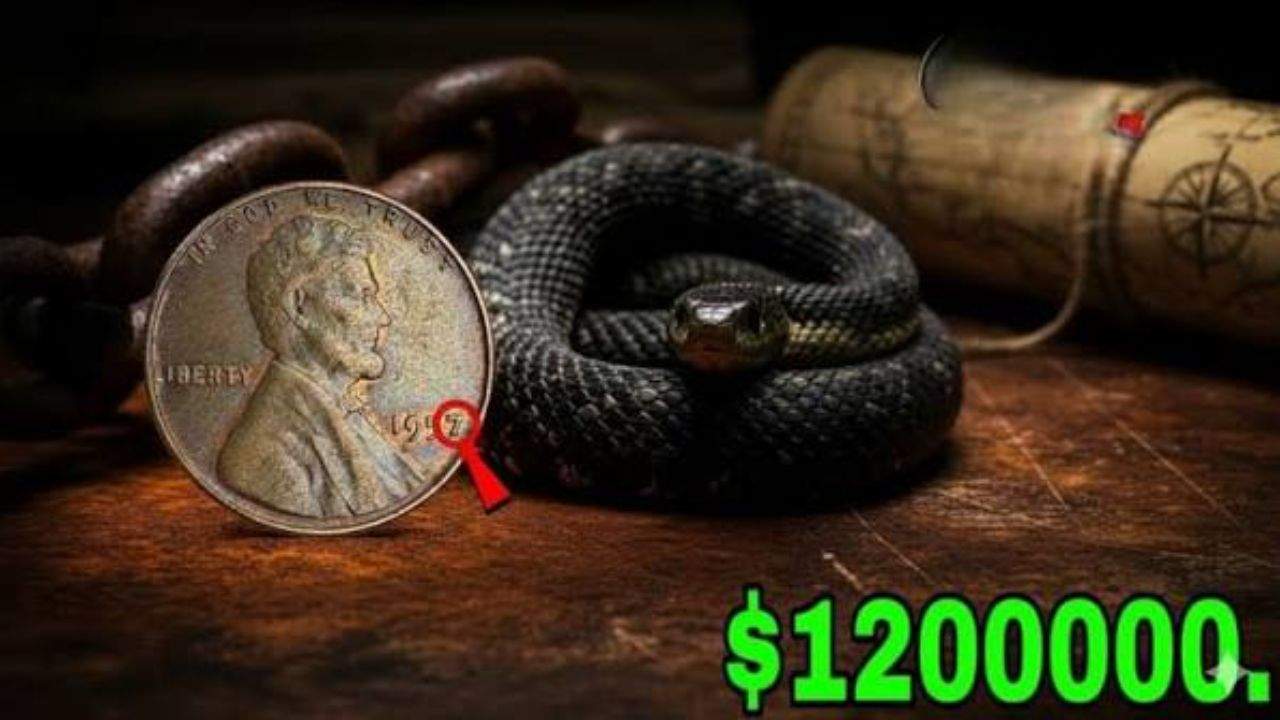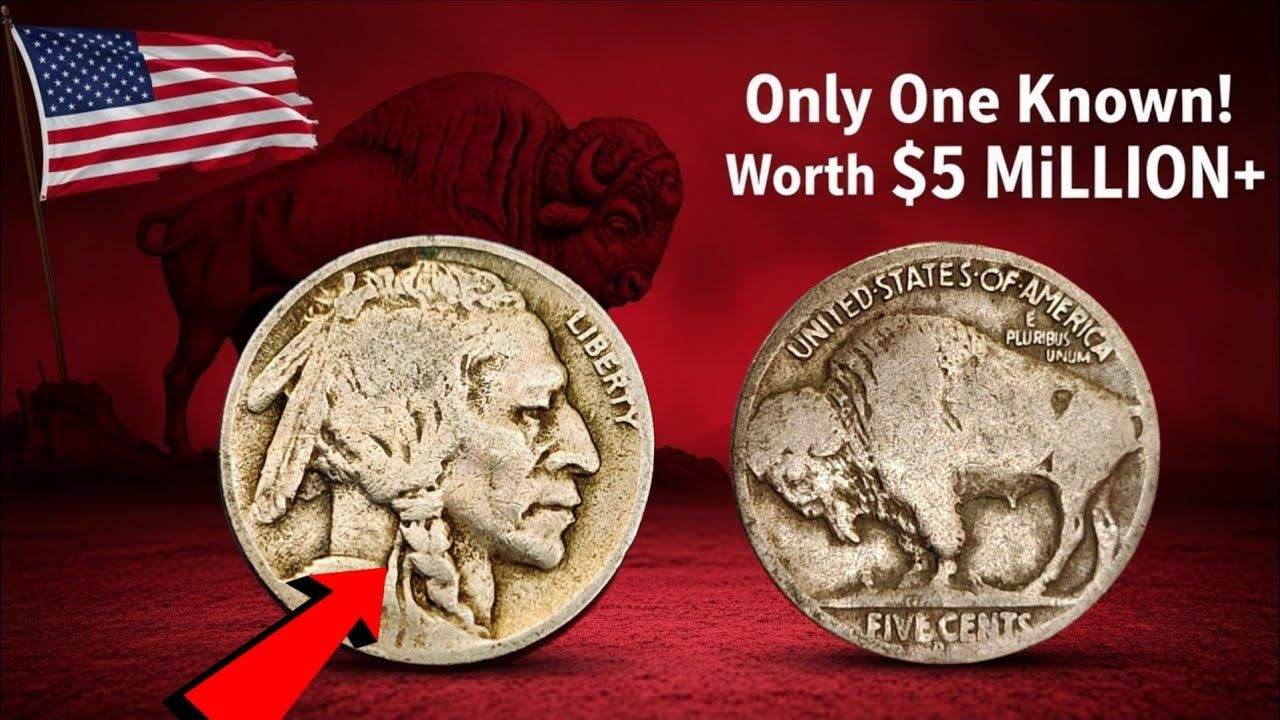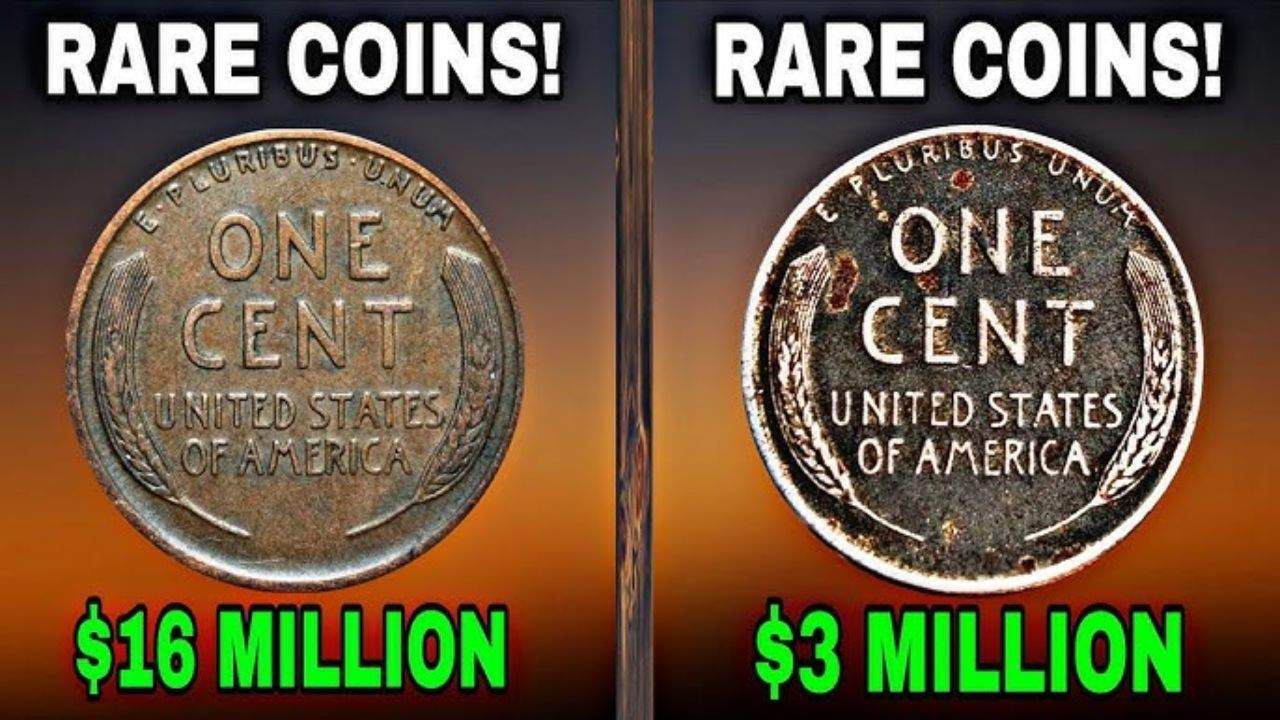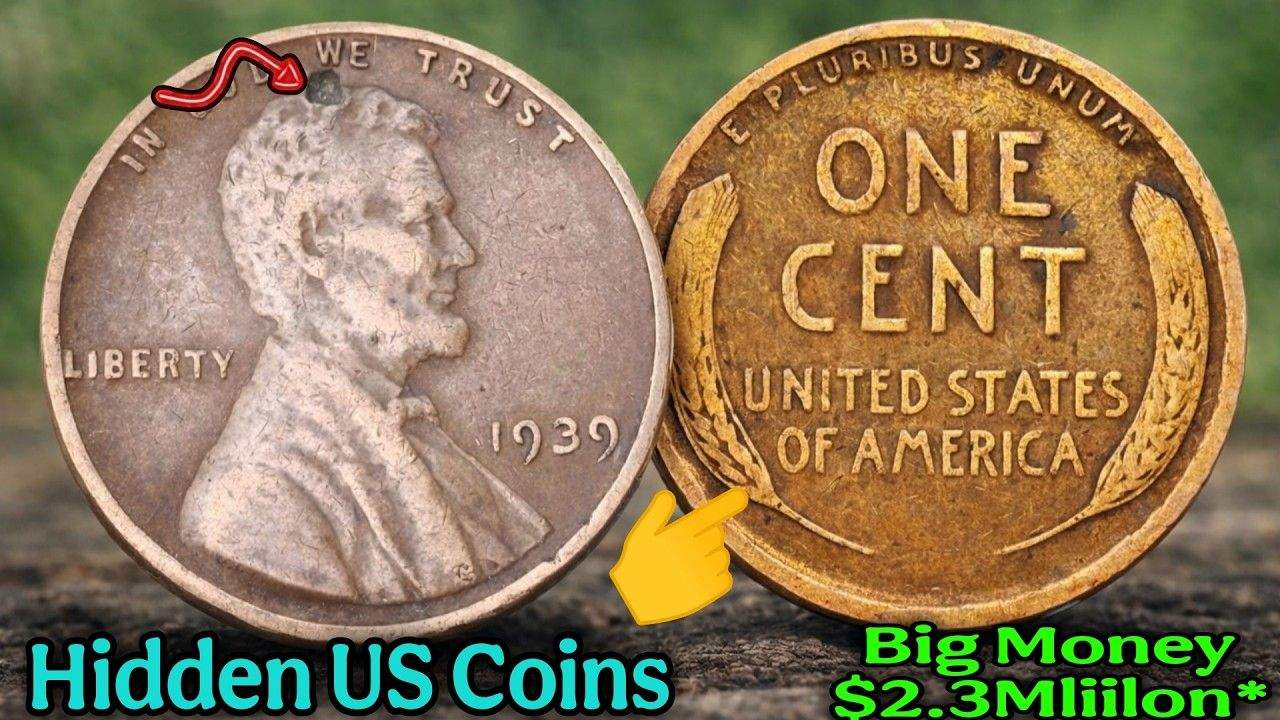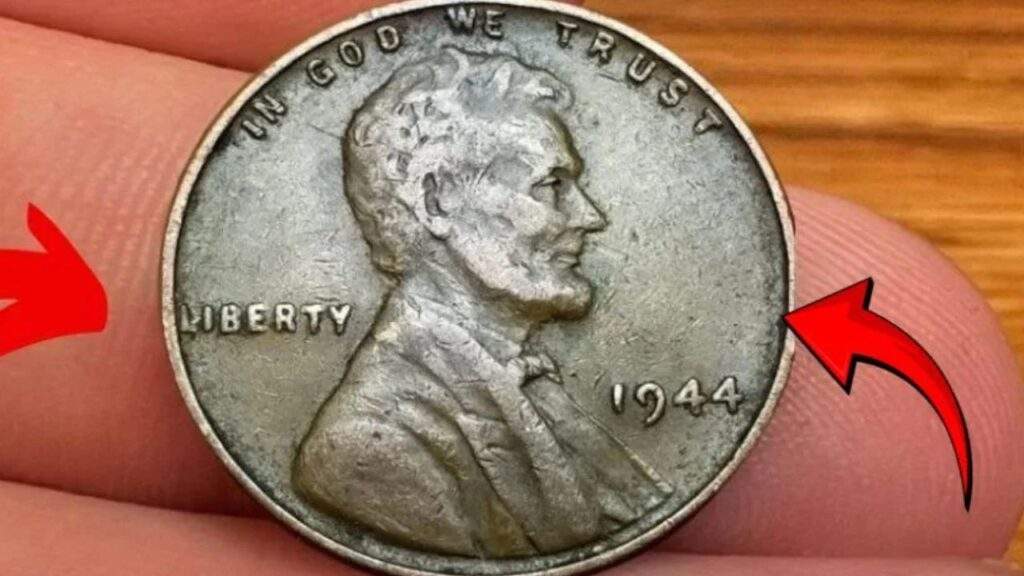

A Lincoln Wheat penny can be worth far more than one cent, but viral claims about a $5.7 million penny need to be viewed carefully. There are genuinely rare Lincoln cents that have sold for hundreds of thousands of dollars, yet there is no verified auction record showing a Lincoln Wheat penny selling for $5.7 million.
That does not make old Wheat pennies uninteresting. Some dates, varieties, and mint errors are extremely valuable, and a rare coin can sometimes be found outside a professional collection. The key is knowing what to look for instead of assuming every old penny is worth a fortune.
Contents
- 1. Where the $5.7 Million Penny Claim Comes From
- 2. The 1943 Bronze Penny Is the Big One to Know
- 3. Could a Valuable Wheat Penny Still Be in Circulation?
- 4. What Makes a Lincoln Wheat Penny Valuable?
- 5. Other Lincoln Wheat Pennies Worth Checking
- 6. Lincoln Wheat Penny Examples to Watch
- 7. How to Check a 1943 Penny
- 8. Why You Should Never Clean an Old Penny
- 9. Be Careful With Million-Dollar Coin Claims
- 10. What to Do If You Think You Found a Rare Penny
- 11. The Bottom Line
Where the $5.7 Million Penny Claim Comes From
The $5.7 million figure is often repeated in online coin stories, but a confirmed sale at that price is not supported by major documented auction records.
Professional auction records show much lower, but still impressive, prices for the rarest Lincoln Wheat cents. For example, PCGS lists a record of $840,000 for a 1943-D bronze Lincoln cent. It also lists $504,000 for a 1943-S bronze cent and $372,000 for a Philadelphia 1943 bronze cent.
This difference is important. A coin can have a speculative value claim of several million dollars without ever actually selling for that amount. A completed auction is stronger evidence of what collectors have really paid.
So, if you see a headline saying a Lincoln Wheat penny is “worth $5.7 million,” do not assume that $5.7 million is an established market price.
The 1943 Bronze Penny Is the Big One to Know
The most famous Lincoln Wheat cent connected with enormous values is the 1943 bronze penny.
During 1943, regular Lincoln cents were supposed to be made from zinc-coated steel instead of the usual bronze. The change was made during World War II as copper was needed for other purposes.
A very small number of bronze planchets, which are the metal blanks used to make coins, apparently remained in the production system. Some 1943 cents were therefore struck on bronze planchets instead of steel.
PCGS identifies bronze examples from Philadelphia, Denver, and San Francisco. Its auction records show that these coins can bring extremely high prices.
The Denver example is especially famous. PCGS lists an $840,000 auction record for the 1943-D bronze cent. That is a real documented sale and shows just how valuable a genuine example can be.
Could a Valuable Wheat Penny Still Be in Circulation?
It is possible for an old coin to survive outside a major collection, but the claim that a $5.7 million penny is currently circulating should not be presented as a proven fact.
Many rare coins were discovered by people who were not professional collectors. Old coins can remain in family collections, jars, drawers, estates, or forgotten boxes for decades.
However, a genuine 1943 bronze cent would be extraordinarily rare. Most 1943 Lincoln cents are steel, not bronze.
If you find a 1943 penny that appears copper-colored, that is a reason to investigate it, not proof that you have a fortune.
What Makes a Lincoln Wheat Penny Valuable?
The date is only the beginning. Collectors consider several different factors when deciding how desirable a Lincoln cent is.
- Rare date or mint mark
- Major mint error or recognized variety
- Extremely high grade and strong original detail
- Authenticity and overall condition
A common Wheat penny with heavy wear may be worth only a small amount above face value, while a rare variety in excellent condition can be worth thousands or much more.
This is why two coins that look almost identical to a casual observer can have dramatically different values.
Other Lincoln Wheat Pennies Worth Checking
The 1943 bronze cents are not the only valuable Wheat pennies.
The 1909-S VDB is one of the best-known key dates in the series. PCGS records an auction high of $170,800 for a high-grade example. The coin is desirable because it was produced in limited numbers and carries the VDB initials of designer Victor David Brenner on the reverse.
The 1955 Doubled Die Obverse is another famous variety. The doubling is clearly visible on parts of the lettering and numbers on genuine examples. PCGS lists an auction record of $114,000 for the variety.
The 1922 No D is also an important Lincoln cent variety. It resulted from a Denver Mint production issue in which some coins show no visible “D” mint mark. PCGS identifies it as one of the major valuable Lincoln cent errors.
Lincoln Wheat Penny Examples to Watch
| Lincoln Wheat Penny | Special Feature | Documented Auction Record |
|---|---|---|
| 1943-D Bronze | Rare wrong-metal strike | $840,000 |
| 1943-S Bronze | Rare wrong-metal strike | $504,000 |
| 1943 Bronze | Rare wrong-metal strike | $372,000 |
| 1909-S VDB | Key first-year issue | $170,800 |
| 1955 Doubled Die Obverse | Major doubled-die variety | $114,000 |
These are auction records for specific coins, generally in exceptional condition. They are not guaranteed prices for every coin carrying the same date or variety.
How to Check a 1943 Penny
If you discover a 1943 Lincoln cent, begin with a simple inspection. Do not immediately sell it or try to clean it.
A normal 1943 steel cent is attracted to a magnet. A genuine bronze 1943 cent is not. Weight can also provide an early clue: a normal steel cent is about 2.70 grams, while a bronze cent is about 3.11 grams.
These tests are useful for screening, but they cannot prove authenticity. Counterfeit and altered coins exist, and a rare coin worth hundreds of thousands of dollars should always be professionally authenticated before its value is accepted.
If you have a suspected 1943 bronze cent, handle it carefully and avoid scratching, polishing, or chemically cleaning it.
Why You Should Never Clean an Old Penny
Cleaning an old coin may make it appear brighter, but it can permanently change the surface.
Collectors generally prefer coins with natural surfaces. Scratches, harsh cleaning, polishing, and chemical treatments can reduce the appeal and value of an otherwise important coin.
If you find an old Wheat penny that looks unusual, simply keep it safe while you investigate it. Hold it by the edges rather than rubbing the front and back surfaces.
This is especially important if the coin appears to be a rare error or variety.
Be Careful With Million-Dollar Coin Claims
Online coin stories often use the biggest possible number in a headline. The problem is that a predicted value, asking price, insurance estimate, and actual auction result are not the same thing.
For example, a genuine 1943-D bronze Lincoln cent has a documented auction record of $840,000 according to PCGS. That is very different from saying that every 1943-D bronze cent is worth $840,000 or that one has already sold for $5.7 million.
The same rule applies to ordinary Wheat pennies. An old date does not automatically mean a valuable coin. The exact variety, mint mark, condition, and authenticity all need to be checked.
What to Do If You Think You Found a Rare Penny
If your penny appears to match a famous rare date or error, resist the temptation to clean it or sell it immediately.
First, record the date and mint mark. Then compare the design carefully with known examples. If the coin appears genuinely unusual, professional authentication is the safest next step.
A suspected rare coin should be treated differently from an ordinary penny because even small changes to its surface can affect its value.
The Bottom Line
The story of a Lincoln Wheat penny worth $5.7 million is attention-grabbing, but there is no verified auction record establishing a Lincoln Wheat cent at that price.
What is definitely real are the extraordinary prices paid for some genuine rare Lincoln cents. PCGS records an $840,000 sale for a 1943-D bronze cent, along with hundreds of thousands of dollars for other 1943 bronze examples.
So if you discover an old Lincoln Wheat penny, it is worth taking a closer look. Pay attention to the date, mint mark, unusual varieties, condition, and especially possible 1943 bronze errors. A rare penny can be worth a life-changing amount, but the coin must be genuine and the value must be supported by its actual characteristics and the collector market.
The safest rule is simple: do not believe the biggest number in a viral headline. Identify the coin first, protect its condition, and have a truly rare-looking example professionally authenticated.