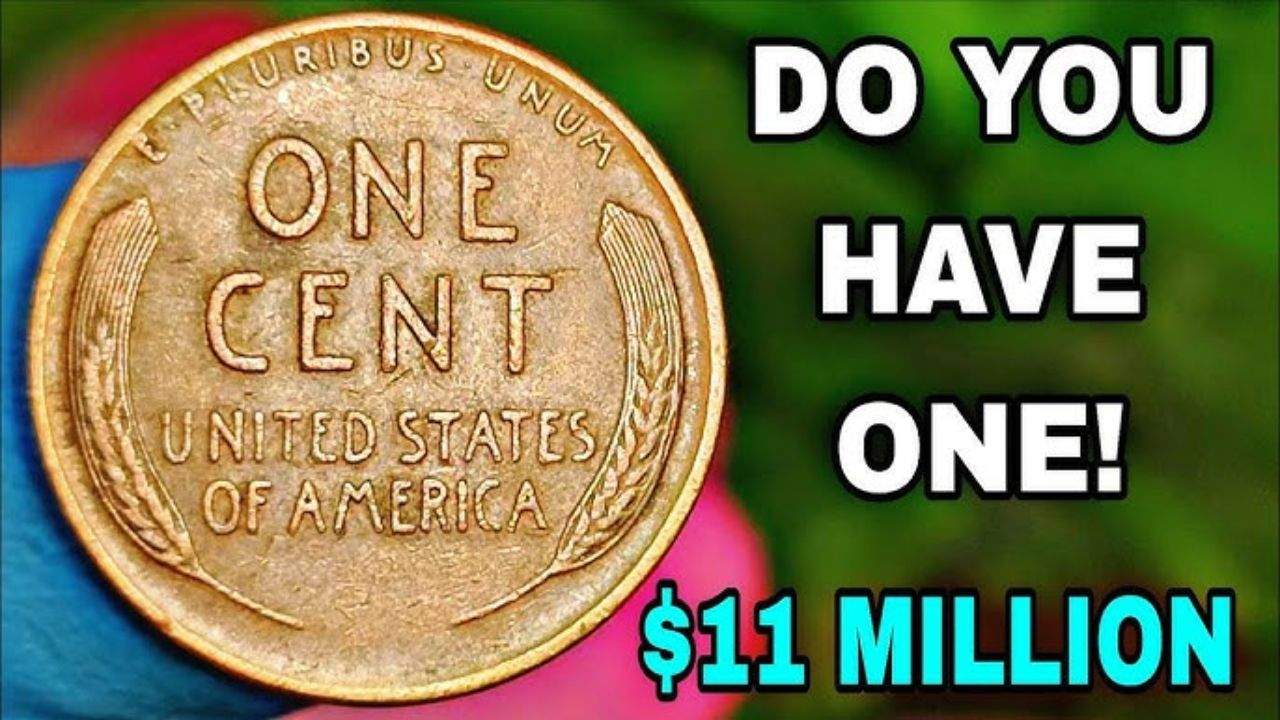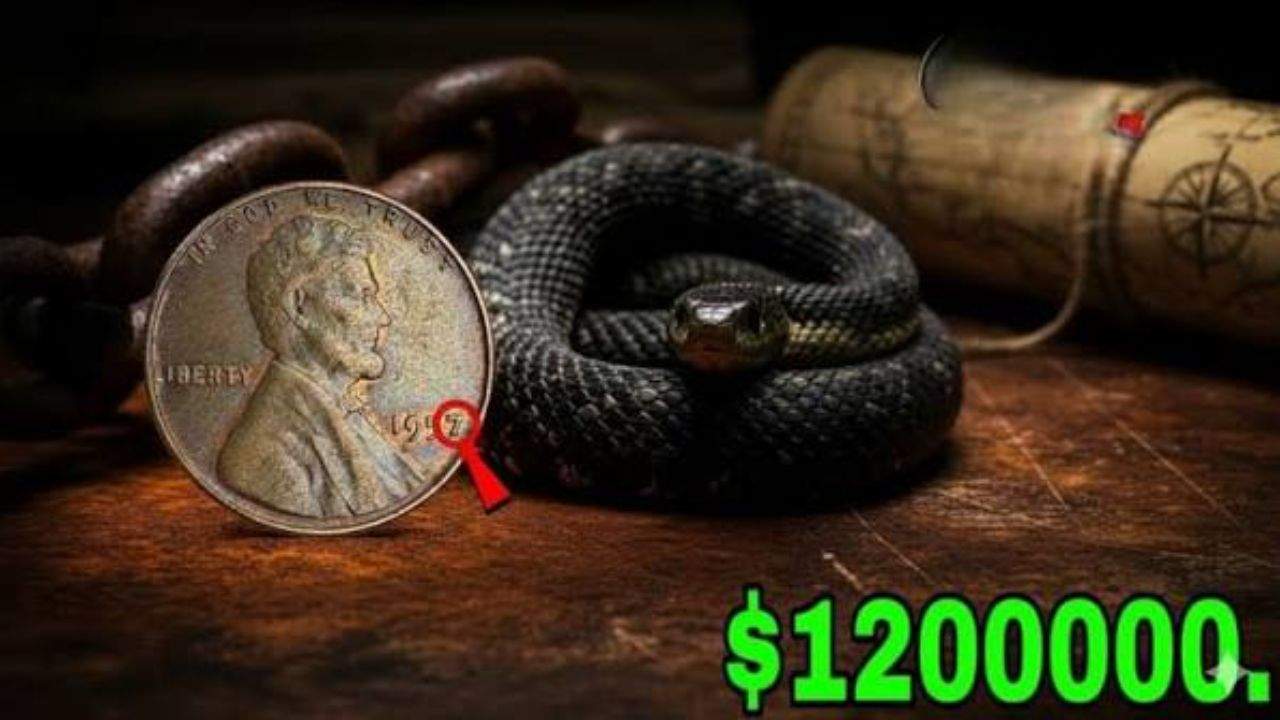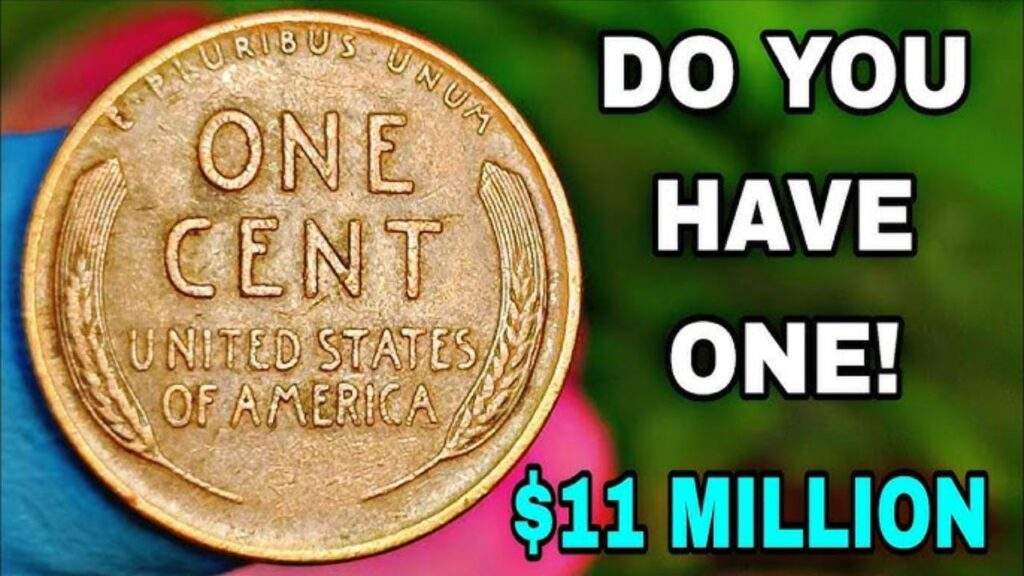

A simple Lincoln Wheat penny can look almost worthless at first glance, but a few rare examples have sold for extraordinary amounts. That is why stories about a Lincoln penny supposedly worth $11 million continue to attract attention from coin collectors and people checking old change.
However, there is an important fact to understand: there is no verified $11 million Lincoln Wheat penny known to have sold for that amount. Some rare Lincoln cents have reached hundreds of thousands of dollars, and the unique 1943-D bronze cent is considered one of the most important Lincoln cents ever made.
Contents
- 1. Why Some Lincoln Wheat Pennies Are So Valuable
- 2. The Famous 1943 Bronze Penny
- 3. Could an $11 Million Penny Still Be in Circulation?
- 4. Which Lincoln Wheat Pennies Deserve Attention?
- 5. How to Check a 1943 Penny
- 6. Be Careful With Fake Million-Dollar Pennies
- 7. What About the $11 Million Claim?
- 8. Why Condition Matters
- 9. Could You Have a Valuable Wheat Penny?
- 10. The Bottom Line
Why Some Lincoln Wheat Pennies Are So Valuable
Lincoln Wheat cents were produced from 1909 through 1958. Most are common, especially heavily circulated examples from years when the U.S. Mint produced large numbers of pennies.
The valuable coins are usually different because of an unusual date, mint error, rare variety, very low survival rate, or exceptional condition.
One of the biggest examples is the 1943 bronze Lincoln cent. During World War II, the U.S. Mint changed the normal cent material from bronze to zinc-coated steel to save copper for the war effort. A very small number of bronze planchets were apparently left in the production system, resulting in rare 1943 bronze cents.
These coins were never supposed to be made, which is one reason collectors consider them extremely important.
The Famous 1943 Bronze Penny
The 1943 bronze Lincoln cent is one of the coins most often connected with huge value claims.
A genuine 1943 bronze cent is extremely rare. PCGS records an auction price of $372,000 for a Philadelphia 1943 bronze cent graded MS62BN. NGC’s auction records also show several 1943 bronze cents selling for hundreds of thousands of dollars.
The Denver version is even more unusual. PCGS reports that only one 1943-D bronze Lincoln cent is known. That unique coin was previously sold for $212,750 in 2003. Its unique status means that a future sale could potentially bring a much higher price, but that does not mean it has already sold for $11 million.
This distinction matters because online articles sometimes turn estimates, predictions, or hypothetical future values into claims that a coin has already reached a certain price.
Could an $11 Million Penny Still Be in Circulation?
The idea that an $11 million penny could still be sitting in everyday pocket change is highly misleading.
A genuine rare Lincoln cent can certainly be discovered outside a major collection. Some famous error coins were found by ordinary people, which is one reason coin hunting remains popular.
But there is no verified evidence that an $11 million Lincoln Wheat penny is currently circulating in the United States.
A rare coin can remain undiscovered for years, but its value comes from its actual rarity and collector demand, not simply because someone claims it is worth millions.
If you find an unusual penny, the right approach is to identify it carefully rather than assume the highest number seen online is its value.
Which Lincoln Wheat Pennies Deserve Attention?
Several Lincoln Wheat cents are well known among collectors. Some are valuable because of their rarity, while others are valuable because of major mint errors or varieties.
| Lincoln Wheat Penny | Important Feature | Why Collectors Want It |
|---|---|---|
| 1943 Bronze | Bronze planchet instead of normal steel | Extremely rare wartime error |
| 1943-D Bronze | Unique known Denver example | Only one known example |
| 1909-S VDB | Scarce first-year issue | Key date and popular variety |
| 1955 Doubled Die | Strong doubling on the design | Famous and widely collected variety |
| 1922 No D | Missing Denver mint mark variety | Major Lincoln cent rarity |
The exact value of any example depends heavily on authenticity, grade, surface condition, and the specific variety.
How to Check a 1943 Penny
If you find a 1943 Lincoln cent, do not immediately assume you have a rare bronze coin. Most 1943 cents were made from zinc-coated steel and are much more common.
A genuine bronze 1943 cent has characteristics that can help separate it from the normal steel version.
- A genuine bronze example weighs about 3.11 grams
- A normal 1943 steel cent weighs about 2.70 grams
- A genuine bronze cent should not be attracted to a magnet
- The date, design, weight, and metal must all be consistent with a genuine 1943 bronze cent
Weight and magnet tests are useful for initial screening, but they cannot prove that a coin is genuine. Rare 1943 bronze cents have been heavily targeted by counterfeiters and altered-coin sellers. Professional authentication is important before treating one as a major rarity.
Be Careful With Fake Million-Dollar Pennies
The popularity of the 1943 bronze cent has created a major problem for collectors. Ordinary 1943 steel cents can be altered, plated, or manipulated to make them appear to be valuable bronze examples.
Another common trick involves changing the date on a different Lincoln cent to make it look like a rare 1943 coin.
That is why a coin should not be judged only by its color. A copper-colored 1943 penny may have been artificially changed.
The best way to protect yourself is to avoid cleaning or altering the coin and have a suspected rare example examined by a respected professional grading and authentication service.
What About the $11 Million Claim?
The $11 million figure should be treated with caution.
Verified auction records show that genuine 1943 bronze Lincoln cents have sold for hundreds of thousands of dollars. PCGS records $372,000 for a Philadelphia 1943 bronze cent, while NGC’s records include a $305,500 sale for another certified 1943 bronze example.
The unique 1943-D bronze cent is potentially much more valuable because it is the only known example from the Denver Mint. But a potential future value is not the same thing as a confirmed $11 million sale.
This is an important difference when reading viral coin stories. Auction records are based on actual completed sales, while predictions and internet claims can be much higher.
Why Condition Matters
Even when a coin is genuinely rare, condition can have a major effect on its value.
A heavily worn coin may sell for much less than an example with sharp details and clean surfaces. Collectors and grading companies carefully examine scratches, wear, color, damage, and other changes to the coin.
This is particularly important with Lincoln Wheat cents because many circulated for decades. A rare coin with significant wear can still be valuable, but an exceptional example can command a much higher price.
Do not polish or scrub an old penny. Cleaning can permanently damage its surface and reduce its appeal to serious collectors.
Could You Have a Valuable Wheat Penny?
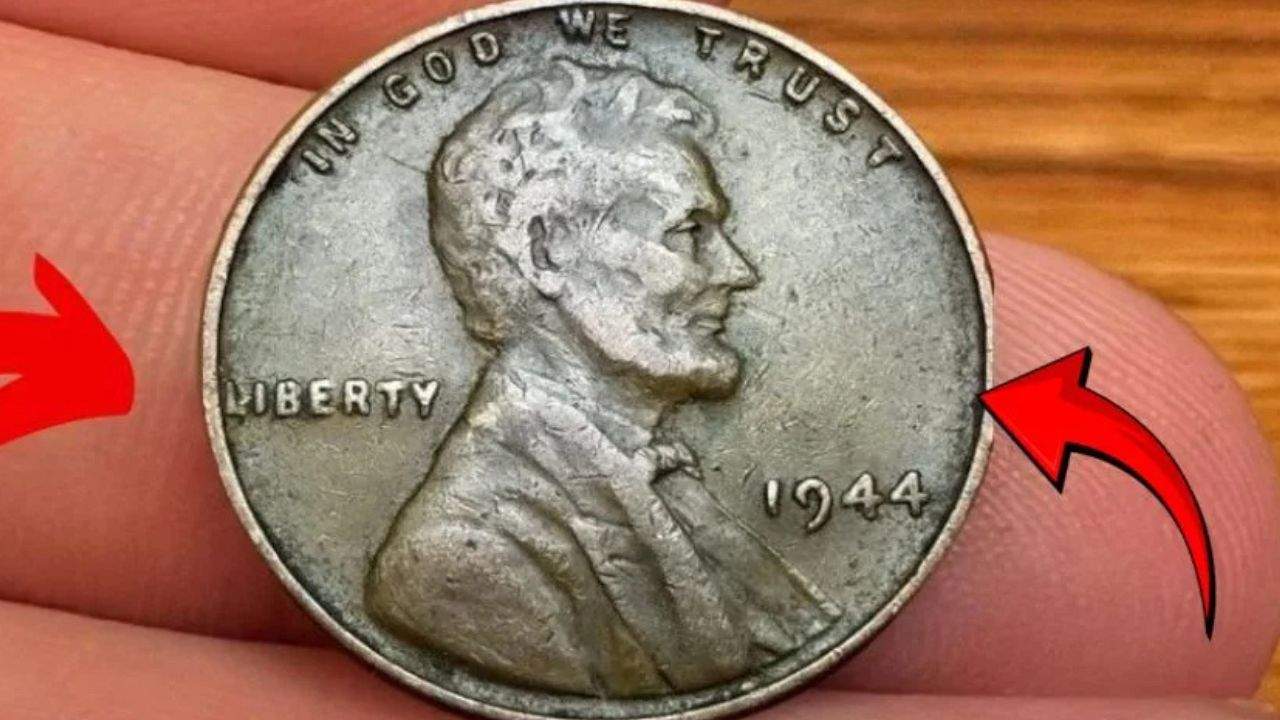
If you find an old Lincoln Wheat penny, start with the basics. Read the entire date, check for a mint mark, and examine both sides for unusual features.
Pay particular attention to famous dates and varieties rather than assuming every old Wheat penny is valuable.
A coin ending in a certain number, having a copper color, or looking unusually old is not enough to prove rarity. The exact coin must be identified.
If you believe you have a potentially rare 1943 bronze cent or another major Lincoln cent variety, keep it safe and avoid making any changes to it until it has been professionally examined.
The Bottom Line
The idea of an $11 million Lincoln Wheat penny still hiding in everyday circulation makes for an exciting story, but there is no verified evidence of a Lincoln Wheat cent that has actually sold for $11 million.
What is real is even more interesting. Genuine 1943 bronze Lincoln cents are exceptionally rare, and documented examples have sold for hundreds of thousands of dollars. The unique 1943-D bronze cent is even rarer, with only one known example reported by PCGS.
So, if you find an old Lincoln Wheat penny, do not automatically believe a viral million-dollar claim. Check the date, mint mark, weight, condition, and design details. A genuine rare coin can be worth a fortune, but authentication is what separates a valuable discovery from an ordinary penny.