
Cold Storage, Cold Chain & Warehouse
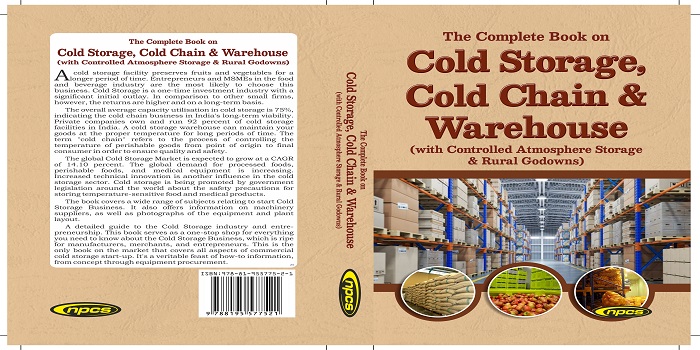
The cold storage, cold chain, and warehouse industry in India is gaining momentum as the country witnesses rapid growth in agriculture, food processing, pharmaceuticals, and e-commerce. As temperature-sensitive goods become more critical in the supply chain—from fresh produce and dairy to vaccines and frozen foods—the need for reliable cold chain infrastructure has become paramount. India loses over 30% of its perishable agricultural produce due to lack of cold storage facilities and efficient logistics. To reduce this wastage, improve food security, and ensure timely delivery of quality products, both the government and private players are heavily investing in modern cold chain and warehouse solutions. Related Business Plans: Cold storage, Controlled Atmosphere Storage, Multipurpose, Multi-commodity Cold Storage Current Industry Overview India’s cold chain industry is valued at over USD 20 billion and is expected to grow at a CAGR of 14–16%, driven by increasing demand from the food, dairy, seafood, meat, and pharmaceutical sectors. The warehousing industry, including cold storage, is projected to cross INR 2,000 billion by 2027, thanks to booming e-commerce and organized retail. The market is segmented into: Cold Storage Units (stand-alone and integrated) Temperature-Controlled Vehicles (reefers) Cold Chain Warehousing & Logistics Dry Warehouses for goods storage and fulfillment Read our Books Here: Infrastructure, Hospitality, Medical 1. What is a Cold Chain and Why is it Important? A cold chain is a temperature-controlled supply chain used to preserve and transport perishable products. It ensures that food, medicine, and other sensitive goods maintain their required low temperatures from source to destination. Key components include: Pre-cooling facilities at farms Refrigerated storage units Cold transportation (reefer trucks, rail, and air) Pack houses and processing centers Temperature monitoring systems Failure in any part of the cold chain can lead to spoilage, monetary loss, and health risks, especially for food and pharma products. 2. Sectors Driving Demand for Cold Storage in India a. Agriculture & Horticulture India is the second-largest producer of fruits and vegetables globally. However, nearly 30% is wasted due to inadequate cold storage. Cold chains are vital for: Apples, bananas, mangoes Potatoes, onions, and tomatoes Leafy vegetables and mushrooms b. Dairy Industry Milk, butter, cheese, and yogurt are highly perishable. Proper cold storage helps maintain freshness and meet growing demand for value-added dairy products. c. Meat, Poultry & Seafood Frozen meats, processed foods, and seafood need ultra-low temperature preservation. Exporters particularly rely on high-quality cold chain solutions. d. Pharmaceuticals Vaccines, insulin, and life-saving biologics must be kept at specific temperatures. COVID-19 highlighted the urgent need for cold storage in India’s health infrastructure. e. E-Commerce and Retail Online grocery delivery, cloud kitchens, and food startups are increasingly investing in micro-warehouses and last-mile cold delivery. 3. Government Support and Incentives To strengthen the cold chain ecosystem, the Indian government has rolled out several schemes and policies: Pradhan Mantri Kisan SAMPADA Yojana (PMKSY)Provides subsidies for cold storage and agro-processing units. Mission for Integrated Development of Horticulture (MIDH)Supports construction of cold storages and pack houses. PLI Scheme for Food ProcessingEncourages investment in infrastructure for processed foods. 100% FDI allowed under the automatic route for food storage and cold chain infrastructure. TIES and TPCP schemes to develop export-focused cold chain clusters. 4. Technological Advancements in Cold Storage Innovation is transforming the traditional cold chain model. Companies are adopting: Real-time temperature monitoring IoT-based sensors and GPS tracking Automated storage and retrieval systems (ASRS) Energy-efficient refrigeration systems Renewable energy integration (solar-powered cold storages) Digitalization not only improves efficiency but also ensures regulatory compliance in pharma and food safety. 5. Top Players in the Indian Cold Chain & Warehouse Industry Snowman Logistics ColdEX Logistics Future Supply Chain Blue Dart Express Gati Kausar Coldman Logistics National Cold Chain Development Centre (NCCD) Reliance Retail (JioMart warehouses) Many international players are entering the Indian market through partnerships and joint ventures. 6. Challenges in the Cold Chain Sector Despite growth, several obstacles persist in India’s cold storage and warehousing space: High capital investmentSetting up cold chain infrastructure is expensive and time-consuming. Power shortages and high energy costsContinuous electricity is essential for refrigeration but costly in rural areas. Poor rural connectivityMany farm belts lack access to roads, reefer transport, or pre-cooling units. Fragmented supply chainA lack of integration between storage, transport, and retail logistics causes inefficiencies. Shortage of skilled workforceTechnicians trained in refrigeration, automation, and food safety are in short supply. Visit this Page for More Information: Start a Business in Cold storage Industry 7. Opportunities and Future Growth Potential The cold storage, cold chain, and warehouse industry in India is set to witness exponential growth due to the following: Urban consumption riseDemand for ready-to-eat, frozen, and organic food is growing in cities. Shift to organized retailSupermarkets and online grocers are investing in cold supply chains to meet customer expectations. Export opportunitiesIndia’s mangoes, grapes, spices, and shrimp can fetch high prices globally if cold storage is ensured. Pharma cold chainIndia’s growing status as a vaccine and drug manufacturing hub necessitates global-grade cold chains. Agri-tech & startup innovationStartups are developing portable, solar-powered cold storages and AI-based tracking systems. 8. Key Warehousing Hubs in India Several regions are emerging as cold chain and warehouse clusters, such as: NCR (Delhi, Noida, Gurugram) Mumbai and Navi Mumbai Hyderabad Bangalore Ahmedabad Kolkata Chennai Additionally, Tier-2 cities like Nagpur, Lucknow, and Indore are witnessing investment due to their strategic locations. Conclusion The cold storage, cold chain, and warehouse industry in India is no longer just a logistical necessity—it is becoming a strategic pillar of the nation’s food security, healthcare supply chain, and economic resilience. With robust policy support, growing demand across industries, and technological innovation, the sector is poised for unprecedented growth. Investors, entrepreneurs, and technology providers have a golden opportunity to shape the future of India’s supply chain by building efficient, affordable, and eco-friendly cold storage and logistics infrastructure. As consumer expectations rise and global trade intensifies, cold chain development will be critical to ensuring quality, safety, and sustainability. Read Similar Articles: Cold storage See More Links: Start a Business in Asia Start a Business in Potential Countries
Bioplastics & Biodegradable Products Manufacturing Handbook

The Biodegradable Products Manufacturing Handbook is a vital guide for entrepreneurs looking to launch eco-friendly businesses in today’s sustainability-focused economy. With rising environmental concerns, increasing government regulations on plastic, and changing consumer preferences, the demand for biodegradable alternatives is growing rapidly in India and worldwide. This guide outlines key insights into biodegradable product categories, raw materials, machinery, processes, legal standards, and business opportunities. If you’re planning to enter this space, understanding these foundational elements is crucial for long-term success. Start a Business in Biodegradable Products Industry, Click Here What Are Biodegradable Products? Biodegradable products are materials that can naturally break down into non-toxic components through microbial action over time. These products decompose without harming the environment, unlike conventional plastic which takes hundreds of years to degrade. Common Examples of Biodegradable Products: Tableware (plates, spoons, bowls, straws) Carry bags made from corn starch or cassava Compostable garbage bags Biodegradable packaging films Sanitary products and diapers Mulch films for agriculture Cutlery, cups, and takeaway containers 1. Why Start a Biodegradable Products Manufacturing Business? a. Eco-Friendly Demand Surge With bans on single-use plastic and climate change awareness, the Indian market is shifting toward sustainable solutions. b. Government Policies & Incentives India’s ban on single-use plastics and subsidies for green industries create a favorable ecosystem for manufacturing. c. Export Opportunities Countries in Europe, North America, and parts of Asia are major importers of biodegradable products. d. Fast-Growing Market The global biodegradable plastic market is expected to reach USD 20+ billion by 2030, growing at a CAGR of over 13%. Related Feasibility Study Reports: Biodegradable Products 2. Raw Materials Used in Biodegradable Product Manufacturing Choosing the right biodegradable raw material is key to ensuring your product is truly compostable and compliant with regulations. Common Raw Materials Include: Sugarcane Bagasse: A fibrous by-product of sugarcane processing Corn Starch (PLA): Used for films, packaging, and tableware Areca Palm Leaves: Used for eco plates and bowls Rice Husk or Wheat Bran Cassava or Tapioca Starch Paper Pulp and Bamboo Fiber PLA + PBAT (blends) for compostable bags Each material has its own processing technique and shelf life, so understanding compatibility is crucial. 3. Types of Biodegradable Products You Can Manufacture a. Disposable Tableware Plates, spoons, bowls, and containers made from bagasse or areca palm leaves. b. Biodegradable Carry Bags Made using PLA, PBAT, or starch-based formulations. These are commonly used in retail, grocery, and agriculture. c. Compostable Packaging Food wrapping films, trays, containers, and vacuum-sealable bags. d. Agricultural Mulch Films Used to cover soil, these break down over time and enrich the land. e. Biodegradable Cutlery and Straws Popular in the hospitality industry as eco-friendly alternatives. 4. Machinery Required for Manufacturing The selection of machinery depends on the product category. Here are commonly used machines: Pulp Molding Machine – For tableware and packaging Bag Making Machine – For compostable carry bags Injection Molding Machine – For cutlery and containers Film Blowing Machine – For biodegradable films and wraps Hot Press Machine – For palm leaf products Extrusion Machine – For sheets and agricultural films Prices range from ?5 lakh to ?50 lakh depending on capacity and automation levels. Related Books: Environmentally Friendly 5. Manufacturing Process Overview Though the process varies by product, the basic stages include: Raw Material Preparation – Cleaning, grinding, or pulping Forming – Using molds or extrusion to shape products Drying & Trimming – Removing moisture and refining shape Printing or Branding – Optional step for custom designs Packaging – Eco-packaging materials are usually preferred Example: For sugarcane bagasse tableware, the process includes pulping, molding with heat and pressure, drying, and packing. 6. Licenses and Certifications Required Before starting a biodegradable products manufacturing business, it’s essential to comply with local and national guidelines. Required Licenses: Udyam MSME Registration GST Registration Pollution Control Board NOC Factory License Trade License (Municipal) Important Certifications: CPCB/State PCB approval for compostable products ISO 17088 certification for biodegradable plastics Compostability test report from CIPET or BIS labs FDA and FSSAI (for food-contact products) Compliance helps build brand credibility and facilitates export approval. 7. Investment and Profit Margin Initial Setup Cost (for small unit): Machinery: ?10 – ?30 lakh Raw Material stock: ?2 – ?5 lakh Setup cost (shed, electricity, etc.): ?5 – ?10 lakh Labor & Operation: ?1.5 lakh/month Expected Monthly Profit: Turnover: ?4 – ?10 lakh/month (depends on scale) Profit Margin: 25% – 40% (after breakeven) Break-even Period: 12–18 months for small-scale units The business is scalable, and exporting increases profits significantly. 8. Target Market and Customers Your customers may include: Retail stores and supermarkets E-commerce packaging suppliers Hotel and restaurant chains Hospitals and food caterers Agri-input suppliers (for mulch films) Government organizations for public use International wholesalers and distributors A strong B2B sales team or digital presence can help scale rapidly. 9. Marketing Strategy for Biodegradable Products Highlight eco-benefits and government compliance Create a brand identity around sustainability Focus on B2B partnerships with restaurant chains and retailers Use green packaging and certifications in your branding Social media campaigns to build eco-conscious communities List on B2B platforms like IndiaMART, TradeIndia, Alibaba Conclusion This Biodegradable Products Manufacturing Handbook offers a complete overview for entrepreneurs aiming to build an environmentally responsible business. With increasing global demand for plastic-free solutions, India has the resources, policy support, and raw materials to lead in biodegradable product manufacturing. Whether you’re targeting tableware, packaging, or agri-products, this is the right time to step into this booming market and align profits with the planet. Be sure to maintain quality, compliance, and eco-authenticity to build long-term brand value. Read Similar Articles: Biodegradable products See More Links: Start a Business in Asia Start a Business in Potential Countries for Doing Business Best Industry for Doing Business Business Ideas with Low, Medium & High Investment Looking for Most Demandable Business Ideas for Startups Start a Business in Africa</strong> Start a Business in India Related Projects Related Market Research Reports NIIR PROJECT CONSULTANCY SERVICES, DELHI An ISO 9001:2015 Company ENTREPRENEUR INDIA 106-E, Kamla Nagar, Opp. Mall ST, New Delhi-110007, India. Email:
The Textile and Apparel Sector in India: A Booming Industry worth Investing In!

The Textile and Apparel Sector in India is not just an economic powerhouse but a deep-rooted cultural and historical entity. From the ancient cotton looms of the Indus Valley Civilization to today’s cutting-edge textile parks and global fashion exports, India’s textile industry has evolved dramatically while retaining its artisanal heritage. It is one of the largest contributors to India’s GDP, export earnings, and employment generation, especially among women and rural communities. As of 2024, the Indian textile and apparel industry is valued at USD 160 billion and is projected to reach USD 350 billion by 2030, driven by rising domestic consumption, global demand, and robust policy support under initiatives like ‘Make in India’, PLI Scheme, and PM MITRA Parks. Visit this Page for More Information: Start a Business in Textile Industry Significance of the Textile and Apparel Sector in India The Indian textile sector is unique due to its complete value chain — from raw fiber to finished garments — all within the country. It is also one of the few industries that is deeply interwoven with India’s history, culture, agriculture, and rural economy. Read Similar Articles: Textile Industry Key Highlights: Second largest employer after agriculture, employing over 45 million people. Accounts for 2.3% of India’s GDP, 13% of industrial production, and 12% of export earnings. India is the largest producer of cotton, second-largest producer of silk, and third-largest exporter of textiles globally. 1. Key Segments of the Indian Textile Industry a. Natural Fibers Segment India is a global leader in natural fibers like: Cotton (40% of total production) Jute (dominant globally) Silk (especially Tussar, Mulberry) Wool b. Synthetic Rapidly growing due to demand in sportswear, uniforms, and technical textiles: Polyester Viscose Nylon Acrylic c. Apparel and Garments Ready-made garments (RMG) are a major export item, with hubs in: Bengaluru Tirupur Ludhiana Delhi-NCR Mumbai d. Home Textiles Includes bed linen, curtains, carpets, bath towels, and furnishing fabrics — an export-dominant segment. e. Technical Textiles Used in medical, automotive, defense, agriculture, and construction industries. Government is pushing this through the National Technical Textile Mission. Read our Books Here: Textile Spinning 2. India’s Position in the Global Textile Market Largest exporter of cotton and jute Among the top 5 exporters of RMG, home textiles, and handlooms Indian brands like Raymond, Arvind, FabIndia, Biba, and Manyavar have global recognition Key export markets: USA, EU, UAE, UK, Bangladesh, and Japan India’s textile exports were valued at over USD 40 billion in FY 2023–24, with strong projections in 2025 due to global demand shifts from China to India. 3. Government Policies Supporting Textile Growth a. PLI Scheme for Textiles ?10,683 crore approved to incentivize MMF and technical textiles manufacturing with 5-year subsidies for performance-linked output. b. PM MITRA Textile Parks Seven mega textile parks are being developed to provide integrated facilities for spinning, weaving, dyeing, printing, and garmenting under one roof. c. RoDTEP and RoSCTL Schemes Duty remission schemes to support textile exports by refunding embedded taxes and levies. d. Skill India & Samarth Scheme Focused on training over 10 lakh workers, especially women, in textile-related skills for better productivity and employability. 4. Challenges Faced by the Textile and Apparel Sector in India Despite its strength, the Textile and Apparel Sector in India faces several hurdles: Dependence on cotton makes it vulnerable to weather patterns Lack of scale and outdated technology in smaller units Inconsistent supply chain between fiber and finished product High logistics and compliance cost Low penetration of high-value products like branded apparel and technical textiles However, reforms in infrastructure, digitalization, and export facilitation are addressing many of these pain points. Related Feasibility Study Reports: Textile, Apparel, Clothing, Denim wear, Innerwear 5. Rise of Sustainable and Ethical Fashion Sustainability is becoming a defining trend in India’s apparel exports and domestic consumption. Brands are turning to: Organic cotton and khadi Recycled fabrics Plant-based dyes Eco-friendly packaging Consumers are increasingly demanding fair trade, low-carbon, and zero-waste products. This is opening new avenues for ethical textile businesses and startups. 6. Digital Transformation in Indian Textiles India’s textile value chain is embracing digital tools: CAD software for apparel design ERP and SCM platforms for supply chain management E-commerce portals like Myntra, Ajio, Amazon Fashion for direct sales Blockchain for transparency in sourcing and labor practices AI & ML in demand forecasting and inventory optimization Digitalization is helping traditional players scale up, improve efficiency, and compete globally. 7. Key Textile Hubs in India Northern India: Ludhiana – Woolen garments Panipat – Home furnishings Delhi-NCR – Fashion and fast-moving apparel Southern India: Tirupur – Knitwear exports hub Coimbatore – Yarn and spinning mills Bengaluru – High-end fashion apparel Western India: Surat – Synthetic fabrics and embroidery Ahmedabad – Cotton textiles and printing Mumbai – Apparel exports and design Eastern India: Bhubaneswar and Kolkata – Jute and handloom Assam and Tripura – Silk and traditional weaves 8. Opportunities for Entrepreneurs and Investors Branding ethnic and regional weaves like Banarasi, Chikankari, or Pochampally Export-oriented garment factories Sustainable fashion startups Private label manufacturing for global brands Value-added home décor textiles Smart textiles and wearable tech integration With FDI allowed up to 100% under automatic route, international investors are also keen on Indian textile ventures. Conclusion The Textile and Apparel Sector in India is poised for a golden era of growth, innovation, and sustainability. With deep-rooted craftsmanship, a massive workforce, and growing global demand, India holds the potential to reclaim its historical title as the “textile capital of the world.” Entrepreneurs, exporters, fashion designers, and investors can all find exciting opportunities in this dynamic industry — whether through high-value garments, eco-textiles, or global collaborations. Download PDF: The Textile and Apparel Sector in India: A Booming Industry worth Investing In! Government Ministry/ Department Development Commissioner (Handicrafts) Jute Commissioner Ministry of Textiles Office of Development Commissioner (Handlooms) Office of the Textiles Commissioner Textiles Committee Industry Scenario Apparel Export Promotion Council Clothing Manufacturing Association of India Confederation of Indian Textile Industry Indian Technical Textiles Association National Council of Textile Organizations Textile Associations of India Textile
Indian Leather Industry: A Hub of Business Opportunities and Growth
The Indian Leather Industry is one of the oldest and most prominent sectors in the country’s manufacturing landscape. Known for its skilled craftsmanship, abundant raw materials, and strong export potential, India has established itself as a key player in the global leather trade. With an evolving global market shifting towards sustainability and ethical sourcing, the Indian leather sector is undergoing a major transformation, blending traditional practices with modern technologies. As of 2025, India is the second-largest producer of footwear and the fifth-largest exporter of leather goods in the world, making this sector both economically and strategically significant. Start a Business in Leather Industry, Click Here Overview of the Indian Leather Industry India’s leather industry is highly diversified and includes footwear, leather garments, finished leather, leather goods, and accessories. The sector is largely export-driven, contributing nearly 12.9% to global leather production. It employs over 4.5 million people, with a strong representation from rural and underprivileged communities, particularly women. Key Highlights: Estimated market size: USD 17 billion (2024) Exports: USD 5.26 billion (2023–24) Major production hubs: Tamil Nadu, Uttar Pradesh, West Bengal, Punjab, Haryana, and Maharashtra Top export destinations: USA, Germany, UK, UAE, Italy, France Read Similar Articles: LEATHER GOODS 1. Segments of the Indian Leather Industry a. Footwear The largest segment, accounting for nearly 57% of total leather exports. It includes leather and non-leather shoes, boots, sandals, and sports footwear. b. Leather Garments Includes jackets, trousers, skirts, and overalls—majorly exported to the EU and North America. c. Finished Leather India is a major supplier of processed leather used in upholstery, automotive, fashion, and industrial applications. d. Leather Goods & Accessories Handbags, belts, wallets, gloves, travel goods, and more—this is the fastest-growing export category. 2. Strengths of the Indian Leather Industry Abundant raw materials: India has 21% of the world’s cattle and buffalo population. Skilled workforce: Traditional artisans and modern designers contribute to diverse styles. Government support: Numerous schemes under Make in India and Indian Footwear and Leather Development Programme (IFLDP). Global quality standards: Indian leather goods meet stringent international regulations and certifications. Download PDF: Indian Leather Industry: A Hub of Business Opportunities and Growth 3. Major Leather Clusters in India Cluster State Specialization Chennai (Ambur, Ranipet, Vaniyambadi) Tamil Nadu Finished leather, shoes Agra & Kanpur Uttar Pradesh Footwear, saddlery Kolkata West Bengal Leather goods Jalandhar & Ludhiana Punjab Sports leather goods Mumbai & Pune Maharashtra Premium leather accessories These clusters house thousands of MSMEs, tanneries, exporters, and global brands’ outsourcing units. 4. Export Trends and Global Position India exports leather and leather products to over 100 countries. The European Union accounts for about 36% of exports, followed by the USA and UAE. Export Share by Category (2023): Footwear: 57% Leather goods: 23% Finished leather: 10% Garments: 8% Saddlery & harness: 2% Despite facing competition from countries like China, Vietnam, and Bangladesh, India’s quality, cost-effectiveness, and ethical labor standards help it stay competitive. 5. Challenges in the Indian Leather Sector Despite its strengths, the Indian Leather Industry faces several hurdles: a. Environmental Regulations Tanneries are often scrutinized for their pollution levels. Compliance with stringent norms increases production costs. b. Dependence on Traditional Methods Many MSMEs lack access to modern technologies and equipment, affecting productivity and quality. c. Global Competition Cheaper alternatives from Southeast Asian countries challenge Indian exports. d. Fluctuating Raw Material Prices Leather prices are impacted by livestock supply, global demand, and trade restrictions. e. Limited Domestic Demand Unlike western countries, leather is not widely used in India for cultural and climatic reasons, limiting local consumption. Read our Book Here: Leather Processing & Tanning Technology Handbook 6. Government Initiatives Supporting the Leather Industry The Indian government has launched several schemes to modernize and support the leather industry: a. Indian Footwear and Leather Development Programme (IFLDP) Budget allocation of ?1,700 crore (till 2026) Support for modernization, infrastructure, and brand promotion b. Mega Leather Clusters Large-scale leather parks in Tamil Nadu and Uttar Pradesh offering common facilities, logistics, and training centers. c. Production Linked Incentive (PLI) Scheme Aimed at boosting domestic manufacturing and exports of footwear and leather accessories. d. Export Promotion Council for Leather (CLE) Facilitates global trade fairs, quality certifications, and market research support for exporters. 7. Sustainability in Leather Manufacturing Sustainability is a growing focus in the Indian leather industry. Many players are moving towards: Water-efficient tanning processes Use of vegetable-based tanning agents Waste-to-energy solutions in tanneries Upcycled leather products Leather alternatives from pineapple leaves, mushrooms, and cork Brands like Hidesign and Nappa Dori have already adopted eco-friendly production practices. 8. Emerging Opportunities in 2025 and Beyond a. Luxury Leather Goods With growing disposable incomes, there’s a rising demand for premium leather products domestically and globally. b. Leather Footwear Retail India’s large youth population is driving demand for affordable, trendy leather shoes, creating scope for homegrown D2C brands. c. Contract Manufacturing for Global Brands Global fashion brands are outsourcing to India for skilled labor, quality output, and low production costs. d. Export of Eco-Leather Countries like Germany and France are seeking sustainable alternatives—India is becoming a preferred destination. Conclusion The Indian Leather Industry holds immense potential in the global value chain. With its rich history, abundant resources, skilled labor, and increasing government support, the sector is primed for growth in 2025 and beyond. However, modernization, sustainability, and global branding will be critical for long-term competitiveness. For entrepreneurs, investors, or exporters—now is the ideal time to explore this promising sector. From establishing MSMEs to launching leather goods brands or partnering in exports, the Indian leather industry offers strong potential for profitable, future-ready ventures. Related Feasibility Study Reports: Leather, Leather Goods and Leather Tanning, Finished Leather for Footwear Government Ministry/ Department Council for Leather Exports Department of Commerce Industry Scenario Indian Finished Leather Manufacturers and Exporters Association Indian Footwear Components Manufacturers Association Indian Leather Products Association Indian Leather Technologists’ Association Start a Business in Asia Start a Business in Potential Countries for Doing Business Best Industry for Doing Business Business Ideas with Low, Medium & High Investment Looking for Most
Manufacture of Maize Products
The manufacture of maize products in India is an emerging and profitable sector that has shown significant growth over the past decade. As the demand for processed food, industrial starch, animal feed, and bio-based products continues to increase, maize (corn) has become one of the most versatile raw materials for manufacturing across various sectors. India is the sixth-largest producer of maize globally, making this an ideal country for setting up maize-based processing industries. With rising consumer awareness around health, sustainable packaging, and plant-based ingredients, maize-based products now find applications in food, pharmaceuticals, textiles, paper, packaging, cosmetics, and even biodegradable plastics. Visit this Page for More Information: Start a Business in Maize Processing Industry What Are Maize-Based Products? The maize manufacturing industry involves the processing of corn kernels into a range of value-added products that are used for human consumption, animal feed, industrial applications, and biofuel production. Major Maize-Based Products: Corn flour and corn grits Corn starch (native and modified) Glucose, dextrose, and sorbitol Corn oil (refined and crude) Maize germ and gluten Maltodextrin High fructose corn syrup (HFCS) Bioethanol and bioplastics These products serve both domestic and export markets, with a growing demand in sectors like food processing, FMCG, poultry, textiles, adhesives, and pharmaceuticals. Read our Books Here: Agriculture 1. Market Potential of Maize Products in India India produces around 35 million tonnes of maize annually, with nearly 60% used in industrial applications. As food and feed industries continue to expand, maize processing has become one of the most attractive agribusiness opportunities in the country. Key Market Drivers: Increased demand for packaged foods and gluten-free flour Expanding poultry and livestock industry needing high-protein maize feed Growth in bioethanol blending (targeting 20% by 2025) Rising demand for maize-based adhesives and biopolymers in packaging Global push for biodegradable and natural alternatives to plastic India’s maize processing industry is currently valued at over INR 20,000 crore and is expected to grow at a CAGR of 10-12% in the coming years. Read Similar Articles: Maize (Corn) Processing and Maize Products 2. Types of Maize Processing Plants Maize is processed using either dry milling or wet milling depending on the product output. a. Dry Milling Plants Used for producing flour, cornmeal, grits, and animal feed Lower investment Simpler machinery and operation Ideal for small to medium enterprises b. Wet Milling Plants Used for making starch, glucose, HFCS, ethanol, and industrial chemicals Requires higher investment Involves complex enzymatic and fermentation processes High-value output, suitable for large-scale production 3. Value-Added Products from Maize Processing Let’s look deeper into the major outputs from a maize manufacturing unit: a. Corn Starch Used extensively in the food, pharmaceutical, textile, paper, and cosmetic industries as a thickener, stabilizer, or binder. b. Liquid Glucose and Dextrose Derived from hydrolysis of starch. Used in confectionery, canned foods, soft drinks, and baked goods. c. Maize Germ Oil Extracted from corn germ, rich in Vitamin E and low in saturated fat. Popular in cooking and cosmetic products. d. Corn Gluten Meal A protein-rich byproduct used in poultry and livestock feed due to its high amino acid content. e. Maltodextrin Used as a filler or thickener in beverages, sports supplements, and baby food. f. Ethanol (Biofuel) Fermented from maize starch, ethanol is used as an eco-friendly fuel blended with petrol. Related Feasibility Study Reports: Maize Processing Industry 4. Raw Material and Feedstock Requirements The most critical requirement is good quality maize grain, which is available year-round across Indian states. Major Maize Producing States: Karnataka Madhya Pradesh Bihar Andhra Pradesh Maharashtra Rajasthan Maize varieties such as HQPM, DKC, NMH-920 and others are preferred for processing due to high starch content and better milling yield. 5. Manufacturing Process of Maize Products Below is a simplified process flow for a maize wet milling plant: Cleaning & Steeping – Raw maize is cleaned and soaked in water for softening. Grinding – Soft kernels are crushed to release starch and germ. Separation – Germ is separated for oil extraction. Centrifugation & Filtration – Starch, gluten, and fibers are separated. Fermentation / Hydrolysis – Used for producing glucose, dextrose, or ethanol. Drying & Packaging – Final products are dried and packaged for sale. The plant also generates by-products like fiber husk, steep liquor, and bran, which are sold to cattle feed and fertilizer markets. 6. Licenses and Regulatory Approvals To start a maize products manufacturing unit, the following approvals are usually required: FSSAI license (for food-grade products) Pollution control board (for effluent treatment in wet mills) Factory registration and labour compliance GST registration Drug license (for pharmaceutical starch, if applicable) BIS certification (optional but adds trust) 7. Investment, Machinery & Setup Cost The total cost depends on the scale of the plant: For a Small Dry Milling Unit: Area required: 3,000–5,000 sq. ft. Investment: ?25–50 lakhs Machines: De-stoner, hammer mill, siever, packaging unit Medium Wet Milling Plant: Area: 1–2 acres Investment: ?5–10 crore Machines: Steeping tanks, separators, fermenters, dryers, ETP For Large-Scale Units: Investment: ?15–25 crore+ Complete automation, ETPs, biomass/steam boilers 8. Major Players in India’s Maize Products Industry Gujarat Ambuja Exports Sukhjit Starch & Chemicals Ltd Riddhi Siddhi Gluco Biols Roquette India Anil Ltd Universal Starch-Chem Allied Ltd Many of these companies export to the Middle East, Southeast Asia, and Europe, while also serving India’s growing FMCG and pharma markets. 9. Challenges Faced in the Maize Processing Industry Seasonal fluctuation in maize prices Competition from multinational starch companies High setup cost for effluent treatment in wet milling Need for cold storage for certain products Market dependency on animal feed and ethanol demand cycles Still, the sector offers strong margins, especially when diversified across product lines. Conclusion The manufacture of maize products in India presents a rewarding business opportunity supported by abundant raw material, rising demand, and a wide range of applications. From flour and animal feed to ethanol and bio-packaging, maize-derived goods are becoming essential across industries. With the right investment, technology, and marketing, entrepreneurs can establish scalable, sustainable ventures that align with India’s Atmanirbhar Bharat and Green Economy goals.
Auto Components Industry in India: Sector Overview and Business Opportunities
The auto components industry in India is one of the fastest-growing sectors contributing significantly to the country’s economy, employment, and manufacturing capabilities. As the backbone of the automotive industry, this sector provides essential parts and assemblies to vehicle manufacturers (OEMs), catering to both domestic demand and international markets. With the advent of electric mobility, digitalization, and rising vehicle ownership, the Indian auto components market is undergoing a transformation—becoming more integrated, technologically advanced, and globally competitive. According to the Automotive Component Manufacturers Association (ACMA), the Indian auto components industry recorded a revenue of over INR 5.6 lakh crore (USD 69.7 billion) in FY 2023, showcasing double-digit growth and immense potential. Start a Business in Automotive Industry, Click Here Overview of India’s Auto Components Industry India’s auto components sector includes a wide range of product categories like engine parts, transmission components, chassis systems, braking systems, suspension & steering, electronics, and body parts. The industry serves three primary markets: Original Equipment Manufacturers (OEMs) – Domestic and international vehicle manufacturers Aftermarket (Replacement Market) – Repair, maintenance, and customization Export Market – Over 160 countries, including the USA, Europe, Latin America, and ASEAN nations Read Similar Articles: Automobile Industry Market Snapshot: Contribution to India’s GDP: ~2.3% Employment generation: Over 5 million direct and indirect jobs Exports (FY23): USD 20.1 billion Import (FY23): USD 17.3 billion Major segments: Two-wheelers, passenger vehicles, commercial vehicles, tractors, EVs Read our Books Here: Automobile Industry 1. Key Segments of Auto Components Manufacturing a. Engine & Engine Parts Pistons, crankshafts, valves, camshafts, fuel injection systems Core to ICE (Internal Combustion Engine) vehicles Major demand from two-wheeler and passenger car segments b. Transmission & Drivetrain Gears, axles, clutches, differential assemblies Significant for vehicle mobility and performance Dominated by precision engineering firms c. Suspension & Steering Systems Leaf springs, control arms, steering columns Crucial for vehicle safety, stability, and comfort Demand from both OEMs and aftermarket d. Brake Systems Brake pads, discs, calipers, master cylinders Growing emphasis on anti-lock braking systems (ABS) EV adoption increasing demand for regenerative braking parts e. Electrical & Electronic Components Batteries, alternators, ECUs, sensors, infotainment systems The fastest-growing segment due to EVs and ADAS (Advanced Driver Assistance Systems) f. Interior and Exterior Body Parts Instrument panels, bumpers, dashboards, mirrors, handles Increasing demand from personalization and vehicle design trends 2. Trends Shaping the Auto Components Industry a. Electrification of Vehicles The shift toward electric vehicles (EVs) is creating new demand for components such as lithium-ion battery packs, motors, EV-specific ECUs, and lightweight materials. b. Localization and Atmanirbhar Bharat Driven by import substitution, PLI schemes, and Make in India initiatives, many companies are now focusing on local manufacturing of critical components. c. Digitalization and Industry 4.0 Automation, robotics, IoT, and AI are transforming manufacturing processes—enhancing productivity, quality, and supply chain integration. d. Sustainability and Green Manufacturing Eco-friendly materials, emission reduction technologies, and recyclable parts are becoming a priority for global compliance. e. Rise of Startups and Tier-2 Suppliers Smaller firms and startups are innovating in electronics, telematics, and aftermarket accessories, especially in the EV and connected car domains. Related Feasibility Study Reports: Automobile Industry and Auto Components 3. Government Policies Supporting Auto Component Manufacturing India’s policy framework is highly supportive of the auto component sector: a. PLI Scheme for Auto and Auto Components Total outlay: INR 25,938 crore Focus on advanced automotive technology (AAT) components and EV parts Incentives based on incremental sales and localization b. FAME-II Scheme Pushes demand for EVs and therefore EV-specific components c. Scrappage Policy Increases demand for newer, efficient, and emission-compliant components d. 100% FDI in Auto Components Encourages global companies to set up manufacturing plants in India 4. Major Hubs for Auto Components in India India has developed several regional clusters that form the backbone of this sector: Region Major Cities Specialization North India Gurugram, Manesar, Noida OEM suppliers, electronics, body parts West India Pune, Aurangabad, Rajkot Engine parts, gears, suspension South India Chennai, Hosur, Bengaluru Precision, electronics, export units East India Jamshedpur, Kolkata Heavy vehicles, steel forging 5. Export Opportunities for Indian Auto Component Manufacturers India’s auto components exports have grown steadily over the last decade, thanks to cost competitiveness, engineering capabilities, and global quality certifications. Top Export Products: Engine parts Drive transmission parts Bearings Electricals and lighting Body and chassis parts Major Export Destinations: United States Germany Brazil UK Thailand Bangladesh UAE Exporters benefit from FTAs (Free Trade Agreements), MEIS/RODTEP schemes, and customs simplifications. 6. Challenges in the Auto Components Sector Despite strong growth, the industry faces the following challenges: Global supply chain disruptions due to geopolitical tensions Price volatility in raw materials like steel, aluminum, and plastics Skilled manpower shortages in precision engineering and electronics Slow EV adoption compared to projections Compliance pressure with global emission norms (BS-VI, Euro 7) Investments in R&D, automation, workforce training, and diversification into EV and connected tech are critical to long-term sustainability. 7. Opportunities for New Businesses and Startups For entrepreneurs, Tier-2 & Tier-3 vendors, and MSMEs, the auto components sector offers several promising business models: CNC and precision machining units Sheet metal fabrication and laser cutting shops Plastic injection molding for auto interiors Battery management systems (BMS) for EVs Telematics devices, sensors, and IoT solutions Aftermarket spare parts manufacturing Export-oriented component packaging & logistics Initial investments range from ?25 lakhs (small parts) to ?5 crore+ for advanced electronics or engine components. 8. Leading Indian Auto Component Companies Bosch India Minda Industries Sundaram Clayton Endurance Technologies Varroc Engineering Uno Minda Sona BLW Precision Forgings ZF India These companies supply components to top automotive brands like Maruti Suzuki, Tata Motors, Hyundai, Mahindra, and international OEMs. Conclusion The auto components industry in India is not just a feeder industry to OEMs—it is a standalone powerhouse driving innovation, exports, and employment. As India transitions toward cleaner mobility and high-tech vehicles, the demand for smart, efficient, and sustainable components is bound to increase. With strong government backing, local expertise, and growing global confidence, this sector presents tremendous opportunities for manufacturers, exporters, and entrepreneurs to invest, innovate, and
Food Processing Sector: Growth Opportunities
The food processing sector is one of the largest industries globally and plays a pivotal role in transforming raw agricultural produce into consumer-ready food products. From packaged snacks and frozen meals to dairy, beverages, and nutraceuticals, food processing not only adds value to farm output but also enhances shelf life, ensures food safety, and generates employment. India, with its vast agricultural base and increasing urban consumption, presents significant growth opportunities in the food processing sector. This industry is set to reach new heights, driven by rising demand for convenient and healthy foods, government support, improved logistics, and growing export potential. Read Similar Articles: FOOD PROCESSING AND AGRICULTURE PROJECTS What is Food Processing? Food processing involves converting raw ingredients into consumable food products through mechanical, chemical, or biological means. It includes various categories like: Primary processing: cleaning, grading, and packaging Secondary processing: producing ready-to-cook or ready-to-eat items Tertiary processing: making high-value products like nutraceuticals, fortified foods, and beverages Processing helps reduce wastage, improve nutritional content, and meet consumer expectations for hygiene and taste. Download PDF: Food Processing Sector 1. Current Market Landscape of Food Processing India’s food processing sector is the fifth-largest globally, contributing around 10% to the manufacturing GDP and employing over 12% of the workforce. As per recent government data: The Indian food processing industry is expected to reach USD 535 billion by 2025. The sector attracted FDI of over $10 billion in the last decade. Over 60% of food exports include processed foods such as rice, seafood, meat products, and spices. States like Maharashtra, Punjab, Andhra Pradesh, Uttar Pradesh, and Tamil Nadu lead in food processing units and investments. 2. Key Segments Driving Growth The food processing sector spans various high-potential segments, each showing consistent or exponential growth: a. Dairy Processing India is the world’s largest milk producer. Growth in packaged dairy products like cheese, yogurt, flavored milk, and ghee is phenomenal, especially in urban centers. b. Fruits and Vegetable Processing This includes juices, sauces, jams, pickles, frozen vegetables, and dehydrated products. The rise of quick-service restaurants (QSRs) and ready-to-cook kits is accelerating this segment. c. Meat and Poultry With increasing non-veg consumption in metro cities, processed meats, frozen kebabs, and ready-to-fry chicken nuggets are gaining popularity. d. Snacks and Convenience Foods Instant noodles, namkeen, chips, and breakfast cereals are being driven by changing lifestyles and the youth demographic. e. Beverages Packaged water, fruit juices, milkshakes, cold brews, and health drinks are rapidly growing, supported by modern trade and e-commerce. f. Bakery and Confectionery Processed bread, cookies, cakes, and chocolates are essential products with high consumer loyalty. Read our Books Here: Food Processing, Food Industry 3. Opportunities for Entrepreneurs and Startups There are immense growth opportunities in the food processing sector for small-scale businesses and new-age startups: Healthy and Organic Foods: Demand for chemical-free, organic, and clean-label products is booming. Ethnic and Regional Cuisine: Ready-to-eat regional specialties like biryani, dal makhani, or idli-dosa batters are winning global appeal. Plant-Based Alternatives: Vegan meat, dairy-free beverages, and gluten-free baked goods offer a modern twist on traditional food. Export-Quality Spices and Pickles: Indian-origin products have huge demand in the US, UAE, and European markets. Food Packaging Innovation: Biodegradable and smart packaging are gaining traction for both hygiene and environmental reasons. 4. Government Initiatives Supporting Growth The Indian government has launched multiple schemes to boost the food processing industry: a. Pradhan Mantri Kisan SAMPADA Yojana (PMKSY) This flagship scheme aims to reduce agri-wastage and improve cold chain infrastructure. b. Production Linked Incentive (PLI) Scheme Provides financial incentives to companies investing in processing and branding of Indian food products. c. Mega Food Parks A cluster-based approach offering state-of-the-art infrastructure, common facilities, and logistics to food processors. d. One District One Product (ODOP) Encourages local processing of unique food products across districts to promote self-reliance and export-readiness. e. Ease of Doing Business Reforms Faster FSSAI approvals, digitized licenses, and tax exemptions are making it easier to start food-based businesses. 5. Technology Trends in Food Processing Modern technology is transforming the food processing sector into a more efficient, safe, and innovation-driven industry: Cold Chain and Warehousing Tech: Ensures product freshness and extends shelf life Automation & Robotics: Increases production speed and precision Food Safety Analytics: Real-time tracking of microbial levels and contaminants AI and IoT Integration: Smart kitchens, automated inventory, and waste control Packaging Innovations: Vacuum sealing, MAP (Modified Atmosphere Packaging), and edible films Startups leveraging food-tech platforms, cloud kitchens, and D2C delivery models are reshaping the value chain. 6. Export Potential and Global Opportunities Indian processed food products are in high demand across the world, especially in: Middle East: Basmati rice, pickles, frozen parathas, and snacks USA & Canada: Organic pulses, dairy, spices, ready-to-eat meals Europe: Specialty flours, vegan items, spice blends, sweets The government supports food exports through Agri Export Zones, APEDA subsidies, and global food expos. To tap these markets, food processors must meet international quality certifications like: FSSC 22000 HACCP ISO 22000 FDA and Halal certifications 7. Challenges to Be Addressed Despite its potential, the sector faces hurdles: Fragmented Supply Chains: Leads to inefficiency and higher costs Food Wastage: Over 30% of produce is wasted due to poor logistics and storage Skilled Labor Shortage: Limited trained manpower in food technology Quality Control: Adulteration and lack of standardized processing hurt brand trust Low R&D Investment: Minimal innovation in indigenous processing techniques These issues present investment opportunities in logistics, automation, skill development, and safety compliance. 8. Future Outlook of the Food Processing Sector India’s food processing industry is poised for explosive growth over the next decade due to: Changing consumption patterns Growth of tier-2 and tier-3 markets Expanding retail and e-commerce Greater health and wellness awareness Government’s push for “Make in India” and “Vocal for Local” By 2030, India is projected to become a global hub for food processing, innovation, and exports. Conclusion The food processing sector is not just an extension of agriculture—it is the backbone of food security, economic development, and global competitiveness. With increasing investment, favorable government policies, and
Renewable Energy Industry in India: A Clean Energy Revolution is taking Place across India Energy Sector
India, the world’s third-largest energy consumer, is undergoing a significant transition toward sustainable power sources. The renewable energy sector in India is emerging as a global leader, driven by technological advancements, government initiatives, and growing environmental awareness. As the country aims to achieve net-zero emissions by 2070, renewable energy will play a central role in transforming its power landscape. Government Policy and Strategic Framework National Goals and International Commitments India has set an ambitious target of achieving 500 GW of non-fossil fuel capacity by 2030. As of 2025, over 125 GW has already been installed from renewable energy sources, including solar, wind, biomass, and small hydro. These steps align with India’s pledge under the Paris Agreement to reduce the emissions intensity of GDP by 33-35% from 2005 levels. Major Government Programs National Solar Mission: Aims to achieve 280 GW of solar power by 2030. It encourages rooftop installations and large-scale solar parks. Production Linked Incentive (PLI) Scheme: Offers financial incentives to boost domestic manufacturing of solar photovoltaic (PV) modules. Green Energy Corridor: Facilitates transmission infrastructure for renewable energy projects, ensuring efficient grid integration. Renewable Energy Segments in Focus Solar Energy: The Powerhouse of Growth India is witnessing massive growth in the solar energy sector, contributing over 55% to its renewable energy mix. States like Rajasthan, Gujarat, and Tamil Nadu lead the way due to high solar irradiance. Solar rooftop installations in urban residential and commercial buildings are increasing rapidly due to cost efficiency and favorable policies. Key Trends in Solar Energy Floating solar plants: Emerging in water-scarce regions to optimize space utilization. Hybrid solar-wind systems: Enhance grid reliability and optimize power generation. Wind Energy: A Mature and Expanding Sector Wind power continues to be a strong pillar in India’s renewable energy portfolio. With a potential capacity of over 300 GW (onshore and offshore), India has tapped approximately 45 GW so far. Regional Leaders in Wind Energy Tamil Nadu Karnataka Maharashtra Gujarat Offshore wind is set to see significant investments, particularly in Gujarat and Tamil Nadu, with pilot projects expected to launch by late 2025. Biomass and Small Hydro Power Biomass contributes around 10 GW to the grid, utilizing agricultural residues and industrial waste. The government is actively promoting biomass co-firing in thermal plants to reduce carbon emissions. Small hydro projects (less than 25 MW) are also gaining attention in hilly regions like Himachal Pradesh and Uttarakhand due to their low environmental impact and reliability. Emerging Technologies and Innovations Green Hydrogen: Future of Clean Energy India is investing in green hydrogen as a renewable energy carrier, especially for industrial sectors like fertilizers, steel, and refining. The National Green Hydrogen Mission aims to produce 5 million metric tonnes annually by 2030. Battery Storage and Smart Grids Energy storage technologies are evolving rapidly to address the intermittency of renewable sources. Battery Energy Storage Systems (BESS) and pumped hydro storage are becoming integral to grid stability. Smart grids equipped with AI and IoT are enabling real-time monitoring, predictive maintenance, and efficient energy distribution. Investment Landscape and Private Sector Participation Foreign Direct Investment (FDI) Trends India’s renewable energy industry has attracted over $10 billion in FDI between 2014 and 2024. Global investors such as BlackRock, Brookfield, and TotalEnergies are actively investing in Indian green energy projects. Leading Indian Companies in the Sector Adani Green Energy Tata Power Renewable Energy ReNew Power JSW Energy NTPC Renewable Energy Private players are not only focusing on capacity expansion but also on vertical integration—spanning manufacturing, EPC services, and O&M operations. Job Creation and Economic Impact The renewable energy industry is a significant employment generator. According to IRENA, the sector supported nearly 100,000 direct and indirect jobs in India in 2024. This number is expected to rise sharply with increased investments in solar manufacturing, project development, and R&D. Women’s participation in the renewable energy workforce is also on the rise, particularly in training, installation, and policy development roles. Environmental Benefits and Sustainability Reduction in Carbon Emissions The transition to renewable energy helps India cut millions of tonnes of CO? annually. Solar and wind energy not only reduce dependence on coal but also mitigate air and water pollution. Conservation of Natural Resources Renewable technologies such as solar and wind use minimal water, unlike coal and nuclear power plants. This contributes significantly to conserving water in arid and drought-prone areas. Regional and Rural Development Rural electrification through decentralized renewable energy systems has enhanced the quality of life in remote areas. Solar-powered cold storage units, irrigation pumps, and microgrids are boosting agricultural productivity and reducing diesel dependence. Challenges and Road Ahead Key Challenges Land acquisition issues Financing and high upfront costs Grid integration and variability of power Import dependence for solar module components Solutions and Future Outlook To overcome these barriers, the government is: Encouraging public-private partnerships (PPPs) Expanding indigenous manufacturing under “Make in India” Promoting R&D in energy storage and forecasting Developing green bonds and climate finance instruments By 2025, India is expected to add another 35-40 GW of renewable energy capacity, accelerating its journey toward a cleaner, greener future. Conclusion The renewable energy industry in India is on a transformative path in 2025, driven by innovation, policy support, and global climate commitments. With solar and wind leading the charge and technologies like green hydrogen and battery storage coming of age, India is poised to become a global leader in sustainable energy. The commitment to clean energy not only ensures economic resilience and job creation but also secures a healthier environment for future generations. By continuing to support policy innovation, public-private collaboration, and cutting-edge technology adoption, the renewable energy sector in India will remain a cornerstone of the nation’s sustainable development agenda. Visit the page Select and Choose the Right Business Startup for You for sorting out the questions arising in your mind before starting any business and know which start-up you can plan. We, at NPCS, endeavor to make business selection a simple and convenient step for any entrepreneur/startup. Our expert team, by capitalizing on its dexterity and decade’s long
Start your own Industry of Pre-Engineered Buildings: Startup Business Idea
The construction industry is experiencing a transformative shift with the increasing adoption of Pre-Engineered Buildings (PEBs). These structures are not only cost-effective and efficient but also versatile across sectors such as manufacturing, logistics, agriculture, and even retail. Starting a Pre-Engineered Buildings Startup can be a lucrative business opportunity if executed with the right strategy, technical understanding, and market approach. This guide aims to walk you through a comprehensive, actionable roadmap to successfully launch and scale a PEB startup from scratch. Understanding the Scope of Pre-Engineered Buildings What Are Pre-Engineered Buildings? Pre-Engineered Buildings are steel structures designed and fabricated in a factory, then assembled at the construction site. Unlike traditional buildings, which require on-site cutting and welding, PEBs are pre-fabricated, making them quicker to build and more precise in structural integrity. Why Invest in a Pre-Engineered Buildings Startup? The demand for PEBs is growing exponentially, especially in emerging economies where infrastructure development is a priority. Industries such as logistics, agriculture, warehousing, e-commerce, retail, and public infrastructure are increasingly adopting PEBs due to benefits like: Reduced construction time Lower costs Recyclability and environmental sustainability Custom design and modular expansions As urbanization and industrialization expand, this market will see consistent growth for the next few decades. Developing a Strong Business Plan for Your Startup Conduct Comprehensive Market Research Before investing capital, it’s essential to analyze: Local and global demand for PEBs Preferred industries and customer segments Key competitors and their offerings Pricing strategies in your target geography Regulatory challenges and construction norms A solid understanding of market dynamics will guide product design, pricing, and marketing decisions effectively. Define the Core Offerings of Your Startup A Pre-Engineered Buildings Startup should clearly outline its service suite. Common offerings include: Custom structural engineering and design In-house or outsourced steel fabrication On-site assembly and installation Turnkey project delivery AMC (Annual Maintenance Contracts) Retrofitting and expansion services By presenting ourselves as a full-solution provider, we can differentiate from small-scale fabricators and contract-based builders. Legal Structure and Regulatory Approvals Choosing the Right Business Model You can register your company as: Private Limited Company Limited Liability Partnership (LLP) Sole Proprietorship (not recommended for scaling) Mandatory Registrations and Certifications To operate legally and build trust with clients, obtain: Company Registration under MCA Goods and Services Tax (GST) number Factory license (if setting up a fabrication unit) Pollution Control Board certification Labour law compliance and safety registrations BIS/ISO certifications to meet international standards Legal compliance is not just a formality—it significantly affects your credibility, especially while bidding for government or industrial projects. Set Up Your Infrastructure Factory and Workshop Setup If you choose in-house manufacturing, you’ll need: A strategically located plot with proper access roads Heavy machinery: CNC cutting machines, welding stations, galvanization units Storage units for raw materials and finished components Safety equipment, power backup, and quality control labs Or Build a Network of Outsourced Fabricators For those with limited capital, outsourcing the fabrication while focusing on design, marketing, and project management is a feasible route. Build contracts with: Steel manufacturers Cut and bend service providers Coating and galvanization units In either case, quality control is key—conduct regular inspections to ensure client satisfaction and structural reliability. Build a Skilled Team for Execution and Growth Essential Departments Your startup will need professionals across: Engineering: Civil, structural, and mechanical engineers Design: CAD experts using Tekla, STAAD Pro, AutoCAD Procurement: Raw material planning and vendor management Site Operations: Erection supervisors, safety officers, QC inspectors Sales & Client Servicing: Proposal preparation, lead nurturing, CRM handling Training and Development Since PEBs involve evolving technologies, invest in regular training and certifications. Partner with software providers or engineering institutes for team upskilling. Design and Engineering Excellence The backbone of any pre-engineered buildings startup is its design efficiency and accuracy. Design Tools and Technologies Building Information Modeling (BIM) for 3D modeling Finite Element Analysis to simulate load behavior CAD/CAM systems for digital precision ERP systems for seamless inventory and workflow management Value Engineering Optimize the use of steel and fabrication techniques to reduce weight and cost without compromising on strength or durability. Offering cost-effective alternatives while meeting compliance will set us apart from competition. Launch an Effective Sales and Marketing Strategy Digital Strategy Build a professional website showcasing: Portfolio of past PEB projects Engineering capability and design tools Industry certifications Contact forms and downloadable brochures Implement SEO around the keyword “pre-engineered buildings startup” to attract organic traffic. Other tactics include: Content marketing (blogs, case studies, how-to guides) Google Ads and LinkedIn campaigns targeting procurement heads and project consultants Email automation and remarketing ads Offline Strategy Attend construction expos and trade events Organize workshops for builders and contractors Print marketing in industry magazines Cold-call and follow-up with industrial estate developers and government tenders Operations and Project Execution Framework Project Lifecycle A successful pre-engineered buildings startup follows a structured approach: Client Requirement Briefing Preliminary Design & Budgeting Final Design Approval Procurement of Raw Materials Fabrication & QA Checks Delivery and On-site Erection Final Handover and Documentation Quality Control and Safety Ensure every stage—from material selection to installation—is documented and certified by a QA team. On-site safety measures must meet ISO and OSHA standards to avoid litigation and delays. Funding and Financial Sustainability Startups often need external funding to scale. Funding Options MSME Loans from banks and NBFCs Angel Investors or infrastructure-focused VCs Government Subsidies under schemes like PMEGP or Credit Guarantee Fund Vendor Credit Terms to reduce upfront capital needs Financial Projections Your financial plan must account for: Raw material price fluctuations Project cycle timelines Credit periods offered to clients Monthly operational overheads Buffer for R&D and product diversification Smart cash flow management is critical for long-term growth and survival in this sector. Scaling and Diversifying Your Pre-Engineered Buildings Startup Once initial projects succeed, growth opportunities are massive. 1. Expand Geographically Move into new industrial clusters, special economic zones, and smart cities. 2. Diversify Offerings Modular buildings Multi-level steel structures Steel bridges Solar rooftop-ready buildings 3. Enter the Export Market Countries in Africa, South Asia, and the Middle East are
Start your own Industry of Silica Extraction: Startup Manufacturing Business Ideas
The silica extraction industry is rapidly growing, with demand driven by its crucial role in glass manufacturing, semiconductors, construction, cosmetics, and more. If you’re looking for a high-potential, raw material-based enterprise, starting a silica extraction business can be a profitable and sustainable venture. This guide outlines the steps, costs, and strategies involved in establishing a silica-focused business in today’s competitive market. Understanding Silica and Its Industrial Importance Silica, also known as silicon dioxide (SiO?), is found abundantly in nature as quartz, sand, and other minerals. Its unique properties—such as high melting point, hardness, and chemical inertness—make it indispensable in many industrial applications. Key Industries Using Silica: Glass and Ceramics: Primary ingredient for making transparent, durable glass. Construction: Used in cement, mortars, and other building materials. Electronics: Crucial in producing semiconductors and solar panels. Cosmetics and Pharmaceuticals: Used as an anti-caking agent and filler. Water Filtration: Acts as a natural filtration medium. The widespread application of silica makes silica extraction a valuable opportunity. Market Research and Feasibility Analysis Before launching the business, conduct comprehensive market research to evaluate demand, competitors, and pricing structures. Steps to Conduct Market Research: Identify Target Markets: Understand which industries are most active in your region. Assess Competition: Study current silica producers and their pricing strategies. Forecast Demand Trends: Analyze reports from construction, electronics, and glass sectors. Evaluate Profit Margins: Determine if raw extraction or refined silica provides better ROI. This stage will validate whether your silica extraction venture is feasible and sustainable. Legal Requirements and Licensing Obtaining the appropriate licenses and environmental clearances is critical when dealing with mineral resources. Essential Legal Steps: Environmental Impact Assessment (EIA): Required in many regions for mining operations. Mining Lease or Permit: Issued by state or national authorities. Business Registration: Form a legal entity (LLP, Private Limited Company, etc.). GST and Taxation Registration: Ensure compliance with financial regulations. Land Acquisition: Secure access to land rich in silica deposits. Consult a legal advisor familiar with mining laws to navigate the regulatory environment. Choosing the Right Location Location plays a vital role in the success of your silica extraction business. Location Selection Criteria: Proximity to Silica Deposits: Choose a site with proven reserves. Transportation Access: Ensure road or rail connectivity for transporting materials. Utility Availability: Access to water, electricity, and workforce is crucial. Low Environmental Conflict: Avoid ecologically sensitive zones to reduce complications. A strategic location helps in lowering costs and improving efficiency. Equipment and Technology Requirements To start silica mining and processing, the following machinery is generally needed: Equipment for Silica Extraction: Drilling and Blasting Tools: For breaking rock and quartz veins. Excavators and Loaders: For removing overburden and silica-rich soil. Crushing Machines: To reduce large rocks to fine particles. Screening Equipment: Separates different sizes for varied applications. Washing Units: Clean silica from dirt and organic impurities. For refined applications (electronics or pharmaceuticals), you’ll also need drying kilns and advanced chemical processing units. Manpower and Hiring Strategy A skilled and semi-skilled workforce is needed to run the operation safely and efficiently. Key Personnel to Hire: Mining Engineers: Oversee operations and ensure safety. Equipment Operators: Handle machinery and vehicles. Geologists: Evaluate site composition and resource quality. Laborers: Assist with extraction and logistics. Compliance Officer: Ensure adherence to environmental and legal norms. Invest in training programs and safety workshops to keep your workforce competent and compliant. Estimating Investment and Operating Costs Capital investment varies depending on the scale of the project, but initial outlay can be broken down into: Initial Investment Breakdown: Land Acquisition: ?10 – ?50 lakhs (depending on region) Equipment & Machinery: ?30 – ?70 lakhs Licensing and Permits: ?5 – ?10 lakhs Infrastructure (sheds, roads, storage): ?15 – ?25 lakhs Working Capital: ?10 – ?20 lakhs For small-scale operations, a starting budget of ?70 lakhs to ?1.5 crore is typical. Operating Costs Include: Fuel and Electricity Labor Salaries Equipment Maintenance Water Supply Environmental Monitoring Proper budgeting ensures uninterrupted operations and helps scale the business strategically. Marketing and Sales Strategy Selling your extracted silica efficiently determines how quickly you reach profitability. Sales Channels: Bulk Supply Contracts: Partner with glass or construction companies. Online Platforms: List products on industrial marketplaces. Distributors and Brokers: Engage third-party sellers for faster distribution. Direct B2B Sales: Target local manufacturing industries directly. Branding Tips: Use terms like “high-purity,” “low-iron,” and “industrial-grade” to attract niche markets. Highlight your silica extraction process quality and certifications in marketing materials. Building a strong supply chain relationship is key to long-term success. Environmental Management and Sustainability Mining and extraction can impact ecosystems, so integrating sustainable practices is essential. Sustainability Practices: Land Reclamation: Restore mined land for agriculture or forestry. Dust Suppression Systems: Reduce air pollution during excavation. Water Recycling: Reuse water from washing and processing units. Noise Control: Use modern equipment with low-noise technology. These actions not only comply with regulations but also build goodwill in local communities and among eco-conscious buyers. Challenges in Silica Extraction Business Despite its potential, this industry has its hurdles. Common Challenges: High capital requirements Environmental and legal barriers Skilled labor shortages Logistics and transport issues Fluctuating market demand With a solid risk mitigation plan, most of these can be overcome with time and smart management. Tips for Success in Silica Extraction Here are some final pointers to boost your chances of success: Start Small, Scale Gradually: Begin with limited output and reinvest profits to expand. Focus on Purity and Quality: Industries pay premium for high-grade silica. Keep Up With Technology: Invest in modern equipment for cost and quality efficiency. Build Strong Vendor Networks: Reliable buyers ensure consistent revenue. Stay Compliant: Regular audits and permits renewals are vital. A professional and informed approach will position your silica extraction business as a leader in the market. Conclusion Starting a silica extraction business involves a complex blend of geology, engineering, legal compliance, and business acumen. From identifying rich silica deposits to marketing your product, every step must be executed with precision. If approached with thorough research and a long-term vision, this industry holds excellent potential for profitability and