
List of Profitable Glass and Ceramic Manufacturing Business Ideas
India’s industrial growth has opened up exciting opportunities across several manufacturing sectors. Among the most promising areas is the glass and ceramic manufacturing business ideas segment. These businesses support construction, home décor, electronics, automotive, and even healthcare. With rising demand for sustainable materials and custom-designed products, entrepreneurs are finding new ways to innovate in glass and ceramic production. These materials are versatile, eco-friendly, and highly scalable. Whether you’re planning a small-scale unit or an export-driven enterprise, this industry promises long-term profitability with the right approach. Top Glass and Ceramic Manufacturing Business Ideas The glass and ceramic manufacturing business ideas category includes everything from handmade artifacts to industrial-grade materials. Entrepreneurs can choose from aesthetic, functional, or technical product lines. Modern manufacturing techniques have lowered entry barriers, while consumer trends favor quality, sustainability, and customisation. Let’s explore profitable ideas and how to implement them. 1. Glass Bottle Manufacturing Glass bottles are widely used in beverages, cosmetics, and pharmaceuticals.Key features of this business: High demand from breweries, juice brands, and essential oil companies Sustainable alternative to plastic packaging Can be automated with modern blowing machines Option to offer printed or embossed custom designs To start, invest in a furnace, molding equipment, and packaging setup. Targeting eco-conscious brands can quickly build a loyal customer base. 2. Ceramic Tile Production Tiles are a backbone of construction and interior design.Why it’s profitable: Continuous demand from real estate and infrastructure projects High scope for design innovation and export Low-cost raw materials like clay and minerals Opportunity to produce wall, floor, mosaic, and 3D tiles You can start with a semi-automatic plant and gradually upgrade. With smart branding and dealer networks, this is one of the most scalable glass and ceramic manufacturing business ideas in India. See Also :- Holiday Resort Timeshare Resorts Business Opportunity 3. Decorative Glass and Ceramic Items The market for home décor is booming.Popular products include: Glass vases, photo frames, and mirrors Ceramic planters, lamps, and figurines Fusion art with glass etching or ceramic painting Festive and wedding gift collections This business can begin from a studio or workshop. Partner with eCommerce platforms and interior designers to scale faster. Personalization services add to the profit margin. 4. Laboratory and Medical Glassware Manufacturing Precision glassware is essential for labs, pharma firms, and schools.Examples include: Beakers, test tubes, pipettes Volumetric flasks, petri dishes Autoclavable and heat-resistant glass items This niche demands quality control and strict compliance with industry standards. With minimal competition and regular orders, it’s a stable glass and ceramic manufacturing business idea that serves both domestic and export markets. See Also :- Craft Brewery Restaurant Business in India 5. Ceramic Sanitaryware Unit Sanitaryware includes toilets, basins, sinks, and bathroom accessories.Why this sector is growing: Demand from residential and commercial construction Government initiatives like “Swachh Bharat” Rising urbanization and hygiene awareness You need space, skilled labor, molds, and glazing equipment. Offering sleek and modern designs will help you stand out in the market. Serve both premium and budget segments for better reach. 6. Toughened and Laminated Glass Production Architectural and automotive industries rely on strong safety glass.Key benefits: Used in windows, doors, skylights, and windshields High profit margins due to specialized machinery Huge demand from malls, offices, airports, and vehicles Starting this business requires precision equipment and CNC cutters. Target large construction firms and B2B clients to scale revenue efficiently. 7. Ceramic Tableware and Cookware Households are moving towards toxin-free, aesthetically pleasing kitchen products.Popular items: Ceramic dinner sets, bowls, mugs, and bakeware Handmade and microwave-safe products Artistic table sets for cafes and hotels This business allows for creativity and artisan appeal. Launching a D2C brand or supplying to restaurants and lifestyle stores can boost visibility and profits. It’s one of the most relatable glass and ceramic manufacturing business ideas for urban India. 8. Recycled Glass Products Sustainability is a major global trend. Recycling glass offers both ecological and commercial value.You can manufacture: Recycled tiles, countertops, and insulation material Colored glass beads, sandblasted décor, and eco-bricks DIY kits and art supplies Use scrap glass from industries or households. Combine manufacturing with workshops or social enterprise to appeal to conscious consumers and NGOs. 9. Ceramic Components for Electronics Ceramics are used in high-tech components like capacitors, insulators, and sensors.Why consider this idea: Growing demand in mobile, automotive, and aerospace sectors Requires precision, but very high-profit margins Opportunity to work with OEMs and global electronics brands Though more technical, this glass and ceramic manufacturing business idea offers serious potential for long-term growth and international partnerships. See Also :- Business Ideas in Medical Healthcare Industry 10. Stained Glass and Mosaic Art Panels There’s growing demand for spiritual, architectural, and luxury décor.Use cases: Churches, hotels, meditation spaces, and art homes Custom installations for walls, windows, and partitions Fusion work with LED lights and 3D textures You can work with artists or train a team to craft handmade panels. This niche has a passionate customer base and high artistic value. Conclusion The glass and ceramic manufacturing business ideas landscape in India is vast, vibrant, and full of potential. Whether you’re inspired by traditional crafts or driven by industrial innovation, this segment provides a strong foundation for sustainable growth. By focusing on design, technology, and quality, entrepreneurs can turn these ideas into profitable ventures that serve both domestic and global markets. With rising demand, low material costs, and creative freedom, there’s never been a better time to enter this exciting industry. Contact Us
Toughened Glass Manufacturing Plant | Tempered Glass Production for Commercial Purpose
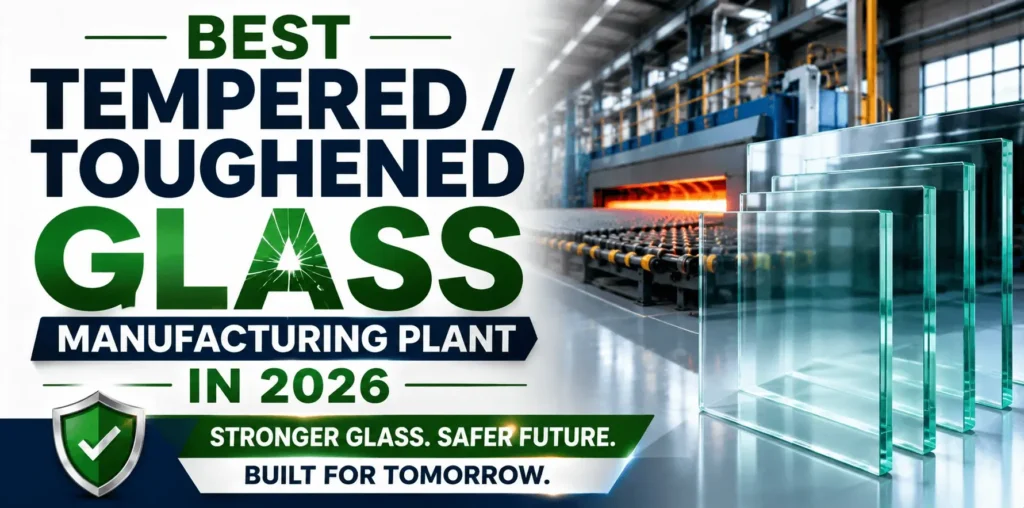
Toughened glass, also known as tempered glass, is a type of safety glass processed by controlled thermal or chemical treatments to increase its strength compared with normal glass. It is widely used in architectural, automotive, and interior applications due to its durability, resistance to breakage, and enhanced safety features. With the rapid growth in the construction and automotive sectors, the demand for toughened glass has surged, making toughened glass manufacturing plant is a highly profitable business opportunity. If you are looking to establish a plant in this domain, this detailed DPR (Detailed Project Report) guide will walk you through everything from market potential to plant setup. Market Scope and Investment Potential of Toughened Glass Manufacturing Plant The global demand for toughened glass is steadily increasing, fueled by urbanization, modernization of infrastructure, and growing awareness of safety in construction. India, being one of the fastest-growing construction markets, offers immense potential for toughened glass manufacturing ventures. In residential and commercial projects, toughened glass is used in facades, doors, windows, partitions, and even furniture. Likewise, in the automotive sector, it finds application in windshields, windows, and sunroofs. Additionally, modern interior design trends have leaned heavily toward using glass to enhance aesthetics. As a result, architects and designers are increasingly recommending toughened glass for both structural and decorative purposes. This trend ensures a consistent and long-term demand for this material, making it a lucrative segment for new entrepreneurs and industrial investors. See Also: Bitumen Emulsion Steps to Set Up a Toughened Glass Manufacturing Plant 1. Project Planning and Feasibility Analysis Begin by conducting a thorough market survey and preparing a feasibility report. This report should cover the scope of demand in your target region, competitor analysis, potential buyers, pricing strategy, and required investment. Establishing the size and scale of your unit will also depend on your findings. Estimate the required land area (generally 10,000–25,000 sq. ft. depending on plant capacity), initial investment (which can range between ?1.5 crore to ?5 crore), and the expected return on investment (ROI). Detailed financial planning will give clarity on capital requirements, break-even analysis, and working capital needs. 2. Company Registration and Legal Compliance Register your business as a Private Limited Company, LLP, or proprietorship, depending on your expansion plans. Obtain the necessary licenses such as: Factory License Pollution Control Board (PCB) Clearance Fire Safety Certification GST Registration MSME Udyam Registration Import-Export Code (if you intend to trade internationally) You must also comply with labor laws, safety regulations, and building codes applicable in your region. 3. Location and Infrastructure Choosing the right location is crucial. Your plant should be close to raw material suppliers, transportation networks, and major markets to reduce logistical costs. An industrial zone is ideal as it will already have necessary utilities like power, water, and roads. The infrastructure should include production halls, administrative offices, storage rooms, power backup units, and R&D labs if you plan to innovate or customize glass for niche sectors. 4. Machinery and Technology Modern toughened glass manufacturing depends heavily on automation and precision machinery. The core machines required are: Glass Cutting Machine Glass Washing and Drying Machine Tempering Furnace (Toughening Furnace) Edge Grinding and Polishing Machine Drilling and Bevelling Machines Inspection Conveyor Systems Quality Control Equipment It is advisable to purchase high-quality, energy-efficient equipment either domestically or through reputed international suppliers. Investing in CNC-based or AI-assisted technology can further improve productivity and reduce material waste. 5. Raw Material Procurement The essential raw material for toughened glass manufacturing is float glass. Other required materials include: Energy (electricity and natural gas) Deionized water Cleaning chemicals Packing materials such as wooden crates, plastic corners, and thermocol sheets Establish contracts with reliable float glass manufacturers or distributors to ensure uninterrupted supply. 6. Production Process Overview The toughened glass manufacturing process involves several stages: a. Cutting and Pre-processing: Large sheets of float glass are cut to size and shaped as per customer specifications. b. Washing and Drying: The glass is cleaned thoroughly to eliminate impurities that may affect the quality of tempering. c. Edge Processing: The edges are ground and polished to remove sharpness and reduce the risk of breakage. d. Heating and Quenching: The clean and polished glass is heated in a tempering furnace at about 650°C and then rapidly cooled using air jets. This strengthens the glass and induces stress for toughness. e. Quality Inspection: Each batch undergoes rigorous checks for optical distortion, surface defects, and structural integrity before packing and dispatch. 7. Manpower and Staffing Running a mid-sized plant efficiently will require a workforce of 20 to 40 people, including: Production Engineers Furnace Operators Maintenance Technicians Quality Inspectors Machine Operators Warehouse Staff Administrative and Sales Personnel Ensure proper training and safety drills, especially for furnace operations and material handling. 8. Marketing and Distribution A strong B2B sales strategy is key in this industry. Your target customers include: Architects and Builders Real Estate Developers Furniture Manufacturers Automobile Companies Glass Retailers You can participate in trade shows, collaborate with construction companies, or list your business on industrial B2B portals. Build a strong digital presence through a website, social media, and search engine marketing to reach broader clients. Offering customized solutions or on-site delivery services can give your brand a competitive edge. 9. Quality Assurance and Certifications Quality plays a pivotal role in building trust with clients. Secure certifications such as: IS 2553 (Part I) – Indian Standards for Toughened Safety Glass ISO 9001 – Quality Management System CE Certification (if targeting the European market) Implementing a robust quality control system ensures consistent product standards and reduces rejection rates. 10. Profitability and ROI On average, a well-optimized toughened glass manufacturing unit can generate a 20% to 30% profit margin. With high initial investment and setup costs, the ROI might take 2 to 3 years, but once the plant stabilizes, it can provide steady revenue with minimal overhead. Profitability can be further increased by diversifying into related products such as laminated glass, insulated glass units (IGUs), decorative glass, or mirror coating services. See Also: Food Processing Business Frequently
Production of Fibre Glass, Optical Glass and Reinforced Plastics
Fiberglass and optical glass are critical materials in today’s world, serving both industrial and technological sectors. While both are derived from glass and share overlapping characteristics, their applications and properties vary significantly. Fiberglass & Optical Glass find relevance across a wide range of industries including construction, aerospace, automotive, telecommunications, and even medical diagnostics. Understanding their individual properties, manufacturing processes, advantages, and use cases is vital for professionals and businesses navigating the complex world of reinforced plastics. What Are Fiberglass and Optical Glass? Fiberglass is a type of fiber-reinforced plastic where the reinforcement fiber is specifically made of glass. It is produced by melting glass and extruding it into extremely fine fibers which are then woven into a fabric and embedded in a plastic matrix, usually epoxy or polyester resin. This combination results in a composite that is lightweight, corrosion-resistant, and exceptionally strong, making it ideal for structural and insulation applications. Read More :Small Scale Food Processing Optical glass, on the other hand, is a specialized form of glass with precise chemical compositions and extremely high clarity. It is designed to manipulate light efficiently, making it indispensable in lenses, microscopes, telescopes, fiber optics, and various imaging systems. Unlike common glass, optical glass has low dispersion and high transparency across various wavelengths, enabling it to function in demanding environments like laser systems and medical devices. Composition and Manufacturing Fiberglass & Optical Glass originate from the same base material—silica—but diverge significantly in processing and chemical treatment. Fiberglass Manufacturing: The process begins with melting a mixture of silica sand, limestone, and alumina at high temperatures. The molten glass is drawn through fine bushings to create thin fibers, which are cooled and then either woven into mats or chopped into strands. These fibers are then impregnated with resin to form durable plastic composites. Optical Glass Manufacturing: Optical glass requires extremely pure raw materials and meticulous control over the melting and annealing processes. The material must be free from bubbles, striations, and other imperfections. Techniques such as precision casting, polishing, and coating are employed to produce lenses and prisms with ultra-high precision. Both processes demand technical expertise and high-quality control to ensure consistency in performance and durability. Physical Properties and Performance Although both materials stem from silica, their structural properties differ vastly due to their intended functions. Fiberglass Properties: Lightweight and flexible High tensile strength Excellent thermal and electrical insulation Resistant to chemicals and corrosion Cost-effective and easy to mold Optical Glass Properties: High optical clarity and transparency Precise refractive index Low dispersion and absorption Stable under thermal stress Customizable for UV, visible, and infrared light These properties make Fiberglass & Optical Glass suitable for specialized applications that demand high performance and durability in distinct fields. Applications in Different Industries The widespread use of fiberglass and optical glass spans numerous sectors, each leveraging their unique benefits. Construction and Infrastructure Fiberglass is a popular material in construction due to its lightweight yet durable characteristics. It is used in roofing panels, insulation, rebar, doors, and cladding. The corrosion resistance of fiberglass makes it ideal for use in coastal and humid environments where metal would degrade quickly. Aerospace and Automotive In the aerospace and automotive industries, fiberglass reduces vehicle weight without compromising strength. It enhances fuel efficiency, provides insulation, and increases safety by absorbing impact energy. It is commonly used in body panels, interior components, and structural reinforcements. Telecommunications and Electronics Optical glass is central to telecommunications, especially in fiber optic cables that transmit data at the speed of light. The high purity and transmission capabilities of optical glass enable seamless internet, telephone, and cable communications. Additionally, it plays a role in sensors, lasers, and imaging systems. Medical and Scientific Devices In the medical field, Fiberglass & Optical Glass are indispensable. Fiberglass is used in orthopedic casting, dental prosthetics, and surgical tools. Optical glass is essential for diagnostic equipment like endoscopes, microscopes, and laser surgery tools due to its clarity and precision. Renewable Energy Both materials support the renewable energy sector. Fiberglass is widely used in wind turbine blades due to its strength and lightweight properties. Optical glass contributes to the efficiency of solar panels and light-guiding systems by maximizing light transmission and focusing capabilities. Environmental Impact and Sustainability The production and disposal of fiberglass and optical glass raise environmental concerns, yet efforts are being made to enhance sustainability. Fiberglass Environmental Considerations Challenges: Non-biodegradable, difficult to recycle, potential release of fibers during cutting or disposal. Solutions: Use of bio-resins, recycling into cement or insulation materials, and improved workplace safety standards. Optical Glass Environmental Considerations Challenges: Energy-intensive manufacturing, limited recyclability due to purity requirements. Solutions: Adoption of cleaner production technologies, reuse in non-critical optical applications, and material innovation for sustainable alternatives. As the demand for these materials grows, industry leaders are investing in greener production methods and circular economy models to reduce their environmental footprint. Advantages of Using Fiberglass & Optical Glass There are several compelling reasons why industries continue to choose these materials: Durability: Resistant to environmental degradation, both materials offer long service lives. Performance: High strength-to-weight ratio in fiberglass and unparalleled clarity in optical glass ensure excellent performance. Customization: Both can be tailored to specific needs through composition, coatings, or structural configurations. Cost-efficiency: While optical glass can be expensive, the performance benefits often justify the cost. Fiberglass remains an economical choice for large-scale applications. Challenges and Limitations Despite their benefits, Fiberglass & Optical Glass come with some limitations that must be addressed during product design and application. Handling and Installation: Fiberglass requires protective equipment during handling due to skin irritation risks. Optical glass demands extreme precision and cleanliness. Repair and Maintenance: Fiberglass structures may be difficult to repair without compromising integrity. Optical systems require regular calibration and careful maintenance. Recycling and Disposal: Both materials are challenging to recycle effectively, necessitating advancements in end-of-life processing technologies. Engineers and manufacturers must weigh these factors against the materials’ benefits when integrating them into products or structures. Emerging Trends and Innovations The future of Fiberglass & Optical Glass is promising, thanks
Glass Technology
Glass is one of the most versatile and widely used materials in modern construction, design, and innovation. With roots that trace back thousands of years, traditional glass has evolved into something far more complex and functional. Today, Glass Technology encompasses advanced materials like smart glass, safety glass, and self-cleaning coatings—elements that redefine how we interact with our surroundings. Whether in buildings, vehicles, or electronics, the rise of new glass types represents a technological leap that merges science, safety, and sustainability. See Also: Bread Making Business The Evolution of Glass: From Sand to Smart Glass The journey of Glass Technology begins with the basic elements—silica (sand), soda ash, and limestone—combined under high temperatures to form sheets of glass. Over time, this basic process was enhanced with innovations such as toughening, lamination, tinting, and coating, resulting in a wide array of specialty glass products. Smart glass is a prime example of modern-day Glass Technology, enabling users to control transparency with the flip of a switch or automatically through sensors. Used in commercial buildings, hospitals, and even residential homes, smart glass provides privacy and reduces energy consumption. Electrochromic glass, thermochromic glass, and SPD (suspended particle device) glass are common variants of this cutting-edge innovation. Safety glass, another major development, enhances the structural integrity of buildings and automobiles. It includes laminated glass and tempered glass—both engineered to minimize injury risks during breakage. Laminated glass consists of layers bonded together with a plastic interlayer, holding shards in place when shattered. Tempered glass, meanwhile, is heat-treated for increased strength and breaks into small, blunt pieces when fractured. Applications of Modern Glass Technology The real-world applications of Glass Technology are expanding rapidly across industries: 1. Architecture and Interior Design:Modern buildings frequently incorporate smart and safety glass for energy efficiency, aesthetics, and security. Architects use electrochromic glass to automatically adjust to sunlight, improving occupant comfort while cutting down on HVAC costs. Skylights, curtain walls, and partition systems now use smart glass to offer adjustable transparency without mechanical blinds. 2. Automotive Industry:Automotive glazing has witnessed a revolution with the integration of smart and laminated glass. Windshields made from laminated safety glass reduce the risk of injury during accidents and prevent ejection. In luxury vehicles, smart glass panels are used in sunroofs and windows, allowing adjustable light transmission and improving passenger comfort. 3. Electronics and Smart Devices:Touchscreens, smartphones, tablets, and smartwatches utilize chemically strengthened glass like Gorilla Glass for scratch resistance and durability. Foldable glass technologies are now being integrated into next-generation devices. Smart mirrors and transparent displays used in retail and advertising are all fruits of evolving Glass Technology. 4. Energy Efficiency and Sustainability:Glass façades embedded with photovoltaic cells allow buildings to generate solar power while maintaining transparency. Low-emissivity (Low-E) coatings on glass help in reducing infrared and ultraviolet light without affecting visible light transmission. This significantly enhances the thermal insulation properties of buildings, making them eco-friendly. 5. Safety and Security Applications:In public and commercial spaces, Glass Technology provides bullet-resistant, blast-resistant, and fire-rated glass to ensure safety. Security glass solutions are essential in banks, government buildings, and airports. Laminated safety glass can also offer soundproofing benefits, making it ideal for studios, hospitals, and urban residential buildings. Types of Smart Glass Technologies There are several kinds of smart glass, each functioning on unique principles: 1. Electrochromic Glass:Changes its opacity through an electrical charge. Commonly used in office buildings and aircraft windows. 2. Thermochromic Glass:Responds to temperature changes by becoming darker or more opaque, thus reducing solar gain in hot weather. 3. Suspended Particle Device (SPD) Glass:Contains tiny light-absorbing particles that align or disperse with voltage changes, altering transparency in real-time. 4. Liquid Crystal Display (LCD) Glass:Switches between transparent and opaque using liquid crystals. Frequently found in bathroom partitions and medical facilities. These smart glasses often rely on automated control systems or can be adjusted manually, offering seamless functionality in both residential and commercial settings. Innovations in Safety Glass As part of the broader Glass Technology sector, safety glass has undergone significant innovation to meet rising safety standards. Some key developments include: 1. Bulletproof Glass:Made by layering polycarbonate and glass to resist high-velocity impacts. Used in military and law enforcement applications. 2. Fire-Rated Glass:Engineered to withstand high temperatures for specified durations without breaking, making it suitable for fire exits and partition walls. 3. Soundproof Glass:Incorporates multiple layers or special interlayers to dampen sound transmission, ideal for city living or noisy industrial areas. 4. Anti-burglary Glass:Used in retail stores and banks, designed to delay intrusion attempts and resist forced entry. These innovations not only improve personal and structural safety but also maintain aesthetics and transparency—a key advantage of advanced Glass Technology. The Role of Nanotechnology and Coatings Nanotechnology is another contributor to the evolution of glass. Nano-coatings add functionalities like self-cleaning, UV resistance, and anti-glare surfaces. For instance, hydrophobic nano-layers cause water to bead and roll off the surface, cleaning dust and grime in the process. These coatings reduce maintenance costs, making glass surfaces more sustainable. Other advancements include anti-microbial coatings, used in hospital and laboratory settings, and anti-reflective coatings for camera lenses and optical devices. These developments push the limits of what glass can do. Environmental Impact and Recycling One of the future concerns of Glass Technology is sustainability. Glass is 100% recyclable without any loss in quality. The recycling process involves crushing the glass into cullet and re-melting it to form new glass products. This process consumes less energy compared to producing glass from raw materials. Smart and safety glasses are also being redesigned to include environmentally friendly materials and reduce toxic components. Research is ongoing to improve recyclability, especially for composite and coated glass materials. Furthermore, solar-control glass and energy-efficient glazing play a major role in green building certifications like LEED and BREEAM, supporting the construction of climate-resilient infrastructures. Future of Glass Technology The future of Glass Technology is incredibly promising. Innovations are focused on making glass not just stronger or smarter, but more interactive and adaptive. Some upcoming trends include: Transparent Solar Panels: Glass that generates electricity while
Ceramic Wall and Floor Tiles Industry: Global Market Demand Expected to Reach US$178.1 bn by 2024 – Investment Opportunity for Startups and Entrepreneurs
The ceramic wall and floor tiles industry has witnessed significant growth over the past decade, becoming a pivotal part of the global construction and interior design sectors. This upward trajectory is being fueled by rapid urbanization, increased infrastructure spending, and changing consumer preferences. According to market reports, the ceramic wall and floor tiles industry global market demand expected to reach US178 1 bn by 2024 investment opportunity for startups and entrepreneurs remains highly promising. This projection offers a lucrative entry point for new players looking to capitalize on a booming industry with widespread applications in residential, commercial, and industrial construction. Moreover, advancements in tile design, digital printing, and sustainability have made ceramic tiles more appealing than ever. Growth Dynamics in the Ceramic Tile Sector The ceramic tile market is expanding at an impressive rate across the globe. A growing middle class, especially in emerging economies, continues to demand modern housing and sophisticated interiors. As a result, ceramic wall and floor tiles are becoming the preferred material due to their durability, ease of maintenance, and aesthetic flexibility. See Also – Architects Directory Market Drivers and Global Demand One of the primary drivers behind this surge in demand is the construction boom witnessed across developing nations. Countries like India, China, Brazil, and Indonesia are investing heavily in infrastructure, driving the need for quality tiling solutions. Additionally, the revival of the real estate sector in developed nations has given the market a significant push. Another major factor contributing to the industry’s growth is the increasing consumer focus on hygiene and aesthetics. Ceramic tiles are not only resistant to moisture and bacteria but also available in a wide range of colors, textures, and designs. This dual advantage has positioned them as an ideal material for both wall and floor applications in homes, offices, and public spaces. In line with these trends, the ceramic wall and floor tiles industry global market demand expected to reach US178 1 bn by 2024 investment opportunity for startups and entrepreneurs remains solid and attractive. This forecast includes growth from both new construction and renovation segments, which increasingly prefer ceramic tiling over traditional materials. Innovation and Technology in Tile Manufacturing The integration of technology in tile manufacturing has revolutionized the industry. High-definition digital printing enables manufacturers to create natural stone, wood, and fabric-like designs on ceramic tiles with striking realism. This innovation has opened up new markets, particularly among homeowners looking for budget-friendly luxury. Moreover, automation and robotic systems have significantly improved production efficiency. Energy-saving kilns and water recycling systems have also helped manufacturers reduce operational costs and environmental impact. Startups and entrepreneurs entering the field now have access to state-of-the-art production lines that can scale quickly. Consequently, the ceramic wall and floor tiles industry global market demand expected to reach US178 1 bn by 2024 investment opportunity for startups and entrepreneurs is also driven by the accessibility of modern manufacturing tools and sustainable production practices. Investment Potential and Market Segments The global ceramic tile market is segmented into wall tiles, floor tiles, and others such as countertops and backsplashes. Among these, floor tiles hold the largest market share due to their widespread use in residential and commercial flooring. However, wall tiles are catching up fast, especially in kitchen and bathroom applications. Their ability to transform spaces aesthetically while offering easy-to-clean surfaces has boosted their popularity. In terms of end-user segmentation, residential construction continues to be the largest consumer. Nevertheless, the commercial segment is witnessing rapid adoption due to the hospitality and retail sectors’ emphasis on ambiance and design. Entrepreneurs planning to invest can choose from a variety of business models, including manufacturing, design and distribution, online retailing, or value-added services like tile laying and maintenance. The ceramic wall and floor tiles industry global market demand expected to reach US178 1 bn by 2024 investment opportunity for startups and entrepreneurs signals that each of these segments holds viable profit potential. Global Trade and Export Opportunities Another encouraging factor for new entrants is the robust global trade in ceramic tiles. Countries like China, India, Spain, Italy, and Turkey dominate production and export markets. However, there’s still room for regional players to carve out niches, especially in eco-friendly or artisan-designed tile markets. Exporting tiles to underserved regions, such as parts of Africa or South America, presents a significant opportunity. Governments in many of these regions are promoting infrastructure and housing projects, creating a ready market for ceramic tile suppliers. Moreover, participating in global exhibitions, partnering with real estate developers, and leveraging e-commerce platforms can help startups build international brand presence. With ceramic wall and floor tiles industry global market demand expected to reach US178 1 bn by 2024 investment opportunity for startups and entrepreneurs, it’s clear that both domestic and international markets are ripe for exploration. Government Policies and Support Government initiatives in several countries are further boosting the ceramic tile industry. Incentives for infrastructure development, housing for all schemes, and subsidies on raw materials like clay and feldspar contribute to reducing the cost of entry for new businesses. Additionally, many countries now encourage the use of environment-friendly and recyclable building materials. Ceramic tiles, being non-toxic and made from natural resources, align perfectly with these goals. In India, for instance, the Production Linked Incentive (PLI) schemes and other MSME benefits support new entrepreneurs entering the manufacturing space. Similar programs exist in Vietnam, Indonesia, and Mexico. Thus, the ceramic wall and floor tiles industry global market demand expected to reach US178 1 bn by 2024 investment opportunity for startups and entrepreneurs is backed not just by consumer demand, but also by strategic policy initiatives. Sustainable Practices and Consumer Expectations Sustainability has become a key differentiator in the ceramic tile market. Consumers now prefer tiles produced using environmentally responsible practices. Energy-efficient kilns, recycled water usage, and waste reduction strategies are becoming industry standards. Manufacturers who promote these aspects through branding and marketing enjoy higher consumer trust and premium pricing. Moreover, certifications such as ISO 14001 or LEED compliance open doors to high-value construction
Toughened Glass Tempered Glass and Safety Glass Industry
The safety glass industry has become one of the most promising sectors in modern manufacturing. From building architecture and automobiles to public infrastructure and smart devices, safety glass is now essential. Its unique ability to prevent injuries by withstanding high impact makes it a preferred material across various industries. Global safety regulations, rapid urbanization, and a booming automobile sector are fueling the demand for high-quality safety glass. See Also: Home-Based Manufacturing BusinessLow-Cost Production Business Market Overview and Applications What Is Safety Glass? Safety glass is a specialized product that undergoes treatments like tempering or lamination to enhance its strength and safety features. Unlike regular glass, it doesn’t break into sharp, dangerous shards. Instead, it crumbles into blunt pieces or stays bonded in layers, reducing injury risks significantly. Types of Safety Glass Tempered Glass Tempered glass is heat-treated, making it several times stronger than regular glass. It is commonly used in doors, windows, elevators, and vehicles. Laminated Glass Laminated glass consists of two or more layers bonded with a plastic interlayer, often PVB (polyvinyl butyral). It holds together even when shattered, making it ideal for windshields and skylights. Wired Glass and Others Wired glass contains a mesh wire embedded within. Although less common now, it still finds use in fire-resistant areas. Newer products, including bulletproof and smart safety glass, are also gaining market share. Key Sectors Driving Growth Automotive Industry The automotive industry significantly drives the safety glass industry. Regulations demand laminated windshields and tempered side and rear windows. Manufacturers now also offer UV protection, acoustic insulation, and even solar-controlled safety glass, offering both safety and comfort. Building & Construction Modern architecture embraces open designs and large transparent surfaces. Safety glass is used in facades, staircases, balconies, and bathroom enclosures. Its strength, aesthetic appeal, and safety benefits make it indispensable in both residential and commercial buildings. Public Infrastructure and Urbanization Government projects including metro rail systems, airports, and public offices incorporate safety glass due to strict safety codes. Developing nations, especially in Asia and the Middle East, are creating strong demand as they build modern infrastructure. Investment, Returns, and Profitability Setup and Operational Costs Starting a safety glass manufacturing unit requires considerable capital investment. Machines such as tempering furnaces, lamination units, and CNC cutting systems can be expensive. However, operational costs remain manageable if production volumes are optimized and waste is minimized. High Return on Investment With growing applications, the safety glass industry offers excellent return on investment. Once the production line is running, bulk orders from construction firms and automobile manufacturers ensure consistent revenue. Export Opportunities Countries like India and China produce safety glass at competitive prices, giving them a strong foothold in global markets. Exporting to Europe, Africa, and the Americas boosts profitability, especially for producers with international certifications. Technology and Innovation Smart Safety Glass Smart glass technology, which includes electrochromic and thermochromic features, is revolutionizing the safety glass industry. These glasses adjust tint based on sunlight or electricity, offering comfort and energy efficiency. Bulletproof and Fire-Resistant Variants High-security buildings, banks, government offices, and military vehicles increasingly use advanced safety glass. These high-margin products contribute significantly to the industry’s profitability and innovation race. Self-Cleaning Coatings Nanotechnology enables safety glass surfaces to repel dirt and water. These coatings reduce maintenance costs and are particularly useful in high-rise buildings and exterior installations. Global Demand Trends Asia-Pacific Region The Asia-Pacific region leads in both consumption and production. Rapid urban development, government infrastructure plans, and a booming auto sector create an unrelenting demand for safety glass. Europe and North America These regions demand top-quality, environmentally compliant safety glass. Replacements and upgrades in buildings, coupled with rising EV production, are pushing demand upward. Middle East and Africa With mega projects like smart cities, airports, and skyscrapers, the Middle East has become a hotspot for the safety glass industry. Africa is slowly catching up, with new urban projects emerging in nations like Nigeria and Kenya. Government Regulations and Standards Safety Certifications To be market-ready, safety glass products must comply with certifications such as: ISO 12543 (laminated glass) EN 12150 (tempered glass) ASTM C1048 (North American standards) These certifications assure buyers of quality and durability, making compliance crucial for market entry. Environmental Standards Governments now require sustainable production methods. Producers using low-emission technologies, water recycling, and recyclable packaging gain preference in public tenders. Challenges in the Industry Fluctuating Raw Material Costs Prices of silica, soda ash, and energy sources can impact profit margins. Efficient procurement and long-term contracts with suppliers help stabilize costs. Skilled Labor and Training Producing safety glass requires technical know-how. Improperly processed glass can fail under stress. Investing in skilled labor and continuous training ensures product reliability and customer satisfaction. Competition and Price Pressure As more players enter the market, especially in emerging economies, competition increases. To remain profitable, manufacturers must differentiate through innovation, service quality, and customized solutions. Sustainability and Green Practices Eco-Friendly Production Reducing carbon emissions, energy usage, and water consumption helps companies gain environmental compliance. Solar-powered manufacturing plants and electric delivery vehicles are emerging in some facilities. Recycling and Waste Management Glass waste can be recycled and reused in production. This reduces material costs and environmental impact. Proper waste segregation also ensures smoother operation and regulatory compliance. Digital Transformation Smart Manufacturing Factories are integrating IoT sensors and automation for precise temperature control and real-time fault detection. These upgrades minimize errors, reduce energy consumption, and improve overall productivity. Digital Sales and Distribution E-commerce platforms and B2B marketplaces now allow producers to reach global buyers with ease. Online product demos, virtual showrooms, and instant quotes shorten the sales cycle. Marketing and Branding Strategies Highlighting Certifications and Quality Safety certifications must be prominently displayed in marketing materials. B2B buyers often prioritize reliability and compliance over cost. Storytelling Through Case Studies Showcasing successful installations in large buildings, luxury hotels, or metro rail projects builds trust. Real-world use cases give potential buyers confidence in the product. Participation in Trade Shows Events like Glasstec, China Glass, and Zak Glass Expo are excellent platforms to showcase innovation
Ceramics and Glass Technology (Silicate Glasses, Boric Oxide and Borate Glasses, Phosphorus Pentoxide and Phosphate Glasses, Germanium Dioxide and Germanate Glasses, Nitrate Glasses, Halide Glasses, Chalcogenide Glasses, Modern Glass Working, Monax and Pyrex Glass)
Ceramics and glass have played an essential role in human civilization, serving both functional and aesthetic purposes. From ancient pottery to high-tech applications, their evolution has been remarkable. Today, the field of Ceramics & Glass Tech has expanded beyond traditional boundaries to include a wide range of innovative materials, including silicates, borates, and halide glasses. These materials are widely used in industries such as electronics, construction, aerospace, optics, and biotechnology. With increasing demand for advanced materials that offer high thermal resistance, mechanical strength, and optical clarity, this sector presents excellent opportunities for industrial growth and research-driven startups. Evolution and Application Spectrum of Ceramics & Glass Tech The science behind Ceramics & Glass Tech has evolved significantly. Traditionally, ceramics were made by shaping and firing clay-based materials. However, advancements in materials science have enabled the creation of specialty ceramics, including oxides, carbides, and nitrides. Meanwhile, glass technology has diversified into soda-lime, borosilicate, phosphate, and halide glass categories. See Also : Industrial Training Institute Silicate-Based Ceramics and Glasses Silicates form the foundation of most conventional ceramics and glass materials. They are composed of silicon and oxygen tetrahedra, which form a wide variety of structures such as chains, sheets, and frameworks. Silicate ceramics are preferred for their strength, thermal insulation, and chemical stability. Common examples include porcelain, stoneware, and traditional building materials. Furthermore, soda-lime glass, the most common type of silicate glass, is used in bottles, windows, and glassware. In industrial applications, silicate ceramics are used in insulating materials, engine components, and even bio-ceramics for dental implants. With their abundance and cost-effectiveness, silicates continue to dominate the Ceramics & Glass Tech industry despite emerging alternatives. Borate and Phosphate Glasses As technology advanced, materials with better thermal and electrical properties became necessary. Borate and phosphate glasses emerged to meet these demands. Borate glass, containing boron trioxide, is valued for its low thermal expansion and high resistance to thermal shock. This makes it suitable for laboratory glassware and cookware, such as Pyrex. On the other hand, phosphate glasses find use in optical applications and medical lasers due to their superior solubility and biocompatibility. These glasses can be engineered for specific applications by adjusting their chemical composition, making them versatile materials. Industries relying on high-performance glass often prefer these alternatives for niche requirements. Halide Glasses and Advanced Optics Halide glasses represent a newer class of materials in Ceramics & Glass Tech. Made from metal halides like fluorides or chlorides instead of oxides, these glasses offer high transmission in the infrared region and low phonon energy. Their optical clarity makes them ideal for fiber optics, night vision systems, and laser delivery systems. ZBLAN (Zirconium, Barium, Lanthanum, Aluminium, and Sodium fluorides) is one of the most studied halide glasses. It has shown promise in improving data transmission rates in fiber optics beyond what traditional silica-based systems can achieve. Moreover, halide glasses are being explored for their potential in solid-state lighting and IR spectroscopy. Despite their impressive properties, halide glasses are often sensitive to moisture and mechanical stress. Hence, careful handling and protective coatings are required during manufacturing and application. Processing Techniques in Ceramics & Glass Manufacturing In any segment of Ceramics & Glass Tech, the processing route determines material performance. Conventional ceramic processing involves powder preparation, mixing, shaping (via pressing, casting, or extrusion), drying, and firing at high temperatures. Advanced ceramics may also go through hot isostatic pressing or spark plasma sintering for higher densification. Glass processing includes melting raw materials in a furnace and then forming them into the desired shapes by blowing, pressing, rolling, or drawing. Specialty glasses often require controlled cooling (annealing) and polishing. With increasing demand for precision and consistency, automation and digital controls are increasingly integrated into modern plants. Moreover, sol-gel and chemical vapor deposition (CVD) techniques are gaining ground in high-tech ceramics and thin-film glass production. These methods allow the fabrication of nanostructured or layered materials with exceptional properties. Smart and Functional Ceramics The field of Ceramics & Glass Tech has broadened to include smart ceramics—materials that respond to external stimuli such as temperature, pressure, or electric fields. Piezoelectric ceramics, for example, are used in sensors, actuators, and transducers. Similarly, ferroelectric and magnetic ceramics have applications in data storage and energy conversion. Ceramic coatings with wear resistance, anti-bacterial surfaces, and thermal barriers are being applied in biomedical devices and aerospace engines. In glass, functional coatings are used for UV protection, anti-glare displays, and solar control in architecture. The integration of functionality adds value and expands the market potential of ceramic and glass products far beyond conventional uses. Sustainability and Recycling Environmental sustainability is now a critical part of Ceramics & Glass Tech. Traditional ceramic processes consume significant energy due to high-temperature firing. To mitigate this, researchers are developing low-temperature sintering techniques and using alternative fuels like bioenergy or solar-assisted kilns. Glass recycling, especially of soda-lime glass, is a well-established practice that conserves raw materials and reduces energy consumption. However, recycling specialty glasses like borates or halides remains challenging due to their complex compositions. Efforts are underway to create closed-loop systems and eco-friendly additives that simplify recycling. Furthermore, using industrial waste such as fly ash, slag, or glass cullet in ceramic and glass formulations enhances circular economy goals and reduces landfill pressures. Market Trends and Opportunities The Ceramics & Glass Tech industry is projected to grow steadily over the next decade. The rise of electronics, telecommunications, and renewable energy sectors is pushing the demand for high-purity, high-performance materials. Ceramics are vital in manufacturing semiconductors, insulators, and substrates, while specialized glasses are used in display panels, sensors, and photonics. Emerging areas like bioceramics for implants, transparent armor, ceramic membranes for water purification, and halide-based photonic materials present strong investment opportunities. Additionally, the rise of 3D printing has opened new pathways for custom-designed ceramics and glass components. Startups and innovators can tap into niche segments, especially by offering eco-friendly, lightweight, or multifunctional materials. Collaborations with research institutions and access to pilot-scale infrastructure will further enhance market entry. Challenges and Future Prospects Despite the promising outlook,
Glass Sheet (Automatic Plant), Flat Glass, Transparent Glass Sheets, Sheet Glass, Plate Glass, Architectural Glass
Flat and transparent glass sheets have been widely utilized across various sectors such as construction, automotive, interior design, and electronics. As infrastructure and urbanization continue to expand, the demand for high-quality glass sheets has significantly increased. Therefore, establishing a glass sheet automatic plant has been regarded as a promising venture for entrepreneurs and manufacturers alike. Not only does it offer consistent profitability, but it also provides long-term scalability due to continuous innovations in the industry. Overview of the Glass Sheet Industry The glass sheet industry has undergone major transformations, primarily through automation and technological enhancements. In the past, traditional methods such as manual blowing and rolling had been practiced. However, these methods have been replaced by fully automated processes that ensure uniform thickness, higher transparency, and minimal defects. Thus, the finished glass products are well-suited for various applications including architectural glazing, solar panels, mirrors, and windows. See Also : Make in India Due to the continuous increase in the global demand for glass products, investment in a glass sheet automatic plant is being seen as a strategic decision. Furthermore, government initiatives that support eco-friendly and recyclable products have pushed industries to prefer glass over plastics. Market Demand and Potential A steady rise in infrastructure projects has been observed, especially in emerging economies, where glass is required for both aesthetics and energy efficiency. According to recent market research reports, the global flat glass market is projected to grow at a compound annual growth rate (CAGR) of more than 5% over the next decade. Hence, this surge in demand must be addressed by setting up advanced production facilities. Apart from construction, sectors such as electronics, solar energy, and automotive industries have increasingly adopted flat and transparent glass for various applications. Touchscreens, mobile devices, display panels, and rearview mirrors are just a few examples of how glass sheets have been integrated into everyday life. H2: Setting Up a Glass Sheet Automatic Plant To begin operations, thorough planning, equipment procurement, raw material selection, and plant design need to be finalized. The following sections outline the core aspects involved in establishing such a manufacturing unit. Raw Materials Required For the production of flat glass sheets, the following raw materials are essential: Silica sand (SiO?) – The principal component of glass Soda ash (Na?CO?) – Acts as a flux to reduce melting point Limestone (CaCO?) – Improves durability and chemical resistance Dolomite and Alumina – Enhances workability and viscosity Cullet (recycled glass) – Reduces energy consumption during melting Other additives – Used for coloring, UV protection, and improving optical properties These ingredients are carefully weighed and mixed to form a homogeneous batch for the melting process. Automatic Manufacturing Process Modern automatic glass sheet plants follow the float glass process, which guarantees superior quality and uniformity. The steps involved are outlined below: Batching and MixingAll raw materials are proportionally fed into a batch mixer. Uniform mixing ensures consistency in the final product. Melting FurnaceThe mixed batch is transferred into a large furnace and heated to around 1600°C. In this stage, the materials are fused into a molten state. Float BathThe molten glass is poured onto a bath of molten tin. Due to gravity and surface tension, the glass spreads uniformly and achieves a flat surface while floating on the tin bath. AnnealingThe glass ribbon is gradually cooled in a controlled environment (called a lehr) to remove internal stresses. This ensures the sheet is neither brittle nor prone to cracking. Cutting and InspectionOnce cooled, the glass sheets are automatically cut to required dimensions. They are then inspected for any visual or structural defects using computerized optical systems. Packaging and DispatchFinally, the sheets are cleaned, stacked, and packed for distribution. Proper handling is ensured to avoid breakage during transportation. Machinery and Equipment For streamlined operations, the following equipment must be installed: Automatic batching system Melting and conditioning furnaces Float glass forming machine Annealing lehr Edge-cutting and sizing machines Quality inspection stations Automated packaging units By investing in high-end automation, labor dependency is significantly reduced and operational efficiency is enhanced. Plant Area and Utilities A standard plant requires at least 10,000 to 20,000 square meters of built-up area depending on capacity. Moreover, the following utilities should be ensured: Uninterrupted power supply Water for cooling and cleaning Fuel or gas for furnace operations Proper ventilation and emission control systems Waste glass recycling unit Additionally, safety protocols and fireproof infrastructure must be established as high-temperature operations are involved. Investment and Profitability Outlook An initial investment ranging between INR 25 to 50 crore (or USD 3–6 million) is typically required for setting up a medium-capacity glass sheet automatic plant. Although this capital expenditure might appear high, the returns have been proven sustainable in the long run. Revenue generation starts once mass production is stabilized. As bulk orders are typically received from construction and automotive sectors, a consistent revenue stream can be expected. Furthermore, profitability is improved through: Utilization of recycled cullet (to lower energy costs) Sale of defective glass as second-grade products Export potential due to high global demand Value addition by offering coated or laminated variants Break-even is usually achieved within 3 to 5 years, provided that plant operations remain efficient and raw material procurement is optimized. Compliance and Certifications To meet regulatory norms and quality expectations, adherence to the following certifications and standards is vital: ISO 9001 – Quality Management ISO 14001 – Environmental Management BIS IS 14900:2018 – Flat Transparent Glass Requirements CE Marking – For European market exports Safety audits and pollution control clearances Moreover, collaboration with government schemes under “Make in India” and MSME registration can facilitate access to subsidies and tax benefits. Future Scope and Technological Advancements The glass sheet automatic plant sector is currently transitioning towards more energy-efficient, eco-friendly, and smart manufacturing technologies. Innovations such as: Low-E (low emissivity) glass Self-cleaning coatings Smart tinting glass Solar-integrated glass panels …are being increasingly integrated into commercial production. Therefore, upgrading existing facilities with R&D and smart systems is being encouraged. Additionally, the growing trend toward sustainable architecture has led
Glass Bottles for Beer, Beer Bottles, Glass Bottle Packaging, Glass Packaging, Beverage packaging Manufacturing Plant
Glass bottles have been an integral part of the beer industry for over a century. Known for their inertness, reusability, and premium feel, they are preferred by many brewers and consumers alike. A beer bottles manufacturing plant can be an attractive venture due to the constant global demand for alcoholic beverages and the shift toward recyclable packaging. Besides breweries, glass bottles are in demand from soft drink, wine, and pharmaceutical industries as well. This business offers scalability, eco-friendly production, and export potential when set up with efficient technology and market analysis. Overview of the Beer Bottle Manufacturing Industry The glass bottle manufacturing sector has been driven by growth in beverage consumption and the move away from single-use plastic. Beer, in particular, has traditionally been packaged in amber or green glass bottles that protect the contents from UV light and preserve flavor. Countries with high beer consumption, such as the U.S., Germany, India, and China, offer consistent demand for durable and attractive packaging. See Also : Herbal & Ayurvedic Cosmetics The global market for glass packaging is expected to rise steadily due to consumer preference for sustainable packaging. As a result, establishing a beer bottles manufacturing plant provides entry into a resilient sector with long-term profitability. Key Aspects of Beer Bottle Manufacturing Raw Materials Required The raw materials used in beer bottle production are abundantly available. These include: Silica sand – The primary component for glass formation. Soda ash – Lowers the melting point of silica. Limestone – Improves durability and chemical resistance. Cullet (recycled glass) – Enhances energy efficiency and melt rate. Coloring agents – Iron, chromium, and sulfur for green or amber shades. These ingredients are combined and melted in a furnace at high temperatures, usually above 1500°C, to form molten glass. Manufacturing Process of Beer Bottles The production of beer bottles follows a systematic sequence. The core stages include: 1. Batching and Mixing All raw materials are carefully measured and mixed to ensure uniform composition. Recycled glass cullet is often added to reduce energy consumption. 2. Melting The mixture is fed into a gas- or electric-fired furnace. Here, it is heated until it forms molten glass. This phase consumes the most energy and requires proper furnace design for optimal thermal efficiency. 3. Forming The molten glass is passed through feeders and cut into “gobs” – small portions of molten glass. These gobs are shaped using the blow-and-blow or press-and-blow method in molds to form the bottle structure. Automatic machines are used for rapid and consistent shaping. 4. Annealing After forming, the bottles are transferred to an annealing lehr. This stage involves slow cooling to relieve internal stresses in the glass and prevent breakage during later handling or usage. 5. Inspection and Quality Control Each bottle undergoes strict inspection for defects such as cracks, bubbles, or irregularities. Automated inspection machines and human oversight are used to maintain quality. 6. Packaging and Storage Once approved, the bottles are packed in pallets and stored or shipped to breweries and bottling companies. Plant Requirements and Machinery To establish a beer bottles manufacturing plant, the following machinery and equipment are required: Raw material hoppers and mixers Glass melting furnace Feeder and gob cutter Molding machines (IS machines) Annealing lehr Inspection units Packaging equipment A typical medium-scale plant may need an investment of ?5 to ?25 crores depending on capacity and automation level. Furthermore, infrastructure requirements include access to electricity, water, fuel (gas or electricity), and a clean industrial space. Uses and Market Demand While primarily used for beer packaging, these bottles also cater to: Soft drink bottlers Craft breweries and microbreweries Wineries and distilleries Pharmaceutical and food packaging With a rise in homegrown beer brands and export potential, the demand for custom-labeled, uniquely shaped beer bottles has increased. Moreover, the durability and eco-friendliness of glass make it a preferred material over plastics. Environmental and Economic Benefits Glass bottle production incorporates cullet recycling, which reduces the need for virgin raw materials and energy usage. By including up to 60% recycled content, energy consumption can be cut by over 30%. In addition, the reuse and recyclability of glass bottles align with circular economy models. On the economic front, once established, the manufacturing plant enjoys steady demand with minimal seasonal variation. The resale value of recycled glass, coupled with export potential, makes this business profitable in the long term. Licensing and Compliance Before starting a beer bottles manufacturing plant, entrepreneurs must: Obtain factory and pollution control licenses. Register with the local municipal and state industrial departments. Comply with BIS standards for glass containers. Follow environmental and worker safety regulations, including handling of high-temperature machinery. ISO certification and adherence to FDA or FSSAI packaging norms may also be required when supplying to food and pharma companies. Financial Considerations Initial Investment: ?5 to ?25 crores (depending on automation level) Working Capital: ?1 to ?2 crores for materials, labor, and utilities Profit Margin: Generally ranges between 15% to 25% Break-even Point: Achievable within 2 to 3 years under normal market conditions Profitability is boosted by selling to multiple industries and offering custom design services or branding on bottles. Opportunities for Growth Several factors encourage expansion in this sector: Rise in craft and microbreweries across urban India and global markets Growing preference for eco-friendly and recyclable packaging Government incentives for waste recycling and clean production Export demand from Europe, Middle East, and South Asia Automation and smart monitoring systems have enabled significant scale and quality control in operations, enhancing productivity and lowering unit costs. Challenges and Risk Factors Despite its strengths, some challenges include: High energy consumption and fuel dependency Capital-intensive setup Competition from plastic and aluminum packaging Breakage during transport if improperly handled These risks can be mitigated through automation, recycled material usage, and efficient logistics partnerships. Market Trends and Future Outlook Currently, glass packaging accounts for a significant share of the alcoholic beverage market. With bans on single-use plastic and rising environmental consciousness, glass bottles are poised for resurgence. Innovations such as lightweight bottles, UV-protective coatings, and digitally