
Exporting Ayurvedic and Unani Products: Strategies That Work

Guide to Exporting Ayurvedic and Unani Products Successfully People everywhere are turning to natural, plant-based health products, and experts say the herbal-supplement business could hit over $430 billion by 2032, growing at about 7.2% a year. India, home to centuries-old Export Ayurvedic Products , stands out in this wave. Years of herbal knowledge, now backed by lab tests and consistent quality, make Indian formulas popular on almost every continent. here are the step by step Guide to Exporting Ayurvedic and Unani Products Successfully. Why India Leads This Surge: Top Export Markets Include: Country Estimated Import (INR) Product Focus USA ?1,520 crore Supplements, Herbal Oils Germany ?522 crore Homeopathy, Oils, Capsules UAE ?378 crore Skin Care, Herbal Blends UK ?320 crore Powders, Teas, Tinctures With the right tips and tools, Indian businesses can quickly meet rising demand around the world. What Makes the Handbook So Critical for Exporters The Handbook on Ayurvedic & Unani Medicines is more than just reading material; it is your day-to-day guide in the export game. Why It’s a Must-Have: Having this handbook on your desk gives you both the know-how to create quality goods and the confidence to sell them abroad. Grab your copy today and kick off your Ayurvedic brand What to Export Ayurvedic Products The book splits products by traditional use and modern form, making it easier to pick what to launch first. Top Product Picks: Popular Product Segments for Exporters: By picking long-lasting products that shoppers actively seek, exporters can cut risks and boost returns. Related: Ayurvedic Medicine Business: Step by Step Startup Guide Legal and Regulatory Requirements for Exporting Ayurvedic and Unani goods usually count as natural health products abroad, and each nation sets its own rules. Basic Indian Requirements: Country-Specific Regulations: The Handbook includes ingredient profiles and process notes, making paperwork and safety clear. Setting Up Manufacturing: In-House vs. OEM New brands basically face two paths: In-House Production: Third-Party (OEM) Manufacturing: Use Handbook formulas to guide your OEM partner. Doing so keeps every batch original and consistent—even outsourced items still feel authentic and hit export quality marks. Related: Unlock the Secrets of Herbal Medicine: Mastering Ayurveda & Unani Pricing, Branding & Product Positioning Moving herbs overseas is as much about image as it is about the plants themselves. Brand Tips: Ayurvedic supplements with strong branding often sell for 3× the manufacturing cost abroad, especially when the recipe is backed by the Handbook. Check our projects for more brief information Marketing Strategies That Work Exporting is not only about moving boxes—it’s also about clever, patient marketing. Promotion Ideas: Logistics, Packaging & Shelf Stability Choose products with a shelf life of 12 to 24 months. Herbal powders (churna), capsules, and oils usually fit that timeline quite well. Practical Preservation Steps: The Handbook’s full chapters on shelf life and storage still serve as the best step-by-step guide. Challenges to Watch For (and How to Overcome Them) The export prize is huge, but hurdles still pop up: Common Challenges: Scaling for Long-Term Success Smart Scaling Moves: Conclusion: Use the Handbook to Stay Ahead of the Market Building a strong export business for Ayurvedic and Unani products takes more than big dreams—it takes a clear plan. The Handbook on Ayurvedic and Unani Medicines with Formulae, Processes and Their Uses gives you that plan. Packed with over 100 standardized recipes, step-by-step processing notes, and real-world use tips, it turns your idea into a brand people around the world trust. Whether you’re launching your first product or growing a larger factory, this book helps you deliver quality, meet rules, earn respect, and most important—boost profits. FAQs:Guide to Exporting Ayurvedic and Unani Products Successfully What certifications are required to export Ayurvedic and Unani products? Common certifications include GMP (Good Manufacturing Practices), AYUSH/AYUSH premium mark, Free Sale Certificate (FSC), and any country-specific approvals (e.g., EU/US requirements) as needed by the target market. Which countries have the highest demand for Ayurvedic and Unani products? High-demand markets typically include the USA, UAE, Saudi Arabia, European countries, Canada, and parts of Southeast Asia where interest in natural and herbal wellness products is rising. Do I need a license from AYUSH to export? Yes — an AYUSH manufacturing license or registration is usually required for Ayurvedic and Unani formulations, especially for classical and proprietary medicines intended for export. What documents are required for exporting Ayurvedic products? Typical documents are commercial invoice, packing list, Certificate of Origin, Bill of Lading/Airway Bill, Free Sale Certificate (FSC), GMP certificate, lab test reports, and any importer-specific paperwork. Can Ayurvedic and Unani products be exported without clinical trials? Classical formulations listed in recognized pharmacopeias can often be exported without new clinical trials, but some countries may require safety/stability data or additional testing before allowing sale or registration. Is it necessary to register products in the importing country? Registration requirements vary—some countries accept standard export documents, while others require product registration or dossier submission to the local health authority prior to import or sale. What challenges do exporters face in herbal product exports? Common challenges include differing regulatory frameworks across countries, long approval timelines, strict quality and labelling standards, documentation complexity, and ensuring consistent raw-material quality. Looking for more books on any Specific Topic? Click here to explore.
Ayurvedic Medicine Business: Step by Step Startup Guide

The Ayurvedic Business medicine field is riding a fresh wave of global interest. As more shoppers look for natural health options, young Ayurvedic brands can blend age-old wisdom with today’s savvy marketing. Still, turning a good idea into a visible label isn’t easy; it calls for clear plans, legal know-how, and solid skills. That’s why the Handbook on Ayurvedic & Unani Medicines with Formulae, Process & Their Uses is quickly becoming a must-have desk reference. For hundreds of new startups, the book has served as steady guide, delivering ready-to-use recipes, shop-floor instructions, and compliance tips that carry an idea from the sketchpad to store shelves. Following its chapters not only gets you up and running; it also gives you the confidence, clear ethics, and lean procedures to grow bigger, faster. here are the step by step guide to start Ayurvedic Medicine Business in India 1. Market Analysis and Defining Your Niche Victory begins with a focused target. New founders often try to own the broad “wellness” space, then disappear in a sea of products. The smarter first step is to choose a tight corner—whether that’s immunity boosters, calm-mind mixes, joint gels, beauty oils, or libido capsules. This is where the handbook really proves its worth. It breaks down remedies by specific health concern, making it easier for founders to pair a new idea with stable, proven demand. A small startup out of Gujarat decided to jump into the stress-management market. Following the handbook’s guide for Brahmi syrups and Chyawanprash, the team tweaked the recipes to suit different age groups. Because of this narrow focus, they crafted clear branding, sharper messages, and a pricing strategy that clicked, boosting both sales and the brand’s presence among busy city workers. Grab your copy today and kick off your Ayurvedic brand 2. Product Development Using Verified Formulations Great ideas are only as good as the proof behind them. This handbook contains more than 300 checked formulas, with notes on every detail—from ingredient weights to how long each herb should steep. These pages read like playbooks, spelling out not just what to use, but also the best solvent, drying method, shelf-life signs, and how much finished product to expect. A Delhi entrepreneur pointed to the Ashwagandha-Shilajit recipe in the guide as his team’s starting point for an energy drink. By sticking to the step-by-step plan—including pH tests and slow heating—he observed the same active compounds in three lab runs. This repeatability assured regulators, impressed taste testers, and kept the product working as promised. 3. Business Setup and AYUSH Compliance You can’t build a successful Ayurvedic business without solid legal groundwork. Choosing to register as an LLP or a Private Limited company gives you credibility and protects your assets. The tougher test, however, comes from the AYUSH licensing team. They want to see plans for your facility, proof of your location, certificates for every staff member, and a clear chain of custody for every herb you use. Our handbook makes that mountain of work feel smaller. It includes ready-to-fill forms, sample floor layouts, and simple reminders so nothing slips through the cracks. One maker in Himachal followed our diagrams and divided his factory into zones for mixing, granulation, drying, and packing. He passed the AYUSH check on his first try and kept ?3 lakh that would have gone to outside consultants. Related: Setting Up an AYUSH?Licensed Ayurvedic Unit 4. Facility Design and Equipment Procurement A well thought-out plant does more than please inspectors; it speeds up production and cuts waste. The handbook shows you how to arrange workstations, keep air and moisture steady, and move products with the least touch. Business owners are told to keep raw material delivery away from the production line, set up temperature-controlled drying rooms, and use food-safe stainless steel machines. The guide even lists specs for pulverizers, granulators, mixers, and packing gear. Following this, a Chennai-based brand squeezed a GMP-compliant setup into just 1,200 sq. ft., runs 20 SKUs, and stays under 2 percent waste. 5. Sourcing Raw Materials: Vendors, Pricing, and Purity Product quality starts at the beginning—literally. Herbs like Guduchi, Amla, Haritaki, and Guggul need to be pure, strong, and picked in an honest way. The handbook breaks down sourcing, shows the difference between wild and farmed, and notes safe microbial counts, moisture levels, and up-to-date price ranges. One Mumbai startup cut ?6 from each bottle of pain-relief oil by switching to a tribal co-op listed in the book, carrying a solid CoA and green practices. The move lightened costs and boosted its image among consumers who care about ethics. Related: Healthcare Industry in India: Investment Opportunities in Healthcare Sector 6. Quality Control and Internal Lab Setup Getting a quality-control lab up and running is a big step for any new Ayurvedic business. It helps make sure that every batch is safe and strong enough to meet customer needs. The handbook lists all the equipment needed—microbe tests, active ingredient checks, pH probes, moisture meters, and stability tests on the final package. One Bengaluru startup followed that guide, bought a basic HPLC system along with a moisture analyzer, and built its QC room. Now it runs tests on every batch in-house, cuts back on costly outside labs, and ships products much faster. Internal results also make it easy to trace each lot and answer customer questions with clear, solid data. Check our projects for more brief information 7. Pilot Batches, Shelf-Life Testing, and Refinement Before launching nationwide, a new brand has to prove that its formulas really work. That proof comes from pilot batches—small test runs made under the same conditions as the full plant—to see how well they yield, how the packaging holds up, and how they stay fresh over time. The handbook walks founders through every step, giving trial plans, logging sheets, and pick-up guides for samples. For example, a small firm in Jaipur rolled out a digestive syrup, but the first batches wound up too sour and
Inside India’s Spice Trade: History, Tech & Quality Standards in One Volume

India’s Spice Trade Story: A Journey from Ancient Trade to Global Markets India’s spice trade story began millennia ago, winding through caravan trails and ship-packed harbors. Black pepper, fragrant cardamom, and sweet cinnamon played a role so big that kings sent out envoys and whole fleets just to secure the cargo. Today, that same spirit shines in high-tech processing plants, world-class quality checks, and export pipelines reaching every continent. The NIIR Handbook tells that long tale and presents it in one handy book. It blends time-tested know-how with the latest food-tech tips, making it invaluable to everyone who touches the spice trade from farmers to factory managers to export officers. A Rich Heritage: The Story of Indian Spice Trade For over two thousand years spices built empires and shifted the maps. Port towns like Calicut and Muziris turned into cultural crossroads, welcoming travelers, artists, and scholars along with their pepper sacks. Indian flavors slipped into Egyptian, Greek, and Roman kitchens. Natures perfume also lured European monarchs, launching voyages that opened sea lanes, sparked colonization, and set the wheels of globalization in motion. The NIIR Handbook brings old techniques back to life, showing how early sorting, sun-drying, and simple oil-pressing still guide the machines we use in big mills today. By mixing this know-how with fresh ideas, the guide nudges new business owners to respect the past while looking forward. For Complete Details, Get The Book Here. India Today: Spice Powerhouse and Export Leader India knows spices—walk through a market, and the scent hits you right away. The country grows about seventy-five percent of all spice types on earth and tops export earnings too. Buyers in the United States, the UAE, the United Kingdom, and Germany count on Indias most famous crops—black pepper from Kerala, red chili from Andhra, and golden turmeric from Tamil Nadu. The NIIR book breaks down each state’s weather, harvest time, and shipping routes so readers can see where that strength comes from. It also shows how tiny farmer bags end up in a giant export shipment—and why knowing local land can give a business a global edge. Supply Chain Reality: From Farm Gate to Shipping Port India’s spice supply chain leans heavily on small farmers, many tending fields the size of a city yard. After harvest, their crop moves through local mandis, gets graded, sent to a small mill, and waits in coastal sheds until a ship arrives. Throughout the trip, cleaning, testing, sorting, and repackaging happen one after another—each step is a new chance to add clarity, money, and trust. The NIIR Handbook keeps everyone on the same page. It lays out how to control moisture, stop bugs, and handle spices safely. By digging into truck care, warehouse flow, and shipping red tape, the book gives small and midsize firms tricks to cut waste and save time. Bridging Tradition and Technology Old-school methods—sun-dried turmeric, hand-winnowed pepper—still look and smell amazing, and many growers keep them alive. At the same time, cryogenic grinding, pressurized CO? extraction, and smart filling lines sneak into the process. These machines lock in aroma, kill bad microbes, and give cooks the same bright flavor jar after jar. The NIIR Handbook does a great job of bridging old and new worlds. It tells processors how to keep time-honored methods running while adding modern machines and practices. The payoff is a lineup of high-quality spices that honor tradition yet stand tall on the global market. Related: How to Build a Sustainable Spice Business with Indian Crops Advanced Tech: Preserving Flavor, Safety, and Value Inside its pages, the Handbook explores cutting-edge tools changing the spice business. Take cryogenic grinding. By blasting spices with liquid nitrogen during milling, producers stop heat from stealing aroma—a move that can sell a product. Steam sterilization is another winner; it zaps bacteria in cumin or coriander yet leaves behind the oils that give flavor. For extracting oils and oleoresins, supercritical CO? delivers a strong, solvent-free pull that shoppers and drug-makers are willing to pay extra for. In every section, the book backs its advice with clear drawings, step-by-step numbers, and tip sheets on where to shop. Because of that, both a brand-new start-up and a veteran miller can spend their budget on the right gear rather than guess. Quality Assurance: Modern Testing for the Traditional Aroma Today’s buyers want more than great taste; they demand lab-proof spices. They expect zero Salmonella, tiny pesticide traces, and true volatile oil levels. The NIIR Handbook lays out the must-do tests—from Total Plate Count and aflatoxin checks to GC-MS scans of flavours and debris counts—all done with FSSAI-approved and global methods. It also shares practical tips for teaming with certified labs or building small in-house setups so companies can control quality, save money, and keep customers happy. Regulatory Landscape: Standards You Can Trust India’s food safety structure is strong, resting on several key bodies: FSSAI clears local foods, AGMARK grades farm products, and the Export Inspection Council (EIC) watches shipments. For worldwide sales, firms still follow Codex, HACCP, ISO 22000, and U.S. FDA rules. The Handbook acts like a translator—it speaks regulatory jargon, guiding businesses through SOPs, checklists, record forms, and training documents that tick both Indian and global boxes. By linking local steps to international standards, it lets exporters move through compliance and certification with clear confidence. Digital Disruption in Modern Spice Businesses Spice entrepreneurs today mix age-old know-how with modern tech. Smart farms use sensors to track drying yard humidity, while temperature-controlled trucks send route data straight to logistics apps. Blockchain records a tamper-proof journey from field to shelf, and mobile dashboards keep farmers updated on payments, weather forecasts, and processing times. Though the NIIR Handbook isn’t pure tech manual, it still points the way: it lists the data every farm needs, shows where automation saves time, and nudges owners to blend old methods with new smart tracking. Related: Spice Trade: History, Tech & Quality Standards in One Volume Certifications
Propylene Glycol and Derivatives: A Strategic Business Idea for Chemical Entrepreneurs
Capitalizing on the Propylene Glycol Opportunity In India’s growing chemical sector, entrepreneurs are on the lookout for products that are high in demand and can be scaled up. One such opportunity is Propylene Glycol which is a colorless odorless hygroscopic liquid. PG has applications across multiple critical sectors from Pharmaceuticals to food processing to cosmetics, plastics, and even automobiles. As the country’s self-reliance in chemicals, increasing domestic demand along with goals of import substitution create strategic and economic value in propylene glycol and its derivatives production. Startups and established businesses looking to venture into specialty or petrochemicals will find investing in propylene glycol manufacturing both technically feasible as well as financially beneficial. This article attempts to analyze the entire value chain of propylene glycol starting from its demand dynamics to its manufacturing processes along with business setup cost estimations and growth potential for Indian entrepreneurs and chemical startups. What Is Propylene Glycol? Another name for PG is 1,2-propanediol which makes it easy to identify Pyopilene Glycope Oxyde s more familiar name. It is an organic compound better known as 1 2 1,2-propanediol produced using pyopilene oxide, adjacent forming part of hybrid hydrocarbons wwith hydrated systems. Its clear syrupy appearance makes it drinkable while also serving several industries directly out of the container making it greatly loved fo its keeping moisture abilities, low toxicity as well as being a good solvent. Propylene Glycol (PG) is offered in two different grades: USP/Pharma Grade: Used in pharmaceuticals, cosmetics, and food manufacturing. Industrial Grade: Utilized in antifreeze, paints, resins, de-icing fluids, and plastics. Furthermore, derivatives such as propylene glycol ethers and polypropylene glycols (PPG) are used more frequently in coatings as well as surfactants, lubricants, and personal care formulations. Market Overview: Propylene Glycol Manufacturing in India Present Demand and Import Reliance In comparison to other countries like the US, China, Germany and South Korea, India heavily relies on imports for PG. This highly import-dependent situation puts a strain on domestic production resulting in an imbalance between supply and demand. As per industry estimates: Greater demand from FMCG, automotive pharma and Construction Sectors is anticipated to boost market demand for PG by 6-8% CAGR. Current consumption sits at ~100000 MT/year with expectations of reaching 150000+ MT by 2030 Over 70% of India’s PG consumption needs are serviced through imports indicating strong potential for domestically produced goods. Due to Government incentives aimed at boosting domestic chemical production under PLI schemes henceforth propylene glycol is recognized as a vital product qualify for reduction of cross-border purchase reliance. Related: How to Start an Allyl Glycolate Manufacturing Business? Applications Driving Demand The uses of propylene glycol in different sectors is it’s versatility: Pharmaceuticals: Propylene glycol is utilized as a solvent for oral, injectable, and topical medications. Food and Beverages: Functions as a humectant, emulsifier, and flavor carrier. Cosmetics and Personal Care: Included in lotions, shampoos, deodorants,and creams. Unsaturated Polyester Resins (UPR): Used predominantly in the marine construction industry. De-icing and Antifreeze Fluids: Used in aviation and vehicles in cold regions. Paints, Inks, and Coatings: Used as solvents and coalescent agents. Having interdependent industries eliminates fluctuations in demand due to economic downfalls. Manufacturing Process Propylene glycol’s primary production is from hydration of propylene oxide (PO), which comes from petrochemical processes using propylene. There are two main routes: Non-catalytic High-Temperature Process This involves water addition via propylene oxide above 200 degree centigrade. Produces mono-, di-, and tripropylene glycols. Most economical for industrial grade PG. Catalytic Low-Temperature Process Uses lower temperature ~150 degrees centigrade with bases/ acid catalysts. Higher selectivity towards MPG makes it easier for food or pharma grade use. These require purification steps such as distillation or vacuum stripping. Primary Raw Inputs: Propylene oxide (main input) Deionized water Catalysts for selective processes By-products: Dipropylene glycol and tripropylene glycol, which have specific uses in fragrances or certain polymers. Considering that propylene oxide is highly flammable, it is important to manage process safety, control exothermic reactions, as well as volatile organic compounds. Capital Investment & Plant Setup The capital required depends on capacity, product grade and technology. Below are estimates for a mid-sized PG manufacturing unit with an annual turnover of 10,000 TPA. Expense Heads: Land & Building: Business site cost is between ?4–6 crore Equipment & Utilities: Utilities will amount to equipment costs of roughly ?10–12 crore. Effluent treatment and safety systems: This system will range from ?1.5–2 crore Process automation & Quality control labs: Labs dedicated to these processes should not exceed ?1.5 crore. Licenses and Regulatory approvals: This expense head ranges from “?50 lakh – 1 crore”. Working capital: for the first six months is approximated between “?4–5 crore”. Bringing the project total close to statistically based estimates of “20-25 crores” in INR. It should be highlighted though that smaller modular plants or those which use other derivatives such as PG ethers, or PPGs may start around 8-12 crores creating more accessible options depending on integration and scale. Regulatory and Compliance Aspects In India, an entrepreneur looking to set up a PG plant must obtain the following: Consent to Establish and Operate from State Pollution Control Boards Approvals pertaining to Hazardous Chemical Storage Compliance with the Factory Act and the Boiler Act Environmental Impact Assessment (EIA) for larger units BIS Certification, which is mandatory for pharma/food-grade PG FSSAI registration for food-grade derivatives For ease in utility access, effluent disposal, compliance management, and other regulatory requirements, the plant site should ideally be in areas such as Dahej chemical clusters or PCPIR, and MIDC estates. Profit Margins and Revenue Potential Revenue potential differs according to buyer segments, grade of product, and input cost: Industrial-grade PG offers gross margins of 12–18% Pharma or food-grade PG can yield higher profit margins between 20%-25% due to heightened demand resulting from greater purity levels. In more niche applications, propylene glycol ethers or polypropylene glycols could derivative would offer even further enhanced returns. Assuming CAPACITY THROUGHPUT OF 10 TPA at 80% utilization , REVENUES SUBJECT TO MARKETING
Understanding Rare Earth Alloys for Product Development
Innovation Through Rare Earth Alloys An innovation breakthrough requires materials with advanced capabilities, anisotropic performance metrics, and enhanced design flexibility. In modern times, the development of lightweight electronics alongside high-torque motors and ultra-sensitive sensors has been greatly aided by advanced Rare earth alloys. These alloys provide significant metallic compounds which require miniaturization during power demands, thermal resistance with minimal degradation during overheating, and functional integration in smart, digital, and green tech ecosystems. Innovation in the chemistry field enables diversification into other disciplines as well. Understanding rare earth alloys for product development furthers empowers R&D units to make strategic material choices that effectively future-proof products. This transformation is guided by Hand Book on Rare Earth Metals & Alloys: Properties Extraction Preparation & Applications which focuses on provided engineering teams along with material scientists and entrepreneurs insight to design next generation devices. Alloys and Their Components Rare earth alloys vis a vis neodymium disprosium samarium or gadolinium elements alongside iron cobalt and boron demonstrate unmatched properties to conventional materials due to unique production magnetic conductive thermal along with luminescent capabilities. Their high performance stems from rare earth elements due to their ability to generate strong magnetic fields, endure intense heat, or enhance charge transfer. These capabilities are advantageous in electronic design. For product developers, this translates to smaller motors and lighter batteries without losing power, reliability, and advanced smart sensors. Related: Production of Ferrous and Non Ferrous Metals and Metal Products How Rare Earth Alloys Enhance Product Capabilities Integrating rare earth alloys into the new model often leads to increased output and greater environmental adaptability. A good example is the powerful compact NdFeB (neodymium-iron-boron) magnets that enable sleeker electric motors. Another example is Samarium-cobalt (SmCo) magnets that corrode less and work at high temperatures which makes them dependable in aerospace and defense systems. Rare earth alloys can boost performance of photonic products, too. Their emission spectra makes europium and terbium-doped alloys useful in displays, lasers, and imaging devices och consumer electronics. With such materials added, a device’s clarity alongside color fidelity improves while battery consumption drops. Industrial Product Categories Use Cases Rare earth materials are essential parts of many modern products. In the automotive sector, they serve in the electric and hybrid vehicle drive systems and also in fuel injection technologies. They help to stabilize sensors as well as increase resilience in avionics for aerospace. Speakers and headsets as well as vibration motors and magnetic storage give electronics further benefits through alloy integration. Medical devices such as MRI machines use advanced tuning and calibration components that contain rare earth materials alongside powerful magnets. Smart grid technologies and wind turbines also incorporate these alloys into their rotating parts and within their signal processing systems making them energy devices as well. Some Common Design Applications Alloy Types Such include among others: Gadolinium based alloys (Gd-based) are useful in neutron capturing which makes it ideal for nuclear reactors while serving other shooter uses like medical imaging. Samarium-Cobalt (SmCo) is widely utilized in high temperature operations hence perfect for military grade electronics made for aviation. Lanthanum-Nickel Alloys have application towards electrodes of batteries and hydrogen storage containers making them rather common within those fields. NdFeB is highly revered due to its strength meaning its found within motors, hard drives and earphones making it one of the most used. The Handbook on Rare Earth Metals & Alloys provides designers with comparison graphs alongside application matrices containing mechanical, thermal along electrical properties allowing better choice tailored for performance sought after. Design Consideration When Utilizing Rare Earth Alloys When utilizing rare earth alloys, product developers need to take into consideration the performance benefits alongside the processing challenges. Many of these alloys exhibit high brittleness and reactivity, which makes them difficult to form, join, or finish. In addition, availability and recyclability must be considered within the larger context of environmental impact and materials efficiency over time. Another opportunity comes with multifunctionality that combinations of several different functions can lead to smaller motors and lighter ones too. Motors can become much smaller and lighter while maintaining (or even improving) performance; sensors can become faster and more responsive; and energy systems can become denser in size while remaining powerful—but only if multidisciplinary cooperation is prioritized between material engineers and product teams as outlined in the handbook. Engineering Requirements and Fabrication Methods In order for engineering teams to fully integrate rare earth alloys into the product, there must be a firm understanding about materials fabrication methods. Some brittle NdFeB alloys oxidize easily which necessitates protective atmosphere or vacuum processing. Common fabrication techniques employed especially for magnet grade alloys are sintering, powder metallurgy, hot pressing. Working with rare earth alloys comes with its own set of difficulties. To sustain accuracy, specialized tools, low feed rates, and coolants are required. To enhance surface stability as well as protection from corrosion, nickel or epoxy layer coatings may be applied. Engineers can access and avoid costly design errors by referring to The Handbook on Rare Earth Metals & Alloys which provides the fabrication parameters alongside quality control guidelines. Integration into Prototyping and R&D Workflows Structured experimentation is a requirement for prototyping with rare earth alloys. This goes beyond just having raw materials accessible as it poses challenges in selection, geometry refinement, environmental assessment and more because every step must account for their properties. Such is the case with product teams working on micro actuators or MEMS sensors who need to ensure that components made using the alloy will withstand extreme thermal and magnetic forces for years to come. The handbook instructs R&D teams for pilot runs by detailing case studies with provided test parameters, measurement protocols, and functional validation benchmarks. Problems in Product Development of Rare Earth Alloy In spite of their performance benefits, rare earth alloys pose significant challenges in their practical use. The most notable are volatility in cost and sourcing limitations. Supply chain disruptions due to limited geography concentration – especially within China- can hinder development
Rare Earth Metals for Manufacturing: Business Handbook
Amidst the growing smart technology, precision engineering, and electric mobility sectors, rare earth metals are quietly becoming essential in powering manufacturing. These metals support industrial innovation as they are used in high-performance magnets and glass polishing among other electronic components, sensors, and green energy equipment. The Handbook on Rare Earth Metals & Alloys – Properties, Extraction, Preparation & Applications will equip manufacturers with all the technical knowledge. It enables a plant designer or an industrial entrepreneur to scale up existing facilities or plan new ones strategically. For anyone planning to incorporate rare earth elements into production models, there’s a handbook titled ‘Rare Earth Metals for Manufacturing’ that captures every detail they need to guide them through the process. How Rare Earth Metals Power The Manufacturing Sector Due to their significant atomic structure differences, REEs possess unique thermal characteristics alongside magnetic and catalytic capabilities which give them unmatchable qualities. In manufacturing these parts are extremely necessary when it comes to miniaturization of devices or making them more efficient when it comes to energy use. The use of rare earth metals, such as neodymium used for electric vehicle motors or cerium in glass polishing, lanthanum for camera lenses, aid manufacturers in achieving new benchmarks seamlessly. Moreover, they are crucial in light-weight components coupled with fast computing and enhanced energy storage solutions. These features strengthen modern-day industrial competition. Rare earth metals find uses in almost all advanced manufacturing sectors. They are critical within automotive industry for hybrid engines and battery systems. In the defense sector, they are incorporated into guidance systems and communication devices. Electronics makers integrate them into capacitors, LEDs and hard drives. Wind turbine producers depend on high-torque magnets made from NdFeB alloys. Even industrial tools like cutting wheels, polishing pads, and catalysts benefit from rare earth additives. Rare earths equipped materials help manufacturers lower waste while increasing profitability by producing more durable and precise components. For Complete Details, Get The Book Here. Understanding the Role of Specific Elements Working with rare earth elements require manufacturers to be abreast with key factors steering various options to process them properly. Highly robust magnets need Neodymium (Nd) and dysprosium (Dy). Cerium (Ce) and lanthanum (La) serve as catalysts alongside polishing agents, augmenting glasses with Yttrium (Y), Europium (Eu) and Terbium (Tb) enrich optical and lighting systems features as well. Each part has a unique industrial purpose. Knowing which metals are crucial to your product range—and how to procure them—applies the technical know-how that gives you a competitive advantage. The handbook also contains detailed profiles and chemical behaviors with application tables for matching manufacturing objectives and rare earth considerations. Market Trends REE Manufacturing Adoption The acceleration in demand is led by magnet manufacturing and applications within the automotive sector. Manufacturing demand for rare earth elements is shifting towards greater adoption, driven by global electrification, automation initiatives, and investment policies in green technology supporting renewables. Some market reports even forecast a CAGR of 8.5% to 12% through 2030 along with further growth outlooks after this period too. Both startups and legacy manufacturers are scouting ways to enhance materials availability like localizing supply chains, developing proprietary in-house refining capabilities, or even directly partnering with rare earth miners novel approaches. Keeping incorporated rare earths into production philosophy early on proved critical for success aligned businesses anticipating emerging demand shifts. Manufacturing Firms Supply Chain Thoughts For manufacturers looking to secure supply of Rare Earth each track presents distinct gainful capabilities configurations needed while standing as strategic priority from a logistical standpoint. Mongraph can be circumspect tough highly centralised pattern focuses around china alongside its over +80 market stake processing containing putitions offer lean vulnerability intérêts steepened forge deliverements price cut volatility üks geopubic dramas. To manage these risks, some companies are increasingly looking for alternative suppliers from India, Australia and North America or forming joint ventures with suppliers. Another growing approach is vertical integration which connects raw material sourcing to processing and in-house alloy formulation. All these trends are analyzed in detail in The Handbook on Rare Earth Metals & Alloys which also includes risk assessment models for supplier diversification while preserving quality assurance across global operations. Business Models Using Rare Earth Metals Incorporating rare earths into a manufacturing business doesn’t have an established framework, instead businesses have various approaches. Some firms focus on final product manufacturing as in the case of magnets, phosphors or fuel cells’ production. In contrast, others serve as intermediate processors by supplying high-purity rare earth oxides, custom alloys or specialized powders to lower-tier customers. The rise of contract manufacturing allows smaller manufacturers to produce specific components based on provided specifications from larger brands that use rare earth materials. Other notable opportunities include consulting and design as well as testing services focused on rare earth integration which fall B2B spaces. Entrepreneurs and manufacturers can select a blueprint from the provided samples that aligns best with their finances, objectives and technical capacities alongside flexible operations and frameworks presented in the handbook. Technical Skills Needed By Manufacturers High-performance manufacturing entails every detail starting from ore mining all the way to blending metallurgical and shaping of components. Rare earth alloys are very specific with regards to oxidation, heating, and overall impurity control. This calls for a highly trained technical staff as well as investment in advanced lab equipment. The Handbook on Rare Earth Metals & Alloys provides an extraordinary balance by including practical guidelines together with process flow charts and suggested tools which address each step of production. With this information at their disposal, manufacturers can optimize defect rates, achieve output consistency, and align with international standards. Related: Production of Ferrous and Non Ferrous Metals and Metal Products Rare Earth Processing: From Ready To Raw Conversion of rare earth metals involves extraction, separation, purification, reduction, and finally alloying for use within manufacturing processes. Typically some multi-stage solvents alongside temperature controlled furnaces are needed. Steps such as the producing of oxides or metals along with final alloy compounds influence both quality and expenditure values significantly. The most ideal strategies
Beginner’s Guide to Starting a Tyre Pyrolysis Unit in India
The waste tyre issue is now viewed within the framework of a circular economy and climate-aware industries as a multibillion-dollar business opportunity. More than 1.5 billion tyres are disposed of annually across the globe, creating an enormous environmental risk. Innovation in pyrolysis technology enables the conversion of waste tyres into fuel oil, carbon black, and even steel wire, which are industrial products in high demand. There is a growing recognition among entrepreneurs on the profitability potential in tyre pyrolysis businesses – sustainable models that turn pollution into profit. Understanding Tyre Pyrolysis Technology Tyre pyrolysis is a process where the material undergoes thermal decomposition in oxygen-free environments. Heating waste tyres at high temperatures breaks down rubber polymers into valuable products like pyrolysis oil, recovered carbon black (rCB), syngas, and scrap steel.These by-products can alternatively serve as fuels and chemical feedstocks or construction additives and reinforcement materials which have established industrial applications. Lummus-InnoVent Tyre Pyrolysis MoU: A Market Signal The recent Memorandum of Understanding (MoU) between Lummus and InnoVent for tire pyrolysis innovation illustrates the increased reliance on advanced technological processes to assist global sustainability efforts. Their partnership builds modular pyrolysis units to turn end-of-life tyres into hydrocarbons, which refineries process into petrochemicals. Developments such as these instill confidence from industry giants while simultaneously paving paths for innovative entrepreneurs to pursue ventures in a blossoming industry. Related: How to start Tyre Recycling Business? What Makes Tyre Pyrolysis Hot for New Startups? There are distinct reasons why new business entrants find tyre pyrolysis to be an optimal emerging opportunity: Key Products and Their Market Potential 1. Pyrolysis Oil A type of liquid fuel similar to furnace oil, frequently utilized in boilers, kilns, and generators. Further refinement can enable its utilization in petrochemicals along with specialty chemicals. 2. Recovered Carbon Black (rCB) This product finds application in manufacturing rubber, plastics, paints and inks. Its value increases vastly when maintained purity standards are upheld. 3. Steel Wire This scrap is collected from radial tyres and sold to steel recyclers. 4. Syngas The pyrolysis plant can use this energy internally, reducing dependence on external energy sources. Related: Maximizing Profits with a Sustainable Waste Tyre Pyrolysis Plant: A Comprehensive Guide Starting Considerations Before Entering Tyre Pyrolysis This field requires significant self-investment, demanding careful strategic planning and strict adherence to technical concepts. These factors make it unique and pose challenges for new businesses entering the market. Entrepreneurs have to keep these factors in mind: Capital Investment Initial investment and outlay typically range from ?1.5 to ?5 crores, depending on the technology used and the plant’s capacity. Location and Logistics Being close to suppliers of raw materials as well as customers of the by-products reduces logistics costs. Plant Setup and Overview of Processes Estimated Financials for a Pyrolysis Plant Processing 10 Tons Per Day Revenue Streams Include: Payback Period: 2–3 yearsNet Profit Margin: 18–25% Global Progress in Tire Pyrolysis What Steps Must Entrepreneurs Take to Achieve Unique Success Conclusion The potential of tire pyrolysis technology goes far beyond recycling; it is a paradigm shift for today’s industrial entrepreneur. Startups in this space are able to combine profit and eco-friendly business strategies by converting one of the largest streams of solid waste into energy, chemicals, and construction materials. Visionary founders can now step up and leave their mark on sustainable manufacturing bolstered by the industry leaders Lummus and InnoVent who have already done extensive groundwork. A Brief Overview of Niir Project Consultancy Services (NPCS) For new entrepreneurs, NPCS prepares Market Survey cum Detailed Techno Economic Feasibility Reports. Additionally, our reports detail the complete business process including manufacturing method, necessary raw materials, plant layout and finances. With our assistance on evaluating setting up new industries or businesses, clients gain confidence and clarity for their projects. Which business to start? How to choose a business idea?
Starting an IV Fluid Bag Manufacturing Plant: A Comprehensive Guide
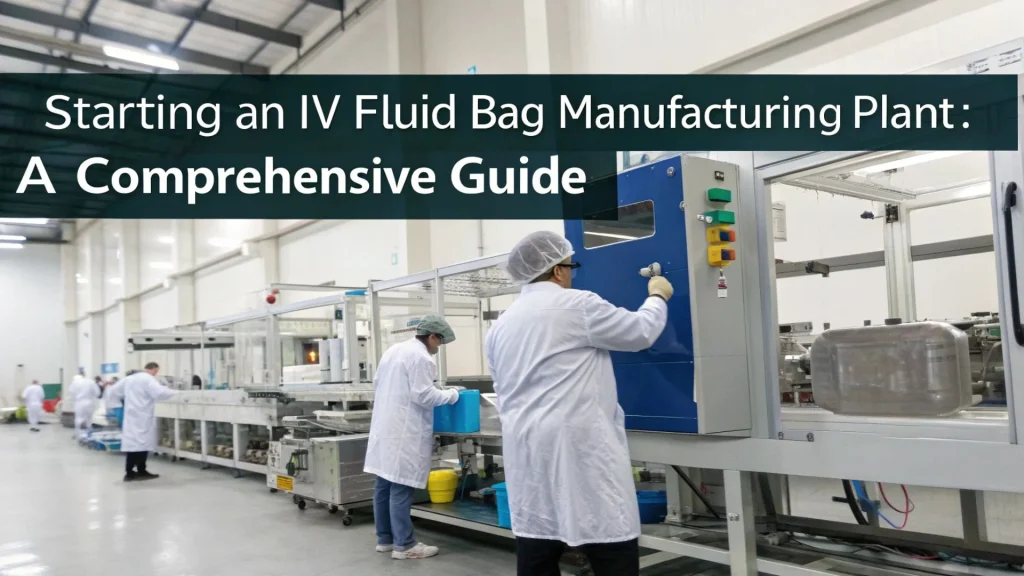
Intravenous (IV) fluids are critical in the patient care industry as the primary means of administering drug therapy, fluid, and electrolyte therapy.Their use is commonplace in both emergency situations and everyday medical practice at primary health centers and multi-specialty hospitals. IV fluids in the healthcare system are packaged and protected in sterile and tamperproof IV fluid bags which require stringent compliance to regulatory quality requirements. The growth of health care facilities into new regions and rising demand for sterile medical supplies have made the IV fluid bag industry a recession-proof venture. Starting an IV fluid bag manufacturing plant involves producing plastic bags and actively incorporating sterile filling, sealing, and packaging processes in controlled environments. This opportunity is attractive to social entrepreneurs looking for a blend of clear commercial risk with advanced technological requirements and strong social benefit. On the flip side, the business does require a strong compliance to medical grade standard operating procedures, well established infrastructure, and an aggressive upfront investment to set up a clean validated production line. Grasping the Product and Its Uses Intravenous (IV) fluid bags are pliable plastic containers that store and administer controlled quantities of sterile fluids into a patient’s body through the vascular system. Such fluid solutions are classified as simple saline, dextrose solutions, ringer lactate, multivitamin blends, and even more intricate fluids for parenteral nutrition. The fluid packaging must be sterile and intact before dispensing, and the bags are made of medical grade polyvinyl chloride (PVC), polyolefin, or multi-layer co-extruded films depending on the market’s regulatory standards and the appropriate use. The IV fluid bags provide a very significant benefit over conventional glass bottles, as they are lighter, more resistant to breakage, more portable, and are easier to use and dispense with automated systems. This makes them preferred in modern day hospitals and mobile healthcare facilities. Furthermore, there is a rapid increase in the use of IV therapy in outpatient and homecare treatment; therefore, the demand for simple-to-use pre-filled IV fluid bags is on the rise. Setting Up IV Fluid Bag Manufacturing Facility The planning and execution of an IV fluid bag manufacturing plant starts with a proper site selection as one of the core prerequisites. The location has to be in an industrial area where there is easy access to clean water, consistent electricity supply, and closeness to suppliers of pharmaceutical raw materials. The facility construction must also observe Good Manufacturing Practices (GMP) along with WHO/ISO cleanroom specifications as the manufacturing process entails cleanroom and microbiological environment control. The facility control drawing needs to indicate predefined areas of raw material pantry, compounding, bag making, filling, sterilization, inspection, packaging, and finished goods pantry. Also, a cleanroom of ISO Class 7 or 8 is required to fill and seal ampoules under aseptic conditions. Control of the environment requires control measures that include HVAV with HEPA filters, pressure differences, airlocks, and controls for particulates and microbial contamination. Purified water is one of the critical requirements needed in the manufacturing process of IV fluids. Furthermore, the plant needs to have a purified water generation system with reverse osmosis (RO), front-end deionization, ultraviolet (UV) sterilization, and loop distribution which have to comply with Pharmacopoeial standards of Water for Injection (WFI) and Purified Water (PW). Operators must continuously monitor and control the water used to prepare IV fluids for microbial load, endotoxin content, conductance, and temperature. Machinery and Technical Setup Setting up the machinery for an IV fluid bag manufacturing unit is both capital-intensive and essential for ensuring product safety. It encompasses three primary segments: bag manufacturing, fluid compounding and filling, and terminal sterilization. In bag manufacturing, there are specific machines like film extruders, bag forming machines, and welders to customize and seal plastic film into bags with injection ports and hanging eyelets. Moreover, the operation can be streamlined by purchasing ready-to-use medical-grade bags from certified vendors. The filling line typically includes compounding tanks that prepare bulk solutions, filling devices, and high-precision sealing units. Operators perform these processes in a Class 100 environment, ensuring sterility with laminar flow units. They filter the solution through a 0.22-micron membrane and validate the entire operation to maintain asepsis and batch uniformity. Technicians subject the filled and sealed bags to terminal sterilization using either an autoclave or ETO (ethylene oxide) sterilizer, depending on the materials and the product’s thermal tolerance. Among the three methods, manufacturers prefer steam sterilization for its low cost and high efficacy. However, they must carefully validate the process to ensure the bags don’t degrade or deform. Consumables and Raw Materials The production plant requires bulk chemicals such as pharmaceutical-grade sodium chloride, dextrose, potassium chloride, calcium lactate, and injectable-grade salts and sugars. These materials need to comply with IP/BP/USP pharmacopoeia requirements. For bag manufacturing, we need medical grade polymer films like PVC or multilayer PE/PP. Medically safe Ports, injection spikes, caps, labels, and packing boxes are also required. All consumable materials need to have documentation of their quality in paper and full traceability from certified vendors. The process must use GMP manufacturing-grade cleaning agents and reagents that comply with all manufacturing quality standards, and teams must evaluate all materials for quality before applying them in product processes. Compliance and Licensing The operating protocol for an intravenous fluid manufacturing unit defines complex checklists and procedures that regulate all these elements, given the product’s sensitive and critical nature. The most important approval comes as a primary validation from the Drug Controller General of India (DCGI) as per Drugs and Cosmetics Act since IV fluids are also classified as Schedule M pharmaceutical products.In addition, the State FDA issues a drug manufacturing license, which businesses must obtain and comply with GMP, GLP (Good Laboratory Practices), and other standards. Compliance requires regular audits, stability studies, documentation of batch records, in-process testing, product validation reports, microbiological assays, and more. Additional certifications are required for export products fore such as WHO-GMP, ISO 13485, and CE marking for the European markets. The products also need environmental compliance, water testing certifications, and waste disposal norms which falls under regulatory purview and is critical to observe in order to prevent penalties and disruption of
How to Start a Razor Blade Manufacturing Company
The decision to start a razor blade manufacturing company can lead to a highly rewarding business opportunity in the fast-moving consumer goods (FMCG) sector. Razor blades are essential personal care items used daily by millions of consumers worldwide, making them a consistently in-demand product. Whether it’s disposable razors, cartridge blades, or double-edged safety blades, the global grooming industry thrives on consistent innovation and quality — and tapping into this market can deliver impressive long-term returns. Market Potential & Growth Scope The global razor blade market is valued in billions and expected to grow steadily due to increasing grooming habits among men and rising adoption of shaving products among women. The demand for quality, affordable, and skin-friendly blades is massive — not just in urban markets but also in semi-urban and rural areas. Furthermore, the rise of online grooming brands and D2C channels has created more room for newer players who offer innovative or value-based alternatives. Starting a razor blade manufacturing company allows you to serve both the domestic and export markets. Emerging economies in Asia, Africa, and Latin America are major growth regions, where disposable income is increasing, and grooming awareness is on the rise. Types of Razor Blades You Can Manufacture Before launching your factory, it’s essential to decide what kind of razor blades you want to manufacture. Some popular options include: Double Edge Safety Razor Blades Disposable Razor Blades Cartridge Razor Blades (Multi-blade) Straight Razor Blades (Less Common) Custom Blades for Women Each category has its own market. Safety razors and double-edge blades are more affordable and used by a price-sensitive population, while cartridge blades are popular for their ease and convenience. You can also explore eco-friendly options or subscription-based shaving kits to stand out from the competition. Raw Materials Required To start razor blade production, you’ll need the following core materials: Stainless Steel Strips or Carbon Steel Sheets (main material for the blade) PTFE or Polymer Coating Chemicals (for smooth shaving) Blade Covers & Handle Plastic (for disposable variants) Lubrication Strips (for cartridge razors) Packaging Materials (blister packs, cardboard boxes, shrink wraps) Quality of steel is paramount — poor-quality blades lead to customer dissatisfaction and high product returns. Sourcing rust-free, surgical-grade steel enhances brand reputation and customer satisfaction. Manufacturing Process The production of razor blades involves precision engineering and chemical coating processes. Here is a typical production flow: Steel Strip Cutting: Long rolls of steel are cut into the required blade dimensions using high-speed automated cutters. Hardening & Tempering: Steel strips are heat-treated to increase hardness and durability. Grinding: Edges are ground at precise angles to achieve a sharp, uniform finish. Polishing: Surface polishing reduces friction and provides a smooth look. Coating: Blades are coated with PTFE or polymer to reduce irritation and offer smoother glide. Drying & Curing: The coated blades are dried under controlled conditions. Inspection: Each blade goes through visual and microscopic checks. Assembly: In case of cartridge razors, multiple blades and lubrication strips are assembled into the frame. Packaging: Final products are packed in protective and branded materials. The entire process should be conducted in a dust-free, hygienic environment to meet quality and safety standards. Machinery & Equipment Required Setting up a razor blade manufacturing plant requires precision machinery. Common equipment includes: Steel slitting machines Blade edge grinding machines Hardening and tempering furnaces Chemical coating units Ultrasonic cleaning machines Assembly units for multi-blade razors Packaging machines (manual or automatic) You can start with a semi-automatic unit and scale up to full automation as demand grows. The initial space required is about 3000–5000 sq. ft. for small or medium-scale operations. Investment & Cost Breakdown To start a razor blade manufacturing company, the investment depends on the scale and product type. Here’s an approximate breakdown: Small-scale unit: ?25 – ?50 lakhs Medium-scale unit: ?1 crore – ?2 crores Large-scale unit: ?5 crores and above Key cost components: Machinery and equipment Raw materials (steel, coating, packaging) Labor and technical staff Factory setup and infrastructure Electricity and utilities Product development and R&D Marketing and distribution Profit margins in this industry range from 20% to 35%, and even higher for branded or premium products. Legal Licenses & Certifications Like any manufacturing business, this setup requires certain legal formalities and licenses: Udyam Registration (for MSMEs) GST Registration Factory License under Factories Act Pollution Control Board clearance Trademark Registration (for your brand) ISO 9001 Certification (for quality management) CE or BIS Certification (optional, for added credibility or exports) Complying with these norms ensures smooth operations and builds trust with institutional buyers and retailers. Branding & Marketing Strategy Success in razor blade manufacturing isn’t just about production — it’s also about branding, positioning, and distribution. Some key marketing strategies include: Retail Channel Distribution: Pharmacies, cosmetic stores, supermarkets. Online D2C Sales: Create your brand and sell via Amazon, Flipkart, or your own site. Institutional Sales: Partner with hotels, salons, and military suppliers. Export: Target low-cost grooming markets in Asia, Africa, and the Middle East. Brand Differentiators to focus on: Skin-friendly coating Ergonomic designs Longer blade life Attractive packaging Subscription model or bundled grooming kits Build a strong brand story around hygiene, affordability, or sustainability to connect with a wider audience. Industry Trends & Innovations The shaving and grooming industry is evolving rapidly. Key trends include: Eco-Friendly Razors: Recyclable handles, biodegradable packaging. Subscription Boxes: Monthly delivery of razors and grooming kits. Gender-Specific Razors: Ergonomically designed for different shaving needs. Tech-Based Razors: Vibration or heated blade technology. Private Labeling: Manufacturing for other brands or stores. By innovating early, you can capture niche markets and differentiate from established players. Challenges in Razor Blade Manufacturing While profitable, the business does have some challenges: High Initial Setup Cost: Precision machinery and tooling are expensive. Strict Quality Requirements: Small defects can lead to skin injuries or lawsuits. Strong Brand Competition: Dominated by major FMCG brands like Gillette, Bic, and Super-Max. Consumer Trust: Needs time to build for a new brand in personal care. Steel Price Fluctuation: Affects cost of production significantly. However, local production, efficient logistics, and
How to Start Artificial Marble Tiles Manufacturing Industry
The Artificial Marble Tiles Manufacturing business is gaining significant momentum across the construction and interior design industries. With increasing demand for cost-effective, elegant, and low-maintenance alternatives to natural marble, artificial marble tiles are fast becoming the preferred choice among architects, builders, and homeowners. Their customizable aesthetics, durability, and lower cost make them a smart business opportunity for manufacturers looking to tap into the booming real estate and infrastructure sectors. Scope & Market Potential Artificial marble tiles have carved a strong niche in both domestic and international markets. As urban infrastructure expands and residential and commercial construction booms, the need for aesthetic and economical tiling solutions is higher than ever. Unlike natural marble, which is expensive and difficult to source, artificial marble tiles can be mass-produce with consistent quality and design. They are widely used in flooring, wall cladding, bathroom surfaces, tabletops, and staircases. With advancements in technology, artificial tiles now come in finishes so realistic that even experts find it hard to distinguish them from natural stone. What Are Artificial Marble Tiles? Artificial marble, also known as cultured marble or synthetic marble, is produce by mixing marble powder, polyester resin, pigments, and additives. The resulting compound is molded, compacted, and polishe to achieve a marble-like look. The end product mimics the elegance of real marble while offering enhanced performance and ease of maintenance. Artificial marble tiles are: Lightweight Non-porous Stain-resistant Uniform in color and texture Available in various sizes and finishes These advantages make them highly attractive for modern construction projects and interior decor applications. Raw Materials Required The primary raw materials used in manufacturing artificial marble tiles include: Marble Powder or Dolomite Powder Polyester Resin Catalyst (MEKP) Pigments & Colorants Calcium Carbonate Filler Agents Glass Fiber (optional, for added strength) All raw materials are commercially available and relatively affordable, which helps in maintaining healthy margins. Suppliers can be sourced locally or from industrial chemical distributors depending on your volume needs. Manufacturing Process The process of artificial marble tiles manufacturing involves several key steps: Weighing & Mixing: Marble powder and resin are weighed and thoroughly mixed with pigments and other additives in a mixer. Molding & Casting: The mixture is poured into tile molds or slabs of standard dimensions. Vibration & Compaction: The mold is vibrated to remove air bubbles and ensure uniform distribution. Curing: The filled molds are allowed to cure at room temperature or in curing ovens. Demolding: After curing, the tiles are removed from the molds. Trimming & Finishing: Edges are trim, and tiles are polished using polishing machines to achieve a high-gloss or matte finish. Quality Check: Each batch is checked for uniformity, color, shine, strength, and finish. Packing: Finished tiles are packaged in cartons or wooden crates for transportation. Infrastructure & Equipment Required To set up a small to medium-scale artificial marble tiles manufacturing unit, the following infrastructure is typically needed: Covered area of 2500–5000 sq. ft. Power connection (minimum 25–30 HP) Ventilation & dust control systems Storage space for raw materials and finished goods Essential machinery and equipment: High-speed mixer Tile molds Vibrating tables Resin mixing tanks Oven or curing chambers Cutting machine Polishing machine Compressor Material handling tools Automation can be increased as production expands, helping improve consistency and reduce manual labor. Investment & Profit Margins A small-scale artificial marble tiles plant can be start with an investment of around ?20–?40 lakhs. A medium-sized fully-equipped unit may require ?50 lakhs to ?1 crore, depending on scale and location. Cost components include: Machinery and installation Raw material procurement Labor wages Utilities (power and water) Rent or land cost Marketing and branding Packaging and logistics Profit margins can range from 20% to 35%, with higher margins achievable on customized or designer tiles. Supplying to interior decorators and real estate developers directly can improve profitability through bulk orders. Licenses & Legal Compliance Before starting the Artificial Marble Tiles Manufacturing business, you must obtain the following licenses and registrations: Udyam (MSME) Registration Factory License GST Registration NOC from Pollution Control Board Trade License from Local Authority BIS Certification (optional but recommended for quality assurance) Having proper documentation ensures smooth operations, eligibility for government subsidies, and credibility with large buyers. Target Customers & Sales Channels Your key customer segments include: Real Estate Developers Interior Designers Architects Homeowners (via retail) Tile Distributors and Dealers Government Infrastructure Projects Export Markets (Middle East, Africa, Southeast Asia) Distribution strategies: Appoint regional dealers and distributors List products on B2B portals (like IndiaMART, TradeIndia, Alibaba) Partner with home improvement retailers Exhibit at construction expos and building material trade fairs Launch your own brand via a website or D2C channel Emphasize product durability, easy maintenance, variety of designs, and cost-effectiveness in all marketing efforts. Current Trends & Innovations The tile industry is seeing major innovation in design and material science. Emerging trends include: 3D printed textures and stone effects Anti-skid and antibacterial coatings Matte and satin finishes Eco-friendly and recycled material blends Custom designs for luxury interiors Keeping up with these trends can help position your brand as modern and premium. You can also offer limited-edition designer collections or architect collaborations to target high-end segments. Challenges in the Business While the opportunities are high, some challenges to be prepare for include: High competition from established ceramic and vitrified tile brands Dependency on resin imports, which can fluctuate in price Need for design innovation to stay relevant Managing breakage or returns due to mishandling Seasonal demand from the construction industry Final Thoughts Starting an Artificial Marble Tiles Manufacturing unit can be a game-changing venture for entrepreneurs interested in the building materials sector. It combines industrial production with artistic design, offering a unique blend of profit and creativity. As infrastructure continues to grow and modernize, especially in emerging economies like India, Africa, and Southeast Asia, the demand for stylish yet budget-friendly flooring solutions will only increase. With a calculated investment, a solid manufacturing plan, and a focus on quality, you can build a strong, sustainable business in this space. See more https://goo.gl/Y7W5B4 https://goo.gl/bSLR7k https://goo.gl/verHNL Contact us: