
Our Categories

Our Categories

P.K. Chattopadhyay

P. K. Chattopadhyay is a seasoned Project Consultant with over 45 years of hands-on experience in project consultancy across diverse industries. He has guided hundreds of companies and entrepreneurs through project planning, feasibility studies, and industrial setup — turning business ideas into practical, scalable ventures. A prolific author of business and startup-focused books, P. K. Chattopadhyay brings together real-world industry data, actionable insights, and proven execution strategies tailored for entrepreneurs and investors at every stage of their journey. His core expertise spans manufacturing projects, market analysis, and business viability assessment — making his work an indispensable resource for anyone building a sustainable and profitable business from the ground up.

Dry Fruits Processing (Dry Fruits & Nuts, fruit for snack, Dried Fruit, Fruit processing, Almond, Pistachio, Cashew Nut)

Dry Fruits Processing (Dry Fruits & Nuts, fruit for snack, Dried Fruit, Fruit processing, Almond, Pistachio, Cashew Nut) Read More »

Dry fruits and nuts have been consumed globally for their nutritional richness, extended shelf life, and convenience. With changing lifestyles and increased health awareness, the demand for processed dry fruits and nut-based snacks has significantly risen. Therefore, entering the dry fruits processing industry has been regarded as a profitable business opportunity for aspiring entrepreneurs and agribusiness investors. Dry Fruits Processing Industry Overview The dry fruits processing sector has witnessed steady growth due to its integration with the food, confectionery, and health segments. Furthermore, exports of Indian dry fruits have increased because of global demand for natural and minimally processed food items. Nuts and dried fruits such as almonds, cashews, pistachios, raisins, figs, and dates are not only consumed directly but are also added to desserts, bakery products, cereals, and snack mixes. As a result, small and medium enterprises have been encouraged to explore the dry fruits processing domain. Moreover, with government incentives for agro-processing units and food safety standardization, this business segment has become increasingly formalized and structured. See Also : Startup Tool Setup of a Dry Fruits Processing Plant Before launching the dry fruits processing unit, several factors must be considered. Initially, market demand, sourcing of raw materials, and processing requirements should be thoroughly analyzed. Afterward, financial planning, licensing, and machinery setup need to be executed. Plant Location and Infrastructure To begin with, the plant location should be chosen based on the availability of raw dry fruits and proximity to distribution hubs. Additionally, hygiene and food-grade construction materials must be ensured to comply with FSSAI guidelines. The plant layout should be designed in a linear format for smooth workflow from raw material reception to final packaging. Machinery and Equipment In the dry fruits processing unit, various equipment will be required depending on the scale and nature of the products. For instance, equipment such as cleaning machines, grading systems, shelling and peeling units, dryers, roasters, blanchers, oil separators, seasoning mixers, and nitrogen-flushed packaging machines will be necessary. Furthermore, energy-efficient machines and food contact-safe materials must be selected to reduce operational costs and improve safety. Depending on the business scope, manual, semi-automatic, or fully automatic lines can be deployed. Raw Material Procurement For uninterrupted production, bulk procurement contracts must be signed with farmers, cooperatives, or importers. Notably, almonds, cashew nuts, raisins, dates, walnuts, figs, peanuts, and pistachios are typically used. These should be purchased during harvest seasons to reduce input costs and to ensure quality. Processing Steps in Dry Fruits Processing A systematic flow must be followed to transform raw nuts and fruits into consumer-ready products. Each step has to be completed with quality assurance and hygiene in mind. Cleaning and Grading Initially, raw materials must be cleaned using vibratory screens, air blowers, and washing units to remove stones, dust, and impurities. Then, the products should be sorted based on size, shape, and quality through mechanical or optical grading systems. Drying and Dehydration Following grading, fruits such as mango, banana, fig, and amla must be dehydrated in hot air dryers or solar driers. This process reduces the moisture content to safe levels, preventing microbial spoilage. Likewise, pre-treated fruits may be sulphur-dried for color retention, though organic certifications may limit such treatment. Roasting and Seasoning Subsequently, nuts such as cashews, almonds, and peanuts should be roasted using batch or continuous roasters. After roasting, oil separation is carried out and then seasoning is applied. A variety of flavors such as salted, spicy, masala, honey-coated, or tangy can be offered, depending on consumer preferences. Coating and Value Addition If desired, coating processes can be included to produce premium variants. For example, chocolate-covered almonds, jaggery-coated peanuts, or sugar-glazed cashews can be made using coating pans or enrobing systems. These value-added items can fetch higher margins and target premium markets. Packaging and Storage Once processed, the nuts and dried fruits must be packed in food-grade, tamper-proof packaging materials. Vacuum packing, nitrogen-flushed pouches, zip-lock bags, or stand-up pouches are commonly used. Moreover, labeling with nutritional information, batch number, and expiration dates is essential. After packaging, the products should be stored in temperature- and humidity-controlled rooms to preserve freshness. Meanwhile, a warehouse equipped with pest control and FIFO (First In First Out) inventory systems should be maintained. Products from Dry Fruits Processing Diverse product categories can be developed from dry fruits processing. Hence, entrepreneurs can diversify to increase profitability. Snack Packs Ready-to-eat nut mixes, flavored almonds, masala cashews, roasted pistachios, and spiced peanuts are popular snack options. These can be sold in single-serving packs or multi-packs for retail distribution. Bakery and Confectionery Add-ons Chopped dry fruits are often used in biscuits, muffins, energy bars, and sweets. Therefore, supplying chopped or slivered nuts to bakeries, hotels, and catering businesses can be a steady revenue stream. Gift Boxes and Premium Hampers During festive seasons, gift boxes containing assorted dry fruits are in high demand. This segment, though seasonal, allows higher pricing and branding opportunities. Elegant packaging and customization can boost sales further. Organic and Sugar-Free Variants Due to the rise in health consciousness, organically certified and sugar-free dried fruits have attracted niche consumer bases. Thus, products like sulphur-free raisins or sugarless anjeer can be added to the portfolio. Licensing and Standards Compliance Food processing businesses must comply with mandatory legal requirements to ensure consumer safety. In the dry fruits processing industry, FSSAI registration is obligatory. Also, GST registration, MSME Udyam registration, and pollution control board clearances should be obtained. Furthermore, ISO 22000, HACCP, and GMP certifications may be acquired to enhance credibility. If exports are targeted, APEDA registration and compliance with international phytosanitary norms should also be ensured. Marketing and Distribution An effective marketing strategy is required to penetrate retail and institutional markets. Branding, attractive packaging, and health positioning will enhance consumer appeal. Initially, distribution can be managed through wholesalers, retail chains, supermarkets, and e-commerce platforms. In addition, participation in food expos and trade fairs should be encouraged. Bulk orders can also be secured from hotel chains, airlines, gyms, and nutrition brands. Promotional campaigns must highlight the nutritional benefits, convenience,
Medical College with Hospital Detailed Project Report

Medical College with Hospital Detailed Project Report Read More »

A medical college with an attached hospital plays a vital role in strengthening a nation’s healthcare infrastructure. While a standalone hospital provides medical care, a medical college also ensures the continuous supply of trained doctors. Moreover, when both are integrated, a synergistic ecosystem is created for practical learning, research, and quality treatment. Therefore, the demand for such integrated institutions has significantly increased in recent years. Due to rising population and healthcare awareness, this model is being widely promoted by both government and private sectors. Why Establish a Medical College with Hospital? In developing and densely populated countries, medical colleges and hospitals are needed not only to serve patients but also to bridge the doctor-patient ratio. By 2030, a massive shortfall in medical professionals has been projected in India and other growing economies. Consequently, the establishment of new medical colleges is being encouraged through various incentives and schemes. Furthermore, medical colleges with hospitals ensure better hands-on training for students while improving healthcare accessibility for local populations. See Also : Waste Paper Recycling Plant Project Setup and Infrastructure Requirements For any entrepreneur or educational group, setting up a medical college with a hospital involves several structured phases. Initially, comprehensive planning is essential. Besides land, building infrastructure and regulatory approvals, strategic planning for teaching faculty, hospital staff, and student intake must be done. Location and Land Requirements Firstly, a large area of land is required—typically around 20 to 25 acres. This land should be in a pollution-free zone, preferably close to urban and semi-urban centers. Accessibility by road and proximity to emergency services are also mandatory. Furthermore, additional space should be allocated for future expansions, like nursing colleges, research labs, or super-specialty wings. Building and Campus Facilities Subsequently, the construction of hospital blocks, college buildings, lecture halls, hostels, libraries, and laboratories must be carried out. As per the guidelines of the National Medical Commission (NMC), specific spatial standards must be adhered to. For example, a 300 to 500-bed hospital is required for a college with 100 to 150 MBBS students annually. In addition, residential quarters for doctors and staff, common rooms, sports grounds, and auditoriums are needed. Academic and Clinical Staffing To run a medical college with a hospital, qualified teaching staff, specialists, surgeons, and nursing personnel must be recruited. Moreover, minimum faculty-to-student ratios are defined by the NMC. Therefore, the hiring process must be aligned with statutory norms. Also, experienced hospital administrators and support staff should be appointed for hospital operations. Equipment and Technology Modern healthcare facilities require advanced diagnostic tools, surgical equipment, and lab technology. For this reason, investment in MRI, CT scan, ventilators, operation theatres, and digital learning resources must be planned. Additionally, the IT infrastructure should be robust to support electronic health records (EHR), telemedicine, and hospital management software systems. Regulatory Approvals and Accreditation One of the most critical aspects is obtaining regulatory approvals. Before admissions can be initiated, recognition must be secured from the National Medical Commission (NMC). Furthermore, state government clearances and affiliation with a recognized university are mandatory. Approval Process Initially, a Letter of Intent (LOI) must be obtained by submitting the project report, land documents, and proof of financial capability. After infrastructure development, an inspection is conducted by NMC-appointed assessors. Only after successful inspection and compliance can approval for student intake be granted. Also, periodic inspections are conducted even after establishment to ensure consistent standards. Compliance with NABH and NAAC For quality assurance, hospitals are often accredited with NABH (National Accreditation Board for Hospitals) while medical colleges opt for NAAC (National Assessment and Accreditation Council) ratings. These accreditations are important not just for credibility but also for securing government funding and student preference. Capital Investment and Cost Estimates Establishing a medical college with a hospital requires substantial investment. However, the capital investment varies depending on location, scale, and infrastructure choices. Land and Construction Costs Usually, land acquisition can cost between ?10 crore to ?30 crore depending on the city or state. Construction of buildings, hospital wards, operation theatres, and lecture halls adds another ?100 to ?150 crore. Additionally, equipment procurement may cost ?50 crore or more, depending on the type of machinery and facilities chosen. Salaries and Operational Costs Staff salaries, electricity, water supply, biomedical waste disposal, and consumables form a major part of recurring expenses. For a hospital with 300 beds, operating costs of ?3 crore to ?6 crore per month can be expected. Transitioning to self-sustainability through medical services billing, insurance reimbursements, and tuition fees may take 2 to 5 years. Revenue Generation Model Although capital-heavy, revenue is generated through multiple streams. Primarily, tuition fees from MBBS students constitute a stable income. Moreover, OPD and IPD services, diagnostics, pharmacy, and minor surgeries bring in regular cash flows. With good management and patient footfall, profitability can be achieved in 6 to 8 years. Academic Planning and Curriculum Academic excellence is the backbone of any medical institution. Consequently, designing a structured curriculum aligned with the Medical Council of India (MCI) or NMC syllabus is necessary. Also, the use of simulation labs, digital classrooms, and online learning platforms is being widely adopted. For long-term success, investments in faculty development, research activities, and CME (Continuing Medical Education) programs are highly recommended. MBBS Program and Student Intake Generally, approval is sought for 100 or 150 seats initially. The MBBS program includes basic sciences in the first year followed by clinical postings in subsequent years. Attendance, practicals, internal assessments, and internships are governed by strict academic protocols. Moreover, students must undergo a 12-month rotating internship at the associated hospital for successful graduation. Expansion into PG and Nursing Programs After five years of undergraduate program success, institutions may apply for postgraduate seats (MD/MS) and super-specialty programs. In parallel, allied courses like B.Sc. Nursing, paramedical training, or dental sciences can be added to diversify academic offerings and revenue streams. Benefits to the Local Community The establishment of a medical college with hospital directly impacts the region’s socio-economic development. Not only are employment opportunities created, but healthcare access is also vastly improved.

PET Bottle Recycling Manufacturing Plant

PET Bottle Recycling Manufacturing Plant Read More »

Plastic waste, especially in the form of used PET bottles, has become a global environmental concern. With the rise in bottled beverages and household plastic consumption, PET bottle waste is increasing at an alarming rate. Fortunately, this crisis presents a remarkable business opportunity. Setting up a PET Bottle Recycling Business can not only offer significant profit potential but also play a vital role in environmental sustainability. See Also : Multispeciality Hospital Why Start a PET Bottle Recycling Business? Demand for recycled plastic is rising due to the shift towards eco-friendly products and sustainable packaging. PET (Polyethylene Terephthalate) bottles are among the most commonly used plastic materials globally. These bottles are 100% recyclable, lightweight, and have high tensile strength. Starting a PET Bottle Recycling Business allows entrepreneurs to tap into this growing demand while addressing a serious pollution issue. Market Potential and Scope India alone generates millions of tonnes of plastic waste every year, a significant portion of which comes from PET bottles. Recycling rates have improved in recent years, but a large gap still exists between production and processing. The market for recycled PET (rPET) products, such as polyester fibers, strapping materials, and packaging films, is steadily growing. Major FMCG and textile brands now prefer recycled materials, providing a ready market for recyclers. Additionally, government policies encouraging plastic recycling, along with bans on single-use plastics, are propelling industry growth. If you establish a PET Bottle Recycling Business with proper planning and investment, you can build a reliable and scalable venture. How the Recycling Process Works The recycling process begins with the collection of used PET bottles from various sources, including households, local vendors, restaurants, and scrap dealers. The collected bottles go through sorting, which separates them based on color and contamination. After sorting, the next step involves cleaning, where labels and residual contents are removed through hot water washing. Following cleaning, the bottles are shredded into flakes using industrial shredders. These flakes are further washed and dried to remove impurities. The final product, called PET flakes, is packed and sold to industries for making fibers, sheets, and packaging materials. To improve profitability, some recycling businesses also install pelletizing machines. These machines convert flakes into PET granules that fetch higher prices in the market. Investment and Infrastructure Requirements Starting a PET Bottle Recycling Business requires initial capital investment based on your business scale. A small or medium-sized plant usually needs between ?25 lakhs to ?1 crore. The investment includes land, machinery, utilities, and working capital. You need to secure a proper location with adequate space for storage, sorting, and machine installation. Industrial zones or outskirts of urban areas are ideal for such units. Ensure that your plant has good road access and is near waste collection centers to reduce logistics costs. Machinery required for a recycling unit typically includes: Conveyor belts Bottle sorting machines Label removing equipment Hot and cold water washing machines Shredders and crushers Drying units Pelletizing machines (optional) Make sure to choose efficient and energy-saving equipment. This helps reduce operational costs and increases long-term profitability. Licensing and Compliance To operate legally, you must acquire several licenses and permissions. These include: Company registration (as MSME or Pvt Ltd) Consent to Establish and Operate from the State Pollution Control Board Factory license from the state government GST registration Udyam Registration for availing MSME benefits Also, ensure strict compliance with environmental norms. Improper disposal of wash water and plastic residue may result in heavy fines. You may also need to submit periodic reports to environmental authorities. Raw Material Procurement Efficient sourcing of raw material is the backbone of a successful PET Bottle Recycling Business. You can collect PET bottles from: Local scrap dealers and kabadiwalas Municipal solid waste contractors Bulk waste generators like malls and restaurants NGOs and self-help groups involved in waste collection Partnerships with housing societies and local waste aggregators To maintain consistency, consider signing contracts with suppliers and offering competitive rates. Some businesses even set up buy-back programs or collection centers in multiple cities. Skilled and Semi-Skilled Workforce You will need a team of workers for sorting, washing, handling machines, and packaging. Although most tasks are semi-skilled, proper training improves efficiency. You also need supervisors, machine operators, and a quality control team to ensure product consistency. Investing in safety equipment, such as gloves, masks, and goggles, helps avoid health risks. Periodic health checks and cleanliness practices will maintain a safe workplace. Revenue Streams and Profitability Your primary revenue in a PET Bottle Recycling Business comes from selling cleaned and dried PET flakes. The market price of PET flakes ranges between ?40 to ?60 per kilogram, depending on quality. PET granules or pellets command even higher prices. You can also explore by-products like: Selling rejected or contaminated plastics to energy plants Reprocessing waste caps and labels (usually made from PP or PE plastics) Manufacturing low-end products like broom handles or pipes using leftover flakes Margins can reach 20-30% after operational costs if you run your plant efficiently. Cost optimization in logistics, electricity, and manpower will directly impact your profitability. Challenges You May Face While the business offers potential, challenges do exist: Inconsistent supply of quality raw material Contamination in waste PET bottles Rising competition in urban areas High energy and water consumption Need for regular machine maintenance You can overcome most of these issues by building a robust supply chain, investing in training, and ensuring quality at every stage of recycling. Sustainability and Future Trends Recycling is no longer just a social responsibility; it’s now a profitable industry with long-term demand. As consumers and companies become more eco-conscious, the demand for recycled packaging materials is expected to grow exponentially. Many textile manufacturers have already switched to recycled polyester yarns made from PET flakes. Similarly, automotive and electronics industries are embracing recycled plastics for dashboards, seat covers, and casings. Furthermore, government incentives and ESG (Environmental, Social, Governance) policies are encouraging industries to source sustainable materials. A well-positioned PET Bottle Recycling Business stands to gain from these global shifts. Tips for

Guar Gum Powder Manufacturing Plant

Guar Gum Powder Manufacturing Plant Read More »

Guar gum powder is an important industrial product derived from guar seeds. It serves multiple sectors such as food, pharmaceuticals, textile, paper, oil drilling, cosmetics, and mining. With growing global demand, especially in the oil and gas industry, setting up a guar gum powder manufacturing plant can be highly profitable. India leads in guar seed production, making it a strategic location for such an enterprise. See Also : Business Ideas and Startup Opportunities Step-by-Step Guide to Set Up a Guar Gum Powder Manufacturing Plant To start a successful guar gum powder manufacturing plant, one must understand the raw materials, machinery, process, investment, and regulatory needs. Follow this guide for a detailed walkthrough of the setup process. 1. Understand the Market Potential Before launching any manufacturing business, market research is essential. Guar gum has versatile industrial uses. In the food industry, it acts as a stabilizer and thickener. In oil drilling, guar gum is used for fracturing fluids. Recent trends indicate rising exports, especially to countries like the USA, China, and Canada. You must identify target customers, demand trends, competitors, and pricing strategies. Understanding your market also helps define the production capacity. Smaller plants may produce 5-10 tons per day, while larger ones can go up to 50 tons per day. 2. Choose a Suitable Location A location close to the guar-producing regions, especially in Rajasthan, Haryana, or Gujarat, ensures easy access to raw material. Also, ensure your site has proper electricity, water supply, and road connectivity. Additionally, check the availability of skilled or trainable labor. You should also verify zoning approvals and industrial development permissions from local authorities before purchasing land. 3. Create a Detailed Business Plan Prepare a detailed business plan with financial projections, including: Raw material and machinery costs Utility and infrastructure requirements Estimated working capital Marketing and distribution plans Break-even analysis and ROI estimation A strong business plan not only guides execution but also helps attract funding from banks or investors. Highlight your USP such as product purity, export quality packaging, or energy-efficient processing. 4. Company Registration and Licenses You must register your company as an LLP, partnership, or private limited company. Then, apply for the necessary government approvals and licenses. These include: Factory license GST registration Udyam MSME registration FSSAI license (if supplying to the food industry) Pollution Control Board clearance Export-Import Code (IEC) for global supply Following legal protocols avoids disruptions in your guar gum powder manufacturing plant operations. 5. Procure Machinery and Equipment Machinery selection is crucial for quality and productivity. The major equipment required includes: Guar seed cleaning machine Roasting machine Split-making unit Pulverizer Cyclone and screening system Dryer Packing machine Conveyors and storage bins Buy semi-automatic or fully automatic systems depending on your budget. Choose reliable manufacturers who offer installation, maintenance, and training support. You should also factor in space planning and layout design while installing the plant. 6. Sourcing Raw Material – Guar Seeds Guar seeds are the basic input. Their quality impacts the final guar gum’s viscosity and yield. Purchase clean, mature guar seeds directly from farmers or mandis in Rajasthan or Haryana. Try to establish long-term contracts during harvesting seasons to ensure consistent supply and cost control. You can also consider setting up your own guar seed cleaning and grading unit for better quality control before processing. 7. Understand the Manufacturing Process The manufacturing process involves several steps that need attention and control. Here’s a simplified flow: Cleaning: Raw guar seeds are cleaned to remove dirt, dust, and foreign materials. Roasting: Seeds are roasted to facilitate separation of husk and germ. Splitting: The roasted seeds are split to extract guar splits. Grinding: Splits are ground in a pulverizer to make fine guar gum powder. Screening: Powder is passed through screens to ensure desired mesh size. Drying: Moisture is removed through controlled drying to meet industrial requirements. Packing: Final product is packed in HDPE or paper bags for safe storage and transportation. This systematic process ensures the production of high-quality guar gum powder for domestic or international use. 8. Hire Trained Staff Hiring qualified technical staff helps maintain smooth operations. Key roles include: Plant supervisor Quality control technician Machine operators Maintenance staff Packaging and warehouse workers Provide proper training on handling equipment and maintaining hygiene. Encourage safety protocols and regular maintenance schedules to minimize downtime. 9. Quality Control and Testing To ensure global acceptability, you must follow stringent quality norms. Guar gum properties like viscosity, color, particle size, and moisture content must be within industry specifications. Set up a small laboratory for product testing. Use instruments like viscometers, moisture meters, and particle analyzers. Regular testing builds customer trust and supports export certifications. 10. Marketing and Sales Strategies Marketing plays a major role in business growth. Start by creating a strong brand identity. Design clean packaging with proper labeling and usage details. Build an informative website highlighting applications, certifications, and specifications of your guar gum powder. Use both online and offline channels to reach buyers: Partner with distributors Attend industry trade fairs Register on B2B portals like IndiaMART, Alibaba Approach exporters, food processors, or chemical companies directly Run targeted campaigns through Google Ads or LinkedIn Consistency in product quality and supply reliability will help you gain loyal customers over time. 11. Estimated Investment The total cost of setting up a guar gum powder manufacturing plant depends on capacity and level of automation. Here is an approximate breakdown for a medium-scale unit: Land and building: ?25–35 lakhs Machinery: ?40–60 lakhs Raw material (initial stock): ?10–15 lakhs Working capital: ?15–25 lakhs Utilities, licensing, marketing: ?10–15 lakhsTotal Estimated Cost: ?1 crore to ?1.5 crore Bank loans under MSME schemes or Mudra Yojana can help reduce your financial burden. You may also explore subsidies under the food processing or agro-based industry schemes. 12. Profitability and ROI Guar gum powder offers high profit margins, especially if exported. The global demand is rising due to oil and shale gas exploration. Profitability depends on factors like raw material pricing, plant efficiency, product quality, and market reach. A well-run

Virgin Coconut Oil Manufacturing Plant Detailed Project Report

Virgin Coconut Oil Manufacturing Plant Detailed Project Report Read More »

Virgin coconut oil has emerged as a valuable product in the health, food, beauty, and wellness industries. Known for its natural aroma, antimicrobial properties, and rich nutrient content, the demand for virgin coconut oil is increasing rapidly across domestic and global markets. For aspiring entrepreneurs, setting up a Virgin Coconut Oil Manufacturing Plant presents a golden opportunity to enter the growing natural products sector. See Also : Industrial Investment Projects Why Start a Virgin Coconut Oil Manufacturing Plant? The global preference for organic and chemical-free products has led to a surge in demand for cold-pressed oils, particularly virgin coconut oil. It’s widely used in skin care, hair care, cooking, and even in medicinal applications. Starting a Virgin Coconut Oil Manufacturing Plant offers low raw material cost (in coconut-producing regions), simple machinery setup, and a consistent consumer base. Furthermore, India, Sri Lanka, and the Philippines have abundant coconut supplies, making them ideal locations for establishing production units. Entrepreneurs can build scalable businesses with good returns by targeting niche health-conscious segments and export markets. Understanding the Virgin Coconut Oil Production Process To start a Virgin Coconut Oil Manufacturing Plant, one must first understand the production methods. There are two primary techniques used for oil extraction: 1. Dry Processing Method This method involves removing the coconut shell, drying the kernel (copra), and pressing it to extract the oil. It is faster and requires less equipment but produces slightly lower-quality oil with reduced nutrients. 2. Wet Processing Method This process extracts oil from fresh coconut milk without heat, thus preserving more antioxidants and nutrients. Though the yield is lower and it takes more time, this method produces superior-quality virgin coconut oil ideal for cosmetic and food applications. Entrepreneurs must choose the process based on their target market and investment capacity. Land and Location Requirements Setting up a medium-scale Virgin Coconut Oil Manufacturing Plant requires 1,500 to 2,000 square feet of space. The location should ideally be: Close to coconut farming zones to minimize transport costs Accessible to clean water supply Equipped with proper drainage systems and electricity Free from industrial pollution and dust The site should comply with FSSAI and food safety norms, as hygiene plays a critical role in oil purity and shelf life. Machinery and Equipment List A semi-automated Virgin Coconut Oil Manufacturing Plant requires the following machinery: Coconut Dehusking Machine – To remove the outer shell Coconut Deshelling and Paring Machine – For removal of hard shell and brown skin Grater or Pulverizer – To crush the coconut into fine pieces or slurry Milk Extractor/Expeller – For extracting coconut milk Centrifuge or Fermentation Tanks – For separating oil from milk Filtering System – To purify the oil Packaging Machines – For filling and sealing bottles or pouches Depending on production capacity and automation level, the cost of machinery can range between ?10 lakhs to ?25 lakhs. Manpower and Staff Requirements Smooth operations in a Virgin Coconut Oil Manufacturing Plant require skilled and semi-skilled labor. A team may include: Machine operators Quality control staff Packaging workers Supervisor or production manager Marketing and sales executive Accountant or admin assistant Invest in staff training to improve hygiene, safety practices, and machinery handling. Skilled labor reduces errors and improves productivity. Raw Material Procurement The primary raw material is fresh, mature coconuts. One ton of dehusked coconuts yields about 250 to 300 liters of virgin coconut oil. Ensure that the coconuts are: Fully mature (12 months) Free from fungal infection Sourced from reliable farmers or cooperatives Buying in bulk directly from farmers ensures lower cost and fresher supply. Licensing and Legal Requirements Before starting a Virgin Coconut Oil Manufacturing Plant, the following licenses and registrations are mandatory: FSSAI Food License GST Registration MSME Udyam Registration Factory License (from the local authority) Fire and Safety Certification Pollution Control Certificate (if required) If you plan to export, apply for APEDA registration and acquire Export-Import (IEC) Code. Virgin Coconut Oil Manufacturing Plant Setup Cost Setting up a small to medium Virgin Coconut Oil Manufacturing Plant involves several costs, including: Expense Category Estimated Cost (INR) Land (own/rent) ?2 – ?5 lakhs Building construction/setup ?3 – ?6 lakhs Machinery and tools ?10 – ?25 lakhs Labor and training ?1 – ?2 lakhs Working capital (3 months) ?4 – ?8 lakhs Licensing and branding ?1 – ?2 lakhs Total Estimated Cost ?20 – ?45 lakhs Costs may vary based on location, equipment quality, and scale. Profitability and Return on Investment A well-run Virgin Coconut Oil Manufacturing Plant can generate monthly profits of ?1 to ?3 lakhs. The return on investment (ROI) improves with: Efficient raw material sourcing Premium packaging and branding Export sales with better margins Value-added products like coconut milk, flour, or cosmetics With good management, breakeven is possible within 18 to 24 months. Marketing and Sales Strategy Marketing plays a huge role in the success of your Virgin Coconut Oil Manufacturing Plant. Use a combination of offline and online strategies: Offline Marketing: Distribute product samples to organic stores, ayurvedic clinics, and beauty salons Attend trade fairs, wellness expos, and farmers’ markets Build relationships with wholesale distributors and exporters Online Marketing: Create a website with SEO-optimized content Sell through marketplaces like Amazon, Flipkart, and Meesho Use Instagram, Facebook, and YouTube to promote benefits and testimonials Collaborate with health influencers or nutritionists Highlight the cold-pressed process, purity, and chemical-free nature of your product. Value Addition and Diversification Once the core product is established, you can scale the Virgin Coconut Oil Manufacturing Plant by adding new products such as: Coconut body oil with essential oils Virgin coconut-based hair oils Natural coconut moisturizers Cold-pressed coconut cooking oil Coconut flour and snacks from by-products Diversifying helps increase revenues while reducing wastage. Export Opportunities for Virgin Coconut Oil There’s strong global demand for virgin coconut oil. Countries like the USA, Japan, Germany, and UAE import large quantities of organic coconut products. To enter the export market: Get USDA Organic, HACCP, or ISO certification Tie up with global buyers or trade agents List your brand on international

IV Fluid (Intravenous Fluid) and Dialysis Solution Manufacturing Plant Detailed Project Report

IV Fluid (Intravenous Fluid) and Dialysis Solution Manufacturing Plant Detailed Project Report Read More »

The healthcare sector in India is growing rapidly, and the demand for quality medical consumables is increasing steadily. One such essential medical product is intravenous (IV) fluids and dialysis solutions. These are life-saving products used across hospitals, clinics, and emergency care facilities. Starting an IV Fluid & Dialysis Solution Manufacturing business is both profitable and socially impactful. If set up correctly, this business can generate consistent revenue while contributing to national healthcare development. See Also : Profitable Startup Projects Business Scope of IV Fluid & Dialysis Solution Manufacturing The market for IV fluids and dialysis solutions is expanding due to the rise in surgical procedures, trauma cases, and kidney-related diseases. In India, millions of patients require dialysis every year. Furthermore, IV fluids are a staple requirement for rehydration, drug delivery, and electrolyte balancing. Because of this, IV Fluid & Dialysis Solution Manufacturing is a recession-proof industry with stable demand in both rural and urban regions. Investors interested in this segment must understand product types, technical processes, regulatory requirements, and market distribution channels. The investment size may vary based on plant capacity, automation level, and product range. With proper planning, this plant can become a long-term revenue-generating venture. To succeed in this business, one must analyze both technical and commercial aspects. Also, forming strategic tie-ups with hospitals and clinics can provide a steady client base. Continuous quality assurance and compliance with health regulations are critical for the success of any IV Fluid & Dialysis Solution Manufacturing setup. Products Manufactured A well-equipped manufacturing plant generally produces the following: Normal saline (0.9% NaCl) Ringer’s lactate solution Dextrose solutions (5%, 10%, 25%, etc.) Combination fluids like DNS (Dextrose Normal Saline) Dialysis fluid solutions (acidic and bicarbonate types) These fluids are packed in sterile glass or plastic containers. Plastic packaging, especially non-PVC bags, has become more popular due to safety, affordability, and ease of use. Licenses and Regulatory Approvals Before starting, you must obtain essential licenses from regulatory bodies. IV fluids and dialysis solutions are classified as pharmaceutical products. Hence, approvals from the Central Drugs Standard Control Organization (CDSCO) and State Drug Controller are mandatory. You will also need: Drug Manufacturing License GMP (Good Manufacturing Practices) Certificate Pollution Control Board NOC Factory Registration and Fire Safety Certificate ISO 9001 & ISO 13485 (optional but recommended for exports) The compliance checklist should be updated regularly to avoid penalties or disruptions in production. Proper documentation will also assist in gaining buyer confidence, especially for institutional sales. Plant Setup and Infrastructure For IV Fluid & Dialysis Solution Manufacturing, the plant must follow cleanroom standards and aseptic manufacturing protocols. You must build Class 100 and Class 10000 cleanrooms depending on the production stage. A typical unit requires areas such as: Water treatment section Raw material storage Mixing & filtration section Filling and sealing zone Sterilization room (autoclaving or terminal sterilization) Quality control laboratory Packing and dispatch unit A minimum of 10,000 to 15,000 square feet is required for a medium-sized unit. However, plant size can be adjusted according to production capacity and automation level. Proper HVAC systems must be installed to maintain pressure differentials and microbial control. Machinery and Equipment Some of the critical machinery includes: RO+EDI water purification system SS316L mixing and storage tanks Inline filtration system Blow-fill-seal (BFS) or Form-Fill-Seal (FFS) machine Autoclaves or sterilizers Labeling and packaging machines Cleanroom air showers and pass boxes Microbiological and chemical testing equipment Investing in automated BFS or FFS machines improves sterility assurance and productivity. Initially, you can start with semi-automated systems and upgrade later based on market demand. See Also : Industrial Investment Projects Manpower and Staffing Trained professionals are essential to maintain quality and operational efficiency. The following staff roles are typically required: Production pharmacists and plant manager Quality assurance and quality control chemists Microbiologists for sterility testing Maintenance technicians and machine operators Packaging and dispatch assistants Regulatory compliance and documentation officers Hiring staff with pharmaceutical manufacturing experience is advisable. Regular training and audits must be conducted to maintain regulatory readiness and improve employee performance. Raw Materials and Suppliers The raw materials for IV Fluid & Dialysis Solution Manufacturing include pharmaceutical-grade chemicals like: Sodium chloride Dextrose Potassium chloride Sodium bicarbonate Calcium chloride Magnesium sulfate Purified water (WFI grade) Sourcing from reliable and certified vendors ensures batch-to-batch consistency and reduces the risk of contamination. In-house testing of all raw materials is necessary before use in production. Cost and Investment Breakdown Setting up a IV Fluid & Dialysis Solution Manufacturing plant involves moderate to high capital investment. Here’s a rough breakdown: Land and building: ?1.5 to ?2 crore (leased or owned) Machinery and equipment: ?2 crore to ?3 crore Cleanroom setup and utilities: ?1 crore Licensing, consulting, and legal: ?25 to ?50 lakh Raw materials and packaging: ?50 lakh (initial stock) Working capital (6 months): ?1 crore In total, a medium-capacity plant may cost ?6 crore to ?8 crore depending on location and scale. Financial assistance through bank loans, subsidies under MSME schemes, or investor partnerships can help ease the capital burden. Profit Margin and ROI The profit margins in IV Fluid & Dialysis Solution Manufacturing range between 15% to 25%. Once the plant reaches break-even, monthly profits can be quite substantial. ROI is typically achieved within 2.5 to 4 years depending on operational efficiency, sales volume, and market reach. Marketing strategies such as hospital tie-ups, government tender participation, and medical distributor networks can help maximize product reach. Export potential is also promising due to global healthcare demand and India’s cost competitiveness. Challenges and Solutions Though the business is lucrative, several challenges must be addressed: Regulatory compliance: Regular audits and quality checks will ensure long-term license retention. Sterility assurance: Adopting BFS or FFS technology ensures contamination-free production. Skilled labor availability: Conduct periodic training to keep employees aligned with GMP standards. Supply chain logistics: Partner with efficient cold chain or medical-grade logistics providers. Price competition: Focus on quality certifications and hospital relationships to gain loyalty over price. Addressing these pain points early can help the business grow sustainably and establish trust with

uPVC Profiles for Doors and Windows Manufacturing Plant Detailed Project Report

uPVC Profiles for Doors and Windows Manufacturing Plant Detailed Project Report Read More »

Unplasticized Polyvinyl Chloride, commonly known as uPVC, has emerged as a durable and cost-effective alternative to wood and aluminum. With rising demand for sustainable and low-maintenance materials in construction, the uPVC profiles manufacturing business is witnessing rapid growth. These profiles are used extensively in doors, windows, partitions, and roofing applications. Investors looking to enter this field have the opportunity to build a high-profit venture with strong long-term prospects. See Also : Medical College with Hospital Project Market Potential and Demand for uPVC Profiles In India and globally, the real estate and infrastructure sectors are experiencing robust development. This has created a growing need for reliable and weather-resistant materials. uPVC profiles manufacturing meets this need by providing lightweight, rust-proof, and recyclable alternatives. The global uPVC market is projected to grow consistently over the next few years, especially in urban and semi-urban areas. Builders and homeowners are increasingly switching to uPVC profiles because they offer better insulation, are termite-proof, and require minimal upkeep. These factors make them ideal for both residential and commercial projects. Furthermore, initiatives like “Housing for All” and “Smart Cities Mission” in India are pushing demand higher, especially in Tier-2 and Tier-3 cities. The demand is also rising in African, Middle Eastern, and Southeast Asian markets, opening doors for export-oriented manufacturing units. Startups and small-scale investors can benefit from both domestic and international sales channels. Overview of the Manufacturing Process The uPVC profiles manufacturing process involves several steps, all of which require precision and consistency. The basic raw materials used include PVC resin, stabilizers, lubricants, fillers, and color pigments. Here’s a simplified step-by-step outline of the production process: Mixing of Raw Materials:All ingredients are weighed accurately and fed into a high-speed mixer. The heated mixing ensures that the materials blend thoroughly and form a uniform mixture. Extrusion:The mixed compound is then fed into an extruder machine. Here, it is heated and passed through a die to give it the required shape. The die design determines the profile shape – whether for windows, doors, or railings. Calibration and Cooling:After extrusion, the hot profile passes through a calibration table, where vacuum and water cooling ensure it retains the exact shape and dimensions. Cutting and Finishing:The cooled profile is cut into the required length using automatic cutters. Surface finishing, such as lamination or printing, may also be done if desired. Quality Testing and Packing:Final profiles undergo various tests for strength, flexibility, and weather resistance. Once approved, they are packed and dispatched. This process is mostly semi-automated and requires trained staff for supervision. When managed well, a small or medium-sized plant can achieve high efficiency and minimal waste. Key Machinery Required To set up a uPVC profiles manufacturing unit, you’ll need several essential machines and equipment: High-speed mixer for raw materials Conical twin-screw extruder Vacuum calibration table Water cooling tank Haul-off machine Cutter Stacker or take-off unit Laminating machine (optional) Quality control instruments It is advisable to choose high-quality and energy-efficient machines from reputed suppliers to ensure consistency and durability. Space, Location, and Infrastructure The size of your uPVC profiles manufacturing plant depends on the production capacity. A medium-scale plant requires approximately 8,000–10,000 square feet of built-up area. This includes space for raw material storage, production area, cooling and cutting section, packaging area, and administrative office. Choose a location with good road connectivity for easy transport of materials and finished products. Access to stable electricity, water supply, and skilled labor is essential. Industrial zones or dedicated manufacturing parks are ideal for setting up such a unit. Financial Requirements and Investment Breakdown The total investment required for a uPVC profiles manufacturing plant depends on its scale and automation level. A medium-scale plant with moderate automation might require an investment ranging from ?1.5 crore to ?3 crore (approximately USD 180,000 to 360,000). Here’s a rough cost estimate for a medium-capacity unit: Land and Building (owned or rented): ?40–60 lakhs Machinery and Equipment: ?70–90 lakhs Raw Materials for Initial Production: ?10–15 lakhs Labor and Salaries (3 months): ?5–8 lakhs Utilities and Power Backup: ?5–7 lakhs Marketing and Licensing: ?2–4 lakhs Working Capital Margin: ?20–30 lakhs Funding options include term loans, government subsidies under MSME schemes, or private investment. Licensing and Compliance To legally start a uPVC profiles manufacturing business in India, certain registrations and licenses are mandatory: MSME Udyam Registration Factory License from the State Government Pollution Control NOC GST Registration Import Export Code (for exports) Fire Safety Clearance Labour and ESIC Registration (if applicable) Additionally, complying with Bureau of Indian Standards (BIS) for uPVC materials improves credibility and helps in gaining contracts from major builders and contractors. Profitability and Returns The profit margin in uPVC profiles manufacturing is encouraging, especially with high-volume production and optimized operations. The average gross margin can range between 30% and 40%, depending on raw material costs and market pricing. Export-oriented units may enjoy even higher margins due to better international rates. With consistent demand and steady supply chains, a plant can break even within 18–24 months. Manufacturers can also diversify into new profiles, colors, and finishes to expand their market and enhance brand value. Key ways to improve profitability include: Bulk procurement of raw materials to reduce cost Streamlining operations to lower production downtime Developing a strong distributor and retailer network Offering customized solutions for different market segments Investing in R&D for enhanced weatherproof and aesthetic features Environmental Benefits and Sustainability One of the biggest advantages of uPVC profiles manufacturing is its environmental compatibility. uPVC is 100% recyclable, non-toxic, and has a long lifespan. It does not require regular painting or polishing, reducing chemical pollution over time. Moreover, uPVC windows and doors significantly reduce energy loss in buildings, contributing to better thermal efficiency. By adopting eco-friendly production methods and recycling waste material, manufacturers can obtain “green certifications” and attract environmentally conscious clients, including builders of LEED-certified projects. Marketing Strategies and Growth Potential To succeed in this business, strong marketing is just as crucial as efficient production. Some effective ways to market your uPVC profiles manufacturing brand include: Partnering with construction

Onion Processing and Onion Products

Onion Processing and Onion Products Read More »

Starting an onion processing business is a smart move for entrepreneurs who want to invest in the growing agro-processing sector. Onions are among the most consumed vegetables worldwide, and their processed forms—dehydrated onion flakes, onion powder, onion paste, and pickled onions—are in high demand. With increasing demand from domestic and international markets, entering this sector offers long-term profitability and scalability. See Also : Leather Production & Tannery Business Why Start an Onion Processing Business? The onion processing business holds significant potential due to rising consumption patterns, year-round availability, and longer shelf life of processed products. India is one of the world’s largest onion producers, which makes sourcing raw materials affordable and easier. Besides, advancements in food processing technology have made this industry more organized and less labor-intensive. With proper planning and quality assurance, entrepreneurs can build a stable brand and tap into export opportunities. To succeed in the onion processing business, one must first understand market dynamics, customer preferences, and available value-added products. For instance, onion powder is widely used in instant food, ready-to-eat meals, snacks, and spice mixes. Dehydrated onion is demanded in the foodservice industry due to its long shelf life and easy storage. Such products reduce kitchen time and waste, making them ideal for households and commercial kitchens alike. Market Potential and Demand The global market for processed onions is growing steadily. Consumers prefer ready-to-use onion products because they are convenient and mess-free. Hotels, restaurants, and caterers form a huge chunk of bulk buyers. In addition, processed onion products are exported in large volumes to countries like the USA, UK, Japan, and the Middle East. With more international buyers sourcing from India, the onion processing business can be highly profitable for small and medium-scale entrepreneurs. The demand for organic and preservative-free products is also increasing. This opens up new opportunities for businesses focused on chemical-free processing. By offering clean-label products and sustainable packaging, you can create a strong brand image and appeal to health-conscious buyers. Steps to Start the Onion Processing Business Start by conducting thorough market research. Identify the products you want to process—onion paste, powder, flakes, or pickles. Understand customer needs and align your business offerings accordingly. A small-scale onion processing unit can be set up with moderate investment if you use cost-effective machinery and trained staff. Next, prepare a detailed business plan. Include production capacity, product mix, pricing strategy, and marketing plans. Secure the necessary licenses such as FSSAI registration, MSME Udyam registration, pollution control clearance, and local trade license. A well-documented project report will also help you secure financial support from banks or investors. Choose a location near onion-producing areas to reduce logistics costs. A 1000-1500 sq. ft. space can accommodate a small processing unit. Ensure the facility has access to clean water, electricity, and proper waste disposal systems. Install machinery such as peeling machines, dehydration units, pulverizers, and packaging machines. Hire skilled workers who can operate the machines efficiently and follow hygiene practices. Use standard operating procedures for cleaning, cutting, drying, and packaging. This ensures consistency in product quality. Always source fresh onions from reliable farmers or mandis. Grading and sorting should be done manually or with the help of machines before processing begins. Machinery and Equipment Needed The onion processing business requires different machinery depending on the final product. For dehydration, you’ll need a washing unit, peeling machine, slicer, tray dryer, and packaging unit. For making onion paste, you’ll require a pulper, boiling tank, sterilizer, and filling machine. Powder production includes grinding and sieving machines, along with proper moisture control systems. Invest in semi-automatic or fully automatic machinery based on your budget and expected output. Ensure all equipment is made from food-grade stainless steel. Regular maintenance of machines helps avoid breakdowns and ensures uninterrupted production. Cost Estimation and Profit Margins Setting up a small onion processing unit may cost between ?10 lakhs to ?25 lakhs, depending on capacity and automation level. Machinery, factory setup, labor wages, working capital, and marketing expenses are part of the total investment. Raw onion is available at competitive rates during harvest seasons, which helps reduce costs. Profit margins in this business are attractive due to low raw material prices and high value addition. For instance, one ton of fresh onions can yield 100-150 kg of dehydrated product, which sells at a much higher price per kg. With proper sales and distribution strategies, you can expect a 25-35% profit margin in the initial stages, and higher margins once you establish a brand and scale production. Marketing and Sales Strategy For your onion processing business to grow, a strong marketing plan is crucial. Create a brand that reflects quality and trust. Sell your products through wholesalers, retailers, supermarkets, and online platforms. Attend food expos and trade shows to build business relationships and explore B2B deals. Exporting offers excellent opportunities. You can register with APEDA and use their platform to find international buyers. Work with logistics partners who specialize in food-grade cargo. Highlight your quality standards, certifications, and packaging strength in your export proposals. Digital marketing plays a big role in today’s food industry. Use platforms like Instagram, Facebook, and LinkedIn to showcase your products, processing methods, and customer feedback. Share recipe videos and behind-the-scenes content to create engagement. Building a website with online ordering features can open up direct-to-consumer (D2C) sales. Quality Control and Certification Maintaining consistent quality is critical to the success of your onion processing business. Use food-grade packaging materials that prevent moisture and air exposure. Conduct regular lab tests to check for contaminants and nutritional values. Obtain FSSAI certification and comply with HACCP or ISO standards for food safety. Train your staff in hygiene practices and personal safety. Install CCTV cameras and monitoring systems in production areas to maintain transparency and traceability. Offer proper storage for raw and finished goods to avoid spoilage or contamination. Also, consider offering value-added products like garlic-onion blends, organic onion powder, or flavored onion chutneys. Diversifying your portfolio will help capture a larger market and reduce risk. Sustainability and Waste

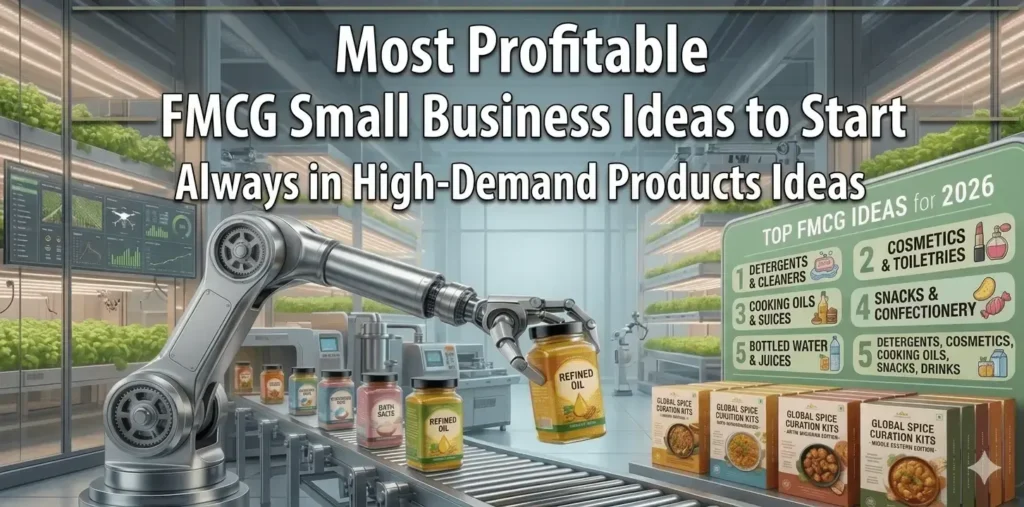
Most Profitable FMCG Small Business Ideas to Start

Most Profitable FMCG Small Business Ideas to Start- Fast Moving Consumer Goods Scalable Production Business Plans

Most Profitable FMCG Small Business Ideas to Start- Fast Moving Consumer Goods Scalable Production Business Plans Read More »

FMCG Small Business Ideas is the best choice of yours to start as it’s name itself speaks Fast-Moving Consumer Goods and it sells fast. Fast-Moving Consumer Goods (FMCG) products are essential, and always high demand products that people use regularly. This sector includes packaged foods, beverages, personal care items, and household goods. The demand for such products remains stable, regardless of economic conditions. As a result, starting a business in this sector offers promising returns, especially for entrepreneurs targeting rural and semi-urban areas. In 2026, with the rapid expansion of digital commerce and local manufacturing, many FMCG small business ideas can become profitable ventures with the right planning and strategy. With the right market entry strategy, many small business ideas can be scaled into highly profitable ventures. Let’s explore the top FMCG production opportunities primed for growth. See Also : Fevicol Type Adhesive Manufacturing Plant 15 Top Profitable FMCG Small Business Ideas for 2026 Let’s explore some of the most promising FMCG small business ideas that can help entrepreneurs build profitable ventures in the coming year. 1. Health-Conscious and Organic Food Products The post-pandemic trend for chemical-free, natural, and transparently sourced food is now a permanent market shift. Consumers are actively paying for a premium quality of Food Products. The demand for chemical-free, healthy, and organic food is growing steadily. Consumers are more conscious about what they eat and where it comes from. Launching a business that focuses on organic spices, pulses, grains, or ready-to-cook organic meals can generate consistent profits. You can source directly from farmers, build a brand, and sell through e-commerce platforms or your own store. By targeting health-conscious urban populations, your brand can earn customer trust quickly. 2. Herbal and Natural Personal Care Products India’s ancient tradition of Ayurveda and the global trend toward herbal solutions make this a profitable niche. Products like herbal soaps, shampoos, face packs, and oils are gaining popularity. You can manufacture these on a small scale using locally available herbs and oils. By focusing on quality and sustainable packaging, small businesses can tap into niche markets through online and offline retail channels. A well-branded FMCG small business ideas in this segment has strong potential to scale. 3. Packaged Snacks and Namkeen Indians love snacks, and the snacking habit is evolving rapidly. There is a growing demand for hygienically packed, innovative, and regional varieties of snacks. Starting a small-scale packaged namkeen or chips manufacturing unit requires moderate capital investment. You can experiment with millet-based snacks, baked chips, or low-oil varieties to attract the health-conscious audience. Attractive packaging and smart pricing can help your brand stand out in a competitive market. 4. Bottled Beverages – Flavored Water and Juices With rising temperatures and hectic lifestyles, ready-to-drink beverages are in high demand. Starting a small unit to produce natural fruit juices, flavored water, or health drinks is a viable option. Use locally available fruits and promote freshness and nutrition. You can sell through local grocery stores, vending machines, and food delivery platforms. This FMCG small business ideas works well when hygiene, taste, and convenience are combined effectively. 5. Homemade Pickles and Chutneys Traditional food items like pickles and chutneys are still in high demand, especially when made at home using authentic recipes. You can begin this business from your kitchen and gradually scale up. Use natural ingredients, attractive jars, and regional branding to connect with a wider audience. Offer variety such as mango, lime, mixed, and garlic pickles. With the right taste and packaging, even a small local brand can grow quickly in this FMCG category. 6. Detergents and Cleaning Products Household cleaning products like detergents, floor cleaners, and toilet cleaners are always in demand. This sector offers high-profit margins, and with proper formulations and licensing, you can launch your own brand. Focus on eco-friendly or skin-safe variants to attract health-conscious families. Low-cost packaging and regional distribution networks can help you build your brand quickly. It’s an excellent FMCG small business ideas for entrepreneurs in semi-urban or rural areas. 7. Bakery and Ready-to-Eat Packaged Food People prefer ready-to-eat items due to busy lifestyles. Starting a small bakery or packaged food brand that supplies bread, muffins, biscuits, or ready meals can be profitable. You can sell locally or tie up with cafes and supermarkets. Ensure your products have a good shelf life and proper food-grade packaging. Innovate with healthy ingredients like oats, millet, or multigrain. Customer satisfaction and consistent quality are key to long-term success in this space. 8. Personal Hygiene Products for Rural Markets There is rising awareness about hygiene in rural and semi-urban areas. Low-cost sanitary napkins, handwashes, and soaps are now reaching villages through government and NGO-led awareness campaigns. You can produce these products using basic machinery and distribute them through local retailers or health workers. It’s a scalable FMCG small business ideas with social impact as well as commercial potential. 9. Tea and Coffee Blends The tea and coffee market in India is evolving. Consumers want unique blends, flavored options, and premium packaging. You can launch a brand that offers artisanal tea, herbal infusions, or organic coffee blends. Begin with small batches and test your flavors in local markets. Use social media and influencers to grow brand awareness. Quality sourcing and aesthetic packaging will play a big role in making your brand successful. The Complete Book on Cultivation and Manufacture of Tea 10. Baby Care Products Parents today are more informed and willing to spend on safe and high-quality products for their children. Starting a line of baby care items like baby lotion, wipes, powders, and diapers can be lucrative. Focus on safety, dermatological testing, and natural ingredients. Since brand loyalty is high in this segment, you need strong branding and consistent quality to gain market share. 11. Pet Food and Grooming Essentials Pet ownership is rising, especially in urban regions. Starting a pet food brand or grooming products line like shampoos, wipes, or treats is a smart business idea. Use nutritional ingredients and highlight health benefits. Offer affordable pricing and

Medical Diagnostic Centre, Medical diagnosis Services, Pathology Laboratory, Medical Testing Laboratory, Diagnostic Medicare

Medical Diagnostic Centre, Medical diagnosis Services, Pathology Laboratory, Medical Testing Laboratory, Diagnostic Medicare Read More »

Diagnostic healthcare services have always played a crucial role in modern medicine. With the growing awareness about health and disease prevention, the demand for medical diagnostic centres has increased steadily. A well-equipped pathology lab is considered essential in both urban and semi-urban settings. Therefore, entrepreneurs aiming to enter the healthcare sector are being encouraged to consider diagnostic centre setup as a profitable and sustainable opportunity. Market Demand and Scope A significant rise in lifestyle-related diseases has been observed in the last decade. Consequently, the need for diagnostic services such as blood tests, radiology, and pathology has increased. Moreover, patients today prefer accurate and quick diagnosis. Thus, high-quality diagnostic centres have been sought by both hospitals and individual clients. See Also – Rare Earth Metals Extraction In India, a diagnostic industry growth rate of around 15% per annum has been recorded. Additionally, it is being estimated that over 70% of medical decisions depend on lab results. As a result, massive investments have been made in diagnostic facilities and advanced laboratory equipment. Location and Infrastructure For a pathology lab to function efficiently, a hygienic and accessible location must be selected. It is recommended that areas near hospitals, clinics, or residential zones should be preferred. The facility should be planned in accordance with health and safety guidelines. Furthermore, a diagnostic centre has been expected to cover different sections such as sample collection, reception, waiting area, testing zones, and administrative offices. Proper ventilation, adequate space, and sanitation facilities must be ensured. If radiological tests such as X-rays or CT scans are planned, separate lead-lined rooms will be required. Legal Permissions and Accreditation Before operations begin, a number of legal approvals have to be obtained. Firstly, registration with the local health authority is mandated. Also, under the Clinical Establishments Act, diagnostic centres must comply with all health safety standards. A biomedical waste disposal agreement with an authorised agency must be signed. Importantly, NABL (National Accreditation Board for Testing and Calibration Laboratories) accreditation is highly recommended. Although not compulsory, it boosts credibility and allows more tie-ups with hospitals and insurance providers. In some cases, approvals from the Atomic Energy Regulatory Board (AERB) might be required for radiology labs. Equipment and Technology To provide accurate and timely reports, high-quality instruments must be installed. Depending on the services offered, the following equipment is commonly purchased: Hematology Analyzer Biochemistry Analyzer Centrifuges Incubators Microscopes Electrolyte Analyzers X-Ray and Sonography Machines (if applicable) Moreover, digital systems for lab management and report generation are being adopted widely. With the use of Laboratory Information Management Systems (LIMS), efficiency can be improved significantly. Additionally, barcode-based sample tracking ensures zero errors during testing. Staff and Manpower Requirements Trained personnel are necessary for smooth functioning. It has been advised that pathologists, lab technicians, radiologists, and phlebotomists be employed. A qualified pathologist must supervise all operations. The supporting team must be well-trained in sample collection, testing procedures, and patient handling. Customer care executives should also be employed to manage appointments, billing, and report delivery. Most importantly, continuous training programs must be conducted to maintain service standards and adapt to new technologies. Services Offered by Diagnostic Centres Although service variety depends on the scale of investment, most labs provide the following: Clinical Pathology (Urine, Stool, Sputum tests) Hematology (CBC, ESR, Clotting profiles) Biochemistry (Liver function, Kidney function, Lipid profile) Serology (HIV, HBsAg, Widal test) Microbiology (Culture, Sensitivity, Smear tests) Radiology (X-ray, CT scan, Ultrasound – optional) In larger setups, additional services like ECG, TMT, ECHO, and MRI may also be added. Additionally, sample collection from home has become a value-added service to attract more clients. Investment and Cost Estimation A diagnostic centre’s setup cost varies based on its scale. However, an approximate cost structure is provided below: Expense Head Estimated Cost (INR) Premises Rent & Setup ?5 – ?10 lakhs Equipment Purchase ?15 – ?30 lakhs Furniture & Fixtures ?2 – ?4 lakhs Software & IT Systems ?1 – ?2 lakhs Licensing & Legal Formalities ?1 – ?3 lakhs Initial Staff Salaries ?4 – ?6 lakhs Marketing & Promotion ?1 – ?3 lakhs Total Estimated Cost ?30 – ?60 lakhs It is worth noting that loans under MSME schemes can be availed for such projects. Additionally, assistance from health-focused NBFCs and private equity can be explored. Revenue and Profitability Since diagnostic tests are required on a routine basis, a consistent income stream can be expected. Tests have been billed individually or in packages. Tie-ups with hospitals, insurance companies, and doctors often result in a steady flow of patients. Moreover, profits are maximized when operations are managed efficiently. Automation of processes, reduced human error, and optimized consumable usage contribute to cost-saving. Regular promotions and maintaining client satisfaction have been proven to increase referrals and walk-ins. On average, a monthly revenue of ?4–?10 lakhs is being generated by mid-sized diagnostic centres. Net profit margins of 20–30% can be achieved with proper management. Marketing and Promotion To build visibility, a focused marketing plan should be followed. It is often suggested that promotions through doctors and clinics be prioritized. In addition, online visibility through SEO, social media, and health portals should be maintained. Pamphlets, local newspaper ads, and community camps have also been used effectively. Offering first-visit discounts or free basic tests during festive seasons is also a popular approach to attract customers. Word-of-mouth referrals are still among the most powerful tools in this sector. Hence, high service quality and quick turnaround time must be consistently maintained. Challenges and Risk Management Although the business potential is high, certain challenges have been faced by diagnostic centre owners: Regulatory compliance must be ensured continuously Equipment calibration and maintenance must not be ignored Customer confidentiality must be protected under HIPAA or relevant local norms Rising competition from chain labs can be seen as a threat Despite these hurdles, risks can be mitigated with proactive planning, regular audits, and quality control. Long-term success depends heavily on operational excellence. See Also – Food & RTE Retort Packing Conclusion In conclusion, a diagnostic centre and pathology lab can be

Have a business idea? Let's make it happen together-contact us now!


Contact Form Demo

This will close in 0 seconds

Translate »