
Need a Business Idea? Here Are 50 Highly Profitable Small & Medium Industries to start
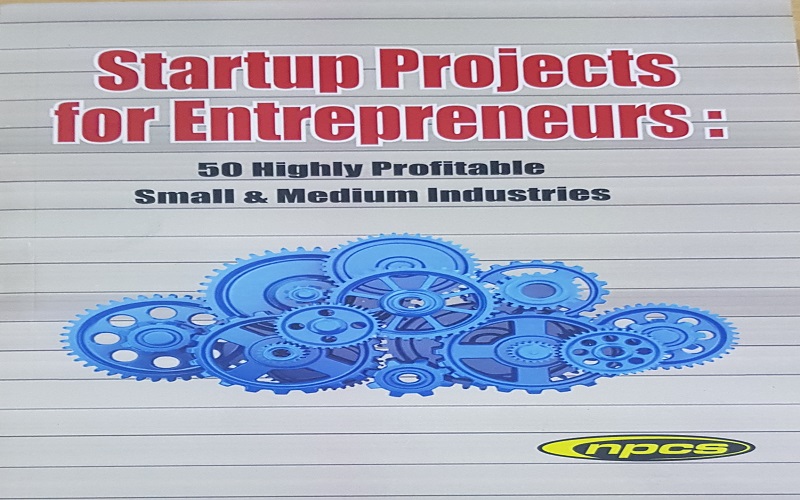
The dream of starting a business and becoming your own boss is more achievable today than ever before. With the rise of technology, social media, and digital platforms, even the smallest idea can turn into a thriving venture. Whether you are looking to start something full-time or as a side hustle, there are plenty of small business ideas that can deliver high profits with relatively low investment. This article explores 50 of the best small business ideas that are perfect for beginners, professionals, homemakers, and anyone seeking financial independence. Why Start a Small Business? Starting a small business comes with multiple advantages: Low Startup Cost Flexibility of Work Creative Freedom High Profit Potential More importantly, you don’t always need an MBA or huge capital to succeed. All you need is a great idea, passion, and a willingness to work hard. Let’s explore the most profitable and trending small business ideas that you can start today. 1. Digital Marketing Services Offer SEO, social media, email, and ad campaign services to small companies looking to grow online. 2. Dropshipping Create an online store and sell products without keeping inventory. Suppliers handle shipping for you. 3. Blogging Start a blog on food, fashion, travel, or finance. Monetize through ads, affiliate links, or sponsored posts. 4. Freelance Writing Work as a content writer for websites, digital agencies, or publication houses. 5. Virtual Assistant Help businesses with emails, scheduling, data entry, and social media—remotely. 6. Handmade Crafts Make candles, jewelry, or resin art and sell on Etsy or local markets. 7. Meal Prep Services Provide homemade, healthy meals to working professionals and fitness-conscious people. 8. Social Media Influencer Create content, grow followers, and earn through brand collaborations. 9. Resume Writing Help job seekers craft professional resumes and LinkedIn profiles. 10. Affiliate Marketing Promote products online and earn a commission for each sale. Technology-Based Small Business Ideas 11. App Development Develop Android or iOS apps for businesses or consumer use. 12. Website Design Build websites for small businesses and individuals. 13. SaaS Startup Develop a software product that solves a specific business problem. 14. Tech Repair Services Offer mobile, computer, or gadget repair services from home or a shop. 15. Online Tech Support Assist individuals or companies with remote troubleshooting. Low-Cost Small Business Ideas 16. Print-on-Demand Design T-shirts, mugs, and tote bags, and let a third-party company print and ship them. 17. Mobile Recharge Store Start a kiosk for recharges, bill payments, and SIM cards. 18. YouTube Channel Create engaging videos in your niche and earn via ads, sponsors, and products. 19. Freelance Photography Do product shoots, wedding photography, or event coverage. 20. Voice-over Artist Use your voice for ads, audiobooks, and video narration projects. Home-Based Small Business Ideas 21. Daycare Service Provide childcare from home in a safe and nurturing environment. 22. Tiffin Service Deliver home-cooked meals to working professionals and students. 23. Tailoring Services Offer clothing alterations or custom stitching. 24. Homemade Beauty Products Make and sell organic skincare, soaps, and oils. 25. Pet Care Services Provide grooming, boarding, or pet walking services in your locality. Women-Focused Small Business Ideas 26. Boutique Clothing Start your own fashion label or curate ethnic/western wear. 27. Makeup Artist Offer bridal, party, and fashion makeup services. 28. Cooking Classes Teach baking, cooking, or specialty cuisines online or offline. 29. Jewelry Making Design and sell handmade or imitation jewelry. 30. Event Planning Organize birthdays, weddings, and corporate functions. Unique and Innovative Small Business Ideas 31. Subscription Boxes Curate and deliver niche products like snacks, books, or beauty items monthly. 32. Eco-Friendly Products Sell sustainable alternatives like bamboo brushes, reusable bags, or steel bottles. 33. Custom Gifting Create personalized gifts for birthdays, anniversaries, and festivals. 34. Drone Photography Capture aerial shots for real estate, weddings, and events. 35. Online Language Classes Teach English, Spanish, or any native language globally. Rural or Semi-Urban Small Business Ideas 36. Organic Farming Sell vegetables, fruits, and herbs grown without chemicals. 37. Dairy Products Produce and sell paneer, ghee, butter, or flavored milk. 38. Grocery Delivery Start a hyperlocal delivery service for essential products. 39. Tractor or Equipment Rentals Rent out tractors or machinery to local farmers. 40. Mobile Repair Training Center Teach basic skills in phone or appliance repair. High-Profit Margin Ideas 41. Digital Course Creation Create and sell online courses in your area of expertise. 42. Stock Market Consultancy Help individuals invest wisely in the stock market. 43. Real Estate Brokering Earn commissions by facilitating property sales and rentals. 44. Personal Fitness Trainer Guide people on workouts, diet, and fitness online or at home. 45. Coaching Center Start a coaching institute for school or competitive exams. Creative and Artsy Business Ideas 46. Podcasting Start a podcast and earn via sponsorships or crowdfunding. 47. Interior Design Help clients beautify their homes and offices. 48. Animation Services Create explainer videos and animations for businesses. 49. Music Classes Teach instruments or singing via live or recorded sessions. 50. Translation Services Translate documents and websites for clients worldwide. Final Thoughts Starting a business is no longer reserved for those with big budgets. These small business ideas prove that with the right mindset and a little creativity, anyone can step into the world of entrepreneurship. Choose an idea that aligns with your skills and passion. Test your market, create a business plan, and use online platforms to promote your offerings. Remember, the journey might be tough initially, but the reward of running your own successful venture makes it worthwhile. Whether you’re looking for a part-time gig or a full-time hustle, these small business ideas are perfect stepping stones toward financial independence and long-term success. Visit the page Select and Choose the Right Business Startup for You for sorting out the questions arising in your mind before starting any business and know which start-up you can plan. We, at NPCS, endeavor to make business selection a simple and convenient step for any entrepreneur/startup. Our expert team, by capitalizing on its dexterity and decade’s long experience in the field,
Your Complete Guide to Thinners and Solvents Industry.

Introduction to Thinners and Solvents Thinners and solvents are indispensable components across various industrial applications, particularly in the paint, coating, ink, adhesive, and chemical processing sectors. These substances primarily dissolve, dilute, or disperse other materials, enabling smooth application, ideal consistency, and proper chemical interaction in formulations. The increasing demand for versatile, high-performing, and eco-conscious chemical solutions is pushing the global thinners and solvents market to innovate and evolve. This comprehensive guide explores everything from the classification, applications, and manufacturing process to the safety protocols and market trends surrounding these essential chemicals. What are Thinners and Solvents? Solvents are substances—mostly in liquid form—that can dissolve or disperse other substances without altering their chemical structure. Thinners, on the other hand, form a subclass of solvents that specifically reduce the viscosity of products like paints, varnishes, and resins, making them easier to apply and quicker to dry. We manufacture thinners and solvents with a deep focus on performance, purity, and compliance. These materials play a key role in ensuring the efficiency and quality of countless industrial operations. Types of Solvents and Thinners Understanding the different types of thinners and solvents is key to selecting the right one for each application. They can be broadly categorized into the following: 1. Hydrocarbon-Based Solvents These include both aliphatic and aromatic hydrocarbons: Aliphatic solvents: Hexane, heptane, mineral spirits Aromatic solvents: Toluene, xylene, benzene (limited due to toxicity) These are widely used in the paint and automotive industries due to their high solvency and fast evaporation rates. 2. Oxygenated Solvents These include alcohols, ketones, esters, and glycol ethers: Alcohols: Ethanol, isopropanol (used in inks, cleaning agents) Ketones: Acetone, methyl ethyl ketone (used in adhesives, coatings) Esters: Butyl acetate, ethyl acetate (used in lacquers and fragrances) Glycol ethers: Versatile solvents used in water-based paints 3. Water-Based Solvents Water, often overlooked, is the safest and most environmentally friendly solvent, widely used in household products, water-based paints, and detergents. Applications of Thinners and Solvents Thinners and solvents are used in a multitude of industries, offering unique benefits tailored to each domain: Paints and Coatings: Thinners reduce viscosity for better flow and leveling during application. Printing Inks: Solvents ensure smooth transfer and controlled drying. Pharmaceuticals: Act as carriers in drug synthesis and extraction. Cosmetics and Perfumes: Alcohol-based solvents aid in fragrance dispersion. Industrial Cleaning: Solvents act as effective degreasers. Automotive: Thinners are used in spray paints and detailing. Raw Materials Used in Solvent Manufacturing The production of high-quality thinners and solvents begins with the careful selection of raw materials: Petroleum derivatives such as naphtha, reformate, and natural gas liquids Alcohols and ketones derived from chemical synthesis Renewable sources (increasingly popular for bio-based solvents) These raw materials are chosen based on their chemical stability, solvency, flash point, and environmental compatibility. Detailed Manufacturing Process of Thinners and Solvents 1. Feedstock Preparation We begin with refining and processing petrochemical feedstocks. Naphtha and other hydrocarbons undergo cracking and reforming to yield precursor compounds like benzene, toluene, and xylene. 2. Fractional Distillation The feedstocks are subjected to fractional distillation, separating components based on their boiling points. This is crucial for extracting specific solvent fractions with high purity. 3. Chemical Processing Depending on the required solvent, chemical reactions such as: Hydration Oxidation Alkylation Esterification Industries use them to synthesize compounds like acetone, ethanol, and ethyl acetate. 4. Blending and Formulation Manufacturers blend solvents to create specialty thinners with specific evaporation rates, solvency levels, and compatibility with resins. They develop custom formulations based on end-use requirements. 5. Stabilization and Additives To improve shelf life and performance, we incorporate inhibitors and stabilizers. These additives: Prevent oxidation Enhance drying time Reduce odor Improve flash point safety 6. Quality Control and Testing Our quality control labs conduct rigorous tests using: Gas Chromatography (GC) High-Performance Liquid Chromatography (HPLC) Viscometers Refractive Index and Density Testing Only batches that meet stringent ISO and ASTM standards move forward to packaging. 7. Packaging and Distribution Final products are packed in tamper-proof containers such as: Metal drums Plastic cans IBC tanks Labeling includes hazard information, safety instructions, and regulatory compliance marks. Logistics teams ensure safe and prompt delivery globally. Environmental and Regulatory Considerations We operate under a strict regulatory framework to reduce the environmental impact of solvents and thinners: Low-VOC formulations to reduce air pollution REACH and EPA compliance Solvent recycling and recovery units Waste management protocols for chemical disposal By integrating green chemistry principles, we are leading the transition toward eco-friendly solvents. Safety Protocols in Solvent Manufacturing Due to their flammability and volatility, handling solvents requires: Explosion-proof machinery Ventilated manufacturing environments Fire detection and suppression systems Employee safety training MSDS documentation for every product We equip all personnel with PPE and ensure they follow standard operating procedures (SOPs) to mitigate risks. Emerging Trends in Thinners and Solvents The global market is rapidly adapting to changing regulations and consumer preferences. Notable trends include: Bio-based Solvents: Derived from renewable sources like corn, sugarcane, and soybeans. Green Solvents: Featuring low toxicity and zero VOC emissions. Supercritical Fluids: Like supercritical CO?, used in precision extraction. Solvent-Free Technologies: Gaining momentum in coatings and adhesives. These innovations aim to maintain functionality while minimizing environmental impact. Grades of Solvents and Their Uses Solvents are produced in various purity levels for different sectors: Industrial Grade – Used in paints, adhesives, and degreasers. Analytical Grade – For laboratory testing and research. Pharmaceutical Grade – Complies with GMP standards for drug synthesis. Food Grade – Limited to safe solvents like ethanol for food processing. Each grade is backed by certificate of analysis (COA) ensuring compliance and traceability. Global Market Outlook and Opportunities The thinners and solvents market is projected to grow at CAGR of 4.5% over the next decade, driven by: Infrastructure development in emerging economies Automotive and aerospace industry expansion High demand for industrial paints and coatings Consumer awareness around clean, safe products India, China, and Southeast Asia present the most lucrative markets for export and expansion due to rising industrialization and urbanization. Conclusion: Excellence in Every Drop We are committed to producing high-performance, safe,
The Complete Technology Book on Wax and Polishes

Introduction to Wax and Polishes Technology The wax and polishes industry plays a vital role across multiple sectors, including automotive, furniture, floor care, leather, and metal polishing. The Wax and Polishes Technology Book | Industrial Formulations serves as an essential resource, offering detailed insights into advanced manufacturing processes, industrial applications, and cutting-edge formulations that drive performance and innovation. In this comprehensive article, we explore various aspects of wax and polish formulations, raw materials, emulsions, production processes, and industrial applications, providing an in-depth look that sets a new benchmark for technical writing in this sector. Understanding Wax Types and Their Functions Natural and Synthetic Waxes Waxes are categorized based on their source and structure: Natural Waxes: Derived from plants (Carnauba, Candelilla), animals (Beeswax), or minerals (Paraffin wax). These are widely used for their environmentally friendly profile and excellent polishing properties. Synthetic Waxes: Include polyethylene waxes, Fischer-Tropsch waxes, and silicone-based materials. These offer higher thermal stability and chemical resistance, vital for industrial-grade formulations. The choice of wax type directly influences the final properties of the polish, including gloss level, durability, water repellency, and ease of application. Core Ingredients in Wax and Polish Formulations An effective wax and polishes formulation combines several components: Waxes (natural/synthetic) – provide the base structure and gloss. Solvents – act as carriers to dissolve and disperse other ingredients (e.g., mineral spirits, turpentine, or water in emulsions). Emulsifiers and surfactants – aid in the dispersion of wax in water-based systems. Plasticizers and oils – enhance flexibility and spreadability. Abrasives – present in polishes for removing oxidation or smoothing surfaces. Additives – such as UV stabilizers, preservatives, dyes, and fragrance agents. Each of these ingredients must be precisely balanced to ensure optimal performance under specific environmental and usage conditions. Emulsion-Based vs. Solvent-Based Formulations Water-Based Emulsion Polishes Water-based polishes are gaining popularity due to environmental regulations and demand for low-VOC products. In these formulations, the wax is finely dispersed in water using surfactants and emulsifiers. They are ideal for furniture and floor polish applications. Advantages: Low toxicity and flammability Easy cleanup and storage Environmentally safer Solvent-Based Polishes Solvent-based systems offer deeper penetration, faster drying, and higher gloss. These are often used in automotive, leather, and metal polishing products. Advantages: Superior water resistance Longer-lasting finish Better application on non-porous surfaces Industrial Formulations: Sample Recipes Here are three industrial formulations for various applications using modern wax and polish technologies: 1. Carnauba Wax Furniture Polish (Emulsion-Based) Ingredients: Carnauba Wax – 5% Beeswax – 3% Emulsifying Wax – 4% Water – 75% Preservatives – 0.5% Fragrance – 0.5% Mineral Oil – 12% Process: Heat water and emulsifying wax to 75°C. Add melted waxes and mineral oil slowly. Homogenize the mixture until uniform. Cool to 40°C and add fragrance and preservatives. 2. Metal Polishing Cream Ingredients: Paraffin Wax – 4% Microcrystalline Wax – 2% Solvent Naphtha – 40% Kaolin Clay – 10% Silica – 5% Surfactant Blend – 2% Water – 37% Process: Heat solvent and wax blend until fully liquified. Add abrasives and homogenize thoroughly. Adjust viscosity and pH. Fill into tubes or jars while warm. 3. Automotive Polish (High Gloss Silicone Emulsion) Ingredients: Silicone Emulsion (60%) – 30% Polyethylene Wax – 4% Non-ionic Surfactants – 3% Water – 63% Process: Heat water to 70°C. Add surfactants and polyethylene wax. Slowly introduce silicone emulsion with constant stirring. Cool, homogenize, and package. Advanced Technologies in Wax and Polish Manufacturing Modern production techniques have revolutionized the wax and polishes industry. Key technologies include: Nano-Emulsion Technology – for ultra-fine dispersion of wax particles, improving penetration and finish. Microencapsulation – enabling time-release of active agents like fragrance or corrosion inhibitors. UV-curing formulations – offering rapid drying and enhanced wear resistance. Such innovations improve user experience while also complying with global environmental standards. Applications Across Diverse Industries The wax and polishes sector supports a wide range of industries: Automotive – Car waxes and polishes protect vehicle surfaces, enhance shine, and resist environmental contaminants. Furniture – Polishes nourish wood, restore luster, and offer protection from moisture and dust. Flooring – Used to provide slip-resistance and a glossy finish in residential and commercial flooring. Leather Care – Polishes condition leather goods, restoring flexibility and color. Metal Finishing – Industrial polishes prepare metals for further treatment or final use. Each application demands specialized formulations tailored to the substrate and performance needs. Regulatory Compliance and Safety Considerations Manufacturers must comply with international standards and environmental regulations such as: REACH (EU) – covering chemical safety in consumer products. EPA Guidelines (USA) – related to VOC emissions and solvent usage. BIS Standards (India) – including quality assurance for floor, car, and metal polish products. Product labeling, MSDS (Material Safety Data Sheets), and proper handling protocols are vital for user safety and legal compliance. Packaging and Shelf-Life Stability Packaging significantly affects product life and usability. Common options include: Plastic jars and tubes – suitable for creams and pastes. Metal cans – used for solvent-rich products. Trigger spray bottles – ideal for liquid emulsions and water-based sprays. Stabilizers and preservatives are added to maintain product quality over time, ensuring consistent performance from the first use to the last. Future Trends in Wax and Polish Formulations The future of wax and polishes technology is leaning toward: Eco-Friendly Ingredients – biodegradable waxes and green solvents. Multifunctional Products – combining cleaning, polishing, and protecting in one. Smart Packaging – dispensing controlled amounts, minimizing waste. Digital Formulation Labs – using AI to model and optimize formulations based on performance metrics. Innovation in this domain is paving the way for highly efficient, sustainable, and user-friendly products. Conclusion The Wax and Polishes Technology Book | Industrial Formulations is more than a compendium of recipes—it’s a technical guide that empowers professionals to innovate and formulate with confidence. From foundational ingredients to complex emulsions, this book covers every facet of the wax and polish industry, setting a gold standard for product development. To excel in today’s competitive landscape, businesses must invest in modern technologies, comply with regulations, and continue to push the boundaries of performance
A Handbook on How to Manufacture Bioplastics and Biodegradable Products
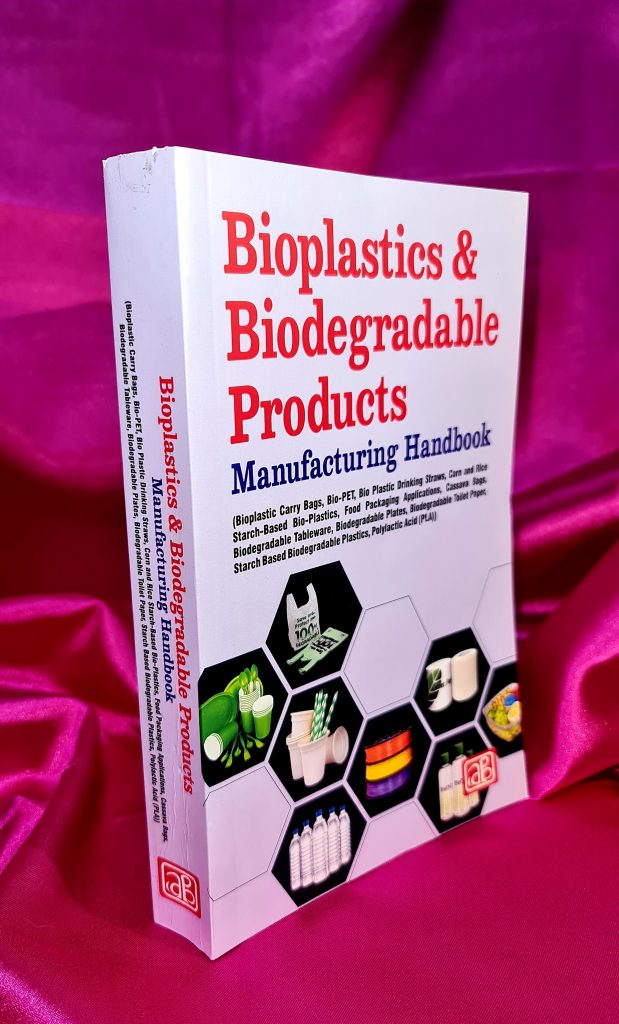
Understanding the Future of Bioplastics and Eco-Friendly Manufacturing In a world grappling with climate change, resource depletion, and an overdependence on petroleum-based products, bioplastics have emerged as a beacon of sustainable innovation. These eco-friendly materials are transforming the manufacturing industry by replacing traditional plastics with renewable, biodegradable alternatives. As governments push for greener policies and consumers demand ethical, low-impact products, the relevance of bioplastics is growing exponentially. Bioplastics represent a class of materials that are either bio-based, biodegradable, or possess both properties. They offer an environmentally conscious choice without compromising performance or durability. Through this detailed handbook, we will explore the raw materials, production processes, types, environmental impact, industrial applications, and future scope of bioplastics and eco products. What Are Bioplastics? Exploring the Basics Bioplastics are not a single material but a family of materials with varying properties and applications. The term typically refers to two types of plastics: Bio-based plastics, which are partially or wholly derived from renewable biological sources. Biodegradable plastics, which can decompose naturally by the action of microorganisms. Some bioplastics meet both criteria, such as PLA (Polylactic Acid) and PHA (Polyhydroxyalkanoates), offering a double advantage in sustainability. However, not all bio-based plastics are biodegradable (e.g., bio-PET), and not all biodegradable plastics are bio-based (e.g., PBAT). This diversity allows manufacturers to choose materials tailored to specific product needs while maintaining an environmentally responsible approach. Sourcing Sustainable Raw Materials The foundation of any bioplastics production system lies in its raw materials. Commonly used feedstocks include: Starch-rich crops like corn, potatoes, and cassava. Sugars extracted from sugarcane, sugar beets, or sweet sorghum. Cellulose from wood pulp or agricultural residue. Vegetable oils, especially from soybeans, castor, or canola. Microalgae and bacteria for advanced polymer synthesis. Using agricultural waste or non-food biomass (second-generation feedstock) is gaining traction to avoid food-versus-fuel conflicts. These renewable materials not only reduce greenhouse gas emissions but also support rural economies by creating new markets for biomass. Types of Bioplastics and Their Unique Applications Bioplastics are classified based on their chemical composition and degradation profile. Some prominent types include: Polylactic Acid (PLA) Derived from fermented plant starch (usually corn or sugarcane), PLA is one of the most commercially available bioplastics. It is transparent, compostable, and widely used in: Packaging Disposable utensils Textile fibers Medical implants and drug delivery systems Polyhydroxyalkanoates (PHA) PHA is produced via microbial fermentation of sugar or lipids. It degrades in marine, soil, and industrial compost environments. Applications include: Agricultural films Bottles and containers Biomedical applications like sutures and tissue scaffolding Starch-Based Bioplastics Starch, a naturally biodegradable polymer, is often blended with other biopolymers or plasticizers. Common uses are: Shopping bags Disposable trays and plates Foam packaging materials Bio-PET and Bio-PE These materials have the same structure as conventional PET and PE but are made from plant-based ethanol. They are recyclable but not biodegradable. Used in: Beverage bottles (Coca-Cola’s PlantBottle) Detergent containers Cosmetic packaging PBAT (Polybutylene Adipate Terephthalate) While not bio-based, PBAT is fully biodegradable and often blended with starch or PLA to enhance flexibility and degradation. Widely used in compostable bags and agricultural mulch. Step-by-Step Manufacturing Process of Bioplastics Creating bioplastics involves multiple stages, many of which mirror traditional plastic production. Here’s a closer look at the manufacturing flow: Biomass Collection and Pre-TreatmentProducers harvest and pre-process organic raw materials by drying, crushing, or fermenting them to extract sugars or starches. Fermentation or Polymerization For PLA: Sugars are fermented to produce lactic acid, which undergoes polymerization into PLA. For PHA: Bacteria ferment sugars/lipids into biopolymers stored inside their cells. For bio-PE: Ethanol from sugarcane is dehydrated to produce ethylene, which is polymerized into polyethylene. Polymer ProcessingPolymers are cooled, solidified, and pelletized. These pellets are the basic raw input for various plastic processing techniques. Shaping and MoldingDepending on the final product, techniques like injection molding, extrusion, blow molding, and thermoforming are used to shape bioplastic items. Quality Control and PackagingThe team tests the final products for strength, flexibility, heat resistance, and biodegradability before packaging and distributing them. Eco Products: A Glimpse into the Future of Sustainable Goods Bioplastics are revolutionizing product development in numerous sectors. Popular eco products include: Biodegradable food packaging: Clamshell containers, films, wrappers Compostable tableware: Plates, bowls, and cups for food services Agricultural tools: Mulch films and seedling trays that decompose into the soil 3D printing filaments: PLA-based filaments for eco-friendly prototyping Textile fibers: Bioplastic-based threads for sustainable fashion Consumer electronics casings: Phone and tablet covers Medical applications: Biodegradable sutures, capsules, and scaffolding These products offer superior end-of-life disposal options, reducing the environmental burden significantly compared to traditional plastics. Environmental and Economic Impact The life cycle of bioplastics from cradle to grave shows tremendous promise: Reduced Carbon Footprint: Lower emissions during production and often carbon sequestration during biomass growth. End-of-Life Options: Industrial composting, home composting, or anaerobic digestion. Energy Efficiency: While production still requires energy, bio-based sources often lead to energy savings in later stages. On the economic front, the bioplastics industry is generating new employment, revitalizing agricultural sectors, and encouraging green technology investments. As oil prices fluctuate, bioplastics also offer pricing stability. Challenges in Bioplastics Adoption Despite clear advantages, bioplastics face some hurdles: Higher Initial Costs: Due to emerging technologies and limited scale. Lack of Infrastructure: Most regions lack industrial composting or separate collection systems. Public Misunderstanding: Terms like “biodegradable” and “compostable” are often confused, leading to misuse and improper disposal. Performance Limitations: Some bioplastics may not offer the same barrier properties or heat resistance as fossil plastics. Addressing these challenges requires technological innovation, policy support, and public education. The Global Bioplastics Market: A Growing Industry The global bioplastics market is on a rapid upward trajectory. It is expected to reach over $25 billion by 2030. Key growth drivers include: Stringent environmental regulations in Europe and North America Rising awareness and demand for sustainable packaging in Asia-Pacific Corporate ESG commitments across industries Multinational companies like Nestlé, Danone, Toyota, and IKEA are already incorporating bioplastics into their supply chains. Governments are introducing bans on single-use plastics, further driving adoption. Regulatory Framework
The Complete Technology Book on Vermiculture and Vermicompost (Earthworm) with Manufacturing Process
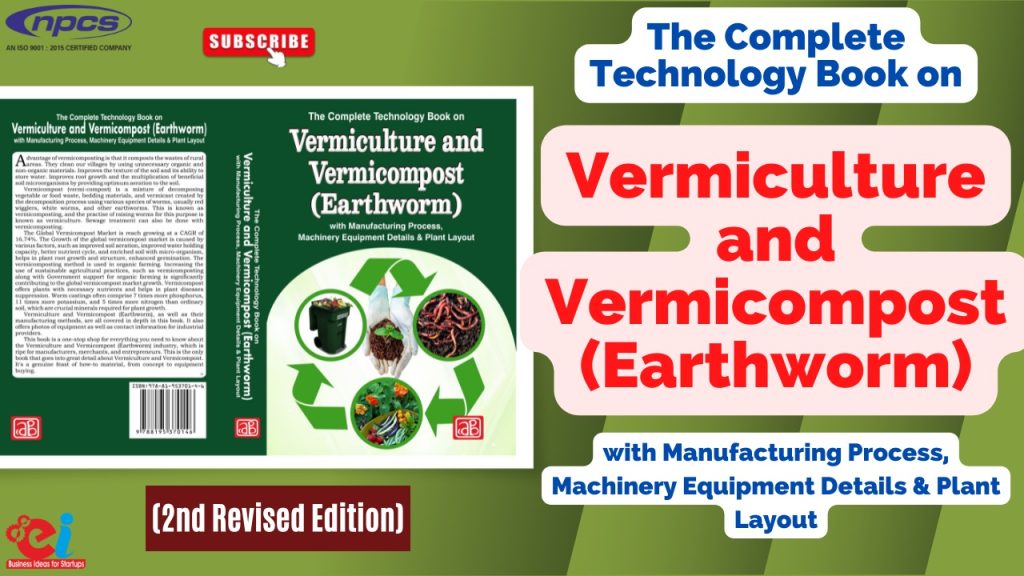
Introduction to Vermiculture Vermiculture is the scientific process of breeding and raising earthworms for the purpose of converting organic waste into nutrient-rich compost, often referred to as vermicompost. This natural method not only reduces waste but also produces one of the most effective fertilizers for agriculture, gardening, and landscaping. The “Vermiculture Technology Book” and earthworm compost guide provide an in-depth understanding of the science, equipment, and processes needed to successfully harness the power of worms. In a world increasingly focused on sustainability, vermiculture offers a green solution to manage organic waste and improve soil health. Whether you are a farmer, gardener, environmentalist, or educator, exploring vermiculture can transform your organic waste management approach and significantly enhance soil fertility without chemical inputs. Benefits of Vermiculture Organic Waste Management One of the most significant advantages of vermiculture is the efficient recycling of organic waste. Food scraps, paper, and agricultural residues that would otherwise end up in landfills can be turned into compost. Vermiculture aids in reducing the volume of waste while producing an eco-friendly product. Soil Enrichment Vermicompost, the by-product of vermiculture, is a powerful soil conditioner. It increases microbial activity, improves soil structure, enhances water retention, and provides essential nutrients such as nitrogen, phosphorus, potassium, and trace elements. This makes it an ideal supplement for both organic and conventional farming. Environmental Sustainability Vermiculture technology plays a vital role in reducing environmental pollution. It minimizes the need for chemical fertilizers, lowers methane emissions from decomposing organic waste, and enhances carbon sequestration through healthy soil practices. Economic Viability Besides ecological benefits, vermiculture is profitable. Households, schools, and commercial farms can generate income by selling earthworms and vermicompost. The “Vermiculture Technology Book” guides users on how to establish a commercial venture through small or large-scale setups. The Science Behind Vermiculture Earthworm Biology At the core of vermiculture is the earthworm, especially species like Eisenia fetida (red wigglers) and Eudrilus eugeniae (African nightcrawler). These worms consume organic matter and excrete nutrient-rich castings. They reproduce rapidly under the right conditions, making them ideal for composting purposes. Composting Process The process begins by setting up a bin filled with bedding materials like shredded newspaper, coconut coir, and peat moss. Organic waste such as vegetable scraps, coffee grounds, and eggshells are added regularly. Over time, worms digest this waste, turning it into dark, crumbly vermicompost. This compost is rich in plant-growth hormones and beneficial microbes. The entire process, from raw waste to finished compost, typically takes 2–3 months, depending on the scale and conditions such as temperature, moisture, and food supply. Setting Up a Vermiculture Unit Choosing a Location The ideal location for a vermiculture system is a shaded, well-ventilated area protected from extreme weather. Indoor systems work well in cooler climates or urban homes, while outdoor units are ideal for farms and gardens. Selecting Earthworms Not all worms are suitable for composting. Compost worms like Eisenia fetida are best because they feed aggressively on decaying organic material and adapt well to bin environments. The “Vermiculture Technology Book” offers insights into selecting the right worm species based on climate and composting needs. Bin Design and Bedding Worm bins can be made from wood, plastic, or concrete. They must have proper drainage and ventilation to prevent foul odors and anaerobic conditions. The bedding should remain moist but not soggy—similar to the texture of a wrung-out sponge. Feeding the Worms Feed worms with non-greasy vegetable and fruit peels, grains, and paper products. Avoid meat, dairy, and oily foods as they attract pests and create odor problems. Feed in small amounts initially and increase quantity as the worm population grows. Vermiculture Maintenance Tips Moisture and Temperature Maintain moisture levels between 60-80% and temperature between 15°C to 25°C. Too much moisture can drown worms, while dryness slows their activity. The earthworm compost guide suggests misting the bin lightly and covering it with a breathable fabric to retain humidity. Harvesting Vermicompost Compost can be harvested once most of the bedding has turned dark and crumbly. One method is to push compost to one side of the bin and add fresh food to the other side. Worms will migrate toward the food, allowing easy collection of compost. Controlling Pests and Odors If maintained properly, vermiculture bins should not produce foul smells or attract pests. Overfeeding, poor ventilation, or the inclusion of inappropriate waste can lead to problems. Regular monitoring and adjusting feeding habits can resolve most issues. Vermiculture Applications in Agriculture Home Gardening Home gardeners can use vermicompost to grow healthier plants with fewer chemicals. It improves potting mix, boosts flower production, and enhances fruit quality. Organic Farming Organic farmers benefit from vermiculture by reducing reliance on synthetic fertilizers. The compost acts as both a soil amendment and a slow-release fertilizer, making it a sustainable alternative in certified organic systems. Horticulture and Landscaping Nurseries, landscapers, and greenhouses use vermicompost to promote faster seed germination, better root development, and disease resistance. The “Vermiculture Technology Book” includes specific formulas and ratios for mixing compost with other growing media. Vermiculture and Climate Change Mitigation Vermiculture contributes to climate change mitigation by reducing greenhouse gas emissions from organic waste decomposition. Instead of releasing methane in landfills, waste is aerobically processed by worms. Additionally, enriched soils store more carbon, thus supporting global efforts for carbon sequestration. Educational and Social Value Schools and institutions use vermiculture projects as educational tools to teach students about ecology, biology, and sustainable agriculture. Community vermicomposting units encourage civic participation, waste reduction, and environmental awareness. The “Vermiculture Technology Book” provides curricula and step-by-step guides tailored for different age groups and educational levels, making it a valuable resource for educators. Key Challenges in Vermiculture While vermiculture is highly beneficial, it also faces several challenges: Temperature Sensitivity: Worms are sensitive to extreme heat and cold. Pest Management: Improper feeding can attract rodents and flies. Market Access: Newcomers may struggle to find consistent buyers for compost or worms. Education Gap: Lack of knowledge and awareness can lead to failure in vermiculture attempts. Overcoming these challenges requires proper
Handbook on Maize (Corn) Processing and Manufacture of Maize Products
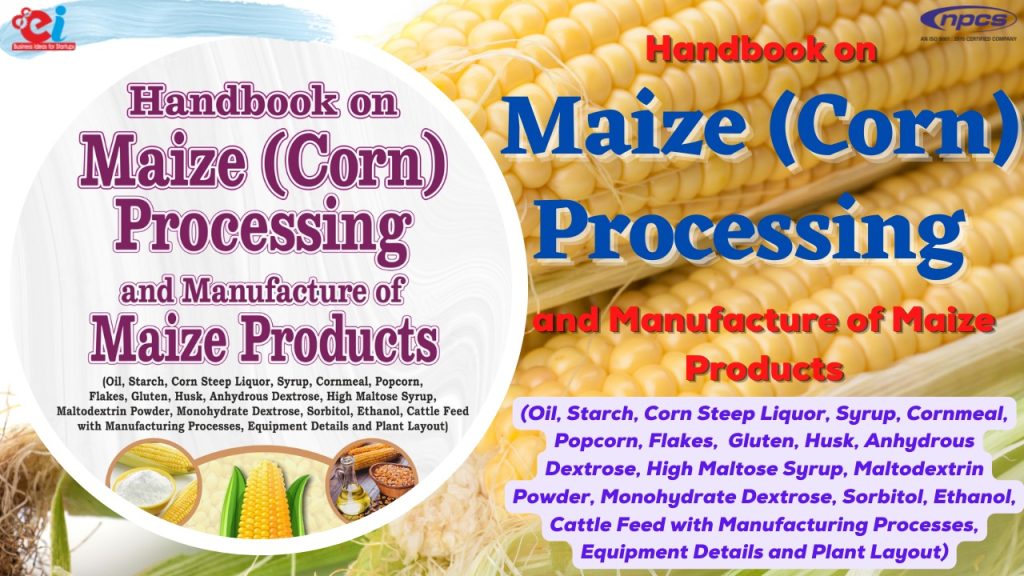
The corn & maize industry is a pillar of global food and industrial supply chains. Its importance spans across multiple sectors—from food production to pharmaceuticals, textiles to biofuels. In fact, the versatility of corn and maize makes them one of the most valuable crops in agricultural commerce today. For aspiring entrepreneurs and manufacturers, understanding the end-to-end manufacturing process is crucial for success. In this comprehensive handbook, we delve into the entire journey of corn & maize—from crop to commercial products—unraveling the science, equipment, processes, business models, profitability, and market trends associated with corn & maize manufacturing. Understanding the Fundamentals of Corn & Maize Corn and maize refer to the same grain, with “corn” being more common in North America and “maize” in other parts of the world. Scientifically known as Zea mays, it belongs to the grass family and is cultivated globally for its kernels, which are processed into food, industrial ingredients, and energy sources. Key Kernel Components Starch (60–70%): Primary component used in food, pharmaceuticals, adhesives, and biofuel. Protein (8–10%): Valuable for animal feed and industrial uses. Oil (3–5%): Extracted from the germ, refined into edible or industrial oil. Fiber & Hull: Used in feed, bioplastics, and construction materials. Types of Corn for Industrial Use Dent Corn: Rich in starch, best for industrial processing. Flint Corn: Harder kernel, used in grits and cereals. Sweet Corn: For direct human consumption. Popcorn: Specialty variety with explosive expansion quality. Waxy Corn: Almost pure amylopectin, ideal for unique starch-based applications. The Corn & Maize Processing Lifecycle Processing transforms raw corn into usable products. The lifecycle involves several crucial stages, and each determines the kind of end products generated. The two primary processing methods are dry milling and wet milling, with each offering unique benefits and outputs. Dry Milling Process A relatively simpler and more economical method used to produce: Cornmeal Corn grits Corn flour Steps in Dry Milling: Cleaning – Removing dust, stones, and foreign matter. Conditioning – Moistening the kernels for easy separation. Milling – Mechanical grinding into desired mesh sizes. Sifting & Packaging – Segregating fine flour, grits, or meal. Dry milling is energy-efficient and produces fewer by-products but does not extract starch or oil. Wet Milling Process This is a more sophisticated method used for large-scale production of: Starch Corn syrup Ethanol Corn oil Gluten feed Steps in Wet Milling: Steeping – Soaking corn in water and sulfur dioxide for up to 48 hours. Grinding – Separating kernel components post-soaking. Separation – Centrifugal separation of germ, fiber, protein, and starch. Refining – Further processing to isolate corn starch and oil. Wet milling produces more varied and valuable outputs but requires higher capital and energy inputs. Core Products Manufactured from Corn & Maize The real beauty of corn & maize lies in their multifunctional uses. From staple food to high-end bio-compounds, the list of derived products is vast. Food-Grade Products Corn Flour & Cornmeal – For tortillas, breads, snacks, and bakery items. Corn Grits – Used in cereals, snacks, and brewing. Corn Starch – Thickener in sauces, soups, custards, and baking. Corn Oil – For cooking, frying, and salad dressings. High-Fructose Corn Syrup (HFCS) – Widely used sweetener in beverages and processed foods. Beverage Applications Corn derivatives are used in alcoholic fermentation, like in beer and spirits. Dextrose from corn starch is key in soft drink production. Industrial Products Bioethanol – Clean fuel derived from fermented corn starch. Biodegradable Plastics – Made from PLA (Polylactic Acid) derived from corn. Corn Gluten Meal – High-protein animal feed. Corn-Based Adhesives & Binders – For textiles and paper industries. Pharmaceutical & Cosmetic Uses Modified starch in tablet binding and capsule formation. Corn alcohol as an ingredient in perfumes and antiseptics. Emulsifiers and carriers in lotions and creams. Starting a Corn & Maize Manufacturing Business Getting into corn & maize manufacturing involves strategic planning, technical infrastructure, and a deep understanding of market needs. Here’s what beginners must consider: Site Selection Proximity to corn farming regions reduces raw material cost and logistics burden. Regions like Punjab, Bihar, Madhya Pradesh, and Karnataka are key producers in India. Infrastructure & Machinery Invest in: Cleaning and sorting systems Milling machines (hammer mills, roller mills) Dryers and moisture control units Fermentation tanks and distillation units (for ethanol) Packaging and labeling systems Automation and modern equipment improve throughput and consistency. Licenses & Regulatory Compliance You’ll need: FSSAI license for food products Pollution control clearances MSME/Udyam registration ISO/GMP certifications for export and pharmaceutical-grade materials Labor & Workforce Train employees in: Equipment handling Hygiene and food safety Technical maintenance Quality control Business Models & Profitability There are various ways to enter the corn & maize market: Niche Manufacturing Specialize in one high-demand product, such as organic cornmeal or bioethanol, to target specific market gaps. Integrated Processing Units Handle everything from dry milling to packaging. While capital-intensive, they offer diversified income streams. Contract Manufacturing Process corn for other brands or exporters, reducing marketing and distribution expenses. Export-Oriented Units Focus on corn starch, corn oil, or grits for international buyers. Maintain high quality and traceability standards. Profit Margins Small-scale units: 10–20% profit margins Mid-sized ethanol plants: 25–35% margins due to high demand Export: 30–40% depending on volume and currency rates Sustainability & Environmental Impact Corn & maize manufacturing can be made highly sustainable by optimizing waste usage: Corn husk and cobs: Fuel briquettes, biochar, or compost Leftover fiber: Animal feed or raw material for bioplastics Steepwater from wet milling: Rich in nutrients, used in feed or fertilizer Green technologies such as anaerobic digesters and solar dryers help reduce the carbon footprint of the plant. Market Demand & Export Opportunities The demand for corn-based products is growing both domestically and globally. Key trends include: Rise in health-conscious products: Gluten-free flour and organic cornmeal. Biofuel mandates: Countries like the US, Brazil, and India increasing ethanol blending. Packaging industry demand: For biodegradable corn starch plastics. Export potential: India exports corn starch, corn oil, and maize flour to Southeast Asia, the Middle East, and Africa. Government incentives under
The Soaps, Detergents and Disinfectants Technology Handbook is the Comprehensive Resource for This Industry.

Understanding the Foundation of Soaps & Detergents In the competitive world of soaps & detergents, manufacturers must blend innovation, compliance, and sustainability into every batch they produce. The technological advancements in this sector have revolutionized the way cleaning products are formulated, processed, and marketed. As manufacturers, staying updated with the soaps & detergents technology ensures optimal performance, environmental responsibility, and market adaptability. Raw Material Selection: The Bedrock of Quality The efficiency and quality of soaps & detergents begin with the raw materials. The main ingredients are: Fats and Oils: Typically derived from animal fat (tallow) or vegetable oils (palm, coconut, olive). Alkalis: Sodium hydroxide for soap and sodium carbonate for detergents. Surfactants: These lower surface tension and enhance cleaning. Types include anionic, cationic, nonionic, and amphoteric surfactants. Builders: Such as phosphates, zeolites, or citrates, which enhance cleaning efficiency by softening water. Additives: Fragrances, colorants, enzymes, and preservatives improve aesthetics and functionality. Using eco-friendly and sustainable materials is becoming increasingly important due to regulatory and consumer demand. Saponification: The Core of Soap Production Saponification is the chemical reaction where triglycerides react with alkali to form soap and glycerin. There are two main methods: Hot Process: Ingredients are heated to accelerate the saponification. Cold Process: Oils and lye are mixed without external heat, relying on the exothermic reaction. Proper control of temperature, mixing speed, and formulation balance is crucial to produce consistent and high-quality soap bars or liquids. Synthetic Detergents: Beyond Traditional Soaps Unlike soaps, synthetic detergents are made from petrochemicals and perform better in hard water conditions. Modern detergent technologies integrate: Enzyme technologies for removing protein and starch stains. Bleaching agents like peroxides for whitening. Optical brighteners to enhance the visual appeal of fabrics. Anti-redeposition agents to prevent dirt from settling back on surfaces. The choice of formulation depends on the end use — laundry, dishwashing, industrial cleaning, or personal hygiene. Formulation Techniques in Modern Manufacturing A competitive edge in the soaps & detergents industry comes from advanced formulation techniques, including: Blending and Homogenization: Ensuring uniform distribution of ingredients. Spray Drying: For detergent powders; involves converting slurry into dry granules. Agglomeration: A method for producing dense detergent powders with superior flow properties. Liquid Detergents Production: Requires high-shear mixing and emulsification processes. Automation and batch control using PLC (Programmable Logic Controllers) and SCADA systems ensure consistency and scalability in production. Packaging Innovations for Shelf Appeal and Functionality Packaging is not just about aesthetics but also about preserving product integrity. Innovations include: Barrier films to prevent moisture entry in powders. Easy-pour spouts and dispensers for liquid detergents. Refill pouches that cater to sustainability-conscious consumers. Biodegradable and recyclable materials to reduce environmental impact. Intelligent packaging with QR codes and NFC tags can also boost customer engagement and brand transparency. Sustainability: A Key Driver of Technological Innovation Environmental regulations and conscious consumers are driving sustainable innovations in the soaps & detergents sector. Key trends include: Waterless Products: Concentrated sheets, pods, and tablets that reduce water usage in manufacturing and packaging. Biodegradable Ingredients: Plant-based surfactants and enzymes that degrade quickly in nature. Carbon-neutral Manufacturing: Using renewable energy, waste heat recovery, and green logistics. Certifications such as EcoLabel, USDA BioPreferred, and Cradle-to-Cradle enhance brand credibility. Quality Control & Regulatory Compliance To maintain customer trust and regulatory approval, robust quality control systems must be in place: Analytical testing: pH, viscosity, microbial content, and surfactant concentration. Shelf-life testing: Simulated storage conditions to ensure longevity. Safety assessments: Skin irritation, eye irritation, and allergenicity testing. Compliance with regulations: REACH, EPA Safer Choice, BIS (Bureau of Indian Standards), and others. Using traceability tools and digital batch records helps in recall management and audits. Technological Automation in Manufacturing Facilities The next-generation soaps & detergents plants are leveraging Industry 4.0: IoT-Enabled Sensors: Monitor temperature, humidity, flow rate in real time. AI-Based Formulation Prediction: For optimized raw material usage. Predictive Maintenance: Reduces downtime and improves asset longevity. Digital Twins: Simulate plant operations for better planning and scalability. These technologies improve operational efficiency, reduce wastage, and enhance overall plant productivity. Market Dynamics and Consumer Preferences Understanding the shifting market trends is essential for manufacturers: Natural and Organic Products: Consumers are demanding fewer chemicals and more nature-derived ingredients. Customization: Fragrances, textures, and skin benefits tailored to demographics. E-commerce Ready Packaging: Leak-proof, durable, and lightweight packaging for online retail. Private Label Opportunities: Growing demand from supermarkets and niche brands for contract manufacturing. Investing in consumer research and trend forecasting tools can help brands stay ahead of the curve. Research and Development: Innovating for the Future R&D is at the heart of staying relevant in the fast-paced soaps & detergents industry. Cutting-edge innovations include: Encapsulation technology for controlled fragrance release. Anti-bacterial and antiviral additives post-COVID. Low-foam and high-efficiency detergent formulations for energy-efficient washing machines. Green chemistry pathways to minimize ecological impact. Collaboration with universities, research institutes, and start-ups can expedite development cycles. Global Supply Chain Optimization Given the global nature of the soaps & detergents supply chain, manufacturers must manage: Raw material sourcing diversification to reduce dependency. Inventory forecasting using AI to avoid stockouts or overstock. Logistics digitization to improve tracking and customer delivery timelines. Trade compliance and tariff planning in response to geopolitical shifts. A resilient supply chain improves competitiveness and profitability in uncertain times. Conclusion: Leading the Way in Soaps & Detergents Innovation In conclusion, the landscape of soaps & detergents technology is evolving rapidly, driven by sustainability, consumer demands, and smart manufacturing. By adopting advanced formulation techniques, investing in R&D, embracing automation, and focusing on eco-friendly practices, manufacturers can remain agile and competitive. The future belongs to those who integrate innovation with responsibility — creating products that not only clean effectively but also respect the environment and consumer health. Visit the page Select and Choose the Right Business Startup for You for sorting out the questions arising in your mind before starting any business and know which start-up you can plan. We, at NPCS, endeavor to make business selection a simple and convenient step for any entrepreneur/startup. Our expert team, by capitalizing on its dexterity
The Only Handbook on Biofuel, Ethanol and Bioenergy Based Products
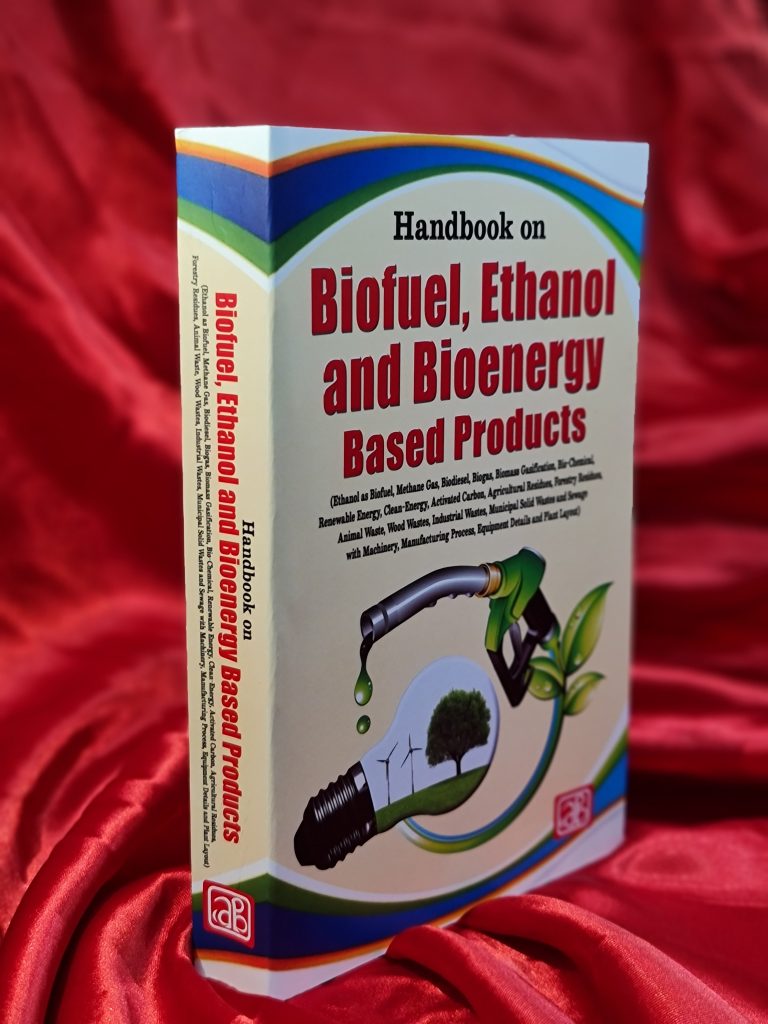
The Handbook on Biofuel, Ethanol and Bioenergy Based Products serves as a vital guide for entrepreneurs, researchers, and industries exploring sustainable energy alternatives. As the global focus shifts toward clean and renewable energy, biofuels and ethanol are taking center stage in energy policy discussions and green technology innovations. This handbook outlines the fundamentals of producing bioenergy products from organic and waste materials, offering deep insights into technologies, processes, market trends, raw material availability, and investment potential. Whether you’re launching a biofuel startup or expanding into ethanol production, this handbook provides a solid foundation for informed decision-making. Overview of Biofuel and Ethanol Technology The Handbook on Biofuel, Ethanol and Bioenergy Based Products dives into the science and engineering behind biofuel production. It explains how biomass—such as agricultural waste, sugarcane, corn, and lignocellulosic material—is converted into ethanol and other liquid biofuels through biochemical or thermochemical methods. Processes like fermentation, transesterification, and pyrolysis are described in detail, enabling readers to understand how different feedstocks impact fuel quality, energy output, and production cost. In addition to ethanol, the handbook explores biodiesel, biogas, and advanced biofuels made from algae and municipal solid waste. Each method’s pros, cons, and technical requirements are outlined for feasibility analysis. The content equips users to design small to large-scale production units while meeting sustainability and regulatory standards. Market Demand and Policy Support One of the highlights of the Handbook on Biofuel, Ethanol and Bioenergy Based Products is its analysis of the rising market demand fueled by climate change concerns, fossil fuel limitations, and governmental push toward energy independence. Countries like India, Brazil, and the United States are setting ambitious ethanol blending mandates, creating a huge need for reliable biofuel manufacturing units. With ethanol blending programs like E20 and global net-zero carbon targets, the demand for bioenergy is set to rise exponentially over the next decade. This handbook includes updated statistics, government schemes, and carbon credit opportunities that impact investment decisions. For instance, in India, the Ethanol Blended Petrol (EBP) program and SATAT scheme for compressed biogas are driving funding and entrepreneurship in this sector. Raw Materials and Feedstock Availability The Handbook on Biofuel, Ethanol and Bioenergy Based Products explains in detail the raw materials used across biofuel variants. For ethanol, the most common feedstocks include sugarcane molasses, corn, rice straw, and sweet sorghum. Biodiesel, on the other hand, is derived from non-edible oils like jatropha, waste cooking oil, or animal fats. The book helps entrepreneurs identify cost-effective and locally available feedstock, their yield per ton, moisture content, and storage requirements. It also outlines pre-processing methods like shredding, drying, or pretreatment required before these materials can be converted into fuel. Proper selection of feedstock is key to reducing operational costs and achieving consistent output. Plant Setup, Machinery, and Cost Estimation Another core section of the Handbook on Biofuel, Ethanol and Bioenergy Based Products covers plant design, equipment selection, and layout planning. It offers sample diagrams and technical specifications of essential machinery including fermenters, distillation columns, bio-digesters, centrifuges, feedstock crushers, and storage tanks. Readers are guid through steps like site selection, effluent treatment planning, fire safety requirements, and environmental clearances. The handbook also provides preliminary cost estimates for setting up small-, medium-, and large-scale biofuel manufacturing plants. Detailed CAPEX (capital expenditure) and OPEX (operational expenditure) breakdowns help in preparing feasibility reports and securing funding from government or private investors. Compliance, Licensing, and Quality Control The Handbook on Biofuel, Ethanol and Bioenergy Based Products also focuses on legal and quality aspects of the industry. It lists required licenses such as environment clearance from pollution control boards, PESO approval for fuel storage, BIS certification, and ethanol supply agreements with oil marketing companies (OMCs). Quality control is vital in biofuel production. Ethanol purity, calorific value, moisture levels, and sulfur content are among the parameters that determine acceptance. The handbook outlines best practices for maintaining product quality, minimizing emissions, and ensuring operational safety, making it a trusted reference for compliance. Financial Viability and Profit Potential The business of biofuels and ethanol is not just environmentally sustainable—it’s economically viable too. The Handbook on Biofuel, Ethanol and Bioenergy Based Products includes financial models that show ROI (return on investment), IRR (internal rate of return), and breakeven points for typical units. It discusses pricing trends, government procurement rates, and subsidy availability. With strong government support and rising fuel prices, biofuel units can generate attractive margins, especially when coupled with by-product revenue from distillers’ dried grains (DDGS), glycerin, or compost. Moreover, the handbook explains how biofuel producers can monetize carbon credits in addition to participating in renewable energy certificates (RECs), thereby further boosting profitability. Export Potential and Global Opportunities In addition to domestic supply, the Handbook on Biofuel, Ethanol and Bioenergy-Based Products highlights international opportunities in exporting biofuels to countries that rely on imports to meet clean energy targets. Specifically, ethanol and biodiesel are in high demand in the EU, Japan, and parts of Africa. Furthermore, the handbook guides readers on export documentation, international quality certifications, trade laws, and shipping logistics. Given this support, with the right quality and pricing, Indian producers can therefore establish long-term supply agreements with global energy companies and traders. Research, Innovation, and the Future The final chapters of the Handbook on Biofuel, Ethanol and Bioenergy Based Products emphasize the importance of innovation in creating next-generation biofuels. It explores developments like cellulosic ethanol, hydrogen-rich bio-oils, and algal biofuels that hold promise for higher energy density and lower environmental impact. The handbook encourages partnerships with academic institutions, participation in green energy accelerators, and investment in R&D labs. Conclusion The Handbook on Biofuel, Ethanol and Bioenergy Based Products is more than a technical guide—it is a roadmap for building a future-proof business aligned with global sustainability goals. It empowers readers with knowledge of processes, regulations, financials, and market dynamics to successfully start or grow a biofuel enterprise. As the world moves away from fossil fuels, bioenergy presents an incredible opportunity to contribute to the green economy while building a profitable and resilient business. Whether you’re a first-time
Bioplastics & Biodegradable Products Manufacturing Handbook
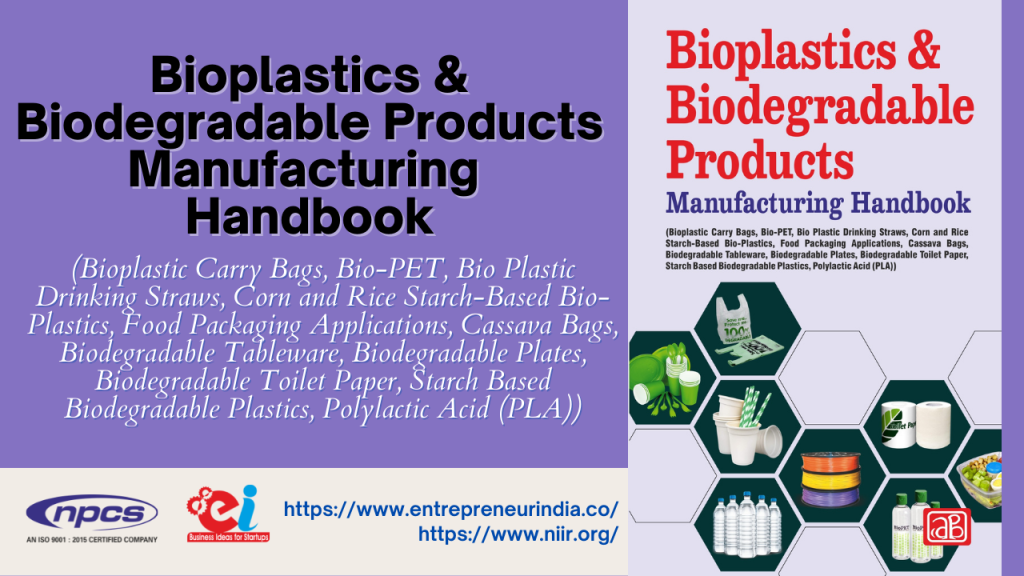
The Bioplastics & Biodegradable Products Manufacturing industry is emerging as a revolutionary sector in the global effort to combat plastic pollution. With governments, corporations, and consumers moving toward sustainable alternatives, bioplastics are gaining traction across packaging, agriculture, medical, and consumer goods industries. Bioplastics, derived from renewable sources like corn starch, sugarcane, or cellulose, offer eco-friendly properties such as biodegradability and compostability. For entrepreneurs and manufacturers, this is a high-potential, future-ready industry that aligns profitability with planet-positive impact. Investing in bioplastics and biodegradable manufacturing can future-proof your business while serving growing demand. Market Potential and Growth Drivers The global bioplastics and biodegradable market is projected to exceed $25 billion by 2027, growing at a rapid pace due to stringent environmental policies, rising awareness, and corporate sustainability goals. In India, the government has already banned single-use plastic items, encouraging manufacturers to switch to alternatives. This gives a massive boost to the Bioplastics & Biodegradable Products Manufacturing sector. Key industries fueling this demand include food packaging, agriculture films, disposable cutlery, bags, and medical disposables. With customers increasingly seeking green certifications and plastic alternatives, a manufacturing setup can cater to both B2B bulk buyers and eco-conscious retail markets. Startups in this field are also receiving funding support from sustainability-focused investors, further increasing its feasibility and growth prospects. Books Link: Bioplastics & Biodegradable Products Manufacturing Handbook (Bioplastic Carry Bags, Bio-PET, Bioplastic Drinking Straws, Corn and Rice Starch-Based Bioplastics, Food Packaging Applications, Cassava Bags, Biodegradable Tableware, Biodegradable Plates Raw Materials and Feedstock Sources Raw materials for Bioplastics & Biodegradable Products Manufacturing typically include renewable, plant-based resources such as corn starch, tapioca, sugarcane bagasse, and cellulose. Some specialty polymers like PLA (Polylactic Acid), PHB (Polyhydroxybutyrate), and PBS (Polybutylene Succinate) are also widely used. Depending on the end-use, other materials like starch blends or bio-PET may be added to enhance performance. India’s agricultural diversity provides easy access to feedstock like cassava, maize, and agricultural waste that can be processed to produce biodegradable polymers. Partnerships with sugar mills, starch industries, or agro-waste processing plants can help reduce input costs while ensuring sustainability. Waste valorization from food or crop industries also adds value to the supply chain and strengthens the green story of your business. Read Similar Articles: Biodegradable products Manufacturing Process and Machinery The Bioplastics & Biodegradable Products Manufacturing process involves polymer extraction or compounding followed by product molding or extrusion. The exact process depends on the desired output—bags, cutlery, films, containers, or packaging sheets. The basic steps include: Polymer mixing and plasticization Extrusion or injection molding Product shaping and finishing Cooling, trimming, and packing Machinery requirements include extruders, injection molding machines, thermoforming units, pelletizers, and film blowers. Fully automatic systems are available for high-speed production. Temperature and moisture control are critical during processing, as biodegradable materials often have different thermal behaviors than petroleum-based plastics. A typical medium-sized plant requires 5,000–10,000 sq. ft. of production space. Start a Business in Biodegradable Products Industry, Click Here Investment and Profit Margins Setting up a Bioplastics & Biodegradable Products Manufacturing unit involves a moderate to high investment depending on scale, automation, and product diversity. A small-scale setup with film extrusion and bag making capabilities may start from ?35–50 lakh, whereas a mid-sized multiproduct unit may need ?1.5–2.5 crore. Breakdown of costs includes: Machinery and equipment: 40–50% Infrastructure and utilities: 20% Raw materials and packaging: 20% Certifications and legal compliance: 5–10% The selling price of bioplastic products is usually 2–3x that of conventional plastic due to material and processing cost, but customers pay the premium for environmental benefits. Gross margins can be as high as 30% in retail products and 15–20% in bulk B2B orders. Long-term contracts with FMCG brands, exporters, and packaging companies ensure consistent returns. Related Feasibility Study Reports: Biodegradable Products, Recyclable, Disposable, Eco-Friendly Plastics, Bioplastics, Compostable, Biodegradable Packaging for Food Products, Bio-based Polymers, Oxo-biodegradable Plastics, Bio-nanocomposites using Maize, Corn, Sugarcane Bagasse Licensing and Regulatory Compliance Operating a Bioplastics & Biodegradable Products Manufacturing unit in India requires you to meet specific legal and environmental guidelines. These include: Udyam MSME registration GST registration Pollution Control Board clearance BIS certification for biodegradable bags CPCB (Central Pollution Control Board) approvals ISO 14001 (Environmental Management) and ISO 9001 (Quality) for larger plants For compostable products, your material needs to pass IS/ISO 17088 testing and obtain CPCB approval to be recognized as “certified biodegradable.” Exporters also require FDA or EU Food Contact certifications depending on destination markets. Transparent labeling, quality consistency, and documentation are key to building trust with regulatory bodies and end-users. Related Books: Environmentally Friendly, Eco-Friendly Products, Natural Products, Biodegradable Plastics, Natural Dyes and Pigments, Jute Products, Natural Fibers Marketing and Sales Strategy The demand for Bioplastics & Biodegradable Products Manufacturing output spans multiple industries. Your sales strategy should target: Food & beverage brands E-commerce and retail packaging suppliers Supermarkets and organic stores Pharma and medical equipment makers Agro film users (mulching films, plant pots) Sales channels include distributor networks, online platforms (B2B and B2C), trade shows, and CSR-aligned partnerships. Storytelling is important—highlighting eco-benefits, carbon savings, and certifications in your brand positioning enhances appeal. Offering private labeling or custom molds for business buyers also increases value and loyalty. Sustainability and Long-Term Impact The biggest advantage of Bioplastics & Biodegradable Products Manufacturing lies in its contribution to sustainability. It reduces dependency on fossil fuels, minimizes landfill load, and aligns with global climate targets. These products decompose in natural conditions, leaving no toxic residue, making them safe for soil, water, and wildlife. This business contributes to a circular economy by turning biomass or waste into valuable, non-polluting products. It empowers industries to meet their EPR (Extended Producer Responsibility) obligations and gain carbon credits. For businesses, it’s not just profit—it’s purpose-driven innovation. Future Scope and Expansion As the world transitions away from petroleum-based plastics, the Bioplastics & Biodegradable Products Manufacturing sector is poised for explosive growth. The future includes: Edible or water-soluble films Biodegradable PPE and medical disposables Compostable courier packaging for e-commerce Bioplastic 3D printing filaments Integration with AI-based waste sorting systems The technology and
The Complete Technology Book on Pesticides, Insecticides, Fungicides and Herbicides
The Book on Pesticides, Insecticides, Fungicides and Herbicides is a comprehensive guide for individuals, professionals, and entrepreneurs interested in the agrochemical industry. With the growing demand for agricultural productivity and crop protection, this sector has become vital to global food security. This book provides in-depth insights into chemical classifications, formulations, application methods, manufacturing processes, safety standards, and regulatory requirements. Whether you’re a startup investor, agribusiness developer, or academic researcher, the Book on Pesticides, Insecticides, Fungicides and Herbicides offers essential knowledge to navigate and thrive in this complex yet rewarding domain. Scope and Relevance of Agrochemicals in Modern Farming The global agricultural industry relies heavily on pesticides and related agrochemicals to enhance crop yields and reduce losses caused by pests, diseases, and weeds. In this context, the Book on Pesticides, Insecticides, Fungicides and Herbicides provides a clear and comprehensive explanation of how each category contributes uniquely to crop protection—pesticides serving as the umbrella term, insecticides specifically targeting insect pests, fungicides combating fungal infections, and herbicides effectively managing unwanted weeds. Given the backdrop of rising food demand and increasingly limited cultivable land, the importance of precision agriculture and chemical crop protection has grown significantly. Accordingly, the book showcases a wide spectrum of solutions—ranging from time-tested chemical agents to modern, science-driven formulations—that align with sustainable farming practices and integrated pest management (IPM) systems. In addition, it explores the expanding role of biopesticides and eco-friendly alternatives, thereby making the content especially valuable not only to conventional chemical manufacturers but also to green entrepreneurs and sustainability-focused stakeholders. Crucially, the book addresses both the challenges and the emerging opportunities in transitioning toward safer, biodegradable, and residue-free agro-inputs. Altogether, this volume equips readers with the knowledge required to navigate the evolving landscape of crop protection—where innovation, safety, and sustainability must converge. Book Link: The Complete Technology Book on Pesticides, Insecticides, Fungicides and Herbicides (Agrochemicals) with Formulae, Manufacturing Process, Machinery & Equipment Details 2nd Revised Edition Manufacturing Processes and Formulation Techniques A major highlight of the Book on Pesticides, Insecticides, Fungicides and Herbicides is its comprehensive and practical explanation of the manufacturing techniques involved in producing agrochemical compounds. To begin with, it thoroughly describes the synthesis of active ingredients, selection of appropriate carriers, and classification of formulation types such as wettable powders, emulsifiable concentrates, granules, suspension concentrates, and encapsulation technology. This foundational knowledge is essential for ensuring product stability, ease of application, and target-specific efficacy in field conditions. Moreover, the book elaborates on the essential industrial machinery required for each stage of the production process—including reactors, mixers, distillation columns, filtration units, drying chambers, packaging lines, and effluent treatment systems. By doing so, it provides a clear blueprint for equipment planning and integration in production facilities. Entrepreneurs exploring agrochemical manufacturing will especially appreciate the step-by-step technical guidance, plant layout recommendations, and scale-up strategies that support the launch of medium- to large-scale operations. In addition to conventional practices, the book also delves into cutting-edge innovations such as nano-formulations, controlled release technologies, and drone-assisted spray delivery systems. These forward-looking sections ensure the content remains highly relevant for stakeholders involved in both traditional and emerging agritech ecosystems. Altogether, this book serves not only as a technical manual but also as a strategic resource for building a competitive and future-ready agrochemical enterprise. Start a Business in Agrochemicals Industry, Click Here Regulatory and Licensing Landscape The Book on Pesticides, Insecticides, Fungicides and Herbicides thoroughly outlines the regulatory framework surrounding agrochemicals in India and globally. It emphasizes the importance of registration under the Insecticides Act, 1968, mandatory quality certifications, packaging and labeling guidelines, and environmental safety protocols. Before any pesticide or insecticide is manufactured or sold, it must be registered with the Central Insecticides Board & Registration Committee (CIBRC). The book provides a complete checklist of documentation needed, including toxicology reports, field trial data, manufacturing license applications, and BIS standards for product testing. For businesses looking to export, it explains the harmonization of Indian regulations with FAO guidelines, REACH (Europe), and EPA (USA) norms. Entrepreneurs will appreciate the book’s focus on compliance, as failure to meet these standards can result in heavy penalties or business closure. Market Trends and Business Potential The Book on Pesticides, Insecticides, Fungicides and Herbicides includes valuable market research and demand analysis. It shows how Asia-Pacific, particularly India and China, is becoming a global hub for pesticide production due to availability of raw materials, skilled workforce, and lower manufacturing costs. The book details the most in-demand products by crop type—rice, wheat, cotton, vegetables—and seasonal usage patterns. It highlights the rising consumption of fungicides in horticulture, selective herbicides in no-till farming, and insecticide rotation practices to avoid pest resistance. With the Indian agrochemical industry projected to reach ?80,000+ crore by 2030, this book positions entrepreneurs to tap into growing domestic and export opportunities. It also features a section on business planning—cost estimation, break-even analysis, distribution strategies, and ROI benchmarks for small-to-medium pesticide ventures. Read our Books Here: Agrochemicals, Pesticides, Insecticides, Fungicides, Herbicides, Biofertilizer, Vermicompost Manufacturing Safety Measures and Environmental Impact One of the most critical chapters in the Book on Pesticides, Insecticides, Fungicides and Herbicides is focused on safety, both in production and application. It outlines safe handling practices, personal protective equipment (PPE), storage requirements, transportation norms, and proper waste disposal. The book stresses the environmental impact of pesticide misuse—such as soil degradation, water contamination, and harm to non-target species—and offers solutions like buffer zones, drift reduction methods, and education campaigns for farmers. For modern readers, there is also an exploration of organic substitutes, biopesticides, neem-based formulations, and microbial fungicides that minimize ecological damage. This approach makes the book not just a technical manual but a responsible guide that balances industrial ambition with environmental stewardship. Read Similar Articles: Agrochemicals Who Should Read This Book? The Book on Pesticides, Insecticides, Fungicides and Herbicides is ideal for a wide range of readers. These include: Aspiring entrepreneurs planning a pesticide or herbicide manufacturing unit Agrochemical traders, importers/exporters, and formulators Agricultural extension officers and agribusiness consultants Environmental health and safety (EHS) professionals R&D scientists