
The Complete Technology Book on Dyes & Dye Intermediates
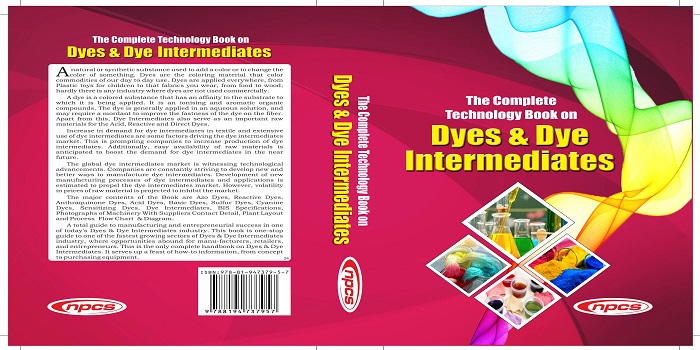
In the world of colorants and textile innovation, the book on dyes and dye intermediates is an essential resource for professionals, students, researchers, and entrepreneurs. This comprehensive reference not only provides insights into the chemistry and applications of dyes but also explores their manufacturing processes, classifications, and market potential. Whether you are planning to enter the chemical industry or want to deepen your understanding of the dye sector, this book is a treasure trove of technical knowledge and industrial guidance. Related Business Plans: Dyestuff , Dyes, Pigments and Dye Intermediates Projects An Overview of Dyes and Dye Intermediates Dyes are substances used to impart color to materials such as textiles, leather, paper, and plastics. Dye intermediates are the raw materials or chemical compounds used in the synthesis of dyes. These intermediates form the building blocks for numerous types of synthetic dyes, especially azo dyes, reactive dyes, acid dyes, and disperse dyes. The book on dyes and dye intermediates serves as an in-depth guide to: Types of dyes and their specific applications Chemical structures and synthesis methods Raw materials used in the production of dyes Environmental impact and waste treatment Manufacturing processes and plant layout Industrial standards and regulations Types of Dyes Covered in the Book This book thoroughly explains different dye classes, including: Azo Dyes: Widely used in textiles due to their bright shades and cost-effectiveness Reactive Dyes: Ideal for cotton and cellulose fibers; offer good wash fastness Acid Dyes: Mainly used for protein fibers like wool and silk Disperse Dyes: Best suited for synthetic fibers such as polyester Basic Dyes: Used on acrylic fibers and have high tinctorial strength Direct Dyes: Applied directly to the fabric without a binding agent Vat and Sulfur Dyes: Used for deep shades on cotton with high colorfastness Each dye category is discussed in terms of chemical composition, dyeing mechanism, and compatibility with various substrates. Dye Intermediates and Their Industrial Significance The production of synthetic dyes heavily relies on dye intermediates, which are typically derived from petrochemicals. Common intermediates include: Aniline Naphthol Sulfanilic acid H-acid and J-acid Benzidine derivatives These compounds undergo processes such as nitration, sulfonation, reduction, and coupling to form final dye products. The book details each of these reactions, complete with reaction mechanisms, catalysts used, and by-products generated. Manufacturing Process Flow Diagrams and Plant Setup One of the book’s standout features is its detailed illustrations of manufacturing processes, including: Batch and continuous production models Reaction vessel specifications Effluent treatment setups Equipment required for various dye classes Cost estimation and economic viability of setting up a dye plant Entrepreneurs and plant designers will particularly benefit from the technical layouts and real-world examples provided in this section. Environmental and Safety Considerations Dye manufacturing involves hazardous chemicals that can pose serious environmental risks. The book addresses: Effluent treatment methods (ETP) Zero liquid discharge (ZLD) systems Air pollution control techniques Worker safety protocols and PPE usage Waste minimization and by-product utilization Compliance with REACH regulations, Indian BIS standards, and GOTS certification is also discussed in detail to help businesses remain globally competitive. Applications and Market Trends Dyes and dye intermediates are used across diverse industries: Textiles and garments Paper and pulp industry Plastics and paints Food, cosmetics, and pharmaceuticals Leather processing and packaging The book offers a market analysis on the global demand, export potential, and import dynamics for various dye types. Emerging trends such as natural dyes, digital textile printing inks, and eco-friendly alternatives are also explored. Who Should Read This Book? This book is ideal for: Chemical engineering students Entrepreneurs planning to start dye or pigment manufacturing R&D professionals in colorant and textile industries Exporters and importers in the chemical sector Environmental consultants and compliance officers With a blend of theoretical knowledge and industrial application, this resource acts as both an academic textbook and a practical business guide. Conclusion Whether you’re a budding entrepreneur aiming to enter the dye manufacturing industry or a researcher seeking in-depth chemical insights, this book on dyes and dye intermediates will serve as your ultimate companion. With detailed explanations, flowcharts, market data, and safety standards, it bridges the gap between theory and practical execution. Related Books: Dyes And Dye Intermediates, Textile Dyes & Pigments, Textile Auxiliaries, Natural, Synthetic Dyes And Pigments See More Links: Start a Business in Asia Start a Business in Potential Countries for Doing Business Best Industry for Doing Business Business Ideas with Low, Medium & High Investment Looking for Most Demandable Business Ideas for Startups Start a Business in Africa Start a Business in India Start a Business in Middle East Related Videos Related Books Related Projects Related Market Research Reports NIIR PROJECT CONSULTANCY SERVICES, DELHI An ISO 9001:2015 Company ENTREPRENEUR INDIA 106-E, Kamla Nagar, Opp. Mall ST, New Delhi-110007, India. Email: npcs.ei@gmail.com info@entrepreneurindia.co Tel: +91-11-23843955, 23845654, 23845886 Mobile: +91-9097075054, 8800733955 Website: https://www.entrepreneurindia.co https://www.niir.org Contact Us
Manual of On Vermiculture and Vermicomposting
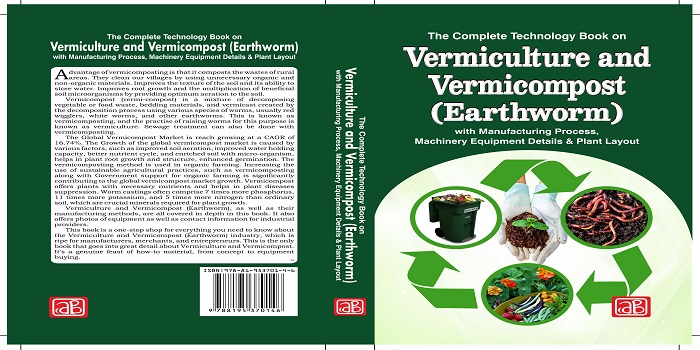
Vermiculture and vermicomposting are eco-friendly and sustainable methods of converting organic waste into high-quality compost using earthworms. This natural recycling process not only enriches the soil but also plays a vital role in organic farming, waste management, and eco-agriculture. With the rising awareness about soil health, chemical-free produce, and sustainable farming, starting a vermicomposting business is both environmentally impactful and economically viable. This business idea requires minimal investment, uses readily available organic waste, and can be started even on a small plot of land, making it ideal for rural entrepreneurs, farmers, and agro-startups. Visit this Page for More Information: Start a Business in Vermiculture and Vermicompost Industry What is Vermiculture and Vermicomposting? Vermiculture refers to the cultivation of earthworms, particularly for the purpose of producing compost and as a source of live feed for fish and poultry. Vermicomposting is the process of breaking down organic waste (like kitchen scraps, farm residue, cow dung, etc.) using specific species of earthworms (e.g., Eisenia fetida) to produce nutrient-rich organic compost known as vermicast. This compost is rich in: Nitrogen Phosphorus Potassium Microbial life And it’s widely used in organic farming, nurseries, landscaping, and kitchen gardens. Read our Books Here: Biofertilizer, Biofertiliser, Biogas, Organic Farming, Vermicompost, Vermiculture, Biotechnology 1. Types of Earthworms Used in Vermicomposting Not all earthworms are suited for composting. The following species are commonly used: Eisenia fetida (Red wigglers) Eudrilus eugeniae (African nightcrawler) Perionyx excavatus (Indian blue worm) These species thrive in decaying organic material and reproduce rapidly, making them ideal for commercial vermicomposting. 2. Setting Up a Vermiculture and Vermicomposting Unit The setup is simple and low-cost. Here’s how you can start: a. Land and Space Requirements Minimum: 500–1000 sq. ft. Ideal: Shaded, well-drained area No direct sunlight or rain exposure b. Vermicompost Bed/Structure You can use: Brick-lined beds (3 ft × 10 ft × 1 ft) Cement tanks or plastic bins Raised beds under thatched roofing c. Materials Needed Cow dung (pre-decomposed) Agricultural waste Vegetable peels, dry leaves, husk Moisture (40–50%) Earthworms (1 kg can process 1 quintal of waste) d. Step-by-Step Process Pre-decompose farm waste with cow dung for 10–15 days. Fill the vermicompost bed with this mixture. Introduce earthworms evenly (approx. 1 kg per 100 kg of waste). Cover the bed with a jute sack or gunny bags. Sprinkle water regularly to maintain 40–50% moisture. Compost will be ready in 45–60 days. Separate worms by light exposure and harvest the black granular compost. 3. Machinery and Tools Required While most of the process is manual, you may need: Shovels and rakes Sieving machine (for compost refinement) Moisture meter Vermiwash collection unit (for liquid extract) Compost packing machine (optional for scale) Download PDF: The Complete Technology Book on Vermiculture and Vermicompost (Earthworm) 4. Licenses and Certifications Though vermicomposting is a low-regulation business, for commercial selling, you may require: Udyam (MSME) Registration Fertilizer license under the Fertilizer Control Order (FCO) GST registration Organic certification (for exports or branded products) You can also opt for Agmark or ICAR-certified compost testing to boost credibility. 5. Market Demand and Buyers Vermicompost is widely used by: Organic farmers and horticulturists Fruit and vegetable growers Landscaping and gardening companies Nurseries and plantations Government schemes like MIDH and organic farming missions Agro-based startups and retailers Packaging Options: 1 kg, 5 kg, 10 kg, and 25 kg bags Bulk packs for farms Branded packs for retail stores and eCommerce 6. Cost and Investment Breakdown A small-scale vermiculture and vermicomposting unit can be started with minimal capital. For 1000 sq. ft. unit: Item Cost Shed and vermibeds ?30,000 – ?50,000 Earthworms (20–30 kg) ?10,000 – ?15,000 Tools and trays ?10,000 Labor and water setup ?15,000 Branding, Packaging & Misc. ?10,000 Total Initial Cost ?75,000 – ?1,00,000 7. Profit Margin and ROI The vermicompost business is highly profitable, especially with repeat buyers and bulk orders. 1 kg of vermicompost sells for ?8–?15 (retail) and ?4–?7 (bulk) From 1000 kg of organic waste, you get approx. 600–700 kg of vermicompost Monthly production from a 1000 sq. ft. unit: 2–3 tons Monthly gross income: ?30,000 – ?50,000 Net Profit Margin: 40–60% Break-even: Within 6–8 months Additionally, vermiwash (liquid extract) can be bottled and sold as organic pesticide/fertilizer, adding a new revenue stream. 8. Marketing and Sales Strategy To grow your vermiculture and vermicomposting business: List on Agri B2B platforms (AgriBegri, BigHaat, IndiaMART) Partner with organic stores and farmer cooperatives Create a brand name and eco-friendly packaging Sell on Amazon, Flipkart, Jiomart (gardening section) Use WhatsApp, Facebook, and Instagram for farmer reach Educate buyers on benefits through workshops and farm tours Collaborate with NGOs promoting sustainable farming Final Thoughts Starting a vermiculture and vermicomposting business is more than just a venture—it’s a contribution to a sustainable, organic future. It helps in managing biodegradable waste efficiently while creating a high-demand product with minimal environmental impact. With growing interest in chemical-free farming and green entrepreneurship, vermicomposting offers both profitability and purpose. Whether you’re a farmer, agri-preneur, or eco-conscious businessperson, this is your chance to turn waste into wealth and soil into gold—literally. Related Feasibility Study Reports: Biotechnology See More Links: Start a Business in Asia Start a Business in Potential Countries for Doing Business Best Industry for Doing Business Business Ideas with Low, Medium & High Investment Looking for Most Demandable Business Ideas for Startups Startup Consulting Services Start a Business in Africa Start a Business in India Start a Business in Middle East Related Videos Related Books Related Projects Related Market Research Reports NIIR PROJECT CONSULTANCY SERVICES, DELHI An ISO 9001:2015 Company ENTREPRENEUR INDIA 106-E, Kamla Nagar, Opp. Mall ST, New Delhi-110007, India. Email: npcs.ei@gmail.com info@entrepreneurindia.co Tel: +91-11-23843955, 23845654, 23845886 Mobile: +91-9097075054, 8800733955 Website: https://www.entrepreneurindia.co https://www.niir.org Contact Us
Bioplastics & Biodegradable Products Manufacturing Handbook
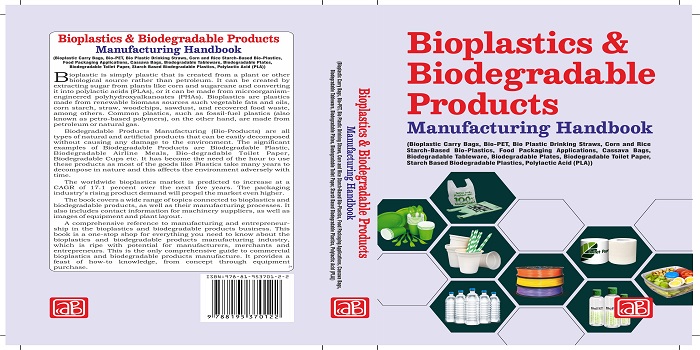
The Biodegradable Products Manufacturing Handbook is a vital guide for entrepreneurs looking to launch eco-friendly businesses in today’s sustainability-focused economy. With rising environmental concerns, increasing government regulations on plastic, and changing consumer preferences, the demand for biodegradable alternatives is growing rapidly in India and worldwide. This guide outlines key insights into biodegradable product categories, raw materials, machinery, processes, legal standards, and business opportunities. If you’re planning to enter this space, understanding these foundational elements is crucial for long-term success. Start a Business in Biodegradable Products Industry, Click Here What Are Biodegradable Products? Biodegradable products are materials that can naturally break down into non-toxic components through microbial action over time. These products decompose without harming the environment, unlike conventional plastic which takes hundreds of years to degrade. Common Examples of Biodegradable Products: Tableware (plates, spoons, bowls, straws) Carry bags made from corn starch or cassava Compostable garbage bags Biodegradable packaging films Sanitary products and diapers Mulch films for agriculture Cutlery, cups, and takeaway containers 1. Why Start a Biodegradable Products Manufacturing Business? a. Eco-Friendly Demand Surge With bans on single-use plastic and climate change awareness, the Indian market is shifting toward sustainable solutions. b. Government Policies & Incentives India’s ban on single-use plastics and subsidies for green industries create a favorable ecosystem for manufacturing. c. Export Opportunities Countries in Europe, North America, and parts of Asia are major importers of biodegradable products. d. Fast-Growing Market The global biodegradable plastic market is expected to reach USD 20+ billion by 2030, growing at a CAGR of over 13%. Related Feasibility Study Reports: Biodegradable Products 2. Raw Materials Used in Biodegradable Product Manufacturing Choosing the right biodegradable raw material is key to ensuring your product is truly compostable and compliant with regulations. Common Raw Materials Include: Sugarcane Bagasse: A fibrous by-product of sugarcane processing Corn Starch (PLA): Used for films, packaging, and tableware Areca Palm Leaves: Used for eco plates and bowls Rice Husk or Wheat Bran Cassava or Tapioca Starch Paper Pulp and Bamboo Fiber PLA + PBAT (blends) for compostable bags Each material has its own processing technique and shelf life, so understanding compatibility is crucial. 3. Types of Biodegradable Products You Can Manufacture a. Disposable Tableware Plates, spoons, bowls, and containers made from bagasse or areca palm leaves. b. Biodegradable Carry Bags Made using PLA, PBAT, or starch-based formulations. These are commonly used in retail, grocery, and agriculture. c. Compostable Packaging Food wrapping films, trays, containers, and vacuum-sealable bags. d. Agricultural Mulch Films Used to cover soil, these break down over time and enrich the land. e. Biodegradable Cutlery and Straws Popular in the hospitality industry as eco-friendly alternatives. 4. Machinery Required for Manufacturing The selection of machinery depends on the product category. Here are commonly used machines: Pulp Molding Machine – For tableware and packaging Bag Making Machine – For compostable carry bags Injection Molding Machine – For cutlery and containers Film Blowing Machine – For biodegradable films and wraps Hot Press Machine – For palm leaf products Extrusion Machine – For sheets and agricultural films Prices range from ?5 lakh to ?50 lakh depending on capacity and automation levels. Related Books: Environmentally Friendly 5. Manufacturing Process Overview Though the process varies by product, the basic stages include: Raw Material Preparation – Cleaning, grinding, or pulping Forming – Using molds or extrusion to shape products Drying & Trimming – Removing moisture and refining shape Printing or Branding – Optional step for custom designs Packaging – Eco-packaging materials are usually preferred Example: For sugarcane bagasse tableware, the process includes pulping, molding with heat and pressure, drying, and packing. 6. Licenses and Certifications Required Before starting a biodegradable products manufacturing business, it’s essential to comply with local and national guidelines. Required Licenses: Udyam MSME Registration GST Registration Pollution Control Board NOC Factory License Trade License (Municipal) Important Certifications: CPCB/State PCB approval for compostable products ISO 17088 certification for biodegradable plastics Compostability test report from CIPET or BIS labs FDA and FSSAI (for food-contact products) Compliance helps build brand credibility and facilitates export approval. 7. Investment and Profit Margin Initial Setup Cost (for small unit): Machinery: ?10 – ?30 lakh Raw Material stock: ?2 – ?5 lakh Setup cost (shed, electricity, etc.): ?5 – ?10 lakh Labor & Operation: ?1.5 lakh/month Expected Monthly Profit: Turnover: ?4 – ?10 lakh/month (depends on scale) Profit Margin: 25% – 40% (after breakeven) Break-even Period: 12–18 months for small-scale units The business is scalable, and exporting increases profits significantly. 8. Target Market and Customers Your customers may include: Retail stores and supermarkets E-commerce packaging suppliers Hotel and restaurant chains Hospitals and food caterers Agri-input suppliers (for mulch films) Government organizations for public use International wholesalers and distributors A strong B2B sales team or digital presence can help scale rapidly. 9. Marketing Strategy for Biodegradable Products Highlight eco-benefits and government compliance Create a brand identity around sustainability Focus on B2B partnerships with restaurant chains and retailers Use green packaging and certifications in your branding Social media campaigns to build eco-conscious communities List on B2B platforms like IndiaMART, TradeIndia, Alibaba Conclusion This Biodegradable Products Manufacturing Handbook offers a complete overview for entrepreneurs aiming to build an environmentally responsible business. With increasing global demand for plastic-free solutions, India has the resources, policy support, and raw materials to lead in biodegradable product manufacturing. Whether you’re targeting tableware, packaging, or agri-products, this is the right time to step into this booming market and align profits with the planet. Be sure to maintain quality, compliance, and eco-authenticity to build long-term brand value. Read Similar Articles: Biodegradable products See More Links: Start a Business in Asia Start a Business in Potential Countries for Doing Business Best Industry for Doing Business Business Ideas with Low, Medium & High Investment Looking for Most Demandable Business Ideas for Startups Start a Business in Africa</strong> Start a Business in India Related Projects Related Market Research Reports NIIR PROJECT CONSULTANCY SERVICES, DELHI An ISO 9001:2015 Company ENTREPRENEUR INDIA 106-E, Kamla Nagar, Opp. Mall ST, New Delhi-110007, India. Email:
Money Making Business Ideas you can start from Home
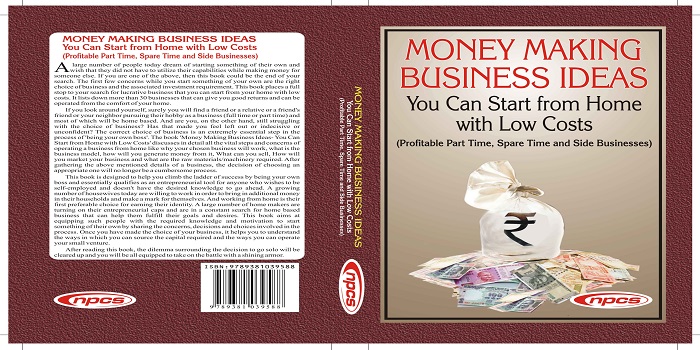
In today’s fast-paced digital economy, exploring money making business ideas is more relevant than ever. Whether you’re looking to escape your 9-to-5 job, earn a passive income, or start your own empire, there’s never been a better time to launch a profitable business. From online startups to low-investment ventures and scalable service-based models, numerous business ideas can help you generate a sustainable and substantial income in 2025. This guide outlines some of the most effective, trending, and realistic money-making business ideas you can start with minimal investment and maximum returns. Related Projects: Projects for Small and Medium Enterprises Why Choose a Business Over a Job? Starting your own business can offer more than just money—it provides freedom, control over your schedule, and the ability to scale your income infinitely. Benefits: No income ceiling Tax benefits for business owners Build generational wealth Personal and creative freedom Impact and legacy creation 1. Dropshipping Business What Is It? A low-investment eCommerce model where you sell products without stocking inventory. Products are shipped directly from the supplier to the customer. Why It’s Profitable: No warehouse or upfront inventory cost Access to global markets via Shopify, Amazon, or WooCommerce Trending niches: gadgets, fitness accessories, pet products Investment: ?25,000 – ?50,000 Profit Margin: 15% – 45% Tools Needed: Shopify/WordPress, AliExpress, Oberlo or CJdropshipping 2. Freelancing Services What Is It? Offer your skills (writing, designing, coding, SEO, video editing, etc.) on freelancing platforms like Fiverr, Upwork, and Freelancer. Why It’s Profitable: No initial investment other than your skills Highly scalable—turn freelance into an agency later You can work with global clients and earn in USD Investment: ?5,000 – ?10,000 (portfolio, website) Profit Potential: ?50,000–?2 lakh/month Best Niches: Content writing, graphic design, digital marketing, web development 3. Affiliate Marketing What Is It? Promote other companies’ products via your blog, YouTube, or Instagram and earn a commission per sale. Why It’s Profitable: Passive income stream High-ticket affiliate programs offer up to 50% commission Works well with SEO and content marketing Investment: ?10,000 – ?20,000 (domain, hosting, content) Earning Potential: ?50,000 to ?5 lakh/month Top Platforms: Amazon Associates, ShareASale, Impact, ClickBank 4. YouTube Channel or Podcast What Is It? Create video/audio content and earn via AdSense, sponsorships, and product placements. Why It’s Profitable: Evergreen content keeps earning for years Works for educational, entertainment, or niche-focused channels Monetize via ads, merchandise, courses, and collaborations Investment: ?20,000 – ?60,000 (camera, mic, software) Monetization Methods: Google Ads, Patreon, Sponsorships, Paid courses Ideal Niches: Finance, Tech, Gaming, Motivation, Fitness 5. Reselling Business (Online or Offline) What Is It? Buy in bulk from wholesalers or manufacturers and resell at a profit online (Amazon, Flipkart, Meesho) or offline. Why It’s Profitable: Easy to start via platforms like Meesho and GlowRoad Can scale into a full-fledged brand No manufacturing involved Investment: ?10,000 – ?50,000 Profit Margin: 20% – 70% Best Products: Fashion, kitchen gadgets, skincare, electronics 6. Blogging and Niche Websites What Is It? Write articles around a specific niche and earn money through ads, affiliate links, and sponsored posts. Why It’s Profitable: Long-term passive income Build authority in a niche Easily scalable by hiring writers and SEO experts Investment: ?5,000 – ?15,000 (domain, hosting, content writing tools) Monetization: Google AdSense, Ezoic, Affiliate marketing Top Niches: Personal finance, health, parenting, career advice 7. Print-on-Demand Business What Is It? Sell custom-designed products like T-shirts, mugs, or phone covers that are printed and shipped by third-party services. Why It’s Profitable: No inventory or upfront product cost Ideal for artists, designers, and niche communities Use platforms like Printful, Teespring, and Redbubble Investment: ?15,000 – ?30,000 Profit Margin: 25% – 60% Target Market: College students, fandoms, travelers 8. Social Media Management Services What Is It? Help businesses manage and grow their social media presence on platforms like Instagram, Facebook, and LinkedIn. Why It’s Profitable: High demand from startups and local businesses Can start solo and build a digital agency Monthly retainers provide consistent income Investment: ?10,000 – ?25,000 (tools, training, promotions) Earning Potential: ?20,000 to ?2 lakh/month Best Platforms: Canva, Buffer, Meta Business Suite Related Books: Startup Books For Entrepreneurs 9. Online Courses and Coaching What Is It? Create a course based on your expertise and sell it through platforms like Teachable, Udemy, or your own site. Why It’s Profitable: High profit margins (up to 90%) One-time effort, long-term earning High perceived value for niche education (e.g., coding, marketing, baking) Investment: ?20,000 – ?50,000 (course creation tools, promotion) Earnings: ?1 lakh–?10 lakh/month depending on scale Tip: Focus on solving a specific problem for a specific audience 10. Cloud Kitchen or Tiffin Services What Is It? Run a food delivery business from home without a dine-in setup. Why It’s Profitable: Low setup cost High repeat orders Growing demand from working professionals and students Investment: ?50,000 – ?2 lakh (kitchen setup, packaging) Daily Earning Potential: ?2,000 – ?10,000+ Partner With: Swiggy, Zomato, or go D2C via WhatsApp/Instagram Bonus Ideas for 2025: Virtual Assistant Services Digital Product Sales (eBooks, templates) Pet Care Services Handmade Crafts via Etsy Language Translation Services Online Stock Trading or Crypto Investment (with caution) Final Words There’s no shortage of money making business ideas in India and beyond in 2025. Whether you choose an online model like freelancing, YouTube, or eCommerce—or go offline with food, services, or reselling—you can start small and grow big with consistent effort, smart tools, and a value-first mindset. The real key? Start now. Pick one idea, validate it, and take action. Remember, every successful business today was once just an idea executed by someone brave enough to begin. Money Making Business Ideas You Can Start from Home with Low Costs See More Links: Start a Business in Asia Start a Business in Potential Countries for Doing Business Best Industry for Doing Business Business Ideas with Low, Medium & High Investment Looking for Most Demandable Business Ideas for Startups Start a Business in Africa Start a Business in India Start a Business in Middle East Related Videos Related Books Related Projects Related Market Research Reports
Handbook on Biofuel, Ethanol and Bioenergy Based Products
The biofuel, ethanol and bioenergy based products sector in India is gaining strong momentum as the nation strives toward a cleaner, more sustainable future. With rising concerns over fossil fuel dependency, climate change, and carbon emissions, bioenergy presents a practical and scalable alternative. India, being an agrarian economy, has abundant feedstock such as crop residues, sugarcane, and biomass — making it a natural hub for the development of biofuels and bio-based energy solutions. By 2030, India aims to meet 20% of its petrol requirement through ethanol blending, which will reduce import dependence, lower greenhouse gas emissions, and boost farmer incomes. Related Books: Biotechnology India’s Biofuel and Bioenergy Landscape India’s bioenergy sector is primarily focused on four main categories: bioethanol, biodiesel, compressed biogas (CBG), and biomass-based electricity generation. These clean fuels are derived from biological waste and renewable organic materials, offering a circular economy model. Key Statistics (as of 2024): Ethanol blending in petrol: 12% (targeting 20% by 2025) Total ethanol production: approx. 500 crore litres/year Potential employment: Over 1 million jobs in rural areas Estimated market value: Over USD 15 billion by 2025 1. Ethanol: The Backbone of India’s Biofuel Revolution Ethanol is a type of alcohol derived mainly from sugarcane, corn, broken rice, and agricultural waste. The Ethanol Blending Programme (EBP) launched by the Government of India aims to promote the use of ethanol in transport fuel. Benefits of Ethanol: Reduces dependency on imported crude oil Lowers carbon monoxide and other harmful emissions Increases farm income via higher demand for sugarcane, rice, and maize Creates rural job opportunities Key Players: Indian Oil Corporation (IOC) Bharat Petroleum (BPCL) Praj Industries Renuka Sugars Government Support: Price support for ethanol procurement from sugar mills Soft loans and interest subsidies for ethanol plant setup Flex-fuel vehicle policies in the pipeline 2. Biodiesel: Fuel from Waste Oil and Seeds Biodiesel is produced from non-edible oil seeds (like jatropha, pongamia) and used cooking oils. Unlike ethanol, it is blended with diesel and used in commercial vehicles and railways. Key Applications: Long-haul transport fleets Railways Agricultural tractors Generators Challenges: Lack of organized collection system for waste oil Feedstock supply chain constraints High processing costs However, startups and MSMEs are now entering biodiesel production due to increasing government mandates and environmental compliance requirements for industries. 3. Compressed Biogas (CBG): Turning Waste to Wealth CBG, also known as bio-CNG, is a purified form of biogas produced from cow dung, sewage, food waste, and agri-residues. It has calorific value similar to CNG and can be used as an automotive and industrial fuel. SATAT Scheme: The Sustainable Alternative Towards Affordable Transportation (SATAT) scheme promotes CBG Bioenergy Based Products production and distribution through public-private partnerships. Benefits: Efficient waste management Replaces fossil CNG Generates organic manure as byproduct Reduces methane emissions Major Use Cases: CNG vehicles Fertilizer blending Industrial heating 4. Bioenergy Products Beyond Fuel The bioenergy sector doesn’t just stop at fuel. It extends into products and applications that promote green living and energy efficiency. a. Biochar Produced via pyrolysis of biomass, used as a soil conditioner and carbon sink. b. Pellets and Briquettes Densified biomass for use in industrial boilers and cookstoves. c. Bioethanol Gel Used as a smokeless, safe indoor cooking fuel. d. Organic Fertilizer By-products of ethanol and biogas plants are processed into eco-friendly fertilizers. e. Bioplastics Made from corn starch and sugarcane bagasse, these are fully biodegradable alternatives to plastic. 5. Feedstock Sources for India’s Bioenergy Sector India’s vast agriculture and food processing system produces a massive amount of residue, much of which goes to waste or is burned. Feedstock Type Source Example Sugarcane Molasses Sugar mills Rice/Wheat Straw Harvest residue Corn, Maize Excess produce from farmers Fruit & Vegetable Waste Mandis and food processing units Cattle Dung Dairy farms and gaushalas Used Cooking Oil Hotels, restaurants, households Promoting the use of such waste materials aligns with both Swachh Bharat and Atmanirbhar Bharat initiatives. 6. Government Initiatives Boosting Bioenergy Growth India’s policy ecosystem is strongly aligned to promote biofuels and bioenergy technologies: a. National Bio-Energy Mission Aims to enhance renewable energy share, support innovation, and promote off-grid bioenergy projects. b. Ethanol Blending Programme (EBP) Mandatory blending targets for OMCs (Oil Marketing Companies) and incentives for ethanol producers. c. SATAT Scheme Targets setting up 5,000 CBG plants by 2026, with assured gas purchase by PSU oil companies. d. Viability Gap Funding Available for second-generation ethanol and biomass gasification plants. 7. Business Opportunities in Biofuel and Bioenergy Sector Entrepreneurs, startups, and investors can explore multiple high-potential opportunities: Ethanol production plants (1G & 2G) CBG units using municipal and agri-waste Biodiesel from used cooking oil Pellet and briquette manufacturing Supply chain management of bio-feedstock Bioplastic and green packaging production Carbon credit and waste offset consultancy With a capital investment of ?1–5 crore, an ethanol or CBG plant can generate stable revenue and qualify for multiple government subsidies and carbon credits. 8. Challenges in the Bioenergy Sector Despite its promise, the industry faces a few key challenges: High initial setup costs Delays in policy implementation and subsidy disbursal Inconsistent feedstock availability and quality Limited awareness and training in rural regions Resistance from traditional fossil fuel industries However, innovation, PPP models, and local collaborations are helping overcome these hurdles. Conclusion The future of biofuel, ethanol and bioenergy based products in India is bright and backed by a strong policy framework, robust demand, and abundant resources. As the country pushes toward energy independence and sustainability, bioenergy offers a win-win solution — reducing pollution, empowering rural economies, and creating green jobs. Whether you’re a policymaker, business owner, farmer, or environmentalist, contributing to the bioenergy movement is both a profitable and purposeful step in shaping India’s green future. Related Projects: Fuels Ethanol Manufacturing as Bio-Fuel See More Links Start a Business in Asia Start a Business in Potential Countries for Doing Business Best Industry for Doing Business Business Ideas with Low, Medium & High Investment Looking for Most Demandable Business Ideas for Startups Start a Business in Africa Start a Business in India
Recycling of Lithium Ion and Lead-Acid Batteries
The recycling of lithium-ion batteries has become a crucial topic in today’s energy and environmental landscape. As the world shifts towards electric vehicles (EVs), renewable energy storage systems, and portable electronics, the demand for lithium-ion batteries has skyrocketed. However, this rapid growth has also created a massive waste management and resource scarcity challenge. With the average life of a lithium-ion battery ranging from 5 to 10 years, millions of batteries will soon reach their end-of-life phase. Recycling them not only helps recover valuable metals like lithium, cobalt, and nickel but also reduces environmental pollution and dependency on virgin raw materials. The global lithium-ion battery recycling market is projected to reach USD 18 billion by 2030, highlighting its immense growth potential and importance. Read our Books Here: Battery Production, Recycling, Lithium Ion, Lead-Acid Batteries Understanding Lithium-Ion Batteries and Their Components A lithium-ion battery typically contains a complex mix of chemicals and components that include: Cathode (Lithium Cobalt Oxide, NMC, or LFP) Anode (Graphite or Silicon) Electrolyte (Lithium salts in organic solvents) Separator Aluminum and Copper foils Each of these materials can be either hazardous or valuable, making battery recycling a process that must be both safe and economically viable. 1. Why Is Recycling Lithium-Ion Batteries Important? a. Environmental Impact Improper disposal of lithium-ion batteries can lead to soil and water contamination due to the presence of toxic metals. Burning or landfilling them poses serious health risks and contributes to environmental degradation. b. Resource Recovery Materials like cobalt, lithium, manganese, and nickel are finite and concentrated in a few countries. Recycling helps reduce dependence on mining and lowers geopolitical and supply chain risks. c. Energy Savings Extracting metals from used batteries consumes significantly less energy compared to traditional mining. For instance, recycled lithium requires up to 90% less energy than newly mined lithium. d. Cost Reduction in Battery Manufacturing Recycled materials can be reused in new batteries, lowering production costs and supporting a more circular economy in the EV and electronics industries. Read Similar Articles: Battery Projects 2. Types of Lithium-Ion Battery Recycling Techniques There are three primary methods used in the recycling of lithium-ion batteries: a. Pyrometallurgy (High-Temperature Smelting) Batteries are incinerated to recover metals like cobalt, nickel, and copper. Lithium and aluminum are usually lost in the slag. Simple but energy-intensive and less environmentally friendly. b. Hydrometallurgy (Chemical Leaching) Uses acid or base solutions to dissolve metals from shredded batteries. Offers high recovery rates of lithium, cobalt, manganese, and nickel. More environmentally sustainable but complex to operate. c. Direct Recycling Recovers and rejuvenates the cathode and anode materials without breaking them into elemental forms. Preserves battery structure and composition. Emerging technology with great promise for cost-effectiveness and efficiency. 3. Stages in the Lithium-Ion Battery Recycling Process Collection & Transportation Batteries are collected from EVs, consumer electronics, and energy storage systems. Proper labeling and handling are essential due to fire risk. Discharging & Dismantling Batteries are safely discharged to prevent thermal runaway. Modules are dismantled into cells and components. Mechanical Processing Crushing and shredding to separate plastic, metal casings, and “black mass” (active material). Chemical Processing Black mass is chemically treated to extract lithium, cobalt, nickel, and manganese. Purification & Precipitation Metals are purified and converted into battery-grade salts (e.g., lithium carbonate, cobalt sulfate). Reuse in Battery Manufacturing The recovered materials are supplied to battery makers to produce new lithium-ion cells. 4. Applications of Recycled Battery Materials EV Battery Production: Recycled materials like cobalt and lithium are reused to manufacture new EV batteries. Consumer Electronics: Batteries in phones, laptops, and tablets can incorporate recycled anode/cathode material. Energy Storage Systems: Recycled components are used in grid-level or industrial battery systems. Related Feasibility Study Reports: Battery Projects 5. Global Players in Lithium-Ion Battery Recycling Several companies and startups around the world are leading the way in battery recycling innovation: Company Country Specialty Redwood Materials USA Hydrometallurgy & direct recycling Li-Cycle Canada Closed-loop battery recycling Umicore Belgium Pyrometallurgy-based metal recovery Attero Recycling India Hydrometallurgical recycling of e-waste and batteries Glencore Switzerland Metal recovery and supply chain integration India has seen growing participation in this sector, especially with government mandates on EV battery recycling and producer responsibility. 6. Government Regulations and Policies in India The Government of India is actively promoting battery recycling through: Battery Waste Management Rules 2022: Mandates Extended Producer Responsibility (EPR) for manufacturers and importers. FAME-II Policy: Indirectly boosts recycling by pushing EV adoption. PLI Scheme for Advanced Chemistry Cells (ACC): Encourages circularity and integration of recycled materials in cell production. Import restrictions on used batteries to protect domestic recyclers and promote local collection networks. 7. Challenges in Lithium-Ion Battery Recycling Despite its importance, recycling lithium-ion batteries faces several obstacles: Lack of collection infrastructure across cities and towns Non-standardized battery chemistries complicating recycling processes Safety hazards due to flammable electrolytes and thermal instability High cost of recycling compared to virgin material in some cases Low consumer awareness and improper disposal habits Innovations in reverse logistics, AI-based battery classification, and eco-friendly solvents are being developed to address these issues. 8. Opportunities and Future of Battery Recycling a. Urban Mining Used batteries will become a significant source of critical materials, allowing “mining” in cities rather than natural habitats. b. Second-Life Applications Before full recycling, many batteries from EVs can be repurposed for solar storage, telecom towers, and backup systems. c. Green Economy and Circular Value Chain Battery recycling contributes directly to India’s Net Zero 2070 goal and reduces dependency on imports for strategic minerals. d. Startup Ecosystem Growth Recycling startups in India like Metastable Materials, Ecoloop, and ACE Green Recycling are creating scalable, clean technologies and attracting VC funding. Conclusion The recycling of lithium-ion batteries is no longer an option—it’s a necessity. As global consumption of lithium batteries continues to surge, establishing a robust, safe, and economically viable recycling ecosystem is the key to sustainability. India, with its rapid EV adoption, favorable policy environment, and growing tech capabilities, is uniquely positioned to lead in battery circularity. Entrepreneurs, startups, investors, and policymakers must
The Complete Technology Book on Wax and Polishes
A technology book on wax and polishes serves as a vital resource for individuals involved in manufacturing, formulation, or business development in the surface finishing industry. Whether you’re targeting the automotive, furniture, shoe, floor care, or industrial maintenance markets, such a handbook offers in-depth knowledge of raw materials, production processes, chemical compositions, machinery, and quality control. As demand for high-performance, eco-friendly polishing products rises globally, having access to comprehensive technical literature is crucial for entrepreneurs, R&D professionals, and startups looking to establish or expand their wax and polish product lines. Visit this Page for More Information: Start a Business in Wax and Polish Industry Why Technology Books on Wax and Polishes Are Essential Technology books in this domain provide insights that go far beyond surface-level application. They cover: Raw material selection and sourcing Chemistry of waxes (natural and synthetic) Emulsification techniques Polish formulations (water-based, solvent-based) Manufacturing equipment Regulatory compliance and safety Packaging and shelf-life enhancement Such knowledge allows producers to innovate, improve product quality, reduce production costs, and meet international standards in a competitive market. Read Similar Articles: Wax and Polish Industry 1. Understanding Waxes Used in Polish Formulations Waxes are key ingredients in polish products, offering gloss, protection, and durability. A technology book on wax and polishes typically classifies waxes as: a. Natural Waxes Carnauba Wax (from palm leaves): High melting point, used in car and furniture polishes Beeswax: Offers smooth application and water resistance Candelilla Wax: Common in shoe polish and cosmetics b. Synthetic Waxes Polyethylene Wax: Enhances gloss and improves slip Fischer-Tropsch Wax: High hardness and melting point Silicone Waxes: Provide shine and water repellency in automotive care The book explains how blending these waxes affects the texture, drying time, and gloss level of final products. 2. Types of Polishes Covered in the Book A complete handbook categorizes polish products based on their application and formulation: a. Automobile Polishes Cutting polishes (abrasive) Finishing polishes (non-abrasive) Ceramic coatings Spray waxes and detailers b. Furniture Polishes Paste wax Oil-based polish Emulsion polish c. Shoe Polishes Wax-based (solid and semi-solid) Cream polish Liquid shoe polish (with dyes and emulsifiers) d. Floor Polishes Emulsion floor polish (polymer-based) Solvent-based hard floor wax Buffable and non-buffable coatings e. Industrial Metal Polishes Brass and aluminum polish Stainless steel finishing polish Anti-corrosive wax coatings 3. Manufacturing Process Explained The technology book on wax and polishes provides a step-by-step explanation of the manufacturing workflow, including: Melting and Mixing Melting waxes and resins at controlled temperatures Homogeneous blending of solvents and oils Emulsification Adding surfactants and water to form stable emulsions (for water-based polishes) Cooling and Thickening Using thickeners like CMC, bentonite, or carbomer to modify viscosity Perfuming and Coloring Adding fragrances and dyes to enhance consumer appeal Filling and Packaging Selection of tubes, bottles, or jars depending on the product type Each process is accompanied by flow diagrams, formula charts, and troubleshooting guides to ensure consistency and efficiency. Download PDF: The Complete Technology Book on Wax and Polishes (Formulae, Manufacturing Processes with Machinery & Equipment Details) 4. Formulations and Recipes Provided One of the highlights of any technology book on wax and polishes is the inclusion of actual sample formulations. For example: Example: Carnauba-Based Car Polish (Water-Based) Carnauba wax – 10% Polyethylene wax – 5% Emulsifier (non-ionic) – 2% Preservative – 0.5% Perfume – 0.3% Water – Balance to 100% The book explains how small changes in ingredients (like switching to microcrystalline wax) can alter the end-use performance significantly. 5. Machinery and Equipment Guide An in-depth technology book also lists the machinery required to start a small to medium-scale wax and polish manufacturing unit, including: Wax melting kettles (with temperature controls) High-shear mixers Emulsion tanks Cooling tanks Automatic filling machines Labeling and capping machines The book may include layout suggestions, energy requirements, maintenance tips, and automation possibilities for scaling production. 6. Market Demand and Opportunities With growing awareness of hygiene, automotive detailing, and luxury home care, the polish and wax market is booming. The book outlines: Market trends (e.g., demand for non-toxic, biodegradable formulas) Consumer behavior insights B2B vs. B2C manufacturing opportunities Export potential to countries in Africa, the Middle East, and Southeast Asia It even touches upon white-label opportunities, allowing manufacturers to produce and sell products for third-party brands. 7. Compliance, Certification & Safety Guidelines The book provides important regulatory and safety frameworks for polish manufacturers: BIS standards for shoe and floor polishes Labeling requirements (flammability, ingredients) MSDS (Material Safety Data Sheet) templates REACH and GHS compliance for international export Safe handling and disposal of solvents and chemicals 8. Who Can Benefit from a Technology Book on Wax and Polishes? Entrepreneurs looking to start a polish manufacturing business Chemical engineers and R&D professionals developing new formulas Automotive detailing brands expanding their product lines Contract manufacturers entering white-label or bulk production Exporters looking for new, scalable product categories Conclusion A technology book on wax and polishes is more than just a manual—it’s a comprehensive knowledge base that empowers professionals to master the science and art of surface treatment products. From learning raw material behavior and formulation balancing to setting up production lines and complying with safety norms, the book acts as a roadmap to success. Whether you’re a startup founder, plant manager, or industry researcher, this kind of technical literature gives you the tools to compete and thrive in a rapidly growing global market. Read our Books Here: Wax & Polishes Related Feasibility Study Reports: Wax and Polish See More Links: Start a Business in Asia Start a Business in Potential Countries for Doing Business Best Industry for Doing Business Business Ideas with Low, Medium & High Investment Looking for Most Demandable Business Ideas for Startups Startup Consulting Services Start a Business in Africa Start a Business in India Start a Business in Middle East NIIR PROJECT CONSULTANCY SERVICES, DELHI An ISO 9001:2015 Company ENTREPRENEUR INDIA 106-E, Kamla Nagar, Opp. Mall ST, New Delhi-110007, India. Email: npcs.ei@gmail.com info@entrepreneurindia.co Tel: +91-11-23843955, 23845654, 23845886 Mobile: +91-9097075054, 8800733955 Website: https://www.entrepreneurindia.co https://www.niir.org Contact Us
The Solar PV Power and Solar Products Handbook
The Solar PV Power and Solar Products Handbook is a vital resource for entrepreneurs, engineers, and investors looking to enter or expand in the rapidly growing solar energy industry. This comprehensive guidebook covers everything from photovoltaic (PV) technology, solar product design, and system integration to market trends and manufacturing setups. As the world shifts toward clean energy solutions, solar power is leading the charge—making such a handbook indispensable for success in this dynamic field. Whether you’re planning to manufacture solar panels, launch a rooftop solar installation company, or produce solar-based consumer products like lanterns, water heaters, or streetlights, this handbook provides in-depth knowledge, process guidelines, and technical insights. Visit this Page for More Information: Start a Business in Renewable Energy Industry 1. Understanding Solar PV Power and Its Market Potential Solar PV (photovoltaic) power refers to the conversion of sunlight directly into electricity using semiconducting materials. It is one of the most sustainable and scalable forms of renewable energy available today. Key Facts: India aims to achieve 500 GW of non-fossil fuel capacity by 2030, with solar PV forming the bulk of it. The global solar PV market was valued at over $150 billion in 2023 and is projected to grow at a CAGR of over 20%. Rooftop, off-grid, and utility-scale PV systems offer business potential across urban and rural landscapes. The handbook dives deep into this market, offering statistics, case studies, and regulatory frameworks relevant to national and international deployment. 2. Types of Solar PV Systems Explained in the Handbook A core section of the Solar PV Power and Solar Products Handbook is dedicated to system categorization: a. Grid-Connected Solar Systems Used in homes, offices, and factories to reduce dependence on traditional electricity grids. Surplus energy is exported back to the grid via net metering. b. Off-Grid Solar Systems Standalone systems designed for rural or remote areas where electricity access is limited. Often paired with batteries. c. Hybrid Solar Systems These combine solar, battery, and grid power for maximum efficiency and uninterrupted supply. Each system type includes design diagrams, sizing calculations, and component selection methods to guide new entrepreneurs or technicians. 3. Manufacturing Insights on Solar PV Modules The handbook offers a comprehensive guide to setting up a solar panel manufacturing unit, covering: Types of solar cells: Monocrystalline, Polycrystalline, Thin-Film BOM (Bill of Materials): EVA sheets, tempered glass, backsheet, solar cells, frames, junction boxes Production process: Cell interconnection and tabbing Lamination and framing Flash testing and quality control It also covers automated vs. semi-automatic setups, production line layouts, and estimated investment costs for small, medium, and large-scale units. Read Similar Articles: Renewable Energy 4. Solar Products Covered in the Handbook The Solar PV Power and Solar Products Handbook doesn’t limit itself to just panels—it includes a wide range of solar-based consumer and industrial products: a. Solar Lanterns and Streetlights Ideal for rural markets and government schemes like Saubhagya Yojana. b. Solar Water Heaters Popular in residential complexes and hotels, especially in sunny regions. c. Solar Pumps for Agriculture Used for irrigation in remote farmlands. The handbook covers types (AC/DC), sizing, and maintenance. d. Solar Chargers and Power Banks Emerging as eco-friendly solutions for personal electronics. e. Solar Inverters and Batteries Technical specifications, installation guides, and maintenance procedures are detailed. Each product includes a technical datasheet, circuit design, list of materials, and assembly instructions. 5. Government Policies and Subsidies One of the most useful sections in the Solar PV Power and Solar Products Handbook is its coverage of government incentives and compliance: MNRE (Ministry of New and Renewable Energy) guidelines Central and state-level subsidies for residential, commercial, and agricultural solar setups GST rates applicable on solar components Details about applying for Renewable Energy Certificates (RECs) and carbon credits For business owners, this section is critical for maximizing profit margins while maintaining legal and environmental compliance. 6. Installation, Maintenance & Safety Standards The handbook includes installation best practices, O&M protocols, and safety checklists for solar PV systems: Mounting structures and tilt angle optimization Wiring and grounding techniques Battery safety and lifecycle management Inverter troubleshooting and performance analytics Fire and electrical safety precautions Visual aids such as wiring diagrams, component layouts, and safety flowcharts help new installers and technicians understand procedures quickly. 7. Emerging Trends Covered in the Handbook To stay ahead of the curve, the Solar PV Power and Solar Products Handbook also outlines new and emerging trends: BIPV (Building Integrated Photovoltaics): Solar tiles and facades Floating Solar Power Plants: Suitable for water reservoirs and dams AI & IoT in Solar: Smart monitoring systems and predictive maintenance Perovskite Solar Cells: Next-gen flexible and efficient materials Green Hydrogen: Solar-based hydrogen generation potential The handbook discusses how to integrate these innovations into business and R&D strategies. 8. Who Should Use the Solar PV Power and Solar Products Handbook? This guidebook is tailored for: Entrepreneurs planning to enter the solar industry Solar EPC (Engineering, Procurement, Construction) companies Electrical and mechanical engineers exploring renewable energy Policymakers and consultants in energy transition planning Students and academic institutions involved in solar technology Read our Books Here: Solar Products 9. Business Opportunities Highlighted in the Handbook The solar market is ripe for growth in India and worldwide. The handbook outlines viable business opportunities such as: Solar installation and AMC services Third-party solar power sales under open access OEM supply of solar components White-label manufacturing for international buyers Rural solar electrification via microgrids With detailed cost projections, break-even analysis, and marketing strategies, the handbook becomes a blueprint for building a profitable solar business. Conclusion The Solar PV Power and Solar Products Handbook is more than a technical manual—it’s a roadmap for innovation, entrepreneurship, and sustainable development. As solar energy becomes central to the world’s energy future, this handbook equips you with the knowledge and tools to capitalize on the opportunity, whether you’re building panels, installing systems, or selling solar-powered products. Related Feasibility Study Reports: Renewable Energy Sector See More Links: Start a Business in Asia Start a Business in Potential Countries for Doing Business Best Industry for Doing
Solar PV Power and Solar Products Handbook
Understanding Solar PV Power: Revolutionizing Energy for a Sustainable Future The world is steadily shifting toward cleaner, renewable energy sources, and Solar PV Power stands at the forefront of this transition. Photovoltaic (PV) technology has emerged as a game-changer in addressing global energy needs while minimizing environmental impact. This comprehensive guide explores the fundamentals of Solar PV Power, its components, applications, and products that are shaping the future of energy. What is Solar PV Power? Solar PV Power refers to the technology that converts sunlight directly into electricity using photovoltaic cells. These cells are typically made from semiconductor materials, such as silicon, which absorb photons and release electrons—generating an electric current. Unlike fossil fuels, Solar PV Power is clean, abundant, and renewable. It operates silently, requires low maintenance, and significantly reduces greenhouse gas emissions. Its scalability makes it suitable for anything from small-scale residential systems to large-scale solar farms. Components of a Solar PV System To harness Solar PV Power efficiently, several key components work together: Photovoltaic Panels These are the most visible part of any solar power system. PV panels consist of multiple solar cells connected in series or parallel to produce direct current (DC) electricity. They come in various types, including: Monocrystalline panels – High efficiency and longevity Polycrystalline panels – Cost-effective with moderate efficiency Thin-film panels – Flexible and lightweight but less efficient Inverters Since most appliances run on alternating current (AC), inverters are used to convert the DC electricity generated by the panels into usable AC power. There are different types of inverters: String inverters Microinverters Hybrid inverters Mounting Structures Solar panels are installed on rooftops or ground mounts using durable racking systems that secure them in place and optimize their orientation toward the sun. Battery Storage (Optional) To maximize the use of Solar PV Power, batteries store excess electricity generated during the day for use during the night or power outages. Lithium-ion batteries are commonly used due to their high energy density and long lifespan. Charge Controllers These devices regulate the voltage and current coming from solar panels to the batteries, preventing overcharging and extending battery life. Solar PV Power Products in the Market The Solar PV Power industry has evolved to offer a wide range of products catering to residential, commercial, and industrial users. These include: Solar PV Modules Available in various wattages and sizes, these are the core of any solar installation. They are tailored to meet different energy consumption patterns. Solar Water Pumps Widely used in agriculture, these pumps draw water using solar energy, reducing dependency on grid electricity or diesel. Solar Lighting Systems These include solar street lights, garden lights, and emergency lamps, offering off-grid illumination with zero electricity cost. Solar Home Systems Complete kits with panels, inverters, batteries, and wiring designed for small homes or rural areas lacking access to grid electricity. Portable Solar Chargers Compact and efficient, these devices are popular for charging mobile phones and small gadgets during travel or camping. Solar Power Banks Equipped with integrated PV panels and storage, they are ideal for keeping electronics powered during emergencies. Applications of Solar PV Power Solar PV Power is revolutionizing various sectors with its versatility and sustainability: Residential Sector Homeowners are increasingly adopting rooftop solar systems to cut electricity bills and enjoy energy independence. Net metering allows surplus power to be fed back into the grid, earning credits or payments. Commercial and Industrial Use Businesses and factories install solar panels to offset high power consumption, lower carbon footprints, and reduce operational costs. Agriculture Solar irrigation systems and cold storage units help farmers improve productivity and reduce diesel dependence. Remote and Rural Electrification In areas where grid access is unreliable or unavailable, Solar PV Power provides a dependable and affordable alternative. Transportation Solar-powered electric vehicle charging stations and experimental solar vehicles demonstrate the future of mobility powered by clean energy. Advantages of Solar PV Power The benefits of adopting Solar PV Power are manifold: Renewable and Sustainable – Sunlight is free and inexhaustible Environmentally Friendly – No emissions, pollution, or noise Low Operating Costs – Minimal maintenance and zero fuel cost Scalable Solutions – Suitable for small homes or large enterprises Government Incentives – Subsidies, tax credits, and grants to promote adoption Challenges in Solar PV Deployment While Solar PV Power is highly promising, certain challenges persist: Intermittent Generation – Solar output depends on weather and time of day High Initial Investment – Despite falling prices, upfront costs can deter some users Space Requirements – Solar farms require significant land area Battery Cost and Recycling – Efficient storage is still expensive, and battery disposal needs regulation Innovations Driving the Solar PV Industry Technological advancements continue to enhance the performance and accessibility of Solar PV Power: Bifacial Solar Panels These panels capture sunlight from both sides, increasing overall efficiency. Floating Solar Farms Installed on reservoirs and lakes, they reduce land use while also reducing evaporation. Solar Roof Tiles Designed to blend seamlessly with regular roofing while generating electricity. Smart Inverters and Monitoring Systems AI-powered inverters optimize performance and allow real-time energy monitoring and remote diagnostics. Perovskite Solar Cells Emerging materials like perovskite promise higher efficiency at lower costs compared to traditional silicon cells. Choosing the Right Solar PV System Selecting a Solar PV Power system depends on multiple factors: Energy Needs – Analyze average daily consumption Roof Space and Orientation – More panels require more space and optimal sun exposure Budget – Consider cost vs. long-term savings Subsidies and Policies – Check for available incentives from government or local authorities Product Warranty – Reliable systems offer warranties of 20–25 years for panels Installation and Maintenance Tips Proper installation ensures efficiency and longevity. Always hire certified solar installers. Regular cleaning of panels and checking wiring for corrosion or wear are essential for maintenance. Systems with smart monitoring allow users to detect faults early and ensure optimal output. Future Outlook of Solar PV Power With rising energy demands and climate concerns, Solar PV Power is poised to become a cornerstone of
How to Start a Candle Making Business | Easy Small Business Ideas to Earn High Profits
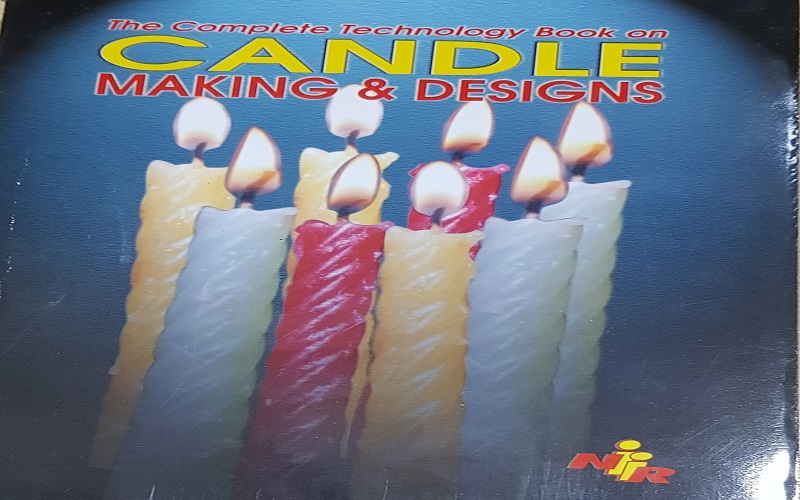
Starting a profitable candle making business is one of the most creative and rewarding ventures in the handmade products industry. With rising consumer interest in home décor, aromatherapy, and personalized gifting, the demand for handcrafted candles has skyrocketed. Whether you’re looking to turn a hobby into a business or aiming to launch a full-scale production brand, this guide covers everything you need to succeed in the candle industry. Why Candle Making is a Lucrative Business The candle market has seen exponential growth due to the increasing desire for cozy, aromatic, and aesthetically pleasing home environments. Candles are no longer just for light—they’re lifestyle products. From soy candles and beeswax varieties to unique scents and decorative containers, the customization potential makes this a highly attractive niche. Moreover, low startup costs and the flexibility to scale make candle making ideal for new entrepreneurs. With strategic branding and high-quality products, even small home-based businesses can grow into premium labels. Research the Candle Market and Identify Your Niche Before melting your first wax, dive deep into the market. Popular Candle Niches: Scented candles (aromatherapy, seasonal, essential oil-based) Decorative candles (luxury design, colored wax, layered) Eco-friendly candles (soy, beeswax, coconut wax) Themed candles (holiday, zodiac, pop culture) Personalized candles (custom labels, wedding favors, corporate gifts) Choosing a specific niche helps differentiate your brand and attract targeted customers. Analyze competitors, trends, and what sells well on platforms like Etsy and Amazon. Use this data to shape your brand identity. Gather Essential Materials and Tools Starting a candle making business doesn’t require an industrial setup. Here’s what you’ll need to get started: Basic Supplies: Wax (soy, beeswax, paraffin, coconut) Wicks (choose appropriate thickness for jar size) Fragrance oils or essential oils Dyes or color blocks Containers or molds Thermometer Pouring pitcher Heat source (double boiler or microwave-safe bowl) Purchase your materials from reputable wholesale suppliers to ensure consistency and cost efficiency. Consider eco-friendly and cruelty-free ingredients to appeal to conscious consumers. Learn the Candle Making Process Mastery of the candle creation process ensures quality and customer satisfaction. Here’s a simplified overview: Step-by-Step Candle Making: Melt the wax using a double boiler or microwave. Add fragrance once the wax reaches 180°F (or follow fragrance flash point). Add color as desired, mixing evenly. Anchor the wick in your container or mold. Pour the wax slowly to avoid air bubbles. Secure the wick and let it cool undisturbed. Trim the wick to ¼ inch before burning. Conduct thorough testing to ensure your candles burn evenly, safely, and emit the desired scent throw. Build a Unique Brand Identity Your candle making business must stand out. A compelling brand builds trust and loyalty. Branding Elements: Business name – memorable, relevant, and searchable. Logo and packaging – clean, professional, and niche-appropriate. Brand story – connect emotionally; why did you start making candles? Values – eco-friendliness, handmade, non-toxic, local sourcing, etc. Develop brand guidelines to maintain consistency across your website, social media, and product labels. Design Appealing Packaging In the candle market, presentation is powerful. Elegant, eco-friendly, or rustic packaging can influence buying decisions. Invest in: Custom labels (clear font, scent name, burn time) Boxes and wraps (recyclable or reusable) Safety and ingredient info (compliance with industry standards) Your packaging should be Instagram-worthy and gift-ready to enhance shareability and customer experience. Set Up Your Online and Offline Selling Channels Establishing multiple sales channels increases your reach. Start by creating a professional-looking website using platforms like Shopify, Wix, or WooCommerce. Other Online Platforms: Etsy Amazon Handmade eBay NotOnTheHighStreet (UK) Offline Options: Local craft fairs Boutique stores Pop-up markets Wholesale to gift shops and salons Utilize a mix of digital marketing and in-person engagement to expand your customer base. Price Your Candles for Profit One of the keys to running a profitable candle making business is accurate pricing. Your price must cover material costs, time, packaging, shipping, and include a profit margin. Basic Pricing Formula: Total Cost x 2 to 3 = Retail Price For wholesale, reduce the price accordingly but ensure it remains profitable. Factor in any platform fees or transaction charges when calculating your pricing structure. Promote Your Candle Business Effectively Promotion is essential to scale and sustain your candle making business. Digital Marketing Strategies: SEO-optimized blog with content on candle care, DIY tips, gift guides Social media marketing (Instagram, Pinterest, TikTok) Email marketing with seasonal offers and launch alerts Influencer partnerships and customer testimonials Paid advertising through Meta and Google Ads Use compelling visuals and storytelling to create an emotional connection with your audience. Ensure Legal Compliance Register your business with the appropriate authorities. Obtain any necessary permits and insurance. Include warning labels and safety instructions with each candle to reduce liability risks. Additionally, consider: Trademarking your brand name Maintaining records for taxes Following product safety standards (e.g., ASTM F2417 in the U.S.) Scale Your Business Once you have stable sales, consider expanding your product line or targeting corporate clients for bulk orders. Offer subscription boxes or seasonal collections. Use customer feedback and analytics to guide business decisions. Invest profits into better equipment, larger workspace, or hiring staff to streamline production. Stay ahead of trends with new scents and limited-edition collections to keep customers engaged. Final Thoughts Starting a profitable candle making business is not just a creative pursuit but a viable path to financial freedom. By mastering the craft, building a strong brand, and implementing smart marketing strategies, your candles can light up homes—and your bank account. Use quality, be consistent, and build relationships. The glow of success is within reach. Visit the page Select and Choose the Right Business Startup for You for sorting out the questions arising in your mind before starting any business and know which start-up you can plan. We, at NPCS, endeavor to make business selection a simple and convenient step for any entrepreneur/startup. Our expert team, by capitalizing on its dexterity and decade’s long experience in the field, has created a list of profitable ventures for entrepreneurs who wish to diversify or venture. The list