
Construction Industry in India- Overview and Business Opportunities
The construction industry in India stands at a pivotal juncture, poised for accelerated expansion and unprecedented transformation. As we move through 2025, the sector is expected to continue its upward trajectory, fueled by ambitious infrastructure projects, strong governmental support, and increasing private sector participation. With urbanization, digital innovation, and sustainable development guiding its path, India’s construction ecosystem offers a wealth of growth and investment opportunities. Economic Impact of the Indian Construction Industry The construction industry in India is the second-largest employment generator after agriculture, contributing over 9% to the nation’s GDP. With an estimated market size of USD 639 billion by 2025, the sector plays a pivotal role in shaping the physical and economic landscape of the country. Employment Generation: The industry employs over 60 million people and is expected to generate 20 million new jobs by 2025. Urban Infrastructure Expansion: Cities like Delhi, Mumbai, Hyderabad, and Bengaluru are undergoing rapid infrastructural transformations, ranging from metro expansions to smart city developments. Boost from Government Initiatives: Flagship programs such as PM Gati Shakti, Smart Cities Mission, and the National Infrastructure Pipeline (NIP) are infusing billions into infrastructure development, propelling the sector forward. Key Growth Drivers in 2025 Government Infrastructure Investments The Indian government has committed over INR 111 lakh crore (USD 1.5 trillion) under the National Infrastructure Pipeline to be invested by 2025. This investment spans roads, railways, airports, ports, water infrastructure, and energy, creating a substantial demand surge across construction segments. Smart Cities & Urban Planning With more than 100 smart cities under development, India’s focus on creating technologically advanced, sustainable urban spaces is a game-changer for the construction industry in India. These cities are being designed to integrate cutting-edge digital infrastructure, efficient transportation systems, and green buildings, resulting in a surge of demand for skilled labor, innovative materials, and advanced construction technologies. Affordable Housing & PMAY The Pradhan Mantri Awas Yojana (PMAY) aims to construct over 20 million affordable homes by 2025. This ambitious goal supports mass housing development across tier-2 and tier-3 cities, offering lucrative opportunities for builders, developers, and material suppliers. Rural Infrastructure Development Beyond urban areas, the construction industry in India is also witnessing significant growth in rural sectors. Programs like the PMGSY (Pradhan Mantri Gram Sadak Yojana) are improving rural road connectivity, while irrigation, sanitation, and electrification projects are further stimulating demand. Emerging Trends in the Indian Construction Sector Green Construction & Sustainability Sustainability has emerged as a crucial pillar for the future. Green construction practices are gaining momentum, with builders increasingly opting for: Eco-friendly materials Energy-efficient designs LEED and GRIHA certifications India is targeting a 30-35% reduction in emissions by 2030, and the construction industry in India plays a central role in achieving this through sustainable building practices. Technology Integration Digital transformation is reshaping traditional construction. The integration of Building Information Modeling (BIM), AI-powered project management, 3D printing, and IoT-enabled machinery is enhancing efficiency, safety, and productivity across project lifecycles. Prefabrication and Modular Construction Prefabricated building components are reducing construction time and labor costs while improving quality. As urban housing demand rises, prefabrication will grow significantly across both residential and commercial sectors in India. Challenges Faced by the Construction Industry in India Despite strong growth prospects, several challenges persist: Regulatory Hurdles: Lengthy approval processes and land acquisition bottlenecks delay projects. Skilled Labor Shortage: Although labor is abundant, there is a shortage of skilled workers trained in modern construction techniques. Rising Input Costs: Volatility in prices of raw materials like steel, cement, and petroleum can impact profitability. Delays in Financing: Access to timely financing remains a critical challenge, especially for small and mid-size contractors. Investment Opportunities and FDI Inflows India permits 100% FDI in construction development projects under the automatic route. With liberalized norms and a stable economic environment, global investors are eyeing: Commercial real estate Urban infrastructure High-speed rail projects Renewable energy infrastructure In 2024 alone, FDI in construction development surged by over 18%, reaffirming global investor confidence in the construction industry in India. Regional Development Hotspots Western Region: Maharashtra and Gujarat These states lead in industrial corridor development, port connectivity, and logistics infrastructure. Projects such as the Mumbai-Ahmedabad High-Speed Rail and Delhi-Mumbai Industrial Corridor are major growth drivers. Southern Region: Tamil Nadu, Karnataka, Telangana With major IT hubs and startup ecosystems, these states are experiencing an unprecedented boom in commercial real estate and metro rail networks. Northern Region: Delhi NCR and Uttar Pradesh The upcoming Noida International Airport, along with multiple expressways, is transforming this region into a massive construction hub. Future Outlook of the Construction Industry in India By 2025, India aims to become a $5 trillion economy, with infrastructure being the cornerstone of this growth. The construction sector is expected to: Witness a CAGR of over 7% through 2025. Generate immense employment across allied industries like steel, cement, equipment manufacturing, and real estate. Become one of the top 3 construction markets globally. Conclusion: Tapping into India’s Construction Potential The future of the construction industry in India is not just about cement, steel, and labor—it is about creating smart, resilient, and inclusive communities. Robust policy support, rising urbanization, and technological breakthroughs are redefining India’s development story. Businesses, investors, and stakeholders who align their strategies with sustainability, innovation, and regional growth trends stand to benefit immensely. As we move deeper into 2025, now is the time to seize the vast and varied opportunities offered by India’s construction revolution. Visit the page Select and Choose the Right Business Startup for You for sorting out the questions arising in your mind before starting any business and know which start-up you can plan. We, at NPCS, endeavor to make business selection a simple and convenient step for any entrepreneur/startup. Our expert team, by capitalizing on its dexterity and decade’s long experience in the field, has created a list of profitable ventures for entrepreneurs who wish to diversify or venture. The list so mentioned is updated regularly to give you a regular dose of new emerging opportunities. Contact Us
Starting A Production Business of AAC Blocks From Silica Sand & Lime Stone Powder | Start Production Business in Construction Sector
In recent years, AAC Blocks have gained substantial popularity in the construction industry due to their superior properties and sustainable production. The demand for lightweight and eco-friendly construction materials is on the rise, and AAC blocks from silica sand and lime are among the most efficient solutions available. This business guide explores everything from raw materials and production process to market potential and profitability, making it ideal for entrepreneurs considering investment in this promising sector. Understanding AAC Blocks Autoclaved Aerated Concrete (AAC) blocks are precast building materials made from natural raw materials such as silica sand, lime, cement, gypsum, aluminum powder, and water. The blocks undergo a chemical reaction that creates air bubbles, giving them a lightweight and porous structure. After molding, the blocks are cured under high pressure and temperature in an autoclave, resulting in high strength and durability. The primary advantage of using AAC blocks lies in their lightweight, thermal insulation, soundproofing, and ease of handling. Their cellular structure gives them excellent resistance to fire and moisture, making them more sustainable than traditional clay bricks or concrete blocks. Why Choose Silica Sand and Lime? Silica sand and lime are the two essential ingredients that contribute significantly to the unique properties of AAC blocks. Silica sand serves as a major source of silicon dioxide, which reacts with lime (calcium oxide) and cement to form calcium silicate hydrate – the binding agent that gives AAC its strength. The finely ground sand ensures uniformity and smoother surfaces in the final product. Lime, on the other hand, accelerates the reaction and enhances the strength and durability of the blocks. These raw materials are abundantly available in many parts of the world, especially in India, making AAC block manufacturing a cost-effective business opportunity. Additionally, both silica sand and lime are environmentally friendly and sustainable. Setting Up an AAC Block Manufacturing Unit Starting an AAC block manufacturing business involves several critical steps that must be carefully planned and executed. 1. Business Plan and Market Research Begin with a comprehensive business plan that outlines your objectives, financial projections, raw material availability, market analysis, and competitive landscape. Research the local construction market to determine demand for AAC blocks. Evaluate your competitors, identify potential customers (builders, developers, contractors), and assess pricing strategies. 2. Site Selection Choose a location that is well-connected by road or rail for easy transportation of raw materials and finished products. Ensure that the site has adequate space for storage, production, office, and utilities. Proximity to sources of silica sand and lime can significantly reduce logistics costs. 3. Legal and Regulatory Compliance Register your business as per the regulations of your local jurisdiction. Obtain all necessary permits including environmental clearance, pollution control certificates, and factory licenses. Compliance with IS 2185 (Part 3) standards is essential to ensure the quality and marketability of your AAC blocks. 4. Machinery and Equipment AAC block production requires specific equipment that facilitates the chemical reactions and autoclaving process. Key machinery includes: Jaw Crusher and Ball Mill for grinding raw materials Dosing and Mixing Units Moulds for shaping blocks Cutting Machine for sizing blocks accurately Autoclaves for steam curing Material handling systems like cranes and conveyors The capital investment in machinery depends on the scale of production. A medium-scale unit can produce up to 150 cubic meters per day and typically requires an investment of ?2–5 crores. 5. Raw Materials Procurement Raw materials used in the manufacturing process include: Silica Sand: Finely ground for uniformity Quick Lime or Hydrated Lime: Acts as a binder Ordinary Portland Cement (OPC): Enhances strength Gypsum: Acts as a catalyst Aluminum Powder: Triggers the aeration process Water: For mixing and chemical reactions Ensure that the quality of raw materials is consistent and sourced from reliable suppliers. 6. Production Process The AAC block manufacturing process is as follows: Mixing and DosingRaw materials are proportioned and mixed to form a slurry. Pouring and RisingThe mixture is poured into molds where aluminum powder reacts, creating air bubbles and increasing the volume. Pre-curingThe mixture is left to settle and harden for a few hours until it reaches the “green” stage. CuttingThe solidified mixture is removed from molds and cut into desired block sizes. AutoclavingWorkers place the cut blocks in autoclaves and steam-cure them at temperatures of 180–200°C under 12–14 bars of pressure for 8–12 hours. Packing and DispatchCured blocks are stacked, packed, and dispatched to customers or distributors. 7. Quality Control Maintaining consistent product quality is crucial. Regular testing for density, compressive strength, thermal conductivity, and water absorption must be done. Employ trained technicians and quality assurance protocols to monitor every stage of production. Marketing and Sales Strategy The success of your AAC Blocks business largely depends on strategic marketing. Use the following methods to create market presence: Participate in construction expos and trade shows Network with architects, civil engineers, and real estate developers Offer bulk discounts or credit options to dealers and contractors Leverage digital marketing – create a professional website, engage on LinkedIn and construction forums Collaborate with government affordable housing projects Providing value-added services like customized sizes, door delivery, and on-site training for block usage can further enhance brand loyalty. Profitability and ROI AAC block manufacturing offers attractive profit margins due to low raw material cost and high demand. On average: Cost of Production (per cubic meter): ?2,000–?2,500 Selling Price (per cubic meter): ?3,000–?3,500 Profit Margin: ?800–?1,200 per m³ Assuming daily production of 100 m³ and 25 working days/month, monthly profits could range from ?20 to ?30 lakhs depending on location, scale, and operational efficiency. Break-even can typically be achieved within 2–3 years. Challenges and Risk Management Despite its potential, the AAC blocks business comes with challenges: High initial investment Dependence on consistent power and water supply Skilled labor requirement Market education – convincing traditional builders to adopt AAC Raw material price fluctuations Mitigate risks by adopting automation, diversifying suppliers, ensuring energy-efficient operations, and investing in staff training. Environmental and Regulatory Benefits AAC blocks qualify as green building materials because they have a low carbon
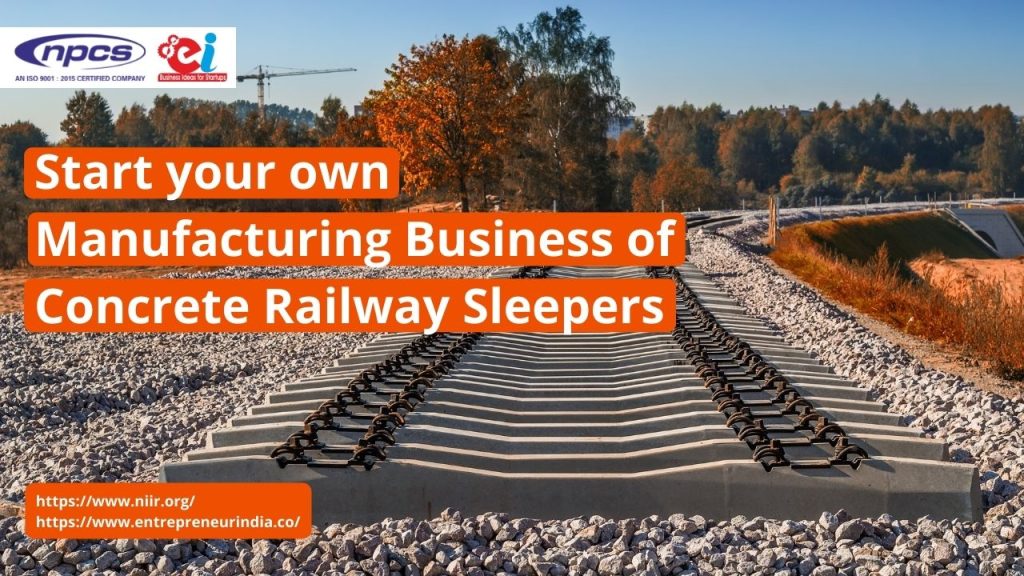
Start your own Manufacturing Business of Concrete Railway Sleepers
The business of concrete railway sleepers is a lucrative industrial venture aligned with infrastructure development and transportation modernization. Concrete sleepers have replaced traditional wooden and steel sleepers in rail networks around the world due to their superior durability, strength, and cost-effectiveness. With growing investments in railway expansion, high-speed rail projects, and metro rail connectivity, the demand for precast concrete sleepers is rising steadily. For entrepreneurs and construction-focused enterprises, setting up a manufacturing unit for concrete railway sleepers offers long-term profitability and steady market demand backed by government tenders and private contracts. Growing Demand in Railway Infrastructure India, like many developing and developed nations, is investing heavily in modernizing its railway infrastructure. The Indian Railways, one of the largest railway networks globally, has adopted concrete sleepers as the standard for all future track laying. The business of concrete railway sleepers is expected to grow with the doubling and electrification of railway lines, construction of freight corridors, and introduction of bullet trains. Globally, countries in Africa, Southeast Asia, and Eastern Europe are following similar paths, making this business not only domestically viable but also suitable for exports. Concrete railway sleepers provide better stability, resistance to weathering, and minimal maintenance compared to traditional alternatives. Their uniform design and compatibility with mechanized track laying systems make them the preferred choice for modern railway networks. As governments aim to improve safety, increase train speeds, and reduce lifecycle costs, concrete sleeper usage is becoming mandatory in all new projects. Businesses that enter the industry now can tap into multiple segments—from government railways to metro lines and private logistic corridors. Business Plan: Concrete Railway Sleepers Manufacturing Plant Manufacturing Process and Required Setup Setting up a unit for the business of concrete railway sleepers requires a precise understanding of the manufacturing process and adherence to technical specifications. The production process includes several stages such as mold preparation, concrete mixing, pre-stressing wire placement, casting, curing, and quality testing. Sleepers are produced using high-grade cement, aggregates, water, and pre-stressed steel wires or tendons. These materials are placed into heavy-duty steel molds aligned with the rail fastening systems. After vibration and compaction, the sleepers are left to cure under controlled conditions. Post-curing, they are demolded and stored for 28 days before being tested for load-bearing capacity, dimensions, and resistance to stress. A typical factory setup includes batching plants, pre-stressing equipment, hydraulic jacks, mold assemblies, curing chambers, and handling cranes. The production facility should have an open yard for curing and storing sleepers, along with an in-house testing laboratory. Automation can be introduced gradually to increase output and improve consistency. Visit this Page for More Information: Start a Business in Cement and Cement Based Products Industry Investment and Cost Structure Starting the business of concrete railway sleepers requires a moderate to high capital investment depending on the production capacity. For a plant with a capacity of 200–300 sleepers per day, the estimated investment would be ?4–7 crore. Key cost components include: Machinery and molds: 40% Civil infrastructure and layout: 20% Pre-stressing steel and raw materials: 25% Utilities, labor, and transport: 10% Quality testing and certification: 5% Production cost per sleeper typically ranges from ?1,200 to ?2,500 depending on size and material grade. The selling price can vary from ?2,000 to ?4,000 per unit, depending on contract volume, location, and technical specifications. Profit margins are attractive, especially in long-term contracts and bulk supplies. Additionally, tie-ups with Indian Railways or urban metro authorities offer bulk demand, predictable revenue, and assured payments. Enterprises entering this field with government registration can bid for EPC tenders, public-private partnerships, or subcontracted manufacturing work. Related Feasibility Study Reports: Concrete, Cement and Cement based Products Licensing, Standards, and Approvals To establish a compliant and reputable unit in the business of concrete railway sleepers, the manufacturer must obtain several industry certifications and approvals. These include: Factory License and Pollution Control Board clearance Udyam MSME registration (optional but useful) ISO 9001 certification for quality management RDSO (Research Designs & Standards Organisation) approval for Indian Railways Load testing and technical validation from a certified lab GST registration and PAN In India, RDSO approval is critical, as it certifies that your sleeper design and material meet railway standards. Without RDSO accreditation, businesses cannot supply to railway zones, metro authorities, or public sector undertakings. Complying with IS: 458 and IRS-T-39 standards for concrete sleeper dimensions and tolerances is also mandatory for institutional clients. Read Similar Articles: Construction & Building Materials Projects Target Market and Sales Channels The business of concrete railway sleepers targets a specialized but large customer base. Your primary clients will include: Indian Railways and zonal divisions Metro Rail Corporations (DMRC, CMRL, etc.) Freight Corridor Corporations of India (DFCCIL) Railway contractors and EPC players Mining and port railway track developers Private infrastructure companies with internal rail yards Sales are typically finalized through long-term supply contracts, tenders, or subcontract manufacturing partnerships. Participation in rail infrastructure expos, engineering forums, and construction summits helps establish brand presence. Providing pre-approved designs, quality certifications, and after-sales technical support improves chances of repeat orders. Some companies also diversify into export markets where emerging countries are investing in railway upgrades. African nations, Southeast Asia, and Latin America offer growing markets for standard and broad gauge concrete sleepers. Advantages and Long-Term Benefits Starting a business of concrete railway sleepers offers multiple strategic advantages. It is a capital-intensive but low-competition space where market demand is guaranteed for the foreseeable future due to massive infrastructure development. Unlike volatile industries, the sleeper business enjoys year-on-year procurement from railway departments and contractors. Once certified, your plant becomes a key supplier for both national and regional projects. With each sleeper having a life span of over 30 years, your product becomes an integral part of critical infrastructure—adding credibility and trust to your brand. The relatively low operational cost after setup, availability of raw materials, and possibility of automation ensure high productivity and scalability. Moreover, the demand for concrete sleepers will increase with the global focus on freight mobility, electrification, and high-speed rail deployment. By staying
Production Business of Non-Woven Geotextile. Emerging Business Opportunities in Construction Industry.
Non-woven geotextile production has emerged as a highly profitable and sustainable industrial opportunity in today’s infrastructure-driven world. With massive public and private investments in roadways, highways, railways, and environmental conservation, the demand for technical textiles like non-woven geotextiles is increasing at a remarkable pace. Entrepreneurs and manufacturers exploring scalable ventures can benefit significantly from this growing market, as non-woven geotextile usage becomes integral to construction, drainage, erosion control, and reinforcement projects worldwide. Exploring the Growing Demand for Non-Woven Geotextile The global geotextile market is poised to exceed USD 16 billion by 2030, with non-woven variants accounting for a major share due to their cost-effectiveness, durability, and multi-functional use. Countries like India, China, the UAE, and African nations are witnessing high demand driven by infrastructure modernization and government initiatives. Key factors fueling the demand: Smart city development and highway expansion Stringent environmental regulations Sustainable construction practices Increased investment in rail and airport infrastructure Governments and private firms are increasingly adopting geotextiles to meet technical and ecological standards, pushing the non-woven segment ahead of other categories. Understanding Non-Woven Geotextiles and Their Applications Non-woven geotextiles are synthetic fabrics made by bonding fibers—commonly polypropylene (PP) or polyester (PET)—using mechanical (needle punching), thermal, or chemical methods. These fabrics do not require weaving or knitting, making production simpler and cost-effective. Major Applications Include: Road Construction – Provides soil separation and improves load distribution under pavements Railway Track Support – Enhances bed stability and prevents subgrade mixing Drainage Systems – Acts as a filtration layer preventing soil clogging in underground drains Landfills and Waste Management – Offers barrier protection and prevents leachate migration Erosion Control – Stabilizes shorelines, slopes, and embankments Agriculture – Enhances irrigation and soil protection in large-scale farming Thanks to their superior permeability, tensile strength, and environmental resistance, non-woven geotextiles are used in more than 80% of all geotextile applications. Setting Up a Non-Woven Geotextile Manufacturing Business Establishing a non-woven geotextile production unit requires strategic planning, investment, and technical know-how. A well-structured setup can yield high returns in the medium to long term. Key Steps to Launch the Business: 1. Business Plan and Feasibility StudyAnalyze local and global markets, raw material sources, machinery options, and regulatory frameworks. Define the production capacity and projected ROI. 2. Site and InfrastructureIdeal land area: 12,000–15,000 sq. ft. with built-up area of 8,000–10,000 sq. ft. Ensure stable power supply (150–200 kW) and proper water and waste management facilities. 3. Machinery and EquipmentCore machines include: Fiber opening & blending machine Carding and cross lapper Needle punching machine Calendering or bonding machine Slitter and winder Packing equipment Estimated machinery investment: ?3 crore to ?5 crore for a medium-scale automated plant. 4. Raw Material Procurement Polypropylene or polyester staple fibers Additives and masterbatches for color or UV resistance Establish contracts with reliable polymer producers or fiber manufacturers for steady supply. 5. Licensing and RegistrationSecure necessary clearances: Pollution Control Board approval Factory license GST registration Import Export Code (IEC) for overseas markets 6. Workforce and TrainingHire skilled machine operators, technicians, quality assurance engineers, and safety personnel. Provide regular training on: Machine operation and maintenance Safety protocols Testing and quality standards The Manufacturing Process of Non-Woven Geotextile The production process involves the following key stages: Blending and Opening – Loose fibers are mixed and opened uniformly. Carding – Fibers are aligned and converted into thin sheets. Cross Lapping – The sheet is layered multiple times for desired GSM (weight). Needle Punching or Thermal Bonding – Strengthens the fabric structure through mechanical entanglement or heat. Calendering – Enhances fabric texture and structural integrity. Slitting and Winding – Rolls are cut to size and packed for dispatch. A medium-sized plant can produce 8 to 12 tons per day, depending on the GSM and machine capacity. Quality Standards and Certification To maintain credibility and enter global markets, non-woven geotextile must meet international standards such as: ASTM D-5261 for mass per unit area ISO 10319 for tensile properties IS 16391 for Indian geotextile usage CE Marking for European exports It’s advisable to invest in an in-house lab to test: Permeability Puncture resistance Tensile strength UV degradation Costing and Profit Margins Breakdown of production cost: Raw material: 65–70% Labor and utilities: 10–12% Maintenance and overheads: 8–10% Selling price ranges between ?40 to ?70 per kg depending on GSM and market demand. With strong procurement and marketing strategy, profit margins can range from 15–25%. Payback period for a medium-sized unit is typically 18–24 months. Effective Marketing and Sales Strategy Target Market Segments Road and highway contractors Government infrastructure tenders Real estate developers Distributors and geosynthetic dealers EPC companies and civil contractors Exporters to Africa, Middle East, and Southeast Asia Sales and Promotion Techniques Create a professional B2B website with technical data sheets List products on platforms like IndiaMART, TradeIndia, and Alibaba Participate in infrastructure expos and civil engineering fairs Use LinkedIn and Google Ads for targeted outreach Build partnerships with engineering consultants and EPC firms Future Outlook and Industry Innovations Non-woven geotextile manufacturing is expected to evolve significantly with environmental focus and tech integration. Key trends include: Bio-based and biodegradable fabrics for eco-conscious projects Recycled PET-based geotextiles for sustainable development goals Smart geotextiles integrated with sensors for monitoring soil pressure and movement Nano-coatings for enhanced UV and microbial resistance Early adopters of these technologies will gain a competitive edge in government contracts and international exports. Conclusion Starting a non-woven geotextile manufacturing business is a rewarding venture aligned with the future of sustainable infrastructure. With increasing global demand, favorable government policies, and technological advancements, it presents an unmatched opportunity for investors and entrepreneurs in the textile and construction sector. By focusing on quality, compliance, and strategic marketing, one can build a profitable and future-ready geotextile brand. Visit the page Select and Choose the Right Business Startup for You for sorting out the questions arising in your mind before starting any business and know which start-up you can plan. We, at NPCS, endeavor to make business selection a simple and convenient step for any entrepreneur/startup. Our expert team, by capitalizing on
Geotextiles (for Road Construction) Manufacturing Plant
The rapid growth in infrastructure and highway construction in India and across the world has boosted demand for geotextiles—specially engineered fabrics used to improve road durability and performance. If you’re an entrepreneur looking to tap into this high-growth industry, starting a Geotextiles Plant for road projects can be a highly profitable venture. However, like any manufacturing business, it demands meticulous planning, capital investment, and regulatory compliance. Understanding the Role of Geotextiles in Road Projects Geotextiles are synthetic or natural permeable fabrics that are used in civil engineering projects, particularly in road construction, to enhance soil stabilization, filtration, separation, drainage, and reinforcement. These textiles are essential in increasing the lifespan and strength of roads, especially in areas prone to soil erosion, waterlogging, and load-bearing stress. With increased government focus on infrastructure development, especially through initiatives like India’s Bharatmala and Smart Cities programs, the use of geotextiles in road construction is expected to surge. This makes the Geotextiles Plant a strategically important investment for manufacturers and infrastructure investors. Step-by-Step Guide to Starting a Geotextiles Plant 1. Conduct Market Research and Feasibility Study Before setting up your Geotextiles Plant, begin by understanding the market dynamics: Identify target customers such as government contractors, infrastructure companies, and road project developers. Study regional demand trends, especially in states with ongoing or upcoming highway projects. Analyze competitor pricing, quality, and distribution channels. Assess the feasibility of your plant location based on proximity to raw materials and end users. A detailed feasibility study will also help you assess expected ROI, demand-supply gaps, and growth opportunities. 2. Choose the Right Type of Geotextiles to Produce There are two main types of geotextiles: Woven Geotextiles: Manufactured by weaving polypropylene or polyester yarns. These are known for high tensile strength and are suitable for road reinforcement. Non-Woven Geotextiles: Made using needle punching or heat bonding techniques. These are ideal for filtration, separation, and drainage applications. Your decision should depend on: Market demand in your region. Capital availability (non-woven manufacturing typically requires higher investment). Available technology and skilled labor. 3. Location and Infrastructure Setup The ideal Geotextiles Plant location should meet these criteria: Close to raw material suppliers (polypropylene, polyester, etc.). Well-connected to transport routes like highways, rail, and ports. Availability of industrial infrastructure like water, electricity, and waste disposal. Set up your facility in an industrial zone to benefit from subsidies, easier environmental clearances, and access to skilled labor. Ensure your plant has dedicated sections for raw material storage, production, quality control, finished goods, and administrative offices. 4. Machinery and Equipment Requirements The success of your Geotextiles Plant depends on high-quality and reliable machinery. Essential equipment includes: Extrusion lines (for yarn or fiber production) Weaving or needle punching machines Heat bonding units (for non-woven types) Fabric winding and cutting machines Quality testing labs with tensile strength testers, permeability testers, etc. When selecting machinery, opt for automated or semi-automated systems to improve efficiency and reduce operational costs. Consider sourcing from reputed Indian or global manufacturers. 5. Licensing, Registration, and Compliance To legally operate a Geotextiles Plant, you need several licenses and permits: Business Registration (as Pvt Ltd, LLP, etc.) Factory License under the Factories Act GST Registration Pollution Control Certificate from the State Pollution Control Board Fire and Safety Compliance BIS Certification for product quality if supplying to government projects Additionally, geotextiles used in government road projects must comply with standards set by Indian Roads Congress (IRC) or international equivalents. 6. Raw Materials and Suppliers The primary raw materials for geotextiles include: Polypropylene granules Polyester granules Additives and stabilizers Ensure long-term contracts with trusted suppliers to guarantee uninterrupted production and stable pricing. It’s also advisable to explore recycled polymer options to meet sustainable manufacturing goals. 7. Hiring Skilled Workforce A well-trained workforce is crucial for smooth Geotextiles Plant operations. Required personnel include: Plant manager and supervisors Technicians and machine operators Quality assurance experts Procurement and logistics staff Administrative and HR professionals Organize regular training programs and safety drills to keep employees updated on operating procedures and safety standards. 8. Product Testing and Quality Assurance Quality plays a significant role in the adoption of geotextiles for road projects. Implement stringent QA practices, including: Raw material testing In-process testing for consistency Final product testing for tensile strength, permeability, elongation, and UV resistance Certification from NABL-accredited labs will enhance the credibility of your product in the infrastructure market. 9. Marketing and Sales Strategy For your Geotextiles Plant to succeed, a robust marketing and sales strategy is essential: Register as a vendor with government agencies like NHAI, PWD, and BRO. Build partnerships with EPC contractors, civil consultants, and construction firms. Participate in infrastructure expos and exhibitions. Create a strong digital presence through a professional website, SEO, and LinkedIn marketing. Offer customized solutions based on road conditions and project needs. Building trust and delivering consistent quality will help you earn repeat orders and long-term contracts. 10. Cost Estimates and Funding Options Starting a Geotextiles Plant requires substantial capital investment. Here’s a rough cost estimate: Land and Building: ?1–2 crore (varies by location) Machinery and Equipment: ?2–5 crore Licensing and Setup: ?10–25 lakh Raw Material Stock: ?50 lakh Working Capital: ?25–50 lakh To fund your plant, you can explore: Bank term loans under the CGTMSE scheme MSME business loans Venture capital or private equity for expansion Government subsidies under the National Technical Textile Mission 11. Sustainability and Waste Management Modern infrastructure demands eco-friendly solutions. Adopt sustainable practices in your Geotextiles Plant by: Using recycled polymers Reducing water and energy consumption Implementing zero-waste manufacturing systems Recycling edge trim and production waste Proper waste management ensures regulatory compliance and improves your brand image. Benefits of Starting a Geotextiles Plant Starting a Geotextiles Plant comes with several advantages: High Demand: Strong government push for infrastructure development ensures constant demand. Low Competition: Specialized product category with fewer players in India. Diverse Applications: Apart from roads, geotextiles are used in railways, landfills, drainage systems, and erosion control. Export Potential: Growing demand in Africa, Middle East, and Southeast Asia for Indian geotextiles. Government
Expanded Polystyrene Manufacturing Industry
Expanded Polystyrene (EPS) has become a key material in multiple industries due to its lightweight, insulating, and cushioning properties. From packaging and construction to decorative applications and food storage, EPS finds widespread use across the globe. For entrepreneurs seeking a sustainable and scalable manufacturing venture, the EPS Manufacturing business presents a compelling opportunity. Understanding the EPS Manufacturing Industry The EPS Manufacturing industry has evolved significantly in recent decades. This foam plastic material, derived from polystyrene, is produced through a polymerization process that results in lightweight, rigid, and resilient products. These properties make EPS a favorite material in industries like packaging, construction, and electronics. The demand for EPS is projected to continue rising due to its versatility, affordability, and energy-efficient properties. Starting an EPS Manufacturing business requires a combination of technical know-how, market analysis, and strategic planning. It is crucial to understand not only the product and its applications but also the key cost factors, regulatory requirements, and production technology involved. Business Plan Structure To successfully establish an EPS Manufacturing business, the entrepreneur must follow a structured business plan. Here’s a breakdown of the major components: 1. Market Research and Feasibility Study Begin by analyzing the local and global demand for EPS products. The construction industry in particular is a major consumer of EPS for insulation boards and roofing. Likewise, the packaging sector utilizes EPS for its shock-absorbent and moisture-resistant properties. By understanding these markets, you can tailor your production capacity and product offerings accordingly. 2. Location and Infrastructure Setting up an EPS Manufacturing unit requires strategic location planning. The ideal site should be close to raw material suppliers, utility services, and transport networks. Additionally, the factory should comply with zoning and environmental regulations. You’ll need ample space for production units, raw material storage, drying zones, and finished goods warehousing. Factory layout should facilitate smooth movement of materials and finished products. 3. Machinery and Equipment EPS manufacturing involves processes like pre-expansion, aging, molding, and cutting. The key equipment includes: Pre-expander Silo storage for aging Block molding machine Cutting machine (horizontal and vertical) Steam boiler Compressor Packaging equipment Investing in semi-automatic or fully automatic machines depends on your scale of operation and budget. A fully automatic setup ensures higher production efficiency but demands a larger capital outlay. 4. Raw Materials Required The primary raw material in EPS Manufacturing is expandable polystyrene beads. Other consumables include lubricants, anti-static agents, and packaging materials like plastic sheets and cartons. Sourcing high-quality raw materials ensures product durability and customer satisfaction. 5. Production Process The typical EPS Manufacturing process involves the following steps: Pre-expansion: EPS beads are heated with steam, causing them to expand up to 40 times their original volume. Aging: Expanded beads are stored in silos to allow air penetration and stabilization. Molding: The aged beads are placed into molds and heated to fuse them into desired shapes—blocks, sheets, or custom molds. Cutting and Shaping: After molding, the EPS blocks are cut into the required sizes using heated wires or blades. Finishing and Packing: The final products are inspected, packed, and dispatched. Efficiency in this production cycle is key to reducing costs and maximizing profitability. 6. Manpower Requirement An average-sized EPS Manufacturing unit would require the following personnel: Plant Manager Machine Operators Quality Control Supervisor Maintenance Technician Packing and Loading Staff Sales and Administrative Staff Proper training is essential, especially for operating high-temperature equipment and managing quality control procedures. 7. Investment and Financial Planning The investment required for starting an EPS Manufacturing unit varies depending on scale. For a small to medium-sized plant, an initial capital of ?50 lakh to ?1.5 crore (approximately USD 60,000 to USD 180,000) is typical. Key cost components include: Land and building (if purchased) Machinery and installation Raw materials Labor and operational expenses Licensing and legal fees Marketing and distribution setup Prepare detailed financial projections including break-even analysis, cash flow forecast, and ROI to attract investors and secure loans. 8. Licensing and Compliance In India and many other countries, running an EPS Manufacturing business requires regulatory clearances: Factory license under the Factories Act Consent from Pollution Control Board GST registration Udyam registration (for MSME classification) Fire and safety clearance Additionally, quality certifications such as ISO 9001 can boost your credibility in the market. 9. Marketing and Sales Strategy Given the growing demand, effective marketing is crucial. Adopt a B2B sales model targeting: Real estate and construction companies Packaging suppliers Electronic equipment manufacturers Cold storage companies Food delivery and catering services Use digital marketing tools, participate in trade exhibitions, and build partnerships with wholesalers and contractors. Offering customized products and reliable after-sales service can further enhance your competitive edge. 10. Sustainability and Waste Management EPS often faces criticism for being non-biodegradable. However, modern EPS Manufacturing units can integrate recycling technologies. Waste EPS can be collected, shredded, and reused in the production process or compacted for resale. Promoting eco-friendly alternatives, using clean energy, and ensuring proper waste disposal practices are crucial to maintaining a sustainable operation and gaining public trust. Challenges in the EPS Manufacturing Sector Despite its potential, the EPS Manufacturing business comes with its share of challenges: Volatility in raw material prices due to dependence on petrochemicals Competition from alternative materials like polyurethane and biodegradable foam Regulatory pressures due to environmental concerns Transport difficulties due to EPS’s bulk but low weight nature Entrepreneurs must stay updated on industry trends and adopt innovative practices to stay ahead. Future Prospects and Trends The global EPS market is expected to grow steadily, driven by increasing urbanization, demand for sustainable insulation, and rapid e-commerce growth fueling the packaging sector. Key trends shaping the future of EPS Manufacturing include: Development of fire-retardant EPS variants Integration of smart manufacturing and automation Use of recycled EPS to promote green manufacturing Growing adoption in the agricultural and aquaculture sectors Investors and entrepreneurs with a forward-looking approach will find this a lucrative and adaptable industry. Conclusion Establishing an EPS Manufacturing business involves thoughtful planning, financial investment, and market alignment. With rising demand in packaging, construction, and insulation sectors,
Construction of Bungalow
Constructing a bungalow is a dream for many Indian families, offering a unique combination of privacy, luxury, and architectural freedom. With the real estate market constantly evolving, understanding the updated bungalow construction cost in India for 2025 is essential before embarking on this major investment. From material prices to labor costs, and from permits to design choices, various factors influence the total budget. This article explores all the critical aspects affecting bungalow construction and provides a practical overview for homeowners and investors alike. Key Factors Affecting Bungalow Construction Cost in India When estimating the bungalow construction cost, it’s important to remember that prices can vary widely based on several parameters. Here’s a comprehensive look into each factor influencing your total expenditure: 1. Location Location significantly impacts construction costs in India. Building a bungalow in a metro city like Mumbai, Delhi, or Bengaluru will cost more than in Tier-2 or Tier-3 cities. Urban areas demand higher labor wages, permit fees, and sometimes even land development charges. For instance, in cities like Delhi or Hyderabad, the cost of construction per square foot can range from ?2,000 to ?3,500, whereas in smaller towns, the same might be achieved within ?1,500 to ?2,200 per square foot. 2. Design and Architecture The architectural complexity of your bungalow plays a vital role in determining its cost. A minimalistic 2BHK single-floor design will be far more economical than a duplex with ornate interiors, modern facades, high ceilings, and smart home integrations. Custom-designed bungalows by reputed architects can increase the budget by 10-20% due to exclusive planning, 3D modeling, and premium material selection. 3. Material Quality and Price Trends (2025) The cost of materials like cement, steel, bricks, wood, plumbing fittings, electrical wiring, and finishing items has risen slightly in 2025 compared to previous years. Here’s a rough estimate: Cement (per 50kg bag): ?390–?420 Steel (per kg): ?65–?75 Bricks (per 1,000 units): ?8,000–?10,000 Sand (per ton): ?1,200–?1,800 Tiles and flooring: ?60–?250 per sq.ft depending on design Electricals and plumbing: ?200–?400 per sq.ft for mid-range materials Thus, material choice drastically affects your final bungalow construction cost. 4. Labor Charges and Contractor Fees In 2025, labor charges have increased marginally due to inflation and rising demand. Labor typically accounts for 25% to 35% of total construction costs. For instance: Masons: ?600–?900/day Carpenters: ?700–?1,000/day Plumbers & Electricians: ?500–?900/day Opting for a turnkey contractor can also influence the cost. Most contractors in India charge between 10% to 20% of the total construction cost as their fee. 5. Type of Bungalow The bungalow construction cost also depends on the type and size of the structure: Standard Bungalow (G+1): ?1,800 to ?2,500/sq.ft Luxury Bungalow: ?3,000 to ?5,000/sq.ft Eco-friendly/Smart Bungalow: ?3,500 to ?6,500/sq.ft An average 2,000 sq.ft bungalow can cost anywhere between ?36 lakhs to ?1.3 crore depending on finishes and features. 6. Foundation and Soil Condition The type of soil on your plot affects the depth and complexity of the foundation. Rocky or marshy soils may require deep piling and extra waterproofing, increasing your bungalow construction cost by 5–15%. 7. Government Approvals and Taxes Before construction begins, various approvals are needed from municipal authorities. These include: Plan approval fees Conversion charges (if agricultural land is used) Environmental clearances (in specific zones) Development charges and utility connections All these may add ?100–?300 per sq.ft to your total budget. 8. Interior Finishing and Landscaping Interior design and finishing contribute significantly to the overall bungalow construction cost. Premium modular kitchens, imported tiles, designer lighting, and wardrobes can push the price by ?500–?1,000 per sq.ft. Don’t forget outdoor landscaping like gardens, fountains, driveways, and boundary walls which may cost another ?3–?10 lakh based on size and design. Average Cost Breakdown (2025) Component Approximate Cost Range (? per sq.ft) Structure (Core Building) ?1,000 – ?1,600 Electrical and Plumbing ?200 – ?400 Flooring and Tiling ?100 – ?250 Painting and Polishing ?80 – ?200 Interior and Fixtures ?300 – ?1,000 Landscaping and Exteriors ?150 – ?300 Total Estimated Cost (Standard Bungalow): ?1,800 – ?3,500 per sq.ft For a 2,000 sq.ft bungalow: ?36 lakh – ?70 lakhFor a 3,000 sq.ft premium bungalow: ?90 lakh – ?1.5 crore+ Tips to Reduce Bungalow Construction Cost Choose a Reputed Turnkey Contractor – They offer bundled services which can lower total cost. Use Locally Sourced Materials – Reduces transportation charges and supports local economy. Opt for Minimalistic Design – Straight lines and simpler roof structures are cost-efficient. Plan Efficient Layouts – Avoid unnecessary walls and corridors to optimize space and cost. Build in Phases – Construct in stages if budget is tight. Shell structure first, interiors later. Final Thoughts The bungalow construction cost in India in 2025 depends heavily on your location, design preferences, and material quality. With average rates hovering between ?1,800 and ?5,000 per sq.ft, it’s vital to prepare a detailed cost estimate before beginning construction. Collaborate with experienced architects and civil engineers to avoid budget overruns and ensure high-quality output. Whether you’re building a cozy single-floor bungalow or a grand duplex, being informed about current trends and prices will help you make smarter financial decisions. With proper planning and timely execution, your dream bungalow in India can become a reality in 2025 without burning a hole in your pocket. Visit the page Select and Choose the Right Business Startup for You for sorting out the questions arising in your mind before starting any business and know which start-up you can plan. We, at NPCS, endeavor to make business selection a simple and convenient step for any entrepreneur/startup. Our expert team, by capitalizing on its dexterity and decade’s long experience in the field, has created a list of profitable ventures for entrepreneurs who wish to diversify or venture. The list so mentioned is updated regularly to give you a regular dose of new emerging opportunities. Contact Us
Discontinuous Sandwich Panel Production
The Discontinuous Sandwich Panel Production process has become an essential part of the construction materials industry, particularly in the production of insulated panels for cold storage, commercial structures, modular buildings, and industrial cladding. Unlike continuous lines, which run non-stop and require massive investments, discontinuous systems allow for more flexibility, smaller production batches, and a lower capital requirement. This makes the Discontinuous Sandwich Panel Production method ideal for small to mid-sized manufacturers aiming to supply high-quality thermal and sound insulation panels with customizable dimensions and core materials. What Is Discontinuous Sandwich Panel Production? Discontinuous Sandwich Panel Production refers to the step-by-step or batch manufacturing process where each panel is produced individually. The panels typically consist of two outer metal sheets (usually steel or aluminum) and a core material such as polyurethane (PU), polyisocyanurate (PIR), mineral wool, or expanded polystyrene (EPS). Each layer is assembled using a press that bonds the materials together using adhesive or chemical foaming agents. Unlike continuous lines that rely on conveyors and rolling systems, discontinuous methods allow for detailed manual quality control and easy adaptation to various panel lengths, thicknesses, and core types. This makes it highly suitable for custom orders and diverse market demands. Applications Across Industries Sandwich panels made through the discontinuous process are widely used in: Cold storage facilities and refrigeration systems Portable cabins and modular homes Industrial walls and ceilings Roofing panels in warehouses and logistics parks Cleanroom partitions for pharmaceutical and food units Because the Discontinuous Sandwich Panel Production method can support multiple panel types and core configurations, it is suitable for small businesses serving multiple sectors. The thermal and acoustic insulation provided by these panels makes them a preferred solution in energy-conscious construction practices. Materials Used in Production Several raw materials go into the Discontinuous Sandwich Panel Production process. These include: Outer sheets: Pre-painted galvanized iron (PPGI), aluminum, stainless steel Core materials: PU, PIR, mineral wool, EPS depending on insulation needs Adhesives or foaming agents: For bonding and insulation Protective films: To prevent scratches during handling Structural spacers or side inserts: To maintain form and alignment Material quality directly affects panel strength, fire resistance, thermal conductivity, and life span. Therefore, choosing certified and tested inputs is vital for consistent output. Step-by-Step Manufacturing Process The Discontinuous Sandwich Panel Production process involves a series of controlled, step-by-step operations designed to ensure high quality and customization. Prepare Metal Sheets: Operators cut the outer facings to the required dimensions and clean the surfaces to optimize bonding. Place Core Material: Depending on the application, they either inject foam between the sheets or manually place a pre-formed core such as EPS or mineral wool. Perform Pressing Operation: They then position the full assembly into a hydraulic or vacuum press to apply uniform pressure and ensure proper adhesion across the panel. Execute Foaming and Curing: In PU/PIR panels, the foaming agent reacts and expands to fill the core space, after which it cures to achieve structural rigidity. Cool and Demold Panels: Once the material has cured sufficiently, operators remove the panel from the press and allow it to cool before proceeding. Trim and Finish: They trim the panel edges, attach side profiles if required, and apply protective films for surface preservation. Inspect and Package: Technicians inspect each panel for surface quality, thickness uniformity, and bonding strength before packaging them for shipment. This process allows manufacturers to produce highly customized panels that meet specific client needs—particularly where varying panel lengths, core types, or thickness specifications are required. Required Machinery and Equipment Setting up a Discontinuous Sandwich Panel Production unit requires moderate capital investment and includes: Sheet cutting and cleaning stations PU/PIR foaming unit with high-pressure dosing machine Hydraulic or vacuum press (sized for panel dimensions) Conveyor or trolley for panel transfer Edge trimming and finishing tools Panel cooling rack or stackers Advanced setups may include digital controls for temperature, mixing ratios, and pressure to improve efficiency and reduce material waste. This machinery is modular, allowing gradual expansion as business grows. Infrastructure and Plant Setup To set up a standard Discontinuous Sandwich Panel Production unit, the following infrastructure is needed: Covered space: 4,000 to 8,000 sq. ft. depending on scale Clean zones for chemical mixing and foaming Separate areas for storage of metal sheets, core materials, and finished panels Electricity supply with stable voltage for presses and foaming equipment Ventilation and safety systems to handle chemical fumes Water access and drainage for cooling systems The facility should follow safety norms, especially for fire handling if PU/PIR is used. Fireproof zones and chemical storage guidelines must be strictly followed. Investment and Profit Margin The total investment in setting up a Discontinuous Sandwich Panel Production unit varies depending on automation and scale: Small unit: ?40–60 lakhs (semi-automatic, 10–15 panels/day) Mid-sized unit: ?80 lakhs – ?1.2 crore (30–50 panels/day) Large unit: ?1.5 crore+ (fully equipped with high-output press and automation) Average profit margins range from 25% to 35% depending on material prices, customizations, and market demand. Customized panels with fire-rated or antibacterial features fetch higher margins. ROI is generally achievable within 2–3 years with proper marketing and volume sales. Licenses and Certifications Operating a Discontinuous Sandwich Panel Production facility requires several approvals and certifications: Factory License and MSME Registration GST Registration Pollution Control Board (if foaming chemicals are used) Fire Safety NOC ISO 9001 (Quality) and ISO 14001 (Environment) CE or BIS Marking (for certain applications or exports) Buyers, especially government or industrial clients, prefer certified products with tested fire-resistance and thermal ratings. Target Market and Sales Channels The key buyers for sandwich panels include: Cold storage and food processing units Builders and developers Prefab building contractors Military and disaster-relief housing Cleanroom manufacturers Export clients in Africa, the Middle East, and Southeast Asia Panels can be sold directly through project tenders, distributor networks, or via partnerships with EPC contractors. Listing on construction marketplaces and B2B portals can increase visibility and bulk orders. Advantages Over Continuous Lines One of the biggest advantages of Discontinuous Sandwich Panel Production is flexibility. Unlike continuous lines, it
White Cement Manufacturing Industry
White cement manufacturing is a complex industrial process that involves the use of carefully selected raw materials and advanced technology to produce a high-purity product with distinctive whiteness and strength. Unlike ordinary Portland cement (OPC), which is grey in color due to the presence of iron and manganese oxides, white cement is produced with minimal impurities to achieve its characteristic brilliant white finish. This type of cement is widely used for architectural and decorative applications such as terrazzo flooring, precast panels, tiles, and aesthetic concrete structures. It not only offers structural durability but also aesthetic appeal, making it a preferred material in both residential and commercial construction sectors. The Unique Features of White Cement Manufacturing The white cement manufacturing process is distinct from that of grey cement, primarily due to the requirement to reduce iron and manganese content that affects the color. White cement is manufactured using raw materials like limestone, kaolin, sand, and gypsum with minimal traces of chromophores (color-producing elements). Here’s a detailed step-by-step look at the process: 1. Selection and Preparation of Raw Materials The journey of white cement begins with the selection of raw materials. High-purity limestone and clay are the primary ingredients. In white cement manufacturing, the raw materials must have very low iron and manganese content to avoid any discoloration. Kaolin clay and white sand are preferred due to their low impurity levels. Once sourced, these materials are crushed and ground to fine particles to prepare a homogenous raw mix. 2. Homogenization and Preheating The finely ground raw mix is stored in silos and thoroughly homogenized to ensure consistent composition. This is followed by preheating in a cyclone preheater where the raw mix is heated to around 800°C using waste heat from the kiln. This step reduces the energy demand of the kiln and initiates partial calcination. 3. Clinker Formation in Kiln The most crucial stage of white cement manufacturing is clinker formation. The preheated raw mix is fed into a rotary kiln and subjected to very high temperatures—typically up to 1450°C. At this temperature, the raw materials undergo complex chemical reactions to form clinker, a nodular intermediate product. To preserve whiteness, a reducing atmosphere is maintained inside the kiln to prevent the oxidation of iron. 4. Rapid Cooling of Clinker In white cement manufacturing, clinker must be rapidly cooled upon exiting the kiln to retain its white color and prevent further oxidation. This is achieved using water spray or high-speed air cooling systems. Unlike grey cement clinker which can be cooled slowly, white clinker demands more careful handling to maintain its brightness and chemical integrity. 5. Grinding and Mixing The cooled white clinker is then blended with gypsum and sometimes small quantities of limestone to control setting time and improve performance. This mixture is ground in ball mills or vertical roller mills to produce fine white cement powder. During grinding, care is taken to avoid contamination from iron parts or grinding media that may alter the color of the final product. 6. Quality Control and Packaging The final white cement product undergoes rigorous quality control testing for parameters such as whiteness index, setting time, fineness, and compressive strength. Once approved, it is packaged in moisture-proof bags or bulk containers and dispatched to construction sites or retail outlets. Proper packaging ensures the product maintains its quality and does not absorb moisture during storage and transport. Key Considerations in White Cement Manufacturing White cement manufacturing involves a combination of raw material purity, process optimization, and equipment precision. Every stage of production must be meticulously monitored to avoid contamination that can compromise whiteness or strength. The process is energy-intensive and requires specialized technology to maintain the required standards. Factors like kiln atmosphere, cooling rates, and grinding equipment play a decisive role in the final quality of white cement. Environmental and Energy Aspects Given its stringent quality requirements, white cement manufacturing consumes more energy than ordinary Portland cement. However, manufacturers are increasingly adopting environmentally sustainable practices such as waste heat recovery systems, alternative fuels, and advanced emission control mechanisms. Modern white cement plants aim to minimize their carbon footprint while maintaining product quality. Applications of White Cement White cement is valued for its aesthetic appeal and is often used in architectural and decorative applications. Some of its common uses include: Terrazzo Flooring: For decorative flooring with colored aggregates. Precast Panels: For facades and wall elements requiring a clean white finish. Mosaic and Tiles: In combination with pigments for custom designs. Plaster and Grouts: For smooth, bright interior and exterior finishes. Garden Ornaments and Sculptures: Due to its clean appearance and durability. Its ability to be tinted with pigments without compromising brightness makes it ideal for artistic and ornamental construction projects. Global Market Overview The global demand for white cement is steadily growing, particularly in developing countries with booming construction sectors. Asia-Pacific and the Middle East are key markets, driven by infrastructure development and increasing urbanization. The global white cement manufacturing industry is also becoming more competitive, with players investing in technology upgrades and capacity expansions. Challenges in the Industry White cement manufacturing faces several challenges, including: High Production Cost: Due to stringent material and energy requirements. Raw Material Availability: Not all regions have access to high-purity limestone or kaolin. Environmental Regulations: Stringent emission norms require costly control systems. Competition from Substitutes: Alternatives like polymer-based white construction products. Despite these hurdles, the outlook remains positive as the demand for high-performance, aesthetically pleasing construction materials continues to grow. Future Trends and Innovations Technological innovation in white cement manufacturing is focused on reducing energy consumption and carbon emissions. Key trends include: Use of Alternative Fuels: Such as biomass and industrial waste. Digital Process Control: For precision and efficiency. Recycling Waste Heat: To lower energy costs and emissions. Blended White Cements: With pozzolanic materials to improve sustainability. These innovations not only enhance environmental performance but also help manufacturers remain competitive in an evolving global market. Conclusion White cement manufacturing is a highly specialized process that requires advanced technology, quality raw
Tungsten Carbide Rod Manufacturing Industry
Tungsten carbide rod is a critical material in modern machining, manufacturing, and tooling applications due to its extreme hardness, wear resistance, and thermal stability. As a core component in cutting tools, drills, end mills, and other precision parts, the manufacturing process of tungsten carbide rod demands meticulous attention to detail, consistent quality control, and advanced technological processes. Understanding the Tungsten Carbide Rod Production Process Raw Material Selection and Preparation The manufacturing process of tungsten carbide rod begins with the careful selection of raw materials. The primary ingredients are tungsten carbide powder and cobalt powder. Tungsten carbide, a compound of tungsten and carbon, provides the hardness and wear resistance, while cobalt acts as a metallic binder that enhances toughness. To ensure purity and consistency, we use high-quality raw powders that are processed in controlled environments. The powders are typically ball-milled together in a wet environment to achieve homogeneous mixing and the desired particle size distribution. Spray Drying and Granulation After wet milling, the slurry is spray dried to convert it into a free-flowing granulated form suitable for pressing. The spray drying process involves atomizing the slurry into a hot chamber, causing the liquid to evaporate instantly and leaving behind spherical granules with uniform size and flowability—ideal for compacting into rod shapes. Cold Isostatic Pressing (CIP) Once granulated, the powder is subjected to Cold Isostatic Pressing (CIP) to form green rods. During this process, the powder is placed in a flexible mold and compressed uniformly from all directions using high hydraulic pressure. CIP ensures uniform density and structure, which is crucial for maintaining strength and integrity in the final product. Pre-Sintering and Machining The pressed rods, now in their “green” state, undergo pre-sintering to achieve sufficient mechanical strength for further handling. At this stage, they are partially sintered at temperatures around 700–900°C. This pre-sintering stage strengthens the rods just enough to undergo precise machining processes like centerless grinding, which ensures accurate dimensions before final sintering. Sintering Process Sintering is undoubtedly the most crucial stage in the tungsten carbide rod manufacturing process. After pre-sintering, the rods are placed in a sintering furnace, where they are heated to temperatures between 1350°C and 1500°C in a vacuum or inert gas atmosphere. During this stage, the process densifies the rods, eliminates porosity, and fuses the tungsten carbide grains with the cobalt binder. As a result, a solid, compact material is produced. Sintering enhances the hardness, strength, and durability of the final product, making it ideal for high-speed and heavy-duty applications. Post-Sintering Finishing Operations Post-sintering, the rods are subjected to a series of finishing processes to achieve the required surface finish and dimensional accuracy: Centerless Grinding: Ensures tight diameter tolerances and smooth surface finish. Straightening: Rods are straightened using specialized machines to meet strict linearity requirements. Cutting and Chamfering: Depending on the customer’s specifications, rods may be cut into specific lengths and chamfered to prevent chipping during application. Polishing and Coating (Optional): Some applications require polished rods or additional coatings for enhanced performance. Quality Control and Testing Each tungsten carbide rod undergoes rigorous testing and inspection to ensure it meets international standards. Testing includes: Density and Porosity Tests: To ensure complete sintering. Hardness Tests (HRA): To validate wear resistance. TRS (Transverse Rupture Strength) Tests: To verify toughness and strength. Dimensional Inspection: Using precision measuring tools like micrometers and laser gauges. Quality control is embedded at every stage of production, from raw material selection to the final packaging. Types and Applications of Tungsten Carbide Rods Solid Carbide Rods These are made entirely from tungsten carbide and are used for fabricating cutting tools such as end mills, reamers, drills, and taps. They provide excellent wear resistance and are ideal for high-speed cutting operations. Ground and Unground Rods Depending on the requirement, tungsten carbide rods are offered in ground (polished and diameter-specific) and unground forms (as-sintered). Ground rods are typically used in CNC machining, while unground rods serve as blanks for further processing. Custom Rods For specific industrial needs, we manufacture rods with custom lengths, diameters, and geometries. These rods are widely used in aerospace, automotive, defense, medical device manufacturing, and woodworking. Grades and Compositions The properties of tungsten carbide rod can be customized by adjusting the cobalt content and grain size of the carbide particles. Some common grades include: K10 (6% Co): High hardness, low toughness – ideal for finishing. K20 (10% Co): Balanced properties – suitable for general-purpose machining. K30 (12% Co): Higher toughness – used for roughing and interrupted cuts. Micro-grain and ultra-fine grades are also available for demanding applications requiring high precision and edge retention. Advantages of Tungsten Carbide Rods Extreme Hardness: Second only to diamond, suitable for machining hard metals. High Wear Resistance: Prolongs tool life significantly. Thermal Stability: Performs well under high temperatures. Toughness and Strength: Maintains shape and resists breakage even under extreme load conditions. Dimensional Accuracy: Enables production of precision components with tight tolerances. Sustainability in Tungsten Carbide Manufacturing In recent years, the focus on sustainable manufacturing practices has significantly increased. As a result, innovations in recycling tungsten carbide rods have emerged. Specifically, scrap carbide materials are now being reclaimed, processed, and reintroduced into the production cycle. Consequently, this reduces dependency on raw materials and helps minimize environmental impact. We actively invest in green technology and energy-efficient equipment to maintain environmental compliance and support sustainable industry practices. Global Demand and Market Trends The global market for tungsten carbide rod continues to grow due to increasing demand from automotive, aerospace, electronics, and medical sectors. With the rise of CNC machining and automation, the need for reliable, durable cutting tools is greater than ever. Asian manufacturers, especially those based in China and India, are playing a dominant role in global exports, offering high-quality products at competitive prices. Meanwhile, technological innovation and customization remain key differentiators for premium brands. Conclusion The tungsten carbide rod manufacturing process is a blend of material science, engineering precision, and quality assurance. Whether you are producing cutting tools, wear parts, or industrial components, understanding the intricacies of rod production