
Manufacturing Business Ideas in Africa
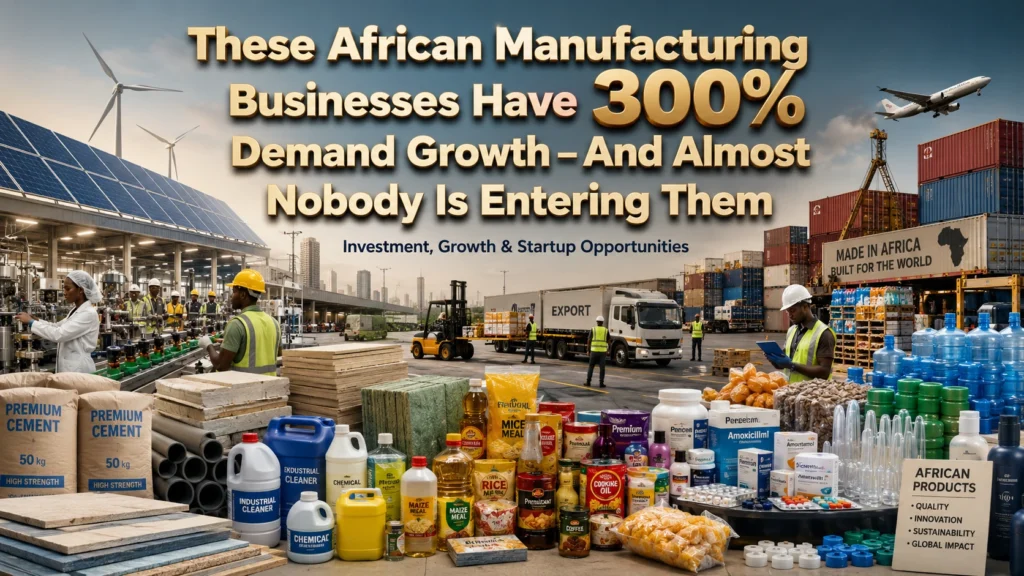
The African frontier has become more than a frontier market; it is one of the most strategically interesting places to manufacture on the planet. The continent boasts a wellspring of aspiring entrepreneurs with a combined GDP surpassing $3 trillion, a young and rapidly urbanising population of over 1.4 billion, and a historic change in its economic structure to reduce reliance on raw commodity exports. The business ideas that are discussed in this article are not just theoretical business opportunities. They are built on real market opportunities, consumer demand, and production economics that are scalable — that first-generation founders and MSME investors can now leverage with an investment of USD $100,000 to USD $200,000.
The African Continental Free Trade Area (AfCFTA), which is already in operation for 54 member countries, has altered the investment equation altogether. No longer do manufacturers have to focus on just one country. This little Rwanda plant can legally export to Kenya, Uganda and Tanzania, and the DRC. Nigeria can access Senegal, Ghana and Côte d’Ivoire through a food-processing unit. This transborder flow and the long-neglected manufacturing industry in the continent has built a unique business environment in which supply remains far behind demand.
The article offers an academic analysis of 20 practical manufacturing business ideas that align to this investment level, including market logic, business operational insights, export potential, policy support, and lessons learned from entrepreneurs who have succeeded on the ground.
Why Africa Is the Right Manufacturing Destination Right Now
The manufacturing sector is still less than 15% of GDP in most African economies, while in most East Asian economies, it accounts for more than 25% of GDP. This structural void is not a vulnerability, it’s a chance. Demand for basic manufactured goods (packaged food, construction materials, hygiene products and energy products, animal feed) is outpacing domestic supply chains. Import costs and availability are still high, and imports are becoming less popular for African governments that want to establish local manufacturing capability.
In the meantime, the input costs are relatively low. Labour in EA and WA is cheap and has an improving skill level. There are more than ample supplies of raw materials in the form of agricultural produce, mineral, timber and natural fibre throughout the continent. Although still in its infancy, the energy sector has made tremendous strides with the implementation of solar and off-grid electrification programmes. In combination, these factors make a manufacturing environment that is competitive on the margin—even in more crowded Asian markets—when planned appropriately.
AfCFTA and Government Policy: Structural Tailwinds for New Manufacturers
The African Continental Free Trade Area is the most significant policy development for manufacturing in Africa over the past 40 years. AfCFTA provides for a single market of goods, the scale of which is unprecedented, as the participating nations have agreed to phase out 90% of tariffs on goods over time. This is what it means for a manufacturer to have the ability to create production capacity for Africa from scratch, rather than simply one country.
In addition to AfCFTA, there are multiple incentives at the country level. African Development Bank (AfDB) is proactively supporting industrial SMEs through facilities such as the Africa SME Programme and the Affirmative Finance Action for Women in Africa (AFAWA). Kenya Industrial Estates (KIE) in Kenya provides small-scale manufacturers with factory shells, preferential financing and business development assistance. The government of Ethiopia has created special industrial park zones in which it has offered light industrial manufacturers a package of incentives for land use. The Industrial Development (Income Tax Relief) Act of Nigeria provides for pioneer industries tax holiday. The Special Economic Zones (SEZs) are available to provide infrastructure, tax reliefs and streamlined licensing for Rwanda. The African Union’s Industrialisation Strategy in Agenda 2063 prioritises manufacturing as a sector in the continent’s development agenda and is providing funding and technical assistance for just these sorts of projects.
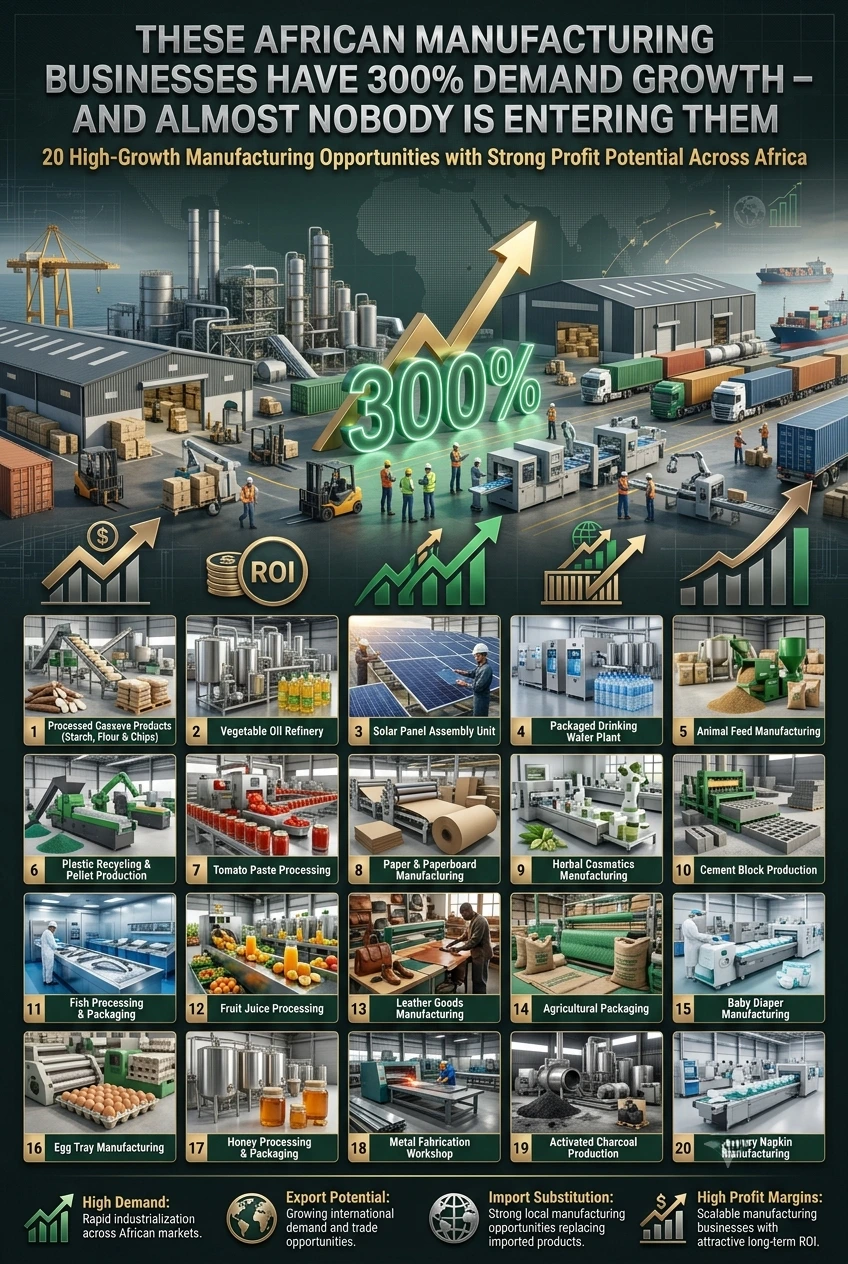
20 Manufacturing Business Ideas for Africa (USD $100K–$200K)
The selection of the following ideas has been made based on the market demand data, availability of raw materials, feasibility of production at small-scale and calculable profitability in a two-to-three-year period. They are all good examples of areas in which there is a high level of import reliance in Africa and where production is lacking or is very limited.
1. Processed Cassava Products (Starch, Flour, Chips)
Cassava is the most widely grown food crop in Africa – but Africa imports billions of dollars’ worth of cassava starch and cassava flour derivatives that it could produce itself. A small-scale cassava processing plant (drying, milling and packaging) can be built for $150,000 to $180,000 to be utilized by food manufacturers, textile starch producers and export buyers all at once. There is growing demand from food companies, bakeries and industrial users, with Nigeria, Ghana and DRC being the biggest producers of cassava. The main competitive edge for a new player is the ability to add value to the cassava crop, which is not just raw cassava but clean cassava, packaged cassava, specification grade starch, and/or high quality HQCF (High Quality Cassava Flour).
2. Vegetable Oil Refinery (Small-Scale Edible Oil)
Urbanisation is driving up Africa’s consumption of edible oils at a significant clip, but the domestic edible oil refining capacity is severely constrained. Raw quantities of palm oil, groundnut oil, sesame oil and sunflower oil are produced on a large scale throughout the continent but are not generally refined to retainable standards in the region. A small-scale expeller and refinery unit can be set up at a cost of $160,000-$200,000 and can supply refined, bleached and deodorised edible oil for retail packing and institutional food services. As by-products from refinery activities, soap manufacturing is an adjacent revenue stream that can be used to enhance margin usage. Refined edible oil has very high demand-supply mismatch in the West African markets, especially in Nigeria, Ghana and Cameroon.
Access Complete Business Plan: Edible Oils, Non-Edible Oils, Fats & Vegetable Oils Projects
3. Solar Panel Assembly Unit
Access to energy is not only a social issue in Africa, but also a manufacturing opportunity of unparalleled size. More than 600 million Africans do not have access to reliable grid electricity and in most geographies, solar photovoltaic (PV) systems will also be the most cost-effective solution. A solar panel assembly unit, which imports solar cells and only uses local materials for encapsulation, framing and quality testing, can assemble the panels at costs comparable to imported finished goods, especially when freight and import duty costs are taken into account, at $120,000–$170,000. The adoption curves are very high in the East and Southern Africa region. The
The International Renewable Energy Agency (IRENA) estimates that Africa will require hundreds of gigawatts of new solar power over the next 20 years, and this requirement can only be realised with domestic assembly infrastructure at an affordable price.
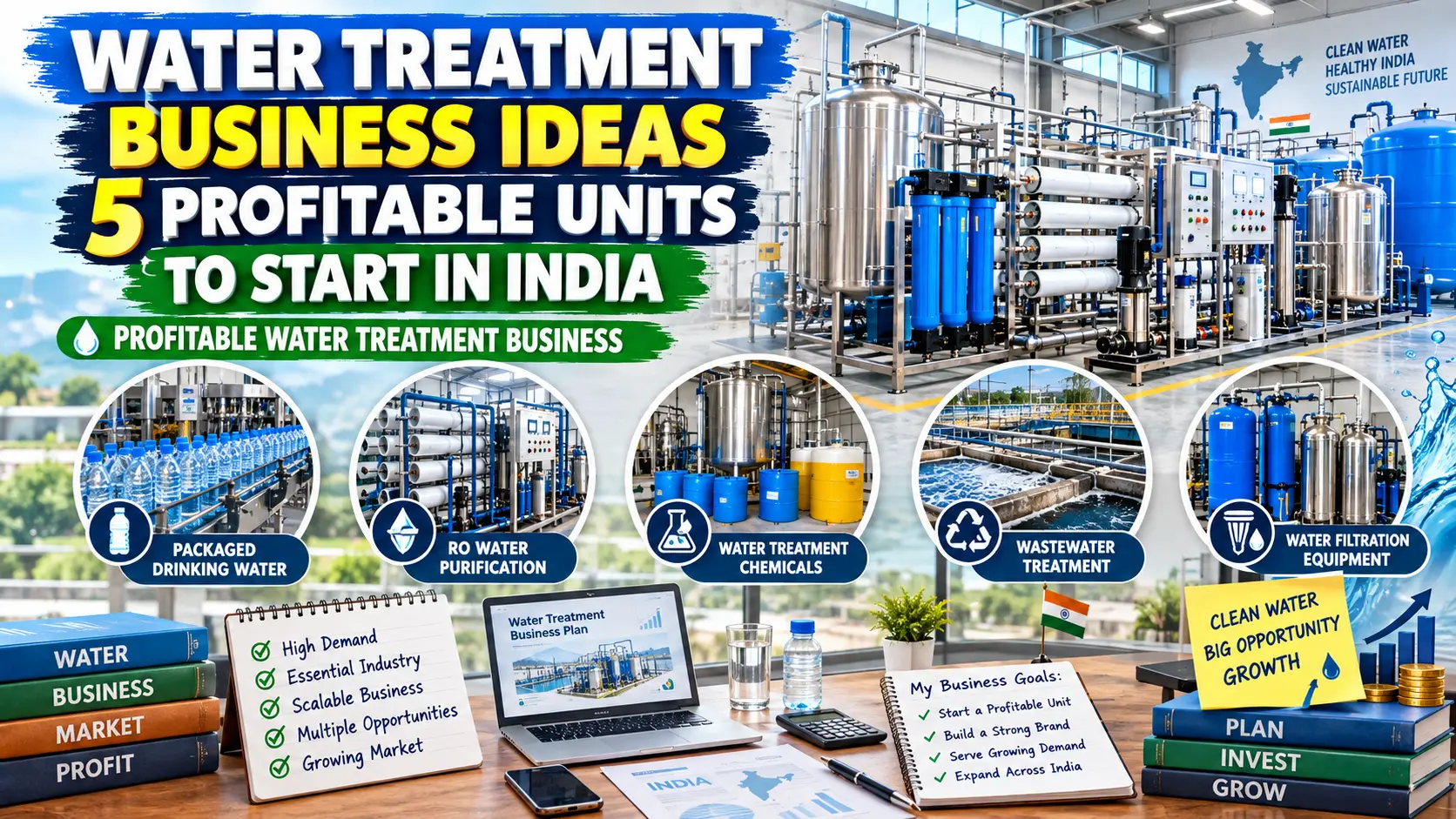
4. Packaged Drinking Water Plant
Access to clean drinking water is still a very long way in urban and peri-urban Africa. Sachet water and bottled water are not luxury items, they are necessities for hundreds of millions of consumers who depend on them for their daily needs, and who cannot access safe drinking water from the municipality. A modern water purification and packaging plant using Reverse Osmosis (RO), Ultra Violet (UV) and automated sachet and/or bottle filling would cost $100,000 to $140,000. The margins are very high in this industry, especially in the sachet business at the point of sale, if the distribution channels are well established. While the regulatory landscape differs across countries, Nigeria’s NAFDAC guidelines and Kenya’s KEBS standards offer well-defined pathways for compliance.
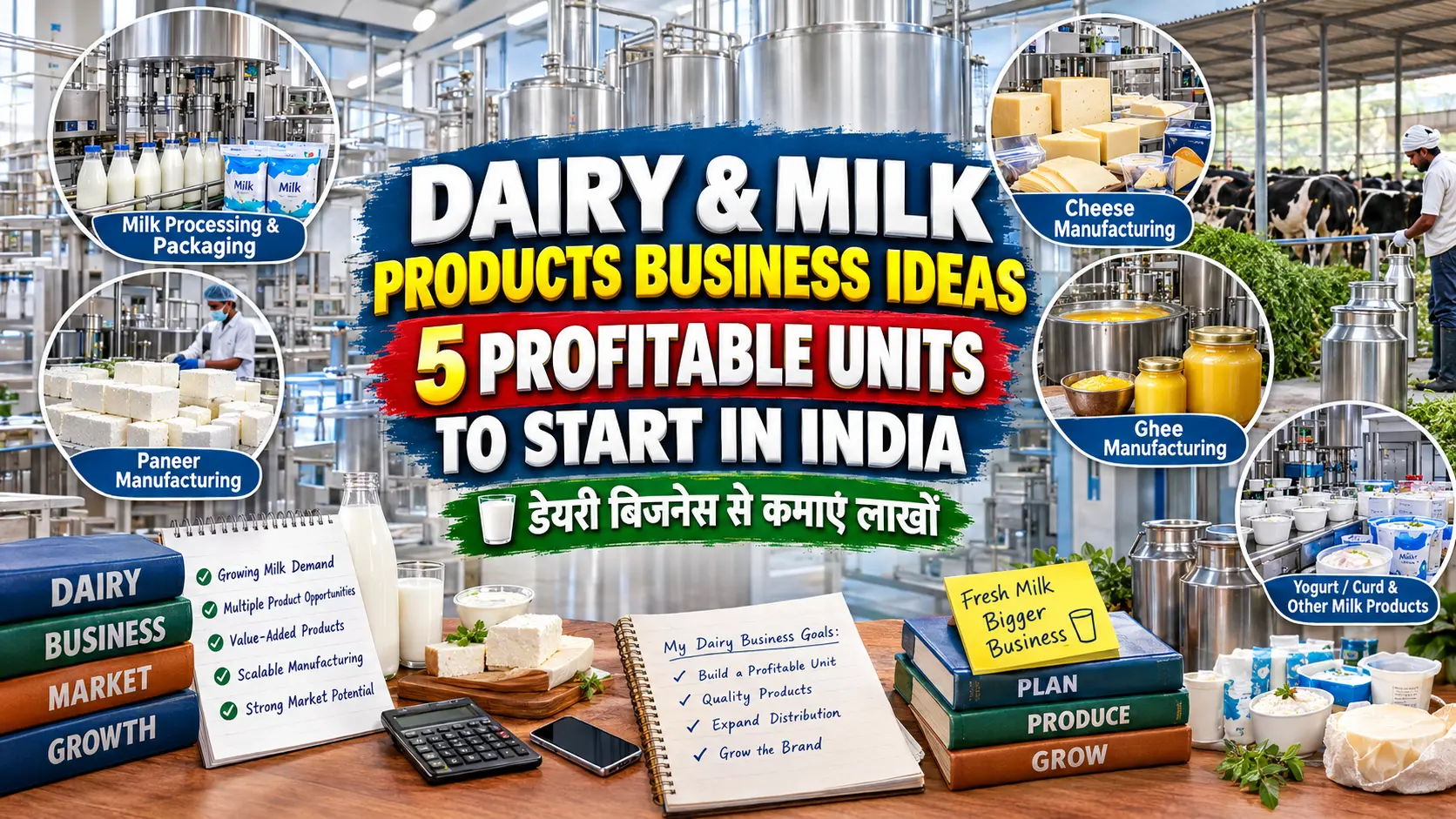
5. Animal Feed Manufacturing
The livestock and poultry industry is a fast-growing industry in Africa. With urbanisation, diets are shifting: There is an increase in consumption of chicken, eggs and beef in all income brackets. Commercial animal feed is however still limited and expensive in most of the African markets. A Poultry & Livestock feed formulation and pelletising plant using locally available maize, soya, fish meal and mineral premixes can be procured at $130K to $180K and can produce feed for commercial farmers, co-operative societies and individual small farmers. The margin is healthy: raw material costs per tonne of output are much less than the cost of retail sale of imported compound feeds.
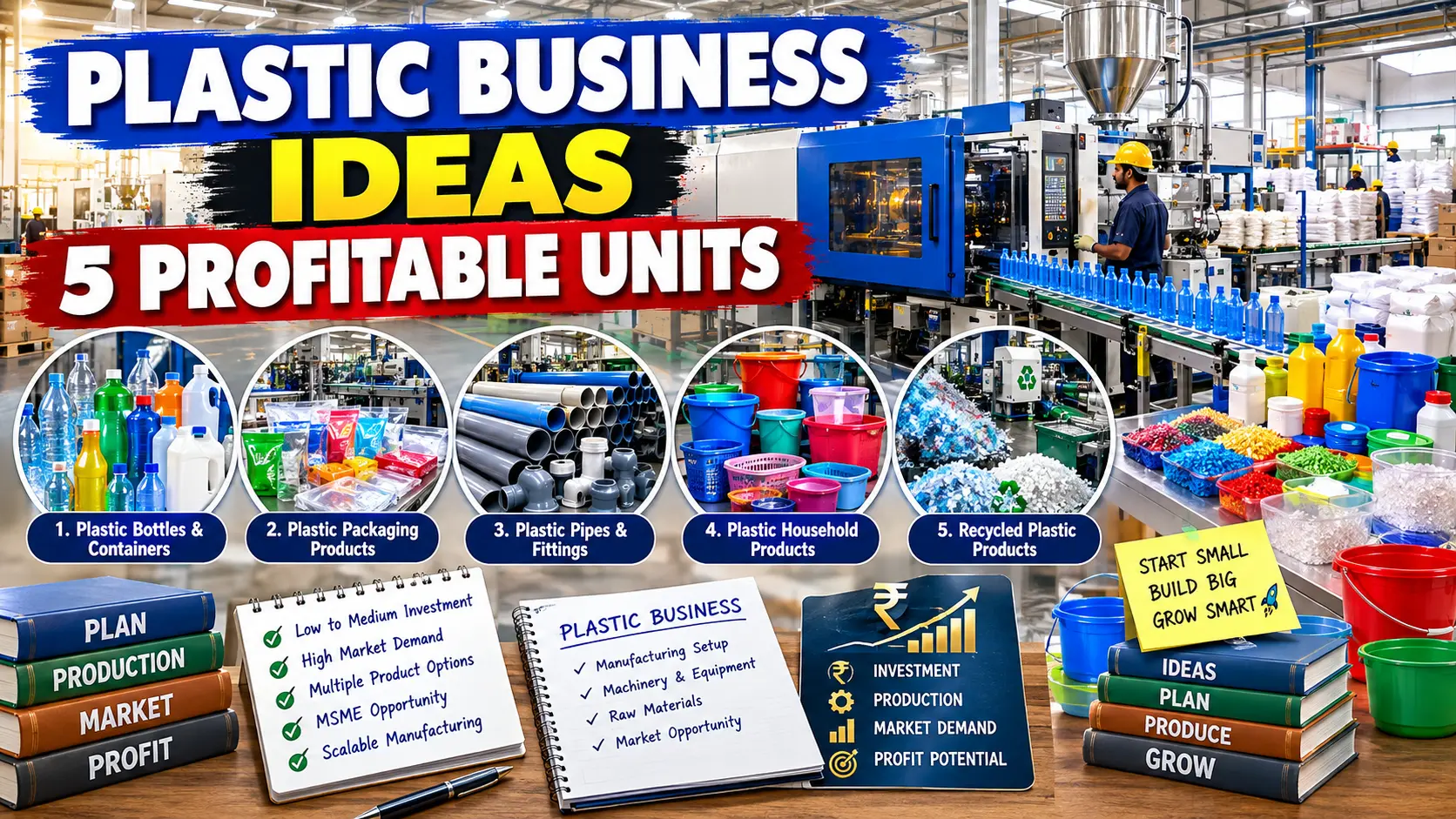
6. Plastic Recycling and Pellet Production
Each year, Africa produces millions of tonnes of plastic waste; in most countries there is almost no recycling industry. But there is real and growing demand for recycled plastic pellets in packaging, construction and manufacturing of household goods. A plastic collection, washing, shredding and pelletising plant can be set up for $110,000-$160,000 and yield two streams of income: tipping fees or subsidy income from waste collection contracts and sales of pellets to manufacturers. In recent years, there has been an increasing number of African governments that require compliance from large commercial firms in the plastic waste disposal process, setting up a market opportunity for organized recyclers. This is also a business with good ESG credentials, which is increasingly a key consideration for B2B buyers and access to development finance.
Related Article: How to Start a HDPE/PP Plastic Recycling Plant in India: Investment, Machinery & Profit Margins
7. Tomato Paste Processing
In spite of being one of the largest tomato producers in Africa, Nigeria alone imports more than $360 million worth of tomato paste per year. Post-harvest losses in the tomato value chain in West Africa range from 40-50% of the tomato supply, with a significant portion of the losses being attributed to lack of processing infrastructure. A small-scale tomato pastes processing and canning unit with an investment of $140,000 to $190,000 can tap into this loss and turn the farm-gate tomatoes into shelf-stable paste and sell to retail, institutional and export market. The business model is best suited when set up near the main tomato growing belts e.g. Kano, Nigeria, Volta, Ghana or Mbeya, Tanzania to reduce logistics costs of the raw materials.
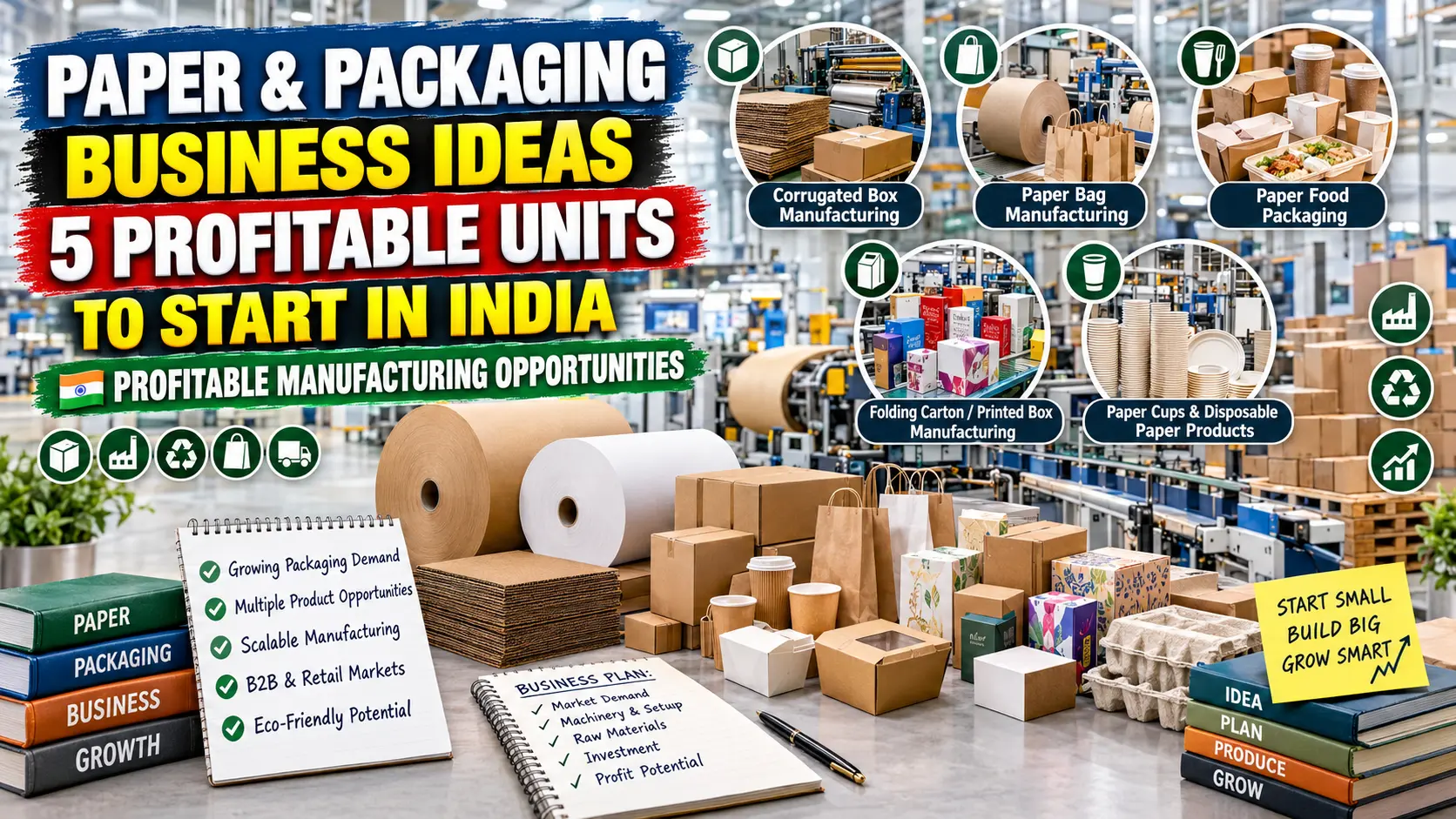
8. Paper and Paperboard Manufacturing (Small-Scale)
Demand for paper and paperboard packaging on Africa is rising across the region due to the emergence of ecommerce, retail formalisation as well as increasing food packaging standards. Small-scale mills using recycled waste paper or agri-residue (sugarcane bagasse, sisal) can manufacture kraft paper, chipboard and corrugated sheets to meet an increasing number of packaging buyers. The range of investment from $150,000 to $200,000 is realistic for a 5–15 tonne per day unit. East Africa, especially Kenya, Tanzania and Ethiopia, is viewed as the best near-term opportunity as the retail and FMCG supply chain is undergoing a formalisation process in the region.
Read the Complete Book Here: Modern Technology of Pulp, Paper and Paper Conversion Industries
9. Herbal Cosmetics and Personal Care Manufacturing
The personal care market in Africa is undergoing a change. Consumers are moving away from synthetic cosmetics and towards natural, plant-based products with indigenous African botanicals such as shea butter, argan oil, baobab extract, marula oil and moringa. A herbal cosmetic manufacturing plant can be set up for $100,000 to $150,000, and has the potential to export to the natural beauty markets in Europe, North America and the Middle East. The strategic benefit is origin authenticity – products made using African botanical ingredients have a premium positioning that can’t be replicated with a product made from a different origin. Access to high margin export markets is possible with EU Organic or ECOCERT certification at reasonable costs.
10. Cement Block and Paving Stone Production
Africa’s urbanisation rate is one of the world’s highest. Urbanization is taking place, gaps in housing are growing, and cities are building infrastructure. Hollow cement blocks and interlocking paving stones are two of the most universally demanded construction materials, and the small-scale block-making plants are among the most capital-efficient manufacturing plants available. A mechanised block production unit with mixing, moulding and curing facilities can produce several thousand blocks a day at $100,000 – $130,000, meeting the demand of contractors, developers and self-builders within a 50 km radius. Low transport cost tolerance requires each urban growth centre to have its own supply, which results in a spread-out opportunity for local entrepreneurs.
11. Fish Processing and Packaging
Africa has productive fishing grounds around it and a huge amount of land-based lake and river resources — but the majority of the catch is eaten fresh, poorly preserved or exported raw at low value. Smoked, Dried, Frozen Fish Packaging Units, both retail and regional exports, offer a very good opportunity with an investment of $120,000-$180,000. There is a wealth of raw material in the Lake Victoria basin of east Africa, the coast of west Africa and the Zambezi-Nile systems. The addition of cold chain storage and hygienic packaging will significantly improve the value of the product and will open up new modern retail and institutional fish buyer markets which are currently mainly supplied by processed fish from Asia and Europe.
12. Fruit Juice and Nectar Processing
Mango, passion fruit, pineapple, citrus, guava – Africa produces vast amounts of tropical fruit which are wasted after harvest or exported in raw form. This value chain can be tapped at a critical point with an investment of $130,000–$170,000 in a fruit juice processing unit to make fruit juice, nectar, and concentrate in aseptic or PET packaging, which are sold as pasteurised products. But according to the Food and Agriculture Organization (FAO) post-harvest fruit losses in Sub Saharan Africa are more than 30% per year which is billions of dollars’ worth of fruit that is ripe for destruction but could be captured by small processing plants. Demand for both domestic and export markets is strong; the domestic demand is robust and the export demand is expanding with the rising popularity of tropical fruit concentrates of African origin in European beverage markets.
13. Leather Goods Manufacturing
In Ethiopia, it has become one of the most promising leather manufacturing centers of Africa to offer finished leather products to the European fashion brands at an affordable price. But, not only is the opportunity in Ethiopia. Cattle and goat herds are also quite large in Kenya, Nigeria and Sudan, in all of which raw hides are being exported, with little value added. The configuration of a leather goods manufacturing unit that makes bags, belts, wallets, shoes for domestic sale and export is $110,000-$160,000. The most profitable is export production to mid-market fashion buyers in Europe and the Gulf region where African leather fetches a premium for being authentic.
14. Agricultural Packaging (PP Woven Bags and Jute Sacks)
All the produce in Africa requires packaging. Consistent, seasonal demand has been present in all agricultural areas of the continent in the form of grain storage bags, fertilizer sacks, seed packaging and produce export bags. PP woven bags manufacture can be started with USD $100,000 to $150,000 that can be considered as a captive market for the agricultural co-operatives, agro processing industries and commodity exporters who import PP woven bags from India, China and Turkey. Custom print and specification options available that any imported alternative cannot provide at a comparable economics are another major benefit of local production.Another significant advantage of local production is reduced lead time versus import, lowered landed cost and reduced import lead time.
15. Baby Diaper Manufacturing
The birth rate in Africa is still the highest in the world. The disposable diaper market is dominated by high priced imports, although urban African parents, now aspirational consumers, are taking up the use of the product at a fast pace. Baby diapers can be produced locally at a cost of $170,000-$200,000 using semi-automated equipment with imported SAP, non-woven fabric and elastic material which can compete with the imported brands. The largest markets are Nigeria, Kenya, Ethiopia and Tanzania. There are good margins in the diaper industry when production volume is more than 50 000 units/shift and the acceptance of a local brand is mostly based on price.
Identify high-growth industries before others do
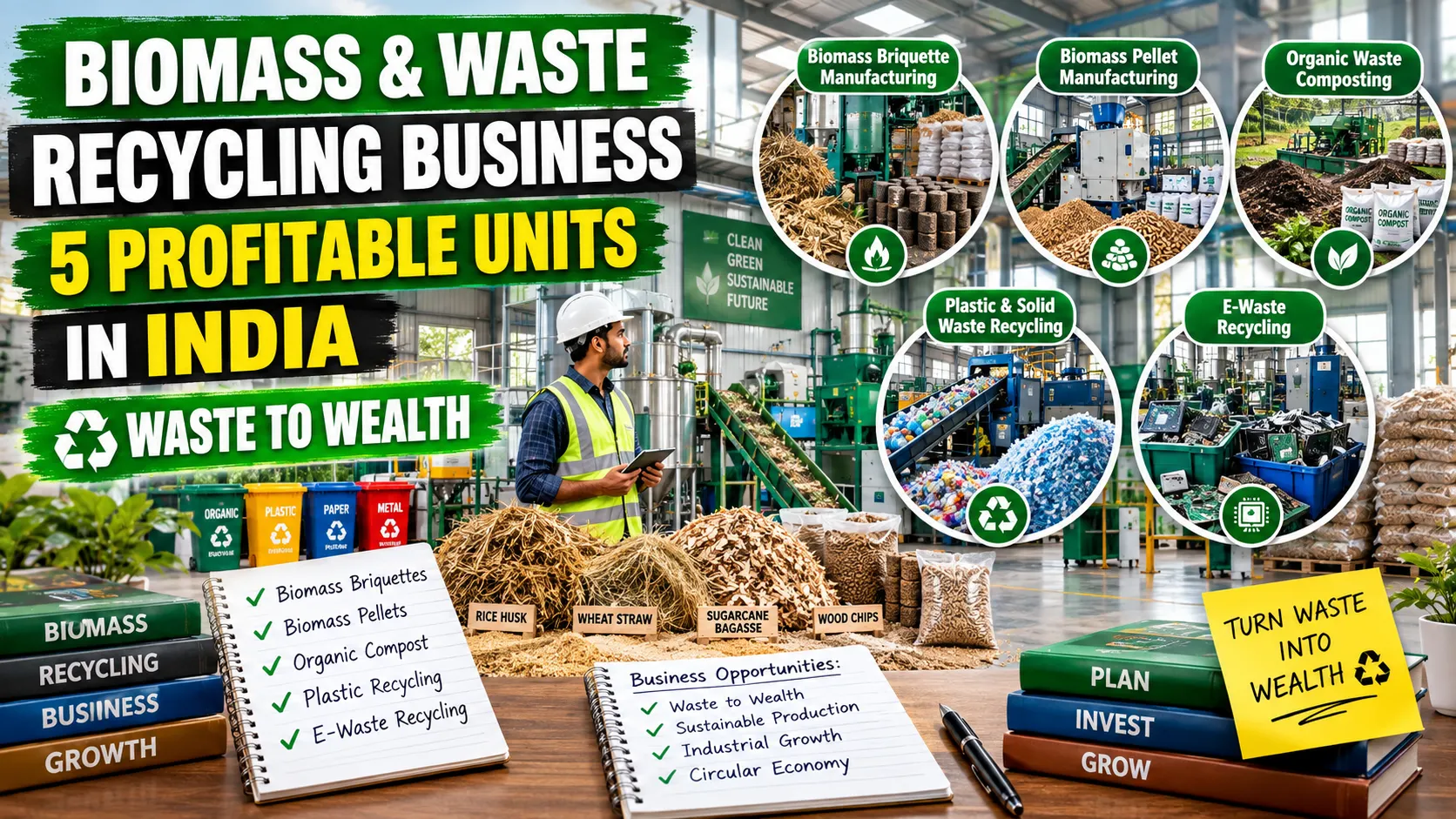
16. Egg Tray Manufacturing (Pulp Moulding)
The poultry industry is exploding in Africa — and there’s a need to package every single egg. Pulp moulded egg trays are one simple product that is in high demand in many markets across Africa, but are either imported or made in small numbers by informal producers. A commercial egg tray moulding machine (waste paper pulping, moulding, drying and stacking) can be set up at $100,000-$130,000. Natural B2B buyers are poultry farm clusters, egg wholesalers and supermarket chains. The business also has a dual sustainability certificate: recycled input materials and a product that is biodegradable.
17. Honey Processing and Packaging
Ethiopia is the fifth largest producer of honey in the world. There are also high-quality natural honeys available from Tanzania, Kenya, Zambia and Uganda, sourced from a variety of flowers. But the bulk of African honey is traded raw, uncertified and untreated for food safety (inconsistency) restricting export opportunities and premiumisation at retail. A processing and packaging facility in the honey sector costing from $90,000 to 120,000 with the capacity of filtering, pasteurising, controlling moisture in the product and hygienic packaging of the product can convert the farm-gate honey into export quality honey which can fetch three times to five times the raw honey price. The European honey import market actively looks for traceable honey with African origin certificates, and the opportunity to get an African origin certificate is possible at relatively low cost in Africa where naturally low pesticide honey production conditions prevail.
18. Metal Fabrication Workshop
Gates, window grills, roofing works, water tanks, storage racks and construction steel works are all the elements that every growing African city requires. A professional metal fabrication shop with MIG/TIG welding machines, cutting machines, bending machines, and spray-painting equipment and facilities to produce fabricated metal products, can be setup within $130,000 to $170,000 and be used to service B2B clients that are contractors, developers, institutions, and industrial facilities. The business model is scalable starting with custom fabrication, then standardised product lines (galvanised water tanks, commercial shelving systems, pre-fabricated structures) with higher margins and shorter repeat purchase cycles.
19. Activated Charcoal Production
Activated charcoal is one of the most promising niche export products in Africa. Activated charcoal is made by controlled carbonisation and activation of coconut shells, wood or bamboo and used to purify water, make pharmaceuticals, in gold mining and high-end cosmetics all over the world. A small-scale activated charcoal production unit of $100,000-$140,000 can be developed to serve export markets in Europe, Asia, and North America where demand for high surface area activated carbon is growing. There is a very competitive raw material positioning in East Africa, which has a lot of coconut shells in coastal Kenya and Tanzania. The prices for export depend on the grade and activation level and vary from $800 to $2,500 per tonne.
20. Sanitary Napkin Manufacturing
Period poverty is acknowledged in Africa as a public health problem. Nearly, 500 million women and girls are deprived of access to menstrual hygiene products, and this is solely due to cost and availability of the products, not to demand. An affordable sanitary napkin manufacturing unit (cost range: $120,000-$160,000) producing fluffy pulp, non-woven fabric and PE film based pads for the women can be distributed through the retail outlets, schools, pharmacies, and NGO network at the same time. One of the largest institutional sales channels is government procurement tenders, especially in the health ministries and school programmes. It is a commercial opportunity and a social impact investment that has potential for development finance co-funding at the same time.
Import–Export Opportunity Analysis for African Manufacturers
The trade figures for Africa show a consistent pattern: the continent sells vast amounts of raw material but imports finished or semi-processed goods at a much higher price. This structural trade imbalance is not just an economic fact of life; it was confirmed as commercial opportunity by the International Trade Centre (ITC) data, revealing a structural imbalance in raw materials which needs to be captured by small manufacturers at the appropriate point in the value chain.
Processed food and agriculture products are the product of the continent’s biggest import by value – and also its biggest raw material endowment. If a manufacturer is making processed cassava, tomato paste, fruit juice, or refined vegetable oil, it will be equivalent to an import being replaced by a local product that has lower logistics costs and a more streamlined supply chain that cannot be matched by an imported product.
Export opportunities exist at the premium end of the value chain. Activated charcoal, certified organic honey, natural cosmetics with African botanical ingredients, and leather goods have documented, growing demand in European and North American markets. The AfCFTA trade framework also creates intra-Africa export potential — allowing manufacturers in lower-cost production regions to supply urban consumer markets in higher-income African economies.
Indian MSME Success Stories: Lessons for Africa-Focused Entrepreneurs
Patanjali Ayurved — Baba Ramdev and Acharya Balkrishna
How a tiny unit in Haridwar went on to become a multi-billion FMCG company through the smart positioning of its natural products, the creation of a strong distribution network and a robust customer base is an exemplary case study for young entrepreneurs to follow. The strategic lesson for Africa-focused entrepreneurs is direct: natural ingredient-based manufacturing — cosmetics, food supplements, herbal healthcare — built on locally available botanical raw materials and sold through a combination of modern retail and direct distribution, can scale from small-scale origins to national market leadership. Patanjali’s success was not marketing alone; it was fundamentally a manufacturing story driven by low-cost, high-volume production of products that addressed real consumer demand gaps.
Haldiram’s — The Agarwal Family
Haldiram’s journey from a modest Bikaner sweet shop to a $1bn plus global snack food brand shows the scaling power of processed food production, where product quality, portfolio richness, and distribution scale are constructed intentionally and consistently. There are three lessons African entrepreneurs hoping to start a business producing fruit juices, packaged snacks, or processed cassava products can extract from the Haldiram story: 1) Don’t just make one thing – master one thing; 2) Even in the early stages, put a real effort into packaging; and 3) Don’t wait too long to build institutional and B2B channels to complement retail sales.
Jain Irrigation Systems — Bhavarlal Jain
Jain Irrigation’s story of moving from being a tiny manufacturer of PVC pipes in Jalgaon to one of the world’s leading micro-irrigation and food processing firms is possibly the most direct Indian MSME example for the African continent. Bhavarlal Jain built his business by identifying agricultural infrastructure gaps — water access, post-harvest processing — and manufacturing solutions for those gaps at accessible price points. Africa faces identical agricultural infrastructure deficits. Entrepreneurs in agri-packaging, food processing, and irrigation equipment manufacturing in Africa can draw direct strategic inspiration from Jain’s model of solving real farm-level problems with manufactured products, then scaling through institutional partnerships and export market development.
How NPCS Supports Africa-Focused Manufacturing Entrepreneurs
At Niir Project Consultancy Services (NPCS), we provide professional consulting for the preparation of Market Survey cum Detailed Techno-Economic Feasibility Reports (DPRs) specifically designed for entrepreneurs planning to set up new manufacturing businesses. Reports contain the following details: Detailed Manufacturing Process Market Research & Demand Analysis Process Flow Diagram (PFD) Product Mix & Capacity Planning Machinery and Raw material Specification Full Project Financial with profitability forecast.
In the case of investment projects in Africa, our feasibilities analyse country market opportunities, the impact of AfCFTA and other regulations, and pragmatic raw material sourcing. The mandate is simple: to enable investors to gauge whether projects are feasible, sustainable, and profitable before investing capital, minimising investment risk and enhancing the quality of early decisions.
Market Data: Top 20 Manufacturing Business Ideas for Africa
The table below summarises key parameters for each of the 20 business ideas covered in this article, providing a quick reference for investment planning and sector comparison.
| Business / Product | Est. Investment (USD) | Target Market | Key Output |
| Processed Cassava Products | $150K–$180K | West & East Africa | Starch, flour, chips |
| Vegetable Oil Refinery | $160K–$200K | Pan-Africa | Edible oil, soaps |
| Solar Panel Assembly | $120K–$170K | East & Southern Africa | Off-grid energy kits |
| Packaged Water Plant | $100K–$140K | Urban Africa | Sachet, bottled water |
| Animal Feed Manufacturing | $130K–$180K | Pan-Africa | Poultry, livestock feed |
| Plastic Recycling Unit | $110K–$160K | West & East Africa | Pellets, recycled goods |
| Tomato Paste Processing | $140K–$190K | West Africa | Canned, sachet paste |
| Paper & Paperboard Making | $150K–$200K | East & Southern Africa | Kraft, cardboard |
| Herbal Cosmetics Manufacturing | $100K–$150K | Pan-Africa / Export | Creams, oils, soaps |
| Cement Block Production | $100K–$130K | Urban & Peri-urban Africa | Hollow blocks, pavers |
| Fish Processing & Packaging | $120K–$180K | Coastal & Inland Africa | Dried, smoked, frozen |
| Fruit Juice & Nectar Unit | $130K–$170K | Pan-Africa | Mango, citrus, guava |
| Leather Goods Manufacturing | $110K–$160K | East Africa (Ethiopia, Kenya) | Bags, belts, shoes |
| Agri-Packaging (Jute/PP Bags) | $100K–$150K | All agricultural regions | Grain, fertiliser bags |
| Baby Diaper Manufacturing | $170K–$200K | Urban Africa | Disposable diapers |
| Egg Tray Manufacturing | $100K–$130K | Pan-Africa | Pulp egg trays |
| Honey Processing & Packaging | $90K–$120K | East & Southern Africa | Filtered, bottled honey |
| Metal Fabrication Workshop | $130K–$170K | Urban & Industrial Hubs | Gates, frames, tanks |
| Activated Charcoal Production | $100K–$140K | Global Export | Purification, cosmetics |
| Sanitary Napkin Manufacturing | $120K–$160K | Pan-Africa | Low-cost hygiene pads |
Frequently Asked Questions (FAQs)
Q1. Which African country is best for setting up a small manufacturing business?
That depends on the product, sector and market for the goods produced. The top two African countries for initial manufacturing production from regulatory, infrastructure perspectives: Rwanda and Kenya The lowest cost producer in terms of labour costs and infrastructure: EthiopiaThe biggest single market for consumer products: Nigeria and Ghana The best facilitators of trade and finance infrastructure: Mauritius and South Africa The best fit is often the country you have most relationships and have been operating in.
Q2. How does AfCFTA benefit small manufacturers?
AfCFTA allows manufacturers in member states to sell across 54 African countries with progressively reduced tariffs. For a small-scale manufacturer, this means designing production capacity for a regional market — not just a domestic one — from the first day of operation. The AfCFTA Secretariat provides guidance on rules of origin requirements and tariff schedules applicable to specific product categories.
Q3. What are the biggest operational challenges for small manufacturers in Africa?
Back-up power generation – eg. A generator, or hybrid system including a solar inverter – should be considered at the outset, together with the running cost. Skills: Skilled labour availability varies widely by country and sector. Raw material supply chain consistency, particularly for agricultural inputs, requires investment in supplier relationships and seasonal inventory planning. Finally, access to working capital — at reasonable interest rates — is a persistent constraint that entrepreneurs should address through development finance institutions rather than commercial banks where possible.
Q4. Is development finance available for small manufacturing projects in Africa?
Yes — several development finance channels are accessible to small manufacturers. The African Development Bank (AfDB) operates SME financing windows. African countries have their respective national development finance institutions (DFIs) that provide subsidized lending for manufacturing enterprises. The International Finance Corporation (IFC) can participate with both equity and debt financing in scalable SME manufacturing ventures. Similarly, impact investors focusing on areas like food security, clean energy, and women-owned enterprises are another pool of potential funding for well-positioned opportunities.
Q5. How long does it typically take to reach profitability in African manufacturing?
The investment size we discussed in this article – $100,000 to $200,000 – will generally result in a break-even within 18-30 months, with a well-organized manufacturing operation into identified sectors with real demand (food processing, construction material, sanitary hygiene products), with reasonable capacity utilizations building up over time, developed distribution networks, and efficient management of working capital. The more export-oriented ones may take longer to turn profitable but should achieve stronger margins when mature.
Q6. Do I need a feasibility study before investing?
A detailed feasibility study is not just advisable — it is essential for investment decisions in this size range. A proper techno-economic feasibility report will quantify raw material availability, market demand, production costs, machinery specifications, regulatory requirements, and financial returns with a level of precision that due diligence requires. It also significantly improves access to bank or development finance funding, as lenders consistently require DPR documentation as part of their appraisal process. Commissioning a professional feasibility study before investment is the single highest-return expenditure any manufacturing entrepreneur can make.
Conclusion
Africa’s manufacturing opportunity is not a future promise — it is a present-tense reality being captured right now by entrepreneurs who can see through the complexity to the structural demand underneath. The 20 business ideas in this article represent product categories where supply consistently fails to meet demand, where import dependence creates natural commercial space for domestic producers, and where the investment required is within reach of serious first-generation entrepreneurs.
The convergence of AfCFTA market access, growing development finance availability, improving infrastructure, and accelerating consumer market formalisation has created a window that rewards early entry. Manufacturing businesses established today — with proper feasibility planning, appropriate technology selection, and realistic market development strategy — are positioning themselves at the front of a decades-long industrial growth wave.
The question for entrepreneurs reading this is not whether African manufacturing is a good opportunity. The data makes that answer clear. The real question is which product, which country, and which route to market aligns best with your capital, your network, and your operational strengths — and whether you are willing to invest the upfront planning rigour that successful market entry requires.