
Protein Foods Production Is The Future Of Nutrition. Startup A Business of Protein Based Nutrition Foods Production for A Low Investment, No Risk and High Return | Setting Up Business of Protein Based Nutrition Foods
As a result, they are ideal for people with busy schedules, limited access to fresh food, or who simply want something easy to prepare. Additionally, a variety of flavors and low prices can be found in protein-based dietary products. Because of this, they are ideal for people on a tight budget who want a quick and easy way to get their recommended daily intake of nutrients. Due to the added vitamins and minerals that many of these foods contain, they can help people meet their Recommended Dietary Allowances (RDAs), which will keep them healthy. Bone diseases like osteoporosis are examples of this. How to Start a Protein Food Business in India High-protein foods are a great method to get both the daily requirements for protein and other essential elements. They are a popular choice for those striving to maintain a healthy lifestyle because they are also useful and affordable. People can eat protein-rich meals in many different ways, such as snacks, by themselves, or in shakes and smoothies. Additionally, they can use protein-rich ingredients in recipes to make protein bars, pancakes, muffins, and porridge. One of the most popular uses for protein-based dietary products is meal replacement. They provide all the nutrients required for a complete meal in an easy-to-use package. Protein-based nutrition products also include significantly fewer calories and fat than traditional meals. They are thus ideal for weight loss. They contain a variety of vital vitamins and minerals that can keep you strong and healthy. Protein-rich foods can aid in muscle development and recovery. They are excellent for athletes and bodybuilders in particular because they provide a high-quality source of protein that promotes muscle growth and repair. Before or after an exercise, they might increase energy levels, which can enhance performance. Protein-based nutrition products can be used to flavor food as well as replace meals or as pre- or post-workout snacks. Because they offer a multitude of health benefits, protein-based nutrition foods are popular among consumers. The following benefits of protein-rich foods are well known: These are only a few of the possible benefits of starting a business that makes protein-based nutrition products. By using the right products and techniques, businesses can benefit from these advantages and provide healthful cuisine to their customers. Contact Us
How to start a Manufacturing Business of Sugarcane Juice Preservation and Bottling Plant
If you are thirsty for success, something sweet comes your way. Sugarcane juice is a refreshing and healthy drink that has become popular among Indians in recent times. So, if you have a knack for entrepreneurship and want to start your own business, this is the perfect opportunity for you to cash in on the growing demand for sugar cane juice. In this blog post, we will tell you all about how to start a manufacturing business of sugarcane juice preservation and bottling plants. If you’re reading this article, you’re interested in starting your own manufacturing business with minimum risk involved. Well, read on to learn how you can get started with a sugarcane juice plant. What do you need to know before starting a Sugarcane Juice Preservation and Bottling Plant? Before we start discussing how to start a manufacturing business of sugary-cane juice preservation and bottling plants, it is essential to understand the market outlook and the existing opportunities available in the market. This will help you create a foolproof business plan and start a manufacturing business of sugarcane juice preservation and bottling plants. The Indian soft drink industry is expected to reach a value of $3.96 Bn by 2026, up from just over $3 Bn in 2022. Changing consumer lifestyles, increasing household incomes, and rising health and wellness awareness mainly drive the growth. The growing health and wellness awareness among consumers has led to an increased demand for healthy beverages like natural juices, probiotics drinks, and functional beverages. This has increased the demand for sugarcane juice and its variants. These types of beverages are rich in vitamins and minerals, which are essential for a healthy lifestyle. Uses and application of Sugarcane Juice Bottles and Packaging Sugarcane juice bottles and packaging plays an important role in the manufacturing of sugarcane juice preservation and bottling plants. The manufacturer uses high-quality plastic to make the sugarcane juice bottles and packaging, ensuring they are safe to use and store. The company usually offers these sugarcane juice bottles in various packaging options like 100ml, 500ml, 1 L, and 2 L. These sugarcane juice bottles have an excellent shelf life and can keep the juice fresh for up to one year. The designers create the bottles to perfectly preserve the freshness and taste of sugarcane juice.. The sugarcane juice bottles are available in various colors and sizes, so you can select the one that best suits your brand identity and product. The process to start manufacturing of sugary-cane juice preservation plant The process of starting a business of sugarcane juice preservation and bottling plants is lengthy but not a difficult one. The manufacturing process of sugarcane juice is simple and does not require any special skills or training. All you need to do is procure quality raw materials, process them in a plant, and then store them in safe and hygienic conditions until you sell the product. However, you must follow certain important steps to ensure the venture’s success. First, carry out a feasibility study to determine the project’s viability. Next, put together a business plan that lays out the roadmap for successfully executing the project. Then, raise the necessary capital for the project through various sources such as loans, equity investment, or grants. Once the capital is in place, the next step is to procure the necessary machinery and equipment for the plant. The plant should then be set up in a suitable location. After the plant is up and running, the next step is to market the sugarcane juice to potential customers. What benefits of starting a Business of Sugarcane Juice Preservation and Bottling Plant? There are many benefits of starting a Business of Sugarcane Juice Preservation and Bottling Plant. The most obvious benefit is that you will be able to preserve and bottle sugarcane juice, which is a healthy and delicious beverage. Other benefits include the fact that you will be able to create a unique product that is not currently available on the market, and you will be able to tap into a growing trend of health-conscious consumers. In addition to the financial benefits of starting your own business, you will also be able to have a positive impact on the environment. By bottling fresh juice, you can reduce the amount of plastic waste that traditional bottled beverages produce. You will also be able to use sustainable packaging materials, which will further reduce your impact on the environment. Summing up Sugarcane juice is a refreshing and healthy drink that has become popular among Indians in recent times. So, if you have a knack for entrepreneurship and want to start your own business, this is the perfect opportunity for you to cash in on the growing demand for sugar cane juice. Before you start your business, you need to understand the market outlook, its uses and application, the process to start manufacturing, and the benefits of manufacturing sugar cane juice. If you follow these steps, you will surely succeed in your business. Visit the page Select and Choose the Right Business Startup for You for sorting out the questions arising in your mind before starting any business and know which startup you can plan. We, at NPCS, endeavor to make business selection a simple and convenient step for any entrepreneur/startup. Our expert team, by capitalizing on its dexterity and decade’s long experience in the field, has created a list of profitable ventures for entrepreneurs who wish to diversify or venture. The list so mentioned is updated regularly to give you a regular dose of new emerging opportunities. NPCS NPCS is a leading consultancy firm that provides detailed project reports for various industries. The company has a team of experienced professionals who have in-depth knowledge of various manufacturing industries. NPCS has prepared a comprehensive project report on setting up a manufacturing business of sugarcane juice preservation and bottling plant. The report provides a detailed feasibility study of the project, which includes a market analysis, raw material requirements, manufacturing process, machinery requirements,
Most Demandable and Growing Business of Creamy Peanut Butter Manufacture
The peanut butter business is rapidly becoming a profitable and sustainable venture in 2025, driven by the surge in demand for healthy and protein-rich food products. Once a niche category limited to Western countries, peanut butter has now gained immense popularity across the globe—including India, Southeast Asia, and Africa. Health-conscious consumers, gym-goers, and urban millennials are opting for peanut butter as a natural source of protein, fiber, and good fats. Available in crunchy, creamy, and flavored versions, peanut butter fits perfectly into a modern diet. Additionally, it’s widely used in smoothies, snacks, sandwiches, and baking, boosting its versatility and demand. With increasing awareness around plant-based nutrition and the benefits of nut-based spreads, the global peanut butter market is expected to cross USD 7 billion by 2027, growing at a CAGR of 6–8%. Entrepreneurs are capitalizing on this trend by launching affordable, local, and organic brands. Starting a peanut butter business offers scalable profit margins, low entry barriers, and long-term potential in domestic as well as export markets. Why Starting a Peanut Butter Business in 2025 Is a Smart and Sustainable Move The changing food habits of consumers, increasing demand for nutritious products, and the rise of clean-label brands have made the peanut butter business a hot opportunity for food entrepreneurs and MSMEs. With a simple manufacturing setup, access to raw peanuts, and effective branding, this business can thrive across urban and semi-urban markets. Visit this Page for More Information: Start a Business in Food Processing and Agriculture Based Industry Manufacturing Process and Equipment Required Manufacturers make peanut butter by roasting and grinding high-quality peanuts into a smooth paste. They begin the process by sorting and cleaning the raw peanuts to remove impurities. Then, they roast the peanuts at specific temperatures to enhance flavor and aroma. After roasting, they cool the peanuts and pass them through a grinding machine—sometimes in multiple stages—until they form a fine paste. Depending on the recipe, they may add salt, sweeteners, stabilizers, or flavorings like chocolate or honey. Finally, they fill the product into jars and seal them. To set up a small-scale peanut butter business, basic equipment includes a roaster, cooling conveyor, grinder, mixing tank, and filling & labeling machines. The initial investment can range from ?10–20 lakhs depending on automation level and capacity. Download PDF: The Most Amazing and Easy Business Plan of Creamy Peanut Butter Manufacture Rising Demand and Diverse Applications In 2025, peanut butter is no longer a foreign product—it’s a staple in breakfast menus, snack boxes, and fitness diets. It’s particularly popular among vegans, fitness enthusiasts, and children, making it a family-friendly product. Besides direct consumption, peanut butter is used in protein bars, cookies, cakes, dips, salad dressings, and smoothies. Its high protein content makes it a perfect natural supplement for athletes and gym-goers. Even in countries like India, where peanut butter was once imported, local manufacturing has seen a boom. Flavored variants like chocolate, honey, crunchy almond-peanut mix, and sugar-free options are expanding its reach. For businesses, this creates the scope to tap into niche markets and premium product lines under the umbrella of a single category. Related Business Plan: Start Creamy Peanut Butter Production Business Branding, Packaging, and Distribution To stand out in the growing peanut butter business, strong branding and attractive packaging are crucial. Customers are increasingly inclined towards products that are organic, vegan, gluten-free, and without added sugar or palm oil. Transparent labeling and highlighting health benefits on the pack help build trust. Packaging should be tamper-proof, attractive, and available in multiple sizes—like 200g trial packs, 500g jars, and 1kg family packs. Distribution channels include local grocery stores, modern trade (Big Bazaar, Reliance Fresh), gyms, health stores, cafes, and of course, online marketplaces like Amazon, Flipkart, BigBasket, and Blinkit. Setting up a D2C (Direct-to-Consumer) website can further increase brand reach and customer loyalty. Read Similar Articles: FOOD PROCESSING AND AGRICULTURE PROJECTS FSSAI Compliance and Certifications Starting a food processing business requires basic regulatory compliance. You need to register with the FSSAI (Food Safety and Standards Authority of India) and obtain a manufacturing license. Quality certifications like ISO 22000, HACCP, and organic certifications (if applicable) can boost consumer confidence and facilitate entry into export markets. In addition, GST registration, MSME Udyam registration, and trademark filing are recommended to secure your brand identity and ease of doing business. Compliance with nutritional labeling standards is essential for legal and ethical sales. Related Feasibility Study Reports: Set A Creamy Peanut Butter Production Business Export Opportunities for Peanut Butter Global markets are actively importing peanut butter, especially from cost-effective manufacturers in India, China, and South America. Countries like the UAE, Bangladesh, South Africa, and the U.K. are showing increasing demand for healthy, plant-based spreads. Exporting your product requires DGFT registration, an Import Export Code (IEC), and meeting country-specific food safety norms. Indian peanuts are globally recognized for their quality, and with proper branding and certification, the peanut butter business can scale internationally. Niche export brands focused on organic, sugar-free, or Ayurvedic-infused variants are in demand and often command premium pricing. Read our Books Here: Market Research Report on Milk Processing Profit Margins and ROI Potential The peanut butter business offers attractive profit margins, typically ranging from 30% to 45%, depending on product positioning and distribution channels. Raw materials are easily available, especially in peanut-producing states like Gujarat, Andhra Pradesh, and Tamil Nadu. Operating costs are relatively low once manufacturing is streamlined. With monthly production of 5,000–10,000 jars, even a small business can break even within 12–18 months. Value-added products like peanut chikki, roasted peanut snacks, and nut butter blends can further increase product portfolio and profit. Click here to send your queries/Contact Us See More Links: Contact Us
The Complete Book on Coconut Products
The coconut tree, often referred to as the “Tree of Life,” offers a wide variety of high-value products ranging from food and beverages to cosmetics, industrial raw materials, and biofuels. With increasing demand for health-conscious, natural, and eco-friendly alternatives globally, coconut products have gained immense popularity in both domestic and international markets. The Complete Book on Coconut Products versatility of this tropical fruit enables entrepreneurs to explore numerous profitable ventures with high market scalability and export potential. The Complete Book on Coconut Products is designed for aspiring entrepreneurs, agro-based manufacturers, and investors who wish to dive into the thriving world of coconut processing. Whether it’s virgin coconut oil, coconut water, coir, activated carbon, or flour, this book covers every major coconut-based product, its processing, market trends, investment requirements, and profitability. Visit this Page for More Information: Start a Business in Food Processing and Agriculture Based Industry Chapter 1: Understanding the Coconut Value Chain Overview of coconut cultivation and production Coconut-producing states in India and key global regions Seasonal harvesting and yield potential Export hubs and processing clusters Read Similar Articles: FOOD PROCESSING AND AGRICULTURE PROJECTS 2: Virgin Coconut Oil (VCO) Manufacturing What is VCO and its benefits Cold pressing vs fermentation method Machinery required Investment estimate and ROI Packaging, shelf life, and FSSAI norms Domestic and export market Download PDF: The Complete Book on Coconut & Coconut Products Chapter 3: Coconut Water Bottling Business Nutritional value and demand in the health beverage sector Processing and preservation (pasteurization, aseptic bottling) Packaging options (PET, tetra packs) BIS & FSSAI licensing Market channels: modern retail, airlines, exports Read our Books Here: Modern Technology of Food Processing 4: Desiccated Coconut Powder Manufacturing Grating, drying, and powdering process Industrial uses in confectionery, bakery, and snacks Required plant area and machinery Profit margins and buyer segments Related Feasibility Study Reports: Coconut and Coconut Products Chapter 5: Coconut Milk & Cream Production Differences between milk and cream Applications in vegan and lactose-free diets UHT processing and packaging Export compliance for US, EU, and Asian markets Chapter 6: Copra and Coconut Oil Extraction Dry copra and edible oil varieties Traditional expeller units vs modern continuous plants Quality standards (FFA value, moisture) Price volatility and oilcake by-product sales 7: Coconut Shell Activated Carbon Use in air/water purification, gold recovery, pharma Carbonization and activation process High-margin export-oriented business Environmental compliance and pollution control Chapter 8: Coir and Coir-Based Products Extraction of coir fiber and pith Products: mats, ropes, geo-textiles, grow bags High demand in agriculture, gardening, and erosion control Coir board schemes and machinery subsidy Chapter 9: Coconut Sugar & Neera Products Health benefits over regular sugar Evaporation and drying process Neera tapping and fermentation risks Licensing and sweetener market potential 10: Tender Coconut Processing (RTD Drinks & Snacks) Ready-to-drink (RTD) tender coconut juice Coconut chips, ice cream, and jelly Shelf-stable products using cold chain or preservatives Branding and FMCG marketing strategies Chapter 11: Packaging and Branding for Coconut Products Labeling norms, expiry, and storage Eco-friendly packaging trends Brand positioning and online/offline sales channels Export labeling (USFDA, EU organic, Halal) Chapter 12: Business Setup, Investment & Profitability Land, infrastructure, and machinery cost Working capital estimate Project report templates and loan assistance Government subsidies and MSME schemes (SFAC, Coconut Development Board, PMFME) 13: Export Opportunities and Compliance Top coconut product importing countries Trade HS codes and export registration Quality certifications: ISO, HACCP, FSSAI, APEDA Participation in global trade fairs Chapter 14: Success Stories & Industry Insights Case studies of successful coconut startups in India and abroad Interviews with coconut farmers turned entrepreneurs Challenges and solutions in scaling coconut ventures Chapter 15: 50 Coconut-Based Product Ideas You Can Start Virgin coconut oil Flavored coconut water Coconut milk ice cream Desiccated coconut for bakery Activated carbon tablets Coir pots for gardening Organic coconut flour Coconut sugar sachets Coir-based biodegradable planters Coconut shell handicrafts… (List continues to 50 items) Conclusion With its deep cultural roots and massive commercial potential, the coconut is not just a fruit but a full-fledged industry. From food and beverage to health, beauty, agriculture, and export, the opportunities are vast and increasing rapidly. This complete book on coconut products provides actionable knowledge, real-world business models, and the latest insights that can help you build a profitable coconut-based business from scratch. Click here to send your queries/Contact Us See More Links: NIIR PROJECT CONSULTANCY SERVICES, DELHI An ISO 9001:2015 Company ENTREPRENEUR INDIA 106-E, Kamla Nagar, Opp. Mall ST, New Delhi-110007, India. Email: npcs.ei@gmail.com info@entrepreneurindia.co Tel: +91-11-23843955, 23845654, 23845886 Mobile: +91-9097075054, 8800733955 Website: https://www.entrepreneurindia.co Contact Us
Food Processing Sector: Growth Opportunities
The food processing sector is one of the largest industries globally and plays a pivotal role in transforming raw agricultural produce into consumer-ready food products. From packaged snacks and frozen meals to dairy, beverages, and nutraceuticals, food processing not only adds value to farm output but also enhances shelf life, ensures food safety, and generates employment. India, with its vast agricultural base and increasing urban consumption, presents significant growth opportunities in the food processing sector. This industry is set to reach new heights, driven by rising demand for convenient and healthy foods, government support, improved logistics, and growing export potential. Read Similar Articles: FOOD PROCESSING AND AGRICULTURE PROJECTS What is Food Processing? Food processing involves converting raw ingredients into consumable food products through mechanical, chemical, or biological means. It includes various categories like: Primary processing: cleaning, grading, and packaging Secondary processing: producing ready-to-cook or ready-to-eat items Tertiary processing: making high-value products like nutraceuticals, fortified foods, and beverages Processing helps reduce wastage, improve nutritional content, and meet consumer expectations for hygiene and taste. Download PDF: Food Processing Sector 1. Current Market Landscape of Food Processing India’s food processing sector is the fifth-largest globally, contributing around 10% to the manufacturing GDP and employing over 12% of the workforce. As per recent government data: The Indian food processing industry is expected to reach USD 535 billion by 2025. The sector attracted FDI of over $10 billion in the last decade. Over 60% of food exports include processed foods such as rice, seafood, meat products, and spices. States like Maharashtra, Punjab, Andhra Pradesh, Uttar Pradesh, and Tamil Nadu lead in food processing units and investments. 2. Key Segments Driving Growth The food processing sector spans various high-potential segments, each showing consistent or exponential growth: a. Dairy Processing India is the world’s largest milk producer. Growth in packaged dairy products like cheese, yogurt, flavored milk, and ghee is phenomenal, especially in urban centers. b. Fruits and Vegetable Processing This includes juices, sauces, jams, pickles, frozen vegetables, and dehydrated products. The rise of quick-service restaurants (QSRs) and ready-to-cook kits is accelerating this segment. c. Meat and Poultry With increasing non-veg consumption in metro cities, processed meats, frozen kebabs, and ready-to-fry chicken nuggets are gaining popularity. d. Snacks and Convenience Foods Instant noodles, namkeen, chips, and breakfast cereals are being driven by changing lifestyles and the youth demographic. e. Beverages Packaged water, fruit juices, milkshakes, cold brews, and health drinks are rapidly growing, supported by modern trade and e-commerce. f. Bakery and Confectionery Processed bread, cookies, cakes, and chocolates are essential products with high consumer loyalty. Read our Books Here: Food Processing, Food Industry 3. Opportunities for Entrepreneurs and Startups There are immense growth opportunities in the food processing sector for small-scale businesses and new-age startups: Healthy and Organic Foods: Demand for chemical-free, organic, and clean-label products is booming. Ethnic and Regional Cuisine: Ready-to-eat regional specialties like biryani, dal makhani, or idli-dosa batters are winning global appeal. Plant-Based Alternatives: Vegan meat, dairy-free beverages, and gluten-free baked goods offer a modern twist on traditional food. Export-Quality Spices and Pickles: Indian-origin products have huge demand in the US, UAE, and European markets. Food Packaging Innovation: Biodegradable and smart packaging are gaining traction for both hygiene and environmental reasons. 4. Government Initiatives Supporting Growth The Indian government has launched multiple schemes to boost the food processing industry: a. Pradhan Mantri Kisan SAMPADA Yojana (PMKSY) This flagship scheme aims to reduce agri-wastage and improve cold chain infrastructure. b. Production Linked Incentive (PLI) Scheme Provides financial incentives to companies investing in processing and branding of Indian food products. c. Mega Food Parks A cluster-based approach offering state-of-the-art infrastructure, common facilities, and logistics to food processors. d. One District One Product (ODOP) Encourages local processing of unique food products across districts to promote self-reliance and export-readiness. e. Ease of Doing Business Reforms Faster FSSAI approvals, digitized licenses, and tax exemptions are making it easier to start food-based businesses. 5. Technology Trends in Food Processing Modern technology is transforming the food processing sector into a more efficient, safe, and innovation-driven industry: Cold Chain and Warehousing Tech: Ensures product freshness and extends shelf life Automation & Robotics: Increases production speed and precision Food Safety Analytics: Real-time tracking of microbial levels and contaminants AI and IoT Integration: Smart kitchens, automated inventory, and waste control Packaging Innovations: Vacuum sealing, MAP (Modified Atmosphere Packaging), and edible films Startups leveraging food-tech platforms, cloud kitchens, and D2C delivery models are reshaping the value chain. 6. Export Potential and Global Opportunities Indian processed food products are in high demand across the world, especially in: Middle East: Basmati rice, pickles, frozen parathas, and snacks USA & Canada: Organic pulses, dairy, spices, ready-to-eat meals Europe: Specialty flours, vegan items, spice blends, sweets The government supports food exports through Agri Export Zones, APEDA subsidies, and global food expos. To tap these markets, food processors must meet international quality certifications like: FSSC 22000 HACCP ISO 22000 FDA and Halal certifications 7. Challenges to Be Addressed Despite its potential, the sector faces hurdles: Fragmented Supply Chains: Leads to inefficiency and higher costs Food Wastage: Over 30% of produce is wasted due to poor logistics and storage Skilled Labor Shortage: Limited trained manpower in food technology Quality Control: Adulteration and lack of standardized processing hurt brand trust Low R&D Investment: Minimal innovation in indigenous processing techniques These issues present investment opportunities in logistics, automation, skill development, and safety compliance. 8. Future Outlook of the Food Processing Sector India’s food processing industry is poised for explosive growth over the next decade due to: Changing consumption patterns Growth of tier-2 and tier-3 markets Expanding retail and e-commerce Greater health and wellness awareness Government’s push for “Make in India” and “Vocal for Local” By 2030, India is projected to become a global hub for food processing, innovation, and exports. Conclusion The food processing sector is not just an extension of agriculture—it is the backbone of food security, economic development, and global competitiveness. With increasing investment, favorable government policies, and
Start your own Peanut Butter Manufacturing Business
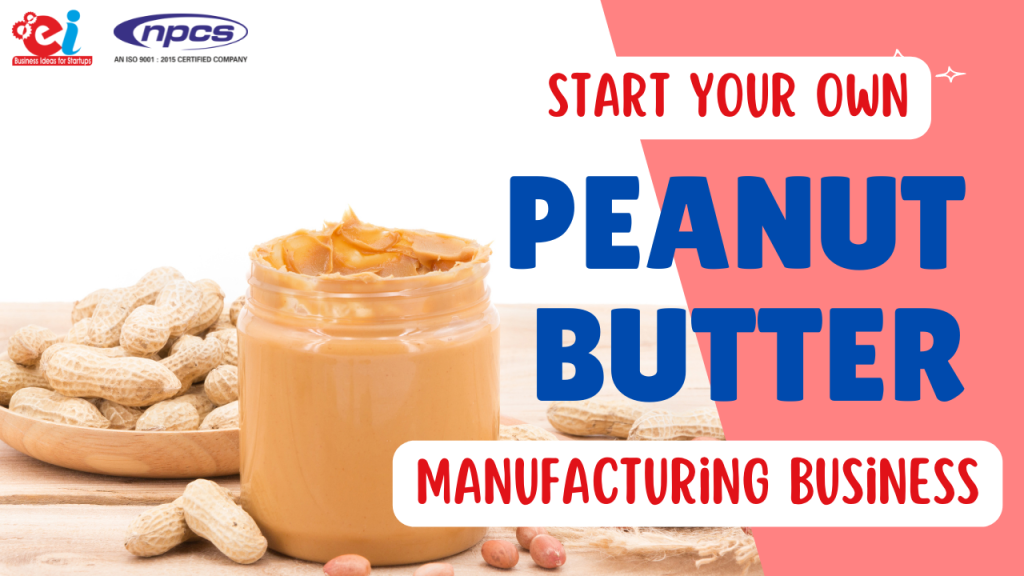
The peanut butter industry has witnessed exponential growth over the past decade. With increasing health consciousness and a shift towards plant-based protein sources, peanut butter has become a staple in households across the globe. Starting a peanut butter manufacturing unit is not only profitable but also scalable. In this detailed guide, we outline every crucial step to establish and run a successful peanut butter production business. Understanding the Peanut Butter Market Potential The demand for peanut butter is driven by its health benefits, high protein content, and versatility in culinary uses. The Indian market, in particular, has embraced this trend, with fitness enthusiasts, vegans, and even traditional households adopting it. With local consumption on the rise and export opportunities opening up, the scope for profit is massive for startups entering the peanut butter manufacturing sector. Business Plan Development for Your Peanut Butter Manufacturing Unit Creating a comprehensive business plan is the cornerstone of your success. It should include: Market analysis identifying your target demographics SWOT analysis of competitors Operational plan for sourcing, production, and logistics Marketing strategies for both B2C and B2B Financial projections and break-even analysis Ensure your business plan is investor-ready if you’re seeking external funding. Legal Registration and Licensing Before initiating production, obtain the following: FSSAI license (Food Safety and Standards Authority of India) MSME/SSI registration for small-scale businesses GST registration Trade license from the local municipal authority BIS certification (Bureau of Indian Standards) for quality assurance Additionally, adhere to all health, safety, and labor laws to maintain regulatory compliance. Choosing the Right Location for Manufacturing Selecting a suitable location plays a crucial role in cost efficiency. Your manufacturing unit should be: Close to peanut farming zones to reduce raw material cost Accessible via road and transport infrastructure Equipped with water, electricity, and waste disposal systems Urban outskirts or agro-industrial clusters are ideal for small to medium-scale setups. Infrastructure and Equipment Required To manufacture peanut butter, the following infrastructure and machinery are necessary: Roasting machine – to roast peanuts uniformly Peeling machine – for removing peanut skins Grinding machine – to make a smooth or crunchy paste Mixing unit – for adding salt, sugar, and stabilizers Cooling conveyor – to bring the product to ambient temperature Filling and sealing machine – for packaging in jars or pouches Labeling machine – to apply branded labels Storage space – for raw materials and finished goods Ensure the facility is clean, pest-free, and well-ventilated to comply with food-grade standards. Sourcing Raw Materials and Ingredients The key ingredients for peanut butter production are: Raw peanuts (high-quality and aflatoxin-free) Edible salt Sweeteners like sugar or jaggery Stabilizers and emulsifiers (optional, for longer shelf life) Establish strong relationships with farmers or suppliers for a consistent supply of quality peanuts. Production Process of Peanut Butter Here’s a step-by-step overview of the typical peanut butter manufacturing process: Cleaning: Remove dirt, stones, and debris from raw peanuts. Roasting: Roast the peanuts at the right temperature to bring out flavor and aroma. Cooling: Allow roasted peanuts to cool to prevent overcooking. Peeling: Use a peeling machine or blanching method to remove skins. Grinding: Ground peanuts in stages to reach the desired consistency. Mixing: Add salt, sugar, and stabilizers to the paste. Cooling again: Bring the mixture to room temperature. Packaging: Fill the final product into sterilized containers. Labeling and sealing: Apply branded labels and seal for distribution. Adhering to proper hygiene at every stage ensures a premium final product. Packaging and Branding Strategy Packaging must preserve freshness and appeal to consumers. Choose: Food-grade PET or glass jars Air-tight seals Attractive labels with nutritional information and branding Invest in a professional logo and design to make your brand stand out on store shelves. Eco-friendly and recyclable packaging is a growing trend among health-conscious buyers. Marketing and Distribution Channels Marketing is essential to create brand awareness and drive sales. Leverage these channels: Digital marketing: Use SEO, social media, and influencer campaigns Retail distribution: Supply to supermarkets, grocery chains, and health stores E-commerce platforms: List your products on Amazon, Flipkart, and BigBasket Direct-to-consumer website: Launch your own e-store for better profit margins Sampling and demos: Offer tastings in fitness centers and health expos Focus on communicating your USPs – be it organic ingredients, sugar-free variants, or protein-rich formulations. Quality Control and Certification To build consumer trust, ensure: HACCP compliance for food safety ISO certification for international quality standards Batch testing for microbial and chemical safety Shelf-life testing to establish best-before dates Maintaining stringent quality control gives you a competitive edge in domestic and export markets. Staffing and Management Recruit staff based on your production scale: Production staff: Machine operators, quality inspectors, packers Marketing and sales: Digital marketers, distribution managers Administrative roles: Accountant, HR, logistics supervisor Provide hygiene and food safety training to all workers. A well-trained team ensures smooth operations and consistency in quality. Investment and Financial Considerations Initial capital depends on production scale and automation level. Approximate investment: Small scale unit: ?10–15 lakhs Medium scale: ?25–50 lakhs Large scale: ?1 crore and above Major cost heads include: Machinery and setup Raw material procurement Packaging materials Marketing and branding Licensing and compliance Funding can be raised through bank loans, government subsidies under MSME schemes, or private investors. Profitability and Growth Potential The profit margin in peanut butter manufacturing ranges from 25% to 40%, depending on scale and distribution efficiency. Once your brand establishes a foothold, you can diversify into: Almond or cashew butter Flavored spreads (chocolate, honey, etc.) Organic or diabetic-friendly variants Snack bars and protein blends Tapping into international markets can significantly scale your revenue. Target countries with high health awareness and peanut butter consumption like the USA, UAE, and the UK. Conclusion Starting a peanut butter manufacturing unit is a lucrative business that combines health trends with scalable growth. With the right strategy, equipment, compliance, and marketing, entrepreneurs can build a successful brand in this high-demand segment. Invest wisely, innovate continuously, and prioritize quality to make your mark in the competitive food industry. Visit the page Select
Grain Processing Business Plan | Food processing Sector
A grain processing business plan is the foundation for launching a successful grain milling or processing unit in today’s agri-based economy. With the rising demand for processed grains such as flour, rice, semolina, pulses, and cornmeal, this industry offers immense profitability for entrepreneurs. In India and many other countries, grain processing plays a key role in food supply chains and rural employment. Having a detailed and structured business plan ensures clarity, reduces risks, and paves the way for operational success in a competitive market. Whether you’re looking to start small or aim for a large-scale setup, this business plan will guide you through each step. Why Grain Processing is a Lucrative Opportunity The growing global population and increasing urbanization have created an ever-expanding demand for processed food products, especially grains. A grain processing business addresses this need by converting raw grains into consumable forms, such as wheat flour, rice, corn grits, pulses, and animal feed. The advantage of entering this industry lies in its scalability and versatility—small flour mills or large industrial units both find their space. Additionally, governments offer subsidies and schemes for food processing industries, making the grain processing business plan even more viable for aspiring entrepreneurs. Visit this Page for More Information: Start a Business in Food Processing and Agriculture Based Industry Key Components of a Grain Processing Business Plan A solid grain processing business plan includes several components that serve as the foundation of your enterprise: Business Overview: Start with defining your business model—whether it is a wheat milling plant, rice processing unit, pulse processing, or a multi-grain facility. Market Research: Analyze consumer demand, supply chain networks, competitors, and market pricing. Product Range: Determine the variety of processed grains you plan to produce—flour, semolina, broken rice, maize powder, etc. Target Market: Define if your focus is B2B (wholesalers, restaurants, food companies) or B2C (retail pack). Location Strategy: Choose a place close to grain-producing regions to minimize raw material cost. Legal Structure: Decide your business type—proprietorship, partnership, or private limited company. Each of these factors must be clearly outlined to ensure your grain processing business operates smoothly from the start. Related Project Report: Business Industry of Grain Processing (Grading, Cleaning & Packaging of Rice & Pulses) Machinery and Infrastructure Requirements For a grain processing business plan, having the right infrastructure and equipment is essential. Machinery varies depending on the type of grain and the processing scale. For example: Wheat flour mill: Includes cleaning machines, grinding mills, sifters, and packaging units. Rice processing: Requires de-husking, polishing, sorting, and grading machines. Pulses or legumes: Needs splitting, de-husking, grading, and drying equipment. You’ll also need: Adequate power supply and backup Water access for cleaning processes Storage silos or warehouses Packing machinery for retail sales Having quality machines improves efficiency, reduces waste, and enhances product shelf life, which are critical for a profitable grain processing business. Read Similar Articles: Food Processing and Agriculture Projects Investment and Financial Planning The financial aspect of your grain processing business plan plays a central role in decision-making. Capital requirements vary based on plant capacity: Small-scale setup: ?10 – ?25 lakhs (manual/semi-automated) Medium-scale unit: ?50 lakhs – ?1 crore Large-scale commercial plant: ?2 – ?5 crores and above Costs include: Land or building rent/purchase Equipment and installation Raw materials procurement Staffing and operations Licensing and compliance Branding and marketing Funding sources include term loans, MSME business loans, venture capital, or government subsidies under food processing schemes such as PMFME or NABARD grants. Read our Books Here: Cereal Food, Cereals and Cereal Products Processing Industry Food Processing, Food Industry, Agriculture, Agro Processing Agriculture, Agro Based, Cereal Food, Milk, Cocoa, Chocolate, Ice Cream, Plantation, Farming Licensing and Regulatory Compliance Operating a grain processing business in India or abroad requires several licenses and regulatory approvals: FSSAI Registration for food safety compliance Factory License under local municipality rules Udyam Registration (MSME) for small businesses GST Registration for tax filing Pollution NOC if emissions or waste are involved Trade License from the local authority A detailed grain processing business plan must account for obtaining and renewing these documents to avoid legal troubles and to build trust with buyers. Human Resource and Workforce Planning To run a grain processing unit, you’ll need a well-trained team: Machine operators and technicians Quality control inspectors Packaging staff Logistics and delivery personnel Admin and sales executives Labor availability is crucial, especially in rural areas where the industry often thrives. Training programs and safety protocols must be part of your business operations to ensure smooth, safe, and consistent output. Related Feasibility Study Reports: Food Processing and Agriculture Based Projects Marketing and Distribution Strategy In your grain processing business plan, a well-defined marketing and distribution strategy will determine your reach and profitability. Here’s how to approach it: Branding: Establish a quality-centric, healthy image—especially for B2C markets. Packaging: Invest in airtight, moisture-proof, and attractive packaging. Distribution Channels: Tie up with wholesalers, supermarkets, and online grocery platforms. Online Presence: Launch a website, run social media campaigns, and list on e-commerce portals. Trade Shows and B2B Meetings: Participate in food expos and FMCG buyer meetings to expand your network. Effective branding and distribution allow even new players to compete with established processors by offering fresh, hygienic, and consistent quality. Risk Analysis and Mitigation Strategies Every business plan should include potential risks and mitigation plans. In grain processing, these include: Price Fluctuations in raw grain due to monsoon or supply chain issues. Contamination or Quality Complaints from poor storage or faulty processing. Power Failures or Machinery Downtime affecting daily output. Changing Government Policies or Import-Export Regulations. Market Competition from large-scale players. To manage these, always maintain a stock buffer, use insurance, adopt preventive maintenance, and continuously innovate with value-added products. Sustainability and Waste Management Today’s food processing industry demands sustainability. Your grain processing business plan should include: Waste utilization: Convert husk or bran into cattle feed or biofuel. Water recycling: Use settling tanks and filtration systems. Energy efficiency: Opt for solar panels or energy-efficient motors. CSR and Farmer Engagement: Work
10 Profitable Small Business Ideas in Food Processing
We, at NPCS, endeavor to make business selection a simple and convenient step for any entrepreneur/startup. Our expert team, by capitalizing on its dexterity and decade’s long experience in the field, has created a list of profitable ventures for entrepreneurs who wish to diversify or venture. The list so mentioned is updated regularly to give you a regular dose of new emerging opportunities. Contact Us
Top 10 Most Profitable Food Processing Business Ideas with Industry Rising Opportunities in 2026
10 Profitable Food Processing Business Ideas The food processing business is one of the fastest-growing and most lucrative industries in India and around the world. With the rising population, increasing urbanization, and changing lifestyles, the demand for ready-to-eat, hygienically packaged, and long-shelf-life food products has skyrocketed. This growing demand creates a vast range of opportunities for entrepreneurs who want to enter the food processing business. With the right business plan, appropriate infrastructure, and a solid marketing strategy, you can turn a small idea into a thriving enterprise. India is particularly well-suited for such ventures, as it is one of the world’s largest producers of agricultural commodities, including milk, fruits, vegetables, cereals, and pulses. Government initiatives such as subsidies, financial assistance, and infrastructure development under schemes like PMFME and Mega Food Parks have made the sector even more accessible. Let us now explore some of the most 10 profitable food processing business ideas that you can start with varying levels of investment and expertise. These ideas are carefully selected based on current market trends, demand, and profit potential. Why the Food Processing Business is a Game-Changer The food processing business converts raw agricultural produce into consumable or storable products, increasing their value, usability, and shelf life. It reduces post-harvest waste, enhances food safety, and allows better resource utilization. From traditional snacks to organic health foods, the scope is vast. It also contributes significantly to employment generation and rural development. As consumer preference shifts toward convenience, hygiene, and health, this sector becomes even more attractive for entrepreneurs. 1. Pickle Manufacturing Business Pickles are one of the oldest preserved food items in Indian culture. Every region in India has its own variety, flavor, and method of preparation. Starting a pickle manufacturing unit requires low investment but promises high returns if done correctly. Advantages: Low cost of raw materials Simple manufacturing process Long shelf life and consistent demand Growth Tips: Use traditional recipes with modern packaging Offer different varieties like mango, lime, chili, mixed vegetables, and even fruit-based pickles Ensure hygiene and secure FSSAI certification for wider reach 2. Frozen Food Production In today’s busy world, frozen foods like ready-to-cook parathas, vegetables, cut fruits, non-veg snacks, and frozen desserts are becoming daily essentials. Starting a frozen food unit can be a high-investment but high-reward venture. Setup Requirements: Cold storage facility Blast freezers Clean production environment Trained staff Marketing Strategy: Target retail chains, online grocery platforms, and hotels Highlight convenience, taste, and hygiene in your branding This segment of the food processing business is witnessing exponential growth and has immense export potential as well. 3. Spice Powder Manufacturing India has always been known as the land of spices. Whether it’s turmeric, red chili, coriander, cumin, or complex spice blends like garam masala, there is a huge market for both domestic and international consumption. Required Equipment: Drying chambers Pulverizers or grinders Weighing and sealing machines Business Tips: Source spices directly from farmers for quality control Offer organic or preservative-free options Develop a unique brand identity The spice sector is highly scalable and can be expanded to exports with the right certifications and standards. 4. Fruit Juice and Beverage Unit With the rising focus on health and immunity, natural juices, smoothies, and detox drinks have become very popular. Starting a juice processing unit can be a profitable food processing business idea with medium investment. Popular Products: Orange juice, mango juice, mixed fruit juice Sugarcane juice, coconut water, lemon drinks Ayurvedic or herbal beverages What You Need: Fruit washers and crushers Pasteurizers Sterile filling and capping machines Attractive, leak-proof packaging Tie-ups with schools, hospitals, and fitness centers can give a big boost to your sales. 5. Bakery and Confectionery Products Baked goods are always in demand—be it bread, cakes, cookies, or pastries. This segment allows for a lot of creativity and branding. You can start from home or open a commercial unit as you grow. Investment Scale: Low to medium Basic ovens, mixers, and packaging machines Niche Options: Gluten-free or vegan bakery Custom cakes and gift hampers Regional specialties like plum cake or rusk Bakery businesses offer daily revenue opportunities and build loyal customer bases quickly. 6. Dairy Processing Business Dairy products like milk, curd, paneer, ghee, cheese, and flavored milk have a stable market. This food processing business requires infrastructure and quality control but offers daily sales. Key Setup Needs: Milk chillers and pasteurizers Paneer and ghee making equipment Hygienic storage and cold chain Business Scope: Tie up with local dairy farmers for raw milk Offer subscription-based delivery to households Supply to sweet shops and food retailers 7. Cereal and Pulse Processing Cereals and pulses are daily-use staples. Their processing includes cleaning, grading, polishing, and packaging. This can be a good option for rural or semi-urban areas. Machinery Needed: Cleaning machines Graders and dehuskers Packing units Target Market: Households, wholesalers, grocery stores Online B2C sales with attractive branding It is a low-risk business with continuous demand, making it ideal for consistent revenue generation. 8. Ready-to-Eat Snack Manufacturing People love snacks! Whether it’s spicy namkeen, banana chips, khakhra, or roasted nuts, the snacking industry continues to grow. It is a top-performing segment in the food processing business. Why It Works: High shelf life Small unit setup possible High margins due to branding Success Tips: Focus on regional flavors Offer healthier versions (baked, roasted) Package well for gifting and online sales 9. Papad and Instant Mix Manufacturing Indian homes still rely on quick mixes like idli-dosa batter, gulab jamun mix, and papads. These are easy to produce, have long shelf lives, and appeal to working professionals and students. Setup Requirements: Basic mixing and drying equipment Hand or semi-auto rolling machines Sealing and labeling systems Marketing Channels: Kirana stores, supermarkets, and online portals Export opportunities, especially for traditional Indian items 10. Herbal and Organic Food Processing If you want to enter a niche market, go for organic and herbal products. These include cold-pressed oils, organic pulses, herbal teas, millet snacks, and more. Required Certification: USDA Organic FSSAI APEDA (for
Profitable Manufacturing Business of Xanthan Gum (Food and Oil Drilling Grade).
The global demand for food-grade thickeners and stabilizers has surged, creating a lucrative space for new entrants in the Xanthan Gum manufacturing industry. Known for its unique ability to maintain consistency and stability under extreme conditions, Xanthan Gum is widely used in food processing, pharmaceuticals, cosmetics, and even oil drilling. Entrepreneurs seeking to capitalize on this opportunity can tap into a high-margin niche with proper planning, equipment, and market strategy. Understanding Xanthan Gum and Its Manufacturing Process What is Xanthan Gum? Xanthan Gum is a high-molecular-weight polysaccharide produced by the fermentation of simple sugars by the bacterium Xanthomonas campestris. It is known for its exceptional viscosity and stability across a wide range of temperatures and pH levels. This makes it a versatile additive in various industries, especially food and beverages, where it is used to thicken, stabilize, and emulsify products. Key Industries Using Xanthan Gum Food Industry: Used as a thickener in salad dressings, sauces, ice creams, and bakery items. Pharmaceuticals: Helps in creating gel-based formulations and suspensions. Cosmetics: Provides viscosity in lotions, creams, and shampoos. Oil and Gas: Acts as a drilling fluid additive. Agriculture: Improves pesticide adhesion to plants. Why Start a Xanthan Gum Manufacturing Business? With global demand estimated to grow consistently over the next decade, Xanthan Gum manufacturing offers a unique blend of consistent demand, manageable production processes, and scalable investment. Key benefits include: High profit margins Steady global demand Wide industrial applications Low raw material cost Easy scalability for growth Step-by-Step Guide to Setting Up a Xanthan Gum Manufacturing Unit 1. Market Research and Feasibility Analysis Before jumping into production, conduct a detailed analysis of the demand-supply dynamics, competition, and pricing. Understand the target market—whether domestic food processors, pharmaceutical companies, or international buyers. Key research areas include: Raw material availability Competitor pricing Export regulations and opportunities Required certifications (FDA, ISO, etc.) 2. Business Plan and Investment Estimation A robust business plan ensures clarity and direction. Key components should include: Capital investment and funding sources Fixed and operational costs Projected income and profit margins Marketing and distribution plans The initial setup cost for a medium-scale unit can range between $500,000 to $1 million, depending on plant capacity, automation level, and quality standards. 3. Location and Infrastructure Choosing the right location impacts logistics, raw material access, and operational efficiency. Consider: Proximity to sugar suppliers or starch providers (fermentation substrate) Availability of skilled labor Good transportation and electricity connectivity Environmental clearances and permissions The infrastructure should include: Fermentation tanks Separation and filtration units Dryers and pulverizers Packaging machinery Laboratory for quality testing Xanthan Gum Manufacturing Process The production of Xanthan Gum involves a biotechnological fermentation process. Below are the essential stages: a. Preparation of Fermentation Medium Sugars such as glucose, sucrose, or corn syrup are dissolved in water. This solution is sterilized to prevent contamination. b. Fermentation Xanthomonas campestris is introduced to the medium under sterile conditions. This culture ferments the sugars, producing Xanthan Gum. Fermentation usually takes 2–3 days under controlled temperature and aeration. c. Recovery The broth containing Xanthan Gum is pasteurized to kill the bacteria. Alcohol (usually isopropanol) is then added to precipitate the gum from the liquid. d. Drying The wet precipitate is separated, washed, and dried. Hot air dryers or vacuum dryers are commonly used. e. Milling and Packaging Once dried, Xanthan Gum is milled into a fine powder, sieved, and packed in moisture-proof packaging for storage and sale. Machinery and Equipment Required Investing in high-quality machinery is critical for maintaining consistency and meeting industrial standards. Common equipment includes: Fermentation vessels Heat exchangers Centrifuges or filtration units Vacuum or spray dryers Grinding and sieving machines Automatic packaging machines For medium to large production units, consider automating the process to reduce manpower and improve product quality. Raw Materials and Suppliers The main raw materials for Xanthan Gum production include: Sugar sources (glucose, sucrose, molasses) Xanthomonas campestris culture Alcohol (for gum precipitation) Water and nutrients (urea, magnesium, phosphate) Identifying reliable suppliers and maintaining bulk stock ensures uninterrupted production. Local sugar mills, starch manufacturers, and chemical dealers are typical sources. Legal Requirements and Licensing Operating a Xanthan Gum manufacturing unit requires several regulatory approvals. These may vary by country or region, but generally include: Company registration and GST number Factory license and pollution control clearance FSSAI (Food Safety and Standards Authority of India) approval for food-grade gum BIS certification (for standard compliance) Export licenses (if applicable) Compliance with safety and environmental standards is essential for both legal and business credibility. Packaging and Branding Proper packaging ensures product longevity and brand perception. Moisture-proof, food-grade materials are essential. Packaging formats may include: 25 kg industrial sacks (for B2B sales) 1 kg to 5 kg pouches (for retail) Customized labels with batch number, expiry, nutritional data Branding strategies should focus on quality, purity, and consistency. Highlight certifications and industry uses to attract industrial buyers. Marketing and Distribution Strategy Target marketing efforts toward industries most dependent on Xanthan Gum, such as: Food processing companies Pharmaceutical manufacturers Export traders Cosmetic and personal care companies Approaches include: Attending food and pharma expos Listing on B2B platforms like Alibaba, IndiaMART, and TradeIndia Developing a professional website with product specs and certifications Distributors and bulk buyers in international markets Offer free samples and certificates of analysis to gain trust and long-term partnerships. Profit Margins and ROI The manufacturing cost of 1 kg of Xanthan Gum varies between $2.5–$3.5 depending on raw materials and scale. The average selling price ranges from $5–$10 per kg in bulk. Premium food-grade gum can even fetch higher prices. With efficient production and marketing, profit margins can range from 30% to 60%, making it one of the most profitable biotech-based manufacturing ventures. Break-even can typically be achieved within 12 to 18 months for medium-sized units. Challenges and Risk Mitigation While Xanthan Gum manufacturing is lucrative, it’s not without challenges: Raw Material Price Fluctuations: Secure long-term contracts with suppliers. Technical Expertise: Hire trained biotechnologists and process engineers. Contamination: Invest in sterile processing and regular lab testing. Regulatory Hurdles: Stay updated