
The decision to start an ethanol production plant in today’s energy-driven world presents a lucrative and eco-conscious business opportunity. With the Indian government pushing hard for ethanol blending programs and green fuel alternatives, ethanol has become a high-demand commodity in various sectors such as fuel, pharmaceuticals, chemicals, and beverages. The surge in the use of ethanol as a biofuel alternative to petrol has created a favorable environment for investors and entrepreneurs to tap into this industry.
As per the Ethanol Blended Petrol (EBP) programme initiated by the Indian government, the country aims to achieve 20% ethanol blending with petrol by 2025, up from the current 12%. This presents massive room for expansion in domestic production capacity. Establishing an ethanol plant not only supports environmental sustainability but also offers high ROI, government subsidies, and long-term scalability. Let’s explore the comprehensive path to setting up an ethanol production plant.
How to Start Ethanol Production Plant Successfully
To start an ethanol production plant, one must focus on raw material sourcing, plant setup, licensing, technology integration, and market linkage. Here’s how.
Visit this Page for More Information: Start a Business in Ethanol Industry
Understanding Ethanol and Its Types
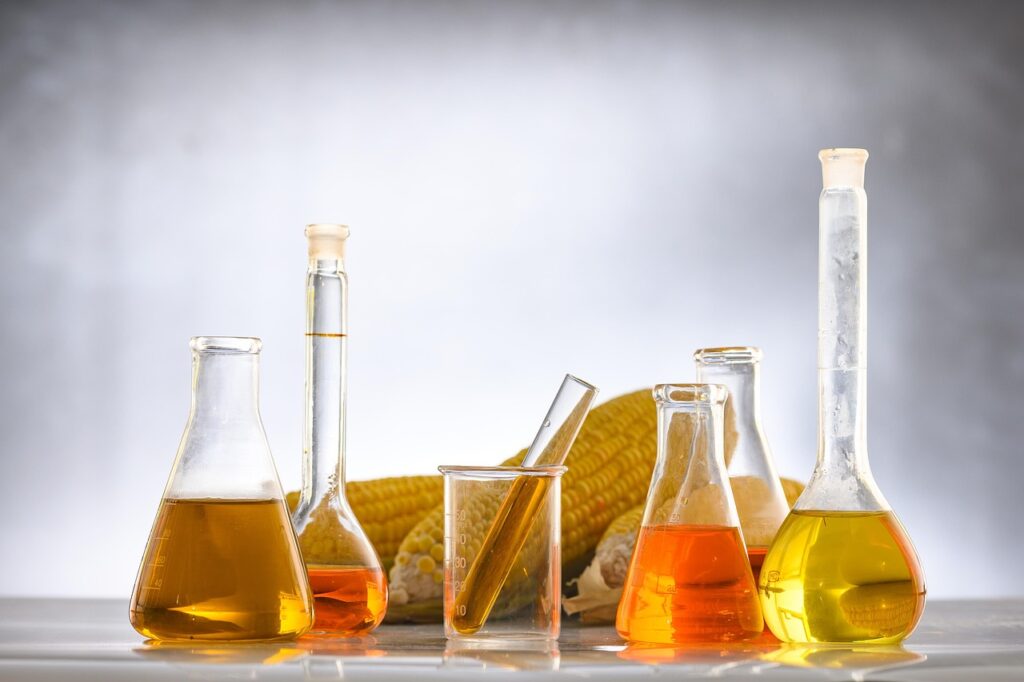
Ethanol, also known as ethyl alcohol or grain alcohol, is a clear, colorless, flammable liquid produced through the fermentation of sugars by yeast or via chemical synthesis. It exists in various grades for different industries:
Fuel Grade Ethanol (blended with petrol)
Industrial Ethanol (used in paints, solvents, etc.)
Pharmaceutical Grade Ethanol (used in drugs and sanitizers)
Beverage Grade Ethanol (used in alcoholic drinks)
Related Business Plan: Ethanol Manufacturing as Bio-Fuel
Raw Materials Used in Ethanol Production
There are two primary feedstock categories used in ethanol production:
Sugar-Based Raw Materials:
Sugarcane juice
Molasses (by-product of sugar manufacturing)
Starch-Based Raw Materials:
Maize (corn)
Broken rice
Wheat
Sorghum
With the availability of agricultural waste and grains, India offers a rich resource base for consistent feedstock supply.
Read Similar Articles: ETHANOL AND ALCOHOL INDUSTRY
Ethanol Production Process
The basic steps involved in the ethanol production process are:
Fermentation: Raw material sugars or starches are fermented using yeast to produce ethanol.
Distillation: The alcohol is separated and concentrated from the fermented mixture.
Dehydration: Water is removed to achieve anhydrous ethanol (99.9% purity).
Blending & Storage: The final ethanol is stored in tanks and dispatched for various uses.
Modern ethanol plants use automated distillation columns, enzymatic hydrolysis, and zero liquid discharge (ZLD) systems for environmental compliance.
Click here to send your queries/Contact Us
Land, Machinery & Setup Requirements
To start an ethanol production plant, consider the following setup essentials:
Land Requirement: Minimum of 2–3 acres (near agricultural zones or sugar mills)
Plant Capacity: Small (30 KLPD), Medium (60–100 KLPD), or Large (>250 KLPD)
Key Machinery:
Feedstock handling system
Fermenters
Distillation columns
Evaporators & Dehydrators
Boilers and power systems
Effluent treatment plant
Estimated Investment:
Small plant (30 KLPD): ?25–30 crore
Medium plant (60 KLPD): ?50–70 crore
Related Feasibility Study Reports: Production Of Ethanol (ethyl Alcohol) From Broken Rice, Maize & Wheat
Licenses and Government Approvals
Starting an ethanol plant involves multiple clearances:
Pollution Control Board clearance
Fire and Safety License
Explosive License (for fuel-grade ethanol)
Factory license
Drug License (if producing pharma-grade ethanol)
FSSAI (for beverage ethanol)
Excise duty registration
Environment Clearance (EC) for plants above 30 KLPD
Also, the Government of India offers capital subsidies up to 50% under the Ethanol Interest Subvention Scheme for new distilleries and expansion projects.
Read our Books Here: Handbook on Biofuel, Ethanol and Bioenergy Based Products
Profitability of Ethanol Production Business
The profitability depends on plant capacity, raw material cost, and ethanol selling price.
Production cost per liter: ?38–42
Selling price (to OMCs): ?60–65 per liter (fixed by govt.)
Profit margin: ?15–20 per liter
A 60 KLPD plant can generate over ?25–30 crores in annual revenue with EBITDA margins between 18%–25%.
Challenges in Ethanol Business
While the sector is booming, challenges include:
Raw material price volatility (especially corn or molasses)
Water-intensive process (requiring advanced ETPs)
High capex for initial setup
Transportation logistics for ethanol delivery
However, with proper backward integration (own sugar mill or grain supply) and automation, these risks can be mitigated.
Future Scope and Market Demand
The Indian ethanol market is expected to reach USD 12 billion by 2030, with most demand coming from:
Oil Marketing Companies (OMCs) for blending with petrol
Pharma manufacturers
Paint and solvent industries
Alcoholic beverage brands
India has a current deficit of over 2.5 billion liters of ethanol annually, making it a ripe market for new entrants.
Conclusion
The push towards biofuels and green energy has opened new doors for entrepreneurs looking to start an ethanol production plant. With government support, rising demand, and a structured policy framework, this business promises high returns, environmental impact, and national energy security. Whether you are an agro-entrepreneur, industrial investor, or infrastructure player, entering the ethanol production industry now can position you for long-term growth and profitability.
Click here to send your queries/Contact Us
Reasons for Buying NIIR Report:
- Our research report helps you get a detailed picture of the industry by providing an overview of the industry along with the market structure and classification.
- Our report provides market analysis covering major growth driving factors for the industry, the latest market trends and the regulatory framework of the industry.
- Our Report provides an analysis and in-depth financial comparison of major Players / Competitors.
- Our Report provides indispensable buyers’ data with their company financials as well as the contact details, which can be an important tool in identifying the target customers.
- Our report provides forecasts of key parameters which help to anticipate the industry performance.
- We use reliable sources of information and databases. And information from such sources is processed by us and included in the report.
See More Links:
- Start a Business in Asia
- Start a Business in Potential Countries for Doing Business
- Best Industry for Doing Business
- Business Ideas with Low, Medium & High Investment
- Looking for Most Demandable Business Ideas for Startups
- Startup Consulting Services
- Start a Business in Africa
- Start a Business in India
- Start a Business in Middle East
- Related Videos
- Related Books
- Related Projects
- Related Market Research Reports