
Soda Ash Manufacturing Industry
The Soda Ash Manufacturing Industry plays a crucial role in the global chemical market, supplying one of the most essential raw materials used across multiple sectors. Commonly known as sodium carbonate, soda ash is a white, water-soluble compound widely utilized in glass manufacturing, detergents, chemical production, water treatment, and paper making. The demand for soda ash continues to rise steadily with expanding industrial activities, making the Soda Ash Manufacturing Industry a lucrative and stable business for entrepreneurs and large-scale producers alike. Market Overview and Industry Demand The Soda Ash Manufacturing Industry is driven primarily by the booming glass industry, which consumes over 50% of the global soda ash supply. It is a critical ingredient in producing flat glass for buildings, automotive glass, and container glass for food and beverage packaging. In addition to glass, soda ash is widely used in detergents, soaps, textiles, and chemical formulations, particularly sodium silicates and sodium bicarbonate. With increased construction, urbanization, and industrial growth worldwide—especially in emerging economies—the need for soda ash is growing. Countries like India, China, and parts of Africa are experiencing heightened demand due to infrastructural development and population growth, making the Soda Ash Manufacturing Industry a key economic contributor. Key Raw Materials Used in Soda Ash Production Producing soda ash on a commercial scale involves natural and synthetic processes. The main raw materials used in both methods are: Limestone (Calcium Carbonate) Salt (Sodium Chloride) Ammonia Coal or natural gas (for heat generation) Water In the synthetic process, particularly the Solvay Process, limestone and salt are combined in the presence of ammonia. This method is preferred in areas where trona ore—a naturally occurring mineral rich in sodium carbonate—is not available. The Soda Ash Manufacturing Industry ensures these materials are used efficiently to optimize yield and reduce emissions. Soda Ash Manufacturing Process The Soda Ash Manufacturing Industry primarily relies on two production methods, each with distinct advantages and operational considerations: 1. Solvay Process (Synthetic Method) Manufacturers worldwide widely adopt the Solvay process due to its cost efficiency and established infrastructure. The production steps include: Calcine Limestone: Operators heat limestone to release carbon dioxide gas. Purify Brine: They dissolve salt in water and filter the solution to eliminate impurities. Ammoniate Brine: Technicians bubble ammonia gas through the purified brine. Carbonate Solution: The introduced carbon dioxide reacts with the ammoniated brine to form sodium bicarbonate. Filter and Heat: Workers filter out sodium bicarbonate and heat it to convert it into soda ash. Recover Ammonia: They then recover and recycle ammonia for use in subsequent batches, improving process efficiency. 2. Mining Method (Natural Soda Ash) Producers in regions with trona deposits use this method to extract soda ash with fewer chemical inputs. The process includes: Mine Trona Ore: Operators extract trona from natural deposits. Crush and Heat: They crush and heat the ore to initiate chemical reactions. Process Extract: They process the heated ore to isolate and refine soda ash. This method offers a more eco-friendly approach but remains limited to regions with natural trona reserves, such as parts of the U.S., Turkey, and Kenya. Applications of Soda Ash Across Industries Soda ash is an incredibly versatile compound, making the Soda Ash Manufacturing Industry relevant to numerous sectors: Glass Manufacturing: Flat, container, fiberglass, solar panels Detergents and Soaps: Enhances cleaning properties Textile Processing: pH control and dye fixing Water Treatment: Softens water and neutralizes acidity Chemical Industry: Base for many sodium compounds Pulp and Paper Industry: Used in bleaching processes Metallurgy: Removes impurities in smelting Its non-toxic and biodegradable nature also makes soda ash a preferred choice in eco-sensitive applications. Machinery and Equipment Required To set up a unit in the Soda Ash Manufacturing Industry, the following machinery and infrastructure are generally required: Rotary Kilns and Reactors Crushers and Grinders Filtration Units Dryers and Calciners Ammonia Recovery Systems Storage Silos Material Handling Systems (conveyors, elevators) Emission Control and ETP Units Automated monitoring systems and real-time analytics are being adopted by modern manufacturing plants to enhance efficiency and sustainability. Investment and Plant Setup Setting up a medium to large-scale manufacturing unit in the Soda Ash Manufacturing Industry involves significant capital investment, typically in the range of ?10 crore to ?100 crore, depending on capacity and location. Key setup requirements include: Land Area: At least 2–5 acres for a full-scale operation Proximity to Raw Materials: Easy access to limestone, salt, and fuel Skilled Labor: For plant operation, quality control, and maintenance Water and Power Supply: Consistent utilities are essential Small-scale synthetic plants can also be established with modular technology, though scalability becomes crucial for profitability. Licenses, Approvals, and Environmental Compliance Operating in the Soda Ash Manufacturing Industry requires multiple regulatory approvals. These include: Factory and Industrial Registration Environmental Clearance from the Pollution Control Board Hazardous Waste Management Certification ISO 9001, ISO 14001 Certifications (recommended) Explosive and Boiler Licenses (if using coal-fired kilns) Environmental compliance is especially important due to CO? emissions and ammonia usage. Many companies are now installing CO? capture systems and zero-liquid discharge (ZLD) units. Revenue Potential and Profitability The Soda Ash Manufacturing Industry offers strong profitability for large-scale producers, especially those catering to international markets. Major revenue streams include: Bulk domestic supply to glass and detergent manufacturers Exports to countries with limited local production By-product sales (e.g., ammonium chloride) Profit margins vary but typically range from 15% to 25%. Exporters benefit from government incentives like RoDTEP, MEIS, and GST refunds, enhancing bottom-line gains. Sustainability and Future Outlook The future of the Soda Ash Manufacturing Industry lies in sustainable innovation. Key trends include: CO? Recovery and Carbon Capture systems Solar drying techniques to reduce energy consumption Green chemistry for ammonia recovery Digital control systems for reducing waste and enhancing precision Increased use of trona ore mining for eco-friendly soda ash With growing demand from solar panel and fiberglass sectors, and expansion of green buildings and EV infrastructure, soda ash will remain indispensable in industrial value chains. Conclusion The Soda Ash Manufacturing Industry is a foundational pillar in global manufacturing, supporting countless downstream sectors from construction
Butene-1 Manufacturing Industry
The global chemical industry continues to expand with innovation and demand, and Butene-1 Manufacturing stands at the intersection of performance polymers and advanced petrochemicals. As industries such as packaging, automotive, and construction accelerate their demand for high-quality polyethylene and copolymers, Butene-1 has emerged as a key raw material due to its excellent comonomer properties. This article explores the Butene-1 Manufacturing industry in 2025, diving into its process, demand dynamics, global players, and strategic investment insights. Understanding the Butene-1 Manufacturing Process Butene-1 is a linear alpha-olefin primarily used as a comonomer in the production of linear low-density polyethylene (LLDPE) and high-density polyethylene (HDPE). It is produced through several methods, with the most prominent being the separation from crude C4 streams during the refining process or via the ethylene dimerization route. In the ethylene dimerization process, ethylene molecules undergo oligomerization in the presence of catalysts (typically nickel-based), yielding Butene-1 with high selectivity. This method is favored for its efficiency, control over isomer formation, and purity. The separated product is further refined through distillation to meet industrial-grade standards. The refining of C4 streams—byproducts of naphtha cracking—also provides a source of Butene-1. However, the rise in ethane-based crackers, particularly in North America, has impacted the availability of C4 byproducts, thereby pushing the industry towards alternative routes like on-purpose production. Applications of Butene-1 The versatility of Butene-1 in enhancing flexibility, impact resistance, and strength in plastics has cemented its role in polymer industries. Around 70% of Butene-1 produced globally is consumed in LLDPE production, where it acts as a comonomer to alter the crystallinity and mechanical properties of the polymer. This is particularly vital in stretch films, flexible packaging, and agricultural applications. Another significant use is in HDPE production, where Butene-1 improves environmental stress crack resistance (ESCR) and durability. It also finds niche applications in the manufacture of specialty chemicals and resins. Global Market Trends in 2025 The Butene-1 Manufacturing sector is experiencing a transition, propelled by changes in feedstock availability, environmental regulations, and shifting regional demands. In 2025, Asia-Pacific leads the consumption chart, driven by high growth in China and India’s packaging and construction industries. Simultaneously, the Middle East continues to emerge as a manufacturing hub due to abundant feedstock and state-backed industrial investments. The United States, although a mature market, is exploring expansions in shale-based feedstock utilization and export-driven Butene-1 production strategies. The current global capacity of Butene-1 is estimated at around 2 million metric tons per year, with projections indicating a 5% CAGR over the next five years. Key producers include SABIC, Shell Chemicals, LyondellBasell, INEOS, and Indian Oil Corporation. These companies invest heavily in catalyst innovation and sustainability-centric processes. Raw Material and Feedstock Analysis The core raw material for Butene-1 Manufacturing is ethylene, derived either from petroleum naphtha cracking or ethane steam cracking. While ethane cracking is cheaper and cleaner, it produces fewer co-products like C4s, impacting supply. As a result, companies are increasingly turning to on-purpose technologies like metathesis and dimerization to ensure secure Butene-1 production. The volatility of crude oil and natural gas prices directly affects ethylene and, subsequently, Butene-1 economics. Integrated petrochemical players manage this risk by maintaining vertical integration across the hydrocarbon value chain. Environmental Impact and Regulations With global attention turning toward decarbonization, the Butene-1 Manufacturing industry is also under pressure to adopt sustainable practices. Regulatory bodies in Europe and North America are tightening emission norms and waste discharge standards. In response, companies are modernizing plants with closed-loop water systems, energy-efficient reactors, and zero-flaring policies. Green chemistry initiatives are also gaining traction. Research is ongoing into bio-based alternatives for Butene-1 using biomass-derived ethylene, although scalability and cost remain challenges. Nevertheless, industry leaders acknowledge that long-term viability will increasingly depend on ESG compliance and carbon footprint minimization. Investment and Business Opportunities in 2025 Butene-1 Manufacturing offers compelling opportunities for investors, particularly in emerging economies. Governments in India, China, and the Middle East are supporting downstream petrochemical projects through subsidies, land grants, and policy incentives. Setting up a Butene-1 plant requires significant capital expenditure, typically ranging from USD 100 million to USD 300 million for mid-sized facilities. However, the return on investment is robust, especially when integrated with polyethylene production or adjacent petrochemical units. Joint ventures with global players, access to feedstock via long-term supply contracts, and licensing of proven catalytic technologies can reduce the financial burden and technical risk. Startups can explore niche segments such as high-purity Butene-1 for specialty polymers or bio-based derivatives, aligning with the global shift toward sustainable manufacturing. Additionally, innovation in catalysis, process control automation, and waste valorization holds significant promise. Challenges in Butene-1 Manufacturing Despite its potential, the Butene-1 Manufacturing industry faces several hurdles. Feedstock price fluctuation, high capital intensity, technological complexity, and regulatory compliance are key concerns. The shift towards circular plastics and potential bans on certain packaging types may also impact demand. Moreover, the availability of skilled technical workforce and modern infrastructure becomes critical, especially in developing regions. Partnerships with research institutions and continuous workforce training programs are essential for maintaining competitive advantage. Future Outlook Looking ahead, Butene-1 Manufacturing is set to evolve into a more technology-driven, sustainable, and globally diversified industry. While traditional uses in polyethylene production will continue to dominate, the development of new applications in performance elastomers, specialty adhesives, and biodegradable plastics could diversify demand. Digital transformation through AI-based process optimization, real-time analytics, and predictive maintenance will further improve efficiency and reduce operational downtime. Moreover, plant automation and modular plant construction will make small-scale Butene-1 manufacturing more feasible and profitable. Conclusion The Butene-1 Manufacturing industry in 2025 represents a blend of traditional petrochemical strength and emerging sustainability-focused innovation. With its critical role in modern polymer production and growing demand across Asia and the Middle East, the sector offers substantial opportunities for established players and new entrants alike. However, success will depend on strategic integration, innovation, and a forward-looking approach to environmental responsibility. As demand for flexible packaging, consumer goods, and industrial polymers continues to rise, Butene-1 will remain indispensable. Investors and manufacturers who embrace technology, sustainability,
Potassium Iodate Manufacturing Industry
Potassium Iodate is an essential chemical compound widely used in various industries such as pharmaceuticals, food fortification, and radiation protection. It appears as a white crystalline powder and serves as a strong oxidizing agent. The global demand for this compound has been steadily increasing due to its application in iodine supplementation programs to prevent iodine deficiency disorders, especially in salt iodization. The potassium iodate manufacturing industry has seen a boost in production capacity and technological advancement due to the expanding healthcare needs and public health initiatives around the world. Understanding the Potassium Iodate Manufacturing Process The Potassium Iodate Manufacturing process typically involves chemical synthesis using potassium hydroxide and iodine or its derivatives under controlled conditions. The production process starts with the reaction between iodine and potassium hydroxide (KOH), leading to the formation of potassium iodide and potassium iodate in a two-step oxidation process. The mixture is then filtered, evaporated, and crystallized to isolate potassium iodate in a pure form. The manufacturing plant must ensure high-purity output, as potassium iodate is often used in food-grade or pharmaceutical-grade applications. The reaction parameters such as temperature, pressure, and pH levels are strictly monitored during the synthesis to achieve high yields. Additionally, maintaining an inert atmosphere during the oxidation process helps prevent unwanted side reactions that may affect product quality. In industrial setups, modern methods also integrate automated reactors and filtration systems to ensure consistency and reduce operational errors. Post-synthesis, drying and packaging under contamination-free environments are crucial for maintaining product stability. Manufacturers also conduct quality checks, including titration, purity analysis, and residual iodine tests before shipment. Applications of Potassium Iodate The most notable use of potassium iodate is in the iodization of table salt. This compound is preferred in tropical and high-humidity regions where potassium iodide is prone to oxidation and degradation. Potassium iodate is more stable and retains its iodine content even in less-than-ideal storage conditions. Consequently, governments and NGOs across the world rely on this compound in mass nutrition programs. Apart from salt iodization, potassium iodate finds applications in: Pharmaceuticals: It is used in thyroid-related treatments and as a radiation prophylactic to protect the thyroid gland from radioactive iodine exposure. Food industry: Acts as a maturing agent in baking and flour treatment. Chemical research: Used in laboratories for redox titrations and other analytical applications. Photography and dyes: Occasionally used as an oxidizer in chemical formulations. Its diverse utility across sectors makes Potassium Iodate Manufacturing a highly viable and scalable industry. Market Demand and Growth Potential The global potassium iodate market is experiencing steady growth due to increased health awareness, especially concerning iodine deficiency. According to recent reports, iodine deficiency affects more than 2 billion people globally. Governments are taking proactive measures to address this issue through mandatory salt iodization programs. This has translated into a higher demand for potassium iodate among salt producers. The Asia-Pacific region holds a significant market share in potassium iodate demand, with countries like India, China, and Bangladesh leading consumption due to their large populations and national health programs. Africa and Latin America are emerging markets, particularly where the WHO and UNICEF have intensified iodine deficiency control initiatives. In terms of CAGR, the potassium iodate manufacturing industry is expected to grow by approximately 5–7% over the next five years. This projection is backed by an increase in pharmaceutical applications, strategic partnerships, and the development of advanced production facilities. Regulatory and Quality Standards Manufacturers must comply with several regulatory requirements to ensure the safe production and distribution of potassium iodate. These include: Pharmacopeia standards (USP, BP, IP): Specifications for pharmaceutical-grade compounds. Food safety compliance (FSSAI, FDA, Codex): Required when used as a food additive. Hazard communication: As an oxidizer, potassium iodate must be labeled and transported following the UN Dangerous Goods codes. Environmental regulations: Proper waste disposal and emission control practices must be followed. Additionally, certifications such as ISO 9001 for quality management and GMP (Good Manufacturing Practices) help improve credibility and market access. Investment and Startup Requirements Starting a Potassium Iodate Manufacturing unit requires a moderate to high capital investment depending on the scale of operations. Key areas to invest in include: Land and infrastructure: Space for manufacturing plant, storage, and administrative offices. Machinery and equipment: Reactors, crystallizers, centrifuges, dryers, and packaging units. Raw materials: Iodine, potassium hydroxide, distilled water, and filtering agents. Skilled labor and chemists: For overseeing chemical reactions and quality control. Licensing and regulatory approvals: Environmental clearance, chemical handling permits, factory registration, etc. A small-scale plant may need an investment of around INR 1–2 crore in India, while larger units may require INR 5 crore or more. Profit margins are healthy if bulk supply contracts are secured with pharmaceutical or salt iodization companies. Challenges in Potassium Iodate Manufacturing Despite its potential, the Potassium Iodate Manufacturing industry does face certain challenges: Raw material availability: Iodine, being a naturally limited resource, can fluctuate in price and availability. Strict compliance needs: Handling of oxidizing agents and their residues requires advanced safety protocols. Market competition: Large established players may have better pricing leverage and brand trust. Storage and handling risks: Oxidizing properties demand careful packaging, limiting bulk storage in some conditions. However, these challenges can be mitigated with advanced manufacturing technologies, strategic sourcing partnerships, and adherence to safety standards. Sustainability and Future Outlook Sustainability is becoming a focal point in the Potassium Iodate Manufacturing landscape. Green chemistry principles are being adopted to minimize waste and energy consumption. R&D efforts are also directed toward optimizing yields, reducing effluent discharge, and enhancing product stability. In the coming years, digital integration with AI-driven process controls, predictive maintenance of equipment, and blockchain-based traceability systems will likely redefine how potassium iodate is manufactured and distributed. Moreover, as iodine-based nutrition becomes a higher public health priority, governments may offer subsidies and incentives to potassium iodate manufacturers to expand their capacities. Another promising area is the expansion of its pharmaceutical applications. As more nations implement nuclear safety measures, potassium iodate may see increased use as a preventive medicine for radiation exposure, thereby opening up
How to Start a Profitable Polylactic Acid (PLA) Production Business: Complete 2026 Guide
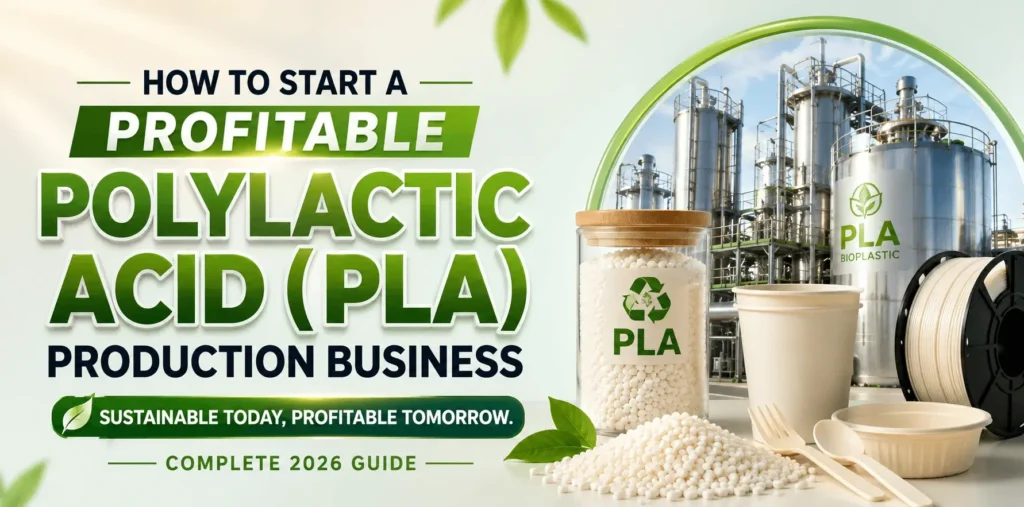
In recent years, the demand for sustainable and eco-friendly materials has increased drastically across various industries. Among the many biodegradable alternatives to conventional plastics, Polylactic Acid (PLA) stands out as one of the most promising. Derived from renewable resources such as corn starch, sugarcane, or cassava, PLA is widely used in packaging, agriculture, textiles, medical devices, and especially 3D printing. But how exactly is this environmentally conscious polymer created? Understanding the manufacturing process of Polylactic Acid (PLA) is essential to appreciate its significance and widespread adoption. Step-by-Step Process of Polylactic Acid (PLA) Production The production of Polylactic Acid (PLA) involves several key steps, beginning with the extraction of natural sugars and ending with the polymerization into a plastic-like material. Let us explore each phase in detail: 1. Raw Material Selection and Preparation The first step in producing Polylactic Acid (PLA) is sourcing the raw materials. PLA is synthesized from fermentable sugars, most commonly derived from corn starch in the United States or sugarcane in countries like Brazil. These raw materials are selected for their high carbohydrate content, which serves as the foundation for lactic acid production. The crops are harvested and then mechanically processed to extract the starch or sugar. In the case of corn, the kernels are ground, and the starch is separated through a wet milling process. This starch is then enzymatically hydrolyzed to release simple sugars, primarily glucose. 2. Fermentation of Sugars into Lactic Acid Once the fermentable sugars are extracted, they undergo microbial fermentation. In this biological process, specific strains of bacteria (such as Lactobacillus) are introduced to the sugar solution. These bacteria consume the glucose and convert it into lactic acid through anaerobic fermentation. Temperature, pH, and oxygen levels are carefully regulated to maximize lactic acid yield. This process typically takes between 24 to 48 hours. Once complete, the lactic acid is separated from the fermentation broth, purified through filtration and distillation, and then concentrated for further processing. 3. Lactic Acid to Lactide Conversion The next phase in manufacturing Polylactic Acid (PLA) involves transforming lactic acid into a more reactive intermediate compound called lactide. This is achieved through a condensation reaction, where two molecules of lactic acid combine and lose water to form lactide – a cyclic dimer of lactic acid. The reaction must be precisely controlled to prevent unwanted side reactions and to ensure high-purity lactide. The resulting lactide mixture typically contains different isomers (D-lactide, L-lactide, and meso-lactide), and the selection of specific isomers influences the properties of the final PLA material, such as its crystallinity and melting temperature. 4. Polymerization of Lactide into PLA Lactide is then polymerized through a process called ring-opening polymerization (ROP). This chemical reaction involves the use of catalysts such as tin(II) octoate or other metal complexes. Under controlled heat and vacuum conditions, the lactide molecules open up and link together to form long chains of Polylactic Acid (PLA). The molecular weight of the resulting PLA polymer can be adjusted by varying the reaction time and conditions. High molecular weight PLA is generally more durable and suitable for industrial applications, while lower molecular weight PLA is used in applications like biomedical implants where biodegradability is a priority. Handbook On Chemical Industries (Alcohol Based) 5. Pelletizing and Drying Once the polymerization is complete, the PLA resin is cooled and cut into small pellets. These pellets are then thoroughly dried to remove any residual moisture, as PLA is highly sensitive to hydrolysis. Drying is essential for preserving the polymer’s mechanical strength and thermal stability during processing. These dried PLA pellets are the final product of the manufacturing process and can be shipped to converters and manufacturers who mold, extrude, or 3D-print them into various end-use products. 6. PLA Fabrication and Applications Manufacturers use the PLA pellets to produce a wide array of products, often through methods like injection molding, thermoforming, or extrusion. PLA is particularly valued for its transparency, biocompatibility, and ability to degrade under industrial composting conditions. Some of the common applications of Polylactic Acid (PLA) include: Disposable food packaging (cups, cutlery, containers) Medical implants and sutures Agricultural films 3D printing filaments Textiles and nonwoven fabrics Its versatility and biodegradability make it a highly preferred material in both commercial and industrial contexts. 7. Environmental Impact and Sustainability A crucial reason for the growing interest in Polylactic Acid (PLA) is its positive environmental profile. Unlike petroleum-based plastics, PLA is derived from renewable resources and has a significantly lower carbon footprint. It also decomposes under industrial composting conditions into water and carbon dioxide within a few months, making it an attractive alternative in efforts to reduce plastic pollution. However, it’s important to note that PLA does not readily degrade in standard landfills or natural environments. Proper composting infrastructure is necessary to fully realize its environmental benefits. Moreover, there are ongoing innovations in improving PLA’s performance in terms of heat resistance and mechanical properties to broaden its applicability. Challenges in PLA Production Despite its benefits, the production of Polylactic Acid (PLA) is not without challenges. Some of the issues include: The cost of raw materials, which can be affected by agricultural crop prices. The energy requirements for fermentation and polymerization. The need for efficient composting systems to manage PLA waste. Researchers and companies are actively working on overcoming these obstacles by developing more cost-effective processes, genetically engineered bacteria for better lactic acid yield, and novel catalysts that reduce environmental impact during polymerization. Future Outlook The future of Polylactic Acid (PLA) looks promising as both regulatory bodies and consumers push for greener alternatives to traditional plastics. Advances in biotechnology, synthetic chemistry, and industrial processing are continually enhancing the quality and efficiency of PLA production. With better recycling and composting technologies, PLA could become a mainstream material across a variety of sectors. Additionally, hybrid composites and blends with other biodegradable materials are being explored to address PLA’s limitations and expand its usability in high-performance applications such as automotive parts, electronics casings, and durable consumer goods. Conclusion In summary, the production of Polylactic Acid (PLA)
Calcium Bromide Manufacturing Industry
The Calcium Bromide manufacturing industry plays a vital role in global chemical production, supporting critical sectors like oil and gas, pharmaceuticals, and flame retardants. As demand surges for high-performance completion fluids and specialty brominated compounds, this sector has experienced significant growth due to its widespread applications and efficiency in industrial operations. Understanding the manufacturing process, market dynamics, and technological developments is crucial for anyone seeking to enter or expand in this niche. Calcium Bromide Production Process and Raw Materials The manufacturing of Calcium Bromide typically involves a high-purity reaction between calcium carbonate (CaCO?) or calcium oxide (CaO) with hydrobromic acid (HBr). This yields CaBr? in either solid or liquid form, depending on downstream usage. The chemical reaction can be represented as: CaCO? + 2HBr ? CaBr? + H?O + CO?orCaO + 2HBr ? CaBr? + H?O The process begins with sourcing high-grade raw materials, which are crucial for obtaining premium-quality calcium bromide. The selection of raw inputs significantly affects the purity, viscosity, and solubility of the final product, making quality control a top priority in production. Key Steps in Manufacturing Include: Pre-treatment and filtration of raw materials Controlled chemical reaction under regulated temperature and pressure Filtration and concentration of the calcium bromide solution Crystallization or spray drying (for powder form) Packaging and storage Stringent regulatory standards require that production facilities adopt Good Manufacturing Practices (GMP) and environmental compliance procedures to handle bromine derivatives safely. Applications of Calcium Bromide Across Industries Calcium Bromide is prized for its hygroscopic and high-density properties. It finds extensive application in: Oil & Gas Industry The leading use of calcium bromide lies in completion and workover fluids during drilling operations. Its high-density, non-damaging nature helps control wellbore pressure and stabilize rock formations, preventing blowouts and formation damage. Calcium Bromide also reduces formation swelling and improves productivity, making it essential in deep-sea and high-pressure drilling sites. Pharmaceuticals In the pharmaceutical sector, Calcium Bromide is utilized as a sedative and antiepileptic agent, though modern usage is limited. However, it remains a base for synthesizing certain brominated organic intermediates. Flame Retardants and Chemicals Calcium Bromide is used as a raw material in manufacturing flame retardants, photographic chemicals, and dyes. Its effectiveness in suppressing combustion makes it a key additive in fire prevention materials. Water Treatment Its application in industrial water treatment includes eliminating bacteria and algae, especially in cooling towers and thermal plants. Global Market Outlook for Calcium Bromide Manufacturing The Calcium Bromide manufacturing industry has seen consistent growth over the last decade. The global market is anticipated to grow at a CAGR of over 5% between 2024 and 2030, driven primarily by oilfield development and increasing demand from APAC and the Middle East. Regional Market Leaders North America remains the largest consumer due to shale gas exploration. Asia-Pacific is expected to witness the highest growth rate, with increasing investment in oilfields in China, India, and Southeast Asia. Middle Eastern markets are surging due to oil production expansions in countries like Saudi Arabia and the UAE. The demand for Calcium Bromide in completion fluids will continue to lead market dynamics, supported by growing offshore drilling projects. Quality Standards and Regulatory Framework The Calcium Bromide manufacturing sector is bound by strict environmental and health regulations. Organizations must comply with: REACH (Registration, Evaluation, Authorisation and Restriction of Chemicals – EU) OSHA (Occupational Safety and Health Administration – USA) ISO 9001/14001 certifications for quality and environmental management In addition, handling of hydrobromic acid and brominated compounds requires adherence to chemical safety protocols and emergency response planning. Challenges in Calcium Bromide Manufacturing Despite its growth potential, the Calcium Bromide manufacturing industry faces several challenges: Raw material volatility: Price fluctuations in calcium and bromine sources can affect profit margins. Waste management: The manufacturing process generates acidic waste, requiring effective treatment systems. Stringent environmental regulations: Meeting discharge standards and emission controls is increasingly demanding. Global competition: Low-cost producers in China have pressured global prices, requiring value-added differentiation. Opportunities for New Entrants and Investors With proper strategic planning, there are significant opportunities in the Calcium Bromide manufacturing business: Niche product development like high-purity CaBr? for pharmaceutical or semiconductor uses Vertical integration with bromine production to control input costs Expansion into emerging markets like Africa and Southeast Asia where energy exploration is ramping up Custom formulation services for oilfield customers needing tailor-made brine solutions Technology Trends and Innovations Advancements in manufacturing technology have led to: Closed-loop reaction systems that reduce emissions and improve yields Membrane filtration and ion exchange for purifying calcium bromide solutions Digital process control and automation for improved consistency and safety Eco-friendly packaging solutions for global transport Companies investing in sustainable and smart manufacturing processes are poised to lead the market over the next decade. Leading Players in the Calcium Bromide Manufacturing Market Several global firms dominate the Calcium Bromide manufacturing landscape: Albemarle Corporation Tetra Technologies, Inc. ICL Industrial Products Clearwater International Great Lakes Solutions (LANXESS) These companies focus on capacity expansion, mergers, and R&D to maintain competitiveness. Emerging manufacturers in India and China are also gaining traction with cost-effective solutions and localized supply chains. Conclusion Rising industrial demand and expanding oilfield activity are driving sustained growth in the Calcium Bromide manufacturing industry.To succeed in this sector, companies must focus on technological innovation, regulatory compliance, and product quality. The ability to deliver high-performance calcium bromide that meets diverse industrial specifications will distinguish market leaders in the years ahead. Visit the page Select and Choose the Right Business Startup for You for sorting out the questions arising in your mind before starting any business and know which start-up you can plan. We, at NPCS, endeavor to make business selection a simple and convenient step for any entrepreneur/startup. Our expert team, by capitalizing on its dexterity and decade’s long experience in the field, has created a list of profitable ventures for entrepreneurs who wish to diversify or venture. We regularly update the list to give you a steady dose of new and emerging opportunities. Contact Us
Mosquito Repellent Liquid Manufacturing Industry
The ever-growing concern for mosquito-borne diseases has led to a booming market for mosquito repellent liquid products. This lucrative sector presents an excellent opportunity for entrepreneurs to build a sustainable, profitable venture by manufacturing and distributing these repellents. As urban and rural consumers alike increasingly prioritize health and hygiene, the demand for effective mosquito repellent liquid continues to rise. Comprehensive Guide to Launching a Mosquito Repellent Liquid Business Understanding the Mosquito Repellent Liquid Market The mosquito repellent liquid industry has witnessed exponential growth due to increasing awareness about dengue, malaria, and chikungunya. Consumers are shifting from traditional coils and creams to electric repellent liquids for better safety and effectiveness. This change in preference gives manufacturers an edge to launch innovative, eco-friendly, and long-lasting formulations. To capitalize on this demand, businesses must invest in market research to identify customer pain points, analyze competitors, and evaluate the most demanded product features. Packaging innovations, child-safe solutions, and herbal-based formulations are trending among consumers seeking chemical-free alternatives. Business Registration and Licensing A mosquito repellent liquid business must comply with national standards and obtain approvals from local health authorities and the drug licensing board, depending on its formulation. Register the business as a sole proprietorship, partnership, or private limited company according to your investment scale. Obtain a GST registration, pollution clearance certificate, and a license under the Insecticides Act, 1968 if using certain chemical ingredients. Thorough documentation will help avoid future legal complications and ensure smooth operations from manufacturing to marketing. Raw Materials and Formulation Techniques The quality of your mosquito repellent liquid depends heavily on selecting safe, effective raw materials. Common active ingredients include prallethrin, transfluthrin, and herbal oils like citronella, lemongrass, or eucalyptus oil for natural formulations. Emulsifiers, stabilizers, and suitable solvents form the liquid base. Partner with reliable chemical suppliers to source high-grade, lab-tested ingredients. Conduct multiple lab tests to optimize the formulation for maximum mosquito knockdown while minimizing adverse health impacts on humans and pets. Setting Up Manufacturing Infrastructure Setting up a mosquito repellent liquid production facility requires a well-planned layout to accommodate mixing, filling, packing, and quality testing sections. Equipment includes: Mixing tanks with agitators Automated filling machines Quality control laboratory Labeling and packaging machinery Maintain high standards of hygiene and safety protocols to avoid contamination. Equip your unit with proper exhaust systems to handle volatile compounds and secure fire-safety approvals from local authorities. Packaging and Branding Strategy Attractive, durable packaging plays a critical role in capturing consumer attention. Invest in spill-proof refill bottles with child-lock caps and leak-resistant designs. Labeling should clearly highlight active ingredients, safety instructions, and shelf life. A powerful branding strategy must emphasize mosquito protection, long-lasting action, and health safety to build trust with consumers. Eco-friendly branding is gaining ground, as customers prefer green-certified products with biodegradable ingredients. Distribution and Marketing Channels Choosing effective distribution strategies is essential for scaling your mosquito repellent liquid business. Explore partnerships with: Retail chain stores Online marketplaces Pharmacy networks Modern trade supermarkets Distributors with rural market reach Digital marketing, influencer campaigns, and television ads help reinforce your brand presence. Highlight certifications, lab tests, and positive customer reviews to build credibility and drive sales. Investment and Profitability Analysis The initial investment in a mosquito repellent liquid business depends on production scale, ranging between USD 30,000 to 150,000 for a small to mid-scale unit. Major expenses include: Manufacturing plant setup Raw material procurement Packaging solutions Licensing and registrations Marketing and distribution costs Given the soaring demand, the return on investment can be rapid if the product meets market expectations. Gross margins range between 35% to 55%, depending on scale and sourcing efficiency. Quality Control and Certifications Quality is the backbone of success in the mosquito repellent liquid sector. Establish rigorous testing protocols for batch consistency, efficacy, and shelf-life stability. Invest in certifications like ISO 9001, BIS compliance, and eco-labels if using herbal-based active agents. Consumer trust hinges on proof of quality and effectiveness. Showcase test reports, clinical studies, and compliance certificates prominently on product labels and websites. Product Innovation and Future Trends The future of mosquito repellent liquid manufacturing will focus on safer, greener alternatives as consumers move away from harsh chemicals. Plant-based formulations, child-friendly variants, and organic repellent liquids are projected to dominate. Additionally, smart devices that sync with refill liquids for controlled dispersal are gaining traction. Investing in research and development ensures your products remain relevant and appealing. Collaborations with scientific labs and universities can help test and certify your formulations, strengthening your competitive advantage. Challenges in the Mosquito Repellent Liquid Business Despite the vast potential, entrepreneurs must anticipate challenges: Regulatory hurdles in licensing Compliance with environmental and safety norms Counterfeit products harming market trust Rising costs of high-quality natural ingredients Mitigating these challenges through robust processes and transparent policies can ensure business sustainability. Environmental and Social Responsibility A mosquito repellent liquid business can integrate social responsibility by reducing its environmental footprint. Use recyclable packaging, natural fragrances, and community education campaigns about mosquito-borne diseases. This strengthens brand goodwill and aligns with global sustainability initiatives. Conclusion In conclusion, launching a mosquito repellent liquid business today positions entrepreneurs for solid market growth, as consumers increasingly prioritize protection against vector-borne diseases. With strategic planning, robust compliance, and a focus on innovation, this venture can deliver profitable returns while serving a vital public health need. Visit the page Select and Choose the Right Business Startup for You for sorting out the questions arising in your mind before starting any business and know which start-up you can plan. We, at NPCS, endeavor to make business selection a simple and convenient step for any entrepreneur/startup. Our expert team, by capitalizing on its dexterity and decade’s long experience in the field, has created a list of profitable ventures for entrepreneurs who wish to diversify or venture. The list so mentioned is updated regularly to give you a regular dose of new emerging opportunities. Contact Us
Hydrazine Hydrate Manufacturing Industry
The Hydrazine Hydrate manufacturing industry plays a crucial role in global chemical production. Hydrazine hydrate is a powerful reducing agent and intermediate chemical, widely used across pharmaceuticals, agrochemicals, water treatment, polymers, and rocket propellants. Its unique chemical properties and versatile applications make it a vital compound in modern industry. With growing demand for high-performance chemicals and specialty formulations, the hydrazine hydrate market continues to expand rapidly, offering lucrative opportunities for manufacturers and investors. Rising Demand for Specialty Chemicals Global trends in agriculture, pharmaceuticals, and polymer production are increasing the need for Hydrazine Hydrate. This compound is used in the synthesis of active ingredients, polymers, and water treatment agents. As industrial economies expand and environmental regulations become stricter, hydrazine hydrate’s demand grows for both mainstream and niche chemical applications. What is Hydrazine Hydrate? Hydrazine hydrate (N?H?·H?O) is a colorless, fuming liquid with a strong ammonia-like odor. It is a water-soluble base and reducing agent, typically sold in concentrations ranging from 35% to 80%. The compound is highly reactive and must be handled with care due to its toxicity and explosive properties when concentrated. Applications of Hydrazine Hydrate The major applications of hydrazine hydrate include: Agrochemicals – Used in the manufacture of herbicides, pesticides, and plant growth regulators Pharmaceuticals – Acts as an intermediate in producing drugs like hydralazine and cephalosporins Water Treatment – Used to scavenge oxygen in boiler feedwater systems, preventing corrosion Polymer Industry – Participates in the synthesis of blowing agents like azodicarbonamide Fuel and Energy Sector – Used in fuel cells and as a propellant in aerospace applications Explosives and Catalysts – Essential in the production of gas-generating systems and catalysts This wide application range contributes to its consistent demand across industrial sectors. Raw Materials and Chemical Inputs To begin hydrazine hydrate manufacturing, the following raw materials are essential: Ammonia (NH?) – Serves as a nitrogen source Sodium hypochlorite (NaOCl) or hydrogen peroxide (H?O?) – Acts as the oxidizing agent Ketones (like acetone) – Used in the ketazine process Water – For diluting and controlling reaction concentration Catalysts and stabilizers – Required for process efficiency and safety The two main methods of production are the ketazine process and the urea process, with the former being the most commonly used due to high efficiency and low cost. Hydrazine Hydrate Manufacturing Process Ketazine Process (Most Widely Used) Ammonia and ketone react to form ketazine (intermediate compound) Oxidizing agent (sodium hypochlorite or hydrogen peroxide) reacts with the ketazine Hydrazine hydrate is formed and separated through extraction and distillation The byproducts and waste gases are neutralized and removed through scrubbers Final product is diluted to required concentrations (35–80%) and packed This process provides high yield, better purity, and lower environmental impact than earlier methods. Plant Setup and Machinery A typical hydrazine hydrate manufacturing plant requires: Reactors with corrosion-resistant linings Distillation columns and separators Heat exchangers and condensers Storage tanks for ammonia and oxidizers Control systems for pH, temperature, and flow Scrubber systems for fume control Packaging line with drum or container filling machines Waste treatment systems for neutralizing spent materials A plant with a 1,000 TPA capacity requires an area of 5,000 to 8,000 sq. ft. and investment between ?8 crores to ?15 crores, depending on automation and compliance features. Licensing and Compliance Hydrazine hydrate is a hazardous and controlled chemical, requiring strict regulatory compliance: Factory and company registration Pollution Control Board clearance (air, water, and waste) Explosives and hazardous chemical handling licenses Occupational safety and emergency response measures Storage licenses for ammonia and hydrogen peroxide MSDS documentation and chemical labeling as per GHS norms These compliances ensure safe manufacturing, storage, and transport of the product. Packaging and Storage Requirements Hydrazine hydrate must be stored and transported with extreme caution: High-density polyethylene (HDPE) drums with secure seals ISO tanks or IBC containers for bulk exports Storage in cool, ventilated, and flame-free zones Containers labeled with hazard and handling information Regular inspections to detect leaks or corrosion Dedicated logistics partners and specialized chemical transport protocols are necessary for delivery. Marketing and Sales Strategy The primary consumers of hydrazine hydrate include: Agrochemical manufacturers Pharmaceutical companies Power plants and boiler manufacturers Explosives and defense contractors Polymer and resin companies Sales channels include: Direct industrial supply contracts Export to chemical processing hubs in Europe, Japan, and the US B2B trade shows and global sourcing platforms Government tenders and defense procurement LinkedIn and chemical B2B platforms for lead generation Building long-term relationships with OEMs ensures stability in demand and revenue. Profit Margin and Business Viability The hydrazine hydrate manufacturing industry yields high profitability if managed efficiently: Cost of production per kg: ?80 – ?120 Selling price per kg: ?150 – ?300 (based on purity and demand) Profit margin: 40% – 60% Break-even period: 2 to 3 years for a medium-capacity plant Cost optimization, safety compliance, and skilled workforce training significantly improve ROI. Sustainability and Environmental Considerations Hydrazine hydrate production involves toxic intermediates and byproducts. Therefore: Effluent treatment systems must neutralize waste before discharge Scrubbers and fume absorbers must remove harmful vapors Green production techniques, such as the hydrogen peroxide method, should be adopted Regular audits and safety drills protect both the environment and plant personnel A sustainable setup not only meets legal norms but also enhances credibility among international buyers. Conclusion The Hydrazine Hydrate manufacturing industry offers immense potential for growth, provided safety and quality standards are upheld. As global demand rises for specialty chemicals, establishing a plant with efficient technology and strong compliance systems can position entrepreneurs for long-term success. With proper market targeting, innovation, and scale, this business can yield consistent profits and international recognition. Niir Project Consultancy Services An ISO 9001:2015 Company 106-E, Kamla Nagar, Opp. Spark Mall, New Delhi-110007, India. Email: npcs.ei@gmail.com , info@entrepreneurindia.co Tel: +91-11-23843955, 23845654, 23845886, 8800733955 Mobile: +91-9811043595 Website: www.entrepreneurindia.co , www.niir.org Contact Us
Bio Propylene Production Business
As the world shifts towards sustainable solutions to counter climate change and reduce dependency on fossil fuels, bio-based alternatives are gaining momentum. One such promising area is Bio-Propylene Production, an emerging industry with immense potential to transform traditional petrochemical sectors. Bio-propylene, derived from renewable biomass, offers similar properties to conventional propylene and can be used in various applications including packaging, automotive parts, textiles, and medical equipment. The growing demand for eco-friendly plastics and strict regulations on carbon emissions make this business opportunity both profitable and environmentally impactful. Understanding the Bio-Propylene Production Business Bio-propylene, also known as renewable or green propylene, is produced using biomass sources such as agricultural residues, glycerol, and plant oils. It serves as a sustainable alternative to petrochemical-derived propylene, which is conventionally made through steam cracking of naphtha or fluid catalytic cracking. The bio-propylene production process involves the catalytic dehydration of bioethanol or conversion of biobutanol, followed by further chemical transformations. As innovation continues in biomass refining and catalytic technologies, the feasibility and scalability of bio-propylene have significantly improved. Starting a Bio-Propylene Production business requires an in-depth understanding of chemical engineering, process design, feedstock logistics, and market dynamics. Entrepreneurs entering this space should focus on setting up a well-optimized production facility, leveraging cost-effective feedstock sources, and forming strategic partnerships with downstream polymer manufacturers. The global market trends suggest a rise in demand for bio-based polymers due to environmental concerns and sustainability mandates, giving early movers a competitive edge. Why Invest in Bio-Propylene Production? The appeal of Bio-Propylene Production lies in its alignment with the global sustainability agenda. Many governments and corporations have pledged net-zero carbon targets, which has created a surge in demand for low-carbon and renewable materials. Bio-propylene fits perfectly into this paradigm, offering the same utility as conventional propylene with a significantly reduced carbon footprint. Key benefits of investing in this sector include: High market demand: Driven by the push for bioplastics and sustainable polymers. Government incentives: Subsidies, tax credits, and grants for renewable chemical manufacturing. Versatile applications: Used in making polypropylene, a widely consumed plastic in packaging and automotive sectors. Environmental impact: Helps reduce greenhouse gas emissions and plastic pollution. Raw Materials and Feedstock Options Successful Bio-Propylene Production depends on access to reliable and affordable biomass feedstock. Commonly used raw materials include: Bioethanol: Produced from sugarcane, corn, or cellulosic biomass. Biobutanol: Generated from fermentation of starch or sugar sources. Glycerol: A byproduct of biodiesel production, often used for catalytic conversion. Plant oils: Such as soybean or palm oil, used for olefin production via cracking. Choosing the right feedstock impacts not only production costs but also the carbon intensity and sustainability profile of the final product. Entrepreneurs should consider feedstock availability in their region, logistics costs, and seasonal fluctuations in supply. Setting Up a Production Facility Establishing a Bio-Propylene Production facility involves several technical and financial considerations. The plant must be equipped with reactors, separators, and purification units capable of handling biomass conversion and chemical processing. Key steps include: Feasibility Study: Assess market size, feedstock availability, ROI projections, and regulatory environment. Process Design: Choose the most efficient and scalable chemical conversion route. Site Selection: Proximity to biomass sources, transport infrastructure, and industrial zones. Technology Acquisition: Licensing patented technologies or developing in-house systems. Funding & Partnerships: Secure capital from investors, banks, or green innovation grants. Plant capacity can range from small pilot setups producing a few tons per day to full-scale industrial facilities exceeding 100,000 tons annually. Automation, energy integration, and waste management systems further enhance production efficiency. Regulatory and Environmental Compliance Like any chemical manufacturing business, Bio-Propylene Production must adhere to strict environmental and safety regulations. This includes: Emissions control: Managing volatile organic compounds (VOCs) and greenhouse gases. Waste disposal: Proper treatment and recycling of byproducts. Worker safety: Following occupational health standards and training. Licensing: Obtaining environmental clearances and industrial licenses. Adopting sustainable practices not only ensures compliance but also enhances the brand image and eligibility for eco-certifications like ISCC (International Sustainability and Carbon Certification). Market Applications and Demand Bio-propylene is primarily used in the production of bio-polypropylene, a thermoplastic polymer with applications across various industries. Some major end-use sectors include: Packaging: Containers, caps, films, and food packaging materials. Automotive: Bumpers, dashboards, and battery casings. Textiles: Fibers for ropes, carpets, and sportswear. Medical Devices: Syringes, containers, and protective equipment. With increasing consumer preference for sustainable products and legislative support for eco-friendly materials, the demand for bio-propylene-based products is on the rise. Major multinational corporations are exploring bioplastics as part of their corporate sustainability strategies, providing ready buyers for bio-propylene producers. Financial Outlook and Profitability The profitability of Bio-Propylene Production depends on several factors including feedstock cost, production yield, energy consumption, and product pricing. While capital costs for setting up a bio-chemical plant can be substantial, long-term returns are promising given the high demand and favorable pricing of bio-based chemicals. Key financial aspects include: Initial investment: $5 million to $50 million depending on scale and technology. Operating cost: Variable based on feedstock prices, labor, and energy inputs. Revenue streams: Sale of bio-propylene, licensing of technology, carbon credits. ROI timeline: Typically 3 to 7 years with efficient operations and market positioning. Investors should conduct a thorough break-even analysis and risk assessment, factoring in market volatility and policy changes. Innovation and Future Prospects The future of Bio-Propylene Production looks promising with continuous innovation in biomass conversion, catalyst development, and waste valorization. Emerging technologies such as microbial fermentation, gasification, and enzymatic processing are expanding the range of usable feedstocks and improving overall yields. Research and development are also focused on: Improving catalyst selectivity and stability. Reducing energy consumption through process optimization. Developing hybrid plants for multiple bio-chemicals. Collaboration between academia, startups, and industrial players is crucial to drive innovation and overcome scalability challenges. Challenges to Address Despite its potential, Bio-Propylene Production faces several challenges: High capital requirements: Significant upfront investment deters small entrepreneurs. Feedstock price volatility: Affects profit margins and supply stability. Technology barriers: Complex chemical engineering processes require skilled manpower. Market competition: Petrochemical propylene remains cheaper in
Production of Sulphuric Acid, Chlorosulphonic Acid, 23% Oleum
Sulphuric acid and chlorosulphonic acid are among the most vital industrial chemicals globally, playing a central role in numerous sectors such as petrochemicals, fertilizers, detergents, pharmaceuticals, and dye manufacturing. Their large-scale production, though technically complex and potentially hazardous, remains indispensable due to their versatility and extensive applications in chemical synthesis and processing. Overview of Sulphuric Acid & Chlorosulphonic Acid Manufacturing Process Sulphuric Acid Production Process Sulphuric acid (H?SO?) is typically produced using the Contact Process, a highly efficient and widely adopted method in modern chemical plants. The steps include: 1. Sulphur Combustion:Elemental sulphur is burnt in the presence of dry air to produce sulphur dioxide (SO?):S + O? ? SO? 2. Catalytic Oxidation:The sulphur dioxide is then converted to sulphur trioxide (SO?) by passing through a vanadium pentoxide (V?O?) catalyst at around 450°C:2SO? + O? ? 2SO? 3. Absorption in Water or Oleum:Direct absorption of SO? in water forms a corrosive mist, hence it is first absorbed in concentrated sulphuric acid to form oleum (H?S?O?), which is later diluted with water to produce desired sulphuric acid concentration:SO? + H?SO? ? H?S?O?H?S?O? + H?O ? 2H?SO? This method ensures maximum yield and purity, aligning with industrial quality standards and reducing environmental impact. Raw Materials and Utilities for Sulphuric Acid Raw Materials: Sulphur, air (oxygen), water Utilities: Steam, cooling water, electricity, instrument air By-products: Heat (can be recovered), small traces of sulphur compounds Chlorosulphonic Acid Production Process Chlorosulphonic acid (ClSO?H) is synthesized by reacting sulphur trioxide (SO?) with dry hydrogen chloride (HCl) gas or concentrated hydrochloric acid (HCl): SO? + HCl ? ClSO?H This exothermic reaction must be carefully managed in glass-lined or stainless-steel reactors due to the corrosive nature of the reagents and the product. The equipment should be sealed to prevent gas leaks and exposure. Key Equipment and Plant Design SO? Generation Unit: Usually integrated from sulphuric acid plant or imported Reactor System: Equipped with scrubbers, condensers, and gas absorbers Storage Vessels: Teflon-lined or acid-resistant coated tanks Pumping Systems: Non-metallic or fluoropolymer-coated for corrosion resistance Process Control System: Automated for temperature, pressure, and gas flow regulation Applications of Sulphuric Acid & Chlorosulphonic Acid Sulphuric Acid is used in: Fertilizer production (phosphate fertilizers) Petroleum refining Metal processing (cleaning, pickling of steel) Battery acid Pharmaceutical and chemical synthesis Chlorosulphonic Acid is used in: Sulphonation of aromatic compounds Manufacturing of detergents Dye and pigment intermediates Pharmaceuticals Pesticides and herbicides Safety & Environmental Control Sulphuric acid & chlorosulphonic acid production involves corrosive, toxic, and exothermic reactions that require stringent safety measures: Material Handling: Personal protective equipment (PPE) like acid-proof gloves, masks, and suits are mandatory. Ventilation: Proper fume extraction and scrubbing systems Neutralization Systems: For acid spills and waste Emergency Response: Fire suppression, spill kits, and eye wash stations Environmental Concerns: SO? Emission Control: Advanced scrubbers or conversion to gypsum Effluent Treatment: Acidic effluents must be neutralized before discharge Worker Exposure: Continuous air quality monitoring is required Market Outlook and Demand Trends The global demand for sulphuric acid is projected to grow due to rising fertilizer consumption and industrial applications. Asia-Pacific dominates the production landscape, especially China and India, due to rapid industrialization. The chlorosulphonic acid market is steadily growing, especially in specialty chemicals and pharmaceutical intermediates. With green chemistry gaining momentum, manufacturers are optimizing processes to reduce by-products and emissions. Profitability and Investment Considerations Establishing a sulphuric acid & chlorosulphonic acid manufacturing unit can be highly profitable due to: Low cost of raw materials (especially when sulphur is locally sourced) High demand in various downstream industries Scope for export due to consistent global requirement However, investment in compliance, environmental control systems, and technical staff training is non-negotiable for long-term viability. Licensing and Regulatory Approvals To begin operations, the following permissions are mandatory: Consent to Establish & Operate from Pollution Control Board Factory license Hazardous Waste Authorization Explosive & Fire Safety Clearances Import/Export license if sourcing raw materials or marketing internationally All these should be aligned with Good Manufacturing Practices (GMP) and ISO standards to attract global clients. Technology Providers and Plant Suppliers Reputed companies offer turnkey project consultancy for sulphuric acid and chlorosulphonic acid plants, including: Thyssenkrupp Industrial Solutions MECS (DuPont) Chemetics Jacobs Engineering Indian companies like Nuberg EPC and Triveni Engineering These firms provide complete solutions from basic design to commissioning, ensuring optimal performance and compliance with international standards. Sustainability in Acid Production Modern facilities are focusing on energy recovery and waste minimization. For instance: Heat Recovery Boilers: Convert reaction heat into steam for internal use Closed-Loop Cooling Systems: Reduce water consumption Gas Scrubbing Systems: Minimize environmental discharge These practices not only enhance environmental performance but also reduce operational costs. Conclusion The sulphuric acid & chlorosulphonic acid production industry represents a cornerstone of modern chemical manufacturing. With the right balance of technological integration, safety adherence, and market focus, businesses can establish a highly scalable and profitable enterprise in this field. The key lies in continuous innovation, sustainable practices, and compliance with international norms, ensuring both industrial success and environmental stewardship. Visit the page Select and Choose the Right Business Startup for You for sorting out the questions arising in your mind before starting any business and know which start-up you can plan. We, at NPCS, endeavor to make business selection a simple and convenient step for any entrepreneur/startup. Our expert team, by capitalizing on its dexterity and decade’s long experience in the field, has created a list of profitable ventures for entrepreneurs who wish to diversify or venture. We update the list regularly to give you a steady dose of new emerging opportunities. Contact Us
Magnesium Sulphate (Epsom Salt) Manufacturing Business
Magnesium sulphate, commonly known as Epsom salt, plays a vital role in agriculture, pharmaceuticals, cosmetics, and various industrial applications. Its rising demand across multiple sectors has made Magnesium Sulphate manufacturing a promising and scalable business opportunity. Entrepreneurs and industrialists who are exploring a niche with consistent market need, manageable capital requirements, and wide application potential should strongly consider this venture. Overview of Magnesium Sulphate Manufacturing Process Introduction to the Manufacturing Process Manufacturing magnesium sulphate involves a relatively straightforward chemical reaction and is considered safe and cost-effective. The process primarily uses magnesium oxide (MgO) or magnesium carbonate (MgCO?) and sulphuric acid (H?SO?) to yield magnesium sulphate (MgSO?). Depending on the intended end use—agricultural, pharmaceutical, or industrial—the final product may be modified to meet specific quality standards. Raw Materials Required To manufacture magnesium sulphate, you need: Magnesium Oxide or Magnesium Carbonate Sulphuric Acid (H?SO?) Purified Water These raw materials are generally available in domestic and international chemical markets, ensuring a consistent supply chain. Local sourcing can further reduce production costs and improve profit margins. Chemical Reactions Involved There are two main chemical pathways for magnesium sulphate production: From Magnesium Oxide:MgO + H?SO? ? MgSO? + H?O From Magnesium Carbonate:MgCO? + H?SO? ? MgSO? + CO? + H?O The choice between these reactions depends on raw material availability and the grade of magnesium sulphate required. Step-by-Step Manufacturing Process Reaction Stage: In a lead-lined or FRP reactor, magnesium oxide or carbonate is gradually added to diluted sulphuric acid. Agitation and controlled heating facilitate the complete reaction. The reaction generates heat, so maintaining a stable temperature is crucial. Filtration: After the reaction, the slurry is filtered to remove any insoluble impurities. A pressure filter or vacuum filter system works efficiently for this purpose. Crystallization: The filtered liquid is cooled to form magnesium sulphate heptahydrate crystals (MgSO?·7H?O). Controlled cooling ensures uniform crystal formation. Centrifugation and Drying: Crystals are separated using a centrifuge and then dried using rotary or tray dryers. The drying temperature is kept under control to preserve crystal integrity. Packing and Storage: The dried magnesium sulphate is packed in moisture-proof HDPE bags. Bags are stored in dry, cool, and well-ventilated conditions to avoid caking or degradation. Machinery and Equipment Required Setting up a magnesium sulphate plant requires the following equipment: Reaction vessel (lead-lined or FRP) Agitator with motor Filtration unit (vacuum or pressure) Crystallizer tank Centrifuge Dryer (rotary or tray) Weighing and packing machine Investing in automation and safety systems enhances productivity and worker safety. Types and Grades of Magnesium Sulphate 1. Agricultural Grade:Used as a soil conditioner and fertilizer, especially for crops like cotton, tomatoes, and citrus fruits. 2. Industrial Grade:Used in the manufacture of textiles, paper, detergents, and ceramics. 3. Pharmaceutical Grade:Used as a laxative, electrolyte supplement, and in bath salts. Requires high purity and compliance with pharmacopeia standards. 4. Cosmetic Grade:Used in bath salts, scrubs, and detoxifying skin-care products. The final product is differentiated based on purity, granulation, and packaging, catering to a wide range of consumer needs. Applications of Magnesium Sulphate The diverse uses of magnesium sulphate continue to fuel its market expansion. Here are the primary areas of application: Agriculture: Enhances magnesium-deficient soils and supports chlorophyll production Pharmaceuticals: Treats magnesium deficiency and constipation, used in IV infusions Cosmetics & Personal Care: Key ingredient in bath salts and muscle relaxation products Food Industry: Occasionally used as a firming agent and mineral supplement Industrial Uses: Dyeing processes, manufacturing of fireproofing agents, and paper processing Market Demand and Growth Potential The global magnesium sulphate market has witnessed consistent growth, primarily driven by agricultural modernization and organic farming trends. Farmers prefer magnesium sulphate as a secondary nutrient due to its high solubility and compatibility with other fertilizers. In pharmaceuticals and cosmetics, consumer inclination toward natural and detoxifying ingredients has expanded the scope of Epsom salt products. This has boosted both domestic consumption and export potential, especially in Europe, North America, and Southeast Asia. With the demand for organic and eco-friendly products rising, businesses manufacturing magnesium sulphate are poised to benefit from long-term market trends. Licensing and Regulatory Compliance Manufacturing magnesium sulphate requires proper documentation and legal clearances. Below are the essential licenses and compliance requirements: SSI/MSME Registration Factory License Pollution Control Board Consent (CTE & CTO) GST Registration Drug License (for pharmaceutical grade) Following ISO 9001 and GMP guidelines can help in establishing product credibility and entering premium markets. Business Setup and Investment The initial investment for a small to medium-scale magnesium sulphate plant varies depending on capacity, automation level, and plant layout. A unit producing 5–10 tons per day typically requires: Land & Building: ?20–30 lakhs (if owned) Machinery & Equipment: ?15–25 lakhs Working Capital: ?10–15 lakhs (raw material, labor, utilities) Licensing & Compliance: ?2–5 lakhs The business model offers high returns with a break-even period of 1–2 years, especially with a strong supply chain and marketing strategy in place. Profit Margins and Revenue Potential The profit margin for magnesium sulphate varies based on grade and market. Here’s a basic overview: Agricultural grade: ?6–10 per kg profit Pharmaceutical/Cosmetic grade: ?15–25 per kg profit With consistent demand and minimal market saturation, manufacturers can expect stable income streams and long-term customer relationships. Branding and Marketing Strategies To compete effectively, focus on: Strong branding: Highlight purity, solubility, and eco-friendliness Customized packaging: Offer 1kg, 5kg, 25kg, and bulk bags Targeted marketing: Engage with agriculture dealers, pharma distributors, and beauty product retailers Digital presence: Invest in SEO, social media ads, and online listings to attract buyers Export-oriented strategies can further expand your market reach. Conclusion The magnesium sulphate manufacturing business offers excellent potential for entrepreneurs who want to enter the chemical industry with manageable investment and stable returns. The consistent demand in agriculture, medicine, and cosmetics ensures profitability and market resilience. With efficient production, strict quality control, and focused marketing, your magnesium sulphate unit can achieve sustainable growth and long-term success. Visit the page Select and Choose the Right Business Startup for You for sorting out the questions arising in your mind before starting any business