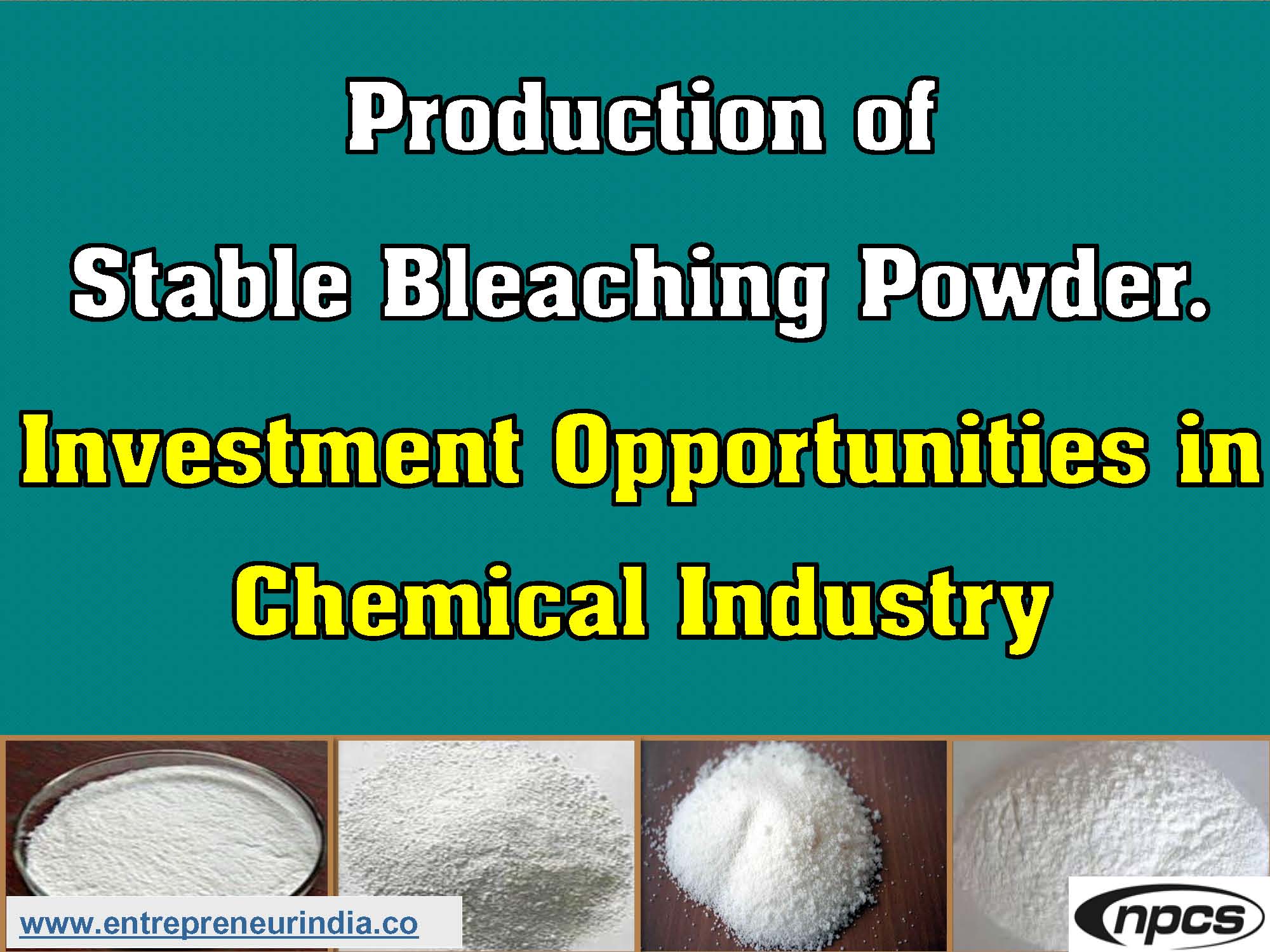
The production of stable bleaching powder is a promising industrial venture catering to sectors such as water treatment, sanitation, textile processing, and household disinfection. Stable bleaching powder, commonly known as chlorinated lime, is widely used for its strong oxidizing and disinfecting properties. Its ability to release chlorine upon contact with water makes it highly effective for bleaching and disinfection. With growing emphasis on hygiene, public health, and clean water, the production of stable bleaching powder has seen a consistent rise in demand across both urban and rural regions.
Understanding Stable Bleaching Powder and Its Uses
Stable bleaching powder is a dry, white, or slightly yellowish powder with a strong chlorine odor. It is produced by the reaction of slaked lime (calcium hydroxide) with chlorine gas. The chemical composition typically includes calcium hypochlorite (Ca(OCl)?), which is the active bleaching agent, along with calcium chloride, calcium hydroxide, and small amounts of moisture.
The production of stable bleaching powder is critical for industries such as:
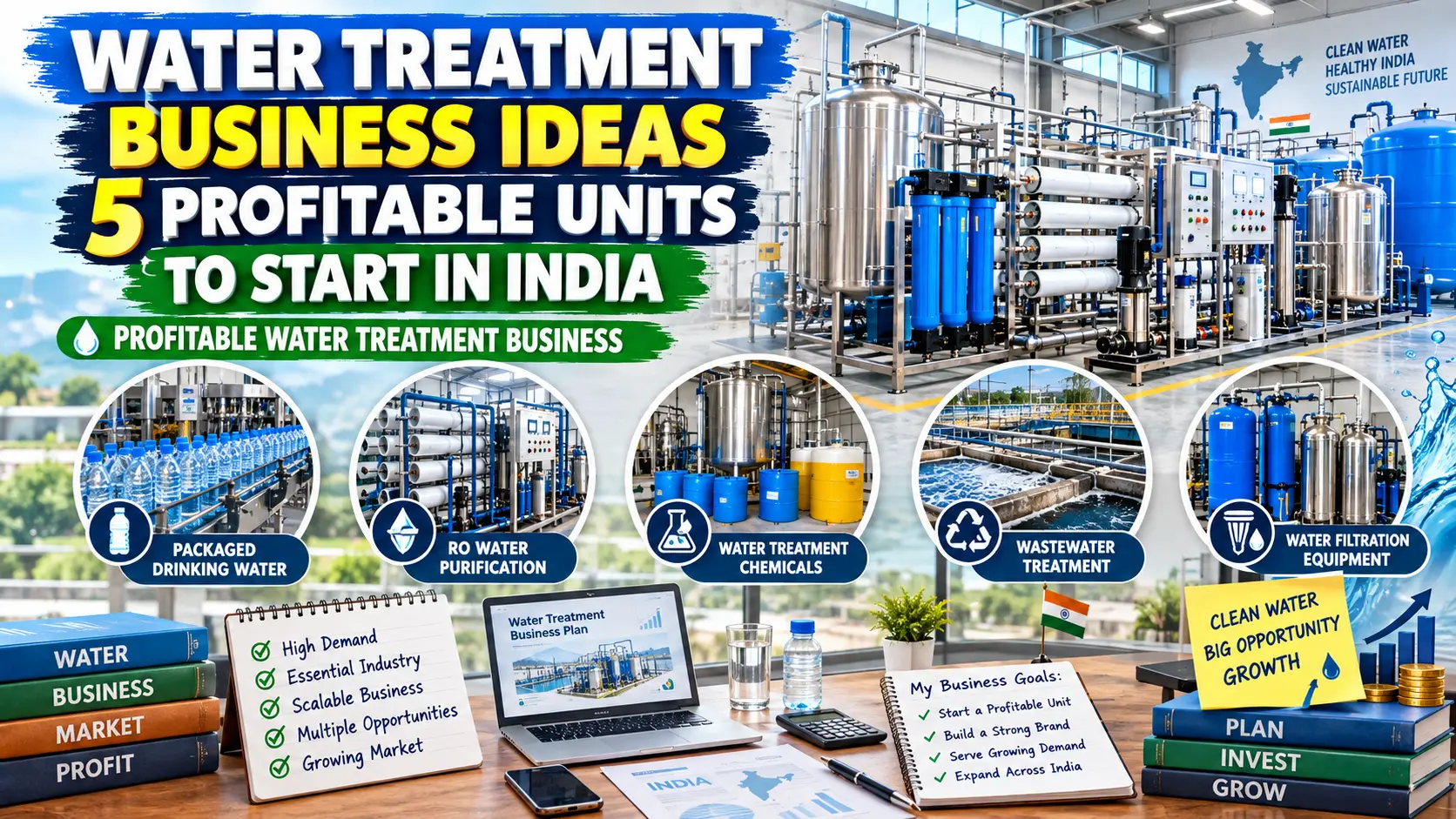
Water purification and treatment plants
Paper and textile bleaching units
Households and municipal corporations for sanitation
Food processing and pharmaceutical units for sterilization
Agriculture for disinfection of tools and animal shelters
Due to its diverse utility, this chemical remains in steady demand across various sectors.
Manufacturing Process of Stable Bleaching Powder
The production of stable bleaching powder involves a series of carefully controlled chemical and mechanical processes to ensure product stability and effectiveness. The process includes the following steps:
Raw Materials Required:
Chlorine gas: The primary bleaching component
Slaked lime (Ca(OH)?): Acts as a base to absorb chlorine
Cooling water and air: Used for process temperature control
Manufacturing Steps:
Chlorination of Slaked Lime: Dry slaked lime is fed into a chlorination chamber where it is exposed to dry chlorine gas under controlled conditions.
Reaction and Absorption: The lime absorbs chlorine, forming calcium hypochlorite and releasing heat.
Drying and Aging: The material is cooled, dried, and aged in a rotary or fluidized bed dryer.
Screening and Packing: The powder is screened to ensure uniform particle size and then packed in moisture-proof containers.
A well-maintained environment with proper humidity and temperature control is vital during the production of stable bleaching powder to ensure high chlorine content and long shelf life.
Benefits of Stable Bleaching Powder in Industrial and Public Sectors
There are several reasons why the production of stable bleaching powder remains an essential activity in modern industry:
Affordable and Effective Disinfectant: A cost-effective chemical for controlling bacteria, viruses, and algae
Easy Storage and Transportation: Unlike liquid bleach, stable powder form is easier to store and handle
Multi-sector Utility: Used in textile, leather, food, pharmaceutical, and public sanitation
Rural Demand: Widely used in village water supplies and sanitation programs
Emergency Use: Deployed in disaster-hit areas for water treatment and disease control
These advantages make it a resilient product with year-round demand.
Machinery and Plant Setup
To set up a production of stable bleaching powder unit, entrepreneurs require:
Chlorination chamber or tower
Lime feeding system
Dryers and coolers
Dust collection and ventilation setup
Screening and packaging machines
Safety and gas handling equipment (since chlorine is hazardous)
A small to medium-scale unit can be established with an investment of ?40–60 lakhs. Larger capacities will require higher automation and safety features, potentially raising the investment to ?1.5 crores or more.
Proper pollution control systems are essential, given chlorine’s environmental and health hazards. Compliance with safety and emission standards is mandatory.
Raw Material Sourcing and Cost Analysis
The profitability of the production of stable bleaching powder depends heavily on raw material availability and cost efficiency:
Chlorine gas is often sourced as a byproduct from caustic soda manufacturing units.
Slaked lime is easily available in most industrial regions and is relatively low-cost.
Packaging material, typically HDPE drums or laminated moisture-proof bags, is also a key expense.
Additional operational costs include labor, energy consumption, safety equipment, and maintenance. Despite these, the profit margins remain healthy due to the strong demand and moderate input cost.
Quality Control and Product Standards
Quality is a major factor in the production of stable bleaching powder, particularly for water treatment and health sector clients. Standard parameters include:
Available chlorine content (typically 33–36%)
Moisture content
Stability over time under storage conditions
Granule size and flowability
In India, the Bureau of Indian Standards (BIS) specifies IS:1065 standards for stable bleaching powder. Exporters must also comply with REACH and other destination-specific chemical safety standards.
Ensuring consistent batch quality helps in building brand credibility and securing long-term contracts.
Market Demand and Growth Drivers
The production of stable bleaching powder is driven by:
Government initiatives promoting hygiene and sanitation (like Swachh Bharat Abhiyan)
Rising water treatment needs in urban and industrial areas
Disinfectant demand post-COVID across public and private sectors
Rural drinking water programs requiring low-cost disinfection
Textile and paper industries relying on cost-effective bleaching agents
India, Bangladesh, Africa, and parts of the Middle East present strong markets for this chemical. With proper branding and distribution, manufacturers can expand both domestically and internationally.
Profitability and ROI
The production of stable bleaching powder offers attractive returns due to:
Consistent product demand
Low per-unit production cost
Repeat business from institutional clients
Minimal product innovation—same formula serves multiple industries
High-volume production scalability
A plant operating at 70–80% capacity utilization can expect ROI within 12–18 months of commencement, depending on market conditions and sales reach.
Conclusion
The production of stable bleaching powder is a practical and profitable venture within the chemical manufacturing industry. It combines high demand, versatile application, and manageable production technology, making it an excellent opportunity for entrepreneurs and investors.
With growing global emphasis on sanitation, clean water, and health safety, the relevance of bleaching powder continues to expand. By investing in quality machinery, regulatory compliance, and efficient distribution, one can build a sustainable and impactful chemical enterprise.
Niir Project Consultancy Services
An ISO 9001:2015 Company
106-E, Kamla Nagar, Opp. Spark Mall,
New Delhi-110007, India.
Email: npcs.ei@gmail.com , info@entrepreneurindia.co
Tel: +91-11-23843955, 23845654, 23845886, 8800733955
Mobile: +91-9811043595
Website: www.entrepreneurindia.co , www.niir.org