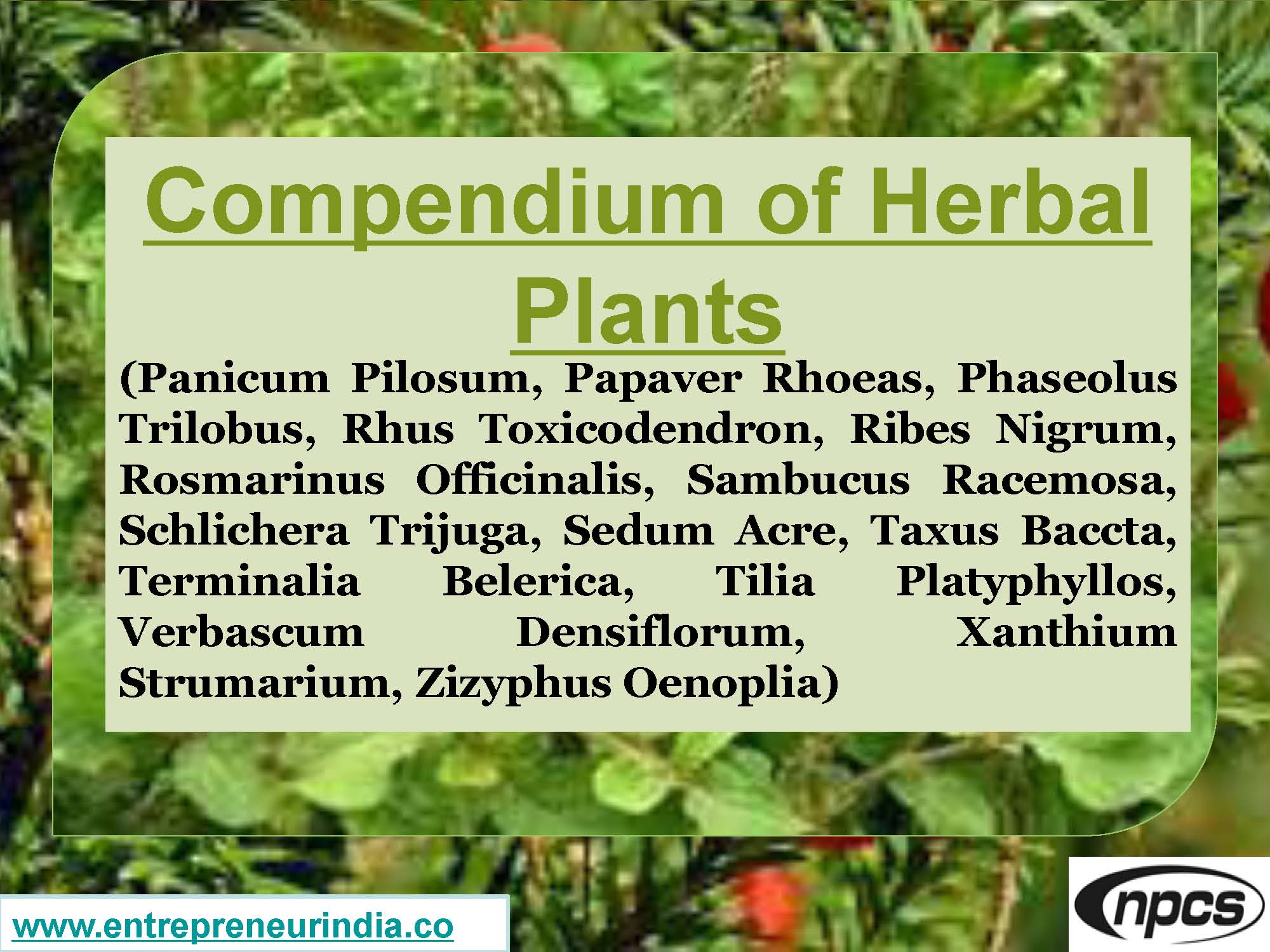
The therapeutic use of medicinal herbs has gained renewed global interest, blending ancient practices with modern science. A well-organized compendium of herbal plants serves as a valuable reference for researchers, healthcare professionals, and herbal product developers. These plants are rich in natural bioactives—such as flavonoids, alkaloids, and essential oils—that support human health in various ways. From anti-inflammatory and antioxidant effects to anti-cancer and sedative properties, each species offers unique healing benefits. This article highlights select medicinal herbs like Rosmarinus officinalis, Taxus baccata, and Sambucus racemosa, underscoring their importance in both traditional and contemporary formulations.
Notable Species in the Compendium of Herbal Plants
This section provides concise insights into the most prominent entries in the compendium of herbal plants, focusing on their ethnobotanical uses, active constituents, and health benefits.
See Also : Essential Oils & Oleoresins Extraction
Panicum pilosum: Wild Grass for Gut Health
This underutilized wild grass holds promise as a source of dietary fiber and micronutrients. Traditionally, Panicum pilosum has been used to aid digestion and improve soil fertility. Though often overlooked in commercial settings, its nutritional properties make it valuable in herbal gut-support tonics and rural healthcare diets. Its resilience also supports regenerative farming practices.
Papaver rhoeas (Common Poppy): Natural Sedative
Papaver rhoeas is famous for its mild sedative and cough-suppressant effects. The red petals contain alkaloids that are non-addictive yet helpful in reducing anxiety and calming respiratory distress. Teas and syrups made from the flower are often used for children. Its soothing actions secure its spot in any trusted compendium of herbal plants.
Phaseolus trilobus: Functional Legume with Antidiabetic Potential
This lesser-known legume plays a significant role in traditional Indian medicine, particularly for blood sugar regulation. Its enzyme-enhancing properties aid digestion and carbohydrate metabolism. Rich in protein and fiber, Phaseolus trilobus supports metabolic health and is gaining attention in herbal diabetes management research.
Rhus toxicodendron (Poison Oak): Homeopathy Staple
Though toxic in raw form, Rhus toxicodendron becomes a potent homeopathic remedy once diluted. It is widely used for relieving arthritis, sciatica, and skin rashes. This plant is especially helpful in conditions that worsen in cold, damp climates. Despite its poisonous reputation, it proves how even dangerous plants, when properly handled, can earn a place in the compendium of herbal plants.
Ribes nigrum (Black Currant): Antioxidant-Rich Berry
This medicinal berry contains high levels of vitamin C and anthocyanins, known for their immune-boosting and anti-inflammatory effects. The leaves are used in teas for treating arthritis and urinary tract issues, while the berries enhance cardiovascular health. The growing popularity of herbal teas and supplements has reinforced Ribes nigrum’s value in herbal pharmacopoeias.
Rosmarinus officinalis (Rosemary): Herbal Brain Booster
Rosemary has a long history as a memory-enhancing and mood-lifting herb. Its essential oils contain compounds like cineole and camphor, which improve cognitive performance and circulation. Rosemary is also effective as a digestive tonic, anti-inflammatory, and preservative in herbal cosmetics. Its versatility makes it a key inclusion in every compendium of herbal plants.
Sambucus racemosa (Red Elderberry): Immune-Modulating Herb
Red elderberry is recognized for its powerful antiviral and immune-boosting actions. Used traditionally in syrups and lozenges, it helps relieve colds, coughs, and flu symptoms. Proper processing is essential, as raw berries can be toxic. Nonetheless, its global appeal in natural immune care earns it a respected spot in herbal databases.
Schleichera trijuga: Ayurvedic Skin & Liver Cleanser
Used in Ayurveda, Schleichera trijuga yields oil from its seeds, effective in treating skin infections and inflammation. Decoctions from its bark are used to detoxify the liver and cleanse the blood. It is also valued for its wound-healing abilities. As a lesser-known plant, it strengthens the diversity of the compendium of herbal plants.
Sedum acre (Stonecrop): Anti-ulcer and External Healer
This hardy succulent has anti-inflammatory and demulcent properties. Its traditional uses include treating ulcers, wounds, and minor burns. The mucilage in Sedum acre soothes irritated tissues and promotes healing. Though small and easily overlooked, it contributes significantly to traditional medicine and deserves its recognition.
Taxus baccata (Yew Tree): Source of Anticancer Agents
The leaves and bark of Taxus baccata are the original source of paclitaxel (Taxol), a compound widely used in chemotherapy. While the plant itself is toxic, its carefully extracted phytochemicals have saved countless lives. This species exemplifies the dual nature of herbal plants—dangerous yet medicinal—and remains a pillar in pharmacognosy.
Read More :Metal Finishing
Conclusion
The compendium of herbal plants continues to grow as traditional wisdom meets scientific validation. From everyday herbs like rosemary and elderberry to potent species like yew and poison oak, each plant brings a unique therapeutic value. Documenting these plants not only preserves ancient ethnomedicinal knowledge but also guides sustainable and effective healthcare solutions. As consumer interest in plant-based wellness rises, this compendium becomes an essential resource for future herbal innovations and evidence-based natural medicine.