
Our Categories

Our Categories

P.K. Tripathi

P. K. Tripathi is Associate Editor at Entrepreneur India and a seasoned business consultant with over 35 years of experience advising startups and established enterprises across multiple industries. He has worked closely with founders and business leaders, offering strategic guidance on business planning, project execution, and market positioning — helping entrepreneurs transform ideas into viable, scalable ventures. A published author of several business books on startups, manufacturing opportunities, and practical entrepreneurship, P. K. Tripathi is known for his grounded, execution-focused approach that cuts through theory to deliver actionable insights. Through his writing and consulting work, he continues to equip aspiring entrepreneurs with the real-world knowledge, industry intelligence, and practical strategies needed to thrive in competitive markets.

Wooden Pencil Manufacturing Business

Wooden Pencil Manufacturing Business Read More »

Wooden pencil manufacturing is one of the most profitable and evergreen industries in the stationery market. Despite the digital revolution, the demand for pencils has remained consistent due to their wide usage in schools, offices, drawing studios, and even households. Whether it’s for writing, sketching, or technical work, pencils are indispensable tools across the globe. Starting a wooden pencil manufacturing business today can be a wise move, especially if you are looking for a low-investment yet sustainable business opportunity with great growth potential. Why Wooden Pencil Manufacturing is a Smart Business Idea Wooden pencils are used by millions of people every day. With increasing literacy rates and expanding educational infrastructure, the consumption of pencils is on the rise. Furthermore, wooden pencil manufacturing does not demand massive infrastructure or high-tech machinery, making it an ideal venture for small and medium enterprises. Market Demand and Opportunities Globally, the market for wooden pencils is valued in billions and is expected to grow steadily. Countries like India, China, and Indonesia are leading manufacturers, exporting to various parts of the world. In India, the growing student population is one of the biggest drivers for the wooden pencil manufacturing industry. Additionally, eco-friendly trends are promoting the use of natural and biodegradable materials, making wooden pencils more favorable than plastic alternatives. If you can produce high-quality, affordable pencils, there’s a good chance to capture both local and international markets. Customization and branding also open up avenues for niche marketing, such as personalized pencils for corporates, events, or gifting purposes. Basic Requirements to Start the Business To begin your wooden pencil manufacturing business, several factors must be considered including the setup location, required machinery, raw materials, labor, and regulatory licenses. 1. Location Select a place with ample space (minimum 500-1000 sq. ft) and good connectivity for transport. Industrial zones or small-scale industrial parks are ideal as they often offer incentives and infrastructural support. 2. Raw Materials Needed The primary raw materials required for wooden pencil manufacturing are: Wood slats (commonly made from softwood like cedar, basswood, or poplar) Graphite leads Glue Lacquer or paint Ferrules (metallic parts) Erasers Packaging material (boxes or plastic wraps) Using sustainable or recycled wood will give your brand a competitive advantage in today’s eco-conscious market. 3. Machinery and Equipment The machinery for wooden pencil manufacturing varies based on production capacity. The basic machines required include: Wood cutting machine Grooving machine Lead inserting machine Gluing and slat pressing machine Shaping and trimming machine Painting and lacquering machine Embossing or printing machine (for brand names) Drying chamber Packaging machine Small-scale units can start with semi-automatic machinery to reduce the initial investment and scale up with demand. 4. Manpower Depending on your scale of production, you’ll need around 8-15 workers for smooth operations. Skilled labor is required for machinery handling, quality control, and packaging. A small team can manage administrative, logistics, and marketing functions. 5. Licensing and Legalities Register your wooden pencil manufacturing business under MSME (Micro, Small, and Medium Enterprises). You’ll also need: Trade license GST registration Factory license (if applicable) BIS certification for product quality Environmental clearance (if required based on wood usage) Proper compliance ensures credibility and smooth functioning of the business. Step-by-Step Manufacturing Process The process of wooden pencil manufacturing involves several steps. Here is a simplified overview: Wood Preparation: Wooden slats are cut into appropriate dimensions and smoothed out. Grooving: Grooves are made on one side of each slat to fit the graphite lead. Lead Insertion: Graphite leads are placed into the grooves. Slat Pressing: Another slat is glued on top, sandwiching the lead inside. Shaping: The rectangular blocks are then cut into round or hexagonal pencil shapes. Painting and Drying: Pencils are painted or lacquered in various colors and dried in a chamber. Branding: Logos or brand names are embossed or printed. Fitting Ferrules and Erasers: Metallic caps and erasers are attached to the end. Sharpening and Packaging: Workers sharpen the finished pencils and pack them in boxes for dispatch. Every step in the wooden pencil manufacturing process needs quality checks to ensure consistency and finish. Cost of Setting Up the Unit The total investment required depends on the scale and automation level of the unit. Here’s a rough estimate: Small-Scale Unit: ?5 – ?10 Lakhs (semi-automatic machinery) Medium-Scale Unit: ?15 – ?25 Lakhs Large-Scale Automated Unit: ?40 Lakhs and above This includes land (if owned), machinery, raw materials, labor, electricity, and marketing costs. Profit Margin and ROI A well-run wooden pencil manufacturing business can yield a profit margin of 15–25%, depending on the scale and market. By producing 30,000–50,000 pencils per day, small units can earn decent profits with a payback period of around 1.5 to 2 years. Bulk orders from schools, offices, and wholesalers can boost your profits further. Additionally, selling through e-commerce platforms and stationery retailers increases your visibility and sales. Marketing and Sales Strategies To make your wooden pencil manufacturing business successful, strategic marketing is essential. Here are some methods: Distributors & Wholesalers: Partner with distributors who can supply your product to various retailers and institutions. Educational Institutions: Target schools and coaching centers for bulk deals. E-Commerce Platforms: Sell branded pencils on Amazon, Flipkart, or your own website. Offline Retail: Supply to stationery shops and supermarkets. Custom Orders: Offer personalized pencils for companies, events, and promotions. Use social media, local newspapers, and exhibitions to increase awareness and build your brand. Sustainability and Innovation As the world becomes more environmentally conscious, using sustainable practices in wooden pencil manufacturing can give your brand a strong advantage. You can focus on: FSC-certified wood Recycled packaging Plantable pencils (with seeds at the end) Non-toxic paint and glue These innovations not only appeal to eco-conscious consumers but can also fetch premium pricing. Challenges in the Industry Like any manufacturing venture, wooden pencil manufacturing comes with its own set of challenges: Availability and cost of quality wood Competition from large brands Price sensitivity in the market Compliance with environmental norms However, you can overcome these challenges with proper planning, sourcing, and
Pomegranate Farming Business

Pomegranate Farming Business Read More »

The Pomegranate Farming Business is rapidly becoming one of the most profitable and sustainable ventures in modern agriculture. With rising global demand for superfoods and health-conscious consumption patterns, pomegranate has carved out a valuable niche in the fresh fruit, juice, and nutraceutical markets. Known for its antioxidant properties, long shelf life, and drought resistance, the pomegranate is a fruit with immense commercial potential. Entrepreneurs, farmers, and agribusiness investors are increasingly turning toward the Pomegranate Farming Business to tap into both domestic and export markets. Why Pomegranate Farming is in Demand In recent years, the demand for pomegranate and its by-products has skyrocketed. Rich in vitamin C, potassium, fiber, and antioxidants, pomegranate is widely used in juices, jams, health drinks, and even skincare. India is the world’s largest producer of pomegranate, with major cultivation in Maharashtra, Gujarat, Karnataka, and Andhra Pradesh. The Pomegranate Farming Business offers significant advantages such as low water requirements, resistance to diseases, and consistent market prices. Export opportunities to Gulf countries, Europe, and Southeast Asia further enhance its profitability. With proper scientific techniques, even small farmers can achieve high yields per acre, ensuring quick returns and stable income. Ideal Climate and Soil for Pomegranate Farming Pomegranates thrive in tropical and subtropical climates. They require hot, dry summers and cool winters for optimum growth and fruiting. An annual rainfall of 500–800 mm is ideal, although the crop can be grown in areas with even less rainfall using drip irrigation. The Pomegranate Farming Business prefers loamy, sandy-loam, or black cotton soils with good drainage. A soil pH between 6.5 to 7.5 is considered best. Farmers should avoid waterlogged or highly alkaline soils. Soil testing prior to planting helps determine nutrient needs and suitability for cultivation. Popular Varieties and Their Characteristics Choosing the right variety is crucial for a successful Pomegranate Farming Business. Some high-yield and market-preferred varieties include: Bhagwa: Most popular in India, known for its bright red skin and soft seeds Ganesh: Early-maturing with pinkish-red skin and juicy arils Mridula: Suitable for processing, has deep red seeds Arakta: Deep red color, longer shelf life, ideal for export Kesar and Jyoti: Region-specific varieties grown in parts of Gujarat and Maharashtra Each variety has unique advantages in terms of sweetness, seed hardness, and suitability for processing or fresh consumption, making it easier to align with market demand. Planting and Spacing Guidelines For commercial Pomegranate Farming Business, propagation is done through hardwood cuttings or tissue culture saplings. Planting is generally carried out during monsoon (June–August) or in early spring (February–March), depending on the region. The ideal planting distance is 4 m × 4 m, which accommodates around 625 plants per hectare. In high-density plantations, spacing may be reduce to 3 m × 3 m, increasing plant count and yield. Pits of 60×60×60 cm are dug and filled with a mixture of farmyard manure, topsoil, and bio-fertilizers before planting. Irrigation and Fertilizer Management Although drought-tolerant, pomegranates need timely irrigation, especially during flowering and fruit development. Drip irrigation is highly recommended for efficient water use in the Pomegranate Farming Business. Watering frequency depends on soil moisture, weather, and crop stage but is typically done every 7–10 days. For fertilizers, a combination of organic manure and chemical nutrients is essential. FYM (Farmyard Manure) is apply at 10–15 kg per plant annually. Additional nutrients like Nitrogen, Phosphorus, and Potassium (NPK) are add in split doses throughout the growing cycle. Foliar sprays of micronutrients like Zinc, Iron, and Boron help improve flowering and fruit size. Pruning and Crop Management Regular pruning is vital to maintain plant shape, airflow, and productive growth. It helps eliminate dead wood, control height, and encourage new fruit-bearing branches. Pruning is done annually after harvesting. The Pomegranate Farming Business also requires effective pest and disease control. Common issues include fruit borers, aphids, mealybugs, and fungal leaf spots. Integrated Pest Management (IPM) practices such as neem-based sprays, sticky traps, and biological control agents can reduce chemical use while protecting crop quality. Flowering, Fruiting, and Harvesting Timeline Pomegranate trees typically begin to bear fruit after 2 to 3 years of growth. Depending on regional climatic conditions and irrigation practices, the trees may flower two to three times annually. However, the best-quality fruits are usually harvest from the main flowering season, which falls between April and June. Once flowering occurs, the fruits take around 5 to 6 months to reach maturity. Harvesting is done manually when the fruit’s outer skin turns bright, smooth, and glossy—an indicator of ripeness. Timely harvesting is crucial, particularly during the monsoon season, as delayed picking can lead to fruit splitting, which reduces market value. In the initial fruiting years, a healthy pomegranate tree yields 25 to 30 fruits per season. As the tree matures and management practices improve, this number can rise to 100 or more fruits per tree, significantly boosting farm profitability. Post-Harvest Handling and Marketing After harvest, fruits are sort base on size, color, and ripeness. Grading enhances market value, especially for exports. Proper packaging using ventilated crates or cardboard boxes minimizes damage during transportation. Cold storage extends shelf life up to 4–6 weeks, which is essential for distant markets. The Pomegranate Farming Business sells through multiple channels: Local wholesale markets Agri-mandis and APMCs Contract farming arrangements Direct retail or online farm produce models Export agents and food processors Adding value through juice extraction, seed drying, or pomegranate peel powder can further enhance profit margins. Investment and Returns Starting a Pomegranate Farming Business on one hectare typically involves: Land preparation: ?30,000–?40,000 Planting material: ?1,50,000 (for 625 plants @ ?200–250 each) Drip irrigation setup: ?75,000–?1,00,000 Fertilizers and pesticides: ?25,000–?35,000 annually Labor and maintenance: ?40,000 per year Total initial investment in the first year may range between ?3.5–?4.5 lakhs per hectare. From the 3rd year onward, returns can exceed ?5–?7 lakhs per hectare annually, depending on fruit quality and market prices. ROI becomes significantly higher with export linkage or processing partnerships. Government Support and Subsidies The Indian government supports Pomegranate Farming Business through various schemes: NABARD horticulture loans under

Helmet Manufacturing Industry

Helmet Manufacturing Industry Read More »

The Helmet Manufacturing Industry is one of the most vital components of the safety gear and automotive accessories market. With an ever-increasing number of vehicles on roads globally and a stronger emphasis on safety regulations, the demand for helmets is rising rapidly. In India and many other developing countries, the two-wheeler segment forms a major portion of daily transportation. Consequently, helmet usage is no longer just a choice—it’s a legal mandate. This shift is driving rapid growth and opportunity in the Helmet Manufacturing Industry, attracting both entrepreneurs and investors. Market Potential and Industry Scope The helmet market is projected to surpass billions of dollars in valuation globally by 2030, with Asia-Pacific leading the demand due to a higher concentration of two-wheelers. In India, new safety laws and increasing consumer awareness have made helmets a non-negotiable purchase for two-wheeler riders. The Helmet Manufacturing Industry is also seeing diversification with the advent of new designs, smart features like Bluetooth and GPS integration, and the introduction of lightweight yet durable materials. Both budget and premium segments are witnessing innovation, opening up a wide spectrum for manufacturers. Additionally, with the rise in e-commerce platforms, helmet manufacturers can now cater directly to consumers through digital channels, reducing the need for heavy dealership models. The sector is no longer limited to commuter helmets—sports, industrial, and even military-grade helmets offer profitable verticals within this growing industry. Types of Helmets in Demand The Helmet Manufacturing Industry caters to various segments, each with distinct safety and design standards. These include: Motorcycle Helmets – The most common type, available in full-face, open-face, modular, and half helmets. Sports Helmets – Used in cycling, skateboarding, skiing, and other outdoor activities. Industrial Helmets – Hard hats used on construction sites and industrial zones. Military and Tactical Helmets – Specialized gear used in defense, law enforcement, and tactical training. Smart Helmets – Equipped with integrated tech features like cameras, voice assistants, and heads-up displays. By tapping into multiple categories, a manufacturer can broaden its product portfolio and increase revenue streams. Manufacturing Process Overview Setting up a facility in the Helmet Manufacturing Industry involves several technical steps, combining mechanical precision with design aesthetics. Here’s a simplified overview of the production process: Shell Formation – The outer shell is typically made from materials such as ABS, polycarbonate, or fiberglass using injection molding or compression techniques. Inner Foam Molding – Expanded polystyrene (EPS) foam is used to absorb impact. This is molded separately and attached to the shell. Visor and Fittings – Transparent visors are manufactured using polycarbonate sheets and UV protection coatings. Buckles, chin straps, and ventilation ports are installed during this phase. Painting and Branding – Helmets are painted and customized with brand logos, stickers, and finishes like matte or gloss. Assembly and Testing – The final assembly includes padding, comfort liners, and safety features. Each helmet is tested for durability and compliance. Quality assurance and safety compliance are non-negotiable at every stage of the manufacturing process. Machinery and Equipment Needed To launch a Helmet Manufacturing Industry unit, the following machines and infrastructure are required: Injection molding machines for shell creation EPS foam molding units CNC routers for precise component cutting Paint booths and drying chambers Testing equipment for impact resistance, retention strength, and penetration Assembly lines for final product integration Packaging units with barcode and tracking systems A facility with 8,000–15,000 sq. ft. area is ideal for a medium-sized unit. Expansion can happen modularly based on volume and demand. Raw Materials and Supply Chain Key raw materials required in the Helmet Manufacturing Industry include: ABS, polycarbonate, fiberglass, or carbon fiber for outer shells EPS foam for internal cushioning Nylon, cotton, and synthetic fibers for padding and straps Visor-grade polycarbonate sheets Paints, adhesives, buckles, rivets, and comfort liners Most of these raw materials are easily source from domestic markets, with specialty items being import base on quality requirements. Establishing partnerships with reliable suppliers ensures steady production and pricing control. Investment Requirements and Profitability The capital investment required to start a Helmet Manufacturing Industry varies based on capacity: Small-scale unit (500–1000 helmets/day): ?60 lakhs to ?1 crore Medium-scale unit (2000–3000 helmets/day): ?1.5–?3 crore Large-scale unit (5000+ helmets/day): ?5 crore and above Profit margins in this industry are healthy, especially in the premium and smart helmet categories. Gross margins typically range between 30% and 50%, with consistent demand across the year. Return on investment is usually achieve within 2 to 3 years, especially if brand recognition and distribution are manage effectively. Certifications and Legal Requirements To operate in the Helmet Manufacturing Industry, companies must adhere to national and international safety standards. In India, the Bureau of Indian Standards (BIS) mandates ISI certification under IS 4151 for all motorcycle helmets. Additional requirements include: Company Registration (Private Limited or MSME) GST Registration Factory License Pollution Control Board clearance Employee health and safety provisions Optional certifications like DOT (US) and ECE (Europe) for exports Compliance not only ensures legal functioning but also builds customer trust and credibility. Marketing Strategies and Distribution Effective marketing is crucial for scaling a business in the Helmet Manufacturing Industry. Strategies may include: Listing on e-commerce platforms like Amazon, Flipkart, and niche automotive portals Partnerships with automobile manufacturers and two-wheeler dealerships Offline distribution through retail helmet stores and sports gear outlets Branding and social media campaigns targeting urban youth Influencer collaborations with motorcycle riders, racing clubs, and safety advocates Offering custom-designed helmets for delivery startups and logistics companies Launching a sub-brand for smart helmets or electric vehicle accessories can further expand your market. Government Incentives and Industry Support The Helmet Manufacturing Industry qualifies for various government support schemes such as: MSME Subsidies under Credit Linked Capital Subsidy Scheme (CLCSS) Startup India benefits including tax holidays and reduced compliance Export Promotion Capital Goods (EPCG) Scheme for duty-free imports of machinery Skill India Training Programs to train workers PLI Schemes in automotive and electronics (if producing smart helmets) These benefits reduce startup burden and encourage innovation in safety technology and manufacturing efficiency. Conclusion The Helmet Manufacturing Industry

Start a Profitable Fruits Dehydration and Processing Business 2026 Ultimate Guide

Start a Profitable Fruits Dehydration and Processing Business 2026 Ultimate Guide Read More »

The Fruits Dehydration and Processing Business has emerged as a sustainable and highly profitable sector within the food processing industry. As global demand for healthy, preservative-free snacks continues to rise, dehydrated fruits are capturing attention in both domestic and international markets. By removing moisture from fruits through modern drying techniques, producers can significantly extend shelf life, reduce waste, and offer consumers nutritious and convenient alternatives to fresh produce. With relatively low investment and high-value output, the Fruits Dehydration and Processing Business is an ideal venture for agripreneurs, MSMEs, and export-oriented units. Market Potential and Demand Growth The Fruits Dehydration and Processing Business is driven by several strong market forces. Consumers today are more health-conscious than ever, preferring minimally processed snacks rich in fiber, vitamins, and natural sugars. Dried fruits like mango, banana, apple, papaya, pineapple, and berries are gaining popularity not only as standalone snacks but also as ingredients in cereals, health bars, confectionery, bakery items, and even pet foods. According to global market research, the dried fruit market is projected to reach over USD 60 billion by 2030. In India, government initiatives under “Operation Greens” and “Pradhan Mantri Kisan SAMPADA Yojana” are encouraging post-harvest processing and reducing wastage. This makes Fruits Dehydration and Processing Business a timely and scalable opportunity. Types of Products in Fruit Dehydration Entrepreneurs entering the Fruits Dehydration and Processing Business can diversify into several product categories: Sun-dried fruits: Traditional method, cost-effective but slower Hot-air dried fruits: Mechanized and efficient for consistent output Freeze-dried fruits: Premium quality, retains nutrition and flavor Oven-dried slices or chips: Popular in retail packaging Fruit powders: Used in smoothies, bakery, and flavoring Fruit leather or bars: Healthy snacks made from fruit pulp These products cater to different segments including health food markets, hospitality industries, food manufacturing companies, and exports. Raw Materials and Procurement Strategy The primary input in the Fruits Dehydration and Processing Business is ripe, high-quality fresh fruit. Depending on the season and target product, fruits are selected for their sweetness, firmness, and low water content. Commonly used fruits include: Mango, papaya, banana Apple, pear, peach Pineapple, strawberry, kiwi Tomato (for sun-dried tomatoes) Amla, gooseberry, and citrus peels Entrepreneurs are encouraged to tie up with farmer cooperatives or mandi wholesalers to source fruits at harvest-time pricing. For year-round production, cold storage or bulk pre-processing during peak season is advised. Manufacturing Process Overview A Fruits Dehydration and Processing Business follows a systematic process to ensure product quality, safety, and extended shelf life. The key stages include: 1. Sort and Grade the Fruits Operators sort fruits based on size, color, and ripeness to ensure uniform dehydration and consistent texture in the final product. 2. Wash and Peel Using stainless steel washers, they thoroughly clean the fruits to remove dirt and surface contaminants. Depending on production volume, they peel the fruits manually or with mechanical peelers. 3. Slice or Pulp the Fruits Technicians slice the fruits into uniform pieces or pulp them for puree-based products such as fruit leather or concentrates. 4. Apply Pre-treatment They treat the sliced or pulped fruits with food-safe solutions like citric acid, ascorbic acid, or briefly blanch them to prevent enzymatic browning and preserve color and nutrients. 5. Dehydrate the Fruits Operators place the treated fruits in hot-air dryers, solar tunnel dryers, or freeze dryers—depending on the technology used—until they reduce the moisture content to the ideal 5–15% range. 6. Package the Final Product After dehydration, workers cool the dried fruits to room temperature, weigh them, and pack them in vacuum-sealed or nitrogen-flushed pouches to preserve freshness, aroma, and nutritional value. This active, quality-focused process ensures the production of premium dehydrated fruit products ready for domestic or export markets. Equipment and Machinery To set up a Fruits Dehydration and Processing Business, the required machinery depends on the scale of operation: Fruit Washer and Peeler Slicer/Cutter Machine Blanching or Dipping Unit Cabinet Hot Air Dryer or Solar Dryer Freeze Dryer (optional for premium output) Packaging Machine (vacuum sealer or nitrogen flusher) Weighing and Sealing Units Small-scale units can begin with semi-automatic setups requiring ?10–15 lakh, while commercial or export-focused units may invest ?25–50 lakh or more for higher throughput. Location, Utilities, and Workforce A standard Fruits Dehydration and Processing Business can be started on 1000–1500 sq. ft. of space, including a production area, raw material storage, drying section, and packaging area. Key utility requirements include: Clean water supply for washing and dipping Electricity for running dryers and sealing machines Manpower: 6–10 workers including food handlers, machine operators, and quality inspectors Food-grade flooring and pest control measures as per FSSAI norms Proximity to fruit-growing regions or wholesale markets is preferred to minimize transportation costs and ensure freshness. Legal Compliance and Certifications Starting a Fruits Dehydration and Processing Business requires several licenses and certifications to ensure compliance and market credibility: FSSAI License for food processing MSME/Udyam Registration GST Registration NOC from Pollution Control Board Factory License if employing more than 10 workers ISO 22000 / HACCP Certification for food safety (especially for exports) APEDA Registration for export of processed foods Labeling should comply with FSSAI regulations, including nutrition information, batch number, and best-before date. Branding and Marketing Strategy Effective marketing is crucial in the Fruits Dehydration and Processing Business due to growing competition. Strategies include: Creating eco-friendly, resealable packaging with appealing visuals Promoting “No added sugar”, “Gluten-free”, “Rich in fiber” on the label Leveraging social media and food influencers to reach health-conscious consumers Listing on online grocery platforms like Amazon Pantry, BigBasket, or your own e-commerce site Tying up with retail chains, cafes, and airlines for B2B orders Offering white-label manufacturing for boutique health brands Participation in food expos and trade fairs also helps establish B2B leads and export connections. Profit Margins and ROI The Fruits Dehydration and Processing Business is capital-light with high-margin returns, especially in premium and export markets: Cost of raw fruits per kg: ?15–?30 Yield of dried fruit per kg: ~100–200 grams (after 75–85% moisture loss) Selling price per 100g pouch: ?60–?150 (varies by fruit and

Polyvinyl Alcohol (PVA) Manufacturing Industry

Polyvinyl Alcohol (PVA) Manufacturing Industry Read More »

Polyvinyl Alcohol (PVA) is a versatile, water-soluble synthetic polymer widely used in various industrial and commercial applications. Known for its excellent film-forming, emulsifying, and adhesive properties, PVA plays a critical role in sectors such as textiles, paper, construction, packaging, and pharmaceuticals. With the global demand for environment-friendly and biodegradable materials on the rise, Polyvinyl Alcohol (PVA) is increasingly being adopted as a sustainable alternative in multiple domains. This article provides a comprehensive guide on the manufacturing process of Polyvinyl Alcohol (PVA), highlighting its raw materials, process steps, quality standards, applications, and market potential. Understanding the Polyvinyl Alcohol (PVA) Manufacturing Process Polyvinyl Alcohol (PVA) is not directly produced from polymerization of vinyl alcohol because vinyl alcohol is unstable and readily tautomerizes to acetaldehyde. Instead, PVA is manufactured through the polymerization of vinyl acetate to form polyvinyl acetate (PVAc), followed by hydrolysis (alcoholysis) to remove acetate groups, resulting in Polyvinyl Alcohol (PVA). This two-step process involves complex chemical engineering procedures, which must be precisely managed to ensure the production of high-quality PVA. Raw Materials Required The essential raw materials for the production of Polyvinyl Alcohol (PVA) include: Vinyl Acetate Monomer (VAM): The starting material for the polymerization process. Methanol or Ethanol: Used as a solvent during the hydrolysis phase. Catalysts: Often used to initiate and sustain the polymerization reaction. Sodium Hydroxide or Potassium Hydroxide: Common catalysts in the alcoholysis stage. Additional additives may be included depending on the desired viscosity and application of the final product. Step-by-Step Manufacturing Process 1. Polymerization of Vinyl Acetate: The process begins with the free-radical polymerization of vinyl acetate monomers. This is carried out in a solvent medium, typically water or methanol, in the presence of initiators like benzoyl peroxide or azo compounds. The reaction forms a polyvinyl acetate (PVAc) solution of the desired molecular weight. 2. Alcoholysis or Hydrolysis: In this stage, methanol or ethanol and a suitable alkaline or acidic catalyst partially or completely hydrolyze the PVAc. This reaction replaces the acetate groups in PVAc with hydroxyl groups, transforming the polymer into Polyvinyl Alcohol (PVA). The degree of hydrolysis (ranging from 85% to 99%) greatly affects the solubility and performance of the final product. 3. Precipitation and Filtration: After hydrolysis, the process often involves cooling the solution to precipitate the Polyvinyl Alcohol (PVA). Technicians then filter and wash the precipitate multiple times to remove residual catalysts, solvents, and byproducts. 4. Drying and Granulation: The wet PVA mass is then dried in rotary or tray dryers under controlled temperature conditions. The process granulates the dried material into flakes or powder, depending on market requirements. 5. Packaging and Storage: The final Polyvinyl Alcohol (PVA) product is packaged in moisture-proof bags or drums to maintain its integrity and prevent contamination. Proper storage conditions are essential to preserve its solubility and performance characteristics. Quality Control Measures Quality assurance is a crucial aspect of Polyvinyl Alcohol (PVA) manufacturing. Manufacturers must ensure: Degree of Polymerization (DP): Affects mechanical strength and film-forming ability. Degree of Hydrolysis: Determines water solubility and compatibility with other materials. Residual Acetate Content: Should be minimal to enhance biodegradability. Moisture Content: Critical for ensuring shelf life and ease of handling. Standard tests include viscosity measurement, pH analysis, ash content evaluation, and solubility testing. Applications of Polyvinyl Alcohol (PVA) Polyvinyl Alcohol (PVA) has widespread applications across industries due to its adaptability and non-toxic nature: Textile Industry: Used as a sizing agent to strengthen yarn and reduce breakage. Paper Industry: Enhances surface strength and improves ink absorbency. Adhesives and Coatings: Acts as a binder and film former in water-based adhesives and paints. Construction: Used in cement and mortar as a modifier to improve workability and adhesion. Packaging: Manufacturers use water-soluble films made from PVA for single-dose detergents and agrochemicals. Pharmaceuticals: Employed as a tablet binder, coating agent, and component of artificial tears. Cosmetics and Personal Care: Found in facial masks, shampoos, and skincare products for its film-forming ability. Environmental and Safety Considerations Specific microorganisms can biodegrade Polyvinyl Alcohol (PVA), making it an environmentally friendly polymer. However, manufacturers must adhere to stringent environmental regulations during the production process, especially concerning solvent recovery, waste management, and emissions control. Waste Treatment: Treat effluents containing alcohols and byproducts in accordance with local environmental laws. Solvent Recovery Systems: Experts recommend closed-loop systems to minimize loss and ensure safe recycling of methanol or ethanol. Worker Safety: Proper ventilation, protective gear, and regular monitoring of VOC levels are mandatory in PVA production units. Market Trends and Growth Prospects Rising demand for biodegradable and water-soluble materials is driving steady growth in the global market for Polyvinyl Alcohol (PVA). Asia-Pacific, particularly China and India, dominates the market owing to the presence of numerous end-user industries such as textiles, adhesives, and construction. Emerging trends include: Eco-Friendly Packaging: The demand for water-soluble and compostable films is boosting PVA consumption. Pharmaceutical Innovations: Pharmaceutical and healthcare industries increasingly use PVA in drug delivery systems and formulations. 3D Printing Applications: Fused deposition modeling (FDM) 3D printing uses water-soluble PVA as a support material. Investors consider Polyvinyl Alcohol (PVA) manufacturing a strategic business move due to its growing relevance in sustainable and high-performance materials. Investment and Setup Considerations Setting up a Polyvinyl Alcohol (PVA) manufacturing unit requires significant investment in technology, equipment, and skilled manpower. Key elements include: Land and Infrastructure: Industrial-grade facilities with adequate space for reactors, storage tanks, drying units, and laboratories. Machinery: Polymerization reactors, hydrolysis units, dryers, granulators, filtration systems, and packaging equipment. Compliance and Licensing: Necessary environmental clearances, factory licenses, and safety certifications. Utilities: Reliable access to electricity, water, and solvent handling systems. The initial capital expenditure can range from INR 10–50 crore depending on the scale and automation level of the unit. Operational costs include raw materials, energy, labor, and maintenance. Challenges in Polyvinyl Alcohol (PVA) Manufacturing Despite its advantages, the Polyvinyl Alcohol (PVA) manufacturing industry faces several challenges: Raw Material Price Volatility: Fluctuations in vinyl acetate monomer prices affect production economics. Technological Expertise: High-quality PVA production demands expertise in chemical engineering and process control. Environmental Regulations: Stringent pollution

How to Start a Profitable Polylactic Acid (PLA) Production Business: Complete 2026 Guide

How to Start a Profitable Polylactic Acid (PLA) Production Business: Complete 2026 Guide Read More »

In recent years, the demand for sustainable and eco-friendly materials has increased drastically across various industries. Among the many biodegradable alternatives to conventional plastics, Polylactic Acid (PLA) stands out as one of the most promising. Derived from renewable resources such as corn starch, sugarcane, or cassava, PLA is widely used in packaging, agriculture, textiles, medical devices, and especially 3D printing. But how exactly is this environmentally conscious polymer created? Understanding the manufacturing process of Polylactic Acid (PLA) is essential to appreciate its significance and widespread adoption. Step-by-Step Process of Polylactic Acid (PLA) Production The production of Polylactic Acid (PLA) involves several key steps, beginning with the extraction of natural sugars and ending with the polymerization into a plastic-like material. Let us explore each phase in detail: 1. Raw Material Selection and Preparation The first step in producing Polylactic Acid (PLA) is sourcing the raw materials. PLA is synthesized from fermentable sugars, most commonly derived from corn starch in the United States or sugarcane in countries like Brazil. These raw materials are selected for their high carbohydrate content, which serves as the foundation for lactic acid production. The crops are harvested and then mechanically processed to extract the starch or sugar. In the case of corn, the kernels are ground, and the starch is separated through a wet milling process. This starch is then enzymatically hydrolyzed to release simple sugars, primarily glucose. 2. Fermentation of Sugars into Lactic Acid Once the fermentable sugars are extracted, they undergo microbial fermentation. In this biological process, specific strains of bacteria (such as Lactobacillus) are introduced to the sugar solution. These bacteria consume the glucose and convert it into lactic acid through anaerobic fermentation. Temperature, pH, and oxygen levels are carefully regulated to maximize lactic acid yield. This process typically takes between 24 to 48 hours. Once complete, the lactic acid is separated from the fermentation broth, purified through filtration and distillation, and then concentrated for further processing. 3. Lactic Acid to Lactide Conversion The next phase in manufacturing Polylactic Acid (PLA) involves transforming lactic acid into a more reactive intermediate compound called lactide. This is achieved through a condensation reaction, where two molecules of lactic acid combine and lose water to form lactide – a cyclic dimer of lactic acid. The reaction must be precisely controlled to prevent unwanted side reactions and to ensure high-purity lactide. The resulting lactide mixture typically contains different isomers (D-lactide, L-lactide, and meso-lactide), and the selection of specific isomers influences the properties of the final PLA material, such as its crystallinity and melting temperature. 4. Polymerization of Lactide into PLA Lactide is then polymerized through a process called ring-opening polymerization (ROP). This chemical reaction involves the use of catalysts such as tin(II) octoate or other metal complexes. Under controlled heat and vacuum conditions, the lactide molecules open up and link together to form long chains of Polylactic Acid (PLA). The molecular weight of the resulting PLA polymer can be adjusted by varying the reaction time and conditions. High molecular weight PLA is generally more durable and suitable for industrial applications, while lower molecular weight PLA is used in applications like biomedical implants where biodegradability is a priority. 5. Pelletizing and Drying Once the polymerization is complete, the PLA resin is cooled and cut into small pellets. These pellets are then thoroughly dried to remove any residual moisture, as PLA is highly sensitive to hydrolysis. Drying is essential for preserving the polymer’s mechanical strength and thermal stability during processing. These dried PLA pellets are the final product of the manufacturing process and can be shipped to converters and manufacturers who mold, extrude, or 3D-print them into various end-use products. 6. PLA Fabrication and Applications Manufacturers use the PLA pellets to produce a wide array of products, often through methods like injection molding, thermoforming, or extrusion. PLA is particularly valued for its transparency, biocompatibility, and ability to degrade under industrial composting conditions. Some of the common applications of Polylactic Acid (PLA) include: Disposable food packaging (cups, cutlery, containers) Medical implants and sutures Agricultural films 3D printing filaments Textiles and nonwoven fabrics Its versatility and biodegradability make it a highly preferred material in both commercial and industrial contexts. 7. Environmental Impact and Sustainability A crucial reason for the growing interest in Polylactic Acid (PLA) is its positive environmental profile. Unlike petroleum-based plastics, PLA is derived from renewable resources and has a significantly lower carbon footprint. It also decomposes under industrial composting conditions into water and carbon dioxide within a few months, making it an attractive alternative in efforts to reduce plastic pollution. However, it’s important to note that PLA does not readily degrade in standard landfills or natural environments. Proper composting infrastructure is necessary to fully realize its environmental benefits. Moreover, there are ongoing innovations in improving PLA’s performance in terms of heat resistance and mechanical properties to broaden its applicability. Challenges in PLA Production Despite its benefits, the production of Polylactic Acid (PLA) is not without challenges. Some of the issues include: The cost of raw materials, which can be affected by agricultural crop prices. The energy requirements for fermentation and polymerization. The need for efficient composting systems to manage PLA waste. Researchers and companies are actively working on overcoming these obstacles by developing more cost-effective processes, genetically engineered bacteria for better lactic acid yield, and novel catalysts that reduce environmental impact during polymerization. Future Outlook The future of Polylactic Acid (PLA) looks promising as both regulatory bodies and consumers push for greener alternatives to traditional plastics. Advances in biotechnology, synthetic chemistry, and industrial processing are continually enhancing the quality and efficiency of PLA production. With better recycling and composting technologies, PLA could become a mainstream material across a variety of sectors. Additionally, hybrid composites and blends with other biodegradable materials are being explored to address PLA’s limitations and expand its usability in high-performance applications such as automotive parts, electronics casings, and durable consumer goods. Conclusion In summary, the production of Polylactic Acid (PLA) is a multi-step process that begins

Top 10 Best Fruit Processing Business Ideas & Opportunities

Top 10 Best Fruit Processing Business Ideas & Opportunities

Top 10 Best Fruit Processing Business Ideas & Opportunities Read More »

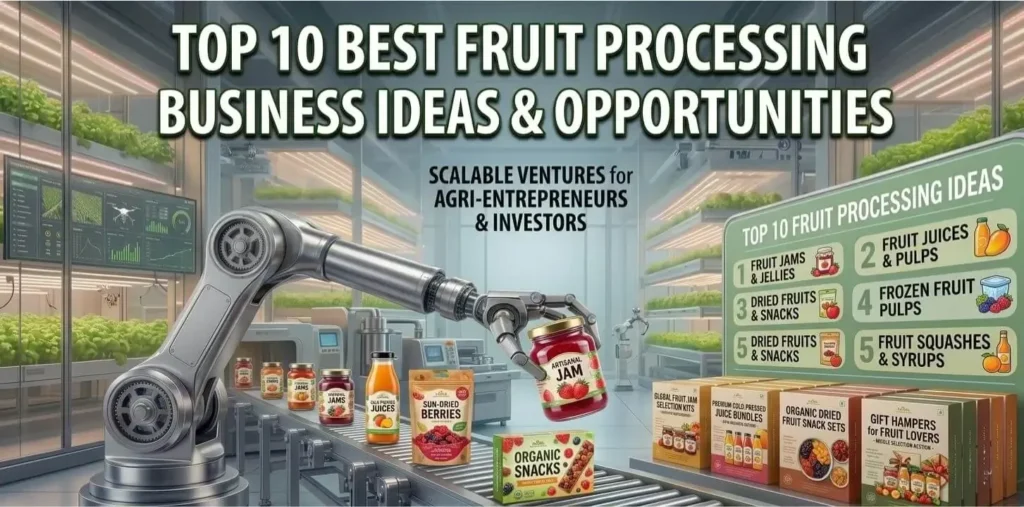
In 2026, the global food and beverage industry continues to undergo a massive transformation, with consumers increasingly turning to healthy, natural, and organic alternatives. Among the most promising segments in this transition is the fruit processing business, which combines agricultural abundance with food innovation. With rising demand for packaged fruits, juices, jams, dehydrated snacks, and fruit-based condiments, there is enormous scope for entrepreneurs to explore a wide range of profitable ventures in this field. Top 10 Fruit Processing Business Ideas in 2026 Below is a list of the top 10 fruit processing business ideas that can be launched with varying levels of investment and infrastructure. Each idea caters to a different market segment, offering entrepreneurs flexibility in terms of scale, product range, and distribution channels. 1. Fruit Juice Manufacturing Fresh fruit juices are always in demand due to their health benefits and natural appeal. Starting a fruit juice unit involves sourcing seasonal fruits, using a juicing and pasteurization unit, and packaging the juice in bottles or tetra packs. You can target health-conscious consumers, gym-goers, or office-goers with convenient and nutritious beverage options. The market includes a wide range of products like cold-pressed juice, mixed fruit juice, sugar-free juice, and even probiotic fruit drinks. With proper branding and cold chain logistics, this fruit processing business idea is a scalable venture. 2. Jam and Jelly Production Fruit jams, jellies, and marmalades are staple items in many households, especially in urban and semi-urban areas. Using fruits like mango, guava, strawberry, or mixed fruit, you can create premium quality spreads with high shelf life. This business involves boiling fruit pulp with sugar and pectin, then packaging in glass or plastic jars. It can be done on a small scale from home kitchens or expanded into a commercial setup. Organic and low-sugar jams are gaining popularity in 2026, presenting a niche market opportunity within the fruit processing business segment. 3. Dehydrated Fruit Snacks Drying fruits like apples, bananas, mangoes, or pineapples into chips or bite-sized snacks is a growing trend. These products are highly favored by fitness enthusiasts, travelers, and school children. Vacuum dehydration, freeze-drying, or sun-drying are commonly used methods. Dehydrated fruits are lightweight, nutrient-rich, and easy to package and distribute. They can be sold online or through supermarkets. The market is moving toward preservative-free, non-GMO products, giving a further push to this branch of the fruit processing business. 4. Canned Fruits Production Canned fruits are convenient options for urban consumers and are especially popular in export markets. By slicing fruits like peaches, lychees, and pineapples and preserving them in sugar syrup or natural juice, you can create products that last for over a year. The process requires proper sterilization, sealing, and labeling techniques to ensure food safety. Though initial investment might be higher due to equipment needs, canned fruit production is a long-term sustainable idea within the fruit processing business domain. 5. Fruit Pulp and Puree Unit Fruit pulp is the base for many products like juices, yogurts, ice creams, and confectionery items. Setting up a unit that extracts and preserves pulp from seasonal fruits can serve as a B2B business, supplying to larger food manufacturers. Mango pulp, tomato puree, guava pulp, and papaya concentrate are especially in demand across food and beverage industries. With the growing popularity of ready-to-use fruit ingredients, this fruit processing business idea is perfect for entrepreneurs looking for bulk production and wholesale distribution. 6. Pickle and Chutney Manufacturing India has a rich tradition of fruit-based pickles and chutneys. Using raw mangoes, gooseberries, lemons, or even tamarind, you can create a range of tangy, spicy, and sweet products. These can be sold in local markets, fairs, or online platforms under a homegrown brand. Consumer demand is shifting toward artisanal, preservative-free pickles with authentic flavors, making this an attractive low-investment fruit processing business to start in 2026. 7. Fruit Vinegar and Fermented Products Fruit vinegar—such as apple cider vinegar or pineapple vinegar—is a rapidly growing health and wellness product. Fermentation of fruit juice in a controlled environment results in vinegar rich in probiotics and beneficial acids. People use these in cooking, salad dressings, and even for medicinal purposes. The production process is simple, and with good hygiene and packaging, small-scale units can thrive. Fermented fruit-based drinks and tonics are also gaining ground, adding depth to this fruit processing business niche. 8. Ready-to-Eat Fruit Salads and Bowls Urban populations, especially working professionals and millennials, are increasingly opting for pre-packaged fresh fruit bowls. Producers combine multiple fruits into ready-to-eat packs and sell them through supermarkets, cafes, and delivery apps. Though this business requires a cold storage chain and quick turnover, the margins can be high due to premium pricing. Hygiene, aesthetic packaging, and sourcing fresh fruit are key to success. This segment of the fruit processing business is expected to grow rapidly in metropolitan regions. 9. Frozen Fruit Cubes and Smoothie Mixes Frozen fruits retain most of their nutrients and people widely use them in smoothies, shakes, and desserts. Processing fruits by cleaning, cutting, and freezing them in small cubes or blends allows you to cater to a ready-made smoothie market. These products are used in cafes, restaurants, gyms, and by individuals at home. The trend of frozen smoothie packs is picking up due to health trends and convenience. Entrepreneurs can explore tie-ups with fitness chains and eCommerce platforms under this branch of the fruit processing business. 10. Unfamiliar Fruit Processing and Export Fruits like dragon fruit, kiwi, passionfruit, and avocado are becoming popular across global and domestic markets. You can focus on processing these fruits into dried pieces, jams, purees, or juices aimed at premium customers. Export markets like the Middle East, Europe, and North America have a steady demand for tropical and unfamiliar fruit products. Setting up a processing unit near growing regions and ensuring international packaging and certification can make this fruit processing business highly profitable in 2026. Conclusion The fruit processing business in 2026 offers a blend of traditional know-how and modern innovation. Whether you’re working from

Spices Industry. Spices and Condiments Processing Business

Spices Industry. Spices and Condiments Processing Business Read More »

Starting a Spices and Condiments business is one of the most profitable ventures in the food industry. The global demand for unfamiliar flavors and natural seasonings is growing rapidly due to increasing awareness of healthy eating habits, cultural culinary curiosity, and gourmet cooking trends. From Indian masalas to Middle Eastern blends, spices and condiments have become essential components in global cuisine. This provides aspiring entrepreneurs a golden opportunity to build a brand rooted in heritage, taste, and authenticity. Planning Your Spices and Condiments Business Market Research and Target Audience Before diving into production, it’s crucial to conduct thorough market research. Identify which spice mixes or condiments are in demand locally and globally. Analyze consumption patterns, competitor products, pricing, and distribution channels. Some of the most popular spices include turmeric, cumin, chili powder, coriander, black pepper, cardamom, and clove. Among condiments, think of chutneys, sauces, mustards, pastes, and pickles. Define your target audience—whether you’re targeting homemakers, restaurants, gourmet chefs, or health-conscious consumers. Segment your audience demographically and geographically to tailor your offerings more precisely. Business Model and Niche Selection Your Spices and Condiments business can follow multiple business models: Wholesale/Bulk Supply: Catering to restaurants, hotels, and retailers. Retail/Direct-to-Consumer: Selling in small packets under your brand. Online Business: Selling via e-commerce websites or your own platform. Private Labeling: Packaging products for other brands. Choosing a niche helps in better positioning. You could specialize in organic spices, ethnic blends, health-focused condiments, or even custom spice kits for cooking enthusiasts. Legal Formalities and Licensing Setting up a food-based business requires compliance with several legal and safety regulations: FSSAI Registration (in India) or appropriate food safety certification depending on your country. Trade License and GST Registration. MSME Registration if you’re starting as a small or medium-scale enterprise. Trademark Registration to protect your brand name and logo. Ensure your manufacturing facility meets hygiene and packaging standards. Proper documentation and compliance boost customer trust and enable wider market access. Sourcing Raw Materials and Ingredients Your Spices and Condiments business will thrive only if your raw materials are of superior quality. Partner with reliable farmers, spice growers, and suppliers. Buy in bulk to reduce costs but never compromise on freshness and authenticity. Always ensure your ingredients are free from adulterants, pesticides, and artificial colors. For condiments, sourcing ingredients like vinegar, salt, sugar, fruits, or oil is essential depending on the type of product (e.g., chutney, sauce, or pickle). Establish long-term relationships with vendors and explore both local and international sourcing for unfamiliar varieties. Production and Packaging Setting up a spice production unit involves several steps: cleaning, drying, roasting, grinding, blending, and packaging. Invest in high-quality machinery like pulverizers, blenders, sievers, and packaging units. For condiments, you may need boilers, mixers, and sterilizers. Packaging should be both functional and visually appealing. It should preserve freshness, resist moisture, and be eco-friendly if possible. Include all necessary labeling: ingredients, manufacturing/expiry date, nutritional info, batch number, and FSSAI license number. Branding and Marketing In the highly competitive Spices and Condiments market, branding plays a pivotal role. Choose a name that reflects authenticity and taste. Create an eye-catching logo and packaging design that stands out on shelves. Build a strong digital presence: Develop a professional website with product listings, blog posts, and contact forms. Leverage social media to share recipes, product benefits, and behind-the-scenes content. Collaborate with food bloggers and influencers for unboxing, reviews, and giveaways. Use email marketing to reach regular customers with recipes, deals, and offers. Also, list your products on platforms like Amazon, Flipkart, Etsy, and other regional e-commerce sites. Offline, participate in food expos, farmer’s markets, and trade fairs to showcase your brand. Financial Planning and Investment Starting a small-scale Spices and Condiments business requires initial investment for: Raw Materials: ?2–5 lakhs (depending on scale). Machinery: ?3–8 lakhs. Packaging Materials: ?1–2 lakhs. Licensing and Branding: ?50,000–?1 lakh. Marketing and Website Development: ?1–3 lakhs. A full-scale business may require up to ?15–25 lakhs for setup. Create a detailed business plan including operational costs, revenue models, break-even analysis, and profit forecasting. Consider approaching government schemes for MSME funding, or private investors. Distribution and Logistics Efficient supply chain management is critical. Tie up with logistics partners for timely delivery. Maintain proper inventory control using software tools. Offer various packaging sizes and ensure fast, secure shipping, especially for online orders. For B2B, keep stock in warehouses close to your retailers or distribution hubs. Quality Control and Certifications To stand out in the Spices and Condiments industry, quality assurance is vital. Get certifications like: ISO 22000 (Food Safety Management) HACCP (Hazard Analysis and Critical Control Points) Organic Certification (for organic spice blends) Conduct regular product testing in certified labs for purity, aroma, taste, and shelf life. These certifications not only ensure product safety but also help in gaining trust in both domestic and international markets. Scaling Your Business Once your brand gains traction, expand by: Launching new spice blends or condiments. Entering international markets through export licensing. Setting up retail outlets or franchise models. Launching subscription boxes or DIY spice kits. Keep an eye on trends such as low-sodium, sugar-free, or fermented condiments, and innovate accordingly. Customer feedback, market trends, and competitor analysis should guide your growth trajectory. Sustainability and Ethical Sourcing Modern consumers value sustainability. Use biodegradable or recyclable packaging. Promote ethical sourcing by working with certified fair-trade farmers. Transparently share your sourcing and production processes. It not only enhances brand image but also builds a loyal customer base. Conclusion Launching a Spices and Condiments business is both a lucrative and fulfilling venture. With rising global demand for authentic flavors and healthy seasonings, it offers entrepreneurs a unique space to innovate and grow. From sourcing premium ingredients and ensuring high-quality production to smart branding and strategic marketing, every step is crucial in building a successful brand. Focus on consistency, authenticity, and customer satisfaction, and your spice business can truly become a household name. Visit the page Select and Choose the Right Business Startup for You for sorting out the questions arising in

Production of Plastic Toothbrushes

Production of Plastic Toothbrushes Read More »

Plastic toothbrushes are one of the most widely used personal hygiene products across the globe. With growing awareness of oral hygiene, the demand for plastic toothbrushes has surged dramatically. Whether it’s for children, adults, or functional needs users, toothbrushes are a daily necessity. If you’re considering starting a plastic toothbrush manufacturing business, this comprehensive guide will walk you through the process step-by-step. From raw materials to marketing strategies, we cover it all. The keyword plastic toothbrush will be discussed in-depth to help you understand the nuances of this evergreen product market. Understanding the Plastic Toothbrush Manufacturing Process To begin with, it is essential to understand that toothbrushes are a blend of design, ergonomics, and material science. A plastic toothbrush typically comprises a plastic handle and nylon bristles. The production process involves several steps including material selection, molding, tufting, trimming, packaging, and quality control. 1. Raw Materials Required The major raw materials required to produce a plastic toothbrush are: Plastic Granules: Usually polypropylene (PP) or polyethylene (PE) for handles due to their lightweight and moldability. Nylon Bristles: Commonly nylon-6 or nylon-6.6, known for their flexibility and durability. Color Pigments: To add variety to the toothbrush handle and make them visually appealing. Packaging Material: Blister packs, cartons, or plastic pouches. The quality of raw materials directly impacts the final product. Sourcing from reliable vendors ensures consistency in toothbrush performance. 2. Machinery and Equipment Needed For plastic toothbrush manufacturing, several key machines are required: Injection Molding Machine: Used to mold plastic granules into handle shapes. Tufting Machine: Implants bristles into the holes of the plastic handle. Trimming Machine: Cuts bristles uniformly to ensure evenness and softness. Polishing Unit: Smoothens the toothbrush head and removes sharp edges. Packaging Machine: Automates the packing process to increase output. Investing in semi-automatic or fully automatic machines depends on your production capacity and budget. 3. Step-by-Step Manufacturing Process The manufacturing of a plastic toothbrush includes multiple coordinated steps. Here’s how it unfolds: a. Handle MoldingPlastic granules are heated in the injection molding machine and injected into molds. After cooling, the mold opens to eject the formed plastic toothbrush handles. b. Bristle TuftingThis step involves inserting nylon bristles into the head of the toothbrush. Modern machines use the staple-and-tuft method, ensuring bristles stay firmly in place. c. Trimming & End RoundingBristles are trimmed to uniform length and shaped for specific uses (flat, wavy, zig-zag). End rounding is essential to make the bristles safe for gums. d. Polishing and FinishingPolishing removes burrs or sharp edges. Some toothbrushes undergo laser engraving for branding. e. Cleaning and SterilizationThe finished plastic toothbrushes are cleaned and sterilized before packaging to ensure hygiene. f. PackagingToothbrushes are then individually packed using blister packs or eco-friendly alternatives and boxed in bulk for shipment. 4. Cost of Setting Up the Manufacturing Unit The cost varies depending on the scale of operation. Here’s a rough estimate: Small Scale: ?10 – ?15 lakhs Medium Scale: ?25 – ?50 lakhs Large Scale: ?1 crore and above Costs include machinery, raw materials, factory setup, labor, and utilities. Operating costs like electricity, water, maintenance, and salaries also need to be accounted for. 5. Location and Infrastructure The manufacturing unit should ideally be located in an industrial zone with access to electricity, water, and transportation. Space requirements can range from 1000 to 3000 square feet depending on your production capacity. Good ventilation and hygiene are critical, especially if you aim for ISO or FDA certifications. 6. Manpower Requirements A small-scale plastic toothbrush manufacturing unit typically requires: 2-3 machine operators 2 helpers for material handling 1 quality control supervisor 1 packaging and logistics staff 1 manager/admin Proper training must be provided to ensure operational efficiency and product quality. 7. Quality Control and Standards Quality plays a vital role in customer retention and brand image. Some important quality checks include: Bristle Pull Test: Ensures bristles are firmly attached. Handle Strength Test: Prevents breakage during use. End Rounding Check: Protects gums from injury. Sterility Test: Confirms the product is hygienically safe. Certifications like ISO 9001 (Quality Management) and ISO 13485 (Medical Devices) can boost credibility. 8. Marketing and Sales Strategy Once you have a ready product, focus on branding and marketing. Here are some effective strategies: Create a Brand: A memorable name and packaging design go a long way. B2B Channels: Distribute to wholesalers, dental clinics, hospitals, and pharmacies. Online Platforms: Sell through Amazon, Flipkart, and your own e-commerce site. Social Media Marketing: Promote your plastic toothbrush through Instagram and Facebook. Bulk Export: Consider exporting to developing countries with high demand. Offline and online efforts should be synchronized for maximum reach. 9. Environmental Concerns and Alternatives Traditional plastic toothbrushes contribute to plastic waste. To stay competitive and socially responsible: Explore biodegradable or bamboo handles with nylon bristles. Use recyclable packaging. Highlight eco-conscious branding to appeal to green consumers. Governments are tightening environmental norms, so adopting sustainability practices early on is a smart move. 10. Challenges and Risk Management Some common challenges in the plastic toothbrush business include: High Competition: Many local and global players. Price Sensitivity: Consumers often buy based on price. Supply Chain Issues: Raw material cost fluctuations can affect profitability. Changing Regulations: Eco-friendly compliance is becoming stricter. Mitigation strategies involve diversifying product lines (e.g., electric toothbrushes, kids’ variants), building brand loyalty, and maintaining a lean supply chain. 11. Future Scope of the Industry The toothbrush industry is expected to grow steadily due to increasing awareness of oral care and lifestyle improvements. Innovations in bristle technology, ergonomic designs, and sustainable materials are on the rise. Venturing into premium toothbrush segments or subscription models can further enhance revenue. Developing countries like India, Brazil, and parts of Africa are large untapped markets. Additionally, collaborations with dental clinics for co-branded products could open new sales channels. Conclusion Starting a plastic toothbrush manufacturing business can be a profitable venture when planned and executed carefully. From acquiring quality raw materials to installing efficient machines, every step plays a crucial role in producing a product that stands out in the market.

Value-Added Processing of Rice and Rice By-Products

Value-Added Processing of Rice and Rice By-Products Read More »

In the global agricultural economy, rice plays a pivotal role as one of the most widely consumed staple foods. Beyond its basic use as a grain for direct consumption, rice has immense potential in value addition and by-product processing, offering avenues for innovation, increased profitability, and sustainability. The concept of value-added rice refers to enhancing the market value of rice and its derivatives through various processing, packaging, and branding techniques. With evolving consumer preferences and technological advancements, farmers, entrepreneurs, and agribusinesses are now exploring value-added opportunities in rice to meet the growing demand for quality, convenience, and health-focused products. Understanding Value-Added Rice and Its Economic Significance Value-added rice encompasses a wide range of processes that improve the appeal, utility, and economic value of rice and its by-products. This includes polishing, fortifying, parboiling, packaging, branding, and converting rice into ready-to-cook or ready-to-eat products. It also involves extracting and utilizing by-products such as rice bran, husk, broken rice, and rice germ for manufacturing oils, animal feed, biofuel, and cosmetics. The global rice value chain generates billions in revenue, and integrating value-added rice strategies can significantly enhance income at the farmer and processor levels. Governments and development agencies in rice-producing countries are promoting such initiatives to strengthen rural economies and reduce post-harvest losses. Key Processes Involved in Value-Added Rice Production Several processing techniques contribute to the production of value-added rice: Parboiling: A process of partially boiling rice in the husk before milling. This enhances its nutritional value, shelf life, and milling recovery. Parboiled rice commands a higher market price. Fortification: Adding essential vitamins and minerals to rice enhances its nutritional content, addressing malnutrition issues in developing nations. Fortified rice is gaining popularity in public health programs. Flavored and Instant Rice: Infusing rice with spices or pre-cooking it for ready-to-eat meals offers convenience to urban consumers and taps into the fast-food culture. Organic and Specialty Rice Packaging: Marketing rice varieties such as Basmati, Jasmine, or Black Rice with eco-friendly packaging and certifications adds value by targeting health-conscious markets. Rice Flour and Snacks: Milling rice into flour for gluten-free baking or producing rice-based snacks such as chips and noodles opens new markets beyond traditional rice eaters. Each of these processes not only increases the product’s appeal but also creates a competitive advantage in the marketplace. The shift from commodity-based to product-based thinking is key to the success of value-added rice ventures. Utilization of Rice By-Products In addition to value-added rice itself, rice processing generates a range of by-products that can be transformed into profitable items: Rice Bran: A rich source of oil and antioxidants, rice bran can be extracted to produce rice bran oil—a heart-healthy cooking oil. The remaining bran cake is used in animal feeds. Rice Husk: Often considered waste, rice husk can be converted into fuel briquettes, biochar, or even building materials. Some companies use it to generate electricity. Broken Rice: During milling, some rice grains break and are often sold at a lower price. However, broken rice is used in brewing, snack manufacturing, and even in baby foods after appropriate processing. Rice Germ: Rich in nutrients, rice germ is used in the pharmaceutical and cosmetic industries for creating supplements and skincare products. Transforming these by-products into value-added commodities not only generates additional revenue but also promotes environmental sustainability by reducing waste. Market Opportunities for Value-Added Rice The market for value-added rice is expanding globally. Urbanization, changing lifestyles, and rising health awareness have fueled demand for high-quality and convenient rice products. For instance, consumers in Europe and North America are increasingly seeking organic and fortified rice products, while Asian markets are embracing ready-to-eat and flavored rice items. Export potential is another critical driver. Countries like India, Thailand, and Vietnam can fetch premium prices for branded and processed rice products in international markets compared to raw or unprocessed rice. Moreover, the e-commerce boom has opened direct-to-consumer channels, enabling small and mid-sized enterprises to launch their value-added rice products with targeted marketing campaigns and attractive packaging. Challenges in Value-Added Rice Processing Despite its potential, several challenges hinder the full realization of value-added rice production: High Initial Investment: Setting up modern rice processing units requires capital for machinery, infrastructure, and quality control systems. Lack of Technical Know-How: Many farmers and small processors lack the technical expertise to adopt advanced processing techniques. Supply Chain Constraints: Efficient logistics and storage systems are critical to maintaining the quality and freshness of processed rice. Regulatory and Certification Barriers: Compliance with food safety standards and acquiring certifications like HACCP, ISO, or organic labels can be cumbersome and expensive. To overcome these barriers, collaborative efforts among government bodies, private sector players, research institutions, and farmer groups are essential. Training, financial incentives, and access to technology can empower stakeholders to scale up value-added rice initiatives. Environmental Benefits of Value-Added Rice Processing In addition to economic gains, value-added rice production also contributes to sustainability. Efficient utilization of rice by-products reduces environmental pollution and minimizes the carbon footprint of rice production. For instance, using rice husk as a biofuel reduces dependence on fossil fuels, while rice bran oil offers a healthier alternative to palm or hydrogenated oils. Furthermore, packaging innovations such as biodegradable bags and low-carbon logistics models enhance the eco-friendliness of rice products. Adopting these practices can align businesses with global sustainability goals and improve their brand reputation among conscious consumers. Government Support and Policy Interventions Several governments in rice-producing nations have introduced schemes and subsidies to promote value-added rice processing. Initiatives include: Financial assistance for setting up mini rice mills. Tax incentives for rice-based product exports. Research and development support for rice fortification and packaging. Inclusion of value-added rice in public procurement programs like mid-day meals and food subsidies. Such interventions reduce entry barriers and encourage micro, small, and medium enterprises (MSMEs) to invest in rice value addition. Future of Value-Added Rice in the Agri-Business Landscape As global demand for nutritious, sustainable, and convenient food continues to rise, the future of value-added rice appears promising. Innovations in food technology, artificial intelligence in

Have a business idea? Let's make it happen together-contact us now!


Contact Form Demo

This will close in 0 seconds

Translate »