
Our Categories

Our Categories

P.K. Tripathi

P. K. Tripathi is Associate Editor at Entrepreneur India and a seasoned business consultant with over 35 years of experience advising startups and established enterprises across multiple industries. He has worked closely with founders and business leaders, offering strategic guidance on business planning, project execution, and market positioning — helping entrepreneurs transform ideas into viable, scalable ventures. A published author of several business books on startups, manufacturing opportunities, and practical entrepreneurship, P. K. Tripathi is known for his grounded, execution-focused approach that cuts through theory to deliver actionable insights. Through his writing and consulting work, he continues to equip aspiring entrepreneurs with the real-world knowledge, industry intelligence, and practical strategies needed to thrive in competitive markets.

Butyl Rubber (IIR) Production

Butyl Rubber (IIR) Production Read More »

Butyl rubber (IIR), also known as isobutylene-isoprene rubber, is a synthetic elastomer widely used in various industries for its excellent air retention, heat resistance, and chemical inertness. It plays a pivotal role in applications such as tire inner linings, sealants, adhesives, protective clothing, and pharmaceutical stoppers. The manufacturing of Butyl Rubber (IIR) is a complex but fascinating process that blends chemistry, engineering, and technology to produce a material that has been in demand since its commercial introduction in the 1940s. This article provides an in-depth look into the step-by-step production process of Butyl Rubber (IIR), shedding light on the science and methodology behind this versatile polymer. Step-by-Step Process of Manufacturing Butyl Rubber (IIR) 1. Raw Material Selection and Preparation The production of Butyl Rubber (IIR) begins with two primary monomers: isobutylene (IB) and a small amount (about 1–2%) of isoprene. Isobutylene, a highly reactive hydrocarbon, provides the primary backbone of the polymer, while isoprene introduces a few unsaturated sites necessary for vulcanization. The high purity of these monomers is essential to achieve optimal polymer properties. These raw materials are typically obtained as by-products from petroleum refining processes such as catalytic cracking or steam cracking. Before polymerization, the monomers are purified to remove water, oxygen, and other impurities. This ensures a controlled and efficient polymerization reaction, which is critical in achieving the desirable molecular weight and characteristics of Butyl Rubber (IIR). 2. Low-Temperature Cationic Polymerization The core of Butyl Rubber (IIR) manufacturing lies in its polymerization, which takes place through a low-temperature cationic polymerization process. This process occurs in a liquid phase, typically within a solution of methyl chloride (CH?Cl) acting as the solvent. The polymerization is carried out in a stainless steel reactor maintained at extremely low temperatures, usually around -100°C to -120°C. This low temperature is crucial because isobutylene is a highly reactive monomer, and any heat could lead to undesirable side reactions or chain scission. A catalyst, commonly aluminum chloride (AlCl?) or boron trifluoride (BF?), is added to initiate the cationic reaction. The catalyst forms a reactive carbocation with isobutylene, which begins a chain reaction, linking thousands of isobutylene and a few isoprene monomers into long polymer chains. The proportion of isoprene is controlled to ensure the polymer has a minimal number of unsaturated sites—enough for vulcanization but low enough to retain butyl’s impermeability and chemical resistance. 3. Polymer Recovery and Precipitation Once the desired molecular weight is achieved, the polymerization reaction is halted by adding a terminator, such as methanol or water. The reaction mixture is then passed through a series of separation units. The polymer solution is subjected to precipitation, commonly in hot water baths, where the polymer (Butyl Rubber IIR) is separated from the solvent and catalyst residues. The precipitated rubber appears as a white crumb-like material, which is then separated from the water and dried. The spent solvent and unreacted monomers are recovered and recycled, making the process both economical and environmentally friendly. 4. Devolatilization and Drying The wet rubber crumb undergoes a devolatilization process to remove any remaining traces of solvents and monomers. This is usually done using vacuum dryers or extruders equipped with venting systems. Efficient drying ensures that the final Butyl Rubber (IIR) product is free from volatile organic compounds, making it safe and stable for downstream applications. After drying, the rubber is cooled and then passed through mills or extruders to form continuous sheets or pellets, depending on the manufacturer’s preferences and customer requirements. 5. Compounding and Formulation (Optional Stage) Although the base Butyl Rubber (IIR) is now ready, it often undergoes a compounding process where it is blended with additives such as fillers (carbon black, clay), plasticizers, antioxidants, and curing agents. This process tailors the rubber’s physical and chemical properties for specific applications, such as tire inner liners or pharmaceutical closures. Compounding is typically performed using internal mixers like Banbury mixers or two-roll mills, where the base rubber and additives are mixed under high shear and temperature. 6. Quality Control and Testing Before Butyl Rubber (IIR) is packed and shipped, it undergoes rigorous quality control tests to ensure it meets industry specifications. Tests include: Mooney viscosity to assess processability. Molecular weight distribution via GPC (Gel Permeation Chromatography). Ash content for additive levels. Tensile strength and elongation. Gas permeability tests to confirm its low permeability—critical for tire and pharmaceutical applications. This phase ensures that every batch of Butyl Rubber (IIR) delivers consistent performance and meets stringent global quality standards. 7. Packaging and Storage Once the quality checks are completed, the finished Butyl Rubber (IIR) is then packed in bales, pellets, or slabs based on customer requirements. Additionally, to avoid contamination and moisture ingress, it is wrapped in plastic sheets or placed in polyethylene-lined containers. The rubber is then stored in climate-controlled warehouses until it is shipped. Proper storage is essential to maintain its integrity and shelf life. Applications of Butyl Rubber (IIR) Butyl Rubber (IIR) is renowned for its unique combination of air impermeability, weather resistance, and chemical stability, making it suitable for: Tire inner tubes and liners – The low air permeability of IIR extends tire life and reduces pressure loss. Pharmaceutical closures – Its chemical inertness makes it perfect for stoppers and seals in medical packaging. Sealants and adhesives – Used in construction and automotive industries due to its flexibility and weather resistance. Protective clothing and gloves – Excellent barrier properties against chemicals and gases. Vibration dampers and shock absorbers – Thanks to its high damping characteristics. Environmental and Safety Considerations Butyl Rubber (IIR) production requires strict safety and environmental protocols due to volatile chemicals and low-temperature processes. Modern plants are equipped with closed-loop systems to recycle solvents and minimize emissions. Also, significant efforts are made to ensure proper disposal or treatment of chemical waste to prevent environmental contamination. Manufacturers are exploring bio-based isobutylene and green catalysts to make Butyl Rubber (IIR) more eco-friendly. Conclusion To begin with, the manufacturing process of Butyl Rubber (IIR) showcases precision engineering and chemical mastery. Each step, from raw materials to

Puffed Rice (Muri) Manufacturing Business

Puffed Rice (Muri) Manufacturing Business Read More »

Puffed rice, also known as muri, is a staple snack product widely consumed across India and many other Asian countries. Its light, crispy texture and low production costs make it a lucrative opportunity for entrepreneurs looking to start a small-scale food manufacturing business. In this detailed guide, we will break down everything you need to know about starting a puffed rice manufacturing business, from raw materials to market strategies, ensuring you gain a competitive edge in this growing market. Understanding the Puffed Rice (Muri) Manufacturing Process The manufacturing process of puffed rice involves heating parboiled rice until it puffs, resulting in a crunchy, airy product that is both lightweight and flavorful. The basic raw material is parboiled rice, which is usually treated with salt and sand heating methods. Sand is heated in a furnace, and the rice is mixed with it, causing the rice grains to expand rapidly. After puffing, the rice is separated from the sand using sieves and air blowers to ensure the product is clean and safe for consumption. Essential Raw Materials and Machinery To launch a puffed rice manufacturing unit, we must secure the following essential raw materials: Parboiled rice (medium to low-grade varieties are most suitable) Edible oil (for polishing, if required) Common salt Fuel (coal or wood) In terms of machinery, the critical equipment includes: Roaster (sand or salt heating) Sieving machine Cleaner and grader Packaging machine Weighing scales Modern automated puffing machines can greatly improve efficiency and product consistency, reducing labor costs over the long term. Factory Location and Layout Considerations Selecting an appropriate location for the puffed rice manufacturing unit is crucial. The site should: Be close to a rice-producing region to reduce raw material transportation costs Have easy access to water and electricity Be compliant with local food safety and environmental regulations Offer sufficient ventilation and storage space We should design the factory layout to create a smooth flow of operations, from raw material storage to puffing, cleaning, packing, and dispatch. Licensing and Regulatory Compliance The puffed rice manufacturing business is governed by the Food Safety and Standards Authority of India (FSSAI). We must obtain: FSSAI food manufacturing license GST registration Factory license Pollution control clearance (if applicable) Trade license from the local municipal authority Adhering to hygiene, safety, and labeling norms is mandatory to ensure legal compliance and build consumer trust. Manpower and Skills Required For a small-scale plant with a capacity of 1–2 tonnes per day, we will typically require: 1–2 skilled machine operators 3–4 semi-skilled laborers for cleaning, grading, and packing 1 supervisor to manage daily operations Training staff on food safety, quality control, and equipment handling is essential to maintain high standards. Investment and Profitability Analysis The capital investment for a puffed rice manufacturing unit ranges between ?10 lakh to ?25 lakh, depending on the scale, level of automation, and local costs. Major investment heads include: Machinery and equipment Factory setup and utilities Working capital for raw materials Licensing and legal compliance The profitability of puffed rice manufacturing is attractive due to its strong market demand and low raw material costs. With consistent quality and efficient distribution, a small unit can achieve a net profit margin of 15–20%, recovering the investment within 1–2 years. Marketing Strategies for Puffed Rice We must establish a robust marketing plan to build a steady demand pipeline. Effective strategies include: Supplying to wholesale grain markets Partnering with snack manufacturers who use puffed rice as an ingredient Developing a packaged branded muri product for retail sales Exploring exports to countries with significant Indian and Bangladeshi diaspora Eye-catching packaging, product hygiene, and competitive pricing will help us stand out. In addition, online distribution through e-commerce platforms can further extend our reach. Packaging and Quality Assurance Proper packaging is vital to preserve the freshness and crispness of puffed rice. We recommend food-grade, moisture-proof polypropylene bags or pouches, preferably vacuum-sealed to extend shelf life. Product labeling should include manufacturing date, best-before date, ingredients, nutritional facts, and FSSAI license details. Regular quality testing for moisture, bacterial contamination, and foreign matter is a must to meet food safety norms. Investing in periodic audits will boost brand reputation and consumer confidence. Opportunities for Business Expansion Once established, a puffed rice manufacturing business offers several opportunities for scale: Introducing value-added products like masala puffed rice or sweetened puffed rice Diversifying into other puffed cereal products Setting up a larger automated plant to cater to the FMCG sector Developing private label contracts for established snack brands By continually innovating and adapting to market demands, we can ensure long-term growth in the competitive food manufacturing landscape. Environmental and Sustainability Considerations Environmental responsibility is becoming increasingly important in the food processing sector. We can adopt practices such as: Installing efficient heat recovery systems to save fuel Recycling waste sand or disposing of it responsibly Using renewable energy sources where feasible Minimizing water consumption and waste generation Demonstrating a commitment to sustainability can help attract eco-conscious customers and enhance our brand image. Conclusion Starting a puffed rice manufacturing business can be a profitable and rewarding venture with relatively low entry barriers. By focusing on high-quality raw materials, strict quality control, efficient production, and strategic marketing, we can create a thriving enterprise with opportunities for domestic and international growth. With consumer demand for light, healthy, and affordable snacks on the rise, this industry presents excellent prospects for ambitious entrepreneurs. Visit the page Select and Choose the Right Business Startup for You for sorting out the questions arising in your mind before starting any business and know which start-up you can plan. We, at NPCS, endeavor to make business selection a simple and convenient step for any entrepreneur/startup. Our expert team, by capitalizing on its dexterity and decade’s long experience in the field, has created a list of profitable ventures for entrepreneurs who wish to diversify or venture. The list so mentioned is updated regularly to give you a regular dose of new emerging opportunities. Contact Us

Copper Cathode Production from Copper Scrap

Copper Cathode Production from Copper Scrap Read More »

Copper plays an essential role in electrical conductivity, plumbing, electronics, and construction. As demand for sustainable practices rises, recycling scrap metal into copper cathode becomes a profitable and environmentally sound solution. The process involves refining impure copper into highly pure, market-ready cathodes used in numerous industries. This comprehensive guide breaks down every step, offering practical insight into turning copper scrap into high-grade cathodes. Step-by-Step Guide to Copper Cathode Production from Scrap Metal Collecting and Sorting Scrap Copper Recycling starts with collecting copper-rich materials. Sources include old electrical wiring, plumbing pipes, transformers, motors, and electronic components. The scrap must be sorted based on purity, with high-grade copper separated from low-quality or mixed metals. Manual sorting ensures higher recovery rates and fewer impurities during refining. Remove non-copper attachments like steel screws, plastic insulation, or aluminum connectors. Purity at this stage affects the efficiency of the downstream process and the quality of the final copper cathode. Cleaning and Pre-Treatment Before smelting, copper scrap must be cleaned thoroughly. Use mechanical stripping or a wire granulator to remove insulation from wires. Wash residues like oil, dirt, and corrosion using water and mild detergents. For heavily oxidized or coated scrap, consider chemical treatments or acid dips to restore the copper surface. Efficient cleaning reduces contamination, minimizes waste, and improves the yield and quality of copper cathode after electrorefining. Melting the Scrap Copper After cleaning, melt the sorted copper in a furnace. A reverberatory furnace, induction furnace, or rotary furnace can serve this purpose. The temperature should exceed 1,085°C, the melting point of copper. Flux agents such as silica, borax, or limestone are added during melting. They help remove impurities like iron, lead, and sulfur by forming a slag on top of the molten metal. Skim the slag continuously to keep the copper pool clean. Molten copper is now transferred into molds or directly into casting machines to form anodes, which are then used in the electrolytic refining process. Casting Copper Anodes Pour molten copper into flat molds to create copper anode plates, typically measuring 1m x 1m and weighing 350–400 kg. These anodes serve as the impure metal source in the electrorefining cell. Cooling must occur gradually to prevent cracking. Once solidified, remove any surface oxidation using grinders or pickling baths. Clean, uniform anodes result in more consistent refining and ultimately produce higher-quality copper cathode. Electrorefining Process The heart of copper cathode production lies in electrorefining. This process purifies copper through electrolytic separation. Electrolyte Preparation An electrolyte solution is prepared using copper sulfate (CuSO?) and sulfuric acid (H?SO?). The concentration must remain stable, usually around 35–50 g/L for copper and 150–200 g/L for sulfuric acid. Temperature is maintained between 55°C and 65°C to ensure optimal ion flow. Cell Setup Anodes are hung vertically in large electrolytic cells, alternating with stainless steel or titanium cathode plates. When current flows through the cell: Copper dissolves from the anode into the electrolyte. Copper ions (Cu²?) migrate to the cathode. Pure copper deposits on the cathode surface. Impurities like gold, silver, and platinum fall to the bottom as anode slime, which can be collected later for precious metal recovery. Harvesting the Copper Cathode After 7–10 days, the copper cathode reaches its desired thickness, typically 5–15 mm. Remove the cathode plates and strip the pure copper sheets manually or using automated systems. The cathodes appear as flat, rectangular sheets with a smooth, shiny surface and purity exceeding 99.99%. These sheets are then stacked, strapped, and shipped for use in electrical wiring, electronics, and industrial components. Recycling Electrolyte and Anode Slime To improve sustainability and reduce costs, recycle the used electrolyte by filtering and replenishing it. Monitor the chemical balance frequently. The collected anode slime undergoes separate refining processes to extract precious metals like silver and gold. Reusing the electrolyte and recovering valuable by-products not only boosts profitability but also enhances the environmental profile of the copper cathode production facility. Quality Control and Testing High-grade copper cathode must meet industry standards such as LME Grade A or ASTM B115. Quality tests include: Spectrometry to verify purity Tensile strength tests Microstructural analysis Thickness and weight uniformity checks Regular audits, lab tests, and calibration of refining systems ensure consistent product quality and compliance with customer requirements. Safety and Environmental Considerations Copper refining involves handling high-temperature equipment, acids, and electrical systems. Safety protocols must include: Protective gear for workers Proper ventilation and fume extraction Spill containment systems Emergency response training Environmental compliance is critical. Treat and neutralize effluents before discharge. Filter airborne particles and recycle or dispose of slag and sludge responsibly. Cost Considerations and Profitability Setting up a copper cathode production unit involves capital investment in furnaces, electrolytic cells, and testing labs. Operating costs include electricity, chemicals, labor, and maintenance. However, margins remain strong due to: High global demand for pure copper Rising metal prices Premium pricing for refined cathode Potential revenue from by-products (precious metals) With careful planning, even small-scale operations can achieve attractive returns on investment. Applications of Copper Cathode Copper cathode serves as the raw material for: Electrical conductors and wires Busbars and switchgear components Printed circuit boards Copper alloys (brass, bronze) Power transformers and generators The metal’s excellent conductivity and corrosion resistance make it indispensable in power transmission, electronics, automotive, and construction sectors. Sustainable Impact of Copper Recycling Producing copper cathode from scrap saves up to 85% energy compared to primary copper mining. It reduces dependence on depleting ore reserves and minimizes greenhouse gas emissions. Governments and industries increasingly promote copper recycling as part of circular economy initiatives. Adopting eco-friendly refining practices aligns businesses with global sustainability goals while tapping into a robust market. Conclusion Transforming scrap into copper cathode represents both a profitable venture and a responsible environmental practice. From collecting scrap and casting anodes to refining and testing, every step requires precision, control, and attention to detail. As global copper demand soars, mastering this process ensures a steady supply of high-purity copper while contributing to resource conservation and industrial growth. Visit the page Select and Choose the

Aloe Vera Gel and Powder Manufacturing Business

Aloe Vera Gel and Powder Manufacturing Business Read More »

With rising consumer demand for natural personal care, wellness, and herbal products, Aloe Vera gel and powder manufacturing is emerging as a highly profitable and scalable business. Aloe Vera is widely known for its medicinal, cosmetic, and nutraceutical applications, making it a cornerstone of the herbal and Ayurvedic industries. From skincare brands to health supplements and beverages, the scope of Aloe Vera gel and powder manufacturing has expanded rapidly due to its multipurpose uses, relatively low production cost, and consistent global market demand. Market Potential of Aloe Vera Products The global demand for Aloe Vera-based products continues to rise, driven by increasing awareness of herbal ingredients and their therapeutic benefits. As a result, entrepreneurs who establish Aloe Vera powder manufacturing units can access strong opportunities in both domestic and export markets. Rich in vitamins, enzymes, amino acids, and antioxidants, Aloe Vera serves as a key ingredient across cosmetics, pharmaceuticals, nutraceuticals, and even food products. For instance, manufacturers widely use Aloe Vera gel in moisturizers, sunscreens, aftershave lotions, and anti-acne solutions. Meanwhile, Aloe Vera powder finds application in capsule formulations, herbal teas, and powdered face packs. Notably, the international demand for Aloe Vera powder remains particularly strong in the USA, Germany, Japan, and South Korea. By starting a manufacturing unit for Aloe Vera gel and powder, entrepreneurs can strategically position themselves in both mass-market and premium product categories, leveraging a product that aligns with health-conscious and eco-aware consumer trends. Sourcing and Cultivation of Aloe Vera To set up an Aloe Vera gel and powder manufacturing unit, the first step is to ensure a reliable supply of fresh, mature Aloe Vera leaves. Aloe Vera can be cultivated on degraded land with minimal irrigation and low maintenance. It takes about 8–12 months for the plant to mature, after which it continues to yield leaves for 3–5 years. Many manufacturers partner with contract farmers or cultivate Aloe Vera on leased land to ensure freshness and quality. The gel must be extracted within 4–6 hours of harvest to retain its nutritional properties and preserve its bioactive content. Manufacturing Process of Aloe Vera Gel The basic process for Aloe Vera gel manufacturing involves: 1. Leaf Washing and Sanitization: Harvested leaves are cleaned to remove dirt and bacterial contamination.2. Gel Extraction: The outer rind is removed, and the inner clear gel is carefully separated using mechanical extractors or manual scraping.3. Filtration and Stabilization: The extracted gel is filtered, pasteurized, and stabilized using food-grade preservatives to prevent spoilage.4. Blending and Additives: Aloe Vera gel may be blended with additives like vitamin E, rose water, or herbal extracts to enhance its cosmetic or medicinal value.5. Packaging: The gel is filled into sterilized bottles, tubes, or jars under hygienic conditions and labeled. The shelf life of pure Aloe Vera gel is limited unless processed with preservatives or cold-stored. However, stabilized gel can last 12–18 months. Manufacturing Process of Aloe Vera Powder Aloe Vera powder manufacturing follows a slightly modified process compared to gel production, focusing on nutrient preservation and long shelf life. Extract the Gel: Technicians begin by extracting fresh Aloe Vera pulp from the leaves, just as they do in gel manufacturing. Dehydrate the Gel: Next, they dry the gel using methods like spray drying, freeze drying, or vacuum drying to retain essential nutrients and bioactive compounds. Mill and Sieve the Dried Material: After drying, they grind the solid mass into a fine powder and sieve it to ensure uniform particle size. Blend with Additives (if required): At this stage, they may blend the powder with other herbs or active ingredients, depending on the intended formulation. Package the Final Product: Finally, they pack the powder in moisture-resistant pouches or HDPE jars to protect it from humidity and contamination. This method yields a stable, easy-to-transport product that retains most of Aloe Vera’s active properties. Its extended shelf life and versatility make Aloe Vera powder especially popular in nutraceuticals, functional foods, and bulk exports. Machinery Required To set up a standard unit for Aloe Vera gel and powder manufacturing, you’ll need the following: Aloe leaf washer and cutter Gel extractor (manual or automatic) Filtration unit Mixing tank with stirrers Heating and stabilization unit Spray dryer or freeze dryer (for powder) Pulverizer and sieving machine Bottle/jar filling and sealing machine Labeling machine Quality testing lab equipment The machinery investment can range from ?10–30 lakhs depending on capacity, automation level, and the product range. Investment and Infrastructure A small-to-medium Aloe Vera gel and powder manufacturing unit requires 1,000 to 2,000 sq. ft. of built-up area. If you include farming, you’ll need an additional 2–5 acres for Aloe Vera cultivation. The total investment may range between ?15 lakhs to ?50 lakhs for a processing-only unit with a capacity of 500–1000 kg/day. Higher capacities or value-added products like cosmetic formulations, blended juice, and nutraceutical tablets can increase setup costs but also significantly improve margins. Licenses and Approvals To run an Aloe Vera gel and powder manufacturing business in India, you need the following approvals: FSSAI License (for food-grade and cosmetic-grade gel/powder) AYUSH license (if marketing it as Ayurvedic product) GST Registration MSME/Udyam Registration Factory license and pollution board clearance Trademark registration for your brand name For export, an Import Export Code (IEC) and product certifications (such as USDA Organic, GMP, ISO, or HALAL) are highly beneficial. Target Market and Distribution Strategy You can sell your Aloe Vera products to: Cosmetic manufacturers Ayurvedic and herbal product companies Pharmacies and wellness stores Online platforms (Amazon, Flipkart, Nykaa, etc.) Export distributors Nutraceutical companies Branding is crucial in this sector. High-quality packaging, clinical backing, and clear benefits (moisturizing, healing, anti-aging, detox) help differentiate your product in a competitive space. Selling via your own website and wellness influencers on social media can generate high conversion rates. Profit Margin and ROI Aloe Vera gel and powder manufacturing offers gross profit margins of 35%–60% depending on value addition. Premium formulations or branded consumer products can command even higher margins. Bulk sales to cosmetic or pharma companies usually yield lower profits but

Profitable Cylinder LPG Gas Filling Plant - NPCS Blogs

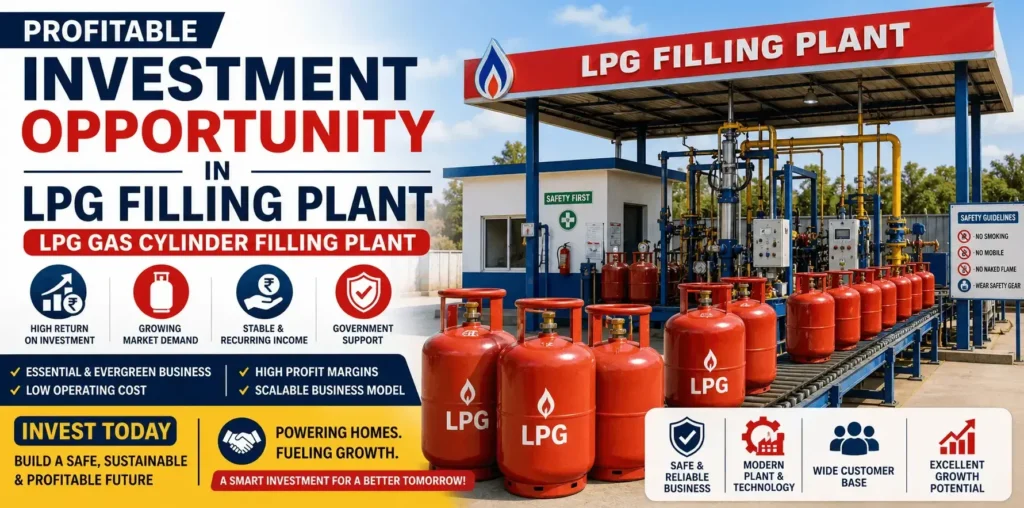
Profitable Investment Opportunity in LPG Filling Plant, LPG Gas Cylinder Filling Plant

Profitable Investment Opportunity in LPG Filling Plant, LPG Gas Cylinder Filling Plant Read More »

The demand for Liquefied Petroleum Gas (LPG) in India and across the globe is increasing steadily, driven by rising energy needs, urbanization, and the shift towards cleaner fuels. With this surge, the LPG gas filling plant or LPG Gas Cylinder Filling business has emerged as a highly profitable and sustainable investment opportunity. Entrepreneurs looking for a venture with long-term potential and government support should seriously consider setting up an LPG gas filling plant. This article provides a detailed guide on how to start, operate, and profit from an LPG gas filling plant business. Why Start an LPG Gas Filling Plant Business? The LPG gas filling plant business is not only capital intensive but also strategically important in contributing to national energy supply and sustainability. As households, hotels, industries, and transportation sectors increasingly rely on LPG, the need for localized, efficient gas distribution systems grows. Investing in an LPG gas filling plant can yield significant returns due to consistent demand and scope for B2B as well as B2C sales models. Market Demand and Opportunities India’s LPG consumption crossed 28 million metric tonnes in the last fiscal year, with major usage in domestic, commercial, and industrial sectors. The Pradhan Mantri Ujjwala Yojana (PMUY) and other government subsidies have added millions of LPG users from rural and semi-urban areas. Additionally, the growth of urban housing and food processing sectors ensures an ever-expanding market for LPG. This presents a golden opportunity for investors to start their own LPG gas filling plant and become an authorized distributor or independent service provider in the gas supply chain. The margins are attractive, and the ability to expand into LPG cylinder distribution, auto LPG, and even micro bottling units enhances long-term profitability. Types of LPG Gas Filling Plants There are primarily two types of LPG gas filling plants: Bulk LPG Filling Plant: These are large-scale units that receive LPG in bulk through tankers and refill into smaller cylinders of various sizes (5 kg, 14.2 kg, 19 kg, etc.). Mini LPG Filling Plant: These are smaller setups, suitable for rural or semi-urban areas, and often involve semi-automatic or manual filling operations. Both models have their own pros and cons depending on target market, budget, and operational goals. However, the LPG gas filling plant setup, regardless of scale, can generate steady revenue when planned strategically. Licenses and Legal Requirements Establishing an LPG gas filling plant requires multiple licenses and approvals from various government bodies. Here are the key requirements: Explosive License from the Petroleum and Explosives Safety Organization (PESO) NOC from Fire Department Environmental Clearance Factory License Trade License from local authorities Approval from the State Pollution Control Board Weights and Measures Certification for filling equipment All these permits ensure that your LPG gas filling plant meets safety, environmental, and quality standards. Complying with these regulations not only minimizes legal risks but also builds trust with customers and partners. Infrastructure and Equipment Needed Setting up a fully functional LPG gas filling plant involves considerable investment in land, machinery, and infrastructure. Here are the key components: Land Area: Minimum 1 to 2 acres depending on plant size Storage Bullets or Tanks: For bulk storage of LPG Filling Carousel System: Semi or fully automatic depending on capacity LPG Pumps and Compressors Cylinder Testing and Washing Units Safety Equipment: Fire suppression system, alarms, pressure gauges, etc. Admin Office and Control Room The infrastructure must follow safety norms and be designed to handle emergency situations. Automation in filling processes ensures accuracy and reduces labor dependency, which boosts operational efficiency in the LPG gas filling plant. Cost of Starting an LPG Gas Filling Plant The investment required varies depending on the scale and automation level of the plant. Here’s a rough breakdown: Mini Plant Setup: ?50 lakhs to ?1 crore Medium-Scale Plant: ?1 crore to ?2.5 crore Large-Scale Plant: ?3 crore to ?6 crore Additional working capital for staff salaries, licenses, fuel, maintenance, and marketing should also be factored in. While the capital requirement is significant, the LPG gas filling plant offers fast ROI due to bulk demand and margin opportunities. Profit Margin and Revenue Potential Profitability in this business depends on several factors such as plant capacity, distribution reach, operational efficiency, and pricing. Typically, margins in LPG filling range from ?30 to ?80 per cylinder depending on volume and B2B contracts. A plant that fills 3,000–5,000 cylinders per day can earn between ?1 lakh to ?2.5 lakh in daily profits. Adding services like cylinder delivery, auto LPG dispensing, or industrial supply can further increase revenue streams. This makes the LPG gas filling plant a high-margin business when operated with efficiency and scale. Manpower and Management Efficient staffing is crucial to operate a plant smoothly. A typical LPG gas filling plant requires: Plant Manager Technical Supervisors Operators and Filling Staff Safety and Maintenance Officers Administrative and Logistics Personnel All staff should be trained in fire safety, emergency protocols, and machinery handling. Continuous skill development and a strong safety culture will help your LPG gas plant maintain regulatory compliance and operational excellence. Challenges in LPG Gas Filling Plant Business Despite its lucrative nature, the business does come with challenges such as: High Initial Capital Strict Safety Regulations Regular Maintenance Requirements Market Competition from Established Brands Supply Chain Disruptions However, with proper planning, risk mitigation strategies, and adherence to regulations, these challenges can be effectively managed. Partnering with experienced consultants or hiring skilled managers can help overcome operational bottlenecks. Future Outlook and Expansion Possibilities With increasing energy demand and government push for clean fuel, the future of the LPG gas plant business is promising. Entrepreneurs can diversify into: Auto LPG Dispensing Stations Commercial Kitchen Supplies Mobile Micro LPG Filling Units Industrial LPG Supply Franchise or Dealer Networks By tapping into these segments, plant owners can scale their business and multiply revenues. Moreover, upcoming technologies such as IoT-based filling systems, automated leak detection, and AI-enabled logistics will transform the LPG industry further, providing more opportunities for innovation and expansion. Conclusion The LPG gas plant business is undoubtedly

Small Business Ideas & Project Opportunities in Manufacturing of Pan Masala

Small Business Ideas & Project Opportunities in Manufacturing of Pan Masala Read More »

India has a long-standing cultural association with Pan Masala & Tobacco, which has created a booming market for these products. From urban pockets to rural areas, these products enjoy enormous demand, creating huge opportunities for entrepreneurs who wish to explore the manufacturing business. Although the industry is not without challenges—due to growing health concerns, regulations, and social movements—Pan Masala & Tobacco manufacturing remains a profitable venture for those willing to invest in quality production, branding, and compliance with laws. Whether you plan to make traditional chewing tobacco products or modern flavored pan masala variants, there is substantial scope for small and medium-scale businesses to thrive. Starting a Pan Masala & Tobacco Manufacturing Business Before you dive into this sector, it is crucial to understand the market, legal framework, and production processes involved in Pan Masala & Tobacco manufacturing. First, you need to conduct thorough market research to identify target customer segments, product preferences, and competitive pricing. The pan masala industry in India alone is estimated to be worth thousands of crores, while chewing tobacco continues to be consumed widely despite regulatory hurdles. Once you understand your audience, you should develop a business plan outlining your investment, sourcing of raw materials, manufacturing processes, workforce requirements, packaging, and marketing strategies. Keep in mind that local and central authorities heavily regulate these industries, and you will need licenses such as the Food Safety and Standards Authority of India (FSSAI) registration, GST registration, and possibly Bureau of Indian Standards (BIS) certification. Complying with health warnings and advertising restrictions is also mandatory, especially for tobacco-based products. Production Process The production of Pan Masala & Tobacco requires sourcing high-quality raw materials. For pan masala, this usually includes areca nut (supari), catechu, lime, flavoring agents, and sometimes silver leaves. In the case of tobacco products, the core raw material is processed tobacco leaf, mixed with flavoring and aromatic agents. These ingredients are blended in precise proportions, cured, and packed in moisture-proof pouches or tins to maintain freshness and aroma. Modern manufacturing facilities use sophisticated machinery for grinding, blending, flavoring, and packaging to ensure consistent quality. Automation helps reduce labor costs, minimize contamination, and improve hygiene. However, traditional methods still find favor among artisanal producers targeting niche markets. You must also set up a quality control laboratory to test raw materials and finished goods for moisture content, microbial load, and harmful chemical residues. This ensures compliance with national standards and maintains customer trust. Legal Compliance A significant challenge in Pan Masala & Tobacco manufacturing is adhering to strict regulations. Pan masala products, if they do not contain tobacco, are governed by FSSAI guidelines, but flavored chewing tobacco or gutkha falls under even stricter tobacco control laws. There are rules concerning labeling, pack warnings, and advertising restrictions under the Cigarettes and Other Tobacco Products Act (COTPA). Additionally, many states have banned the sale of gutkha (a mixture of pan masala and tobacco) outright. As a responsible entrepreneur, you must keep abreast of such regulations and plan your product line accordingly. Consulting legal advisors and working with industry associations can help you stay updated on compliance requirements. Market Opportunities Despite regulatory hurdles, the market for Pan Masala & Tobacco is vast. The pan masala industry is growing at a CAGR of 7–8% annually, fueled by both rural and urban consumption. In rural markets, smaller price points and convenient sachets drive sales, while in urban markets, premium blends with superior flavoring and hygienic packaging are in demand. Tobacco-based products, although under pressure due to health campaigns, still see significant consumption. Many consumers are loyal to specific brands, offering scope for brand differentiation. Moreover, herbal or non-tobacco-based mouth fresheners are emerging as an alternative segment, allowing manufacturers to diversify their portfolios and tap into health-conscious customer bases. Branding and Marketing In an industry dominated by established giants, small businesses need to focus on branding and marketing to stand out. With direct advertising restricted, many manufacturers invest in surrogate advertising—branding through pan masala, card games, or cultural sponsorships—to maintain visibility. However, you should adopt ethical marketing practices and ensure transparency to build long-term brand equity. Word-of-mouth marketing is still extremely powerful in the Pan Masala & Tobacco business. Maintaining consistent quality, attractive packaging, and providing dealer margins can encourage distributors and retailers to push your brand. Participating in trade shows, offering free samples, and building relationships with wholesalers are other effective strategies. Investment and Profitability Setting up a Pan Masala & Tobacco manufacturing unit can require an initial investment ranging from ?10 lakhs to several crores, depending on scale, automation level, and product range. A small-scale plant can generate a good return on investment within 1–2 years if managed well. Your margins can be high, but you must account for rising raw material costs, marketing, labor, and regulatory compliance expenses. Many small businesses start by manufacturing under a third-party arrangement to save on heavy machinery investment. Once the brand gains traction, they shift to their own production facility. This approach allows for testing the market without taking on significant risk. Challenges in Pan Masala & Tobacco Manufacturing Despite its profitability, the Pan Masala & Tobacco industry faces challenges: Regulatory pressures: Frequent changes in laws and bans can disrupt operations. Health campaigns: Social movements and public health warnings influence consumer behavior. Competition: Dominated by major players with deep pockets, making it hard for new entrants to gain market share. Ethical concerns: Growing awareness about the harmful effects of tobacco creates a moral dilemma for some entrepreneurs. However, by focusing on non-tobacco-based pan masala variants or herbal mouth fresheners, you can build a sustainable business with fewer ethical and legal issues. Future Trends The Pan Masala & Tobacco industry is evolving. Increasing health awareness is shifting demand toward safer, herbal alternatives. Innovations in packaging, such as biodegradable sachets, are gaining popularity among environmentally conscious consumers. Furthermore, digital marketing and e-commerce channels will play a bigger role in distribution, allowing even small businesses to reach a wider audience directly. Technology is also transforming manufacturing, with

Start a Namkeen Factory. Salted Packaged Food Industry

Start a Namkeen Factory. Salted Packaged Food Industry Read More »

Starting a Namkeen factory in India is an exciting and profitable venture in 2025. With rising urbanization, changing lifestyles, and a growing appetite for packaged traditional snacks, the demand for Namkeen — a broad category of Indian savory snacks — continues to surge. The Namkeen market has evolved with modern tastes, yet its roots remain deep in Indian culture, making it a resilient and ever-growing industry. Whether you’re an aspiring entrepreneur or an existing food processor looking to diversify, investing in a Namkeen factory can be a smart move if done with proper planning, compliance, and quality control. How to Start a Namkeen Factory in India in 2025 India’s Namkeen industry is vast, with a market size worth billions, ranging from large brands like Haldiram’s and Bikaji to countless local manufacturers. To tap into this promising sector, you need a detailed roadmap covering market research, compliance, machinery, production, and marketing strategies. This 2025 guide will walk you through the step-by-step process of establishing a Namkeen factory successfully. Understanding the Namkeen Industry Landscape Namkeen refers to a wide assortment of salty, spicy snacks — for example, bhujia, sev, dal moth, chivda, and mixtures. These products cater to every demographic, from school children to working professionals and older citizens. According to market research reports, the Namkeen segment is projected to grow at over 10% CAGR through 2025, thanks to factors like higher disposable incomes, convenience-oriented lifestyles, and increasing demand for hygienically packaged snacks. In today’s market, consumers are becoming increasingly conscious about quality, taste, and packaging, making it essential to produce Namkeen that meets these standards. Further, many consumers look for healthier variations such as baked Namkeen or those made with less oil and artificial additives. This signals the opportunity for both traditional and modern varieties. Legal and Regulatory Requirements Before setting up your Namkeen factory, you must comply with the mandatory legal framework: Business registration: Register your firm as a proprietorship, partnership, LLP, or private limited company. FSSAI license: The Food Safety and Standards Authority of India license is mandatory to manufacture and sell edible products. GST registration: Required for tax compliance. Trade license: Issued by the local municipal authority. Factory license: Mandatory under the Factories Act, depending on scale. BIS certification: While voluntary for most Namkeen products, this adds credibility. Pollution NOC: From the state pollution control board if you use a larger manufacturing setup. Complying with these regulations protects your business from legal risks and builds trust with customers and distributors. Choosing the Location for Your Namkeen Factory The choice of location can make or break your Namkeen factory business. Ideally, pick a site with: Good road connectivity for raw material supply and product distribution Proximity to your target market Adequate power and water supply Sufficient space for expansion Affordable land or rental costs In most cases, setting up in a semi-urban or rural industrial cluster provides better cost advantages and access to local labor. Equipment and Machinery for a Namkeen Factory Setting up a Namkeen factory requires robust and reliable machinery for consistent production and quality. The basic list of machinery includes: Dough kneading machines Oil fryers or continuous fryers Spice mixing machines Namkeen extruders (for sev, bhujia, etc.) Oil extractors to remove excess oil Packaging machines Weighing and sealing machines You may also need lab equipment for testing moisture, oil content, and shelf life, which ensures your product meets food safety standards. Raw Materials Procurement Key raw materials in Namkeen production are: Gram flour (besan) Edible oil (palm, groundnut, or sunflower oil) Spices and seasonings Pulses Salt Packaging material Sourcing from reliable suppliers ensures consistent product quality. It is wise to have a mix of local and large-scale suppliers to protect against supply disruptions. Production Process of Namkeen The typical Namkeen manufacturing process involves these steps: Mixing: Blend flour and spices to prepare the dough. Extruding: Shape the dough using extruder machines to form sev, bhujia, or other shapes. Frying: Deep fry or bake the products until crisp. Oil removal: Remove excess oil using an oil extractor to keep the product light. Seasoning: Add spice mixes as per taste. Cooling: Cool the Namkeen to room temperature to avoid moisture issues. Packaging: Weigh, pack, seal, and label. Staffing and Workforce A medium-scale Namkeen factory would need: Skilled machine operators Quality control staff Production supervisors Packaging and warehouse workers Marketing and distribution staff Investing in staff training is crucial to maintain hygienic practices and consistent product standards. Quality Control and Hygiene In 2025, customers expect quality and safety. Here’s what you must focus on: Set up a quality lab for random batch testing Maintain proper sanitation in the factory Provide staff with gloves, masks, and hygiene training Store raw materials in dry, pest-free storage Regular equipment cleaning schedules A strong quality system can reduce rejections, maintain your brand reputation, and ensure regulatory compliance. Branding and Marketing Strategy The branding of your Namkeen factory is essential in a crowded marketplace. You can build a strong brand through: Attractive and informative packaging Consistent taste Digital and social media marketing Distributors and retail tie-ups Participation in food expos and local fairs Offering combo packs or festival packs In addition, explore e-commerce, as online snack sales are booming, especially among younger consumers. Financial Aspects and Investment The investment to start a Namkeen factory depends on your scale: Small-scale: ?10–20 lakhs Medium-scale: ?30–75 lakhs Large-scale: ?1 crore and above Breakup of costs: Machinery: 30–40% Raw materials: 20–30% Licensing and compliance: 5–10% Marketing and branding: 10–15% Working capital: 15–20% Sources of finance include personal savings, bank loans, government MSME subsidies, or venture capital if you scale up. Challenges in Running a Namkeen Factory Like any business, a Namkeen factory has challenges, such as: Fluctuations in raw material prices (like edible oil) Stiff competition from large and local players Maintaining consistent quality Shifting consumer preferences towards healthier snacks Managing distribution networks across states Address these challenges with proper supply chain planning, R&D for healthier recipes, and solid brand positioning. Sustainability and Future Trends In 2025,

Waste Plastic to Oil Conversion

Waste Plastic to Oil Conversion Read More »

The global increase in plastic consumption has led to a surge in plastic waste, causing severe environmental challenges. Landfills are overflowing, oceans are polluted, and the durability of plastics means they persist in nature for hundreds of years. Amid this growing concern, innovative solutions have emerged to tackle plastic pollution sustainably. One such promising technology is the waste plastic to oil conversion process, which transforms discarded plastics into valuable fuel products. This method not only reduces plastic waste but also provides an alternative source of energy, contributing to a circular economy and reducing dependence on fossil fuels. Understanding the Waste Plastic to Oil Conversion Process The waste plastic to oil conversion process essentially involves breaking down plastic materials into usable oil through a thermal decomposition technique called pyrolysis. Pyrolysis is a chemical process in which plastic waste is heated in the absence of oxygen, causing the long polymer chains to break down into smaller hydrocarbon molecules. These smaller molecules then condense to form liquid oil, along with some gases and char residue. The oil produced can be refined further and used as diesel, gasoline, or other petrochemical products. Types of Plastics Suitable for Conversion Not all plastics are suitable for this conversion. Commonly used plastics like polyethylene (PE), polypropylene (PP), polystyrene (PS), and polyvinyl chloride (PVC) are typically processed. Among these, PVC requires careful handling because it releases harmful chlorine-based compounds during pyrolysis, necessitating special treatment to neutralize toxins. The waste plastic to oil conversion process can handle mixed plastic waste, reducing the need for extensive sorting, which makes it highly adaptable for large-scale plastic waste management. Steps Involved in the Waste Plastic to Oil Conversion Process Collection and Sorting: Waste plastics are collected from various sources such as households, industries, and municipal waste systems. While some sorting is necessary to remove non-plastic contaminants, the process can tolerate a mixture of plastics. Shredding and Drying: The collected plastics are shredded into smaller pieces to increase surface area and facilitate uniform heating. They are then dried to remove moisture, which can interfere with the pyrolysis reaction. Feeding into the Reactor: The shredded plastic is fed into the pyrolysis reactor. This reactor is an airtight vessel designed to heat the plastic in the absence of oxygen. Heating and Pyrolysis: Inside the reactor, plastic is heated to temperatures typically between 350°C to 550°C. Without oxygen, the plastic does not combust but instead thermally decomposes into smaller hydrocarbon chains. Condensation: The gases generated during pyrolysis pass through a condenser system where they cool down and condense into liquid oil. The remaining non-condensable gases can be captured and used to fuel the heating system, making the process more energy-efficient. Oil Collection and Refining: The collected oil, often called pyrolysis oil or synthetic crude, can be further refined to produce diesel, gasoline, or lubricants suitable for use in engines and industries. Residue Handling: The leftover char or solid residue can be processed as carbon black or used as a fuel in industrial boilers, ensuring minimal waste generation. Environmental and Economic Benefits The waste plastic to oil conversion process offers several significant benefits: Plastic Waste Reduction: By converting plastic waste into oil, the volume of plastic in landfills and oceans decreases significantly, alleviating environmental pollution. Alternative Energy Source: The oil produced from plastic waste can partially replace fossil fuels, reducing dependence on crude oil extraction and its associated environmental impacts. Lower Carbon Footprint: Pyrolysis-based conversion can lower greenhouse gas emissions compared to incineration or landfill disposal of plastics. Economic Viability: The process creates value from waste, encouraging industries to invest in plastic waste collection and recycling infrastructure. Resource Conservation: It contributes to a circular economy by converting end-of-life plastics into useful products, thus conserving natural resources. Challenges and Considerations Despite its advantages, the waste plastic to oil conversion process faces certain challenges that must be addressed for widespread adoption: Feedstock Quality: Contaminants such as food residues, metals, and non-plastic materials can reduce efficiency and damage equipment. Proper sorting and cleaning are necessary. Emission Control: Pyrolysis can release toxic gases if not managed properly, especially when processing plastics like PVC. Advanced gas cleaning systems are essential. Energy Consumption: The process requires significant energy input for heating, though using the non-condensable gases as fuel can improve efficiency. Market for Pyrolysis Oil: The oil produced must meet certain quality standards to be competitive with conventional fuels, requiring refining infrastructure. Real-World Applications and Case Studies Several companies and municipalities worldwide have successfully implemented the waste plastic to oil conversion process on commercial scales. For example, some waste management companies have installed pyrolysis plants to handle local plastic waste, producing synthetic fuels sold in energy markets. These projects demonstrate the feasibility and scalability of this technology. In addition, research institutions continue to develop advanced catalysts and reactor designs that enhance oil yield and quality while reducing environmental impacts. Innovations such as integrating renewable energy to power pyrolysis plants further improve sustainability. The Future of Waste Plastic to Oil Conversion As global plastic production continues to rise, sustainable waste management solutions like the waste plastic to oil conversion process become crucial. Governments and environmental agencies are increasingly supporting such technologies through policies, subsidies, and regulations aimed at reducing plastic pollution. Integration with other waste management strategies, such as mechanical recycling and biodegradation, can optimize overall plastic waste handling. Moreover, coupling pyrolysis with carbon capture or using the oil in cleaner energy technologies can amplify environmental benefits. The future points toward a circular economy where plastics are continually reused and converted, reducing landfill dependency and fossil fuel consumption. Conclusion The waste plastic to oil conversion process presents a promising path toward addressing the global plastic pollution crisis while creating valuable energy resources. By breaking down discarded plastics into usable oil, this technology offers both environmental and economic advantages. Despite challenges in feedstock quality, emissions, and energy requirements, ongoing innovations and growing policy support are making the process increasingly viable. Embracing such sustainable solutions will be vital for a cleaner, greener future. Contact Us

15 Best Business Ideas for Oman, Middle East with Low Investment in 2026 - NPCS Blog

15 Best Business Ideas for Oman, Middle East with Low Investment in 2026

15 Best Business Ideas for Oman, Middle East with Low Investment in 2026 Read More »

Oman, a nation rich in culture and natural resources, is experiencing a growing entrepreneurial wave. With its strategic location, business-friendly policies, and focus on diversification under the Vision 2040 strategy, Oman presents many promising opportunities for startups and small enterprises. Whether you are a local citizen or an expatriate with entrepreneurial ambitions, there are various business ideas for Oman that are both profitable and easy to start with moderate capital. These ideas align with local demand, economic trends, and lifestyle preferences, making them sustainable in the long run. Profitable & Easy to Start Small Business Ideas for Oman Let’s explore some practical, low-to-medium investment business ideas for Oman that anyone can initiate with the right planning and dedication. 1. Online Grocery Delivery Business Due to the growing use of smartphones and e-commerce platforms, online grocery delivery has become a trending business model in Oman. Busy professionals and families prefer the convenience of home delivery. This business requires minimal inventory if you partner with local suppliers or supermarkets. All you need is a simple mobile app or website and a delivery setup. It’s especially lucrative in Muscat and other urban centers. 2. Traditional Omani Food Restaurant or Home Catering Omani cuisine is known for its rich flavors and authenticity. Starting a small traditional restaurant or even a home-based catering service offering dishes like Shuwa, Majboos, and Mashuai can become a hit. Tourists and even residents are always on the lookout for genuine local food. With proper hygiene, taste, and marketing on platforms like Instagram or Talabat, this can turn into a thriving business. 3. Tourism and Desert Safari Services Tourism is one of the core sectors under Oman’s economic diversification plans. If you love nature, culture, and hospitality, offering guided tours, camping experiences, or desert safaris in regions like Wahiba Sands, Nizwa, and Jebel Akhdar can be both exciting and profitable. The startup cost involves acquiring a 4×4 vehicle, safety equipment, and permits. High tourism seasons, such as winter months, can be particularly profitable. 4. Digital Marketing Services As more businesses go online in Oman, there is a rising demand for digital marketing experts. If you have experience or skills in SEO, social media management, graphic design, or Google Ads, starting a digital marketing agency could be a wise decision. You can work from home or a co-working space, serve local clients, and even tap into the GCC market. This is among the most scalable and low-investment business ideas for Oman. 5. Freelance Services – Translation, Content Writing, or Tutoring Oman’s bilingual environment creates a need for translators (especially English–Arabic). Additionally, content writing and tutoring are great options for those with language proficiency or academic expertise. Parents often seek qualified tutors for school subjects or English language skills. You can begin by offering your services online through LinkedIn, freelance platforms, or local classifieds. It’s one of the simplest and quickest businesses to start without any upfront cost. 6. Car Wash and Mobile Auto Detailing With a high number of vehicles and a dusty climate, car washing is always in demand in Oman. Starting a mobile car wash business, where you visit clients at their homes or workplaces, offers convenience and value. The startup cost involves cleaning supplies, a water tank, and maybe a portable pressure washer. Add-on services like engine cleaning, waxing, and ceramic coating can significantly increase profits. 7. Eco-Friendly Packaging Business As Oman moves toward sustainability, offering biodegradable or reusable packaging solutions can be a niche but high-potential venture. This business caters to restaurants, bakeries, and retailers looking for environment-friendly alternatives to plastic. With proper sourcing and branding, this idea can scale well and align with government sustainability goals. This innovative angle makes it one of the most future-ready business ideas for Oman. 8. Handicrafts and Souvenirs Business Oman is famous for its traditional crafts like silver jewelry, frankincense products, pottery, and textiles. Starting a small store or even an online shop that curates and sells these crafts can attract both tourists and locals. You can collaborate with local artisans and promote your brand via platforms like Instagram, Etsy, or local markets. This business supports culture and community while generating income. 9. Fitness and Wellness Coaching The interest in fitness, yoga, and wellness is on the rise in Oman. If you are a certified trainer or wellness coach, offering personal training sessions, group yoga classes, or diet consultancy can be very effective. You can operate from home, parks, or clients’ homes. Alternatively, creating online fitness plans and selling them via social media is another option. This health-conscious trend ensures consistent demand. 10. Pet Services – Grooming and Daycare Oman has a growing pet-loving community, especially in cities like Muscat. Pet grooming, training, and daycare are services that pet owners often seek. If you love animals, starting a small pet service business could be both fun and financially rewarding. You can begin at home or offer mobile grooming services, expanding later to a full-scale pet spa or boarding center. 11. Mobile Phone and Gadget Repair Smartphones, laptops, and tablets are widely used, and so is the need for repair services. Starting a mobile phone repair business doesn’t require much capital. With basic tools and training, you can offer screen replacement, battery changes, and software troubleshooting. You can operate from home, open a kiosk in a mall, or offer pickup and drop-off services. 12. Bakery or Dessert Business Omanis have a love for sweets and baked goods. Starting a small bakery or a home-based dessert business (specializing in cakes, cookies, dates-based sweets, or cupcakes) can earn you a steady customer base. Instagram and food delivery apps can help you market your business effectively. High-demand periods include Ramadan, Eid, and weddings. 13. Green Landscaping and Gardening Services With a focus on beautifying homes and commercial properties, landscaping is becoming popular. If you have basic knowledge of gardening or plant care, you can offer services such as lawn maintenance, indoor plant setup, and vertical gardening. Eco-conscious Omani homeowners often invest in greenery

Want to Start Business in Mexico, North America?

Want to Start Business in Mexico, North America? Read More »

Mexico, a country rich in culture, resources, and a growing consumer base, has steadily become one of the most attractive destinations for entrepreneurs worldwide. Its geographical advantage, being close to the United States, and participation in trade agreements like USMCA (United States-Mexico-Canada Agreement), provide immense opportunities for startups. With its improving infrastructure, tech-savvy youth, and investor-friendly policies, now is the right time to consider starting a business in Mexico. Whether you’re a local or a foreign investor, the scope of industries is wide and lucrative. Why Mexico is a Strategic Place to Start a Business Mexico’s economic development is supported by its diversified economy. From manufacturing to technology, tourism to agriculture, every sector presents potential. The government actively promotes entrepreneurship through subsidies, loans, and training programs. Low labor costs, skilled workforce, and relaxed regulatory frameworks add to the appeal of starting a business in Mexico. Let’s explore some of the best project ideas that can help you establish a successful business in Mexico, catering to local demand and international markets alike. 1. Eco-Friendly Packaging Business With a global shift towards sustainability, eco-friendly packaging is one of the fastest-growing industries. In Mexico, awareness of plastic pollution is rising. Starting a business in Mexico that produces biodegradable or reusable packaging materials, especially for agriculture and food industries, can be highly profitable. You can use local resources such as agave fibers, corn husks, or recycled paper to manufacture eco-safe bags, containers, and wraps. 2. Smart Agriculture Solutions Agriculture contributes significantly to Mexico’s GDP, yet small farmers often lack access to technology. Providing smart farming solutions—like soil sensors, automated irrigation systems, and crop analytics software—can transform the sector. If you have experience in agri-tech or wish to partner with global innovators, this could be a pioneering business in Mexico that brings both impact and income. 3. Organic Farming and Export There is an increasing demand for organic produce in North America and Europe. Mexico’s favorable climate allows year-round farming of fruits, vegetables, and herbs. Launching an organic farm with a focus on exports—avocados, berries, chili peppers—can open up international business avenues. Certification and proper supply chain planning are essential, but the returns are worth the effort. 4. Digital Marketing and Branding Agency The digital transformation of Mexican businesses has accelerated post-pandemic. Many SMEs now require social media management, search engine optimization, content creation, and branding services. If you have a background in digital marketing, starting a consultancy or full-service digital agency is a viable business in Mexico, especially in metropolitan hubs like Mexico City, Guadalajara, and Monterrey. 5. Tourism-Based Ventures Mexico is among the top global tourist destinations. While Cancun and Playa del Carmen are already saturated, lesser-known places like Oaxaca, Chiapas, and San Luis Potosí are opening up to eco-tourism, cultural experiences, and adventure sports. Opening a boutique hostel, tour company, or local crafts marketplace can tap into this tourism boom. 6. E-commerce Fulfillment and Last-Mile Delivery With rising internet penetration and consumer demand, e-commerce is booming in Mexico. However, efficient logistics and delivery are still a challenge, especially in rural areas. Setting up a logistics company focusing on e-commerce fulfillment, warehousing, and last-mile delivery could solve a critical problem and grow rapidly. Partner with platforms like Mercado Libre, Amazon Mexico, or local online sellers. 7. Food Truck and Street Food Business Mexican street food is globally loved. Starting a hygienic, mobile, and modernized food truck in urban locations can be a hit with both locals and tourists. Focus on authentic dishes like tacos, tamales, quesadillas—or even fusion food with global flavors. A franchise model with a unique theme and consistent quality can make this a scalable business in Mexico. 8. Mobile Payment and Fintech Services Millions of Mexicans still do not have access to banking services. Fintech startups that offer easy mobile payments, micro-loans, and digital wallets are revolutionizing the landscape. You can launch a secure, localized fintech app tailored to underserved communities. Ensuring regulatory compliance and robust technology is vital, but the user base is massive. 9. Health and Wellness Centers Post-pandemic, there’s heightened awareness about wellness and immunity. Opening a health center offering yoga, meditation, nutrition guidance, and natural therapies can draw a wide audience. Combining traditional Mexican healing practices with modern techniques will set your brand apart in this growing niche of business in Mexico. 10. Education and Skill Development With unemployment being a concern for the youth, there’s high demand for vocational training centers. Courses in coding, graphic design, English language, hospitality, and accounting are particularly valued. An edtech platform or offline skill center that provides affordable, practical education can attract government partnerships and social investors. Tips to Succeed in Business in Mexico: Understand Local Culture: Business negotiations and operations are influenced by Mexican values, relationships, and traditions. Legal Structure: Choose a suitable legal entity (e.g., Sociedad Anónima or Sociedad de Responsabilidad Limitada) and comply with local registration and tax laws. Bilingual Communication: While English is commonly used in business hubs, fluency in Spanish is an advantage. Networking: Join chambers of commerce, trade shows, and business associations for better visibility and connections. Technology Integration: Use digital tools to manage operations, reach customers, and ensure data-driven decisions. Key Sectors with Future Growth Renewable Energy: Mexico has abundant sunlight and wind, making solar and wind energy projects attractive investments. Real Estate and Construction: Urban expansion and tourism fuel demand for commercial and residential infrastructure. Recycling and Waste Management: With growing waste problems, businesses that focus on recycling, composting, and waste-to-energy can gain traction. Online Learning Platforms: Education is shifting online. E-learning apps, virtual tutoring, and upskilling platforms are booming. Pet Products and Services: As pet ownership rises, demand for grooming, pet food, and veterinary care is growing fast. Final Thoughts Starting a business in Mexico comes with challenges, but the rewards can be substantial. Its strategic location, demographic dividend, and evolving markets create fertile ground for innovative entrepreneurs. From traditional industries to modern tech-driven startups, the opportunity spectrum is wide. Whether your focus is sustainability, technology, tourism, or education,

Have a business idea? Let's make it happen together-contact us now!


Contact Form Demo

This will close in 0 seconds

Translate »