Our Categories

Our Categories

Pharma Startups & Innovation

Innovation, digitalization, and an increasing demand for a global solution to health problems are factors contributing to the rapid evolution of the ecosystem of start-ups in the pharmaceutical industry. In this category, we untangle the various options available to founders and entrepreneurs in the various pharmaceutical industry start-ups verticals, including drug development, biotechnology, health technology, and regulatory affairs.

Navigating the pharmaceutical industry start-ups ecosystem involves understanding market, funding, and compliance frameworks. This section touches on building scalable businesses, obtaining funding, and applying new technologies (especially AI, and data-driven, and fine-tuned medicine) to gain a competitive edge.

In this category, we present the different actionable frameworks, and across the different pharmaceutical industry start-ups verticals, personalized medicine, clinical trial technologies, and other global expansion opportunities, the emerging trends and their impact on the pharmaceutical industry start-ups ecosystem.

Content of this design is dedicated to start-up founders, innovators, and business leaders looking to have an informed decision, risk reduction, and a faster business growth. You are encouraged to keep abreast of the latest trends and used this to assess the sustainability of your business and the impact it is likely to have on the pharmaceutical industry.


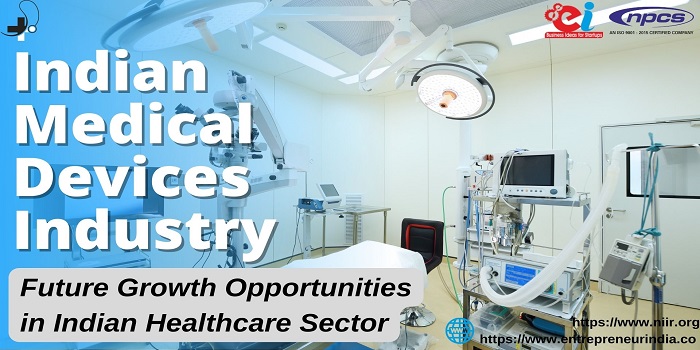
Indian Medical Devices Industry

Indian Medical Devices Industry Read More »

The Indian Medical Devices Industry is one of the fastest-growing segments of India’s healthcare sector. As the country strives toward universal healthcare, technological innovation, and self-reliance under the “Atmanirbhar Bharat” vision, the demand for domestically manufactured and high-quality medical equipment is surging. From diagnostic devices and surgical instruments to wearable tech and high-end imaging systems, the Indian market is witnessing a significant transformation. Currently valued at around USD 11 billion, the industry is expected to grow at a CAGR of 15%, reaching over USD 50 billion by 2030. With strong government support, rising healthcare needs, and increasing FDI, India is positioning itself as a global manufacturing hub for medical devices. Visit this Page for More Information: Start a Business in Healthcare Industry Overview of India’s Medical Devices Sector India ranks among the top 20 global markets for medical devices, but it currently imports over 70% of its requirements. The Indian medical devices ecosystem is evolving from low-value disposables and consumables to high-value, technology-driven equipment. The sector includes: Diagnostic imaging (MRI, CT, X-ray) Consumables (syringes, needles, gloves) Patient aids (hearing aids, pacemakers) Dental products Orthopedic implants Wearable and digital health devices 1. Key Drivers of Growth in the Medical Devices Industry a. Rising Healthcare Infrastructure India is rapidly expanding its healthcare infrastructure with new hospitals, clinics, and diagnostic labs, particularly in Tier-2 and Tier-3 cities. This leads to increasing demand for advanced equipment and devices. b. Growing Medical Tourism India is becoming a global medical tourism destination for affordable and high-quality treatments, which boosts the demand for modern devices across specialties. c. Aging Population & Chronic Diseases Non-communicable diseases (diabetes, heart ailments, cancer) are rising sharply, creating demand for diagnostic, monitoring, and therapeutic devices. d. Government Initiatives Schemes like “Production Linked Incentive (PLI) for Medical Devices,” “MedTech Parks,” and “Make in India” are catalyzing domestic manufacturing. Read Similar Articles: Health Care Sector 2. Government Policy & Regulatory Support a. PLI Scheme for Medical Devices Under this scheme, the government provides financial incentives to eligible manufacturers for producing high-end medical devices such as CT scanners, MRI machines, and ventilators. b. Medical Devices Rules (MDR) 2017 These regulations, amended regularly, classify devices into risk categories (A, B, C, D) and establish quality control mechanisms under CDSCO (Central Drugs Standard Control Organization). c. Dedicated Medical Device Parks India is developing four MedTech parks in Tamil Nadu, Andhra Pradesh, Himachal Pradesh, and Uttar Pradesh to reduce costs and enhance manufacturing capabilities. d. 100% FDI Allowed Foreign Direct Investment is allowed through the automatic route in the manufacturing of medical devices, making India a lucrative destination for global players. Read our Books Here: Infrastructure, Hospitality, Medical, Entertainment, Warehouse, Real Estate, Education, Cold Storage, Cold Chain, Controlled Atmosphere Storage & Rural Godowns 3. Top Domestic and Global Players in India Leading Indian Companies: Trivitron Healthcare Poly Medicure Skanray Technologies BPL Medical Technologies Meril Life Sciences Global Companies with Indian Presence: GE Healthcare Siemens Healthineers Medtronic Philips Johnson & Johnson Abbott These companies are increasingly localizing manufacturing and R&D in India due to rising demand and policy support. Related Feasibility Study Reports: Healthcare and Medical Businesses 4. Startup Ecosystem and Innovation in Medical Devices India is witnessing a wave of health-tech and MedTech startups innovating in areas like: AI-based diagnostic tools Remote patient monitoring Affordable ventilators and oxygen concentrators Wearables and fitness tech 3D printing for custom prosthetics and implants Notable startups include: Niramai (breast cancer screening using AI) Forus Health (portable eye-screening devices) Dozee (contactless health monitoring) 5. Challenges Facing the Indian Medical Devices Industry While the Indian Medical Devices Industry has immense potential, it also faces several challenges: High import dependence on critical diagnostic and imaging equipment Lack of harmonized standards and certification frameworks Limited R&D funding for deep-tech innovation Fragmented manufacturing ecosystem, mostly SME-led Price controls and regulatory ambiguity in some high-value categories Solving these issues will require coordinated policy, investment in infrastructure, and robust private-sector engagement. 6. Key Market Segments and Their Growth Outlook a. Diagnostic Imaging Includes MRI, CT, ultrasound, X-ray machines. Demand is booming in private hospitals, diagnostic labs, and cancer centers. b. Consumables & Disposables IV cannulas, syringes, catheters, PPE, gloves—this segment has seen rapid local production post-COVID-19 and continues to grow due to recurring demand. c. Patient Monitoring & Therapeutic Devices Including ECG, BP monitors, pulse oximeters, ventilators, and infusion pumps. There’s increasing adoption in home healthcare and emergency services. d. Orthopedic and Dental Implants India is a major global exporter of orthopedic implants and is scaling up dental implants due to rising cosmetic and geriatric needs. e. Wearable Devices Smartwatches, fitness bands, ECG trackers—this consumer-driven segment is growing due to lifestyle changes and interest in preventive health. 7. Opportunities for Investment and Manufacturing Make in India Opportunity: Manufacturing low-cost alternatives to imported high-value devices Medical Electronics: Integration of electronics and IoT into devices offers a new frontier for Indian innovation Export Potential: India’s cost advantage can make it a global supplier to Asia, Africa, and Latin America Skill Development: Need for training programs for device maintenance, biomedical engineering, and regulatory compliance Conclusion The Indian Medical Devices Industry is on a transformational journey from an import-dependent market to a self-sufficient, innovation-led global manufacturing hub. Driven by strong demand, enabling policies, and rising investor interest, the sector presents enormous potential for growth, exports, and job creation. For entrepreneurs, manufacturers, and investors, now is the ideal time to enter and expand in this high-impact sector. The future of India’s healthcare—and the quality of millions of lives—depends on how effectively the country develops its medical devices ecosystem. Download PDF: Indian Medical Devices Industry: Future Growth Opportunities in Indian Healthcare Sector Some Useful Links: Government Ministry/Department Central Drugs Standard Control Organization Department of Pharmaceuticals Department for Promotion of Industry and Internal Trade (DPIIT) Ministry of Chemicals & Fertilizers Ministry of Commerce & Industry Ministry of Health & Family Welfare Industry Associations Association of Indian Medical Device Industry (AIMED) Advanced Medical Technology Association (AdvaMed) Association of Diagnostics Manufacturers of India (ADMI) Asia Pacific Medical

Healthcare Industry in India: Investment Opportunities in Healthcare Sector

Healthcare Industry in India: Investment Opportunities in Healthcare Sector Read More »

A Deep Dive into the Booming Indian Healthcare Industry India’s healthcare industry is on an unprecedented growth trajectory. With increasing public and private investment, rapid digital adoption, policy reforms, and a surging demand for quality healthcare services, the country is emerging as one of the most lucrative markets in the world. India’s healthcare industry aims to reach a market size of over USD 638 billion by 2030, growing at a CAGR of around 17%. In this comprehensive investment guide, we explore the key drivers, emerging trends, investment opportunities, and regulatory landscape that shape this vibrant sector. Healthcare Infrastructure Expansion in Urban and Rural India India has been investing significantly in strengthening both urban and rural healthcare infrastructure. Public spending on health as a percentage of GDP has increased, and new schemes like Ayushman Bharat Pradhan Mantri Jan Arogya Yojana (AB-PMJAY) have provided universal health coverage to hundreds of millions. Tier-II and Tier-III cities are witnessing hospital and clinic expansions. Government initiatives are focusing on Primary Health Centers (PHCs) and Community Health Centers (CHCs) in rural areas. Medical colleges and nursing schools are being developed to meet the shortage of healthcare professionals. These developments have opened up vast opportunities for private players in hospital chains, diagnostics, pharmaceuticals, and medical equipment. Digital Transformation: Telemedicine, AI, and HealthTech Digital health solutions are powering India’s healthcare transformation. Telemedicine, online pharmacies, and AI-powered diagnostic tools are now mainstream. eSanjeevani, the government’s flagship teleconsultation platform, has crossed over 14 crore consultations. Startups like Practo, 1mg, PharmEasy, and HealthifyMe have attracted multi-million dollar investments from global venture capital firms. AI and ML are being used for predictive diagnostics, remote monitoring, and personalized treatment. Investors are keenly eyeing India’s healthcare industry for HealthTech innovations, especially in areas like wearable health devices, blockchain medical records, and virtual healthcare assistants. Pharmaceutical & Biotech Growth Opportunities India is already known as the “pharmacy of the world”, supplying over 50% of global vaccine demand and a major portion of generic medicines. The pharmaceutical sector in India is expected to reach USD 130 billion by 2030. API (Active Pharmaceutical Ingredients) and bulk drug manufacturing are witnessing revival due to government production-linked incentives (PLIs). Biotech startups are receiving increased funding, especially in areas like mRNA technologies, genomics, and biosimilars. Investments in biotechnology parks, R&D, and clinical trials are also increasing rapidly. Medical Tourism: India’s Global Healthcare Appeal India is becoming a favored destination for medical tourists due to its combination of affordability, high-quality care, and world-class doctors. Procedures such as organ transplants, orthopedic surgeries, and cardiac care are in high demand among international patients. In 2023, India welcomed over 2 million medical tourists. The government’s Heal in India campaign is aimed at positioning India as a global healthcare hub. Opportunities abound in luxury hospital chains, multilingual health concierge services, and cross-border insurance partnerships. Health Insurance: Expanding Coverage and Private Participation With increasing awareness and the impact of COVID-19, the penetration of health insurance is rising across income groups. India’s health insurance industry is expected to grow from INR 73,000 crore in 2021 to INR 2.5 lakh crore by 2030. IRDAI reforms are encouraging product innovation, ease of claims, and digital adoption. Startups are disrupting the insurance space with insurtech platforms, usage-based premiums, and AI-based underwriting. There’s vast potential in microinsurance, rural coverage models, and wellness-linked premium savings. Government Support and Policy Framework The Government of India has taken several measures to make India’s healthcare industry more attractive for investors: FDI (Foreign Direct Investment) of up to 100% is permitted under automatic route in most healthcare sectors. PLI schemes for medical devices and pharma sectors offer incentives and subsidies. The National Health Digital Mission (NDHM) aims to create electronic health IDs for every citizen. Ease of doing business, regulatory simplification, and single-window clearances are additional enablers for investment. Investment Opportunities Across the Value Chain From primary care to specialty services, from R&D to distribution, India’s healthcare industry offers diverse avenues for investment: Hospital Chains & Diagnostics Greenfield hospitals in underserved regions Diagnostic labs, pathology chains, and radiology centers Single-specialty day-care clinics and senior care centers Medical Devices & Equipment Manufacturing of ventilators, imaging systems, dialysis machines Home care medical kits and devices for remote diagnosis Import substitution in critical care devices Pharma & Biotech Investments in bulk drug parks, vaccine manufacturing Contract Research & Manufacturing Services (CRAMS) Biosimilar development and export-oriented units HealthTech & AI Platforms for integrated care, AI-enabled screening, digital pathology Startups focusing on mental health, preventive care, and wellness Cloud-based Electronic Health Records (EHR) systems Challenges to Consider for Investors Despite the optimism, there are hurdles to overcome: Regulatory complexities and varying compliance standards across states Shortage of skilled healthcare workforce, especially in rural India Fragmented supply chains and limited interoperability of health data However, these challenges are also opportunities for innovation and long-term value creation. Future Outlook: A Resilient and Reimagined Healthcare System The post-pandemic world has reshaped public health priorities. India is now more committed than ever to achieving Universal Health Coverage (UHC) and building a resilient health ecosystem. With rising income levels, urbanization, and lifestyle shifts, the demand for accessible, affordable, and quality healthcare is bound to increase. Digital transformation, global collaborations, and smart financing will play pivotal roles in shaping the next phase of growth in India’s healthcare industry. Conclusion India stands at a strategic inflection point in healthcare. The convergence of policy support, technological innovation, and market demand makes this an opportune time for stakeholders to invest in the country’s future health. Whether you are a startup, multinational, or private equity player, India’s healthcare industry offers unmatched potential for scalable and sustainable growth. Visit the page Select and Choose the Right Business Startup for You for sorting out the questions arising in your mind before starting any business and know which start-up you can plan. We, at NPCS, endeavor to make business selection a simple and convenient step for any entrepreneur/startup. Our expert team, by capitalizing on its dexterity and decade’s long experience in the field,

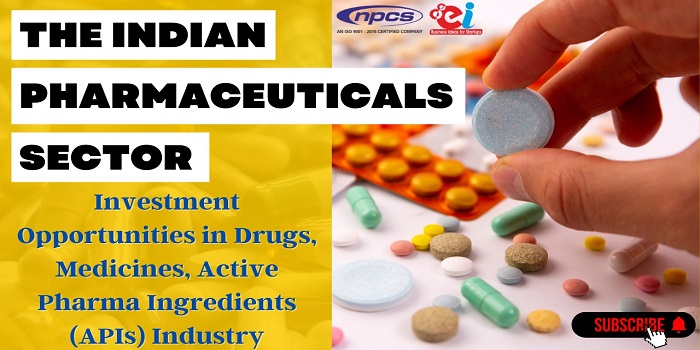
The Indian Pharmaceuticals Sector: Investment Opportunities in Drugs, Medicines, Active Pharma Ingredients (APIs) Industry

The Indian Pharmaceuticals Sector: Investment Opportunities in Drugs, Medicines, Active Pharma Ingredients (APIs) Industry Read More »

Understanding the Potential of the Indian Pharmaceutical Sector India has carved out a dominant position in the global pharmaceutical industry, establishing itself as a leader in the production of Active Pharmaceutical Ingredients (APIs) and generic drugs. The country’s unmatched manufacturing capabilities, cost-efficiency, and skilled workforce have played a pivotal role in transforming it into the “Pharmacy of the World.” This article serves as a comprehensive guide for those seeking to understand the depth and breadth of opportunities within the Indian API & drug sector, particularly from an investment perspective. The Indian pharmaceutical market is currently valued at over USD 50 billion, and with continuous growth expected, it is projected to reach USD 130 billion by 2030. This significant expansion is largely being driven by the surge in domestic demand, export growth, healthcare reforms, and the increasing need for affordable medications globally. For investors, both foreign and domestic, the Indian API & drug ecosystem offers a diverse array of profitable avenues. India’s API Industry: The Critical Pillar of Drug Manufacturing What Are APIs and Why Are They Crucial? Active Pharmaceutical Ingredients (APIs) are the biologically active components in medicines that yield the desired therapeutic effects. They are the foundation of any drug formulation, whether it’s an over-the-counter painkiller or a specialized treatment for chronic diseases. Without APIs, medicines would be chemically inert and ineffective. India has historically been a key player in the global API market. Its ability to manufacture high-quality, low-cost APIs gives it a competitive edge, particularly as pharmaceutical companies across the world aim to reduce costs without compromising on quality. Currently, India supplies approximately 30% of the global API demand, and this figure is expected to grow as the world diversifies away from overreliance on a few countries for pharmaceutical raw materials. The Evolution of India’s API Capabilities Earlier, India imported nearly 70% of its bulk drug and API requirements from China. However, recent geopolitical concerns and pandemic-related supply chain disruptions have catalyzed the country’s ambition to become self-reliant in API production. The Government of India has implemented several strategic initiatives such as: The Production Linked Incentive (PLI) Scheme for key APIs and bulk drugs. Development of three Bulk Drug Parks across states with subsidized utilities and infrastructure. Promotion of domestic manufacturing of Key Starting Materials (KSMs) and intermediates. These actions are shifting the paradigm and enhancing India’s resilience and independence in the global API landscape. Key Drivers Fueling API & Drug Investments in India Robust Government Support and Policy Framework The Indian government has provided a solid framework to encourage both domestic and international investments in the API & drug sector: 100% FDI permitted under the automatic route for greenfield projects in the pharmaceutical space. Streamlined environmental and industrial clearances to ease the process of setting up new manufacturing units. Tax incentives, capital subsidies, and interest subvention schemes designed to promote local production of pharmaceuticals. These initiatives provide the much-needed push for large-scale infrastructure development, technological innovation, and increased production capacity, further attracting investors to the Indian API & drug industry. Cost Advantage and Economies of Scale India’s ability to produce APIs and formulations at 60–70% lower costs compared to developed nations is a major factor that makes the country a favorable destination for investment. The key elements contributing to this cost-efficiency include: Low labor and operational costs Abundant availability of raw materials Economies of scale due to large production volumes Proximity to global shipping routes through major ports like Mumbai, Chennai, and Vizag These factors help companies produce competitively priced drugs while maintaining stringent quality standards, making India a lucrative API & drug investment destination. Global Trust and Certification Recognition India’s pharmaceutical facilities are among the most certified and audited in the world. Over 600 Indian pharma plants are approved by USFDA, WHO-GMP, EU-GMP, and other stringent global regulatory bodies. This underscores India’s commitment to quality, safety, and regulatory compliance, which further boosts investor confidence. India’s pharmaceuticals are exported to over 200 countries, including the United States, Canada, Japan, Australia, and the European Union. The ability to meet rigorous international standards makes Indian APIs and drugs more acceptable in foreign markets, opening doors for high-margin exports and strategic global partnerships. Exploring Lucrative Segments in API & Drug Investment Generic Drug Manufacturing India accounts for 20% of the global supply of generic medicines. With an increasing number of patent expirations in the global pharmaceutical industry, the demand for cost-effective generics is soaring. Indian companies are capitalizing on this trend by ramping up production and exporting to regulated markets. Generic drug production is highly attractive to investors due to: Lower development costs Shorter time to market High global demand for affordable therapeutics Biosimilars and Biopharmaceuticals India is rapidly making strides in the biosimilars market, with companies like Biocon, Dr. Reddy’s, and Intas developing world-class products. As healthcare systems globally look for alternatives to expensive biologics, the demand for biosimilars is projected to skyrocket, making this a high-growth vertical within the API & drug segment. Contract Manufacturing and Outsourcing India has become a hub for contract manufacturing and contract research, offering services to global pharmaceutical giants. CMOs and CROs in India provide end-to-end support, from R&D and formulation to packaging and logistics, at significantly reduced costs. This offers excellent investment opportunities for those seeking long-term and scalable returns. Top Investment Clusters for API & Drug Projects in India Telangana & Andhra Pradesh Home to Genome Valley and Pharma City, these states offer: Dedicated industrial zones for pharma Plug-and-play facilities with common infrastructure Access to a large pool of trained professionals Gujarat & Maharashtra With well-established pharma parks in Ahmedabad, Vadodara, and Mumbai, these states provide: Strong backward linkages in chemicals and bulk drugs Proximity to ports for export logistics A mature ecosystem of suppliers and service providers These clusters collectively account for more than 70% of India’s total pharmaceutical output, making them ideal regions for API & drug investments. Challenges and Strategic Interventions While India’s pharmaceutical sector is on a promising trajectory, some challenges remain: Over-dependence on imported

Start your own Manufacturing Business of Ascorbic Acid (Powder) from Sorbitol

Start your own Manufacturing Business of Ascorbic Acid (Powder) from Sorbitol Read More »

Starting a Profitable Ascorbic Acid Powder Business from Sorbitol The global nutraceutical and pharmaceutical markets are booming, and Ascorbic Acid Powder, or Vitamin C, stands at the forefront of this demand wave. As a critical component in food fortification, supplements, and cosmetics, its business potential continues to rise. With sorbitol as a widely accepted and cost-effective raw material, entrepreneurs now have the opportunity to enter this high-potential market with scientifically backed processes and proven demand channels. Starting a business based on the conversion of sorbitol to ascorbic acid powder is not only technically feasible but also highly scalable and profitable when done right. This guide provides an in-depth look into setting up a Ascorbic Acid Powder business from scratch using sorbitol, outlining every crucial aspect from production and licensing to marketing and expansion. Understanding the Power of Ascorbic Acid Powder Ascorbic Acid Powder is a water-soluble form of Vitamin C that plays a key role in the human body. It functions as a powerful antioxidant, helps in collagen synthesis, boosts the immune system, and supports iron absorption. Its industrial applications include: Fortification in beverages and food products Essential ingredient in nutritional supplements Antioxidant in skincare and cosmetic formulations Preservative in processed foods Animal health products Because of its diverse applications, the demand for ascorbic acid powder spans several industries, making it a highly sustainable business option with multiple revenue streams. Why Sorbitol is Ideal for Ascorbic Acid Production Sorbitol, a sugar alcohol derived from glucose, is a stable, inexpensive, and widely available compound. In the Reichstein Process, a classical method of Vitamin C production, sorbitol acts as the starting material. Through a series of fermentation, oxidation, and chemical conversion steps, sorbitol is transformed into high-purity Ascorbic Acid Powder. This process has stood the test of time and still serves as a blueprint in industrial production today. Detailed Manufacturing Process of Ascorbic Acid Powder from Sorbitol 1. Hydrogenation of Glucose to Produce Sorbitol The first step is the catalytic hydrogenation of glucose to sorbitol. This reaction is typically carried out in a high-pressure reactor using nickel as a catalyst. The temperature and pressure must be tightly controlled to ensure a high yield. The reaction is as follows: C6H12O6 (glucose) + H2 ? C6H14O6 (sorbitol) 2. Fermentation of Sorbitol to L-Sorbose Using microbial fermentation, sorbitol is converted to L-sorbose. This is achieved by adding Acetobacter suboxydans bacteria in aerobic conditions. The pH, aeration, temperature, and sugar concentration are monitored continuously to ensure optimal microbial activity. 3. Oxidation to 2-Keto-L-Gulonic Acid (2-KLG) The L-sorbose undergoes oxidation using suitable agents like hypochlorous acid or catalytic methods to convert it into 2-KLG. This intermediate is the immediate precursor to ascorbic acid. Purity of the product is ensured by filtration, neutralization, and removal of residual catalysts. 4. Cyclization and Crystallization 2-KLG is then subjected to acidification and heating to induce cyclization into ascorbic acid. The resulting solution is filtered, cooled, and passed through crystallizers to obtain pure Ascorbic Acid Powder. The crystals are then dried and milled into fine powder form suitable for commercial use. Licensing, Legal, and Regulatory Compliance To manufacture and sell Ascorbic Acid Powder, you must meet strict industry standards and legal protocols. 1. Business Formation Register your business entity under appropriate laws such as LLP, Pvt Ltd, or Proprietorship depending on your business structure. Choose a name that reflects credibility and scientific trust. 2. Drug Manufacturing License Apply for a drug manufacturing license through your local FDA or equivalent authority. This includes facility inspections, documentation of procedures, and validation of your production process. 3. FSSAI Certification (India) / FDA Approval (U.S.) Since Ascorbic Acid Powder is used in food and health products, you’ll need safety and compliance certifications such as FSSAI (India) or FDA (U.S.) to legally distribute your product. 4. Pollution Control and EHS Approval Install proper waste management systems and get clearance from local Pollution Control Boards. Safety and environmental sustainability will play a major role in operational permissions. Capital Investment and Equipment Needed Initial Capital Estimate The cost to start a medium-scale Ascorbic Acid Powder plant ranges from ?1.2 crore to ?2.5 crore ($150,000–$300,000). The major capital investments include: Plant & land lease or purchase Machinery & automation Licensing and legal compliance Working capital and raw material procurement Quality control setup Essential Plant Machinery Hydrogenation reactors Fermenters with aeration control Centrifuges Crystallization tanks Fluid bed dryers Industrial filtration units Milling and packaging units Water purification and effluent treatment system Each piece of equipment must be GMP-certified and suitable for pharmaceutical-grade production. Raw Material and Procurement Strategy Major Raw Materials Sorbitol (can be purchased or produced in-house from glucose) Catalysts (e.g., Nickel) Fermentation cultures Chemicals like HOCl, NaOH, H2SO4 Water, solvents, and reagents Sourcing Strategy Develop partnerships with trusted vendors offering bulk discounts Ensure supply chain redundancy by working with multiple suppliers Conduct regular quality audits and raw material testing to maintain consistency Human Resources and Staff Requirements Team Structure Production Head (Chemical Engineer) Microbiologist (for fermentation process) Lab Technicians Quality Control Officers Skilled Machine Operators Maintenance and Utility Staff Procurement and Logistics Team Training & SOPs Conduct training on SOPs, GMP, safety compliance, and cleanroom protocols Train all staff on emergency response, chemical handling, and contamination control Packaging and Labeling Use moisture-proof, airtight HDPE or fiber drums for packaging Label according to industry norms including product name, batch number, expiry date, purity, and usage instructions Offer custom labeling and bulk packaging for B2B clients Marketing Strategy for Ascorbic Acid Powder Identifying the Target Market Nutraceutical companies Pharmaceutical manufacturers Cosmetic brands Animal feed producers Food and beverage brands Brand Positioning Highlight features like: 99%+ purity Non-GMO, vegan, and allergen-free certification ISO, GMP, and HACCP compliance Bulk availability with consistent batch quality Promotional Channels Build an SEO-optimized website with technical datasheets Use LinkedIn and trade portals like IndiaMART, Alibaba, ThomasNet Participate in pharmaceutical and food ingredient expos Partner with international distributors Export and Global Trade Opportunities The export potential of Ascorbic Acid Powder is significant, especially in health-conscious regions like

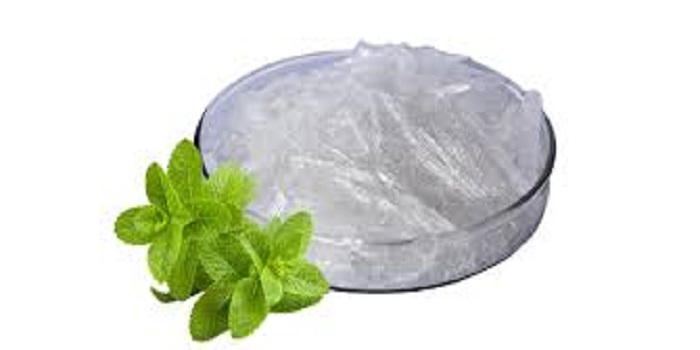
The Demand for Menthol Crystals is increasing in India Due to Increasing Demand for Natural-Based Products

The Demand for Menthol Crystals is increasing in India Due to Increasing Demand for Natural-Based Products Read More »

India’s Agritech Revolution: Unlocking Agricultural Business Potential The agricultural landscape of India is undergoing a significant transformation, fueled by technological innovation and digital integration. Agritech in India has evolved beyond mere buzzwords to become a thriving industry poised to revolutionize how food is grown, distributed, and consumed. As the backbone of India’s economy, agriculture now stands at the cusp of a digital overhaul, supported by policy incentives, venture capital investments, and a growing population of tech-savvy farmers. With over 58% of India’s population relying on agriculture for their livelihood, the sector’s modernization through Agritech presents a monumental business opportunity for entrepreneurs, investors, and stakeholders alike. Rising Demand for Agritech in India The need for sustainable, efficient, and high-yield farming practices has created a ripe environment for the adoption of Agritech in India. Rising food demands, climate change concerns, land degradation, and labor shortages have all contributed to the surge in digital agricultural solutions. Whether it’s precision farming, drone monitoring, or AI-powered crop forecasting, Agritech startups are disrupting the traditional agricultural model with bold innovations. India is witnessing a surge in Agritech startups—over 1,300 companies currently operate in the sector, with total investments exceeding $1.6 billion by 2024. This showcases the market’s confidence in the long-term viability of Agritech in India as both a scalable business and a social necessity. Government Support and Policy Framework The Indian government has been instrumental in fostering the growth of Agritech businesses. Initiatives such as Digital India, PM-KISAN, and the National Agriculture Market (eNAM) provide a solid foundation for digital transformation in agriculture.Key policies and support mechanisms include: Startup India offering tax incentives and funding support to Agritech ventures. Agri Infra Fund (AIF) worth ?1 lakh crore to promote agri-entrepreneurship. FPO (Farmer Producer Organization) model integration with Agritech platforms. Such initiatives lower entry barriers and attract aspiring entrepreneurs to the Agritech in India market. Key Segments Driving Agritech Growth Smart Farming and Precision Agriculture Smart farming solutions—powered by IoT, GIS, sensors, and big data—enable farmers to optimize resource use and monitor crops in real time. Precision agriculture enhances crop yields, reduces input waste, and lowers operational costs. Soil health monitoring Weather forecasting Automated irrigation systems Sensor-based pest and disease detection Agri Supply Chain and Logistics Post-harvest management is crucial for reducing food waste. Agritech companies are offering supply chain solutions like: Blockchain-based traceability Cold storage logistics management Demand forecasting using AI/ML Direct-to-consumer (D2C) farm produce platforms These solutions bridge the gap between farmers and end-users, reducing middlemen and improving profit margins. Financial Services and Agri Lending Access to credit and insurance is a major challenge for Indian farmers. Fintech-powered Agritech platforms are providing: Credit scoring based on farm data Instant agri-loans through mobile apps Crop insurance based on satellite and weather data Flexible repayment models via digital wallets Farm Management Software & Advisory Services With increased smartphone penetration in rural areas, farmers now access digital advisory platforms offering: Farming best practices Real-time agronomic advice Market price alerts Crop selection based on soil and climate data Companies like DeHaat, AgroStar, and CropIn are helping farmers make data-backed decisions, resulting in improved productivity. Drone Technology and Remote Sensing Drones are revolutionizing field surveillance, pesticide spraying, and crop health analysis. Supported by the liberalized Drone Policy 2022, these UAVs are boosting yields and reducing manual labor dependencies. Opportunities for Entrepreneurs and Investors The Indian Agritech sector offers diverse monetization avenues: B2B SaaS platforms targeting agribusinesses and FPOs Subscription-based advisory services for farmers Marketplace models connecting farmers directly to consumers Hardware-as-a-service models for drones, IoT devices, and sensors With increasing internet penetration and smartphone adoption in Tier 2 and Tier 3 towns, the scalability potential of Agritech in India is immense. Challenges in Agritech Adoption Despite the growing interest, some key hurdles persist: Low digital literacy among smallholder farmers Fragmented landholdings limiting tech applicability Connectivity issues in rural and remote areas High upfront costs of advanced technologies However, these challenges open the door for inclusive innovation and local language interfaces, ensuring broader Agritech adoption. Top Agritech Startups Leading Innovation in India 1. Ninjacart A leading B2B agri supply chain company, bridging farmers with retailers and restaurants through tech-enabled logistics. 2. DeHaat Offers full-stack services from agri inputs to advisory, credit, and market linkages, serving over 700,000 farmers. 3. CropIn An AI and data-driven agri SaaS platform helping businesses monitor and improve farm productivity. 4. AgroStar An e-commerce platform for farm inputs with personalized advisory services, active across multiple Indian states. 5. Stellapps Focuses on the dairy industry using IoT to digitize the milk supply chain. These companies are setting global benchmarks and attracting significant investor attention, showcasing the global competitiveness of Agritech in India. The Future Outlook of Agritech in India The future of Agritech in India is promising. By 2030, the market is projected to reach a valuation of $24 billion, driven by the following trends: Climate-resilient farming using AI/ML Agrivoltaics and solar-powered irrigation Vertical farming and hydroponics in urban India 5G-enabled agricultural automation Decentralized agri-data platforms The integration of smart agriculture with sustainable practices, renewable energy, and digital financing is likely to create new paradigms in rural development and food security. Conclusion: Agritech – A Catalyst for Agricultural Transformation As the agricultural ecosystem in India embraces modernization, Agritech is not just a disruptor but a necessity. From increasing farmer incomes to ensuring food security, Agritech in India holds the power to transform the sector holistically. For entrepreneurs, investors, and stakeholders, the time is now to tap into this fertile domain and sow the seeds of sustainable growth and innovation. Agritech in India is no longer an emerging trend—it is the future of agriculture. Visit the page Select and Choose the Right Business Startup for You for sorting out the questions arising in your mind before starting any business and know which start-up you can plan. We, at NPCS, endeavor to make business selection a simple and convenient step for any entrepreneur/startup. Our expert team, by capitalizing on its dexterity and decade’s long experience in the field,

A Complete Business Plan for Manufacturing Metformin and Ciprofloxacin

A Complete Business Plan for Manufacturing Metformin and Ciprofloxacin Read More »

Manufacturing Metformin and Ciprofloxacin represents a high-potential opportunity in the global pharmaceutical industry, particularly in emerging markets like India, Southeast Asia, and Africa. These two essential drugs are listed among the World Health Organization’s (WHO) model list of essential medicines due to their critical roles in treating chronic and acute diseases. Metformin is the first-line medication for type 2 diabetes, while Ciprofloxacin is a powerful antibiotic used to treat various bacterial infections. Both drugs are in consistent demand, offering long-term profitability and market stability. For entrepreneurs and pharmaceutical investors, entering the API (Active Pharmaceutical Ingredient) or formulation business of these drugs can be a highly rewarding venture. Visit this Page for More Information: Start a Business in API Industry Understanding Metformin and Ciprofloxacin Metformin belongs to the class of biguanides and is primarily used to control blood sugar levels in people with type 2 diabetes. It helps improve glucose tolerance, reduce hepatic glucose production, and increase insulin sensitivity. Ciprofloxacin, on the other hand, is a second-generation fluoroquinolone antibiotic. It is effective against a wide range of gram-negative and gram-positive bacteria and is used to treat respiratory, urinary tract, gastrointestinal, and skin infections. Read Similar Articles: Pharmaceutical Industry Key Facts: Metformin Market Size (Global): Expected to reach USD 10+ billion by 2030. Ciprofloxacin Market Size (Global): Expected to grow steadily, with demand in public health systems and hospitals. High Demand Areas: India, Latin America, Southeast Asia, Africa, and Eastern Europe. Related Business Plan: Active Pharma Ingredients Metformin and Ciprofloxacin Production Business 1. Manufacturing Process of Metformin Metformin hydrochloride (HCl) is synthesized through the chemical reaction of dimethylamine hydrochloride with cyanoguanidine. Key Manufacturing Steps: Preparation of Dimethylamine Hydrochloride Reaction with Cyanoguanidine Crystallization and Purification Drying and Milling Final QC and Packaging Metformin is usually manufactured in its hydrochloride form and then converted into tablets or capsules during formulation. Related Feasibility Study Reports: Active Pharmaceutical Ingredient (API) Products, Bulk API Manufacturing Raw Materials: Cyanoguanidine Dimethylamine Hydrochloric acid Acetone Purified water 2. Manufacturing Process of Ciprofloxacin Ciprofloxacin is typically synthesized from 7-chloro-1-cyclopropyl-6-fluoro-1,4-dihydro-4-oxoquinoline-3-carboxylic acid. Key Manufacturing Steps: Condensation with Piperazine Derivatives Cyclization Reaction Crystallization of Ciprofloxacin Base Conversion to Ciprofloxacin Hydrochloride Drying and Packaging Raw Materials: 7-Chloro-6-fluoroquinolone derivatives Piperazine Hydrochloric acid Organic solvents (e.g., methanol, acetone) Both manufacturing processes require controlled conditions to ensure chemical purity, yield efficiency, and GMP compliance. Watch other Informative Videos: Pharmaceutical 3. Formulation of Finished Dosage Forms Once the active pharmaceutical ingredients (APIs) are manufactured, they are formulated into: Tablets (Metformin: 500 mg, 850 mg, 1000 mg) Extended-release tablets (Metformin XR) Ciprofloxacin tablets (250 mg, 500 mg, 750 mg) Oral suspensions or IV injections (for Ciprofloxacin) Formulation includes mixing with excipients, granulation, compression, coating (for delayed-release tablets), and final packaging. 4. Required Equipment for Manufacturing For API Manufacturing: Reactors (glass-lined or stainless steel) Filtration units Centrifuges Dryers (Vacuum/Tray) Crystallizers Pulverizers For Formulation: Blenders and mixers Tablet compression machines Coating machines Capsule filling machines Strip/blister packing machines Cleanroom setup and HVAC systems are mandatory to maintain controlled manufacturing environments. 5. Licensing and Regulatory Approvals To manufacture Metformin and Ciprofloxacin in India or export internationally, compliance with various regulations is mandatory. Required Licenses: Drug Manufacturing License (from CDSCO & State Drug Authority) GMP Certification (WHO-GMP for exports) ISO 9001/14001 (optional but preferred) Pollution Control Board Clearance NOC from Fire and Health Departments US FDA / EU GMP Compliance (for high-value export markets) You may also need to register your products with health authorities in target countries for export purposes. 6. Market Demand and Business Potential Why Metformin is in Demand: Rising global prevalence of type 2 diabetes Recommended as first-line therapy in national treatment protocols Used in combination with other anti-diabetic drugs Why Ciprofloxacin Remains Popular: Broad-spectrum antibiotic for both community and hospital-acquired infections Widely used in government health programs Increasing demand in veterinary and aquaculture sectors Market Segments: Government tenders and hospitals Pharmacies and retail drug outlets Export markets (Africa, Southeast Asia, CIS countries) Contract manufacturing for generic brands 7. Investment and Financial Overview Starting a Metformin and Ciprofloxacin manufacturing unit requires moderate to high capital investment depending on whether you’re producing API, formulations, or both. Approximate Costs: Small-scale Formulation Unit: ?1.5 to ?3 Crore (?15M to ?30M) Medium-scale API + Formulation Unit: ?8 to ?15 Crore Running Costs: Raw material procurement, QC, utilities, manpower Profit Margins: API business: 20% to 35% Formulations: 30% to 50% Higher margins possible in branded exports or government contracts 8. Export Potential Both APIs and finished formulations of Metformin and Ciprofloxacin are highly exportable under the generic drugs segment. Target Countries: Nigeria, Ghana, Kenya Philippines, Vietnam, Cambodia Brazil, Peru, Bolivia Russia, Ukraine (Ciprofloxacin) Registering with regulatory authorities (e.g., FDA, EMA, ANVISA) enables access to premium markets and increases brand credibility. 9. Challenges in Manufacturing Common Challenges: Regulatory compliance and audits Sourcing high-purity raw materials Competition with Chinese API producers Price control regulations (NPPA, DPCO in India) Solutions: Invest in in-house R&D and backward integration Focus on quality, documentation, and traceability Target niche segments or combination drugs Build long-term B2B partnerships Conclusion Manufacturing Metformin and Ciprofloxacin offers strong business potential for pharmaceutical entrepreneurs willing to invest in a quality-driven, compliant, and scalable business model. With high global and domestic demand, government support, and the growing need for cost-effective generics, this business can generate sustainable revenue and social impact. Whether you’re planning to set up an API plant, start with formulation, or enter the export market, this sector holds a long-term advantage due to its relevance in chronic and infectious disease treatment. Read our Books Here: Pharmaceutical, Drugs, Proteins Technology Handbooks See More Links: Start a Business in Asia Start a Business in Potential Countries for Doing Business Best Industry for Doing Business Business Ideas with Low, Medium & High Investment Looking for Most Demandable Business Ideas for Startups Startup Consulting Services Start a Business in Africa Start a Business in India Start a Business in Middle East Related Videos Related Books Related Projects Related Market Research Reports NIIR PROJECT CONSULTANCY SERVICES, DELHI An ISO 9001:2015 Company ENTREPRENEUR INDIA 106-E, Kamla Nagar, Opp. Mall ST, New Delhi-110007, India. Email: npcs.ei@gmail.com info@entrepreneurindia.co

Start a Disposable Blood Lancet and Insulin Pen Needle Business

Start a Disposable Blood Lancet and Insulin Pen Needle Business Read More »

The global healthcare industry is rapidly evolving, and with it, the demand for medical consumables like disposable blood lancets continues to rise. These small but vital devices are an integral component in managing chronic conditions such as diabetes and are used extensively in hospitals, clinics, and at-home healthcare settings. The rising trend of self-monitoring of health indicators has made disposable blood lancets indispensable in the modern world. In this detailed guide, we provide a complete overview to help entrepreneurs launch and scale a successful disposable blood lancet business from scratch. Understanding Disposable Blood Lancets and Their Importance A disposable blood lancet is a small, sharp device used to puncture the skin, usually a fingertip, to collect blood samples for testing purposes. The lancets are typically used in conjunction with glucometers, cholesterol testing kits, and other diagnostic devices. As these devices are designed for single-use, they eliminate the risks of infection or cross-contamination. The simplicity, safety, and reliability of disposable blood lancets make them essential for: Diabetes patients who need daily or frequent blood sugar monitoring Healthcare professionals in hospitals and diagnostic centers Wellness programs offering home health diagnostics Emergency medical kits Due to their massive utility, demand for disposable blood lancets is expected to skyrocket globally in the coming years. Global Market Dynamics and Trends The global market for disposable blood lancets is projected to grow at a robust pace due to several factors: The increasing prevalence of chronic diseases like diabetes and cardiovascular conditions Growing  older people population requiring frequent health monitoring Government initiatives for affordable diagnostics Expansion of home-based healthcare services and self-monitoring tools According to market research reports, the lancets segment, including disposable blood lancets, is expected to surpass USD 2.8 billion by 2030, reflecting a CAGR of over 9.1%. With the healthcare industry increasingly embracing preventive diagnostics, this business has immense growth potential. Comprehensive Legal and Regulatory Compliance Compliance with medical device regulations is crucial for the legitimacy and longevity of your disposable blood lancet business. Here are key certifications and licenses required: ISO 13485: Medical devices quality management system certification CE Marking: Required for selling within the European Union FDA 510(k) Clearance: For businesses aiming to enter the U.S. market Good Manufacturing Practices (GMP): Ensures product consistency and safety BIS Registration (India-specific): If operating in the Indian market Meeting these certifications ensures product safety, facilitates trust among customers, and opens doors to international trade. Step-by-Step Guide to Launching Your Blood Lancet Manufacturing Unit Step 1: Market Research and Feasibility Study Start by conducting comprehensive market research. Identify your target customers (hospitals, pharmacies, diagnostic labs, etc.), evaluate competitors, understand pricing structures, and determine the demand in your region or target market. Step 2: Business Registration and Licensing Register your business entity (LLP, Pvt. Ltd, or sole proprietorship), apply for GST registration, and obtain necessary licenses from the Drug Control Authority or equivalent medical device regulatory body. Step 3: Infrastructure Setup Your production unit must include: Cleanrooms (Class 10,000 or higher) Injection molding section Assembly section Sterilization unit Packaging area In-house testing lab Storage and dispatch section You will need 2,000 to 5,000 sq. ft. space based on your production scale. Ensure proper HVAC systems to maintain hygiene standards. Step 4: Machinery and Equipment For a medium-scale manufacturing setup, you’ll require: Injection molding machines Automated needle assembly machines EtO or gamma sterilization chamber Blister packaging machines Ultrasonic welding machines Quality testing equipment (needle sharpness testers, force testers, etc.) Investment in machinery typically ranges between $100,000 and $250,000. Step 5: Raw Materials Sourcing Essential raw materials include: Stainless steel needles (medical grade) High-quality ABS or polypropylene plastic granules Medical-grade adhesives Sterilization pouches and packaging films Establish partnerships with reliable suppliers to ensure uninterrupted production. Step 6: Manufacturing Process The production cycle for disposable blood lancets includes: Plastic Body Molding: The casing is created using injection molding. Needle Fixation: The needle is fixed into the plastic casing using high-precision machines. Sterilization: Lancets are sterilized using EtO or gamma radiation. Inspection & Quality Control: Random sampling is done to test for needle sharpness, structural integrity, and sterility. Packaging & Labeling: Packed in blister packs or sealed pouches with proper labels indicating batch number, expiry, sterilization method, etc. Manpower Requirements To operate efficiently, your business will need a well-trained team comprising: Machine operators and technicians Quality control analysts Production managers R&D specialists Packaging staff Sales and logistics team Staff training should include safety protocols, regulatory guidelines, and quality standards. Strategic Marketing Plan An aggressive and well-planned marketing strategy is key to your success. Here’s how to position your disposable blood lancet brand: Online Strategies Launch a professionally designed website with eCommerce features Use SEO to rank for high-intent keywords such as “best disposable lancets,” “buy blood lancet online,” etc. Run paid Google Ads targeting healthcare professionals and consumers Leverage LinkedIn for B2B partnerships and bulk inquiries Offline Strategies Collaborate with diagnostic labs and hospitals Offer product samples and volume-based discounts Participate in medical expos and B2B healthcare fairs Establish a robust distribution channel via pharma wholesalers Pricing, Profitability, and ROI The cost of manufacturing a disposable blood lancet ranges from ?2 to ?6 depending on features and volumes. Selling prices range from ?10 to ?25 in the Indian market and higher in international markets. Cost Component Approximate Value (INR) Raw Materials ?2.00 – ?3.00 per unit Labor & Utilities ?0.50 – ?1.00 per unit Packaging & Labeling ?0.50 – ?1.00 per unit Total Cost ?3.00 – ?5.00 per unit   With wholesale selling prices around ?10 – ?12 per unit, your gross margin can be 60–70%, making it a high-margin business. Expansion Opportunities Once your operations stabilize, consider expanding into: Advanced Safety Lancets: With retractable needles for enhanced safety Lancing Devices: Reusable finger-pricking tools Test Strips and Glucometers: Complementary products for bundle sales OEM Manufacturing: Manufacture under different brand names for retail chains You can also look into exporting to developing nations in Africa, Southeast Asia, and Latin America, where demand is growing and competition is lower. Challenges to Anticipate

Start Producing Sterile Water for Injection in Pharmaceutical Industry

Start Producing Sterile Water for Injection in Pharmaceutical Industry Read More »

Producing sterile water is a crucial process in pharmaceutical, medical, and laboratory settings where purity and safety are non-negotiable. Sterile water is free from all microorganisms, pyrogens, and particulate matter, making it ideal for injections, wound cleansing, and medical device sterilization. It’s commonly used as a solvent for intravenous drugs or as a diluent for vaccines. Due to its high demand in healthcare and biotech industries, producing sterile water can also be a profitable business opportunity when done under strict compliance and quality control. Importance and Applications of Sterile Water The process of producing sterile water ensures the elimination of all forms of microbial life, including bacteria, spores, and fungi. It is different from purified water, which may still contain non-pathogenic microbes. Sterile water is essential for clinical procedures like injections, dialysis, and neonatal care. It’s also used in pharmaceutical manufacturing, analytical labs, and in cleaning surgical instruments. In hospitals and medical centers, sterile water is typically supplied in sealed ampoules or IV bags to prevent contamination. It is used both independently and as a base for reconstituting medications. This makes it one of the most vital components in modern medical infrastructure. Given its widespread usage, the sterile water production business continues to see growing demand across the globe. Visit this Page for More Information: Start a Business in Pharmaceutical sector Understanding the Production Process The process of producing sterile water involves multiple purification and sterilization steps to ensure it meets pharmacopeia standards (such as USP, BP, or IP). Here’s a typical flow: Water Pre-treatment – Raw water is passed through filters to remove large particles and chlorine. Purification Stage – Techniques like reverse osmosis, deionization, or distillation are used to remove dissolved salts, organic matter, and minerals. Filtration – The water is further passed through micro or ultrafilters to eliminate smaller particles. Sterilization – The final step involves heat sterilization (autoclaving), gamma irradiation, or membrane filtration to remove all microorganisms. Packaging – Sterile water is immediately filled into pre-sterilized containers under aseptic conditions in a cleanroom environment. Maintaining controlled environmental conditions during the packaging phase is critical to avoid post-sterilization contamination. Business Plan: Business Plan on Production of Sterile Water for Injection Equipment Required for a Sterile Water Plant Setting up a sterile water manufacturing unit involves both water purification and aseptic packaging systems. Essential equipment includes: Pre-filtration units (sand filters, activated carbon) RO purification system or water distillation plant Deionization columns (optional for high purity) UV disinfection unit Sterilizers (autoclaves or inline membrane filters) Cleanroom setup with laminar airflow benches Filling and sealing machines (ampoule, bottle, or IV bag fillers) Sterility test equipment (for batch-wise quality check) When you plan on producing sterile water commercially, investing in GMP-compliant, validated machinery is critical. The entire operation should meet WHO, FDA, or national drug control standards to be eligible for supply to hospitals or pharma companies. Compliance and Regulatory Requirements Since producing sterile water directly impacts patient health, it is regulated as a pharmaceutical product in most countries. Key regulatory aspects include: Manufacturing License under the Drugs & Cosmetics Act (for India) Approval from drug control authorities for sterile formulations GMP certification (Good Manufacturing Practice) Sterility and pyrogen testing as per pharmacopeia standards Stability studies and batch-wise quality documentation Sterile water for injection (SWFI) must not contain any added antimicrobial agents or other substances and should meet stringent microbial limits. All production batches must undergo rigorous microbiological, chemical, and endotoxin testing before release. Proper documentation, standard operating procedures (SOPs), and personnel hygiene protocols are essential in maintaining a sterile production environment. Related Feasibility Study Reports: Pharmaceutical, Drugs, Fine Chemicals, Bulk Drug Intermediates Raw Materials and Packaging Options The primary raw material for producing sterile water is purified water meeting preliminary quality standards. Additional inputs include: Pre-sterilized containers (glass ampoules, vials, or plastic bottles) Sealing caps and aluminum crimping lids Nitrogen or inert gas for blanketing (if applicable) Labels, batch stickers, and cartons Packaging types vary based on application. For instance: 5 ml to 100 ml glass ampoules for injection use 500 ml plastic bottles for wound irrigation IV pouches for infusion therapies Bulk sterile water in drums for pharmaceutical blending Each packaging format must undergo validation for sterility, shelf-life, and compatibility with the stored liquid. Read Similar Articles: Pharmaceutical Industry Investment and Cost Estimates A small to medium-scale sterile water manufacturing unit can be set up with an investment starting from ?30–50 lakhs. This covers: Plant machinery and cleanroom setup: ?20–30 lakhs Licensing and certifications: ?3–5 lakhs Initial raw material stock: ?2–3 lakhs Quality control lab: ?3–4 lakhs Working capital and contingency: ?5–7 lakhs High-capacity automated units can cost ?1 crore or more. While the upfront cost is significant, the ROI can be attractive due to premium pricing and high demand in the medical field. Sterile water packs often sell at 5x–10x the cost of production, especially in institutional supply. Market Demand and Distribution Opportunities The demand for sterile water is consistent across hospitals, nursing homes, clinics, pharmaceutical companies, biotech labs, and even cosmetic manufacturing units. With growing healthcare infrastructure in developing nations, the market is expanding rapidly. Distribution options include: Hospital tenders and supply contracts Retail through medical stores and pharmacies Export to developing countries or disaster relief programs Private label manufacturing for pharma brands To scale quickly, you can register with government procurement platforms like GeM or supply to armed forces and government hospitals. Online B2B marketplaces like IndiaMART, TradeIndia, or Alibaba can help secure bulk orders domestically and internationally. Read our Books Here: Pharmaceutical, Drugs, Proteins Technology Handbooks Challenges and Risk Management While the business of producing sterile water is lucrative, it comes with its own set of challenges: High regulatory scrutiny Maintaining aseptic conditions throughout the process Risk of contamination leading to product recall Requirement of skilled technical and QA staff High capital intensity These risks can be mitigated with strict process control, validated equipment, automated sterilization, and continuous training. Regular environmental monitoring and third-party audits also ensure compliance and product safety. Conclusion Producing sterile

Profitable Business Ideas in Disposable Plastic Syringes Manufacturing | Investment Opportunities in Medical Disposables.

Profitable Business Ideas in Disposable Plastic Syringes Manufacturing | Investment Opportunities in Medical Disposables. Read More »

We, at NPCS, endeavor to make business selection a simple and convenient step for any entrepreneur/startup. Our expert team, by capitalizing on its dexterity and decade’s long experience in the field, has created a list of profitable ventures for entrepreneurs who wish to diversify or venture. We regularly update the list to give you a steady dose of new emerging opportunities. Contact Us

Investment Opportunity in Manufacturing of IV Fluids (BFS Technology).

Investment Opportunity in Manufacturing of IV Fluids (BFS Technology). Read More »

We, at NPCS, endeavor to make business selection a simple and convenient step for any entrepreneur/startup. Our expert team, by capitalizing on its dexterity and decade’s long experience in the field, has created a list of profitable ventures for entrepreneurs who wish to diversify or venture. The list so mentioned is updated regularly to give you a regular dose of new emerging opportunities. Contact Us

Have a business idea? Let's make it happen together-contact us now!


Contact Form Demo

This will close in 0 seconds

Translate »