
How to Start a Candle Making Business | Easy Small Business Ideas to Earn High Profits
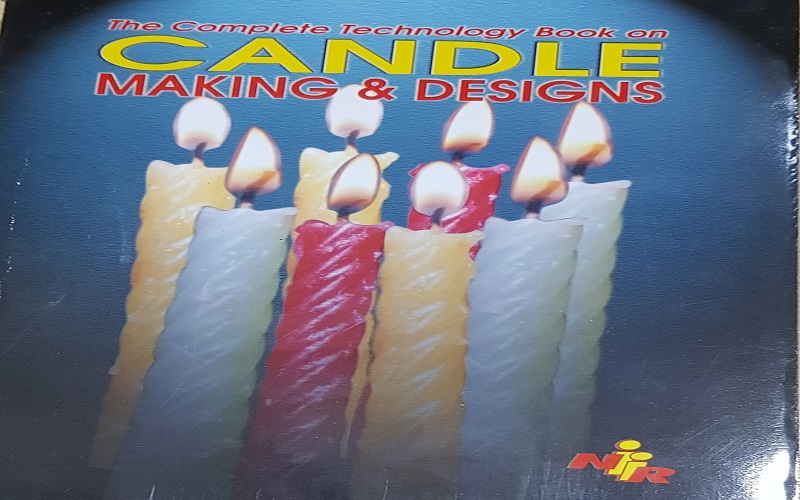
Starting a profitable candle making business is one of the most creative and rewarding ventures in the handmade products industry. With rising consumer interest in home décor, aromatherapy, and personalized gifting, the demand for handcrafted candles has skyrocketed. Whether you’re looking to turn a hobby into a business or aiming to launch a full-scale production brand, this guide covers everything you need to succeed in the candle industry. Why Candle Making is a Lucrative Business The candle market has seen exponential growth due to the increasing desire for cozy, aromatic, and aesthetically pleasing home environments. Candles are no longer just for light—they’re lifestyle products. From soy candles and beeswax varieties to unique scents and decorative containers, the customization potential makes this a highly attractive niche. Moreover, low startup costs and the flexibility to scale make candle making ideal for new entrepreneurs. With strategic branding and high-quality products, even small home-based businesses can grow into premium labels. Research the Candle Market and Identify Your Niche Before melting your first wax, dive deep into the market. Popular Candle Niches: Scented candles (aromatherapy, seasonal, essential oil-based) Decorative candles (luxury design, colored wax, layered) Eco-friendly candles (soy, beeswax, coconut wax) Themed candles (holiday, zodiac, pop culture) Personalized candles (custom labels, wedding favors, corporate gifts) Choosing a specific niche helps differentiate your brand and attract targeted customers. Analyze competitors, trends, and what sells well on platforms like Etsy and Amazon. Use this data to shape your brand identity. Gather Essential Materials and Tools Starting a candle making business doesn’t require an industrial setup. Here’s what you’ll need to get started: Basic Supplies: Wax (soy, beeswax, paraffin, coconut) Wicks (choose appropriate thickness for jar size) Fragrance oils or essential oils Dyes or color blocks Containers or molds Thermometer Pouring pitcher Heat source (double boiler or microwave-safe bowl) Purchase your materials from reputable wholesale suppliers to ensure consistency and cost efficiency. Consider eco-friendly and cruelty-free ingredients to appeal to conscious consumers. Learn the Candle Making Process Mastery of the candle creation process ensures quality and customer satisfaction. Here’s a simplified overview: Step-by-Step Candle Making: Melt the wax using a double boiler or microwave. Add fragrance once the wax reaches 180°F (or follow fragrance flash point). Add color as desired, mixing evenly. Anchor the wick in your container or mold. Pour the wax slowly to avoid air bubbles. Secure the wick and let it cool undisturbed. Trim the wick to ¼ inch before burning. Conduct thorough testing to ensure your candles burn evenly, safely, and emit the desired scent throw. Build a Unique Brand Identity Your candle making business must stand out. A compelling brand builds trust and loyalty. Branding Elements: Business name – memorable, relevant, and searchable. Logo and packaging – clean, professional, and niche-appropriate. Brand story – connect emotionally; why did you start making candles? Values – eco-friendliness, handmade, non-toxic, local sourcing, etc. Develop brand guidelines to maintain consistency across your website, social media, and product labels. Design Appealing Packaging In the candle market, presentation is powerful. Elegant, eco-friendly, or rustic packaging can influence buying decisions. Invest in: Custom labels (clear font, scent name, burn time) Boxes and wraps (recyclable or reusable) Safety and ingredient info (compliance with industry standards) Your packaging should be Instagram-worthy and gift-ready to enhance shareability and customer experience. Set Up Your Online and Offline Selling Channels Establishing multiple sales channels increases your reach. Start by creating a professional-looking website using platforms like Shopify, Wix, or WooCommerce. Other Online Platforms: Etsy Amazon Handmade eBay NotOnTheHighStreet (UK) Offline Options: Local craft fairs Boutique stores Pop-up markets Wholesale to gift shops and salons Utilize a mix of digital marketing and in-person engagement to expand your customer base. Price Your Candles for Profit One of the keys to running a profitable candle making business is accurate pricing. Your price must cover material costs, time, packaging, shipping, and include a profit margin. Basic Pricing Formula: Total Cost x 2 to 3 = Retail Price For wholesale, reduce the price accordingly but ensure it remains profitable. Factor in any platform fees or transaction charges when calculating your pricing structure. Promote Your Candle Business Effectively Promotion is essential to scale and sustain your candle making business. Digital Marketing Strategies: SEO-optimized blog with content on candle care, DIY tips, gift guides Social media marketing (Instagram, Pinterest, TikTok) Email marketing with seasonal offers and launch alerts Influencer partnerships and customer testimonials Paid advertising through Meta and Google Ads Use compelling visuals and storytelling to create an emotional connection with your audience. Ensure Legal Compliance Register your business with the appropriate authorities. Obtain any necessary permits and insurance. Include warning labels and safety instructions with each candle to reduce liability risks. Additionally, consider: Trademarking your brand name Maintaining records for taxes Following product safety standards (e.g., ASTM F2417 in the U.S.) Scale Your Business Once you have stable sales, consider expanding your product line or targeting corporate clients for bulk orders. Offer subscription boxes or seasonal collections. Use customer feedback and analytics to guide business decisions. Invest profits into better equipment, larger workspace, or hiring staff to streamline production. Stay ahead of trends with new scents and limited-edition collections to keep customers engaged. Final Thoughts Starting a profitable candle making business is not just a creative pursuit but a viable path to financial freedom. By mastering the craft, building a strong brand, and implementing smart marketing strategies, your candles can light up homes—and your bank account. Use quality, be consistent, and build relationships. The glow of success is within reach. Visit the page Select and Choose the Right Business Startup for You for sorting out the questions arising in your mind before starting any business and know which start-up you can plan. We, at NPCS, endeavor to make business selection a simple and convenient step for any entrepreneur/startup. Our expert team, by capitalizing on its dexterity and decade’s long experience in the field, has created a list of profitable ventures for entrepreneurs who wish to diversify or venture. The list
Need a Business Idea? Here Are 50 Highly Profitable Small & Medium Industries to start
The dream of starting a business and becoming your own boss is more achievable today than ever before. With the rise of technology, social media, and digital platforms, even the smallest idea can turn into a thriving venture. Whether you are looking to start something full-time or as a side hustle, there are plenty of small business ideas that can deliver high profits with relatively low investment. This article explores 50 of the best small business ideas that are perfect for beginners, professionals, homemakers, and anyone seeking financial independence. Why Start a Small Business? Starting a small business comes with multiple advantages: Low Startup Cost Flexibility of Work Creative Freedom High Profit Potential More importantly, you don’t always need an MBA or huge capital to succeed. All you need is a great idea, passion, and a willingness to work hard. Let’s explore the most profitable and trending small business ideas that you can start today. 1. Digital Marketing Services Offer SEO, social media, email, and ad campaign services to small companies looking to grow online. 2. Dropshipping Create an online store and sell products without keeping inventory. Suppliers handle shipping for you. 3. Blogging Start a blog on food, fashion, travel, or finance. Monetize through ads, affiliate links, or sponsored posts. 4. Freelance Writing Work as a content writer for websites, digital agencies, or publication houses. 5. Virtual Assistant Help businesses with emails, scheduling, data entry, and social media—remotely. 6. Handmade Crafts Make candles, jewelry, or resin art and sell on Etsy or local markets. 7. Meal Prep Services Provide homemade, healthy meals to working professionals and fitness-conscious people. 8. Social Media Influencer Create content, grow followers, and earn through brand collaborations. 9. Resume Writing Help job seekers craft professional resumes and LinkedIn profiles. 10. Affiliate Marketing Promote products online and earn a commission for each sale. Technology-Based Small Business Ideas 11. App Development Develop Android or iOS apps for businesses or consumer use. 12. Website Design Build websites for small businesses and individuals. 13. SaaS Startup Develop a software product that solves a specific business problem. 14. Tech Repair Services Offer mobile, computer, or gadget repair services from home or a shop. 15. Online Tech Support Assist individuals or companies with remote troubleshooting. Low-Cost Small Business Ideas 16. Print-on-Demand Design T-shirts, mugs, and tote bags, and let a third-party company print and ship them. 17. Mobile Recharge Store Start a kiosk for recharges, bill payments, and SIM cards. 18. YouTube Channel Create engaging videos in your niche and earn via ads, sponsors, and products. 19. Freelance Photography Do product shoots, wedding photography, or event coverage. 20. Voice-over Artist Use your voice for ads, audiobooks, and video narration projects. Home-Based Small Business Ideas 21. Daycare Service Provide childcare from home in a safe and nurturing environment. 22. Tiffin Service Deliver home-cooked meals to working professionals and students. 23. Tailoring Services Offer clothing alterations or custom stitching. 24. Homemade Beauty Products Make and sell organic skincare, soaps, and oils. 25. Pet Care Services Provide grooming, boarding, or pet walking services in your locality. Women-Focused Small Business Ideas 26. Boutique Clothing Start your own fashion label or curate ethnic/western wear. 27. Makeup Artist Offer bridal, party, and fashion makeup services. 28. Cooking Classes Teach baking, cooking, or specialty cuisines online or offline. 29. Jewelry Making Design and sell handmade or imitation jewelry. 30. Event Planning Organize birthdays, weddings, and corporate functions. Unique and Innovative Small Business Ideas 31. Subscription Boxes Curate and deliver niche products like snacks, books, or beauty items monthly. 32. Eco-Friendly Products Sell sustainable alternatives like bamboo brushes, reusable bags, or steel bottles. 33. Custom Gifting Create personalized gifts for birthdays, anniversaries, and festivals. 34. Drone Photography Capture aerial shots for real estate, weddings, and events. 35. Online Language Classes Teach English, Spanish, or any native language globally. Rural or Semi-Urban Small Business Ideas 36. Organic Farming Sell vegetables, fruits, and herbs grown without chemicals. 37. Dairy Products Produce and sell paneer, ghee, butter, or flavored milk. 38. Grocery Delivery Start a hyperlocal delivery service for essential products. 39. Tractor or Equipment Rentals Rent out tractors or machinery to local farmers. 40. Mobile Repair Training Center Teach basic skills in phone or appliance repair. High-Profit Margin Ideas 41. Digital Course Creation Create and sell online courses in your area of expertise. 42. Stock Market Consultancy Help individuals invest wisely in the stock market. 43. Real Estate Brokering Earn commissions by facilitating property sales and rentals. 44. Personal Fitness Trainer Guide people on workouts, diet, and fitness online or at home. 45. Coaching Center Start a coaching institute for school or competitive exams. Creative and Artsy Business Ideas 46. Podcasting Start a podcast and earn via sponsorships or crowdfunding. 47. Interior Design Help clients beautify their homes and offices. 48. Animation Services Create explainer videos and animations for businesses. 49. Music Classes Teach instruments or singing via live or recorded sessions. 50. Translation Services Translate documents and websites for clients worldwide. Final Thoughts Starting a business is no longer reserved for those with big budgets. These small business ideas prove that with the right mindset and a little creativity, anyone can step into the world of entrepreneurship. Choose an idea that aligns with your skills and passion. Test your market, create a business plan, and use online platforms to promote your offerings. Remember, the journey might be tough initially, but the reward of running your own successful venture makes it worthwhile. Whether you’re looking for a part-time gig or a full-time hustle, these small business ideas are perfect stepping stones toward financial independence and long-term success. Visit the page Select and Choose the Right Business Startup for You for sorting out the questions arising in your mind before starting any business and know which start-up you can plan. We, at NPCS, endeavor to make business selection a simple and convenient step for any entrepreneur/startup. Our expert team, by capitalizing on its dexterity and decade’s long experience in the field,
Your Complete Guide to Thinners and Solvents Industry.
Introduction to Thinners and Solvents Thinners and solvents are indispensable components across various industrial applications, particularly in the paint, coating, ink, adhesive, and chemical processing sectors. These substances primarily dissolve, dilute, or disperse other materials, enabling smooth application, ideal consistency, and proper chemical interaction in formulations. The increasing demand for versatile, high-performing, and eco-conscious chemical solutions is pushing the global thinners and solvents market to innovate and evolve. This comprehensive guide explores everything from the classification, applications, and manufacturing process to the safety protocols and market trends surrounding these essential chemicals. What are Thinners and Solvents? Solvents are substances—mostly in liquid form—that can dissolve or disperse other substances without altering their chemical structure. Thinners, on the other hand, form a subclass of solvents that specifically reduce the viscosity of products like paints, varnishes, and resins, making them easier to apply and quicker to dry. We manufacture thinners and solvents with a deep focus on performance, purity, and compliance. These materials play a key role in ensuring the efficiency and quality of countless industrial operations. Types of Solvents and Thinners Understanding the different types of thinners and solvents is key to selecting the right one for each application. They can be broadly categorized into the following: 1. Hydrocarbon-Based Solvents These include both aliphatic and aromatic hydrocarbons: Aliphatic solvents: Hexane, heptane, mineral spirits Aromatic solvents: Toluene, xylene, benzene (limited due to toxicity) These are widely used in the paint and automotive industries due to their high solvency and fast evaporation rates. 2. Oxygenated Solvents These include alcohols, ketones, esters, and glycol ethers: Alcohols: Ethanol, isopropanol (used in inks, cleaning agents) Ketones: Acetone, methyl ethyl ketone (used in adhesives, coatings) Esters: Butyl acetate, ethyl acetate (used in lacquers and fragrances) Glycol ethers: Versatile solvents used in water-based paints 3. Water-Based Solvents Water, often overlooked, is the safest and most environmentally friendly solvent, widely used in household products, water-based paints, and detergents. Applications of Thinners and Solvents Thinners and solvents are used in a multitude of industries, offering unique benefits tailored to each domain: Paints and Coatings: Thinners reduce viscosity for better flow and leveling during application. Printing Inks: Solvents ensure smooth transfer and controlled drying. Pharmaceuticals: Act as carriers in drug synthesis and extraction. Cosmetics and Perfumes: Alcohol-based solvents aid in fragrance dispersion. Industrial Cleaning: Solvents act as effective degreasers. Automotive: Thinners are used in spray paints and detailing. Raw Materials Used in Solvent Manufacturing The production of high-quality thinners and solvents begins with the careful selection of raw materials: Petroleum derivatives such as naphtha, reformate, and natural gas liquids Alcohols and ketones derived from chemical synthesis Renewable sources (increasingly popular for bio-based solvents) These raw materials are chosen based on their chemical stability, solvency, flash point, and environmental compatibility. Detailed Manufacturing Process of Thinners and Solvents 1. Feedstock Preparation We begin with refining and processing petrochemical feedstocks. Naphtha and other hydrocarbons undergo cracking and reforming to yield precursor compounds like benzene, toluene, and xylene. 2. Fractional Distillation The feedstocks are subjected to fractional distillation, separating components based on their boiling points. This is crucial for extracting specific solvent fractions with high purity. 3. Chemical Processing Depending on the required solvent, chemical reactions such as: Hydration Oxidation Alkylation Esterification Industries use them to synthesize compounds like acetone, ethanol, and ethyl acetate. 4. Blending and Formulation Manufacturers blend solvents to create specialty thinners with specific evaporation rates, solvency levels, and compatibility with resins. They develop custom formulations based on end-use requirements. 5. Stabilization and Additives To improve shelf life and performance, we incorporate inhibitors and stabilizers. These additives: Prevent oxidation Enhance drying time Reduce odor Improve flash point safety 6. Quality Control and Testing Our quality control labs conduct rigorous tests using: Gas Chromatography (GC) High-Performance Liquid Chromatography (HPLC) Viscometers Refractive Index and Density Testing Only batches that meet stringent ISO and ASTM standards move forward to packaging. 7. Packaging and Distribution Final products are packed in tamper-proof containers such as: Metal drums Plastic cans IBC tanks Labeling includes hazard information, safety instructions, and regulatory compliance marks. Logistics teams ensure safe and prompt delivery globally. Environmental and Regulatory Considerations We operate under a strict regulatory framework to reduce the environmental impact of solvents and thinners: Low-VOC formulations to reduce air pollution REACH and EPA compliance Solvent recycling and recovery units Waste management protocols for chemical disposal By integrating green chemistry principles, we are leading the transition toward eco-friendly solvents. Safety Protocols in Solvent Manufacturing Due to their flammability and volatility, handling solvents requires: Explosion-proof machinery Ventilated manufacturing environments Fire detection and suppression systems Employee safety training MSDS documentation for every product We equip all personnel with PPE and ensure they follow standard operating procedures (SOPs) to mitigate risks. Emerging Trends in Thinners and Solvents The global market is rapidly adapting to changing regulations and consumer preferences. Notable trends include: Bio-based Solvents: Derived from renewable sources like corn, sugarcane, and soybeans. Green Solvents: Featuring low toxicity and zero VOC emissions. Supercritical Fluids: Like supercritical CO?, used in precision extraction. Solvent-Free Technologies: Gaining momentum in coatings and adhesives. These innovations aim to maintain functionality while minimizing environmental impact. Grades of Solvents and Their Uses Solvents are produced in various purity levels for different sectors: Industrial Grade – Used in paints, adhesives, and degreasers. Analytical Grade – For laboratory testing and research. Pharmaceutical Grade – Complies with GMP standards for drug synthesis. Food Grade – Limited to safe solvents like ethanol for food processing. Each grade is backed by certificate of analysis (COA) ensuring compliance and traceability. Global Market Outlook and Opportunities The thinners and solvents market is projected to grow at CAGR of 4.5% over the next decade, driven by: Infrastructure development in emerging economies Automotive and aerospace industry expansion High demand for industrial paints and coatings Consumer awareness around clean, safe products India, China, and Southeast Asia present the most lucrative markets for export and expansion due to rising industrialization and urbanization. Conclusion: Excellence in Every Drop We are committed to producing high-performance, safe,
Zinc Stearate: Successful Manufacturing Business Ideas in Chemical Industry
Zinc stearate is a powerful compound with widespread industrial usage across plastics, rubber, pharmaceuticals, and cosmetics. Starting a zinc stearate business offers immense potential for profitability and scalability. As demand for specialized lubricants and release agents grows globally, venturing into the zinc stearate market can be a lucrative endeavor—provided you execute it strategically. In this comprehensive guide, we will cover how to start your zinc stearate chemical business from scratch, step-by-step, with real-world best practices, critical regulatory considerations, raw material sourcing, equipment needs, and key marketing strategies to ensure your business stands out in a competitive landscape. What is Zinc Stearate? Zinc stearate is a white, hydrophobic powder composed of zinc and stearic acid. It is widely known for its properties as a release agent, lubricant, and anti-caking additive. Commonly used in plastic processing, rubber production, cosmetics formulation, and pharmaceuticals, zinc stearate plays an essential role in both performance enhancement and product longevity. Its chemical stability, non-reactivity, and excellent thermal resistance make it an ideal choice in multiple industries, contributing significantly to product quality. Step 1: Conduct In-Depth Market Research Before starting your zinc stearate chemical business, begin by identifying the industries you want to cater to—plastics, rubber, paints, or pharmaceuticals. Analyze competitors in your region and globally. Pay attention to: Current price points and margins. Key buyers and distributors. Import/export data. Regulatory trends. Understanding supply chain dynamics and end-user needs will allow you to craft a business plan that’s both profitable and sustainable. Step 2: Choose the Right Business Model There are multiple ways to enter the zinc stearate market: Manufacturing – Full control over production quality, pricing, and branding. Trading/Distribution – Easier entry, minimal infrastructure, lower risks. Contract Manufacturing – Outsourcing production to established plants under your brand. While manufacturing offers the best margins, it requires high initial capital. Many entrepreneurs start as distributors and scale into production later. Step 3: Setup and Licensing Requirements To legally establish your zinc stearate chemical business, follow these steps: Register your company under the applicable legal structure (LLP, Pvt Ltd, etc.). Apply for a Pollution Control Board (PCB) license, as chemical production involves emissions. Obtain a Factory License and Drug License if targeting cosmetics or pharmaceuticals. File for GST registration to comply with taxation rules. Seek ISO Certification to boost trust and gain access to global markets. Engage a compliance consultant to help navigate local chemical safety and environmental laws efficiently. Step 4: Procure Raw Materials and Equipment Key raw materials required for zinc stearate production include: Zinc oxide Stearic acid Solvents (if using wet process) Common manufacturing methods include: Dry fusion process Precipitation (wet) method Choose based on your budget, scale, and environmental compliance readiness. Essential equipment: Reaction vessels with agitation systems. Cooling/heating jackets. Centrifuges or filtration systems. Dryers (rotary or tray). Pulverizers and packaging units. Ensure your machinery is corrosion-resistant and compliant with Good Manufacturing Practices (GMP). Step 5: Formulate the Product Zinc stearate must meet industry standards such as: Particle size (micro-fine for cosmetics). Purity (>98% typically). Moisture content (<1%). Color (white to off-white). Lab testing and third-party quality certifications help maintain consistency and attract high-quality buyers. Consider developing different grades based on the target industry: Technical grade for plastics and paints. Pharmaceutical grade for health and beauty products. Step 6: Branding and Packaging Professional packaging enhances product appeal and ensures safety during transportation. Invest in: Moisture-proof, anti-static bags or HDPE containers. Clear labeling with batch number, MFG & EXP dates, grade, and safety warnings. Create a strong brand name associated with zinc stearate reliability. Develop a professional website showcasing your plant, safety standards, product specifications, and certifications. Step 7: Marketing and Sales Strategy An effective marketing plan is essential to establish your zinc stearate chemical business in a competitive market. Offline marketing: Attend chemical expos and B2B trade fairs. Partner with plastic, rubber, and pharma associations. Reach out to manufacturers directly via phone or email. Online marketing: Launch a SEO-optimized website with product listings, blogs, and safety data sheets (SDS). List on B2B platforms like IndiaMART, TradeIndia, and Alibaba. Use keywords such as “zinc stearate supplier,” “buy zinc stearate,” “zinc stearate manufacturers in India”. Leverage LinkedIn for direct engagement with procurement managers and decision-makers. Step 8: Logistics and Distribution Timely and safe delivery of zinc stearate is crucial, especially when catering to pharmaceutical or export clients. Partner with logistics companies offering chemical transportation solutions. Maintain inventory in secure warehouses near key industrial hubs. Offer bulk and small packaging formats to cater to diverse client needs. If exporting, register with the Director General of Foreign Trade (DGFT) and acquire the Import Export Code (IEC). Step 9: Financial Planning and Funding Starting a small to medium-scale zinc stearate chemical business requires an investment between ?25 lakhs to ?2 crores, depending on capacity and automation. Breakdown: Machinery: ?10–25 lakhs Licenses & Compliance: ?2–5 lakhs Working Capital: ?5–20 lakhs Marketing: ?1–3 lakhs You can approach MSME loans, SIDBI schemes, or venture capital for funding. Maintain detailed financial projections to impress lenders and partners. Step 10: Scale and Diversify Once stable, expand your zinc stearate product line to include: Calcium stearate Magnesium stearate Sodium stearate You can also introduce custom blends for clients needing tailored specifications. Diversifying across industry verticals—such as cosmetics, textiles, and construction—protects your business from market volatility and increases revenue streams. Conclusion Launching a zinc stearate chemical business demands technical knowledge, rigorous quality control, and strategic marketing. However, the high demand and broad industrial usage make it an exceptionally rewarding venture. From sourcing raw materials to scaling production and marketing effectively, following a structured path will help you build a strong brand in the specialty chemical market. Zinc stearate is not just a chemical—it’s an opportunity for entrepreneurs to tap into an evergreen and expanding market. Visit the page Select and Choose the Right Business Startup for You for sorting out the questions arising in your mind before starting any business and know which start-up you can plan. We, at NPCS, endeavor to make business selection a simple
Glass Vials Manufacturing Business for a Range of Medicines, Cosmetic and other Injectable
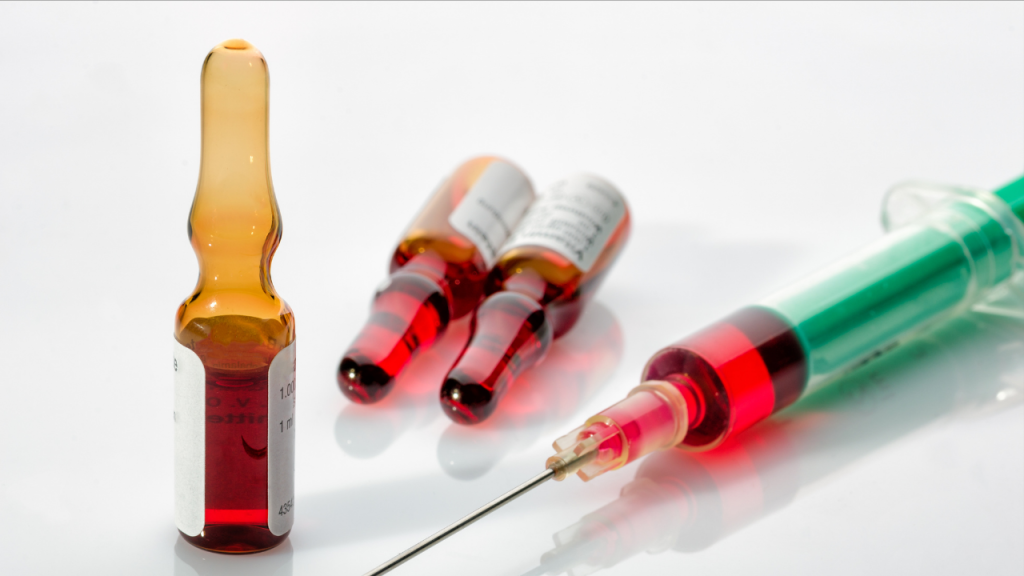
Introduction to the Booming Glass Vials Manufacturing Sector The glass vials manufacturing industry has experienced rapid growth, driven by increasing demand across sectors such as pharmaceuticals, cosmetics, laboratories, and healthcare. As global health awareness and vaccine distribution surge, the need for high-quality, sterile, and durable glass vials has never been greater. At the forefront of packaging innovation, we are committed to meeting this critical demand with precision-engineered solutions. Understanding the Importance of Glass Vials Glass vials are small, cylindrical containers made from borosilicate or soda-lime glass, widely used for storing liquid or powdered drugs, essential oils, chemical reagents, and other sensitive substances. The inherent properties of glass — non-reactivity, transparency, impermeability, and chemical resistance — make it an ideal packaging material. These attributes ensure product integrity, enhance shelf life, and comply with stringent global standards. Types of Glass Used in Vial Manufacturing Our glass vials manufacturing process incorporates different glass types depending on the application: Type I (Borosilicate Glass): Offers the highest resistance to thermal shock and chemicals, ideal for pharmaceutical uses. Type II (Treated Soda-Lime Glass): Suitable for injectable solutions with moderate reactivity. Type III (Soda-Lime Glass): Used for non-injectable solutions or dry substances. The right selection of glass type is crucial for ensuring compliance with regulatory requirements and maintaining product efficacy. Key Applications Driving Market Demand 1. Pharmaceutical Industry The pharmaceutical sector is the primary consumer of glass vials, especially for vaccines, injectable drugs, and diagnostic kits. The global vaccine rollout, including COVID-19 vaccines, has substantially increased the demand for sterile and break-resistant vials. 2. Biotechnology and Laboratory Use In biotechnology research and clinical labs, glass vials are preferred for storing samples, reagents, and solutions. Their superior chemical resistance and precision manufacturing help prevent contamination and ensure repeatable results. 3. Cosmetics and Fragrances Luxury cosmetic brands choose glass vials for perfumes, serums, and essential oils due to their aesthetic appeal and inert nature, preserving the purity of organic ingredients. 4. Food and Beverage Additives Certain food-grade glass vials are used for storing colorants, extracts, and flavoring agents in concentrated forms, where chemical stability is essential. Glass Vials Manufacturing Process 1. Raw Material Selection The process begins with selecting high-purity raw materials such as silica sand, soda ash, limestone, and alumina. We ensure that all raw materials are free from contaminants to guarantee consistent quality in production. 2. Melting and Molding Materials are melted at high temperatures (around 1,500°C) in furnaces. The molten glass is then poured into precision molds using techniques like blow-blow or press-blow forming, creating uniform vials. 3. Annealing Post-molding, vials undergo annealing to remove internal stresses and improve durability. They are slowly cooled in controlled ovens called lehrs to enhance thermal shock resistance. 4. Surface Treatment and Coating Depending on usage, vials may receive inner or outer coatings to improve chemical resistance, prevent sticking, and enhance durability. This step is vital for pharmaceutical vials to ensure patient safety. 5. Inspection and Quality Control Every glass vial is subjected to rigorous quality control tests for dimensions, wall thickness, breakage resistance, and surface defects. Advanced vision systems and mechanical testing ensure zero-defect products. Advantages of Choosing High-Quality Glass Vials Chemical Inertness: Glass does not interact with contents, making it ideal for sensitive formulations. Eco-Friendly: Recyclable and sustainable, glass supports green packaging initiatives. Transparency: Easy to inspect contents without opening. Long Shelf Life: Maintains product stability over extended periods. Sterilizability: Suitable for autoclaving and other sterilization methods. Regulatory Compliance and Certifications Manufacturers must meet international standards including USP, EP, ISO 9001, ISO 15378, and cGMP guidelines. Our facilities are audited regularly and fully certified to manufacture pharmaceutical-grade vials in cleanroom environments. Market Trends and Growth Forecast According to industry analysts, the global glass vials manufacturing market is projected to exceed USD 20 billion by 2030, with a CAGR of over 6%. Factors fueling this growth include: Rise in chronic diseases and injectable therapies Expansion of biotech and research labs Increase in personalized medicine and small-dose drug packaging Demand for tamper-proof, sterile, and recyclable packaging Customization Options in Glass Vial Manufacturing We offer a range of customization features to cater to niche industry needs: Volume Range: From 1ml to 100ml and beyond Neck Styles: Screw neck, crimp neck, or snap-on Color Options: Amber, clear, cobalt blue Labeling and Printing: Custom logos, dosage lines, and serialization Closure Systems: Rubber stoppers, aluminum seals, and plastic caps These customizations help businesses achieve branding goals and ensure compatibility with automated filling lines. Challenges in Glass Vial Manufacturing While the glass vials manufacturing industry is lucrative, it also faces challenges such as: High initial investment in furnace infrastructure Energy-intensive production processes Supply chain disruptions in sourcing high-grade silica Regulatory hurdles for pharmaceutical-grade compliance By leveraging automation, sustainable practices, and robust quality systems, we overcome these challenges and maintain a competitive edge. Sustainability and Eco-Conscious Manufacturing Our commitment to sustainability reflects in every stage of our process. We use energy-efficient furnaces, recyclable materials, and water-saving systems. By minimizing emissions and adhering to ESG norms, we contribute positively to the environment while delivering world-class products. Why Partner With Us for Glass Vials Manufacturing? We are more than just manufacturers — we are your strategic packaging partner. Our advantages include: Decades of industry experience State-of-the-art production and cleanroom facilities End-to-end solution from design to delivery Global shipping and just-in-time inventory support Personalized service and post-sales support Conclusion: Invest in a Growing Industry As demand continues to rise, glass vials manufacturing remains a high-growth, high-reward sector. Whether you’re in pharma, research, cosmetics, or nutrition, partnering with a reliable manufacturer can ensure quality, compliance, and cost efficiency. Let us help you take your business forward with safe, sterile, and sustainable glass vial solutions. Visit the page Select and Choose the Right Business Startup for You for sorting out the questions arising in your mind before starting any business and know which start-up you can plan. We, at NPCS, endeavor to make business selection a simple and convenient step for any entrepreneur/startup. Our expert team, by capitalizing on its
Radial Tyres Manufacturing Business: Most Lucrative Startup Opportunities in Automobile Sector

Introduction to the Radial Tyres Industry The radial tyres manufacturing sector is witnessing an unprecedented boom globally, driven by escalating demand for high-performance, fuel-efficient, and durable tyres. In emerging markets like India, the automotive sector is thriving, and radial tyres are becoming the preferred choice for commercial and personal vehicles. For entrepreneurs seeking a profitable and scalable venture, stepping into the radial tyres manufacturing business offers a goldmine opportunity. Why Radial Tyres Are in High Demand Radial tyres provide better road grip, superior fuel economy, enhanced durability, and lower rolling resistance compared to traditional bias-ply tyres. With the global push towards vehicle safety and performance optimization, radialisation in commercial vehicles and passenger cars is no longer optional — it’s a necessity. Key Advantages of Radial Tyres: Reduced fuel consumption due to lower rolling resistance. Longer lifespan, reducing maintenance and replacement costs. Improved handling and braking efficiency. Superior performance at high speeds. Understanding the Radial Tyres Market Scope The global radial tyres market is projected to reach USD 120 billion by 2030, growing at a CAGR of over 6%. This growth is fueled by increased automobile production, stringent regulations on fuel economy, and the replacement of older vehicles. The Indian market alone is shifting rapidly toward 100% radialisation, especially in the truck and bus segment, making it a strategic manufacturing location. Step-by-Step Guide to Starting a Radial Tyres Manufacturing Unit 1. Conduct Market Research and Feasibility Study Understanding demand dynamics, target market, raw material availability, and cost structure is essential before investing in a manufacturing unit. A feasibility study will highlight: Potential ROI Break-even point Regional tyre consumption patterns Competitive analysis 2. Choose a Strategic Location Select a location with access to: Industrial infrastructure Skilled labor Proximity to automobile hubs Easy logistics and raw material sourcing Cities like Pune, Chennai, Vadodara, and Indore are ideal choices due to their strong automotive and rubber industry linkages. 3. Obtain Legal Registrations and Approvals To legally operate a radial tyres manufacturing plant in India, you must secure: Company registration (LLP or Pvt. Ltd.) GST Registration Pollution Control Board Clearance Factory License Import-Export Code (for global sales) BIS Certification for quality compliance 4. Machinery and Technology Setup Invest in automated machinery for: Tyre building Curing press Calendering Bead forming Tread extrusion Quality control testing units Leverage latest radialisation technologies from global manufacturers like VMI Group, Mesnac, or HF Group for optimized output. 5. Hire Skilled Workforce Skilled professionals in: Mechanical and industrial engineering Rubber technology Quality control and R&D Logistics and marketing You’ll also need a strong operations team to manage daily production schedules and ensure quality standards are met consistently. 6. Secure Raw Materials The essential raw materials include: Natural and synthetic rubber Carbon black Steel wires Sulfur and accelerators Nylon/Polyester cords Establish long-term contracts with domestic and international suppliers to ensure consistency in quality and pricing. 7. Build a Robust Distribution Network Develop a network of: Dealers and distributors OEM (Original Equipment Manufacturer) tie-ups Export channels E-commerce platforms for retail sales Ensure a strong logistics and supply chain management system to deliver tyres safely and on time. Investment and Profitability Overview Initial Investment Estimate: Land and Building: ?2 – ?5 Crores (depending on location) Machinery and Equipment: ?8 – ?12 Crores Working Capital: ?2 – ?4 Crores Total Investment: ?12 – ?20 Crores Profit Margins: Radial tyre manufacturers enjoy a gross profit margin of 25-35%, especially when scaling up with OEM contracts and export markets. The break-even period typically ranges between 2 to 3 years depending on production volume and market penetration. Government Schemes and Support The Government of India supports the radial tyres industry through: PLI Scheme for auto and auto component manufacturers. MSME subsidies on interest and capital investment. Export incentives under the RoDTEP Scheme. Technology Upgradation Fund Scheme (TUFS) for modern machinery. These schemes significantly reduce capital risk and support business growth. Export Potential of Radial Tyres India exports radial tyres to over 100 countries. The top export destinations include: United States Germany UAE Australia South Africa To tap global markets: Obtain DOT, E-Mark, and GCC certifications Build a strong export compliance and shipping framework Participate in international auto expos and B2B meets Marketing Strategy for Radial Tyres 1. Brand Building Create a strong brand identity with: Eye-catching logo and brand story Eco-performance messaging Emphasis on durability and savings 2. Digital Marketing Use SEO, PPC, and social media to promote: Product features Comparisons with competitors Customer testimonials Bulk order discounts for fleet owners 3. OEM Tie-ups Partner with leading vehicle manufacturers to supply tyres directly to assembly lines. This offers stable long-term revenues. 4. Aftermarket Sales Target individual customers, garages, tyre shops, and fleet operators with competitive pricing and dealer loyalty programs. Challenges and Risk Mitigation Common Challenges: High capital investment Raw material price volatility Import dependency on machinery Quality control consistency Risk Mitigation: Diversify suppliers Use hedging tools to manage raw material price fluctuations Regular maintenance and staff training ISO 9001 and BIS quality systems implementation Future of Radial Tyres Manufacturing The future is green and intelligent. Expect major innovations such as: Eco-friendly, recyclable tyres Smart tyres with embedded sensors AI-driven predictive maintenance analytics Integration with electric vehicles (EVs) for specialized requirements India is poised to become a global manufacturing hub for radial tyres, driven by favorable government policy, strong domestic demand, and export opportunities. Conclusion Launching a radial tyres manufacturing business is not just a lucrative opportunity, it’s a strategic entry into the booming automotive and mobility market. With careful planning, adherence to quality, and a robust marketing strategy, you can transform this venture into a multi-crore enterprise in just a few years. It’s the perfect time to roll into the future with radial precision. Visit the page Select and Choose the Right Business Startup for You for sorting out the questions arising in your mind before starting any business and know which start-up you can plan. We, at NPCS, endeavor to make business selection a simple and convenient step for any entrepreneur/startup. Our expert team, by
The Complete Technology Book on Wax and Polishes

Introduction to Wax and Polishes Technology The wax and polishes industry plays a vital role across multiple sectors, including automotive, furniture, floor care, leather, and metal polishing. The Wax and Polishes Technology Book | Industrial Formulations serves as an essential resource, offering detailed insights into advanced manufacturing processes, industrial applications, and cutting-edge formulations that drive performance and innovation. In this comprehensive article, we explore various aspects of wax and polish formulations, raw materials, emulsions, production processes, and industrial applications, providing an in-depth look that sets a new benchmark for technical writing in this sector. Understanding Wax Types and Their Functions Natural and Synthetic Waxes Waxes are categorized based on their source and structure: Natural Waxes: Derived from plants (Carnauba, Candelilla), animals (Beeswax), or minerals (Paraffin wax). These are widely used for their environmentally friendly profile and excellent polishing properties. Synthetic Waxes: Include polyethylene waxes, Fischer-Tropsch waxes, and silicone-based materials. These offer higher thermal stability and chemical resistance, vital for industrial-grade formulations. The choice of wax type directly influences the final properties of the polish, including gloss level, durability, water repellency, and ease of application. Core Ingredients in Wax and Polish Formulations An effective wax and polishes formulation combines several components: Waxes (natural/synthetic) – provide the base structure and gloss. Solvents – act as carriers to dissolve and disperse other ingredients (e.g., mineral spirits, turpentine, or water in emulsions). Emulsifiers and surfactants – aid in the dispersion of wax in water-based systems. Plasticizers and oils – enhance flexibility and spreadability. Abrasives – present in polishes for removing oxidation or smoothing surfaces. Additives – such as UV stabilizers, preservatives, dyes, and fragrance agents. Each of these ingredients must be precisely balanced to ensure optimal performance under specific environmental and usage conditions. Emulsion-Based vs. Solvent-Based Formulations Water-Based Emulsion Polishes Water-based polishes are gaining popularity due to environmental regulations and demand for low-VOC products. In these formulations, the wax is finely dispersed in water using surfactants and emulsifiers. They are ideal for furniture and floor polish applications. Advantages: Low toxicity and flammability Easy cleanup and storage Environmentally safer Solvent-Based Polishes Solvent-based systems offer deeper penetration, faster drying, and higher gloss. These are often used in automotive, leather, and metal polishing products. Advantages: Superior water resistance Longer-lasting finish Better application on non-porous surfaces Industrial Formulations: Sample Recipes Here are three industrial formulations for various applications using modern wax and polish technologies: 1. Carnauba Wax Furniture Polish (Emulsion-Based) Ingredients: Carnauba Wax – 5% Beeswax – 3% Emulsifying Wax – 4% Water – 75% Preservatives – 0.5% Fragrance – 0.5% Mineral Oil – 12% Process: Heat water and emulsifying wax to 75°C. Add melted waxes and mineral oil slowly. Homogenize the mixture until uniform. Cool to 40°C and add fragrance and preservatives. 2. Metal Polishing Cream Ingredients: Paraffin Wax – 4% Microcrystalline Wax – 2% Solvent Naphtha – 40% Kaolin Clay – 10% Silica – 5% Surfactant Blend – 2% Water – 37% Process: Heat solvent and wax blend until fully liquified. Add abrasives and homogenize thoroughly. Adjust viscosity and pH. Fill into tubes or jars while warm. 3. Automotive Polish (High Gloss Silicone Emulsion) Ingredients: Silicone Emulsion (60%) – 30% Polyethylene Wax – 4% Non-ionic Surfactants – 3% Water – 63% Process: Heat water to 70°C. Add surfactants and polyethylene wax. Slowly introduce silicone emulsion with constant stirring. Cool, homogenize, and package. Advanced Technologies in Wax and Polish Manufacturing Modern production techniques have revolutionized the wax and polishes industry. Key technologies include: Nano-Emulsion Technology – for ultra-fine dispersion of wax particles, improving penetration and finish. Microencapsulation – enabling time-release of active agents like fragrance or corrosion inhibitors. UV-curing formulations – offering rapid drying and enhanced wear resistance. Such innovations improve user experience while also complying with global environmental standards. Applications Across Diverse Industries The wax and polishes sector supports a wide range of industries: Automotive – Car waxes and polishes protect vehicle surfaces, enhance shine, and resist environmental contaminants. Furniture – Polishes nourish wood, restore luster, and offer protection from moisture and dust. Flooring – Used to provide slip-resistance and a glossy finish in residential and commercial flooring. Leather Care – Polishes condition leather goods, restoring flexibility and color. Metal Finishing – Industrial polishes prepare metals for further treatment or final use. Each application demands specialized formulations tailored to the substrate and performance needs. Regulatory Compliance and Safety Considerations Manufacturers must comply with international standards and environmental regulations such as: REACH (EU) – covering chemical safety in consumer products. EPA Guidelines (USA) – related to VOC emissions and solvent usage. BIS Standards (India) – including quality assurance for floor, car, and metal polish products. Product labeling, MSDS (Material Safety Data Sheets), and proper handling protocols are vital for user safety and legal compliance. Packaging and Shelf-Life Stability Packaging significantly affects product life and usability. Common options include: Plastic jars and tubes – suitable for creams and pastes. Metal cans – used for solvent-rich products. Trigger spray bottles – ideal for liquid emulsions and water-based sprays. Stabilizers and preservatives are added to maintain product quality over time, ensuring consistent performance from the first use to the last. Future Trends in Wax and Polish Formulations The future of wax and polishes technology is leaning toward: Eco-Friendly Ingredients – biodegradable waxes and green solvents. Multifunctional Products – combining cleaning, polishing, and protecting in one. Smart Packaging – dispensing controlled amounts, minimizing waste. Digital Formulation Labs – using AI to model and optimize formulations based on performance metrics. Innovation in this domain is paving the way for highly efficient, sustainable, and user-friendly products. Conclusion The Wax and Polishes Technology Book | Industrial Formulations is more than a compendium of recipes—it’s a technical guide that empowers professionals to innovate and formulate with confidence. From foundational ingredients to complex emulsions, this book covers every facet of the wax and polish industry, setting a gold standard for product development. To excel in today’s competitive landscape, businesses must invest in modern technologies, comply with regulations, and continue to push the boundaries of performance
Start your own Glass Vials Manufacturing Business for Medicines, Cosmetics and Other Injectable
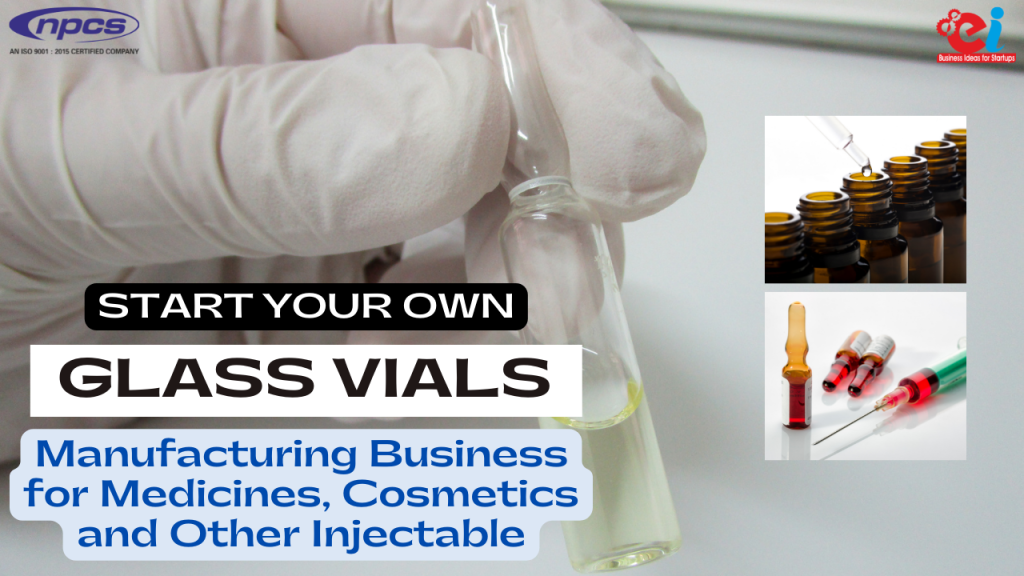
Introduction to the Glass Vials Industry In the rapidly growing pharmaceutical and cosmetic sectors, glass vials have emerged as indispensable packaging solutions. Their inert nature, resistance to contaminants, and exceptional sealing capabilities make them the preferred choice for companies seeking reliable, sterile, and aesthetically pleasing packaging. The glass vials business for cosmetics & medicines presents an attractive opportunity for entrepreneurs and manufacturers aiming to supply a critical product to a high-demand market. Why Glass Vials are Essential in Cosmetics and Pharmaceuticals Superior Chemical Stability One of the standout advantages of glass vials is their non-reactive composition. This ensures that neither active pharmaceutical ingredients (APIs) nor cosmetic formulations degrade or change when stored. Unlike plastic, glass vials offer unparalleled chemical stability, making them ideal for serums, injectable drugs, essential oils, and perfumed extracts. High-Quality Sealing and Sterility The airtight sealing of glass vials provides a secure barrier against environmental contaminants. This is crucial in the pharmaceutical sector, where sterility is non-negotiable. In cosmetics, maintaining product purity translates directly into consumer trust and brand loyalty. Sustainability and Reusability Glass vials align with the rising trend of eco-conscious packaging. Being 100% recyclable, they offer companies the ability to adopt sustainable practices while delivering premium packaging solutions. Many high-end cosmetic brands are switching to glass vials to meet sustainability goals and enhance their market appeal. Market Demand and Trends Booming Cosmetic Industry The global cosmetics industry is projected to reach $580 billion by 2030, with a strong focus on skincare and natural formulations. This surge directly impacts the demand for glass vials as consumers increasingly seek premium, transparent, and sustainable packaging for serums, ampoules, and oils. Expanding Pharmaceutical Sector The pharmaceutical industry, particularly injectables and biologics, has seen exponential growth. With the global push for vaccination and personalized medicine, glass vials have become central to safe drug delivery. The demand for type I borosilicate glass vials in this space is expected to grow by over 6% CAGR annually. Types of Glass Vials Used 1. Type I Borosilicate Glass Vials These are the highest quality vials used primarily in pharmaceutical packaging due to their superior chemical resistance and thermal stability. 2. Type II Treated Soda Lime Glass Vials Used in less reactive pharmaceutical applications, offering a cost-effective yet reliable solution. 3. Cosmetic Glass Vials These typically feature elegant finishes, colored glass, frosted textures, and dropper attachments to enhance brand visibility while preserving product integrity. Applications in the Cosmetics Industry Facial Serums and Skincare Treatments High-end facial serums often come in amber or clear glass vials, protecting active ingredients like Vitamin C or retinol from light degradation. These vials are also fitted with droppers or rollerballs for precise application. Essential Oils and Aromatherapy Blends For volatile and sensitive oils, glass vials ensure purity and longevity. Their airtight seals prevent evaporation, preserving aroma and effectiveness. Sample and Travel Sizes Miniature glass vials are perfect for sample kits, promotions, and travel packs. They enhance product perception and encourage trial without compromising on aesthetics or safety. Applications in the Pharmaceutical Industry Injectables and Vaccines Glass vials are indispensable in the storage and delivery of injectable drugs. With increased production of biologics and vaccines, the demand for sterile, tamper-proof glass vials has surged. Diagnostic and Clinical Testing Laboratories rely on glass vials for storing samples, reagents, and solutions. Their resistance to leaching and contamination makes them an industry standard. Ophthalmic and Inhalation Solutions Sterile vials play a critical role in delivering eye drops and inhalation medications, especially in unit-dose applications. Starting a Glass Vials Manufacturing or Supply Business 1. Market Research and Target Segments Begin by identifying which industry you wish to cater to — cosmetics, pharmaceuticals, or both. Understand their specific requirements, regulatory norms, and packaging needs. 2. Raw Material Sourcing Glass vial production requires high-purity silica sand, soda ash, and limestone. Partner with reliable suppliers for consistent material quality. For high-grade pharmaceutical vials, borosilicate glass is essential. 3. Machinery and Infrastructure Invest in automated forming and annealing machines to produce precision vials. Cleanrooms and sterile packaging environments are necessary for pharmaceutical-grade vial production. 4. Certification and Compliance Obtain certifications such as ISO 9001, ISO 15378, and GMP compliance. For pharmaceutical clients, US FDA and EU certifications may be needed. 5. Branding and Differentiation In the cosmetic segment, design plays a critical role. Offer custom shapes, screen printing, frosted finishes, and decorative caps to attract boutique and luxury brands. Distribution and Sales Strategy 1. Direct Supply to Brands and Laboratories Build partnerships with skincare brands, cosmetic manufacturers, pharma companies, and research institutions. Offer volume-based pricing and logistical support. 2. Online B2B Portals and Marketplaces Platforms like Alibaba, IndiaMART, TradeIndia, and ThomasNet are effective for reaching international clients. Ensure your product listings are SEO-optimized with keywords like “glass vials,” “pharmaceutical glass packaging,” and “cosmetic vial suppliers.” 3. Private Label Manufacturing Provide white-label solutions for emerging brands that seek cost-effective entry into the market without setting up their own manufacturing units. Advantages of Investing in the Glass Vials Business High demand across essential sectors Premium product margins Eco-friendly and future-proof packaging Scalable operations with long-term contracts Customization options that command premium pricing Challenges and Considerations Breakage risks during transport if not packed correctly Need for specialized equipment and trained labor Regulatory hurdles in pharma-grade packaging Price competition from plastic vial alternatives in low-end markets Conclusion: A Lucrative Market with Endless Opportunities With the convergence of sustainability, functionality, and aesthetic appeal, glass vials have become indispensable in both cosmetics and pharmaceutical packaging. Starting a glass vials business for cosmetics & medicines offers scalable profits and cross-industry demand. By investing in quality manufacturing, understanding client needs, and delivering innovative packaging solutions, businesses can secure long-term growth in this thriving industry. Visit the page Select and Choose the Right Business Startup for You for sorting out the questions arising in your mind before starting any business and know which start-up you can plan. We, at NPCS, endeavor to make business selection a simple and convenient step for any entrepreneur/startup. Our expert team, by
Lithium Ion Battery Pack is the future of energy storage.
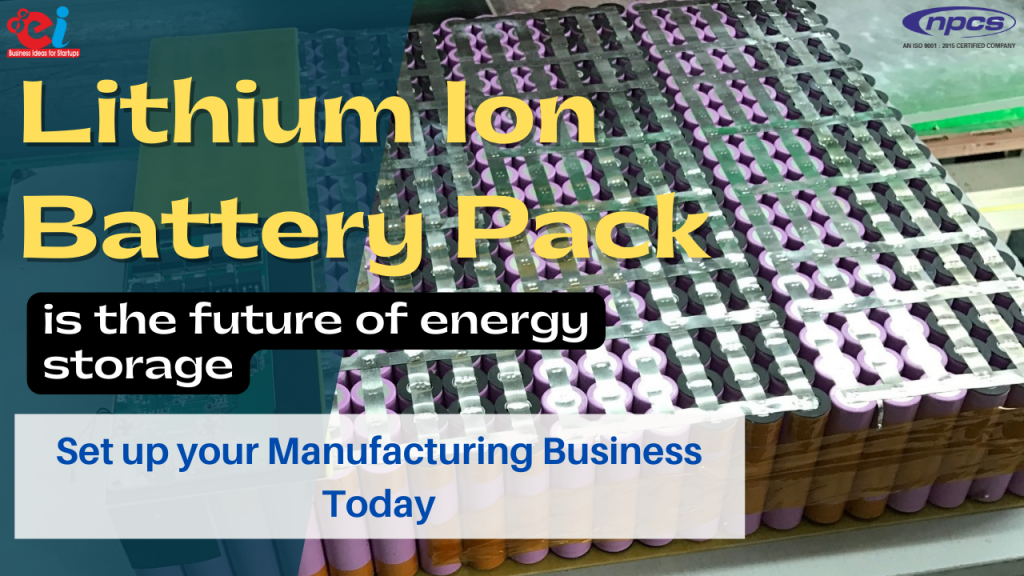
Introduction to the Lithium-ion Battery Business In an era where clean energy and sustainable transport are dominating global discourse, the Lithium-ion battery has emerged as a central element of the green revolution. From electric vehicles (EVs) to solar energy storage systems and consumer electronics, the demand for reliable, high-density batteries is soaring. Entrepreneurs and investors are tapping into this explosive market, finding immense potential in launching a Lithium-ion battery pack business. Why Start a Lithium-ion Battery Pack Business? The global shift towards renewable energy and electrification has opened up a multi-billion-dollar market. According to industry projections, the Lithium-ion battery market is expected to surpass $250 billion by 2030. This rapid growth is fueled by: Electric Vehicle (EV) boom Grid-scale renewable energy storage Portable electronics and mobile computing Industrial applications in robotics, drones, and tools By entering the Lithium-ion battery pack business, you align with future-ready technologies while contributing to sustainable development. Understanding Lithium-ion Battery Packs A Lithium-ion battery pack is a combination of several individual lithium-ion cells configured and managed with Battery Management Systems (BMS). These packs are designed to provide high energy density, lightweight form factor, longer lifespan, and rapid charging—key requirements for today’s electronic and automotive needs. The typical components of a battery pack include: Cell Module: Individual lithium-ion cells arranged in a specific series-parallel configuration Battery Management System (BMS): Circuitry that monitors and controls charge-discharge functions Cooling System: Keeps the temperature within safe limits Packaging: Ensures safety and protection during use and transport Market Analysis and Target Sectors Before setting up a business, it’s crucial to analyze demand across sectors: Automotive (EV): EVs require large-capacity battery packs, making this the largest consumer market. Renewable Energy Storage: Residential and commercial solar setups increasingly rely on Lithium-ion batteries. Telecom and Data Centers: Require uninterrupted power, opening a niche for high-performance battery packs. Consumer Electronics: From smartphones to laptops, there’s consistent demand for compact, long-lasting batteries. Industrial Equipment: Power tools, drones, AGVs, and robotics use tailored Lithium-ion battery packs. Step-by-Step Guide to Start a Lithium-ion Battery Pack Business 1. Conduct a Detailed Feasibility Study Before making an investment, conduct a thorough feasibility report covering: Market demand and future trends Initial capital requirement Supply chain logistics Regulatory approvals and compliance Technical know-how Use insights from this study to craft a viable business plan. 2. Legal Registration and Certifications To operate legally and ensure product trust, secure the following: Company registration under relevant local or national laws BIS certification (India), UL/CE marks (international) Pollution Control Board approvals Fire and Safety compliance Patent and intellectual property for proprietary designs (if applicable) 3. Investment and Financial Planning Starting a Lithium-ion battery pack manufacturing unit can be capital-intensive. Here’s a breakdown: Small-scale setup: ?25–50 Lakhs (for manual/semi-automatic operations) Medium to large-scale: ?1–5 Crores (fully automated line with testing labs) Funds should cover machinery, raw materials, skilled labor, licenses, branding, and marketing. 4. Setup of Manufacturing Facility Location selection should ensure proximity to raw material suppliers, ease of transport, and regulatory compliance. Key facility zones: Assembly Line: Cell arrangement, welding, and pack formation Testing Lab: Cycle testing, thermal management validation R&D Section: For design innovations and performance improvement Packaging Unit: Safe and standardized packing for transport Procure high-quality machinery for cell sorting, spot welding, BMS integration, and laser cutting. 5. Sourcing Raw Materials and Components Your supply chain should be reliable and quality-driven. Essential components include: Lithium-ion cells (18650, 21700, pouch cells, prismatic cells) BMS circuits Nickel strips and busbars Welding and housing materials Cooling foams or phase-change materials Tie-ups with international cell manufacturers (e.g., Samsung SDI, LG Chem, CATL) can ensure consistent supply. 6. Designing the Battery Pack Product differentiation comes from how you design the pack. Focus on: Custom voltage/current requirements Thermal management efficiency Modular and scalable design Integrated IoT monitoring systems Offer OEM/ODM solutions for startups and EV companies to gain market entry. 7. Battery Testing and Quality Assurance Safety and performance define your brand. Invest in quality testing protocols: Voltage and capacity tests Short-circuit and overcharge protection Thermal runaway prevention Life cycle and deep discharge testing Use advanced software to log test data and integrate it into the product’s warranty system. 8. Sales and Marketing Strategy A strong go-to-market strategy is key to success in the Lithium-ion battery pack business: B2B channels: Partner with EV startups, solar EPCs, and OEMs B2C platforms: Sell via e-commerce or through your own branded website Government tenders: Bid for energy storage and rural electrification projects Exhibitions & trade shows: Present your tech at expos to attract industrial clients Utilize digital marketing tools such as SEO, PPC ads, LinkedIn campaigns, and email newsletters. 9. After-Sales Support and Recycling Provide long-term support through: Warranty and repair services Remote monitoring tools AMC contracts for bulk users Recycling and disposal programs for end-of-life batteries Establish your reputation by promoting sustainable Lithium-ion battery solutions. Challenges in the Lithium-ion Battery Industry High competition and price sensitivity Dependency on imported cells (especially in India) Regulatory complexity and certification delays Risk of fire or thermal runaway if poorly designed Environmental concerns around mining and disposal Overcome these challenges with innovation, reliable sourcing, and world-class engineering. Future Opportunities in the Lithium-ion Battery Sector The future holds immense promise for businesses in this space: Solid-state batteries: Emerging tech with even better energy density Second-life battery reuse: Repurposing EV batteries for solar storage Battery swapping stations: Especially for 2-wheeler and 3-wheeler segments Domestic cell manufacturing: Under PLI (Production Linked Incentives) in India Export market: Growing demand in Africa, Southeast Asia, and Latin America Innovate continually and stay informed about market trends and government policies. Conclusion Starting a Lithium-ion battery pack business today positions you at the forefront of the energy revolution. By combining advanced technology, a solid manufacturing setup, and strategic marketing, your business can tap into one of the most lucrative and future-proof industries. With the right execution, your venture can contribute significantly to global electrification and sustainability goals. Lithium-ion batteries are more than just a trend—they’re the power source of the future. Visit the
Start a Profitable Abrasive Grinding Wheels Manufacturing Business
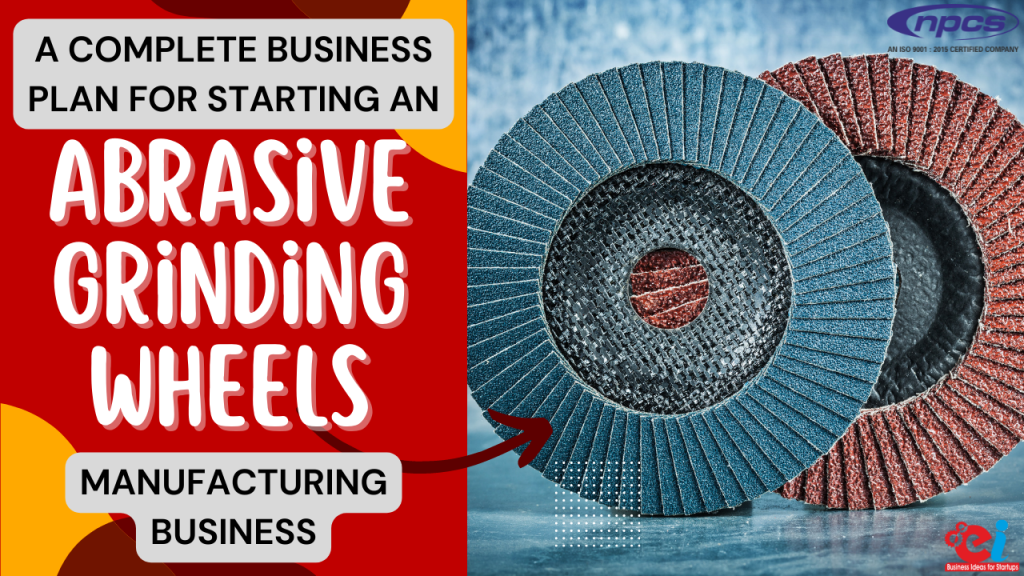
Abrasive grinding wheels are a cornerstone of the industrial and manufacturing sectors, offering indispensable support in cutting, grinding, shaping, and finishing applications. As demand surges in automotive, metal fabrication, aerospace, construction, and electronics industries, the opportunity to establish a lucrative abrasive grinding wheel business has never been stronger. This guide provides a complete roadmap, from market analysis to operations and financial planning. Market Demand for Abrasive Grinding Wheels in India and Globally The global market for abrasive grinding wheels is expected to grow significantly, driven by industrial automation, increasing infrastructure projects, and rapid modernization in sectors such as automotive manufacturing, aerospace, and metalworking. In India, the “Make in India” initiative has stimulated industrial growth, with the abrasives market projected to grow at over 6% CAGR in the coming years. Key demand contributors include: Automotive Sector: Precision grinding in gear and transmission production Construction Industry: Polishing, surface preparation, and finishing Tool Manufacturing: High-precision applications for cutting tools Electronics: Delicate and fine polishing of semiconductors Types of Abrasive Grinding Wheels and Their Applications Bonded Abrasive Wheels Bonded wheels are made from abrasive grains bonded with ceramic, resin, or rubber binders. They’re primarily used for precision applications in industrial setups. Popular Types: Straight Grinding Wheels – Used for cylindrical and surface grinding Cylindrical Wheels – Used in toolroom grinding and finishing Cut-off Wheels – Ideal for quick and clean cuts on metal surfaces Coated Abrasive Wheels These use abrasive materials adhered to a backing like paper or cloth. They’re common in finishing and polishing processes. Examples: Flap Discs Abrasive Belts Sanding Discs Super Abrasive Wheels Composed of industrial diamonds or cubic boron nitride (CBN), these wheels offer exceptional durability and precision for high-end applications like aerospace and advanced tooling. Investment and Machinery Requirements Initial Capital Requirements The startup capital will depend on the scale—small, medium, or large-scale unit. A medium-scale abrasive grinding wheels plant may require an investment of INR 25–50 lakhs (USD 30,000–60,000). Costs Breakdown: Land & Building: INR 5–10 lakhs Machinery & Equipment: INR 15–20 lakhs Raw Materials & Inventory: INR 5–10 lakhs Labor & Working Capital: INR 5–10 lakhs Required Machinery Mixing Machine Hydraulic Press Ovens and Kilns for Curing Balancing Machine Testing Equipment Packing Machines These machines ensure uniform bonding, curing, and quality assurance, making them critical for consistent product delivery. Raw Materials Used in Grinding Wheel Production To produce high-quality abrasive wheels, focus on reliable sourcing of raw materials: Abrasive Grains: Aluminum oxide, silicon carbide, CBN, diamond Binders: Vitrified (ceramic), resinoid (resin-based), rubber Filler Materials: Cryolite, iron pyrites Backing Material (for coated abrasives): Fiber, cloth, paper Additives: To improve strength, thermal resistance, and durability Quality raw material ensures longevity, speed, and performance of the wheels. Licensing and Legal Formalities To run your abrasive grinding wheels business legally and efficiently in India, the following registrations are essential: Company Registration (Proprietorship/LLP/Private Ltd.) GST Registration Factory License Pollution Control Clearance from SPCB BIS Certification (IS 1249) for bonded abrasives Udyam/MSME Registration for availing government subsidies Production Process of Abrasive Grinding Wheels The manufacturing process involves the following crucial steps: Mixing: Raw abrasive grains and bonding agents are mixed uniformly. Moulding: The mix is poured into molds and shaped under hydraulic pressure. Drying & Curing: Wheels are dried and heated in kilns to gain strength. Finishing: Edges are trimmed, and wheels are dressed to correct dimensions. Testing: Each wheel is tested for balance, crack detection, and speed tolerance. Packing: Labeled, shrink-wrapped, and sealed for market dispatch. Marketing Strategies for Abrasive Grinding Wheel Business B2B marketing is most effective in this sector. Here are powerful strategies to build a strong brand presence: Industrial Exhibitions: Participate in machinery expos and tool fairs Online Platforms: List on IndiaMART, TradeIndia, Alibaba, and Justdial Search Engine Optimization: Rank for keywords like “abrasive grinding wheels manufacturer in India” or “cutting wheels supplier” Corporate Tie-ups: Establish long-term supply contracts with automotive and construction companies Social Media & LinkedIn: Build thought leadership through technical content and product demos Profit Margin and ROI Analysis An established abrasive wheel business offers 30–50% profit margins, depending on efficiency and scale. Superabrasive segments (CBN & diamond) yi Sample Revenue Estimate (Medium-Scale Unit): eld higher margins due to specialized usage and limited competition. Monthly Production: 20,000 units Average Selling Price per Unit: INR 80 Monthly Revenue: INR 16,00,000 Operational Expenses: INR 10,00,000 Monthly Profit: INR 6,00,000 Break-even typically occurs within 12–18 months with consistent market penetration. Challenges and Risk Factors While lucrative, this business does have challenges: Raw material price fluctuations High precision requirements and quality control Regulatory compliance and safety standards International competition from Chinese and European manufacturers Address these risks through automation, quality assurance, and differentiation by specialty products like superabrasives or eco-friendly bonded wheels. Future Scope and Expansion Opportunities With increasing automation and high-speed machinery, demand for high-performance grinding wheels will expand. Business owners can scale operations by: Introducing CNC-compatible wheels Launching export-quality product lines Setting up distribution hubs across industrial zones Entering the aftermarket tool servicing space Government incentives under MSME and Startup India initiatives further support expansion and innovation. Benefits of Starting Abrasive Grinding Wheels business Start your own abrasive grinding wheel manufacturing company if you want to invest in a successful business. Abrasive is a significant natural resource made composed of minerals that have been moulded and created over millions of years and can be used in a range of applications. Starting an abrasive grinding wheel manufacturing company is one method to get your hands on these resources. This could be an excellent approach for you to have access to natural resources without prior knowledge. However, you’ll need to learn more about how to start such a firm, so keep reading for some helpful advice. The first step is to pick what type of grinding wheel you wish to make. There are numerous varieties available, each with its own set of purposes and qualities. Starting an abrasive sanding wheels manufacturing company, for example, could be excellent if you’re seeking for a straightforward business concept with cheap overheads. There’s