
Doing Business in Kenya | Top Reasons why to Start an Industry in Kenya

Business in Kenya is rapidly emerging as one of the most attractive opportunities in East Africa. With a growing population, a strategic location, and a strong push for digital innovation, Kenya presents a fertile ground for entrepreneurs and investors looking to tap into diverse sectors. From agriculture and manufacturing to fintech and tourism, Kenya’s dynamic economic landscape offers both local and international business enthusiasts a chance to build profitable ventures with long-term sustainability. Kenya’s government is actively fostering a pro-business environment through policy reforms, infrastructure development, and investment incentives. Whether you’re a small startup founder or a large-scale investor, Kenya is increasingly being seen as the gateway to Sub-Saharan Africa’s business ecosystem. Start a Business in Kenya, Click Here Why Kenya is a Great Place to Start a Business Kenya’s economic growth has been driven by its diversified economy and strategic location as a commercial and logistics hub in East Africa. The country is also home to M-Pesa, one of the world’s most successful mobile money platforms, showcasing its strength in tech adoption and financial inclusion. Key business enablers in Kenya: Stable macroeconomic environment Expanding middle class and urban population Government support through Vision 2030 strategy Improved ease of doing business (ranked top 3 in Africa) Access to East African markets through trade agreements Kenya also has direct access to ports and transport corridors, making it ideal for manufacturing, logistics, and export-oriented businesses. Related Feasibility Study Reports: Best Business Opportunities in Kenya 1. Agribusiness and Food Processing Agriculture contributes to over 30% of Kenya’s GDP and employs more than 70% of the rural population. With rising demand for value-added agricultural products both locally and globally, agribusiness remains one of the most promising sectors in Kenya. Business ideas in this sector: Export of fresh vegetables, avocados, and flowers Animal feed manufacturing Dairy processing units (milk, cheese, yogurt) Value-added products like dried fruits, spices, or fruit juices Organic farming and greenhouse vegetable farming Agri-tech solutions, such as mobile platforms for farm inputs or market linkages, are also gaining popularity among Kenyan youth. Read our Books Here: Startup Books for Entrepreneurs 2. Real Estate and Construction Kenya’s urbanization is creating a huge demand for housing, commercial spaces, and infrastructure projects. Cities like Nairobi, Mombasa, Kisumu, and Eldoret are witnessing rapid growth in population and economic activity. Real estate business opportunities: Affordable housing development Real estate brokerage and property management Construction supply chain (cement, steel, tiles, fittings) Smart homes and gated communities Green building solutions and construction tech startups With the government’s Big Four Agenda focusing on affordable housing, real estate continues to attract both local and foreign investors. 3. Tourism and Hospitality Kenya is known globally for its stunning safaris, beaches, and cultural heritage. The tourism sector contributes significantly to GDP and offers wide-ranging business opportunities. Ideas to explore: Eco-lodges and safari camps Tour operation companies Travel tech platforms for bookings and local experiences Souvenir production and craft exports Specialty restaurants and international cuisine chains Niche tourism areas like adventure travel, medical tourism, and cultural tours are also gaining popularity, especially among millennials and international tourists. Watch other Informative Videos: African Countries – Identification and Selection 4. ICT and Tech Startups Nairobi is often referred to as the “Silicon Savannah” due to its booming tech startup scene. The success of mobile innovations like M-Pesa has paved the way for a strong fintech, healthtech, and edtech ecosystem in the country. Startup business ideas: Digital payment and lending platforms Online education and tutoring E-commerce and dropshipping businesses Mobile applications for transport, delivery, and services Blockchain and AI-based solutions Kenya’s youthful, tech-savvy population and widespread mobile phone use make it a perfect testing ground for scalable digital solutions. 5. Manufacturing and Industrial Ventures As part of its industrialization strategy, Kenya aims to increase the manufacturing sector’s contribution to GDP. The government is creating special economic zones (SEZs) and providing incentives to boost local and export-oriented manufacturing. Manufacturing opportunities: Textile and garment production Furniture and wood products Packaging materials and plastic items Pharmaceuticals and medical disposables Construction materials like blocks, paints, and tiles Investors can benefit from low labor costs, local raw materials, and regional market access through the East African Community (EAC). 6. Health and Wellness Industry Healthcare remains a priority area for development in Kenya. There is increasing demand for affordable, quality medical services, wellness products, and health technology solutions. Business areas to explore: Diagnostic centers and mobile health clinics Telemedicine and health apps Pharmaceutical retail chains Health insurance products for informal sectors Nutritional supplements and organic health foods The COVID-19 pandemic accelerated digital health adoption, creating space for innovation in rural and urban healthcare delivery. 7. Renewable Energy and Cleantech Kenya is a global leader in renewable energy, especially in geothermal and wind power. About 90% of its electricity comes from renewables. There’s growing demand for small-scale solar solutions, energy-efficient appliances, and waste-to-energy businesses. Lucrative business models: Solar panel retail and installation Clean cookstoves and biogas units Off-grid lighting solutions for rural areas Battery storage and EV charging stations Waste recycling and composting businesses Climate-conscious consumers and government sustainability goals make this a strong future-oriented sector. Starting a Business in Kenya: Legal & Practical Aspects Starting a business in Kenya is now faster and more streamlined thanks to digital platforms like eCitizen. Entrepreneurs can register a company in less than a week. Key steps to register: Name search and reservation Register company with Registrar of Companies Apply for KRA PIN and VAT Obtain relevant business licenses (e.g., food, health, construction) Open a business bank account Comply with local county regulations Foreign investors must also follow the Kenya Investment Promotion Act and are encouraged to engage through the Kenya Investment Authority (KenInvest). Access to Finance and Support Kenya offers several funding options for startups and SMEs: Bank loans and microfinance institutions Government funds (Youth Enterprise Fund, Women Fund, Uwezo Fund) Venture capital and angel investor networks International development agencies and donor programs In addition, hubs like Nailab, iHub, and Gearbox offer mentoring, co-working, and
What Do Small Businesses Value Most, When Seeking a Business Consultant?

Small businesses value most the elements that directly impact their ability to survive, thrive, and scale in competitive markets. While large corporations have departments and deep resources to support every function, small business owners often wear multiple hats. That’s why identifying what truly matters—what drives value, efficiency, and customer satisfaction—is crucial for their sustainable success. From loyal customers and efficient operations to supportive technology and trust-based relationships, small businesses prioritize essentials that generate tangible outcomes. Understanding these core values helps them stay focused, agile, and resilient through market fluctuations, evolving trends, and operational challenges. What Do Small Businesses Value Most? Small businesses have unique challenges and aspirations. Unlike big brands that can afford trial and error, small enterprises must prioritize with precision. Whether you run a local bakery, a tech startup, or a boutique design studio, your decisions often boil down to time, money, and customer impact. Commonly valued priorities include: Customer loyalty and word-of-mouth reputation Cost-effective marketing strategies Skilled, reliable team members Scalable technology tools Supportive business networks and partnerships Flexibility in decision-making and innovation These values form the foundation for daily operations and long-term strategy. 1. Customer Relationships and Loyalty The heart of every small business is its customer base. Small businesses value customer relationships not just for sales, but for loyalty, referrals, and long-term sustainability. In many cases, one satisfied customer can bring in dozens more through organic word-of-mouth. How they focus on this: Offering personalized service and consistent follow-ups Listening to feedback and resolving issues quickly Remembering customer preferences and purchase history Creating loyalty programs and referral incentives Leveraging testimonials and Google reviews By investing in trust and connection, small businesses turn casual buyers into lifelong advocates. 2. Community and Local Networks Many small businesses are deeply rooted in their communities. They value local networks, both as a source of revenue and as support systems. Being visible, active, and supportive in your local area builds goodwill and business resilience. Examples of community-driven value: Collaborating with other local businesses for events Sponsoring school or NGO initiatives Sourcing materials from nearby suppliers Participating in community markets or fairs Joining local chambers of commerce or trade associations This strong community focus not only supports the business but also reinforces customer trust. 3. Efficient Use of Resources Small businesses value efficiency because they often operate on limited budgets and lean teams. Wasting time, money, or talent can significantly impact profitability. That’s why small firms are usually more agile and careful with resource allocation. Strategies they adopt: Automating repetitive tasks (invoicing, emails, inventory) Outsourcing non-core functions (accounting, digital marketing) Using cloud-based tools to manage operations affordably Prioritizing low-cost, high-impact marketing (social media, local SEO) Training staff to multitask effectively Efficiency allows small businesses to compete with larger players without compromising on quality. 4. Digital Tools and Technology Today’s small businesses value digital transformation—not just for survival, but to thrive. Whether it’s online sales, CRM tools, or digital advertising, technology bridges the gap between small teams and big ambitions. Must-have digital tools: Point-of-sale (POS) systems for smooth transactions Website with eCommerce integration CRM (Customer Relationship Management) platforms Social media management and analytics tools Project management platforms (like Trello, Asana, ClickUp) By embracing affordable and scalable tech, small businesses can streamline work and enhance customer experiences. 5. Brand Trust and Authenticity Small businesses value brand integrity far more than just flashy logos or taglines. Trust, honesty, and reputation are what they count on to build long-term relationships and repeat business. Especially in the age of online reviews and social media feedback, authenticity wins. How they build trust: Being transparent about pricing, policies, and products Keeping promises—on delivery, quality, and communication Highlighting founder stories, behind-the-scenes content Publishing customer testimonials and real case studies Acting on customer feedback openly In a world full of big-brand ads, customers still love buying from businesses that feel personal and real. 6. Skilled and Passionate Employees Small businesses value employees who go beyond their job descriptions. They rely on team members who are proactive, trustworthy, and aligned with the company’s vision. Employee retention, training, and a healthy work culture are top priorities. What they prioritize in teams: Multitasking ability and accountability Passion for customer service and problem-solving Willingness to adapt and learn Respectful communication and team spirit Opportunities for growth and skill-building A motivated employee in a small setup can drive massive business impact—something that’s less noticeable in large corporations. 7. Business Flexibility and Quick Decision Making Small businesses value the ability to pivot and make quick decisions without corporate red tape. This flexibility helps them respond to customer feedback, market changes, or new opportunities almost instantly. Benefits of being agile: Testing new products or offers faster Adapting to seasonal demand or economic shifts Innovating based on real-time customer input Avoiding long internal approval chains Making personalized deals or decisions on the spot In an unpredictable market, this agility can be the edge small businesses need to outshine larger competitors. 8. Sustainable Growth Over Overnight Success Rather than aiming for overnight fame, small businesses often value sustainable, step-by-step growth. This means building a solid foundation, refining the process, and staying true to purpose instead of chasing short-term trends. How they manage this: Setting realistic goals and measuring consistently Reinforcing core offerings instead of constant expansion Investing in brand reputation and customer trust Balancing profits with reinvestment Building long-term partnerships, not just one-time sales This focus on stable progress makes small businesses more durable and adaptable in the long run. Conclusion What small businesses value most are the principles and practices that empower them to grow without losing their soul. Personal relationships, efficiency, flexibility, and purpose-driven strategy are the pillars they depend on to build success. While big corporations may have budgets and global presence, small businesses have something equally powerful—authenticity, adaptability, and deep customer connection. By recognizing and reinforcing these core values, entrepreneurs and founders can scale smarter and stronger, building businesses that not only survive but leave a lasting impact. Watch other Informative Videos: Startup Consulting Services
What are the Key Points to Recognize a Good Business Consultant?

Key points to recognize a good business consultant are essential to ensure your business receives real value, not just surface-level advice. In today’s dynamic and competitive business landscape, a skilled consultant can make a significant difference in your growth trajectory. Whether you’re a startup founder, SME owner, or corporate leader, hiring the right consultant can lead to better strategy, improved efficiency, and increased profitability. However, not all consultants bring equal value. Some excel in theory but lack practical application. Others offer impressive credentials but little customization. To avoid disappointment and wasted investment, it’s crucial to know what defines a truly good business consultant—and how to identify them before you sign a contract. What Makes a Business Consultant “Good”? A good business consultant brings more than just ideas—they bring implementation power. They bridge the gap between where your business is and where it should be, using a mix of industry experience, strategic thinking, and practical execution. A good consultant should: Understand your business goals clearly Customize solutions based on your business size and sector Offer realistic, actionable strategies Communicate transparently and clearly Deliver measurable value, not just reports Now, let’s break down the key points you should use to recognize and select the right consultant for your business. Visit this Page for More Information: Startup Consulting Services 1. Proven Experience and Industry Knowledge One of the most important key points to recognize a good business consultant is their track record of experience, especially in your specific industry or niche. You want someone who understands your challenges, competitors, customer behavior, and market trends. What to look for: Previous clients in your industry or business model Case studies and quantifiable success metrics Years of experience in consulting or executive roles Understanding of both macro and micro business dynamics An experienced consultant doesn’t need weeks to understand your business—they can identify issues and opportunities quickly. 2. Strong Analytical and Problem-Solving Skills Good consultants are natural problem solvers. They don’t just throw frameworks at you; they analyze your business deeply and find hidden inefficiencies, growth blockers, or untapped opportunities. Key indicators: Use of data to support recommendations Clear diagnosis of problems—not vague observations Ability to connect operational details with strategic outcomes Insightful questions during early conversations A consultant who dives into metrics, customer behavior, and business processes instead of generalizations is more likely to bring value. Read our Books Here: Startup Books for Entrepreneurs 3. Clear Communication and Listening Skills Good consultants don’t just talk—they listen, synthesize, and guide. Their communication style should be easy to understand, actionable, and transparent. Signs of great communication: They simplify complex strategies for you They are honest about what can and can’t be achieved They give constructive feedback without arrogance They actively listen to your business story before suggesting solutions Miscommunication can cost your business heavily. So, choose someone who prioritizes clarity and alignment. 4. Customization and Relevance Over Generic Advice Beware of consultants who offer a one-size-fits-all solution. A good business consultant customizes their approach based on your business’s goals, team structure, market position, and customer type. How to spot relevance: They conduct a thorough discovery process before presenting ideas Their suggestions align with your current capabilities and budget They avoid jargon and buzzwords, focusing on practical steps They’re willing to tweak strategies based on results and feedback Customization is key to lasting impact. Good consultants adapt their strategy as your business evolves. 5. Transparency in Pricing and Scope of Work One of the overlooked but vital points to recognize a good business consultant is transparency—especially around pricing, deliverables, and timelines. The best consultants set realistic expectations and are upfront about what you’ll get. Things to expect: A detailed proposal with clear scope, timeline, and milestones Transparent pricing—hourly, retainer, or project-based Defined communication intervals and reporting methods Clear boundaries of what’s included and what’s extra If a consultant avoids specifics or keeps things vague, consider it a red flag. 6. Credibility Through References and Reviews Reputation is everything in the consulting world. Good business consultants are proud to share client references, testimonials, or LinkedIn recommendations. This social proof confirms their ability to deliver on promises. Ways to check credibility: Ask for past client contact details Check their Google Business or Clutch reviews Review LinkedIn endorsements or professional certifications Look at their online presence—are they published or invited to speak? Client satisfaction and third-party validation help you gauge reliability before investing. 7. Hands-On Support and Implementation Guidance Strategy alone isn’t enough. Good consultants don’t leave you after handing over a PDF—they stay involved, provide implementation support, and tweak the plan based on real-time execution. What real support looks like: Helping with SOPs, hiring, digital tools, and process design Working with your team through training or onboarding Weekly or bi-weekly progress check-ins Rolling up their sleeves for operational support when needed Execution is where the real transformation happens. Look for consultants who are doers, not just thinkers. 8. Focus on Measurable Results A good consultant sets KPIs (Key Performance Indicators) from the start and helps track them. This shows their confidence in delivering ROI and ensures your investment is paying off. Results-focused consultants: Set monthly or quarterly growth targets Help create dashboards or reports to track progress Adjust strategy based on what’s working and what’s not Show financial or performance improvement over time If a consultant can’t tie their work to tangible metrics, reconsider their fit. 9. Adaptability and Continuous Learning Markets evolve, customer behavior shifts, and businesses face unexpected challenges. A great consultant remains adaptable and up-to-date with the latest tools, trends, and methods. Adaptive traits: Willingness to change course based on results Awareness of current digital and industry shifts Not stuck in one method or framework Lifelong learning mindset—always bringing fresh perspectives Adaptability ensures your consultant’s advice remains relevant and future-ready. Conclusion Understanding the key points to recognize a good business consultant can help you avoid costly mistakes and unlock true growth. You don’t just need someone who talks strategy—you need someone who can walk with you
Top 6 New Profitable Manufacturing Business Ideas for Entrepreneurs
Manufacturing business ideas for entrepreneurs are increasingly relevant as India and many other nations focus on “Make in India,” self-reliance, and export potential. Entrepreneurs looking to step into manufacturing are often met with opportunities in diverse sectors—ranging from everyday consumer goods to high-tech industrial products. The appeal of starting a manufacturing business lies in its potential for scalability, consistent demand, and strong margins if executed right. Whether you’re a first-time founder or a seasoned businessperson looking to diversify, identifying the right product to manufacture is the first crucial step. In this blog, we’ll explore practical, profitable, and future-oriented manufacturing business ideas that cater to various budgets and experience levels. Visit this Page for More Information: Start a Business in Fertilizer Industry Watch Video: – Want to invest in Production of Bio-Organic Fertilizer from Tea Waste? Find out more. Read our Books Here: Biofertilizer, Biofertiliser, Biogas, Organic Farming, Vermicompost, Vermiculture, Biotechnology Why Manufacturing is a Smart Move for Entrepreneurs Manufacturing Business Ideas for Entrepreneurs control over the production process, brand quality, and cost structure. Unlike trading or retailing, manufacturing allows you to build long-term value through innovation, product differentiation, and production efficiency. Key advantages include: High potential for brand building Greater control over product quality and pricing Opportunities for export and global markets Job creation and contribution to the local economy Ability to customize products to niche markets Now, let’s explore the top manufacturing business ideas that are both viable and in demand. Visit this Page for More Information: Start a Business in Herbal Products Industry 1. Paper Products Manufacturing The demand for eco-friendly paper products is rising as bans on plastic intensify across the globe. Manufacturing Business Ideas for Entrepreneurs items like paper bags, disposable paper cups, notebooks, and packaging materials. Why it’s a great idea: Low to medium investment High demand from FMCG, retail, and food industries Support from government policies on sustainability Easily scalable with semi-automatic machinery Paper product manufacturing offers good margins and high local consumption, especially with businesses seeking green alternatives. Watch Video: – A Complete Business Plan of Calcium Sennoside from Senna Leaves Manufacturing 2. Ayurvedic and Herbal Products Manufacturing The global wellness and organic product industry is booming, and India’s ancient ayurvedic knowledge gives entrepreneurs a unique edge. Starting an ayurvedic product manufacturing business can range from skincare items to dietary supplements and immunity boosters. Growth potential: Trusted by domestic and global consumers Government promotion under AYUSH schemes Natural raw materials available locally Excellent online and export marketing opportunities With the right formulations, licenses, and branding, this segment can generate recurring revenue and loyal customers. Read our Books Here: Herbal Products 3. Plastic Alternatives: Biodegradable Products With increased focus on climate change and environment, businesses and governments are actively replacing plastic with biodegradable alternatives. Entrepreneurs can enter the space of manufacturing biodegradable cutlery, plates, straws, and packaging items using materials like sugarcane bagasse or corn starch. Visit this Page for More Information: Start a Business in Aluminium Downstream Sector Benefits of this business: Aligns with sustainable development goals (SDGs) Fast-growing demand in catering, hospitality, and FMCG sectors Encouragement through subsidies and eco-label certifications High margin potential with niche positioning Biodegradable product manufacturing is future-proof and is ideal for entrepreneurs who want to mix purpose with profit. Read our Books: – Chemical Technology (Organic, Inorganic, Industrial), Fine Chemicals 4. Ready-to-Eat and Packaged Food Manufacturing Convenience food is no longer a trend—it’s a necessity. Urban lifestyles and busy work schedules have increased the demand for instant snacks, ready-to-eat curries, pre-mixed spices, and frozen foods. Manufacturing such products can be a game-changer for food entrepreneurs. Why it works: Strong domestic and export demand Huge scope for regional and ethnic food packaging Easy distribution via eCommerce and modern retail Government compliance and FSSAI registration manageable From millet snacks to healthy meal boxes, packaged food manufacturing is a high-potential sector with broad appeal. Visit this Page for More Information: Start a Business in Renewable Energy Industry 5. 3D Printing and Customized Product Manufacturing Technology-driven entrepreneurs can tap into the rising trend of 3D printing. This business is ideal for customized product creation like prosthetics, jewelry designs, architectural models, spare parts, and prototype development. High-tech benefits: Low material wastage and flexible design capabilities Opportunities in B2B and D2C markets Ideal for small-batch, high-margin products Great for industrial clients, educational institutions, and designers Though initial investment in equipment may be higher, the flexibility and innovation potential make it a rewarding niche. Visit this Page for More Information: Start a Business in Chemical Industry Projects 6. Handmade and Craft-Based Manufacturing For entrepreneurs with a creative streak, handmade product manufacturing offers a unique space with emotional and cultural appeal. Think handmade soaps, candles, textile crafts, home décor, or even luxury stationery. Why go handcrafted: Strong appeal in gifting, lifestyle, and premium markets Low startup cost, high customization potential Platforms like Etsy, Amazon Handmade, and local exhibitions support sales Brand storytelling and aesthetics drive customer loyalty Handmade manufacturing is also a great way to promote local artisanship and build a sustainable micro-enterprise. Watch video: – Manufacture Solar Panels (Polycrystalline and Monocrystalline). Invest in Renewable Energy. 7. Nutraceuticals and Dietary Supplement Manufacturing With more people embracing wellness lifestyles, the nutraceutical industry—which includes protein powders, energy bars, herbal capsules, and immunity boosters—is experiencing tremendous growth. Industry drivers: High consumer awareness of health and fitness Backed by scientific innovation and food safety standards High margin business with premium price potential Good scope for export under private labels Setting up a GMP-compliant facility and getting FSSAI and other clearances are prerequisites, but the payoff is significant. Read our Books Here: Environmentally Friendly 8. Construction Material Manufacturing Entrepreneurs with access to land and infrastructure can venture into construction-related manufacturing like fly ash bricks, cement blocks, ready-mix concrete, or PVC pipes. With real estate and infrastructure constantly growing, demand stays stable. Why it’s lucrative: Huge and recurring demand from real estate Raw material access is often local and affordable Machinery and automation reduce labor dependency High-volume B2B orders ensure
7 Profitable Startup Business Ideas

7 profitable startup business ideas can act as the launching pad for your entrepreneurial journey. With innovation, digitalization, and evolving consumer needs, today’s startup ecosystem offers exciting opportunities across industries. Whether you’re a recent graduate, a working professional planning to switch paths, or an aspiring entrepreneur, starting a business has never been more accessible. The key to success lies in choosing a 7 Profitable Startup Business Ideas that not only matches your interests and skills but also aligns with current market demand and profitability. In this article, we explore seven lucrative startup ideas that offer sustainable income, scalability, and relevance in 2025 and beyond. Watch Video: Start Tiles Adhesive (Polymer Modified Cementatious) Manufacturing Business 1. Online Skill-Based Courses and Coaching The e-learning industry has exploded, especially post-pandemic. If you have expertise in a niche—be it digital marketing, coding, yoga, financial planning, or even photography—you can monetize it by launching online courses or coaching programs. Why it’s profitable: Low investment with high ROI Flexibility to scale with digital tools (Zoom, Teachable, etc.) Growing global market for upskilling and reskilling Recurring income with pre-recorded course sales From individual freelancers to institutes, the market for knowledge monetization continues to grow as more people turn to digital learning platforms for growth. Visit this Page for More Information: Start a Business in Adhesives and Sealants Industry 2. Eco-Friendly Packaging Manufacturing As sustainability becomes more than a buzzword, businesses across sectors are seeking eco-friendly packaging solutions. Starting a company that manufactures biodegradable, recyclable, or compostable packaging for food, cosmetics, e-commerce, or retail is a timely and profitable venture. Key advantages: High demand from D2C brands and exports Government support for green alternatives Growing B2B orders and custom packaging demand Niche marketing opportunity with sustainability branding If you care about the environment and want to work in the manufacturing space, this is one of the most future-ready startup business ideas. Read our Books Here: Gums, Adhesives & Sealants Technology (With Formulae) 3. Digital Marketing Agency for Local Businesses With more small businesses going online, the need for hyperlocal digital marketing services has risen sharply. A startup digital marketing agency that focuses on SEO, social media, PPC, and website creation for local businesses can be very profitable. Reasons to consider: Recurring revenue from monthly retainers Low initial cost—can start from home High client retention if results are delivered Scalable by hiring freelancers or using automation tools Whether you specialize in restaurants, real estate, salons, or e-commerce, niche marketing agencies often outperform generalists due to industry-specific expertise. Visit this Page for More Information: Start a Business in Epoxy Resin Industry 4. Subscription-Based Meal Delivery or Tiffin Service People are increasingly prioritizing health and convenience. A subscription-based healthy meal delivery startup—serving professionals, fitness enthusiasts, or students—is a profitable food-tech idea with recurring income potential. What makes it appealing: Predictable monthly revenue Customization: vegan, diabetic-friendly, keto, etc. Low customer acquisition cost via referrals Cloud kitchen model keeps infrastructure lean You can even integrate app-based ordering and real-time feedback systems to improve customer experience and brand loyalty. Watch Video: Set up Epoxy Resin (Liquid) Manufacturing Plant | Complete Business Plan 5. Home and Office Cleaning Services Professional cleaning services are gaining popularity in urban and semi-urban areas. This includes deep cleaning, sanitization, water tank cleaning, and post-renovation cleanups for homes, offices, and commercial spaces. Startup benefits: High demand in residential societies and business hubs Requires basic equipment and local hiring Can partner with real estate agencies and builders Recurring business from satisfied clients The sector offers steady cash flow and is relatively recession-proof. Adding digital booking options and subscription models can further boost profitability. Visit this Page for More Information: Start a Business in Chemical Industry Projects 6. Customized Gift and Stationery Brand With increasing demand for personalized gifting and Instagram-worthy packaging, launching a startup focused on customized gifts, planners, journals, hampers, and branding items is a profitable creative venture. Why it works: High profit margins due to premium pricing Growing online gifting market in India and abroad Seasonal demand during weddings, birthdays, and festivals Scope for both B2B and B2C sales Start small on platforms like Instagram, Etsy, or Amazon Handmade and gradually scale into a full-fledged D2C brand. Watch Video: Production of Zinc Oxide from Zinc Dross. Profitable Project Opportunities in Inorganic Compound Sector 7. Mobile App Development or SaaS Product Startup If you have technical knowledge or a co-founder with tech skills, launching a SaaS (Software-as-a-Service) product or a mobile app targeting a niche audience can be extremely profitable. Think of apps for habit tracking, inventory management, online booking, or subscription billing. Revenue potential: One-time development, recurring revenue model Scalable across geographies with cloud hosting High investor interest in scalable tech solutions App stores offer direct-to-user distribution channels Focus on solving a real pain point for a specific industry. Even simple apps with targeted solutions can generate high user retention and monetization. Related Feasibility Study Reports: Chemicals (Organic, Inorganic, Industrial) Conclusion These 7 profitable startup business ideas span multiple industries and cater to varied budgets and skill sets. From tech-based solutions and manufacturing to personalized services and creative products, the opportunities are vast for those ready to take the plunge. The secret lies in validating your idea, starting lean, listening to customer feedback, and continuously iterating. As consumer needs evolve and digitization accelerates, entrepreneurs who adapt fast and offer value will lead the next wave of successful startups. Related Feasibility Study Reports: Cereal Processing (Rice, Dal, Pulses, Oat, Wheat), Sugar and value added Products See More Links: Start a Business in Asia Related Market Research Reports Start a Business in Potential Countries for Doing Business Best Industry for Doing Business Business Ideas with Low, Medium & High Investment Looking for Most Demandable Business Ideas for Startups Startup Consulting Services Start a Business in Africa Start a Business in India Start a Business in Middle East Related Videos Related Books Related Projects NIIR PROJECT CONSULTANCY SERVICES, DELHI An ISO 9001:2015 Company ENTREPRENEUR INDIA 106-E, Kamla Nagar, Opp. Mall ST,
Start your own Micronutrient Fortified Blended Energy Dense Food Manufacturing Business
Energy dense food refers to foods that provide a high number of calories per gram or serving. These foods are rich in fats, carbohydrates, or both, making them excellent for individuals needing increased calorie intake. Whether you’re an athlete, recovering from illness, dealing with malnutrition, or trying to gain healthy weight, energy-dense foods play a vital role in your diet. In this comprehensive guide, we will explore what energy dense foods are, who should consume them, and which food options are considered the best sources of healthy energy density. By the end, you’ll know how to include these foods in a balanced and effective way. Visit this Page for More Information: Start a Business in Cereal Processing Industry What is Energy Dense Food? Energy dense food is defined by its high caloric content relative to its weight or volume. While low-energy-dense foods like fruits and vegetables contain fewer calories per gram, energy-dense foods pack more calories in smaller portions. For example, a tablespoon of peanut butter contains more calories than a cup of lettuce. Read Similar Articles: CEREAL FOOD PROCESSING Why it matters: Supports healthy weight gain Essential for people with high metabolic needs Useful in meal planning for those with poor appetite Helps athletes meet their energy demands efficiently However, it’s important to distinguish between healthy energy-dense foods (like nuts and seeds) and unhealthy options (like fried snacks or sugary desserts). Watch Video: Food Fortification Business | Micronutrient Fortified Blended Energy Dense Food Manufacturing Who Needs Energy Dense Foods? Energy-dense foods are not for everyone. They are specifically beneficial for individuals who require more calories than average, including: 1. Athletes and Bodybuilders Intense training burns a lot of calories, and energy dense food helps replenish energy without needing to eat huge volumes of food. 2. Children and Teenagers Growing bodies often require more nutrients and calories per day. Kids with poor appetite or rapid growth phases benefit from concentrated sources of energy. 3. People Recovering from Illness or Surgery During recovery, the body needs extra energy and nutrients to rebuild tissues, which makes energy dense food important in hospital or home-based nutritional therapy. 4. Individuals with High Metabolism or Eating Disorders Some people naturally burn calories faster and need energy-rich meals to maintain or increase body weight. Related Project: Micronutrient Fortified Energy Dense Food Manufacturing Business Healthy Energy Dense Food Options It’s essential to focus on nutrient-rich and healthy energy dense foods to avoid unhealthy weight gain or nutritional imbalances. 1. Nuts and Nut Butters Almonds, walnuts, cashews, and peanut butter are loaded with healthy fats, protein, and calories. Just a small handful can add 150–200 calories. 2. Avocados Rich in monounsaturated fats, avocados are calorie-rich and packed with vitamins like potassium, vitamin E, and fiber. 3. Dried Fruits Compared to fresh fruits, dried fruits like dates, raisins, apricots, and figs provide more calories in smaller servings. They also supply iron, fiber, and antioxidants. 4. Cheese and Full-Fat Dairy Cheese, whole milk, yogurt, and cream are high in calories, protein, and calcium. They’re excellent for people looking to gain weight healthily. 5. Whole Grains and Granola Whole grain bread, brown rice, quinoa, and granola bars are energy-dense carbohydrates that provide sustained energy release. 6. Healthy Oils Cooking with olive oil, ghee, or coconut oil adds calories to meals without increasing volume. A tablespoon can contain over 100 calories. 7. Seeds Chia seeds, flaxseeds, and pumpkin seeds are compact in size but high in calories, fiber, and omega-3 fats. 8. Dark Chocolate In moderation, dark chocolate provides both energy and antioxidants. A good option for those with a sweet tooth who want a nutritious boost. Watch other Informative Videos: Food Processing and Agriculture Based Projects Unhealthy Energy Dense Foods to Limit Not all energy-dense foods are beneficial. Some high-calorie items offer little to no nutrition and should be consumed sparingly: Fried snacks (potato chips, pakoras) Sugary desserts (cakes, pastries, candies) Sugary sodas and sweetened beverages Processed meats and junk food These options may add weight, but not in a healthy way. They can also increase your risk of chronic conditions like diabetes, obesity, and heart disease. Related Feasibility Study Reports: Cereal Processing (Rice, Dal, Pulses, Oat, Wheat), Sugar and value added Products How to Include Energy Dense Foods in Your Diet Incorporating energy dense food into your diet should be strategic to avoid unwanted fat gain or nutrient imbalance. Here’s how to do it effectively: 1. Add, Don’t Replace Instead of removing low-calorie healthy foods, add energy-dense toppings like seeds, cheese, or nuts to salads, oatmeal, and yogurt. 2. Use Healthy Fats in Cooking Cook vegetables in olive oil or add ghee to dal and curries to increase the calorie content naturally. 3. Snack Smart Replace low-calorie snacks like popcorn with nut bars, trail mix, or hummus with whole wheat crackers. 4. Focus on Portion Packing Eat smaller but more calorie-packed meals if you have a poor appetite or difficulty eating large meals. 5. Choose Whole Ingredients Whole grains, lean meats, and full-fat dairy not only offer energy but also important micronutrients. Energy Dense Food vs Nutrient Dense Food While energy dense food focuses on calories, nutrient dense food focuses on vitamins, minerals, and antioxidants per calorie. The goal is to combine both when needed. Example: Nuts = Energy dense + Nutrient dense ? French Fries = Energy dense but nutrient-poor ? Spinach = Nutrient dense but low in calories ? for weight gain Choosing the right mix ensures you gain energy without sacrificing overall health. Conclusion Energy dense food is a critical part of many dietary strategies—especially for those with high calorie needs. When chosen wisely, these foods can help with weight gain, support muscle building, aid recovery, and improve overall nutrition. From healthy fats and whole grains to nuts, seeds, and dairy, there are numerous options that offer both calories and nutrients in compact servings. However, balance is key. Make sure to pair energy-dense items with physical activity, hydration, and a diet rich in fruits, vegetables,
Highway Guard Crash Barrier Manufacturing: Investment Opportunities in Highway Guard Crash Barrier Production
Highway guard crash barrier manufacturing is a crucial segment in the road safety and infrastructure industry. With the rapid expansion of highways, expressways, and urban road networks, the demand for effective crash protection systems has grown significantly. Crash barriers are engineered metal or concrete systems installed along roadsides, medians, and flyovers to prevent vehicles from veering off the road or colliding with hazardous obstacles. This booming sector not only ensures safety for commuters but also presents a lucrative business opportunity for manufacturers and entrepreneurs looking to invest in infrastructure-related industries. From public tenders to private highway projects, the market scope for highway crash barrier systems is robust and expanding. Visit this Page for More Information: Start a Business in Industrial & Engineering Products Industry Market Overview and Scope The highway infrastructure sector in India and globally is witnessing exponential growth, with increasing budget allocations for road safety measures. The installation of crash barriers has become mandatory in many regions, especially in accident-prone zones, ghat sections, highways, and bridges. Read Similar Articles: ENGINEERING GOODS PROJECTS Key market drivers: Government mandates and road safety norms Rapid infrastructure development (Smart Cities, Bharatmala Project, etc.) Growing awareness of road accident prevention Highway modernization and upgradation projects India alone is expected to invest trillions of rupees in highway development by 2030, creating consistent demand for guardrail systems and safety components. Types of Crash Barriers in Manufacturing Manufacturing crash barriers involves producing a variety of structures designed to absorb the impact and redirect vehicles safely. 1. W-Beam Crash Barriers These are the most commonly used guardrails made from hot-dip galvanized steel. Their W-shaped design provides excellent tensile strength and flexibility upon impact. 2. Thrie-Beam Crash Barriers Thrie-beam barriers have an extra corrugation compared to W-beams, making them suitable for areas requiring higher impact resistance such as flyovers and sharp curves. 3. Wire Rope Safety Barriers These use high-tension steel cables mounted on posts and are widely used on medians to prevent cross-over crashes. 4. Concrete Barriers Though not always manufactured in the same facilities, some companies also produce reinforced concrete crash barriers for rigid protection in urban zones. Each type has its specific application, depending on road geometry, speed limits, and expected impact loads. Raw Materials and Machinery Used To set up a highway guard crash barrier manufacturing unit, the following materials and equipment are generally required: Raw Materials: Hot-rolled or cold-rolled steel sheets Galvanized steel coils Zinc for galvanization Bolts, nuts, washers Paints and primers (for anti-corrosion coating) Machinery: Roll forming machines (for shaping W and Thrie beams) Hydraulic press Punching and cutting units Hot-dip galvanizing plant Shot blasting machine Material handling equipment Advanced units may also include CNC punching, robotic welding, and testing equipment for crash simulation and tensile strength checks. Manufacturing Process The manufacturing process is a mix of mechanical, chemical, and thermal operations to ensure strength and durability. Here’s a step-by-step overview: Steel Sourcing – High-quality steel coils are procured and quality-checked. Roll Forming – The steel is passed through roll-forming machines to shape into W-beam or Thrie-beam profiles. Punching & Cutting – Holes are punched, and the formed sections are cut to standard lengths. Hot-Dip Galvanizing – Components are dipped in molten zinc to prevent corrosion. Quality Inspection – Final inspection of dimensions, galvanizing thickness, and tensile strength. Packing & Dispatch – Components are bundled and shipped to installation sites. Licensing and Compliance For manufacturing crash barriers, it’s essential to comply with national and international standards to ensure product reliability and eligibility for government contracts. Mandatory Certifications: IS 2062 / IS 5986 / IS 10748 (for steel grades) MORTH Specifications (Ministry of Road Transport & Highways, India) EN 1317 / AASHTO M180 (for export markets) BIS Certification and ISO 9001 (for quality management) Approval from road safety authorities is also necessary for public infrastructure supply tenders. Business Opportunities and Profitability With increasing road construction activity and public-private partnerships (PPPs) in infrastructure, highway crash barrier manufacturing is a capital-intensive but highly profitable business. Revenue Sources: Direct supply to NHAI, PWD, and Road Development Authorities Private contractors in Smart City and township projects Industrial safety zones, toll plazas, and flyovers Export to developing countries needing safety solutions Profit Margins: Average margins range from 15–25% depending on production scale, automation, and contracts. The demand for repair, replacement, and maintenance of old barriers adds a recurring revenue stream. Investment and Setup Cost A medium-scale manufacturing unit with a galvanizing plant can be set up with an initial investment of ?2–5 crore (USD $250K–600K), depending on land, machinery, automation level, and production capacity. Cost Components: Land and Building Roll-forming machinery setup Galvanizing plant (optional but recommended) Labour and Utilities Testing Lab & Quality Control Marketing and Government liaison ROI (Return on Investment) is generally observed within 2–3 years in high-demand regions. Challenges in the Industry Like any business, highway guard crash barrier manufacturing has its share of challenges: Steel price volatility impacting raw material cost Stringent quality requirements and tender eligibility High capital investment for machinery and certification Logistics challenges for bulky product transportation Need for regular compliance and audits However, these challenges can be mitigated with proper planning, technical consultants, and efficient vendor management. Future Outlook The future of the crash barrier manufacturing business is highly promising with increased focus on: Road safety automation and smart highway systems Demand from developing countries and export potential Innovations in eco-friendly, recyclable steel designs Integration of sensors and IoT in crash barrier technology Greenfield and brownfield infrastructure projects will continue to fuel demand for crash barriers in India and across the globe. Conclusion Highway guard crash barrier manufacturing is more than just a business—it’s a contribution to public safety and national infrastructure development. With rising traffic, expanding highways, and growing safety awareness, the need for high-quality crash barriers is at an all-time high. If you have the capital, resources, and technical know-how, setting up a manufacturing unit can be a highly profitable and sustainable venture in the long run. Partnering with government agencies and infrastructure developers ensures
Best Business Opportunities in Pet Bottle Industry
Business opportunities in PET bottle manufacturing and recycling are booming due to the growing global demand for lightweight, durable, and recyclable packaging solutions. Polyethylene Terephthalate, commonly known as PET, is a type of plastic extensively used in packaging drinking water, juices, carbonated beverages, edible oils, personal care products, and pharmaceuticals. With the increasing focus on sustainability, innovation, and hygiene, PET bottle businesses have emerged as one of the most profitable segments in the plastic packaging industry. The Indian PET bottle market, as well as the global one, is witnessing strong growth fueled by lifestyle changes, the expanding FMCG sector, rising health awareness, and the need for recyclable materials. Let’s explore how aspiring entrepreneurs and businesses can tap into this promising sector. Visit this Page for More Information: Start a Business in Textile Industry Overview of PET Bottle Market The PET packaging industry is a multi-billion-dollar market with a strong CAGR projected for the coming years. The demand spans across sectors like food and beverages, pharmaceuticals, cosmetics, household chemicals, and more. Market Highlights: India alone consumes over 900,000 tonnes of PET annually. The global PET bottle market size crossed USD 42 billion and is expected to surpass USD 60 billion by 2030. Increasing urbanization and a shift toward packaged products are driving growth. Government regulations on reusable and recyclable packaging are creating new demand in recycled PET (rPET) products. Types of PET Bottle Business Opportunities There are multiple ways to enter the PET bottle industry depending on your investment level, target market, and operational capacity. Read Similar Articles: TEXTILE INDUSTRY 1. PET Bottle Manufacturing This includes the production of preforms and blow-molded bottles of various sizes and shapes. A PET bottle manufacturing plant can serve a wide range of industries such as mineral water companies, soft drink manufacturers, and the pharma sector. 2. PET Preform Production Preforms are semi-finished products shaped like test tubes that are later heated and blow-molded into bottles. Manufacturing preforms and selling them to small blow-molding units is a profitable B2B opportunity. 3. PET Bottle Recycling Given the environmental concerns, recycling used PET bottles into flakes, granules, and finally into new bottles or textile fibers is a growing business. With low raw material costs and government support, rPET production is gaining traction. Read our Books Here: Textile Spinning 4. Custom Bottle Design Services Supplying PET bottles with customized shapes, branding, and labeling for premium products such as cosmetics, herbal products, or niche beverages is an emerging space for innovation. Investment and Machinery Required To start a PET bottle manufacturing unit, you need appropriate machinery and space. Investments vary based on production capacity and level of automation. Related Project: Business Plan for Polyester Textured Yarn From Used Pet Bottle Machinery: PET Preform Injection Molding Machine Blow Molding Machine (Single or Two-Stage) Air Compressors and Chillers Molds (customizable for different bottle shapes) Labeling and Packaging Equipment Raw Materials: PET Resin (virgin or recycled) Masterbatch for coloring Packaging materials (cartons, shrink films) Investment Estimates: Small-scale unit: ?25–50 lakhs Medium-scale: ?60 lakhs to ?1.5 crore Large-scale: ?2–5 crore+ ROI is typically seen within 2–3 years depending on volume and client base. Watch other Informative Videos: Textile Industry Key Industries Using PET Bottles PET bottles serve a broad range of sectors that require hygienic, durable, and cost-effective packaging. The demand from these sectors ensures steady business. 1. Beverage Industry Used for water, soft drinks, juices, flavored milk, and alcoholic beverages. This segment alone accounts for over 60% of PET bottle consumption globally. 2. Pharmaceuticals PET bottles are widely used for syrups, disinfectants, and medical liquids due to their clarity and chemical resistance. 3. Personal Care and Cosmetics Used for shampoos, lotions, hand washes, etc. Custom-shaped PET bottles are in demand in this premium sector. 4. Household and Industrial Chemicals From liquid detergents to floor cleaners, PET is a preferred packaging choice due to strength and affordability. Licensing and Regulatory Requirements To start a PET bottle business, compliance with environmental and industrial norms is crucial. Licenses Needed: Company Registration (Proprietorship/LLP/Pvt Ltd) GST Registration Factory License and Pollution NOC MSME/Udyam Registration (for subsidies and loans) BIS Certification (especially for drinking water bottles) FSSAI (for bottles used in food & beverages) Following CPCB (Central Pollution Control Board) guidelines on plastic waste management and extended producer responsibility (EPR) is essential, especially for recycled PET operations. Environmental Trends and PET Recycling The shift toward a circular economy has opened a new wave of business opportunities in PET bottle recycling. Benefits of PET Recycling: Reduced environmental pollution Lower cost of raw materials Demand from global brands for rPET packaging Government subsidies and incentives PET bottles can be recycled into: New bottles (Bottle-to-Bottle recycling) Polyester fibers (used in textiles) Straps, sheets, and packaging films India’s plastic recycling rate is relatively high, and with improved collection systems, this segment is set to grow further. Marketing and Distribution A strong distribution network and branding are essential for success in the PET bottle business. Sales Channels: Direct tie-ups with beverage companies and FMCG brands Distributors and wholesalers in industrial hubs Online B2B marketplaces (IndiaMART, TradeIndia) Export opportunities (Middle East, Africa, Southeast Asia) Custom branding and unique bottle shapes can give you a competitive edge in niche markets like organic beverages or premium skincare. Profitability and ROI PET bottle businesses offer high-profit margins, especially when operated at scale. Blow molding units typically have lower operational costs, and recycled PET can further improve profit margins. Key Profit Drivers: High demand across sectors Low production cost per bottle Scalability of business Value addition through printing, labeling, and branding By targeting sectors like pharma or premium FMCG, you can also charge better rates for specialized packaging solutions. Conclusion Business opportunities in PET bottle manufacturing and recycling are diverse, profitable, and growing fast with the rise in packaging demands across various industries. Whether you choose manufacturing from scratch, enter the recycling loop, or create a niche in designer packaging, this industry promises long-term sustainability and income potential. The combination of regulatory push toward eco-friendly packaging and
What are The Advantages of Hiring a Business Consultant?

In today’s highly competitive market, hiring a business consultant can be a game-changing decision for companies of all sizes. Whether you are a startup looking to streamline operations, an SME aiming to boost profitability, or a large corporation managing complex transitions, consultants bring deep industry knowledge, objectivity, and strategic direction. Their specialized expertise, analytical abilities, and external perspective enable business owners to identify challenges, spot new opportunities, and implement best practices efficiently. As a result, hiring a business consultant helps optimize resources and improve overall business performance. Objective Analysis and Strategic Insight One of the major benefits of hiring a business consultant is the ability to receive unbiased, data-driven insights into your company. Internal teams may often overlook inefficiencies or resist changes due to familiarity or emotional attachment. A consultant brings a fresh and neutral perspective. By conducting in-depth analysis of your processes, people, and performance, they can identify bottlenecks, outdated systems, and missed opportunities that could be affecting your bottom line. Consultants are trained to observe business operations with a critical eye. They help bridge the gap between where a business is and where it wants to be. This strategic insight can guide leadership teams to make smarter, more informed decisions, ultimately leading to improved productivity and profitability. Visit this Page for More Information: Startup Consulting Services Access to Specialized Expertise Hiring a business consultant gives companies access to specialized skills that may not be available in-house. From marketing strategies and operational restructuring to financial forecasting and IT implementation, consultants bring niche expertise to the table. Instead of hiring full-time experts for every challenge, businesses can engage consultants for short-term or project-based work, saving time and costs. For example, a company planning to expand globally may hire a consultant who understands international regulations, compliance, and market entry strategies. Similarly, a firm undergoing digital transformation can benefit from a tech consultant’s hands-on experience with automation tools, CRMs, or ERP systems. Their expert recommendations are often backed by successful case studies and industry benchmarks. Read our Books Here: Startup Books for Entrepreneurs Cost-Efficiency and Time-Saving Contrary to the assumption that consulting is expensive, hiring a business consultant can actually be a cost-effective decision in the long run. Instead of spending months trying to fix internal inefficiencies or train existing teams, a consultant delivers focused solutions in a much shorter time frame. They streamline business processes, eliminate redundant efforts, and help you make the best use of your existing resources. Furthermore, since consultants are results-driven, they aim to deliver maximum impact within a defined scope and timeline. This helps businesses save time, reduce trial-and-error costs, and reach desired outcomes faster—whether it’s launching a new product, entering a new market, or restructuring departments. Change Management and Transition Support Businesses often face internal resistance when undergoing change. Whether it’s a merger, digital upgrade, or a cultural shift, change can be disruptive without proper planning and communication. Hiring a business consultant can ease this transition significantly. They act as neutral facilitators who design structured change management plans, train stakeholders, and monitor progress. Consultants understand the psychological and operational aspects of change. They provide clear roadmaps, align teams around shared goals, and ensure that transitions happen smoothly without derailing day-to-day operations. With their guidance, businesses can navigate even the most challenging transformations while minimizing employee resistance and operational downtime. Related Feasibility Study Reports: Project Reports & Profiles Enhancing Focus on Core Business Every business leader knows that juggling day-to-day operations and strategic planning is overwhelming. By hiring a business consultant, leadership can delegate specific projects to someone who brings dedicated attention and expertise. This allows business owners and senior managers to focus on core areas such as client relationships, revenue generation, or product development without getting bogged down by execution details. For instance, a growing startup can hire a consultant to handle talent acquisition strategy or internal process audits, freeing up founders to focus on scaling the business. Consultants help ensure that projects stay on track without taking valuable time away from your core functions. Market Research and Competitive Analysis Understanding market trends and competitor movements is crucial to stay ahead in any industry. Hiring a business consultant ensures you receive up-to-date market intelligence, competitor analysis, and consumer behavior insights. With access to advanced tools and databases, consultants provide accurate data to inform pricing strategies, product positioning, or geographic expansion. They also conduct SWOT analysis (Strengths, Weaknesses, Opportunities, Threats), customer segmentation, and demand forecasting to help businesses make better marketing and investment decisions. With this strategic input, businesses can create offerings that resonate with target audiences and stand out in saturated markets. Building Scalable Systems and Long-Term Value Another key advantage of hiring a business consultant is their ability to design scalable systems and long-term growth strategies. As your company grows, processes that once worked may become obsolete. Consultants assess your current systems, identify future needs, and implement frameworks that can support business expansion without chaos. They can help build performance metrics, workflow automations, HR policies, financial dashboards, and customer management systems that evolve with your organization. This proactive planning not only improves operational efficiency but also increases your business’s valuation in the eyes of investors, partners, and stakeholders. Confidentiality and Professionalism Consultants operate under strict confidentiality agreements and maintain professional distance from internal politics. Hiring a business consultant ensures that your sensitive information, strategic plans, and performance issues are treated with the highest degree of discretion. Their outside perspective allows them to maintain objectivity, offer honest feedback, and suggest bold yet necessary actions that insiders might hesitate to recommend. Moreover, since their reputation depends on results, most consultants take accountability seriously. They offer measurable outcomes, frequent reporting, and structured action plans—ensuring that you are always in control of the process and progress. Conclusion In an unpredictable and competitive business landscape, hiring a business consultant offers immense value to organizations seeking clarity, efficiency, and growth. Whether you’re resolving internal challenges, launching a new product, scaling your team, or entering a new market, consultants provide the
The Only Handbook on Biofuel, Ethanol and Bioenergy Based Products
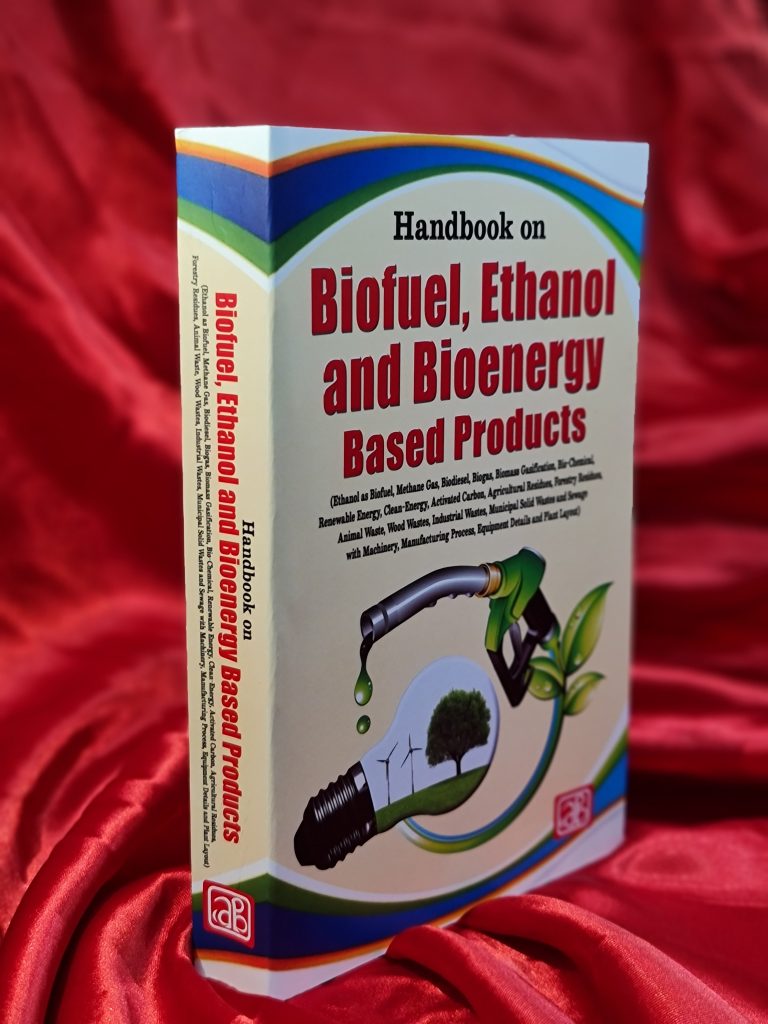
The Handbook on Biofuel, Ethanol and Bioenergy Based Products serves as a vital guide for entrepreneurs, researchers, and industries exploring sustainable energy alternatives. As the global focus shifts toward clean and renewable energy, biofuels and ethanol are taking center stage in energy policy discussions and green technology innovations. This handbook outlines the fundamentals of producing bioenergy products from organic and waste materials, offering deep insights into technologies, processes, market trends, raw material availability, and investment potential. Whether you’re launching a biofuel startup or expanding into ethanol production, this handbook provides a solid foundation for informed decision-making. Overview of Biofuel and Ethanol Technology The Handbook on Biofuel, Ethanol and Bioenergy Based Products dives into the science and engineering behind biofuel production. It explains how biomass—such as agricultural waste, sugarcane, corn, and lignocellulosic material—is converted into ethanol and other liquid biofuels through biochemical or thermochemical methods. Processes like fermentation, transesterification, and pyrolysis are described in detail, enabling readers to understand how different feedstocks impact fuel quality, energy output, and production cost. In addition to ethanol, the handbook explores biodiesel, biogas, and advanced biofuels made from algae and municipal solid waste. Each method’s pros, cons, and technical requirements are outlined for feasibility analysis. The content equips users to design small to large-scale production units while meeting sustainability and regulatory standards. Market Demand and Policy Support One of the highlights of the Handbook on Biofuel, Ethanol and Bioenergy Based Products is its analysis of the rising market demand fueled by climate change concerns, fossil fuel limitations, and governmental push toward energy independence. Countries like India, Brazil, and the United States are setting ambitious ethanol blending mandates, creating a huge need for reliable biofuel manufacturing units. With ethanol blending programs like E20 and global net-zero carbon targets, the demand for bioenergy is set to rise exponentially over the next decade. This handbook includes updated statistics, government schemes, and carbon credit opportunities that impact investment decisions. For instance, in India, the Ethanol Blended Petrol (EBP) program and SATAT scheme for compressed biogas are driving funding and entrepreneurship in this sector. Raw Materials and Feedstock Availability The Handbook on Biofuel, Ethanol and Bioenergy Based Products explains in detail the raw materials used across biofuel variants. For ethanol, the most common feedstocks include sugarcane molasses, corn, rice straw, and sweet sorghum. Biodiesel, on the other hand, is derived from non-edible oils like jatropha, waste cooking oil, or animal fats. The book helps entrepreneurs identify cost-effective and locally available feedstock, their yield per ton, moisture content, and storage requirements. It also outlines pre-processing methods like shredding, drying, or pretreatment required before these materials can be converted into fuel. Proper selection of feedstock is key to reducing operational costs and achieving consistent output. Plant Setup, Machinery, and Cost Estimation Another core section of the Handbook on Biofuel, Ethanol and Bioenergy Based Products covers plant design, equipment selection, and layout planning. It offers sample diagrams and technical specifications of essential machinery including fermenters, distillation columns, bio-digesters, centrifuges, feedstock crushers, and storage tanks. Readers are guid through steps like site selection, effluent treatment planning, fire safety requirements, and environmental clearances. The handbook also provides preliminary cost estimates for setting up small-, medium-, and large-scale biofuel manufacturing plants. Detailed CAPEX (capital expenditure) and OPEX (operational expenditure) breakdowns help in preparing feasibility reports and securing funding from government or private investors. Compliance, Licensing, and Quality Control The Handbook on Biofuel, Ethanol and Bioenergy Based Products also focuses on legal and quality aspects of the industry. It lists required licenses such as environment clearance from pollution control boards, PESO approval for fuel storage, BIS certification, and ethanol supply agreements with oil marketing companies (OMCs). Quality control is vital in biofuel production. Ethanol purity, calorific value, moisture levels, and sulfur content are among the parameters that determine acceptance. The handbook outlines best practices for maintaining product quality, minimizing emissions, and ensuring operational safety, making it a trusted reference for compliance. Financial Viability and Profit Potential The business of biofuels and ethanol is not just environmentally sustainable—it’s economically viable too. The Handbook on Biofuel, Ethanol and Bioenergy Based Products includes financial models that show ROI (return on investment), IRR (internal rate of return), and breakeven points for typical units. It discusses pricing trends, government procurement rates, and subsidy availability. With strong government support and rising fuel prices, biofuel units can generate attractive margins, especially when coupled with by-product revenue from distillers’ dried grains (DDGS), glycerin, or compost. Moreover, the handbook explains how biofuel producers can monetize carbon credits in addition to participating in renewable energy certificates (RECs), thereby further boosting profitability. Export Potential and Global Opportunities In addition to domestic supply, the Handbook on Biofuel, Ethanol and Bioenergy-Based Products highlights international opportunities in exporting biofuels to countries that rely on imports to meet clean energy targets. Specifically, ethanol and biodiesel are in high demand in the EU, Japan, and parts of Africa. Furthermore, the handbook guides readers on export documentation, international quality certifications, trade laws, and shipping logistics. Given this support, with the right quality and pricing, Indian producers can therefore establish long-term supply agreements with global energy companies and traders. Research, Innovation, and the Future The final chapters of the Handbook on Biofuel, Ethanol and Bioenergy Based Products emphasize the importance of innovation in creating next-generation biofuels. It explores developments like cellulosic ethanol, hydrogen-rich bio-oils, and algal biofuels that hold promise for higher energy density and lower environmental impact. The handbook encourages partnerships with academic institutions, participation in green energy accelerators, and investment in R&D labs. Conclusion The Handbook on Biofuel, Ethanol and Bioenergy Based Products is more than a technical guide—it is a roadmap for building a future-proof business aligned with global sustainability goals. It empowers readers with knowledge of processes, regulations, financials, and market dynamics to successfully start or grow a biofuel enterprise. As the world moves away from fossil fuels, bioenergy presents an incredible opportunity to contribute to the green economy while building a profitable and resilient business. Whether you’re a first-time