
Guide to Start a Toothpaste Manufacturing Business
To start a toothpaste manufacturing business is to step into one of the most stable and evergreen sectors in the personal care industry. Oral hygiene is a daily essential, and toothpaste is a product used by nearly every household across the world. With growing awareness about dental health, increased consumption patterns, and a wide range of market segments from economy to premium herbal blends, the toothpaste industry offers strong potential for both startups and established manufacturers. Whether you plan to target general consumers, niche herbal markets, or private label clients, the toothpaste business remains highly scalable and rewarding. Market Potential and Industry Overview The demand for toothpaste is consistently high, driven by population growth, rising income levels, and better dental awareness campaigns. In India alone, the oral care market is valued at over ?10,000 crore, with toothpaste contributing nearly 70% of this. Urban consumers are increasingly switching to herbal and natural variants, while rural regions are rapidly catching up in terms of oral hygiene awareness. Globally, people are looking for fluoride-free, whitening, sensitive teeth, and eco-conscious options. When you start a toothpaste manufacturing business, you can cater to multiple niches like ayurvedic, kids’ toothpaste, charcoal-based, or even vegan-friendly products. The low dependency on seasonality and high repeat purchase behavior make this business sustainable with strong cash flow potential. Visit this Page for More Information: Start a Business in Cosmetic Industry Types of Toothpaste Products You Can Manufacture One of the first steps when you start a toothpaste manufacturing business is selecting your product range. The industry offers multiple variants: Fluoridated toothpaste (common for cavity protection) Herbal or ayurvedic toothpaste (with ingredients like neem, clove, babool) Sensitive toothpaste (for pain relief and enamel care) Whitening toothpaste (contains silica or activated charcoal) Kids toothpaste (fluoride-free, fruity flavors) Gel-based toothpaste (aesthetic and smooth texture) Medicated toothpaste (requires pharma license) Your choice will depend on the target demographic, market trends, and your investment capacity. Herbal toothpaste is growing rapidly, especially in export markets, offering a lucrative opportunity if you position your brand right. Read Similar Articles: Cosmetic and Beauty Products Manufacturing Process and Required Equipment The manufacturing of toothpaste involves a carefully controlled process to ensure consistency, texture, and safety. The typical steps include: Weighing and mixing raw materials (binders, abrasives, humectants, and active ingredients) Homogenizing the mixture to a smooth paste Deaerating the paste to remove air bubbles Filling and sealing the tubes or containers Quality testing and packaging To start a toothpaste manufacturing business, you’ll need essential equipment like: Mixing tanks and agitators Vacuum deaerator machines Paste filling machines (automatic/semi-automatic) Tube sealing machines Labeling and batch coding machines Water purification systems (if required) Setting up a small-scale unit can be done in a space of around 1000–1500 sq. ft. For medium- to large-scale production, you will require a more sophisticated setup with cleanroom standards and larger capacity machinery. Read our Books Here: Cosmetics and Beauty Products (Ayurvedic, Herbal) Formulation and Manufacturing Technology Raw Materials and Formulation Toothpaste formulation is the backbone of your product. Some of the key ingredients include: Abrasives: Calcium carbonate, silica Humectants: Sorbitol, glycerin Binders: Sodium carboxymethyl cellulose Surfactants: Sodium lauryl sulfate (SLS) Active agents: Fluoride, clove oil, neem extract, zinc compounds Flavoring: Mint, menthol, cinnamon Preservatives: Sodium benzoate Deionized or purified water To start a toothpaste manufacturing business, ensure all ingredients comply with BIS standards or international safety norms. You can work with a cosmetic chemist or R&D consultant to formulate unique variants. Consider offering herbal or fluoride-free alternatives to cater to health-conscious consumers. Business Plan: Start a Toothpaste Manufacturing Business Licensing, Compliance, and Legal Requirements Since toothpaste falls under the cosmetics category in most regions, you will need to comply with certain regulations. In India, the following licenses and documents are typically required: MSME/Udyam registration GST registration BIS certification (IS 6356 standard for toothpaste) Cosmetics manufacturing license from the Drug Control Department Pollution NOC (if applicable) Factory license and fire safety approval When you start a toothpaste manufacturing business, it’s crucial to adhere to proper labeling guidelines including batch number, ingredients list, expiry date, net quantity, and manufacturer details. If you’re planning exports, additional clearances like FDA, ISO 22716 (GMP), or Halal certification may be needed based on the destination market. Related Feasibility Study Reports: Cosmetics, Perfumery Compounds Packaging, Branding, and Labeling Packaging is one of the key success factors in the toothpaste market. Consumers are drawn to attractive, informative, and easy-to-use packaging. You can choose between: Laminated squeeze tubes Flip-top caps or nozzle caps Plastic or aluminum variants Eco-friendly packaging for sustainable brands Label design should highlight product USPs like “100% Herbal,” “Fluoride-Free,” or “Whitening in 7 Days.” Branding plays a huge role when you start a toothpaste manufacturing business. Choose a memorable brand name, invest in strong visual identity, and create trust through clinical claims or herbal certifications. Private labeling is another avenue where you can manufacture toothpaste for other companies under their brand name. This B2B segment offers great potential for consistent large orders. Cost Estimation and Financial Plan You can start a toothpaste manufacturing business on a small scale with an investment of ?10–15 lakhs. This includes machinery, raw materials, packaging materials, licenses, and working capital. A medium-scale unit may require ?25–40 lakhs or more depending on automation and capacity. Example cost breakdown for a 500 kg/day unit: Machinery and setup: ?8–10 lakhs Raw materials: ?2–3 lakhs (initial stock) Packaging and branding: ?2 lakhs Compliance and documentation: ?1 lakh Marketing and distribution: ?2–3 lakhs Total: ~?15–18 lakhs You can expect gross margins of 30% to 40%, with breakeven achievable in 12–18 months depending on volume and branding strength. Marketing and Distribution Strategy Once your product is ready, the next step is market penetration. Key channels include: General trade (chemist shops, retail outlets) Supermarkets and FMCG distributors Online platforms (Amazon, Flipkart, Nykaa) Dental clinics or wellness centers (for specialized variants) Export opportunities to Gulf, Africa, Southeast Asia Influencer marketing, sample distribution, and strong in-store visibility can help build initial traction. When you start
A Guide on how to start your own Gypsum Business
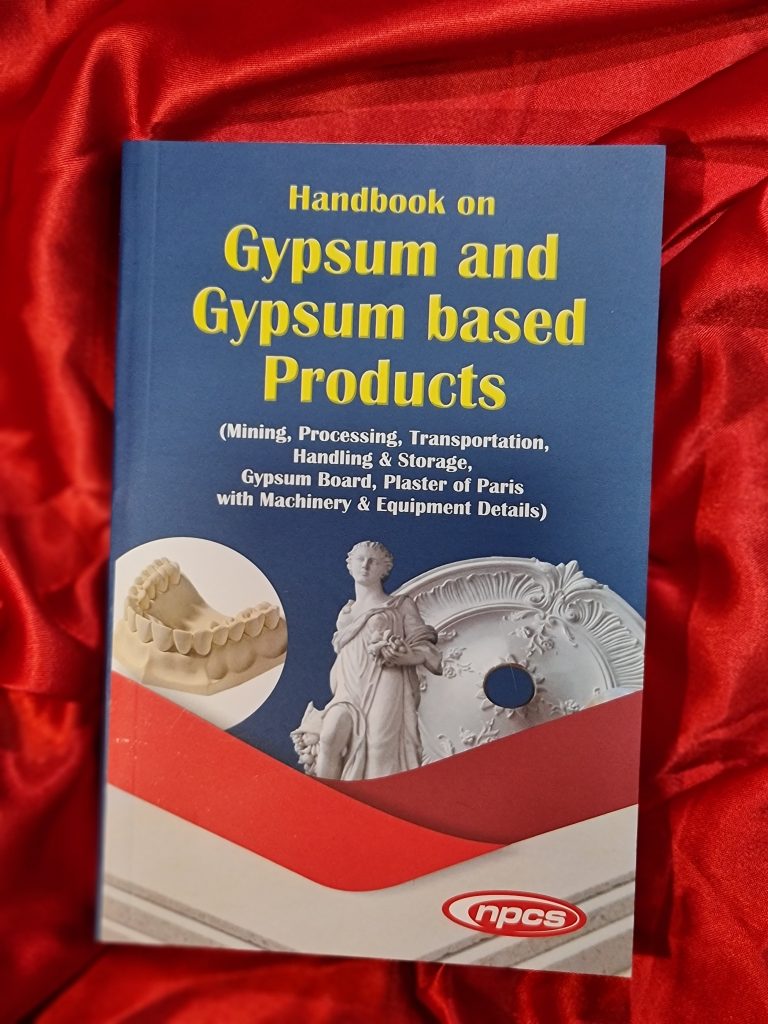
If you’re looking for a highly scalable and industrially relevant opportunity, then it’s time to start your own gypsum business. Gypsum is a mineral used widely in construction, agriculture, cement, and even medical industries. With the real estate and infrastructure sectors booming in emerging markets like India, the demand for gypsum-based products such as plaster of Paris, wall panels, and gypsum boards is on the rise. Low entry barriers, abundant raw materials, and increasing demand make it a profitable segment for entrepreneurs aiming to enter the building materials market. Why Gypsum is a High-Potential Business Gypsum is a naturally occurring mineral composed of calcium sulfate dihydrate, and it serves multiple industrial purposes. In the construction sector, it’s used for producing gypsum boards, plaster, and drywall systems. In agriculture, gypsum is used as a soil conditioner, and in the medical sector, it plays a role in creating surgical molds and dental impressions. When you start your own gypsum business, you’re entering a market with constant, year-round demand from various industries. The increasing adoption of prefabricated construction systems, lightweight building panels, and sustainable construction materials has further driven the use of gypsum-based products. Additionally, since gypsum can be recycled and reused, it fits well into eco-friendly and green construction goals. These factors make the gypsum business not only profitable but also future-proof and aligned with environmental sustainability trends. Various Gypsum-Based Business Models There are several ways to start your own gypsum business, depending on your budget, target market, and technical capabilities: Gypsum Mining and Supply: Extracting raw gypsum and supplying it to industries such as cement and construction. Plaster of Paris Manufacturing: Heating gypsum to produce POP for use in decoration, casting, and construction. Gypsum Board/Sheet Production: Used for false ceilings, interior walls, and partitions. Gypsum Powder for Agriculture: Selling finely ground gypsum to farmers as a soil enhancer and conditioner. Gypsum Moulds and Artifacts: Creating decorative pieces, ceiling medallions, and sculptural products. Each model offers a different investment and returns profile. For first-time entrepreneurs, manufacturing POP or gypsum boards on a small to medium scale is often a good entry point. Manufacturing Process and Machinery If you plan to start your own gypsum business with a manufacturing unit, you need to understand the production process. For Plaster of Paris (POP), the process involves: Crushing the raw gypsum to a fine powder. Heating the powder in a rotary kiln or calciner to remove moisture and convert it into POP. Cooling and grinding the calcined product to uniform fineness. Packaging the final product into bags or containers. For gypsum board production, the process includes: Mixing gypsum with water and additives. Pouring the slurry onto a moving belt lined with paper. Setting, cutting, and drying the boards. Stacking, finishing, and packaging for delivery. Essential machinery includes crushers, calcining kilns, mixers, belt conveyors, board formers, dryers, and packaging equipment. A basic POP manufacturing setup may cost ?12–15 lakhs, while a gypsum board plant can range upwards of ?40–50 lakhs depending on automation level and capacity. Raw Material and Utilities To start your own gypsum business, the primary raw material is gypsum ore, which is widely available in India, especially in states like Rajasthan, Gujarat, and Tamil Nadu. If you’re not mining yourself, you can procure gypsum from authorized mines or industrial by-products such as phosphogypsum from fertilizer plants. Additional materials include: Paper liners (for board production) Additives like starch, foaming agents, and binders Packaging bags for POP Electricity, water, and fuel for calcination and drying Ensure a reliable supply chain and check local availability to minimize transportation and logistics costs. Quality of gypsum directly impacts the strength and whiteness of your end product, so source high-purity gypsum wherever possible. Licensing and Legal Compliance Before you start your own gypsum business, ensure all necessary licenses and permits are in place. These include: Udyam (MSME) registration GST registration Factory license (as per state regulations) Pollution Control Board NOC BIS certification for POP (IS 2547) or gypsum boards (IS 2095) Mining lease (if involved in extraction) Proper compliance is key to building a sustainable and legal business. If you plan to export your products, certifications like ISO 9001, CE marking, or eco-labels can enhance credibility. Market Strategy and Customer Segments Your success in the gypsum sector depends heavily on your go-to-market strategy. After you start your own gypsum business, you’ll need to reach specific buyer segments such as: Construction contractors and real estate developers POP dealers and interior decorators Fertilizer suppliers and agri-input retailers Architects and design studios (for gypsum boards) Medical/dental supply companies (for surgical-grade gypsum) Use a combination of traditional B2B sales, channel partnerships, and modern platforms like IndiaMART, TradeIndia, or even Amazon Business for wider reach. Providing demos, attractive trade discounts, and bulk supply assurance can help in creating long-term relationships. Branding your gypsum products with features like “extra white,” “fast setting,” or “dust-free application” can also create differentiation in a price-sensitive market. Cost Breakdown and Profit Potential You can start your own gypsum business on a small scale with an investment of ?15–20 lakhs for a POP unit or ?40–60 lakhs for a gypsum board plant. Here’s a sample cost structure for a small POP manufacturing setup: Machinery and setup: ?8–10 lakhs Raw materials: ?3–4 lakhs (initial stock) Labor and utilities: ?1.5–2 lakhs/month Marketing and branding: ?1 lakh Licensing, rent, and contingencies: ?2–3 lakhs POP and gypsum boards offer margins of 20–35% depending on scale and branding. A well-run unit can achieve monthly revenues of ?4–6 lakhs in its early phase, with significant growth potential as contracts and distributors increase. Challenges and Risk Mitigation Like any industry, gypsum businesses face challenges such as: Raw material price volatility Competition from low-cost players Transport constraints due to bulkiness Moisture control during storage and packaging These can be mitigated by: Establishing local raw material sources Automating key processes for consistency Maintaining dry storage conditions Focusing on niche applications like decorative gypsum or eco-friendly boards When you start your own gypsum business, risk planning and quality control
Start Producing Sterile Water for Injection in Pharmaceutical Industry
Producing sterile water is a crucial process in pharmaceutical, medical, and laboratory settings where purity and safety are non-negotiable. Sterile water is free from all microorganisms, pyrogens, and particulate matter, making it ideal for injections, wound cleansing, and medical device sterilization. It’s commonly used as a solvent for intravenous drugs or as a diluent for vaccines. Due to its high demand in healthcare and biotech industries, producing sterile water can also be a profitable business opportunity when done under strict compliance and quality control. Importance and Applications of Sterile Water The process of producing sterile water ensures the elimination of all forms of microbial life, including bacteria, spores, and fungi. It is different from purified water, which may still contain non-pathogenic microbes. Sterile water is essential for clinical procedures like injections, dialysis, and neonatal care. It’s also used in pharmaceutical manufacturing, analytical labs, and in cleaning surgical instruments. In hospitals and medical centers, sterile water is typically supplied in sealed ampoules or IV bags to prevent contamination. It is used both independently and as a base for reconstituting medications. This makes it one of the most vital components in modern medical infrastructure. Given its widespread usage, the sterile water production business continues to see growing demand across the globe. Visit this Page for More Information: Start a Business in Pharmaceutical sector Understanding the Production Process The process of producing sterile water involves multiple purification and sterilization steps to ensure it meets pharmacopeia standards (such as USP, BP, or IP). Here’s a typical flow: Water Pre-treatment – Raw water is passed through filters to remove large particles and chlorine. Purification Stage – Techniques like reverse osmosis, deionization, or distillation are used to remove dissolved salts, organic matter, and minerals. Filtration – The water is further passed through micro or ultrafilters to eliminate smaller particles. Sterilization – The final step involves heat sterilization (autoclaving), gamma irradiation, or membrane filtration to remove all microorganisms. Packaging – Sterile water is immediately filled into pre-sterilized containers under aseptic conditions in a cleanroom environment. Maintaining controlled environmental conditions during the packaging phase is critical to avoid post-sterilization contamination. Business Plan: Business Plan on Production of Sterile Water for Injection Equipment Required for a Sterile Water Plant Setting up a sterile water manufacturing unit involves both water purification and aseptic packaging systems. Essential equipment includes: Pre-filtration units (sand filters, activated carbon) RO purification system or water distillation plant Deionization columns (optional for high purity) UV disinfection unit Sterilizers (autoclaves or inline membrane filters) Cleanroom setup with laminar airflow benches Filling and sealing machines (ampoule, bottle, or IV bag fillers) Sterility test equipment (for batch-wise quality check) When you plan on producing sterile water commercially, investing in GMP-compliant, validated machinery is critical. The entire operation should meet WHO, FDA, or national drug control standards to be eligible for supply to hospitals or pharma companies. Compliance and Regulatory Requirements Since producing sterile water directly impacts patient health, it is regulated as a pharmaceutical product in most countries. Key regulatory aspects include: Manufacturing License under the Drugs & Cosmetics Act (for India) Approval from drug control authorities for sterile formulations GMP certification (Good Manufacturing Practice) Sterility and pyrogen testing as per pharmacopeia standards Stability studies and batch-wise quality documentation Sterile water for injection (SWFI) must not contain any added antimicrobial agents or other substances and should meet stringent microbial limits. All production batches must undergo rigorous microbiological, chemical, and endotoxin testing before release. Proper documentation, standard operating procedures (SOPs), and personnel hygiene protocols are essential in maintaining a sterile production environment. Related Feasibility Study Reports: Pharmaceutical, Drugs, Fine Chemicals, Bulk Drug Intermediates Raw Materials and Packaging Options The primary raw material for producing sterile water is purified water meeting preliminary quality standards. Additional inputs include: Pre-sterilized containers (glass ampoules, vials, or plastic bottles) Sealing caps and aluminum crimping lids Nitrogen or inert gas for blanketing (if applicable) Labels, batch stickers, and cartons Packaging types vary based on application. For instance: 5 ml to 100 ml glass ampoules for injection use 500 ml plastic bottles for wound irrigation IV pouches for infusion therapies Bulk sterile water in drums for pharmaceutical blending Each packaging format must undergo validation for sterility, shelf-life, and compatibility with the stored liquid. Read Similar Articles: Pharmaceutical Industry Investment and Cost Estimates A small to medium-scale sterile water manufacturing unit can be set up with an investment starting from ?30–50 lakhs. This covers: Plant machinery and cleanroom setup: ?20–30 lakhs Licensing and certifications: ?3–5 lakhs Initial raw material stock: ?2–3 lakhs Quality control lab: ?3–4 lakhs Working capital and contingency: ?5–7 lakhs High-capacity automated units can cost ?1 crore or more. While the upfront cost is significant, the ROI can be attractive due to premium pricing and high demand in the medical field. Sterile water packs often sell at 5x–10x the cost of production, especially in institutional supply. Market Demand and Distribution Opportunities The demand for sterile water is consistent across hospitals, nursing homes, clinics, pharmaceutical companies, biotech labs, and even cosmetic manufacturing units. With growing healthcare infrastructure in developing nations, the market is expanding rapidly. Distribution options include: Hospital tenders and supply contracts Retail through medical stores and pharmacies Export to developing countries or disaster relief programs Private label manufacturing for pharma brands To scale quickly, you can register with government procurement platforms like GeM or supply to armed forces and government hospitals. Online B2B marketplaces like IndiaMART, TradeIndia, or Alibaba can help secure bulk orders domestically and internationally. Read our Books Here: Pharmaceutical, Drugs, Proteins Technology Handbooks Challenges and Risk Management While the business of producing sterile water is lucrative, it comes with its own set of challenges: High regulatory scrutiny Maintaining aseptic conditions throughout the process Risk of contamination leading to product recall Requirement of skilled technical and QA staff High capital intensity These risks can be mitigated with strict process control, validated equipment, automated sterilization, and continuous training. Regular environmental monitoring and third-party audits also ensure compliance and product safety. Conclusion Producing sterile
Sodium Hydrosulphite Business Plan
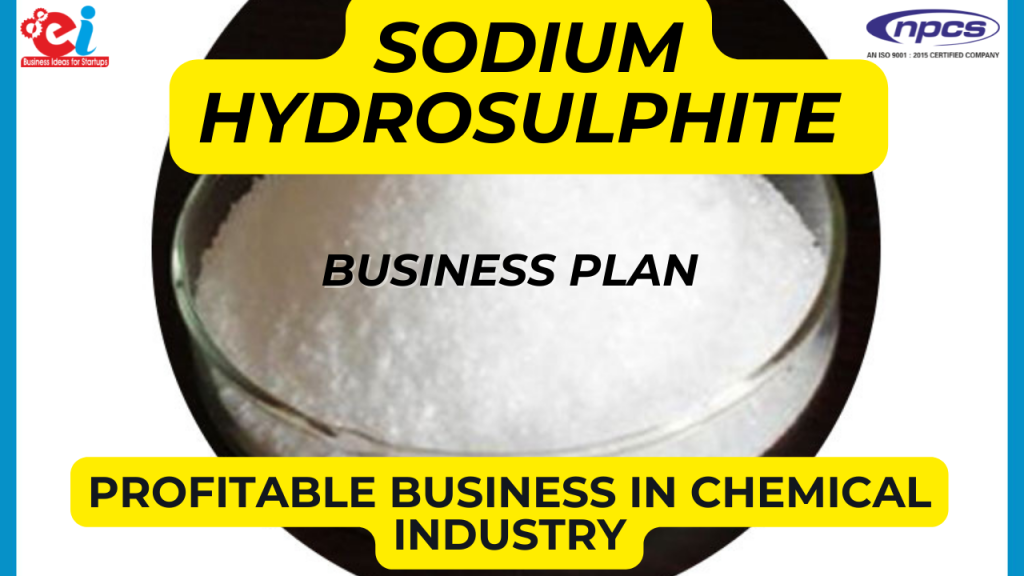
A well-structured Sodium Hydrosulphite business plan can unlock opportunities in a niche but highly demanded sector of the chemical industry. Sodium hydrosulphite (Na?S?O?), also known as sodium dithionite, is a powerful reducing agent primarily used in textile dyeing, paper and pulp bleaching, and various chemical synthesis processes. Its applications in industrial cleaning, electronics, and even pharmaceuticals continue to grow, making it a viable business proposition for chemical manufacturers looking to tap into both domestic and international markets. Market Scope and Industrial Applications When you develop a Sodium Hydrosulphite business plan, understanding its key industrial uses helps to identify your target sectors. The textile industry is the largest consumer, using sodium hydrosulphite to reduce vat dyes and sulfur dyes. In paper and pulp, it’s used to brighten recycled paper and remove ink. Additionally, it is utilized in water treatment, kaolin clay bleaching, leather processing, and some pharmaceutical formulations. The global sodium hydrosulphite market is growing steadily, with increasing demand in Asia-Pacific due to the thriving textile and paper industries. India, China, and Vietnam are major consumers, offering domestic manufacturers a substantial market opportunity. A well-optimized plant with consistent quality output can quickly gain traction in both B2B supply and international trade. Visit this Page for More Information: Start a Business in Chemical Industry Projects Manufacturing Process and Technology A critical section of the Sodium Hydrosulphite business plan is the manufacturing route selection. Sodium hydrosulphite can be manufactured through several methods: Formate Process – Reaction between sodium formate and sodium bisulfite using zinc or sodium borohydride as a reducing agent. Zinc Process – Using zinc dust with sulfur dioxide and sodium hydroxide. Sodium Borohydride Process – High purity but more expensive. Among these, the formate process is widely adopted due to lower costs, moderate safety risks, and reliable product quality. The process typically involves preparing a reaction mixture, carrying out the reduction under controlled temperature and pressure, filtering the slurry, drying the product, and packaging under moisture-free conditions since sodium hydrosulphite is hygroscopic and unstable in air. The plant should be equipped with reactors, filter presses, drying ovens or spray dryers, dust-free packaging lines, and safety systems like scrubbers and gas monitors. Read Similar Articles: Chemical Industry Raw Materials and Utilities A comprehensive Sodium Hydrosulphite business plan must factor in the availability and pricing of raw materials, which include: Sodium formate Sodium bisulfite Zinc dust or sodium borohydride Sodium hydroxide Sulfur dioxide gas (can be generated in-house) Process water and steam Since the chemical is sensitive to moisture and oxygen, strict atmospheric control is needed during production and packaging. The plant must also be designed to manage gas emissions and effluents as per environmental safety standards. Utilities like uninterrupted power supply, industrial water, exhaust ventilation, and backup systems are essential for continuous and safe operation. Related Project: Production of Sodium Hydrosulphite Licensing, Environmental Compliance, and Safety As with any chemical production unit, your Sodium Hydrosulphite business plan should detail the necessary compliance and safety certifications. These may include: MSME/Udyam registration Factory license under local industrial laws GST registration and PAN Consent to Establish (CTE) and Consent to Operate (CTO) from the Pollution Control Board Hazardous waste handling registration Environmental clearance and fire safety NOC Sodium hydrosulphite can decompose to release sulfur dioxide if not stored properly, so your plan must include robust safety measures like explosion-proof storage areas, emergency containment systems, and trained staff with access to PPE (personal protective equipment). All operating procedures should follow Material Safety Data Sheet (MSDS) guidelines and global hazard classification standards (GHS/REACH). Watch other Informative Videos: Chemicals (Organic, Inorganic, Industrial) Project Cost and Capital Investment The Sodium Hydrosulphite business plan must break down the financial investment based on plant capacity and automation level. For a basic 5 MT/day plant, your costs may look like this: Land and building (rented or owned): ?20–25 lakhs Machinery and equipment: ?60–80 lakhs Pollution control and safety setup: ?10–15 lakhs Licensing, design & consultancy: ?5–10 lakhs Initial working capital: ?20–30 lakhs Total estimated project cost: ?1.2–1.6 crore For higher capacity plants with advanced automation, the investment could reach ?2.5–3 crores. You can seek funding through SIDBI, state chemical promotion boards, or private investors. Presenting a solid financial model with ROI, breakeven, and cash flow forecast strengthens your business plan for investment purposes. Profitability and ROI Forecast With bulk buyers from the textile, paper, and chemical sectors, sodium hydrosulphite can be sold at competitive rates while still offering decent margins. The cost of production per kilogram ranges between ?45–60 depending on raw material procurement and process efficiency. Wholesale market prices often vary from ?75–90/kg based on quality, moisture content, and packaging. This gives a gross margin of around 25%–35%. A medium-sized plant producing 100–150 MT/month can achieve monthly revenue upwards of ?1 crore with a well-established distribution network. With proper capacity utilization and quality consistency, breakeven is achievable within 18–24 months. Your Sodium Hydrosulphite business plan should include a projected income statement, cash flow analysis, and sensitivity analysis based on raw material fluctuation or seasonal demand dips. Related Feasibility Study Reports: Chemicals,Chemicals Organic, Chemicals Inorganic Marketing and Sales Strategy A successful Sodium Hydrosulphite business plan outlines how you’ll acquire and retain customers. Your target buyers include: Textile dyeing mills Paper and pulp companies Water treatment plants Industrial chemical distributors Exporters of bulk industrial chemicals Marketing strategies can include: Listing on B2B portals like IndiaMART, TradeIndia, Alibaba Direct industry visits and distributor onboarding Participation in chemical expos or trade fairs Export marketing through merchant exporters or DGFT schemes Offering lab-tested quality, flexible packaging, and reliable delivery helps retain industrial clients. Ensuring batch consistency and technical support also increases buyer loyalty. Risk Factors and Mitigation No Sodium Hydrosulphite business plan is complete without identifying risks and planning for them. Potential challenges include: Volatility in zinc and formate prices Environmental scrutiny due to SO? emissions Handling and storage safety concerns Transportation restrictions due to hazardous classification To mitigate these, maintain long-term supplier contracts, invest in emission scrubbers, train your workforce regularly, and ensure your
Set up your own Manufacturing Unit of Camphor Powder (Technical Grade)
Setting up a manufacturing unit of camphor powder can be a highly profitable venture, especially in a country like India where camphor holds deep cultural, religious, and industrial importance. Camphor powder is derived from camphor crystals and is widely used in the production of incense, pooja items, ayurvedic medicines, balms, mosquito repellents, and other household products. With growing awareness about organic and natural products, the demand for camphor is steadily increasing across domestic and international markets, making this a promising business opportunity for new-age entrepreneurs. Market Demand and Business Scope The use of camphor is not limited to religious rituals. In modern industries, it plays a key role in pharmaceuticals, cosmetics, and even agrochemical formulations. The demand for camphor powder is rising, driven by consumer preferences for herbal and ayurvedic solutions over synthetic alternatives. When you establish a manufacturing unit of camphor powder, you’re entering a market that is both culturally rooted and industrially scalable. In India, camphor is in constant demand by temple suppliers, pooja stores, Ayurvedic product manufacturers, and even spiritual wellness brands. Internationally, countries like the UAE, Malaysia, Indonesia, and the USA import camphor-based products in large quantities. With the right certifications and packaging standards, export can open new revenue streams for your business. Business Plan: Camphor Powder (Technical Grade) Making Business Raw Materials and Production Process The primary raw material for the manufacturing unit of camphor powder is refined camphor crystals. These are typically derived from turpentine oil through a distillation and crystallization process. If you’re setting up only a powder manufacturing plant (and not producing the crystals), you can directly source bulk camphor blocks or tablets from certified suppliers and focus on grinding, filtering, and packaging them into fine powder. The process includes: Sourcing high-grade camphor blocks or tablets Crushing and grinding them into uniform powder Filtering for purity and particle size consistency Adding optional ingredients like menthol (if applicable) Packaging in air-tight, tamper-proof containers Since camphor is volatile and flammable, the entire production process must be conducted in a controlled environment with safety measures in place. Proper ventilation, flame-proof equipment, and dust collection systems are essential for worker safety. Visit this Page for More Information: Start a Business in Chemical Industry Projects Equipment and Factory Setup To establish a successful manufacturing unit of camphor powder, you need machinery that ensures consistency, efficiency, and safety. The basic setup includes: Camphor grinder or pulverizer Sieve shaker (for uniform particle size) Air filtration and ventilation system Dust collector and spark arrestors Weighing, filling, and sealing machines Labeling machine and batch coding printer Fire extinguishers and flame-proof electrical fittings A small-scale unit can be set up in 500–800 sq. ft. with basic utilities like power supply, exhaust system, water for cleaning, and storage area for raw materials and finished goods. The machinery investment for a basic unit starts around ?7–10 lakhs, while a semi-automated line with higher capacity may cost ?15–20 lakhs. Read Similar Articles: Chemical Industry Legal Requirements and Safety Norms Since camphor is a flammable substance, compliance with safety and environmental regulations is essential when setting up a manufacturing unit of camphor powder. You will need the following licenses and approvals: Udyam (MSME) registration GST registration Factory license from local authorities Fire Safety NOC Pollution Control Board NOC Drug License (if used in pharmaceutical or Ayurvedic products) Trademark registration (for brand protection) It’s also advisable to install flame detectors, fire-resistant flooring, and spark-proof motor systems in the production area. Adequate PPE (gloves, masks, goggles) should be provided to all workers handling raw camphor powder to minimize health hazards. Read our Books Here: Chemical Technology (Organic, Inorganic, Industrial), Fine Chemicals Packaging and Branding Strategy In the camphor industry, packaging plays a key role in product appeal, safety, and shelf life. The volatile nature of camphor requires packaging that is both airtight and leak-proof to avoid evaporation and maintain aroma and potency. You can offer the product in: Plastic or HDPE containers with screw caps Laminated pouches with zipper locks Glass jars (for premium variants) Refill packs for institutional buyers Branding should emphasize purity, religious authenticity, and natural formulation. Clear labelling about intended use—whether for pooja, medicinal, or aromatic use—helps in targeting the right customer base. A strong local and online presence via platforms like IndiaMART, Amazon, Flipkart, and your own D2C website can rapidly boost market penetration. Cost and Profit Estimation The total investment for a basic manufacturing unit of camphor powder can range from ?10 lakhs to ?20 lakhs depending on scale and automation. A breakdown of costs for a small-scale setup might look like this: Machinery and tools: ?7–8 lakhs Raw material (first stock): ?1.5–2 lakhs Packaging material: ?50,000–1 lakh Licensing and compliance: ?1 lakh Branding and launch: ?50,000 Working capital reserve: ?2–3 lakhs Camphor powder has a good profit margin, typically ranging from 25% to 40%, depending on the quality of raw material and target market. A small unit producing 500 kg per month can generate revenue of ?3–4 lakhs with consistent supply and distribution, achieving breakeven within 12–18 months. Related Feasibility Study Reports: Chemicals (Organic, Inorganic, Industrial) Projects Marketing and Distribution Channels To ensure success in your manufacturing unit of camphor powder, building a strong marketing and distribution strategy is vital. Your potential buyers include: Pooja item wholesalers and retailers Ayurvedic medicine manufacturers Aromatherapy and spiritual product sellers Online consumers seeking natural remedies Export merchants dealing in spiritual and herbal products Offline channels like spiritual fairs, temple towns, wholesale bazaars, and ayurvedic expos are ideal for sampling and bulk orders. Digital marketing through social media ads, influencer promotions, and eCommerce listings can help create a strong brand identity and consumer following. Private labeling opportunities are also available for resellers who prefer to outsource manufacturing under their brand. Offering this service can help scale your operations while reducing dependence on one distribution channel. Challenges and Mitigation Strategies Although the manufacturing unit of camphor powder has great potential, it does face certain risks: Volatility in camphor crystal prices Seasonal demand spikes (during festivals) Evaporation
Top Reasons why to Start an Industry in Côte d’Ivoire

Starting a business in Côte d’Ivoire presents unique opportunities for entrepreneurs and investors seeking to expand into West Africa. Also known as Ivory Coast, the country has witnessed steady economic growth, improved political stability, and strong infrastructure development in recent years. With its strategic coastal location, thriving port city of Abidjan, and abundant natural resources, Côte d’Ivoire serves as a gateway to the wider Economic Community of West African States (ECOWAS) region. Whether in agriculture, manufacturing, mining, or services, the Ivorian market is opening up for both domestic and international business ventures. Economic Overview and Key Industries Côte d’Ivoire is among the fastest-growing economies in Africa, with GDP growth averaging over 6% annually in the past decade. The country has diversified its economy beyond cocoa—the world’s largest exporter of which it remains—into key sectors like oil refining, energy, construction, ICT, and financial services. When considering business in Côte d’Ivoire, it’s essential to understand the depth of industrial activities already in motion. Agriculture still plays a foundational role, employing over 50% of the population. Beyond cocoa and coffee, there is a growing market for cashew nuts, rubber, palm oil, cotton, and tropical fruits. Investment opportunities exist in food processing, packaging, and value-chain development. Agro-processing plants are being set up near farming regions to reduce post-harvest losses and improve export quality. Urbanization has driven demand in the real estate and construction sector. New residential and commercial projects, infrastructure modernization, and public-private partnerships (PPP) have created a solid ground for construction material supply businesses, engineering firms, and logistics operations. Investors looking to establish a business in Côte d’Ivoire can also explore the booming telecom industry, which is rapidly digitizing with increasing smartphone penetration and mobile money adoption. Start a Business in Côte d’Ivoire, Click Here Strategic Location and Market Access One of the greatest advantages of doing business in Côte d’Ivoire is its geographic location. The country offers access to 300+ million consumers in the ECOWAS market. Its port, the Autonomous Port of Abidjan, is one of the busiest and most modern in West Africa. It facilitates trade routes not only for Ivorian exports but also for landlocked neighbors such as Burkina Faso, Mali, and Niger. Côte d’Ivoire is also connected through a network of highways, airports, and telecom systems that enhance ease of movement and communication for businesses. The government has invested heavily in road expansion, rail infrastructure, and energy supply, all of which significantly reduce operational bottlenecks. With Abidjan becoming a regional business hub, many multinational companies have chosen it as the location for their West African headquarters. This regional integration is a valuable factor when assessing the viability of a long-term business in Côte d’Ivoire. Read Similar Articles: Business opportunities in Africa Legal Framework and Investment Incentives The government of Côte d’Ivoire offers several incentives to both local and foreign investors. These include tax holidays, customs duty exemptions, and reduced VAT on certain equipment or sectors. Under the Investment Code, businesses are categorized into Priority Investment Zones (ZIP), each eligible for varying levels of support depending on the region and sector. Registering a business in Côte d’Ivoire is relatively streamlined. The Centre de Promotion des Investissements en Côte d’Ivoire (CEPICI) acts as a one-stop shop for business registration, permits, and licenses. A company can be incorporated in less than a week with all documentation completed. The country has improved its legal infrastructure and adheres to OHADA (Organization for the Harmonization of Business Law in Africa), which offers uniform legal standards for commercial operations across 17 member states. Arbitration and conflict resolution mechanisms are also in place to encourage foreign direct investment. Read our Books Here: Books on Startup and Entrepreneurship, Business Ideas for Entrepreneurs, Startup India Stand up India, Most Profitable Small Scale Industry and Successful Business Plan for Startups Promising Business Opportunities There are several promising sectors for entrepreneurs looking to establish a business in Côte d’Ivoire: Agribusiness – Investment in cocoa and cashew processing units, organic farming, and agro-input supply chains. Renewable Energy – Solar and biomass energy solutions for off-grid rural areas. Construction & Infrastructure – Road development, housing, cement production, and prefabricated materials. Tourism and Hospitality – Boutique hotels, eco-tourism, and business travel accommodations in cities like Abidjan and Grand-Bassam. Education and Training – Technical schools, digital learning platforms, and skill-based vocational institutes. ICT and E-commerce – Fintech platforms, e-retail apps, and digital payment systems are gaining popularity among the growing middle class. These sectors not only offer high return potential but also align with national development plans such as Côte d’Ivoire’s Vision 2030, which focuses on industrialization, digital economy, and inclusive growth. Challenges and Considerations While there are many positives to starting a business in Côte d’Ivoire, entrepreneurs should be aware of certain operational challenges. Bureaucracy, while improving, can still be slow in some areas. Language may also be a barrier, as French is the official language of business and government. Hiring a bilingual local partner or consultant can ease many of these issues. Import duties and logistics costs remain relatively high for certain industries, and electricity reliability can vary outside major cities. However, consistent government investment in power generation and port infrastructure is helping alleviate these pain points over time. Security has improved substantially since the post-civil war era, but businesses should still conduct due diligence, especially in politically sensitive times such as elections. Risk mitigation strategies like local insurance, legal consultation, and flexible contracts are advised when expanding your business in Côte d’Ivoire. Related Feasibility Study Reports: Investment Opportunities & Business Ideas in Africa- Identification and Selection of right Project, Thrust areas for Investment, Industry Startup and Entrepreneurship Projects Financing and Funding Options Access to capital for your business in Côte d’Ivoire is increasingly possible through local and international banks, microfinance institutions, and foreign investment programs. Organizations like the African Development Bank (AfDB), IFC, and Proparco have initiatives to support SMEs and infrastructure projects in the country. Startup ecosystems are also emerging in Abidjan, with incubators and accelerators such as Seedstars and
Top Reasons why to Start an Industry in Comoros

Doing business in Comoros is an emerging opportunity for entrepreneurs and investors seeking to tap into untapped markets in the Indian Ocean region. The Union of the Comoros, an archipelago situated between Madagascar and the coast of Mozambique, may be small in size, but it holds strategic potential in agriculture, tourism, fisheries, and renewable energy. With growing government efforts to improve the business environment and attract foreign investment, Comoros offers a promising, albeit niche, destination for small to mid-scale ventures looking for early mover advantages. Economic Environment and Key Sectors The Comorian economy is largely agrarian, with agriculture, fishing, and forestry contributing the largest share to GDP. Vanilla, ylang-ylang, and cloves are the country’s primary export products. Entrepreneurs considering doing business in Comoros can benefit from investing in value-added agricultural processing, such as essential oil distillation, organic food packaging, and spice exports. As global demand for natural fragrances and organic ingredients increases, Comoros presents a low-cost production hub with rich natural resources. Tourism is another sector with immense growth potential. The islands offer pristine beaches, marine biodiversity, volcanic landscapes, and unique Swahili-Arab-French cultural influences. However, tourism infrastructure remains underdeveloped, creating room for eco-lodges, boutique hotels, scuba diving centers, and cultural heritage tours. Government policies are now more receptive to private-sector participation in hospitality and infrastructure development. Fisheries and aquaculture are key areas where business potential remains underexploited. With one of the richest marine ecosystems in the world, Comoros has opportunities for sustainable seafood harvesting, fish processing plants, and cold-chain logistics. For those doing business in Comoros, entering this sector offers both domestic and export-driven opportunities. Visit this Page for More Information: Start a Business in Comoros Legal Framework and Business Registration Setting up and doing business in Comoros requires navigating a developing yet steadily improving regulatory framework. The government, through its National Agency for Investment Promotion (ANPI), has simplified several steps to make the country more business-friendly. Business entities can be registered as sole proprietorships, limited liability companies (SARL), or public limited companies (SA), depending on the scale and nature of operations. Investors are encouraged to take advantage of the Investment Code, which offers tax holidays, customs exemptions, and land access for eligible projects, particularly in agriculture, manufacturing, and tourism. The code also protects foreign investments and ensures non-discriminatory treatment. However, bureaucracy and administrative delays still exist, and working with a local legal advisor or business consultant is advisable. Understanding local laws, cultural protocols, and language (primarily French and Arabic) can ease the process of doing business in Comoros. Watch Video: Doing Business in Comoros | Top Reasons why to Start an Industry in Comoros Infrastructure and Utilities Infrastructure development in Comoros is progressing, but limitations still exist in transportation, electricity, and digital connectivity. Roads connecting rural areas to urban markets need improvement, and inter-island ferry systems are not always reliable. However, the port in Moroni, the capital, facilitates both regional and international shipping. Electricity is available but inconsistent in many parts of the islands, especially outside major cities. This opens up potential for off-grid solar energy systems, mini-grid solutions, and renewable energy service providers. For those doing business in Comoros, entering the green energy sector can be both impactful and profitable. Internet penetration is growing, supported by mobile phone expansion. Digital businesses—such as mobile banking, online retail, and remote education platforms—have shown promise in neighboring countries and could gain traction in Comoros with the right adaptation. Read Similar Articles: Business opportunities in Africa Trade and Regional Access One of the benefits of doing business in Comoros is its participation in regional trade blocs like the Common Market for Eastern and Southern Africa (COMESA) and the Indian Ocean Commission. These affiliations offer preferential access to broader African and Indian Ocean markets. Comoros also has duty-free access to the European Union under the Everything But Arms (EBA) initiative, which benefits agricultural and light manufacturing exports. Additionally, its proximity to large African economies like Tanzania, Mozambique, and Madagascar allows for inter-regional trade and logistics operations. Entrepreneurs can consider Comoros as a distribution base or niche production center catering to regional demand, especially in agro-products and light consumer goods. Investment Challenges and Risk Mitigation Despite its advantages, doing business in Comoros does present challenges. The domestic market is small, with a population of just under 900,000. Political instability has occurred in the past, though the country has taken steps toward democratic governance. Access to financing is limited, especially for small businesses, and interest rates tend to be high due to the underdeveloped banking sector. Corruption and bureaucratic inefficiency can occasionally hinder operations. However, maintaining transparent business practices, building local partnerships, and working closely with community leaders can help mitigate these risks. Investors should also consider starting small, testing demand, and scaling operations gradually. Import dependency for most industrial inputs means that entrepreneurs must manage currency risk and logistics planning carefully. Exploring joint ventures or public-private partnerships (PPPs) may help navigate initial barriers and gain government support. Read our Books Here: Books on Startup and Entrepreneurship, Business Ideas for Entrepreneurs, Startup India Stand up India, Most Profitable Small Scale Industry and Successful Business Plan for Startups Business Opportunities Worth Exploring Several sectors are particularly promising for entrepreneurs interested in doing business in Comoros: Agri-processing – Vanilla and clove distillation units, essential oil exports, organic packaging. Tourism – Eco-resorts, adventure tourism, and marine-based experiences. Green Energy – Solar panel distribution, battery storage units, and rural electrification projects. Construction and Real Estate – Affordable housing, resort developments, and urban renovation. Education and Training – Language schools, vocational training centers, and digital education platforms. Health Services – Clinics, pharmacies, and mobile health units in underserved rural areas. These areas not only align with Comoros’ development goals but also allow for long-term sustainability and positive social impact. Conclusion Doing business in Comoros offers a rare blend of opportunity and originality. While the market is still developing and infrastructure limitations persist, the country’s natural beauty, strategic location, and welcoming policies for investors create a unique environment for growth.
What is the best business to start in Uttar Pradesh?

Identifying the right business to start in Uttar Pradesh can lead to long-term success, thanks to the state’s vast population, evolving infrastructure, and supportive government policies. As one of India’s largest and most populous states, Uttar Pradesh (UP) offers a rich mix of urban and rural markets, diverse industries, skilled labor, and increasing demand for products and services across sectors. Whether you are an aspiring entrepreneur, a startup founder, or an established investor, UP presents abundant opportunities in agriculture, manufacturing, services, and digital enterprise. Agriculture-Based Food Processing Given UP’s agrarian strength, food processing is one of the most viable business models in the state. From sugarcane and wheat to mangoes and milk, the raw materials are easily available across various districts. Entrepreneurs can set up flour mills, packaged spice units, fruit pulp extraction plants, or cold storage-linked ventures. Government schemes under PM FME and the One District One Product (ODOP) initiative further enhance the feasibility of these ventures. For example, mango pulp units in Malihabad, potato chips processing in Farrukhabad, or rice milling units in Eastern UP offer high scalability with moderate investment. Choosing food-related manufacturing is a strategic business to start in Uttar Pradesh for consistent demand and raw material access. Visit this Page for More Information: Start an Industry in Uttar Pradesh Textile and Handloom Products Uttar Pradesh has a historic legacy in textile production. Cities like Varanasi, Lucknow, and Bhadohi are global exporters of silk sarees, chikankari, and carpets respectively. Setting up a textile workshop, garment unit, or handloom product eCommerce store can create a strong foundation. Small-scale businesses can work with local artisans and leverage government subsidies for craft preservation. Even home-based women-led units producing dupattas, kurtas, or cushion covers can scale quickly with proper branding and online sales. Tapping into the growing interest in sustainable and handmade fashion is a smart business to start in Uttar Pradesh, especially for those with access to cultural clusters and artisan networks. Related Feasibility Study Reports: Best Business Opportunities in Uttar Pradesh- Identification and Selection of right Project, Thrust areas for Investment, Industry Startup and Entrepreneurship Projects Dairy and Organic Farming Dairy is another highly profitable segment due to strong rural involvement and growing urban demand. With increasing awareness around A2 milk, organic ghee, and chemical-free paneer, there is scope to launch branded dairy products even from Tier-2 towns. Bundelkhand and Western UP have high cattle population and milk yield, making them perfect locations for mini dairy farms, milk chilling units, or ghee production setups. Similarly, organic farming of vegetables, grains, and herbs (like tulsi or giloy) in peri-urban areas like Meerut, Badaun, and Barabanki can serve direct-to-consumer and B2B segments. Agripreneurs can even explore contract farming and farm tourism, making it a future-ready business to start in Uttar Pradesh. Read Similar Articles: Best Business Opportunities in India Educational and Skill Development Centers With a large young population and numerous students preparing for competitive exams, starting coaching institutes, tuition centers, or digital learning platforms is a profitable venture. Cities like Prayagraj, Lucknow, and Kanpur are major education hubs where demand for quality coaching in NEET, UPSC, SSC, and IIT-JEE is consistently high. Additionally, setting up skill development centers focusing on technical trades, digital marketing, coding, or spoken English aligns well with both government incentives and job market demand. For entrepreneurs passionate about training and transformation, this is a value-driven business to start in Uttar Pradesh with recurring revenue and societal impact. Read our Books Here: Startup Books for Entrepreneurs, Small Scale Industry (SSI) Business Ideas, Hi-Tech Projects, Self-Employment, Women Entrepreneurship, Home Businesses, Profitable Small & Cottage Industries, Books on Startup Business Plan Tourism and Cultural Experiences Uttar Pradesh is a land of heritage, religion, and festivals. Cities like Varanasi, Ayodhya, Mathura, and Agra attract millions of domestic and international tourists every year. This makes tourism-based ventures highly promising. You can start heritage homestays, offer boat rides, curate cultural event packages, or develop travel planning apps. Retail opportunities include selling souvenirs and local handicrafts to culturally engaged visitors. Pilgrimage tourism has surged since the construction of the Ram Mandir. Meanwhile, spiritual and yoga retreats—similar to those in Rishikesh—are gaining popularity around Varanasi. Tourism businesses often need minimal infrastructure and can deliver quick returns. This makes them ideal low-investment opportunities with strong cultural relevance in Uttar Pradesh. E-commerce Fulfillment and Warehousing As e-commerce giants expand their footprint into rural and semi-urban areas of India, Uttar Pradesh’s location becomes strategically important for logistics. Setting up warehouses, delivery hubs, or 3PL (third-party logistics) services near expressways like Purvanchal Expressway or Yamuna Expressway can be a very profitable play. Even opening dark stores for last-mile delivery, or starting packaging and inventory services for Amazon or Flipkart sellers, is a lucrative model. Small towns like Etawah, Unnao, Barabanki, and Shahjahanpur are now seeing a boom in storage and B2B logistics demand. This makes it a high-growth, infrastructure-backed business to start in Uttar Pradesh for long-term scalability. Digital and IT Services Tier-2 cities like Lucknow, Kanpur, and Gorakhpur are seeing a rise in demand for digital services. If you have experience in IT, web development, digital marketing, app development, or content creation, you can start an agency that caters to local businesses, schools, and startups. As awareness of online presence grows, even traditional shopkeepers are opting for websites, SEO, and social media services. Freelancers or small teams can build a steady clientele without having to move to metro cities. For tech professionals returning to their hometowns post-pandemic, this is a rewarding business to start in Uttar Pradesh with low overheads and global potential. Renewable Energy and Solar Products With rising electricity demand in rural areas and increasing emphasis on green energy, solar-based businesses are picking up in UP. Selling, installing, and maintaining solar panels for homes, schools, and small businesses is a promising opportunity. Government subsidies under PM Kusum and MNRE make it feasible for end-users and profitable for vendors. You can also sell solar-powered water pumps, solar street lights, and solar battery kits. Districts
A Complete Business Plan for Activated Alumina (spherical Balls) Manufacturing
The Alumina (Spherical Balls) manufacturing industry plays a critical role in various industrial applications, ranging from petrochemical refining and water treatment to electronics and ceramics. These small, high-density, and thermally stable balls are produced using high-purity aluminum oxide and are known for their exceptional mechanical strength, wear resistance, and inertness to chemical reactions. As industries demand more durable and efficient catalysts, filter media, and grinding materials, the global need for spherical alumina balls continues to rise. This creates a compelling opportunity for entrepreneurs and manufacturers aiming to enter a high-value, niche industrial segment. Visit this Page for More Information: Start a Business in Aluminium Downstream Sector Market Demand and Industrial Applications The global demand for Alumina (Spherical Balls) manufacturing is rising due to their versatile uses across multiple sectors. One of the largest consumers is the petrochemical industry, where these balls are used as catalyst bed supports in reactors. Their high crush strength and thermal conductivity make them ideal for this purpose. In water filtration plants, alumina balls are used as filtering agents due to their non-reactive and porous properties. Another major sector is electronics manufacturing, where these balls serve as a key component in thermal interface materials used in devices requiring high thermal dissipation. In addition, ceramic industries use alumina balls in grinding applications, especially in ball mills that need abrasion-resistant media for consistent product quality. The growth of sectors such as semiconductors, renewable energy, and environmental engineering is pushing the demand even further. For any company considering Alumina (Spherical Balls) manufacturing, tapping into these industries ensures both sustainability and scalability. Read Similar Articles: Chemical Industry Raw Materials and Manufacturing Process The primary raw material used in Alumina (Spherical Balls) manufacturing is high-purity aluminum oxide powder, typically over 99% pure. Depending on the application, the size and surface area of the final spherical balls can vary from a few millimeters to several centimeters. The process starts with blending alumina powder with binders and additives to enhance plasticity and facilitate shaping. This mixture is then shaped into spherical forms using a specialized spheronizer or granulation equipment. The spheres are dried and preheated to remove moisture and binders, followed by high-temperature sintering (around 1500°C) in a rotary or tunnel kiln. This sintering process solidifies the structure, improves density, and enhances the mechanical properties of the alumina balls. After sintering, the balls are subjected to quality control checks including crush strength testing, density analysis, and surface smoothness verification. The final product is then classified by size and packed in moisture-proof containers for dispatch. Watch Video: Production of Activated Alumina Spherical Balls. Profitable Business Opportunity Machinery and Factory Setup Establishing an Alumina (Spherical Balls) manufacturing unit requires investment in advanced processing and heat-treatment equipment. Essential machinery includes: Alumina mixing and granulation system Spheronizing machine or pelletizer High-temperature kilns (rotary or tunnel) Sieving and size classification system Strength and density testing units Dust collection and safety systems Packaging and sealing equipment The plant layout should include zones for raw material storage, forming, drying, sintering, inspection, and packaging. Depending on capacity, the floor area requirement ranges between 5,000 to 10,000 sq. ft. with a stable electricity supply and proper exhaust and ventilation systems to manage high heat zones. A medium-scale unit with semi-automation may need an investment of ?1.5 to ?2.5 crore, while a high-end plant with robotic handling and computer-controlled kilns can go upwards of ?5 crore. However, the profit margins are substantial due to high per-unit pricing in industrial-grade product categories. Watch other Informative Videos: Chemicals (Organic, Inorganic, Industrial) Licensing, Compliance, and Certifications For entering into Alumina (Spherical Balls) manufacturing, the business must comply with industrial safety, pollution control, and export-related regulations. Required approvals and registrations include: Udyam MSME registration GST registration Factory license from local authorities Fire and safety clearance Environmental clearance (especially for kiln emissions) ISO 9001 and ISO 14001 (optional but preferred for exports) REACH certification (for exports to EU markets) Compliance with these standards ensures smooth operations and enhances credibility when dealing with international clients. Many petrochemical companies and EPC (Engineering, Procurement, and Construction) firms prefer to work only with certified manufacturers. Related Project: A Complete Business Plan for Activated Alumina (spherical Balls) Manufacturing Packaging and Logistics Since Alumina (Spherical Balls) manufacturing involves industrial and export-level logistics, packaging is a vital element. Alumina balls are typically packed in: 25 kg polypropylene bags with liners 500 kg jumbo bags Vacuum-sealed pouches (for moisture-sensitive applications) Palletized loads with shrink-wrap Export-oriented units must follow packaging norms as per the destination country’s trade regulations. Proper labeling (including material specs, batch number, and safety symbols) must be adhered to. High precision and contamination-free packaging also make the product more reliable and professional in competitive bidding environments. Related Feasibility Study Reports: Chemicals,Chemicals Organic Costing and Profitability Analysis The cost structure of an Alumina (Spherical Balls) manufacturing unit includes raw material costs, electricity (especially for high-temperature kilns), labor, quality testing, and logistics. A typical cost breakdown might look like: Raw materials (alumina and binders): 40% Energy and utilities: 20% Labor and staff: 15% Maintenance and spares: 10% Packaging and logistics: 10% Miscellaneous (licenses, insurance, depreciation): 5% Selling prices can vary between ?200 to ?1,000 per kg depending on application, purity, and size. Specialized catalyst carriers or thermally enhanced grades command even higher rates. Monthly sales from a mid-sized plant can reach ?20–30 lakhs, offering a net profit margin of 20–25% after all expenses. This makes it a highly lucrative space for those who enter with the right technical setup and market positioning. Sales Channels and Market Strategy To succeed in the Alumina (Spherical Balls) manufacturing industry, one must focus on both B2B direct sales and long-term supply contracts. Potential clients include: Petrochemical companies and refineries Water filtration system integrators Ceramic and tile manufacturers Thermal management and electronics companies Export houses dealing in industrial chemicals and catalysts Trade shows like ChemTECH, IndiaCeramics, and global engineering expos are good platforms to showcase your product. Additionally, digital marketing through technical datasheets, industry directories, and LinkedIn outreach can
Top Reasons why to Start an Industry in Chad

Doing business in Chad presents a unique opportunity for entrepreneurs and investors willing to tap into an emerging frontier market in Central Africa. As a landlocked country rich in natural resources like oil, gold, and livestock, Chad is gradually transforming its economic landscape. Despite infrastructural and regulatory challenges, the government has been taking steps to attract foreign direct investment and foster private sector participation. Entrepreneurs who understand the regional dynamics, focus on sustainable models, and build strategic local partnerships can unlock the untapped potential of Chad’s economy. Economic Overview and Key Sectors The economy of Chad has traditionally been dominated by agriculture and livestock, employing over 80% of the population. However, the discovery and development of oil reserves since the early 2000s have added a new dimension to the country’s economic trajectory. Today, petroleum accounts for the bulk of national revenue. For investors considering doing business in Chad, energy, mining, and agro-processing offer the most promising sectors. Chad’s fertile Sahelian and Sudanese zones are well-suited for the cultivation of crops such as cotton, sorghum, millet, and sesame. Agricultural mechanization, irrigation projects, and food processing units are in demand. With improved farming techniques and value chain investment, agribusiness can cater to both local consumption and export markets across Central and West Africa. In addition, Chad has significant potential in solar energy, livestock rearing, construction, and logistics. The country is positioning itself as a regional trade connector between North Africa and sub-Saharan regions. Businesses involved in transportation, storage, or cross-border trade support will find meaningful opportunities here. For anyone serious about doing business in Chad, understanding the local ecosystem and long-term infrastructure plans is essential. Visit this Page for More Information: Start a Business in Chad Investment Climate and Legal Framework The Chadian government has introduced several reforms in recent years to improve the ease of doing business. These include simplifying business registration processes, reducing the time for obtaining construction permits, and promoting transparency through digital platforms. Still, bureaucratic procedures and regulatory inconsistencies remain common. The Investment Charter of Chad guarantees equal treatment for foreign and domestic investors, allows 100% foreign ownership in most sectors, and offers tax exemptions for certain qualifying projects. Investors benefit from exemptions on customs duties, VAT, and corporate income taxes during the initial years of operation, depending on the industry and investment amount. The national investment promotion agency, API (Agence Nationale des Investissements et Exportations), serves as a one-stop shop for entrepreneurs looking to formalize their businesses. Foreigners doing business in Chad are encouraged to register under OHADA, the Organization for the Harmonization of Business Law in Africa, which provides a uniform commercial legal system used in 17 African countries. Read Similar Articles: Business opportunities in Africa Infrastructure and Logistics Chad’s geographic positioning makes it a strategic trade corridor, though infrastructural development is still underway. The capital city N’Djamena is connected to Cameroon’s Douala port via road and pipeline networks, facilitating oil exports and general imports. Air cargo services are active, and a few international carriers operate direct flights to major cities. However, road conditions across the country vary, and logistics remain a challenge. Entrepreneurs doing business in Chad should account for transportation delays and higher inland logistics costs when planning supply chains. That said, these challenges create opportunities for companies in warehousing, fleet management, and haulage services. Ongoing regional projects such as the Trans-Sahel highway and cross-border trade facilitation programs with Cameroon, Niger, and Sudan are expected to boost Chad’s connectivity over the next decade. Early movers in infrastructure support and allied services can benefit significantly. Read our Books Here: Books on Startup and Entrepreneurship, Business Ideas for Entrepreneurs, Startup India Stand up India, Most Profitable Small Scale Industry and Successful Business Plan for Startups Banking and Finance Access to finance is limited in Chad, with much of the population relying on informal financial services. However, regional banks like Ecobank, Banque Sahélo-Saharienne, and Société Générale have a presence and offer commercial lending and trade finance services. Microfinance institutions are also growing, especially in rural and underserved areas. For foreign companies doing business in Chad, international transfers and currency conversions are possible but can face occasional delays due to liquidity or policy constraints. Investors are advised to open local accounts and work closely with bilingual financial advisors familiar with both the CFA franc and global financial protocols. Digital payment adoption is increasing slowly, with telecom-led mobile money services playing a role in financial inclusion. Startups in fintech and digital banking may find a receptive market with the right product and pricing strategies. Business Opportunities Worth Exploring Several areas present strong potential for entrepreneurs and companies interested in doing business in Chad: Agri-processing: Setting up units to process sesame, peanuts, or gum arabic for export. Livestock and dairy: Commercial-scale ranching, meat processing, and milk packaging facilities. Solar energy: Solar-powered cold storage, irrigation, and home lighting systems for off-grid areas. Construction and real estate: Affordable housing, building materials manufacturing, and urban planning. Healthcare: Pharmacies, diagnostics labs, and rural healthcare centers. Education and training: Vocational institutes, language centers, and IT skill development. Logistics: Trucking, freight forwarding, and warehouse automation in trade corridors. Aligning with government priorities such as food security, energy access, and employment generation can also improve access to funding and permits. Related Feasibility Study Reports: Investment Opportunities & Business Ideas in Africa- Identification and Selection of right Project, Thrust areas for Investment, Industry Startup and Entrepreneurship Projects Challenges and Mitigation Strategies Despite its opportunities, doing business in Chad comes with notable challenges. These include administrative red tape, limited legal enforcement, inadequate power supply, and security concerns in certain regions. Entrepreneurs should undertake thorough due diligence and risk assessments before entering the market. Partnering with local stakeholders can improve community acceptance and streamline operations. Working with development agencies or public-private partnerships (PPP) also offers protection and support. Patience, relationship-building, and cultural awareness are key to long-term success. Language is another factor—French and Arabic are official languages. Hiring bilingual staff and translators is essential for effective communication and document