
Our Categories

Our Categories

P.K. Tripathi

P. K. Tripathi is Associate Editor at Entrepreneur India and a seasoned business consultant with over 35 years of experience advising startups and established enterprises across multiple industries. He has worked closely with founders and business leaders, offering strategic guidance on business planning, project execution, and market positioning — helping entrepreneurs transform ideas into viable, scalable ventures. A published author of several business books on startups, manufacturing opportunities, and practical entrepreneurship, P. K. Tripathi is known for his grounded, execution-focused approach that cuts through theory to deliver actionable insights. Through his writing and consulting work, he continues to equip aspiring entrepreneurs with the real-world knowledge, industry intelligence, and practical strategies needed to thrive in competitive markets.

List of Profitable Value Added Products from Fruits & Vegetables.

List of Profitable Value Added Products from Fruits & Vegetables. Read More »

India is one of the world’s largest producers of fruits and vegetables. With abundant raw materials and growing demand for healthy, convenient, and value-added items, entrepreneurs are now exploring a wide range of products from fruits and vegetables. These products cater to modern lifestyles, reduce post-harvest losses, and open up both domestic and export markets. Whether processed for ready-to-eat, ready-to-cook, or functional foods, this sector offers multiple profitable opportunities for startups and manufacturers. The combination of nutrition, shelf life, and innovation makes it a reliable business domain. Top Profitable Products from Fruits and Vegetables The market for products from fruits and vegetables is expanding rapidly across urban and rural segments. Consumers are seeking easy-to-use, nutritious, and flavorful options for daily consumption. From juices and chips to frozen packs and herbal extracts, the variety is endless. Here are the most in-demand products and their business potential. 1. Fruit Juice and Concentrates Fruit juice is a household staple and a fast-moving product in the health beverage category.Key benefits of this product include: Wide appeal among children and adults Variants like pulp juice, clear juice, and nectar Long shelf life with proper packaging Opportunities for sugar-free or fortified options Setting up a juice unit requires fruit washing systems, pulping machines, and pasteurizers. Both fresh and aseptic packs can be sold in retail, online, or through institutional channels. 2. Vegetable Pickles and Chutneys Pickles are a traditional favorite, while chutneys are gaining modern appeal.Popular items: Mango, lemon, chilli, and mixed vegetable pickles Tomato, garlic, and tamarind chutneys Unique regional flavors with fusion twists Small batch artisan branding or bulk catering supply These products offer great margins and recurring customer demand. Proper hygiene, flavor balance, and branding make this one of the most popular products from fruits and vegetables in Indian kitchens. See Also:-  Holiday Resort Timeshare Resorts Business Opportunity 3. Dehydrated Fruits and Vegetables Drying extends the shelf life of perishables and creates convenient snacking or cooking options.Common examples: Banana chips, dried mango slices, and apple rings Dried onion, garlic flakes, and tomato powder Vacuum drying, freeze drying, or sun drying methods Export demand for healthy snacks and cooking aids This business needs drying chambers, slicers, and moisture testing tools. With attractive packaging and seasoning options, you can serve both B2B and D2C markets. 4. Ready-to-Cook Vegetable Mixes Urban consumers are moving towards convenience cooking.These products include: Pre-cut or blanched vegetables in sealed packs Curry base mixes like pav bhaji, mixed veg, or sambhar kits Vacuum-packed or frozen variants Sold through supermarkets or food delivery platforms You need cold storage, cutting equipment, and MAP (Modified Atmosphere Packaging) to maintain freshness. These products from fruits and vegetables cater to working families and young professionals. See Also:- Craft Brewery Restaurant Business in India 5. Jams, Jellies, and Marmalades Fruit preserves are loved across age groups and regions.Business highlights: Made from mango, strawberry, orange, or mixed fruits Used as spreads, toppings, and in baking Long shelf life with minimal preservatives Small-scale units or contract manufacturing options This business is easy to start with basic boiling, mixing, and bottling equipment. With creative flavors and modern packaging, you can stand out in the gourmet segment. 6. Frozen Fruits and Vegetables Frozen foods retain nutrients and taste, and are popular among health-conscious customers.Products to consider: Green peas, corn, mixed vegetables Frozen mango, berries, jackfruit, and more IQF (Individual Quick Freezing) for quality preservation Sold via retail chains, hotels, and exporters Though capital-intensive, the frozen food business offers long-term profitability and brand credibility. It’s one of the fastest-growing products from fruits and vegetables in India and abroad. See Also:- Glass and Ceramic Manufacturing Business 7. Fruit and Vegetable Pulp Pulp is used in beverage, dessert, and baking industries.Why it’s profitable: Mango, guava, papaya, and tomato pulp are in high demand Bulk packaging for institutional use Consistent orders from juice brands, bakeries, and ice cream makers Less seasonal pressure due to frozen storage Automated pulping machines, filtration systems, and cold chain infrastructure are required. Export opportunities make it a rewarding B2B venture. 8. Vegetable Sauces and Dips Urban snacking trends have led to high demand for sauces and dips.Product ideas: Tomato ketchup, Schezwan, green chilli, and garlic sauce Salsa, hummus, and creamy vegetable dips Catering to fast food, cafes, and quick-service restaurants Needs strict quality control and flavor innovation Packaging and shelf-life management are key. Creative combinations and healthier versions will appeal to millennials and Gen Z consumers. 9. Candied Fruits and Fruit Bars These are gaining traction in wellness and lifestyle food segments.Profitable products: Candied orange peels, pineapple, and papaya cubes Mixed fruit bars with nuts and seeds Natural sweeteners and gluten-free options Perfect for gifting, travel snacks, and online retail This niche category is small but premium. It’s best suited for entrepreneurs looking to create a strong identity around clean-label and artisan snacks. 10. Herbal Extracts from Fruits and Vegetables Fruits and vegetables like amla, aloe vera, ginger, and turmeric are used for extracts.Uses include: Functional foods and beverages Ayurvedic supplements and personal care products Juice boosters and wellness shots Export potential to nutraceutical companies These products from fruits and vegetables require proper extraction, filtration, and stability testing. With the rise of health-based consumption, herbal formulations can be highly rewarding. See Also:-Profitable Projects on Fuels Production Conclusion The products from fruits and vegetables category offers endless possibilities for innovation, profitability, and scalability. Whether you want to serve the daily needs of households or explore premium export markets, the demand is strong and growing. These projects promote health, reduce food wastage, and create jobs—making them socially impactful as well. With the right equipment, hygiene standards, and creative branding, entrepreneurs can turn India’s agricultural richness into sustainable business success. Contact Us
Incense Sticks Production Agarbatti Manufacturing Business Plan.

Incense Sticks Production Agarbatti Manufacturing Business Plan. Read More »

India is a land of traditions, festivals, and spirituality. Among the many businesses that continue to thrive due to cultural relevance and everyday use, Agarbatti Manufacturing Business holds a strong position. Agarbattis, or incense sticks, are used extensively in Indian households, temples, workplaces, and even wellness centers. In 2025, this business is considered one of the easiest and most promising startup ideas for aspiring entrepreneurs due to low investment requirements, simple production processes, and a vast domestic and international market. Why Start an Agarbatti Manufacturing Business in 2025? The increasing demand for eco-friendly, aromatic, and spiritually significant products has pushed the popularity of incense sticks not just in India, but across the globe. As people become more inclined towards meditation, yoga, and natural fragrances, agarbattis are becoming an essential daily product. This trend presents a perfect opportunity for individuals looking to start their own Agarbatti Manufacturing Business in 2025. Understanding the Market Demand The Indian incense market has witnessed significant growth, especially with the rising export demand in countries such as the USA, UAE, UK, and Australia. Domestically, almost every Indian home uses agarbattis regularly. The business has a loyal consumer base with consistent buying habits. Moreover, festivals and religious occasions boost seasonal sales, creating a profitable cycle for manufacturers. Types of Agarbatti You Can Manufacture As an entrepreneur entering this industry, it’s essential to understand the different types of incense sticks available. These include: Charcoal-based Agarbattis – Traditional and strong-smelling. Masala Agarbattis – Made using natural ingredients and herbs. Dry Agarbattis – Unscented and dipped later in fragrant oils. Herbal Agarbattis – Free from chemicals, made using herbs like neem, tulsi, etc. Floral Agarbattis – Infused with flower-based fragrances like rose, jasmine, and lavender. By choosing the right type based on target customers and market demand, you can position your Agarbatti Manufacturing Business more effectively. Materials Required for Agarbatti Manufacturing Starting this business requires a few essential raw materials: Bamboo sticks (8 or 9 inches) Charcoal powder Jigat powder (a binding agent) Perfume or fragrance oil Sawdust Packaging materials You can purchase these materials from wholesale suppliers, local vendors, or agarbatti raw material distributors. Some entrepreneurs also opt for organic and herbal ingredients to create premium products. Machines and Equipment Depending on the scale of your business, you can either start with manual operations or invest in semi-automatic or fully automatic agarbatti-making machines. The basic equipment includes: Agarbatti making machine Powder mixer machine Dryer (for drying the incense sticks) Packaging machine (optional for large-scale businesses) A fully automatic machine can produce 150–200 sticks per minute, significantly improving productivity and reducing labor costs. Manufacturing Process Here’s a step-by-step outline of how agarbattis are manufactured: Mixing the Raw Materials: Combine charcoal powder, sawdust, jigat powder, and water to form a paste. Rolling or Machine Feeding: The paste is either hand-rolled or fed into a machine to coat the bamboo sticks. Drying: The coated sticks are dried for 1–2 days under the sun or in a drying chamber. Perfuming: The dried sticks are dipped in fragrance oils. Packaging: The final sticks are counted and packed in attractive packets, ready for sale. This simple process makes the Agarbatti Manufacturing Business a low-barrier entry opportunity for individuals with little technical experience. Legal Requirements and Registrations To run a smooth business operation, you must fulfill basic legal formalities such as: Registering your business (as a sole proprietorship, partnership, or company) Obtaining a Udyam Registration under MSME GST registration (if your turnover exceeds ?40 lakhs) Factory license (if using machines and employing labor) Trade license from the local municipal body BIS certification (if exporting) These steps ensure legal protection, financial aid eligibility, and smoother export operations. Investment and Profit Margins One of the reasons why many choose the Agarbatti Manufacturing Business is the low investment requirement. A small-scale setup with a semi-automatic machine can be started with an investment of ?2–4 lakhs. The profit margins are attractive, ranging between 20–35%, depending on quality, pricing, and distribution. Example: Cost per stick (raw + labor + packaging): ?0.20 Selling price per stick: ?0.40 Profit per stick: ?0.20 Monthly production: 1,00,000 sticks Monthly profit: ?20,000 to ?30,000 (depending on scale) As your business scales and you develop your own brand, profit margins can significantly improve. Branding and Marketing Strategies Branding is crucial in the agarbatti market, especially if you are targeting urban or export audiences. You can differentiate your brand through: Unique fragrances (floral, sandalwood, coffee, chocolate) Eco-friendly packaging Herbal and ayurvedic themes Local artisan or tribal blends Effective marketing strategies include: Creating an online store or listing on e-commerce platforms like Amazon, Flipkart, and Meesho. Leveraging social media platforms such as Instagram and Facebook to run ad campaigns. Partnering with retailers, kirana stores, spiritual centers, and yoga studios. Participating in local trade fairs and exhibitions. Providing samples to spiritual leaders or community groups for free promotions. Export Potential The export market for incense sticks is vast. Indian agarbattis are in demand due to their natural ingredients and cultural appeal. To export your products: Get Import Export Code (IEC) from DGFT Register with the Export Promotion Council (EPCH) Partner with international distributors or export through platforms like Alibaba and Indiamart Follow quality and packaging guidelines as per the importing country Exporting can take your Agarbatti Manufacturing Business to new heights with better margins and brand value. Challenges and How to Overcome Them Like any business, this one too has its challenges: Sourcing quality raw materials – Build relationships with verified suppliers. Maintaining consistent fragrance – Invest in quality oils and skilled perfumers. Drying during monsoon – Use indoor dryers or solar-powered options. Market competition – Focus on innovation and branding to stand out. With the right strategy, even these challenges can be turned into opportunities. Government Schemes and Support To support small manufacturers, the Indian government offers multiple schemes under MSME and KVIC (Khadi and Village Industries Commission): PMEGP (Prime Minister’s Employment Generation Programme) MUDRA loans for funding machinery and working capital Skill development programs under NSDC for

Want to Start Business in Mizoram? Here are few Good Profitable Ideas for You.

Want to Start Business in Mizoram? Here are few Good Profitable Ideas for You. Read More »

Mizoram, the “Land of the Hill People,” is one of the most picturesque and culturally rich states in Northeast India. With a literacy rate of over 90%, a peaceful environment, and supportive government schemes, Mizoram presents immense potential for budding entrepreneurs. Whether you’re a local resident or an investor looking to explore untapped markets, starting a business in Mizoram could prove to be both rewarding and sustainable. From eco-tourism to bamboo products and food processing to digital services, the options are diverse. But to successfully launch a venture in this region, it’s essential to understand the local opportunities, cultural landscape, and economic strengths. Why Start a Business in Mizoram? Mizoram’s strategic location, nestled between Myanmar and Bangladesh, offers promising prospects for trade and commerce. The state is abundant in natural resources like bamboo, ginger, turmeric, oranges, and other horticultural products, making agro-based industries a great choice. Additionally, the state government, under the New Economic Development Policy (NEDP), provides numerous subsidies, training programs, and financial assistance to support small and medium-scale industries. The presence of skilled and educated youth, along with improved connectivity via air and roads, makes it an ideal location to set up a business in Mizoram. Key Sectors for Business in Mizoram Agro-Based and Food Processing Industries Mizoram’s agro-climatic conditions are perfect for growing high-value crops like passion fruit, pineapples, ginger, turmeric, and chillies. Entrepreneurs can explore opportunities in food processing, such as organic pickles, jams, and dried fruits. A small-scale food packaging unit or spice grinding setup can be highly profitable given the growing demand for organic and traditional food products in urban markets. Bamboo-Based Industry Mizoram is among the largest bamboo-producing states in India, with over 57% of its geographical area covered by forests. Bamboo can be used for making furniture, handicrafts, agarbattis, mats, and construction materials. Starting a business in Mizoram focused on bamboo value addition can cater to both local consumption and exports. Tourism and Eco-Tourism The serene hills, waterfalls, and tribal culture of Mizoram make it a hidden gem for travelers. Entrepreneurs can invest in eco-resorts, homestays, adventure tourism, or travel guide services. With the promotion of rural tourism by the Ministry of Tourism, starting a guesthouse or guided tour service is an excellent low-investment venture. Handloom and Handicrafts The Mizo people have a rich tradition of weaving and craftsmanship. Unique products like puans (traditional wraps), shawls, and decorative items have growing appeal in domestic and international markets. A business around designing, marketing, and selling handloom products, both offline and through e-commerce, is another great option. Retail and E-commerce As urbanization picks up in cities like Aizawl, the demand for modern retail experiences is increasing. Opening a supermarket, pharmacy, electronics store, or fashion outlet can serve the growing middle class. Alternatively, starting an e-commerce store focused on Northeast Indian products can attract customers from across India. Digital and IT Services With high literacy and growing digital adoption, there’s a rising need for IT services like web development, digital marketing, mobile repair, and online tutoring in Mizoram. Training centers that upskill youth in coding, design, or business English can also thrive as the job market expands. Horticulture and Floriculture Cultivating and exporting flowers like orchids and anthuriums can become a lucrative business in Mizoram. The state’s unique climate and soil are conducive to horticulture, and government subsidies are available to support greenhouses and cold storage infrastructure. Steps to Start Your Business in Mizoram Market Research and Feasibility Analysis Before you start any business in Mizoram, conduct in-depth market research. Understand your target audience, demand, competitors, and pricing strategy. Consult local traders, government departments, and community leaders to gain firsthand insights. Choose the Right Business Structure Depending on the size and scale of your venture, you can choose from proprietorship, partnership, LLP, private limited company, or cooperative society. For small businesses, a sole proprietorship is the simplest option to begin with. Register Your Business Apply for a Trade License from the Urban Local Bodies or Village Councils. Register for GST if your turnover exceeds the threshold or if you’re involved in inter-state trade. For manufacturing units, get clearance from the Mizoram Pollution Control Board and Industry Department. Access Government Schemes and Loans The Mizoram government offers several incentives like: Mizoram Entrepreneurship Development Scheme (MEDMOC) North East Industrial Development Scheme (NEIDS) Prime Minister’s Employment Generation Programme (PMEGP) Subsidized loans from banks under Mudra Yojana and SIDBI. Use these schemes to access capital, training, and market linkage support. Find a Suitable Location Urban areas like Aizawl, Lunglei, and Champhai offer better infrastructure, while rural areas have the advantage of lower land cost and proximity to raw materials. Choose your location based on the type of business you plan to start. Develop a Business Plan A detailed business plan outlining your mission, product/service, target customers, operational model, financial projections, and marketing strategy is essential. It helps guide your efforts and convinces investors or banks to support your venture. Hire Locals and Train Them Engaging local talent helps create goodwill, reduces operational costs, and builds a loyal workforce. Many Mizos are well-versed in English and have technical skills, making training easier and more effective. Promote Your Business Use social media platforms like Instagram, Facebook, and YouTube to promote your product or service. You can also participate in local fairs, festivals, and exhibitions to reach out to the community. Collaborate with NGOs or self-help groups (SHGs) for networking and outreach. Challenges of Doing Business in Mizoram While the potential is high, there are a few challenges to consider: Logistics and Connectivity: Transportation of goods can be more expensive due to hilly terrain and limited rail connectivity. Land Acquisition: Acquiring land for industrial purposes requires clearances and community approvals. Limited Market Size: Being a small state, the local market might not be enough for large-scale operations. So, think beyond Mizoram and explore e-commerce or export options. Cultural Sensitivities: Understanding local customs and being respectful of tribal norms is crucial for social acceptance and business sustainability. Tips for a Successful Business

Learn Hair Dye Making – Industrial Production Guide

Learn Hair Dye Making – Industrial Production Guide Read More »

The global cosmetic industry is evolving rapidly, and one of the fastest-growing segments is hair colour manufacturing. With increasing awareness about beauty, fashion, and self-grooming, the demand for high-quality, safe, and effective hair colours is skyrocketing. Entrepreneurs looking to invest in this segment are eyeing lucrative opportunities, as consumers of all age groups are now exploring various shades and types of hair colouring products. This guide will walk you through everything you need to know to set up a Hair Colour Manufacturing unit, from planning and raw materials to the manufacturing process and marketing strategies. Understanding the Hair Colour Manufacturing Process Before you dive into the manufacturing process, it’s essential to understand what hair colour is and how it works. Hair colour products come in various forms—permanent, semi-permanent, temporary, natural, and synthetic. Each product formulation is different, depending on the desired outcome and type of colourant used. 1. Market Research and Business Planning The first step in launching a Hair Colour Manufacturing business is thorough market research. Study the trends, demands, competitors, and consumer preferences. Determine whether you’ll target the professional salon segment, retail market, or both. Identify gaps in the current offerings—such as organic hair dyes, ammonia-free options, or herbal-based formulas—to build a unique selling proposition (USP). Once you have your research, create a detailed business plan covering: Business model (B2B, B2C, or hybrid) Initial investment and funding sources Plant location and size Licensing and compliance requirements Target audience and marketing plan Profit margins and expected ROI 2. Legal Formalities and Compliance To start a Hair Colour Manufacturing unit in India (or most countries), you must fulfill legal and regulatory requirements. Some of the key registrations include: Company registration (Proprietorship, LLP, or Pvt. Ltd.) GST registration Trade license from local authorities Factory license under the Factories Act Pollution Control Board NOC BIS Certification for hair colour (IS 7669:1975) Drug & Cosmetic License from the State FDA Compliance with Good Manufacturing Practices (GMP) and quality standards is critical in the cosmetic industry to ensure safety and efficacy. 3. Infrastructure and Machinery Setup Set up your manufacturing plant with separate zones for raw material storage, production, quality control, packaging, and warehousing. Ensure good ventilation, dust control systems, and hygiene practices in your plant. Here are some of the essential machinery required: Mixing tanks and reactors Homogenizers and emulsifiers Filling and sealing machines Labeling machines Quality control lab equipment Water purification system Choose machinery based on your production scale—semi-automatic for small-scale units and fully automatic for large-scale units. 4. Raw Materials Used in Hair Colour Manufacturing The selection of raw materials plays a crucial role in determining the product’s quality. Typically, the following ingredients are used in the Hair Colour Manufacturing process: Colourants: Paraphenylenediamine (PPD), Resorcinol, and other dye intermediates Developers: Hydrogen peroxide or other oxidizing agents Conditioners: Silicones, panthenol, or herbal oils Thickeners: Xanthan gum or carbomers pH adjusters: Ammonia, monoethanolamine (MEA) Preservatives: Parabens, phenoxyethanol Fragrances and emulsifiers Many manufacturers are shifting toward herbal and ammonia-free formulas to cater to the demand for cleaner beauty products. 5. The Manufacturing Process The step-by-step process of Hair Colour Manufacturing includes: a) Formulation and TestingChemists or cosmetic scientists create a formula based on the desired shade, hair type, and safety regulations. Prototype batches are developed and tested in the lab for stability, pH, viscosity, and performance. b) Pre-MixingAll the ingredients are weighed as per the formulation and pre-mixed in a large stainless steel tank. This ensures homogeneity before the final processing. c) Emulsification and HomogenizationThe pre-mix is then passed through emulsifiers and homogenizers to achieve a smooth and stable emulsion. Heat may be applied depending on the ingredients used. d) Quality Control ChecksSamples are collected from each batch and sent to the QC lab for inspection. Parameters such as colour shade, pH, microbial contamination, and consistency are tested. Only batches that pass QC are sent for packaging. e) Filling and PackagingThe final product is filled into tubes, sachets, bottles, or jars using filling machines. Products are then sealed, labeled, and packed in cartons or display boxes. Packaging must be tamper-proof, attractive, and informative. f) Storage and DispatchFinished goods are stored in the warehouse under temperature-controlled conditions until they are dispatched to distributors or retailers. 6. Cost and Investment Estimation The cost of starting a Hair Colour Manufacturing unit varies based on scale. Here is an approximate breakdown for a small-scale setup: Land and building: ?20-30 lakhs (leased or owned) Machinery: ?10-15 lakhs Raw materials: ?5-10 lakhs (initial stock) Labor and staffing: ?1-2 lakhs/month Licenses and certifications: ?1-2 lakhs Marketing and branding: ?3-5 lakhs Miscellaneous expenses: ?2-3 lakhs Total investment: ?40-60 lakhs (approx.) Larger-scale plants may require ?1 crore or more. You can seek funding through bank loans, government subsidies (under MSME or Start-Up India), or private investors. 7. Branding and Marketing Strategy Building a strong brand is essential in the Hair Colour Manufacturing business due to intense competition. Here are some ways to promote your brand: Develop a strong logo, packaging design, and product identity Highlight USPs like “herbal-based,” “ammonia-free,” or “salon-quality” Use influencer marketing and beauty bloggers to create buzz Partner with salons for product trials and endorsements Sell via eCommerce platforms like Amazon, Nykaa, Flipkart, etc. List on B2B platforms like IndiaMART and TradeIndia Attend trade expos and beauty product exhibitions Also, invest in digital marketing—create social media pages, run Google Ads, and maintain an SEO-optimized website to reach a wider audience. 8. Challenges and Risk Factors While the Hair Colour Manufacturing industry is lucrative, it does come with certain challenges: Strict regulatory compliance and approvals Constant innovation to meet changing consumer preferences Managing product returns or allergic reactions Seasonal demand fluctuations High initial investment and working capital needs Sourcing quality raw materials consistently Having a solid risk management plan and staying up-to-date with cosmetic science trends can help overcome these hurdles. 9. Sustainability and Green Manufacturing Eco-conscious consumers are now driving the shift toward sustainable cosmetics. Consider adopting green manufacturing practices such as: Using natural or plant-based dyes and ingredients

Production and Formulation of Pesticides from Neem (Azadirachta indica) Seeds & Leaves.

Production and Formulation of Pesticides from Neem (Azadirachta indica) Seeds & Leaves. Read More »

Neem, often referred to as the “village pharmacy,” has been used for centuries in Indian agriculture and traditional medicine. In recent years, neem-based products have gained significant traction in the global agricultural market, particularly as organic farming continues to grow in popularity. Among these innovations, neem-based organic pesticides stand out not only for their eco-friendly nature and biodegradability, but also for their proven effectiveness against a wide range of pests. As a result, the global shift toward sustainable agriculture has created a fertile ground for growth in this niche. Consequently, neem-based pesticide manufacturing is emerging as a promising and profitable venture. Understanding the Basics of Neem-Based Pesticide Manufacturing Neem-based pesticides, derived primarily from the seeds and leaves of the neem tree (Azadirachta indica), are increasingly gaining attention due to their remarkable ecological benefits. Notably, these natural formulations offer a safer alternative to synthetic chemicals. In particular, the key bioactive compound, Azadirachtin, plays a crucial role — it functions not only as an insect repellent but also as a feeding deterrent and a growth regulator. As a result, neem pesticides effectively disrupt pest life cycles without harming the environment. Moreover, its natural origin makes it an ideal alternative to synthetic pesticides. Unlike synthetic chemicals, neem-based formulations do not cause harm to beneficial insects like bees or contaminate soil and water sources. Let’s explore the entire process of neem-based pesticide manufacturing, from raw material procurement to final packaging, while understanding the necessary infrastructure, legal compliance, and potential market opportunities. See Also: Business in Mizoram Raw Materials Required The primary raw materials include: Neem seeds – Rich in Azadirachtin, they form the core of the pesticide. Neem leaves – Used in some formulations for added bioactivity. Solvents – Typically water, ethanol, or kerosene is used for extraction depending on the formulation. Emulsifiers and stabilizers – Required for maintaining shelf stability and uniform mixing. Preservatives – To increase product life without altering natural properties. Containers and packaging materials – Plastic or glass bottles, labels, and cartons. To ensure quality and consistency, it is highly advisable to source neem seeds from reliable regions such as Rajasthan, Tamil Nadu, or Andhra Pradesh. Moreover, the seeds must be fresh, fully mature, and free from any fungal contamination to maintain the efficacy of the final pesticide product. Extraction Process of Neem Oil There are two major methods for extracting neem oil, which is the core ingredient for organic pesticide formulations: 1. Cold Pressed Method This traditional method retains the natural properties of neem oil. Steps: Neem seeds are cleaned and dried thoroughly. They are then de-shelled and pressed using an oil expeller. The crude oil is filtered and stored in airtight containers. Though the yield is lower compared to solvent extraction, the oil retains maximum active compounds, making it ideal for premium pesticide products. 2. Solvent Extraction Method This industrial process provides higher yields and is suitable for large-scale pesticide manufacturing. Steps: Crushed neem seed kernels are mixed with a solvent like hexane or ethanol. The mixture is agitated to dissolve the oil. The solvent-oil mixture is then separated and distilled to remove the solvent. The extracted oil is filtered and stored. This method is cost-effective and ideal for mass production, though some bioactivity may be lost depending on the solvent used. Formulation of Neem-Based Pesticides Once neem oil is extracted, it is used to create various types of pesticide formulations such as: Neem oil emulsifiable concentrate (EC) Neem oil water-soluble concentrate (WSC) Neem seed kernel extract (NSKE) Neem leaf extract formulations Neem cake-based bio-pesticides Let’s take a closer look at the preparation of a basic neem oil emulsifiable concentrate (EC): Ingredients: Neem oil (80%) Emulsifier (10%) Stabilizer (5%) Preservative and others (5%) Procedure: Neem oil is mixed with the emulsifier under controlled heating. The stabilizer and preservatives are added slowly with continuous stirring. The mixture is allowed to cool and tested for emulsification in water. After passing quality tests, the solution is filled into containers. The final product is a concentrated neem-based pesticide that can be diluted with water by farmers before spraying on crops. See Also: Zinc Sulphate Fertilizer Equipment and Infrastructure Needed To set up a neem-based pesticide manufacturing unit, the following infrastructure is required: Raw material storage – Clean, ventilated warehouse for storing neem seeds. Extraction plant – Oil expellers or solvent extraction units. Mixing and formulation unit – Stirring vessels, measuring tanks, and heating systems. Filling and packaging unit – Semi-automatic or fully automatic filling machines. Laboratory – For quality testing, stability analysis, and regulatory compliance. Office space – For administration, marketing, and record-keeping. An area of 2000–3000 sq. ft. is typically sufficient for a small to medium scale unit. Legal Requirements and Compliance Before beginning pesticide manufacturing, several licenses and approvals are mandatory: Company Registration – As an MSME, LLP, or Pvt. Ltd. FCO Certification – If using neem cake-based fertilizers. CIBRC Registration – Central Insecticides Board and Registration Committee under Insecticides Act, 1968. BIS Certification – If claiming certain ISI standards. Pollution Control Board Clearance – For waste management and emissions. Label Approval – As per regulatory norms for pesticide packaging. Additionally, maintaining batch records, safety data sheets (SDS), and quality test reports is essential for transparency and traceability. Quality Control and Testing Ensuring the potency, safety, and shelf life of the product is crucial. Standard tests include: Azadirachtin content analysis – Minimum of 300 ppm is ideal. Emulsification test – Ensures easy dilution in water. pH and viscosity check – For product stability. Shelf-life studies – Typically ranges from 6 to 12 months. Toxicity test – To certify it is safe for non-target organisms. An in-house lab or third-party NABL-accredited lab can be used for testing. Packaging and Branding Packaging plays a key role in customer acceptance. Important considerations: Use leak-proof, UV-protected bottles. Offer small (250 ml) and bulk (1 L, 5 L) pack sizes. Include all mandatory details: usage directions, composition, batch number, expiry date, and license number. Use green and eco-friendly branding themes to emphasize the organic

Want to Start Business in Bangladesh? Here are few Good Profitable Ideas for You.

Want to Start Business in Bangladesh? Here are few Good Profitable Ideas for You. Read More »

Bangladesh, one of South Asia’s most rapidly developing economies, is becoming a hotspot for entrepreneurs and investors. With a growing middle class, an expanding manufacturing sector, and a tech-savvy youth population, the opportunities for starting a business in Bangladesh are more abundant than ever. The country has made tremendous strides in infrastructure, digital connectivity, and trade policies—making it a compelling destination for both local and foreign business ventures in 2025. Why Bangladesh Is a Lucrative Business Destination in 2025 The economic indicators of Bangladesh are highly promising. With GDP growth averaging around 6-7% annually over the past decade and a labor force of over 70 million, the country is poised for transformation. The government has introduced various reforms to ease the process of doing business, including online registration systems, tax incentives for startups, and the establishment of economic zones. Moreover, Bangladesh’s strategic location between India, China, and Southeast Asia makes it a key trade gateway. With rising consumer demand and an export-friendly environment, starting a business in Bangladesh now can offer high returns in the coming years. See Also: Pesticide Manufacturing 1. Garment and Textile Manufacturing The readymade garment (RMG) industry is the backbone of Bangladesh’s economy, contributing over 80% of total exports. Yet, the demand continues to grow globally. Entrepreneurs can invest in garment factories, textile processing units, or even sustainable fashion brands. While large-scale setups require significant capital, smaller workshops producing niche or eco-friendly clothing offer a profitable entry point. Why it’s a good idea: Easy access to skilled labor Existing supply chain infrastructure Strong global demand for affordable apparel 2. Agro-Based and Food Processing Industries Agriculture remains a crucial sector in Bangladesh, employing around 40% of the population. There’s a massive opportunity in agro-processing industries such as rice milling, dairy products, fruit pulp processing, and organic farming. With increasing urbanization and changing dietary habits, ready-to-eat and packaged foods are witnessing soaring demand. Key segments to explore: Poultry and dairy farming Dehydrated fruit and vegetable units Spices and condiments packaging Starting such a business in Bangladesh can create employment in rural areas while tapping into local and international markets. 3. Information Technology and Freelancing Hubs The IT sector in Bangladesh is booming, with a target of earning $5 billion from ICT exports by 2025. The youth are embracing freelancing, web development, digital marketing, and app development as careers. Setting up a software company, digital agency, or freelancing training institute can be both impactful and profitable. Advantages include: Low startup costs Government incentives under the “Digital Bangladesh” initiative High demand for IT services globally 4. Renewable Energy and Solar Solutions Bangladesh is investing heavily in renewable energy, especially solar power, to reduce dependency on fossil fuels. This opens up business opportunities in solar panel installation, solar battery manufacturing, and smart energy solutions for rural and urban settings alike. Who should invest: Entrepreneurs with a background in electrical or mechanical engineering Green energy startups International investors looking for emerging markets A business in Bangladesh focused on clean energy also aligns with global sustainability goals, attracting both funding and government support. 5. E-Commerce and Delivery Services With over 120 million mobile subscribers and increasing internet penetration, Bangladesh is experiencing an e-commerce boom. Platforms like Daraz and Chaldal have shown the way, but there’s still a vast untapped market in Tier-2 and Tier-3 cities. Businesses dealing with online retail, last-mile delivery, or logistics management can thrive. Top niches: Grocery and daily essentials Health and beauty products Local artisan goods and crafts Additionally, integrating mobile payment solutions like bKash or Nagad can make these platforms user-friendly and widely accepted. See Also: Moringa Powder 6. Tourism and Hospitality Tourism in Bangladesh has long been underdeveloped, despite rich natural beauty and cultural heritage. Entrepreneurs can explore opportunities in eco-tourism, heritage resorts, river cruises, and adventure tourism. Locations like the Sundarbans, Cox’s Bazar, and Sylhet are gaining attention, especially among domestic tourists. Opportunities include: Boutique hotels and homestays Guided travel experiences Food and beverage ventures catering to tourists Incorporating sustainable practices will give your tourism-related business in Bangladesh a unique edge in a conscious market. 7. Plastic Alternatives and Eco-Friendly Packaging With growing environmental concerns and government crackdowns on single-use plastics, businesses that offer biodegradable packaging solutions are becoming vital. Investing in paper bags, jute packaging, or cornstarch-based materials could become highly profitable. Ideal products include: Jute-based grocery bags Eco-friendly food containers Compostable courier packages This segment is gaining traction both in domestic retail and exports, making it a promising business in Bangladesh with long-term relevance. 8. Education and Skill Development Centers Bangladesh has a young population, with over 60% under the age of 35. Yet, there’s a significant gap between academic knowledge and employable skills. Setting up vocational training centers, language institutes, or tech bootcamps can fill this void. In-demand skills include: Spoken English and IELTS training Graphic design and animation Technical skills like plumbing, electrical work, etc. An educational business in Bangladesh not only makes economic sense but also contributes to national development. 9. Mobile Accessories and Electronics Assembly As smartphone usage explodes, there is growing demand for mobile accessories like chargers, earphones, covers, and power banks. Entrepreneurs can also consider setting up small-scale assembly units for budget electronics. Business models to consider: Importing and reselling accessories Private labeling of imported products Mobile repair and maintenance hubs This is a low-barrier entry point for those looking to quickly start a business in Bangladesh without heavy capital investment. 10. Real Estate and Urban Infrastructure With urbanization expanding rapidly in cities like Dhaka and Chittagong, real estate and construction offer massive potential. While large projects require heavy investment, small-scale residential developments, interior design firms, and property management services are lucrative as well. Growth areas: Affordable housing for the middle class Co-living spaces for students and freelancers Renovation and smart home tech integration These projects create long-term value and asset accumulation, especially in a growing market like Bangladesh. See Also: Aluminium Extruded Final Thoughts Bangladesh in 2025 offers a fertile landscape for innovation and investment. With

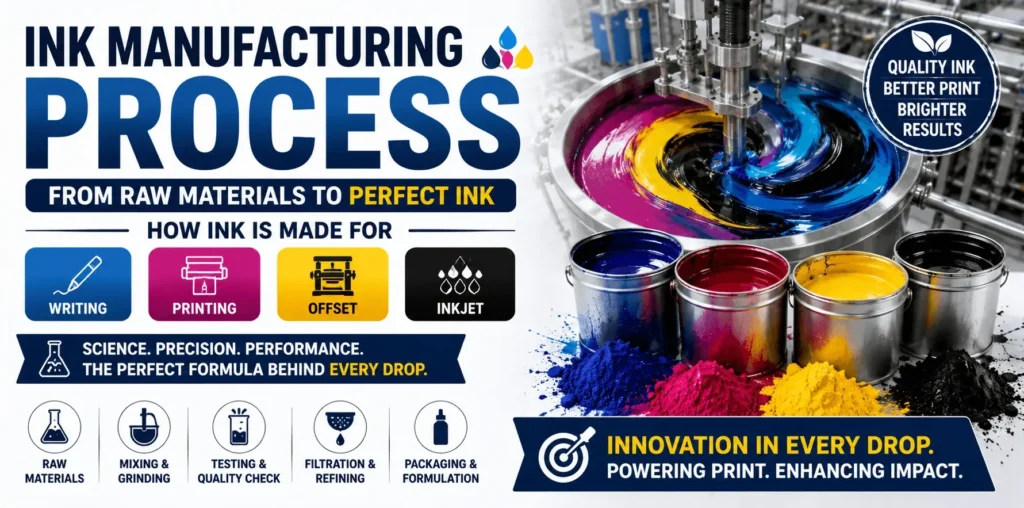
Ink Manufacturing Process for Printing & Industrial Applications, How Ink is made for Writing, Printing, Offset & Inkjet - NPCS Blog

Ink Manufacturing Process for Printing & Industrial Applications | How Ink is made for Writing, Printing, Offset & Inkjet.

Ink Manufacturing Process for Printing & Industrial Applications | How Ink is made for Writing, Printing, Offset & Inkjet. Read More »

The ink manufacturing process is a sophisticated industrial procedure involving pigments, binders, solvents, additives, and advanced processing technologies to produce inks used in writing, printing, packaging, publishing, and industrial applications. Ink is an essential component of communication and artistic expression. Ink has a significant role in human history from Traditional pen inks to modern offset and inkjet printing systems, inks play a vital role in communication, branding, and commercial printing industries. Modern printing ink manufacturing combines chemistry, material science, and precision engineering to create products with high color consistency, durability, drying performance, and print quality. Different ink formulations are developed for offset printing, gravure printing, flexographic printing, screen printing, and digital inkjet applications. Offset Ink Manufacturing Process Offset printing inks are oil-based formulations designed for commercial high-speed printing applications. The process involves pigment dispersion, varnish preparation, milling, viscosity adjustment, filtration, and quality testing for smooth printing performance. Printing Ink Manufacturing Process Printing ink manufacturing involves mixing pigments, solvents, binders, and additives followed by dispersion, milling, filtration, and packaging to create industrial-grade printing inks. Inkjet Ink Manufacturing Process Inkjet ink manufacturing requires ultra-fine particle control and filtration to ensure smooth flow through printer nozzles without clogging. Water-Based Ink Manufacturing Process Water-based inks use water as the primary solvent and are widely used in eco-friendly packaging and flexographic printing applications. Gravure Ink Manufacturing Process Gravure inks are low-viscosity solvent-based inks used in packaging, magazines, decorative laminates, and publication printing industries. The Science Behind How Ink Is Made The process of how ink is made combines a rich blend of art, chemistry, and technology. Ink is not just a simple fluid with color; it is a carefully engineered product designed to meet specific demands based on its application—whether for writing, printing, or painting. The quality and composition of ink vary depending on the medium it is used with, such as pens, offset printers, or inkjet printers. Key Raw Materials Used in Ink Production The primary materials required to manufacture ink fall into four main categories: colorants, binders, solvents, and additives. Each of these components, moreover, plays a crucial role in determining the ink’s behavior, color consistency, and longevity. In particular, colorants define the hue and vibrancy, while binders ensure the pigment adheres to the surface. Meanwhile, solvents control the ink’s flow and drying time, and finally, additives enhance specific properties such as UV resistance, gloss, or durability. 1. Colorants (Pigments and Dyes) Colorants are the agents responsible for the ink’s hue. There are two main types: pigments and dyes. Pigments are finely ground particles that remain suspended in the binder, providing opacity and UV resistance. Dyes, on the other hand, dissolve in the liquid medium, offering brighter and more vibrant colors, though they are often less fade-resistant. Examples of pigments include: Carbon black (for black ink) Titanium dioxide (for white ink) Phthalocyanine (for cyan and green tones) Common dyes include: Eosin (red) Methylene blue Acid yellow 2. Binders Binders are substances that hold the pigment particles together; moreover, they ensure proper adhesion to the paper or printing surface. In the ink industry, typical binders include natural gums, resins, or synthetic polymers. The choice of binder is critical; in fact, it can significantly influence properties such as drying time, durability, and glossiness of the ink. Therefore, manufacturers must carefully select binders based on the desired performance characteristics. Examples: Shellac Alkyd resins Acrylic resins Polyvinyl acetate 3. Solvents Solvents help to dissolve or disperse the ink ingredients and adjust the ink’s viscosity. Depending on the type of ink being produced, the solvent can either be water-based or oil-based. The volatility of the solvent also influences how quickly the ink dries. Examples: Water (used in most modern inkjet and eco-friendly inks) Ethanol Isopropyl alcohol Petroleum distillates 4. Additives Additives are optional ingredients added to modify specific properties of the ink. These include agents for improving flow, preventing clogs, enhancing UV resistance, or providing waterproof capabilities. Common additives include: Surfactants (for reducing surface tension) Dispersants Preservatives Defoamers UV stabilizers Step-by-Step Ink Manufacturing Process The manufacturing process of ink is both art and science, involving mixing, dispersion, milling, filtering, and packaging. Below is a breakdown of the primary stages in ink production: 1. Formulation and Mixing The process starts with selecting the appropriate raw materials and measuring them precisely. The pigments, binders, solvents, and additives are weighed based on the type of ink and its intended use. These materials are then mixed in a large batch mixer. The goal at this stage is to ensure the preliminary blending of components. 2. Dispersion of Pigments Since pigments are insoluble particles, they must be evenly dispersed throughout the mixture. This is achieved using high-speed dispersers or bead mills. Proper dispersion ensures that the ink maintains a uniform color and texture without clumping or settling. This is one of the most crucial steps when ink is made because poor dispersion can lead to quality issues like streaking, clogging, or inconsistent color application. 3. Milling and Grinding After dispersion, the ink mixture is subjected to a milling process using three-roll mills or ball mills. This step further breaks down pigment particles to micron or even nanometer sizes. The smaller the pigment particle, the smoother and more consistent the ink’s application. The milling process also enhances the ink’s gloss, transparency, and drying characteristics. It’s during this step that the full potential of the ink is unlocked. 4. Filtration Subsequently, once the ink has been milled to the desired fineness, it is carefully filtered to eliminate any unwanted solid residues or large particles. As a result, the ink remains stable over time and does not clog fine nozzles in printers or pens. 5. Quality Control Testing Before packaging, the ink undergoes rigorous quality control tests. Parameters such as pH, viscosity, color consistency, drying time, and rub resistance are measured. If any of these values fall outside acceptable ranges, adjustments are made to the formulation. For example: pH is adjusted using acids or bases Viscosity is changed by adding solvents or thickeners Color matching is

How to Start Household Cleaning Products Manufacturing Business

How to Start Household Cleaning Products Manufacturing Business Read More »

Starting a How to Start Household Cleaning Products Manufacturing Business is a smart and timely venture. With growing awareness around hygiene and cleanliness, demand for products like floor cleaners, toilet cleaners, glass cleaners, dishwashing liquids, and disinfectants has skyrocketed in both urban and rural areas. This business offers excellent growth potential with moderate investment, and it aligns well with evolving consumer habits and increased health consciousness. Moreover, with the right strategy, branding, and quality control, entrepreneurs can tap into both domestic and institutional markets effectively. Household Cleaning Products Manufacturing Business The household cleaning products manufacturing business involves the formulation, production, and packaging of a variety of surface and fabric cleaning solutions. These products are used daily in homes, offices, hospitals, schools, and hotels. Due to the shift toward health-focused living post-pandemic, consumers are now more selective about hygiene and cleanliness standards, thereby creating consistent demand for reliable cleaning brands. Market Potential and Industry Trends The Indian home care market is growing at a CAGR of over 9%, expected to reach ?65,000 crore by 2026. The household cleaning segment contributes significantly to this growth. Increasing disposable incomes, rising urbanization, and awareness campaigns about hygiene are driving sales of both branded and affordable local products. Furthermore, eco-friendly and herbal cleaning products are becoming popular among health-conscious consumers. This opens opportunities for niche players in the household cleaning products manufacturing business who can focus on green or organic formulations. Also Read – Investment Opportunity in Edible Oil Manufacturing Unit Types of Household Cleaning Products You Can Manufacture You can start by manufacturing a few essential products and gradually expand your range. Common cleaning products include: 1. Floor Cleaners Liquid-based, scented or unscented, floor cleaners are widely used for mopping and disinfecting floors. 2. Toilet Bowl Cleaners Acid-based products that clean and sanitize toilet bowls. Packaging often includes angled-neck bottles for easy use. 3. Dishwashing Liquid Gentle on hands, but effective in removing grease and oil from utensils. Available in refill packs or bottles. 4. Glass and Surface Cleaners Ammonia-based or alcohol-based sprays used for cleaning glass, mirrors, and stainless steel surfaces. 5. Multipurpose Disinfectants These products serve a dual purpose—cleaning and disinfecting surfaces such as kitchen slabs, furniture, and sinks. Depending on your target market and capacity, you can also manufacture laundry detergents, hand wash, or room fresheners. Manufacturing Process The production of cleaning products involves formulation, blending, and packaging. Here’s a basic overview of the process: 1. Formulation and Mixing Raw chemicals like surfactants, acids, solvents, thickeners, and fragrances are measured and mixed in a blending tank. The formula varies based on the type of product being manufactured. 2. Quality Testing The mixture is tested for pH level, viscosity, effectiveness, and safety. If required, preservatives or colorants are added. 3. Filling and Packaging The finished solution is filled into bottles or pouches using filling machines. These are then sealed, labeled, and packed in cartons for distribution. Proper hygiene, quality checks, and consistency in production are key to building a trustworthy brand in this space. Required Machinery and Equipment Starting a household cleaning products manufacturing business requires some basic but essential machinery. These include: Mixing and blending tanks (stainless steel or plastic) Storage tanks for raw materials and finished products Liquid filling machines (manual/semi-automatic/automatic) Capping and sealing machines Labeling machines Water purification units (for demineralized water) Packaging machines (shrink wrapping, pouch sealing) For small-scale units, semi-automatic machines are cost-effective and sufficient. Investment and Cost Analysis The total investment depends on your production scale, location, and whether you plan to launch your own brand. Here’s a general estimate for a small to medium-scale unit: Expense Category Estimated Cost (INR) Machinery & Equipment ?5 – ?10 lakh Raw Materials (initial stock) ?3 – ?5 lakh Bottles, Labels & Packaging ?2 – ?4 lakh Land/Rent & Infrastructure ?5 – ?10 lakh Licenses & Certifications ?1 – ?2 lakh Marketing & Branding ?2 – ?3 lakh Total Estimated Investment ?18 – ?30 lakh If you opt for contract manufacturing, your capital investment can be significantly reduced. Raw Materials Used Some commonly used raw materials include: Sodium Lauryl Sulfate (SLS) Sodium Hydroxide (NaOH) Hydrochloric Acid (HCL) or Sulfamic Acid Isopropyl Alcohol or Ethanol Fragrances and Colorants Essential Oils (optional) Water (preferably demineralized) Make sure to source chemicals from certified suppliers and comply with safety regulations while handling them. Licensing and Compliance To legally operate your household cleaning products manufacturing business, you’ll need the following approvals: MSME/Udyam Registration Factory License GST Registration Pollution Control Board NOC BIS Certification (optional but adds credibility) Drug License (if using disinfectants or alcohol-based formulas) Trademark Registration (for brand protection) Maintaining proper Material Safety Data Sheets (MSDS) and labeling requirements is essential to meet regulatory norms. Target Market and Distribution Your cleaning products can be sold through multiple channels: Retailers and Supermarkets E-commerce Platforms (Amazon, Flipkart, etc.) Institutional Buyers (hotels, offices, hospitals) Wholesale Distributors Your Own Website and Social Media To penetrate the market quickly, consider offering bulk purchase discounts or product bundles. Eye-catching packaging and strong branding also help attract customers in a crowded segment. Profit Margin and ROI The household cleaning products manufacturing business offers attractive margins due to low production costs and strong demand. Gross Margin: 40% – 60% Net Profit Margin: 15% – 30% Break-even Point: 12 – 18 months Return on Investment: Within 2 years (on average) Additionally, as your brand grows and production scales, profit margins improve significantly due to economies of scale. Sustainability and Innovation As consumers become more eco-conscious, you can consider producing: Herbal or plant-based cleaners Biodegradable packaging Refill pouch systems to reduce plastic waste These innovations not only reduce environmental impact but also appeal to premium and health-focused customers. Also Read – Profitable Manufacturing & Processing Business Ideas in Haryana Conclusion The household cleaning products manufacturing business is a low-risk, high-reward opportunity in today’s hygiene-driven world. With consistent demand, relatively low entry barriers, and scalability, it’s an excellent choice for entrepreneurs looking to start a sustainable and profitable venture. Whether you start with basic

Best Profitable Manufacturing & Processing Business Ideas in Rajasthan

Best Profitable Manufacturing & Processing Business Ideas in Rajasthan Read More »

Rajasthan, the largest state in India by area, is not only rich in cultural heritage but also in mineral resources, skilled craftsmanship, and agro-produce. While tourism and handicrafts dominate the state’s image, there’s a growing industrial presence that offers vast potential for entrepreneurs. With robust connectivity, investor-friendly policies, and abundant natural resources, Rajasthan is ideal for exploring manufacturing & processing business ideas in Rajasthan. The state government’s consistent push toward MSME development, ease of doing business, and industrial parks further make it a lucrative destination for both traditional and modern industries. Manufacturing & Processing Business Ideas in Rajasthan Over the past decade, Rajasthan has positioned itself as a hub for mineral-based, agro-based, and textile industries. With more than 360 industrial areas developed by RIICO (Rajasthan State Industrial Development and Investment Corporation), the state provides infrastructure and policy support to aspiring manufacturers. Moreover, favorable conditions like land availability, solar energy access, and skilled manpower enhance the feasibility of establishing manufacturing & processing business ideas in Rajasthan across diverse sectors. Let’s dive into some of the most promising opportunities. See Also :- Processing Business Ideas in Telangana 1. Marble and Stone Processing Units Rajasthan is the largest producer of marble and sandstone in India. Districts like Kishangarh, Makrana, and Udaipur are globally known for high-quality marble and granite. Entrepreneurs can invest in: Marble cutting and polishing units Stone carving and sculpture manufacturing Modular kitchen countertops and flooring tiles Marble mosaic and handicraft production With domestic and export demand on the rise, this business offers high margins and long-term scalability. Additionally, the government supports this sector under the Mining and Mineral Processing Policy. See Also :- Manufacturing & Processing Business Ideas in Arunachal Pradesh 2. Handicraft and Traditional Furniture Manufacturing Rajasthan’s artisanal skills in woodwork, metal art, and blue pottery are globally appreciated. Establishing manufacturing units that modernize and scale these crafts can involve: Carved wooden furniture production Iron and brass decorative items Lacquered and painted handicrafts Block-printed home décor items By blending traditional craftsmanship with modern design, these products have vast domestic and export potential. E-commerce and tourism outlets also offer strong retail opportunities for such unique products. See Also :- Manufacturing & Processing Business Ideas in Goa 3. Textile and Apparel Manufacturing The state has long been known for its rich textile heritage, including Bandhani, Kota Doria, Sanganeri prints, and tie-dye art. Entrepreneurs can leverage this with: Handloom and power loom units Fabric dyeing and printing Garment stitching and finishing units Apparel export businesses Industrial zones in Bhilwara, Pali, and Jaipur support large-scale textile units. With access to raw cotton, skilled labor, and textile-specific incentives, this is one of the most established manufacturing & processing business ideas in Rajasthan. 4. Spices and Agro-Processing Units Rajasthan’s climate supports the cultivation of chillies, cumin, coriander, mustard, and garlic in abundance. Establishing agro-processing units offers options like: Spice grinding and blending Cold-pressed oil extraction (mustard, sesame) Papad and namkeen manufacturing Pickles and chutney bottling With proper packaging and branding, these items cater to health-conscious and ethnic food markets across India and abroad. Backward linkage with local farmers further reduces input costs and supports inclusive growth. See Also :- Manufacturing & Processing Business Ideas in Gujarat 5. Dairy Product Manufacturing Rajasthan is one of the top milk-producing states in India, and the demand for quality dairy products continues to rise. Entrepreneurs can set up: Paneer and ghee manufacturing units Flavored milk and yogurt production Milk powder and condensed milk processing Ice cream and frozen dessert lines Modern dairy units can partner with village dairy cooperatives for raw milk sourcing. Value addition, hygienic packaging, and consistent quality make this sector ideal for retail and institutional supply chains. 6. Mineral-Based Processing Plants Rajasthan is rich in minerals like gypsum, quartz, feldspar, bentonite, and zinc. With proper licensing and machinery, small and mid-scale units can explore: Gypsum board and plaster manufacturing Ceramic and glass-grade feldspar processing Wall putty and cement-based product units Bentonite-based drilling and industrial applications These industries require moderate investment but enjoy high demand from construction, chemical, and export sectors. Support from RIICO’s mineral zones helps simplify setup procedures. 7. Solar Panel Assembly and Equipment Manufacturing Given the high solar irradiance in Rajasthan, solar energy has become a major focus area. Entrepreneurs can benefit by setting up: Solar panel assembly units Inverter and battery storage system manufacturing Solar lighting products (lanterns, street lights) Solar pump and water heater fabrication The government promotes solar manufacturing through capital subsidies, and Rajasthan Solar Park zones provide ideal locations for such industries. This sector is aligned with India’s clean energy mission and has high growth potential. See Also :- Make Profits in Noodles and Sewai Making Business 8. Packaging Material Manufacturing With increasing e-commerce and FMCG activity, the need for packaging materials is soaring. Manufacturing units in this sector can produce: Corrugated boxes and cartons Biodegradable and paper-based packaging Plastic containers and pouches Bubble wrap, tapes, and foils Being located near industrial hubs and agricultural zones gives manufacturers access to consistent demand. Environment-friendly packaging solutions, in particular, are gaining rapid traction. 9. Herbal and Ayurvedic Product Manufacturing Rajasthan’s desert flora, like aloe vera, amla, ashwagandha, and senna, is widely used in wellness and pharmaceutical products. A small processing unit can produce: Herbal juice and extracts Ayurvedic oils, powders, and capsules Natural skincare and cosmetic items Organic herbal teas and supplements The increasing global focus on wellness and immunity has made this one of the most promising manufacturing & processing business ideas in Rajasthan. AYUSH certification and GMP compliance further boost credibility and market access. 10. Processed Food and Bakery Items With rising urbanization and tourism, demand for hygienic, ready-to-eat, and bakery products is rising across Rajasthan. Entrepreneurs can invest in: Packaged snacks and bakery items Rajasthani sweets and savories RTE (Ready-to-Eat) meal kits Vacuum-sealed dry foods and mithai Modern packaging, shelf-life extension, and quality control are key to success. Proximity to tourist destinations can give such businesses a retail and branding advantage. Government Incentives for Manufacturing in Rajasthan The Rajasthan government offers extensive support

Make Products from Waste Rice Husk – Profitable Ideas for 2025

Make Products from Waste Rice Husk – Profitable Ideas for 2025 Read More »

Rice Husk Waste, a byproduct of rice milling, is often treated as agricultural residue. However, with the advancement of sustainable manufacturing and innovative technologies, rice husk waste has emerged as a valuable raw material across several industries. India, being one of the largest producers of rice, generates millions of tons of rice husk annually. Instead of allowing this biomass to go to waste or pollute the environment through open burning, entrepreneurs and manufacturers can tap into a variety of profitable opportunities. From energy production to high-value products like silica and insulation materials, rice husk waste offers immense potential for eco-conscious businesses. Understanding the Potential of Rice Husk Waste Rice husk, also known as paddy husk, forms approximately 20% of the paddy grain during the milling process. Its chemical composition includes cellulose, lignin, and high amounts of silica – making it ideal for thermal insulation, energy generation, and industrial use. Earlier, rice husk waste was discarded or used in low-value applications such as cattle feed fillers or as fuel in inefficient stoves. Today, however, its value has grown in tandem with global efforts toward sustainability. See Also: Camphor Manufacturing Business 1. Power and Energy Generation One of the most prominent uses of rice husk waste is in power generation. Rice husk can be combusted directly in boilers to produce steam for electricity generation in biomass power plants. It serves as an alternative to coal and other fossil fuels, significantly reducing carbon emissions. With a calorific value of about 3000 kcal/kg, rice husk waste is considered an efficient and renewable fuel source. It can be used in: Biomass gasifiers Co-generation systems in rice mills Pellet manufacturing units Setting up a rice husk-based power plant not only creates energy but also adds economic value to the waste generated in the same mill where rice is processed. 2. Production of Rice Husk Ash (RHA) Another valuable transformation of rice husk waste is into Rice Husk Ash (RHA). When rice husk is burned under controlled conditions, it produces RHA, which is rich in amorphous silica. This form of silica is highly reactive and can be used in the manufacture of: High-performance concrete Refractory bricks Rubber and plastic fillers Steel industry applications as a slag remover Due to its high silica content (up to 90%), RHA is a sought-after material globally. Manufacturing RHA and selling it to industrial users is a cost-effective business model, especially for entrepreneurs near rice-producing zones. 3. Silica Extraction from Rice Husk Waste Silica is a widely used compound in rubber, paint, electronics, cosmetics, and other industries. Extracting pure silica from rice husk waste requires chemical treatment methods, but the final product commands a high market price. India imports a considerable quantity of silica annually, so local extraction from rice husk can reduce dependency and open new avenues for domestic production. The extraction process typically involves: Acid leaching Controlled combustion Precipitation techniques This manufacturing segment requires moderate investment in equipment and technical know-how, but it promises high returns due to increasing demand in electronics and solar panel production. 4. Rice Husk Board Manufacturing Rice husk waste is an excellent alternative to wood in the creation of particle boards and fiberboards. With deforestation and rising timber costs, industries are shifting toward agro-waste-based boards. Rice husk boards are termite-resistant, waterproof, fire-retardant, and suitable for furniture, packaging, and construction panels. The manufacturing process includes: Mixing rice husk with binding resin Pressing under high pressure and temperature Finishing and surface treatment This eco-friendly building material is gaining popularity in both rural and urban infrastructure projects, offering a sustainable replacement to plywood and MDF. 5. Biochar and Soil Amendment In sustainable agriculture, rice husk waste plays a pivotal role when converted into biochar. Biochar improves soil fertility, enhances moisture retention, and reduces the need for chemical fertilizers. It’s also recognized for its carbon sequestration capabilities, making it a climate-smart farming input. Producing biochar involves pyrolysis – a process of decomposing biomass in the absence of oxygen. Small-scale units can be established in farming regions to help local farmers enrich their soil while managing agricultural waste effectively. See Also: Automatic Fly Ash Brick Making Plant 6. Activated Carbon Production Activated carbon, used extensively in water purification, air filters, and pharmaceutical industries, can be made from rice husk waste. Through carbonization and activation processes, the porous nature of rice husk is enhanced, creating a material that absorbs toxins and impurities efficiently. Manufacturing involves: Charring the rice husk under controlled temperature Steam or chemical activation Drying and packaging Given the rise in demand for clean water and air, especially in urban centers, this is a promising business opportunity. 7. Rice Husk Pellet Manufacturing Rice husk pellets are a compact and efficient fuel source that can be used for domestic cooking, heating, and industrial boilers. The pellets are produced using pelletizing machines that compress the husk under high pressure. These units are particularly suitable for rural setups and offer an affordable, clean-burning alternative to firewood and LPG. This process is relatively low-tech and can be operated in both semi-automatic and automatic modes, depending on the scale. The growing interest in renewable and decentralized energy systems further drives the demand for such pellets. Environmental and Economic Benefits Utilizing rice husk waste through manufacturing not only reduces environmental pollution but also creates jobs and strengthens rural economies. Some of the key benefits include: Reduction in open-field burning, lowering air pollution Encouragement of decentralized industries in rice-growing areas Boost to the circular economy and green entrepreneurship Conservation of non-renewable resources like coal and timber Moreover, government support in terms of subsidies and incentives for biomass utilization makes it easier for startups and MSMEs to step into this sector. Government Schemes and Financial Assistance To promote the reuse of agricultural waste, the Indian government has introduced several schemes under MNRE (Ministry of New and Renewable Energy), MSME incentives, and pollution control grants. Financial aid for rice husk-based units includes: Soft loans through NABARD and SIDBI Capital subsidies under biomass utilization programs Tax exemptions for

Have a business idea? Let's make it happen together-contact us now!


Contact Form Demo

This will close in 0 seconds

Translate »