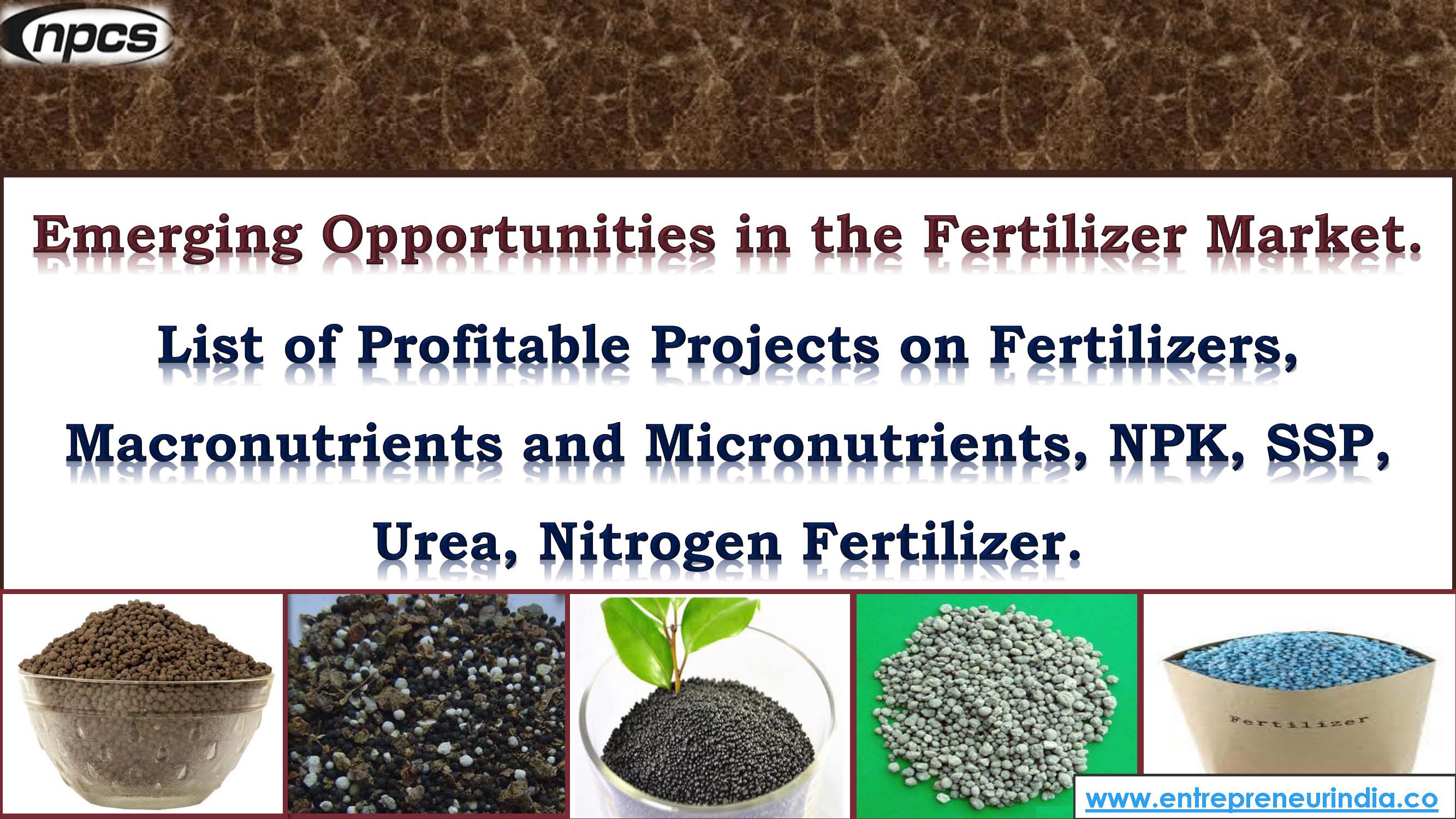
As agriculture becomes smarter and more sustainable, the global demand for high-efficiency and eco-friendly inputs is soaring. This evolution is opening up numerous emerging opportunities in the fertilizer market. With the need to boost soil health, increase crop productivity, and reduce environmental damage, traditional fertilizers are being replaced or supplemented by bio-based, nano, and specialty formulations. For entrepreneurs, investors, and agritech innovators, this market is ripe for disruption and growth. From advanced manufacturing to precision delivery, the fertilizer space is witnessing a shift towards innovation-led profitability.
Emerging Opportunities in the Fertilizer Market
The rising global population, shrinking farmland, and environmental concerns are driving change in fertilizer technology and distribution. Stakeholders who identify and act on the emerging opportunities in the fertilizer market can gain significant returns. Whether it’s tapping into organic farming trends or digitizing fertilizer delivery, the scope of innovation is vast and impactful.
1. Biofertilizers and Organic Inputs
There’s growing demand for natural and microbial-based solutions in agriculture.
Why it’s gaining ground:
Health-conscious consumers prefer chemical-free produce
Governments are promoting organic certification and export
Soil-friendly, sustainable, and easy to apply
Useful for cereals, pulses, horticulture, and spices
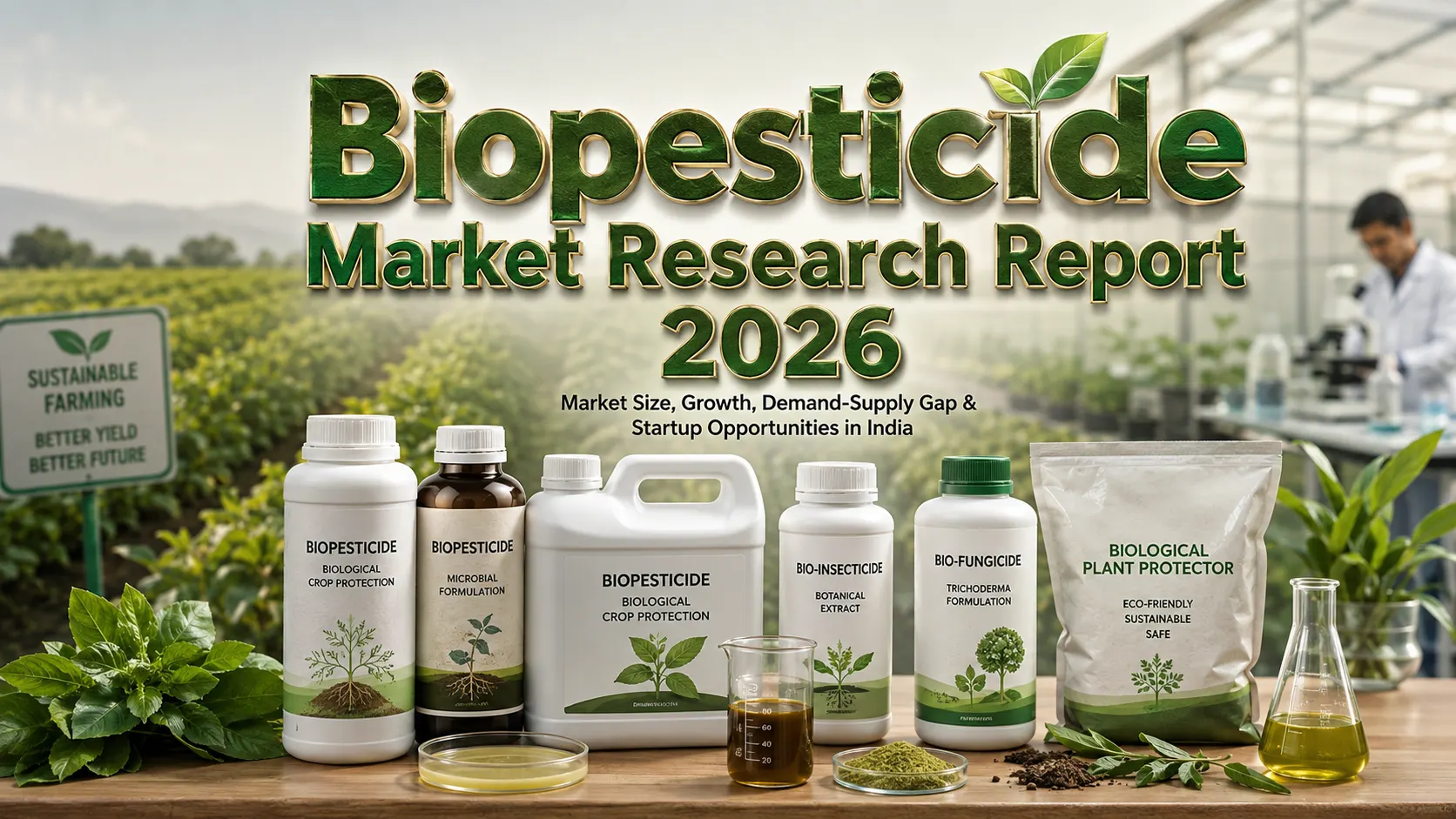
Biofertilizers like Rhizobium, Azospirillum, or phosphate-solubilizing bacteria enhance nutrient availability naturally. Setting up a biofertilizer production unit requires moderate investment and strong scientific guidance.
This is one of the most accessible emerging opportunities in the fertilizer market for startups aiming to serve both organic and conventional farms.
See Also:- Holiday Resort Timeshare Resorts Business Opportunity
2. Nano Fertilizer Formulations
Nanotechnology is revolutionizing input delivery.
What makes it attractive:
Higher nutrient efficiency
Lower application dose with better absorption
Reduces leaching and environmental harm
Ideal for foliar sprays and drip systems
India is leading in nano urea production. Entrepreneurs can explore nano phosphorus, nano zinc, and customized blends. These high-performance fertilizers have long shelf lives and growing demand among progressive farmers.
3. Customized Crop-Based Fertilizer Blends
One-size-fits-all no longer works in modern agriculture.
Farmers now want:
Crop-specific nutrient packs
Region-specific soil compatibility
Seasonal formulations tailored to crop stages
Reduced waste and better productivity
Using soil testing data, companies can formulate crop-wise fertilizers (e.g., rice, sugarcane, maize, etc.) and brand them accordingly. This creates higher brand value and customer loyalty.
This model fits well within the emerging opportunities in the fertilizer market, especially for agritech-backed ventures or cooperatives.
See Also:- Products from Fruits and Vegetables
4. Liquid and Water-Soluble Fertilizers
These formulations work well with modern irrigation systems.
Benefits include:
Easy absorption and application
Compatibility with drip and sprinkler setups
Increased demand in greenhouses and high-value crop farms
Less labor-intensive than traditional fertilizers
Water-soluble NPK, micronutrient blends, and liquid biofertilizers are gaining momentum in protected farming and contract cultivation segments. This opportunity suits both domestic and export markets.
5. Organic Manure and Composting Units
With organic farming growing rapidly, there’s renewed focus on farmyard manure, vermicompost, and enriched compost.
Key advantages:
Converts farm waste into value-added products
Ideal for certification-based organic farming
Can be integrated with poultry, dairy, or mushroom farms
Lower investment and quick breakeven
You can also produce compost from municipal waste or food industry by-products. Positioning the brand as sustainable and traceable adds strong market pull.
This is one of the low-risk, high-impact emerging opportunities in the fertilizer market, especially in semi-urban and rural belts.
See Also:- Start Business in Fisheries and Aquaculture Sector
6. Controlled-Release and Slow-Release Fertilizers
Precision in nutrient release is the next frontier.
These advanced fertilizers:
Match plant nutrient uptake over time
Reduce nitrogen losses and groundwater pollution
Require fewer applications per season
Improve yield and reduce labor costs
Polymers or sulfur-coating help in controlling nutrient availability. These products are in high demand in cash crop farming and large commercial plantations.
Entrepreneurs with access to R&D labs or partnerships can explore this premium product segment confidently.
7. E-Commerce and Direct-to-Farmer Fertilizer Supply
Digitizing the supply chain unlocks massive potential.
What makes it viable:
Farmers can order via mobile apps
Reduced dependency on local dealers
Transparent pricing and access to premium products
Scope for bundling with agri-advisory services
Many startups are building platforms that supply fertilizers, seeds, and pesticides directly to the farm gate. Leveraging logistics and inventory tech ensures operational efficiency.
Tech-backed models represent some of the most scalable emerging opportunities in the fertilizer market, particularly for urban entrepreneurs entering agri-commerce.
See Also:-Profitable Projects on Fuels Production
8. Micronutrient and Secondary Nutrient Blends
Most Indian soils are deficient in micronutrients like zinc, boron, and iron.
Opportunities here include:
Micronutrient-enriched compost
Foliar application mixes
Granulated micronutrient fertilizers
State-approved subsidy products
These blends are essential for improving crop quality, resistance, and overall yield. There’s growing interest in fortifying traditional fertilizers with micro-elements.
You can target horticulture, floriculture, and export-oriented farms with these value-added inputs.
9. Export of Specialty Fertilizers
International markets need organic, nano, and water-soluble fertilizers.
Why exports make sense:
High price realization
Growing demand in Africa, Southeast Asia, and Middle East
India’s low-cost manufacturing advantage
Strong positioning with organic and sustainable labels
Registering under APEDA and ensuring quality certifications can help you build a global fertilizer brand. Export-led manufacturing is among the most lucrative emerging opportunities in the fertilizer market today.
10. Fertilizer Consultancy and Franchise Models
If you have technical knowledge but limited capital, you can offer services instead.
Examples include:
Soil testing services
Crop nutrition planning
Micro-franchise retail shops
Training farmers on input application
You can also distribute innovative brands or become a regional dealer for specialty products. Education-based consulting builds long-term trust and customer base.
This model is perfect for agri-graduates or professionals looking to enter the input supply chain without setting up manufacturing units.
Conclusion
The shift towards smart, sustainable, and science-backed agriculture is unlocking several emerging opportunities in the fertilizer market. From product innovation to tech integration and exports, every link in the fertilizer value chain is ripe for investment. Entrepreneurs who combine agronomy knowledge with business acumen can build scalable ventures that solve real problems for farmers while contributing to food security. Whether you start small with compost or go big with nano-tech, the fertilizer industry offers green growth—both for crops and for your balance sheet.