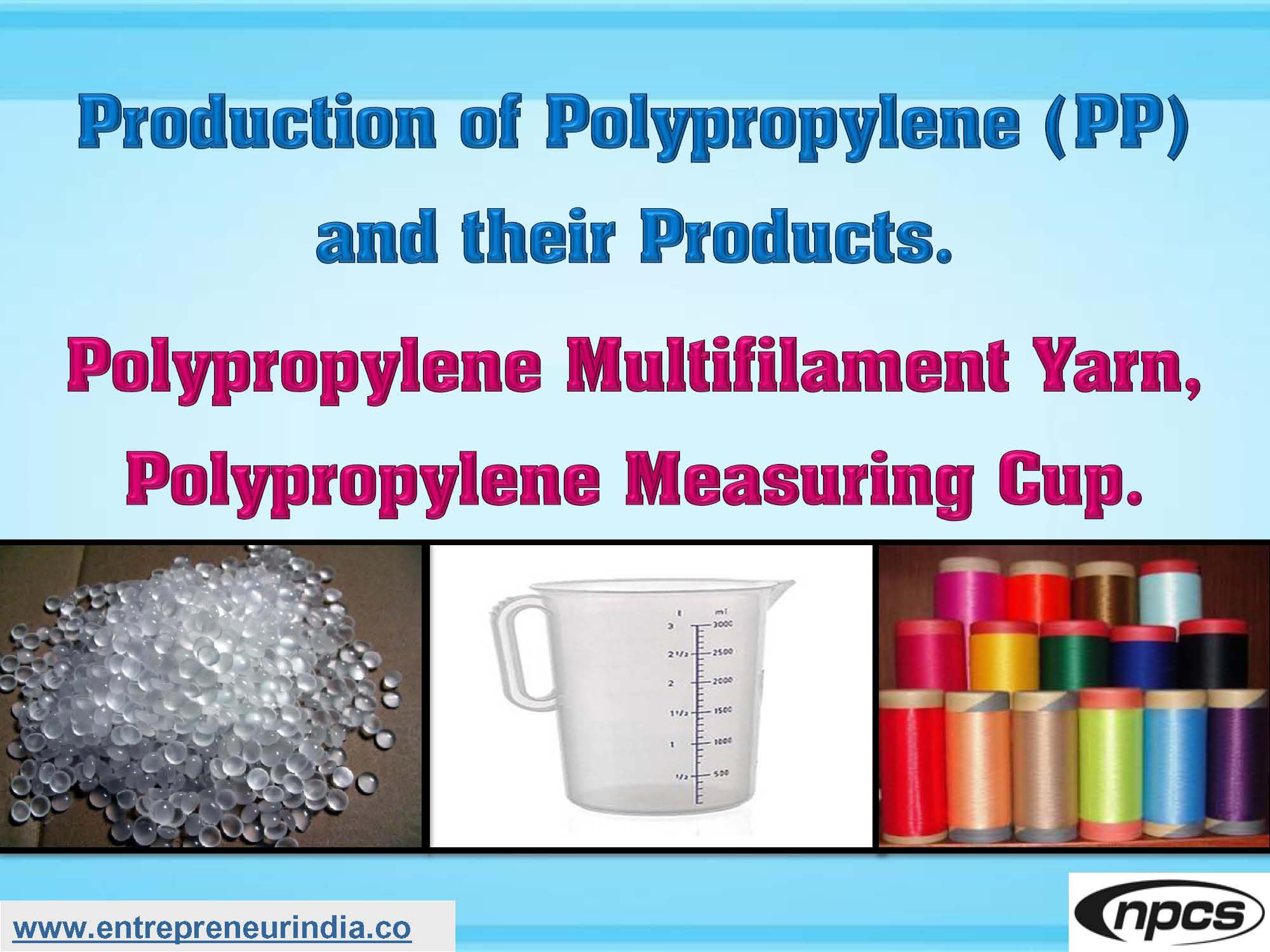
In the world of modern materials, one polymer stands out for its versatility, strength, and cost-effectiveness—polypropylene. The production of polypropylene (PP) and their products has revolutionized industries ranging from packaging and textiles to automotive and healthcare. As a thermoplastic polymer, PP is easy to mold, lightweight, and highly resistant to chemicals. With rapid industrialization, the demand for polypropylene-based products has skyrocketed in India and across the globe. Entrepreneurs, manufacturers, and investors now have the opportunity to establish competitive and profitable ventures in this growing segment.
Production of Polypropylene (PP) and Their Products: Industrial Scope and Opportunities
The production of polypropylene (PP) and their products is considered a cornerstone of the plastics and petrochemicals industry. Its applications are both broad and deep, covering everything from consumer goods to high-performance components. The growing consumption of PP-based goods in packaging, construction, automotive, and household items has pushed India to become one of the fastest-growing polypropylene markets globally. Let’s explore the production process, key products, and business opportunities within this sector.
1. Understanding Polypropylene and Its Properties
Polypropylene is a thermoplastic polymer made from the monomer propylene. It is produced through chain-growth polymerization using catalysts like Ziegler–Natta or metallocene.
Key properties include:
High melting point (130–171°C), ideal for hot-fill applications
Excellent chemical resistance
High impact strength and durability
Lightweight with a low density
Easily recyclable and reusable
Because of these characteristics, the production of polypropylene (PP) and their products supports various applications across both consumer and industrial markets.
See Also:- Holiday Resort Timeshare Resorts Business Opportunity
2. The Polypropylene Manufacturing Process
The production of polypropylene involves several technical steps:
Polymerization of Propylene Gas: Using high-pressure reactors and catalysts, propylene gas is converted into PP granules.
Pelletization: The polymer is cooled, cut, and processed into small pellets for further use.
Additive Blending: Additives such as UV stabilizers, pigments, and anti-static agents are added for specific applications.
Product Molding/Forming: PP granules are molded into end-products using techniques like injection molding, extrusion, blow molding, and thermoforming.
India has numerous polymer plants that produce polypropylene in bulk, and downstream businesses convert it into a wide range of products for domestic and international markets.
3. Major Products Made from Polypropylene
The production of polypropylene (PP) and their products leads to a broad catalog of finished goods. Some of the most in-demand include:
a. PP Woven Bags and Sacks
Used in agriculture, cement, sugar, and fertilizer packaging
Strong and reusable
Customizable sizes and prints
High tensile strength
b. PP Sheets and Films
Used in stationery, packaging, labeling, and folders
High gloss and flexibility
Printable surface for branding
Excellent moisture resistance
c. PP Containers and Household Goods
Buckets, lunch boxes, storage bins, crates
Lightweight and affordable
Available in varied colors and designs
Long-lasting and safe for food use
d. PP Automotive Parts
Dashboards, bumpers, trims, battery casings
Superior impact resistance
Heat-resistant and easy to mold
Reduces vehicle weight and improves fuel efficiency
e. PP Non-Woven Fabrics
Used in hygiene products, surgical masks, and shopping bags
Breathable and non-toxic
Recyclable and biodegradable variants available
Gaining popularity due to single-use plastic bans
See Also:- Products from Fruits and Vegetables
4. Machinery and Setup Requirements
For those planning to enter the field of production of polypropylene (PP) and their products, understanding machinery requirements is crucial. Based on the product type, you may require:
Extruders and blow molding machines
Injection molding units
Die-cutting and printing machines
Granulators for recycling PP waste
Dryers, mixers, and batching equipment
Setup investment varies depending on scale, but a medium-sized plant may require ?50 lakhs to ?2 crores, including land, equipment, and working capital.
5. Market Demand and Export Potential
The demand for polypropylene products in India is expanding due to:
Growth in FMCG, retail, and pharma packaging
Government push for Make in India and infrastructure development
Rising use of PP in eco-friendly bags and non-woven fabrics
Export of PP woven products to Africa, the Middle East, Europe, and the USA
Exporters of PP products benefit from global demand for cost-effective and lightweight packaging solutions. Moreover, customized goods like printed woven bags, laminated films, and PP non-woven rolls are popular in global trade.
See Also:- Start Business in Fisheries and Aquaculture Sector
6. Government Support and Compliance
India’s government supports plastic processing industries through:
Subsidies under MSME schemes
Technology upgradation assistance
Plastic Parks and Common Facility Centers (CFCs)
However, manufacturers must comply with:
Pollution control norms
BIS quality certification (for specific applications)
Plastic Waste Management Rules
FSSAI norms for food-grade containers
Adhering to compliance builds customer trust and opens doors to international markets.
7. Profit Margins and Financial Viability
Profitability in the production of polypropylene (PP) and their products depends on raw material procurement, operational efficiency, product type, and market positioning.
Raw PP prices are influenced by crude oil rates but remain relatively stable
Profit margins range from 10% to 35% depending on value-added features
Recurring income possible through B2B contracts and institutional supply
Niche products like PP geotextiles or 3-layer woven bags yield higher margins
Small units making custom items often see faster ROI due to lower setup costs and flexible production.
8. Sustainability and Recycling Opportunities
One of the biggest advantages of PP is recyclability. Manufacturers can:
Collect PP scrap from factories or post-consumer waste
Wash, grind, and pelletize for reuse in secondary products
Offer recycled PP goods for budget-conscious markets
Innovations like biodegradable PP blends and reusable fabric alternatives make this industry a future-friendly investment.
See Also:-Emerging Opportunities in the Fertilizer Market
Conclusion
The production of polypropylene (PP) and their products offers immense potential for entrepreneurs, manufacturers, and investors alike. As India moves toward industrial diversification, cost-effective and high-performance materials like polypropylene are driving progress in packaging, automotive, textiles, and consumer goods. With the right strategy, regulatory compliance, and product innovation, you can build a thriving business that not only meets domestic demand but also captures global markets.