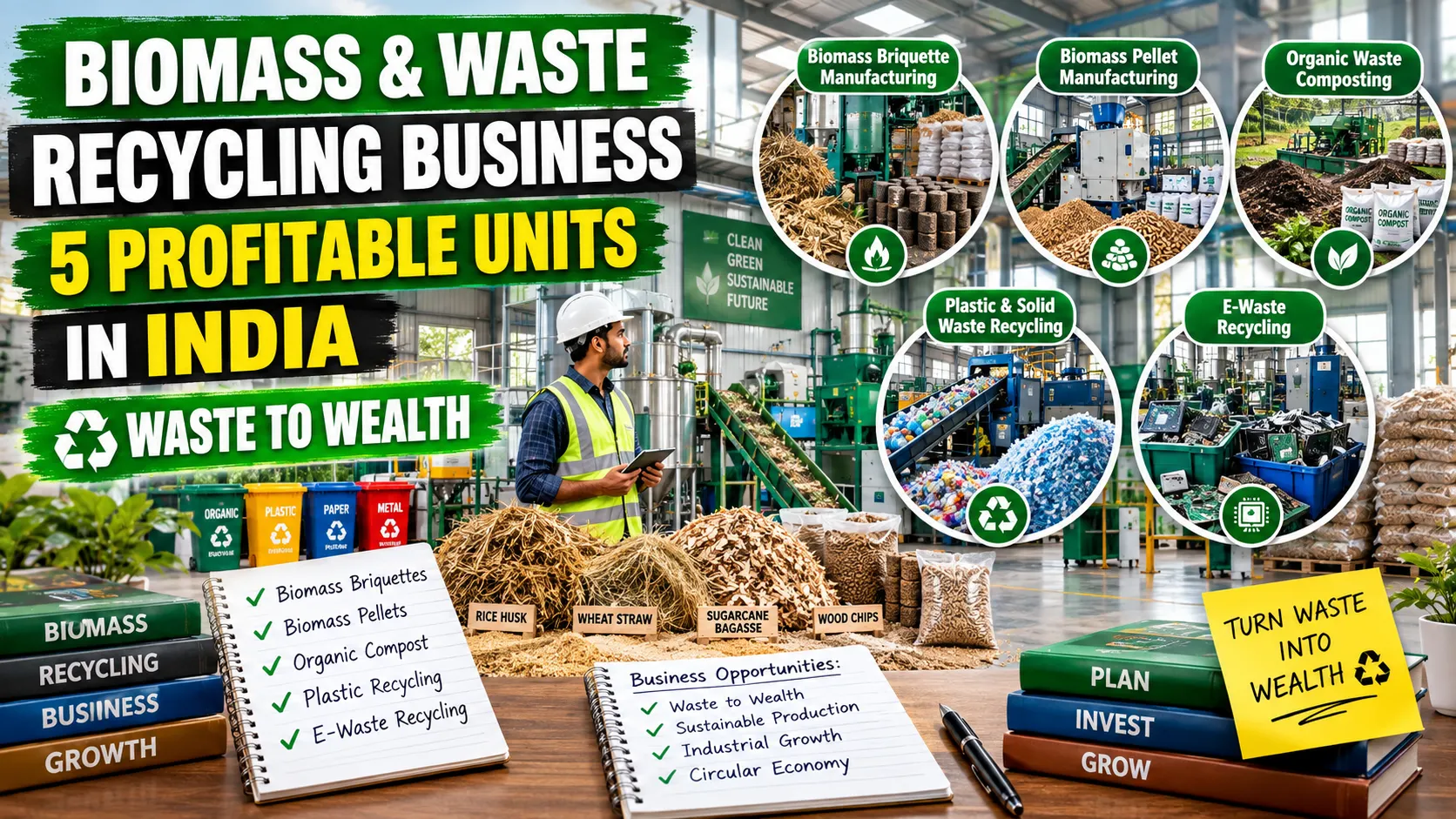
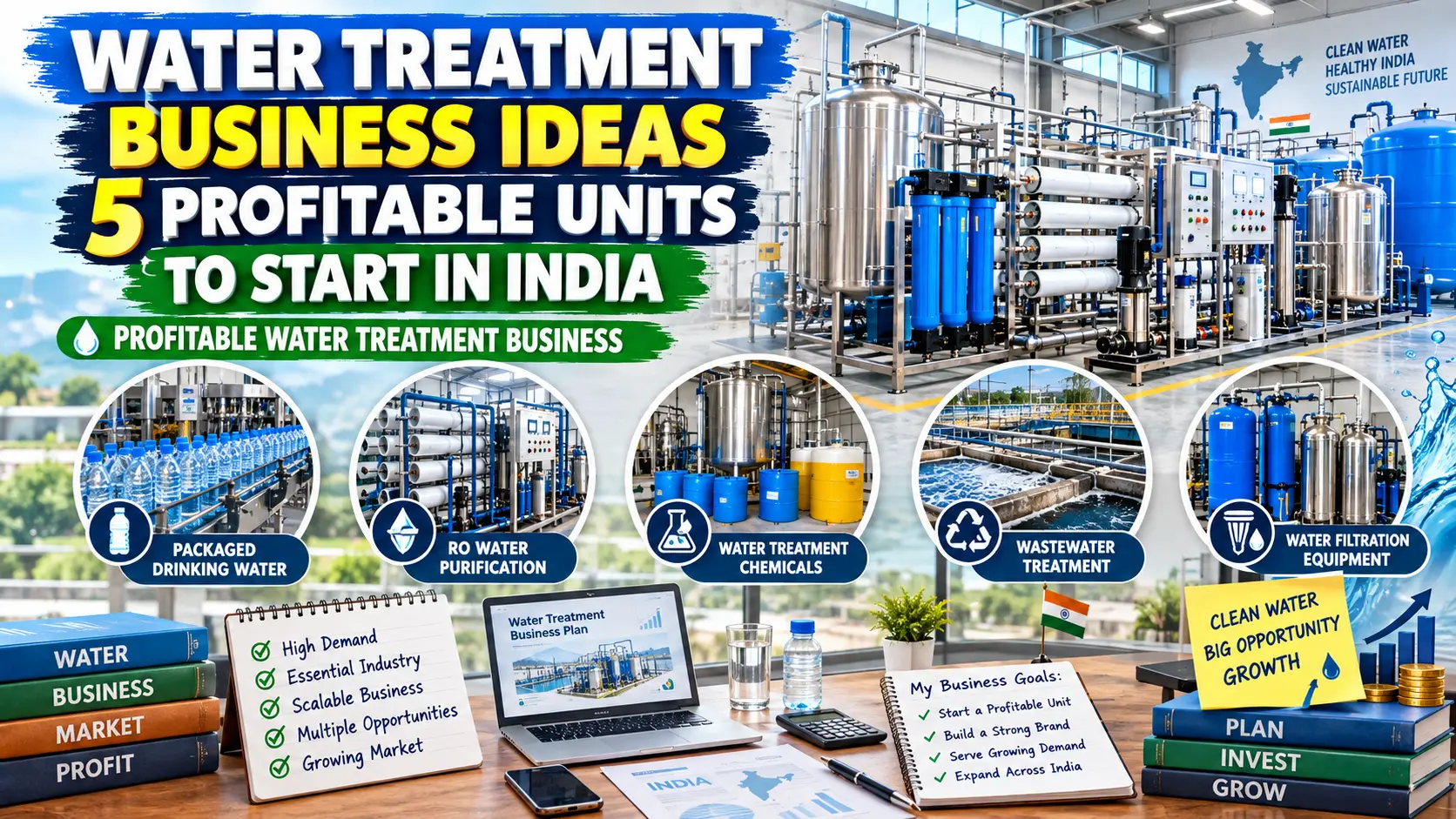
Waste treatment technologies is one that has been gaining momentum in recent years, as people become more aware of the importance of reducing our environmental footprint. Waste treatment technologies are designed to minimize the impacts of waste on our environment by treating it in a safe and efficient manner. These technologies can be used to treat a wide variety of different types of waste, including industrial, hazardous, and even household wastes.
Waste Treatment Technologies
By utilizing the right technologies, we can help to reduce the amount of waste that ends up in our landfills or oceans. This helps to reduce the negative impacts on our environment and also helps to save money by reducing disposal costs. At Waste Treatment Technologies, our goal is to provide customers with reliable and cost-effective waste treatment solutions that meet their specific needs.
The Complete Book on Waste Treatment Technologies (Industrial, Biomedical, Water, Electronic, Municipal, Household/ Kitchen, Farm Animal, Dairy, Poultry, Meat, Fish & Sea Food Industry Waste and Machinery Equipment Details) committed to developing innovative solutions that use advanced technologies to make waste treatment processes more efficient and effective.
Waste management is a global problem that continues to increase with rapid industrialization, population growth, and economic development. Furthermore, as the world hurtles towards an urban future, the amount of Municipal Solid Waste (MSW) is growing very fast? Waste includes any solid material or material that is suspended dissolved or transported in water or deposited on land.
Wastes are generally classified into solid, liquid, and gaseous types and are broadly categorized as household waste; municipal waste; commercial and non-hazardous industrial wastes; e-waste; hazardous (toxic) industrial wastes; construction and demolition waste; health care wastes, which are waste generated in health care facilities (e.g., hospitals, medical research facilities); human and animal wastes; additionally, incinerator wastes.
In the recent years, modern society has become more responsible when it comes to waste management. The fast industrialization, urbanization, modern technology, and rapidly growing population in India have posed a serious challenge to the waste management. In India, per capita generation rate of municipal solid waste ranges from 0.2 to 0.5 kg/day. At present, the daily generation rate in South Asia, East Asia and the Pacific combined is approximately 1.0 million tons per day.
The current scenario reveals that there is a tremendous scope for the development of waste treatment technologies and is expected to offer significant opportunities in the near future. Furthermore, sustainability of waste management is the key for providing an effective service that can satisfy the needs of end users. The Solid Waste Management sector in India has become a very lucrative sector for investors. Moreover, with a growing urgency for efficient waste management in many cities, there will be more and more employment opportunities in the sector. Therefore, the participation of different sectors, as well as the role of government and private organizations, is important for better management of waste.
The Complete Book on Waste Treatment Technologies (Industrial, Biomedical, Water, Electronic, Municipal, Household/ Kitchen, Farm Animal, Dairy, Poultry, Meat, Fish & Sea Food Industry Waste and Machinery Equipment Details) describes the various waste treatment technologies like; Physical treatment techniques, biological treatment techniques, anaerobic lagoon techniques etc. It will be a standard reference book for professionals, entrepreneurs, students, teachers, researchers, administrators, and planners of various disciplines who are directly or indirectly involved in the waste management.
Frequently Asked Question
What types of waste are covered in this book?
This book comprehensively covers all types of waste generated across industries and households. It includes industrial, biomedical, electronic, municipal, kitchen, farm, dairy, poultry, meat, and seafood waste. Readers will gain detailed insights into how each type of waste is classified, handled, and treated using modern technologies.
Why is waste treatment important for industries and households?
Proper waste treatment is essential to protect public health, preserve the environment, and comply with legal regulations. Industries generate complex waste streams that, if untreated, can cause pollution, water contamination, and soil degradation. Even households and farms can benefit from waste treatment to minimize environmental impact and promote sustainability.
Which technologies for waste treatment are explained in the book?
The book explains a wide range of technologies, including biological, chemical, and physical methods. It covers innovative approaches for recycling, composting, water purification, biomedical waste management, electronic waste handling, and energy recovery. Each technology is explained with practical applications for both industrial and household settings.
Who can benefit from reading this book?
This book is useful for environmental engineers, industrial managers, government regulators, students, researchers, and anyone interested in sustainable waste management. Whether you are managing a factory, hospital, farm, or household, the book provides practical strategies to reduce, treat, and manage waste efficiently.