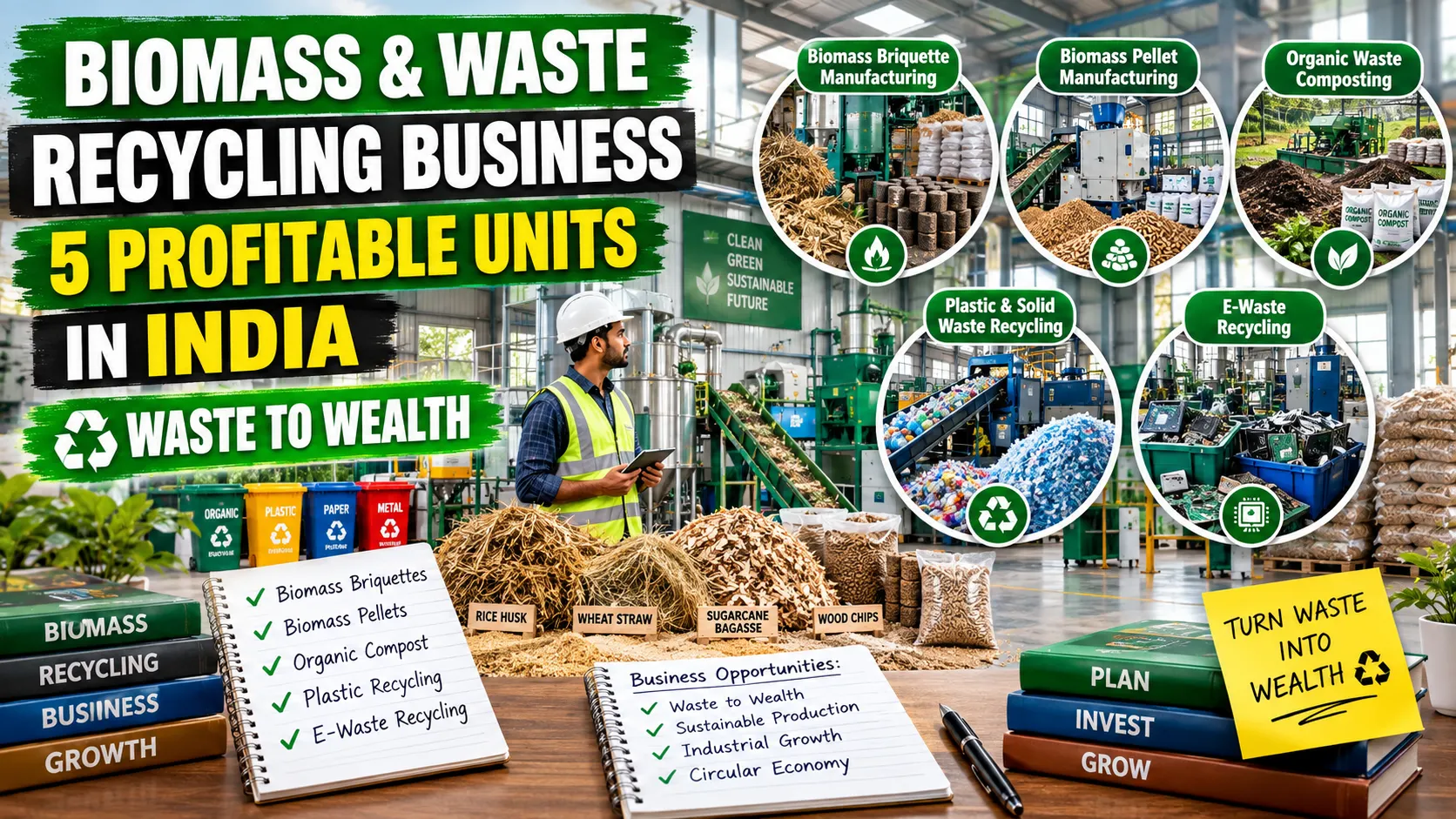
Across rural and industrial landscapes, mountains of agricultural residue often lie discarded after every harvest. Yet, within this overlooked biomass lies massive economic potential. From crop husks and fruit peels to straw and stems, these byproducts can fuel value-added industries, creating income, jobs, and sustainability. With the right approach, agro processing agricultural waste transforms what was once seen as refuse into profitable resources. This shift not only reduces environmental stress but also strengthens the rural economy by opening doors to decentralized small and medium-scale enterprises. As demand for biodegradable, organic, and clean-label products rises, agro-waste processing offers entrepreneurs a smart and future-ready opportunity.
Unlocking Value Through Agro Processing Agricultural Waste
The global push toward zero-waste farming and sustainable resource management has placed agricultural waste in the spotlight. Rather than burning or discarding residues, India and many nations now promote processing as a solution to both pollution and poverty. Agro processing agricultural waste not only addresses solid waste issues but also generates usable goods like biofuels, fibers, enzymes, and organic chemicals.
Let’s explore the many ways agricultural waste can be transformed through processing into high-ROI products and services.
See Also : Business to Start in Gujarat
Biofuel and Biogas from Crop Residue
India produces over 500 million tonnes of crop residue annually. Left unmanaged, this leads to open burning, contributing to severe air pollution. Processing this biomass into fuel is a smart solution.
Key applications:
Briquettes and Pellets: Paddy husk, groundnut shells, and mustard stalks are compressed into fuel briquettes used in industries and cooking.
Biogas Generation: Cattle dung mixed with agro-waste in anaerobic digesters produces methane-rich biogas, ideal for rural energy supply.
Second-Generation Ethanol: Technologies now extract ethanol from rice straw and corn stover, supporting India’s bioethanol program.
Moreover, the by-product slurry from biogas plants acts as organic manure, enhancing soil fertility and closing the loop.
Vermicompost and Organic Manure
Waste from fruits, vegetables, sugarcane bagasse, and food processing plants can be composted effectively into nutrient-rich organic fertilizers.
Processing steps:
Waste is shredded and partially decomposed.
Earthworms (Eisenia fetida) are introduced.
Over 30–45 days, waste is digested and converted into vermicompost.
Benefits:
Enhances soil moisture retention
Supplies slow-release nutrients
Promotes microbial activity in the soil
Reduces chemical fertilizer dependency
As consumers turn to chemical-free produce, the demand for organic compost has soared, making this a lucrative branch of agro processing agricultural waste.
Edible Products from Fruit and Vegetable Waste
Processing fruit peels, seeds, and trimmings opens up new food-grade markets.
Popular conversions include:
Pectin from citrus peels: Used in jams, jellies, and pharmaceuticals as a natural thickener.
Essential oils from lemon and orange peels: Used in beverages, perfumes, and herbal remedies.
Seed oils: Tomato, mango, and jackfruit seeds yield nutritious oils and protein powders.
Fiber-rich flour: Banana peel and carrot waste are processed into gluten-free fiber supplements.
As a result, agro-waste from food processing industries becomes a raw material for health-conscious foods and nutraceuticals.
Fiberboards and Bioplastics from Agricultural Residues
Agro-waste can be a smart substitute for wood and synthetic polymers in making biodegradable alternatives.
Fiber applications:
Particle boards from wheat straw and cotton stalks: Used in furniture and packaging.
Bioplastics from starch-rich residues: Corn husks, potato peels, and cassava waste can be converted into packaging films.
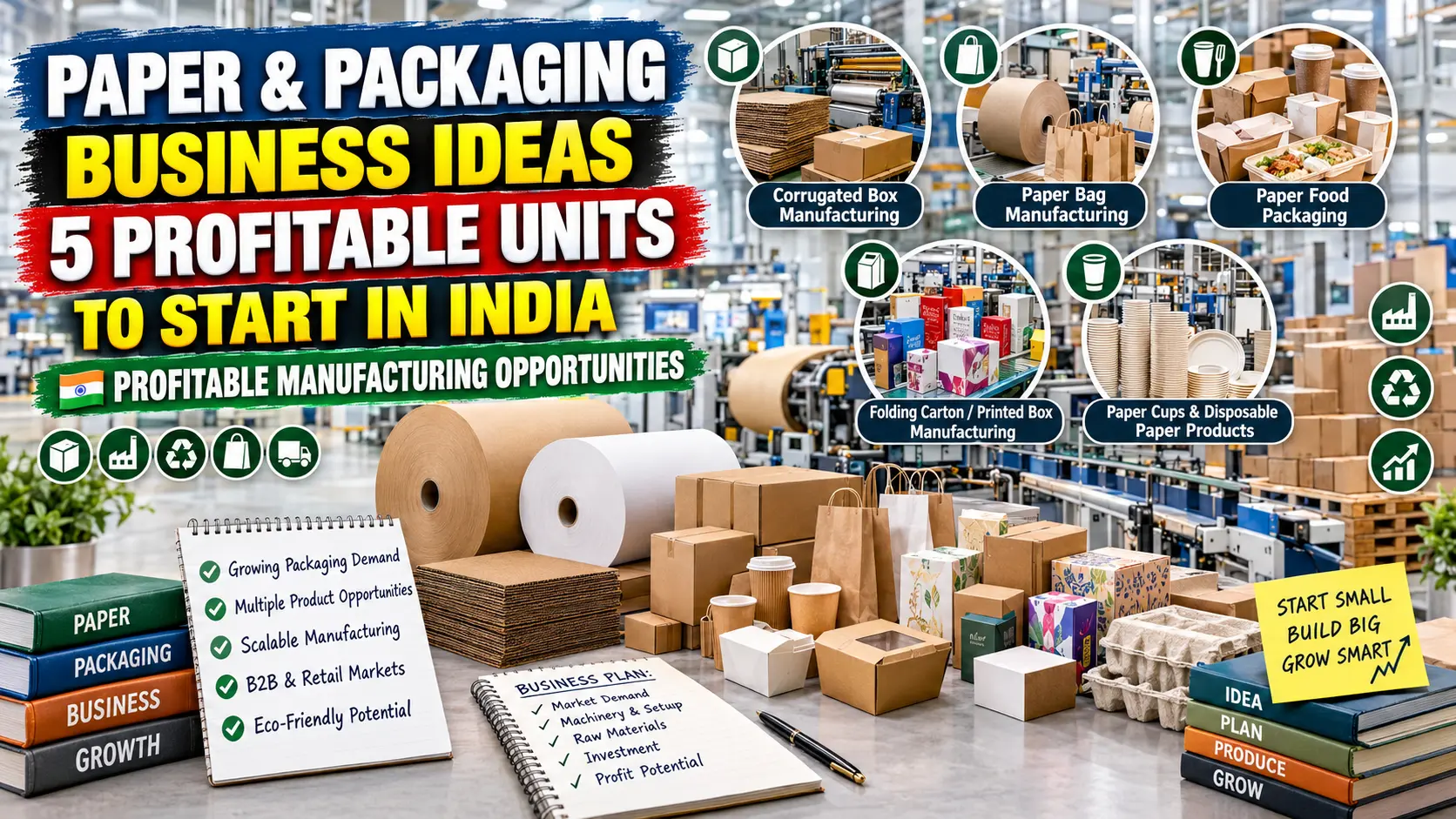
Compostable tableware: Areca palm sheaths and sugarcane bagasse are pressed into plates and bowls.
These sustainable materials reduce deforestation, plastic pollution, and landfill usage—boosting the eco-brand value of manufacturers.
Mushroom Cultivation Using Agro Waste
Agro-waste like paddy straw, cotton stalks, sugarcane bagasse, and sawdust serve as ideal substrates for cultivating high-value mushrooms.
Steps in mushroom farming:
Sterilize the waste substrate.
Inoculate with mushroom spawn (Oyster, Button, Shiitake, etc.).
Maintain humidity and darkness.
Harvest in 3–5 weeks.
Advantages:
Low capital and minimal land use
High yield and quick returns
Potential for export and local market supply
This application makes agro processing agricultural waste both accessible and profitable for rural entrepreneurs.
Enzymes, Dyes, and Bio-Chemicals from Agro Waste
Agricultural waste can be biologically or chemically converted into industrial inputs.
Key products include:
Enzymes (amylase, cellulase) from fruit peels and bran: Used in textile, brewing, and detergent industries.
Natural dyes: Extracted from onion skins, turmeric residue, and beetroot waste.
Xylitol and organic acids: Produced from corn cobs and fruit waste.
Activated carbon: Derived from coconut shells and sugarcane bagasse for water purification.
The global green chemical market is growing rapidly, creating strong export and licensing opportunities in this segment.
Equipment and Machinery for Agro Waste Processing
Setting up a processing unit requires selecting machinery based on the end product and scale of operation.
Common equipment includes:
Choppers and shredders
Pulverizers and sieving machines
Dryers and fermenters
Oil extractors and filter presses
Biogas digesters
Compressors for briquettes
Small-scale machinery is widely available under government subsidies and startup schemes like PMFME (Pradhan Mantri Formalisation of Micro Food Processing Enterprises) and MSME cluster development programs.
Policy Support and Investment Potential
Government policy is actively encouraging the conversion of waste to wealth.
Support mechanisms:
Waste to Energy Scheme: Incentives for bio-CNG and biomass gasifiers.
SATAT Initiative: Promotes Compressed Biogas (CBG) from agro waste.
Startup India and NABARD financing: Help fund small units and working capital.
Agricultural and Processed Food Products Export Development Authority (APEDA): Supports market linkage.
The rising cost of raw materials and growing eco-awareness make agro processing agricultural waste an attractive space for ethical investors, green tech startups, and rural cooperatives.
Read More :Business to Start in Goa
Conclusion
In conclusion, agro processing agricultural waste represents a bold step toward a cleaner environment, stronger rural economy, and sustainable industry. From energy generation and organic fertilizers to high-value bio-chemicals and green packaging, the possibilities are both diverse and profitable. As government schemes, consumer trends, and global demand align, agro-waste processing moves from being an eco-friendly idea to a commercially viable business model. Entrepreneurs and farmers alike can benefit from exploring this domain, turning agricultural leftovers into thriving enterprises. By bridging waste management with wealth creation, this sector offers real potential to transform India’s agricultural economy.